In the context of trading and finance, a black swan event refers to an extremely rare and unexpected occurrence that has a significant impact on financial markets. The term "black swan" was popularized by the writer and former options trader Nassim Nicholas Taleb in his book "The Black Swan." Black swan events are characterized by their unpredictability and the severe consequences they have on markets. They are events that are beyond what is normally expected or anticipated based on historical data and statistical models. These events often catch market participants off guard and can lead to extreme volatility, sharp price movements, and large-scale losses. Some examples of black swan events in financial history include the global financial crisis of 2008, the dot-com bubble burst in the early 2000s, and the stock market crash of 1987. These events had a profound impact on global markets, causing widespread panic, financial instability, and significant economic downturns. Black swan events challenge the assumptions and models used by traders and investors, as they defy conventional wisdom and highlight the limitations of traditional risk management strategies. They serve as a reminder that even the most sophisticated financial models cannot fully account for unforeseen events or rare occurrences that can disrupt markets. As a result, traders and investors must be aware of the possibility of black swan events and incorporate risk management strategies that consider extreme and unexpected market movements. This may include diversifying portfolios, employing hedging techniques, and being prepared to adjust investment strategies in response to rapidly changing market conditions.

Article
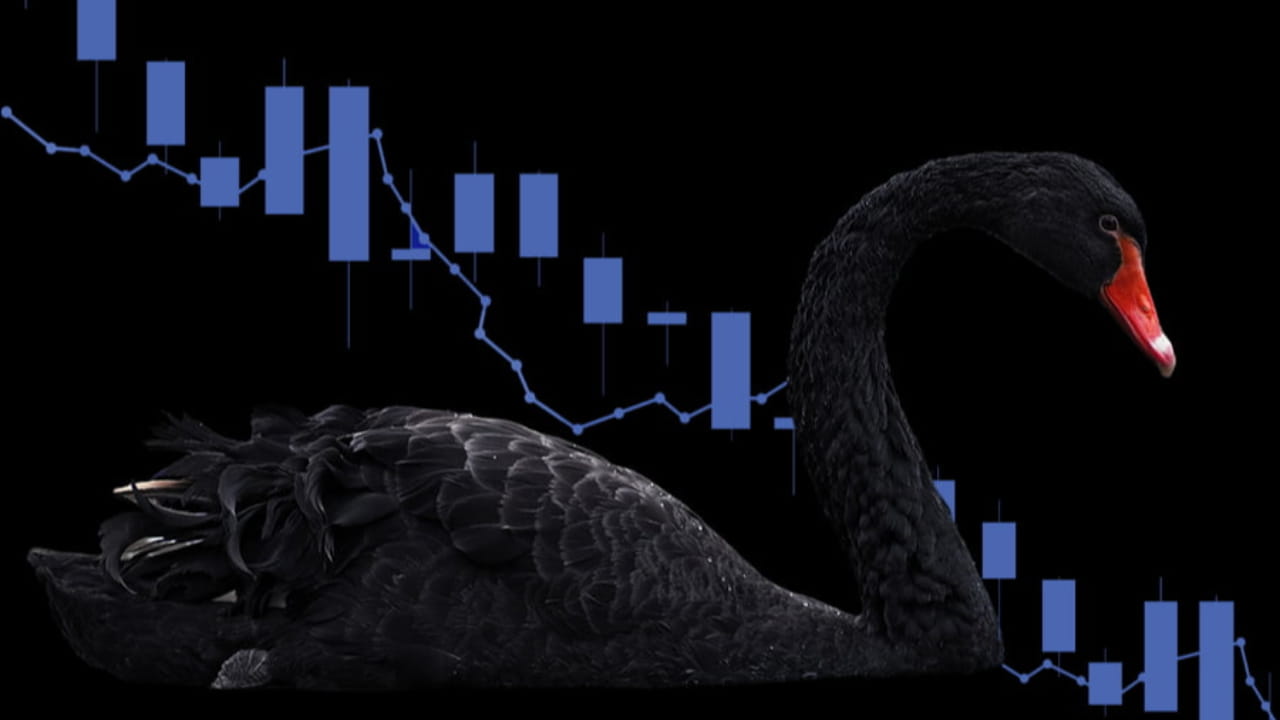
What is a Black Swan Event ?
Avertissement : comprend des opinions de tiers. Il ne s’agit pas d’un conseil financier. Peut inclure du contenu sponsorisé. Consultez les CG.