Chainlink may not need to wait for perfect regulation to create organic $LINK demand; the economic flywheel is already being assembled…
People keep asking why @chainlink hasn’t forced a massive LINK tokenomics change.
Because forcing a pump was never the goal! Burns. Buybacks. Supply shocks. Sure, any of them could send LINK vertical, for a while…
But without sustainable revenue underneath it, that’s just another hyped up pump waiting to get sold off.
Chainlink has been building something MUCH more impactful: organic demand for Chainlink services either priced in LINK or that otherwise adds to a supply sink.
Look at the mechanics already taking shape:
✅ NOPs are paid in $LINK .
✅ Non-enterprise on-chain Chainlink services are paid in LINK— or converted into LINK through Payment Abstraction.
✅ The Reserve acts as a supply sink.
✅ Exciting new release, Fulcrum, is displaying fees in $LINK .
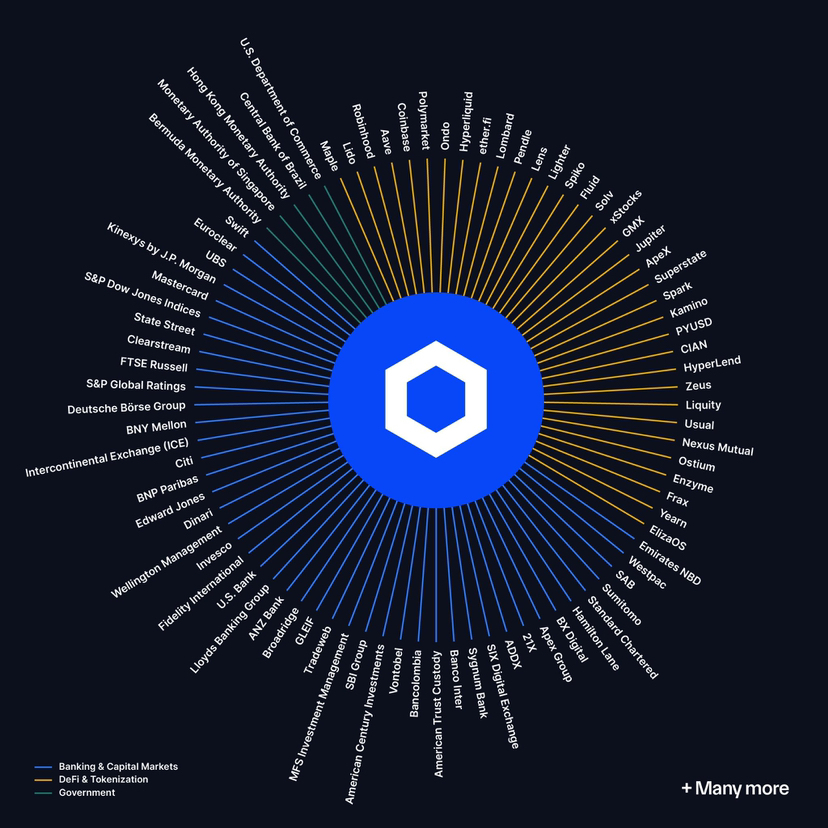
These are not a theoretical tokenomics proposal but utility being wired directly into the network and LINK establishing a demand floor for capital markets and broad utility with no ceiling in sight.
Here’s where it gets really interesting.
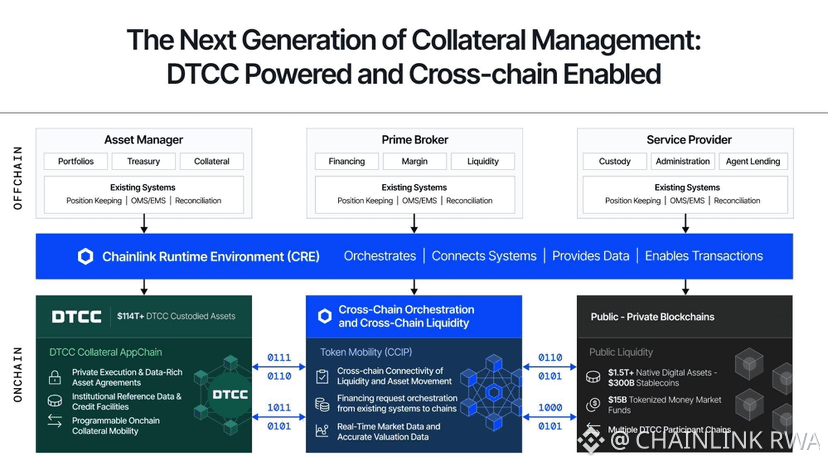
Collateral and repo appear to be emerging as one of the first areas where tokenized finance can scale within a relatively clear existing legal framework. We don’t need every payment regulation in Washington finalized before institutions can move collateral. We don’t need Congress to pass the perfect crypto bill before repo markets can tokenize workflows.
Chainlink intentionally positioned itself right in that stack with Fulcrum and the DTCC Collateral AppChain.
So we could get something far more powerful than a manufactured tokenomics pump: a sustainable utility pump.
More institutional activity → more Chainlink services → more fees → more LINK demand → more LINK absorbed through payment abstraction / network economics → tighter effective supply.
🔥 This can potentially kick off before regulators + Congress finish codifying the regulatory framework that would allow Chainlink to …
People keep asking why @chainlink hasn’t forced a massive LINK tokenomics change.
Because forcing a pump was never the goal! Burns. Buybacks. Supply shocks. Sure, any of them could send LINK vertical, for a while…
But without sustainable revenue underneath it, that’s just another hyped up pump waiting to get sold off.
Chainlink has been building something MUCH more impactful: organic demand for Chainlink services either priced in LINK or that otherwise adds to a supply sink.
Look at the mechanics already taking shape:
✅ NOPs are paid in $LINK .
✅ Non-enterprise on-chain Chainlink services are paid in LINK— or converted into LINK through Payment Abstraction.
✅ The Reserve acts as a supply sink.
✅ Exciting new release, Fulcrum, is displaying fees in $LINK .
These are not a theoretical tokenomics proposal but utility being wired directly into the network and LINK establishing a demand floor for capital markets and broad utility with no ceiling in sight.
Here’s where it gets really interesting.
Collateral and repo appear to be emerging as one of the first areas where tokenized finance can scale within a relatively clear existing legal framework. We don’t need every payment regulation in Washington finalized before institutions can move collateral. We don’t need Congress to pass the perfect crypto bill before repo markets can tokenize workflows.
Chainlink intentionally positioned itself right in that stack with Fulcrum and the DTCC Collateral AppChain.
So we could get something far more powerful than a manufactured tokenomics pump: a sustainable utility pump.
More institutional activity → more Chainlink services → more fees → more LINK demand → more LINK absorbed through payment abstraction / network economics → tighter effective supply.
🔥 This can potentially kick off before regulators + Congress finish codifying the regulatory framework that would allow Chainlink to …