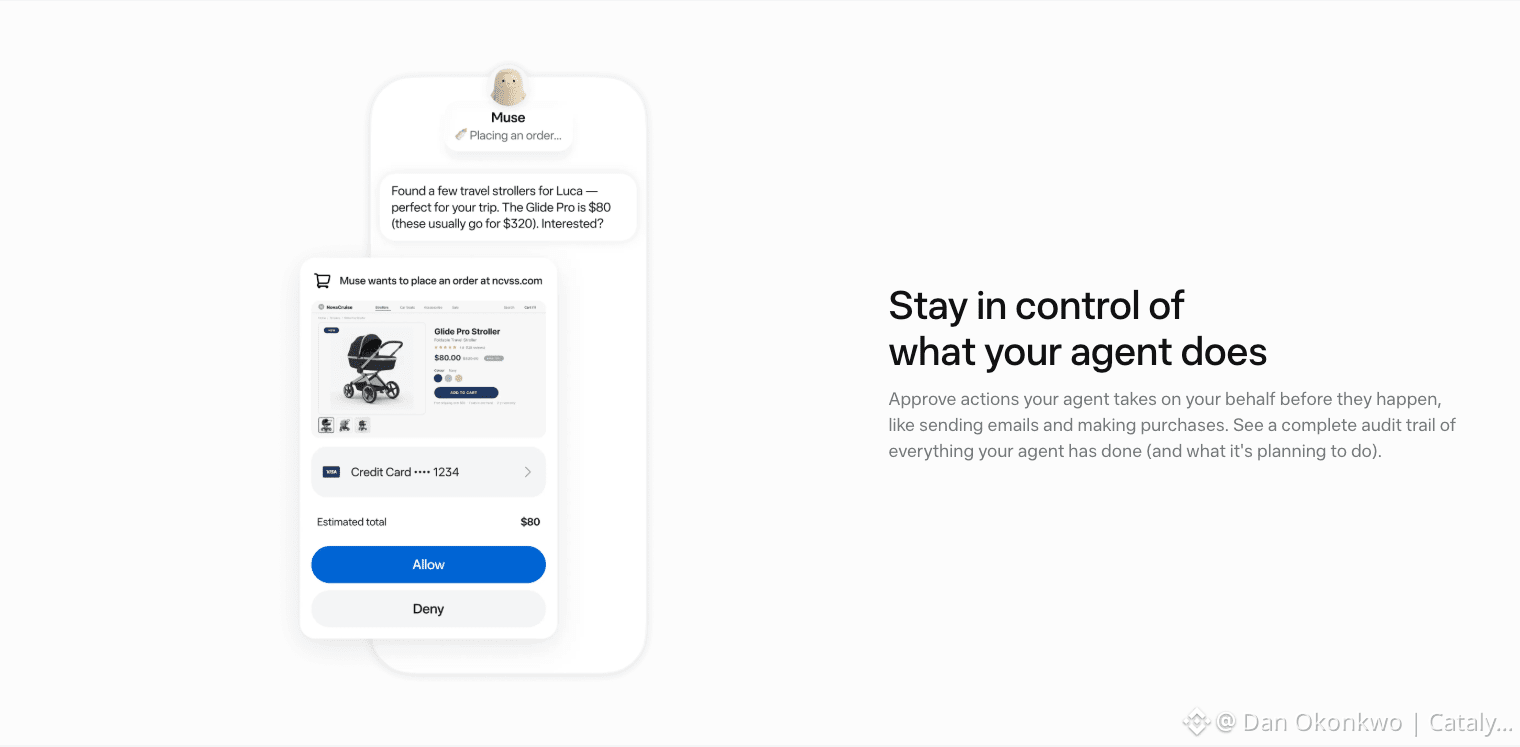
Meta's shopping agent Muse picked up five million downloads in under three weeks. Whether that number becomes a business story depends on one decision Amazon hasn't made yet.
Muse launched Sept. 8 and Shopify opened its storefronts to it. Amazon blocked the crawler outright. Three variables decide how this shakes out.
First, Amazon's ad inventory. Advertising brought in roughly $76 billion over the trailing year — about 12% of retail revenue, but a disproportionate share of profit. Agentic shopping replaces the sponsored results where that revenue lives with a single answer. If Muse redirects existing demand rather than adding new purchases, the hit lands on Amazon's margins, not its top line. The same math threatens Walmart and any retailer leaning on retail media for profit growth.
Second, Shopify's payment rails. Agent-driven checkout flowing through ShopPay makes every integration additive, which is why Shopify can afford — and probably prefers — to share revenue with Meta.
Third, Amazon's counter-move. It can't easily be disintermediated: Prime, purchase data, and a logistics network that delivers in hours aren't things an aggregator replicates. More likely, Amazon strikes deals on its own terms — sponsored listings inside agent results, or steering users to its own first-party agent.
What would prove this view wrong is evidence that agent traffic is genuinely additive — purchases that never would've happened online — or an early Amazon–Muse revenue-share deal that turns the threat into just another channel.
Don't watch the stocks this week; watch Muse's adoption curve. If downloads stall, the whole debate resets. If they keep climbing while Amazon holds the wall, expect sponsored-listing deals with other agents. The variable that deserves the closest monitoring: whether Amazon negotiates access or doubles down on its own agent. Everything downstream follows from that choice.
Muse launched Sept. 8 and Shopify opened its storefronts to it. Amazon blocked the crawler outright. Three variables decide how this shakes out.
First, Amazon's ad inventory. Advertising brought in roughly $76 billion over the trailing year — about 12% of retail revenue, but a disproportionate share of profit. Agentic shopping replaces the sponsored results where that revenue lives with a single answer. If Muse redirects existing demand rather than adding new purchases, the hit lands on Amazon's margins, not its top line. The same math threatens Walmart and any retailer leaning on retail media for profit growth.
Second, Shopify's payment rails. Agent-driven checkout flowing through ShopPay makes every integration additive, which is why Shopify can afford — and probably prefers — to share revenue with Meta.
Third, Amazon's counter-move. It can't easily be disintermediated: Prime, purchase data, and a logistics network that delivers in hours aren't things an aggregator replicates. More likely, Amazon strikes deals on its own terms — sponsored listings inside agent results, or steering users to its own first-party agent.
What would prove this view wrong is evidence that agent traffic is genuinely additive — purchases that never would've happened online — or an early Amazon–Muse revenue-share deal that turns the threat into just another channel.
Don't watch the stocks this week; watch Muse's adoption curve. If downloads stall, the whole debate resets. If they keep climbing while Amazon holds the wall, expect sponsored-listing deals with other agents. The variable that deserves the closest monitoring: whether Amazon negotiates access or doubles down on its own agent. Everything downstream follows from that choice.