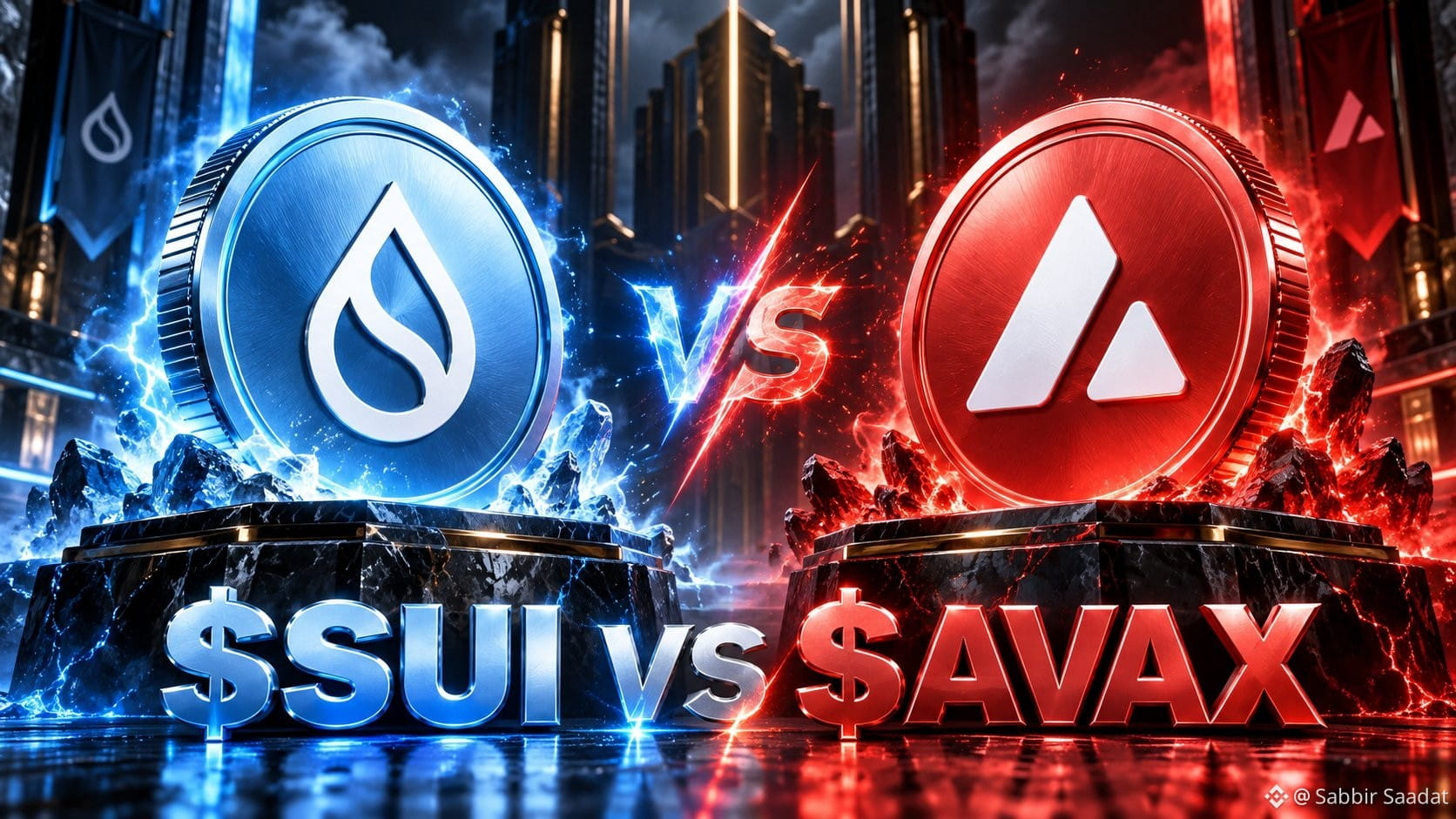

⚔️ $SUI VS $AVAX : WHICH SCALING MODEL WINS?
Sui uses Move and an object-based architecture, allowing transactions involving independent objects to run in parallel. SUI pays network fees and secures the network through staking.
Avalanche offers an EVM-compatible C-Chain plus customizable L1s. Builders can choose their own gas token, virtual machine and validator rules.
The token distinction matters: C-Chain gas requires AVAX, but activity on a custom Avalanche L1 doesn’t necessarily mean users pay gas in AVAX.
My take: SUI offers a compelling model for apps sharing one network. AVAX offers more flexibility for projects wanting their own chain.
I’d judge both by sustained usage and the demand that reaches the token.
Which approach would you back for the next three years?
Sui uses Move and an object-based architecture, allowing transactions involving independent objects to run in parallel. SUI pays network fees and secures the network through staking.
Avalanche offers an EVM-compatible C-Chain plus customizable L1s. Builders can choose their own gas token, virtual machine and validator rules.
The token distinction matters: C-Chain gas requires AVAX, but activity on a custom Avalanche L1 doesn’t necessarily mean users pay gas in AVAX.
My take: SUI offers a compelling model for apps sharing one network. AVAX offers more flexibility for projects wanting their own chain.
I’d judge both by sustained usage and the demand that reaches the token.
Which approach would you back for the next three years?