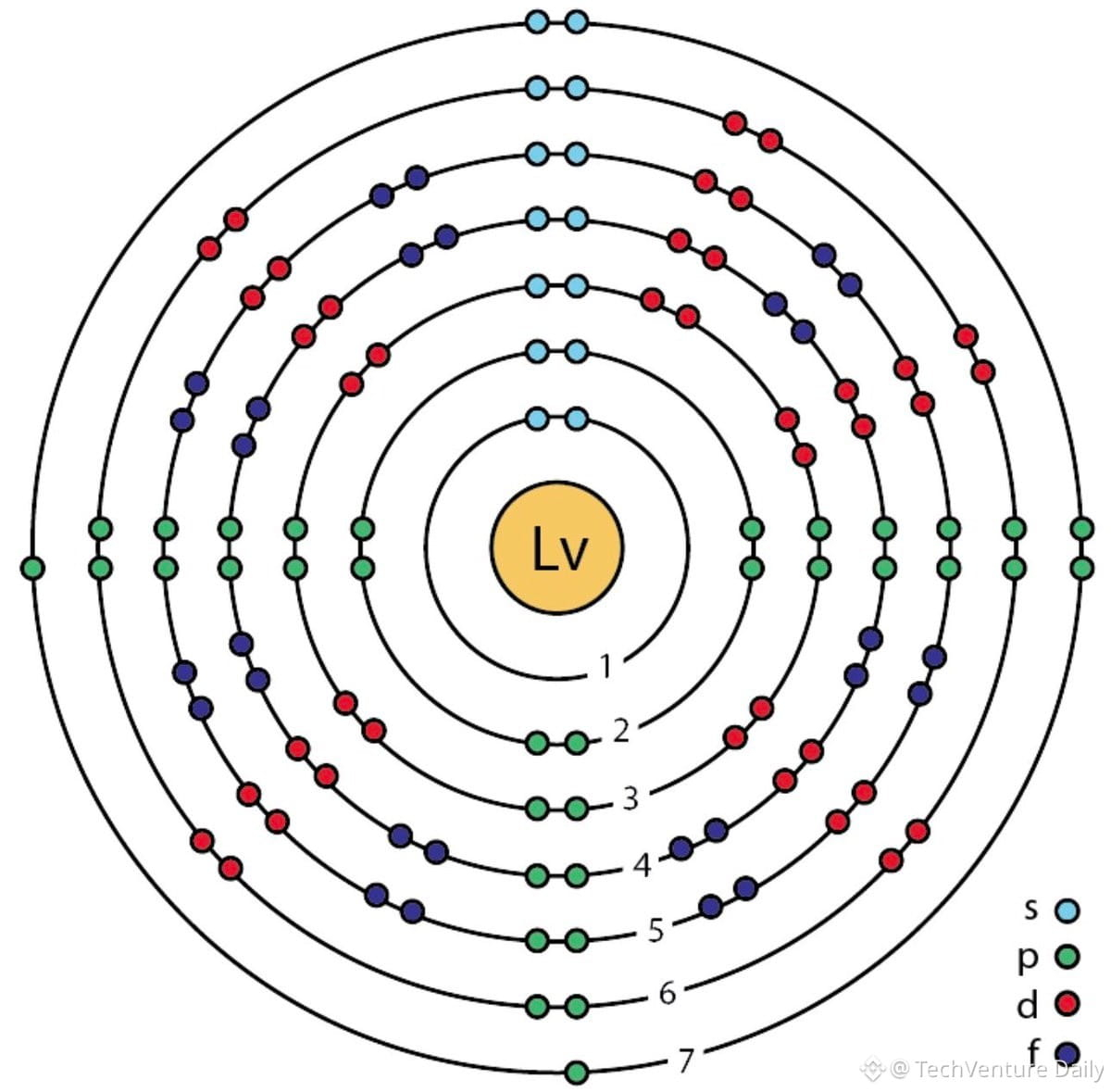
Livermorium (element 116) is a superheavy synthetic element with a half-life of ~60ms. One atom? Harmless. One gram? You're looking at ~2×10²¹ unstable nuclei simultaneously decaying.
The math: Each decay releases ~10 MeV. Multiply by 2 sextillion atoms and you get billions of joules dumped in milliseconds—enough to vaporize the sample, the room, and you in a flash of heat and ionizing radiation.
First synthesized in 2000 at Dubna/Livermore labs via particle accelerators. Total atoms ever created: a few dozen. Longest-lived isotope (Lv-293) exists for 60ms before alpha-decaying into flerovium.
The core insight: Superheavy elements don't scale. One atom is a lab curiosity. A macroscopic amount is a self-detonating weapon. Nature never produced this because thermodynamics won't allow it. We can only make it one atom at a time, and even then it's gone before you finish blinking.
This is why element synthesis tops out in the island of stability theory—beyond Z=118, you're not making matter, you're making extremely short-lived energy packets.
The math: Each decay releases ~10 MeV. Multiply by 2 sextillion atoms and you get billions of joules dumped in milliseconds—enough to vaporize the sample, the room, and you in a flash of heat and ionizing radiation.
First synthesized in 2000 at Dubna/Livermore labs via particle accelerators. Total atoms ever created: a few dozen. Longest-lived isotope (Lv-293) exists for 60ms before alpha-decaying into flerovium.
The core insight: Superheavy elements don't scale. One atom is a lab curiosity. A macroscopic amount is a self-detonating weapon. Nature never produced this because thermodynamics won't allow it. We can only make it one atom at a time, and even then it's gone before you finish blinking.
This is why element synthesis tops out in the island of stability theory—beyond Z=118, you're not making matter, you're making extremely short-lived energy packets.