



Crypto cards are now way far beyond just niche experiments, and rather, becoming more familiar names for a lot of users. However, while they lasted already for some years, there's still visible friction in some markets or regions. There are lots of challenges that people encounter: conversion fees eating much, limited supported transactions, and country-related restrictions, among others. And as a matter of fact, the actual challenge is no longer much about making crypto as spendable as cash, it's making a crypto card useful enough to mix naturally with the user's spending habits and payment routines. This covers simple payment flows, simple and relatable interfaces, local/market-wide relevance, and appealing rewards model. These things are already things that can be found on traditional cards and has long been the standard or the benchmark experience users will expect.
So the real major question here is not just about making crypto cards catch up to that meaningful experience. Rather, it's more about making crypto cards meet users exactly where they are, without adding friction and hurdles along the way.

This is exactly where the important part of reward programs such as cashback matter and fit into the picture. Because, in traditional finance, a bank's card's cashback is a nice-to-have, while a crypto card's cashback is most of the time the deciding factor whether the user uses it instead of something that's already familiar. We cannot deny that rewards create the habit loop, and the habit loop boosts the relatability and naturalness of using the crypto card for everyday spending.
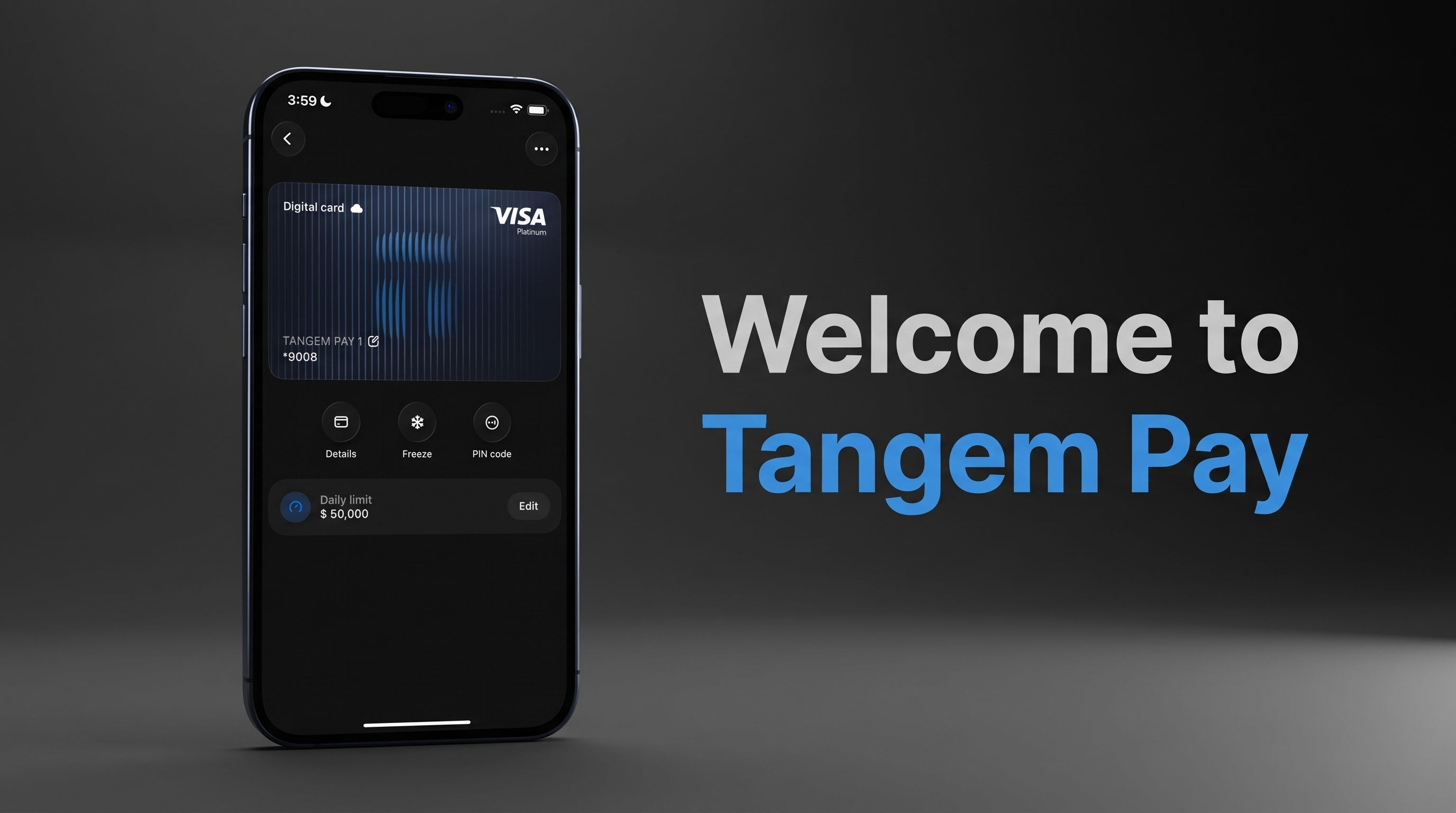
In Tangem Pay, they are building a different approach by putting "crypto spending" directly inside the Tangem ecosystem that million users around the world already trust, effectively putting security and daily usability in one single interface. Plus, the bigger appeal is the ecosystem around it: the users can keep their long-term holdings in the Tangem Wallet part, while they can fund their Tangem Pay account for their purchases and transactions. The bottomline is that Tangem is not just adding another card to crypto, it's already doing more: connecting the holding, the securing, and the spending accounts in one experience, with the cashback model that gives users more reasons to actually use the payment side of it.
Speaking of cashback, Tangem Pay offers a baseline cashback of 1% (for Basic users) and 2% (for Plus members). And this deal just got an exciting boost further, which is the limited-time additional cashback running until the end of November. Eligible taxi rides and food delivery transactions now earns 10% cashback while select media and productivity subscriptions, especially Netflix and AI tools like ChatGPT, now will earn 50% back. Personally, I find it a practical approach. Because it actually rewards users purchases that they have already been making every month, eventually turning these to routine spending using Tangem Pay's virtual Visa card, and then giving them something that silently pays them back.
So, if you're a crypto native or still an enthusiast and you're still using a traditional bank's card for terminals or online spending, that's the exact problem and gap that Tangem Pay is building to fix and bridge. The real thing that matters here the most is not just about getting "cashback". Instead, it's about making the Visa card become the tool that people actually use everyday because it's useful, usable, accessible, and rewarding — and they have the reason to spend.
Learn more about Tangem Pay here: https://tangem.com/en/blog/post/cashback-tangem-pay/