



Checking a fresh launch properly still takes longer than aping it, which is exactly why people skip half the checks.
The usual flow is messy: spot the ticker, pull the chart, paste the CA into a holder tool, check socials, then jump to a DEX. By the time you’ve done all that, the candle has moved and you’re either FOMOing the entry or sitting it out.
Bubblemaps used to be one of those tabs. With the V2 revamp from @Bubblemaps.io , the whole flow sits in one place: discover, analyze, trade.
The point is to make buying quicker and safer for everyone. Bundles and weird wallet clusters can show up before you ape, not after.
1. Find
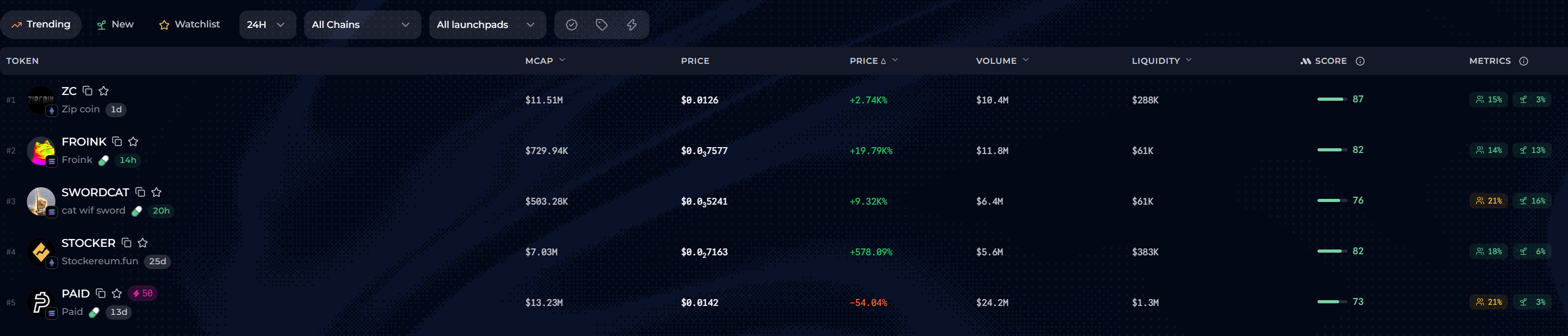
V2 opens on a feed of trending and new tokens across all chains, with Arc added on day one. You can filter by chain, launchpad and time range, and sort by price, volume and liquidity. There are also filters for certified tokens, boosted tokens and tokens with community labels, so you can narrow the feed to tokens that already have some verification behind them, or to the ones paying for visibility.
2. Vet
Bubblemaps Score + hover map. Each token in the feed has a Bubblemaps Score. Hover over it and the bubble map pops up right there, so you can see how supply is spread without opening the token or pasting a contract anywhere.
The score flags insider clusters and bundled wallets. On fresh launches that’s the check I care about most. A token can show 40 separate holders while most of them were funded from the same source, and a map alone doesn’t always make that obvious. The score gives you the quick signal, and the hover map lets you confirm it by eye.
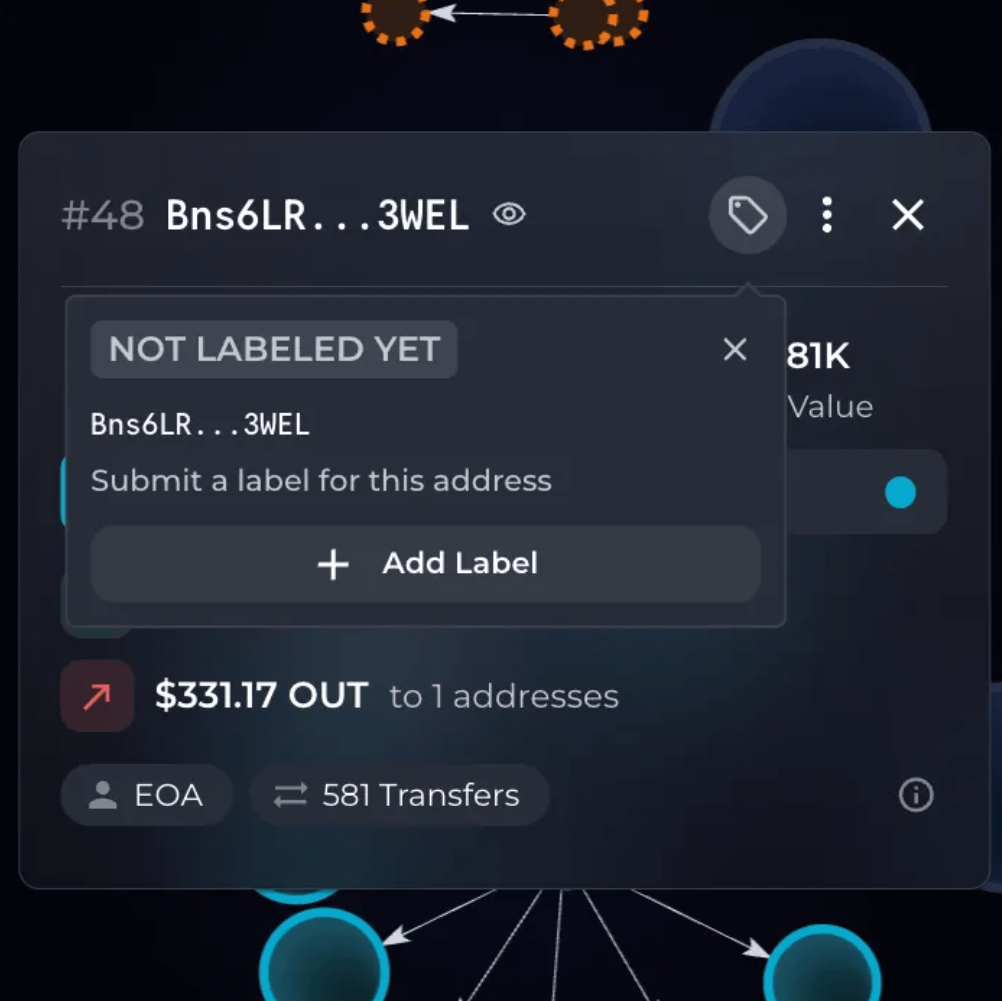
Wallet labels. Users can submit labels for wallets and contracts, and the labels are reviewed by professional on-chain sleuths. That review step is what makes a label worth trusting.
Token info and socials. Projects add their social links to their map, and those socials are verified and reviewed. Verified tokens are highlighted across the app. Checking that a project’s accounts are real is a routine step, and it’s easier when it happens next to the map.
3. Check the history
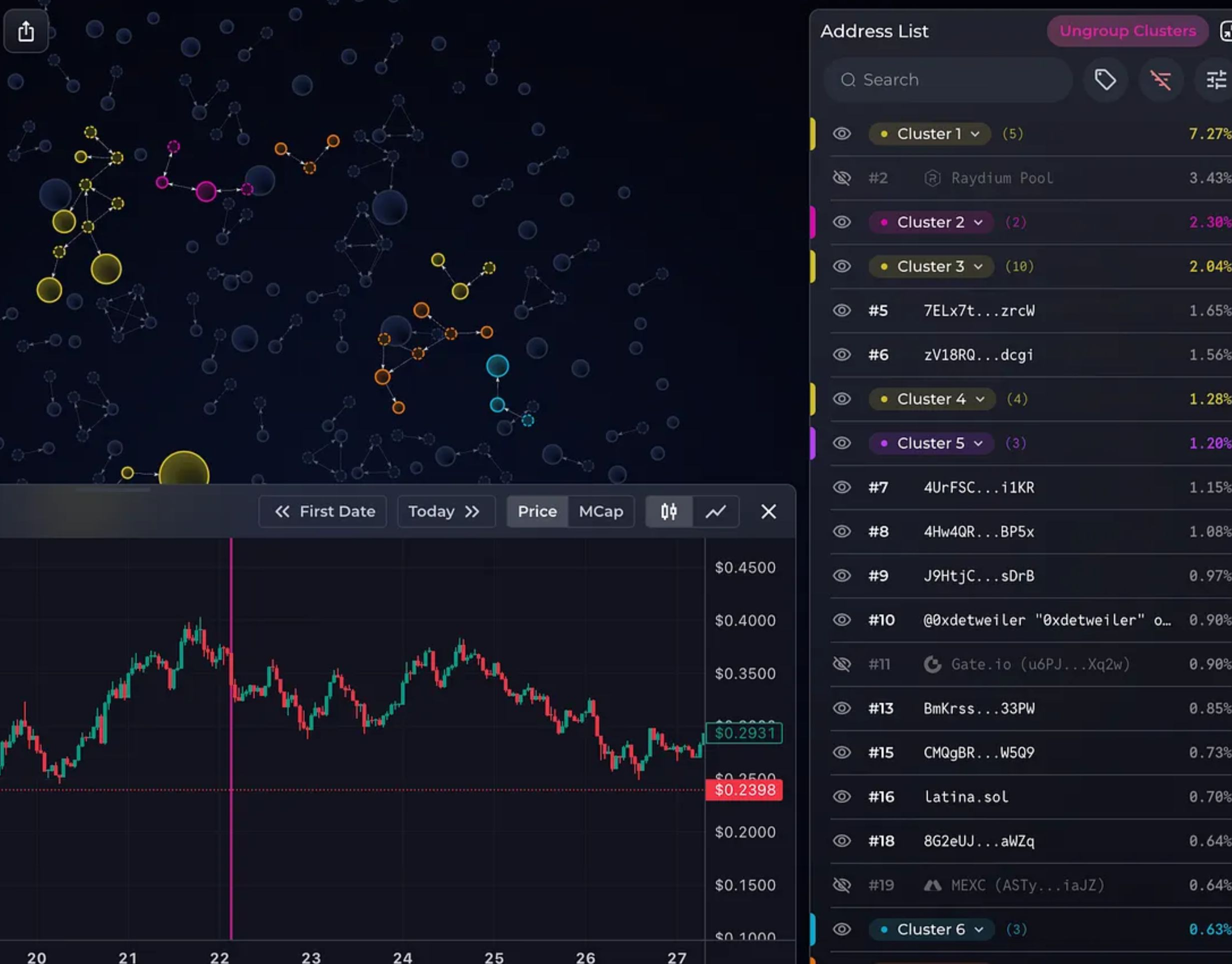
You can click any candle on the chart to see the holder distribution at that exact moment.
Take a token that ran a few days ago. You can go back to the candle where the move started and see who held the supply then, then compare it with the map near the top of the pump. Are the same wallets still sitting on size, or did supply rotate into a fresh cluster on the way up? Comparing the two, you can tell who was positioned before the move, who accumulated into it and who started selling.
4. Swap
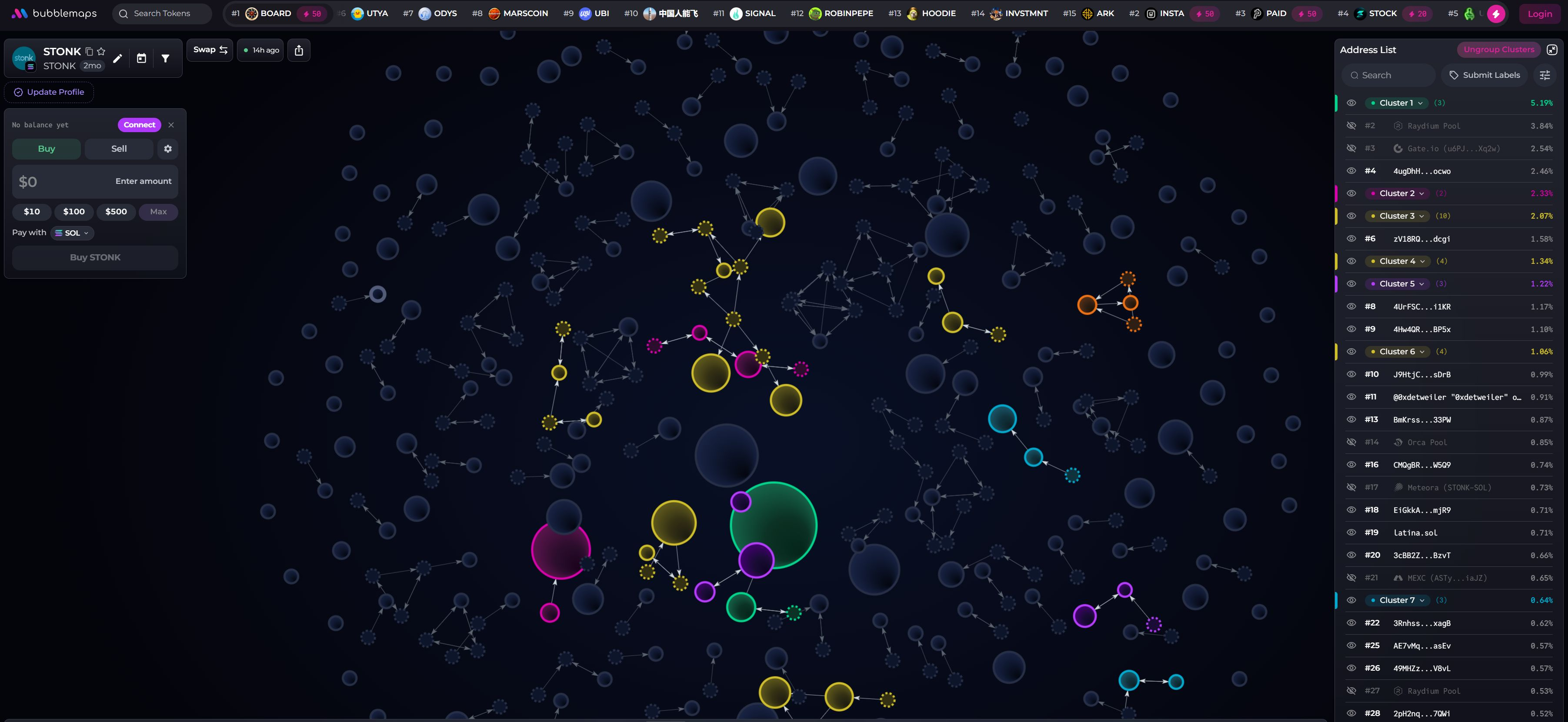
V2 includes a built-in swap with a 0.5% fee, which Bubblemaps says is the lowest on the market.
The fee is only part of it. Since you swap right after the scan, the map and the score are still on screen when you decide, and you don’t have to switch tabs to buy.
5. Boost
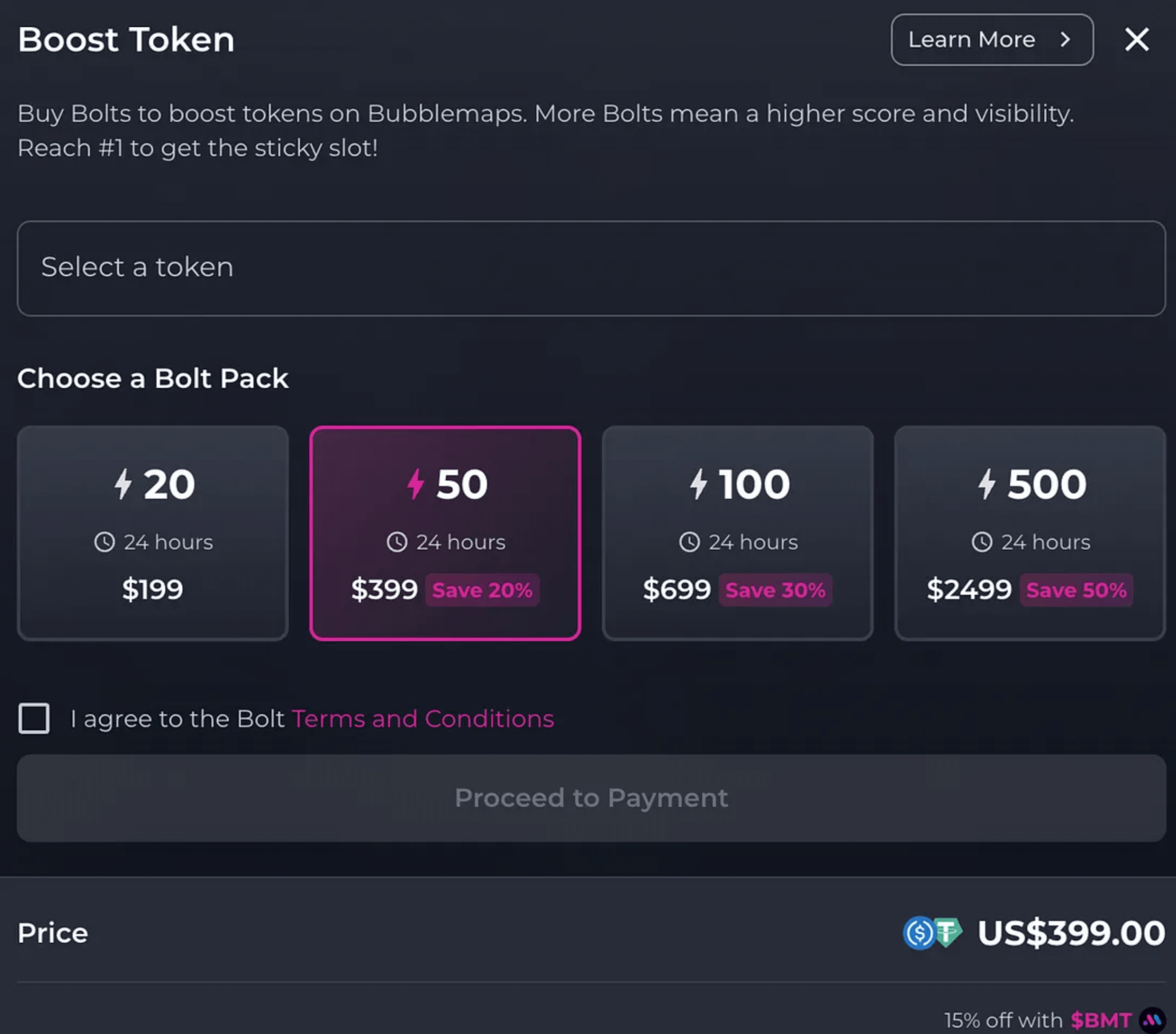
Projects can boost their token directly on Bubblemaps. You can pay in USDC or USDT, or use $BMT and get 15% off. Promotion alone doesn’t say anything about a token’s quality, but it sits next to the score, the map and the reviewed socials, so users can check it themselves.
The bigger V2 upgrade is the workflow. Before, Bubblemaps was where you went for the holder check. Now you can discover the token, vet the setup and execute from the same place.
Try it: v2.bubblemaps.io
Follow: Bubblemaps on X | Bubblemaps on Binance Square
Not financial advice. Always do your own research.