


Iran has offered to reopen the Strait of Hormuz within seven days and restart nuclear negotiations with Washington — but only if the U.S. ends its naval blockade, what Tehran calls “aggression,” and its economic warfare, while releasing Iranian assets.
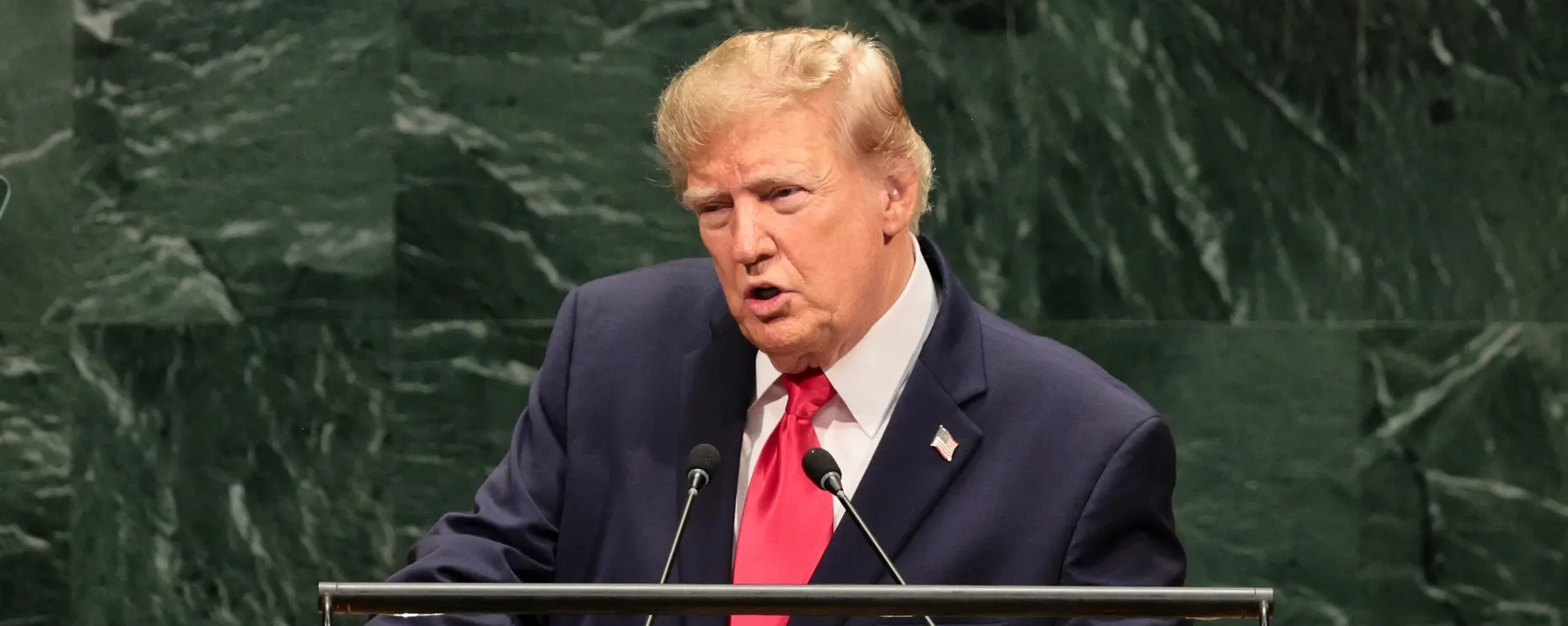
Trump rejected the proposal.
According to The Wall Street Journal, citing U.S. officials, Trump has told aides that renewed bombing of Iran remains possible after the November midterm elections.
Meanwhile, Saudi-led forces say they intercepted two Houthi drones heading toward Riyadh and two ballistic missiles aimed at Khamis Mushait.
This is where it gets fucking serious.
Hormuz is a critical artery for global energy. When the route is threatened, the damage doesn't stay in the Middle East.
TANKER RISK RISES.
INSURANCE COSTS RISE.
FREIGHT COSTS RISE.
OIL PRICES MOVE.
FUEL GETS MORE EXPENSIVE.
INFLATION GETS HIT AGAIN.
On September 25, Brent settled at $104.32 per barrel while WTI closed at $92.41.
The market is already pricing geopolitical risk.
And the battlefield is spreading.
Iran has leverage through Hormuz.
The U.S. has military and economic leverage.
Saudi Arabia is defending its territory and energy infrastructure.
The Houthis are threatening Saudi targets and another critical maritime corridor.
The Red Sea is already exposed, while alternative Saudi export routes face additional pressure.
This means the global economy doesn't need every oil facility to be destroyed.
All it takes is one fucking chokepoint becoming dangerous enough to make energy transportation slower, more expensive and unpredictable.
That is the real weapon.
Not just bombs.
NOT JUST MISSILES.
ENERGY.
SHIPPING.
INSURANCE.
INFLATION.
MONEY.
Iran's seven-day proposal could become a path toward de-escalation.
But if negotiations collapse and military action resumes, the consequences could spread far beyond the battlefield.
ONE STRAIT.
MULTIPLE FRONTLINES.
BILLIONS OF DOLLARS IN ENERGY FLOWS.
AND THE GLOBAL ECONOMY IS WATCHI
NG EVERY MOVE.
HORMUZ IS NOT JUST WATER.
IT IS ECONOMIC LEVERAGE.