


# Bitcoin’s Next Chapter: Volatility, Adoption and Opportunity
Bitcoin continues to attract global attention as investors, institutions, and retail users monitor its evolving role in the digital asset market. As the largest cryptocurrency by market capitalization, Bitcoin remains a major influence on overall crypto sentiment and frequently sets the direction for other digital assets.
One of Bitcoin’s defining characteristics is its limited supply. The network is designed to have a maximum supply of 21 million BTC, creating a scarcity narrative that has contributed to its appeal as a long-term digital asset. However, Bitcoin remains highly volatile, with prices capable of experiencing significant movements within relatively short periods.
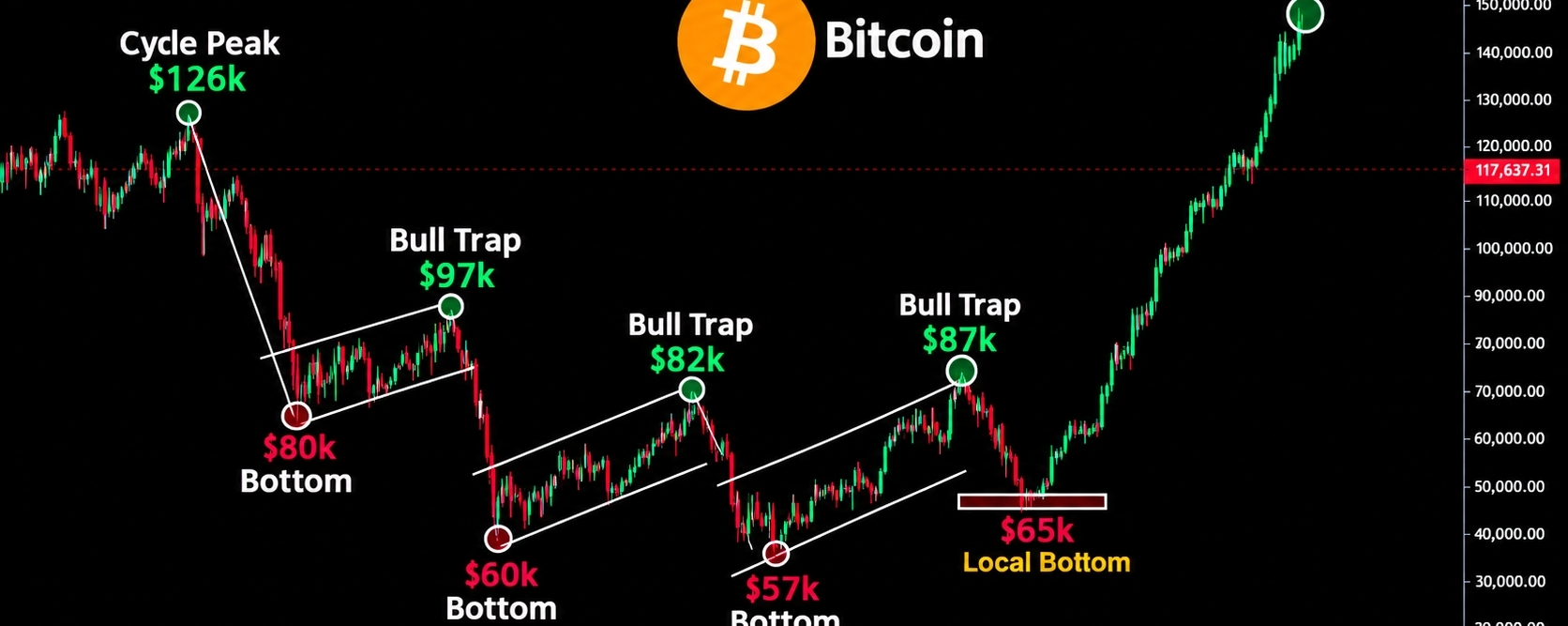
Market participants are currently watching price action closely for signs of whether Bitcoin can maintain its broader upward structure. Historical market cycles have included sharp corrections, consolidation periods, and strong recoveries. Such movements demonstrate why short-term price predictions can be uncertain, even when long-term adoption continues to develop.
Institutional participation has also become an important part of Bitcoin’s market structure. Greater access through regulated investment products can potentially make Bitcoin easier for traditional investors to gain exposure to, while also increasing its connection with broader financial markets.
Beyond price, Bitcoin’s underlying technology continues to support discussions about decentralized finance, digital ownership, and alternative forms of value transfer. Its influence extends beyond individual investors, shaping conversations about how money and financial infrastructure may evolve.
For traders and investors, Bitcoin’s future will likely depend on a combination of adoption, liquidity, regulation, macroeconomic conditions, and market demand. While opportunities remain, Bitcoin’s volatility means that careful research and risk management are essential when evaluating the market.
