


Arbitrum (ARB) is an Ethereum scaling ecosystem built around Layer-2 technology. Its main goal is to make Ethereum-based applications faster and cheaper while retaining Ethereum as the settlement layer. The ecosystem has expanded beyond a single L2 into infrastructure for applications and dedicated chains. (Arbitrum Docs)
🔹 Main parts of the Arbitrum ecosystem
1. Arbitrum One
The primary general-purpose Arbitrum network for DeFi, trading, stablecoins, gaming and other applications.
2. Arbitrum Nova
A lower-cost chain designed for applications requiring high transaction throughput, particularly gaming and consumer use cases.
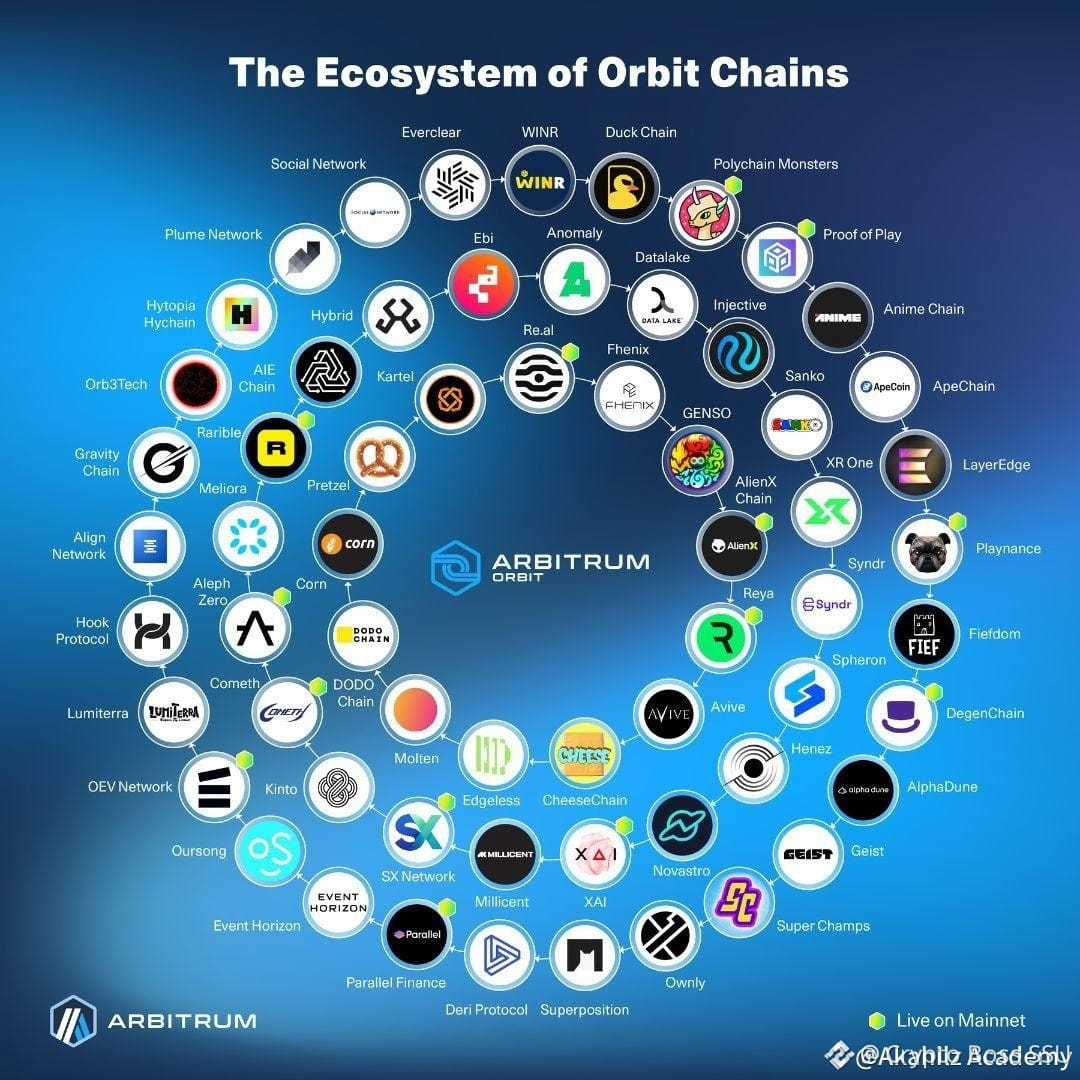
3. Arbitrum Orbit
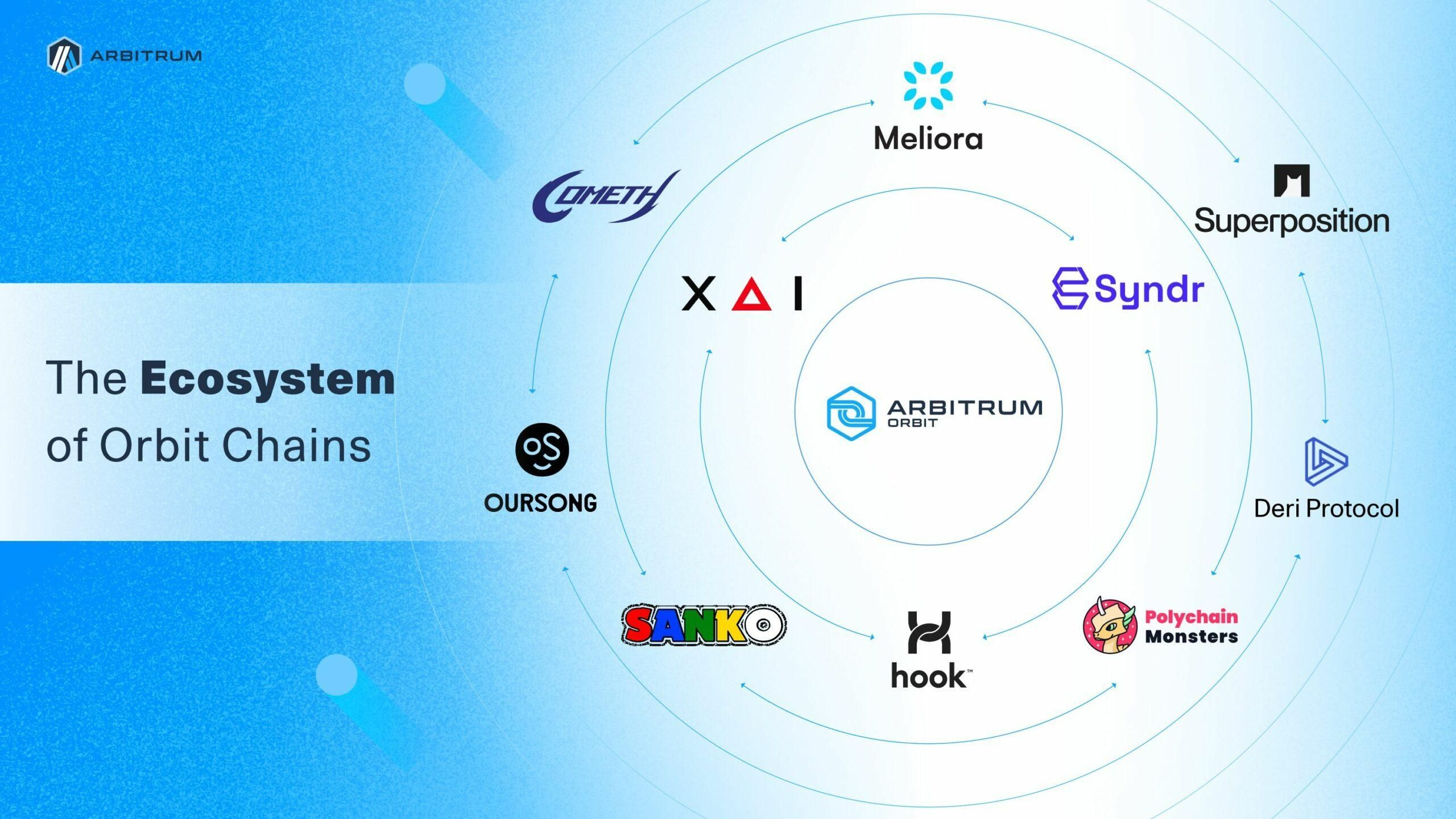
Allows projects and organizations to launch their own customized Arbitrum-based chains. Developers can configure parameters such as gas tokens, data availability and governance. (Arbitrum Docs)
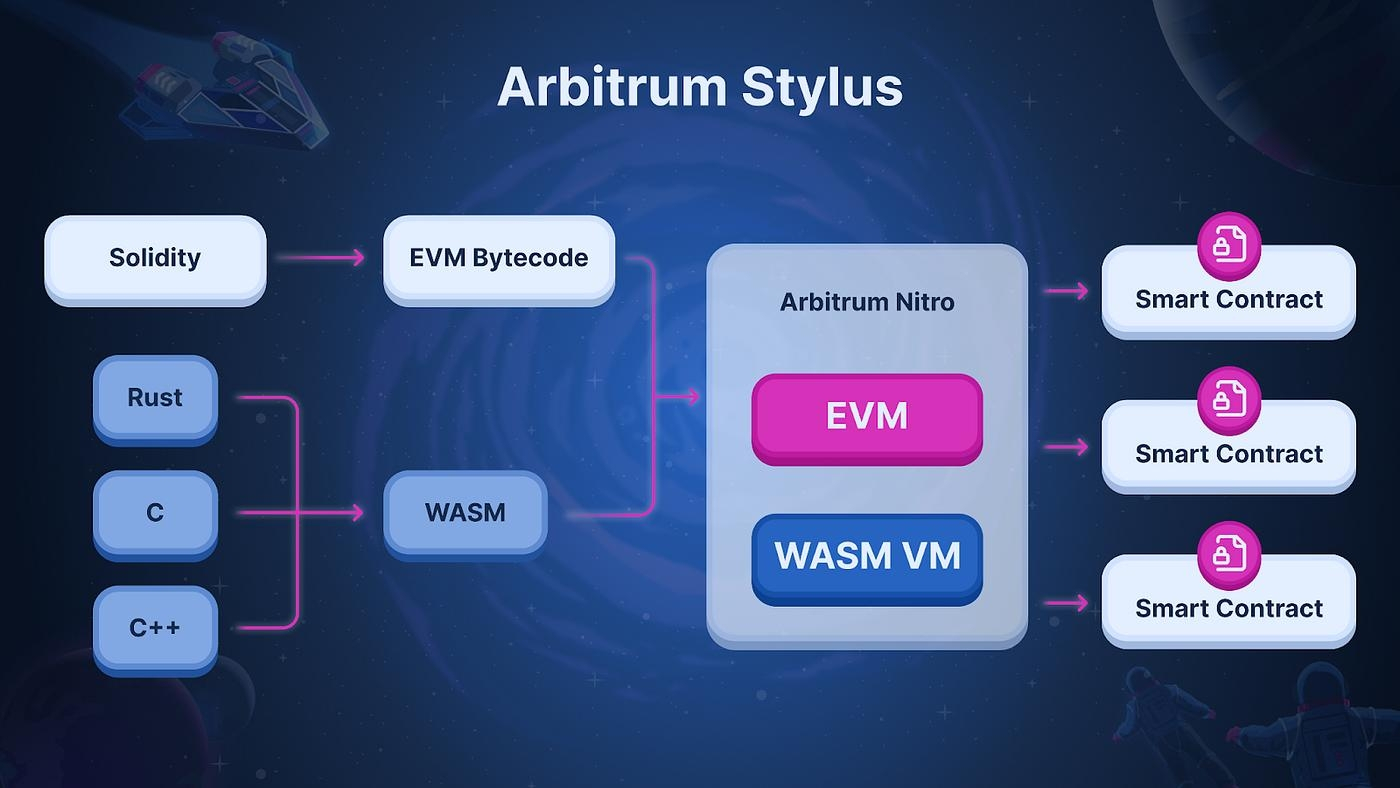
4. Arbitrum Stylus
A development environment that expands smart-contract development beyond Solidity. Developers can use languages such as Rust and C/C++, compiled to WebAssembly, while remaining interoperable with the EVM. (Arbitrum Docs)
🔹 What is ARB?
ARB is the governance token of the Arbitrum ecosystem. The Arbitrum DAO uses governance mechanisms to make decisions concerning the ecosystem.
An important distinction: ARB should not simply be viewed as the gas token of Arbitrum One. ETH is used for transaction fees on Arbitrum One, while ARB primarily has a governance role.
🔹 Ecosystem sectors
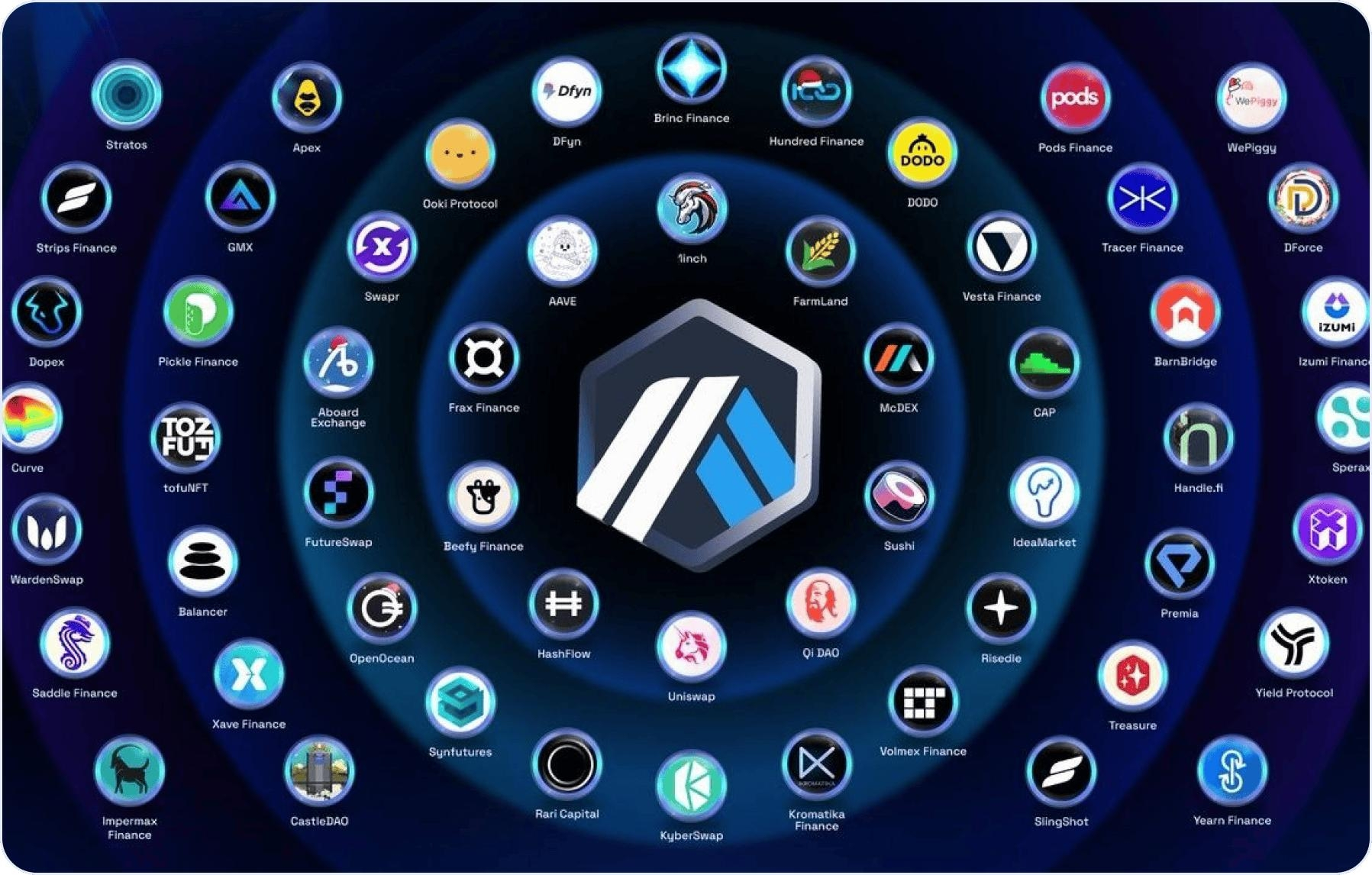
Arbitrum has developed a broad application ecosystem covering:
🏦 DeFi and lending
💱 Decentralized exchanges
📈 Perpetual/futures trading
🪙 Stablecoins
🎮 Gaming
🌐 Web3 applications
🏢 Real-world assets
🛠️ Developer infrastructure
⛓️ App-specific and dedicated chains
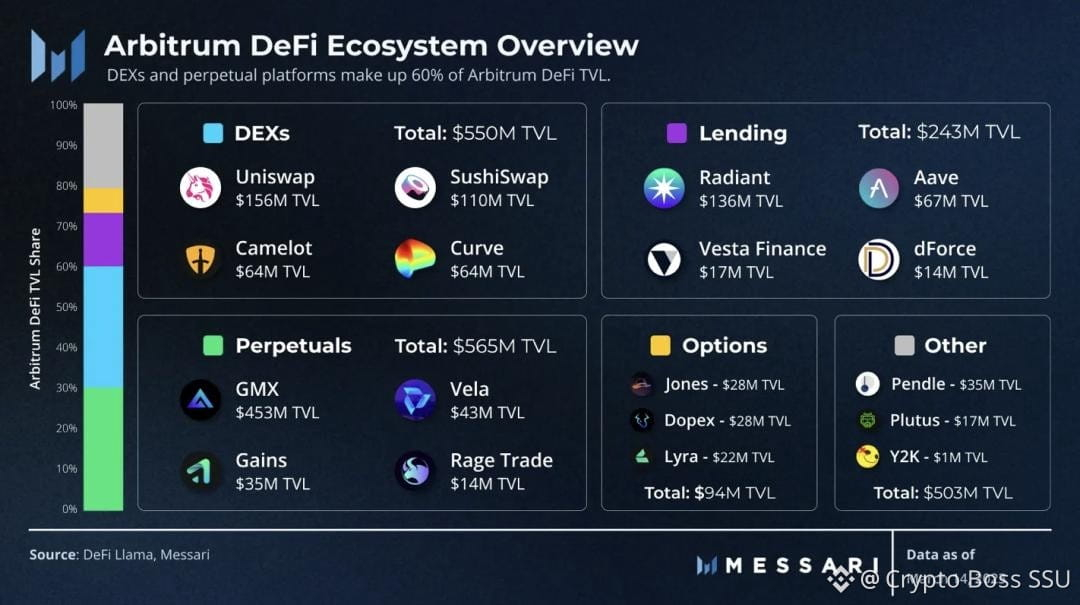
Current on-chain data shows substantial activity: roughly $1.4B DeFi TVL, about $3.5B stablecoin market capitalization, more than 2M daily transactions, and around 188K daily active addresses on Arbitrum in the latest data retrieved. (DefiLlama)
🔹 Why the project is important
The bigger Arbitrum thesis is not only “one Ethereum Layer-2.” The project is developing an infrastructure stack where developers can:
Build an application → deploy on Arbitrum → scale with Stylus → launch a dedicated Orbit chain.
Arbitrum's own 2026 materials describe this broader direction as infrastructure for a programmable economy, including applications, tokenization and dedicated chains. (Arbitrum Docs)
⚠️ Important ARB considerations
For anyone researching ARB as an investment, it is useful to separate ecosystem growth from token value capture.
A large and active Arbitrum ecosystem does not automatically mean ARB's market value must increase. Important factors include:
ARB token supply and future unlocks
DAO governance decisions
Competition from other Ethereum L2s
Arbitrum network usage
DeFi and trading activity
Growth of Orbit chains
How much economic value ultimately accrues to ARB holders
So, Arbitrum the network and ARB the token are related but not identical investment theses.
Bottom line: Arbitrum is evolving from an Ethereum scaling network into a broader blockchain infrastructure ecosystem, with Arbitrum One, Nova, Orbit and Stylus forming important pieces of that strategy. (Arbitrum Docs)
Official Arbitrum ecosystem · Arbitrum developer documentation