
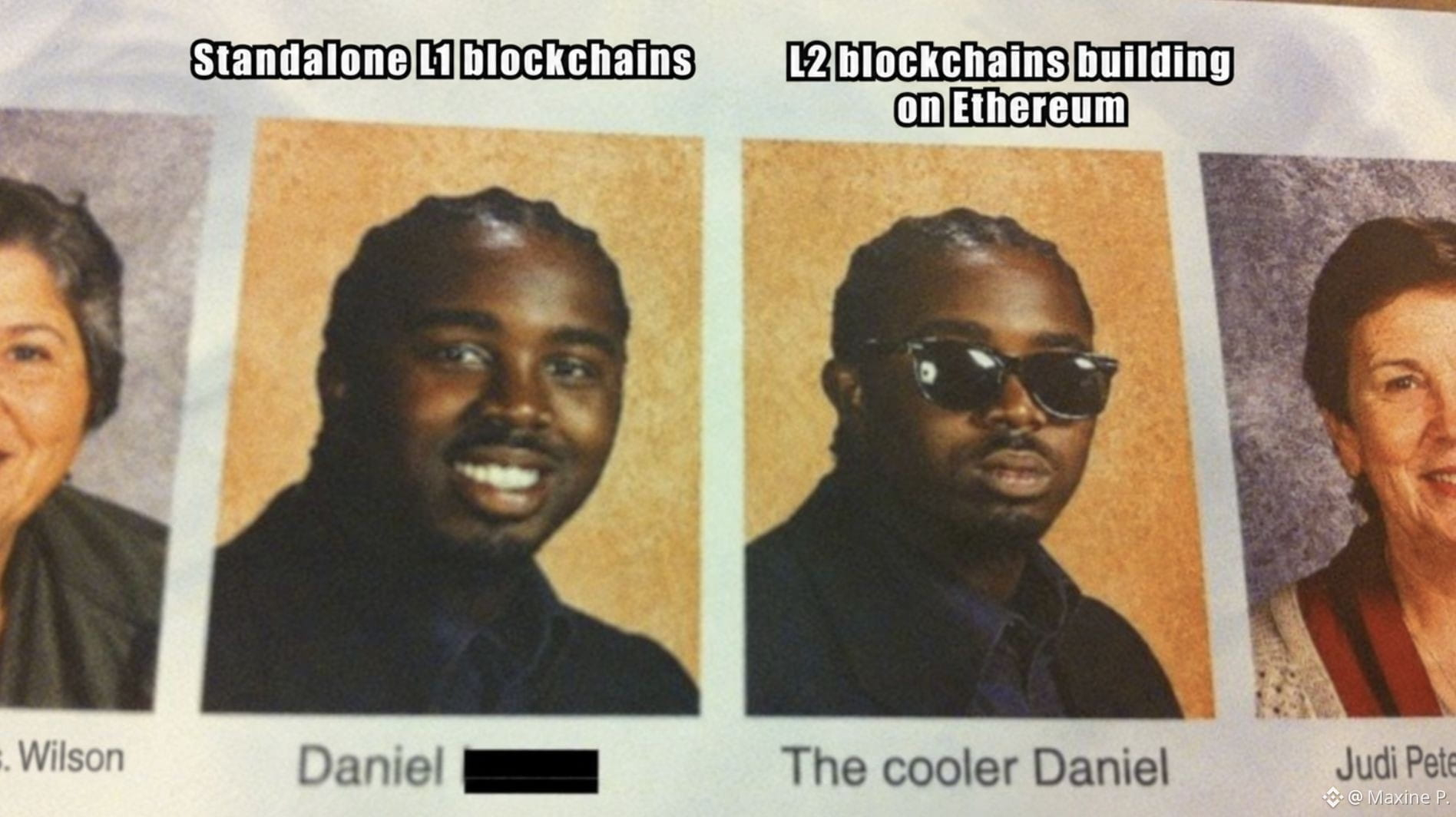
🔥 What Does a Better Infrastructure Move Look Like? The Whitechain Case Fintech $BTC infrastructure is being reshuffled in 2026. H1 recorded 394 fintech M&A deals; crypto saw 87 acquisitions, with infrastructure the largest target category. As markets mature, companies keep reassessing what needs to stay in-house - and what can be simplified or moved onto stronger rails. 🔎 The same rethink is reaching blockchains. One of the latest examples is Whitechain, which in August began its transition from a standalone L1 to an Ethereum L2 built on the OP Stack. For the ecosystem, the gains are practical: - Ethereum settlement/security, native bridging and easier access to the wider EVM environment. But what would that mean for $WBT - Whitechain’s native gas coin and the WhiteBIT ecosystem’s asset? The L2 transition gives us several things to watch at once: ✅ same supply and tokenomics; the existing burn mechanism continues; ✅ WBT remains gas, so new apps and transaction growth will probably translate into more activity and coin usage; ✅ price already has momentum: WBT has rallied from the mid-$50s in August to around $80, and recently hit a fresh $83.22 ATH 😎 ✅ its market position has strengthened too: the coin now ranks #.11 by market cap on CoinDesk, at around $24.27B. Whitechain transition puts the wider 2026 trend into perspective: the goal isn’t to replace every existing layer, but to identify where a different infrastructure can create real gains without disrupting the economics and user experience already built around it. That makes these shifts less about reinvention and more about choosing the right foundation for the next stage… Disclaimer: This is not financial or investment advice. DYOR before making any decisions. Use at your own risk. #Macro Insights# #Altcoin Season#

Publier
Avertissement : ce contenu inclut des opinions de tiers. Il ne constitue pas un conseil. Binance Ai peut être utilisée, sans garantie de résultat. Consultez les CG.