
Cryptology_7
2.5k Publications
Cryptology_7
🧠 Quantitative Trader | Binance Sqaure Post Creator | Crypto Insights | Your Go-To Path to Profit
Trade fréquemment
3.4 an(s)
713 Suivis
14.8K+ Abonnés
4.8K+ J’aime
Publications
Tous
Citations
Direct
PINNED
Détention de $ETH 0.6 USDT
𝐂𝐫𝐲𝐩𝐭𝐨 𝐫𝐞𝐰𝐚𝐫𝐝𝐬 𝐭𝐡𝐨𝐬𝐞 𝐰𝐡𝐨 𝐬𝐮𝐫𝐯𝐢𝐯𝐞 𝐥𝐨𝐧𝐠 𝐞𝐧𝐨𝐮𝐠𝐡 𝐭𝐨 𝐥𝐞𝐚𝐫𝐧, 𝐚𝐝𝐚𝐩𝐭, 𝐚𝐧𝐝 𝐠𝐫𝐨𝐰. 🤍🌱
$O $ETH
#Ethereum #CryptoPatience
#Cryptology_7
$O $ETH
#Ethereum #CryptoPatience
#Cryptology_7
Go

奕澤YiiiiiZze
·
--
在光明社区的发展历程中,LUCIC作为唯一代币,一直扮演着凝聚共识的重要角色。它记录着每一位社区成员的努力与付出。展望未来,我们期待 LUCIC 能发挥更实际的价值,让社区的每一份子都能从中受益,共同见证它的平稳成长与光明前景。
点赞&关注&转发领取🎁🎁🎁
点赞&关注&转发领取🎁🎁🎁
Go
JANNAT BM_
·
--
🎁🎁🎁 GIFT BOX 🎁🎁🎁🎁
go

Z O N E P R I M E
·
--
Haussier🎉🎁 ZONE PRIME BTC SURPRISE DROP! 🎁🎉
✨ The Red Packet is full and ready to open! ✨
👇 Simple Steps to Participate 👇
❤️ Follow ZONE PRIME
🔁 Like & Share
💬 Comment “BTC”
🚀 Stay active for the next reward round!
#BTC #Crypto #ZONEPRIME #RedPacket #BİNANCE
✨ The Red Packet is full and ready to open! ✨
👇 Simple Steps to Participate 👇
❤️ Follow ZONE PRIME
🔁 Like & Share
💬 Comment “BTC”
🚀 Stay active for the next reward round!
#BTC #Crypto #ZONEPRIME #RedPacket #BİNANCE

Go

NVD Insights
·
--
BIG BIG BIG chance to grab FREE $DOGE 🔥
Don’t miss this one!
Drop “crypto with khan” in the comments 👇
Don’t miss this one!
Drop “crypto with khan” in the comments 👇

@橙子Joyce Go


橙子Joyce
·
--
沃什对AI提出九问
沃什一口气接连提出了九个问题,且这些问题都切中要害。但他并未贸然给出答案,只是表示美联储专项工作组将会在后续报告中对这些议题展开研究。
对美联储而言,最核心的难题就是人工智能将如何影响其双重使命当中的就业目标,其中有两个问题便围绕就业展开。历史上,像人工智能这样的通用新技术总会淘汰一部分岗位,但最终创造出的新岗位数量往往多于消失的岗位。一部分人的处境会变差,不过大多数人能够从中获益。
AI或许会有所不同。
AI能够看、听、说、进行逻辑推理,未来还将流畅完成各类体力劳动,因此它的影响不会局限于单一行业。虽然会诞生一些新岗位,但如果配套政策缺位,新增岗位数量将会远少于当下现存的工作岗位。
AI或许已经开始冲击美国信息行业的就业。该行业涵盖出版、广播、传媒、网站运营以及软件研发等领域。该板块就业人数于2022年11月见顶,而ChatGPT恰好在同月首次发布;自此之后行业就业规模下滑11%。不过,就业变动还受到多重因素干扰,因此很难单独剥离出AI带来的影响。
另外两个问题聚焦劳动生产率。生产率与就业紧密相关,同时也是经济增长的核心驱动力之一。回顾历史,新技术落地之后,往往需要数年乃至数十年的时间才能显现出生产率红利。过往经验表明,在配套的员工培训方案、企业业务流程成型之前,新技术在初期反而会给生产率带来下行压力。
人工智能将大幅缩短这一时间周期。
坚持定投投资#BTC 、BNB及以下大型科技公司
$NVDA.US
$AMZNB
$METAB
沃什一口气接连提出了九个问题,且这些问题都切中要害。但他并未贸然给出答案,只是表示美联储专项工作组将会在后续报告中对这些议题展开研究。
对美联储而言,最核心的难题就是人工智能将如何影响其双重使命当中的就业目标,其中有两个问题便围绕就业展开。历史上,像人工智能这样的通用新技术总会淘汰一部分岗位,但最终创造出的新岗位数量往往多于消失的岗位。一部分人的处境会变差,不过大多数人能够从中获益。
AI或许会有所不同。
AI能够看、听、说、进行逻辑推理,未来还将流畅完成各类体力劳动,因此它的影响不会局限于单一行业。虽然会诞生一些新岗位,但如果配套政策缺位,新增岗位数量将会远少于当下现存的工作岗位。
AI或许已经开始冲击美国信息行业的就业。该行业涵盖出版、广播、传媒、网站运营以及软件研发等领域。该板块就业人数于2022年11月见顶,而ChatGPT恰好在同月首次发布;自此之后行业就业规模下滑11%。不过,就业变动还受到多重因素干扰,因此很难单独剥离出AI带来的影响。
另外两个问题聚焦劳动生产率。生产率与就业紧密相关,同时也是经济增长的核心驱动力之一。回顾历史,新技术落地之后,往往需要数年乃至数十年的时间才能显现出生产率红利。过往经验表明,在配套的员工培训方案、企业业务流程成型之前,新技术在初期反而会给生产率带来下行压力。
人工智能将大幅缩短这一时间周期。
坚持定投投资#BTC 、BNB及以下大型科技公司
$NVDA.US
$AMZNB
$METAB
Go

叮噹-Doraemon
·
--
realtrumpcoins官推被盗疑似伊朗黑客行为,称发行GOLD获利超820万美元
8 月 29 日,realtrumpcoins 官推黑客今日发布的最后一条推文称,发行 GOLD 获利超 820 万美元,并声称资金将用于悬赏美国总统特朗普亲属。
此前据以色列媒体报道,伊朗国家电视台播放了一则新闻,介绍如何接触美国总统特朗普的儿子巴伦·特朗普,并提及一笔 1000 万美元的悬赏金。这段约 3 分钟的报道展示了据称与相关行动有关的地点和网络平台,同时还试图梳理特朗普之子周围的社交关系,并寻找渗透美国特勤局安保体系的途径。
不过,报道中所呈现的相关行动说法很大程度上依赖于摆拍式图示,并未提供任何证据证明所谓接触巴伦·特朗普的行动确有现实依据。
有个倒霉蛋在 Solana 链上追高买入 meme 币 GOLD,七分钟亏掉 62100 美元(约 42 万元人民币)。这币不是别人发的,正是那个被美国总统特朗普关注过的 realtrumpcoins 账号亲自下场推的。币价短时暴跌超 90%,接盘侠还没反应过来,账户已经缩水到脚趾头。
GOLD 的故事毫不新鲜:项目方发币,团队手里攥着约 82.45% 的代币供应量,散户冲进来接盘,筹码集中到这个份上,涨跌基本就是项目方说了算。你以为买的是共识,其实买的是别人出货的流动性。所谓特朗普概念币,蹭的是热度,赚的是空气。
这套路在 meme 币圈里循环播放了无数次:拉盘、造势、散户FOMO、巨鲸出货、价格崩塌、留下高位站岗的人独自清醒。唯一新鲜的,是这次割韭菜的速度快得离谱,七分钟完成一场财富转移。数字资产的世界里,最贵的一课,往往是用真金白银买来的。
投资需謹慎,投研必不可少!
此前据以色列媒体报道,伊朗国家电视台播放了一则新闻,介绍如何接触美国总统特朗普的儿子巴伦·特朗普,并提及一笔 1000 万美元的悬赏金。这段约 3 分钟的报道展示了据称与相关行动有关的地点和网络平台,同时还试图梳理特朗普之子周围的社交关系,并寻找渗透美国特勤局安保体系的途径。
不过,报道中所呈现的相关行动说法很大程度上依赖于摆拍式图示,并未提供任何证据证明所谓接触巴伦·特朗普的行动确有现实依据。
有个倒霉蛋在 Solana 链上追高买入 meme 币 GOLD,七分钟亏掉 62100 美元(约 42 万元人民币)。这币不是别人发的,正是那个被美国总统特朗普关注过的 realtrumpcoins 账号亲自下场推的。币价短时暴跌超 90%,接盘侠还没反应过来,账户已经缩水到脚趾头。
GOLD 的故事毫不新鲜:项目方发币,团队手里攥着约 82.45% 的代币供应量,散户冲进来接盘,筹码集中到这个份上,涨跌基本就是项目方说了算。你以为买的是共识,其实买的是别人出货的流动性。所谓特朗普概念币,蹭的是热度,赚的是空气。
这套路在 meme 币圈里循环播放了无数次:拉盘、造势、散户FOMO、巨鲸出货、价格崩塌、留下高位站岗的人独自清醒。唯一新鲜的,是这次割韭菜的速度快得离谱,七分钟完成一场财富转移。数字资产的世界里,最贵的一课,往往是用真金白银买来的。
投资需謹慎,投研必不可少!
@英鸿³³₇ Market Updates 📊
英鸿³³₇
·
--
[Revoir] 🎙️ 静下心来,反思自己,总结操作,及时更正bnb
02 h 12 min 24 sec · 7.8k auditeurs
@静姐6888 Go

静姐6888
·
--
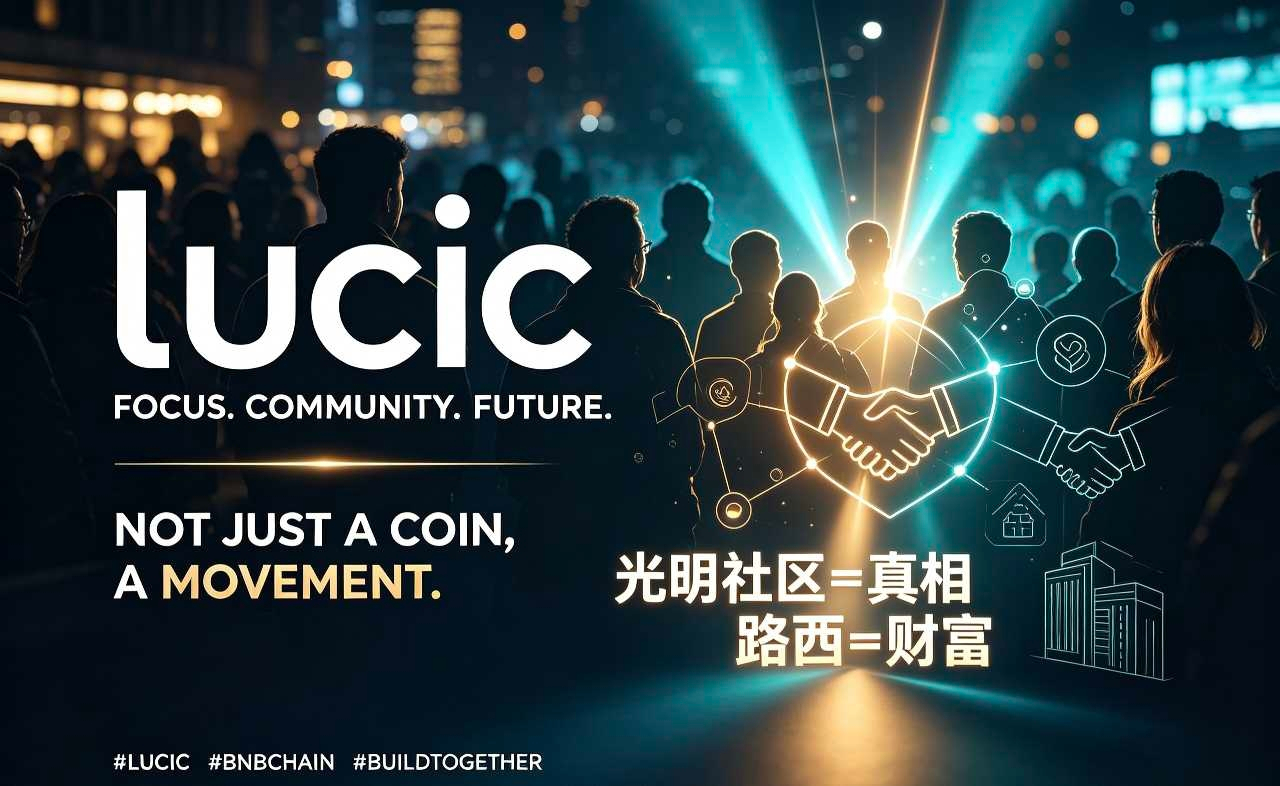
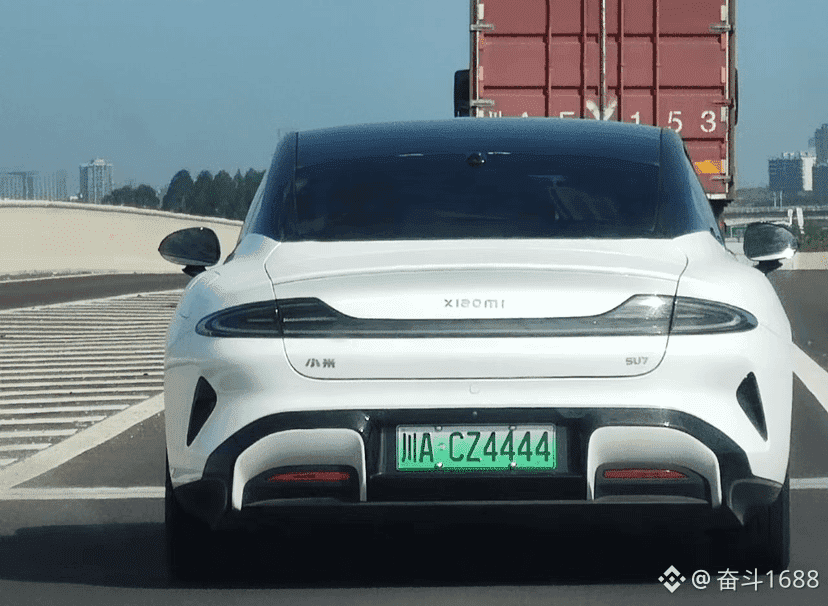
Haussier哲学家康德讲过: “不是所有的真话都讲,但是我讲的必须是真话!”光明社区讲的是真相,而路西带给你的则是真真正正的财富!
#英伟达开盘140分钟成交335亿美元 #LUCiC上币安
#英伟达开盘140分钟成交335亿美元 #LUCiC上币安
Go
Muzamil Abbas⁷⁵ 穆扎米尔_阿巴斯
·
--
Haussier🎁 $SHIB GIVEAWAY WORTH $100 🎁
I’m giving away SHIB Gift Boxes to 3,000 lucky people! 🐕🔥
To participate:
❤️ Like this post ✅
🔁 Repost this post ✅
💬 Comment “1” below ✅
🎁 Claim your Gift Box ✅
Good luck everyone🚀✨
#SHIB #Giveaway #Binance #CryptoGiveaway

Go

XING YUE_加密 143
·
--
🔥 Is $XRP Finally Breaking Its Architecture Ceiling?
I’ve been digging into the XRPL updates lately. It’s not just about payments anymore—the real action is in the cross-chain routing and unified liquidity modules. 🧠
When you track the MPC chain signatures, you see the tech scaling for real institutional rails. The way the ledger handles cross-chain asset verification is just clean. ⚡
Honestly, the throughput is hitting that sweet spot for cross-border settlement. 📈
Look at the orderbook absorption; the whales are positioning for the next liquidity surge. 📊
Are you stacking through this consolidation or looking for a breakout? Let me know! 👀👇🚀
$XRP #XRP #XRPL #CryptoTrading #Altcoins
I’ve been digging into the XRPL updates lately. It’s not just about payments anymore—the real action is in the cross-chain routing and unified liquidity modules. 🧠
When you track the MPC chain signatures, you see the tech scaling for real institutional rails. The way the ledger handles cross-chain asset verification is just clean. ⚡
Honestly, the throughput is hitting that sweet spot for cross-border settlement. 📈
Look at the orderbook absorption; the whales are positioning for the next liquidity surge. 📊
Are you stacking through this consolidation or looking for a breakout? Let me know! 👀👇🚀
$XRP #XRP #XRPL #CryptoTrading #Altcoins
@阿波罗1111 Go

阿波罗1111
·
--
在这个时代:
认知决定财富
选择决定方向
行动决定结果
今天的选择,决定了半年后、一年后的资产格局。
不做一个旁观者,
而是成为 参与者 · 建设者 · 受益者。
让我们一起:
共建可持续的财富。
#LUCIC 与你同行,赢在未来。
认知决定财富
选择决定方向
行动决定结果
今天的选择,决定了半年后、一年后的资产格局。
不做一个旁观者,
而是成为 参与者 · 建设者 · 受益者。
让我们一起:
共建可持续的财富。
#LUCIC 与你同行,赢在未来。
Go

x_Rex
·
--
Remember yesterday when I said the SEC was voting on crypto regulation today? 😅🧧
They cancelled it.
One day notice. No explanation. No replacement date.
The vote that would have given crypto projects a legal path to raise up to $75M without securities registration - gone. Just like that.
Senate left for recess without voting on the Clarity Act. SEC cancelled Regulation Crypto. Commissioner Hester Peirce, the most crypto-friendly voice at the SEC, is leaving in November.
And yet BTC is still at $62,969. ETH at $1,872. Market barely moved 😂
This is actually the most important lesson in crypto , Regulation delays are annoying. But the market has stopped waiting for regulators to catch up. $1.82 trillion market cap. $678M in ETF inflows last week. BlackRock buying daily.
The builders kept building. The buyers kept buying.
With or without Washington's permission
Grab the Red Packet — crypto doesn't wait for anyone 🧧
#BinanceSquareFamily #BinanceSquareTalks #redpacket
$BTC $ETH
They cancelled it.
One day notice. No explanation. No replacement date.
The vote that would have given crypto projects a legal path to raise up to $75M without securities registration - gone. Just like that.
Senate left for recess without voting on the Clarity Act. SEC cancelled Regulation Crypto. Commissioner Hester Peirce, the most crypto-friendly voice at the SEC, is leaving in November.
And yet BTC is still at $62,969. ETH at $1,872. Market barely moved 😂
This is actually the most important lesson in crypto , Regulation delays are annoying. But the market has stopped waiting for regulators to catch up. $1.82 trillion market cap. $678M in ETF inflows last week. BlackRock buying daily.
The builders kept building. The buyers kept buying.
With or without Washington's permission
Grab the Red Packet — crypto doesn't wait for anyone 🧧
#BinanceSquareFamily #BinanceSquareTalks #redpacket
$BTC $ETH

Go

Fatima 5
·
--
Bitcoin Pullback: What Comes Next?
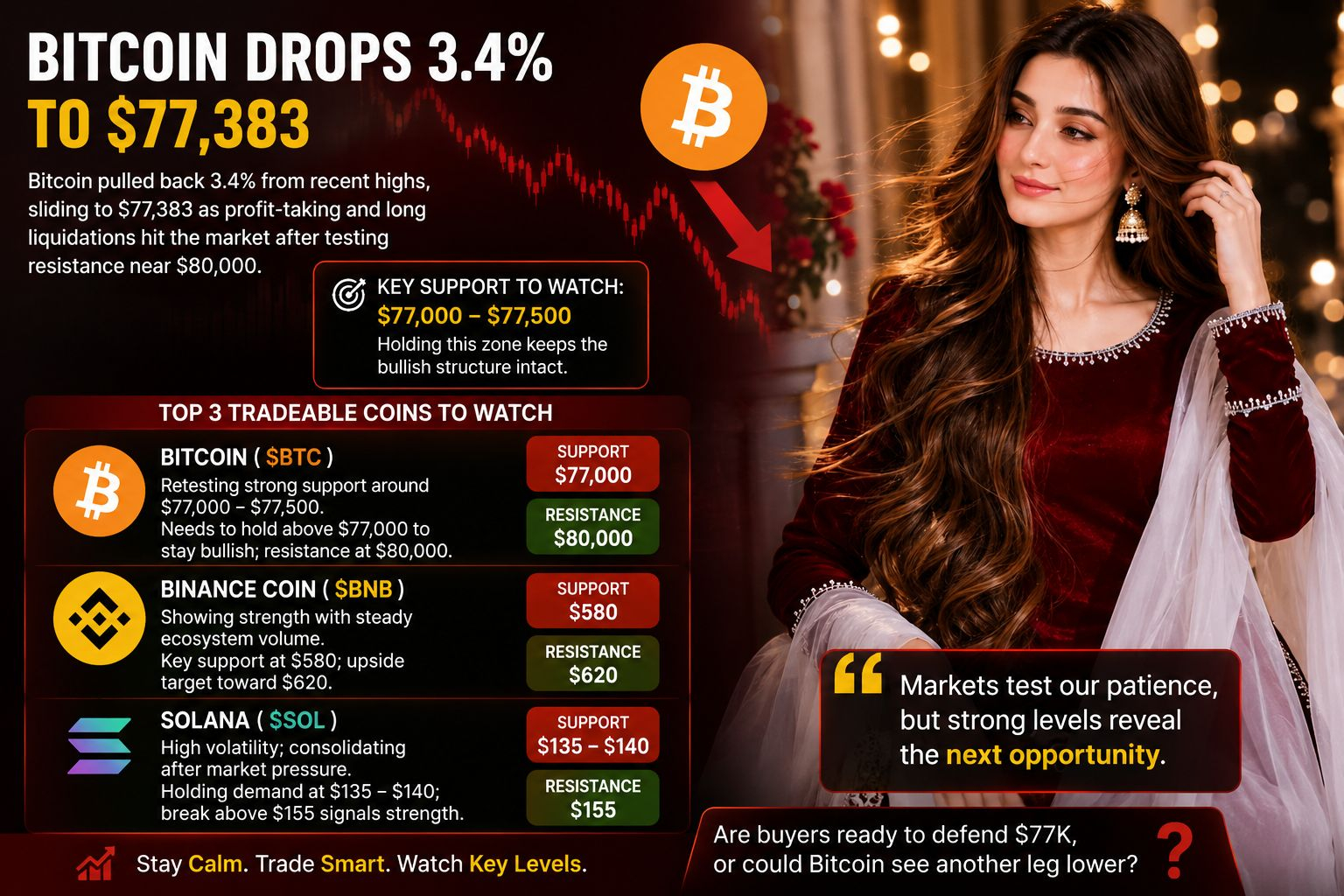
Bitcoin ($BTC) dropped 3.4% to around $77,383 after facing strong resistance near the $80,000 zone. The move looks like a short-term reset with profit-taking and leveraged long liquidations adding pressure to the market.
Now, the key question is whether buyers can defend the $77,000–$77,500 support zone. Holding this area could keep the broader bullish structure intact, while a deeper break may lead to further consolidation before the next major move.
Meanwhile BNB is showing relative strength despite the market weakness. The $580 area remains important support while reclaiming momentum toward $620 could put bulls back in control.
SOL remains one of the higher-volatility coins to watch. The $135–$140 demand zone is critical while a recovery above $155 could signal renewed bullish momentum.
For now, patience matters more than chasing candles. BTC’s reaction around $77K may give the clearest clue about the market’s next direction. 📊
Are buyers ready to defend $77K, or could Bitcoin see another leg lower?
#NYSilverFuturesDrop3%
#TrumpSaysUSReachedVenezuelaOilDeal
$BTC
$BNB
Bitcoin ($BTC) dropped 3.4% to around $77,383 after facing strong resistance near the $80,000 zone. The move looks like a short-term reset with profit-taking and leveraged long liquidations adding pressure to the market.
Now, the key question is whether buyers can defend the $77,000–$77,500 support zone. Holding this area could keep the broader bullish structure intact, while a deeper break may lead to further consolidation before the next major move.
Meanwhile BNB is showing relative strength despite the market weakness. The $580 area remains important support while reclaiming momentum toward $620 could put bulls back in control.
SOL remains one of the higher-volatility coins to watch. The $135–$140 demand zone is critical while a recovery above $155 could signal renewed bullish momentum.
For now, patience matters more than chasing candles. BTC’s reaction around $77K may give the clearest clue about the market’s next direction. 📊
Are buyers ready to defend $77K, or could Bitcoin see another leg lower?
#NYSilverFuturesDrop3%
#TrumpSaysUSReachedVenezuelaOilDeal
$BTC
$BNB
Go

DK短线复刻
·
--
关注回复领取红包🎁🎁


@燕寶Melissa Go

燕寶Melissa
·
--
Baissier🥇 黄金正在成为全球资金的新焦点!
当市场关注加密资产、AI和科技股时,另一场资金迁移正在发生:
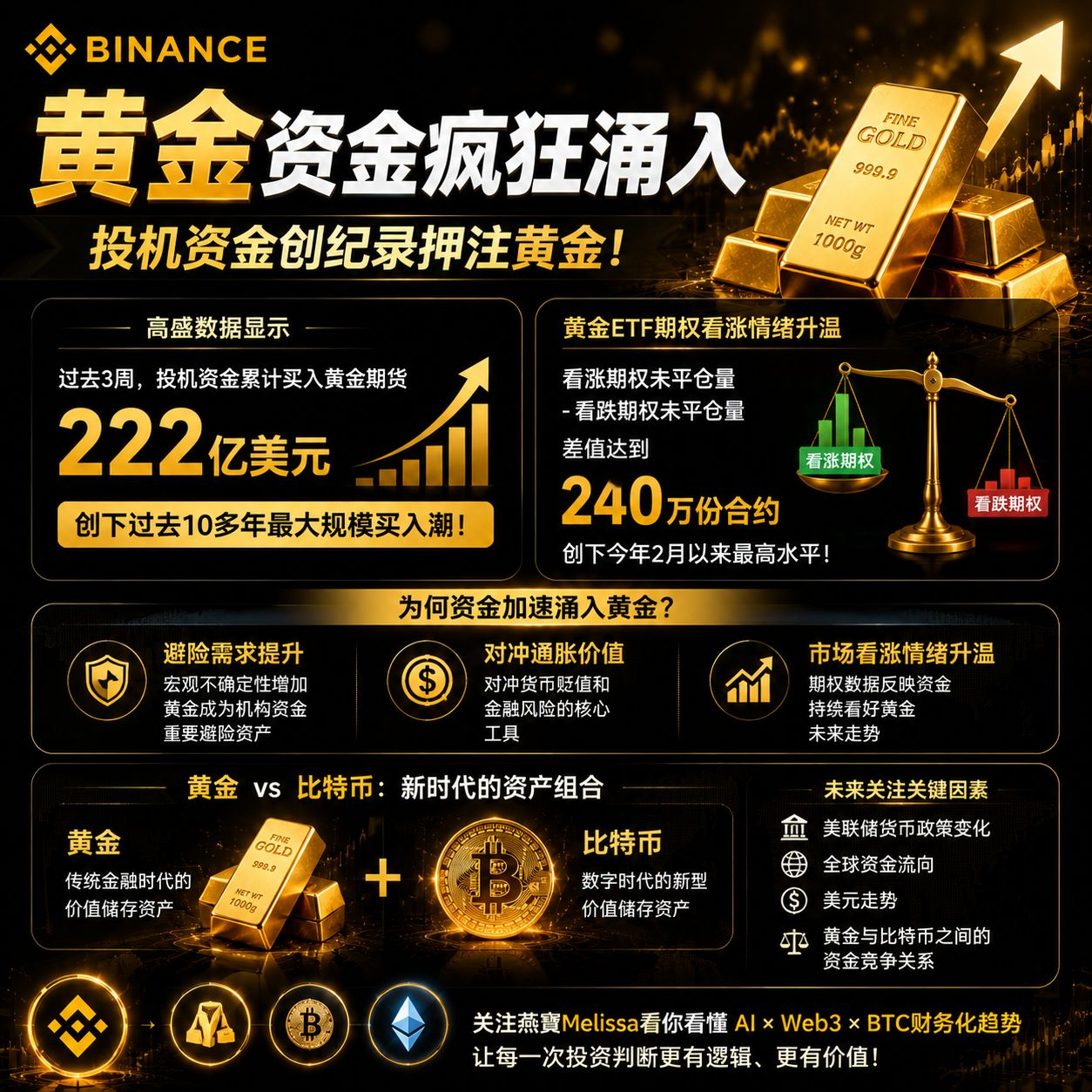
📊 高盛数据显示:
过去 3周内,投机资金累计买入黄金期货约 222亿美元!
这是:
🔥 过去10多年最大规模的黄金期货买入潮!
为什么资金正在加速涌入黄金?
核心原因可能来自几个方向:
🌍 1. 全球避险需求提升
在宏观不确定性增加的环境下,黄金再次成为机构资金配置的重要资产。
💰 2. 资金正在寻找抗通胀价值
黄金长期被视为对冲货币贬值和金融风险的重要工具。
📈 3. 市场看涨情绪明显升温
数据显示:
黄金ETF看涨期权未平仓量
与看跌期权未平仓量的差值达到约:
🔥 240万份合约
创下今年2月以来最高水平。
这意味着越来越多资金正在押注黄金继续上涨。
过去几十年:
黄金代表传统金融时代的价值储存。
而比特币正在成为数字时代的新型价值资产。
未来的资产配置,可能不再是“黄金 vs 比特币”的选择,而是:
🌐 传统避险资产 + 数字资产的组合时代。
#美联储9月加息概率升至57%
$BTC
$ETH
$BNB
当市场关注加密资产、AI和科技股时,另一场资金迁移正在发生:
📊 高盛数据显示:
过去 3周内,投机资金累计买入黄金期货约 222亿美元!
这是:
🔥 过去10多年最大规模的黄金期货买入潮!
为什么资金正在加速涌入黄金?
核心原因可能来自几个方向:
🌍 1. 全球避险需求提升
在宏观不确定性增加的环境下,黄金再次成为机构资金配置的重要资产。
💰 2. 资金正在寻找抗通胀价值
黄金长期被视为对冲货币贬值和金融风险的重要工具。
📈 3. 市场看涨情绪明显升温
数据显示:
黄金ETF看涨期权未平仓量
与看跌期权未平仓量的差值达到约:
🔥 240万份合约
创下今年2月以来最高水平。
这意味着越来越多资金正在押注黄金继续上涨。
过去几十年:
黄金代表传统金融时代的价值储存。
而比特币正在成为数字时代的新型价值资产。
未来的资产配置,可能不再是“黄金 vs 比特币”的选择,而是:
🌐 传统避险资产 + 数字资产的组合时代。
#美联储9月加息概率升至57%
$BTC
$ETH
$BNB
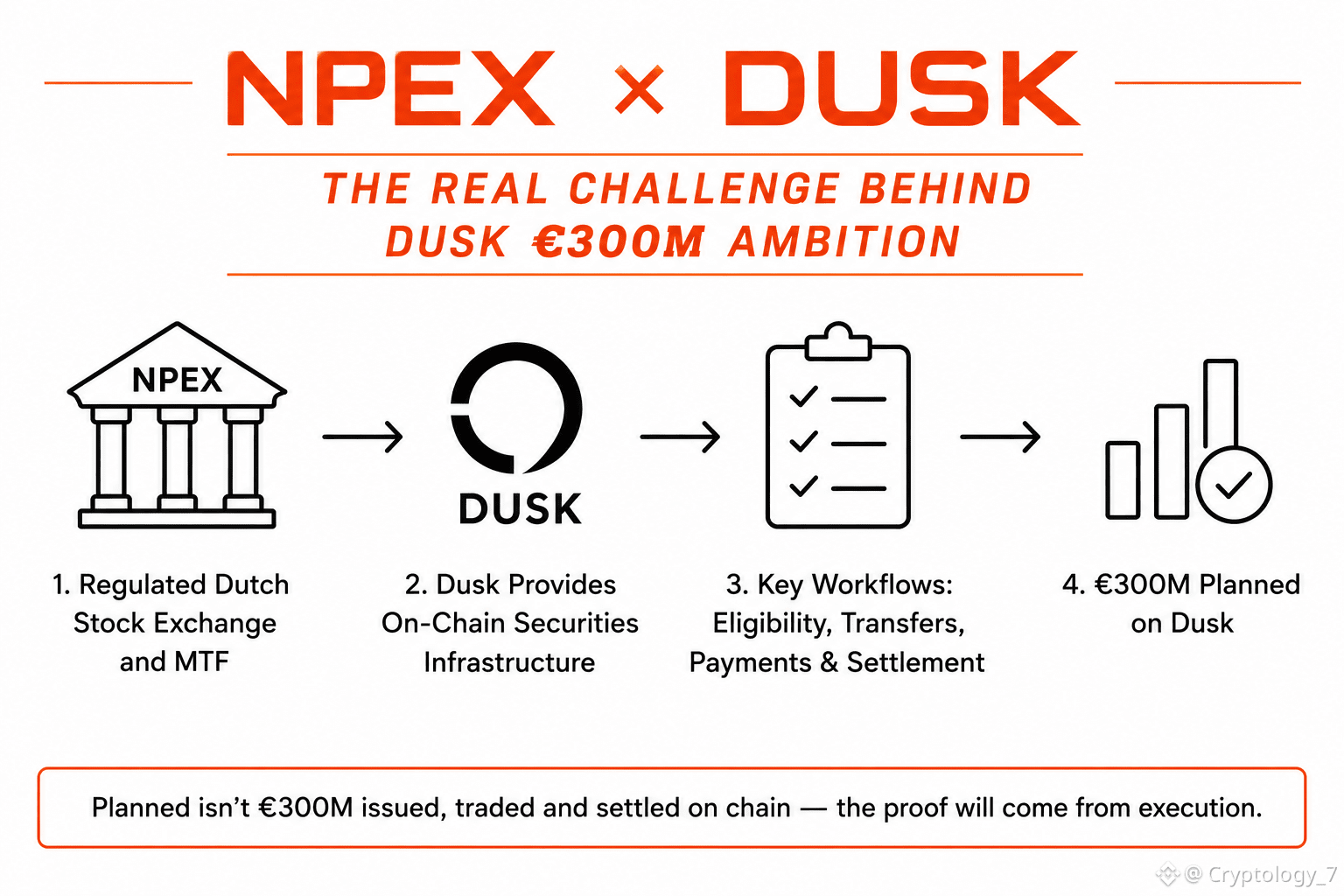
#dusk $DUSK @Dusk A regulated Dutch exchange plans to bring €300M in assets under management on-chain through Dusk.
That sounds impressive.. But the number isn't what caught my attention. The real question is what has to work underneath it.
NPEX operates within regulated market infrastructure, while Dusk aims to bring those same financial workflows on-chain.
Real tokenization requires more than putting an asset on a blockchain. Investor eligibility, wallet binding, controlled transfers, payment coordination and compliant settlement all need to work together.
That’s where Dusk Trade becomes interesting.
If these workflows can operate together, tokenized securities could move closer to functioning like real financial products rather than simple blockchain representations.
But there is still an important distinction.
€300M planned for Dusk is not the same as €300M issued, traded and settled on-chain.
The partnership is promising. The real proof will come from execution.
Can Dusk turn this €300M ambition into functioning regulated on-chain markets?
#dusk
That sounds impressive.. But the number isn't what caught my attention. The real question is what has to work underneath it.
NPEX operates within regulated market infrastructure, while Dusk aims to bring those same financial workflows on-chain.
Real tokenization requires more than putting an asset on a blockchain. Investor eligibility, wallet binding, controlled transfers, payment coordination and compliant settlement all need to work together.
That’s where Dusk Trade becomes interesting.
If these workflows can operate together, tokenized securities could move closer to functioning like real financial products rather than simple blockchain representations.
But there is still an important distinction.
€300M planned for Dusk is not the same as €300M issued, traded and settled on-chain.
The partnership is promising. The real proof will come from execution.
Can Dusk turn this €300M ambition into functioning regulated on-chain markets?
#dusk
Vérifié
#dusk $DUSK @Dusk One truth keeps surfacing every time I explore Dusk. Privacy depends on more than just saying “zero knowledge.”
Most blockchain conversations focus on what a proof can hide. Far fewer look at the cryptographic machinery making those proofs practical.
That's where JubJub caught my attention.
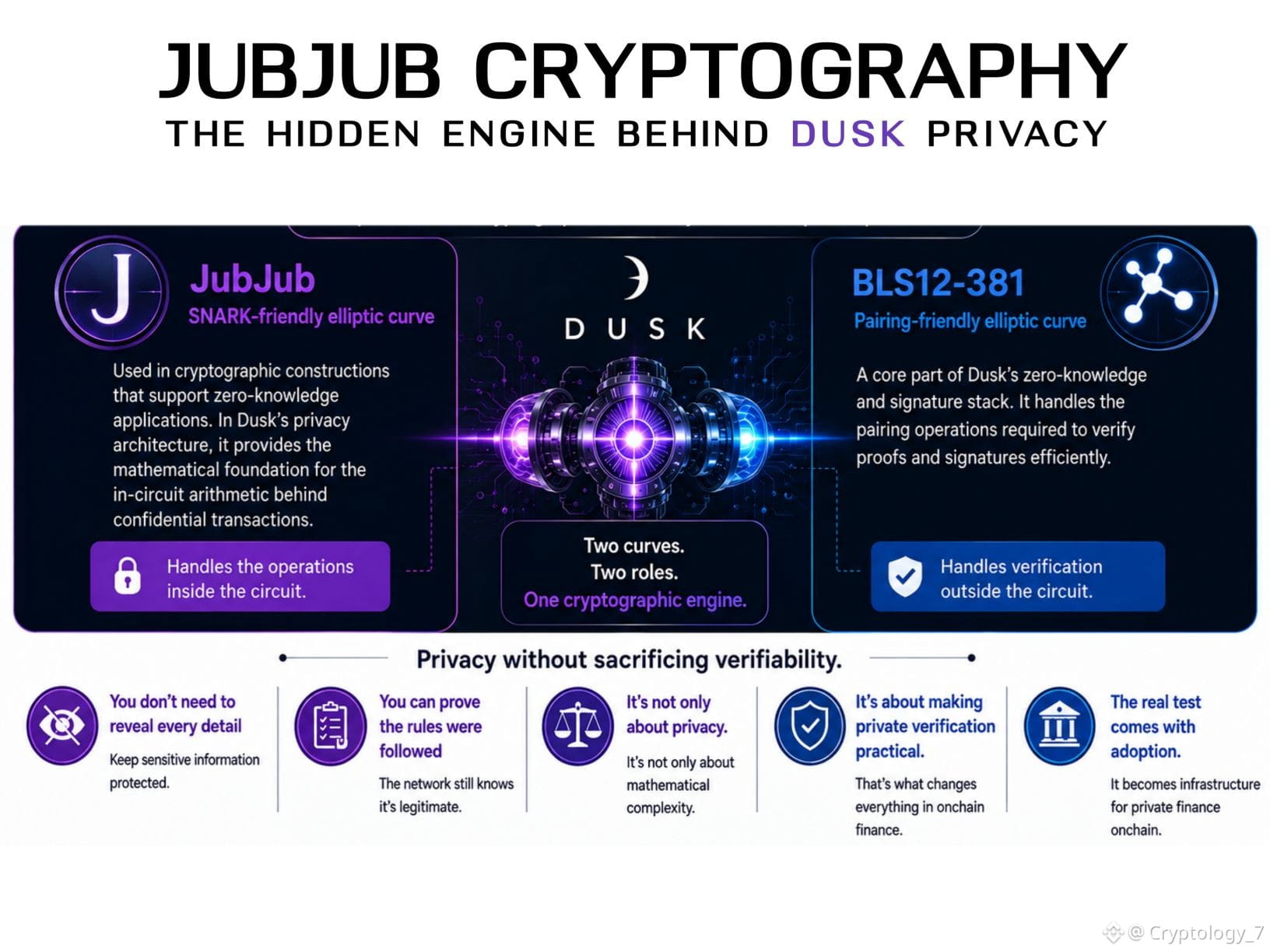
JubJub is a SNARK-friendly elliptic curve used in cryptographic constructions that support zero-knowledge applications.. In Dusk's privacy architecture, it provides an important mathematical foundation for handliNg the operations behind confidential transactions.
JubJub doesn't do this alone. Dusk also relies on BLS12-381 a pairing friendly elliptic curve at the core of its ZK and signature stack. While JubJub handles the in-circuit arithmetic for confidential transactions, BLS12-381 handles the pairing operations required to verify proofs and signatures efficiently. Together, they form two complementary halves of the same cryptographic engine.
That may sound like a small technical detail.
I DON'T THINK IT IS.. The interesting part isn't simply that @Dusk uses advanced cryptography. It's how these different pieces work together to create privacy without sacrificing verifiability.
You don't need to reveal every transaction detail for the network to know something is legitimate.
You can prove the rules were followed while keeping sensitive information protected.
Not “only about privacy.”
Not “only about mathematical complexity.”
It’s about making private verification practical. That changes how I think about privacy in on-chain finance.
But the real test comes with adoption.
The future of institutional finance may not depend on choosing between transparency and privacy, but on cryptography that finally makes both possible. Could JubJub be part of that foundation?
#dusk $DUSK
Most blockchain conversations focus on what a proof can hide. Far fewer look at the cryptographic machinery making those proofs practical.
That's where JubJub caught my attention.
JubJub is a SNARK-friendly elliptic curve used in cryptographic constructions that support zero-knowledge applications.. In Dusk's privacy architecture, it provides an important mathematical foundation for handliNg the operations behind confidential transactions.
JubJub doesn't do this alone. Dusk also relies on BLS12-381 a pairing friendly elliptic curve at the core of its ZK and signature stack. While JubJub handles the in-circuit arithmetic for confidential transactions, BLS12-381 handles the pairing operations required to verify proofs and signatures efficiently. Together, they form two complementary halves of the same cryptographic engine.
That may sound like a small technical detail.
I DON'T THINK IT IS.. The interesting part isn't simply that @Dusk uses advanced cryptography. It's how these different pieces work together to create privacy without sacrificing verifiability.
You don't need to reveal every transaction detail for the network to know something is legitimate.
You can prove the rules were followed while keeping sensitive information protected.
Not “only about privacy.”
Not “only about mathematical complexity.”
It’s about making private verification practical. That changes how I think about privacy in on-chain finance.
But the real test comes with adoption.
The future of institutional finance may not depend on choosing between transparency and privacy, but on cryptography that finally makes both possible. Could JubJub be part of that foundation?
#dusk $DUSK
Connectez-vous pour découvrir plus de contenu