
YASH DHALIWAL 31_加密 143
1.7k Publications

YASH DHALIWAL 31_加密 143
PEPE 🐸 HOLDER
Trade fréquemment
1.1 an(s)
537 Suivis
9.5K+ Abonnés
5.5K+ J’aime
Publications
Tous
Citations
Vidéos
Direct
PINNED
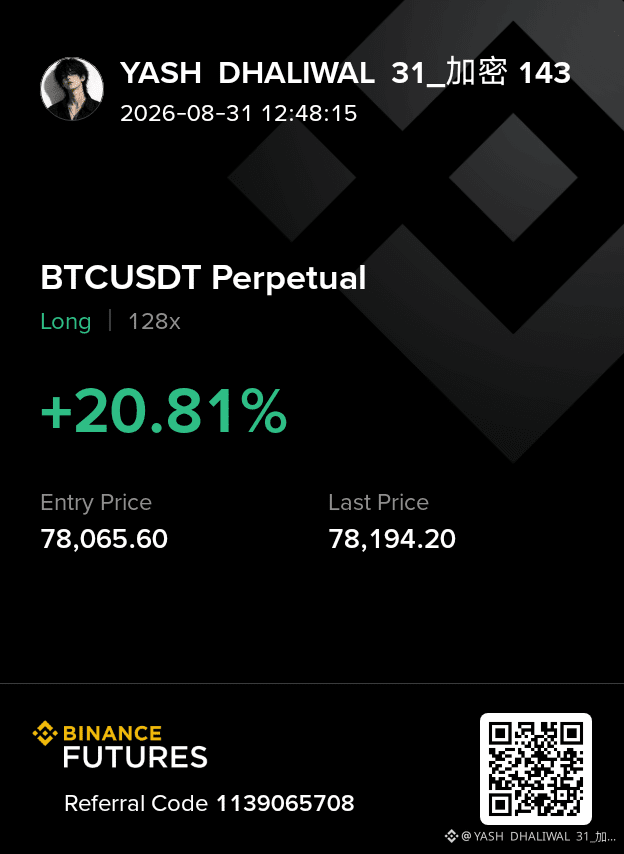
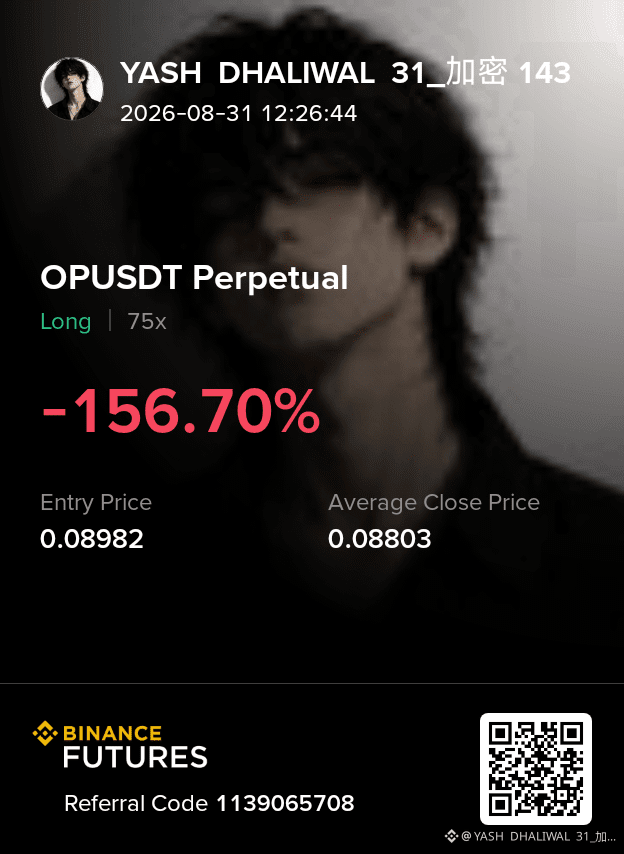
$ERA is getting attention, but the interesting part isn’t just the price move.
Caldera is building infrastructure around an ecosystem of customizable chains, and $ERA is becoming part of that story. What I’m watching now is whether the increased market attention turns into real usage and sustained demand.
A listing can create visibility overnight. Building lasting value takes much longer.
For me, the key question is simple: can ERA turn this attention into actual ecosystem growth?
Watching closely. 👀
#ERA #Caldera #Crypto #Binance
Caldera is building infrastructure around an ecosystem of customizable chains, and $ERA is becoming part of that story. What I’m watching now is whether the increased market attention turns into real usage and sustained demand.
A listing can create visibility overnight. Building lasting value takes much longer.
For me, the key question is simple: can ERA turn this attention into actual ecosystem growth?
Watching closely. 👀
#ERA #Caldera #Crypto #Binance
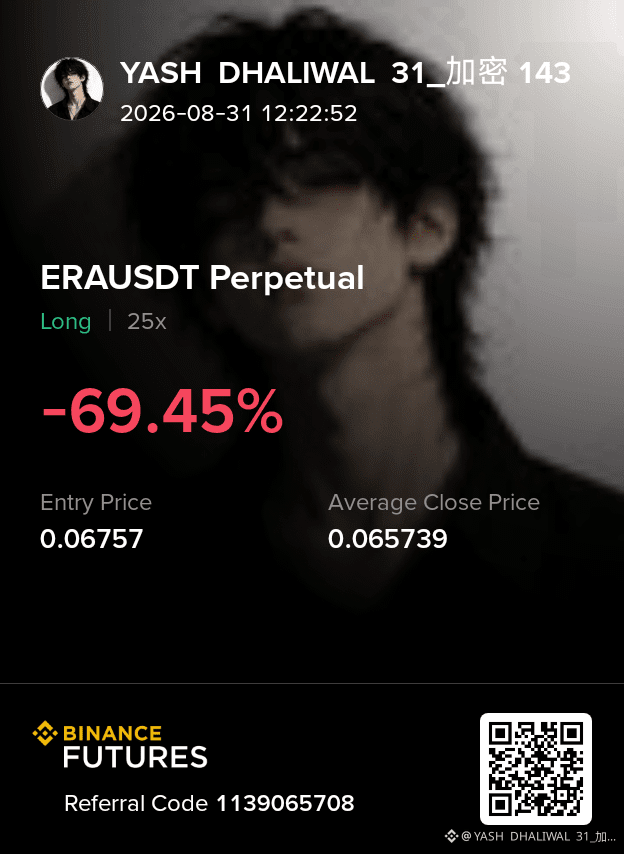
$ALGO LONG 🔥🔥🔥🔥🔥
🎊🎊🎊🎊🎊🎊🎊🎊🎊🎊
🔥🔥🔥🔥🔥🔥🔥🔥🔥🔥
✨✨✨✨✨✨✨✨✨✨
ENTER PRICE_0.087
CLOSE PRICE_0.08798
⚡⚡⚡⚡⚡⚡⚡⚡⚡⚡
👻👻👻👻👻👻👻👻👻👻
🎊🎊🎊🎊🎊🎊🎊🎊🎊🎊
🔥🔥🔥🔥🔥🔥🔥🔥🔥🔥
✨✨✨✨✨✨✨✨✨✨
ENTER PRICE_0.087
CLOSE PRICE_0.08798
⚡⚡⚡⚡⚡⚡⚡⚡⚡⚡
👻👻👻👻👻👻👻👻👻👻
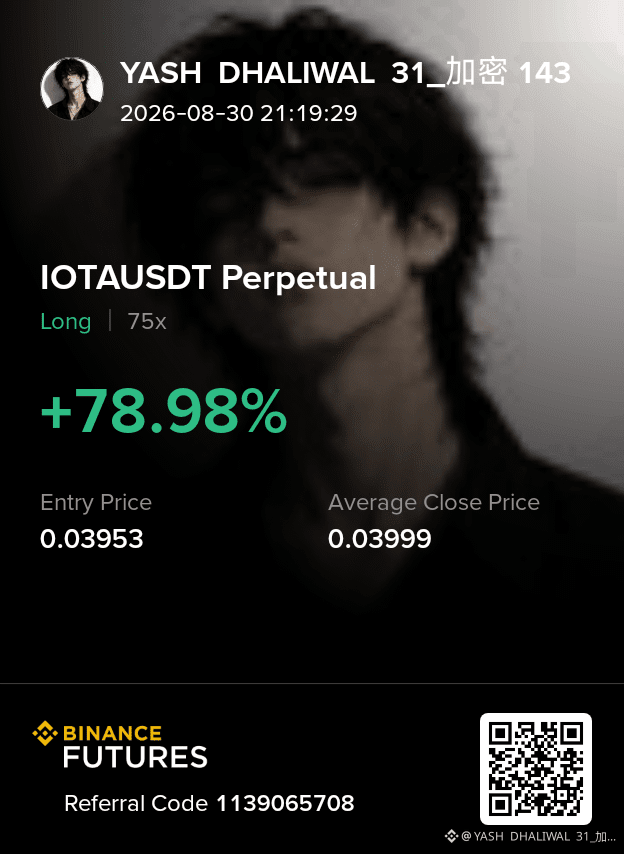
$IOTA LONG 🔥🔥🔥🔥🔥
🎊🎊🎊🎊🎊🎊🎊🎊🎊🎊
🔥🔥🔥🔥🔥🔥🔥🔥🔥🔥
✨✨✨✨✨✨✨✨✨✨
ENTRY PRICE_0.03953
CLOSE PRICE_0.03999
👻👻👻👻👻👻👻👻👻👻
⚡⚡⚡⚡⚡⚡⚡⚡⚡⚡
🎊🎊🎊🎊🎊🎊🎊🎊🎊🎊
🔥🔥🔥🔥🔥🔥🔥🔥🔥🔥
✨✨✨✨✨✨✨✨✨✨
ENTRY PRICE_0.03953
CLOSE PRICE_0.03999
👻👻👻👻👻👻👻👻👻👻
⚡⚡⚡⚡⚡⚡⚡⚡⚡⚡
🔴 $SOL /USDT FUTURES
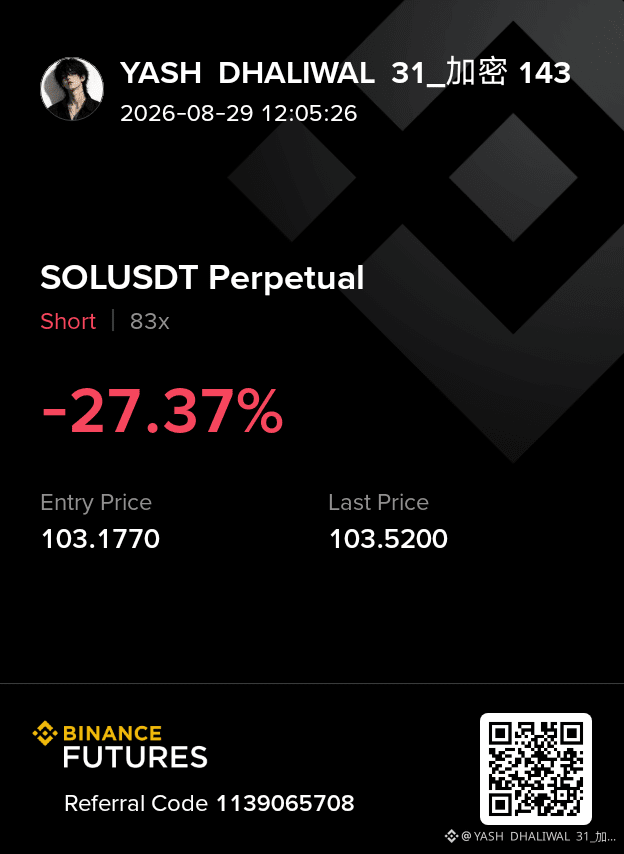
SHORT SETUP
📍 Entry: $103.177
🎯 TP1: $101.00
🎯 TP2: $98.50
🎯 TP3: $96.00
🎯 TP4: $93.00
🛑 SL: $105.50
Watching SOL for downside continuation from the entry zone. I’ll take partial profits at the targets and keep risk controlled.
📉 Trade the setup, not the emotions.
⚠️ Futures trading is high risk. Use proper position sizing and never risk more than you can afford to lose.
#sol #Solana #Binance #Futures #CryptoTrading
SHORT SETUP
📍 Entry: $103.177
🎯 TP1: $101.00
🎯 TP2: $98.50
🎯 TP3: $96.00
🎯 TP4: $93.00
🛑 SL: $105.50
Watching SOL for downside continuation from the entry zone. I’ll take partial profits at the targets and keep risk controlled.
📉 Trade the setup, not the emotions.
⚠️ Futures trading is high risk. Use proper position sizing and never risk more than you can afford to lose.
#sol #Solana #Binance #Futures #CryptoTrading
🎙️ welcome everyone 😁🥸👽👾🌩️🌪️🌪️🌪️❄️❄️🌬️🌊🌲🪵🌿🌱🍃🪴🌵🍃🪴🌵🍁
Fin
02 h 40 min 01 sec
548
ESPUSDT
Perp
Limit/Long
2

#dusk $DUSK @Dusk
A small thing I notice in markets: a few seconds can feel like nothing, until money is waiting on them.
That made me rethink what “efficient” really means for a blockchain.
The Dusk whitepaper doesn’t treat efficiency as simply processing more transactions. Its design connects low-latency communication, consensus, finality, privacy, and financial requirements.
The interesting part is the connection.
Dusk’s SA consensus is designed around transaction finality within seconds, while Kadcast aims to move messages efficiently through the network.
For financial markets, that could matter because timing isn’t just convenience. It affects coordination, execution, and how confidently participants can act.
But I think there’s a harder question underneath.
Does faster settlement actually create an advantage if institutions still struggle with privacy, compliance, or integration?
That’s where Dusk gets interesting to me. Moonlight and Phoenix approach transactions differently, combining transparent and privacy-preserving capabilities rather than treat$ing efficiency as the whole solution.
Maybe the real advantage isn’t speed alone. It’s reducing the friction between speed, privacy, and accountability.
And I’m still wondering how much of that advantage becomes visible only when real financial workflows start depending on it.
A small thing I notice in markets: a few seconds can feel like nothing, until money is waiting on them.
That made me rethink what “efficient” really means for a blockchain.
The Dusk whitepaper doesn’t treat efficiency as simply processing more transactions. Its design connects low-latency communication, consensus, finality, privacy, and financial requirements.
The interesting part is the connection.
Dusk’s SA consensus is designed around transaction finality within seconds, while Kadcast aims to move messages efficiently through the network.
For financial markets, that could matter because timing isn’t just convenience. It affects coordination, execution, and how confidently participants can act.
But I think there’s a harder question underneath.
Does faster settlement actually create an advantage if institutions still struggle with privacy, compliance, or integration?
That’s where Dusk gets interesting to me. Moonlight and Phoenix approach transactions differently, combining transparent and privacy-preserving capabilities rather than treat$ing efficiency as the whole solution.
Maybe the real advantage isn’t speed alone. It’s reducing the friction between speed, privacy, and accountability.
And I’m still wondering how much of that advantage becomes visible only when real financial workflows start depending on it.

Connectez-vous pour découvrir plus de contenu