
Aria Bloom 阿莉娅
504 Publications

Aria Bloom 阿莉娅
Aria Bloom | Learning, growing, and exploring crypto with patience and purpose. Every step is progress 💞
Ouvert au trading
Trade fréquemment
1.5 an(s)
299 Suivis
8.8K+ Abonnés
3.5K+ J’aime
Publications
Portefeuille
Tous
Citations
PINNED
The journey isn’t always about numbers, markets, and targets. Sometimes, it’s about stepping away for a moment, enjoying the beauty of nature, and appreciating the peaceful moments that make life meaningful. ✨
A beautiful view, calm waters, and my little companion by my side. 🐱🤍
Simple moments, unforgettable memories.
Keep moving forward, stay positive, and enjoy every part of the journey. 🚀✨
$BTR $GIGGLE $SOL
A beautiful view, calm waters, and my little companion by my side. 🐱🤍
Simple moments, unforgettable memories.
Keep moving forward, stay positive, and enjoy every part of the journey. 🚀✨
$BTR $GIGGLE $SOL

😍

Tahir 塔希尔
·
--
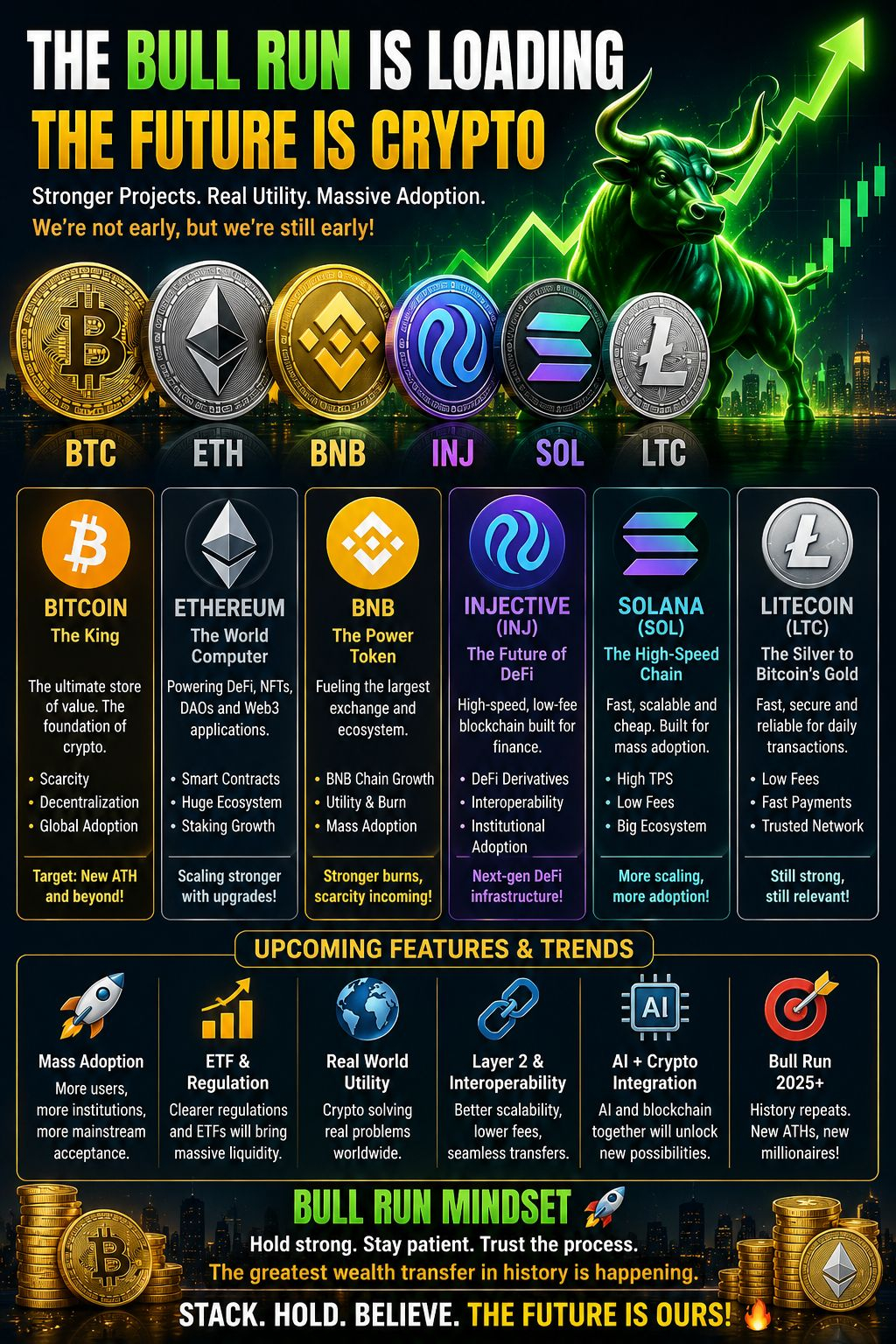
🚀 CRYPTO BULL RUN: THE NEXT BIG MOVE? 🐂🔥
The crypto market is evolving fast — and the next cycle may be driven by utility, adoption, institutions, and real on-chain finance, not just hype.
₿ BTC — The King
Digital scarcity + institutional adoption + ETF demand. Bitcoin remains the foundation of the entire market.
♦️ ETH — The World Computer
Ethereum continues pushing scalability and ecosystem growth, with major upgrades focused on making the network faster and more efficient.
🟡 BNB — The Ecosystem Engine
BNB Chain continues expanding its DeFi, Web3 and application ecosystem while BNB benefits from network utility and token economics.
🔵 INJ — Finance on-chain
Injective is building toward a finance-native blockchain with EVM + WASM, tokenized assets, stablecoin settlement, institutional access and an expanding RWA ecosystem.
🌈 SOL — Speed + Adoption
Solana continues pushing performance, while Alpenglow is one of the major protocol upgrades to watch in 2026, targeting dramatically faster finality.
⚡ LTC — The Veteran
Litecoin remains focused on fast, reliable payments, while upcoming developments include programmable functionality and its next halving cycle.
🔥 WHAT COULD DRIVE THE NEXT BULL RUN?
✅ Institutional capital
✅ ETF adoption
✅ Clearer crypto regulation
✅ Real-world asset tokenization
✅ Stablecoin growth
✅ DeFi expansion
✅ AI + blockchain
✅ Faster & cheaper networks
✅ Mass adoption
✅ New all-time highs
Bitcoin recently moved back above $80K, while ETH and SOL also posted strong gains — but a rally does not automatically guarantee a full bull market.
The real question isn't:
“Will crypto survive?”
It's:
“How big can the next adoption wave become?” 🌎🚀
BTC. ETH. BNB. INJ. SOL. LTC.
Different narratives.
Different technology.
One massive ecosystem.
🐂 The bull may be waking up.
#Bitcoin #Ethereum #BNB #Injective #Solana #Litecoin #Crypto #BullRun #DeFi #RWA #Web3 #Blockchain
The crypto market is evolving fast — and the next cycle may be driven by utility, adoption, institutions, and real on-chain finance, not just hype.
₿ BTC — The King
Digital scarcity + institutional adoption + ETF demand. Bitcoin remains the foundation of the entire market.
♦️ ETH — The World Computer
Ethereum continues pushing scalability and ecosystem growth, with major upgrades focused on making the network faster and more efficient.
🟡 BNB — The Ecosystem Engine
BNB Chain continues expanding its DeFi, Web3 and application ecosystem while BNB benefits from network utility and token economics.
🔵 INJ — Finance on-chain
Injective is building toward a finance-native blockchain with EVM + WASM, tokenized assets, stablecoin settlement, institutional access and an expanding RWA ecosystem.
🌈 SOL — Speed + Adoption
Solana continues pushing performance, while Alpenglow is one of the major protocol upgrades to watch in 2026, targeting dramatically faster finality.
⚡ LTC — The Veteran
Litecoin remains focused on fast, reliable payments, while upcoming developments include programmable functionality and its next halving cycle.
🔥 WHAT COULD DRIVE THE NEXT BULL RUN?
✅ Institutional capital
✅ ETF adoption
✅ Clearer crypto regulation
✅ Real-world asset tokenization
✅ Stablecoin growth
✅ DeFi expansion
✅ AI + blockchain
✅ Faster & cheaper networks
✅ Mass adoption
✅ New all-time highs
Bitcoin recently moved back above $80K, while ETH and SOL also posted strong gains — but a rally does not automatically guarantee a full bull market.
The real question isn't:
“Will crypto survive?”
It's:
“How big can the next adoption wave become?” 🌎🚀
BTC. ETH. BNB. INJ. SOL. LTC.
Different narratives.
Different technology.
One massive ecosystem.
🐂 The bull may be waking up.
#Bitcoin #Ethereum #BNB #Injective #Solana #Litecoin #Crypto #BullRun #DeFi #RWA #Web3 #Blockchain
😍
Bilverse
·
--
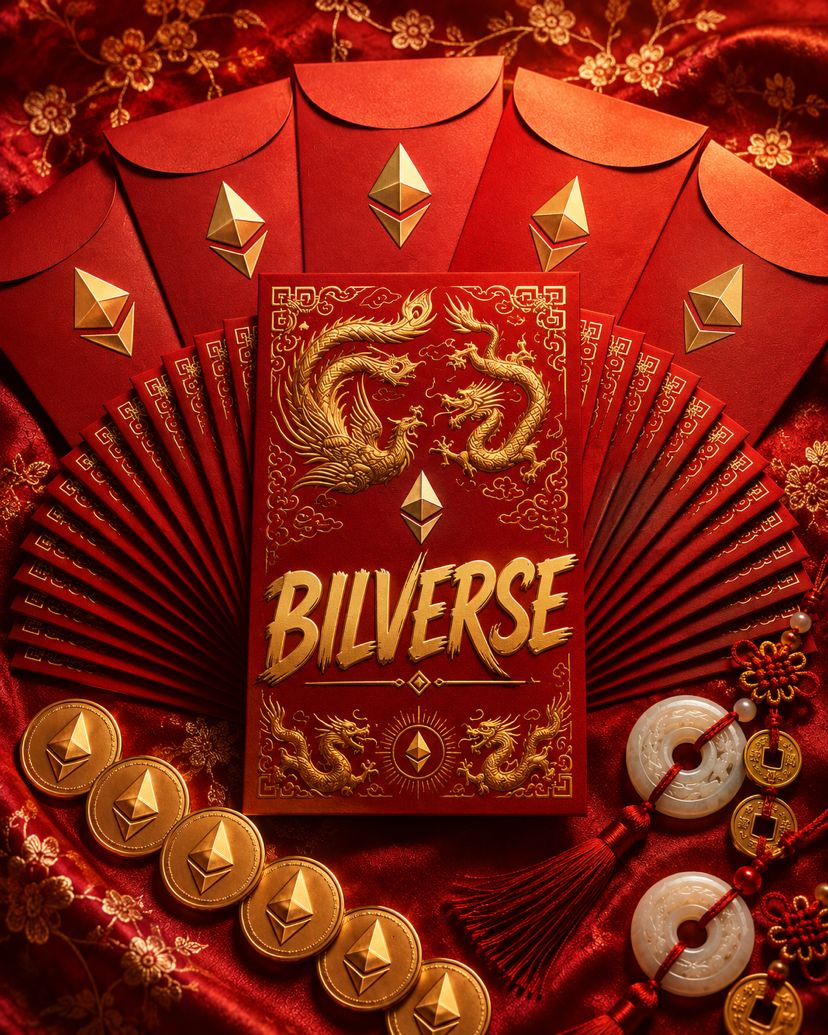
🚨 STOP SCROLLING — FREE ETH IS DROPPING 🧧⚡️
Binance Red Packets are loaded. 👀
If you want a shot at claiming ETH, do this:
• Follow @Bilverse
• Reshare this post
• Comment “4000” 🗣️
That’s it.
The more people who see this, the more chaotic this giveaway gets. 😂🔥
Follow → Reshare → “4000”
Click here to DOUBLE your Rewards! 🧧🚀
Let’s see how fast the ETH disappears. 🧧💎
#ETH #RedPacketMission #Bilverse #CryptoCommunity
Binance Red Packets are loaded. 👀
If you want a shot at claiming ETH, do this:
• Follow @Bilverse
• Reshare this post
• Comment “4000” 🗣️
That’s it.
The more people who see this, the more chaotic this giveaway gets. 😂🔥
Follow → Reshare → “4000”
Click here to DOUBLE your Rewards! 🧧🚀
Let’s see how fast the ETH disappears. 🧧💎
#ETH #RedPacketMission #Bilverse #CryptoCommunity
😍


Bobbypk
·
--
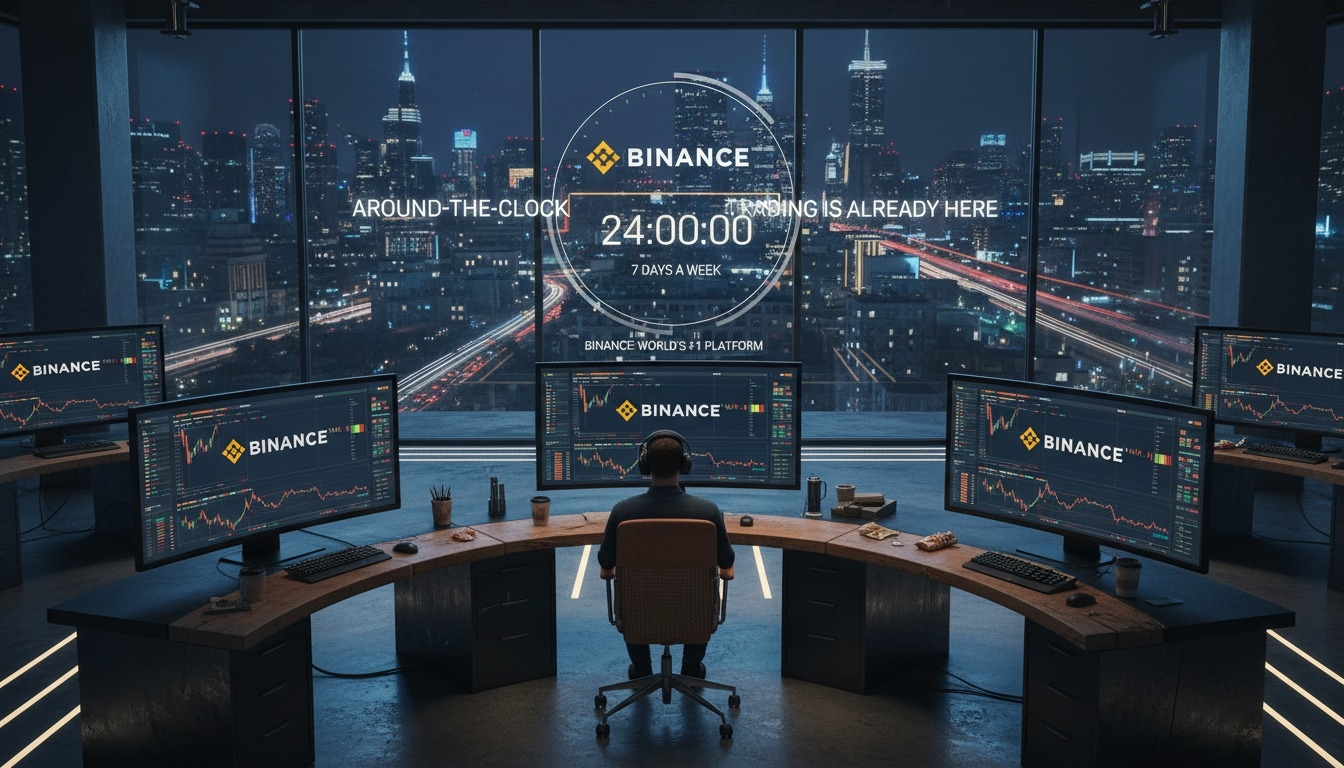
Haussier🔥 If you’ve been paying attention, you’ll notice something big: old-school markets are only now dipping their toes into 23x5 trading, while Binance has been wide open, 24/7, for years. That gap’s getting too obvious to brush off. Crypto was designed for people who don’t want to wait for the bell to ring. Finally, the rest of finance is starting to wake up. Around-the-clock trading isn’t the future it’s already here. As you are already on Binance, the difference is clear. So Binance is the number one platform for trading in the world. If yes comment for opinion #Binance @BNB Chain #CryptoFearGreedIndexHits74
#XRPRallies44%InAWeek
#movr
#XRPRallies44%InAWeek
#movr
😍

NAJAF_加密 143
·
--
Solana (SOL): The High-Speed Crypto Engine 🚀
Solana is one of the top cryptocurrencies, currently trading around $85 with a massive market cap placing it firmly among the top layer-1 networks.
Why It Matters:
⚡ Blazing Speed: Processes thousands of transactions per second via its unique Proof-of-History mechanism.
💸 Micro Fees: Average transactions cost fractions of a cent, making micro-payments practical.
🌐 Ecosystem Hub: Powers DeFi, NFTs, and Web3 apps at scale.
Solana solves crypto’s scaling problem, combining speed, affordability, and utility.
#Solana #Crypto #SOL
#ClaimNow #BinanceSquareFamily
Solana is one of the top cryptocurrencies, currently trading around $85 with a massive market cap placing it firmly among the top layer-1 networks.
Why It Matters:
⚡ Blazing Speed: Processes thousands of transactions per second via its unique Proof-of-History mechanism.
💸 Micro Fees: Average transactions cost fractions of a cent, making micro-payments practical.
🌐 Ecosystem Hub: Powers DeFi, NFTs, and Web3 apps at scale.
Solana solves crypto’s scaling problem, combining speed, affordability, and utility.
#Solana #Crypto #SOL
#ClaimNow #BinanceSquareFamily

😇

艾伦Eren1688
·
--
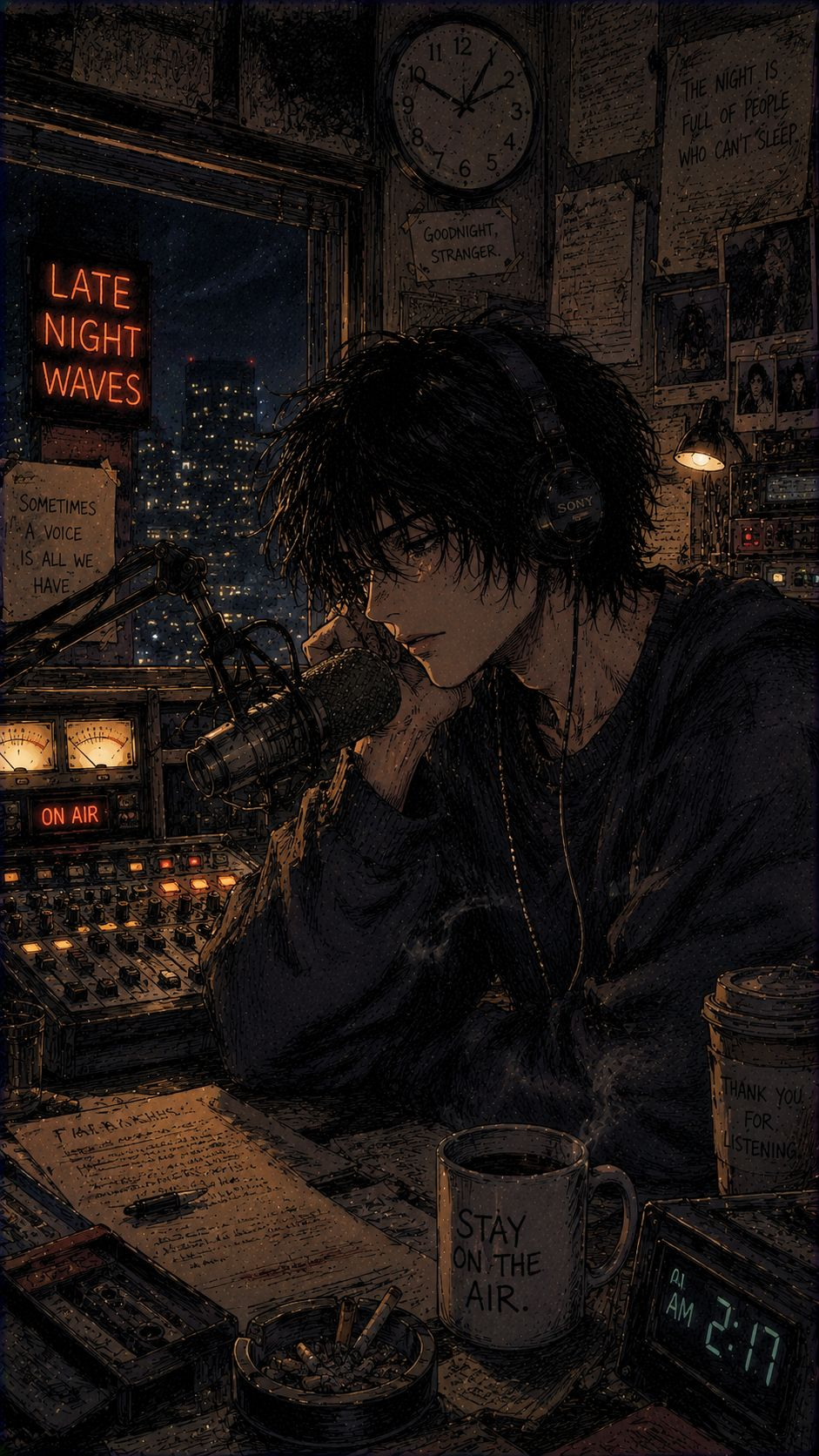
Haussier*深夜的电波,清晨的胜果* 🎙️🌙
凌晨 2:17。城市已入梦乡。麦克风开启,咖啡尚温。 “这漫漫长夜里,总有人辗转难眠。”
这是无人可见的默默耕耘:研读、分析、在尚无人聆听时坚持发声。
这就是“持之以恒”的模样——在万籁俱寂之时,依然坚守阵地。
因为重大的突破并非诞生于喧嚣之中,而是源自深夜里那份精心的筹备与积淀 💎
交易亦是如此。当别人在漫无目的地刷屏时,我们在潜心研读;当别人在盲目猜测时,我们在精准预判。
我正将这份自律投入到 *Predict Token* 之中——在这里,你可以基于真实事件为自己的信念下注,磨练判断力,将深夜的研究转化为实实在在的成果。洞察局势,果断决策 📈
保持发声,保持在场。 感谢家人们的支持——向着 2 万粉丝的目标进发!🙏
今晚是什么让你彻夜未眠:是行情图表、既定目标,还是心中梦想?在下方留言告诉我吧 👇
answer:1
回答 :1
#1688家族family #prediction...
凌晨 2:17。城市已入梦乡。麦克风开启,咖啡尚温。 “这漫漫长夜里,总有人辗转难眠。”
这是无人可见的默默耕耘:研读、分析、在尚无人聆听时坚持发声。
这就是“持之以恒”的模样——在万籁俱寂之时,依然坚守阵地。
因为重大的突破并非诞生于喧嚣之中,而是源自深夜里那份精心的筹备与积淀 💎
交易亦是如此。当别人在漫无目的地刷屏时,我们在潜心研读;当别人在盲目猜测时,我们在精准预判。
我正将这份自律投入到 *Predict Token* 之中——在这里,你可以基于真实事件为自己的信念下注,磨练判断力,将深夜的研究转化为实实在在的成果。洞察局势,果断决策 📈
保持发声,保持在场。 感谢家人们的支持——向着 2 万粉丝的目标进发!🙏
今晚是什么让你彻夜未眠:是行情图表、既定目标,还是心中梦想?在下方留言告诉我吧 👇
answer:1
回答 :1
#1688家族family #prediction...
😍
Méèkóò 牛市猎人
·
--
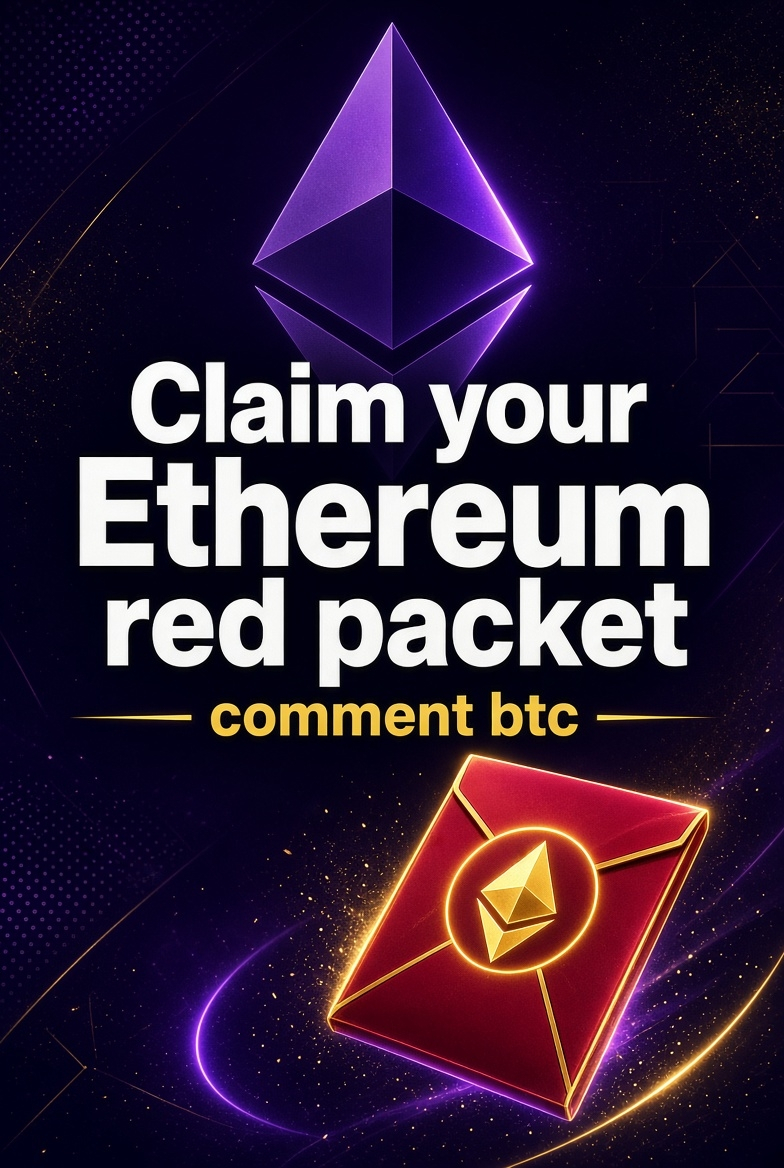
🎁 Claim Your FREE Ethereum Red Packet Now 🧧🧧
Just comment btc below this post to enter the giveaway 🔥🧧🧧
Limited red packets available first come, first served!
Don’t miss your chance to grab free ETH.
Hurry up before it’s gone
$NVDAB $SNDKB $BTC
#OktaCrowdStrikeSurgeOnEarningsBeat
#KospiClosesAtRecordHigh
#BestBuyQ2RevenueTopsEstimatesLiftsOutlook
#BankOfKoreaHikesRatesTo3%
#DollarPostsBiggestGainInNearlyFourWeeks
Just comment btc below this post to enter the giveaway 🔥🧧🧧
Limited red packets available first come, first served!
Don’t miss your chance to grab free ETH.
Hurry up before it’s gone
$NVDAB $SNDKB $BTC
#OktaCrowdStrikeSurgeOnEarningsBeat
#KospiClosesAtRecordHigh
#BestBuyQ2RevenueTopsEstimatesLiftsOutlook
#BankOfKoreaHikesRatesTo3%
#DollarPostsBiggestGainInNearlyFourWeeks
😍

JANNAT BM_
·
--
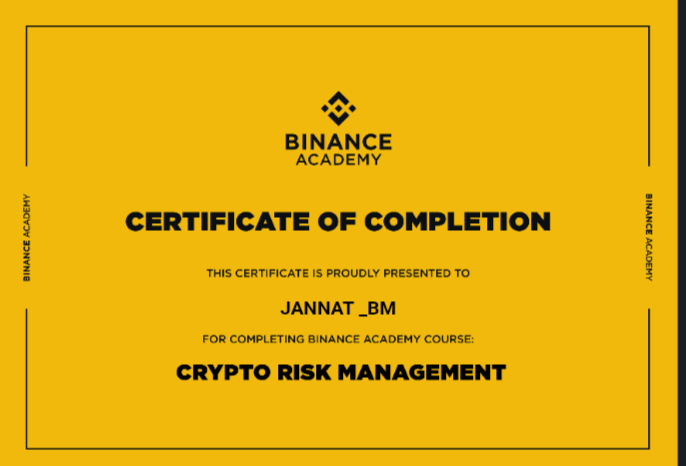
Thank you #Binance 💛
My first certificate form @Binance Academy 💛💛💛
My first certificate form @Binance Academy 💛💛💛
😍

燕寶Melissa
·
--
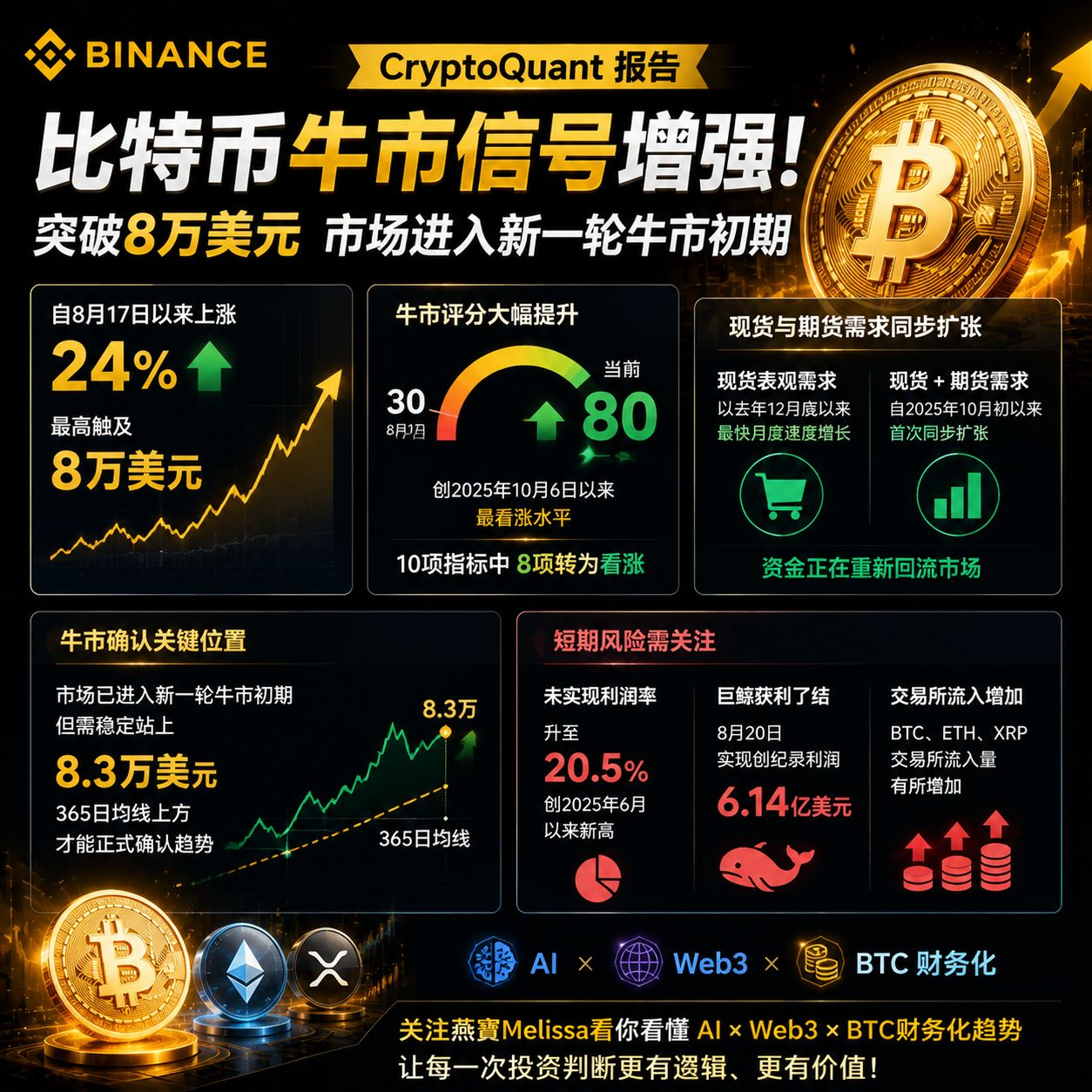
Haussier🚀 比特币牛市信号正在增强!
CryptoQuant最新报告显示:
📈 自8月17日以来,比特币上涨约 24%
🔥 价格最高触及 8万美元
更重要的是,市场情绪正在发生明显变化:
✅ 牛市评分从30升至80
✅ 创下2025年10月6日以来最高看涨水平
✅ 10项核心指标中,已有 8项转为看涨
这意味着什么?
市场正在从“震荡修复阶段”逐步进入新的趋势周期。
📊 三大关键变化值得关注:
1️⃣ 现货需求快速恢复
比特币现货表观需求正在以去年12月底以来最快速度增长。
同时:
现货需求 + 期货需求
自2025年10月初以来首次出现同步扩张。
这通常意味着资金正在重新回流市场。
2️⃣ 牛市确认仍有关键位置
CryptoQuant认为:
当前市场已经进入新一轮牛市早期阶段。
但真正确认趋势,需要比特币稳定站上:
🔥 约8.3万美元的365日均线
突破并站稳,可能成为下一阶段的重要信号。
3️⃣ 短期风险正在累积
牛市过程中,也要关注市场过热:
⚠️ 交易者未实现利润率升至 20.5%
⚠️ 创2025年6月以来新高
⚠️ 8月20日巨鲸实现利润 6.14亿美元
#比特币升破8万美元创三月新高
$BTC
$ETH
$BNB
CryptoQuant最新报告显示:
📈 自8月17日以来,比特币上涨约 24%
🔥 价格最高触及 8万美元
更重要的是,市场情绪正在发生明显变化:
✅ 牛市评分从30升至80
✅ 创下2025年10月6日以来最高看涨水平
✅ 10项核心指标中,已有 8项转为看涨
这意味着什么?
市场正在从“震荡修复阶段”逐步进入新的趋势周期。
📊 三大关键变化值得关注:
1️⃣ 现货需求快速恢复
比特币现货表观需求正在以去年12月底以来最快速度增长。
同时:
现货需求 + 期货需求
自2025年10月初以来首次出现同步扩张。
这通常意味着资金正在重新回流市场。
2️⃣ 牛市确认仍有关键位置
CryptoQuant认为:
当前市场已经进入新一轮牛市早期阶段。
但真正确认趋势,需要比特币稳定站上:
🔥 约8.3万美元的365日均线
突破并站稳,可能成为下一阶段的重要信号。
3️⃣ 短期风险正在累积
牛市过程中,也要关注市场过热:
⚠️ 交易者未实现利润率升至 20.5%
⚠️ 创2025年6月以来新高
⚠️ 8月20日巨鲸实现利润 6.14亿美元
#比特币升破8万美元创三月新高
$BTC
$ETH
$BNB
68

Suadagar Ali
·
--
#BNB $
follow ☘️🥀🌹like
comments repost
follow ☘️🥀🌹like
comments repost

😍

Shaheen 69
·
--
🎁 A Little Red Packet Surprise for My Amazing Followers! 🧧
You’ve supported, liked, commented, and shared my content throughout the journey — and now it’s time to give something back! ❤️
I’m sending out a Red Packet Gift as a small thank-you to my amazing community. 🧧✨
Keep following, stay active, and don’t miss the drop — you never know when the next surprise will arrive! 👀🔥
Your support means more than numbers on a screen. Every follower is part of this journey, and I truly appreciate you. 🙏
Good luck everyone! 🍀 May your Red Packet bring you a little extra happiness today! 🚀🧧
Stay connected. Stay active. Stay winning! 💎
$TUT
$BEAMX
You’ve supported, liked, commented, and shared my content throughout the journey — and now it’s time to give something back! ❤️
I’m sending out a Red Packet Gift as a small thank-you to my amazing community. 🧧✨
Keep following, stay active, and don’t miss the drop — you never know when the next surprise will arrive! 👀🔥
Your support means more than numbers on a screen. Every follower is part of this journey, and I truly appreciate you. 🙏
Good luck everyone! 🍀 May your Red Packet bring you a little extra happiness today! 🚀🧧
Stay connected. Stay active. Stay winning! 💎
$TUT
$BEAMX

😇

Fatima 5
·
--
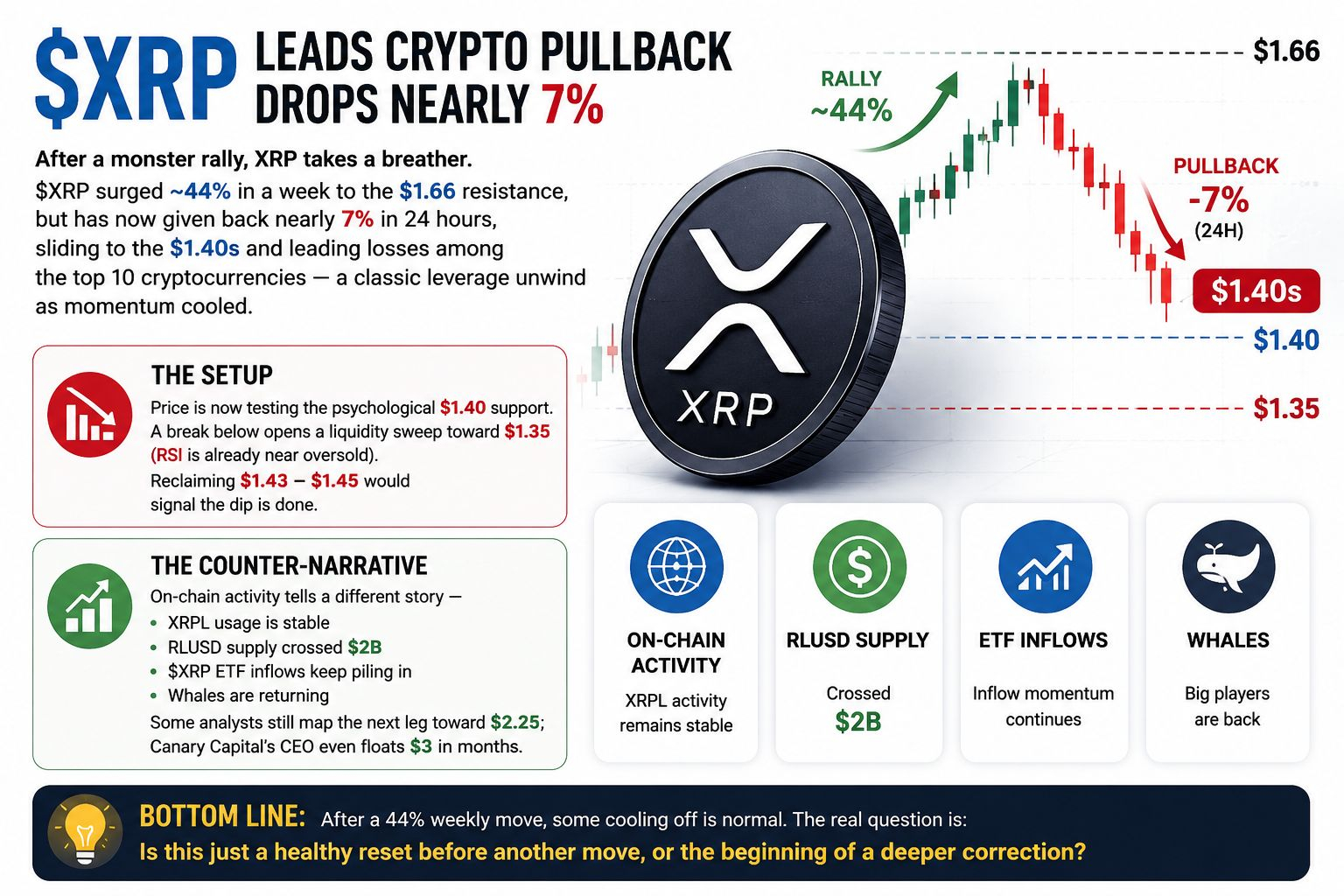
#XRPLeadsCryptoPullbackDropsNearly7%
$XRP’s sharp pullback does not automatically change the bigger picture.
After a powerful weekly rally XRP pushed into resistance near $1.66 before momentum cooled and price slipped toward the $1.40 area. That kind of move can happen when traders start taking profit and leveraged positions unwind.
For me the key zone now is $1.40. Holding it could give buyers room to rebuild momentum, while losing it may expose $1.35 next. A move back above $1.43–$1.45 would improve the short-term structure.
What makes this pullback interesting is that the broader XRP story has not suddenly disappeared. XRPL activity remains relevant RLUSD has continued growing, ETF demand is being watched closely and larger holders appear active.
So I’m not looking at this dip as simply “XRP is falling.” I am watching whether support holds and whether real demand returns.
After a 44% weekly move, some cooling off is normal.
The real question is: is this just a healthy reset before another move or the beginning of a deeper correction?
#ChinaOpposesUSProposed7.5%Tariff
#NvidiaRises4%OnRevenueBeat
$XRP’s sharp pullback does not automatically change the bigger picture.
After a powerful weekly rally XRP pushed into resistance near $1.66 before momentum cooled and price slipped toward the $1.40 area. That kind of move can happen when traders start taking profit and leveraged positions unwind.
For me the key zone now is $1.40. Holding it could give buyers room to rebuild momentum, while losing it may expose $1.35 next. A move back above $1.43–$1.45 would improve the short-term structure.
What makes this pullback interesting is that the broader XRP story has not suddenly disappeared. XRPL activity remains relevant RLUSD has continued growing, ETF demand is being watched closely and larger holders appear active.
So I’m not looking at this dip as simply “XRP is falling.” I am watching whether support holds and whether real demand returns.
After a 44% weekly move, some cooling off is normal.
The real question is: is this just a healthy reset before another move or the beginning of a deeper correction?
#ChinaOpposesUSProposed7.5%Tariff
#NvidiaRises4%OnRevenueBeat
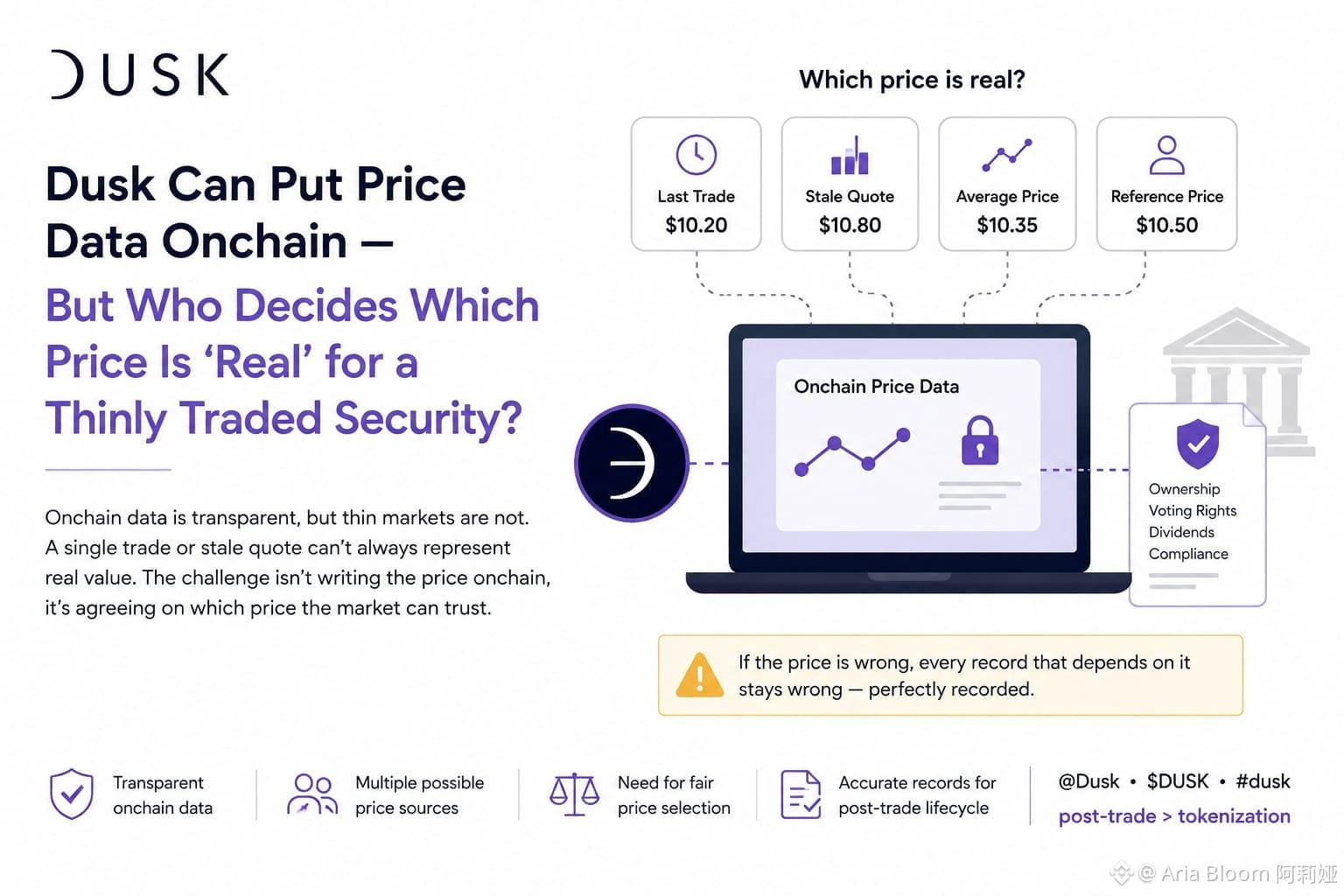
I’ve been thinking about Dusk’s onchain price data a bit differently lately. Putting a price onchain sounds straightforward until I imagine a security that barely trades. If it moves once every few days which price actually represents the market? The last trade? A stale quote? An average? Or some reference value agreed by the system?
That matters because tokenization doesn’t automatically make the underlying asset more measurable. The chain can preserve a number very accurately but it can’t decide by itself whether that number still reflects reality. For a thinly traded security a single small transaction could look meaningful even when it tells us very little about what another buyer would actually pay.
I think this is where Dusk’s post-trade focus gets more interesting to me. The source material makes the point that the hard part is keeping records correct after trading including rights payments and compliance. But there’s another dependency sitting underneath those records: the inputs have to be trustworthy in the first place. If eligibility or valuation eventually depends on price data.
bad inputs can stay perfectly recorded onchain.
I’d want to see how Dusk handles stale or disputed prices in practice. Who gets the final say when the market itself barely speaks?
#dusk $DUSK @Dusk
That matters because tokenization doesn’t automatically make the underlying asset more measurable. The chain can preserve a number very accurately but it can’t decide by itself whether that number still reflects reality. For a thinly traded security a single small transaction could look meaningful even when it tells us very little about what another buyer would actually pay.
I think this is where Dusk’s post-trade focus gets more interesting to me. The source material makes the point that the hard part is keeping records correct after trading including rights payments and compliance. But there’s another dependency sitting underneath those records: the inputs have to be trustworthy in the first place. If eligibility or valuation eventually depends on price data.
bad inputs can stay perfectly recorded onchain.
I’d want to see how Dusk handles stale or disputed prices in practice. Who gets the final say when the market itself barely speaks?
#dusk $DUSK @Dusk
#dusk $DUSK @Dusk
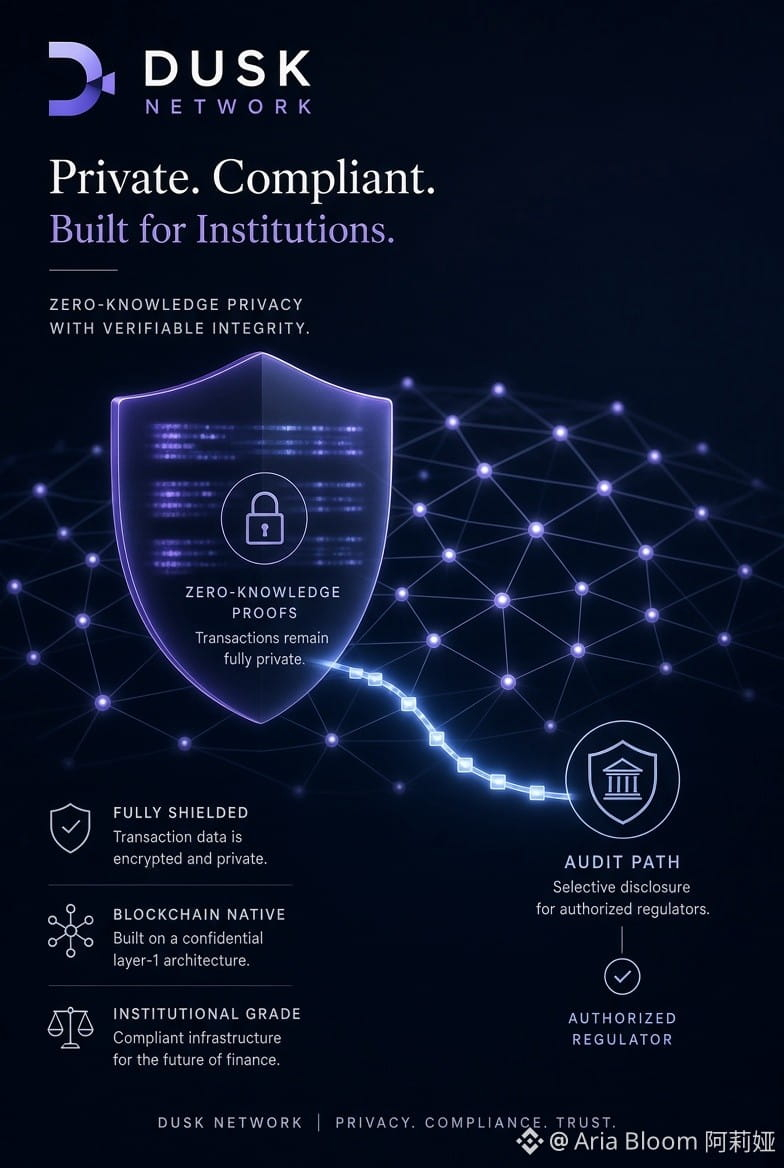
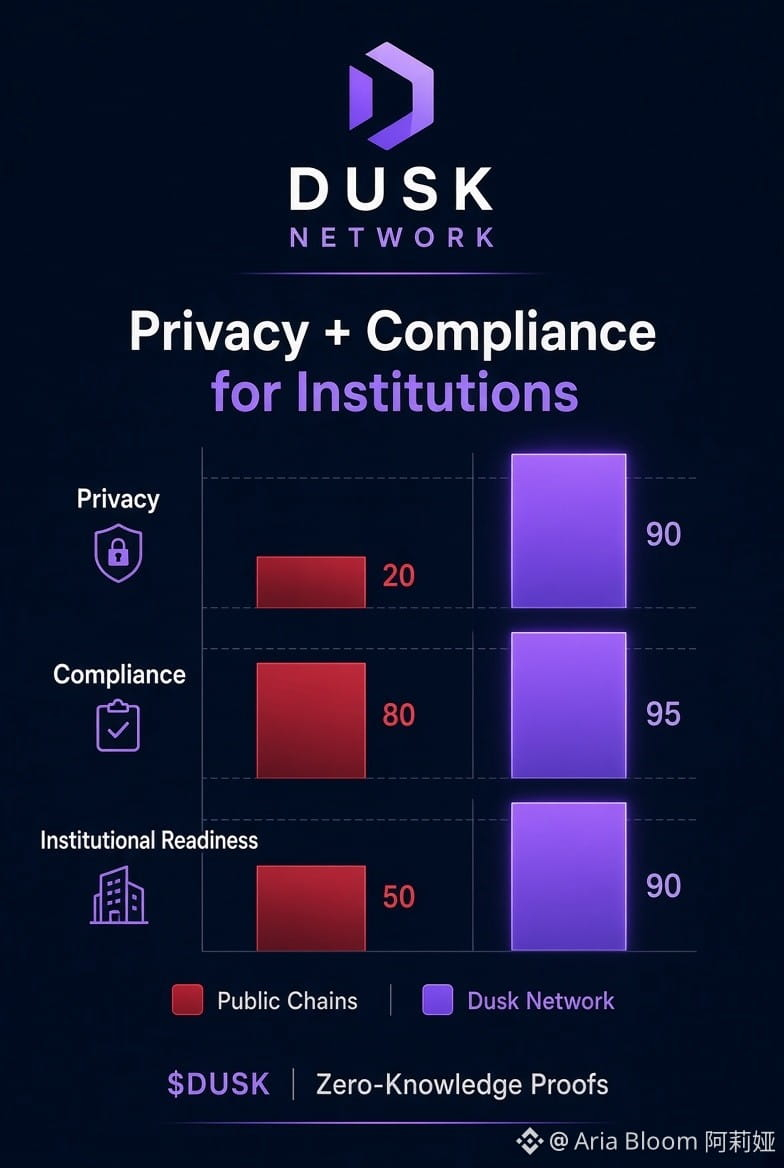
Dusk’s approach feels genuinely refreshing in crypto.
On most chains, every transaction is fully public amounts, parties, everything. Institutions hate this. They need privacy, yet regulators still demand full audit trails. It’s a hard conflict.
Dusk solves it cleanly. Their system separates transaction truth from transaction disclosure Using zero-knowledge proofs, the network can verify that a transaction is valid, rules were followed, and balances check out without revealing the actual details.
Only authorized parties and regulators can see the real data. Everyone else just sees confirmation that it’s legitimate.
That’s why Dusk is becoming a serious contender for real-world assets and regulated finance. Privacy and compliance finally work together.
For institutions, this removes a major barrier. Public chains no longer feel like such a risk.
They’re quietly building something that actually solves a real problem. Worth watching.
Dusk’s approach feels genuinely refreshing in crypto.
On most chains, every transaction is fully public amounts, parties, everything. Institutions hate this. They need privacy, yet regulators still demand full audit trails. It’s a hard conflict.
Dusk solves it cleanly. Their system separates transaction truth from transaction disclosure Using zero-knowledge proofs, the network can verify that a transaction is valid, rules were followed, and balances check out without revealing the actual details.
Only authorized parties and regulators can see the real data. Everyone else just sees confirmation that it’s legitimate.
That’s why Dusk is becoming a serious contender for real-world assets and regulated finance. Privacy and compliance finally work together.
For institutions, this removes a major barrier. Public chains no longer feel like such a risk.
They’re quietly building something that actually solves a real problem. Worth watching.
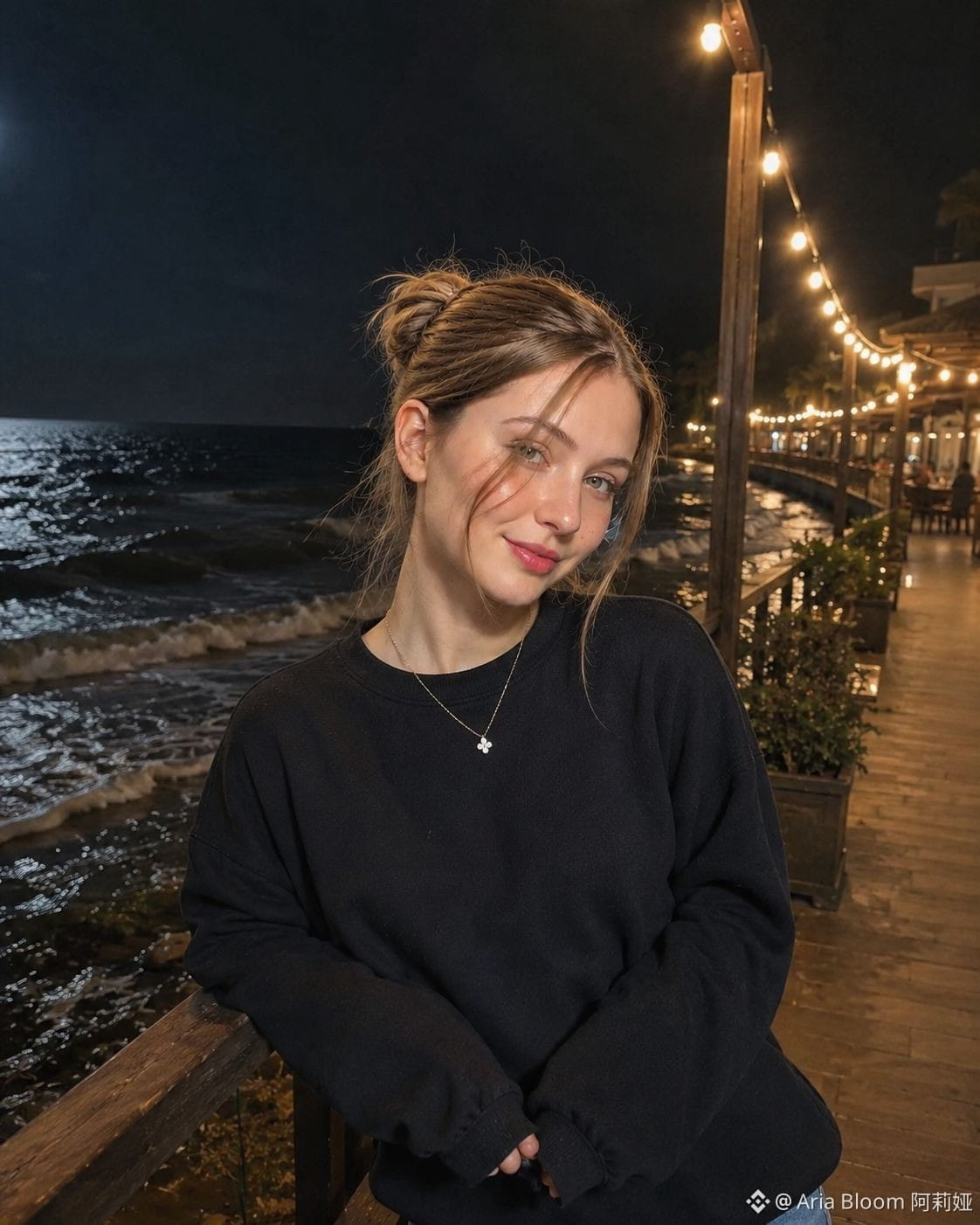
Night by the sea, soft lights, and a little peace in the air 🌊
Just me, the waves, and this quiet moment.
Ocean breeze, string lights, and a soft smile ✨
Sometimes the best nights are the quiet ones.
Sea, lights, aur thodi si sukoon 🌊
Bas yahi moment feel kar rahi hun.
Night vibes only 🌙🌊
Soft lights, soft smile.
Where the waves meet the lights and everything feels a little softer $DUSK #BTC
Just me, the waves, and this quiet moment.
Ocean breeze, string lights, and a soft smile ✨
Sometimes the best nights are the quiet ones.
Sea, lights, aur thodi si sukoon 🌊
Bas yahi moment feel kar rahi hun.
Night vibes only 🌙🌊
Soft lights, soft smile.
Where the waves meet the lights and everything feels a little softer $DUSK #BTC
Sometimes the best moments are the simplest ones ☕🌹✨
A peaceful moment, a warm cup of coffee, and a little beauty in the day. ❤️
$DUSK $BTC
A peaceful moment, a warm cup of coffee, and a little beauty in the day. ❤️
$DUSK $BTC

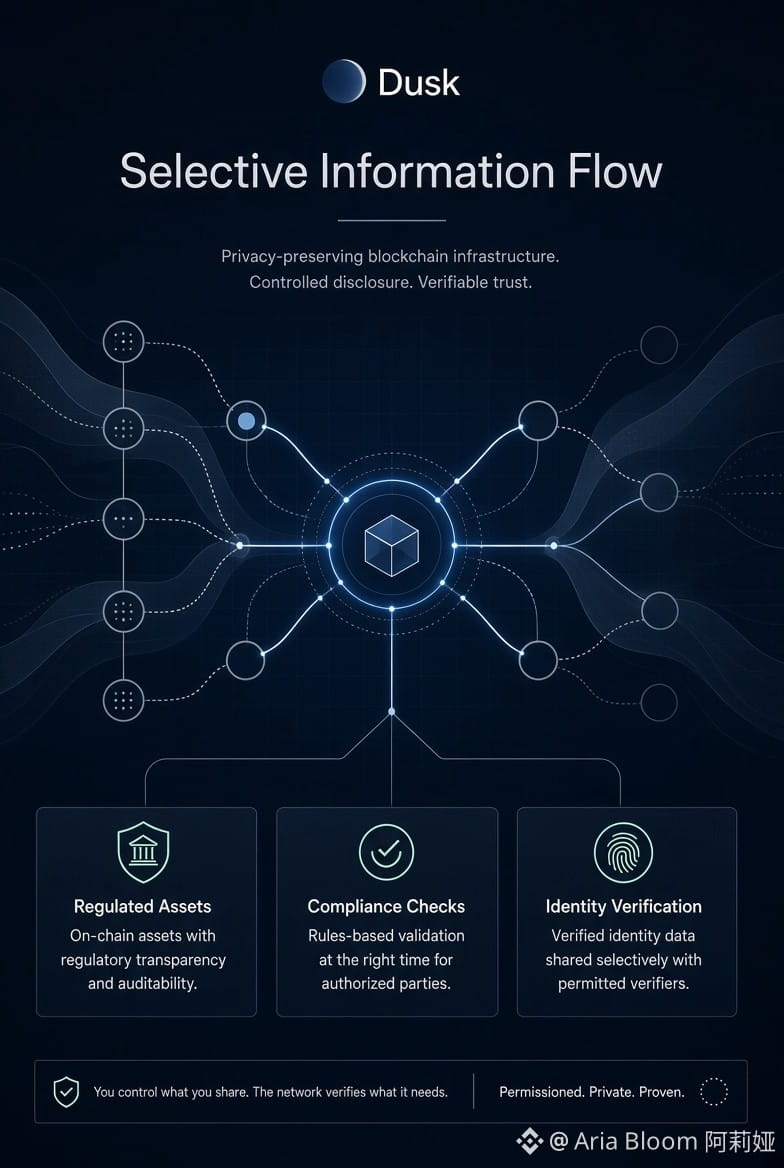
I’ve started thinking about Dusk’s privacy model less as hiding transactions and more as controlling how information moves.
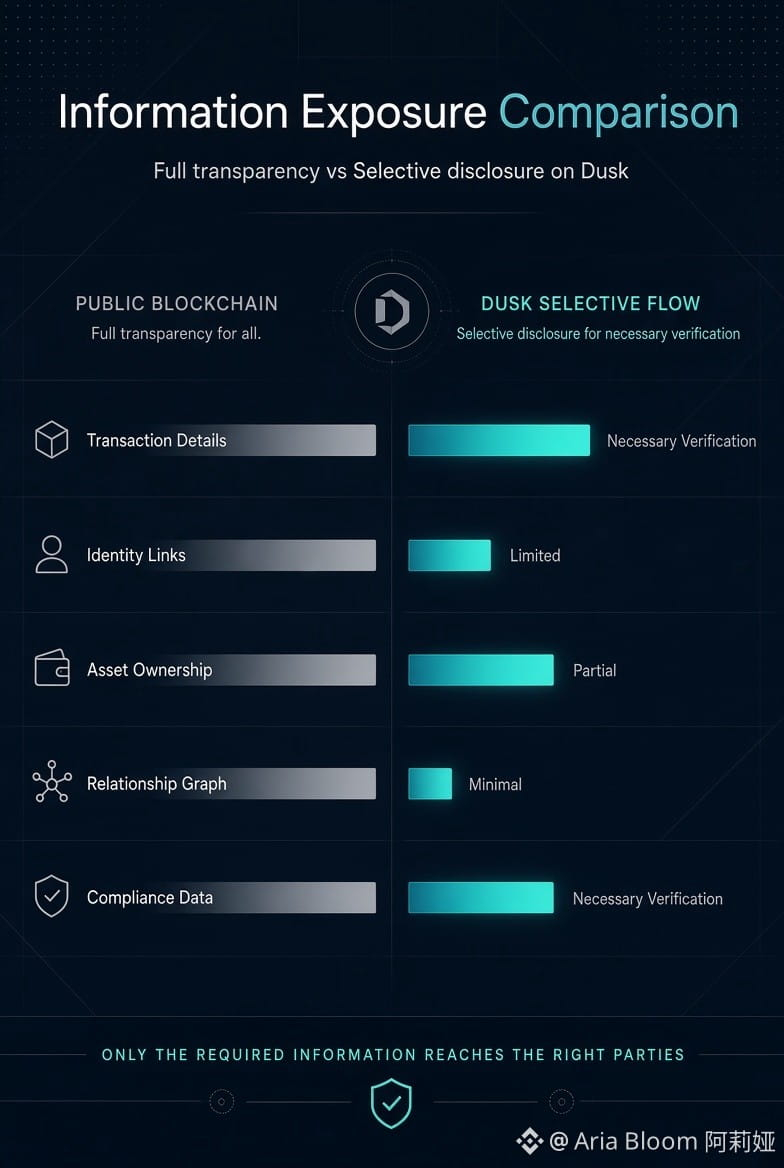
That distinction matters. On a public blockchain the problem isn’t only that data is visible. It’s that small pieces of visible information can be connected over time. A transaction an identity check, an asset transfer or a relationship between addresses can become part of a much larger picture.
What interests me about @Dusk is the idea that privacy can be designed around selective information flow instead. The goal isn’t necessarily to make everything invisible. It’s to let the network verify what actually needs to be verified without automatically exposing everything surrounding it.
That feels particularly important for regulated assets. Institutions may need to prove compliance, ownership, eligibility, or transaction validity, but that doesn’t mean every participant should receive the full underlying dataset.
The difficult part is getting the balance right. Too much transparency creates unnecessary exposure. Too much privacy can make verification and compliance harder.
For me, that’s where $DUSK becomes interesting. The real question isn’t simply whether a transaction is private. It’s who gets to learn what, when they learn it, and why that information is necessary.
That’s a much more useful way to think about blockchain privacy.
#dusk $DUSK @Dusk
That distinction matters. On a public blockchain the problem isn’t only that data is visible. It’s that small pieces of visible information can be connected over time. A transaction an identity check, an asset transfer or a relationship between addresses can become part of a much larger picture.
What interests me about @Dusk is the idea that privacy can be designed around selective information flow instead. The goal isn’t necessarily to make everything invisible. It’s to let the network verify what actually needs to be verified without automatically exposing everything surrounding it.
That feels particularly important for regulated assets. Institutions may need to prove compliance, ownership, eligibility, or transaction validity, but that doesn’t mean every participant should receive the full underlying dataset.
The difficult part is getting the balance right. Too much transparency creates unnecessary exposure. Too much privacy can make verification and compliance harder.
For me, that’s where $DUSK becomes interesting. The real question isn’t simply whether a transaction is private. It’s who gets to learn what, when they learn it, and why that information is necessary.
That’s a much more useful way to think about blockchain privacy.
#dusk $DUSK @Dusk
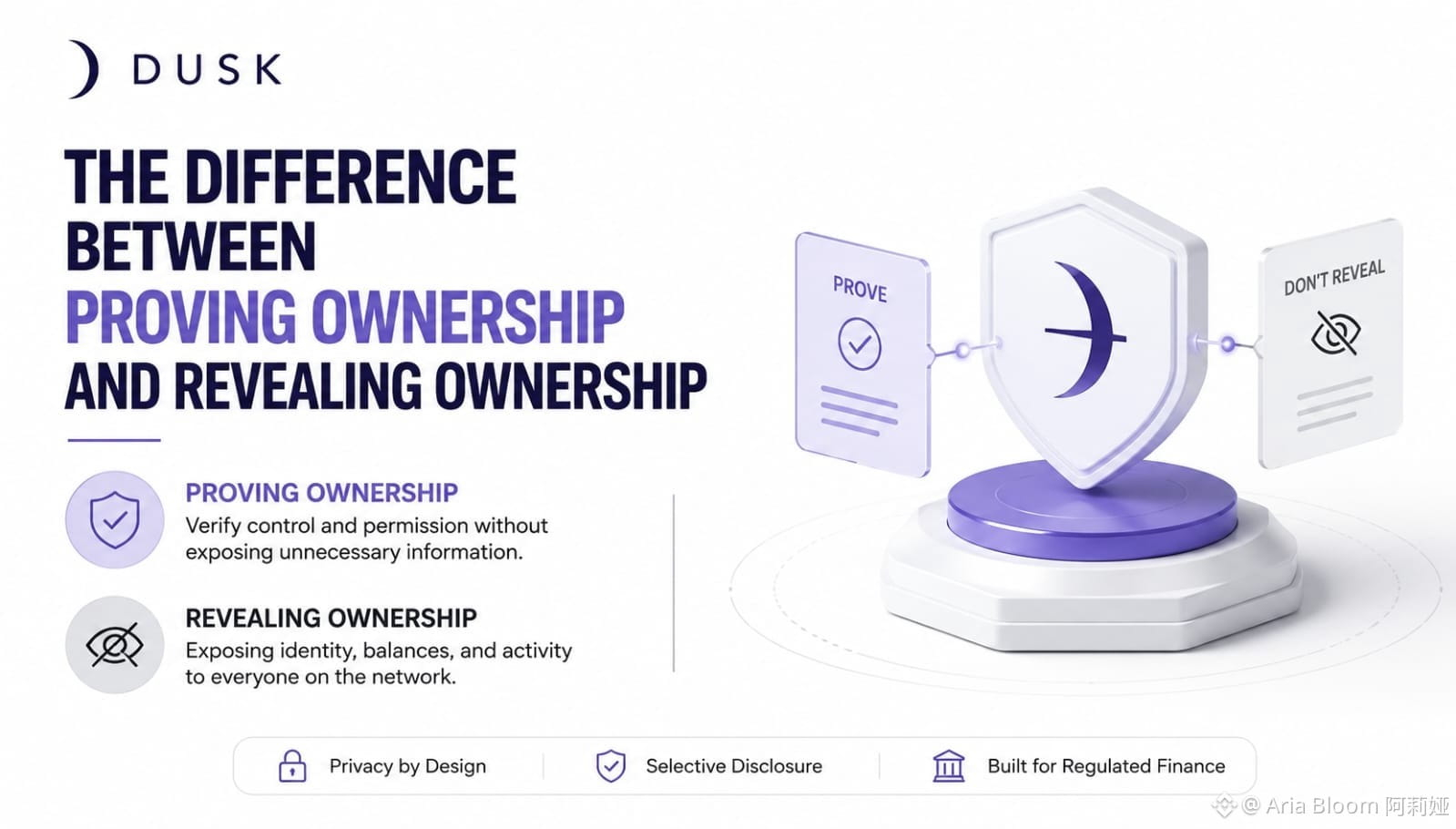
I think one of the biggest misconceptions in crypto is that ownership always has to be visible in order to be trusted.
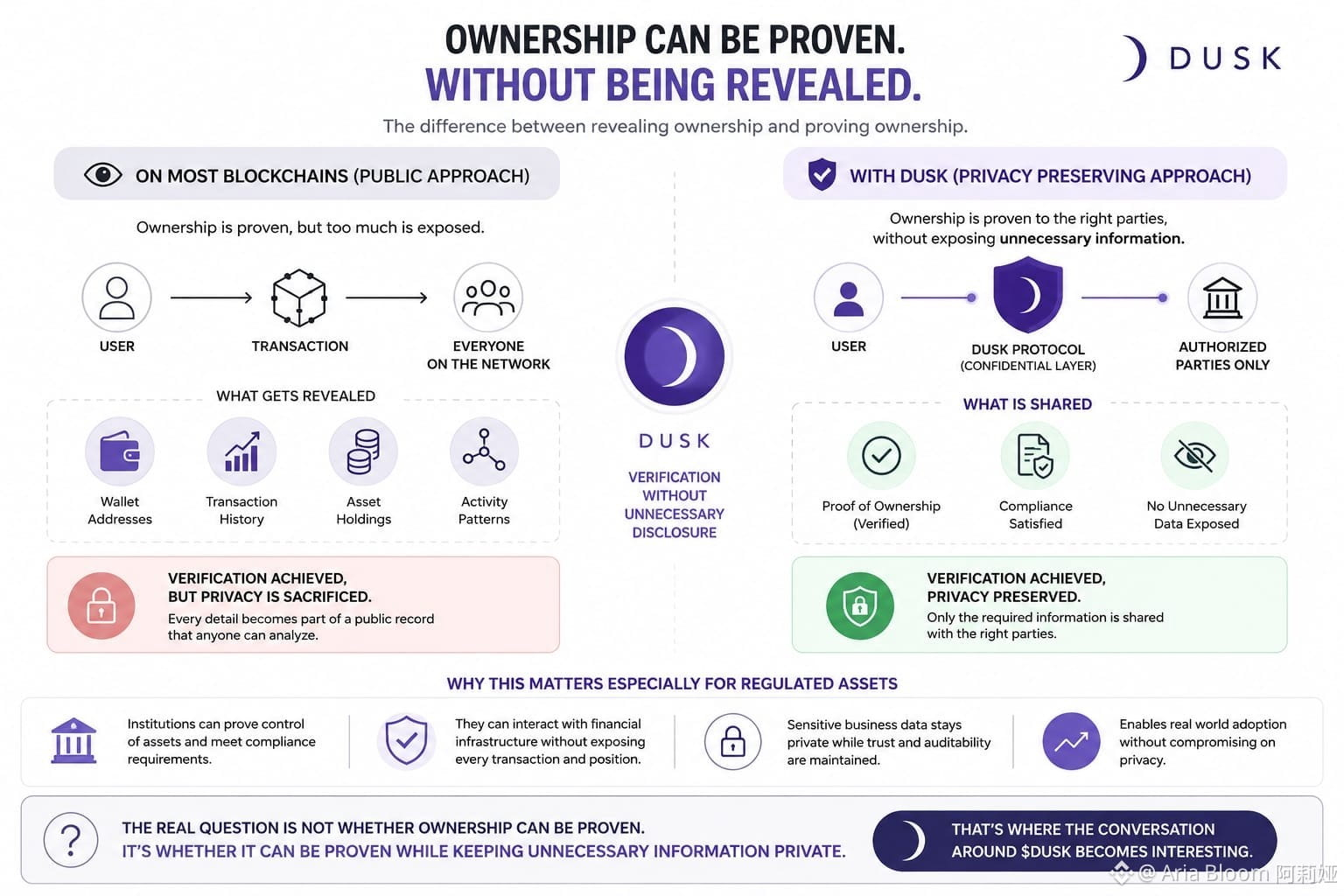
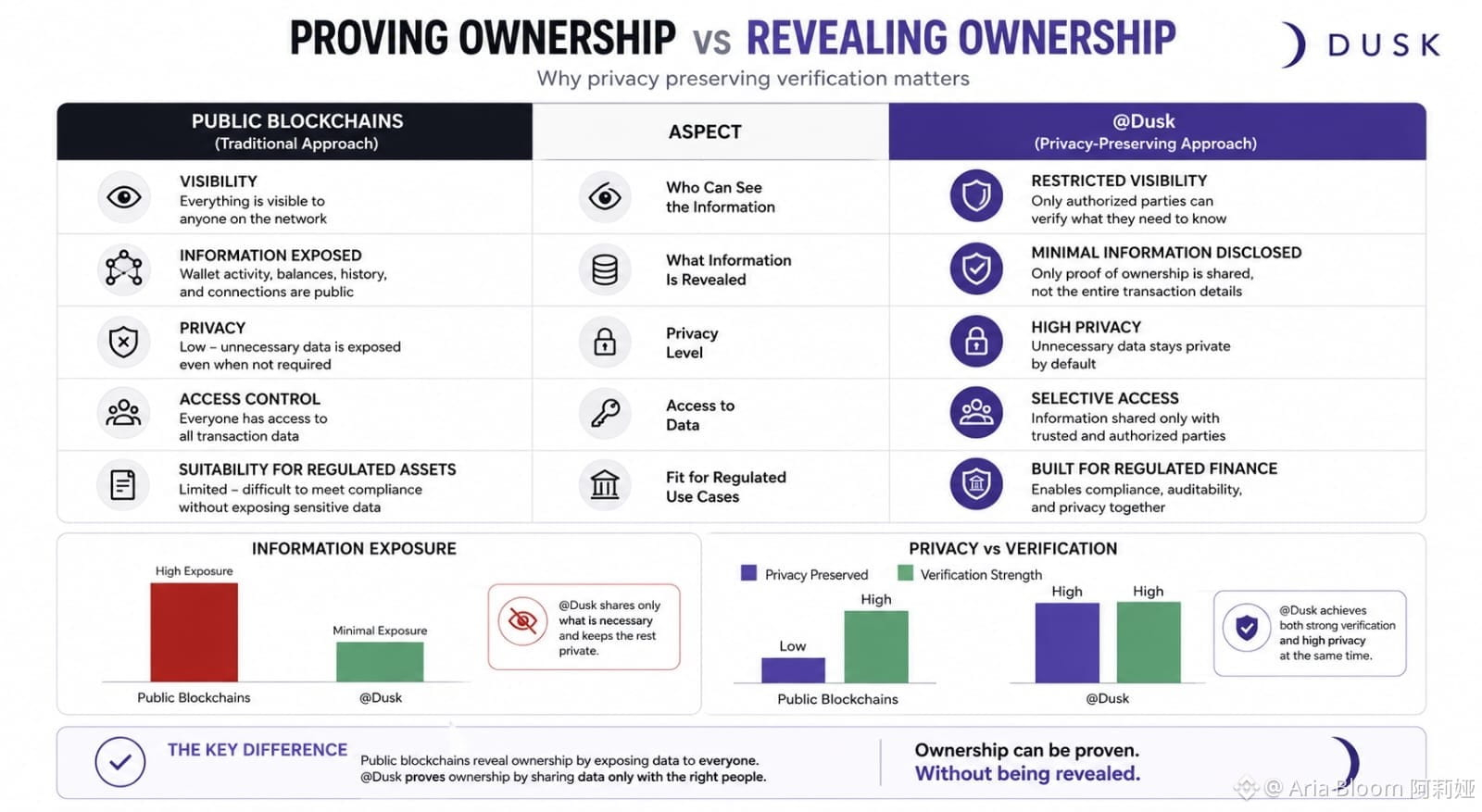
When someone proves ownership on most blockchains they often reveal much more than necessary. Wallet activity asset holdings and transaction history can become part of a public record that anyone can analyze. Verification is achieved but privacy is sacrificed along the way.
What caught my attention about @Dusk is the different approach. The goal is not to hide ownership from those who need to verify it. The goal is to allow verification without turning every detail into public information.
That distinction becomes more interesting when thinking about regulated assets. Businesses and institutions may need to prove control satisfy compliance requirements and interact with financial infrastructure but they may not want every movement and position exposed to the entire network.
To me the future question is not whether ownership can be proven. Blockchain already solved that. The more important question is whether ownership can be proven while keeping unnecessary information private.
That is where the conversation around becomes interesting.
#dusk $DUSK @Dusk
When someone proves ownership on most blockchains they often reveal much more than necessary. Wallet activity asset holdings and transaction history can become part of a public record that anyone can analyze. Verification is achieved but privacy is sacrificed along the way.
What caught my attention about @Dusk is the different approach. The goal is not to hide ownership from those who need to verify it. The goal is to allow verification without turning every detail into public information.
That distinction becomes more interesting when thinking about regulated assets. Businesses and institutions may need to prove control satisfy compliance requirements and interact with financial infrastructure but they may not want every movement and position exposed to the entire network.
To me the future question is not whether ownership can be proven. Blockchain already solved that. The more important question is whether ownership can be proven while keeping unnecessary information private.
That is where the conversation around becomes interesting.
#dusk $DUSK @Dusk
Vérifié
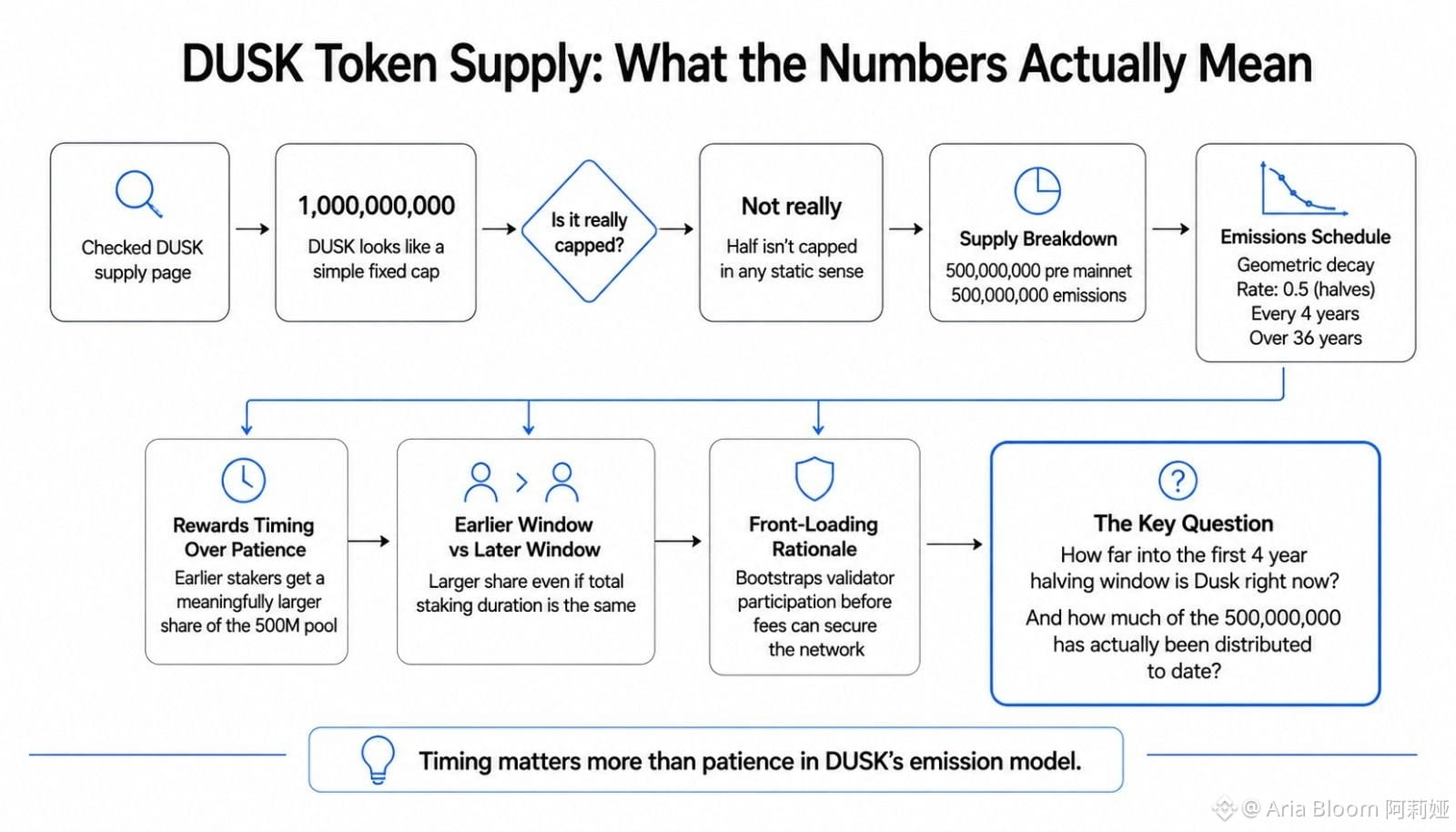
I checked DUSK's supply page expecting a simple fixed cap 1,000,000,000 DUSK looked like exactly that at first glance.
The figure alone is weak here since half of it isn't really capped in any static sense 500,000,000 DUSK already exists from the pre mainnet supply.The remaining 500,000,000 gets released through a geometric decay schedule with a reduction rate of 0.5.It halves every 4 years across a full 36 year emission window rather than arriving all at once.
That structure quietly rewards timing more than patience alone,a provisioner staking during an earlier 4 year window collects a meaningfully larger share of that 500,000,000 pool than one joining after several halvings have already passed.That holds even if both eventually stake for the same total number of years.
Front loading emissions this way is a reasonable design choicen it helps bootstrap validator participation before transaction fees alone could sustain network security.
Which raises a specific question nobody seems to track publicly how far into that first 4 year halving window is Dusk right now?And how much of the 500,000,000 has actually been distributed to date?
#dusk $DUSK @Dusk
The figure alone is weak here since half of it isn't really capped in any static sense 500,000,000 DUSK already exists from the pre mainnet supply.The remaining 500,000,000 gets released through a geometric decay schedule with a reduction rate of 0.5.It halves every 4 years across a full 36 year emission window rather than arriving all at once.
That structure quietly rewards timing more than patience alone,a provisioner staking during an earlier 4 year window collects a meaningfully larger share of that 500,000,000 pool than one joining after several halvings have already passed.That holds even if both eventually stake for the same total number of years.
Front loading emissions this way is a reasonable design choicen it helps bootstrap validator participation before transaction fees alone could sustain network security.
Which raises a specific question nobody seems to track publicly how far into that first 4 year halving window is Dusk right now?And how much of the 500,000,000 has actually been distributed to date?
#dusk $DUSK @Dusk
Trading with Purpose. Executing with Discipline. 📊
Currently focused on refining my trading strategy and building consistency through Binance.
My approach is simple: analyze the market, identify high-probability setups, manage risk carefully, and execute with patience. I believe successful trading is not about predicting every move — it’s about making informed decisions and maintaining discipline over time.
Analyze. Execute. Manage Risk. Improve.
#Binance #CryptoTrading #TradingSignals $DUSK $GIGGLE
Currently focused on refining my trading strategy and building consistency through Binance.
My approach is simple: analyze the market, identify high-probability setups, manage risk carefully, and execute with patience. I believe successful trading is not about predicting every move — it’s about making informed decisions and maintaining discipline over time.
Analyze. Execute. Manage Risk. Improve.
#Binance #CryptoTrading #TradingSignals $DUSK $GIGGLE

Connectez-vous pour découvrir plus de contenu