
Aria Bloom 阿莉娅
499 Publications
Aria Bloom 阿莉娅
Aria Bloom | Learning, growing, and exploring crypto with patience and purpose. Every step is progress 💞
Ouvert au trading
Trade fréquemment
1.5 an(s)
305 Suivis
7.7K+ Abonnés
3.1K+ J’aime
Publications
Portefeuille
Tous
Citations
PINNED
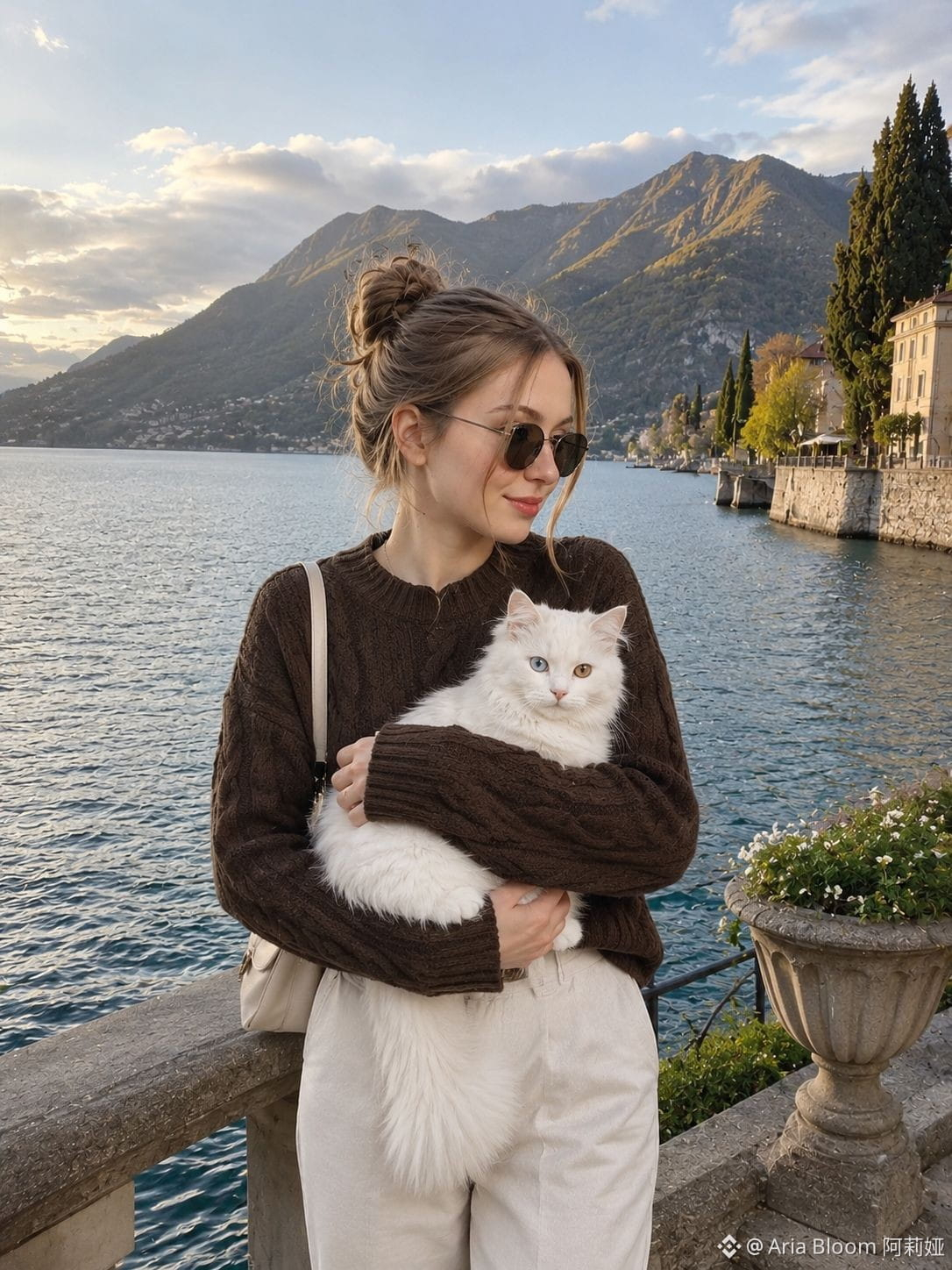
The journey isn’t always about numbers, markets, and targets. Sometimes, it’s about stepping away for a moment, enjoying the beauty of nature, and appreciating the peaceful moments that make life meaningful. ✨
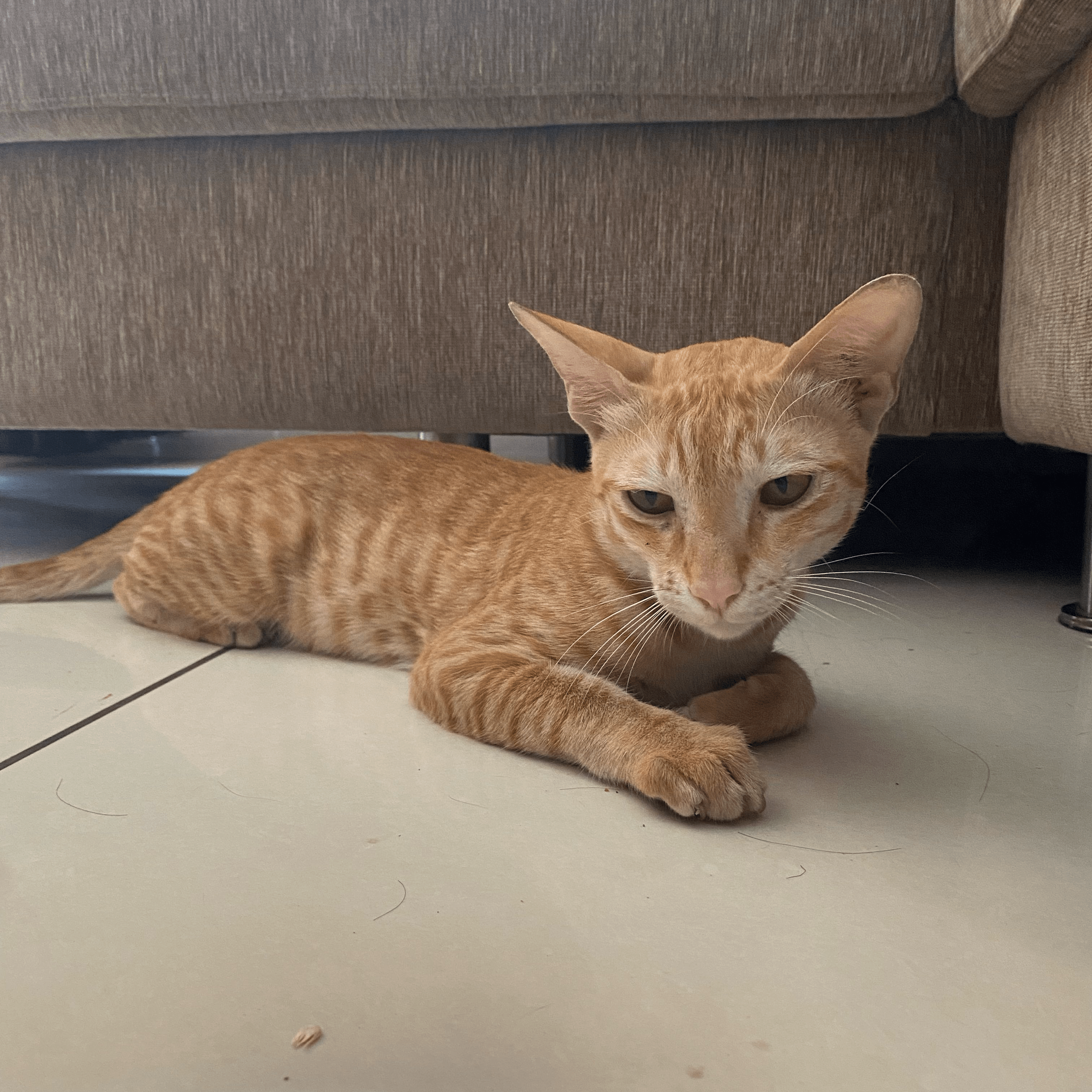
A beautiful view, calm waters, and my little companion by my side. 🐱🤍
Simple moments, unforgettable memories.
Keep moving forward, stay positive, and enjoy every part of the journey. 🚀✨
$BTR $GIGGLE $SOL
A beautiful view, calm waters, and my little companion by my side. 🐱🤍
Simple moments, unforgettable memories.
Keep moving forward, stay positive, and enjoy every part of the journey. 🚀✨
$BTR $GIGGLE $SOL
😍

Ahmed Ali Nizamani
·
--
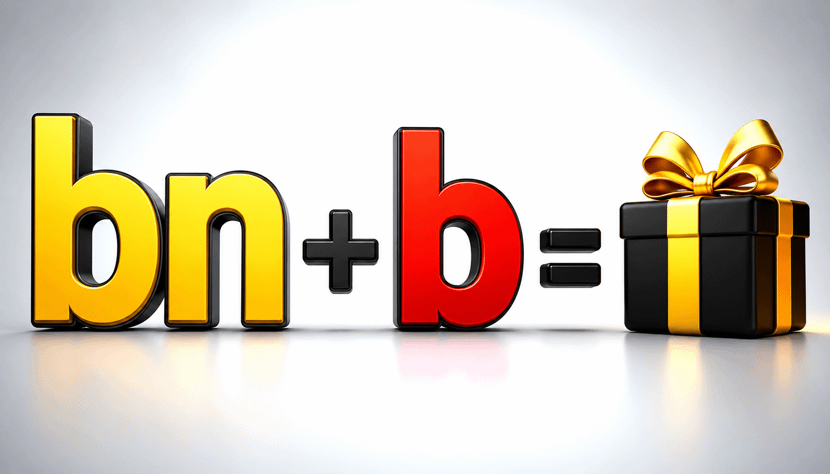
✨✨ Thanks Freinds ✨🎁🎁🎁✨
😍
Tapu13
·
--
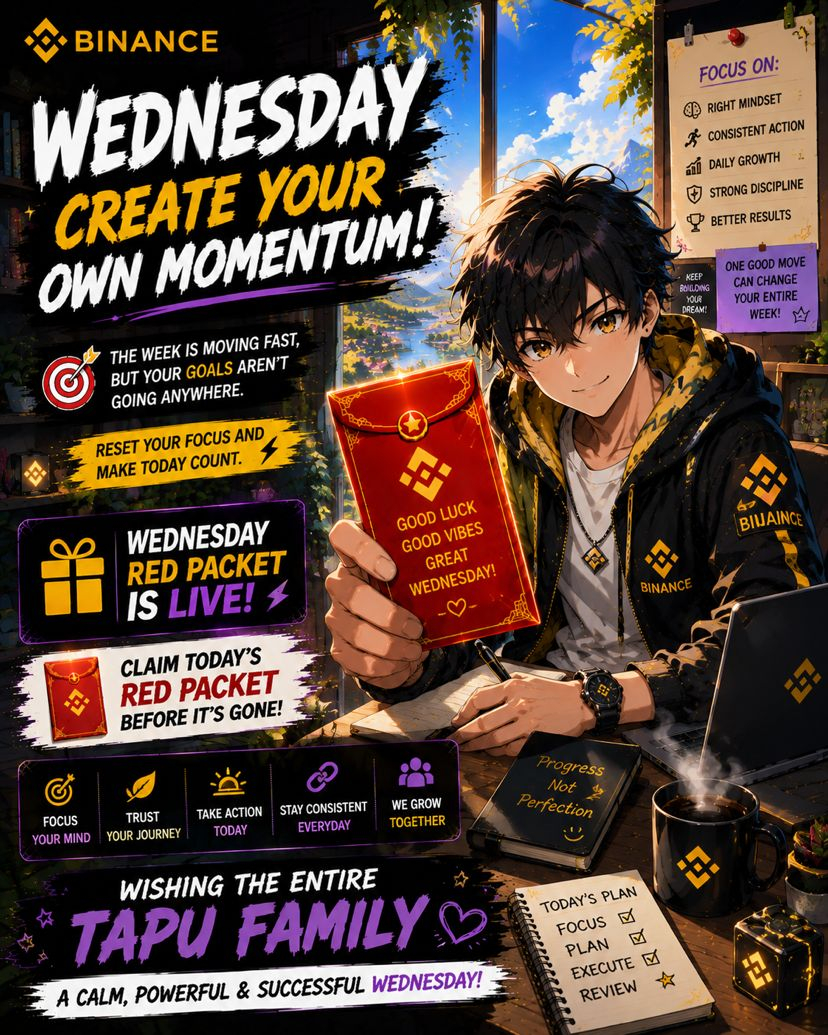
WEDNESDAY — CREATE YOUR OWN MOMENTUM ⚡
The week is moving fast, but your goals aren’t going anywhere. Take a breath, reset your focus, and make today’s actions count.
🎁 Wednesday Red Packet is LIVE!
Claim today’s little surprise, keep building, and turn one good move into another. 🧧🍀
Focus your mind. Trust your journey. Create your moment. 💛
Wishing the entire Tapu Family a calm, powerful & successful Wednesday 🚀
The week is moving fast, but your goals aren’t going anywhere. Take a breath, reset your focus, and make today’s actions count.
🎁 Wednesday Red Packet is LIVE!
Claim today’s little surprise, keep building, and turn one good move into another. 🧧🍀
Focus your mind. Trust your journey. Create your moment. 💛
Wishing the entire Tapu Family a calm, powerful & successful Wednesday 🚀
😍
Leo - F0
·
--
Haussier🔥🧧🧧RED PACKAGE SEASON🧧🧧🔥
Lunch in Dubai. Greetings to my whole family, my friend.🥥🥙🏙️
$BTC 🔥🔥🧧🧧
#金价升破4400美元创两月高
$BNB $ETH
#1688家族family 💚 @周周1688
#altcoins #xrp #Dubái
Lunch in Dubai. Greetings to my whole family, my friend.🥥🥙🏙️
$BTC 🔥🔥🧧🧧
#金价升破4400美元创两月高
$BNB $ETH
#1688家族family 💚 @周周1688
#altcoins #xrp #Dubái

😍

静心1688
·
--
💥知人者智,自知者明。胜人者有力,自胜者强。
💥看懂别人是聪慧,认清自己才是通透;战胜他人是有力,克制自我才是真正强大。
#比特币受阻于81000美元50周均线
💥看懂别人是聪慧,认清自己才是通透;战胜他人是有力,克制自我才是真正强大。
#比特币受阻于81000美元50周均线
😍

JANNAT BM_
·
--
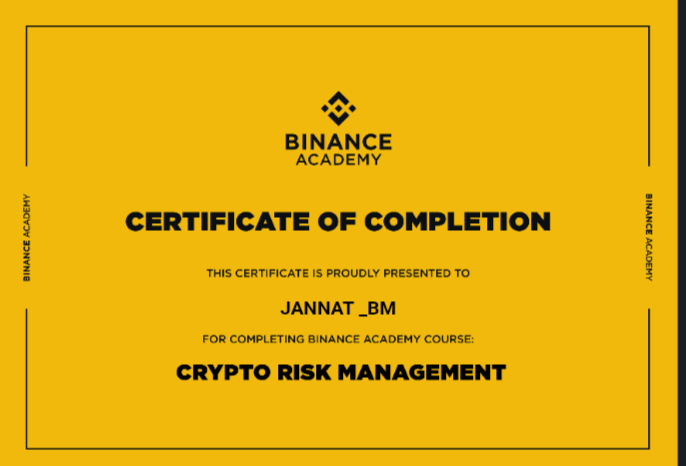
Thank you #Binance 💛
My first certificate form @Binance Academy 💛💛💛
My first certificate form @Binance Academy 💛💛💛
😍
奕澤YiiiiiZze
·
--
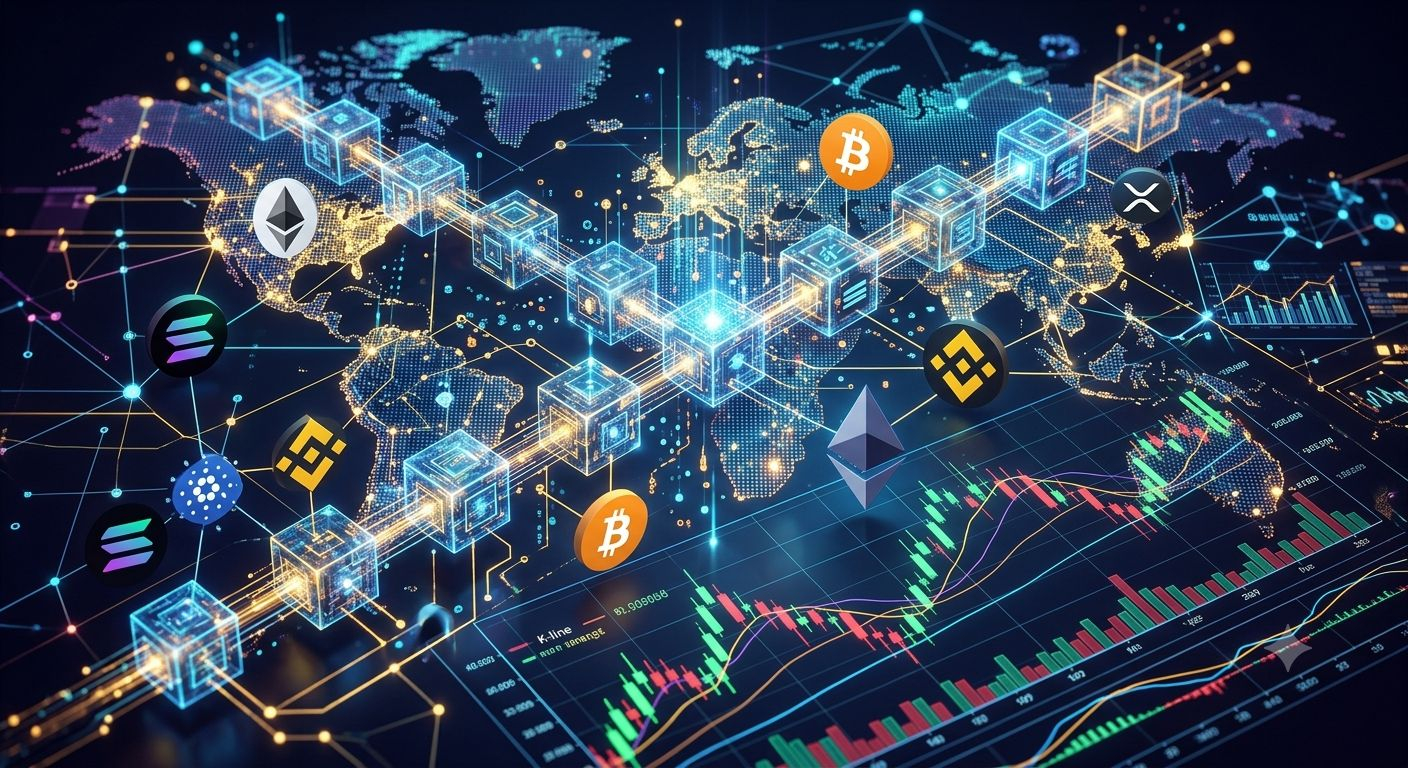
BTC成功突破80,000美元大关,创下近三个月以来的新高。这一轮强劲反弹主要得益于宏观环境的改善,尤其是美国财政部加大债券回购力度引发的市场反应,同时现货ETF也迎来了久违的大规模净流入。这次violent的空头挤压不仅清算了数十亿美元的杠杆头寸,也让市场重新燃起了对加密资产的长期乐观情绪。多头能否站稳这一关键点位,后续走势值得密切关注!
关注&点赞&转发领取SOL🎁🎁🎁
关注&点赞&转发领取SOL🎁🎁🎁
😍

AbdullRauf
·
--
GIVEAWAY ALERT 🧧
We're giving away 2000 gifts to our Square Family as a huge thank you for your support!
To Enter:
✅ Follow
✅ Share this post
✅ Comment "666 !"
Random winners will be selected. Good luck, everyone! 🚀
We're giving away 2000 gifts to our Square Family as a huge thank you for your support!
To Enter:
✅ Follow
✅ Share this post
✅ Comment "666 !"
Random winners will be selected. Good luck, everyone! 🚀

😍

Jaxson Bull
·
--
Haussier🎉🎁 JAXSON BULL BTC SURPRISE DROP! 🎁🎉
✨ The Lucky Bag is full and ready to open! ✨
👇 Simple Steps to Participate 👇
❤️ Follow Jaxson Bull
🔁 Like & Share
💬 Comment “BTC”
🚀 Stay active for the next reward round!
#BTC #Crypto #JaxsonBull #redpacket
✨ The Lucky Bag is full and ready to open! ✨
👇 Simple Steps to Participate 👇
❤️ Follow Jaxson Bull
🔁 Like & Share
💬 Comment “BTC”
🚀 Stay active for the next reward round!
#BTC #Crypto #JaxsonBull #redpacket

😍

S A I R A
·
--
Don’t miss the opportunity keep your eyes open and stay ready. 👀💫
Sometimes one moment can bring a beautiful surprise. ❤️
Claim your gift and enjoy the moment! 🎉🎁
#USStocksCloseHigherNvidiaGains2%
#KoreaMemoryChipStocksReverseLate
#BrentWTICrudeFallOver3%
#USBitcoinETFsExtendInflowsToSixthDay
#SAIRA
Sometimes one moment can bring a beautiful surprise. ❤️
Claim your gift and enjoy the moment! 🎉🎁
#USStocksCloseHigherNvidiaGains2%
#KoreaMemoryChipStocksReverseLate
#BrentWTICrudeFallOver3%
#USBitcoinETFsExtendInflowsToSixthDay
#SAIRA

😍

Syco 疯子
·
--
🌹 Hey fam good morning🌞 🎁🧧
In trading every dip is a chance, every spike a
lesson. Trade smart, stay disciplined, and let
Consistency turn moves into profits.
here is your today 🎁🎁
$BNB
In trading every dip is a chance, every spike a
lesson. Trade smart, stay disciplined, and let
Consistency turn moves into profits.
here is your today 🎁🎁
$BNB

😍

AYESHA ABID 阿伊莎 阿比德
·
--
🎁 SOL Red Packet is here! Claim your reward before it’s gone.

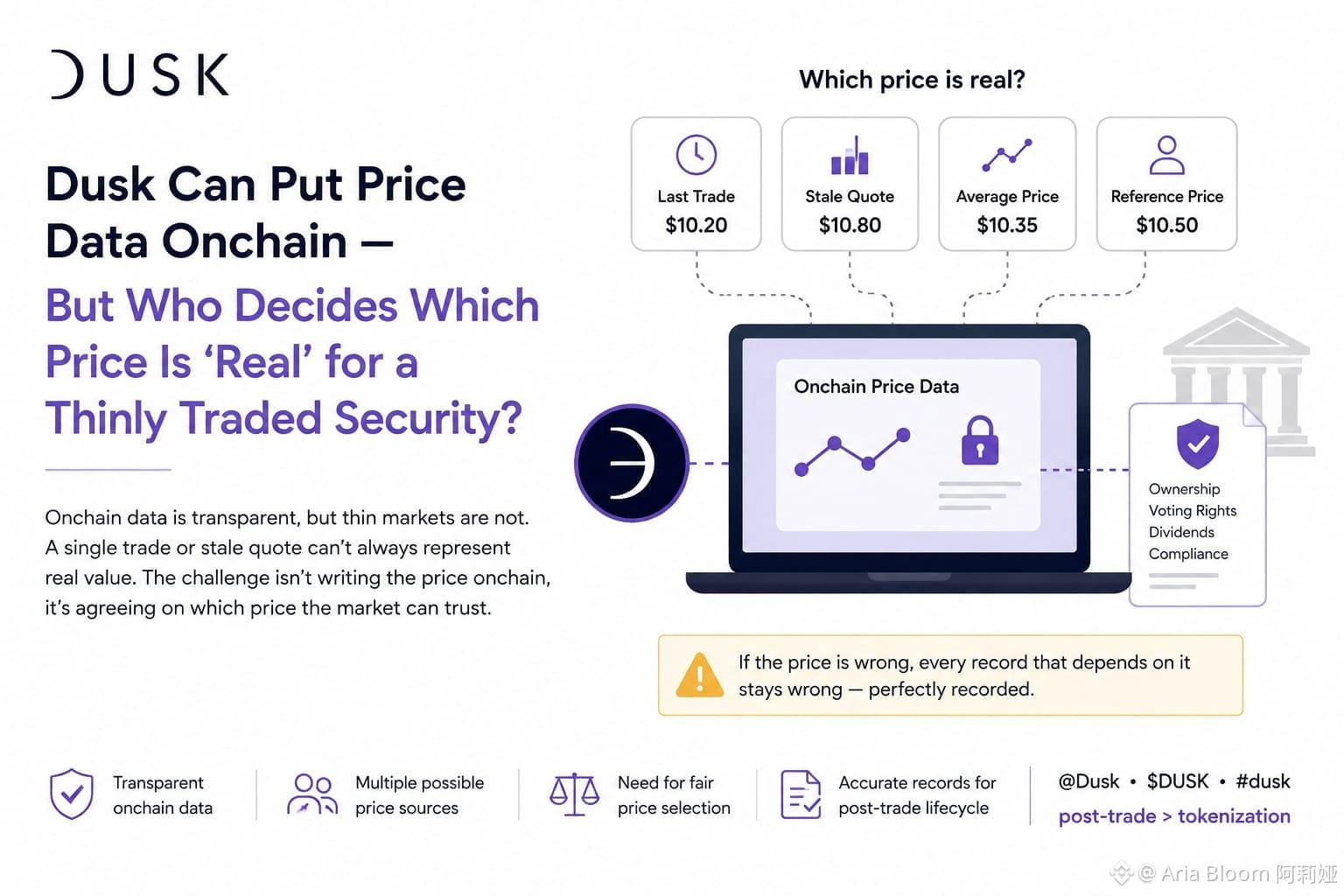
I’ve been thinking about Dusk’s onchain price data a bit differently lately. Putting a price onchain sounds straightforward until I imagine a security that barely trades. If it moves once every few days which price actually represents the market? The last trade? A stale quote? An average? Or some reference value agreed by the system?
That matters because tokenization doesn’t automatically make the underlying asset more measurable. The chain can preserve a number very accurately but it can’t decide by itself whether that number still reflects reality. For a thinly traded security a single small transaction could look meaningful even when it tells us very little about what another buyer would actually pay.
I think this is where Dusk’s post-trade focus gets more interesting to me. The source material makes the point that the hard part is keeping records correct after trading including rights payments and compliance. But there’s another dependency sitting underneath those records: the inputs have to be trustworthy in the first place. If eligibility or valuation eventually depends on price data.
bad inputs can stay perfectly recorded onchain.
I’d want to see how Dusk handles stale or disputed prices in practice. Who gets the final say when the market itself barely speaks?
#dusk $DUSK @Dusk
That matters because tokenization doesn’t automatically make the underlying asset more measurable. The chain can preserve a number very accurately but it can’t decide by itself whether that number still reflects reality. For a thinly traded security a single small transaction could look meaningful even when it tells us very little about what another buyer would actually pay.
I think this is where Dusk’s post-trade focus gets more interesting to me. The source material makes the point that the hard part is keeping records correct after trading including rights payments and compliance. But there’s another dependency sitting underneath those records: the inputs have to be trustworthy in the first place. If eligibility or valuation eventually depends on price data.
bad inputs can stay perfectly recorded onchain.
I’d want to see how Dusk handles stale or disputed prices in practice. Who gets the final say when the market itself barely speaks?
#dusk $DUSK @Dusk
#dusk $DUSK @Dusk
Dusk’s approach feels genuinely refreshing in crypto.
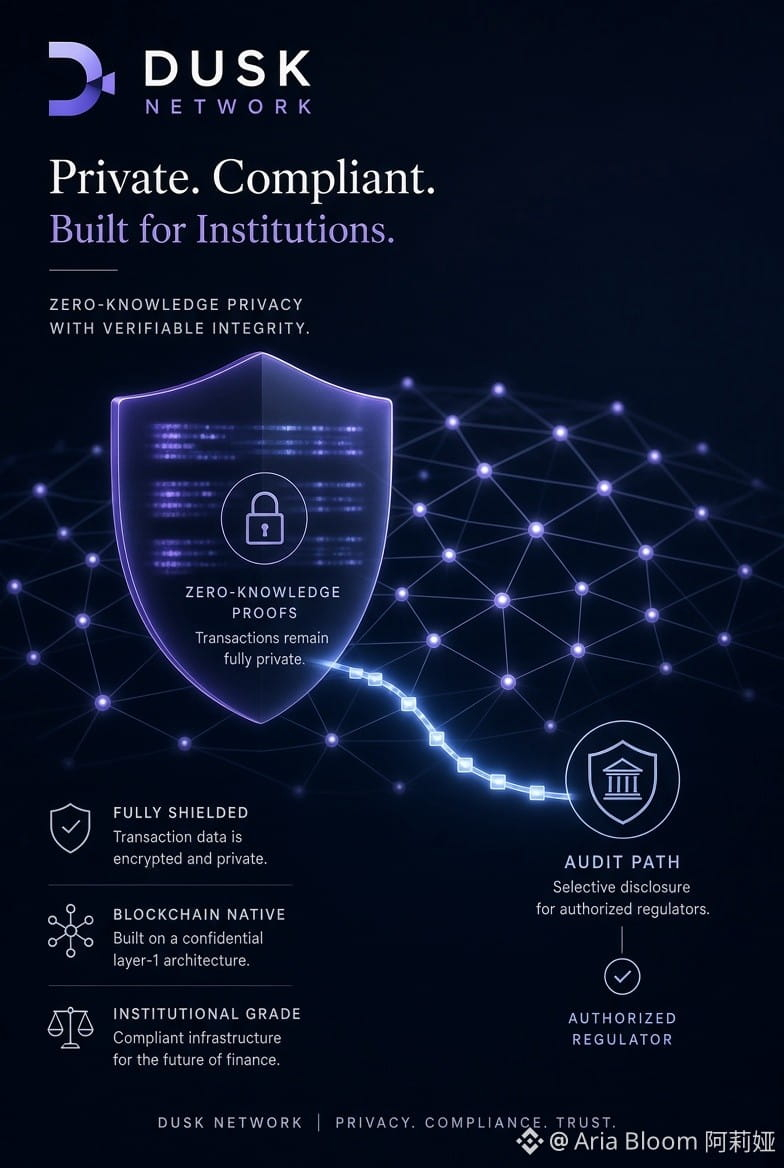
On most chains, every transaction is fully public amounts, parties, everything. Institutions hate this. They need privacy, yet regulators still demand full audit trails. It’s a hard conflict.
Dusk solves it cleanly. Their system separates transaction truth from transaction disclosure Using zero-knowledge proofs, the network can verify that a transaction is valid, rules were followed, and balances check out without revealing the actual details.
Only authorized parties and regulators can see the real data. Everyone else just sees confirmation that it’s legitimate.
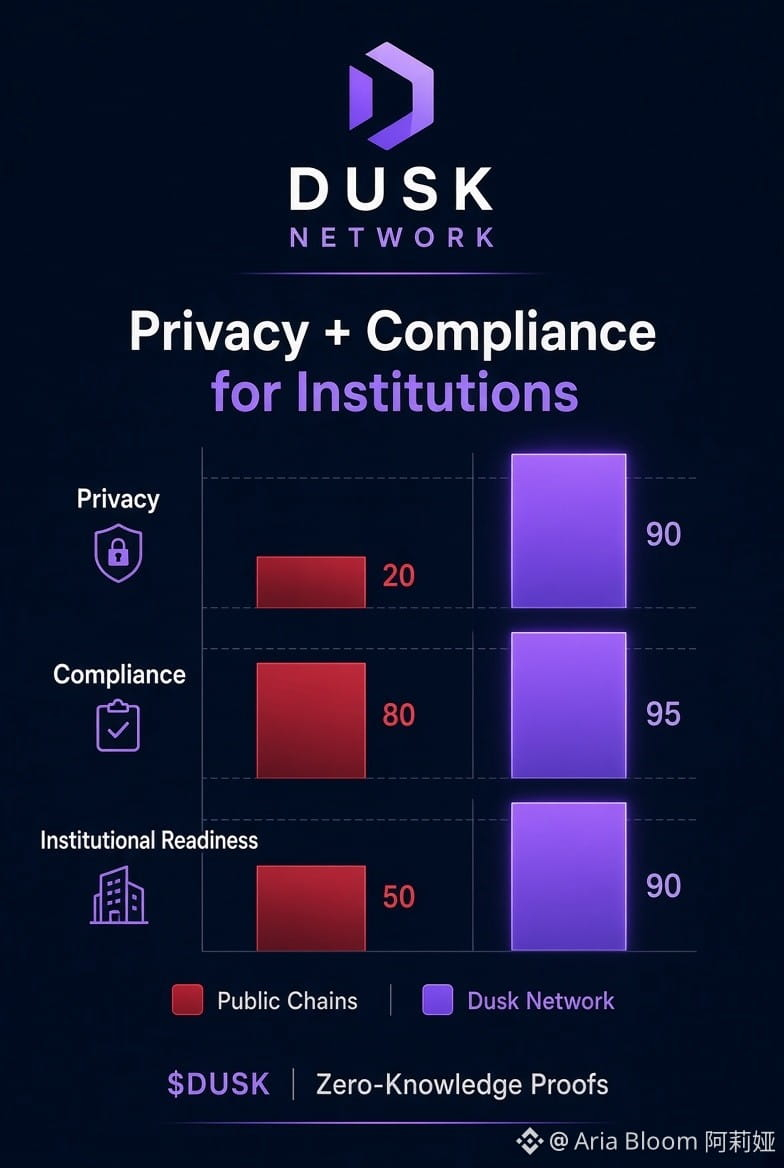
That’s why Dusk is becoming a serious contender for real-world assets and regulated finance. Privacy and compliance finally work together.
For institutions, this removes a major barrier. Public chains no longer feel like such a risk.
They’re quietly building something that actually solves a real problem. Worth watching.
Dusk’s approach feels genuinely refreshing in crypto.
On most chains, every transaction is fully public amounts, parties, everything. Institutions hate this. They need privacy, yet regulators still demand full audit trails. It’s a hard conflict.
Dusk solves it cleanly. Their system separates transaction truth from transaction disclosure Using zero-knowledge proofs, the network can verify that a transaction is valid, rules were followed, and balances check out without revealing the actual details.
Only authorized parties and regulators can see the real data. Everyone else just sees confirmation that it’s legitimate.
That’s why Dusk is becoming a serious contender for real-world assets and regulated finance. Privacy and compliance finally work together.
For institutions, this removes a major barrier. Public chains no longer feel like such a risk.
They’re quietly building something that actually solves a real problem. Worth watching.
Night by the sea, soft lights, and a little peace in the air 🌊
Just me, the waves, and this quiet moment.
Ocean breeze, string lights, and a soft smile ✨
Sometimes the best nights are the quiet ones.
Sea, lights, aur thodi si sukoon 🌊
Bas yahi moment feel kar rahi hun.
Night vibes only 🌙🌊
Soft lights, soft smile.
Where the waves meet the lights and everything feels a little softer $DUSK #BTC
Just me, the waves, and this quiet moment.
Ocean breeze, string lights, and a soft smile ✨
Sometimes the best nights are the quiet ones.
Sea, lights, aur thodi si sukoon 🌊
Bas yahi moment feel kar rahi hun.
Night vibes only 🌙🌊
Soft lights, soft smile.
Where the waves meet the lights and everything feels a little softer $DUSK #BTC
Sometimes the best moments are the simplest ones ☕🌹✨
A peaceful moment, a warm cup of coffee, and a little beauty in the day. ❤️
$DUSK $BTC
A peaceful moment, a warm cup of coffee, and a little beauty in the day. ❤️
$DUSK $BTC
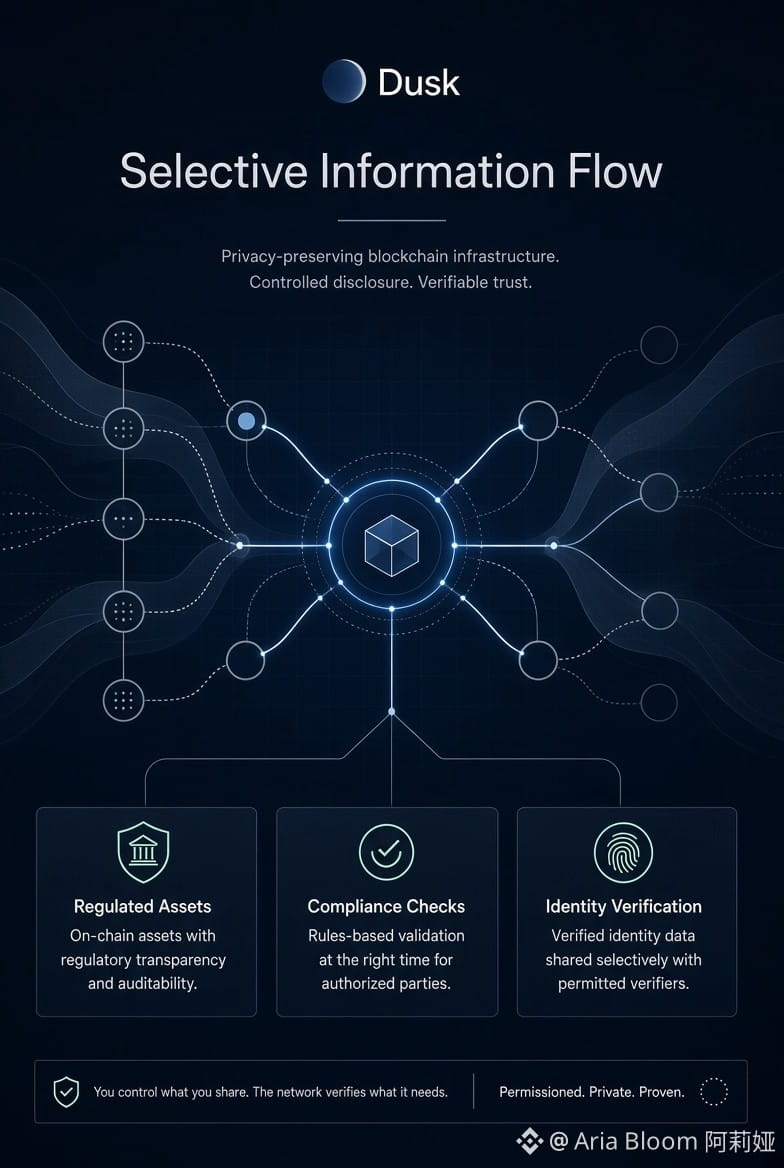
I’ve started thinking about Dusk’s privacy model less as hiding transactions and more as controlling how information moves.
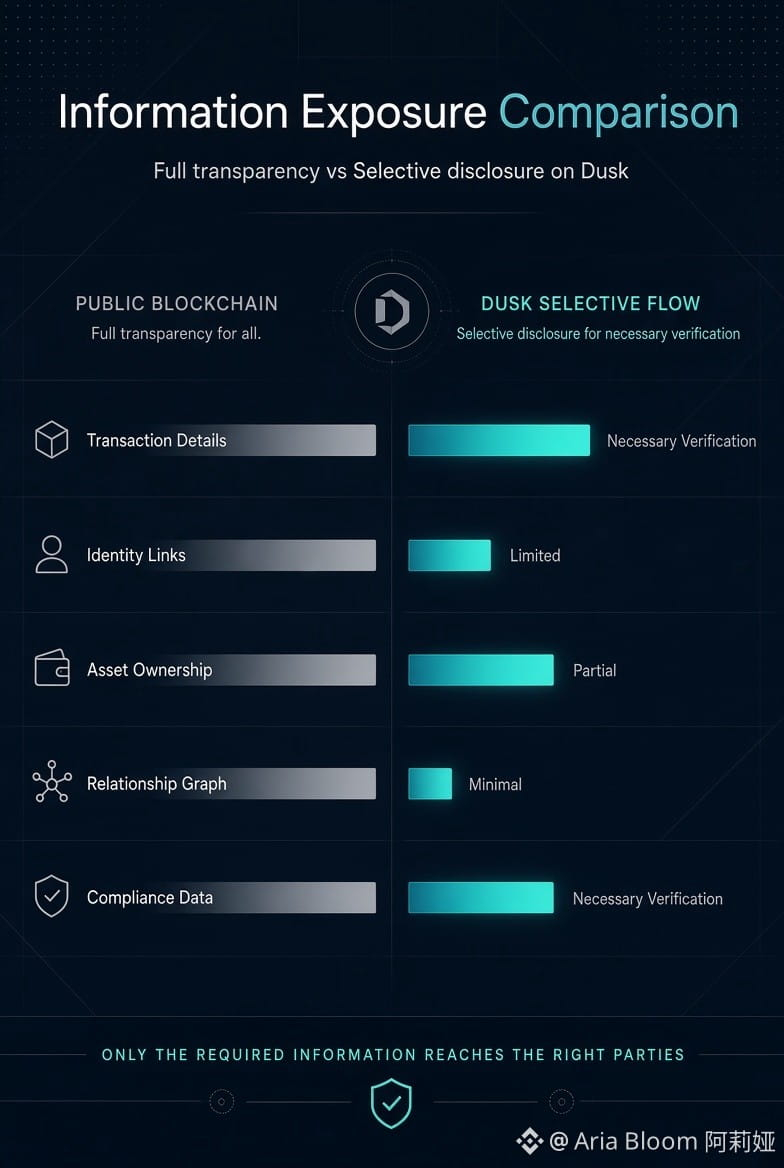
That distinction matters. On a public blockchain the problem isn’t only that data is visible. It’s that small pieces of visible information can be connected over time. A transaction an identity check, an asset transfer or a relationship between addresses can become part of a much larger picture.
What interests me about @Dusk is the idea that privacy can be designed around selective information flow instead. The goal isn’t necessarily to make everything invisible. It’s to let the network verify what actually needs to be verified without automatically exposing everything surrounding it.
That feels particularly important for regulated assets. Institutions may need to prove compliance, ownership, eligibility, or transaction validity, but that doesn’t mean every participant should receive the full underlying dataset.
The difficult part is getting the balance right. Too much transparency creates unnecessary exposure. Too much privacy can make verification and compliance harder.
For me, that’s where $DUSK becomes interesting. The real question isn’t simply whether a transaction is private. It’s who gets to learn what, when they learn it, and why that information is necessary.
That’s a much more useful way to think about blockchain privacy.
#dusk $DUSK @Dusk
That distinction matters. On a public blockchain the problem isn’t only that data is visible. It’s that small pieces of visible information can be connected over time. A transaction an identity check, an asset transfer or a relationship between addresses can become part of a much larger picture.
What interests me about @Dusk is the idea that privacy can be designed around selective information flow instead. The goal isn’t necessarily to make everything invisible. It’s to let the network verify what actually needs to be verified without automatically exposing everything surrounding it.
That feels particularly important for regulated assets. Institutions may need to prove compliance, ownership, eligibility, or transaction validity, but that doesn’t mean every participant should receive the full underlying dataset.
The difficult part is getting the balance right. Too much transparency creates unnecessary exposure. Too much privacy can make verification and compliance harder.
For me, that’s where $DUSK becomes interesting. The real question isn’t simply whether a transaction is private. It’s who gets to learn what, when they learn it, and why that information is necessary.
That’s a much more useful way to think about blockchain privacy.
#dusk $DUSK @Dusk
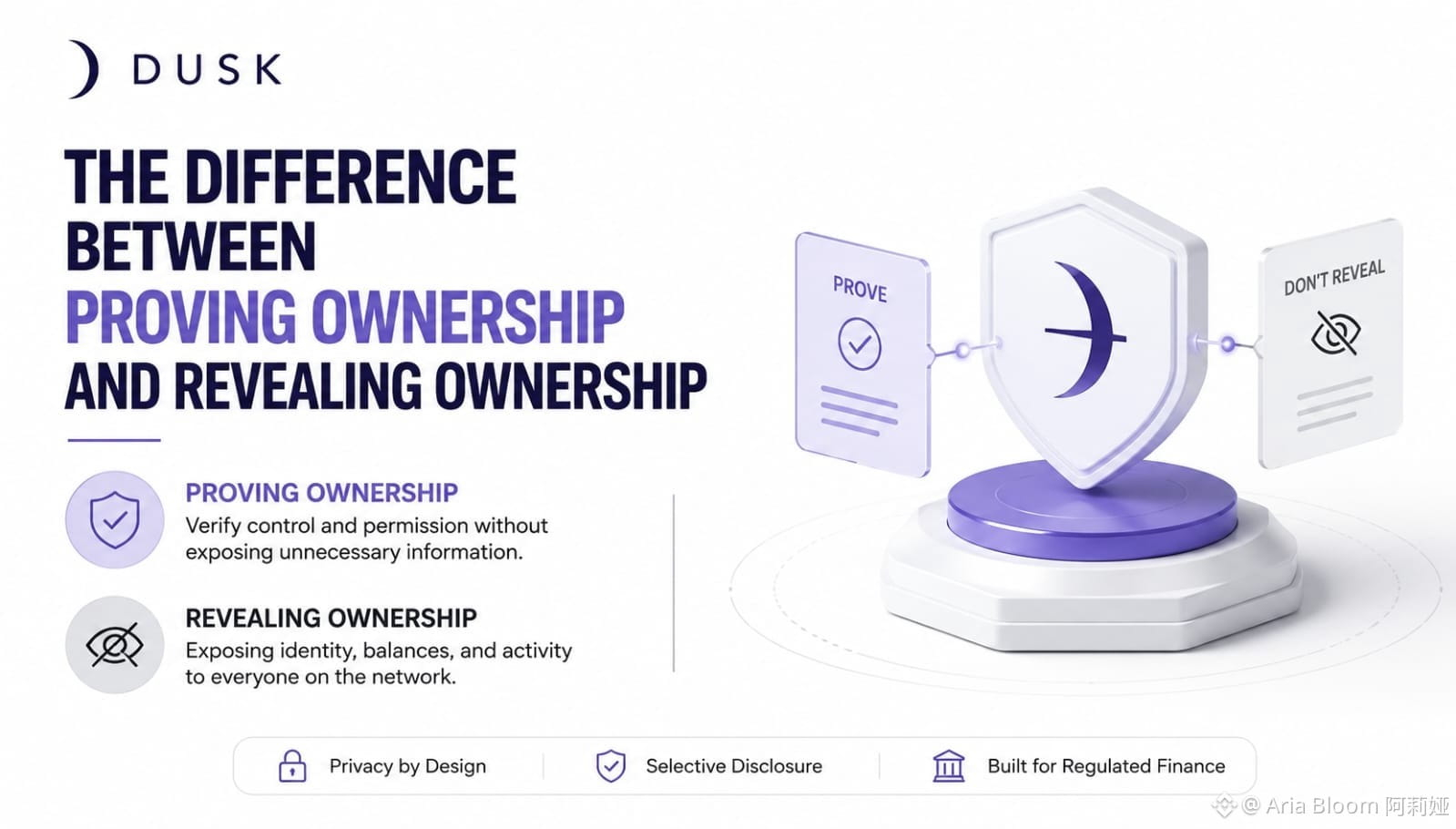
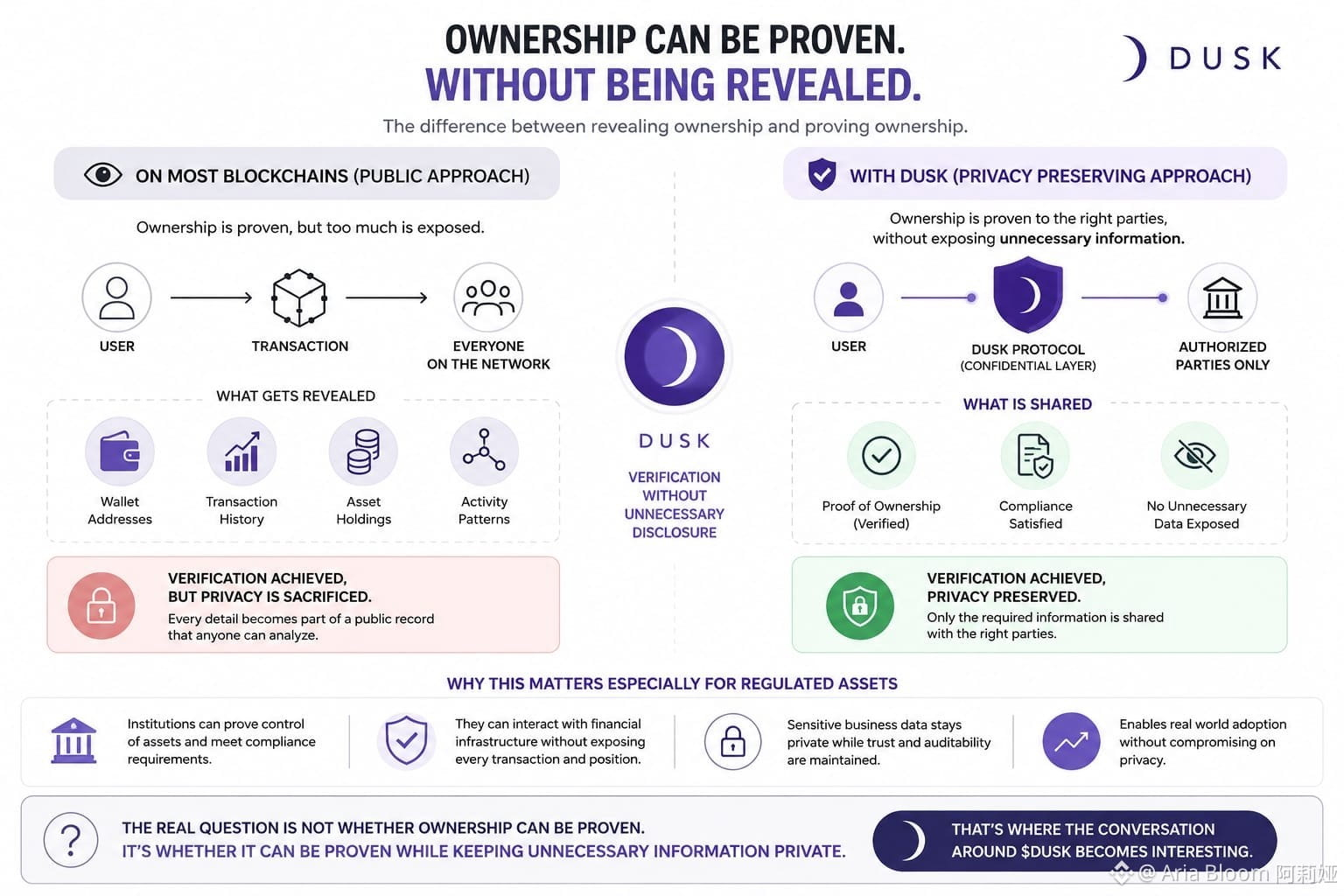
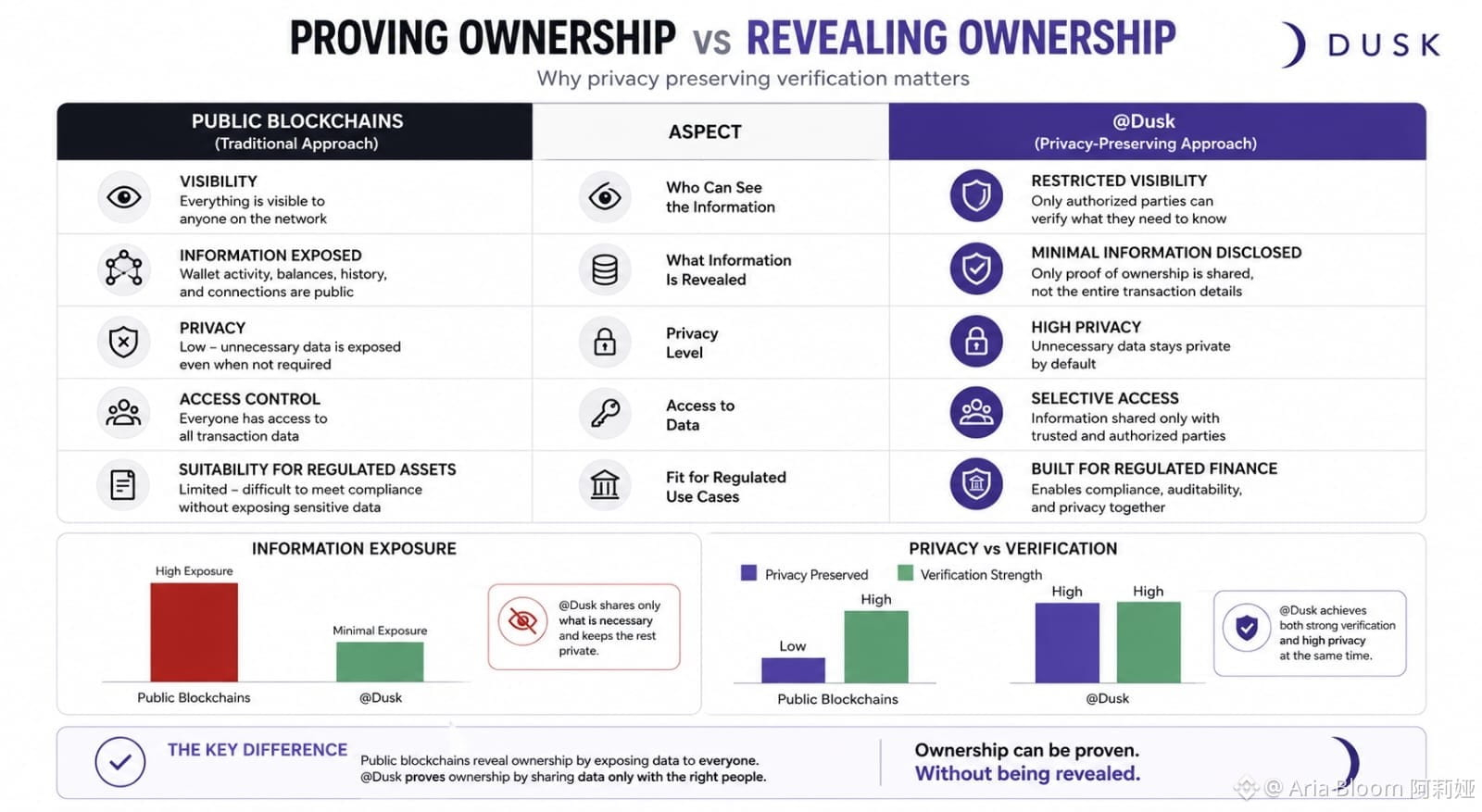
I think one of the biggest misconceptions in crypto is that ownership always has to be visible in order to be trusted.
When someone proves ownership on most blockchains they often reveal much more than necessary. Wallet activity asset holdings and transaction history can become part of a public record that anyone can analyze. Verification is achieved but privacy is sacrificed along the way.
What caught my attention about @Dusk is the different approach. The goal is not to hide ownership from those who need to verify it. The goal is to allow verification without turning every detail into public information.
That distinction becomes more interesting when thinking about regulated assets. Businesses and institutions may need to prove control satisfy compliance requirements and interact with financial infrastructure but they may not want every movement and position exposed to the entire network.
To me the future question is not whether ownership can be proven. Blockchain already solved that. The more important question is whether ownership can be proven while keeping unnecessary information private.
That is where the conversation around becomes interesting.
#dusk $DUSK @Dusk
When someone proves ownership on most blockchains they often reveal much more than necessary. Wallet activity asset holdings and transaction history can become part of a public record that anyone can analyze. Verification is achieved but privacy is sacrificed along the way.
What caught my attention about @Dusk is the different approach. The goal is not to hide ownership from those who need to verify it. The goal is to allow verification without turning every detail into public information.
That distinction becomes more interesting when thinking about regulated assets. Businesses and institutions may need to prove control satisfy compliance requirements and interact with financial infrastructure but they may not want every movement and position exposed to the entire network.
To me the future question is not whether ownership can be proven. Blockchain already solved that. The more important question is whether ownership can be proven while keeping unnecessary information private.
That is where the conversation around becomes interesting.
#dusk $DUSK @Dusk
Vérifié
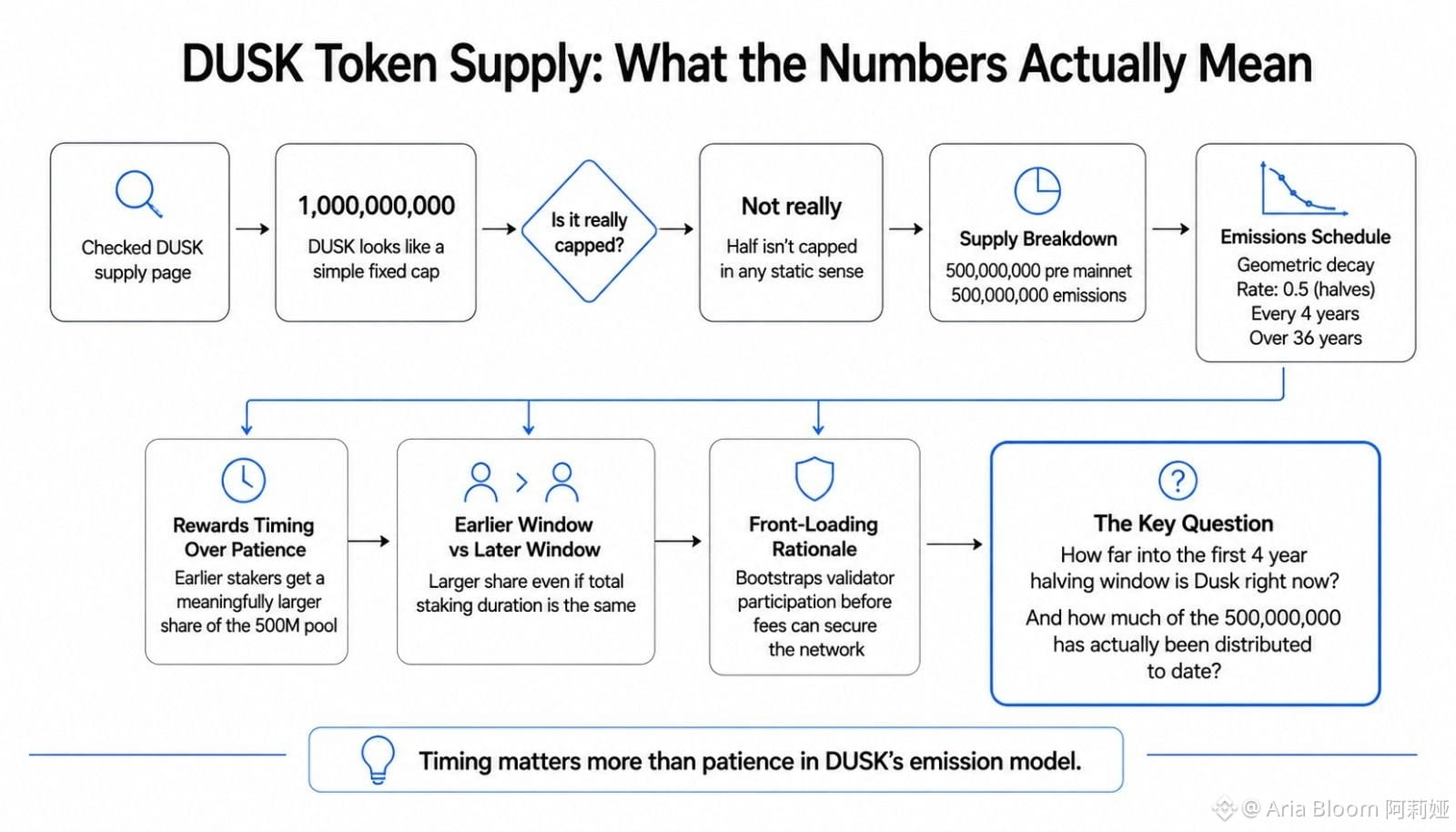
I checked DUSK's supply page expecting a simple fixed cap 1,000,000,000 DUSK looked like exactly that at first glance.
The figure alone is weak here since half of it isn't really capped in any static sense 500,000,000 DUSK already exists from the pre mainnet supply.The remaining 500,000,000 gets released through a geometric decay schedule with a reduction rate of 0.5.It halves every 4 years across a full 36 year emission window rather than arriving all at once.
That structure quietly rewards timing more than patience alone,a provisioner staking during an earlier 4 year window collects a meaningfully larger share of that 500,000,000 pool than one joining after several halvings have already passed.That holds even if both eventually stake for the same total number of years.
Front loading emissions this way is a reasonable design choicen it helps bootstrap validator participation before transaction fees alone could sustain network security.
Which raises a specific question nobody seems to track publicly how far into that first 4 year halving window is Dusk right now?And how much of the 500,000,000 has actually been distributed to date?
#dusk $DUSK @Dusk
The figure alone is weak here since half of it isn't really capped in any static sense 500,000,000 DUSK already exists from the pre mainnet supply.The remaining 500,000,000 gets released through a geometric decay schedule with a reduction rate of 0.5.It halves every 4 years across a full 36 year emission window rather than arriving all at once.
That structure quietly rewards timing more than patience alone,a provisioner staking during an earlier 4 year window collects a meaningfully larger share of that 500,000,000 pool than one joining after several halvings have already passed.That holds even if both eventually stake for the same total number of years.
Front loading emissions this way is a reasonable design choicen it helps bootstrap validator participation before transaction fees alone could sustain network security.
Which raises a specific question nobody seems to track publicly how far into that first 4 year halving window is Dusk right now?And how much of the 500,000,000 has actually been distributed to date?
#dusk $DUSK @Dusk
Trading with Purpose. Executing with Discipline. 📊
Currently focused on refining my trading strategy and building consistency through Binance.
My approach is simple: analyze the market, identify high-probability setups, manage risk carefully, and execute with patience. I believe successful trading is not about predicting every move — it’s about making informed decisions and maintaining discipline over time.
Analyze. Execute. Manage Risk. Improve.
#Binance #CryptoTrading #TradingSignals $DUSK $GIGGLE
Currently focused on refining my trading strategy and building consistency through Binance.
My approach is simple: analyze the market, identify high-probability setups, manage risk carefully, and execute with patience. I believe successful trading is not about predicting every move — it’s about making informed decisions and maintaining discipline over time.
Analyze. Execute. Manage Risk. Improve.
#Binance #CryptoTrading #TradingSignals $DUSK $GIGGLE

Connectez-vous pour découvrir plus de contenu