
ETHcryptohub
16.5k Publications
 LIVE
LIVEETHcryptohub
 Compte Square Vérifié+
Gold Standard Club, the Founding Co-builder of Binance's Top Guild! Verified KOL ✅ Binance Future Scalper ✅ Content Writer ✅ X : @Sanjaygupt74977

Détenteur pour BNB
Trade fréquemment
5.7 an(s)
1.3K+ Suivis
47.0K+ Abonnés
44.2K+ J’aime
Publications
Tous
Citations
Vidéos
Direct
PINNED
PINNED
Vérifié
Trade sur 30 j $DUSK 1.3K USDT
#dusk $DUSK @Dusk
What I find interesting about Dusk is that its bigger idea is not simply putting financial assets on a blockchain. The harder problem is making the infrastructure fit the way regulated finance actually works. Institutions need privacy, controlled access, clear settlement, and the ability to disclose information when required. Dusk is building these pieces into the same environment instead of treating them as separate layers.
The privacy part matters more than it might seem. A public ledger can make transactions easy to verify, but exposing every balance, position, and trade is not practical for many financial businesses. Dusk uses confidential transfers, zero-knowledge proofs, and selective disclosure so information can stay protected while still being available to the parties that need it, while still being available to the parties that need it.
What makes the infrastructure more interesting to me is how these pieces connect. Identity and access controls can determine who is allowed to participate, asset rules can control how something moves, and deterministic settlement can make the final transaction predictable. Developers can also use familiar EVM tooling through DuskEVM instead of having to abandon the tools they already know.
That is the part I think people can easily overlook. Tokenizing an asset is relatively simple compared with rebuilding the market around it. Issuance, investor eligibility, transfers, settlement, reporting, and disclosure all have to work together. Dusk is trying to make those requirements part of the infrastructure itself.
For me, the bigger thesis is whether this approach can make on-chain finance practical for assets that cannot operate under complete public visibility. If regulated markets move onchain at scale, will the winning infrastructure be the one with the most users, or the one that best handles the rules those markets already depend on?
What I find interesting about Dusk is that its bigger idea is not simply putting financial assets on a blockchain. The harder problem is making the infrastructure fit the way regulated finance actually works. Institutions need privacy, controlled access, clear settlement, and the ability to disclose information when required. Dusk is building these pieces into the same environment instead of treating them as separate layers.
The privacy part matters more than it might seem. A public ledger can make transactions easy to verify, but exposing every balance, position, and trade is not practical for many financial businesses. Dusk uses confidential transfers, zero-knowledge proofs, and selective disclosure so information can stay protected while still being available to the parties that need it, while still being available to the parties that need it.
What makes the infrastructure more interesting to me is how these pieces connect. Identity and access controls can determine who is allowed to participate, asset rules can control how something moves, and deterministic settlement can make the final transaction predictable. Developers can also use familiar EVM tooling through DuskEVM instead of having to abandon the tools they already know.
That is the part I think people can easily overlook. Tokenizing an asset is relatively simple compared with rebuilding the market around it. Issuance, investor eligibility, transfers, settlement, reporting, and disclosure all have to work together. Dusk is trying to make those requirements part of the infrastructure itself.
For me, the bigger thesis is whether this approach can make on-chain finance practical for assets that cannot operate under complete public visibility. If regulated markets move onchain at scale, will the winning infrastructure be the one with the most users, or the one that best handles the rules those markets already depend on?
Rules First
Users Matter
Compliance Wins
1 jour(s) restant(s)
1

⁰MR RAJ⁰
·
--
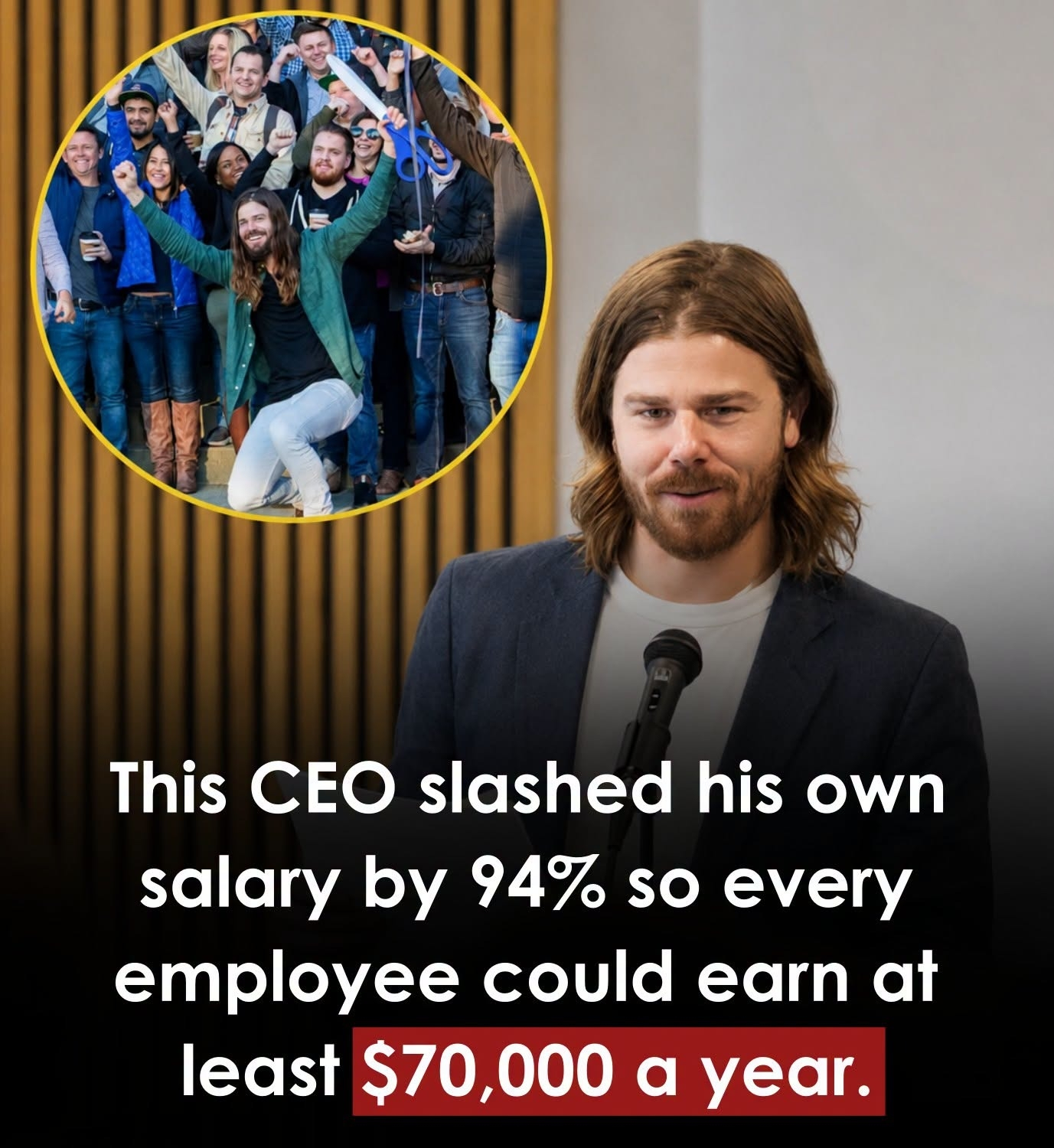
Haussier💰 In 2015, Gravity Payments CEO Dan Price made headlines by cutting his own salary from about $1 million to $70,000 — a roughly 94% reduction. He used the move to help raise the company’s minimum salary to $70,000 for employees.
❤️🏢 Price said the decision was about giving his Seattle-based team greater financial stability, after seeing employees struggle with rising living costs. The move sparked a huge debate about CEO pay and fair wages.
$DUSK $RIVER $POWER
#XRPRallies44%InAWeek #IranSaysHormuzOmanDealNotFinalized #SECSendsCryptoCustodyRuleToWhiteHouse #CryptoFearGreedIndexHits74 #USBitcoinETFsExtendInflowsToSixthDay
❤️🏢 Price said the decision was about giving his Seattle-based team greater financial stability, after seeing employees struggle with rising living costs. The move sparked a huge debate about CEO pay and fair wages.
$DUSK $RIVER $POWER
#XRPRallies44%InAWeek #IranSaysHormuzOmanDealNotFinalized #SECSendsCryptoCustodyRuleToWhiteHouse #CryptoFearGreedIndexHits74 #USBitcoinETFsExtendInflowsToSixthDay
1
Ahmed Ali Nizamani
·
--
454 + 444 = 🎁🎁🎁🎁🎁✅

1

AbdullRauf
·
--
GIVEAWAY ALERT 🧧
We're giving away 2000 gifts to our Square Family as a huge thank you for your support!
To Enter:
✅ Follow
✅ Share this post
✅ Comment "666 !"
Random winners will be selected. Good luck, everyone! 🚀
We're giving away 2000 gifts to our Square Family as a huge thank you for your support!
To Enter:
✅ Follow
✅ Share this post
✅ Comment "666 !"
Random winners will be selected. Good luck, everyone! 🚀

1
Bilverse
·
--
🚨 WHO WANTS TO WAKE UP TO FREE ETH? 👀
One community. One mission. One chance to be part of the ETH giveaway. 💎🚀
#Bilverse is making noise — and your ETH reward could be waiting. 👀
👇 Want to claim a portion of ETH?
💬 Comment “ETH” below to claim your reward! 🎁
The Bilverse Army is growing. 🟡
Click here to DOUBLE your Rewards! 🧧🚀
Are you in?
#ETH #RedPacketMission #CryptoGiveaway #CryptoCommunity
One community. One mission. One chance to be part of the ETH giveaway. 💎🚀
#Bilverse is making noise — and your ETH reward could be waiting. 👀
👇 Want to claim a portion of ETH?
💬 Comment “ETH” below to claim your reward! 🎁
The Bilverse Army is growing. 🟡
Click here to DOUBLE your Rewards! 🧧🚀
Are you in?
#ETH #RedPacketMission #CryptoGiveaway #CryptoCommunity

1
DT_Singh
·
--
Jisne $SOL ko 75 pe kharida tha, aaj uska face finally smile kar raha hai 😂
75.39 (Sell Avg) se 108.44 tak — matlab 43% ka move! Aur ye koi random pump nahi, STEADY climb hai:
• 7 Days: +32%
• 30 Days: +43%
• 90 Days: +31%
BUT — 1 Year: -44% — matlab purane holders abhi bhi "breakeven aana baki hai" mode mein hain 💀
Chart pe dekho pattern — consistent higher lows, consistent higher highs. Ye "recovery" wala vibe hai, na ki "pump and dump" wala.
Funny part:
Jo log 75 pe entry liye the aur 65 tak gir gaya dekh ke "sell kar dun?" soche the — unhe aaj 40% profit dikh raha hai.
Jo log abhi 108 pe buy kar rahe hain — unhe sochna padega "arey, top toh nahi tha na pichle hafte?"
Order book mein 47.78% sellers hain — matlab "booking profit" mode strong chal raha hai. Jab itne sare log sell kar rahe hain top pe, tab next move kya hoga?
Solana ke saath hota ye hi na — slow recovery ↗️, fir ek do din mein crash ↘️, fir wapas recovery 😅
Kisi ne recently entry liya was SOL? Or abhi bhi recovery completion wait kar rahe ho? 👇
#SOL #solanAnalysis #RecoveryStory #CryptoReality
75.39 (Sell Avg) se 108.44 tak — matlab 43% ka move! Aur ye koi random pump nahi, STEADY climb hai:
• 7 Days: +32%
• 30 Days: +43%
• 90 Days: +31%
BUT — 1 Year: -44% — matlab purane holders abhi bhi "breakeven aana baki hai" mode mein hain 💀
Chart pe dekho pattern — consistent higher lows, consistent higher highs. Ye "recovery" wala vibe hai, na ki "pump and dump" wala.
Funny part:
Jo log 75 pe entry liye the aur 65 tak gir gaya dekh ke "sell kar dun?" soche the — unhe aaj 40% profit dikh raha hai.
Jo log abhi 108 pe buy kar rahe hain — unhe sochna padega "arey, top toh nahi tha na pichle hafte?"
Order book mein 47.78% sellers hain — matlab "booking profit" mode strong chal raha hai. Jab itne sare log sell kar rahe hain top pe, tab next move kya hoga?
Solana ke saath hota ye hi na — slow recovery ↗️, fir ek do din mein crash ↘️, fir wapas recovery 😅
Kisi ne recently entry liya was SOL? Or abhi bhi recovery completion wait kar rahe ho? 👇
#SOL #solanAnalysis #RecoveryStory #CryptoReality
2

Frenzy _13
·
--
Good morning 🌞
claim for reward 😉
#frenzy
claim for reward 😉
#frenzy
1

Coin--King
·
--
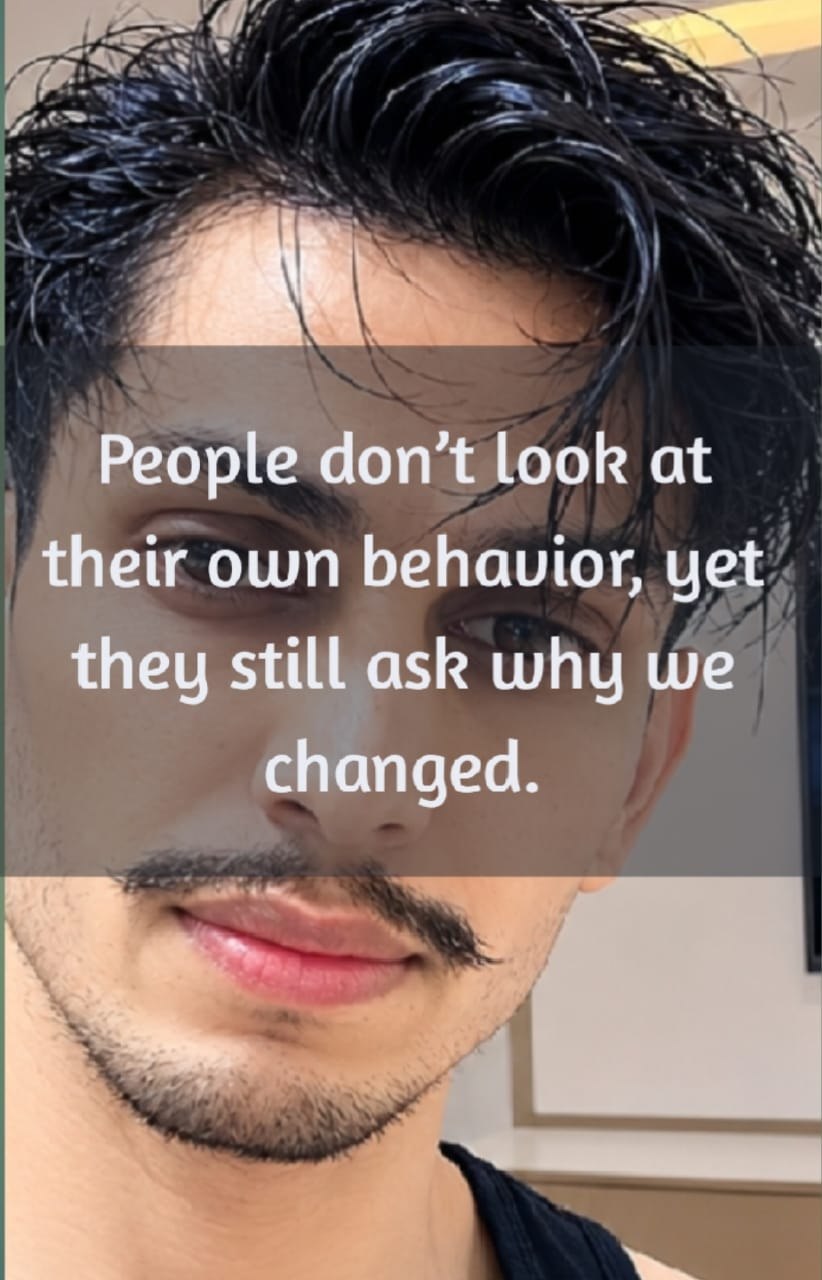
People don’t look at their own behavior, yet they still ask why we changed.
🎁 🎁
$BICO $DUSK $BMT
#XRPLeadsCryptoPullbackDropsNearly7% #DollarPostsBiggestGainInNearlyFourWeeks #NvidiaRises4%OnRevenueBeat #XRPRallies44%InAWeek
🎁 🎁
$BICO $DUSK $BMT
#XRPLeadsCryptoPullbackDropsNearly7% #DollarPostsBiggestGainInNearlyFourWeeks #NvidiaRises4%OnRevenueBeat #XRPRallies44%InAWeek
3

Prince-7³
·
--
welcome square family 😊
claim 🧧 Follow 🧧 Repost 🧧
$BTC
$BNB
$ETH
#GIVEAWAY🎁
claim 🧧 Follow 🧧 Repost 🧧
$BTC
$BNB
$ETH
#GIVEAWAY🎁

1
Veenu Sharma
·
--
Friends Click here to join my chat room more girfts are coming , follow., share , like comment 🥳🥳🥳🥳 $BTC

1
MrRUHUL
·
--
say less 🧧🎁💰💵🧧🎁💰💵🧧

1

JANNAT BM_
·
--
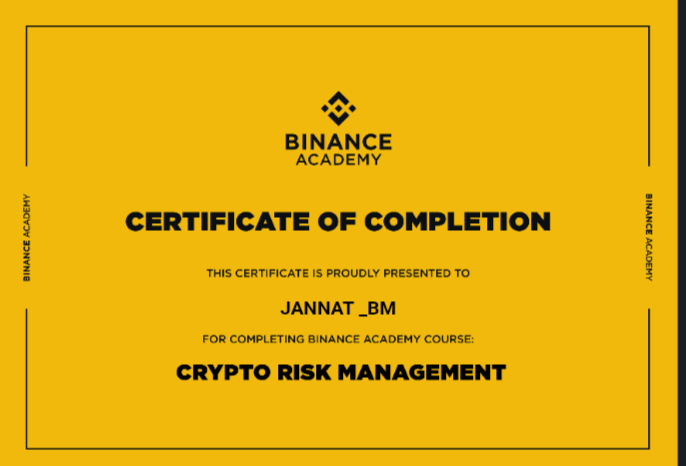
Thank you #Binance 💛
My first certificate form @Binance Academy 💛💛💛
My first certificate form @Binance Academy 💛💛💛
·
--
🎙️ Let's discuss about Market and Pala Pala each other
 Direct
206 auditeurs · 1 dans l’Espace de trading en direct
1
Trade sur 30 j $DUSK 6.1K USDT
#dusk $DUSK @Dusk
When I look at $DUSK , I think its utility makes more sense when you stop treating the token as just something to hold. It has two jobs inside the network: paying for transactions and execution, and helping secure the network through staking. That gives the token a direct connection to activity happening on Dusk.
The gas side is straightforward. Every transaction uses gas, and fees are paid in DUSK. So as people actually use the network, DUSK becomes part of the basic cost of doing things onchain. For me, that is more meaningful than utility that exists mainly because a project decided to attach a feature to its token.
Staking adds another layer. A minimum of 1,000 DUSK is required for direct staking, with provisioners participating in block proposal and validation. Active provisioners can receive rewards from both new DUSK emissions and transaction fees. There is also a staking-pool route for users who do not want to operate infrastructure themselves.
What I find important is that these two uses connect the token to two different sides of the network. Gas links DUSK to usage, while staking links it to security and participation. Neither guarantees demand, though. The real question is whether actual network activity grows enough for these utilities to matter beyond the token itself.
For me, that is the part worth watching: does DUSK become more useful because people genuinely use and secure the network, rather than because the token simply has more features attached to it?
When I look at $DUSK , I think its utility makes more sense when you stop treating the token as just something to hold. It has two jobs inside the network: paying for transactions and execution, and helping secure the network through staking. That gives the token a direct connection to activity happening on Dusk.
The gas side is straightforward. Every transaction uses gas, and fees are paid in DUSK. So as people actually use the network, DUSK becomes part of the basic cost of doing things onchain. For me, that is more meaningful than utility that exists mainly because a project decided to attach a feature to its token.
Staking adds another layer. A minimum of 1,000 DUSK is required for direct staking, with provisioners participating in block proposal and validation. Active provisioners can receive rewards from both new DUSK emissions and transaction fees. There is also a staking-pool route for users who do not want to operate infrastructure themselves.
What I find important is that these two uses connect the token to two different sides of the network. Gas links DUSK to usage, while staking links it to security and participation. Neither guarantees demand, though. The real question is whether actual network activity grows enough for these utilities to matter beyond the token itself.
For me, that is the part worth watching: does DUSK become more useful because people genuinely use and secure the network, rather than because the token simply has more features attached to it?
Real User Growth
Network Utility
Organic Dema
1 jour(s) restant(s)
1
MrRUHUL
·
--
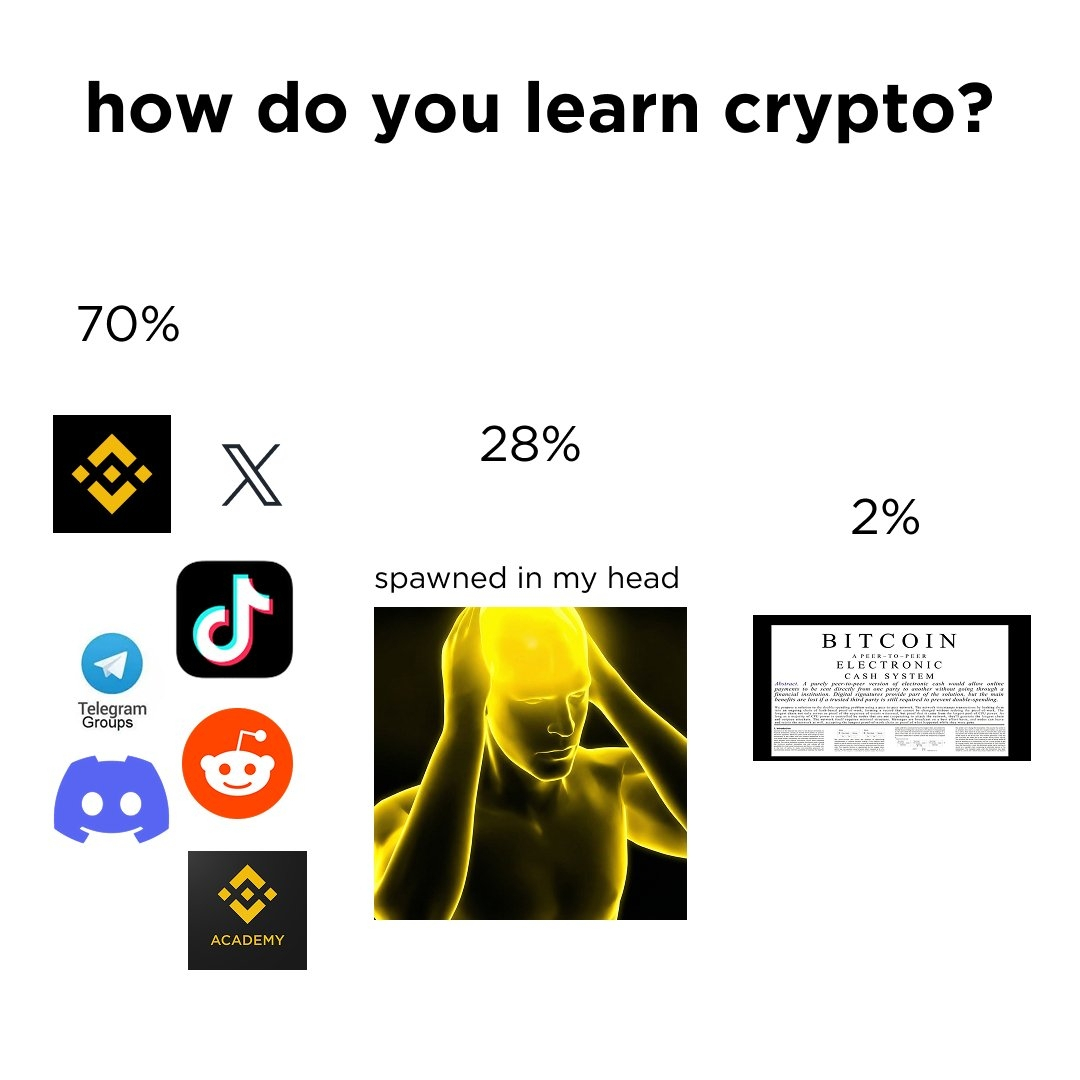
Put me on to other ways to learn crypto 👇
1
Veenu Sharma
·
--
Friends Click here to join my chat room more girfts are coming , follow., share , like comment 🥳🥳🥳🥳

1

Raven Hei 黑
·
--
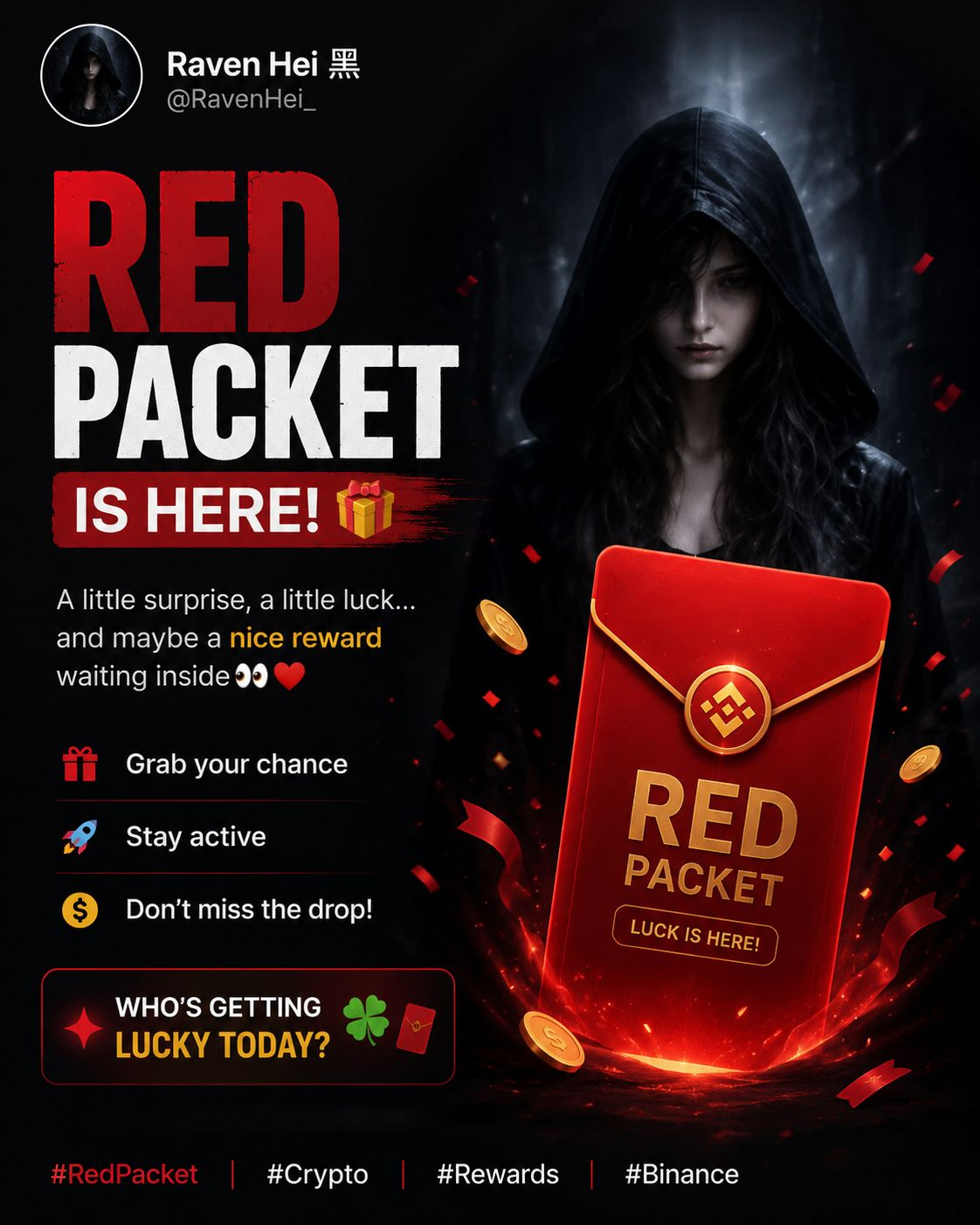
🧧 RED PACKET IS HERE! 🔥
A little surprise, a little luck… and maybe a nice reward waiting inside 👀❤️
🎁 Grab your chance
🚀 Stay active
💰 Don’t miss the drop!
Who’s getting lucky today? 🍀🧧🔥
#RedPacket #Crypto #Rewards #Binance
A little surprise, a little luck… and maybe a nice reward waiting inside 👀❤️
🎁 Grab your chance
🚀 Stay active
💰 Don’t miss the drop!
Who’s getting lucky today? 🍀🧧🔥
#RedPacket #Crypto #Rewards #Binance
1
Bilverse
·
--
🚨 WHO WANTS TO WAKE UP TO FREE ETH? 👀
One community. One mission. One chance to be part of the ETH giveaway. 💎🚀
#Bilverse is making noise — and your ETH reward could be waiting. 👀
👇 Want to claim a portion of ETH?
💬 Comment “ETH” below to claim your reward! 🎁
The Bilverse Army is growing. 🟡
Click here to DOUBLE your Rewards! 🧧🚀
Are you in?
#ETH #RedPacketMission #CryptoGiveaway #CryptoCommunity
One community. One mission. One chance to be part of the ETH giveaway. 💎🚀
#Bilverse is making noise — and your ETH reward could be waiting. 👀
👇 Want to claim a portion of ETH?
💬 Comment “ETH” below to claim your reward! 🎁
The Bilverse Army is growing. 🟡
Click here to DOUBLE your Rewards! 🧧🚀
Are you in?
#ETH #RedPacketMission #CryptoGiveaway #CryptoCommunity
1
MrRUHUL
·
--
this place looks like "A good example"

Connectez-vous pour découvrir plus de contenu