Price never moves in a straight line. Even in strong trends, the market pauses, pulls back, and then decides its next move. These pauses are called pullbacks, and they mainly appear in two forms: Aggressive Pullbacks and Corrective Pullbacks. Knowing the difference helps traders enter with confidence instead of emotion.
________________________________________
What Is an Aggressive Pullback?
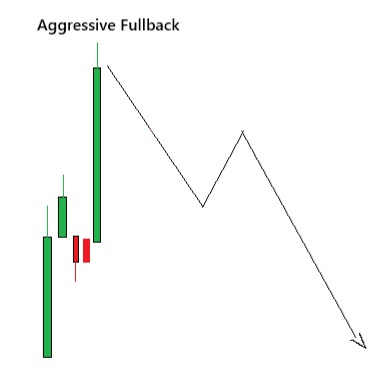
An aggressive pullback is a sudden and powerful move against the current trend. It often feels like the trend is reversing, but in many cases, it is only a temporary reaction.
This type of pullback usually appears due to:
• Fast profit booking
• News or sudden volatility
• Liquidity grabs by large players
Main traits of an aggressive pullback:
• Sharp candles and strong momentum
• Little to no consolidation
• Price may briefly break minor support or resistance
• Creates fear and confusion in the market
Aggressive pullbacks are risky but can offer strong rewards for traders who understand price action and use strict risk control.
________________________________________
What Is a Corrective Pullback?
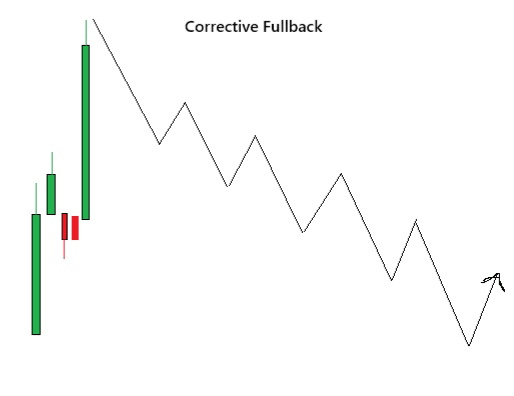
A corrective pullback is a slow and healthy retracement within an ongoing trend. Instead of panic, the market moves calmly and builds structure before continuing.
This pullback helps the market:
• Reset indicators
• Attract new buyers or sellers
• Maintain trend strength
Main traits of a corrective pullback:
• Gradual price movement
• Clear market structure (higher lows or lower highs)
• Respect for support, resistance, or trendlines
• Better confirmation for entries
Corrective pullbacks are considered safer and are widely used by both beginner and professional traders.
________________________________________
Key Differences Between Aggressive and Corrective Pullbacks

________________________________________
Final Insight
Not every pullback is an opportunity. Aggressive pullbacks test emotions, while corrective pullbacks test patience. A successful trader learns to recognize both and chooses setups that match their skill level and trading plan.
________________________________________
Disclaimer: This content is provided for educational purposes only and does not constitute financial advice, including any recommendations to buy, sell, or hold investments