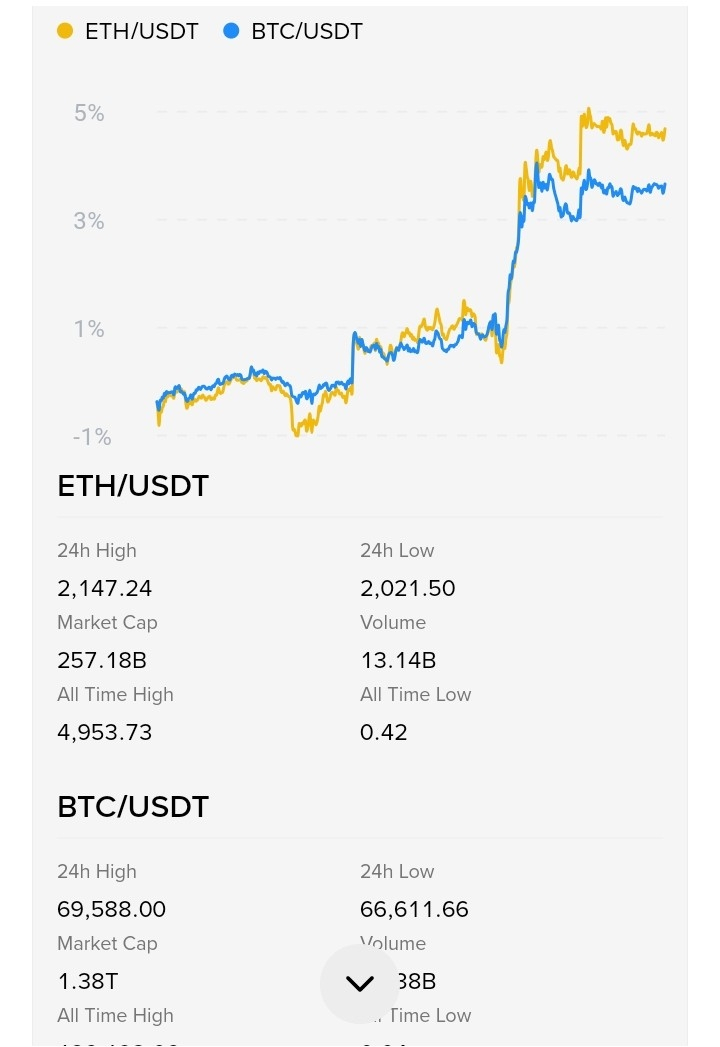
Crypto market fluctuations are the up-and-down price moves you see in coins like #BTC, #ETH, and #BNB—often bigger and faster than in stocks. They happen because crypto is still relatively young, trades 24/7, and reacts quickly to news and liquidity changes.
Main drivers of crypto price swings
Supply & demand + liquidity: When buy/sell volume is thin, prices can move sharply.
Macro factors: Interest rates, inflation data, USD strength, recession fears, and overall “risk-on/risk-off” sentiment.
News & events: ETF/regulated product updates, hacks/exploits, major partnerships, token unlocks, exchange listings, regulatory announcements.
Whales & leverage: Large holders and derivatives liquidation cascades (forced closes) can amplify moves.
Market structure: 24/7 trading + global participants means reactions can be immediate.
Narratives/rotation: Capital shifts between sectors (BTC → ETH → alts, or L1/DeFi/meme cycles).
Common “types” of fluctuations
Volatility spikes: Sudden big candles after news or liquidation events.
Range-bound chop: Price moves within a band; lots of fakeouts.
Trend moves: Higher highs/higher lows (uptrend) or the opposite (downtrend).
Correlation shifts: Alts may follow BTC strongly, then decouple during rotation.
Practical ways to handle volatility (risk-first)
Use position sizing (don’t risk too much per trade).
Prefer stop-loss / take-profit or clear invalidation levels.
Avoid excessive leverage (biggest cause of fast blow-ups).
Consider DCA (buying/selling in smaller chunks) if you’re investing.
Keep a plan for news periods (either reduce size or stay out).
If you tell me your goal—investing vs short-term trading—and which coins you’re watching, I can suggest a simple volatility approach (e.g., DCA plan, range strategy, or risk limits).