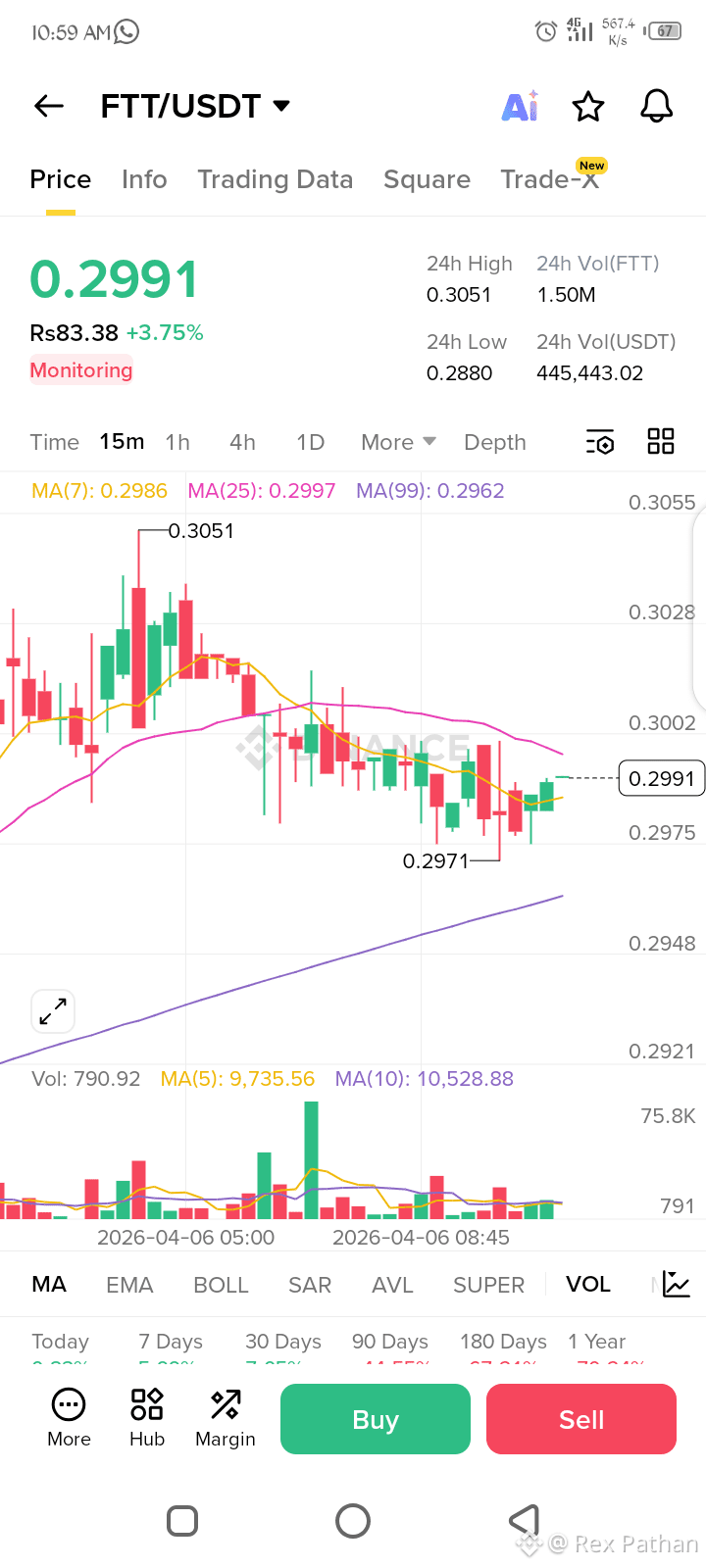
$FTT
Coin: FTX Token (FTT)
Category: Exchange Token (Legacy)
Risk Level: 🔴 Very High
🔎 What is FTT?
FTX Token (FTT) was the native utility token of the FTX exchange, launched in 2019.
It was designed to support trading activities and provide benefits inside the exchange ecosystem.
🧠 Real Case Uses (Historical)
1️⃣ Trading Fee Discount
Users holding FTT received discounted trading fees on the FTX platform.
📌 Real Case:
A trader holding FTT paid lower fees compared to non-holders, increasing demand for the token.
2️⃣ Futures Trading Collateral
FTT was accepted as collateral for leveraged futures trading.
📌 Real Case:
Traders deposited FTT to open leveraged positions, creating strong market demand before 2022.
3️⃣ Token Burn Mechanism
A portion of exchange revenue was used to buy back and burn FTT tokens.
📌 Real Case:
Regular token burns reduced supply, supporting price growth during active years.
⚠️ Major Historical Event
🔴 November 2022 Collapse
Event: FTX Bankruptcy
📌 What Happened:
Liquidity crisis affected the FTX exchange
Withdrawals stopped
Company entered bankruptcy
Token utility dropped significantly
📉 Market Impact:
FTT price crashed sharply and lost most of its practical use.
📊 Current Situation (2026)
Utility Status: ⚠️ Limited
Current Drivers:
Bankruptcy updates
Creditor repayment news
Speculative trading activity
📌 Real Case:
Legal repayment announcements linked to FTX triggered short-term volatility in FTT price movements.
📉 Market Behavior
Typical characteristics:
High volatility
News-driven price movement
Weak fundamental support
Speculative market structure
⚠️ Risk Factors
🔴 Major Risks:
• Loss of original exchange utility
• Dependence on legal outcomes
• Reduced investor confidence
• High market uncertainty
📊 Strengths vs Weaknesses
#USJoblessClaimsNearTwo-YearLow #DriftProtocolExploited #ftt #AnthropicBansOpenClawFromClaude
Coin: FTX Token (FTT)
Category: Exchange Token (Legacy)
Risk Level: 🔴 Very High
🔎 What is FTT?
FTX Token (FTT) was the native utility token of the FTX exchange, launched in 2019.
It was designed to support trading activities and provide benefits inside the exchange ecosystem.
🧠 Real Case Uses (Historical)
1️⃣ Trading Fee Discount
Users holding FTT received discounted trading fees on the FTX platform.
📌 Real Case:
A trader holding FTT paid lower fees compared to non-holders, increasing demand for the token.
2️⃣ Futures Trading Collateral
FTT was accepted as collateral for leveraged futures trading.
📌 Real Case:
Traders deposited FTT to open leveraged positions, creating strong market demand before 2022.
3️⃣ Token Burn Mechanism
A portion of exchange revenue was used to buy back and burn FTT tokens.
📌 Real Case:
Regular token burns reduced supply, supporting price growth during active years.
⚠️ Major Historical Event
🔴 November 2022 Collapse
Event: FTX Bankruptcy
📌 What Happened:
Liquidity crisis affected the FTX exchange
Withdrawals stopped
Company entered bankruptcy
Token utility dropped significantly
📉 Market Impact:
FTT price crashed sharply and lost most of its practical use.
📊 Current Situation (2026)
Utility Status: ⚠️ Limited
Current Drivers:
Bankruptcy updates
Creditor repayment news
Speculative trading activity
📌 Real Case:
Legal repayment announcements linked to FTX triggered short-term volatility in FTT price movements.
📉 Market Behavior
Typical characteristics:
High volatility
News-driven price movement
Weak fundamental support
Speculative market structure
⚠️ Risk Factors
🔴 Major Risks:
• Loss of original exchange utility
• Dependence on legal outcomes
• Reduced investor confidence
• High market uncertainty
📊 Strengths vs Weaknesses
#USJoblessClaimsNearTwo-YearLow #DriftProtocolExploited #ftt #AnthropicBansOpenClawFromClaude