
Easy Handbook to Trading on Binance
1. What Does Trading Mean? (In Simple Terms)
Trading involves purchasing at a lower price and selling at a higher price for profit.
In the realm of cryptocurrency, it's straightforward: you acquire a coin, wait, and then sell it later.
When the price rises, you make a profit; when it drops, you incur a loss.
Novice traders often operate based on emotions, whereas skilled traders rely on rules, patience, and a strategic approach.
2. Basic Trading Styles
The majority of traders employ one of these strategies:
Scalping: Quick trades for small profits multiple times a day.
Day Trading: Buying and selling within the same day.
Swing Trading: Holding for a few days or weeks (ideal for beginners).
Long-Term Trading: Holding for months or longer.
It's not necessary to utilize all styles; select one and master it.
Spot Trading (Recommended for Novices)
Directly purchasing and owning the coin.
Straightforward buying and selling process.
Lower risk compared to other methods. An ideal starting point.
Futures Trading (Advanced Level)
Trading based on price movements rather than the actual coin. Potential for profit when prices rise or fall. High risk level, not suitable for beginners.
For beginners, commence with Spot trading exclusively.
4. How to Interpret a Chart (Simply)
A chart illustrates price fluctuations over time:
Upward movement = price increase.
Downward movement = price decrease.
Sideways movement = horizontal price shifts.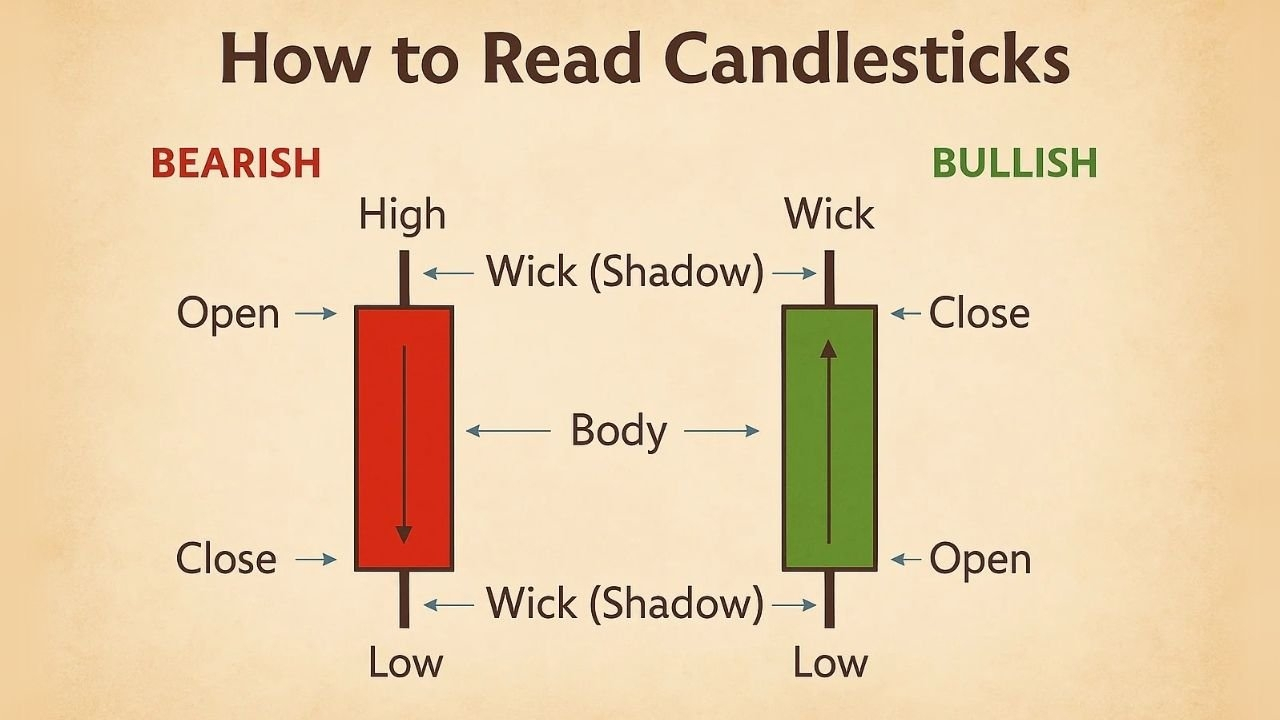
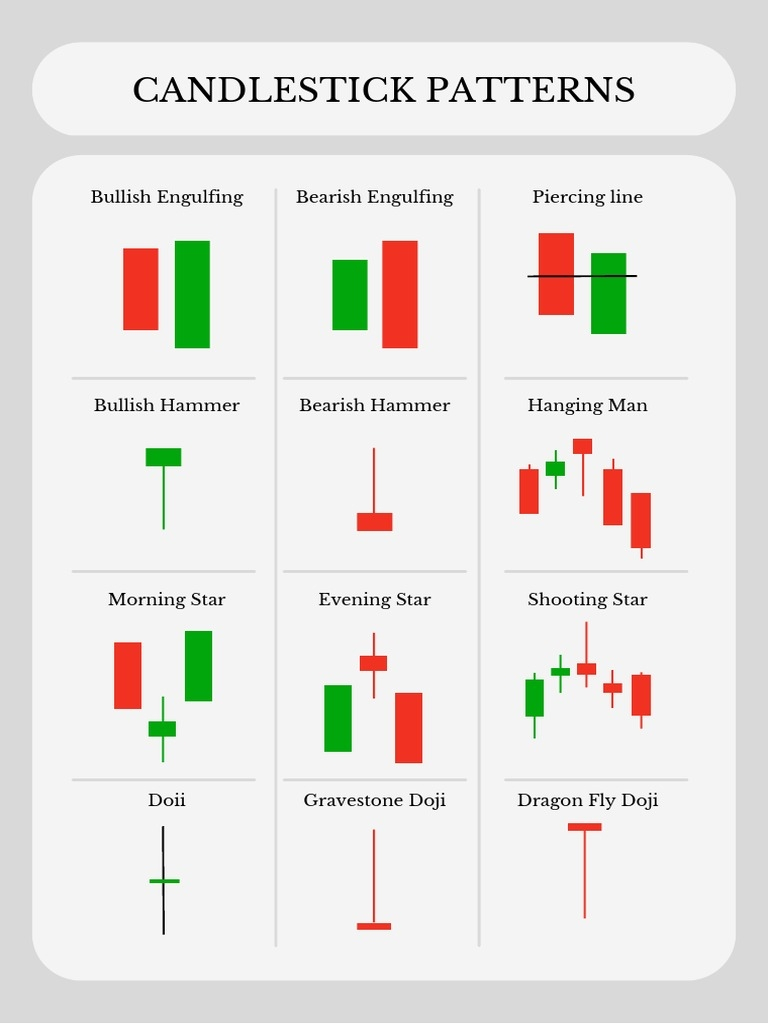
Candlesticks
Green candle = price rise.
Red candle = price drop.
Large candle = significant price movement.
Small candle = minor price fluctuation.
This knowledge is adequate in the initial stages.
5. Go with the Flow
Always assess one fundamental question:
Is the price rising, falling, or moving sideways?
In case of an uptrend → seek buying opportunities.
In case of a downtrend → exercise caution or wait.
During a sideways trend → await a clear direction.
Align your trades with the trend rather than against it.
6. Support and Resistance (Floor and Ceiling)
Support = price level where downward momentum typically halts.
Resistance = price level where upward momentum typically halts.
Simple concept:
Purchase near the support level (floor).
Sell near the resistance level (ceiling).
7. Progressing from Novice to Proficient Trader
A novice trader: Operates based on emotions. Desires quick profits. Commits frequent errors.
A proficient trader: Embraces minimal risk. Adheres to a well-defined plan. Acknowledges minor losses. Remains composed and patient.
Trading is a skill that is acquired gradually, not a game of chance.
8. Conclusion
Simplicity is key: Commence with Spot trading. Learn to interpret charts. Follow the trend.
Employ minimal risk. Manage your emotions. In trading, patience and discipline outweigh luck.