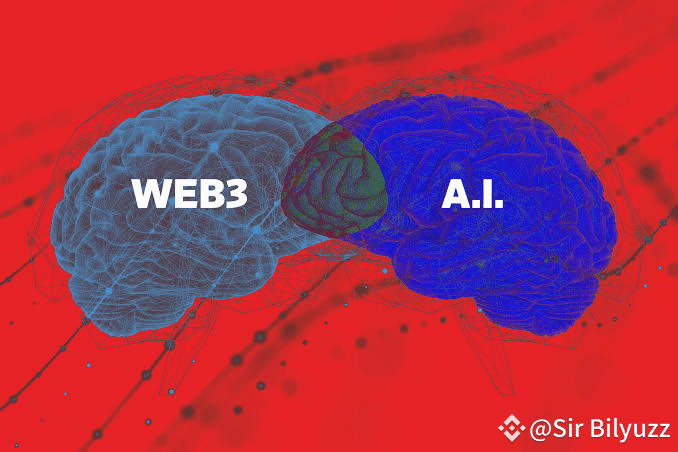
The integration of Artificial Intelligence (AI) and Web3 represents a transformative shift in the digital landscape, promising a future where technology is more transparent, decentralized, and user-centric. AI, which enables machines to learn from data and make intelligent decisions, is already a cornerstone of modern technology, powering everything from personalized recommendations to advanced automation. Web3, on the other hand, is the next evolution of the internet, built on blockchain technology to decentralize control and return ownership of data and digital assets to users. Together, these technologies address each other’s limitations: AI brings efficiency and adaptability to Web3’s often clunky systems, while Web3 provides transparency and accountability to AI’s opaque decision-making processes.
One of the most compelling aspects of this synergy is how Web3 can enhance the trustworthiness of AI.
The “black box” problem—where AI decisions are made without clear explanations—has long been a challenge, particularly in critical fields like healthcare and finance. Web3’s blockchain technology offers a solution by creating immutable, transparent records of AI processes, ensuring accountability and building public trust. Conversely, AI can optimize Web3’s infrastructure, which is often criticized for being slow and energy intensive. By leveraging AI to predict network congestion, streamline transactions, and reduce energy consumption, blockchain systems can become faster, more scalable, and environmentally sustainable. Real-world applications of this partnership are already emerging. Decentralized AI marketplaces, such as SingularityNET, allow developers to create and monetize AI services in an open, collaborative environment, reducing reliance on centralized tech giants. Smart contracts, ahallmark of Web3, are being enhanced with AI to create dynamic agreements that adapt in real time—for example, insurance policies that adjust premiums based on user behavior. Additionally, Web3 empowers individuals to own and control their data, enabling them to share it with AI systems on their own terms, potentially even monetizing it.
This shift not only enhances privacy but also creates a more equitable data economy. However, the integration of AI and Web3 is not without challenges. Scalability remains a significant hurdle, as both technologies demand substantial computational resources. Energy consumption is another concern, given the high power requirements of blockchain networks and AI training processes. Regulatory uncertainty further complicates matters, as governments struggle to keep pace with the rapid evolution of decentralized systems and AI advancements. Despite these obstacles, the potential benefits—such as more transparent AI systems, democratized access to technology, and user-controlled data—are too significant to ignore.