



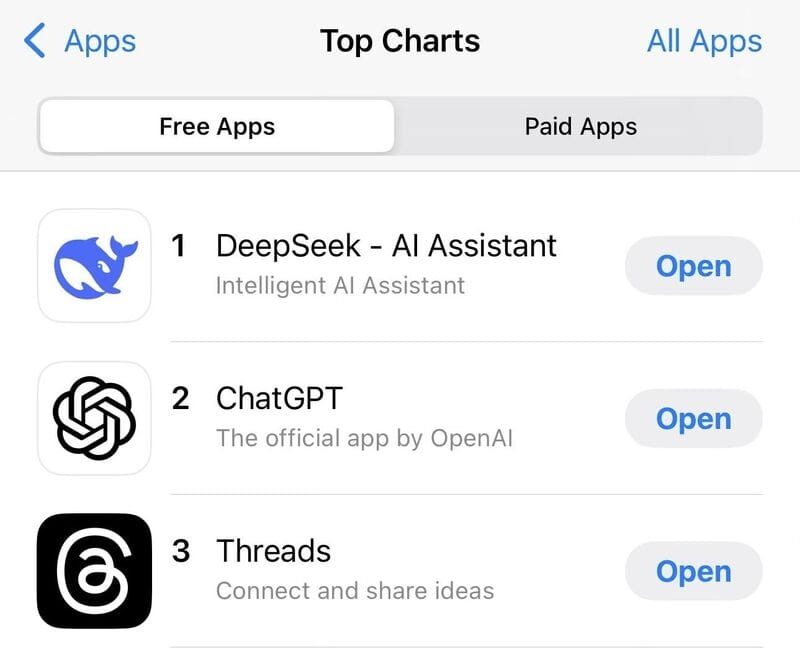
A seismic shift is unfolding in the artificial intelligence (AI) industry—one that threatens to dismantle the dominance of incumbents like OpenAI and destabilize the trillion-dollar infrastructure built around AI development. Recent reports indicate that a Chinese company has achieved a milestone with staggering implications: ChatGPT-level performance at 1/100th of the cost. This breakthrough challenges the foundational assumptions of modern AI, exposing systemic overinvestment and signaling a potential market correction reminiscent of the dot-com bubble. Beyond AI, this disruption could also send shockwaves through the crypto market, reshaping the intersection of decentralized technologies and artificial intelligence.
From Scarcity to Accessibility: A Paradigm Collapse
For years, the AI industry operated under a core belief: cutting-edge models required massive capital, compute power, and centralized infrastructure. OpenAI’s $18 billion investment in data centers and talent exemplified this model. But the emergence of highly efficient, low-cost alternatives in China has shattered this assumption, proving that algorithmic innovation and localized optimization—not brute-force compute—can deliver comparable results.
The implications ripple across the tech ecosystem:
1. Data center investments, often justified by the need for centralized compute, face obsolescence as edge-based processing gains traction.
2. Hardware giants like NVIDIA may confront shrinking demand if leaner, specialized models reduce reliance on premium GPUs.
3. The economic model of AI, built on artificial scarcity and monopolized resources, risks collapse as cost barriers evaporate.
A Dot-Com Reckoning: Lessons for the AI Era
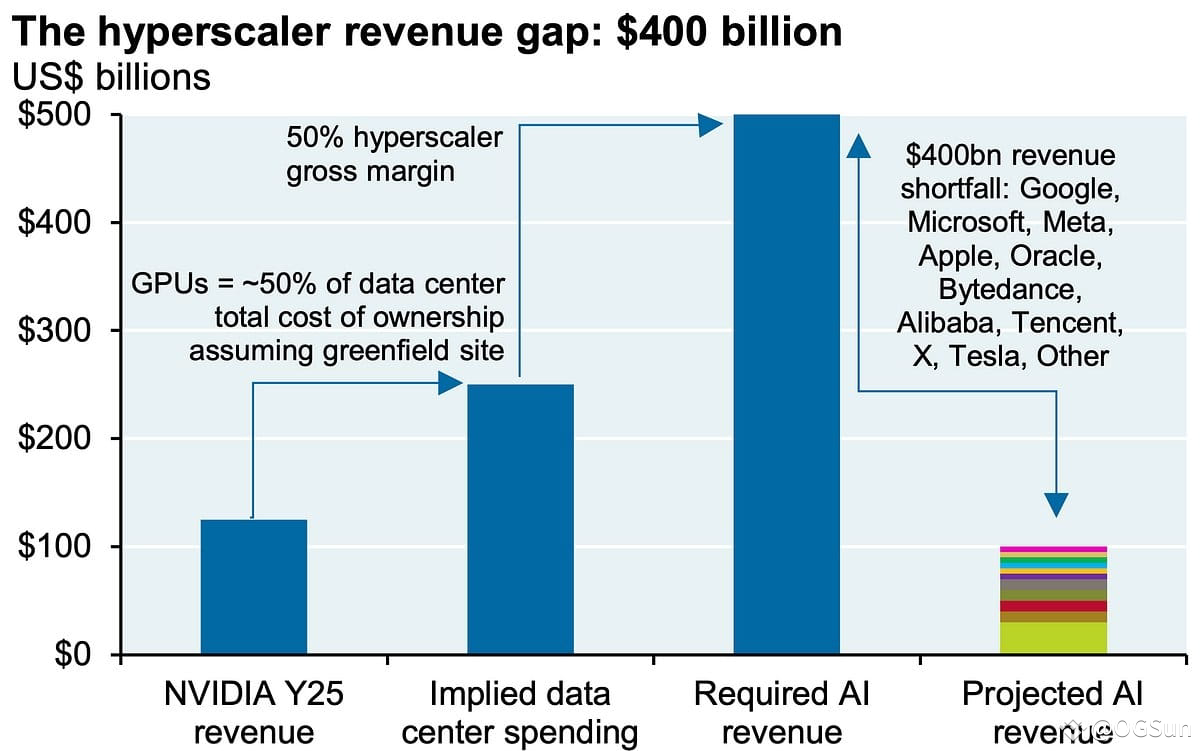
The parallels to the 2000 dot-com crash are striking. Just as Webvan and Pets.com collapsed after overinvesting in speculative infrastructure, today’s AI sector faces a reckoning. Consider the math:
- Analysts estimate the industry needs $600 billion in annual revenue to justify current valuations—yet it generates less than $60 billion.
- The Chinese breakthrough exposes a “speculative chasm” between infrastructure spending and actual demand, suggesting much of today’s compute capacity is redundant.
A market correction appears inevitable. Trillions in valuations could evaporate, startups built on inflated compute requirements may fail, and investor confidence could plunge into a “trough of disillusionment.” Yet history shows such crises birth transformative innovations. The post-dot-com era gave rise to Amazon and Google; the AI crash may catalyze a new wave of decentralized, human-centric platforms.
The Crypto Connection: How AI Disruption Could Reshape Decentralized Markets
The ripple effects of this AI breakthrough extend beyond traditional tech sectors—crypto markets are also poised for disruption. Here’s how:
1. Decentralized Compute Networks Gain Traction
The AI industry’s reliance on centralized data centers has long been a bottleneck. The Chinese breakthrough underscores the viability of decentralized compute networks, where processing power is distributed across devices rather than concentrated in hyperscale facilities. Crypto projects like Render Network (RNDR) and Akash Network (AKT), which enable peer-to-peer GPU sharing, stand to benefit as demand shifts toward cost-efficient, decentralized solutions.
2. AI-Driven Crypto Projects Face a Reckoning
Many crypto projects have positioned themselves as AI innovators, leveraging buzzwords to attract investment. However, as the AI industry pivots toward efficiency and affordability, projects without clear utility or scalable use cases may collapse. This could lead to a market shakeout, where only the most robust, application-driven tokens survive.
3. Tokenized AI Models and Data Marketplaces
The rise of efficient, localized AI models could accelerate the adoption of tokenized AI ecosystems. Platforms like Ocean Protocol (OCEAN) and Fetch.ai (FET), which enable the monetization of data and AI services via blockchain, could see increased demand as businesses seek to leverage high-quality, decentralized datasets.
4. Impact on GPU-Dependent Cryptos
Cryptocurrencies like Ethereum (ETH) and others that rely on GPU mining or staking could face indirect pressure. If the AI industry’s demand for GPUs declines due to more efficient models, the surplus hardware could flood secondary markets, driving down costs and altering the economics of GPU-dependent crypto operations.
The New Frontier: Efficiency, Edge Computing, and Real-World Impact
Three trends will define the next phase of AI innovation:
1. Edge Over Cloud: Decentralized processing on local devices—phones, sensors, IoT systems—will replace reliance on hyperscale data centers, enhancing speed, privacy, and energy efficiency.
2. Data Quality > Quantity: Smaller, meticulously curated datasets will outperform massive, noisy ones, reducing dependency on costly data-harvesting operations.
3. Utility Over Hype: Startups solving tangible problems (e.g., precision medicine, industrial automation) will outlast those chasing “viral demos” with no path to monetization.
This mirrors Amazon’s post-2000 pivot: abandoning grandiose infrastructure bets to focus on scalable, customer-driven solutions.
The Geopolitical Catalyst: China’s Strategic Play
The timing of China’s breakthrough is no accident. By proving that world-class AI can be built affordably, the nation positions itself to undercut Western tech dominance while destabilizing competitors reliant on bloated budgets. This aligns with broader shifts toward decentralized tech adoption, including open-source AI frameworks and blockchain-based compute networks.
The silence around this achievement is strategic. By avoiding premature publicity, China avoids triggering a defensive scramble from rivals—buying time to solidify its position as a leader in efficient, scalable AI.
Conclusion: Crisis as a Crucible for Innovation
While the coming correction may erase trillions in speculative value, it will also democratize access to AI development. The winners of this new era won’t be those with the deepest pockets, but those who:
- Prioritize algorithmic efficiency over compute brute force.
- Build domain-specific models with clear economic use cases.
- Leverage decentralized architectures to reduce costs and latency.
For entrepreneurs and crypto innovators, the message is clear: The AI arms race is no longer about who spends the most—it’s about who innovates the smartest. The trillion-dollar question isn’t if the bubble will burst, but who will survive to define what comes next.