

#Worldcoin is a new project that wants to create a global network of identity and money. It has a big vision of giving most of the ownership of this network to people, not companies or governments. Worldcoin wants to help people reach their economic potential, protect their online privacy, participate in democratic processes, and even start a Universal Basic Income supported by AI.
Worldcoin has two main parts: World ID, a digital identity network that respects privacy and uses 'proof of personhood', and WLD, its digital money. The World App is the main way to access World ID and the Worldcoin Protocol, which are developed by Tools for Humanity (TFH).
'Proof of personhood' is the key idea of Worldcoin. It checks that each person is real and unique. If World ID works well, it could be a global standard for verifying personhood and solving problems in online voting and value distribution.
Worldcoin is based on some important principles, such as emphasizing 'proof of personhood' in the AI era, making sure that the network rewards real human involvement, and comparing its security models with Bitcoin and Ethereum. But there are also some difficulties, especially about how to collect, handle, and protect biometric data.
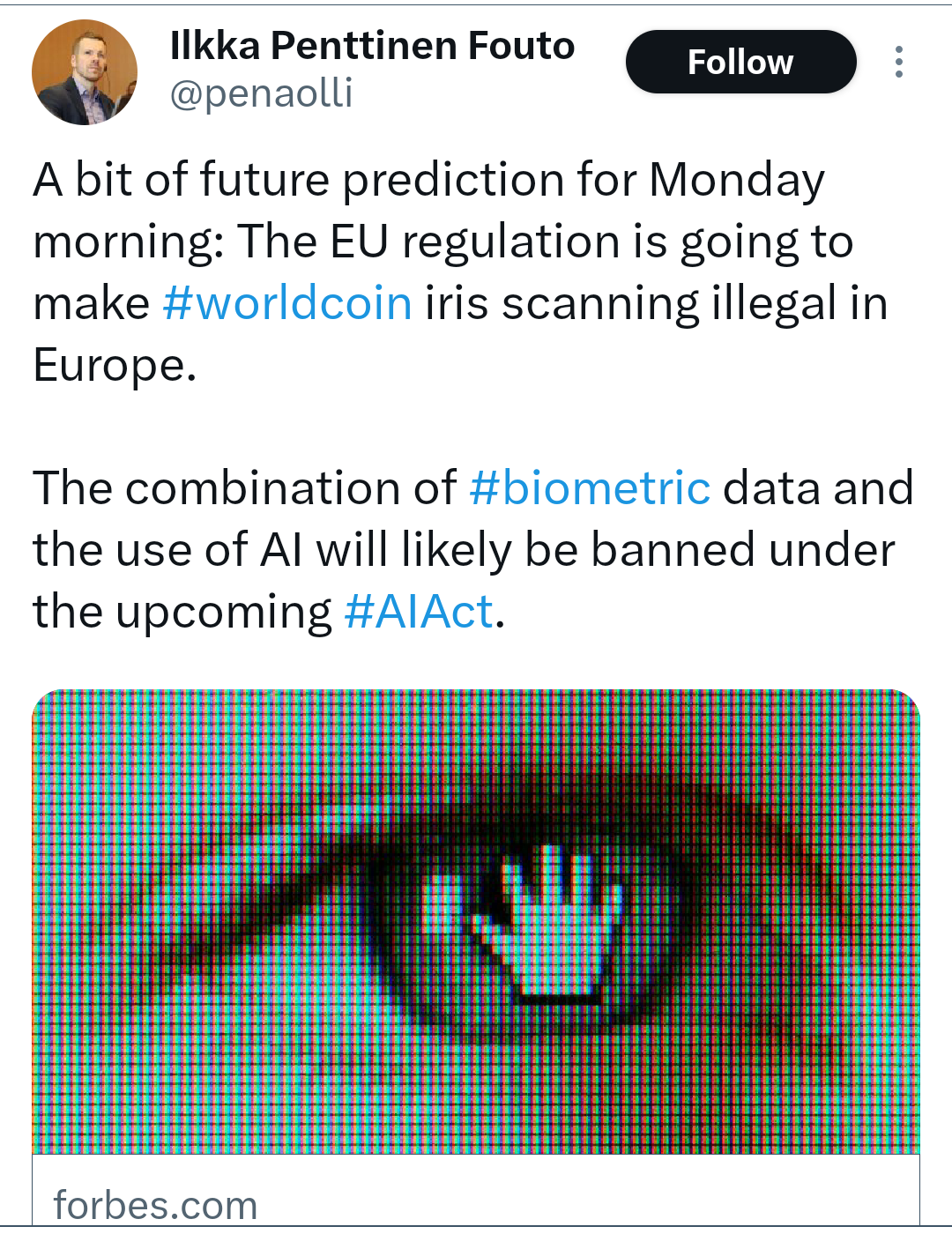
World ID uses the Orb biometric device to offer a secure way to verify individual identity. It promises to use unique eye markers to enhance security, but it also raises questions about how the data is stored and used ethically. The different rules about data privacy in different countries make it more complicated. Some countries like Kenya, the United Kingdom, India, and the United States have expressed concerns and are looking into the project.
Kenya stopped Worldcoin's activities because of security, privacy, and financial issues. It asked questions about how the data is handled, owned, and legal. The Information Commissioner's Office, the U.K.'s data protection regulator, said that it is "checking" the project and "asking more questions" about how it collects data. The Reserve Bank of India, India's central bank, warned that Worldcoin is not legal money and that using it as a payment tool is illegal. The U.S. Securities and Exchange Commission has not said anything about Worldcoin yet, but some experts think it could be seen as a security, which means it would have to follow stricter rules.
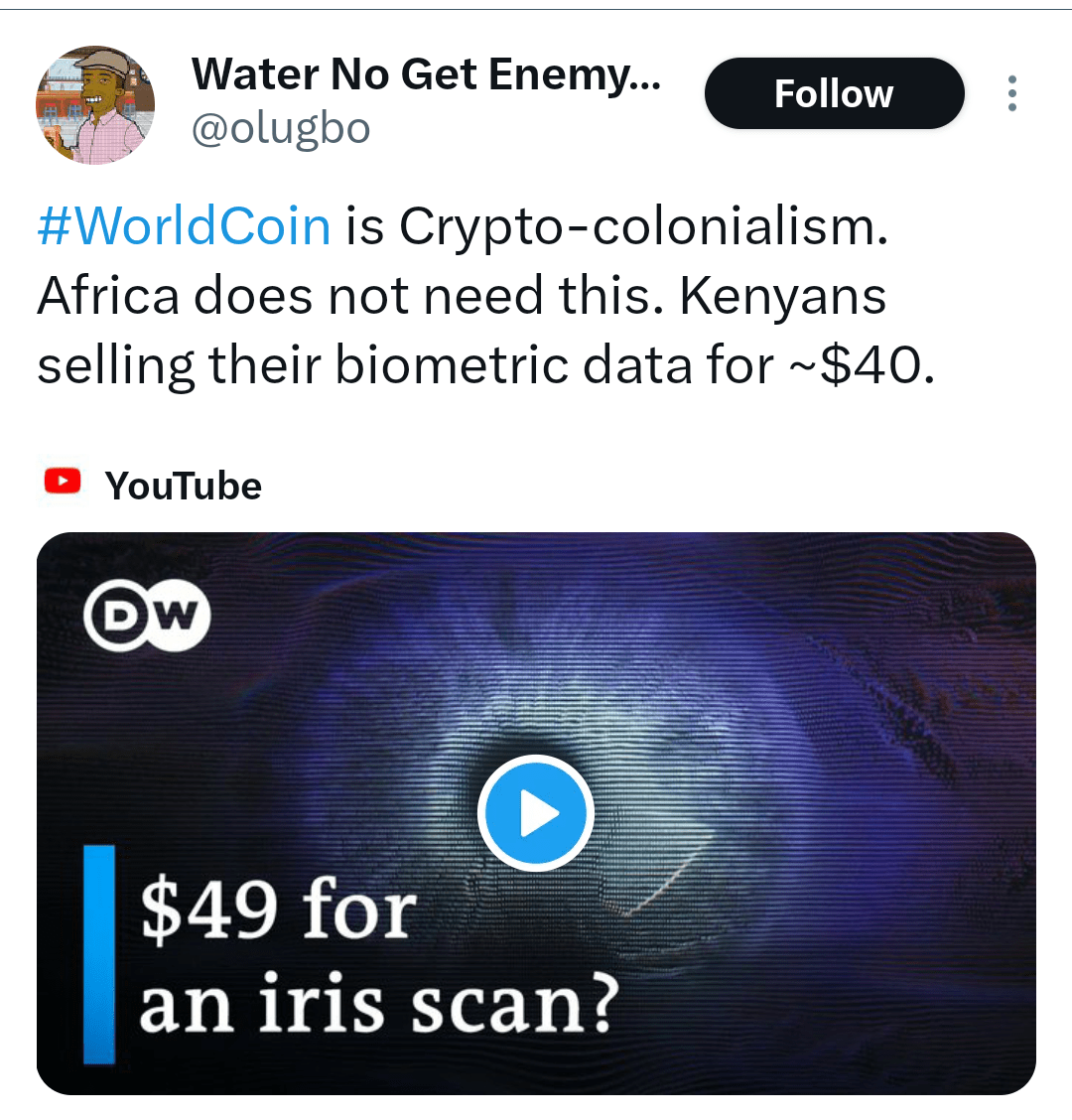
In a world that is changing fast with digital technology, Worldcoin's idea is very different and exciting. But the issues around biometric data and rules in different countries show that it needs to be transparent, careful, and respectful of privacy laws.
As Worldcoin tries to change the digital world, its journey shows the delicate balance between innovation and ethical responsibility. The project's success depends on how well it can address concerns, work with regulators, and ensure data security. It hopes to create a future where digital identity and money networks can work together peacefully on a global scale.
Facing the Challenges
To deal with privacy and data collection issues, the project should be more open about how it collects and uses data. Worldcoin needs to share simple and clear information that explains how it will take care of the data it collects, uses, and stores. It should ask for permission from people before collecting their eye scan data. Making sure that people understand what it means to share their data and agree to do so willingly is very important.
Worldcoin must be careful not to take advantage of people who are in need. The project's advertising and hiring strategies should follow ethical principles and avoid reaching out to those who may be more easily influenced.
Also, working with regulators is very important. By talking to regulators honestly and respectfully, the project can answer any questions they have and follow the rules of different countries.
Besides dealing with privacy issues, Worldcoin can also work with other groups in the industry to increase its credibility. It can partner with organizations that specialize in privacy and data protection that could help it develop and follow good practices for data collection and use.
Also, it should make a plan for data governance that would make sure that data is used responsibly and ethically, protecting people's information even more. Another step could be investing in strong security measures to prevent unauthorized access and misuse of sensitive data. And teaching the public about the project's goals, practices, and safeguards is very important for building trust and understanding among potential users.
A Bright Future
Worldcoin $WLD offers an exciting vision of a global network of identity and money based on new ideas like 'proof of personhood' and eye scan authentication. The possible benefits include economic opportunities, better online security, and even new social initiatives like a Universal Basic Income supported by AI.
However, the project has also faced some criticism, mainly about collecting and managing sensitive eye scan data. While using eye scan markers for identity verification has potential, questions about data privacy, security, and ethical considerations have created some doubts about Worldcoin's ambitious goals.