

#learntrading
learntrading
192,862 vues
327 mentions
Populaire
Récents

🕯️ WHAT IS A CANDLE?
New to trading? Start here 👇
A Candlestick = 1 price bar that tells you 4 things in 1 look 📊
1️⃣ Open - Price where it started
2️⃣ Close - Price where it ended
3️⃣ High - Highest price it reached
4️⃣ Low - Lowest price it reached
🟢 Bullish Candle = Close is above Open
Means Buyers were stronger 💪
🔴 Bearish Candle = Close is below Open
Means Sellers were stronger 📉
Why it matters: 👇
⏰ Time Frame Matters - 1min candle is different from 1Day candle
📈 Price Movement - Candles show what the market is doing
🧠 Analysis - This is how we find S&R, Trends, and Patterns
💡 Not Just Color - Every candle tells a story
Want to learn trading? First learn to read candles 🔑
Save this 🔖 | RT for beginners ❤️
$BTC $XAUT
#trading #Candlestick #VSA #forex #learntrading
🕯️ WHAT IS A CANDLE?
New to trading? Start here 👇
A Candlestick = 1 price bar that tells you 4 things in 1 look 📊
1️⃣ Open - Price where it started
2️⃣ Close - Price where it ended
3️⃣ High - Highest price it reached
4️⃣ Low - Lowest price it reached
🟢 Bullish Candle = Close is above Open
Means Buyers were stronger 💪
🔴 Bearish Candle = Close is below Open
Means Sellers were stronger 📉
Why it matters: 👇
⏰ Time Frame Matters - 1min candle is different from 1Day candle
📈 Price Movement - Candles show what the market is doing
🧠 Analysis - This is how we find S&R, Trends, and Patterns
💡 Not Just Color - Every candle tells a story
Want to learn trading? First learn to read candles 🔑
Save this 🔖 | RT for beginners ❤️
$BTC $XAUT
#trading #Candlestick #VSA #forex #learntrading
New to trading? Start here 👇
A Candlestick = 1 price bar that tells you 4 things in 1 look 📊
1️⃣ Open - Price where it started
2️⃣ Close - Price where it ended
3️⃣ High - Highest price it reached
4️⃣ Low - Lowest price it reached
🟢 Bullish Candle = Close is above Open
Means Buyers were stronger 💪
🔴 Bearish Candle = Close is below Open
Means Sellers were stronger 📉
Why it matters: 👇
⏰ Time Frame Matters - 1min candle is different from 1Day candle
📈 Price Movement - Candles show what the market is doing
🧠 Analysis - This is how we find S&R, Trends, and Patterns
💡 Not Just Color - Every candle tells a story
Want to learn trading? First learn to read candles 🔑
Save this 🔖 | RT for beginners ❤️
$BTC $XAUT
#trading #Candlestick #VSA #forex #learntrading
120

·
--
Haussier
استراتيجية بسيطة للمبتدئ 🔎
بدل استخدام عشرات المؤشرات، جرّب تعلم هذه الأساسيات أولًا:
1️⃣ تحديد الاتجاه
2️⃣ تحديد الدعم والمقاومة
3️⃣ انتظار تأكيد
4️⃣ تحديد نقطة الدخول
5️⃣ تحديد مستوى إلغاء السيناريو
6️⃣ تحديد حجم الصفقة وفق المخاطرة
كلما كانت خطتك واضحة، أصبح من الأسهل معرفة متى تدخل ومتى لا تدخل.
⚠️ هذا محتوى تعليمي وليس توصية مالية.
#TradingStrategy #Crypto #LearnTrading btc
استراتيجية بسيطة للمبتدئ 🔎
بدل استخدام عشرات المؤشرات، جرّب تعلم هذه الأساسيات أولًا:
1️⃣ تحديد الاتجاه
2️⃣ تحديد الدعم والمقاومة
3️⃣ انتظار تأكيد
4️⃣ تحديد نقطة الدخول
5️⃣ تحديد مستوى إلغاء السيناريو
6️⃣ تحديد حجم الصفقة وفق المخاطرة
كلما كانت خطتك واضحة، أصبح من الأسهل معرفة متى تدخل ومتى لا تدخل.
⚠️ هذا محتوى تعليمي وليس توصية مالية.
#TradingStrategy #Crypto #LearnTrading btc
بدل استخدام عشرات المؤشرات، جرّب تعلم هذه الأساسيات أولًا:
1️⃣ تحديد الاتجاه
2️⃣ تحديد الدعم والمقاومة
3️⃣ انتظار تأكيد
4️⃣ تحديد نقطة الدخول
5️⃣ تحديد مستوى إلغاء السيناريو
6️⃣ تحديد حجم الصفقة وفق المخاطرة
كلما كانت خطتك واضحة، أصبح من الأسهل معرفة متى تدخل ومتى لا تدخل.
⚠️ هذا محتوى تعليمي وليس توصية مالية.
#TradingStrategy #Crypto #LearnTrading btc
1
85

📈 Learn First, Trade Later! 🚀
Trading is not just about buying and selling.
Learn the market, understand charts, practice properly, and manage your risk. 📚📊
Knowledge + Patience + Discipline = Progress. 🔥
#Trading #CryptoTrading #Binance #Quotex #TradingEducation
#CryptoEducation #TechnicalAnalysi #TradingKnowledge #LearnTrading #Crypto #Bitcoin #Trader_Tuhin_NXT
📈 Learn First, Trade Later! 🚀
Trading is not just about buying and selling.
Learn the market, understand charts, practice properly, and manage your risk. 📚📊
Knowledge + Patience + Discipline = Progress. 🔥
#Trading #CryptoTrading #Binance #Quotex #TradingEducation
#CryptoEducation #TechnicalAnalysi #TradingKnowledge #LearnTrading #Crypto #Bitcoin #Trader_Tuhin_NXT
Trading is not just about buying and selling.
Learn the market, understand charts, practice properly, and manage your risk. 📚📊
Knowledge + Patience + Discipline = Progress. 🔥
#Trading #CryptoTrading #Binance #Quotex #TradingEducation
#CryptoEducation #TechnicalAnalysi #TradingKnowledge #LearnTrading #Crypto #Bitcoin #Trader_Tuhin_NXT
73

90% of beginner traders fail because they confuse "Trading" with "Gambling". The biggest mistake? Entering a trade purely based on FOMO without looking at the higher timeframes!
If you want to survive this market, stop staring at the 1-minute chart. Always check the 4-hour and Daily charts first to find the real major Support and Resistance levels. Trust the macro trend, not the micro noise!
What is the biggest mistake you made when you first started trading? Let's share our stories in the comments to help each other out!👇
#CryptoTrading #TradingTips #TechnicalAnalysis #BinanceSquare #LearnTrading
$ETH
$XRP
90% of beginner traders fail because they confuse "Trading" with "Gambling". The biggest mistake? Entering a trade purely based on FOMO without looking at the higher timeframes!
If you want to survive this market, stop staring at the 1-minute chart. Always check the 4-hour and Daily charts first to find the real major Support and Resistance levels. Trust the macro trend, not the micro noise!
What is the biggest mistake you made when you first started trading? Let's share our stories in the comments to help each other out!👇
#CryptoTrading #TradingTips #TechnicalAnalysis #BinanceSquare #LearnTrading
$ETH
$XRP
If you want to survive this market, stop staring at the 1-minute chart. Always check the 4-hour and Daily charts first to find the real major Support and Resistance levels. Trust the macro trend, not the micro noise!
What is the biggest mistake you made when you first started trading? Let's share our stories in the comments to help each other out!👇
#CryptoTrading #TradingTips #TechnicalAnalysis #BinanceSquare #LearnTrading
$ETH
$XRP
80

👋 Beginner here — I want to learn trading properly
I’m starting to learn how trading works on Binance, and I’d like to learn from more experienced traders here.
My first question is about placing a trade on Binance:
🔹 What is the difference between Market Order, Limit Order, and Stop-Limit/Stop-Market?
🔹 Which type of order is the most useful for a beginner?
🔹 When should I use each one?
🔹 How do I properly set an Entry, Stop Loss (SL), and Take Profit (TP) on Binance?
For example, if someone shares a setup like:
Entry: 79,700–79,900
SL: 77,500
TP1: 80,500
TP2: 81,500
How would you actually set this up on Binance?
I’m not looking for a signal or a coin recommendation. I want to understand the fundamentals and how to use the platform correctly before I start trading.
Experienced traders, what would you recommend a complete beginner learn first? 📚
#Binance #Trading #CryptoTrading #TradingForBeginners #LearnTrading
👋 Beginner here — I want to learn trading properly
I’m starting to learn how trading works on Binance, and I’d like to learn from more experienced traders here.
My first question is about placing a trade on Binance:
🔹 What is the difference between Market Order, Limit Order, and Stop-Limit/Stop-Market?
🔹 Which type of order is the most useful for a beginner?
🔹 When should I use each one?
🔹 How do I properly set an Entry, Stop Loss (SL), and Take Profit (TP) on Binance?
For example, if someone shares a setup like:
Entry: 79,700–79,900
SL: 77,500
TP1: 80,500
TP2: 81,500
How would you actually set this up on Binance?
I’m not looking for a signal or a coin recommendation. I want to understand the fundamentals and how to use the platform correctly before I start trading.
Experienced traders, what would you recommend a complete beginner learn first? 📚
#Binance #Trading #CryptoTrading #TradingForBeginners #LearnTrading
I’m starting to learn how trading works on Binance, and I’d like to learn from more experienced traders here.
My first question is about placing a trade on Binance:
🔹 What is the difference between Market Order, Limit Order, and Stop-Limit/Stop-Market?
🔹 Which type of order is the most useful for a beginner?
🔹 When should I use each one?
🔹 How do I properly set an Entry, Stop Loss (SL), and Take Profit (TP) on Binance?
For example, if someone shares a setup like:
Entry: 79,700–79,900
SL: 77,500
TP1: 80,500
TP2: 81,500
How would you actually set this up on Binance?
I’m not looking for a signal or a coin recommendation. I want to understand the fundamentals and how to use the platform correctly before I start trading.
Experienced traders, what would you recommend a complete beginner learn first? 📚
#Binance #Trading #CryptoTrading #TradingForBeginners #LearnTrading
2
846

📚 Learn Trading: Foundations | Understanding liquidation | #TradingTurtle
──────────────────────────────────────
In foundations, understanding understanding liquidation is one of the concepts that separates consistent traders from those who keep repeating the same mistakes.
How the liquidation engine works, the liquidation price formula concept, maintenance margin, why size matters more than stop placement when it comes to survival.
The psychology here is straightforward: most people skip this step because it feels slow. The traders who do it consistently tend to manage their trades very differently — less emotionally, more by plan.
One practical step: next time you review a trade, specifically check whether you applied this correctly. If not, note it and adjust before the next session.
#LearnTrading #FuturesTips #TradingEducation
📚 Learn Trading: Foundations | Understanding liquidation | #TradingTurtle
──────────────────────────────────────
In foundations, understanding understanding liquidation is one of the concepts that separates consistent traders from those who keep repeating the same mistakes.
How the liquidation engine works, the liquidation price formula concept, maintenance margin, why size matters more than stop placement when it comes to survival.
The psychology here is straightforward: most people skip this step because it feels slow. The traders who do it consistently tend to manage their trades very differently — less emotionally, more by plan.
One practical step: next time you review a trade, specifically check whether you applied this correctly. If not, note it and adjust before the next session.
#LearnTrading #FuturesTips #TradingEducation
──────────────────────────────────────
In foundations, understanding understanding liquidation is one of the concepts that separates consistent traders from those who keep repeating the same mistakes.
How the liquidation engine works, the liquidation price formula concept, maintenance margin, why size matters more than stop placement when it comes to survival.
The psychology here is straightforward: most people skip this step because it feels slow. The traders who do it consistently tend to manage their trades very differently — less emotionally, more by plan.
One practical step: next time you review a trade, specifically check whether you applied this correctly. If not, note it and adjust before the next session.
#LearnTrading #FuturesTips #TradingEducation
33

·
--
📊 Professional Futures Chart Analysis #42
🧠 Every Trade Needs A Reason To Enter... And A Reason To Exit
Professional traders never enter a trade based on hope.
Every decision is backed by logic.
---
🔍 Step 1 – Define Your Trading Bias
Ask yourself:
✔️ Is the market Bullish?
✔️ Is the market Bearish?
✔️ Is price following the trend?
Never trade without a clear bias.
---
📍 Step 2 – Wait For Your Entry Model
Only consider a trade if you have:
✔️ Liquidity Sweep
✔️ BOS or CHOCH
✔️ Retest
✔️ Strong Confirmation Candle
No setup...
➡️ No entry.
---
⚡ Step 3 – Plan Your Exit Before Entry
Before clicking Buy or Sell, know:
🛑 Where is my Stop Loss?
🎯 Where is my Take Profit?
📊 Is the Risk-to-Reward worth taking?
Professionals plan the entire trade in advance.
---
🛡️ Step 4 – Trust The Process
Once the trade is active:
✔️ Follow your plan.
✔️ Ignore emotions.
✔️ Accept the outcome.
Consistency beats perfection.
---
💡 Professional Insight
Every profitable trader has losing trades.
The difference is...
Professionals lose according to a plan and win according to a strategy.
That's what creates long-term consistency.
---
⚠️ Educational Purpose Only.
$BTC $ETH $XRP
#CryptoTrading #TradingPlan #PriceAction #MarketStructure #LearnTrading
💎 The market doesn't reward hope. It rewards preparation, patience, and disciplined execution. 📈🚀
📊 Professional Futures Chart Analysis #42
🧠 Every Trade Needs A Reason To Enter... And A Reason To Exit
Professional traders never enter a trade based on hope.
Every decision is backed by logic.
---
🔍 Step 1 – Define Your Trading Bias
Ask yourself:
✔️ Is the market Bullish?
✔️ Is the market Bearish?
✔️ Is price following the trend?
Never trade without a clear bias.
---
📍 Step 2 – Wait For Your Entry Model
Only consider a trade if you have:
✔️ Liquidity Sweep
✔️ BOS or CHOCH
✔️ Retest
✔️ Strong Confirmation Candle
No setup...
➡️ No entry.
---
⚡ Step 3 – Plan Your Exit Before Entry
Before clicking Buy or Sell, know:
🛑 Where is my Stop Loss?
🎯 Where is my Take Profit?
📊 Is the Risk-to-Reward worth taking?
Professionals plan the entire trade in advance.
---
🛡️ Step 4 – Trust The Process
Once the trade is active:
✔️ Follow your plan.
✔️ Ignore emotions.
✔️ Accept the outcome.
Consistency beats perfection.
---
💡 Professional Insight
Every profitable trader has losing trades.
The difference is...
Professionals lose according to a plan and win according to a strategy.
That's what creates long-term consistency.
---
⚠️ Educational Purpose Only.
$BTC $ETH $XRP
#CryptoTrading #TradingPlan #PriceAction #MarketStructure #LearnTrading
💎 The market doesn't reward hope. It rewards preparation, patience, and disciplined execution. 📈🚀
🧠 Every Trade Needs A Reason To Enter... And A Reason To Exit
Professional traders never enter a trade based on hope.
Every decision is backed by logic.
---
🔍 Step 1 – Define Your Trading Bias
Ask yourself:
✔️ Is the market Bullish?
✔️ Is the market Bearish?
✔️ Is price following the trend?
Never trade without a clear bias.
---
📍 Step 2 – Wait For Your Entry Model
Only consider a trade if you have:
✔️ Liquidity Sweep
✔️ BOS or CHOCH
✔️ Retest
✔️ Strong Confirmation Candle
No setup...
➡️ No entry.
---
⚡ Step 3 – Plan Your Exit Before Entry
Before clicking Buy or Sell, know:
🛑 Where is my Stop Loss?
🎯 Where is my Take Profit?
📊 Is the Risk-to-Reward worth taking?
Professionals plan the entire trade in advance.
---
🛡️ Step 4 – Trust The Process
Once the trade is active:
✔️ Follow your plan.
✔️ Ignore emotions.
✔️ Accept the outcome.
Consistency beats perfection.
---
💡 Professional Insight
Every profitable trader has losing trades.
The difference is...
Professionals lose according to a plan and win according to a strategy.
That's what creates long-term consistency.
---
⚠️ Educational Purpose Only.
$BTC $ETH $XRP
#CryptoTrading #TradingPlan #PriceAction #MarketStructure #LearnTrading
💎 The market doesn't reward hope. It rewards preparation, patience, and disciplined execution. 📈🚀
58

·
--
I've been trading since the COVID era — almost 6 years of experience in the crypto market.
Most of my trading has been on low-fee exchanges outside Binance, but from now on I'll also be actively trading and sharing my journey here on Binance Square.
The reason is simple.
I know many beginners are entering crypto with a dream: to support their families, build a better future, or create an extra source of income. I started from the same place, and that's why I want to help others avoid common mistakes and find profitable opportunities.
I'll be sharing my real trades, market insights, and high-quality setups completely free. My goal isn't just to post profits — it's to help beginners learn, grow, and become better traders.
If you're serious about improving your trading skills, follow me and join the journey. The best is yet to come. 🚀
#MyStocksQuestion #BinanceSquare #CryptoSignals #TradingCommunity #LearnTrading
$BTC $ETH $BNB
I've been trading since the COVID era — almost 6 years of experience in the crypto market.
Most of my trading has been on low-fee exchanges outside Binance, but from now on I'll also be actively trading and sharing my journey here on Binance Square.
The reason is simple.
I know many beginners are entering crypto with a dream: to support their families, build a better future, or create an extra source of income. I started from the same place, and that's why I want to help others avoid common mistakes and find profitable opportunities.
I'll be sharing my real trades, market insights, and high-quality setups completely free. My goal isn't just to post profits — it's to help beginners learn, grow, and become better traders.
If you're serious about improving your trading skills, follow me and join the journey. The best is yet to come. 🚀
#MyStocksQuestion #BinanceSquare #CryptoSignals #TradingCommunity #LearnTrading
$BTC $ETH $BNB
Most of my trading has been on low-fee exchanges outside Binance, but from now on I'll also be actively trading and sharing my journey here on Binance Square.
The reason is simple.
I know many beginners are entering crypto with a dream: to support their families, build a better future, or create an extra source of income. I started from the same place, and that's why I want to help others avoid common mistakes and find profitable opportunities.
I'll be sharing my real trades, market insights, and high-quality setups completely free. My goal isn't just to post profits — it's to help beginners learn, grow, and become better traders.
If you're serious about improving your trading skills, follow me and join the journey. The best is yet to come. 🚀
#MyStocksQuestion #BinanceSquare #CryptoSignals #TradingCommunity #LearnTrading
$BTC $ETH $BNB
1
58

·
--
Tema 3 de 10:
📘 Trading desde Cero – Día 3/90
La Relación Riesgo/Beneficio (1:2 y 1:3) es uno de los pilares de una buena estrategia de trading.
No se trata de acertar todas las operaciones, sino de que tus ganancias sean mayores que tus pérdidas con el tiempo.
✅ Relación 1:2 → Arriesgas 10 USDT para intentar ganar 20 USDT.
✅ Relación 1:3 → Arriesgas 10 USDT para intentar ganar 30 USDT.
Una buena gestión del riesgo puede ayudarte a mantener la disciplina, proteger tu capital y operar con una visión de largo plazo.
Recuerda: el trading no consiste en ganar siempre, sino en gestionar correctamente cada operación.
#BinanceSquare #Crypto
#TradingEducation
#RiskManagement #LearnTrading
Tema 3 de 10:
📘 Trading desde Cero – Día 3/90
La Relación Riesgo/Beneficio (1:2 y 1:3) es uno de los pilares de una buena estrategia de trading.
No se trata de acertar todas las operaciones, sino de que tus ganancias sean mayores que tus pérdidas con el tiempo.
✅ Relación 1:2 → Arriesgas 10 USDT para intentar ganar 20 USDT.
✅ Relación 1:3 → Arriesgas 10 USDT para intentar ganar 30 USDT.
Una buena gestión del riesgo puede ayudarte a mantener la disciplina, proteger tu capital y operar con una visión de largo plazo.
Recuerda: el trading no consiste en ganar siempre, sino en gestionar correctamente cada operación.
#BinanceSquare #Crypto
#TradingEducation
#RiskManagement #LearnTrading
📘 Trading desde Cero – Día 3/90
La Relación Riesgo/Beneficio (1:2 y 1:3) es uno de los pilares de una buena estrategia de trading.
No se trata de acertar todas las operaciones, sino de que tus ganancias sean mayores que tus pérdidas con el tiempo.
✅ Relación 1:2 → Arriesgas 10 USDT para intentar ganar 20 USDT.
✅ Relación 1:3 → Arriesgas 10 USDT para intentar ganar 30 USDT.
Una buena gestión del riesgo puede ayudarte a mantener la disciplina, proteger tu capital y operar con una visión de largo plazo.
Recuerda: el trading no consiste en ganar siempre, sino en gestionar correctamente cada operación.
#BinanceSquare #Crypto
#TradingEducation
#RiskManagement #LearnTrading
1
1
214

·
--
🚀 FOLLOW ME FOR DAILY TRADING IDEAS & BEGINNER-FRIENDLY CRYPTO TIPS
Started trading with just 10 USDT? You’re not alone.
Many successful traders didn’t start with thousands of dollars. They started with a plan, discipline, and consistency.
📌 Today’s Trading Tip:
Never risk more than 1–2% of your capital on a single trade.
With 10 USDT:
✅ Focus on learning, not getting rich overnight.
✅ Use proper stop losses.
✅ Avoid FOMO entries.
✅ Trade only the most liquid pairs.
✅ Keep a trading journal and learn from every trade.
🎯 Goal #1:
Protect your capital.
🎯 Goal #2:
Build good habits.
Remember: Turning 10 USDT into 20 USDT is easier than turning 10,000 USDT into 20,000 USDT because the skills are exactly the same.
Comment your current portfolio size 👇
#Trading $ #BTC #BinanceSquare #CryptoTips #RiskManagement #USDT #LearnTrading
What to start trading with proper risk management??
🚀 FOLLOW ME FOR DAILY TRADING IDEAS & BEGINNER-FRIENDLY CRYPTO TIPS
Started trading with just 10 USDT? You’re not alone.
Many successful traders didn’t start with thousands of dollars. They started with a plan, discipline, and consistency.
📌 Today’s Trading Tip:
Never risk more than 1–2% of your capital on a single trade.
With 10 USDT:
✅ Focus on learning, not getting rich overnight.
✅ Use proper stop losses.
✅ Avoid FOMO entries.
✅ Trade only the most liquid pairs.
✅ Keep a trading journal and learn from every trade.
🎯 Goal #1:
Protect your capital.
🎯 Goal #2:
Build good habits.
Remember: Turning 10 USDT into 20 USDT is easier than turning 10,000 USDT into 20,000 USDT because the skills are exactly the same.
Comment your current portfolio size 👇
#Trading $ #BTC #BinanceSquare #CryptoTips #RiskManagement #USDT #LearnTrading
What to start trading with proper risk management??
Started trading with just 10 USDT? You’re not alone.
Many successful traders didn’t start with thousands of dollars. They started with a plan, discipline, and consistency.
📌 Today’s Trading Tip:
Never risk more than 1–2% of your capital on a single trade.
With 10 USDT:
✅ Focus on learning, not getting rich overnight.
✅ Use proper stop losses.
✅ Avoid FOMO entries.
✅ Trade only the most liquid pairs.
✅ Keep a trading journal and learn from every trade.
🎯 Goal #1:
Protect your capital.
🎯 Goal #2:
Build good habits.
Remember: Turning 10 USDT into 20 USDT is easier than turning 10,000 USDT into 20,000 USDT because the skills are exactly the same.
Comment your current portfolio size 👇
#Trading $ #BTC #BinanceSquare #CryptoTips #RiskManagement #USDT #LearnTrading
What to start trading with proper risk management??
Yes interested
0%
No 🥵🥵
0%
0 Votes • Vote fermé
87
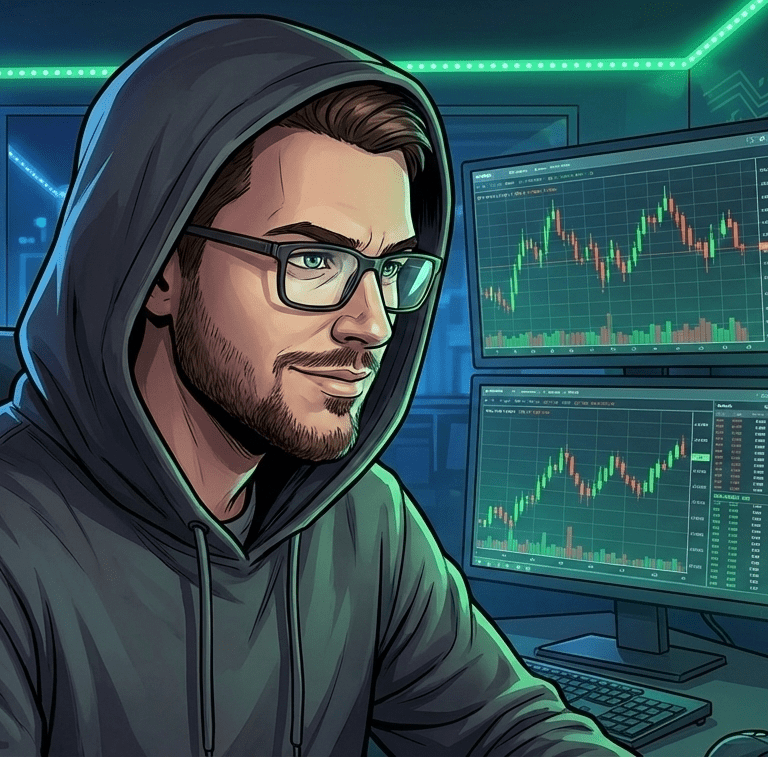
Buy Aur Sell Kya Hota Hai?
Trading mein do basic actions hote hain:
🟢 Buy
Jab aap sochte hain ke price upar jayegi.
Example: Bitcoin $100 par buy kiya. Bitcoin $110 par bech diya.
✅ Profit = $10
🔴 Sell
Jab aap apni holding market mein bechte hain.
💡 Beginner ke liye sab se important cheez: Buy karne se pehle reason hona chahiye.
❌ Sirf kisi ki baat sun kar trade mat karo.
📌 Trading Tip: "Trade tab lo jab samajh aaye, sirf FOMO ki wajah se nahi."
$XRP
{future}(XRPUSDT)
#TradingSignal #BinanceSquareFamily #learntrading #cryptoeducation
Buy Aur Sell Kya Hota Hai?
Trading mein do basic actions hote hain:
🟢 Buy
Jab aap sochte hain ke price upar jayegi.
Example: Bitcoin $100 par buy kiya. Bitcoin $110 par bech diya.
✅ Profit = $10
🔴 Sell
Jab aap apni holding market mein bechte hain.
💡 Beginner ke liye sab se important cheez: Buy karne se pehle reason hona chahiye.
❌ Sirf kisi ki baat sun kar trade mat karo.
📌 Trading Tip: "Trade tab lo jab samajh aaye, sirf FOMO ki wajah se nahi."
$XRP
#TradingSignal #BinanceSquareFamily #learntrading #cryptoeducation
Trading mein do basic actions hote hain:
🟢 Buy
Jab aap sochte hain ke price upar jayegi.
Example: Bitcoin $100 par buy kiya. Bitcoin $110 par bech diya.
✅ Profit = $10
🔴 Sell
Jab aap apni holding market mein bechte hain.
💡 Beginner ke liye sab se important cheez: Buy karne se pehle reason hona chahiye.
❌ Sirf kisi ki baat sun kar trade mat karo.
📌 Trading Tip: "Trade tab lo jab samajh aaye, sirf FOMO ki wajah se nahi."
$XRP
#TradingSignal #BinanceSquareFamily #learntrading #cryptoeducation
104

👋 Welcome to Crypto Candle Academy! 📊
Every candlestick tells a story. Here, you'll learn one candlestick pattern every day in simple and easy English. Whether you're a beginner or improving your trading skills, this page will help you understand chart patterns step by step.
DAY 1 :
🕯️ Today's Pattern: Hammer
The Hammer usually appears at the end of a downtrend. It shows that buyers became stronger than sellers, so the market may move up. Always wait for the next candle confirmation before taking a trade.
$ETH $BNB $HBAR
📌 Follow Crypto Candle Academy and master one candle every day.
#cryptoeducation #TradingEducacion #cryptotrading #LearnTrading #BinanceSquare
👋 Welcome to Crypto Candle Academy! 📊
Every candlestick tells a story. Here, you'll learn one candlestick pattern every day in simple and easy English. Whether you're a beginner or improving your trading skills, this page will help you understand chart patterns step by step.
DAY 1 :
🕯️ Today's Pattern: Hammer
The Hammer usually appears at the end of a downtrend. It shows that buyers became stronger than sellers, so the market may move up. Always wait for the next candle confirmation before taking a trade.
$ETH $BNB $HBAR
📌 Follow Crypto Candle Academy and master one candle every day.
#cryptoeducation #TradingEducacion #cryptotrading #LearnTrading #BinanceSquare
Every candlestick tells a story. Here, you'll learn one candlestick pattern every day in simple and easy English. Whether you're a beginner or improving your trading skills, this page will help you understand chart patterns step by step.
DAY 1 :
🕯️ Today's Pattern: Hammer
The Hammer usually appears at the end of a downtrend. It shows that buyers became stronger than sellers, so the market may move up. Always wait for the next candle confirmation before taking a trade.
$ETH $BNB $HBAR
📌 Follow Crypto Candle Academy and master one candle every day.
#cryptoeducation #TradingEducacion #cryptotrading #LearnTrading #BinanceSquare
72

·
--
Haussier
🔥 THIS IS THE POWER OF KNOWLEDGE & TRADING 📈💰
Discipline + Knowledge + Proper Risk Management = Results. 💎
301.87% ROI 🚀 | +150.59 USDT 💵
Trade with knowledge, not emotions. 🧠📊
Learn. Analyze. Execute. Repeat. 🔥
{future}(MOVRUSDT)
#Profit #TradingLife #LearnTrading #Discipline #TechnicalAnalysis
🔥 THIS IS THE POWER OF KNOWLEDGE & TRADING 📈💰
Discipline + Knowledge + Proper Risk Management = Results. 💎
301.87% ROI 🚀 | +150.59 USDT 💵
Trade with knowledge, not emotions. 🧠📊
Learn. Analyze. Execute. Repeat. 🔥
#Profit #TradingLife #LearnTrading #Discipline #TechnicalAnalysis
Discipline + Knowledge + Proper Risk Management = Results. 💎
301.87% ROI 🚀 | +150.59 USDT 💵
Trade with knowledge, not emotions. 🧠📊
Learn. Analyze. Execute. Repeat. 🔥
#Profit #TradingLife #LearnTrading #Discipline #TechnicalAnalysis
195

·
--
What is TradingView? And Why Every Trader Uses It? 📈
New traders always ask me - Which app do you use for chart?
Answer: TradingView - It's FREE and it's the BEST.
What you can do with TradingView:
✓ See LIVE chart of GOLD, Forex, Crypto, Stocks
✓ Mark Support & Resistance easily
✓ Use 100+ Free Indicators
✓ Set Price Alert - Phone will notify you
✓ Journal your trades
I do all my BUY & SELL LEVELS analysis on TradingView.
If you are serious about trading career, learn TradingView first.
Want my TradingView setup? Comment "TV" below.
I will send you my free template.
#TradingView #XAUUSD #ForexTrading #TechnicalAnalysis #learntrading
What is TradingView? And Why Every Trader Uses It? 📈
New traders always ask me - Which app do you use for chart?
Answer: TradingView - It's FREE and it's the BEST.
What you can do with TradingView:
✓ See LIVE chart of GOLD, Forex, Crypto, Stocks
✓ Mark Support & Resistance easily
✓ Use 100+ Free Indicators
✓ Set Price Alert - Phone will notify you
✓ Journal your trades
I do all my BUY & SELL LEVELS analysis on TradingView.
If you are serious about trading career, learn TradingView first.
Want my TradingView setup? Comment "TV" below.
I will send you my free template.
#TradingView #XAUUSD #ForexTrading #TechnicalAnalysis #learntrading
New traders always ask me - Which app do you use for chart?
Answer: TradingView - It's FREE and it's the BEST.
What you can do with TradingView:
✓ See LIVE chart of GOLD, Forex, Crypto, Stocks
✓ Mark Support & Resistance easily
✓ Use 100+ Free Indicators
✓ Set Price Alert - Phone will notify you
✓ Journal your trades
I do all my BUY & SELL LEVELS analysis on TradingView.
If you are serious about trading career, learn TradingView first.
Want my TradingView setup? Comment "TV" below.
I will send you my free template.
#TradingView #XAUUSD #ForexTrading #TechnicalAnalysis #learntrading
1
40
·
--
📈 Learn. Practice. Stay Patient. Grow.
Trading success isn’t about getting rich overnight—it’s about discipline, patience, risk management, and continuous learning. Take small steps every day, control your emotions, and keep working toward your goals. 🚀💛
#Binance #Trading #CryptoTrading #TradingMotivation #LearnTrading
📈 Learn. Practice. Stay Patient. Grow.
Trading success isn’t about getting rich overnight—it’s about discipline, patience, risk management, and continuous learning. Take small steps every day, control your emotions, and keep working toward your goals. 🚀💛
#Binance #Trading #CryptoTrading #TradingMotivation #LearnTrading
Trading success isn’t about getting rich overnight—it’s about discipline, patience, risk management, and continuous learning. Take small steps every day, control your emotions, and keep working toward your goals. 🚀💛
#Binance #Trading #CryptoTrading #TradingMotivation #LearnTrading
78

·
--
📈 Every expert trader was once a beginner.
Today I choose learning over rushing.
Small steps, strong mindset, and disciplined trading will build long-term success. 💪
#BinanceSquare #BNB #Crypto #Trading #LearnTrading #CryptoJourney #RiskManagement
📈 Every expert trader was once a beginner.
Today I choose learning over rushing.
Small steps, strong mindset, and disciplined trading will build long-term success. 💪
#BinanceSquare #BNB #Crypto #Trading #LearnTrading #CryptoJourney #RiskManagement
Today I choose learning over rushing.
Small steps, strong mindset, and disciplined trading will build long-term success. 💪
#BinanceSquare #BNB #Crypto #Trading #LearnTrading #CryptoJourney #RiskManagement
85

🚨 Trading Lesson of the Day 🚨
Not every trade ends in profit, and that's okay.
❌ TAIKO/USDT (4x Long) → -29.68% ❌ BCH/USDT (13x Short) → -23.81%
These trades remind us of one important rule: Protect your capital before chasing profits.
✅ Always use Stop Loss. ✅ Don't overtrade. ✅ Avoid high leverage without confirmation. ✅ Risk Management is the real edge.
Every losing trade is a lesson that makes you a better trader. The goal isn't to win every trade—it's to stay in the game long enough to catch the big winners.
📈 Discipline > Emotion 📊 Consistency > Luck
Follow for daily crypto trading insights, market analysis & risk management tips. 🚀
#Binance #BinanceSquare #Crypto #Trading #BTC #Altcoins #RiskManagement #Futures #Leverage #CryptoTrader #TAIKO #BCH #LearnTrading
🚨 Trading Lesson of the Day 🚨
Not every trade ends in profit, and that's okay.
❌ TAIKO/USDT (4x Long) → -29.68% ❌ BCH/USDT (13x Short) → -23.81%
These trades remind us of one important rule: Protect your capital before chasing profits.
✅ Always use Stop Loss. ✅ Don't overtrade. ✅ Avoid high leverage without confirmation. ✅ Risk Management is the real edge.
Every losing trade is a lesson that makes you a better trader. The goal isn't to win every trade—it's to stay in the game long enough to catch the big winners.
📈 Discipline > Emotion 📊 Consistency > Luck
Follow for daily crypto trading insights, market analysis & risk management tips. 🚀
#Binance #BinanceSquare #Crypto #Trading #BTC #Altcoins #RiskManagement #Futures #Leverage #CryptoTrader #TAIKO #BCH #LearnTrading
Not every trade ends in profit, and that's okay.
❌ TAIKO/USDT (4x Long) → -29.68% ❌ BCH/USDT (13x Short) → -23.81%
These trades remind us of one important rule: Protect your capital before chasing profits.
✅ Always use Stop Loss. ✅ Don't overtrade. ✅ Avoid high leverage without confirmation. ✅ Risk Management is the real edge.
Every losing trade is a lesson that makes you a better trader. The goal isn't to win every trade—it's to stay in the game long enough to catch the big winners.
📈 Discipline > Emotion 📊 Consistency > Luck
Follow for daily crypto trading insights, market analysis & risk management tips. 🚀
#Binance #BinanceSquare #Crypto #Trading #BTC #Altcoins #RiskManagement #Futures #Leverage #CryptoTrader #TAIKO #BCH #LearnTrading
59

·
--
I Don’t Buy All-In — I Build Positions Step by Step
1. Market cycle analysis:
First I identify the broader cycle: bull or bear. Then I refine where we are inside it (early, mid, or late phase).
Once that is clear, I estimate when the current cycle could realistically end. Only then do I move to price levels.
2. Price structure analysis:
I focus mainly on Bitcoin BTC$BTC while also tracking USDT dominance USDT.D and TOTAL market cap. These give me a clearer picture of market strength.
From there, I map key reaction zones. One example was $74,000 BTC level identified before the move from $100K+.
3. Defining extreme zones:
I combine technical structure with historical cycle behavior. This helps estimate probable high and low extremes.
These zones are not exact predictions but probability areas. Right now, the focus is on downside accumulation levels.
4. Building the plan:
Once zones are defined, I assign risk per level. Each buy zone has a specific allocation size.
This turns the plan into a structured accumulation strategy. No guessing, just predefined execution rules.
5. Execution discipline:
Everything is prepared in advance, so execution becomes mechanical. I buy when price reaches my zones, nothing more.
FUD and emotions are ignored during deployment. When the cycle shifts, the plan flips accordingly.
6. Why this approach works:
I don’t assume every level will hit, I adapt in real time. Flexibility is part of the system.
The goal is consistent positioning through cycles, not perfect prediction. Discipline beats emotion over time.
#Trading #tips #learntrading
I Don’t Buy All-In — I Build Positions Step by Step
1. Market cycle analysis:
First I identify the broader cycle: bull or bear. Then I refine where we are inside it (early, mid, or late phase).
Once that is clear, I estimate when the current cycle could realistically end. Only then do I move to price levels.
2. Price structure analysis:
I focus mainly on Bitcoin BTC$BTC while also tracking USDT dominance USDT.D and TOTAL market cap. These give me a clearer picture of market strength.
From there, I map key reaction zones. One example was $74,000 BTC level identified before the move from $100K+.
3. Defining extreme zones:
I combine technical structure with historical cycle behavior. This helps estimate probable high and low extremes.
These zones are not exact predictions but probability areas. Right now, the focus is on downside accumulation levels.
4. Building the plan:
Once zones are defined, I assign risk per level. Each buy zone has a specific allocation size.
This turns the plan into a structured accumulation strategy. No guessing, just predefined execution rules.
5. Execution discipline:
Everything is prepared in advance, so execution becomes mechanical. I buy when price reaches my zones, nothing more.
FUD and emotions are ignored during deployment. When the cycle shifts, the plan flips accordingly.
6. Why this approach works:
I don’t assume every level will hit, I adapt in real time. Flexibility is part of the system.
The goal is consistent positioning through cycles, not perfect prediction. Discipline beats emotion over time.
#Trading #tips #learntrading
1. Market cycle analysis:
First I identify the broader cycle: bull or bear. Then I refine where we are inside it (early, mid, or late phase).
Once that is clear, I estimate when the current cycle could realistically end. Only then do I move to price levels.
2. Price structure analysis:
I focus mainly on Bitcoin BTC$BTC while also tracking USDT dominance USDT.D and TOTAL market cap. These give me a clearer picture of market strength.
From there, I map key reaction zones. One example was $74,000 BTC level identified before the move from $100K+.
3. Defining extreme zones:
I combine technical structure with historical cycle behavior. This helps estimate probable high and low extremes.
These zones are not exact predictions but probability areas. Right now, the focus is on downside accumulation levels.
4. Building the plan:
Once zones are defined, I assign risk per level. Each buy zone has a specific allocation size.
This turns the plan into a structured accumulation strategy. No guessing, just predefined execution rules.
5. Execution discipline:
Everything is prepared in advance, so execution becomes mechanical. I buy when price reaches my zones, nothing more.
FUD and emotions are ignored during deployment. When the cycle shifts, the plan flips accordingly.
6. Why this approach works:
I don’t assume every level will hit, I adapt in real time. Flexibility is part of the system.
The goal is consistent positioning through cycles, not perfect prediction. Discipline beats emotion over time.
#Trading #tips #learntrading
130

🚀 BINANCE LEARNING TIP #7
📚 Don’t Trade With Emotions — Trade With a Plan!
One of the biggest mistakes beginners make is entering a trade because of FOMO or panic. 😰
Before every trade, ask yourself:
✅ Where is my Entry?
🛑 Where is my Stop-Loss?
🎯 Where is my Take-Profit?
💰 How much am I willing to risk?
Remember: A good trader doesn’t need to win every trade. They need to manage risk and stay consistent. 📈
💡 Your goal isn’t to predict every move — it’s to protect your capital and survive long enough to learn.
🔥 If this helped you, LIKE ❤️, SHARE 🔄 & FOLLOW ➕ for more simple Binance trading lessons.
#Binance #BinanceSquare #TradingTips #CryptoTrading #TradingEducation #CryptoEducation #RiskManagement #Bitcoin #BTC #LearnTrading
🚀 BINANCE LEARNING TIP #7
📚 Don’t Trade With Emotions — Trade With a Plan!
One of the biggest mistakes beginners make is entering a trade because of FOMO or panic. 😰
Before every trade, ask yourself:
✅ Where is my Entry?
🛑 Where is my Stop-Loss?
🎯 Where is my Take-Profit?
💰 How much am I willing to risk?
Remember: A good trader doesn’t need to win every trade. They need to manage risk and stay consistent. 📈
💡 Your goal isn’t to predict every move — it’s to protect your capital and survive long enough to learn.
🔥 If this helped you, LIKE ❤️, SHARE 🔄 & FOLLOW ➕ for more simple Binance trading lessons.
#Binance #BinanceSquare #TradingTips #CryptoTrading #TradingEducation #CryptoEducation #RiskManagement #Bitcoin #BTC #LearnTrading
📚 Don’t Trade With Emotions — Trade With a Plan!
One of the biggest mistakes beginners make is entering a trade because of FOMO or panic. 😰
Before every trade, ask yourself:
✅ Where is my Entry?
🛑 Where is my Stop-Loss?
🎯 Where is my Take-Profit?
💰 How much am I willing to risk?
Remember: A good trader doesn’t need to win every trade. They need to manage risk and stay consistent. 📈
💡 Your goal isn’t to predict every move — it’s to protect your capital and survive long enough to learn.
🔥 If this helped you, LIKE ❤️, SHARE 🔄 & FOLLOW ➕ for more simple Binance trading lessons.
#Binance #BinanceSquare #TradingTips #CryptoTrading #TradingEducation #CryptoEducation #RiskManagement #Bitcoin #BTC #LearnTrading
86
Connectez-vous pour découvrir plus de contenu
Rejoignez la communauté mondiale des adeptes de cryptomonnaies sur Binance Square
⚡️ Suviez les dernières informations importantes sur les cryptomonnaies.
💬 Jugé digne de confiance par la plus grande plateforme d’échange de cryptomonnaies au monde.
👍 Découvrez les connaissances que partagent les créateurs vérifiés.
Adresse e-mail/Nº de téléphone
Sujets d’actualité
1
#LedgerConfirmsUnauthorizedHardwareImplantInUserDevice
4,769 vues
51 mentions
2
#EtherETFsExtendOutflowsToNineDays
66,414 vues
649 mentions
3
#EthereumSurpasses2500USDT
270,332 vues
1,818 mentions
4
#XRPLedgerPatchesXRPCreationBug
299,968 vues
2,447 mentions
5
#STRKRisesAbout20%In24Hours
286,471 vues
2,336 mentions
6
#TetherFreezesUSDTLinkedToLedgerTheft
107,858 vues
1,504 mentions
7
#CFTCMovesToFoldEventContractsIntoSwapsRules
45,278 vues
946 mentions
8
#LedgerPausesCryptoBilisSales
80,175 vues
827 mentions
9
#EvernorthCompletesSPACMergerWithArmadaII
52,421 vues
489 mentions
10
#NEARAccountsSupportPostQuantumMLDSA
49,143 vues
423 mentions