

#layerzero
layerzero
1.4M vues
2,819 mentions
Populaire
Récents

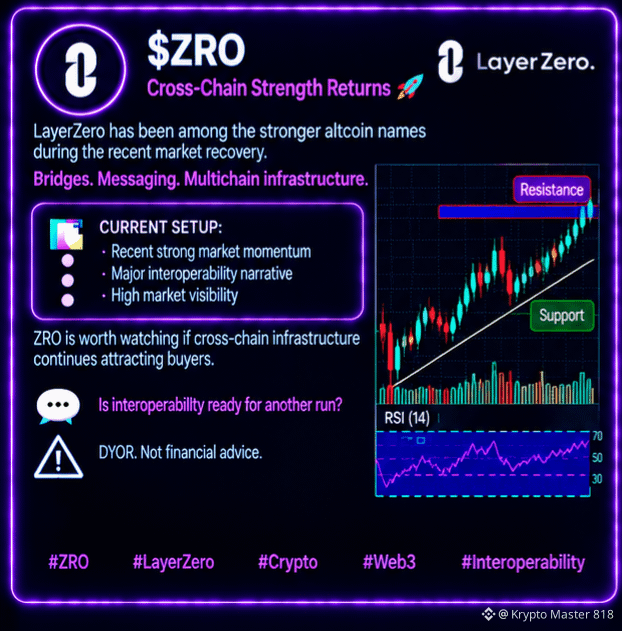
🌉 $ZRO — Cross-Chain Strength Returns 🚀
{future}(ZROUSDT)
LayerZero has been among the stronger altcoin names during the recent market recovery.
Bridges. Messaging. Multichain infrastructure.
📊 Current setup:
• Recent strong market momentum
• Major interoperability narrative
• High market visibility
ZRO is worth watching if cross-chain infrastructure continues attracting buyers.
💬 Is interoperability ready for another run?
⚠️ DYOR. Not financial advice.
#ZRO #LayerZero #Crypto #Web3 #Interoperability
🌉 $ZRO — Cross-Chain Strength Returns 🚀
LayerZero has been among the stronger altcoin names during the recent market recovery.
Bridges. Messaging. Multichain infrastructure.
📊 Current setup:
• Recent strong market momentum
• Major interoperability narrative
• High market visibility
ZRO is worth watching if cross-chain infrastructure continues attracting buyers.
💬 Is interoperability ready for another run?
⚠️ DYOR. Not financial advice.
#ZRO #LayerZero #Crypto #Web3 #Interoperability
LayerZero has been among the stronger altcoin names during the recent market recovery.
Bridges. Messaging. Multichain infrastructure.
📊 Current setup:
• Recent strong market momentum
• Major interoperability narrative
• High market visibility
ZRO is worth watching if cross-chain infrastructure continues attracting buyers.
💬 Is interoperability ready for another run?
⚠️ DYOR. Not financial advice.
#ZRO #LayerZero #Crypto #Web3 #Interoperability
1
227

·
--
Haussier
🚨 $ZRO
{spot}(ZROUSDT)
TRADERS, BREAKOUT OR FAKEOUT? 👀🔥
LayerZero was among the tokens highlighted in the top-gainers screenshot. But a past gain doesn’t confirm today’s setup.
📊 Before entering, check the live $ZRO/USDT chart for resistance, support and volume.
⚠️ No entry without a defined stop-loss.
👇 What’s your move?
🟢 A. Bullish breakout
🟡 B. Wait for a retest
🔴 C. Expect a pullback
⚪ D. No trade without confirmation
#ZRO #LayerZero #CryptoTrading #BİNANCESQUARE
🚨 $ZRO
TRADERS, BREAKOUT OR FAKEOUT? 👀🔥
LayerZero was among the tokens highlighted in the top-gainers screenshot. But a past gain doesn’t confirm today’s setup.
📊 Before entering, check the live $ZRO /USDT chart for resistance, support and volume.
⚠️ No entry without a defined stop-loss.
👇 What’s your move?
🟢 A. Bullish breakout
🟡 B. Wait for a retest
🔴 C. Expect a pullback
⚪ D. No trade without confirmation
#ZRO #LayerZero #CryptoTrading #BİNANCESQUARE
TRADERS, BREAKOUT OR FAKEOUT? 👀🔥
LayerZero was among the tokens highlighted in the top-gainers screenshot. But a past gain doesn’t confirm today’s setup.
📊 Before entering, check the live $ZRO /USDT chart for resistance, support and volume.
⚠️ No entry without a defined stop-loss.
👇 What’s your move?
🟢 A. Bullish breakout
🟡 B. Wait for a retest
🔴 C. Expect a pullback
⚪ D. No trade without confirmation
#ZRO #LayerZero #CryptoTrading #BİNANCESQUARE
137

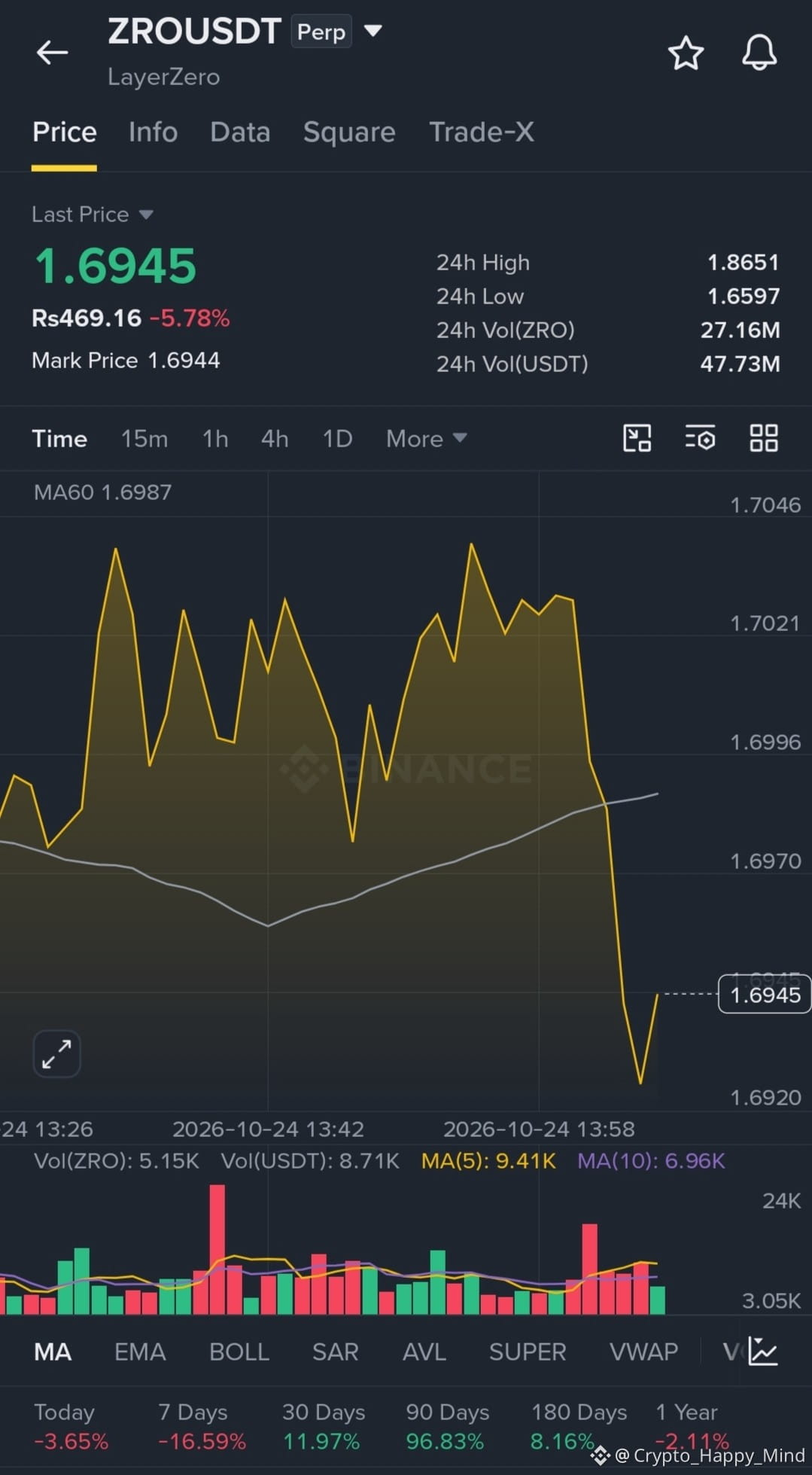
ZROUSDT Trading Signals | 24 Oct 2026
$ZRO
{future}(ZROUSDT)
Entry: $1.680–$1.710
TP1: $1.740–$1.765
TP2: $1.820–$1.865
TP3: $1.950–$1.980
SL: $1.650
Bias: Short-term bearish. Consider LONG only after bullish confirmation. Monitor support at $1.653 and resistance near $1.765. $ZRO
#ZROUSDT #LayerZero #Binance #cryptotrading
ZROUSDT Trading Signals | 24 Oct 2026
$ZRO
Entry: $1.680–$1.710
TP1: $1.740–$1.765
TP2: $1.820–$1.865
TP3: $1.950–$1.980
SL: $1.650
Bias: Short-term bearish. Consider LONG only after bullish confirmation. Monitor support at $1.653 and resistance near $1.765. $ZRO
#ZROUSDT #LayerZero #Binance #cryptotrading
$ZRO
Entry: $1.680–$1.710
TP1: $1.740–$1.765
TP2: $1.820–$1.865
TP3: $1.950–$1.980
SL: $1.650
Bias: Short-term bearish. Consider LONG only after bullish confirmation. Monitor support at $1.653 and resistance near $1.765. $ZRO
#ZROUSDT #LayerZero #Binance #cryptotrading
2
217

·
--
刷到 PancakeSwap 官方:opBNB 上的 $CAKE 持有者要注意。
LayerZero 将结束对 opBNB 的链下支持,经 LayerZero 把 CAKE 从 opBNB 跨出去的路由会在 11 月 23 日 00:00 UTC(北京时间约 08:00)停用。手里还有 opBNB 上 CAKE 的,得在这之前桥到 BNB Chain 或其他目标链。
官方说:CAKE 本身和 opBNB 网络都没停,只是这条跨链路要断。官方桥 pancakeswap.finance/bridge,选 opBNB → 目标链,核对链接防钓鱼。
刚投完 The Flip,这边又限时搬家——基础设施一抽,币还在,路可能没了。
#CAKE #PancakeSwap #opBNB #LayerZero
刷到 PancakeSwap 官方:opBNB 上的 $CAKE 持有者要注意。
LayerZero 将结束对 opBNB 的链下支持,经 LayerZero 把 CAKE 从 opBNB 跨出去的路由会在 11 月 23 日 00:00 UTC(北京时间约 08:00)停用。手里还有 opBNB 上 CAKE 的,得在这之前桥到 BNB Chain 或其他目标链。
官方说:CAKE 本身和 opBNB 网络都没停,只是这条跨链路要断。官方桥 pancakeswap.finance/bridge,选 opBNB → 目标链,核对链接防钓鱼。
刚投完 The Flip,这边又限时搬家——基础设施一抽,币还在,路可能没了。
#CAKE #PancakeSwap #opBNB #LayerZero
LayerZero 将结束对 opBNB 的链下支持,经 LayerZero 把 CAKE 从 opBNB 跨出去的路由会在 11 月 23 日 00:00 UTC(北京时间约 08:00)停用。手里还有 opBNB 上 CAKE 的,得在这之前桥到 BNB Chain 或其他目标链。
官方说:CAKE 本身和 opBNB 网络都没停,只是这条跨链路要断。官方桥 pancakeswap.finance/bridge,选 opBNB → 目标链,核对链接防钓鱼。
刚投完 The Flip,这边又限时搬家——基础设施一抽,币还在,路可能没了。
#CAKE #PancakeSwap #opBNB #LayerZero

37

刚刷到艾姨的监控,咖啡差点喷出来:那个月初4小时砸809万美金扫货的地址,过去10天又补了270万,现在总仓位1079万,浮亏190.4万——越跌越补,补完继续跌。
账本摊开更扎心:255万枚$ZRO均价2.08,现价1.69左右,单这一项就亏97万;630万枚WLD均价0.5189,现价0.44,亏56.8万;577万枚BAT亏28.8万;2000万枚CHIP亏7.7万。四笔全红,没一个回本。
月初那波本来就是AI加跨链基建的信仰票,现在信仰被按在地上摩擦,别人割肉他加仓,到底是真看长线,还是被套住了只能拿补仓给自己壮胆?
评论区报个数:A、这就是钻石手,跌出来的筹码才香;B、越补越亏就是钝刀子割肉,1079万迟早变800万。你站哪边?
$BTC $ETH
#巨鲸 #补仓 #LayerZero
刚刷到艾姨的监控,咖啡差点喷出来:那个月初4小时砸809万美金扫货的地址,过去10天又补了270万,现在总仓位1079万,浮亏190.4万——越跌越补,补完继续跌。
账本摊开更扎心:255万枚$ZRO 均价2.08,现价1.69左右,单这一项就亏97万;630万枚WLD均价0.5189,现价0.44,亏56.8万;577万枚BAT亏28.8万;2000万枚CHIP亏7.7万。四笔全红,没一个回本。
月初那波本来就是AI加跨链基建的信仰票,现在信仰被按在地上摩擦,别人割肉他加仓,到底是真看长线,还是被套住了只能拿补仓给自己壮胆?
评论区报个数:A、这就是钻石手,跌出来的筹码才香;B、越补越亏就是钝刀子割肉,1079万迟早变800万。你站哪边?
$BTC $ETH
#巨鲸 #补仓 #LayerZero
账本摊开更扎心:255万枚$ZRO 均价2.08,现价1.69左右,单这一项就亏97万;630万枚WLD均价0.5189,现价0.44,亏56.8万;577万枚BAT亏28.8万;2000万枚CHIP亏7.7万。四笔全红,没一个回本。
月初那波本来就是AI加跨链基建的信仰票,现在信仰被按在地上摩擦,别人割肉他加仓,到底是真看长线,还是被套住了只能拿补仓给自己壮胆?
评论区报个数:A、这就是钻石手,跌出来的筹码才香;B、越补越亏就是钝刀子割肉,1079万迟早变800万。你站哪边?
$BTC $ETH
#巨鲸 #补仓 #LayerZero
11

·
--
Haussier
هذا التحديث الجديد بخصوص عملة $ZRO والذي نشرته لكم منذ يومين كما ترون 👇 وأخبرتكم بأن هذا سيؤدي إلى ارتفاع سعر العملة على المدى المتوسط 🔥
#LayerZero #zro #bullish #CryptoUpdate
#Binance
{spot}(ZROUSDT)
هذا التحديث الجديد بخصوص عملة $ZRO والذي نشرته لكم منذ يومين كما ترون 👇 وأخبرتكم بأن هذا سيؤدي إلى ارتفاع سعر العملة على المدى المتوسط 🔥
#LayerZero #zro #bullish #CryptoUpdate
#Binance
#LayerZero #zro #bullish #CryptoUpdate
#Binance
DAB3_1997
·
--
Haussier🚨 خبر إيجابي لرمز $ZRO (LayerZero) 🚨
أعلنت شبكة LayerZero رسمياً عن بدء العد التنازلي لإطلاق الشبكة الرئيسية Zero Mainnet وتطبيق lzATLAS المقرر في 30 نوفمبر المقبل.
🔹 تفاصيل الخبر:
سيكون منشور LayerZero ATLAS أول تطبيق يعمل على شبكة Zero، بدءاً بـ Open ATLAS الذي يدعم أكثر من 12 منصة تداول عند الإطلاق، مع التوسع لمنصات أكثر قبل نهاية العام.
📈 التأثير المتوقع على عملة $ZRO:
إيجابي صريح على المدى المتوسط: تدشين الشبكة الرئيسية وتوسيع دعم منصات التداول يعزز الاستخدام الفعلي (Utility) والسيولة للشبكة، مما يعزز نظرة المستثمرين الإيجابية نحو العملة قبل موعد الإطلاق في 30 نوفمبر.
زيادة الأحجام والتداول: ربط منصات متعددة عبر ATLAS يرفع من حجم المعاملات اليومية التراكمية ويزيد الطلب على النظام البيئي ككل.
#LayerZero #zro #CryptoUpdate #bullish
#Binance $ZRO
أعلنت شبكة LayerZero رسمياً عن بدء العد التنازلي لإطلاق الشبكة الرئيسية Zero Mainnet وتطبيق lzATLAS المقرر في 30 نوفمبر المقبل.
🔹 تفاصيل الخبر:
سيكون منشور LayerZero ATLAS أول تطبيق يعمل على شبكة Zero، بدءاً بـ Open ATLAS الذي يدعم أكثر من 12 منصة تداول عند الإطلاق، مع التوسع لمنصات أكثر قبل نهاية العام.
📈 التأثير المتوقع على عملة $ZRO:
إيجابي صريح على المدى المتوسط: تدشين الشبكة الرئيسية وتوسيع دعم منصات التداول يعزز الاستخدام الفعلي (Utility) والسيولة للشبكة، مما يعزز نظرة المستثمرين الإيجابية نحو العملة قبل موعد الإطلاق في 30 نوفمبر.
زيادة الأحجام والتداول: ربط منصات متعددة عبر ATLAS يرفع من حجم المعاملات اليومية التراكمية ويزيد الطلب على النظام البيئي ككل.
#LayerZero #zro #CryptoUpdate #bullish
#Binance $ZRO
1
53

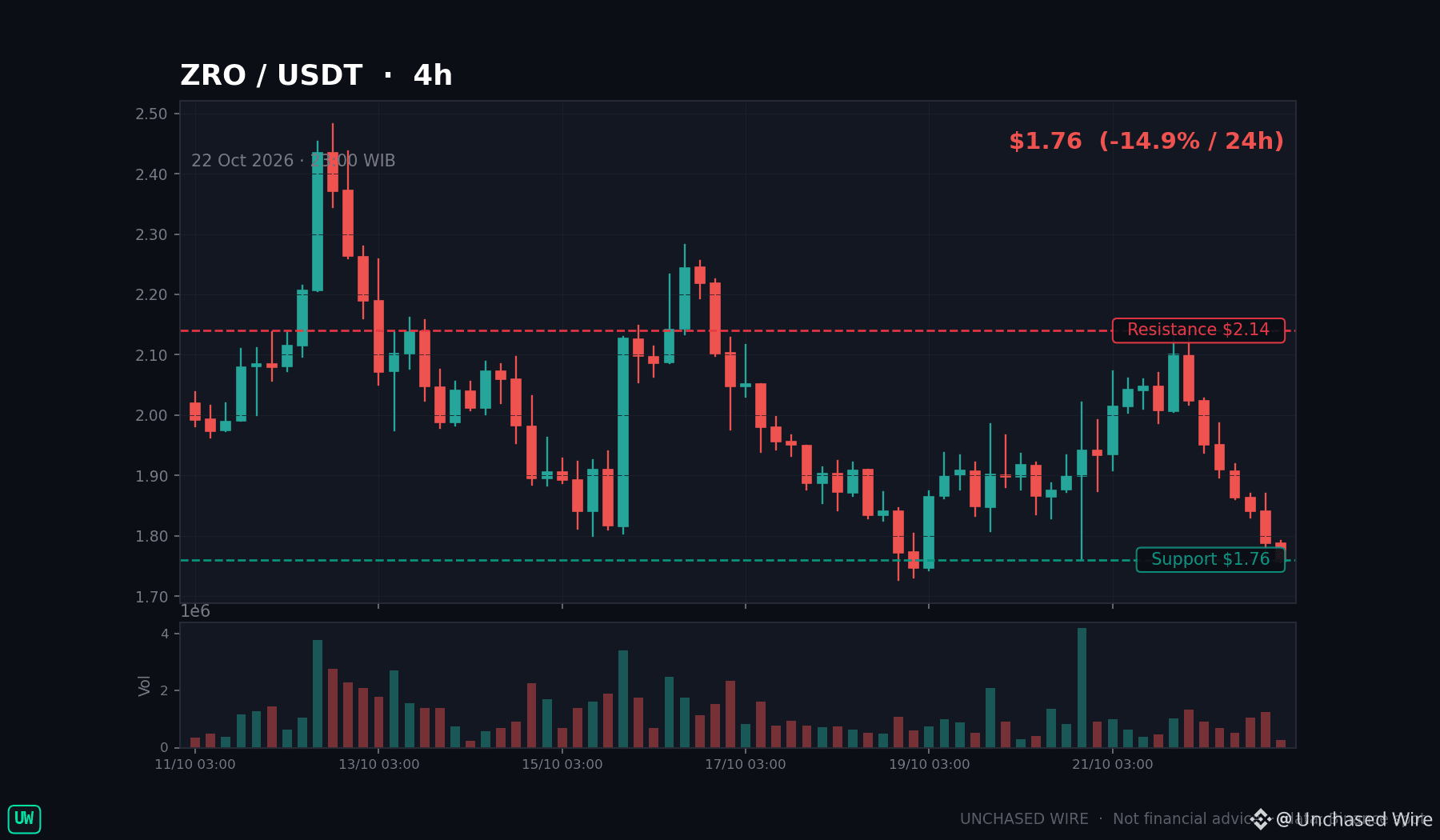
$2.14 to $1.76 in one session. The Zero mainnet news didn't change — the tape did.
ZRO ran to $2.14 after LayerZero locked in the Nov 30 launch of its Zero mainnet and the lzATLAS trading engine. The fee math is why traders cared: after 20–65% venue rebates, 75% of what's left buys back and burns ZRO. A real burn bid tied to volume — 12+ venues at launch.
Then the risk-off tape hit and the pump gave back ~18%. The catch: the burn doesn't exist until volume shows up after Nov 30. No trading, no buyback — and the launch is still five weeks out. Event pumps are rentals; this math arrived five weeks early.
Levels I'm watching: $1.76 held twice — the Oct 20 announcement wick and today's low. A 4h close under it kills the event trade; reclaiming the $1.99–$2.14 top zone re-arms it.
ZRO's story is the launch now, not the unlock. What's the number that tells you the burn is real — venue count, or trading volume after? NFA. DYOR.
$ZRO #CryptoMarkets #LayerZero #TokenBurn #CryptoNews
$2.14 to $1.76 in one session. The Zero mainnet news didn't change — the tape did.
ZRO ran to $2.14 after LayerZero locked in the Nov 30 launch of its Zero mainnet and the lzATLAS trading engine. The fee math is why traders cared: after 20–65% venue rebates, 75% of what's left buys back and burns ZRO. A real burn bid tied to volume — 12+ venues at launch.
Then the risk-off tape hit and the pump gave back ~18%. The catch: the burn doesn't exist until volume shows up after Nov 30. No trading, no buyback — and the launch is still five weeks out. Event pumps are rentals; this math arrived five weeks early.
Levels I'm watching: $1.76 held twice — the Oct 20 announcement wick and today's low. A 4h close under it kills the event trade; reclaiming the $1.99–$2.14 top zone re-arms it.
ZRO's story is the launch now, not the unlock. What's the number that tells you the burn is real — venue count, or trading volume after? NFA. DYOR.
$ZRO #CryptoMarkets #LayerZero #TokenBurn #CryptoNews
ZRO ran to $2.14 after LayerZero locked in the Nov 30 launch of its Zero mainnet and the lzATLAS trading engine. The fee math is why traders cared: after 20–65% venue rebates, 75% of what's left buys back and burns ZRO. A real burn bid tied to volume — 12+ venues at launch.
Then the risk-off tape hit and the pump gave back ~18%. The catch: the burn doesn't exist until volume shows up after Nov 30. No trading, no buyback — and the launch is still five weeks out. Event pumps are rentals; this math arrived five weeks early.
Levels I'm watching: $1.76 held twice — the Oct 20 announcement wick and today's low. A 4h close under it kills the event trade; reclaiming the $1.99–$2.14 top zone re-arms it.
ZRO's story is the launch now, not the unlock. What's the number that tells you the burn is real — venue count, or trading volume after? NFA. DYOR.
$ZRO #CryptoMarkets #LayerZero #TokenBurn #CryptoNews
147

·
--
🎯 跨链桥TVL一周暴涨44%,钱在搬家
📰 LayerZero V2锁仓160亿刀,7天+44%,单日再增0.46%。同期全市场市值缩2.6%,BTC 81.5K刀横着
💬 币价不动,钱在挪。换个篮子还是那批钱,谁都没真走,也没人真进。这操作挺骚,但至少说明底仓没散
🏷️ #LayerZero #跨链桥 #DeFi #链上数据
🎯 跨链桥TVL一周暴涨44%,钱在搬家
📰 LayerZero V2锁仓160亿刀,7天+44%,单日再增0.46%。同期全市场市值缩2.6%,BTC 81.5K刀横着
💬 币价不动,钱在挪。换个篮子还是那批钱,谁都没真走,也没人真进。这操作挺骚,但至少说明底仓没散
🏷️ #LayerZero #跨链桥 #DeFi #链上数据
📰 LayerZero V2锁仓160亿刀,7天+44%,单日再增0.46%。同期全市场市值缩2.6%,BTC 81.5K刀横着
💬 币价不动,钱在挪。换个篮子还是那批钱,谁都没真走,也没人真进。这操作挺骚,但至少说明底仓没散
🏷️ #LayerZero #跨链桥 #DeFi #链上数据
153

·
--
🔥 $ZRO calienta motores para su mainnet de noviembre — yo compro antes
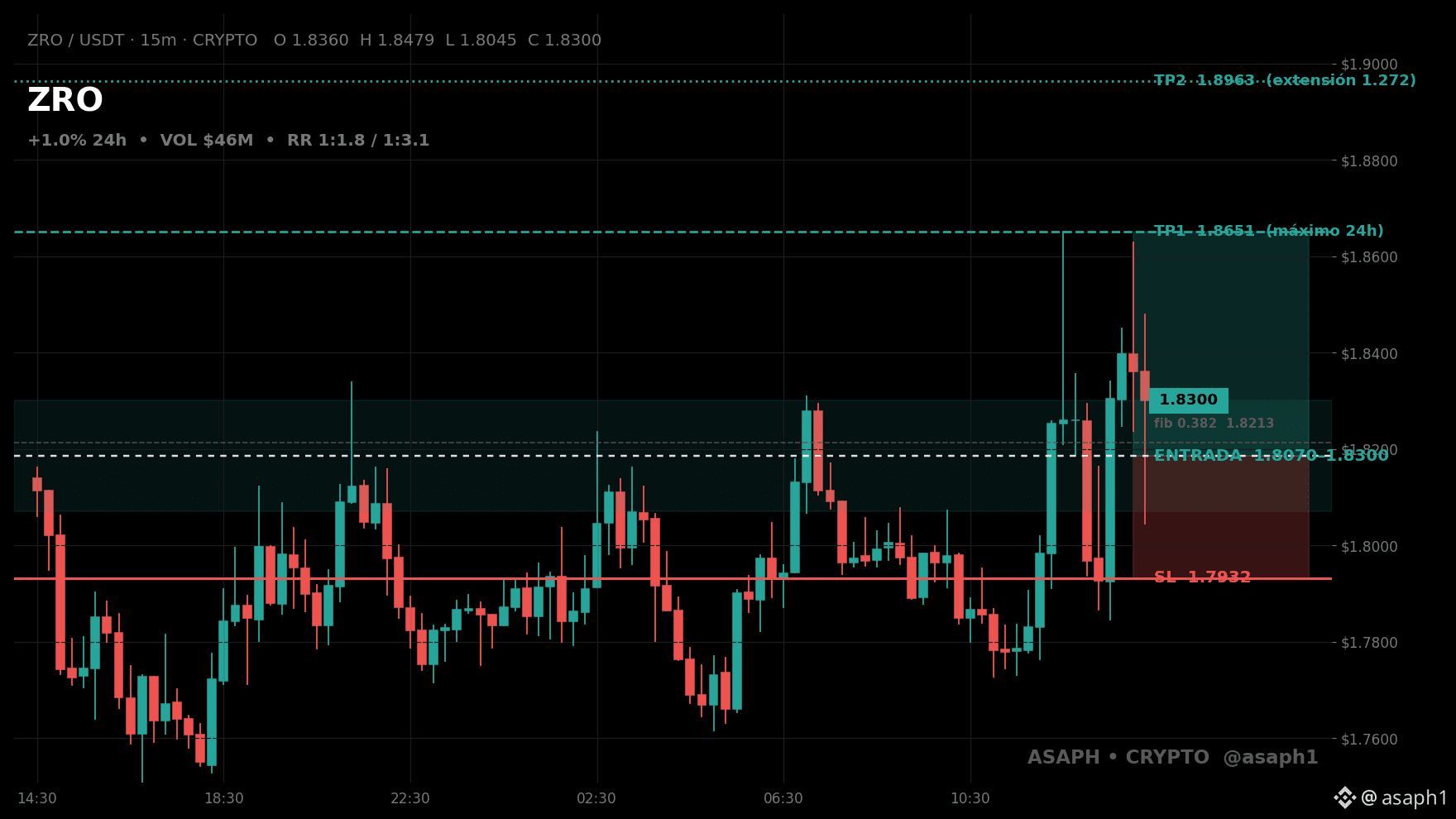
ZRO en $1.83, a 2% del máximo del día ($1.8651), tras un trimestre de +153%: la tendencia de fondo es alcista.
Posicionamiento: 36.3% de las cuentas en long (el retail está corto) vs 76.3% de las top posiciones en long.
Libro ±2%: $589K vs $478K; Open Interest $40.5M (+8.8% en 24h): entra plata nueva.
El 30 de noviembre lanzan la mainnet Zero y ATLAS: el 75% de los fees va a quemar ZRO.
La red de BTC cobra 5 sat/vB con el ajuste en +5.18%: la base del mercado sigue firme.
El puente: cuando el retail está corto y las posiciones grandes están largas, el que se equivoca paga el movimiento del otro.
📊 SEÑAL — LONG
📍 Precio ahora: $1.83
🎯 Zona: $1.807–$1.83 (dist. 0.0%)
Entrada con orden límite en dos partes: 50% en $1.83 · 50% en $1.807 (media $1.8185).
🛑 Stop: $1.7932 (-1.4% desde la media), confirmado ANTES de entrar. Riesgo por trade: 2% del capital.
✅ TP1: $1.8651 (máximo de 24h) — la mitad se cobra y la otra sigue con el riesgo eliminado.
🏁 TP2: $1.8963 (extensión 1.272) — la proyección si los grandes tenían razón y el máximo cede.
R/R: 1:1.8 · 1:3.1
⏳ Válida: próximas 2h — si una vela de 15m cierra bajo $1.7932, el plan muere
¿ZRO acompaña a los grandes y quiebra, o el retail corto tenía razón?
Si te sirve la zona, compartilo — precio en vivo aquí 👇 ZRO
ZRO #LayerZero #DeFi #Trading
Esto es un plan, no consejo financiero.
🔥 $ZRO calienta motores para su mainnet de noviembre — yo compro antes
ZRO en $1.83, a 2% del máximo del día ($1.8651), tras un trimestre de +153%: la tendencia de fondo es alcista.
Posicionamiento: 36.3% de las cuentas en long (el retail está corto) vs 76.3% de las top posiciones en long.
Libro ±2%: $589K vs $478K; Open Interest $40.5M (+8.8% en 24h): entra plata nueva.
El 30 de noviembre lanzan la mainnet Zero y ATLAS: el 75% de los fees va a quemar ZRO.
La red de BTC cobra 5 sat/vB con el ajuste en +5.18%: la base del mercado sigue firme.
El puente: cuando el retail está corto y las posiciones grandes están largas, el que se equivoca paga el movimiento del otro.
📊 SEÑAL — LONG
📍 Precio ahora: $1.83
🎯 Zona: $1.807–$1.83 (dist. 0.0%)
Entrada con orden límite en dos partes: 50% en $1.83 · 50% en $1.807 (media $1.8185).
🛑 Stop: $1.7932 (-1.4% desde la media), confirmado ANTES de entrar. Riesgo por trade: 2% del capital.
✅ TP1: $1.8651 (máximo de 24h) — la mitad se cobra y la otra sigue con el riesgo eliminado.
🏁 TP2: $1.8963 (extensión 1.272) — la proyección si los grandes tenían razón y el máximo cede.
R/R: 1:1.8 · 1:3.1
⏳ Válida: próximas 2h — si una vela de 15m cierra bajo $1.7932, el plan muere
¿ZRO acompaña a los grandes y quiebra, o el retail corto tenía razón?
Si te sirve la zona, compartilo — precio en vivo aquí 👇 ZRO
ZRO #LayerZero #DeFi #Trading
Esto es un plan, no consejo financiero.
ZRO en $1.83, a 2% del máximo del día ($1.8651), tras un trimestre de +153%: la tendencia de fondo es alcista.
Posicionamiento: 36.3% de las cuentas en long (el retail está corto) vs 76.3% de las top posiciones en long.
Libro ±2%: $589K vs $478K; Open Interest $40.5M (+8.8% en 24h): entra plata nueva.
El 30 de noviembre lanzan la mainnet Zero y ATLAS: el 75% de los fees va a quemar ZRO.
La red de BTC cobra 5 sat/vB con el ajuste en +5.18%: la base del mercado sigue firme.
El puente: cuando el retail está corto y las posiciones grandes están largas, el que se equivoca paga el movimiento del otro.
📊 SEÑAL — LONG
📍 Precio ahora: $1.83
🎯 Zona: $1.807–$1.83 (dist. 0.0%)
Entrada con orden límite en dos partes: 50% en $1.83 · 50% en $1.807 (media $1.8185).
🛑 Stop: $1.7932 (-1.4% desde la media), confirmado ANTES de entrar. Riesgo por trade: 2% del capital.
✅ TP1: $1.8651 (máximo de 24h) — la mitad se cobra y la otra sigue con el riesgo eliminado.
🏁 TP2: $1.8963 (extensión 1.272) — la proyección si los grandes tenían razón y el máximo cede.
R/R: 1:1.8 · 1:3.1
⏳ Válida: próximas 2h — si una vela de 15m cierra bajo $1.7932, el plan muere
¿ZRO acompaña a los grandes y quiebra, o el retail corto tenía razón?
Si te sirve la zona, compartilo — precio en vivo aquí 👇 ZRO
ZRO #LayerZero #DeFi #Trading
Esto es un plan, no consejo financiero.
22

⚡ $ZRO RECLAIMS KEY MOMENTUM AFTER SHARP ACCUMULATION OFF THE LOWS! 💥
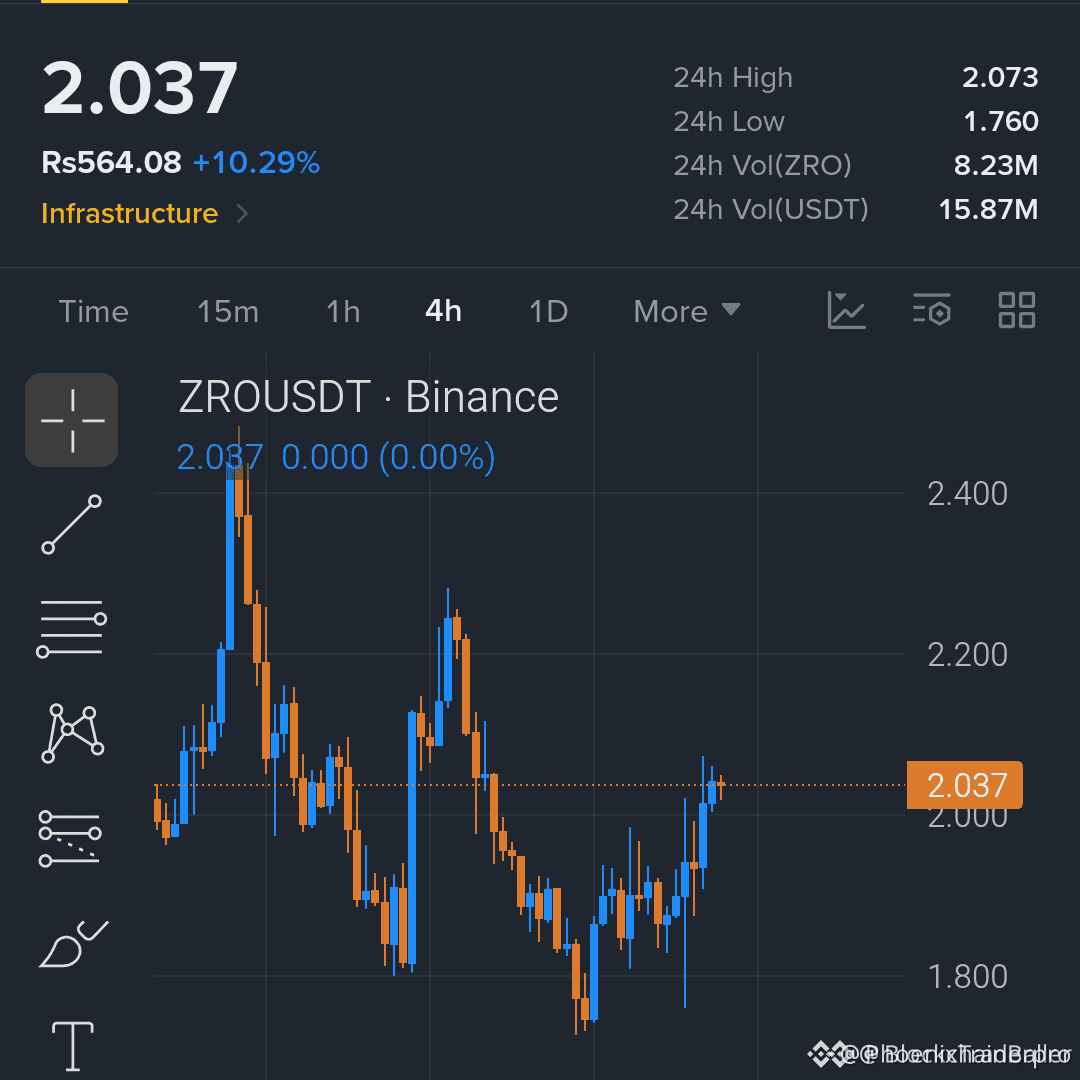
Entry: $2.00 – $2.04 ⚡
Target: $2.10, $2.18, $2.25 🎯
Stop Loss: $1.94 🛑
📌 Buyers completely soaked up the dip near $1.75, flipping short-term market structure on the 4H chart with clean follow-through. 📊 Order flow shows aggressive bids absorbing overhead supply as momentum builds into this breakout pocket.
💡 If this reclaim holds, the path toward the upper targets opens up with minimal friction. 💬 Are you front-running this push into resistance, or waiting for a cleaner retest of $2.00? 👇
⚠️ Not financial advice. Always manage your risk. 🛡️
🏷️ #ZRO #LongSetup #LayerZero #TradingSetup
⚡ 🎯
⚡ $ZRO RECLAIMS KEY MOMENTUM AFTER SHARP ACCUMULATION OFF THE LOWS! 💥
Entry: $2.00 – $2.04 ⚡
Target: $2.10, $2.18, $2.25 🎯
Stop Loss: $1.94 🛑
📌 Buyers completely soaked up the dip near $1.75, flipping short-term market structure on the 4H chart with clean follow-through. 📊 Order flow shows aggressive bids absorbing overhead supply as momentum builds into this breakout pocket.
💡 If this reclaim holds, the path toward the upper targets opens up with minimal friction. 💬 Are you front-running this push into resistance, or waiting for a cleaner retest of $2.00? 👇
⚠️ Not financial advice. Always manage your risk. 🛡️
🏷️ #ZRO #LongSetup #LayerZero #TradingSetup
⚡ 🎯
Entry: $2.00 – $2.04 ⚡
Target: $2.10, $2.18, $2.25 🎯
Stop Loss: $1.94 🛑
📌 Buyers completely soaked up the dip near $1.75, flipping short-term market structure on the 4H chart with clean follow-through. 📊 Order flow shows aggressive bids absorbing overhead supply as momentum builds into this breakout pocket.
💡 If this reclaim holds, the path toward the upper targets opens up with minimal friction. 💬 Are you front-running this push into resistance, or waiting for a cleaner retest of $2.00? 👇
⚠️ Not financial advice. Always manage your risk. 🛡️
🏷️ #ZRO #LongSetup #LayerZero #TradingSetup
⚡ 🎯
4
·
--
Haussier
🚨 خبر إيجابي لرمز $ZRO (LayerZero) 🚨
أعلنت شبكة LayerZero رسمياً عن بدء العد التنازلي لإطلاق الشبكة الرئيسية Zero Mainnet وتطبيق lzATLAS المقرر في 30 نوفمبر المقبل.
🔹 تفاصيل الخبر:
سيكون منشور LayerZero ATLAS أول تطبيق يعمل على شبكة Zero، بدءاً بـ Open ATLAS الذي يدعم أكثر من 12 منصة تداول عند الإطلاق، مع التوسع لمنصات أكثر قبل نهاية العام.
📈 التأثير المتوقع على عملة $ZRO:
إيجابي صريح على المدى المتوسط: تدشين الشبكة الرئيسية وتوسيع دعم منصات التداول يعزز الاستخدام الفعلي (Utility) والسيولة للشبكة، مما يعزز نظرة المستثمرين الإيجابية نحو العملة قبل موعد الإطلاق في 30 نوفمبر.
زيادة الأحجام والتداول: ربط منصات متعددة عبر ATLAS يرفع من حجم المعاملات اليومية التراكمية ويزيد الطلب على النظام البيئي ككل.
#LayerZero #zro #CryptoUpdate #bullish
#Binance $ZRO
{spot}(ZROUSDT)
🚨 خبر إيجابي لرمز $ZRO (LayerZero) 🚨
أعلنت شبكة LayerZero رسمياً عن بدء العد التنازلي لإطلاق الشبكة الرئيسية Zero Mainnet وتطبيق lzATLAS المقرر في 30 نوفمبر المقبل.
🔹 تفاصيل الخبر:
سيكون منشور LayerZero ATLAS أول تطبيق يعمل على شبكة Zero، بدءاً بـ Open ATLAS الذي يدعم أكثر من 12 منصة تداول عند الإطلاق، مع التوسع لمنصات أكثر قبل نهاية العام.
📈 التأثير المتوقع على عملة $ZRO :
إيجابي صريح على المدى المتوسط: تدشين الشبكة الرئيسية وتوسيع دعم منصات التداول يعزز الاستخدام الفعلي (Utility) والسيولة للشبكة، مما يعزز نظرة المستثمرين الإيجابية نحو العملة قبل موعد الإطلاق في 30 نوفمبر.
زيادة الأحجام والتداول: ربط منصات متعددة عبر ATLAS يرفع من حجم المعاملات اليومية التراكمية ويزيد الطلب على النظام البيئي ككل.
#LayerZero #zro #CryptoUpdate #bullish
#Binance $ZRO
أعلنت شبكة LayerZero رسمياً عن بدء العد التنازلي لإطلاق الشبكة الرئيسية Zero Mainnet وتطبيق lzATLAS المقرر في 30 نوفمبر المقبل.
🔹 تفاصيل الخبر:
سيكون منشور LayerZero ATLAS أول تطبيق يعمل على شبكة Zero، بدءاً بـ Open ATLAS الذي يدعم أكثر من 12 منصة تداول عند الإطلاق، مع التوسع لمنصات أكثر قبل نهاية العام.
📈 التأثير المتوقع على عملة $ZRO :
إيجابي صريح على المدى المتوسط: تدشين الشبكة الرئيسية وتوسيع دعم منصات التداول يعزز الاستخدام الفعلي (Utility) والسيولة للشبكة، مما يعزز نظرة المستثمرين الإيجابية نحو العملة قبل موعد الإطلاق في 30 نوفمبر.
زيادة الأحجام والتداول: ربط منصات متعددة عبر ATLAS يرفع من حجم المعاملات اليومية التراكمية ويزيد الطلب على النظام البيئي ككل.
#LayerZero #zro #CryptoUpdate #bullish
#Binance $ZRO
1
2
4

·
--
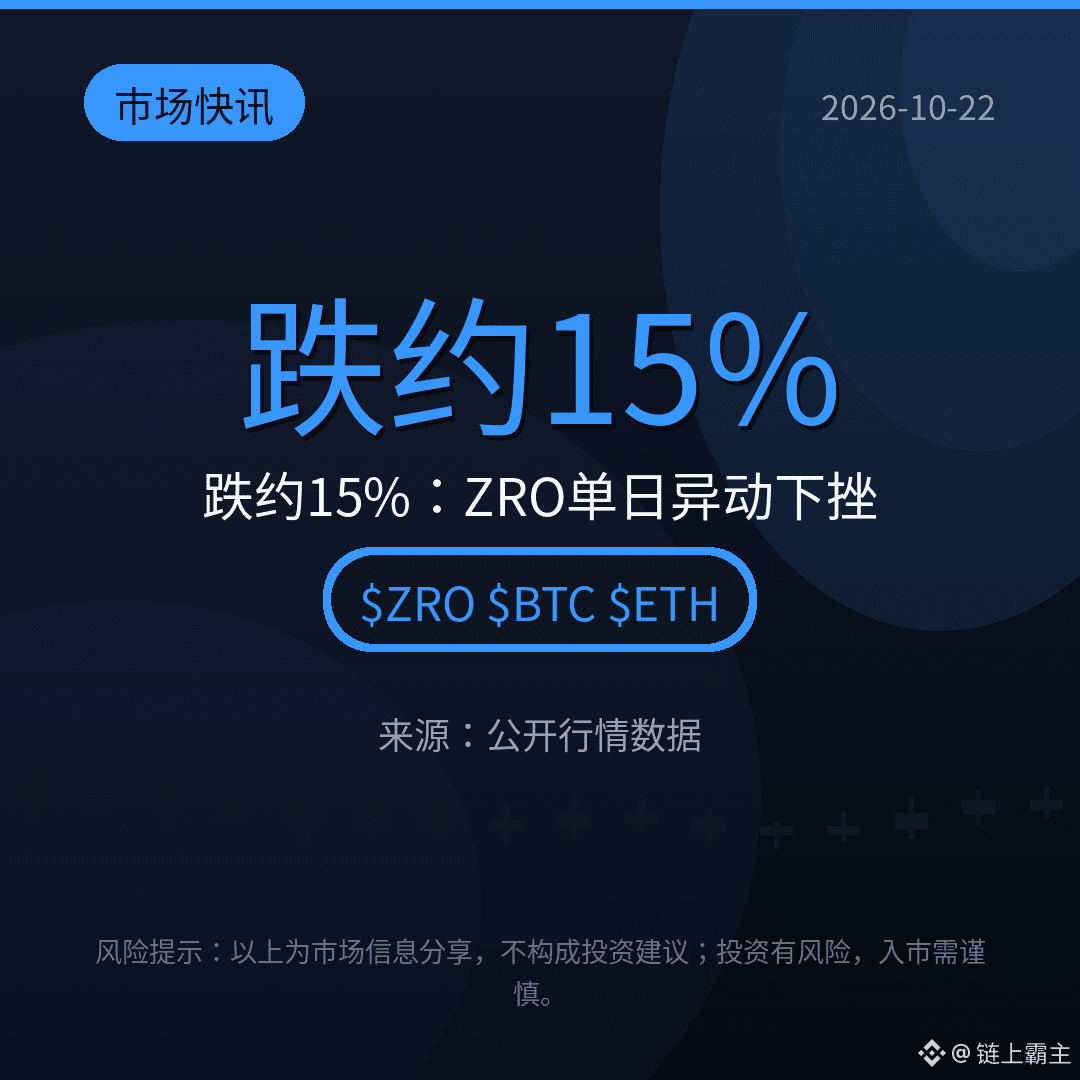
跌约15%,$ZRO 今天被打进异动榜跌幅前列。24小时成交量约1090万美元,量能维持在千万美元级,抛压并非来自无人接盘的冷清盘口。消息面上,今日仅见早间关于LayerZero Zero主网临近的报道,与这轮下挫没有直接对应,暂无明确消息驱动,更像资金面先行波动。跌幅已进入极值区,后续关键看跌势能否收窄、量能是否回落。你觉得这是正常回调,还是趋势转弱的信号?评论区聊聊
$ZRO $BTC $ETH
#ZRO #LayerZero #异动行情
(来源:公开行情数据)
⚠️风险提示:以上为市场信息分享,不构成投资建议;投资有风险,入市需谨慎。
跌约15%,$ZRO 今天被打进异动榜跌幅前列。24小时成交量约1090万美元,量能维持在千万美元级,抛压并非来自无人接盘的冷清盘口。消息面上,今日仅见早间关于LayerZero Zero主网临近的报道,与这轮下挫没有直接对应,暂无明确消息驱动,更像资金面先行波动。跌幅已进入极值区,后续关键看跌势能否收窄、量能是否回落。你觉得这是正常回调,还是趋势转弱的信号?评论区聊聊
$ZRO $BTC $ETH
#ZRO #LayerZero #异动行情
(来源:公开行情数据)
⚠️风险提示:以上为市场信息分享,不构成投资建议;投资有风险,入市需谨慎。
$ZRO $BTC $ETH
#ZRO #LayerZero #异动行情
(来源:公开行情数据)
⚠️风险提示:以上为市场信息分享,不构成投资建议;投资有风险,入市需谨慎。
544

·
--
主网上线还有 5 周,币价已经先涨了 10%。
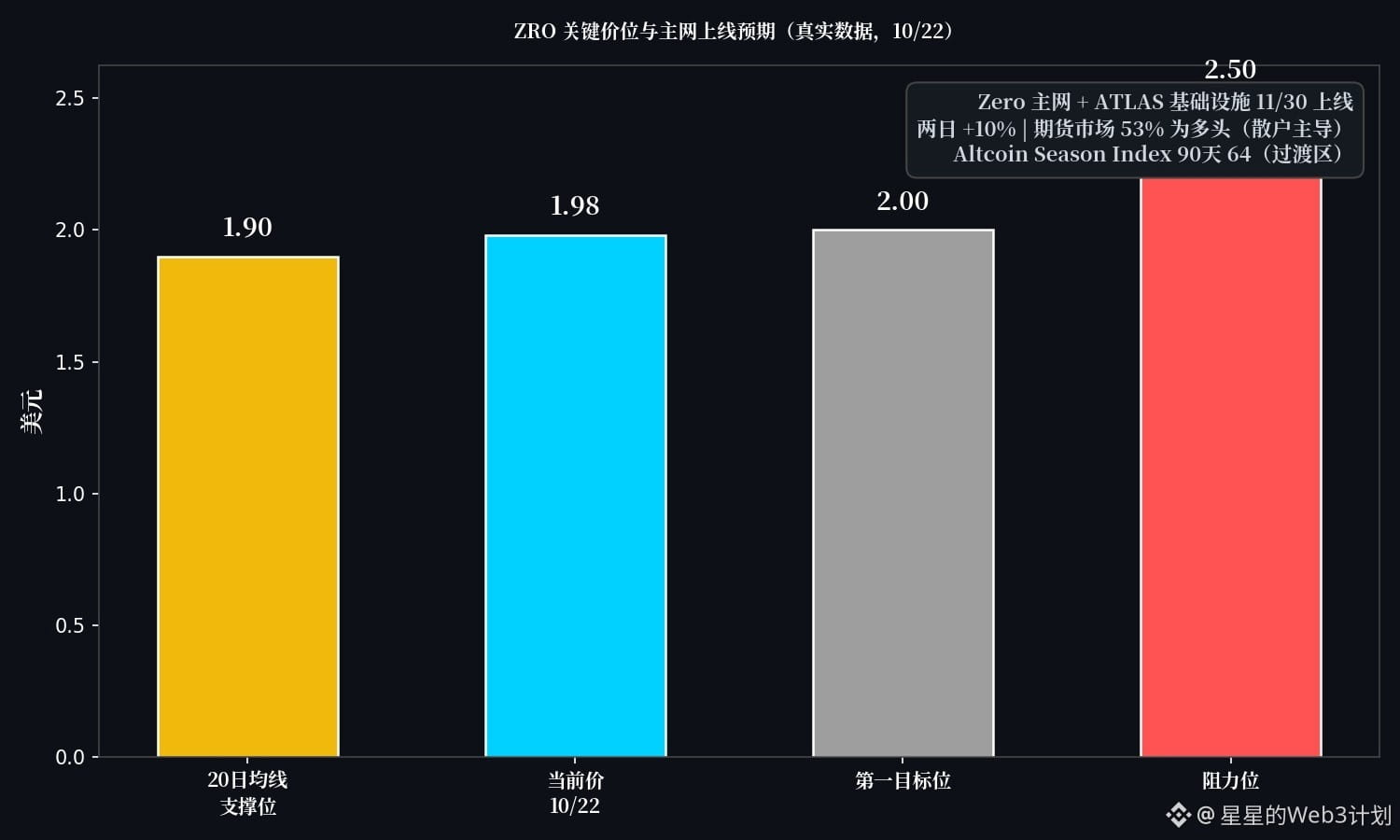
LayerZero 今天的消息是:Zero 主网和 ATLAS 基础设施定在 11 月 30 日上线,ZRO 两天涨了 10%,报 $1.98,成交量同步放大。
有意思的是,这波推价格的不是机构:期货市场 53% 是多头,几乎全是散户在抢跑。
当前价 $1.98 已经站上 20 日均线 $1.90,分析师给的下一站是 $2.0,再往上阻力在 $2.50。
跨链赛道从来不缺故事缺的是流量:主网能不能带来真链上活动,才是 11 月 30 日真正的考卷。
市场大环境也不算差:山寨季指数(90天)64,处在过渡区,资金正在从 BTC 往特定山寨轮。
我觉得这就是典型的"买预期"行情——5 周的等待期里,涨幅基本是借的;失效位很明确:上线前如果 ZRO 跌破 $1.90(20 日均线),说明预期资金先撤了,我这句话作废,剧本翻成多杀多。
你是愿意现在去蹭这 5 周的预期,还是等 11/30 主网上线那天看热闹再说?
$ZRO $BTC $ETH
#LayerZero #山寨季
以上不构成投资建议,DYOR,交易有风险。
主网上线还有 5 周,币价已经先涨了 10%。
LayerZero 今天的消息是:Zero 主网和 ATLAS 基础设施定在 11 月 30 日上线,ZRO 两天涨了 10%,报 $1.98,成交量同步放大。
有意思的是,这波推价格的不是机构:期货市场 53% 是多头,几乎全是散户在抢跑。
当前价 $1.98 已经站上 20 日均线 $1.90,分析师给的下一站是 $2.0,再往上阻力在 $2.50。
跨链赛道从来不缺故事缺的是流量:主网能不能带来真链上活动,才是 11 月 30 日真正的考卷。
市场大环境也不算差:山寨季指数(90天)64,处在过渡区,资金正在从 BTC 往特定山寨轮。
我觉得这就是典型的"买预期"行情——5 周的等待期里,涨幅基本是借的;失效位很明确:上线前如果 ZRO 跌破 $1.90(20 日均线),说明预期资金先撤了,我这句话作废,剧本翻成多杀多。
你是愿意现在去蹭这 5 周的预期,还是等 11/30 主网上线那天看热闹再说?
$ZRO $BTC $ETH
#LayerZero #山寨季
以上不构成投资建议,DYOR,交易有风险。
LayerZero 今天的消息是:Zero 主网和 ATLAS 基础设施定在 11 月 30 日上线,ZRO 两天涨了 10%,报 $1.98,成交量同步放大。
有意思的是,这波推价格的不是机构:期货市场 53% 是多头,几乎全是散户在抢跑。
当前价 $1.98 已经站上 20 日均线 $1.90,分析师给的下一站是 $2.0,再往上阻力在 $2.50。
跨链赛道从来不缺故事缺的是流量:主网能不能带来真链上活动,才是 11 月 30 日真正的考卷。
市场大环境也不算差:山寨季指数(90天)64,处在过渡区,资金正在从 BTC 往特定山寨轮。
我觉得这就是典型的"买预期"行情——5 周的等待期里,涨幅基本是借的;失效位很明确:上线前如果 ZRO 跌破 $1.90(20 日均线),说明预期资金先撤了,我这句话作废,剧本翻成多杀多。
你是愿意现在去蹭这 5 周的预期,还是等 11/30 主网上线那天看热闹再说?
$ZRO $BTC $ETH
#LayerZero #山寨季
以上不构成投资建议,DYOR,交易有风险。
18
·
--
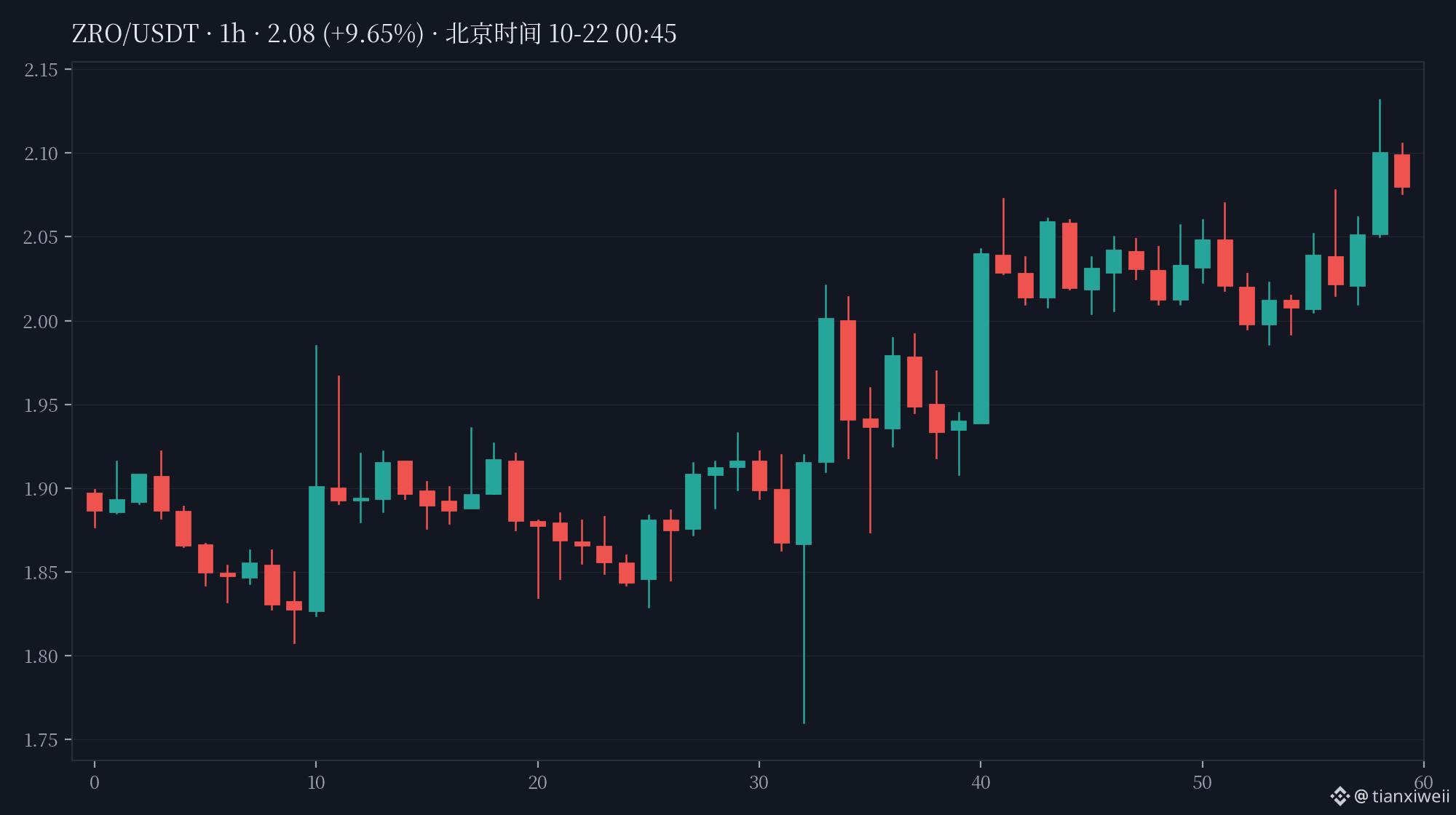
三次刺破没收住,第四次收住了:$ZRO 凌晨收过 2.059
北京时间 23:00 这根 1 小时 K 线,ZRO 收在 2.10,第一次以收盘站上 2.059 这根压了多日的确认线,盘中高 2.132 创 24h 新高。前面几次都是盘中刺破、收盘落回:21:00 高 2.078 收 2.022,22:00 高 2.062 收 2.051。这次不一样的是量跟上了:23:00 一小时成交约 85.5 万 USDT,是 22:00 约 51.4 万的约 1.7 倍、傍晚多数小时的 3 倍以上。发布前现货约 2.081,24h 约 +8.3%,24h 成交额约 863 万 USDT;OKX 永续约 2.0795,两源偏差约 0.07%。
为什么涨?可核实的催化剂在 10 月 20 日:LayerZero 定下 11 月 30 日 Zero 主网与 lzATLAS 同步上线,首批十余家交易场所接入,费用口径里场所返佣后剩余的 75% 用于回购并销毁 ZRO。注意,这是已定档的未来事件、还没上线,销毁量最终取决于真实交易量,不是现成的买盘。
风险也摆明:10 月 20 日刚有约 2,330 万枚 ZRO 解锁(约 4,300 万美元口径),供应悬顶还在;资金费率约 -0.0004% 近中性、未平仓量约 745 万美元,多空都不拥挤,这波暂时不是逼空。00:00 这根还没收盘,现价已从 2.10 回落到 2.08 一带,别把盘中价当确认。
我的看法:确认只认收盘。1h 收盘守住 2.059 上方,这次突破成立,往上看 2.132 能否收盘站上、再看 2.30;收回 2.059 下方,第四次也按假突破处理,跌回 2.008 下方成色再打折。这不构成投资建议,追高前先想好失效位。
你们怎么看:这次收过 2.059 是真突破,还是解锁后的一波冲高?站得住 / 站不住,二选一。
#ZRO #LayerZero #跨链
三次刺破没收住,第四次收住了:$ZRO 凌晨收过 2.059
北京时间 23:00 这根 1 小时 K 线,ZRO 收在 2.10,第一次以收盘站上 2.059 这根压了多日的确认线,盘中高 2.132 创 24h 新高。前面几次都是盘中刺破、收盘落回:21:00 高 2.078 收 2.022,22:00 高 2.062 收 2.051。这次不一样的是量跟上了:23:00 一小时成交约 85.5 万 USDT,是 22:00 约 51.4 万的约 1.7 倍、傍晚多数小时的 3 倍以上。发布前现货约 2.081,24h 约 +8.3%,24h 成交额约 863 万 USDT;OKX 永续约 2.0795,两源偏差约 0.07%。
为什么涨?可核实的催化剂在 10 月 20 日:LayerZero 定下 11 月 30 日 Zero 主网与 lzATLAS 同步上线,首批十余家交易场所接入,费用口径里场所返佣后剩余的 75% 用于回购并销毁 ZRO。注意,这是已定档的未来事件、还没上线,销毁量最终取决于真实交易量,不是现成的买盘。
风险也摆明:10 月 20 日刚有约 2,330 万枚 ZRO 解锁(约 4,300 万美元口径),供应悬顶还在;资金费率约 -0.0004% 近中性、未平仓量约 745 万美元,多空都不拥挤,这波暂时不是逼空。00:00 这根还没收盘,现价已从 2.10 回落到 2.08 一带,别把盘中价当确认。
我的看法:确认只认收盘。1h 收盘守住 2.059 上方,这次突破成立,往上看 2.132 能否收盘站上、再看 2.30;收回 2.059 下方,第四次也按假突破处理,跌回 2.008 下方成色再打折。这不构成投资建议,追高前先想好失效位。
你们怎么看:这次收过 2.059 是真突破,还是解锁后的一波冲高?站得住 / 站不住,二选一。
#ZRO #LayerZero #跨链
北京时间 23:00 这根 1 小时 K 线,ZRO 收在 2.10,第一次以收盘站上 2.059 这根压了多日的确认线,盘中高 2.132 创 24h 新高。前面几次都是盘中刺破、收盘落回:21:00 高 2.078 收 2.022,22:00 高 2.062 收 2.051。这次不一样的是量跟上了:23:00 一小时成交约 85.5 万 USDT,是 22:00 约 51.4 万的约 1.7 倍、傍晚多数小时的 3 倍以上。发布前现货约 2.081,24h 约 +8.3%,24h 成交额约 863 万 USDT;OKX 永续约 2.0795,两源偏差约 0.07%。
为什么涨?可核实的催化剂在 10 月 20 日:LayerZero 定下 11 月 30 日 Zero 主网与 lzATLAS 同步上线,首批十余家交易场所接入,费用口径里场所返佣后剩余的 75% 用于回购并销毁 ZRO。注意,这是已定档的未来事件、还没上线,销毁量最终取决于真实交易量,不是现成的买盘。
风险也摆明:10 月 20 日刚有约 2,330 万枚 ZRO 解锁(约 4,300 万美元口径),供应悬顶还在;资金费率约 -0.0004% 近中性、未平仓量约 745 万美元,多空都不拥挤,这波暂时不是逼空。00:00 这根还没收盘,现价已从 2.10 回落到 2.08 一带,别把盘中价当确认。
我的看法:确认只认收盘。1h 收盘守住 2.059 上方,这次突破成立,往上看 2.132 能否收盘站上、再看 2.30;收回 2.059 下方,第四次也按假突破处理,跌回 2.008 下方成色再打折。这不构成投资建议,追高前先想好失效位。
你们怎么看:这次收过 2.059 是真突破,还是解锁后的一波冲高?站得住 / 站不住,二选一。
#ZRO #LayerZero #跨链
10

·
--
Haussier
$ZRO |多空價位公開!突破 $2.07 做多,跌破 $1.98 才看空
延續解鎖後的籌碼觀察,ZRO 不預設方向,直接用近期價格設定交易計畫。
🟢 多頭劇本|突破確認才進場
觸發價:1 小時 K 線收在 $2.07 上方,且成交量高於近期均量。
進場:突破後回踩 $2.03~$2.07 守住,再考慮進場。
停損:回踩低點失守,或價格跌回 $2.00 下方。
第一止盈:$2.20。
第二止盈:$2.28,接近近期波段高點區。
🔻 空頭劇本|破位反彈失敗才進場
觸發價:1 小時 K 線收在 $1.98 下方,且賣壓放大。
進場:反彈至 $1.98~$2.00 卻無法站回,再考慮進場。
停損:價格重新站穩 $2.05 上方。
第一止盈:$1.90。
第二止盈:$1.80~$1.76。
📌 執行紀律
沒有收線確認,不進場。
突破與跌破條件互斥,只執行先確認的一套。
單筆風險不超過帳戶資金的 1%;到第一止盈可部分落袋,剩餘部位移動停損。
若價格在 $1.98~$2.07 之間震盪,就等待,不追單。
核心邏輯:$2.07 是多頭突破觀察線,$1.98 是空頭破位觀察線。解鎖帶來多少壓力,最後仍要由價格與成交量驗證。#ZRO #LayerZero #代幣解鎖
{future}(ZROUSDT)
$ZRO |多空價位公開!突破 $2.07 做多,跌破 $1.98 才看空
延續解鎖後的籌碼觀察,ZRO 不預設方向,直接用近期價格設定交易計畫。
🟢 多頭劇本|突破確認才進場
觸發價:1 小時 K 線收在 $2.07 上方,且成交量高於近期均量。
進場:突破後回踩 $2.03~$2.07 守住,再考慮進場。
停損:回踩低點失守,或價格跌回 $2.00 下方。
第一止盈:$2.20。
第二止盈:$2.28,接近近期波段高點區。
🔻 空頭劇本|破位反彈失敗才進場
觸發價:1 小時 K 線收在 $1.98 下方,且賣壓放大。
進場:反彈至 $1.98~$2.00 卻無法站回,再考慮進場。
停損:價格重新站穩 $2.05 上方。
第一止盈:$1.90。
第二止盈:$1.80~$1.76。
📌 執行紀律
沒有收線確認,不進場。
突破與跌破條件互斥,只執行先確認的一套。
單筆風險不超過帳戶資金的 1%;到第一止盈可部分落袋,剩餘部位移動停損。
若價格在 $1.98~$2.07 之間震盪,就等待,不追單。
核心邏輯:$2.07 是多頭突破觀察線,$1.98 是空頭破位觀察線。解鎖帶來多少壓力,最後仍要由價格與成交量驗證。#ZRO #LayerZero #代幣解鎖
延續解鎖後的籌碼觀察,ZRO 不預設方向,直接用近期價格設定交易計畫。
🟢 多頭劇本|突破確認才進場
觸發價:1 小時 K 線收在 $2.07 上方,且成交量高於近期均量。
進場:突破後回踩 $2.03~$2.07 守住,再考慮進場。
停損:回踩低點失守,或價格跌回 $2.00 下方。
第一止盈:$2.20。
第二止盈:$2.28,接近近期波段高點區。
🔻 空頭劇本|破位反彈失敗才進場
觸發價:1 小時 K 線收在 $1.98 下方,且賣壓放大。
進場:反彈至 $1.98~$2.00 卻無法站回,再考慮進場。
停損:價格重新站穩 $2.05 上方。
第一止盈:$1.90。
第二止盈:$1.80~$1.76。
📌 執行紀律
沒有收線確認,不進場。
突破與跌破條件互斥,只執行先確認的一套。
單筆風險不超過帳戶資金的 1%;到第一止盈可部分落袋,剩餘部位移動停損。
若價格在 $1.98~$2.07 之間震盪,就等待,不追單。
核心邏輯:$2.07 是多頭突破觀察線,$1.98 是空頭破位觀察線。解鎖帶來多少壓力,最後仍要由價格與成交量驗證。#ZRO #LayerZero #代幣解鎖
49
·
--
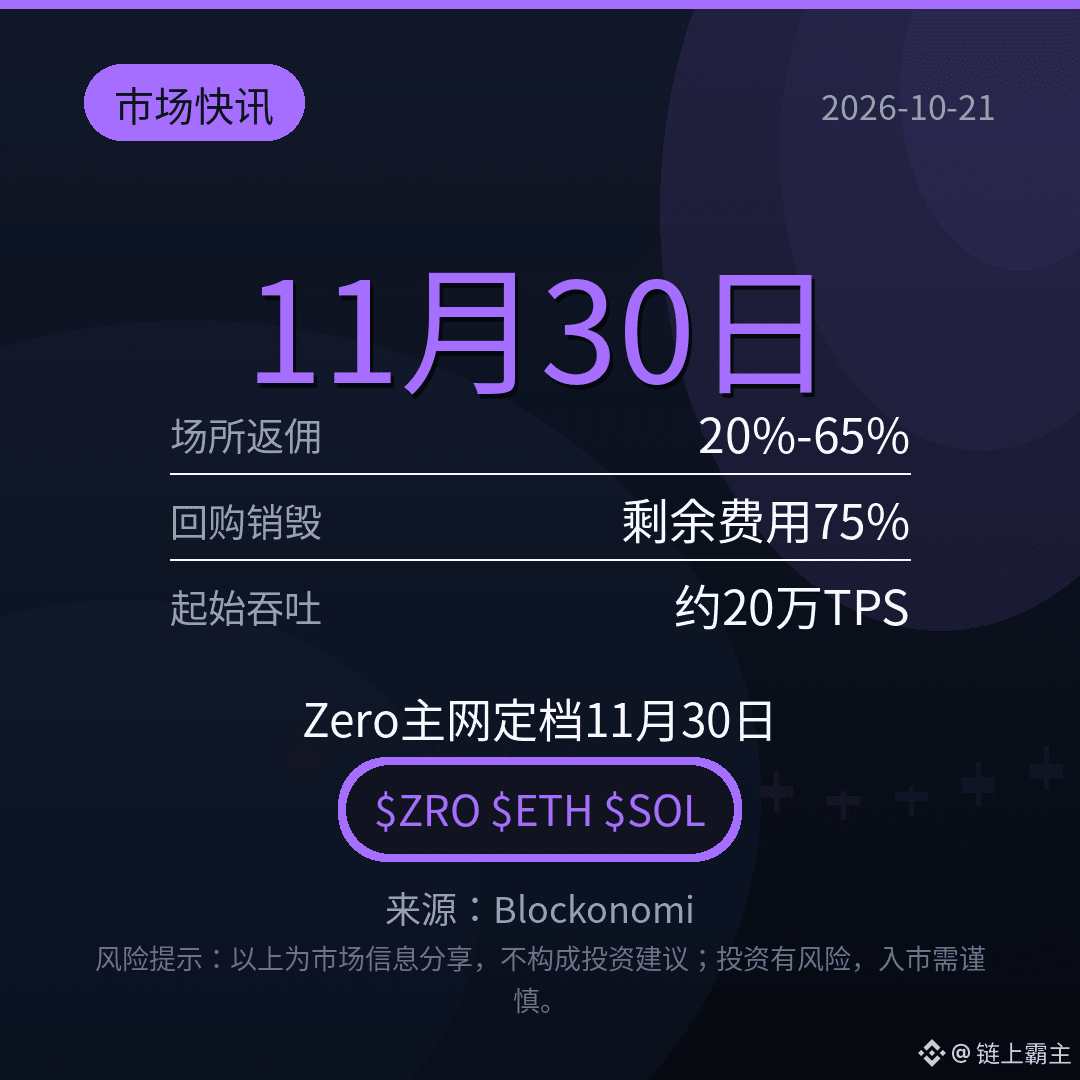
【市场快讯】11月30日定档:LayerZero的Zero主网与ATLAS交易基础设施同日上线,首发接入十余家交易场所。ATLAS是“无头交易所”,把撮合、清算与结算合进一套共享引擎,文档估算起始吞吐约20万TPS、延迟目标低于1毫秒。费用设计是核心账:场所返佣20%–65%,剩余部分25%分给做市商、75%用于回购并销毁ZRO。问题在于,上线后返佣与回购能否换来真实成交量?这套销毁机制对ZRO是实质支撑还是预期炒作,评论区聊聊。
$ZRO $ETH $SOL
#LayerZero #主网上线 #跨链
(来源:Blockonomi)
⚠️风险提示:以上为市场信息分享,不构成投资建议;投资有风险,入市需谨慎。
【市场快讯】11月30日定档:LayerZero的Zero主网与ATLAS交易基础设施同日上线,首发接入十余家交易场所。ATLAS是“无头交易所”,把撮合、清算与结算合进一套共享引擎,文档估算起始吞吐约20万TPS、延迟目标低于1毫秒。费用设计是核心账:场所返佣20%–65%,剩余部分25%分给做市商、75%用于回购并销毁ZRO。问题在于,上线后返佣与回购能否换来真实成交量?这套销毁机制对ZRO是实质支撑还是预期炒作,评论区聊聊。
$ZRO $ETH $SOL
#LayerZero #主网上线 #跨链
(来源:Blockonomi)
⚠️风险提示:以上为市场信息分享,不构成投资建议;投资有风险,入市需谨慎。
$ZRO $ETH $SOL
#LayerZero #主网上线 #跨链
(来源:Blockonomi)
⚠️风险提示:以上为市场信息分享,不构成投资建议;投资有风险,入市需谨慎。
1
352

·
--
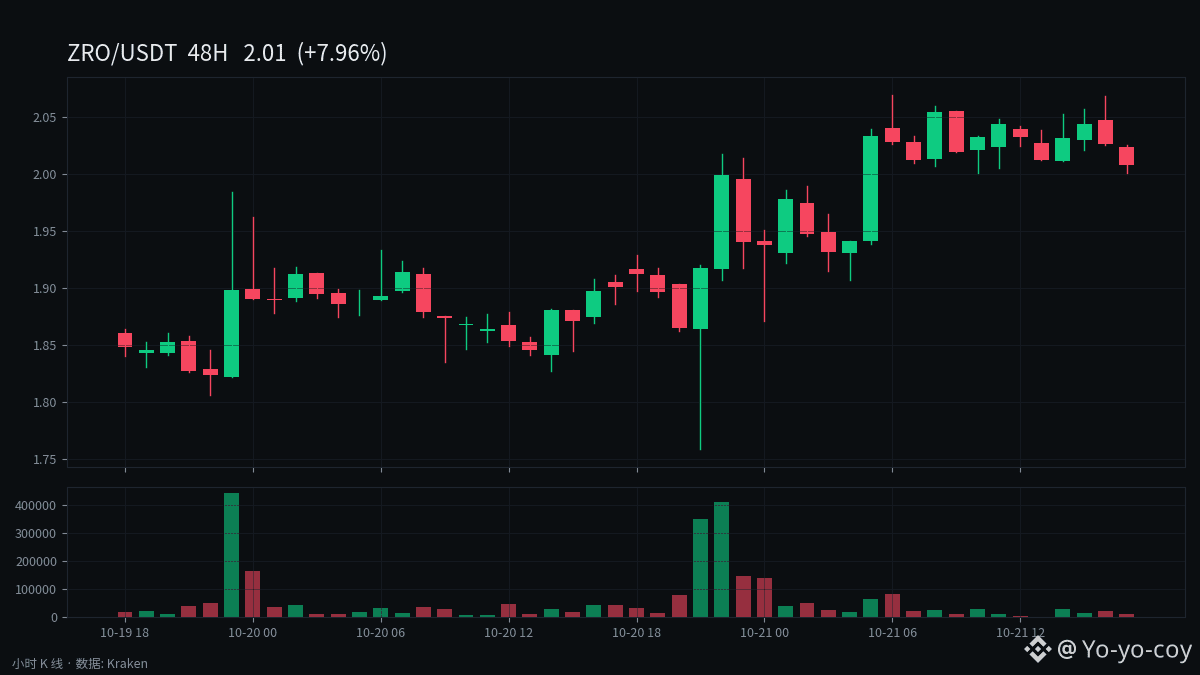
ZRO 的约 8% 涨幅,几乎全部来自一个日期:11 月 30 日。
◆ 10 月 20 日,LayerZero 官宣 Zero 主网与 ATLAS 交易基础设施将于 11 月 30 日上线(crypto.news 10-21 引 LayerZero 官方公告)。ATLAS 是 Zero 上的首个应用,首批接入 10 余家交易场所。
◆ 费用结构是关键。场所返佣 20%-65% 扣除后,剩余部分的 75% 用于买入并销毁 ZRO,25% 给市场创造者。ATLAS 的交易量和 ZRO 的销毁量,直接连上了。
◆ ZRO 在新体系里有三个功能:支付 Zero 网络 gas、质押保障网络安全、质押获得 ATLAS 更高交易返佣(LayerZero 公布的产品文档)。
◆ 价格:10-21 约 $2.02,24h 约 +8.6%(Finnhub 币安实时);同日 BTC 约 +1.8%、ETH 约 +2.6%(PANews 引 SoSoValue)——跑赢 beta 的成分很明确。
我的看法:市场买的是"收入-销毁"这个闭环叙事,而不是主网上线本身。但有两个冷静点:11 月 30 日是"上线日"不是"已上线";ATLAS 公布的 20 万 TPS 初始容量是公司自报口径,未经独立验证。
剩下的验证点只有一个:11 月 30 日,首批 10 余家场所到底能不能准时上线。能,销毁叙事继续走;不能,涨幅怎么来的就怎么回去。
#LayerZero $ZRO
仅个人看法,不构成投资建议
ZRO 的约 8% 涨幅,几乎全部来自一个日期:11 月 30 日。
◆ 10 月 20 日,LayerZero 官宣 Zero 主网与 ATLAS 交易基础设施将于 11 月 30 日上线(crypto.news 10-21 引 LayerZero 官方公告)。ATLAS 是 Zero 上的首个应用,首批接入 10 余家交易场所。
◆ 费用结构是关键。场所返佣 20%-65% 扣除后,剩余部分的 75% 用于买入并销毁 ZRO,25% 给市场创造者。ATLAS 的交易量和 ZRO 的销毁量,直接连上了。
◆ ZRO 在新体系里有三个功能:支付 Zero 网络 gas、质押保障网络安全、质押获得 ATLAS 更高交易返佣(LayerZero 公布的产品文档)。
◆ 价格:10-21 约 $2.02,24h 约 +8.6%(Finnhub 币安实时);同日 BTC 约 +1.8%、ETH 约 +2.6%(PANews 引 SoSoValue)——跑赢 beta 的成分很明确。
我的看法:市场买的是"收入-销毁"这个闭环叙事,而不是主网上线本身。但有两个冷静点:11 月 30 日是"上线日"不是"已上线";ATLAS 公布的 20 万 TPS 初始容量是公司自报口径,未经独立验证。
剩下的验证点只有一个:11 月 30 日,首批 10 余家场所到底能不能准时上线。能,销毁叙事继续走;不能,涨幅怎么来的就怎么回去。
#LayerZero $ZRO
仅个人看法,不构成投资建议
◆ 10 月 20 日,LayerZero 官宣 Zero 主网与 ATLAS 交易基础设施将于 11 月 30 日上线(crypto.news 10-21 引 LayerZero 官方公告)。ATLAS 是 Zero 上的首个应用,首批接入 10 余家交易场所。
◆ 费用结构是关键。场所返佣 20%-65% 扣除后,剩余部分的 75% 用于买入并销毁 ZRO,25% 给市场创造者。ATLAS 的交易量和 ZRO 的销毁量,直接连上了。
◆ ZRO 在新体系里有三个功能:支付 Zero 网络 gas、质押保障网络安全、质押获得 ATLAS 更高交易返佣(LayerZero 公布的产品文档)。
◆ 价格:10-21 约 $2.02,24h 约 +8.6%(Finnhub 币安实时);同日 BTC 约 +1.8%、ETH 约 +2.6%(PANews 引 SoSoValue)——跑赢 beta 的成分很明确。
我的看法:市场买的是"收入-销毁"这个闭环叙事,而不是主网上线本身。但有两个冷静点:11 月 30 日是"上线日"不是"已上线";ATLAS 公布的 20 万 TPS 初始容量是公司自报口径,未经独立验证。
剩下的验证点只有一个:11 月 30 日,首批 10 余家场所到底能不能准时上线。能,销毁叙事继续走;不能,涨幅怎么来的就怎么回去。
#LayerZero $ZRO
仅个人看法,不构成投资建议
205

·
--
LayerZero钉死日历:11月30日,自家链和交易引擎一起开跨链管道不够玩了。LayerZero官方把日子写死了:Zero主网和lzATLAS,11月30日一起上线。
这不是又一次「年底前后」的模糊窗口。10月20日@LayerZero_Core直接开倒计时:Zero是自家链,lzATLAS是挂在上面的第一款应用——按官方说法,先开Open ATLAS,上线就接超过十几家交易场所,自己不做面向散户的前端,是给别人当撮合、清算、结算的「无头引擎」。
数字他们写得很满:Zero设计目标约每秒200万笔;lzATLAS起步容量写的是每秒20万笔,测试里有亚毫秒延迟。费用侧更直接——Open ATLAS里,场所返佣之后剩下的交易费,75%用来买$ZRO再烧掉。烧不烧得动,最终还是看有没有真实成交,不是看接入了多少家。
背景也不短:Zero今年2月亮相时,名单里有过Citadel Securities和Google Cloud;ATLAS 8月才公开。从「连别人的链」走到「自己开链+交易后端」,日历终于从「今年晚些时候」收成了11月30日。上线前一切以官方进度为准,日程≠已上线。
不构成投资建议。
#LayerZero #ZRO #lzATLAS #加密货币 #Web3
LayerZero钉死日历:11月30日,自家链和交易引擎一起开
跨链管道不够玩了。LayerZero官方把日子写死了:Zero主网和lzATLAS,11月30日一起上线。
这不是又一次「年底前后」的模糊窗口。10月20日@LayerZero_Core直接开倒计时:Zero是自家链,lzATLAS是挂在上面的第一款应用——按官方说法,先开Open ATLAS,上线就接超过十几家交易场所,自己不做面向散户的前端,是给别人当撮合、清算、结算的「无头引擎」。
数字他们写得很满:Zero设计目标约每秒200万笔;lzATLAS起步容量写的是每秒20万笔,测试里有亚毫秒延迟。费用侧更直接——Open ATLAS里,场所返佣之后剩下的交易费,75%用来买$ZRO 再烧掉。烧不烧得动,最终还是看有没有真实成交,不是看接入了多少家。
背景也不短:Zero今年2月亮相时,名单里有过Citadel Securities和Google Cloud;ATLAS 8月才公开。从「连别人的链」走到「自己开链+交易后端」,日历终于从「今年晚些时候」收成了11月30日。上线前一切以官方进度为准,日程≠已上线。
不构成投资建议。
#LayerZero #ZRO #lzATLAS #加密货币 #Web3
这不是又一次「年底前后」的模糊窗口。10月20日@LayerZero_Core直接开倒计时:Zero是自家链,lzATLAS是挂在上面的第一款应用——按官方说法,先开Open ATLAS,上线就接超过十几家交易场所,自己不做面向散户的前端,是给别人当撮合、清算、结算的「无头引擎」。
数字他们写得很满:Zero设计目标约每秒200万笔;lzATLAS起步容量写的是每秒20万笔,测试里有亚毫秒延迟。费用侧更直接——Open ATLAS里,场所返佣之后剩下的交易费,75%用来买$ZRO 再烧掉。烧不烧得动,最终还是看有没有真实成交,不是看接入了多少家。
背景也不短:Zero今年2月亮相时,名单里有过Citadel Securities和Google Cloud;ATLAS 8月才公开。从「连别人的链」走到「自己开链+交易后端」,日历终于从「今年晚些时候」收成了11月30日。上线前一切以官方进度为准,日程≠已上线。
不构成投资建议。
#LayerZero #ZRO #lzATLAS #加密货币 #Web3
1
137


·
--
🔥 欧克财神报|今日潜力币分析 LayerZero (ZRO)
📈 今日涨幅: +11.41%
💰 当前价格: $2.041
📊 涨幅原因:
前几天一直在 1.83-1.98 之间来回磨,今天放量站上 2 刀整数关口,24h 最高摸到 $2.073,成交额约 1581 万 U,涨幅榜排名靠前,技术面突破+成交量放大。
🎯 入场建议:
支撑位: $2.00(突破后的整数关口,近两根 4h K 线低点都在 2.00-2.01 附近),再下面看 $1.76(24h 低点)
我个人思路是回踩 2.00 附近轻仓试多、分批建仓,止损放 1.93 下方,上方先看前高 2.073,站稳再说下一步,追高的兄弟仓位一定要小,注意风险
⚠️ DYOR | 投资有风险
#ZRO #LayerZero #今日潜力币
🔥 欧克财神报|今日潜力币分析 LayerZero (ZRO)
📈 今日涨幅: +11.41%
💰 当前价格: $2.041
📊 涨幅原因:
前几天一直在 1.83-1.98 之间来回磨,今天放量站上 2 刀整数关口,24h 最高摸到 $2.073,成交额约 1581 万 U,涨幅榜排名靠前,技术面突破+成交量放大。
🎯 入场建议:
支撑位: $2.00(突破后的整数关口,近两根 4h K 线低点都在 2.00-2.01 附近),再下面看 $1.76(24h 低点)
我个人思路是回踩 2.00 附近轻仓试多、分批建仓,止损放 1.93 下方,上方先看前高 2.073,站稳再说下一步,追高的兄弟仓位一定要小,注意风险
⚠️ DYOR | 投资有风险
#ZRO #LayerZero #今日潜力币
📈 今日涨幅: +11.41%
💰 当前价格: $2.041
📊 涨幅原因:
前几天一直在 1.83-1.98 之间来回磨,今天放量站上 2 刀整数关口,24h 最高摸到 $2.073,成交额约 1581 万 U,涨幅榜排名靠前,技术面突破+成交量放大。
🎯 入场建议:
支撑位: $2.00(突破后的整数关口,近两根 4h K 线低点都在 2.00-2.01 附近),再下面看 $1.76(24h 低点)
我个人思路是回踩 2.00 附近轻仓试多、分批建仓,止损放 1.93 下方,上方先看前高 2.073,站稳再说下一步,追高的兄弟仓位一定要小,注意风险
⚠️ DYOR | 投资有风险
#ZRO #LayerZero #今日潜力币
214

·
--
Traders on Square are picking sides: "🛒 or ⏳, buy the unlock dip or wait?"
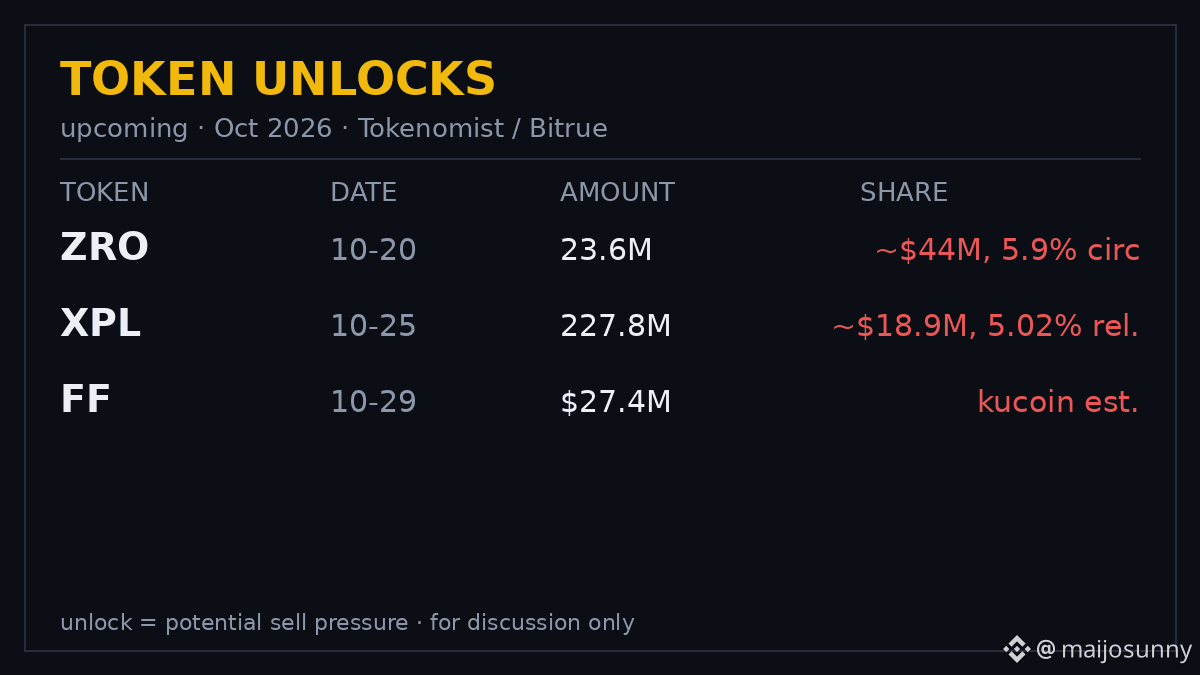
🔓 The LayerZero unlock is LIVE: ~23.6M $ZRO (~$44M, ~5.9% of circulating supply) to core contributors and strategic partners. (Bitrue / Tokenomist)
📊 Why it matters: ZRO ran 40%+ before the unlock, so sellers now take profit, not losses. Past unlocks averaged a worst 12.8% drop within 9 days (Tokenomics.com), but Tokenomist also shows low 7d volatility after past unlocks, so a dump is far from automatic.
👀 Watch $2: if it breaks, momentum chasers become forced sellers.
Not financial advice. DYOR.
#crypto #TokenUnlock #LayerZero #Altcoins
Traders on Square are picking sides: "🛒 or ⏳, buy the unlock dip or wait?"
🔓 The LayerZero unlock is LIVE: ~23.6M $ZRO (~$44M, ~5.9% of circulating supply) to core contributors and strategic partners. (Bitrue / Tokenomist)
📊 Why it matters: ZRO ran 40%+ before the unlock, so sellers now take profit, not losses. Past unlocks averaged a worst 12.8% drop within 9 days (Tokenomics.com), but Tokenomist also shows low 7d volatility after past unlocks, so a dump is far from automatic.
👀 Watch $2: if it breaks, momentum chasers become forced sellers.
Not financial advice. DYOR.
#crypto #TokenUnlock #LayerZero #Altcoins
🔓 The LayerZero unlock is LIVE: ~23.6M $ZRO (~$44M, ~5.9% of circulating supply) to core contributors and strategic partners. (Bitrue / Tokenomist)
📊 Why it matters: ZRO ran 40%+ before the unlock, so sellers now take profit, not losses. Past unlocks averaged a worst 12.8% drop within 9 days (Tokenomics.com), but Tokenomist also shows low 7d volatility after past unlocks, so a dump is far from automatic.
👀 Watch $2: if it breaks, momentum chasers become forced sellers.
Not financial advice. DYOR.
#crypto #TokenUnlock #LayerZero #Altcoins
153
Connectez-vous pour découvrir plus de contenu
Rejoignez la communauté mondiale des adeptes de cryptomonnaies sur Binance Square
⚡️ Suviez les dernières informations importantes sur les cryptomonnaies.
💬 Jugé digne de confiance par la plus grande plateforme d’échange de cryptomonnaies au monde.
👍 Découvrez les connaissances que partagent les créateurs vérifiés.
Adresse e-mail/Nº de téléphone
Sujets d’actualité
1
#BinancePick
3.1M vues
152,749 mentions
2
#EarningsSeason
5.3M vues
25,978 mentions
3
#AnthropicTTMRevenueGrewAbout1200%
29,072 vues
411 mentions
4
#AnthropicS1ExpectedToday
25,714 vues
341 mentions
5
#SouthKoreaReportedlyWeighsFourthCryptoTaxDelay
30,183 vues
465 mentions
6
#FranklinTempletonFilesForTwoDividendToBitcoinETFs
39,779 vues
536 mentions
7
#StrategyMSTRSurpassesNasdaqInMarketCap
29,874 vues
382 mentions
8
#CanadaProposesStablecoinRedemptionWithin3BusinessDays
1,310 vues
36 mentions
9
#ElectrumWalletBugLetRogueServersStealFunds
30,723 vues
460 mentions
10
#ArgentineCourtDismissesLIBRACaseAgainstMilei
46,078 vues
576 mentions