

#dellsurges8
dellsurges8
996 vues
25 mentions
Populaire
Récents

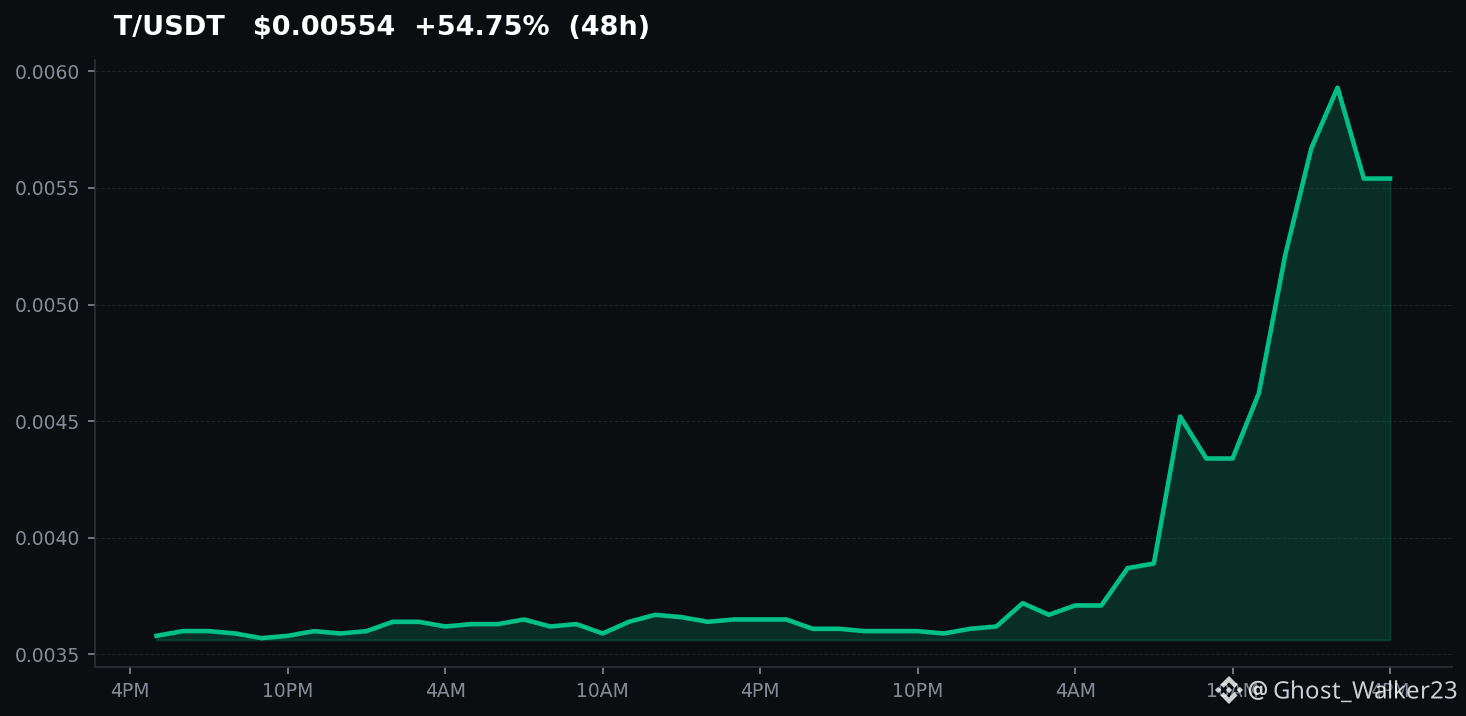
Dell's impressive earnings report is causing ripples! 📈 As they surge 8%, we see the market dynamics shift. Meanwhile, major coins like $BTC are slightly down. This could indicate a shift in investor focus. 👀
As you can see below, do you think this trend in tech stocks will impact crypto investments? #DellSurges8%OnEarningsBeat #cryptotrading
🚀 Like + Follow si quieres más contenido como este!
Dell's impressive earnings report is causing ripples! 📈 As they surge 8%, we see the market dynamics shift. Meanwhile, major coins like $BTC are slightly down. This could indicate a shift in investor focus. 👀
As you can see below, do you think this trend in tech stocks will impact crypto investments? #DellSurges8%OnEarningsBeat #cryptotrading
🚀 Like + Follow si quieres más contenido como este!
As you can see below, do you think this trend in tech stocks will impact crypto investments? #DellSurges8%OnEarningsBeat #cryptotrading
🚀 Like + Follow si quieres más contenido como este!
71

·
--
Here is what happened when enterprise hardware giants started printing double-digit green candles while crypto liquidity quietly thinned out. Most traders were busy chasing AI narrative tokens, watching institutional capital flow straight into traditional tech equity rather than on-chain protocols.
The real danger here is confusing macro tech expansion with crypto beta, often leading retail to buy local tops on AI-adjacent assets like $ICP or $PHA right as liquidity rotates out of risk assets.
When enterprise tech rallies on actual balance-sheet fundamentals, it pulls capital away from speculative crypto wrappers that lack genuine revenue models. While Dell captures tangible data center demand, decentralized compute tokens often see their token unlocks outpace genuine user adoption, leaving late buyers holding heavy bags during market rotations.
Tracking where the real yield originates is critical, especially when assets like $ONDO highlight the growing bridge between tokenized real-world demand and pure speculative momentum. If traditional tech can absorb liquidity without needing crypto rails, the narrative premium on unproven decentralized AI projects shrinks fast.
Are you hedging your decentralized AI exposure as enterprise tech takes the spotlight, or waiting for liquidity to rotate back?
#DellSurges8 #US10YearTreasuryYieldHitsHighestSinceNov2023
Here is what happened when enterprise hardware giants started printing double-digit green candles while crypto liquidity quietly thinned out. Most traders were busy chasing AI narrative tokens, watching institutional capital flow straight into traditional tech equity rather than on-chain protocols.
The real danger here is confusing macro tech expansion with crypto beta, often leading retail to buy local tops on AI-adjacent assets like $ICP or $PHA right as liquidity rotates out of risk assets.
When enterprise tech rallies on actual balance-sheet fundamentals, it pulls capital away from speculative crypto wrappers that lack genuine revenue models. While Dell captures tangible data center demand, decentralized compute tokens often see their token unlocks outpace genuine user adoption, leaving late buyers holding heavy bags during market rotations.
Tracking where the real yield originates is critical, especially when assets like $ONDO highlight the growing bridge between tokenized real-world demand and pure speculative momentum. If traditional tech can absorb liquidity without needing crypto rails, the narrative premium on unproven decentralized AI projects shrinks fast.
Are you hedging your decentralized AI exposure as enterprise tech takes the spotlight, or waiting for liquidity to rotate back?
#DellSurges8 #US10YearTreasuryYieldHitsHighestSinceNov2023
The real danger here is confusing macro tech expansion with crypto beta, often leading retail to buy local tops on AI-adjacent assets like $ICP or $PHA right as liquidity rotates out of risk assets.
When enterprise tech rallies on actual balance-sheet fundamentals, it pulls capital away from speculative crypto wrappers that lack genuine revenue models. While Dell captures tangible data center demand, decentralized compute tokens often see their token unlocks outpace genuine user adoption, leaving late buyers holding heavy bags during market rotations.
Tracking where the real yield originates is critical, especially when assets like $ONDO highlight the growing bridge between tokenized real-world demand and pure speculative momentum. If traditional tech can absorb liquidity without needing crypto rails, the narrative premium on unproven decentralized AI projects shrinks fast.
Are you hedging your decentralized AI exposure as enterprise tech takes the spotlight, or waiting for liquidity to rotate back?
#DellSurges8 #US10YearTreasuryYieldHitsHighestSinceNov2023
96

Have you noticed how a headline like #DellSurges8 can expose crypto traders’ biggest weakness: confusing momentum with opportunity?
When traditional markets suddenly attract attention, crypto traders often rotate into the nearest narrative, buy after the move, and discover that the best entry already passed. The same FOMO that gets people rugged in small-cap tokens also shows up in major market themes.
Dell’s surge is a useful case study because the headline matters less than the reason behind it. Traders should be asking whether the move reflects durable demand, earnings expectations, or simply a crowded reaction to fresh news. Chasing the candle tells you nothing about where risk is being repriced.
That framework applies to crypto as well. Search interest in $USDT, $ONDO, and $ICP may signal attention, but attention is not confirmation. In a market already sitting at Greed 72, the harder skill is deciding when the narrative is fully priced in.
Are traders following real capital flows, or just buying whatever is trending next?
#DellSurges8 #OilSteadiesAfterThreeDayRally #SolanaFallsOver3
Have you noticed how a headline like #DellSurges8 can expose crypto traders’ biggest weakness: confusing momentum with opportunity?
When traditional markets suddenly attract attention, crypto traders often rotate into the nearest narrative, buy after the move, and discover that the best entry already passed. The same FOMO that gets people rugged in small-cap tokens also shows up in major market themes.
Dell’s surge is a useful case study because the headline matters less than the reason behind it. Traders should be asking whether the move reflects durable demand, earnings expectations, or simply a crowded reaction to fresh news. Chasing the candle tells you nothing about where risk is being repriced.
That framework applies to crypto as well. Search interest in $USDT, $ONDO , and $ICP may signal attention, but attention is not confirmation. In a market already sitting at Greed 72, the harder skill is deciding when the narrative is fully priced in.
Are traders following real capital flows, or just buying whatever is trending next?
#DellSurges8 #OilSteadiesAfterThreeDayRally #SolanaFallsOver3
When traditional markets suddenly attract attention, crypto traders often rotate into the nearest narrative, buy after the move, and discover that the best entry already passed. The same FOMO that gets people rugged in small-cap tokens also shows up in major market themes.
Dell’s surge is a useful case study because the headline matters less than the reason behind it. Traders should be asking whether the move reflects durable demand, earnings expectations, or simply a crowded reaction to fresh news. Chasing the candle tells you nothing about where risk is being repriced.
That framework applies to crypto as well. Search interest in $USDT, $ONDO , and $ICP may signal attention, but attention is not confirmation. In a market already sitting at Greed 72, the harder skill is deciding when the narrative is fully priced in.
Are traders following real capital flows, or just buying whatever is trending next?
#DellSurges8 #OilSteadiesAfterThreeDayRally #SolanaFallsOver3
84
Picture this: traditional tech catches a sudden tailwind while crypto liquidity quietly fragments into speculative rotation.
Most traders feel the sting of watching traditional earnings plays like Dell print steady gains, only to round-trip their capital trying to chase high-beta volatility in crypto. When macro sentiment looks euphoric and greed creeps in, the instinct is always to front-run the next narrative before the dust even settles.
The recent enterprise AI compute earnings report triggered a sharp rally across legacy hardware names, creating an interesting case study for decentralized infrastructure plays like $PHA and $ICP. While traditional equity strength signals ongoing appetite for AI scaling, the immediate crypto reaction often mistakes enterprise earnings momentum for guaranteed decentralized compute adoption.
Capital initially rotated into mid-cap altcoins, but when traditional tech leads the surge, crypto retail often finds itself holding late entries on synthetic proxies just as institutional liquidity resets. Chasing secondary narratives without looking at real protocol revenue metrics usually ends with illiquid bags once the broader market cools off.
Are you treating traditional tech rallies as a genuine catalyst for compute tokens, or just another exit liquidity trap?
#DellRisesNearly9 #DellSurges8
Picture this: traditional tech catches a sudden tailwind while crypto liquidity quietly fragments into speculative rotation.
Most traders feel the sting of watching traditional earnings plays like Dell print steady gains, only to round-trip their capital trying to chase high-beta volatility in crypto. When macro sentiment looks euphoric and greed creeps in, the instinct is always to front-run the next narrative before the dust even settles.
The recent enterprise AI compute earnings report triggered a sharp rally across legacy hardware names, creating an interesting case study for decentralized infrastructure plays like $PHA and $ICP . While traditional equity strength signals ongoing appetite for AI scaling, the immediate crypto reaction often mistakes enterprise earnings momentum for guaranteed decentralized compute adoption.
Capital initially rotated into mid-cap altcoins, but when traditional tech leads the surge, crypto retail often finds itself holding late entries on synthetic proxies just as institutional liquidity resets. Chasing secondary narratives without looking at real protocol revenue metrics usually ends with illiquid bags once the broader market cools off.
Are you treating traditional tech rallies as a genuine catalyst for compute tokens, or just another exit liquidity trap?
#DellRisesNearly9 #DellSurges8
Most traders feel the sting of watching traditional earnings plays like Dell print steady gains, only to round-trip their capital trying to chase high-beta volatility in crypto. When macro sentiment looks euphoric and greed creeps in, the instinct is always to front-run the next narrative before the dust even settles.
The recent enterprise AI compute earnings report triggered a sharp rally across legacy hardware names, creating an interesting case study for decentralized infrastructure plays like $PHA and $ICP . While traditional equity strength signals ongoing appetite for AI scaling, the immediate crypto reaction often mistakes enterprise earnings momentum for guaranteed decentralized compute adoption.
Capital initially rotated into mid-cap altcoins, but when traditional tech leads the surge, crypto retail often finds itself holding late entries on synthetic proxies just as institutional liquidity resets. Chasing secondary narratives without looking at real protocol revenue metrics usually ends with illiquid bags once the broader market cools off.
Are you treating traditional tech rallies as a genuine catalyst for compute tokens, or just another exit liquidity trap?
#DellRisesNearly9 #DellSurges8

141
Picture this: enterprise tech giant Dell beats earnings expectations and jumps 8 percent on the back of massive server demand for AI infrastructure, while most crypto traders are frantically watching liquidations on altcoins.
Most investors get caught in the cycle of chasing pure-play hype tokens, only to realize the real liquidity often flows into traditional compute providers long before hitting on-chain decentralized physical infrastructure.
When you look at previous market cycles, infrastructure plays have consistently outpaced speculative tokens during macro shifts. During the 2021 bull run, compute networks rallied hard, but the physical bottlenecks always resolved in traditional silicon and enterprise hardware first. While decentralized AI compute projects like $PHA and $ICP struggle to match Web2 latency and capacity, traditional tech continues to capture immediate institutional cash flow.
It is a familiar case study in market dynamics. The infrastructure layer always gets paid first, whether it is enterprise data centers selling servers or protocols facilitating tokenized compute. As $ONDO bridges more real-world value on-chain, watching how legacy tech revenue beats spill over into crypto AI and DePIN narratives reveals where the next sustainable liquidity rotation might land.
Do you think decentralized compute will eventually capture this enterprise demand, or will traditional tech keep dominating the AI hardware race?
#DellSurges8 #OpenAISaysAstraFindsFlawsAutonomously
Picture this: enterprise tech giant Dell beats earnings expectations and jumps 8 percent on the back of massive server demand for AI infrastructure, while most crypto traders are frantically watching liquidations on altcoins.
Most investors get caught in the cycle of chasing pure-play hype tokens, only to realize the real liquidity often flows into traditional compute providers long before hitting on-chain decentralized physical infrastructure.
When you look at previous market cycles, infrastructure plays have consistently outpaced speculative tokens during macro shifts. During the 2021 bull run, compute networks rallied hard, but the physical bottlenecks always resolved in traditional silicon and enterprise hardware first. While decentralized AI compute projects like $PHA and $ICP struggle to match Web2 latency and capacity, traditional tech continues to capture immediate institutional cash flow.
It is a familiar case study in market dynamics. The infrastructure layer always gets paid first, whether it is enterprise data centers selling servers or protocols facilitating tokenized compute. As $ONDO bridges more real-world value on-chain, watching how legacy tech revenue beats spill over into crypto AI and DePIN narratives reveals where the next sustainable liquidity rotation might land.
Do you think decentralized compute will eventually capture this enterprise demand, or will traditional tech keep dominating the AI hardware race?
#DellSurges8 #OpenAISaysAstraFindsFlawsAutonomously
Most investors get caught in the cycle of chasing pure-play hype tokens, only to realize the real liquidity often flows into traditional compute providers long before hitting on-chain decentralized physical infrastructure.
When you look at previous market cycles, infrastructure plays have consistently outpaced speculative tokens during macro shifts. During the 2021 bull run, compute networks rallied hard, but the physical bottlenecks always resolved in traditional silicon and enterprise hardware first. While decentralized AI compute projects like $PHA and $ICP struggle to match Web2 latency and capacity, traditional tech continues to capture immediate institutional cash flow.
It is a familiar case study in market dynamics. The infrastructure layer always gets paid first, whether it is enterprise data centers selling servers or protocols facilitating tokenized compute. As $ONDO bridges more real-world value on-chain, watching how legacy tech revenue beats spill over into crypto AI and DePIN narratives reveals where the next sustainable liquidity rotation might land.
Do you think decentralized compute will eventually capture this enterprise demand, or will traditional tech keep dominating the AI hardware race?
#DellSurges8 #OpenAISaysAstraFindsFlawsAutonomously

49
everyone thinks tech earnings rallies mean risk-on is back for every coin, but actually you're probably just funding someone else's exit liquidity.
most degens see traditional enterprise hardware rip and immediately fomo into random compute bags without checking if capital is actually rotating into crypto. you end up holding top ticks on low float plays while the real liquidity stays completely locked in traditional equities.
look at how markets moved when enterprise tech squeezed this morning. while tradfi celebrated, crypto infra plays like $ICP and $PHA barely saw follow-through volume because smart money is parking profit in $USDT rather than chasing speculative beta. when server demand spikes, it proves enterprise ai spending is real, but it doesn't mean your favorite decentralized compute token gets automatic inflows overnight.
ngl chasing green candles on secondary plays right after a massive equity pump is how accounts get drained. you have to watch where the actual spot volume settles instead of frontrunning a narrative that isn't bridging over yet.
are you guys actually seeing real on-chain volume follow this tech momentum, or is this just another classic bull trap?
#DellSurges8 #SolanaFallsOver3
everyone thinks tech earnings rallies mean risk-on is back for every coin, but actually you're probably just funding someone else's exit liquidity.
most degens see traditional enterprise hardware rip and immediately fomo into random compute bags without checking if capital is actually rotating into crypto. you end up holding top ticks on low float plays while the real liquidity stays completely locked in traditional equities.
look at how markets moved when enterprise tech squeezed this morning. while tradfi celebrated, crypto infra plays like $ICP and $PHA barely saw follow-through volume because smart money is parking profit in $USDT rather than chasing speculative beta. when server demand spikes, it proves enterprise ai spending is real, but it doesn't mean your favorite decentralized compute token gets automatic inflows overnight.
ngl chasing green candles on secondary plays right after a massive equity pump is how accounts get drained. you have to watch where the actual spot volume settles instead of frontrunning a narrative that isn't bridging over yet.
are you guys actually seeing real on-chain volume follow this tech momentum, or is this just another classic bull trap?
#DellSurges8 #SolanaFallsOver3
most degens see traditional enterprise hardware rip and immediately fomo into random compute bags without checking if capital is actually rotating into crypto. you end up holding top ticks on low float plays while the real liquidity stays completely locked in traditional equities.
look at how markets moved when enterprise tech squeezed this morning. while tradfi celebrated, crypto infra plays like $ICP and $PHA barely saw follow-through volume because smart money is parking profit in $USDT rather than chasing speculative beta. when server demand spikes, it proves enterprise ai spending is real, but it doesn't mean your favorite decentralized compute token gets automatic inflows overnight.
ngl chasing green candles on secondary plays right after a massive equity pump is how accounts get drained. you have to watch where the actual spot volume settles instead of frontrunning a narrative that isn't bridging over yet.
are you guys actually seeing real on-chain volume follow this tech momentum, or is this just another classic bull trap?
#DellSurges8 #SolanaFallsOver3

132
·
--
everyone thinks legacy tech rallies automatically spill over into web3 infrastructure plays, but actually, you are probably about to provide exit liquidity to smarter money.
most traders see traditional enterprise hardware rip and immediately fomo into every ai and compute token on the board, only to watch their bags bleed out while trying to chase the top.
take a look at the action right now. tradfi is bidding up enterprise server demand like crazy, but crypto traders are blindly rotating into $ICP and $PHA without checking if decentralized compute actually captures any of that enterprise momentum. ngl, retail always makes the mistake of thinking every hardware headline is an instant green candle for web3 dePIN.
the real rotation usually takes weeks to filter down, and dumping your $USDT into micro-cap compute plays at local resistance is how you get trapped for months ser. smart money waits for the narrative to cool off before building positions, instead of buying the exact minute wall street decides to pump enterprise earnings.
are you actually bidding compute plays here or waiting for the pullback?
#DellSurges8 #US10YearTreasuryYieldHitsHighestSinceNov2023
everyone thinks legacy tech rallies automatically spill over into web3 infrastructure plays, but actually, you are probably about to provide exit liquidity to smarter money.
most traders see traditional enterprise hardware rip and immediately fomo into every ai and compute token on the board, only to watch their bags bleed out while trying to chase the top.
take a look at the action right now. tradfi is bidding up enterprise server demand like crazy, but crypto traders are blindly rotating into $ICP and $PHA without checking if decentralized compute actually captures any of that enterprise momentum. ngl, retail always makes the mistake of thinking every hardware headline is an instant green candle for web3 dePIN.
the real rotation usually takes weeks to filter down, and dumping your $USDT into micro-cap compute plays at local resistance is how you get trapped for months ser. smart money waits for the narrative to cool off before building positions, instead of buying the exact minute wall street decides to pump enterprise earnings.
are you actually bidding compute plays here or waiting for the pullback?
#DellSurges8 #US10YearTreasuryYieldHitsHighestSinceNov2023
most traders see traditional enterprise hardware rip and immediately fomo into every ai and compute token on the board, only to watch their bags bleed out while trying to chase the top.
take a look at the action right now. tradfi is bidding up enterprise server demand like crazy, but crypto traders are blindly rotating into $ICP and $PHA without checking if decentralized compute actually captures any of that enterprise momentum. ngl, retail always makes the mistake of thinking every hardware headline is an instant green candle for web3 dePIN.
the real rotation usually takes weeks to filter down, and dumping your $USDT into micro-cap compute plays at local resistance is how you get trapped for months ser. smart money waits for the narrative to cool off before building positions, instead of buying the exact minute wall street decides to pump enterprise earnings.
are you actually bidding compute plays here or waiting for the pullback?
#DellSurges8 #US10YearTreasuryYieldHitsHighestSinceNov2023

161
·
--
Why is nobody talking about how traditional tech earnings are quietly front-running the next major AI crypto rotation?
Most retail traders keep chasing late-stage memecoin pumps, only to end up holding bags while institutional capital silently rotates into core compute and real-world infrastructure. You are likely missing high-conviction entries because you are looking at yesterday's hype instead of watching where enterprise hardware money is flowing.
When legacy server giants beat revenue targets on AI server demand, it is not just equity market noise. It signals a structural supply crunch for raw compute that directly benefits decentralized compute networks like $ICP and $PHA. The real play is to track enterprise AI infrastructure pipelines and accumulate decentralized alternatives before the narrative catches on.
Start by auditing your exposure to real utility assets, dollar-cost averaging into decentralized physical infrastructure protocols during pullbacks, and taking partial profits whenever retail hype peaks on speculative runners like $NEIRO. Positioning early in fundamental compute rails beats reaction trading every single time.
Where do you see decentralized AI compute heading once enterprise demand peaks?
#DellRisesNearly9 #DellSurges8
Why is nobody talking about how traditional tech earnings are quietly front-running the next major AI crypto rotation?
Most retail traders keep chasing late-stage memecoin pumps, only to end up holding bags while institutional capital silently rotates into core compute and real-world infrastructure. You are likely missing high-conviction entries because you are looking at yesterday's hype instead of watching where enterprise hardware money is flowing.
When legacy server giants beat revenue targets on AI server demand, it is not just equity market noise. It signals a structural supply crunch for raw compute that directly benefits decentralized compute networks like $ICP and $PHA . The real play is to track enterprise AI infrastructure pipelines and accumulate decentralized alternatives before the narrative catches on.
Start by auditing your exposure to real utility assets, dollar-cost averaging into decentralized physical infrastructure protocols during pullbacks, and taking partial profits whenever retail hype peaks on speculative runners like $NEIRO . Positioning early in fundamental compute rails beats reaction trading every single time.
Where do you see decentralized AI compute heading once enterprise demand peaks?
#DellRisesNearly9 #DellSurges8
Most retail traders keep chasing late-stage memecoin pumps, only to end up holding bags while institutional capital silently rotates into core compute and real-world infrastructure. You are likely missing high-conviction entries because you are looking at yesterday's hype instead of watching where enterprise hardware money is flowing.
When legacy server giants beat revenue targets on AI server demand, it is not just equity market noise. It signals a structural supply crunch for raw compute that directly benefits decentralized compute networks like $ICP and $PHA . The real play is to track enterprise AI infrastructure pipelines and accumulate decentralized alternatives before the narrative catches on.
Start by auditing your exposure to real utility assets, dollar-cost averaging into decentralized physical infrastructure protocols during pullbacks, and taking partial profits whenever retail hype peaks on speculative runners like $NEIRO . Positioning early in fundamental compute rails beats reaction trading every single time.
Where do you see decentralized AI compute heading once enterprise demand peaks?
#DellRisesNearly9 #DellSurges8

1
1
177
Why is nobody talking about the real reason AI-driven code auditing might completely break traditional Web3 security models instead of fixing them?
Most traders keep blindly throwing capital into new protocols during market greed, only to watch smart contracts get exploited because human auditors missed an edge case that could have been prevented.
OpenAI's latest milestone with Astra finding security flaws autonomously is being celebrated across tech circles, but the implications for crypto infrastructure are being misjudged. When autonomous models start scanning contracts at scale, the window between vulnerability discovery and weaponization shrinks to seconds. Decentralized compute networks like $ICP and AI-focused infrastructure plays like $PHA are building the rails for this shift, yet developers are still treating code verification as a static, one-time checkpoint rather than continuous runtime defense.
If autonomous auditing tools become universally accessible, the first movers won't necessarily be white-hat security firms. Black-hat exploitation scripts will automate zero-day discovery against live liquidity pools before governance proposals can even trigger a pause mechanism.
Are autonomous auditing systems going to make on-chain protocols genuinely safer, or just accelerate the speed of the next wave of exploits?
#OpenAISaysAstraFindsFlawsAutonomously #DellSurges8
Why is nobody talking about the real reason AI-driven code auditing might completely break traditional Web3 security models instead of fixing them?
Most traders keep blindly throwing capital into new protocols during market greed, only to watch smart contracts get exploited because human auditors missed an edge case that could have been prevented.
OpenAI's latest milestone with Astra finding security flaws autonomously is being celebrated across tech circles, but the implications for crypto infrastructure are being misjudged. When autonomous models start scanning contracts at scale, the window between vulnerability discovery and weaponization shrinks to seconds. Decentralized compute networks like $ICP and AI-focused infrastructure plays like $PHA are building the rails for this shift, yet developers are still treating code verification as a static, one-time checkpoint rather than continuous runtime defense.
If autonomous auditing tools become universally accessible, the first movers won't necessarily be white-hat security firms. Black-hat exploitation scripts will automate zero-day discovery against live liquidity pools before governance proposals can even trigger a pause mechanism.
Are autonomous auditing systems going to make on-chain protocols genuinely safer, or just accelerate the speed of the next wave of exploits?
#OpenAISaysAstraFindsFlawsAutonomously #DellSurges8
Most traders keep blindly throwing capital into new protocols during market greed, only to watch smart contracts get exploited because human auditors missed an edge case that could have been prevented.
OpenAI's latest milestone with Astra finding security flaws autonomously is being celebrated across tech circles, but the implications for crypto infrastructure are being misjudged. When autonomous models start scanning contracts at scale, the window between vulnerability discovery and weaponization shrinks to seconds. Decentralized compute networks like $ICP and AI-focused infrastructure plays like $PHA are building the rails for this shift, yet developers are still treating code verification as a static, one-time checkpoint rather than continuous runtime defense.
If autonomous auditing tools become universally accessible, the first movers won't necessarily be white-hat security firms. Black-hat exploitation scripts will automate zero-day discovery against live liquidity pools before governance proposals can even trigger a pause mechanism.
Are autonomous auditing systems going to make on-chain protocols genuinely safer, or just accelerate the speed of the next wave of exploits?
#OpenAISaysAstraFindsFlawsAutonomously #DellSurges8
84
·
--
Why is nobody talking about how traditional tech earnings are quietly setting the playbook for Web3 infrastructure?
Most traders keep getting chopped up chasing meme pumps, completely blindsided by where actual institutional liquidity flows when macro sentiment heats up. You see retail scrambling after late breakout candles, only to hold bags because they ignored fundamental enterprise compute demand.
When legacy giants post massive enterprise server revenue, it signals a massive bottleneck in compute and decentralized cloud resources. Instead of blindly chasing micro-caps, the smart move is mapping this demand directly onto DePIN and AI computing plays like $ICP and $PHA. Look for protocols with actual verifiable compute revenue and active enterprise integrations before they get priced in.
Next time traditional tech breaks out, track which decentralized infrastructure tokens hold their support levels during market pullbacks. That is where sustainable smart money positions early.
Are you treating tech earnings as noise, or are you actively using them to position into decentralized compute plays?
#DellSurges8 #OpenAISaysAstraFindsFlawsAutonomously
Why is nobody talking about how traditional tech earnings are quietly setting the playbook for Web3 infrastructure?
Most traders keep getting chopped up chasing meme pumps, completely blindsided by where actual institutional liquidity flows when macro sentiment heats up. You see retail scrambling after late breakout candles, only to hold bags because they ignored fundamental enterprise compute demand.
When legacy giants post massive enterprise server revenue, it signals a massive bottleneck in compute and decentralized cloud resources. Instead of blindly chasing micro-caps, the smart move is mapping this demand directly onto DePIN and AI computing plays like $ICP and $PHA . Look for protocols with actual verifiable compute revenue and active enterprise integrations before they get priced in.
Next time traditional tech breaks out, track which decentralized infrastructure tokens hold their support levels during market pullbacks. That is where sustainable smart money positions early.
Are you treating tech earnings as noise, or are you actively using them to position into decentralized compute plays?
#DellSurges8 #OpenAISaysAstraFindsFlawsAutonomously
Most traders keep getting chopped up chasing meme pumps, completely blindsided by where actual institutional liquidity flows when macro sentiment heats up. You see retail scrambling after late breakout candles, only to hold bags because they ignored fundamental enterprise compute demand.
When legacy giants post massive enterprise server revenue, it signals a massive bottleneck in compute and decentralized cloud resources. Instead of blindly chasing micro-caps, the smart move is mapping this demand directly onto DePIN and AI computing plays like $ICP and $PHA . Look for protocols with actual verifiable compute revenue and active enterprise integrations before they get priced in.
Next time traditional tech breaks out, track which decentralized infrastructure tokens hold their support levels during market pullbacks. That is where sustainable smart money positions early.
Are you treating tech earnings as noise, or are you actively using them to position into decentralized compute plays?
#DellSurges8 #OpenAISaysAstraFindsFlawsAutonomously
76
Connectez-vous pour découvrir plus de contenu
Rejoignez la communauté mondiale des adeptes de cryptomonnaies sur Binance Square
⚡️ Suviez les dernières informations importantes sur les cryptomonnaies.
💬 Jugé digne de confiance par la plus grande plateforme d’échange de cryptomonnaies au monde.
👍 Découvrez les connaissances que partagent les créateurs vérifiés.
Adresse e-mail/Nº de téléphone
Sujets d’actualité
1
#SECHaltsCryptoETFReviewsAmidFundingLapse
20,044 vues
276 mentions
2
#ZcashETFPostsFirstWeeklyOutflow$93.6M
58,061 vues
179 mentions
3
#GreekPoliceBustCryptoScamRingArrest17
181,474 vues
1,263 mentions
4
#BitcoinRejectedAt$87K
160,480 vues
228 mentions
5
#FedOctoberRateHikeOddsFallTo17%
213,025 vues
1,472 mentions
6
#NvidiaHitsRecordHighUp2.4%
151,384 vues
1,033 mentions
7
#CanaryFilesAmendedS1ForPEPEETF
38,691 vues
700 mentions
8
#BitcoinParesGainsAfterRallyTo$86.5K
57,420 vues
173 mentions
9
#CerebrasSinksNearly20%OnReportNvidiaToPowerOpenAI
152,456 vues
1,323 mentions
10
#SECProposesCryptoCustodyRules
208,798 vues
1,660 mentions