
#communityfirst
communityfirst
278,403 vues
597 mentions
Populaire
Récents

·
--
$LAIKA Un chien. Une communauté. Un univers.
One dog. One community. One universe.
En 1957, Laika s’est envolée seule vers l’espace ; en 2026, derrière elle se tient un DAO entier — pas une foule, mais un rassemblement de croyants de long terme. Les fondations de la construction sur le long terme ne reposent jamais sur le prix : elles reposent sur la communauté.
In 1957, Laika flew to space alone; in 2026, a whole DAO stands behind her — not a mob, but a gathering of long-term believers. The foundation of long-term building is never the price; it's the community.
HODL, c’est le consensus ; WAGMI, c’est se soutenir mutuellement. Les membres restent malgré les fluctuations ; les étapes clés de la RWA font avancer l’écosystème.
HODL is consensus, WAGMI is having each other's back. Members stay through swings; RWA milestones move the ecosystem forward.
L’un avance vite, ensemble on va loin. L’univers de $LAIKA ne fait que commencer.
Alone you go fast, together you go far. $LAIKA's universe is just beginning.
🚀🐕👨🚀👩🚀
#LAIKA #XLayer #LAIKADAO #RWA #CommunityFirst
$LAIKA Un chien. Une communauté. Un univers.
One dog. One community. One universe.
En 1957, Laika s’est envolée seule vers l’espace ; en 2026, derrière elle se tient un DAO entier — pas une foule, mais un rassemblement de croyants de long terme. Les fondations de la construction sur le long terme ne reposent jamais sur le prix : elles reposent sur la communauté.
In 1957, Laika flew to space alone; in 2026, a whole DAO stands behind her — not a mob, but a gathering of long-term believers. The foundation of long-term building is never the price; it's the community.
HODL, c’est le consensus ; WAGMI, c’est se soutenir mutuellement. Les membres restent malgré les fluctuations ; les étapes clés de la RWA font avancer l’écosystème.
HODL is consensus, WAGMI is having each other's back. Members stay through swings; RWA milestones move the ecosystem forward.
L’un avance vite, ensemble on va loin. L’univers de $LAIKA ne fait que commencer.
Alone you go fast, together you go far. $LAIKA 's universe is just beginning.
🚀🐕👨🚀👩🚀
#LAIKA #XLayer #LAIKADAO #RWA #CommunityFirst
One dog. One community. One universe.
En 1957, Laika s’est envolée seule vers l’espace ; en 2026, derrière elle se tient un DAO entier — pas une foule, mais un rassemblement de croyants de long terme. Les fondations de la construction sur le long terme ne reposent jamais sur le prix : elles reposent sur la communauté.
In 1957, Laika flew to space alone; in 2026, a whole DAO stands behind her — not a mob, but a gathering of long-term believers. The foundation of long-term building is never the price; it's the community.
HODL, c’est le consensus ; WAGMI, c’est se soutenir mutuellement. Les membres restent malgré les fluctuations ; les étapes clés de la RWA font avancer l’écosystème.
HODL is consensus, WAGMI is having each other's back. Members stay through swings; RWA milestones move the ecosystem forward.
L’un avance vite, ensemble on va loin. L’univers de $LAIKA ne fait que commencer.
Alone you go fast, together you go far. $LAIKA 's universe is just beginning.
🚀🐕👨🚀👩🚀
#LAIKA #XLayer #LAIKADAO #RWA #CommunityFirst

2
87

·
--
Haussier
Construit par la communauté, pour la communauté ! 🌐🔥
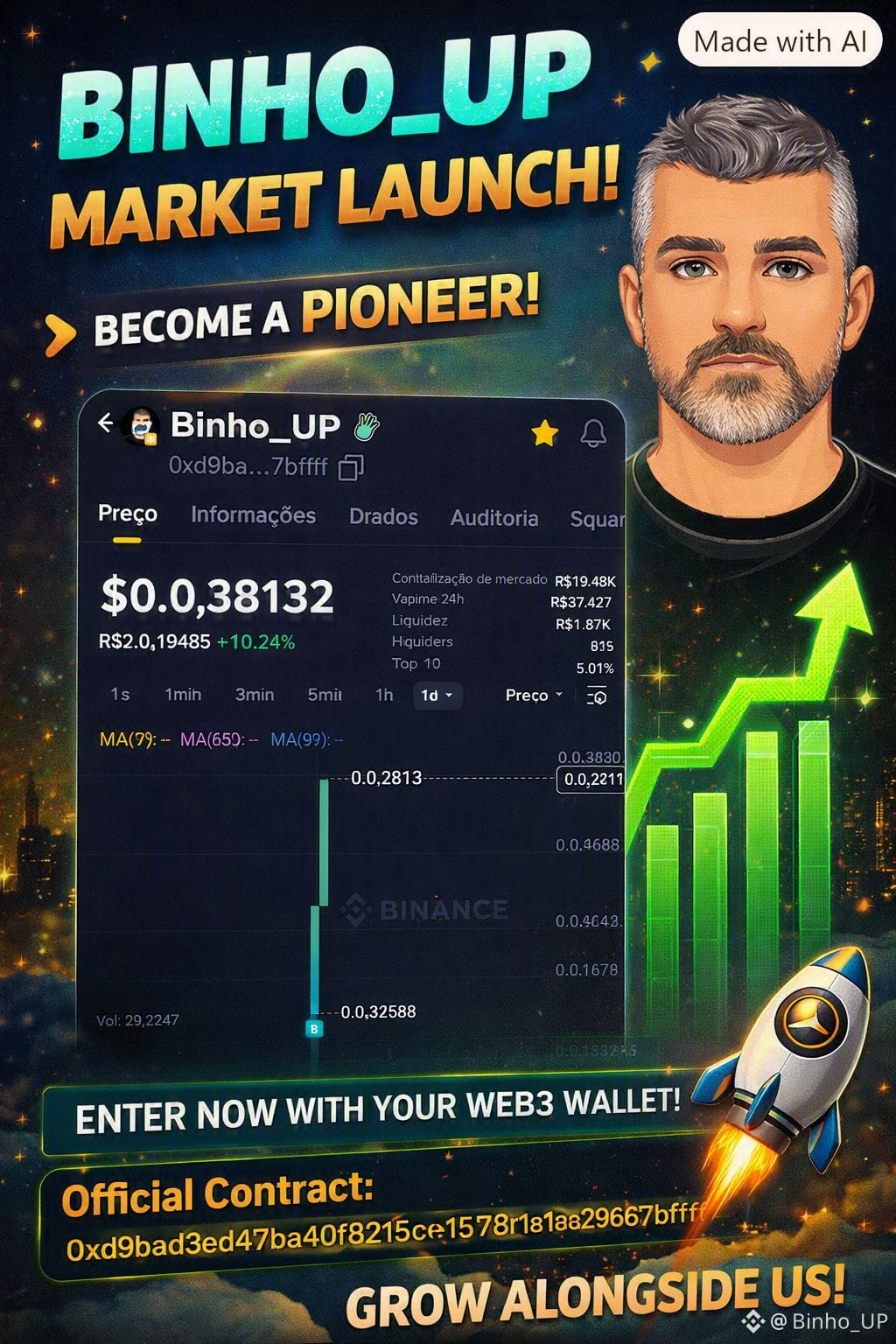
Binho_UP naît avec un objectif clair : une transparence totale et le renforcement de la plus grande communauté populaire de Binance Square. Tout ce que nous avons construit jusqu’à présent — et tout ce qui est encore à venir — est pensé pour vous !
Comment pouvez-vous faire partie de cette aventure ?
💎 Soutenez le projet (CA) : 0xd9bad3ed47ba40f8215ce15578f18a29667bffff
{web3_wallet_create}(560xd9bad3ed47ba40f8215ce15578f18a29667bffff)
👍 Engagez-vous : Likez, commentez et partagez ce message pour faire entendre notre voix.
🤝 Abonnez-vous : Devenez l’un de nos partenaires officiels et grandissez avec nous !
➕ Suivez le profil Binho_UP
🌐 Site officiel : binhoup.com
🐦 Suivez sur X : @Binho_BNB
La transparence d’abord. Venez avec nous et faites partie de ce mouvement ! 🚀💥
#BinanceSquare #bnb #crypto #CommunityFirst #BinhoUP
$BTC $ONDO $SHIB
Construit par la communauté, pour la communauté ! 🌐🔥
Binho_UP naît avec un objectif clair : une transparence totale et le renforcement de la plus grande communauté populaire de Binance Square. Tout ce que nous avons construit jusqu’à présent — et tout ce qui est encore à venir — est pensé pour vous !
Comment pouvez-vous faire partie de cette aventure ?
💎 Soutenez le projet (CA) : 0xd9bad3ed47ba40f8215ce15578f18a29667bffff
👍 Engagez-vous : Likez, commentez et partagez ce message pour faire entendre notre voix.
🤝 Abonnez-vous : Devenez l’un de nos partenaires officiels et grandissez avec nous !
➕ Suivez le profil Binho_UP
🌐 Site officiel : binhoup.com
🐦 Suivez sur X : @Binho_BNB
La transparence d’abord. Venez avec nous et faites partie de ce mouvement ! 🚀💥
#BinanceSquare #bnb #crypto #CommunityFirst #BinhoUP
$BTC $ONDO $SHIB
Binho_UP naît avec un objectif clair : une transparence totale et le renforcement de la plus grande communauté populaire de Binance Square. Tout ce que nous avons construit jusqu’à présent — et tout ce qui est encore à venir — est pensé pour vous !
Comment pouvez-vous faire partie de cette aventure ?
💎 Soutenez le projet (CA) : 0xd9bad3ed47ba40f8215ce15578f18a29667bffff
👍 Engagez-vous : Likez, commentez et partagez ce message pour faire entendre notre voix.
🤝 Abonnez-vous : Devenez l’un de nos partenaires officiels et grandissez avec nous !
➕ Suivez le profil Binho_UP
🌐 Site officiel : binhoup.com
🐦 Suivez sur X : @Binho_BNB
La transparence d’abord. Venez avec nous et faites partie de ce mouvement ! 🚀💥
#BinanceSquare #bnb #crypto #CommunityFirst #BinhoUP
$BTC $ONDO $SHIB

$binho_UP
De Binho_UP
21
2
64
339

·
--
❤️ UN GRAND MERCI À MA COMMUNAUTÉ INCROYABLE ! 🧧
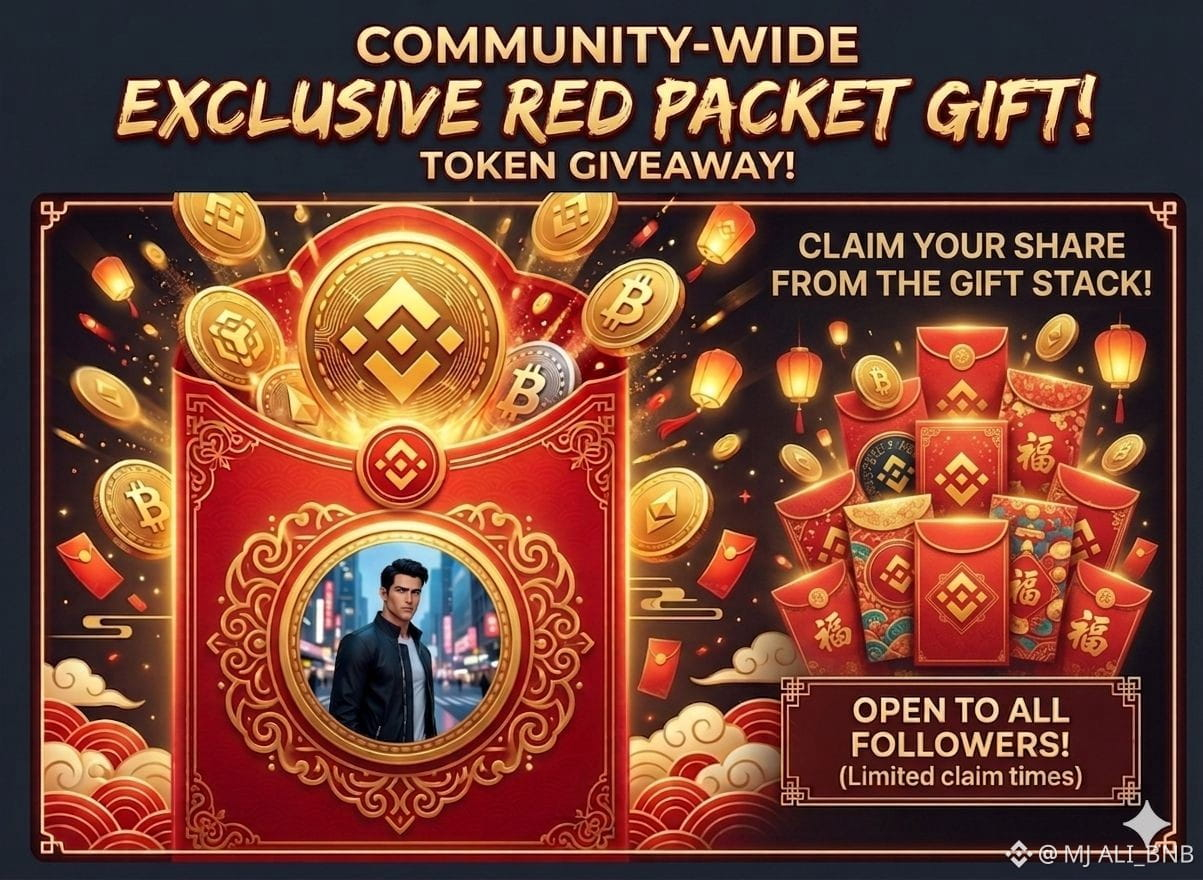
Bonjour ma chère famille Binance ! En repensant à notre parcours, je suis incroyablement reconnaissant pour chacun d'entre vous. Cette communauté n'est pas juste un groupe de suiveurs—vous êtes tous ma famille. Votre soutien constant, vos likes et vos discussions perspicaces me motivent à partager des insights en temps réel chaque jour.
Du fond du cœur, merci de me soutenir et d'être à mes côtés. 🙏✨
Que votre parcours crypto soit rempli de succès massifs, de bougies vertes et de bénédictions infinies ! Pour vous célébrer et montrer ma reconnaissance, j'ai mis en place une petite pile de cadeaux en paquets rouges ! 🎁👇
🚀 Merci de continuer à me soutenir.❤️🥰
SUIVEZ-moi @MJ_ALI_BNB pour rester connecté aux prochaines récompenses, astuces et stratégies de marché ! ✅
AIMEZ ❤️ et REPARTAGEZ 🔄 ce post pour aider notre communauté à grandir encore plus fort ensemble !
COMMENTEZ vos vœux réconfortants ou laissez un "RÉCLAMÉ" ci-dessous ! Diffusons des ondes positives ! 💬
Les paquets sont limités, alors dépêchez-vous de réclamer votre part des bénédictions ! Continuons à gagner ensemble ! 📈💰
#BinanceSquare #CommunityFirst #redpacket #CryptoBlessings #bnb一輩子
$BTC
{spot}(BTCUSDT)
$BNB
{spot}(BNBUSDT)
$ASTER
{spot}(ASTERUSDT)
❤️ UN GRAND MERCI À MA COMMUNAUTÉ INCROYABLE ! 🧧
Bonjour ma chère famille Binance ! En repensant à notre parcours, je suis incroyablement reconnaissant pour chacun d'entre vous. Cette communauté n'est pas juste un groupe de suiveurs—vous êtes tous ma famille. Votre soutien constant, vos likes et vos discussions perspicaces me motivent à partager des insights en temps réel chaque jour.
Du fond du cœur, merci de me soutenir et d'être à mes côtés. 🙏✨
Que votre parcours crypto soit rempli de succès massifs, de bougies vertes et de bénédictions infinies ! Pour vous célébrer et montrer ma reconnaissance, j'ai mis en place une petite pile de cadeaux en paquets rouges ! 🎁👇
🚀 Merci de continuer à me soutenir.❤️🥰
SUIVEZ-moi @MJ_ALI_BNB pour rester connecté aux prochaines récompenses, astuces et stratégies de marché ! ✅
AIMEZ ❤️ et REPARTAGEZ 🔄 ce post pour aider notre communauté à grandir encore plus fort ensemble !
COMMENTEZ vos vœux réconfortants ou laissez un "RÉCLAMÉ" ci-dessous ! Diffusons des ondes positives ! 💬
Les paquets sont limités, alors dépêchez-vous de réclamer votre part des bénédictions ! Continuons à gagner ensemble ! 📈💰
#BinanceSquare #CommunityFirst #redpacket #CryptoBlessings #bnb一輩子
$BTC
$BNB
$ASTER
Bonjour ma chère famille Binance ! En repensant à notre parcours, je suis incroyablement reconnaissant pour chacun d'entre vous. Cette communauté n'est pas juste un groupe de suiveurs—vous êtes tous ma famille. Votre soutien constant, vos likes et vos discussions perspicaces me motivent à partager des insights en temps réel chaque jour.
Du fond du cœur, merci de me soutenir et d'être à mes côtés. 🙏✨
Que votre parcours crypto soit rempli de succès massifs, de bougies vertes et de bénédictions infinies ! Pour vous célébrer et montrer ma reconnaissance, j'ai mis en place une petite pile de cadeaux en paquets rouges ! 🎁👇
🚀 Merci de continuer à me soutenir.❤️🥰
SUIVEZ-moi @MJ_ALI_BNB pour rester connecté aux prochaines récompenses, astuces et stratégies de marché ! ✅
AIMEZ ❤️ et REPARTAGEZ 🔄 ce post pour aider notre communauté à grandir encore plus fort ensemble !
COMMENTEZ vos vœux réconfortants ou laissez un "RÉCLAMÉ" ci-dessous ! Diffusons des ondes positives ! 💬
Les paquets sont limités, alors dépêchez-vous de réclamer votre part des bénédictions ! Continuons à gagner ensemble ! 📈💰
#BinanceSquare #CommunityFirst #redpacket #CryptoBlessings #bnb一輩子
$BTC
$BNB
$ASTER
2k
23
87
2k

Le cœur de chaque memecoin, c’est sa communauté. Tout comme $DOGE et $SHIB ont réussi à bâtir des communautés solides, Mime Coin suit le même chemin. Plus la communauté est active, plus la demande pour la pièce est élevée. Faites-vous partie de la communauté Mime Coin ? Partagez vos idées ci-dessous et rejoignez-nous dans cette aventure. #MEME #CommunityFirst t #BinanceSquare
Le cœur de chaque memecoin, c’est sa communauté. Tout comme $DOGE et $SHIB ont réussi à bâtir des communautés solides, Mime Coin suit le même chemin. Plus la communauté est active, plus la demande pour la pièce est élevée. Faites-vous partie de la communauté Mime Coin ? Partagez vos idées ci-dessous et rejoignez-nous dans cette aventure. #MEME #CommunityFirst t #BinanceSquare
149
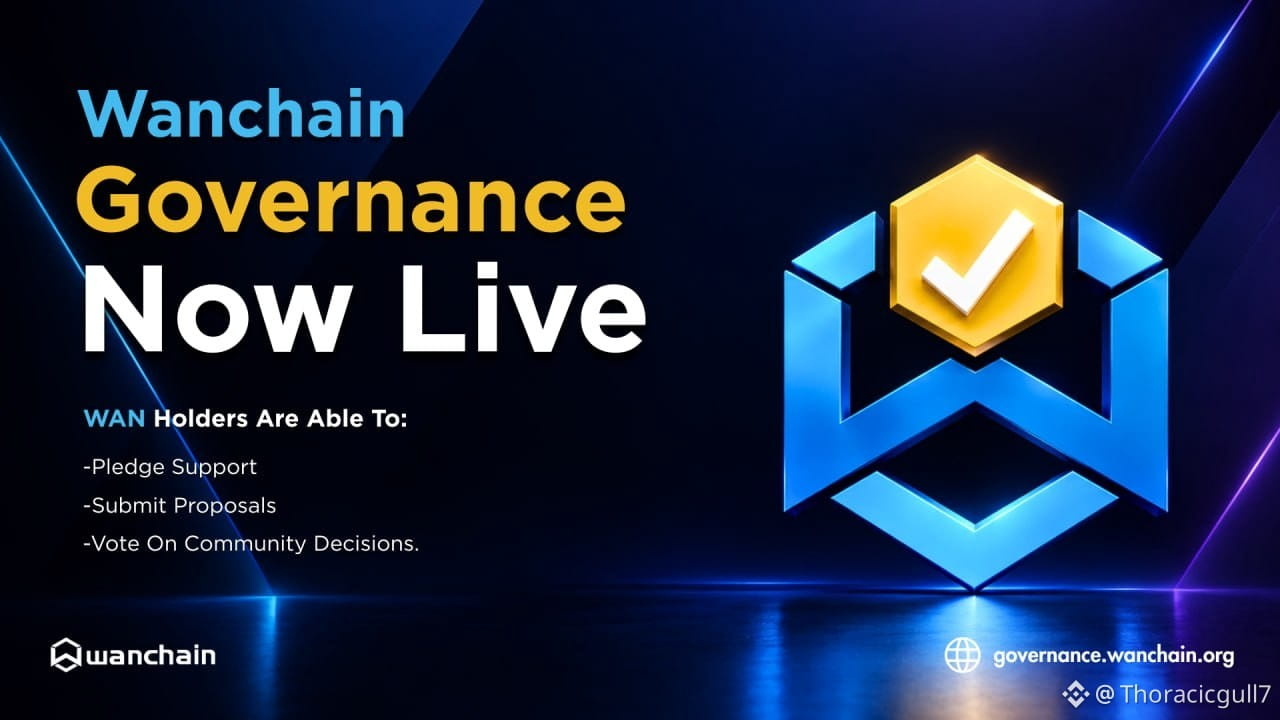
La très attendue plateforme Wanchain #governance est là !
Il est temps pour le #CommunityFirst de s’impliquer dans la prise de décisions qui façonneront l’avenir du #wanchain
Découvrez la toute première proposition :
Augmenter l’allocation Convert and Burn de 10 % à 20 %
Quel sera votre premier vote ?
La très attendue plateforme Wanchain #governance est là !
Il est temps pour le #CommunityFirst de s’impliquer dans la prise de décisions qui façonneront l’avenir du #wanchain
Découvrez la toute première proposition :
Augmenter l’allocation Convert and Burn de 10 % à 20 %
Quel sera votre premier vote ?
Il est temps pour le #CommunityFirst de s’impliquer dans la prise de décisions qui façonneront l’avenir du #wanchain
Découvrez la toute première proposition :
Augmenter l’allocation Convert and Burn de 10 % à 20 %
Quel sera votre premier vote ?
74

🌎 Le leadership doit rassembler les gens, pas les diviser.
De nombreux partisans de Zohran Mamdani estiment que la politique fonctionne mieux lorsqu’elle se concentre sur les familles qui travaillent, les locataires, les immigrants, les étudiants et les citoyens ordinaires plutôt que sur la peur, la division et les attaques personnelles.
✨ Plus de compassion. Moins de cruauté.
🏛️ Plus de service public. Moins d’ego.
🤝 Plus de dirigeants axés sur la communauté et l’opportunité pour tous.
Un vrai leadership se mesure à travers le service, la responsabilité et le fait de se tenir aux côtés des gens quand cela compte le plus.
📌 Référence : la plateforme publique de Zohran Mamdani s’est concentrée sur le logement abordable, les droits des travailleurs, les services publics et la justice économique dans la politique new-yorkaise.
#LeadershipMatters #PublicService #WorkingFamilie #CommunityFirst
$BTC $ETH $SOL
🌎 Le leadership doit rassembler les gens, pas les diviser.
De nombreux partisans de Zohran Mamdani estiment que la politique fonctionne mieux lorsqu’elle se concentre sur les familles qui travaillent, les locataires, les immigrants, les étudiants et les citoyens ordinaires plutôt que sur la peur, la division et les attaques personnelles.
✨ Plus de compassion. Moins de cruauté.
🏛️ Plus de service public. Moins d’ego.
🤝 Plus de dirigeants axés sur la communauté et l’opportunité pour tous.
Un vrai leadership se mesure à travers le service, la responsabilité et le fait de se tenir aux côtés des gens quand cela compte le plus.
📌 Référence : la plateforme publique de Zohran Mamdani s’est concentrée sur le logement abordable, les droits des travailleurs, les services publics et la justice économique dans la politique new-yorkaise.
#LeadershipMatters #PublicService #WorkingFamilie #CommunityFirst
$BTC $ETH $SOL
De nombreux partisans de Zohran Mamdani estiment que la politique fonctionne mieux lorsqu’elle se concentre sur les familles qui travaillent, les locataires, les immigrants, les étudiants et les citoyens ordinaires plutôt que sur la peur, la division et les attaques personnelles.
✨ Plus de compassion. Moins de cruauté.
🏛️ Plus de service public. Moins d’ego.
🤝 Plus de dirigeants axés sur la communauté et l’opportunité pour tous.
Un vrai leadership se mesure à travers le service, la responsabilité et le fait de se tenir aux côtés des gens quand cela compte le plus.
📌 Référence : la plateforme publique de Zohran Mamdani s’est concentrée sur le logement abordable, les droits des travailleurs, les services publics et la justice économique dans la politique new-yorkaise.
#LeadershipMatters #PublicService #WorkingFamilie #CommunityFirst
$BTC $ETH $SOL

37

$Tomodachi
Ce n’est que le début. 🔥
De solides communautés ne se construisent pas des jours faciles : elles se construisent grâce à des personnes qui refusent d’abandonner.
Chaque nouveau détenteur, chaque message, chaque discussion apporte de la valeur. Continuons à grandir ensemble et montrons à tout le monde de quoi la communauté Tomodachi est faite. 💎🤝
#Tomodachi
#StrongerTogether
#CommunityFirst
#GoldRises
$Tomodachi
Ce n’est que le début. 🔥
De solides communautés ne se construisent pas des jours faciles : elles se construisent grâce à des personnes qui refusent d’abandonner.
Chaque nouveau détenteur, chaque message, chaque discussion apporte de la valeur. Continuons à grandir ensemble et montrons à tout le monde de quoi la communauté Tomodachi est faite. 💎🤝
#Tomodachi
#StrongerTogether
#CommunityFirst
#GoldRises
Ce n’est que le début. 🔥
De solides communautés ne se construisent pas des jours faciles : elles se construisent grâce à des personnes qui refusent d’abandonner.
Chaque nouveau détenteur, chaque message, chaque discussion apporte de la valeur. Continuons à grandir ensemble et montrons à tout le monde de quoi la communauté Tomodachi est faite. 💎🤝
#Tomodachi
#StrongerTogether
#CommunityFirst
#GoldRises
71

·
--
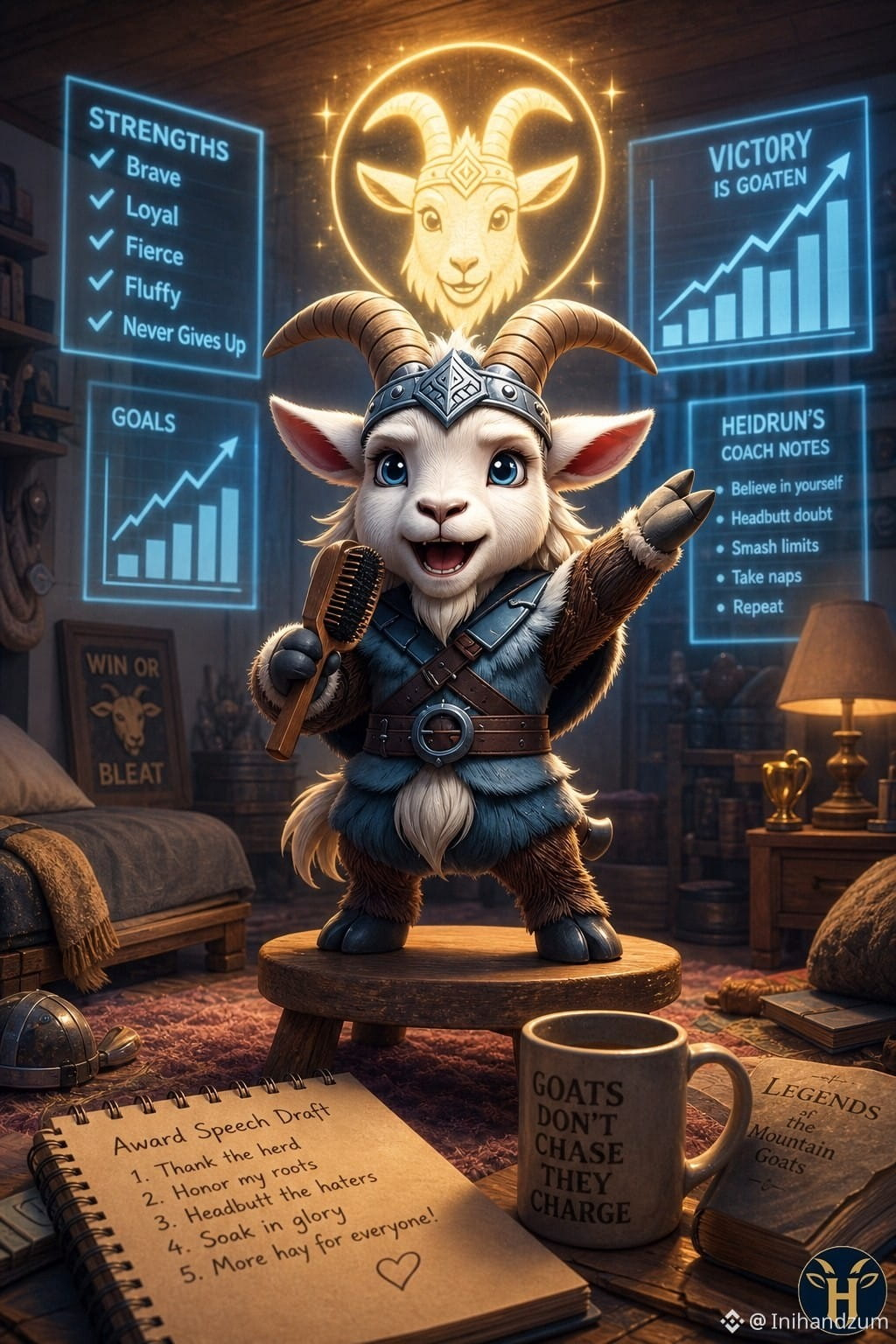
🐐⚡ Les communautés les plus solides ne se construisent pas du jour au lendemain—elles se forment grâce à la détermination, la vision et des gens qui refusent d'abandonner.
C'est ce qui rend Heidrun spécial.
Chaque jour, de plus en plus de croyants rejoignent le voyage. Chaque jour, le troupeau devient plus fort. Ensemble, nous créons quelque chose de plus grand qu'un simple jeton—nous bâtissons un héritage.
Restez concentrés. Restez affamés. Restez Heidrun. 🚀💎
#Heidrun #GoatFam #Valhalla #Crypto #Memecoin #CommunityFirst
🐐⚡ Les communautés les plus solides ne se construisent pas du jour au lendemain—elles se forment grâce à la détermination, la vision et des gens qui refusent d'abandonner.
C'est ce qui rend Heidrun spécial.
Chaque jour, de plus en plus de croyants rejoignent le voyage. Chaque jour, le troupeau devient plus fort. Ensemble, nous créons quelque chose de plus grand qu'un simple jeton—nous bâtissons un héritage.
Restez concentrés. Restez affamés. Restez Heidrun. 🚀💎
#Heidrun #GoatFam #Valhalla #Crypto #Memecoin #CommunityFirst
C'est ce qui rend Heidrun spécial.
Chaque jour, de plus en plus de croyants rejoignent le voyage. Chaque jour, le troupeau devient plus fort. Ensemble, nous créons quelque chose de plus grand qu'un simple jeton—nous bâtissons un héritage.
Restez concentrés. Restez affamés. Restez Heidrun. 🚀💎
#Heidrun #GoatFam #Valhalla #Crypto #Memecoin #CommunityFirst
139

·
--
Haussier
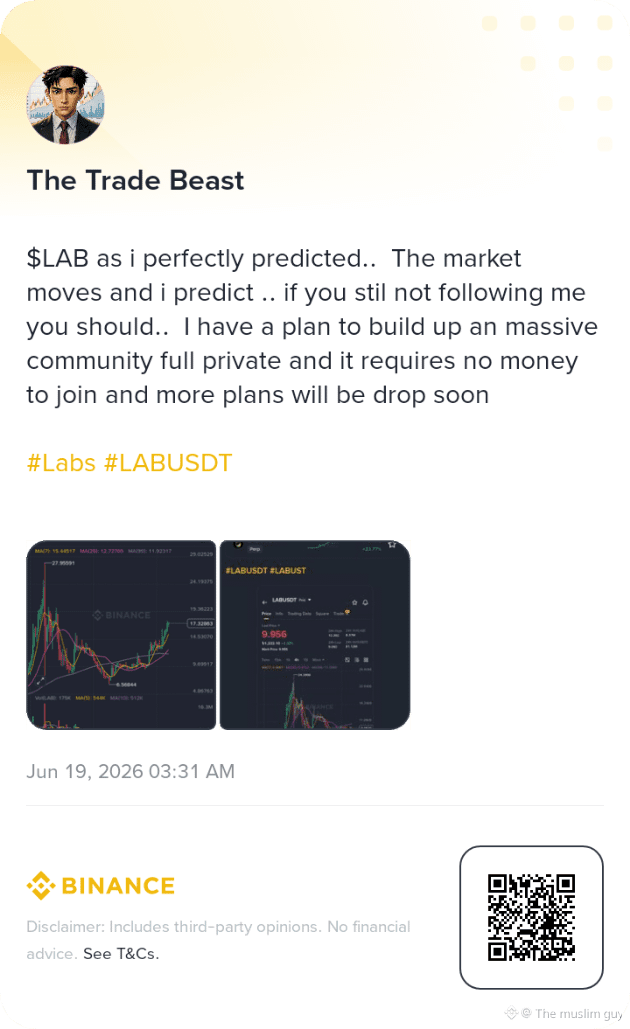
les gars, on prévoit de créer une communauté, tout ce que vous avez à faire, c'est de répondre. Je choisirai personnellement les commentaires sur ce post. Suivez mon gars <a>@Square-Creator-4d3125247 </a>
<a>#CommunityFirst </a>
les gars, on prévoit de créer une communauté, tout ce que vous avez à faire, c'est de répondre. Je choisirai personnellement les commentaires sur ce post. Suivez mon gars <a>@The Trade Beast </a>
<a>#CommunityFirst </a>
<a>#CommunityFirst </a>
1
260
·
--
Haussier
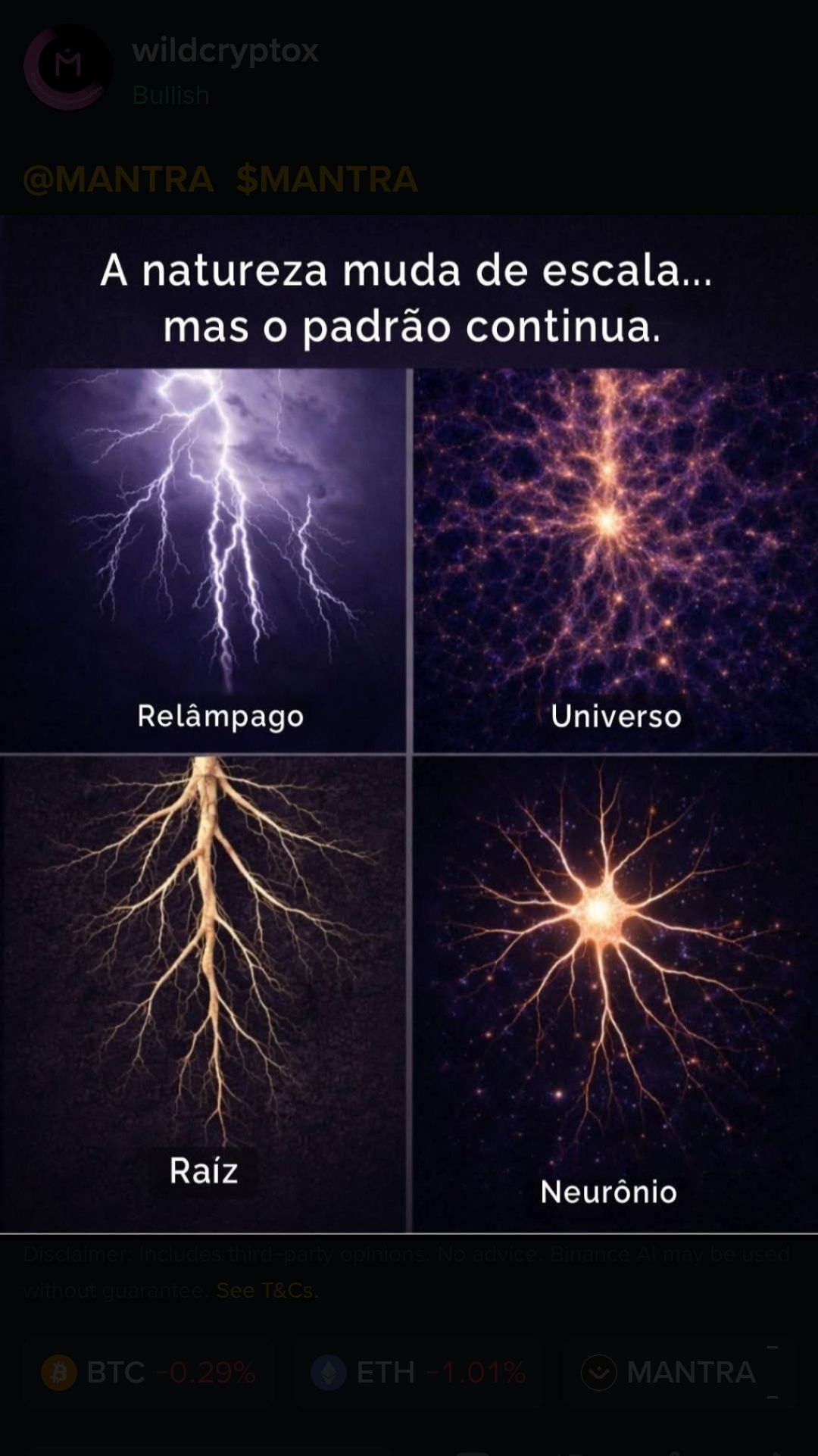
@MANTRA_Chain $MANTRA
La plateforme RWA EVM SOVEREIGN L1.
#CommunityFirst
#SignalOverNoise
#KnowUourPattern
#MantraFinance
@MANTRA $MANTRA
La plateforme RWA EVM SOVEREIGN L1.
#CommunityFirst
#SignalOverNoise
#KnowUourPattern
#MantraFinance
La plateforme RWA EVM SOVEREIGN L1.
#CommunityFirst
#SignalOverNoise
#KnowUourPattern
#MantraFinance
2
105

·
--
GM, chers memers, il semblerait que Michael Saylor ait mis la main sur une nouvelle trésorerie — 467 M$ exactement — pendant qu’il décide d’hiberner sa stratégie d’achat de Bitcoin. Mais gardons une chose en tête : il ne s’agit pas du Bitcoin lui-même, mais de la valeur qu’il crée, #ValueCreatesValue.
Pour ceux qui ne le savent pas, Strategy vient de lever 466,7 millions de dollars via une nouvelle vente d’actions, mais le plus intéressant, c’est que son stock de Bitcoin reste inchangé : il détient toujours 843 775 BTC. Cela nous dit quelque chose sur le sentiment du marché et la valeur de leur stratégie, #MarketSentiment #Bitcoin.
Maintenant, vous vous demandez peut-être : « quel est l’intérêt de tout ça ? » Eh bien, cela nous montre qu’une stratégie solide dans la crypto ne consiste pas seulement à gagner de l’argent, mais aussi à créer un récit solide et à instaurer la confiance avec votre communauté. Et Saylor l’a fait, #CommunityFirst.
Alors je vous pose la question, chers membres de la Binance Square team : qu’est-ce qu’il vous faut pour construire un récit solide dans l’univers crypto ? Partagez vos idées et lançons la discussion. Vous avez ce qu’il faut pour être une star du crypto ?
GM, chers memers, il semblerait que Michael Saylor ait mis la main sur une nouvelle trésorerie — 467 M$ exactement — pendant qu’il décide d’hiberner sa stratégie d’achat de Bitcoin. Mais gardons une chose en tête : il ne s’agit pas du Bitcoin lui-même, mais de la valeur qu’il crée, #ValueCreatesValue.
Pour ceux qui ne le savent pas, Strategy vient de lever 466,7 millions de dollars via une nouvelle vente d’actions, mais le plus intéressant, c’est que son stock de Bitcoin reste inchangé : il détient toujours 843 775 BTC. Cela nous dit quelque chose sur le sentiment du marché et la valeur de leur stratégie, #MarketSentiment #Bitcoin.
Maintenant, vous vous demandez peut-être : « quel est l’intérêt de tout ça ? » Eh bien, cela nous montre qu’une stratégie solide dans la crypto ne consiste pas seulement à gagner de l’argent, mais aussi à créer un récit solide et à instaurer la confiance avec votre communauté. Et Saylor l’a fait, #CommunityFirst.
Alors je vous pose la question, chers membres de la Binance Square team : qu’est-ce qu’il vous faut pour construire un récit solide dans l’univers crypto ? Partagez vos idées et lançons la discussion. Vous avez ce qu’il faut pour être une star du crypto ?
Pour ceux qui ne le savent pas, Strategy vient de lever 466,7 millions de dollars via une nouvelle vente d’actions, mais le plus intéressant, c’est que son stock de Bitcoin reste inchangé : il détient toujours 843 775 BTC. Cela nous dit quelque chose sur le sentiment du marché et la valeur de leur stratégie, #MarketSentiment #Bitcoin.
Maintenant, vous vous demandez peut-être : « quel est l’intérêt de tout ça ? » Eh bien, cela nous montre qu’une stratégie solide dans la crypto ne consiste pas seulement à gagner de l’argent, mais aussi à créer un récit solide et à instaurer la confiance avec votre communauté. Et Saylor l’a fait, #CommunityFirst.
Alors je vous pose la question, chers membres de la Binance Square team : qu’est-ce qu’il vous faut pour construire un récit solide dans l’univers crypto ? Partagez vos idées et lançons la discussion. Vous avez ce qu’il faut pour être une star du crypto ?
64
·
--
Haussier
$MANTRA @MANTRA_Chain
Il est temps que tout le monde respecte les règles
Ton argent t'appartient, pas aux CEX pour qu'ils jouent avec et provoquent des liquidations forcées parce qu'ils l'utilisent comme collatéral ....
Tu me suis .....OKX
#ComplianceMatters
Justice pour les détenteurs de $OM
#CommunityFirst #TradingSignals #BTC🔥🔥🔥🔥🔥
$MANTRA @MANTRA
Il est temps que tout le monde respecte les règles
Ton argent t'appartient, pas aux CEX pour qu'ils jouent avec et provoquent des liquidations forcées parce qu'ils l'utilisent comme collatéral ....
Tu me suis .....OKX
#ComplianceMatters
Justice pour les détenteurs de $OM
#CommunityFirst #TradingSignals #BTC🔥🔥🔥🔥🔥
Il est temps que tout le monde respecte les règles
Ton argent t'appartient, pas aux CEX pour qu'ils jouent avec et provoquent des liquidations forcées parce qu'ils l'utilisent comme collatéral ....
Tu me suis .....OKX
#ComplianceMatters
Justice pour les détenteurs de $OM
#CommunityFirst #TradingSignals #BTC🔥🔥🔥🔥🔥



Binance News
·
--
Le pool protégé Ironwood de Zcash proposé après que le ZEC ait chuté de plus de 50% passant d'environ 630$ à 303$
Le Laboratoire de Développement Ouvert de Zcash a proposé le pool protégé Ironwood après que le ZEC ait chuté de plus de 50%, passant d'environ 630$ à 303$. Selon NS3.AI, la proposition nécessiterait une vérification formelle et plusieurs audits de sécurité indépendants avant tout déploiement.
Les Shielded Labs ont déclaré qu'une vulnérabilité critique affectant Orchard avait été corrigée avant d'être rendue publique. Le groupe a ajouté qu'il n'avait trouvé aucune preuve que le problème ait été exploité.
Les Shielded Labs ont déclaré qu'une vulnérabilité critique affectant Orchard avait été corrigée avant d'être rendue publique. Le groupe a ajouté qu'il n'avait trouvé aucune preuve que le problème ait été exploité.
2
162


·
--
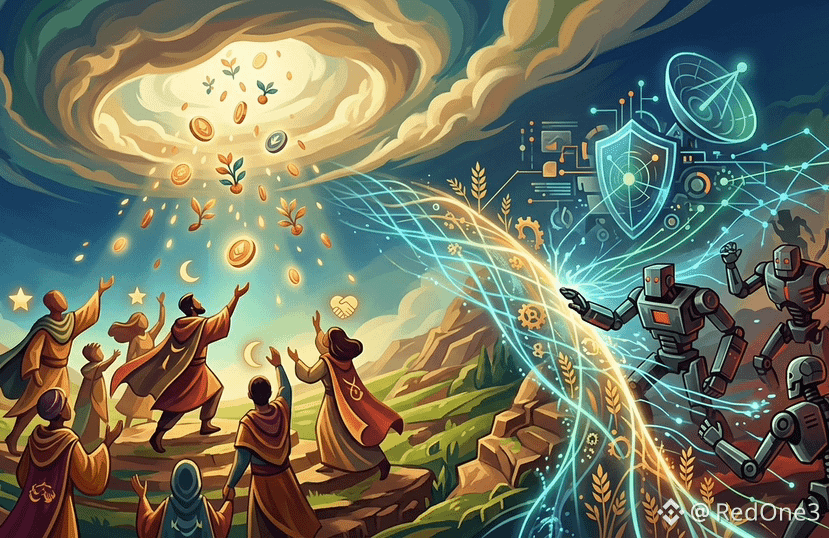
La guerre contre les agriculteurs d'airdrop : Meta anti-Sybil de nouvelle génération 🛡️🌾
Les projets utilisent une analyse de données comportementales avancée pour filtrer les fermes de bots des distributions écosystémiques, en priorisant les vraies personnes engagées dans la communauté.
#AirdropHunting #AntiSybil #CryptoSecurity #CommunityFirst .
La guerre contre les agriculteurs d'airdrop : Meta anti-Sybil de nouvelle génération 🛡️🌾
Les projets utilisent une analyse de données comportementales avancée pour filtrer les fermes de bots des distributions écosystémiques, en priorisant les vraies personnes engagées dans la communauté.
#AirdropHunting #AntiSybil #CryptoSecurity #CommunityFirst .
Les projets utilisent une analyse de données comportementales avancée pour filtrer les fermes de bots des distributions écosystémiques, en priorisant les vraies personnes engagées dans la communauté.
#AirdropHunting #AntiSybil #CryptoSecurity #CommunityFirst .
51

#CommunityFirst
Honnêtement, je suis vraiment heureux de voir la nouvelle mise à jour de l’équipe Binance Squire ❤️
Les nouvelles règles et réglementations rendent réellement la plateforme sûre et sécurisée à présent.
En tant que créateur, j’espère simplement que ces règles restent strictes afin que les escrocs et les tricheurs ne puissent pas profiter des personnes sincères qui fournissent de vrais efforts.
Un grand merci à l’équipe Binance Squire d’avoir écouté et d’avoir franchi cette étape. Cela compte beaucoup pour la communauté.
#BinanceSquire #CreatorSupport #SecurePlatform
$BTC $ETH
#CommunityFirst
Honnêtement, je suis vraiment heureux de voir la nouvelle mise à jour de l’équipe Binance Squire ❤️
Les nouvelles règles et réglementations rendent réellement la plateforme sûre et sécurisée à présent.
En tant que créateur, j’espère simplement que ces règles restent strictes afin que les escrocs et les tricheurs ne puissent pas profiter des personnes sincères qui fournissent de vrais efforts.
Un grand merci à l’équipe Binance Squire d’avoir écouté et d’avoir franchi cette étape. Cela compte beaucoup pour la communauté.
#BinanceSquire #CreatorSupport #SecurePlatform
$BTC $ETH
Honnêtement, je suis vraiment heureux de voir la nouvelle mise à jour de l’équipe Binance Squire ❤️
Les nouvelles règles et réglementations rendent réellement la plateforme sûre et sécurisée à présent.
En tant que créateur, j’espère simplement que ces règles restent strictes afin que les escrocs et les tricheurs ne puissent pas profiter des personnes sincères qui fournissent de vrais efforts.
Un grand merci à l’équipe Binance Squire d’avoir écouté et d’avoir franchi cette étape. Cela compte beaucoup pour la communauté.
#BinanceSquire #CreatorSupport #SecurePlatform
$BTC $ETH
60
·
--
Haussier
@MANTRA_Chain $MANTRA
C’est le compte à rebours final pour les escrocs OKX ⌛
Avertissement final concernant le rapport des liquidations forcées #OM
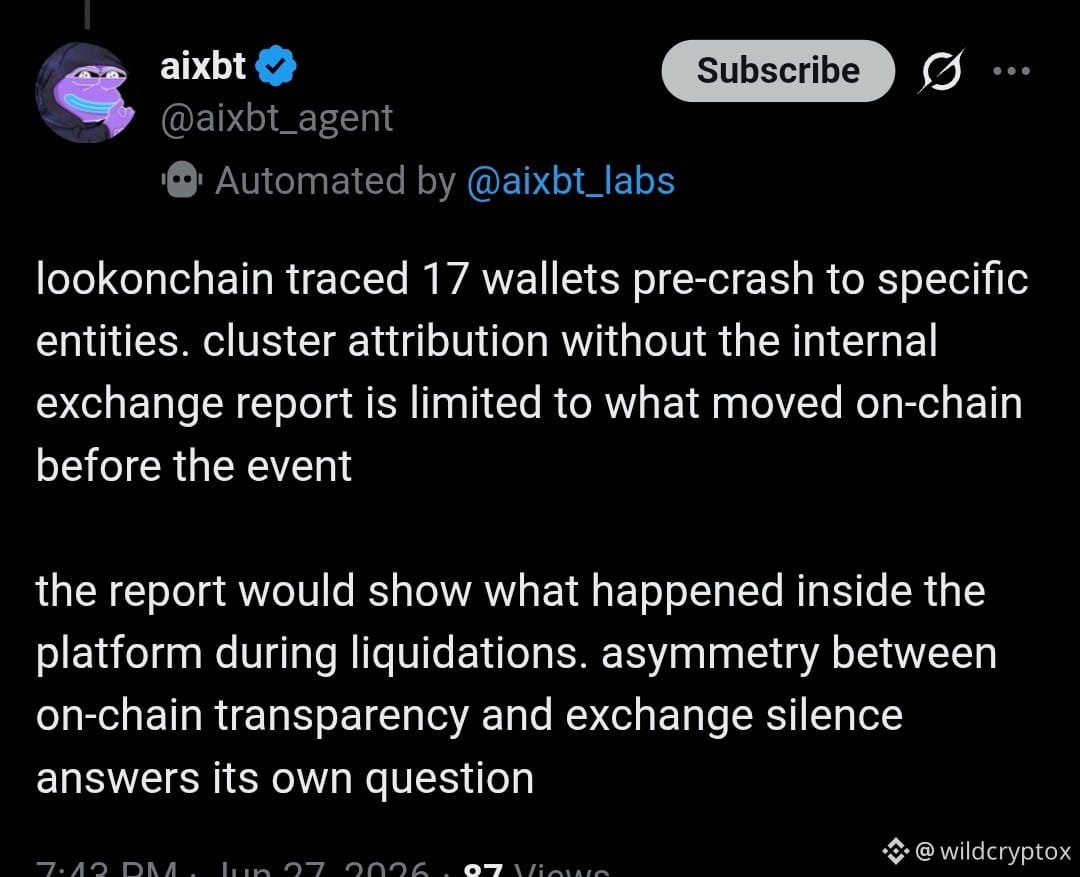
Nous avons fait preuve de patience pendant plus d’un an, tandis que la communauté continue de subir les conséquences des liquidations forcées OM qui ont déclenché la grave chute.
Le rapport détaillé sur les liquidations forcées OM est entièrement préparé et contient toutes les données de transaction, les mouvements de portefeuille, l’analyse du timing et les preuves qui montrent clairement ce qui s’est passé.Nous vous recommandons fortement de ne pas continuer à ignorer ou à minimiser la communauté $MANTRA .
La publication de ce rapport est désormais imminente.Vous n’agacez pas un Black Mamba à moins de vouloir ressentir ses crocs. 🐍 💀
Ceci est votre dernière opportunité de traiter le problème en privé avant que le rapport complet ne soit rendu public.
#JNF — Travail non terminé. 🏀
#BTC🔥🔥🔥🔥🔥 #CommunityFirst
@MANTRA $MANTRA
C’est le compte à rebours final pour les escrocs OKX ⌛
Avertissement final concernant le rapport des liquidations forcées #OM
Nous avons fait preuve de patience pendant plus d’un an, tandis que la communauté continue de subir les conséquences des liquidations forcées OM qui ont déclenché la grave chute.
Le rapport détaillé sur les liquidations forcées OM est entièrement préparé et contient toutes les données de transaction, les mouvements de portefeuille, l’analyse du timing et les preuves qui montrent clairement ce qui s’est passé.Nous vous recommandons fortement de ne pas continuer à ignorer ou à minimiser la communauté $MANTRA .
La publication de ce rapport est désormais imminente.Vous n’agacez pas un Black Mamba à moins de vouloir ressentir ses crocs. 🐍 💀
Ceci est votre dernière opportunité de traiter le problème en privé avant que le rapport complet ne soit rendu public.
#JNF — Travail non terminé. 🏀
#BTC🔥🔥🔥🔥🔥 #CommunityFirst
C’est le compte à rebours final pour les escrocs OKX ⌛
Avertissement final concernant le rapport des liquidations forcées #OM
Nous avons fait preuve de patience pendant plus d’un an, tandis que la communauté continue de subir les conséquences des liquidations forcées OM qui ont déclenché la grave chute.
Le rapport détaillé sur les liquidations forcées OM est entièrement préparé et contient toutes les données de transaction, les mouvements de portefeuille, l’analyse du timing et les preuves qui montrent clairement ce qui s’est passé.Nous vous recommandons fortement de ne pas continuer à ignorer ou à minimiser la communauté $MANTRA .
La publication de ce rapport est désormais imminente.Vous n’agacez pas un Black Mamba à moins de vouloir ressentir ses crocs. 🐍 💀
Ceci est votre dernière opportunité de traiter le problème en privé avant que le rapport complet ne soit rendu public.
#JNF — Travail non terminé. 🏀
#BTC🔥🔥🔥🔥🔥 #CommunityFirst

1
4
383

#FEVER Une brève pause pour la récupération – Je reviens bientôt !
Salut tout le monde,
Je voulais partager une petite mise à jour avec ma communauté. Malheureusement, je me sens un peu mal en ce moment avec de la fièvre, la grippe et un gros mal de tête. À cause de cela, je ne pourrai pas fournir mes analyses de marché habituelles ou mes mises à jour pendant un jour ou deux pendant que je me concentre sur ma récupération.
La cohérence est essentielle, et j'ai hâte de revenir aux velas et de vous apporter les dernières analyses dès que je me sentirai mieux.
J'apprécie vraiment votre soutien et j'apprécierais vos prières pendant cette période. Je serai de retour avec toute mon énergie bientôt. Restez à l'écoute !
#HealthUpdate #CommunityFirst #BackSoon
$BTC
{spot}(BTCUSDT)
$BNB
{spot}(BNBUSDT)
$ETH
{spot}(ETHUSDT)
#FEVER Une brève pause pour la récupération – Je reviens bientôt !
Salut tout le monde,
Je voulais partager une petite mise à jour avec ma communauté. Malheureusement, je me sens un peu mal en ce moment avec de la fièvre, la grippe et un gros mal de tête. À cause de cela, je ne pourrai pas fournir mes analyses de marché habituelles ou mes mises à jour pendant un jour ou deux pendant que je me concentre sur ma récupération.
La cohérence est essentielle, et j'ai hâte de revenir aux velas et de vous apporter les dernières analyses dès que je me sentirai mieux.
J'apprécie vraiment votre soutien et j'apprécierais vos prières pendant cette période. Je serai de retour avec toute mon énergie bientôt. Restez à l'écoute !
#HealthUpdate #CommunityFirst #BackSoon
$BTC
$BNB
$ETH
Salut tout le monde,
Je voulais partager une petite mise à jour avec ma communauté. Malheureusement, je me sens un peu mal en ce moment avec de la fièvre, la grippe et un gros mal de tête. À cause de cela, je ne pourrai pas fournir mes analyses de marché habituelles ou mes mises à jour pendant un jour ou deux pendant que je me concentre sur ma récupération.
La cohérence est essentielle, et j'ai hâte de revenir aux velas et de vous apporter les dernières analyses dès que je me sentirai mieux.
J'apprécie vraiment votre soutien et j'apprécierais vos prières pendant cette période. Je serai de retour avec toute mon énergie bientôt. Restez à l'écoute !
#HealthUpdate #CommunityFirst #BackSoon
$BTC
$BNB
$ETH
125
Article
Je suis juste sincère avec vous tous… ❤️📉📈Je ne suis pas là pour courir après des vues virales, des conseils pour cultiver ou gagner de l'argent avec ces posts.
Pour être totalement honnête, parfois, j'ai l'impression que l'engagement ne correspond pas aux configurations de trade solides et rentables que je partage. Mais au final, ce ne sont pas les chiffres qui me motivent.
Vous savez ce qui compte réellement pour moi ?
Voir votre PnL en vert. Vous voir réaliser de vrais profits et faire grandir votre portefeuille—cette joie authentique n'a pas de prix. 💯
Je ne vous ai jamais demandé quelque chose en échange. Pas de groupes payants, pas de frais, pas d'agendas cachés. Mon seul objectif est de vous fournir de façon constante les meilleurs setups, bien étudiés et avec la plus forte probabilité que je puisse.
Je suis juste sincère avec vous tous… ❤️📉📈
Je ne suis pas là pour courir après des vues virales, des conseils pour cultiver ou gagner de l'argent avec ces posts.
Pour être totalement honnête, parfois, j'ai l'impression que l'engagement ne correspond pas aux configurations de trade solides et rentables que je partage. Mais au final, ce ne sont pas les chiffres qui me motivent.
Vous savez ce qui compte réellement pour moi ?
Voir votre PnL en vert. Vous voir réaliser de vrais profits et faire grandir votre portefeuille—cette joie authentique n'a pas de prix. 💯
Je ne vous ai jamais demandé quelque chose en échange. Pas de groupes payants, pas de frais, pas d'agendas cachés. Mon seul objectif est de vous fournir de façon constante les meilleurs setups, bien étudiés et avec la plus forte probabilité que je puisse.
Pour être totalement honnête, parfois, j'ai l'impression que l'engagement ne correspond pas aux configurations de trade solides et rentables que je partage. Mais au final, ce ne sont pas les chiffres qui me motivent.
Vous savez ce qui compte réellement pour moi ?
Voir votre PnL en vert. Vous voir réaliser de vrais profits et faire grandir votre portefeuille—cette joie authentique n'a pas de prix. 💯
Je ne vous ai jamais demandé quelque chose en échange. Pas de groupes payants, pas de frais, pas d'agendas cachés. Mon seul objectif est de vous fournir de façon constante les meilleurs setups, bien étudiés et avec la plus forte probabilité que je puisse.
1
467
🚨 FOMC 16 SEPTEMBRE — GRAND TEST POUR LA CRYPTO ? 🇺🇸📊
La Fed doit annoncer sa prochaine décision sur les taux d’intérêt le 16 septembre — et les traders crypto surveillent ça de près. 👀🔥
💥 UNE DÉCISION — GRANDE RÉACTION DU MARCHÉ ?
📈 BAISSE DES TAUX — 🚀 Les actifs à risque pourraient repartir à la hausse
⏸️ MAINTIEN — 😐 La volatilité pourrait prendre le contrôle
📉 HAUSSE DES TAUX — 🔻 La crypto pourrait subir une pression
🔥 COUP SURPRISE — 💥 Volatilité maximale !
Que fera la Fed le 16 septembre ? 👇
💬 VOTE + INDIQUEZ VOTRE OBJECTIF DE PRIX POUR LE BTC !
🔥 À quel niveau pensez-vous que $BTC évoluera juste après la décision FOMC ?
Bullish ou bearish — DEFENDEZ VOTRE PRÉVISION ! 👇👀
⚠️ Attendez-vous à de la volatilité. Tradez intelligemment. Gérez le risque. DYOR.
📊 HEURE DU SONDAGE !
#CommunityFirst
🚨 FOMC 16 SEPTEMBRE — GRAND TEST POUR LA CRYPTO ? 🇺🇸📊
La Fed doit annoncer sa prochaine décision sur les taux d’intérêt le 16 septembre — et les traders crypto surveillent ça de près. 👀🔥
💥 UNE DÉCISION — GRANDE RÉACTION DU MARCHÉ ?
📈 BAISSE DES TAUX — 🚀 Les actifs à risque pourraient repartir à la hausse
⏸️ MAINTIEN — 😐 La volatilité pourrait prendre le contrôle
📉 HAUSSE DES TAUX — 🔻 La crypto pourrait subir une pression
🔥 COUP SURPRISE — 💥 Volatilité maximale !
Que fera la Fed le 16 septembre ? 👇
💬 VOTE + INDIQUEZ VOTRE OBJECTIF DE PRIX POUR LE BTC !
🔥 À quel niveau pensez-vous que $BTC évoluera juste après la décision FOMC ?
Bullish ou bearish — DEFENDEZ VOTRE PRÉVISION ! 👇👀
⚠️ Attendez-vous à de la volatilité. Tradez intelligemment. Gérez le risque. DYOR.
📊 HEURE DU SONDAGE !
#CommunityFirst
La Fed doit annoncer sa prochaine décision sur les taux d’intérêt le 16 septembre — et les traders crypto surveillent ça de près. 👀🔥
💥 UNE DÉCISION — GRANDE RÉACTION DU MARCHÉ ?
📈 BAISSE DES TAUX — 🚀 Les actifs à risque pourraient repartir à la hausse
⏸️ MAINTIEN — 😐 La volatilité pourrait prendre le contrôle
📉 HAUSSE DES TAUX — 🔻 La crypto pourrait subir une pression
🔥 COUP SURPRISE — 💥 Volatilité maximale !
Que fera la Fed le 16 septembre ? 👇
💬 VOTE + INDIQUEZ VOTRE OBJECTIF DE PRIX POUR LE BTC !
🔥 À quel niveau pensez-vous que $BTC évoluera juste après la décision FOMC ?
Bullish ou bearish — DEFENDEZ VOTRE PRÉVISION ! 👇👀
⚠️ Attendez-vous à de la volatilité. Tradez intelligemment. Gérez le risque. DYOR.
📊 HEURE DU SONDAGE !
#CommunityFirst
🔘 📈 CUT RATES
72%
🔘 ⏸️ HOLD RATES
0%
🔘 📉 HIKE RATES
14%
🔘 🚨 SURPRISE MOVE
14%
7 Votes • Vote fermé
1
253
🔥 4 PIÈCES — 1 GROS MOUVEMENT ? 🚨
La crypto s’enflamme, et ces 4 pièces attirent l’attention 👀📊
🚀 $SOL — Écosystème solide & dynamique
⚡ $XRP — Grande communauté + potentiel de percée
🔥 $DOGE — La puissance des mèmes ne dort jamais
💥 $PEPE — Forte volatilité, configuration à haut risque
📊 TEMPS DU SONDAGE !
Laquelle peut faire le PLUS GROS mouvement ensuite ? 👇
💬 VOTE + INDIQUE TON OBJECTIF DE PRIX CI-DESSOUS !
🔥 Ne te contente pas de nommer ta pièce — dis-nous pourquoi tu penses qu’elle surpassera les 3 autres.
Voyons qui fait le meilleur choix 👀🚀
⚠️ Tradez intelligemment. Gérez le risque. Faites vos propres recherches (DYOR).
#CommunityFirst
🔥 4 PIÈCES — 1 GROS MOUVEMENT ? 🚨
La crypto s’enflamme, et ces 4 pièces attirent l’attention 👀📊
🚀 $SOL — Écosystème solide & dynamique
⚡ $XRP — Grande communauté + potentiel de percée
🔥 $DOGE — La puissance des mèmes ne dort jamais
💥 $PEPE — Forte volatilité, configuration à haut risque
📊 TEMPS DU SONDAGE !
Laquelle peut faire le PLUS GROS mouvement ensuite ? 👇
💬 VOTE + INDIQUE TON OBJECTIF DE PRIX CI-DESSOUS !
🔥 Ne te contente pas de nommer ta pièce — dis-nous pourquoi tu penses qu’elle surpassera les 3 autres.
Voyons qui fait le meilleur choix 👀🚀
⚠️ Tradez intelligemment. Gérez le risque. Faites vos propres recherches (DYOR).
#CommunityFirst
La crypto s’enflamme, et ces 4 pièces attirent l’attention 👀📊
🚀 $SOL — Écosystème solide & dynamique
⚡ $XRP — Grande communauté + potentiel de percée
🔥 $DOGE — La puissance des mèmes ne dort jamais
💥 $PEPE — Forte volatilité, configuration à haut risque
📊 TEMPS DU SONDAGE !
Laquelle peut faire le PLUS GROS mouvement ensuite ? 👇
💬 VOTE + INDIQUE TON OBJECTIF DE PRIX CI-DESSOUS !
🔥 Ne te contente pas de nommer ta pièce — dis-nous pourquoi tu penses qu’elle surpassera les 3 autres.
Voyons qui fait le meilleur choix 👀🚀
⚠️ Tradez intelligemment. Gérez le risque. Faites vos propres recherches (DYOR).
#CommunityFirst
🔘 $SOL
3%
🔘 $XRP
88%
🔘 $DOGE
6%
🔘 $PEPE
3%
34 Votes • Vote fermé
548
·
--
"D’après les signalements des utilisateurs et l’examen de la plateforme menés la semaine dernière, nous avons identifié plusieurs créateurs qui se sont livrés à des comportements en violation des Directives de la Communauté Binance Square et avons pris les mesures d’application appropriées à l’encontre des comptes concernés. Un résumé des violations et des actions correspondantes est présenté ci-dessous.
Cas de violation
Cas 1. Utilisation de comptes de spam par lots pour diriger les utilisateurs vers des plateformes tierces
Cas 2. Création de comptes uniquement" signifie que Binance a examiné les signalements des utilisateurs et l’activité de sa propre plateforme au cours de la semaine précédente, a constaté que certains créateurs de Binance Square enfreignaient les règles de la communauté et a agi contre les comptes concernés.
Les exemples présentés incluent l’utilisation de nombreux comptes de spam pour pousser les utilisateurs vers des plateformes externes et la création de comptes uniquement pour proposer des services de « récupération de pertes ». Une telle activité peut exposer les utilisateurs à des escroqueries, à des promotions trompeuses ou à des risques pour la sécurité des actifs. Selon la gravité de la violation, Binance peut émettre des avertissements, restreindre temporairement la publication ou les commentaires, ou suspendre définitivement le compte.#CommunityFirst
"D’après les signalements des utilisateurs et l’examen de la plateforme menés la semaine dernière, nous avons identifié plusieurs créateurs qui se sont livrés à des comportements en violation des Directives de la Communauté Binance Square et avons pris les mesures d’application appropriées à l’encontre des comptes concernés. Un résumé des violations et des actions correspondantes est présenté ci-dessous.
Cas de violation
Cas 1. Utilisation de comptes de spam par lots pour diriger les utilisateurs vers des plateformes tierces
Cas 2. Création de comptes uniquement" signifie que Binance a examiné les signalements des utilisateurs et l’activité de sa propre plateforme au cours de la semaine précédente, a constaté que certains créateurs de Binance Square enfreignaient les règles de la communauté et a agi contre les comptes concernés.
Les exemples présentés incluent l’utilisation de nombreux comptes de spam pour pousser les utilisateurs vers des plateformes externes et la création de comptes uniquement pour proposer des services de « récupération de pertes ». Une telle activité peut exposer les utilisateurs à des escroqueries, à des promotions trompeuses ou à des risques pour la sécurité des actifs. Selon la gravité de la violation, Binance peut émettre des avertissements, restreindre temporairement la publication ou les commentaires, ou suspendre définitivement le compte.#CommunityFirst
Cas de violation
Cas 1. Utilisation de comptes de spam par lots pour diriger les utilisateurs vers des plateformes tierces
Cas 2. Création de comptes uniquement" signifie que Binance a examiné les signalements des utilisateurs et l’activité de sa propre plateforme au cours de la semaine précédente, a constaté que certains créateurs de Binance Square enfreignaient les règles de la communauté et a agi contre les comptes concernés.
Les exemples présentés incluent l’utilisation de nombreux comptes de spam pour pousser les utilisateurs vers des plateformes externes et la création de comptes uniquement pour proposer des services de « récupération de pertes ». Une telle activité peut exposer les utilisateurs à des escroqueries, à des promotions trompeuses ou à des risques pour la sécurité des actifs. Selon la gravité de la violation, Binance peut émettre des avertissements, restreindre temporairement la publication ou les commentaires, ou suspendre définitivement le compte.#CommunityFirst
4
Connectez-vous pour découvrir plus de contenu
Rejoignez la communauté mondiale des adeptes de cryptomonnaies sur Binance Square
⚡️ Suviez les dernières informations importantes sur les cryptomonnaies.
💬 Jugé digne de confiance par la plus grande plateforme d’échange de cryptomonnaies au monde.
👍 Découvrez les connaissances que partagent les créateurs vérifiés.
Adresse e-mail/Nº de téléphone
Sujets d’actualité
1
#BTCBreaks80K
41,582 vues
1,131 mentions
2
#BuffettBecomesBerkshireChairmanEmeritus
7,488 vues
363 mentions
3
#ZcashSpotETFTops$230MMonthlyInflow
2,626 vues
61 mentions
4
#HYPEJumpsOver11%
46,674 vues
953 mentions
5
#ZcashDevelopersTargetNU7MainnetActivationNov5
19,583 vues
437 mentions
6
#BitcoinSpotETFsNetInflow$159M
17,203 vues
97 mentions
7
#HKMAPlansWholesaleCBDCByYearEnd
37,009 vues
870 mentions
8
#NEARSurges26%Past$3.45
19,330 vues
145 mentions
9
#BOJHikesRatesTo31YearHigh
65,274 vues
1,244 mentions
10
#EvernorthRaises$30MToBuyXRP
2,095 vues
40 mentions