
#candlestick_patterns
candlestick_patterns
3.6M vues
1,200 mentions
Populaire
Récents

·
--
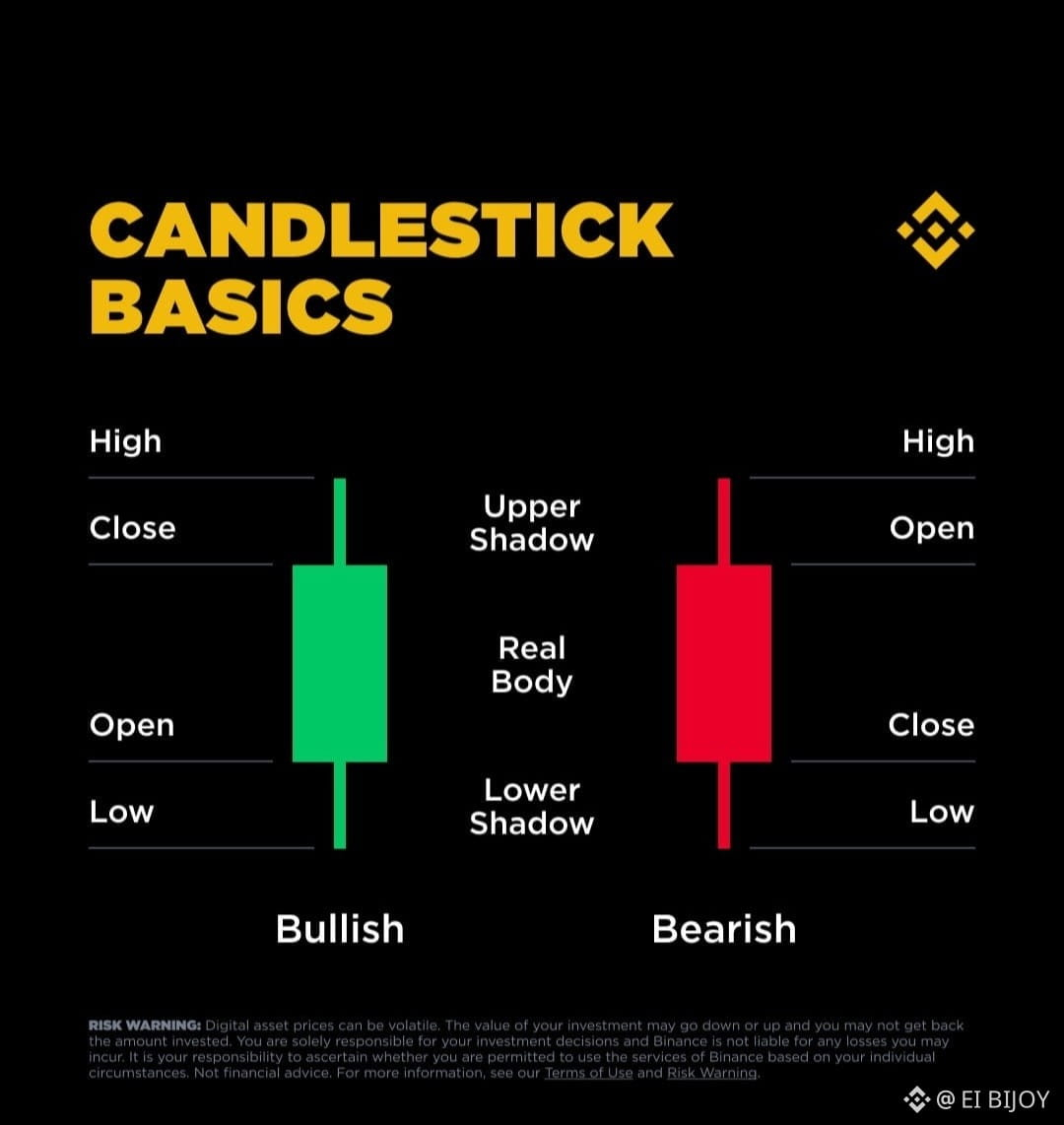
📊 Avant de prédire le marché, apprenez à lire la bougie.
Chaque chandelier vous donne 4 informations clés :
🟢 Ouverture — Là où le prix a commencé
🔴 Clôture — Là où le prix s’est terminé
⬆️ Plus haut — Le prix le plus élevé atteint
⬇️ Plus bas — Le prix le plus bas atteint
Comprendre ces quatre points vous aide à voir le mouvement des prix, l’élan du marché et le duel entre acheteurs et vendeurs.
🔥 Maîtrisez les bases. Lisez les bougies. Comprenez le marché.
#BinanceSquare #CryptoTrading #candlestick_patterns #TechnicalAnalysis #tradingtips #Crypto
📊 Avant de prédire le marché, apprenez à lire la bougie.
Chaque chandelier vous donne 4 informations clés :
🟢 Ouverture — Là où le prix a commencé
🔴 Clôture — Là où le prix s’est terminé
⬆️ Plus haut — Le prix le plus élevé atteint
⬇️ Plus bas — Le prix le plus bas atteint
Comprendre ces quatre points vous aide à voir le mouvement des prix, l’élan du marché et le duel entre acheteurs et vendeurs.
🔥 Maîtrisez les bases. Lisez les bougies. Comprenez le marché.
#BinanceSquare #CryptoTrading #candlestick_patterns #TechnicalAnalysis #tradingtips #Crypto
Chaque chandelier vous donne 4 informations clés :
🟢 Ouverture — Là où le prix a commencé
🔴 Clôture — Là où le prix s’est terminé
⬆️ Plus haut — Le prix le plus élevé atteint
⬇️ Plus bas — Le prix le plus bas atteint
Comprendre ces quatre points vous aide à voir le mouvement des prix, l’élan du marché et le duel entre acheteurs et vendeurs.
🔥 Maîtrisez les bases. Lisez les bougies. Comprenez le marché.
#BinanceSquare #CryptoTrading #candlestick_patterns #TechnicalAnalysis #tradingtips #Crypto
91

·
--
Baissier
Trois Corbeaux Noirs $LSK
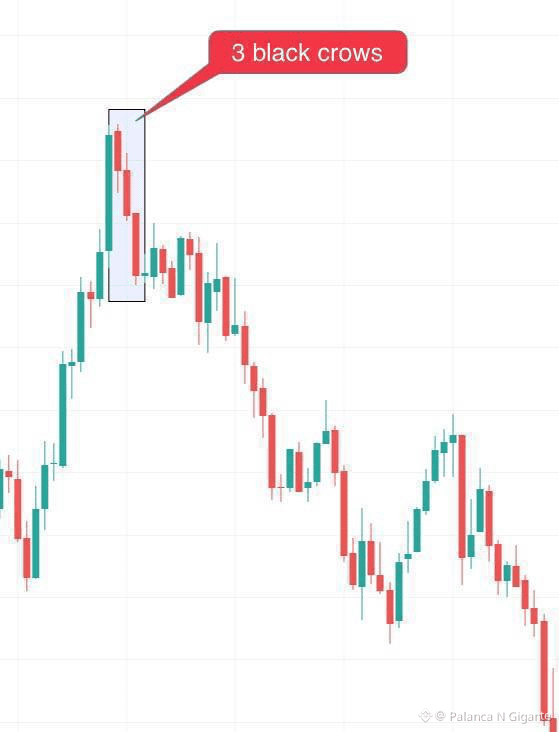
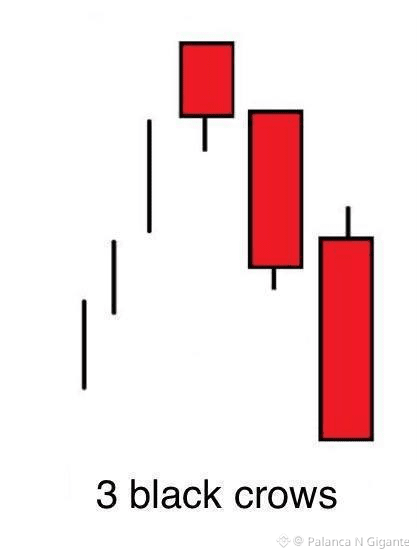
Le modèle « Trois Corbeaux Noirs » est un modèle de retournement baissier. Il se compose de trois bougies baissières (avec un corps négatif) de taille considérable, qui s’alignent successivement comme une échelle. Chacune des trois bougies doit être relativement grande, avec peu ou pas de mèches.
C’est un modèle de retournement de tendance qui ne doit être envisagé que lorsqu’il apparaît dans une tendance haussière. Les « Trois Corbeaux Noirs » indiquent généralement une faiblesse dans une tendance haussière et suggèrent la possible formation d’une tendance baissière.
Pour identifier le modèle « Trois Corbeaux Noirs », observez les critères suivants : $CVC
- Le marché doit être en tendance haussière.
- Trois bougies baissières longues doivent apparaître sur le graphique.
- Chacune de ces bougies doit ouvrir sous l’ouverture de la bougie précédente.
- Chaque bougie doit établir un nouveau plus bas à court terme.
- Les bougies doivent avoir des mèches très petites (ou inexistantes).
Les acheteurs avaient l’avantage sur le marché, mais maintenant les vendeurs exercent une pression à la baisse sur le prix.
Faites attention à la taille des bougies. La deuxième et la troisième bougies doivent avoir à peu près la même taille pour confirmer que les vendeurs contrôlent fermement la situation. Si la troisième bougie est clairement plus petite que les autres, cela indique une faiblesse et le modèle ne sera pas considéré comme fiable. $BTW
{future}(CVCUSDT)
{future}(BTWUSDT)
{spot}(LSKUSDT)
#candlestick_patterns #AnthropicCEOCallsForAISlowdown #StrategicTrading #analysis #ClarityActFacesProceduralVoteSept15
Trois Corbeaux Noirs $LSK
Le modèle « Trois Corbeaux Noirs » est un modèle de retournement baissier. Il se compose de trois bougies baissières (avec un corps négatif) de taille considérable, qui s’alignent successivement comme une échelle. Chacune des trois bougies doit être relativement grande, avec peu ou pas de mèches.
C’est un modèle de retournement de tendance qui ne doit être envisagé que lorsqu’il apparaît dans une tendance haussière. Les « Trois Corbeaux Noirs » indiquent généralement une faiblesse dans une tendance haussière et suggèrent la possible formation d’une tendance baissière.
Pour identifier le modèle « Trois Corbeaux Noirs », observez les critères suivants : $CVC
- Le marché doit être en tendance haussière.
- Trois bougies baissières longues doivent apparaître sur le graphique.
- Chacune de ces bougies doit ouvrir sous l’ouverture de la bougie précédente.
- Chaque bougie doit établir un nouveau plus bas à court terme.
- Les bougies doivent avoir des mèches très petites (ou inexistantes).
Les acheteurs avaient l’avantage sur le marché, mais maintenant les vendeurs exercent une pression à la baisse sur le prix.
Faites attention à la taille des bougies. La deuxième et la troisième bougies doivent avoir à peu près la même taille pour confirmer que les vendeurs contrôlent fermement la situation. Si la troisième bougie est clairement plus petite que les autres, cela indique une faiblesse et le modèle ne sera pas considéré comme fiable. $BTW
#candlestick_patterns #AnthropicCEOCallsForAISlowdown #StrategicTrading #analysis #ClarityActFacesProceduralVoteSept15
Le modèle « Trois Corbeaux Noirs » est un modèle de retournement baissier. Il se compose de trois bougies baissières (avec un corps négatif) de taille considérable, qui s’alignent successivement comme une échelle. Chacune des trois bougies doit être relativement grande, avec peu ou pas de mèches.
C’est un modèle de retournement de tendance qui ne doit être envisagé que lorsqu’il apparaît dans une tendance haussière. Les « Trois Corbeaux Noirs » indiquent généralement une faiblesse dans une tendance haussière et suggèrent la possible formation d’une tendance baissière.
Pour identifier le modèle « Trois Corbeaux Noirs », observez les critères suivants : $CVC
- Le marché doit être en tendance haussière.
- Trois bougies baissières longues doivent apparaître sur le graphique.
- Chacune de ces bougies doit ouvrir sous l’ouverture de la bougie précédente.
- Chaque bougie doit établir un nouveau plus bas à court terme.
- Les bougies doivent avoir des mèches très petites (ou inexistantes).
Les acheteurs avaient l’avantage sur le marché, mais maintenant les vendeurs exercent une pression à la baisse sur le prix.
Faites attention à la taille des bougies. La deuxième et la troisième bougies doivent avoir à peu près la même taille pour confirmer que les vendeurs contrôlent fermement la situation. Si la troisième bougie est clairement plus petite que les autres, cela indique une faiblesse et le modèle ne sera pas considéré comme fiable. $BTW
#candlestick_patterns #AnthropicCEOCallsForAISlowdown #StrategicTrading #analysis #ClarityActFacesProceduralVoteSept15
Sardinha de ouro:
🥰🥰🥰🥰
1
2
1.9k

·
--
NVDAB/USDT — Analyse des bougies et configuration de trading
Pièce : NVDAB
Paire de trading : NVDAB/USDT
Trame temporelle : graphique sur 1 heure
Observation des bougies
Le graphique en bougies nous aide à identifier la pression d’achat et de vente. Je surveille la façon dont NVDAB réagit autour de ses niveaux de support et de résistance avant d’envisager une transaction.
Exemple de configuration de trading à titre éducatif uniquement
- Prix actuel : [Insérez le prix NVDAB en temps réel]
- Entrée : [Insérez un prix d’entrée possible après votre analyse]
- Stop-loss : [Insérez un niveau sous votre support]
- Take-profit : [Insérez votre objectif près de la résistance]
- Ratio risque/rendement : [Calculez votre ratio]
Mon avis : J’attendrais une confirmation avant d’entrer plutôt que d’acheter simplement parce que le prix bouge. Une cassure qui échoue peut rapidement se transformer en perte.
⚠️ Ceci ne constitue pas un conseil financier. Les cryptomonnaies sont très volatiles et ceci est un exemple de la façon d’analyser une transaction, et non une prédiction garantie.
$NVDAB
#NVDAX #cryptouniverseofficial #candlestick_patterns #TradingEducation
NVDAB/USDT — Analyse des bougies et configuration de trading
Pièce : NVDAB
Paire de trading : NVDAB/USDT
Trame temporelle : graphique sur 1 heure
Observation des bougies
Le graphique en bougies nous aide à identifier la pression d’achat et de vente. Je surveille la façon dont NVDAB réagit autour de ses niveaux de support et de résistance avant d’envisager une transaction.
Exemple de configuration de trading à titre éducatif uniquement
- Prix actuel : [Insérez le prix NVDAB en temps réel]
- Entrée : [Insérez un prix d’entrée possible après votre analyse]
- Stop-loss : [Insérez un niveau sous votre support]
- Take-profit : [Insérez votre objectif près de la résistance]
- Ratio risque/rendement : [Calculez votre ratio]
Mon avis : J’attendrais une confirmation avant d’entrer plutôt que d’acheter simplement parce que le prix bouge. Une cassure qui échoue peut rapidement se transformer en perte.
⚠️ Ceci ne constitue pas un conseil financier. Les cryptomonnaies sont très volatiles et ceci est un exemple de la façon d’analyser une transaction, et non une prédiction garantie.
$NVDAB
#NVDAX #cryptouniverseofficial #candlestick_patterns #TradingEducation
Pièce : NVDAB
Paire de trading : NVDAB/USDT
Trame temporelle : graphique sur 1 heure
Observation des bougies
Le graphique en bougies nous aide à identifier la pression d’achat et de vente. Je surveille la façon dont NVDAB réagit autour de ses niveaux de support et de résistance avant d’envisager une transaction.
Exemple de configuration de trading à titre éducatif uniquement
- Prix actuel : [Insérez le prix NVDAB en temps réel]
- Entrée : [Insérez un prix d’entrée possible après votre analyse]
- Stop-loss : [Insérez un niveau sous votre support]
- Take-profit : [Insérez votre objectif près de la résistance]
- Ratio risque/rendement : [Calculez votre ratio]
Mon avis : J’attendrais une confirmation avant d’entrer plutôt que d’acheter simplement parce que le prix bouge. Une cassure qui échoue peut rapidement se transformer en perte.
⚠️ Ceci ne constitue pas un conseil financier. Les cryptomonnaies sont très volatiles et ceci est un exemple de la façon d’analyser une transaction, et non une prédiction garantie.
$NVDAB
#NVDAX #cryptouniverseofficial #candlestick_patterns #TradingEducation
74
·
--
Haussier
COURS DE MAÎTRISE DES FIGURES GRAPHIQUES : MODULE 2 : FIGURES DE REVERSAL | JOUR 11
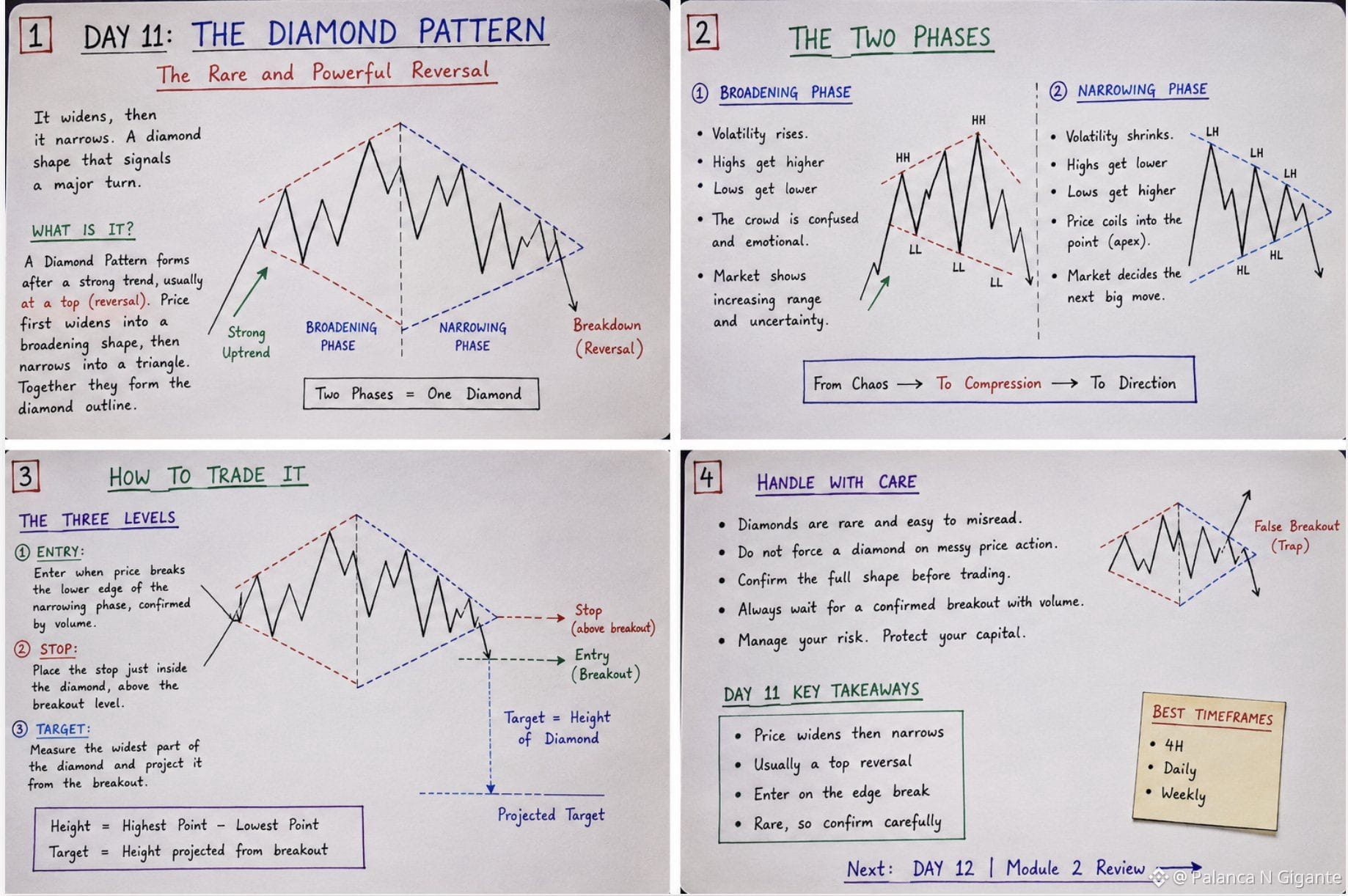
LA FIGURE DU DIAMANT : La Reversal rare et puissante
Elle s'élargit puis se resserre. Une forme de diamant qui signale une grande reversal.
LES DEUX MOITIÉS D'UN DIAMANT : $4
Un diamant se forme après une forte tendance, généralement à un sommet. Le prix s'élargit d'abord en une forme d'élargissement puis se resserre en un triangle. Ensemble, ils forment le contour du diamant.
LES DEUX PHASES :
1️⃣ Phase d'élargissement. La volatilité augmente. Les plus hauts montent et les plus bas descendent. Le marché est confus et émotif. 2️⃣ Phase de resserrement. La volatilité diminue. Les plus hauts descendent et les plus bas montent, convergeant vers le point.
COMMENT OPÉRER LES TROIS NIVEAUX : $DASH
▪️ ENTRÉE : Entrez lorsque le prix casse la bordure inférieure de la phase de resserrement, confirmé par le volume.
▪️ STOP : Placez le stop juste à l'intérieur du diamant, au-dessus du niveau de cassure.
▪️ OBJECTIF : Mesurez la partie la plus large du diamant et projetez-la à partir de la cassure.
MANIPULEZ AVEC PRÉCAUTION
Les diamants sont rares et faciles à mal interpréter. Confirmez la forme complète avant de trader et ne forcez jamais un diamant sur une action des prix confuse.
CONCLUSIONS PRINCIPALES DU JOUR 11 $MARSCOIN
🔹 Le prix s'élargit puis se resserre
🔹 Généralement une reversal de sommet
🔹 Entrez sur la cassure de la bordure
🔹 Rare, donc confirmez avec soin
Suivant : Jour 12 | Révision du Module 2 ➡️
{future}(4USDT)
{spot}(DASHUSDT)
{spot}(MARSCOINUSDT)
#candlestick_patterns #DiamondPattern #ReversalPatterns #chartpatterns #StrategicTrading
COURS DE MAÎTRISE DES FIGURES GRAPHIQUES : MODULE 2 : FIGURES DE REVERSAL | JOUR 11
LA FIGURE DU DIAMANT : La Reversal rare et puissante
Elle s'élargit puis se resserre. Une forme de diamant qui signale une grande reversal.
LES DEUX MOITIÉS D'UN DIAMANT : $4
Un diamant se forme après une forte tendance, généralement à un sommet. Le prix s'élargit d'abord en une forme d'élargissement puis se resserre en un triangle. Ensemble, ils forment le contour du diamant.
LES DEUX PHASES :
1️⃣ Phase d'élargissement. La volatilité augmente. Les plus hauts montent et les plus bas descendent. Le marché est confus et émotif. 2️⃣ Phase de resserrement. La volatilité diminue. Les plus hauts descendent et les plus bas montent, convergeant vers le point.
COMMENT OPÉRER LES TROIS NIVEAUX : $DASH
▪️ ENTRÉE : Entrez lorsque le prix casse la bordure inférieure de la phase de resserrement, confirmé par le volume.
▪️ STOP : Placez le stop juste à l'intérieur du diamant, au-dessus du niveau de cassure.
▪️ OBJECTIF : Mesurez la partie la plus large du diamant et projetez-la à partir de la cassure.
MANIPULEZ AVEC PRÉCAUTION
Les diamants sont rares et faciles à mal interpréter. Confirmez la forme complète avant de trader et ne forcez jamais un diamant sur une action des prix confuse.
CONCLUSIONS PRINCIPALES DU JOUR 11 $MARSCOIN
🔹 Le prix s'élargit puis se resserre
🔹 Généralement une reversal de sommet
🔹 Entrez sur la cassure de la bordure
🔹 Rare, donc confirmez avec soin
Suivant : Jour 12 | Révision du Module 2 ➡️
#candlestick_patterns #DiamondPattern #ReversalPatterns #chartpatterns #StrategicTrading
LA FIGURE DU DIAMANT : La Reversal rare et puissante
Elle s'élargit puis se resserre. Une forme de diamant qui signale une grande reversal.
LES DEUX MOITIÉS D'UN DIAMANT : $4
Un diamant se forme après une forte tendance, généralement à un sommet. Le prix s'élargit d'abord en une forme d'élargissement puis se resserre en un triangle. Ensemble, ils forment le contour du diamant.
LES DEUX PHASES :
1️⃣ Phase d'élargissement. La volatilité augmente. Les plus hauts montent et les plus bas descendent. Le marché est confus et émotif. 2️⃣ Phase de resserrement. La volatilité diminue. Les plus hauts descendent et les plus bas montent, convergeant vers le point.
COMMENT OPÉRER LES TROIS NIVEAUX : $DASH
▪️ ENTRÉE : Entrez lorsque le prix casse la bordure inférieure de la phase de resserrement, confirmé par le volume.
▪️ STOP : Placez le stop juste à l'intérieur du diamant, au-dessus du niveau de cassure.
▪️ OBJECTIF : Mesurez la partie la plus large du diamant et projetez-la à partir de la cassure.
MANIPULEZ AVEC PRÉCAUTION
Les diamants sont rares et faciles à mal interpréter. Confirmez la forme complète avant de trader et ne forcez jamais un diamant sur une action des prix confuse.
CONCLUSIONS PRINCIPALES DU JOUR 11 $MARSCOIN
🔹 Le prix s'élargit puis se resserre
🔹 Généralement une reversal de sommet
🔹 Entrez sur la cassure de la bordure
🔹 Rare, donc confirmez avec soin
Suivant : Jour 12 | Révision du Module 2 ➡️
#candlestick_patterns #DiamondPattern #ReversalPatterns #chartpatterns #StrategicTrading
Palanca N Gigante
·
--
HaussierCOURS DE MAÎTRISE DES MODÈLES GRAPHIQUES : MODULE 2 : MODÈLES DE REVERSAL | JOUR 10
SOMMET ET FOND ARRONDIS : $0G
Le lent retournement de la marée Sans pics marqués ici. Juste une courbe douce.
Le contrôle change lentement d’un côté à l’autre.
🔰LA COURBE
🔴SOMMET ARRONDI ET DOUX
Aussi appelé sous-tasse inversée. Le prix monte, se stabilise lentement puis s’incline vers le bas. Les acheteurs disparaissent et les vendeurs prennent progressivement le contrôle. Un retournement baissier lent et calme.
🟢FOND ARRONDI
Aussi appelé sous-tasse. Le prix baisse, se stabilise lentement puis remonte. Les vendeurs s’épuisent et les acheteurs entrent progressivement. Un retournement haussier lent et patient.
Ces modèles se forment sur des horizons plus longs. Ils montrent un changement doux et constant dans le sentiment, plutôt qu’un retournement violent.
🔰COMMENT TRADER LES TROIS NIVEAUX : $ARB
▪️ENTRÉE : Entrez lorsque le prix casse le bord de la sous-tasse : le maximum pour un fond, le minimum pour un sommet.
▪️STOP : Placez le stop à l’intérieur de la courbe, en dessous de la cassure pour les positions longues, ou au-dessus pour les positions courtes.
▪️OBJECTIF : Mesurez la profondeur de la cavité et projetez-la à partir de la cassure du bord.
LA CARACTÉRISTIQUE DU VOLUME $USELESS
Le volume forme souvent sa propre cavité : élevé sur les bords, faible au milieu, puis remonte à mesure que le motif se complète.
🔰POINTS CLÉS DU JOUR 10 → Une courbe douce, pas un pic marqué → Le contrôle change lentement et constamment → Entrer sur la cassure du bord → Le volume forme aussi une cavité
Prochain : Jour 11 | Le Motif Diamant
#StrategicTrading #RoundingBottom #candlestick_patterns #ReversalPatterns #chartpatterns
SOMMET ET FOND ARRONDIS : $0G
Le lent retournement de la marée Sans pics marqués ici. Juste une courbe douce.
Le contrôle change lentement d’un côté à l’autre.
🔰LA COURBE
🔴SOMMET ARRONDI ET DOUX
Aussi appelé sous-tasse inversée. Le prix monte, se stabilise lentement puis s’incline vers le bas. Les acheteurs disparaissent et les vendeurs prennent progressivement le contrôle. Un retournement baissier lent et calme.
🟢FOND ARRONDI
Aussi appelé sous-tasse. Le prix baisse, se stabilise lentement puis remonte. Les vendeurs s’épuisent et les acheteurs entrent progressivement. Un retournement haussier lent et patient.
Ces modèles se forment sur des horizons plus longs. Ils montrent un changement doux et constant dans le sentiment, plutôt qu’un retournement violent.
🔰COMMENT TRADER LES TROIS NIVEAUX : $ARB
▪️ENTRÉE : Entrez lorsque le prix casse le bord de la sous-tasse : le maximum pour un fond, le minimum pour un sommet.
▪️STOP : Placez le stop à l’intérieur de la courbe, en dessous de la cassure pour les positions longues, ou au-dessus pour les positions courtes.
▪️OBJECTIF : Mesurez la profondeur de la cavité et projetez-la à partir de la cassure du bord.
LA CARACTÉRISTIQUE DU VOLUME $USELESS
Le volume forme souvent sa propre cavité : élevé sur les bords, faible au milieu, puis remonte à mesure que le motif se complète.
🔰POINTS CLÉS DU JOUR 10 → Une courbe douce, pas un pic marqué → Le contrôle change lentement et constamment → Entrer sur la cassure du bord → Le volume forme aussi une cavité
Prochain : Jour 11 | Le Motif Diamant
#StrategicTrading #RoundingBottom #candlestick_patterns #ReversalPatterns #chartpatterns
2
1
1
1.2k
·
--
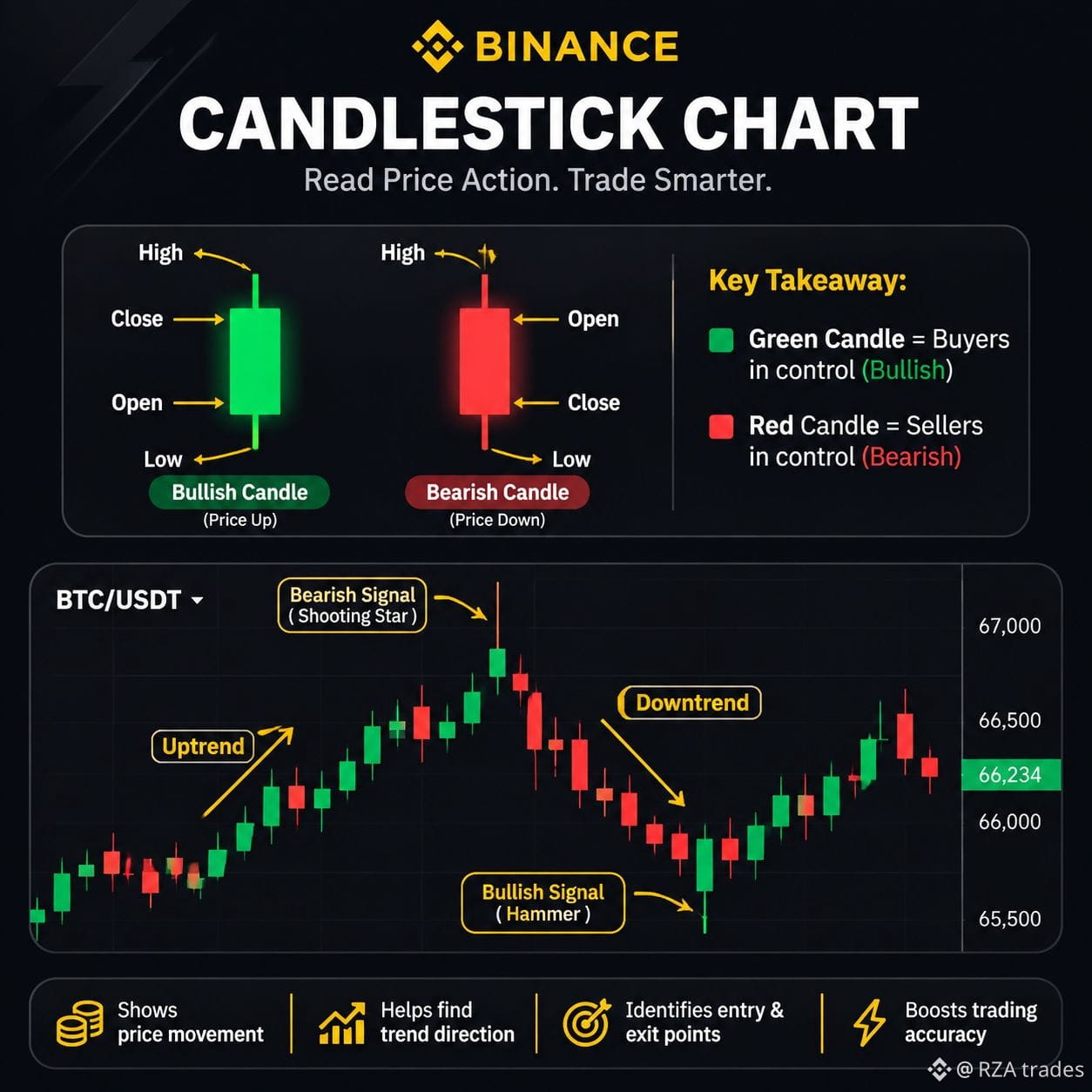
📊 Comprendre les graphiques en chandelier dans le trading
Les chandeliers sont une représentation visuelle de l’évolution du prix sur les graphiques de Binance.
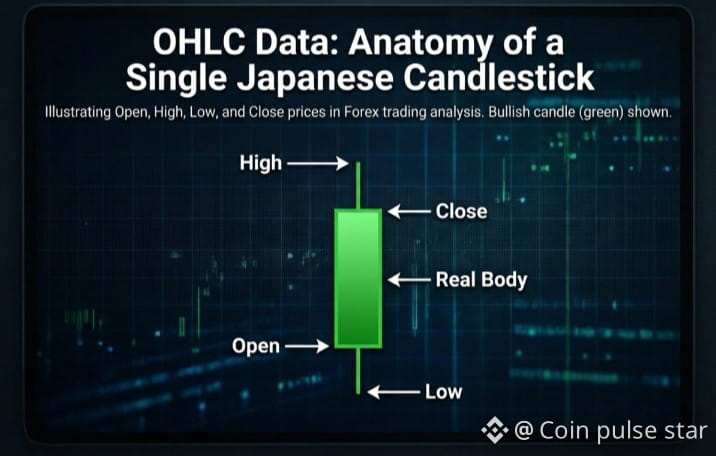
Chaque bougie montre quatre points importants : le prix d’Ouverture, le plus Haut, le plus Bas et le prix de Clôture (OHLC).
Les bougies vertes indiquent une pression d’achat, tandis que les bougies rouges montrent une pression de vente.
Les traders utilisent les figures de chandelier pour comprendre le sentiment du marché et prédire d’éventuels mouvements de prix.
Apprendre les chandeliers est la première étape vers une analyse technique plus intelligente. 📈
#candlestick_patterns #candle
📊 Comprendre les graphiques en chandelier dans le trading
Les chandeliers sont une représentation visuelle de l’évolution du prix sur les graphiques de Binance.
Chaque bougie montre quatre points importants : le prix d’Ouverture, le plus Haut, le plus Bas et le prix de Clôture (OHLC).
Les bougies vertes indiquent une pression d’achat, tandis que les bougies rouges montrent une pression de vente.
Les traders utilisent les figures de chandelier pour comprendre le sentiment du marché et prédire d’éventuels mouvements de prix.
Apprendre les chandeliers est la première étape vers une analyse technique plus intelligente. 📈
#candlestick_patterns #candle
Les chandeliers sont une représentation visuelle de l’évolution du prix sur les graphiques de Binance.
Chaque bougie montre quatre points importants : le prix d’Ouverture, le plus Haut, le plus Bas et le prix de Clôture (OHLC).
Les bougies vertes indiquent une pression d’achat, tandis que les bougies rouges montrent une pression de vente.
Les traders utilisent les figures de chandelier pour comprendre le sentiment du marché et prédire d’éventuels mouvements de prix.
Apprendre les chandeliers est la première étape vers une analyse technique plus intelligente. 📈
#candlestick_patterns #candle
84
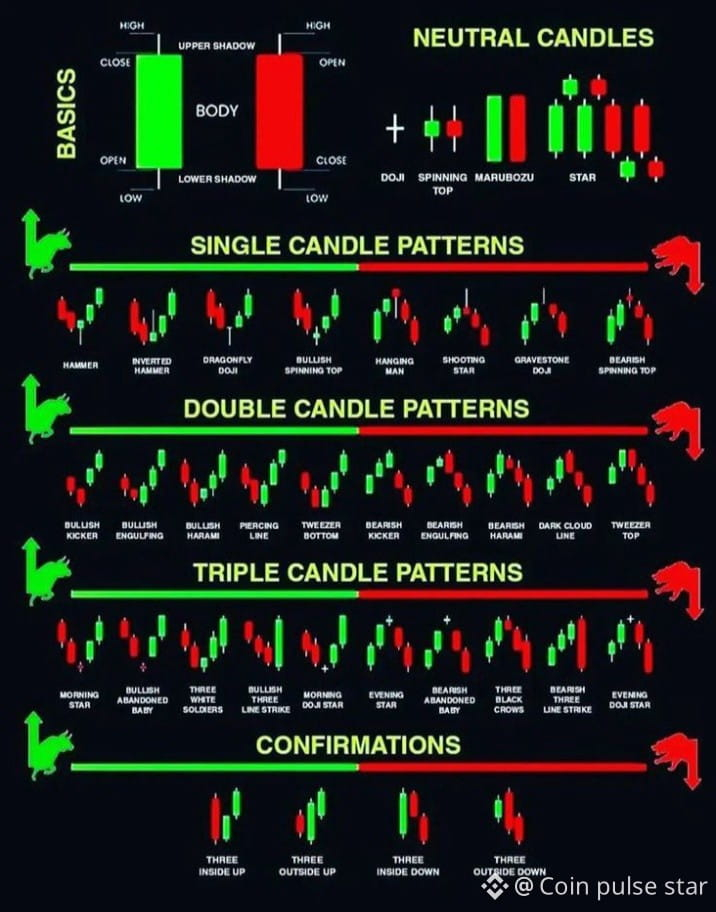
..Doji – ouverture ≈ clôture (petit corps) ; signale l'hésitation
Coup de marteau (Hammer) – petit corps, longue mèche inférieure ; inversion haussière possible
Englobante (Engulfing) – le corps d'une bougie couvre entièrement celui de la précédente ; signal d'inversion fort
Étoile filante (Shooting star) – petit corps, longue mèche supérieure ; inversion baissière possible.
#candlestick
#candlestick_patterns
..Doji – ouverture ≈ clôture (petit corps) ; signale l'hésitation
Coup de marteau (Hammer) – petit corps, longue mèche inférieure ; inversion haussière possible
Englobante (Engulfing) – le corps d'une bougie couvre entièrement celui de la précédente ; signal d'inversion fort
Étoile filante (Shooting star) – petit corps, longue mèche supérieure ; inversion baissière possible.
#candlestick
#candlestick_patterns
Coup de marteau (Hammer) – petit corps, longue mèche inférieure ; inversion haussière possible
Englobante (Engulfing) – le corps d'une bougie couvre entièrement celui de la précédente ; signal d'inversion fort
Étoile filante (Shooting star) – petit corps, longue mèche supérieure ; inversion baissière possible.
#candlestick
#candlestick_patterns
1
92
·
--
Haussier
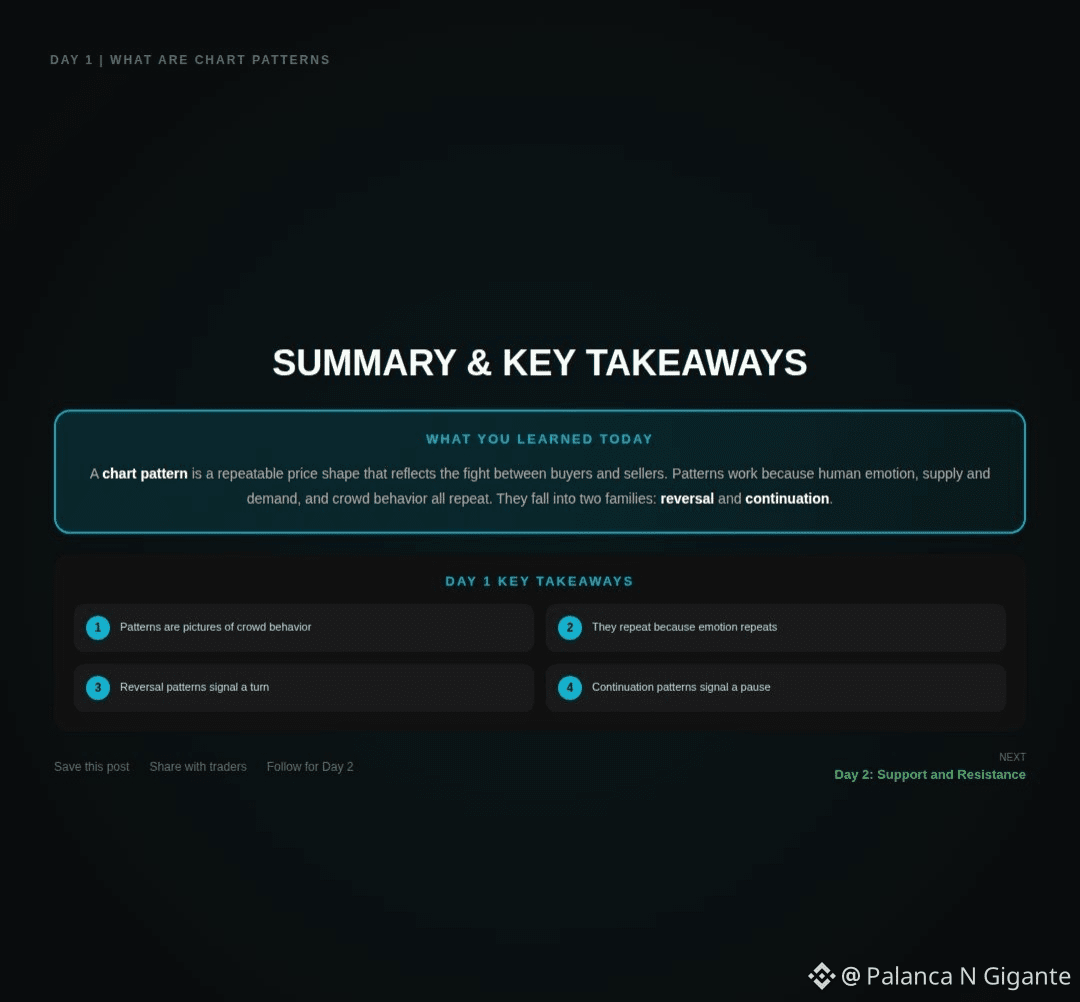
COURS DE MASTER EN MODÈLES GRAPHIQUES : MODULE 1 : $龙虾
FONDAMENTAUX | JOUR 1
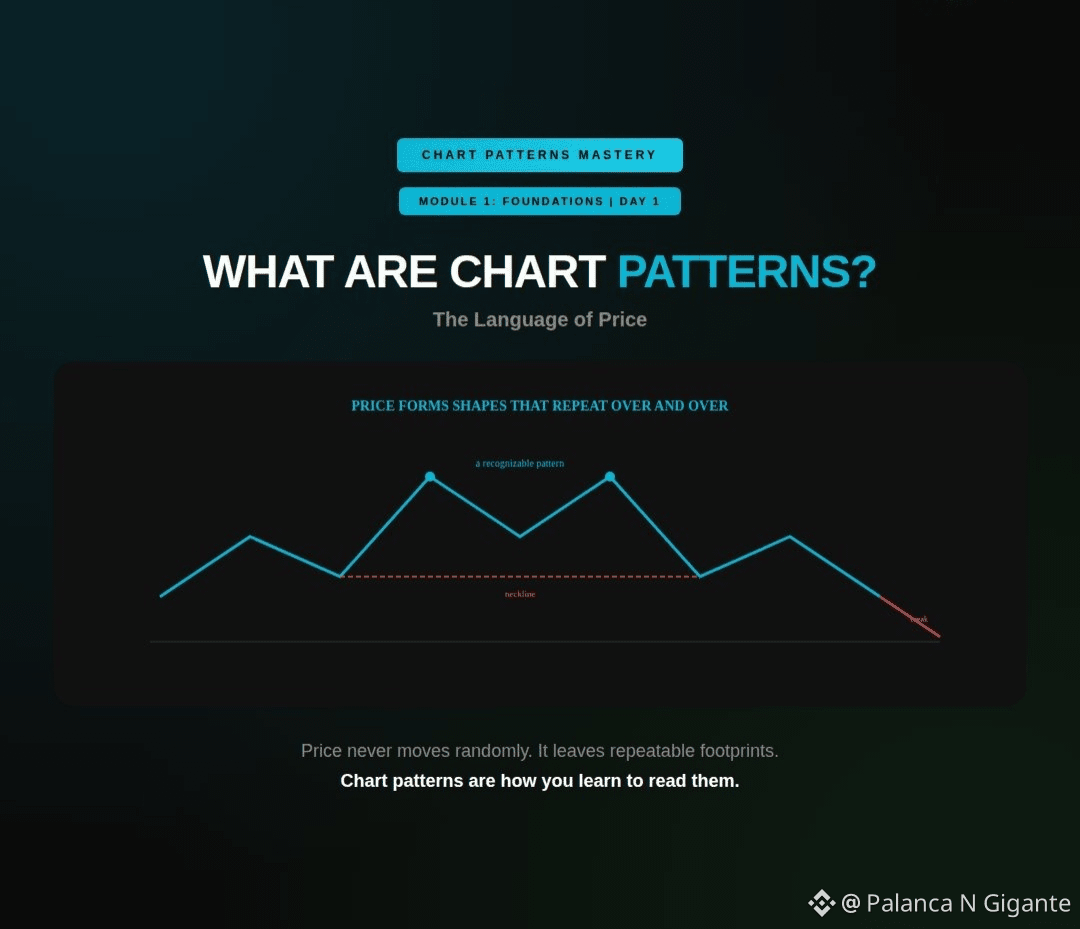
QUE SONT LES MODÈLES GRAPHIQUES ? Le langage du prix
Le prix ne bouge jamais de manière aléatoire. Il laisse des traces répétables. Les modèles graphiques, c’est ainsi que vous apprenez à les lire.
C’est le Jour 1 de votre parcours, de débutant à trader avancé en cryptomonnaies. D’abord les modèles traditionnels, puis nous passons à l’étape suivante.
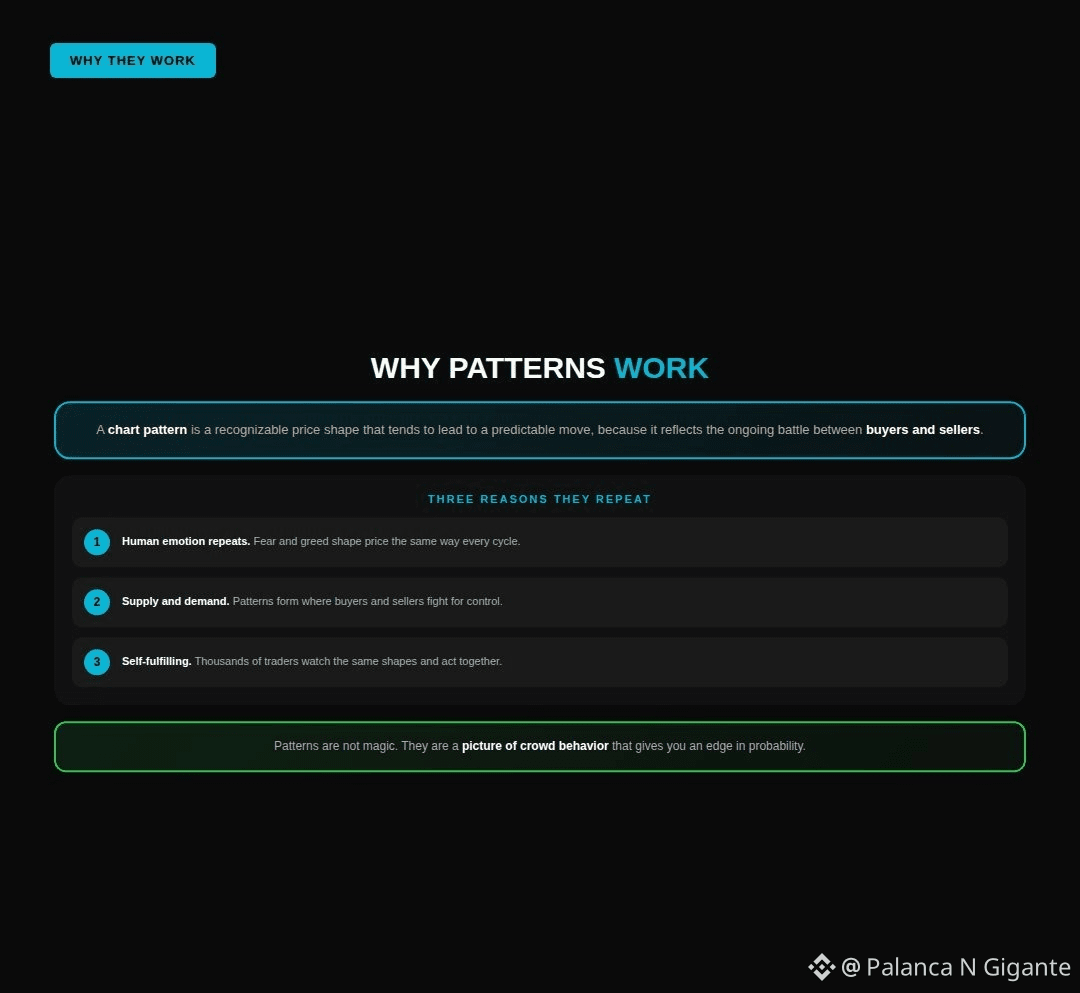
POURQUOI LES MODÈLES FONCTIONNENT : $TST
Un modèle graphique est une forme de prix reconnaissable qui tend à conduire à un mouvement prévisible, car il reflète la bataille continue entre acheteurs et vendeurs.
Trois raisons qui se répètent :
1️⃣ L’émotion humaine se répète. La peur et la cupidité ont le même prix à chaque cycle.
2️⃣ Offre et demande. Les modèles se forment là où acheteurs et vendeurs se disputent le contrôle.
3️⃣ Auto-réalisateur. Des milliers de traders observent les mêmes formes et agissent ensemble.
Les modèles ne sont pas magiques. Ils sont un portrait du comportement de la foule qui vous donne un avantage en termes de probabilité.
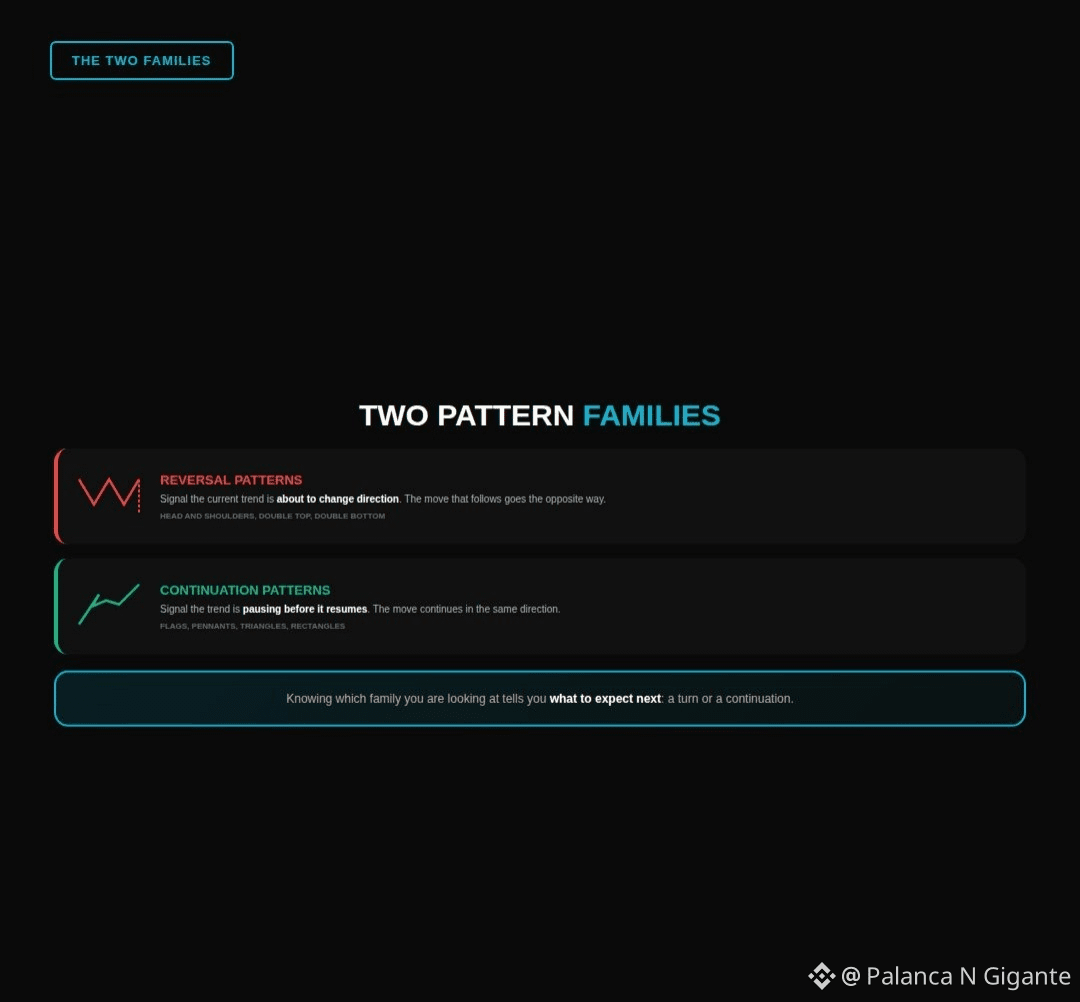
LES DEUX FAMILLES DE MODÈLES : $NIL
🔴 MODÈLES DE REVERSAL (RENVERSEMENT) : Indiquent que la tendance actuelle est sur le point de changer de direction. Le mouvement qui suit emprunte la voie opposée.
➡️ Tête et Épaules, Double Sommet, Double Creux
🟢 MODÈLES DE CONTINUITÉ : Indiquent que la tendance fait une pause avant de reprendre. Le changement continue dans la même direction.
➡️ Drapeaux, Fanions, Triangles, Rectangles
Savoir de quelle famille vous parlez permet déjà de comprendre à quoi vous attendre ensuite : un retournement ou une continuation.
LEÇONS PRINCIPALES DU JOUR 1
🔹 Les modèles sont des images du comportement de la foule
🔹 Ils se répètent parce que l’émotion se répète
🔹 Les modèles de renversement signalent une courbe
🔹 Les modèles de continuation signalent une pause
Prochaine étape : Jour 2 | Support et Résistance
➡️ Seulement éducatif.
Ce n’est pas un conseil financier.
TOUJOURS FAIRE DU DYOR.
{spot}(NILUSDT)
{spot}(TSTUSDT)
{future}(龙虾USDT)
#LearnTogether #trading #candlestick_patterns #TSMCJulyRevenueJumps45% #StrategicTrading
COURS DE MASTER EN MODÈLES GRAPHIQUES : MODULE 1 : $龙虾
FONDAMENTAUX | JOUR 1
QUE SONT LES MODÈLES GRAPHIQUES ? Le langage du prix
Le prix ne bouge jamais de manière aléatoire. Il laisse des traces répétables. Les modèles graphiques, c’est ainsi que vous apprenez à les lire.
C’est le Jour 1 de votre parcours, de débutant à trader avancé en cryptomonnaies. D’abord les modèles traditionnels, puis nous passons à l’étape suivante.
POURQUOI LES MODÈLES FONCTIONNENT : $TST
Un modèle graphique est une forme de prix reconnaissable qui tend à conduire à un mouvement prévisible, car il reflète la bataille continue entre acheteurs et vendeurs.
Trois raisons qui se répètent :
1️⃣ L’émotion humaine se répète. La peur et la cupidité ont le même prix à chaque cycle.
2️⃣ Offre et demande. Les modèles se forment là où acheteurs et vendeurs se disputent le contrôle.
3️⃣ Auto-réalisateur. Des milliers de traders observent les mêmes formes et agissent ensemble.
Les modèles ne sont pas magiques. Ils sont un portrait du comportement de la foule qui vous donne un avantage en termes de probabilité.
LES DEUX FAMILLES DE MODÈLES : $NIL
🔴 MODÈLES DE REVERSAL (RENVERSEMENT) : Indiquent que la tendance actuelle est sur le point de changer de direction. Le mouvement qui suit emprunte la voie opposée.
➡️ Tête et Épaules, Double Sommet, Double Creux
🟢 MODÈLES DE CONTINUITÉ : Indiquent que la tendance fait une pause avant de reprendre. Le changement continue dans la même direction.
➡️ Drapeaux, Fanions, Triangles, Rectangles
Savoir de quelle famille vous parlez permet déjà de comprendre à quoi vous attendre ensuite : un retournement ou une continuation.
LEÇONS PRINCIPALES DU JOUR 1
🔹 Les modèles sont des images du comportement de la foule
🔹 Ils se répètent parce que l’émotion se répète
🔹 Les modèles de renversement signalent une courbe
🔹 Les modèles de continuation signalent une pause
Prochaine étape : Jour 2 | Support et Résistance
➡️ Seulement éducatif.
Ce n’est pas un conseil financier.
TOUJOURS FAIRE DU DYOR.
#LearnTogether #trading #candlestick_patterns #TSMCJulyRevenueJumps45% #StrategicTrading
FONDAMENTAUX | JOUR 1
QUE SONT LES MODÈLES GRAPHIQUES ? Le langage du prix
Le prix ne bouge jamais de manière aléatoire. Il laisse des traces répétables. Les modèles graphiques, c’est ainsi que vous apprenez à les lire.
C’est le Jour 1 de votre parcours, de débutant à trader avancé en cryptomonnaies. D’abord les modèles traditionnels, puis nous passons à l’étape suivante.
POURQUOI LES MODÈLES FONCTIONNENT : $TST
Un modèle graphique est une forme de prix reconnaissable qui tend à conduire à un mouvement prévisible, car il reflète la bataille continue entre acheteurs et vendeurs.
Trois raisons qui se répètent :
1️⃣ L’émotion humaine se répète. La peur et la cupidité ont le même prix à chaque cycle.
2️⃣ Offre et demande. Les modèles se forment là où acheteurs et vendeurs se disputent le contrôle.
3️⃣ Auto-réalisateur. Des milliers de traders observent les mêmes formes et agissent ensemble.
Les modèles ne sont pas magiques. Ils sont un portrait du comportement de la foule qui vous donne un avantage en termes de probabilité.
LES DEUX FAMILLES DE MODÈLES : $NIL
🔴 MODÈLES DE REVERSAL (RENVERSEMENT) : Indiquent que la tendance actuelle est sur le point de changer de direction. Le mouvement qui suit emprunte la voie opposée.
➡️ Tête et Épaules, Double Sommet, Double Creux
🟢 MODÈLES DE CONTINUITÉ : Indiquent que la tendance fait une pause avant de reprendre. Le changement continue dans la même direction.
➡️ Drapeaux, Fanions, Triangles, Rectangles
Savoir de quelle famille vous parlez permet déjà de comprendre à quoi vous attendre ensuite : un retournement ou une continuation.
LEÇONS PRINCIPALES DU JOUR 1
🔹 Les modèles sont des images du comportement de la foule
🔹 Ils se répètent parce que l’émotion se répète
🔹 Les modèles de renversement signalent une courbe
🔹 Les modèles de continuation signalent une pause
Prochaine étape : Jour 2 | Support et Résistance
➡️ Seulement éducatif.
Ce n’est pas un conseil financier.
TOUJOURS FAIRE DU DYOR.
#LearnTogether #trading #candlestick_patterns #TSMCJulyRevenueJumps45% #StrategicTrading
1
2
555

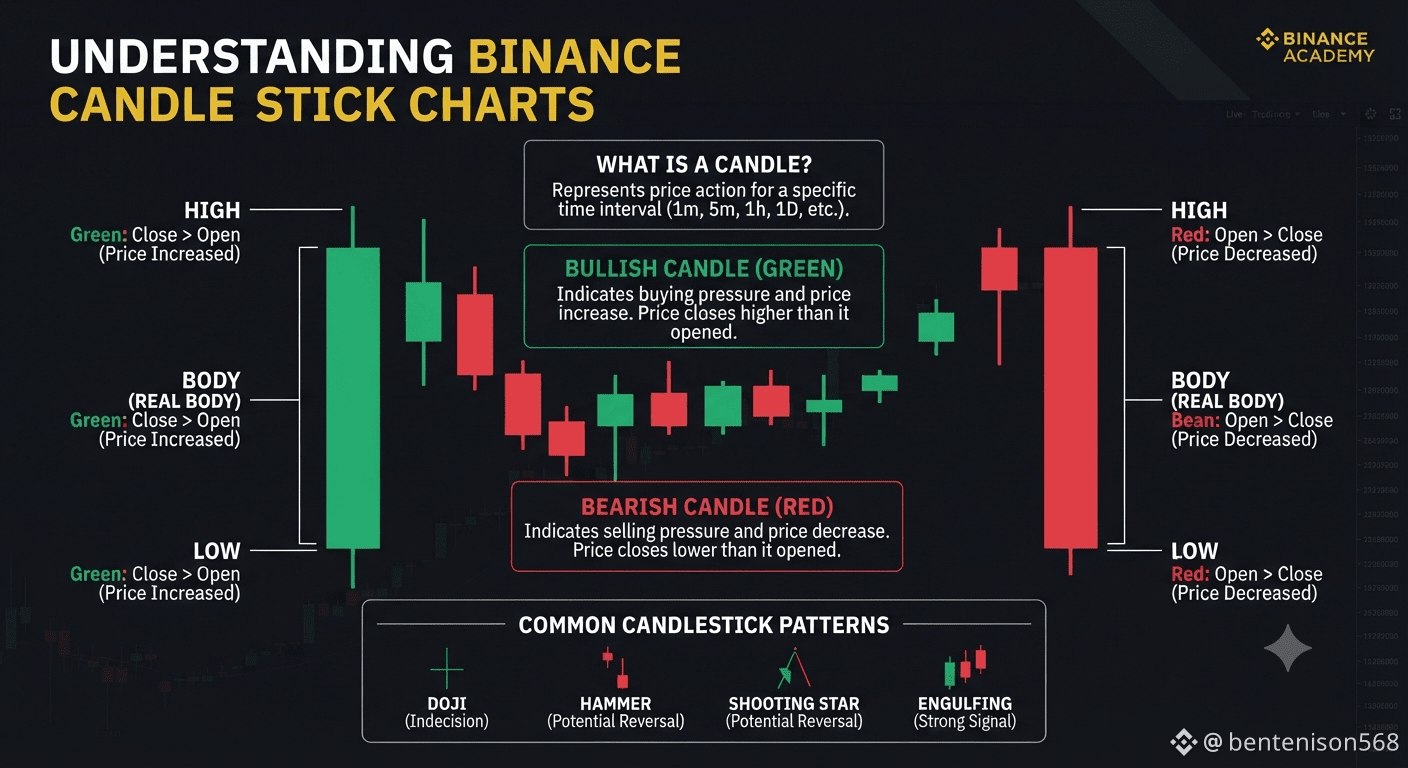
Anatomie d’une bougie
Haut/Bas : Les lignes verticales (souvent appelées mèches ou ombres) représentent les prix les plus hauts et les plus bas atteints pendant cette période.
Corps (corps réel) : La partie centrale plus épaisse représente la différence entre le prix d’ouverture et le prix de clôture.
Comprendre les couleurs
Bougie haussière (verte) : Elle indique une pression d’achat. Elle montre que le prix a clôturé plus haut que son ouverture, ce qui signifie que l’actif a augmenté de valeur au cours de cet intervalle.
Bougie baissière (rouge) : Elle indique une pression de vente. Elle montre que le prix a clôturé plus bas que son ouverture, ce qui signifie que l’actif a diminué de valeur.
Schémas courants
Les traders recherchent souvent des formations précises pour aider à prédire les mouvements futurs du marché, telles que :
Doji : Représente l’hésitation du marché.
Marteau & Étoile filante : Souvent considérés comme des signaux possibles d’un renversement de tendance.
Engloutissante : Perçue comme un signal fort d’un probable changement de direction du marché.
#viralpost #candlestick_patterns
@BinancePk @Binance_Earn_Official @moisa @Square-Creator-00b091a53682f @Square-Creator-882e0cbee2b4e @mrs_rose @moisa
Anatomie d’une bougie
Haut/Bas : Les lignes verticales (souvent appelées mèches ou ombres) représentent les prix les plus hauts et les plus bas atteints pendant cette période.
Corps (corps réel) : La partie centrale plus épaisse représente la différence entre le prix d’ouverture et le prix de clôture.
Comprendre les couleurs
Bougie haussière (verte) : Elle indique une pression d’achat. Elle montre que le prix a clôturé plus haut que son ouverture, ce qui signifie que l’actif a augmenté de valeur au cours de cet intervalle.
Bougie baissière (rouge) : Elle indique une pression de vente. Elle montre que le prix a clôturé plus bas que son ouverture, ce qui signifie que l’actif a diminué de valeur.
Schémas courants
Les traders recherchent souvent des formations précises pour aider à prédire les mouvements futurs du marché, telles que :
Doji : Représente l’hésitation du marché.
Marteau & Étoile filante : Souvent considérés comme des signaux possibles d’un renversement de tendance.
Engloutissante : Perçue comme un signal fort d’un probable changement de direction du marché.
#viralpost #candlestick_patterns
@Binance Pakistan @Binance Earn Official @Moisa16 @shah noor12 @Square-Creator-882e0cbee2b4e @Mila Rose @Moisa16
Haut/Bas : Les lignes verticales (souvent appelées mèches ou ombres) représentent les prix les plus hauts et les plus bas atteints pendant cette période.
Corps (corps réel) : La partie centrale plus épaisse représente la différence entre le prix d’ouverture et le prix de clôture.
Comprendre les couleurs
Bougie haussière (verte) : Elle indique une pression d’achat. Elle montre que le prix a clôturé plus haut que son ouverture, ce qui signifie que l’actif a augmenté de valeur au cours de cet intervalle.
Bougie baissière (rouge) : Elle indique une pression de vente. Elle montre que le prix a clôturé plus bas que son ouverture, ce qui signifie que l’actif a diminué de valeur.
Schémas courants
Les traders recherchent souvent des formations précises pour aider à prédire les mouvements futurs du marché, telles que :
Doji : Représente l’hésitation du marché.
Marteau & Étoile filante : Souvent considérés comme des signaux possibles d’un renversement de tendance.
Engloutissante : Perçue comme un signal fort d’un probable changement de direction du marché.
#viralpost #candlestick_patterns
@Binance Pakistan @Binance Earn Official @Moisa16 @shah noor12 @Square-Creator-882e0cbee2b4e @Mila Rose @Moisa16
1
85
Article
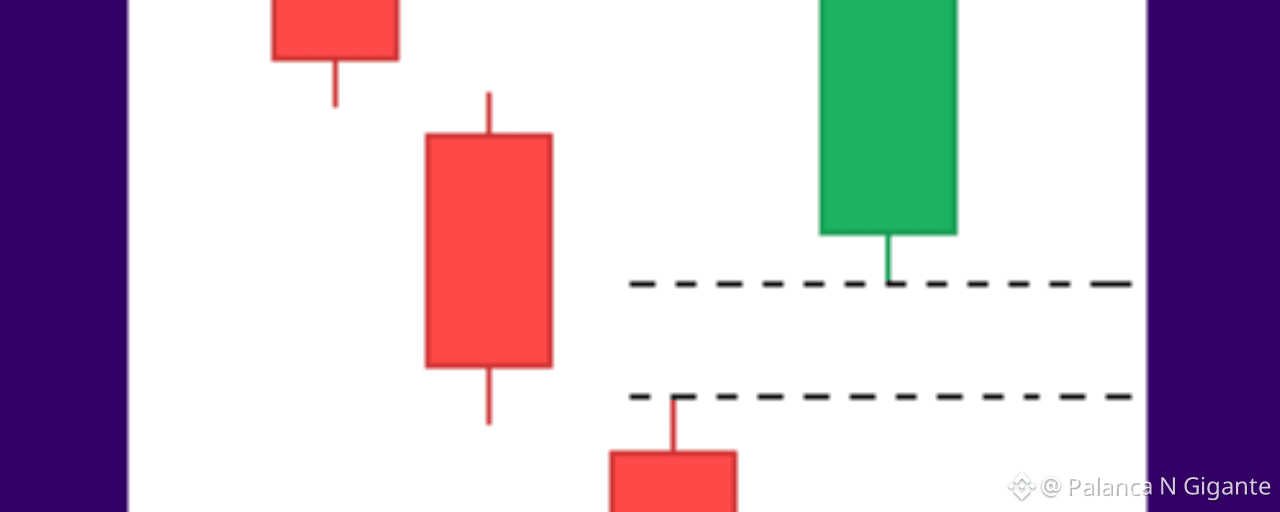
Introduction aux modèles de chandeliers que vous devez maîtriser pour réussir en tradingL’un des types les plus utilisés en Analyse Technique dans le cadre des opérations de Day Trade et de Swing Trade, les modèles de chandeliers sont des graphiques formés par des bougies qui indiquent le prix d’ouverture et de clôture sur une période donnée, ainsi que leur mouvement, c’est-à-dire vers le haut ou vers le bas.
Dans cet article, nous allons montrer en détail 43 modèles de chandeliers que vous devez connaître.
Que sont les chandeliers ? $TLM
Les chandeliers, en plus de la direction du marché, permettent au trader d’identifier des entrées et des sorties potentielles pour une opération et offrent une lecture du marché plus précise, contrairement au graphique en lignes.
Introduction aux modèles de chandeliers que vous devez maîtriser pour réussir en trading
L’un des types les plus utilisés en Analyse Technique dans le cadre des opérations de Day Trade et de Swing Trade, les modèles de chandeliers sont des graphiques formés par des bougies qui indiquent le prix d’ouverture et de clôture sur une période donnée, ainsi que leur mouvement, c’est-à-dire vers le haut ou vers le bas.
Dans cet article, nous allons montrer en détail 43 modèles de chandeliers que vous devez connaître.
Que sont les chandeliers ? $TLM
Les chandeliers, en plus de la direction du marché, permettent au trader d’identifier des entrées et des sorties potentielles pour une opération et offrent une lecture du marché plus précise, contrairement au graphique en lignes.
Dans cet article, nous allons montrer en détail 43 modèles de chandeliers que vous devez connaître.
Que sont les chandeliers ? $TLM
Les chandeliers, en plus de la direction du marché, permettent au trader d’identifier des entrées et des sorties potentielles pour une opération et offrent une lecture du marché plus précise, contrairement au graphique en lignes.
114

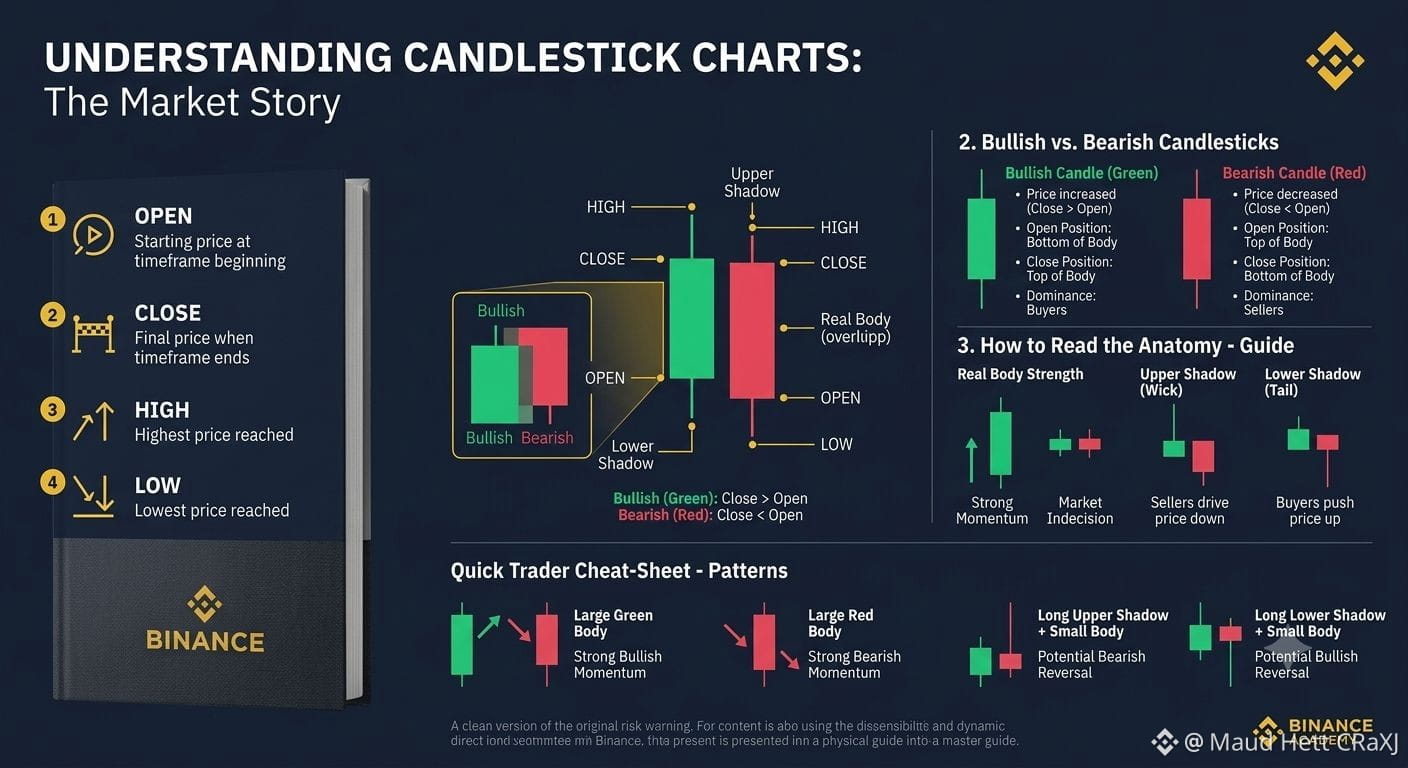
Les graphiques en chandeliers représentent la dynamique interne du marché—un récit visuel du tiraillement psychologique entre acheteurs (taureaux) et vendeurs (ours).
$NVDA.US $BTC
{spot}(BTCUSDT)
#FedRateWatch #FLOKI✅ #BTC #candlestick_patterns
Les graphiques en chandeliers représentent la dynamique interne du marché—un récit visuel du tiraillement psychologique entre acheteurs (taureaux) et vendeurs (ours).
$NVDA.US $BTC
#FedRateWatch #FLOKI✅ #BTC #candlestick_patterns
$NVDA.US $BTC
#FedRateWatch #FLOKI✅ #BTC #candlestick_patterns
BTC-0,72%
NVDAUS+1,65%
119

·
--
Voir la traduction
🚨 NE RENTRE PAS DANS UN TRADE AVANT DE VOIR ÇA ! 📊
Tu vois une bougie verte 🟢 et tu penses immédiatement : « BUY ! » ❌
Attention ⚠️ Une seule bougie ne suffit pas pour confirmer un mouvement.
Avant d’entrer, regarde au minimum :
🔹 La tendance 📈
🔹 Le support / la résistance
🔹 Le volume
🔹 La confirmation des bougies 🕯️
🔹 Le breakout + retest
💡 Un bon trader ne cherche pas seulement à entrer vite. Il cherche à comprendre pourquoi il entre.
👇 Et toi, tu regardes quoi en premier avant de cliquer sur BUY ?
#Crypto #Trading #Binance #TradingDébutant #CryptoEducation #candlestick_patterns
🚨 NE RENTRE PAS DANS UN TRADE AVANT DE VOIR ÇA ! 📊
Tu vois une bougie verte 🟢 et tu penses immédiatement : « BUY ! » ❌
Attention ⚠️ Une seule bougie ne suffit pas pour confirmer un mouvement.
Avant d’entrer, regarde au minimum :
🔹 La tendance 📈
🔹 Le support / la résistance
🔹 Le volume
🔹 La confirmation des bougies 🕯️
🔹 Le breakout + retest
💡 Un bon trader ne cherche pas seulement à entrer vite. Il cherche à comprendre pourquoi il entre.
👇 Et toi, tu regardes quoi en premier avant de cliquer sur BUY ?
#Crypto #Trading #Binance #TradingDébutant #CryptoEducation #candlestick_patterns
Tu vois une bougie verte 🟢 et tu penses immédiatement : « BUY ! » ❌
Attention ⚠️ Une seule bougie ne suffit pas pour confirmer un mouvement.
Avant d’entrer, regarde au minimum :
🔹 La tendance 📈
🔹 Le support / la résistance
🔹 Le volume
🔹 La confirmation des bougies 🕯️
🔹 Le breakout + retest
💡 Un bon trader ne cherche pas seulement à entrer vite. Il cherche à comprendre pourquoi il entre.
👇 Et toi, tu regardes quoi en premier avant de cliquer sur BUY ?
#Crypto #Trading #Binance #TradingDébutant #CryptoEducation #candlestick_patterns
107

FAITES ATTENTION À LA FAÇON DONT LA BOUGIE MENSUELLE SE TERMINE
C’est très important
#candlestick_patterns #candlestick
FAITES ATTENTION À LA FAÇON DONT LA BOUGIE MENSUELLE SE TERMINE
C’est très important
#candlestick_patterns #candlestick
C’est très important
#candlestick_patterns #candlestick
2
72

image de compétence de modèle chandelier
#candlestick_patterns
#candle
#HammerCandlestick
#crptonews
$NVDAB
{spot}(NVDABUSDT)
image de compétence de modèle chandelier
#candlestick_patterns
#candle
#HammerCandlestick
#crptonews
$NVDAB
#candlestick_patterns
#candle
#HammerCandlestick
#crptonews
$NVDAB
69

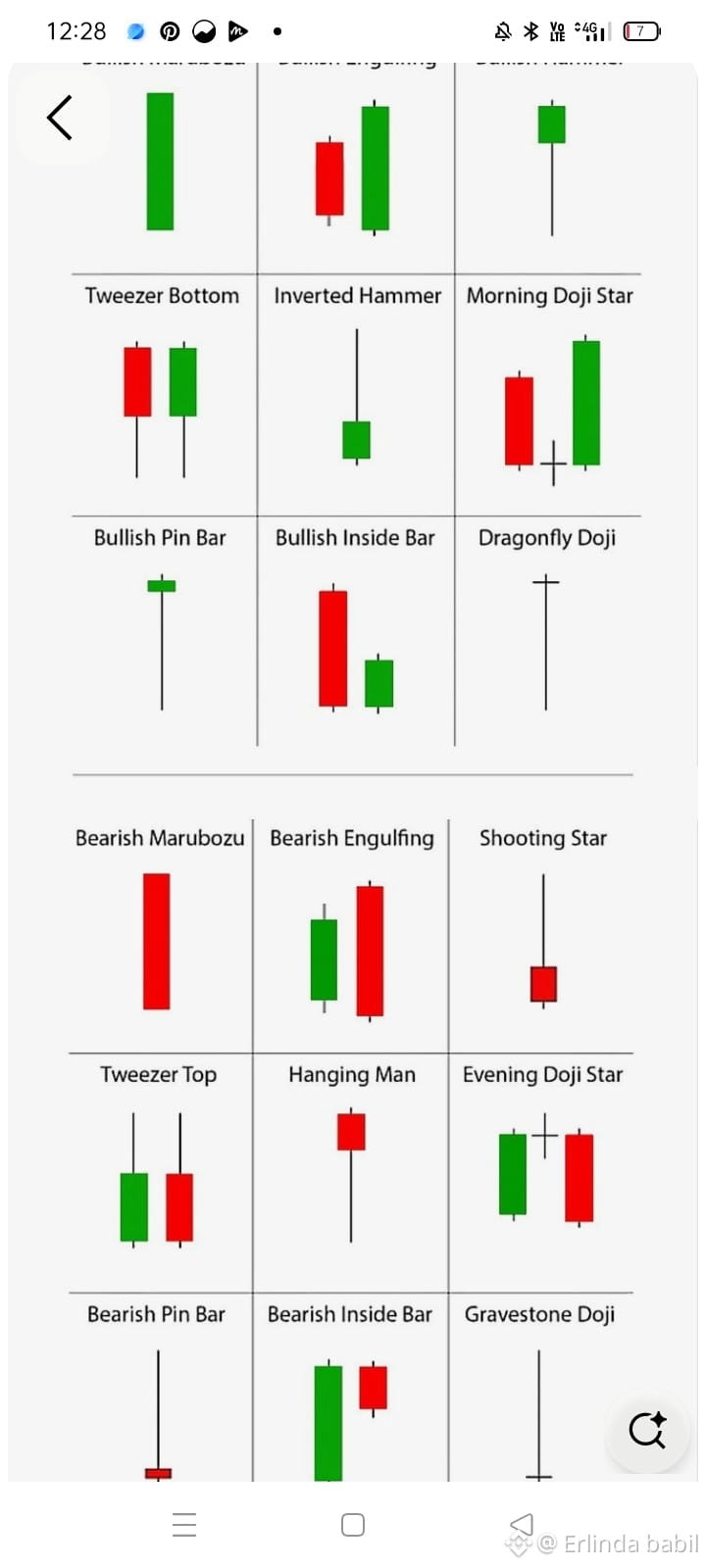
voici des modèles de bougies
que vous devez connaître sur les modèles de bougies lorsque vous avez commencé à trader..
lisez attentivement ce sujet
veuillez suivre ce compte.
#candlestick_patterns #TapestryFallsNearly15%OnEarnings #DeepSeekLaunchesHarnessCodeAgentBeta #SanDiskExtendsGainsTo11%
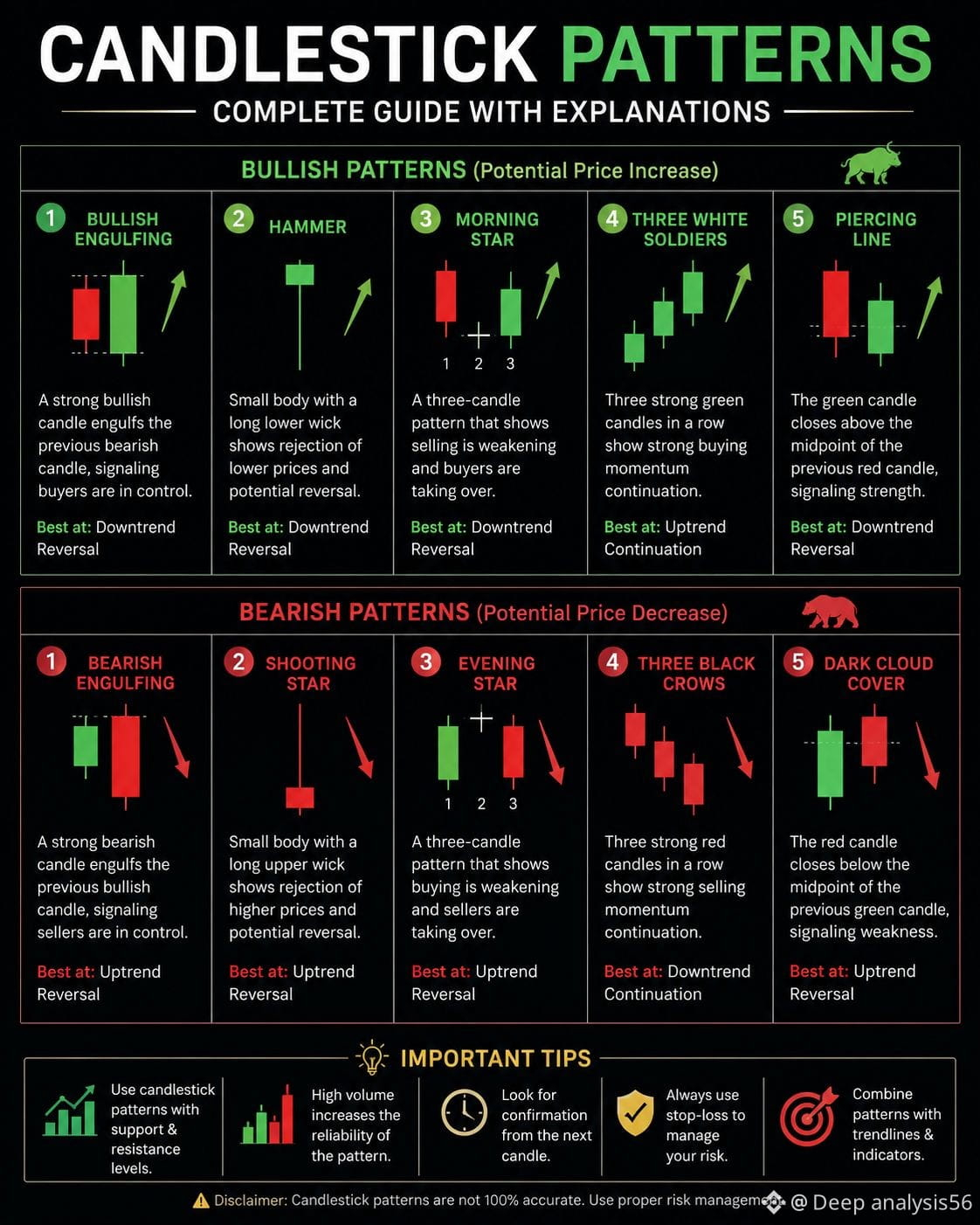
voici des modèles de bougies
que vous devez connaître sur les modèles de bougies lorsque vous avez commencé à trader..
lisez attentivement ce sujet
veuillez suivre ce compte.
#candlestick_patterns #TapestryFallsNearly15%OnEarnings #DeepSeekLaunchesHarnessCodeAgentBeta #SanDiskExtendsGainsTo11%
que vous devez connaître sur les modèles de bougies lorsque vous avez commencé à trader..
lisez attentivement ce sujet
veuillez suivre ce compte.
#candlestick_patterns #TapestryFallsNearly15%OnEarnings #DeepSeekLaunchesHarnessCodeAgentBeta #SanDiskExtendsGainsTo11%
40

·
--
Article
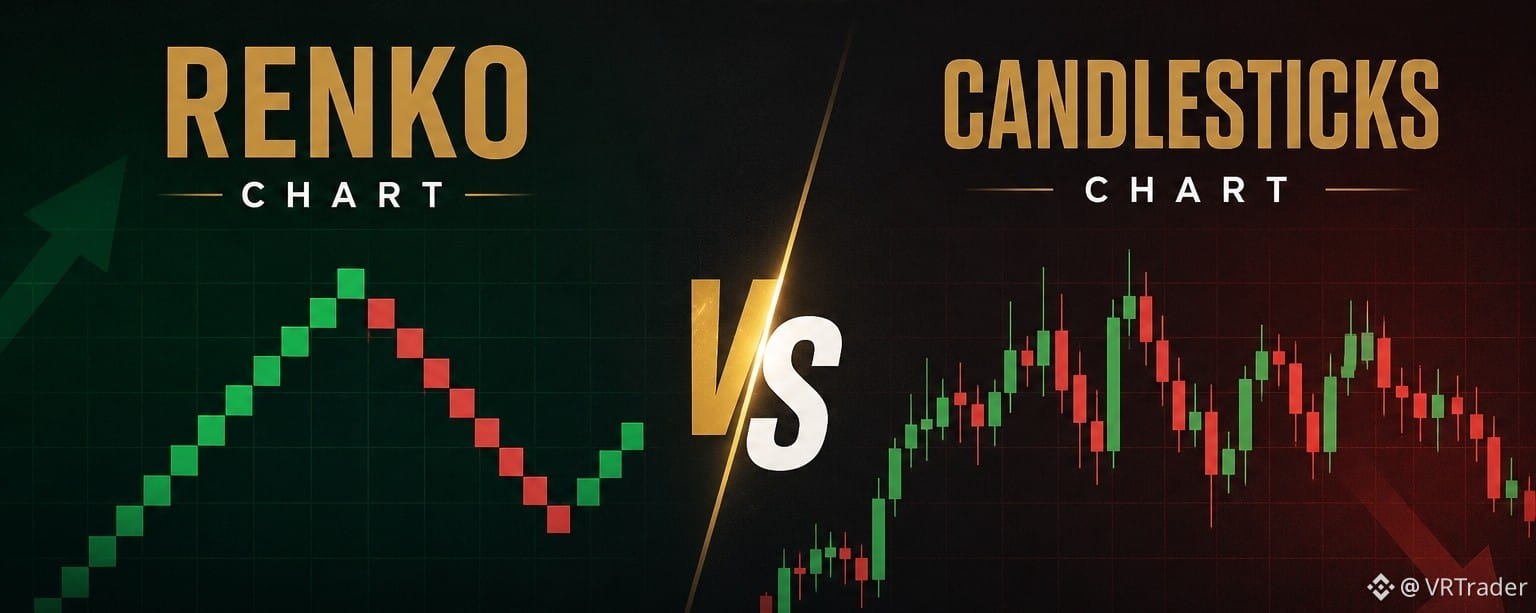
Graphiques Renko Expliqués : Une Façon Plus Claire de Lire le MarchéLa plupart des traders commencent avec des graphiques en bougies, mais peu prennent le temps de comprendre les graphiques Renko. Une fois que tu comprends comment fonctionne le Renko, tu réaliseras pourquoi de nombreux traders de tendance l'utilisent pour filtrer le bruit du marché et rester concentrés sur le mouvement majeur.
[ Grand Quiz : Apprends & Gagne ( 21 Juin 2026 )
Question de cet article. 1000 Gagnants ! 🏆 1000 Paquets rouges Récompense ]
Bougie vs Renko
La plus grande différence est simple :
Les velas sont basées sur le temps.
Une nouvelle bougie se forme chaque minute, heure ou jour selon ton intervalle de temps.
Graphiques Renko Expliqués : Une Façon Plus Claire de Lire le Marché
La plupart des traders commencent avec des graphiques en bougies, mais peu prennent le temps de comprendre les graphiques Renko. Une fois que tu comprends comment fonctionne le Renko, tu réaliseras pourquoi de nombreux traders de tendance l'utilisent pour filtrer le bruit du marché et rester concentrés sur le mouvement majeur.
[ Grand Quiz : Apprends & Gagne ( 21 Juin 2026 )
Question de cet article. 1000 Gagnants ! 🏆 1000 Paquets rouges Récompense ]
Bougie vs Renko
La plus grande différence est simple :
Les velas sont basées sur le temps.
Une nouvelle bougie se forme chaque minute, heure ou jour selon ton intervalle de temps.
[ Grand Quiz : Apprends & Gagne ( 21 Juin 2026 )
Question de cet article. 1000 Gagnants ! 🏆 1000 Paquets rouges Récompense ]
Bougie vs Renko
La plus grande différence est simple :
Les velas sont basées sur le temps.
Une nouvelle bougie se forme chaque minute, heure ou jour selon ton intervalle de temps.
1
4
138

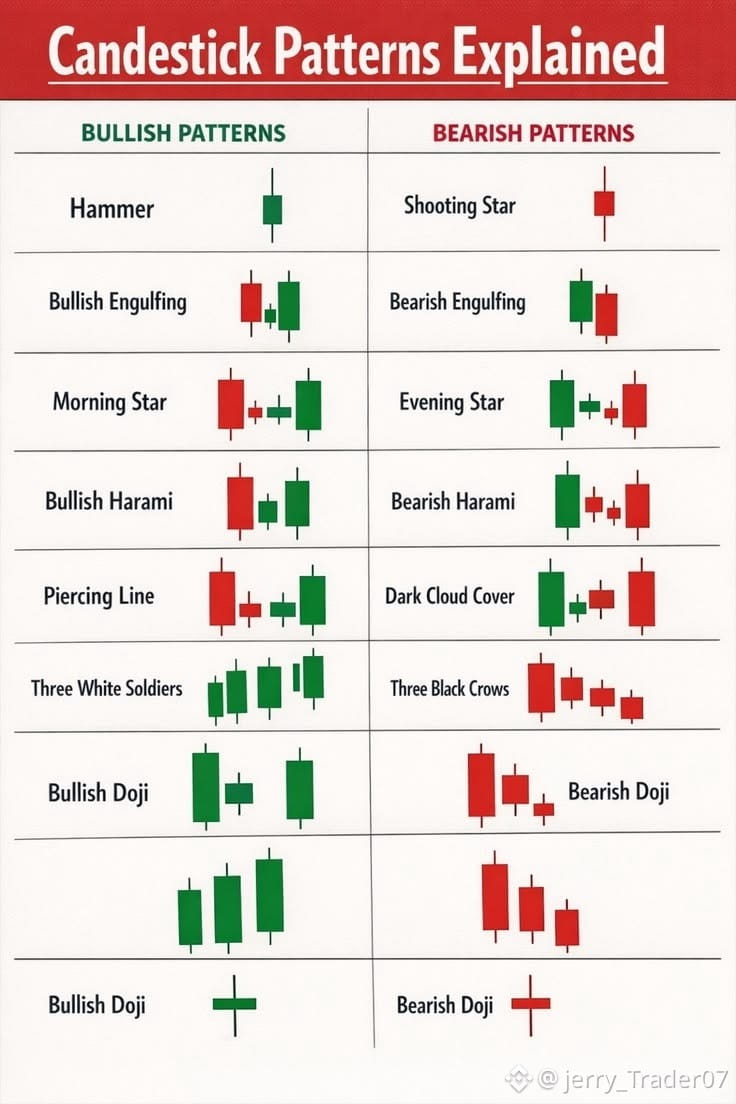
📈 Éducation sur le Forex et le Trading
🕯️ Modèles de chandeliers
📊 Analyse technique
💹 Signaux de trading et stratégies
📚 Apprentissage en trading#TradingSignals #candlestick_patterns
📈 Éducation sur le Forex et le Trading
🕯️ Modèles de chandeliers
📊 Analyse technique
💹 Signaux de trading et stratégies
📚 Apprentissage en trading#TradingSignals #candlestick_patterns
🕯️ Modèles de chandeliers
📊 Analyse technique
💹 Signaux de trading et stratégies
📚 Apprentissage en trading#TradingSignals #candlestick_patterns
72

Article
LA PREMIÈRE ÉPÎTRE AU INVESTISSEUR AFFOLÉFrères... rassemblez-vous autour de vos écrans...
Que la grâce et la paix soient avec ceux dont les portefeuilles sont peints en rouge.
J’ai appris par la rumeur que beaucoup parmi la congrégation ont commencé à douter...
Non parce que les fondamentaux ont changé...
Mais parce que les bougies l’ont fait.
Certains ont abandonné leur conviction face à la panique.
D’autres ont échangé la patience contre la prédiction.
Et quelques-uns rafraîchissent les graphiques toutes les cinq minutes, dans l’espoir d’un miracle.
Alors je vous le demande, frères...
Avez-vous investi dans une entreprise... ou avez-vous épousé une bougie ?
LA PREMIÈRE ÉPÎTRE AU INVESTISSEUR AFFOLÉ
Frères... rassemblez-vous autour de vos écrans...
Que la grâce et la paix soient avec ceux dont les portefeuilles sont peints en rouge.
J’ai appris par la rumeur que beaucoup parmi la congrégation ont commencé à douter...
Non parce que les fondamentaux ont changé...
Mais parce que les bougies l’ont fait.
Certains ont abandonné leur conviction face à la panique.
D’autres ont échangé la patience contre la prédiction.
Et quelques-uns rafraîchissent les graphiques toutes les cinq minutes, dans l’espoir d’un miracle.
Alors je vous le demande, frères...
Avez-vous investi dans une entreprise... ou avez-vous épousé une bougie ?
Que la grâce et la paix soient avec ceux dont les portefeuilles sont peints en rouge.
J’ai appris par la rumeur que beaucoup parmi la congrégation ont commencé à douter...
Non parce que les fondamentaux ont changé...
Mais parce que les bougies l’ont fait.
Certains ont abandonné leur conviction face à la panique.
D’autres ont échangé la patience contre la prédiction.
Et quelques-uns rafraîchissent les graphiques toutes les cinq minutes, dans l’espoir d’un miracle.
Alors je vous le demande, frères...
Avez-vous investi dans une entreprise... ou avez-vous épousé une bougie ?
15
·
--
Haussier
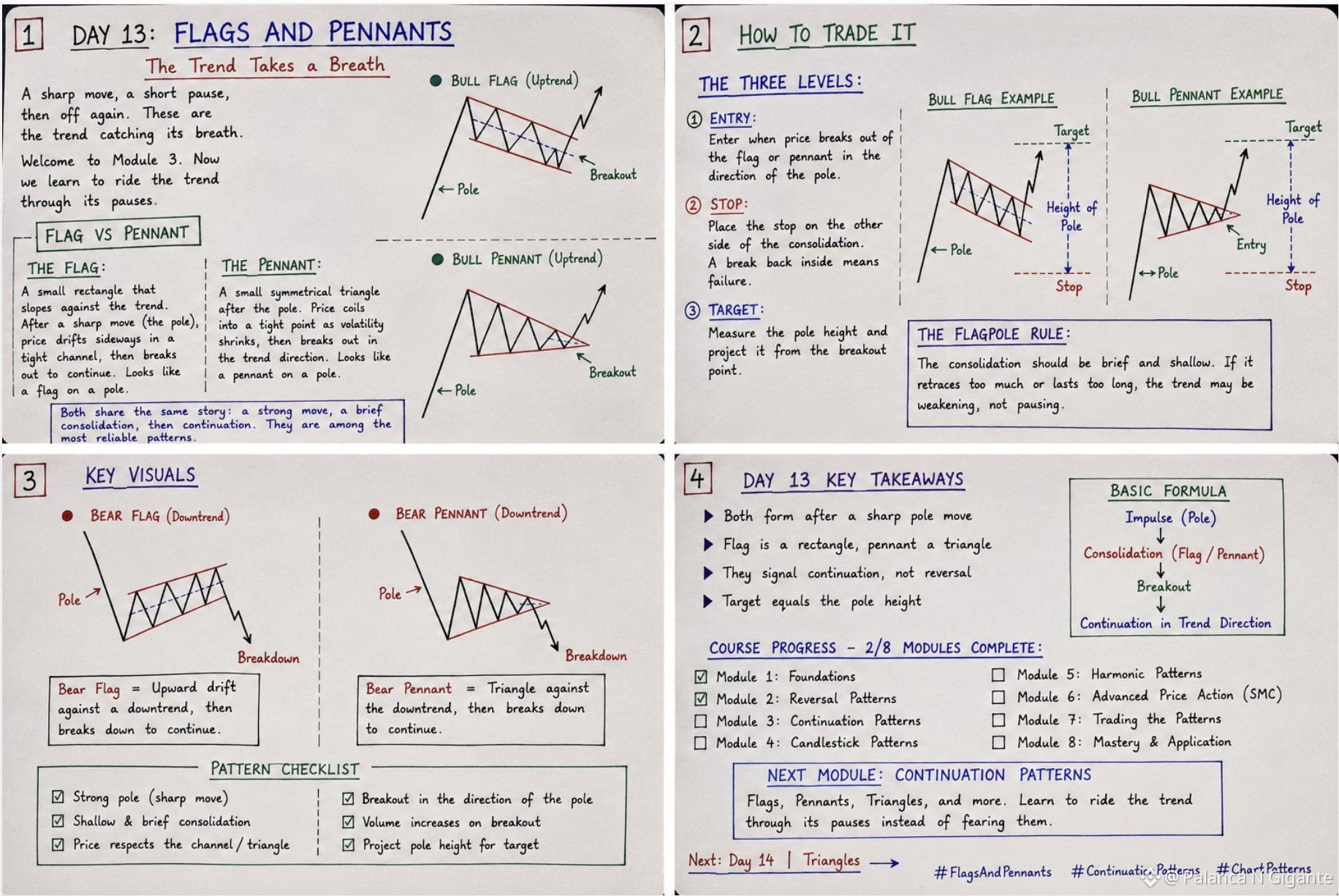
COURS DE MAÎTRISE DES MODÈLES GRAPHIQUES : MODULE 3 : MODÈLES DE CONTINUITÉ | JOUR 13 $龙虾
DRAPEAUX ET FANIONS : La tendance fait une pause
Un mouvement brusque, une brève pause, puis la tendance reprend. C’est ainsi que la tendance reprend son souffle.
Bienvenue dans le Module 3. Maintenant, nous allons apprendre à exploiter la tendance pendant ses pauses. DRAPEAU VS. FANION
🟢LE DRAPEAU : Un petit rectangle incliné contre la tendance. Après un mouvement brusque (le mât), le prix oscille latéralement dans un canal étroit, puis casse pour continuer. Cela ressemble à un drapeau sur un mât.
🟢LE FANION : Un petit triangle symétrique après le mât. Le prix se concentre dans un point étroit à mesure que la volatilité diminue, puis casse dans le sens de la tendance.
Cela ressemble à un fanion sur un mât. $LSK
Tous deux partagent la même histoire : un mouvement fort, une brève consolidation, puis continuation.
Ils font partie des modèles les plus fiables. COMMENT TRADER AVEC LES TROIS NIVEAUX :
▪️
ENTRÉE : Entrez lorsque le prix casse le drapeau ou le fanion dans la direction du mât.
▪️STOP : Placez le stop de l’autre côté de la consolidation. Une cassure vers l’intérieur signifie un échec.
▪️OBJECTIF : Mesurez la hauteur du mât et projetez-la à partir du point de cassure.
LA RÈGLE DU MÂT : La consolidation doit être brève et superficielle. Si elle recule trop ou dure trop longtemps, la tendance peut être en train de s’affaiblir, pas de faire une pause.
PRINCIPALES CONCLUSIONS DU JOUR 13 $GRIFFAIN
▶️Les deux se forment après un mouvement brusque du mât.
▶️Le drapeau est un rectangle, le fanion un triangle.
▶️Ils signalent une continuation, pas un retournement
▶️L’objectif est égal à la hauteur du mât. Prochain : Jour 14 | Triangles
{future}(龙虾USDT)
{future}(GRIFFAINUSDT)
{future}(LSKUSDT)
#StrategicTrading #FlagsAndPennant #ContinuationPattern #chartpatterns #candlestick_patterns
COURS DE MAÎTRISE DES MODÈLES GRAPHIQUES : MODULE 3 : MODÈLES DE CONTINUITÉ | JOUR 13 $龙虾
DRAPEAUX ET FANIONS : La tendance fait une pause
Un mouvement brusque, une brève pause, puis la tendance reprend. C’est ainsi que la tendance reprend son souffle.
Bienvenue dans le Module 3. Maintenant, nous allons apprendre à exploiter la tendance pendant ses pauses. DRAPEAU VS. FANION
🟢LE DRAPEAU : Un petit rectangle incliné contre la tendance. Après un mouvement brusque (le mât), le prix oscille latéralement dans un canal étroit, puis casse pour continuer. Cela ressemble à un drapeau sur un mât.
🟢LE FANION : Un petit triangle symétrique après le mât. Le prix se concentre dans un point étroit à mesure que la volatilité diminue, puis casse dans le sens de la tendance.
Cela ressemble à un fanion sur un mât. $LSK
Tous deux partagent la même histoire : un mouvement fort, une brève consolidation, puis continuation.
Ils font partie des modèles les plus fiables. COMMENT TRADER AVEC LES TROIS NIVEAUX :
▪️
ENTRÉE : Entrez lorsque le prix casse le drapeau ou le fanion dans la direction du mât.
▪️STOP : Placez le stop de l’autre côté de la consolidation. Une cassure vers l’intérieur signifie un échec.
▪️OBJECTIF : Mesurez la hauteur du mât et projetez-la à partir du point de cassure.
LA RÈGLE DU MÂT : La consolidation doit être brève et superficielle. Si elle recule trop ou dure trop longtemps, la tendance peut être en train de s’affaiblir, pas de faire une pause.
PRINCIPALES CONCLUSIONS DU JOUR 13 $GRIFFAIN
▶️Les deux se forment après un mouvement brusque du mât.
▶️Le drapeau est un rectangle, le fanion un triangle.
▶️Ils signalent une continuation, pas un retournement
▶️L’objectif est égal à la hauteur du mât. Prochain : Jour 14 | Triangles
#StrategicTrading #FlagsAndPennant #ContinuationPattern #chartpatterns #candlestick_patterns
DRAPEAUX ET FANIONS : La tendance fait une pause
Un mouvement brusque, une brève pause, puis la tendance reprend. C’est ainsi que la tendance reprend son souffle.
Bienvenue dans le Module 3. Maintenant, nous allons apprendre à exploiter la tendance pendant ses pauses. DRAPEAU VS. FANION
🟢LE DRAPEAU : Un petit rectangle incliné contre la tendance. Après un mouvement brusque (le mât), le prix oscille latéralement dans un canal étroit, puis casse pour continuer. Cela ressemble à un drapeau sur un mât.
🟢LE FANION : Un petit triangle symétrique après le mât. Le prix se concentre dans un point étroit à mesure que la volatilité diminue, puis casse dans le sens de la tendance.
Cela ressemble à un fanion sur un mât. $LSK
Tous deux partagent la même histoire : un mouvement fort, une brève consolidation, puis continuation.
Ils font partie des modèles les plus fiables. COMMENT TRADER AVEC LES TROIS NIVEAUX :
▪️
ENTRÉE : Entrez lorsque le prix casse le drapeau ou le fanion dans la direction du mât.
▪️STOP : Placez le stop de l’autre côté de la consolidation. Une cassure vers l’intérieur signifie un échec.
▪️OBJECTIF : Mesurez la hauteur du mât et projetez-la à partir du point de cassure.
LA RÈGLE DU MÂT : La consolidation doit être brève et superficielle. Si elle recule trop ou dure trop longtemps, la tendance peut être en train de s’affaiblir, pas de faire une pause.
PRINCIPALES CONCLUSIONS DU JOUR 13 $GRIFFAIN
▶️Les deux se forment après un mouvement brusque du mât.
▶️Le drapeau est un rectangle, le fanion un triangle.
▶️Ils signalent une continuation, pas un retournement
▶️L’objectif est égal à la hauteur du mât. Prochain : Jour 14 | Triangles
#StrategicTrading #FlagsAndPennant #ContinuationPattern #chartpatterns #candlestick_patterns
Palanca N Gigante
·
--
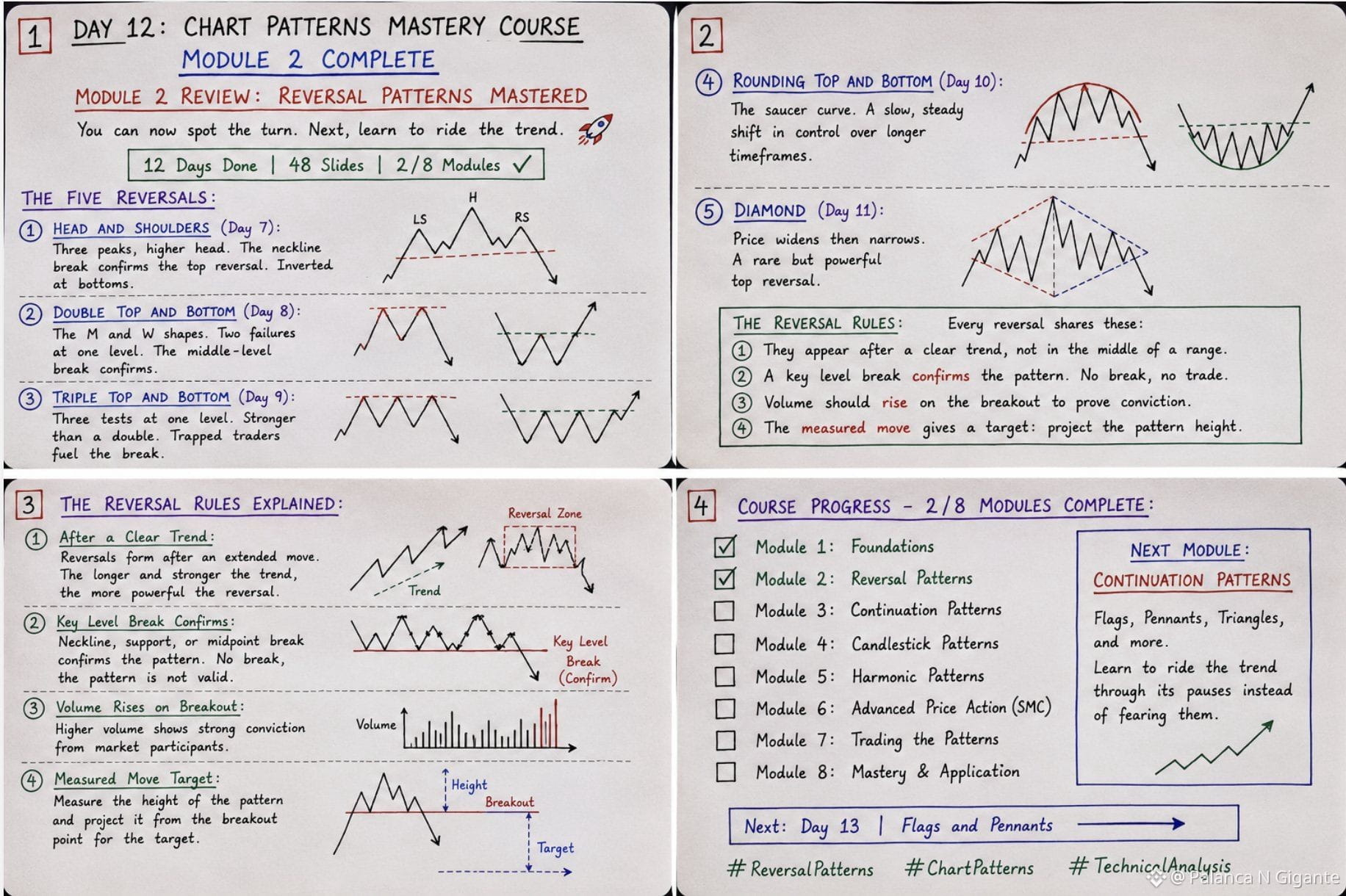
HaussierCOURS DE MAÎTRISE DES FIGURES GRAPHIQUES : MODULE 2 TERMINÉ | JOUR 12 $RAY
RÉVISION DU MODULE 2 : Figures de retournement maîtrisées Maintenant vous pouvez identifier le retournement. Ensuite, apprenez à surfer sur la tendance. 🚀
12 jours terminés | 48 diapositives | 2/8 modules ✅
LES CINQ RETOURNEMENTS : $ZEC
ÉPAULES ET TÊTE (Jour 7) : Trois pics, tête plus haute. La cassure de la ligne de cou confirme le retournement haussier. Inversé dans les creux.
DOUBLE SOMMET ET DOUBLE CREUX (Jour 8) : Les formes M et W. Deux échecs à un niveau. La cassure du niveau intermédiaire confirme.
TRIPLE SOMMET ET TRIPLE CREUX (Jour 9) : Trois tests à un niveau. Plus fort qu’un double sommet. Les traders piégés alimentent la cassure.
SOMMETS ET CREUX ARRONDIS (Jour 10) : La courbe de la soucoupe. Un changement lent et constant du contrôle sur des horizons plus longs.
DIAMANT (Jour 11) : Le prix s’élargit puis se resserre. Un retournement de sommet rare, mais puissant.
LES RÈGLES DU RETOURNEMENT : $NAORIS
Tout retournement partage ces caractéristiques :
1️⃣ Ils se produisent après une tendance claire, pas au milieu d’une zone de consolidation.
La cassure d’un niveau clé confirme le modèle. Pas de cassure, pas de trade.
3️⃣ Le volume doit augmenter lors de la cassure pour prouver la conviction.
4️⃣ Le mouvement mesuré fournit un objectif : projetez la hauteur du modèle.
Maîtrisez ces quatre règles.
PROGRESSION DU COURS - 2/8 MODULES TERMINÉS :
✅ Module 1 : Fondamentaux
✅ Module 2 : Figures de retournement
⬜ Module 3 : Figures de continuation
⬜ Module 4 : Figures en chandelier
⬜ Module 5 : Figures harmoniques
⬜ Module 6 : Analyse avancée des prix (SMC)
⬜ Module 7 : Trader avec les figures
⬜ Module 8 : Maîtrise et application
PROCHAIN MODULE : FIGURES DE CONTINUATION Drapeaux et bien plus encore. Apprenez à tirer parti de la tendance pendant ses pauses au lieu de les craindre.
Prochain : Jour 13 | Drapeaux et fanions ➡️
#StrategicTrading #ReversalPatterns #chartpatterns #TechnicalAnalysis #candlestick_patterns
RÉVISION DU MODULE 2 : Figures de retournement maîtrisées Maintenant vous pouvez identifier le retournement. Ensuite, apprenez à surfer sur la tendance. 🚀
12 jours terminés | 48 diapositives | 2/8 modules ✅
LES CINQ RETOURNEMENTS : $ZEC
ÉPAULES ET TÊTE (Jour 7) : Trois pics, tête plus haute. La cassure de la ligne de cou confirme le retournement haussier. Inversé dans les creux.
DOUBLE SOMMET ET DOUBLE CREUX (Jour 8) : Les formes M et W. Deux échecs à un niveau. La cassure du niveau intermédiaire confirme.
TRIPLE SOMMET ET TRIPLE CREUX (Jour 9) : Trois tests à un niveau. Plus fort qu’un double sommet. Les traders piégés alimentent la cassure.
SOMMETS ET CREUX ARRONDIS (Jour 10) : La courbe de la soucoupe. Un changement lent et constant du contrôle sur des horizons plus longs.
DIAMANT (Jour 11) : Le prix s’élargit puis se resserre. Un retournement de sommet rare, mais puissant.
LES RÈGLES DU RETOURNEMENT : $NAORIS
Tout retournement partage ces caractéristiques :
1️⃣ Ils se produisent après une tendance claire, pas au milieu d’une zone de consolidation.
La cassure d’un niveau clé confirme le modèle. Pas de cassure, pas de trade.
3️⃣ Le volume doit augmenter lors de la cassure pour prouver la conviction.
4️⃣ Le mouvement mesuré fournit un objectif : projetez la hauteur du modèle.
Maîtrisez ces quatre règles.
PROGRESSION DU COURS - 2/8 MODULES TERMINÉS :
✅ Module 1 : Fondamentaux
✅ Module 2 : Figures de retournement
⬜ Module 3 : Figures de continuation
⬜ Module 4 : Figures en chandelier
⬜ Module 5 : Figures harmoniques
⬜ Module 6 : Analyse avancée des prix (SMC)
⬜ Module 7 : Trader avec les figures
⬜ Module 8 : Maîtrise et application
PROCHAIN MODULE : FIGURES DE CONTINUATION Drapeaux et bien plus encore. Apprenez à tirer parti de la tendance pendant ses pauses au lieu de les craindre.
Prochain : Jour 13 | Drapeaux et fanions ➡️
#StrategicTrading #ReversalPatterns #chartpatterns #TechnicalAnalysis #candlestick_patterns
Sardinha de ouro:
obrigada 🤩
2
1
338
·
--
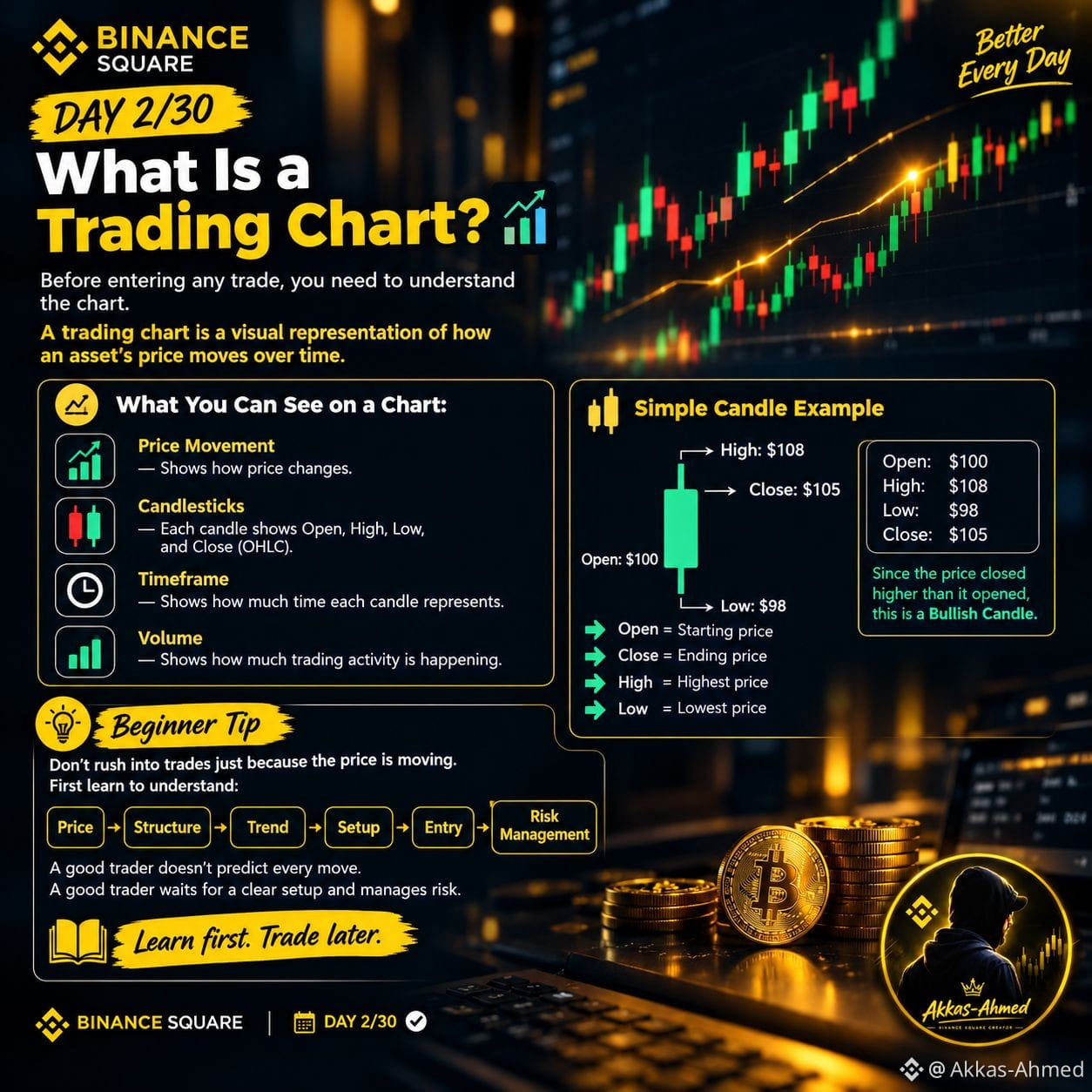
📅 JOUR 2/30 — Qu’est-ce qu’un graphique de trading ? 📊
Avant d’entrer dans une quelconque transaction, vous devez comprendre le graphique.
Un graphique de trading est une représentation visuelle de la façon dont le prix d’un actif évolue dans le temps.
🔹 Ce que vous pouvez voir sur un graphique :
📈 Mouvement des prix — Montre comment le prix change.
🕯️ Chandeliers — Chaque bougie montre l’Ouverture, le Plus haut, le Plus bas et la Clôture (OHLC).
⏱️ Cadre temporel — Indique combien de temps représente chaque bougie.
📊 Volume — Montre le niveau d’activité de trading.
🕯️ Exemple simple de bougie
Ouverture : 100 $
Plus haut : 108 $
Plus bas : 98 $
Clôture : 105 $
Comme le prix a clôturé plus haut qu’il n’a ouvert, c’est une Bougie Haussière 🟢
👉 Ouverture = Prix de départ
👉 Clôture = Prix de fin
👉 Plus haut = Plus haut prix
👉 Plus bas = Plus bas prix
🔥 Astuce pour débutants
Ne vous précipitez pas dans des transactions juste parce que le prix bouge.
Apprenez d’abord à comprendre :
Prix → Structure → Tendance → Configuration → Entrée → Gestion du risque
Un bon trader ne prédit pas chaque mouvement.
Un bon trader attend une configuration claire et gère le risque.
📚 Apprenez d’abord. Tradez plus tard.
JOUR 2/30 ✅
#cryptotrading #BinanceSquareFamily #tradingbasics #candlestick_patterns #TechnicalAnalysis
📅 JOUR 2/30 — Qu’est-ce qu’un graphique de trading ? 📊
Avant d’entrer dans une quelconque transaction, vous devez comprendre le graphique.
Un graphique de trading est une représentation visuelle de la façon dont le prix d’un actif évolue dans le temps.
🔹 Ce que vous pouvez voir sur un graphique :
📈 Mouvement des prix — Montre comment le prix change.
🕯️ Chandeliers — Chaque bougie montre l’Ouverture, le Plus haut, le Plus bas et la Clôture (OHLC).
⏱️ Cadre temporel — Indique combien de temps représente chaque bougie.
📊 Volume — Montre le niveau d’activité de trading.
🕯️ Exemple simple de bougie
Ouverture : 100 $
Plus haut : 108 $
Plus bas : 98 $
Clôture : 105 $
Comme le prix a clôturé plus haut qu’il n’a ouvert, c’est une Bougie Haussière 🟢
👉 Ouverture = Prix de départ
👉 Clôture = Prix de fin
👉 Plus haut = Plus haut prix
👉 Plus bas = Plus bas prix
🔥 Astuce pour débutants
Ne vous précipitez pas dans des transactions juste parce que le prix bouge.
Apprenez d’abord à comprendre :
Prix → Structure → Tendance → Configuration → Entrée → Gestion du risque
Un bon trader ne prédit pas chaque mouvement.
Un bon trader attend une configuration claire et gère le risque.
📚 Apprenez d’abord. Tradez plus tard.
JOUR 2/30 ✅
#cryptotrading #BinanceSquareFamily #tradingbasics #candlestick_patterns #TechnicalAnalysis
Avant d’entrer dans une quelconque transaction, vous devez comprendre le graphique.
Un graphique de trading est une représentation visuelle de la façon dont le prix d’un actif évolue dans le temps.
🔹 Ce que vous pouvez voir sur un graphique :
📈 Mouvement des prix — Montre comment le prix change.
🕯️ Chandeliers — Chaque bougie montre l’Ouverture, le Plus haut, le Plus bas et la Clôture (OHLC).
⏱️ Cadre temporel — Indique combien de temps représente chaque bougie.
📊 Volume — Montre le niveau d’activité de trading.
🕯️ Exemple simple de bougie
Ouverture : 100 $
Plus haut : 108 $
Plus bas : 98 $
Clôture : 105 $
Comme le prix a clôturé plus haut qu’il n’a ouvert, c’est une Bougie Haussière 🟢
👉 Ouverture = Prix de départ
👉 Clôture = Prix de fin
👉 Plus haut = Plus haut prix
👉 Plus bas = Plus bas prix
🔥 Astuce pour débutants
Ne vous précipitez pas dans des transactions juste parce que le prix bouge.
Apprenez d’abord à comprendre :
Prix → Structure → Tendance → Configuration → Entrée → Gestion du risque
Un bon trader ne prédit pas chaque mouvement.
Un bon trader attend une configuration claire et gère le risque.
📚 Apprenez d’abord. Tradez plus tard.
JOUR 2/30 ✅
#cryptotrading #BinanceSquareFamily #tradingbasics #candlestick_patterns #TechnicalAnalysis
1
1
56
·
--
Haussier
COURS DE MAÎTRISE DES FIGURES GRAPHIQUES : MODULE 2 TERMINÉ | JOUR 12 $RAY
RÉVISION DU MODULE 2 : Figures de retournement maîtrisées Maintenant vous pouvez identifier le retournement. Ensuite, apprenez à surfer sur la tendance. 🚀
12 jours terminés | 48 diapositives | 2/8 modules ✅
LES CINQ RETOURNEMENTS : $ZEC
ÉPAULES ET TÊTE (Jour 7) : Trois pics, tête plus haute. La cassure de la ligne de cou confirme le retournement haussier. Inversé dans les creux.
DOUBLE SOMMET ET DOUBLE CREUX (Jour 8) : Les formes M et W. Deux échecs à un niveau. La cassure du niveau intermédiaire confirme.
TRIPLE SOMMET ET TRIPLE CREUX (Jour 9) : Trois tests à un niveau. Plus fort qu’un double sommet. Les traders piégés alimentent la cassure.
SOMMETS ET CREUX ARRONDIS (Jour 10) : La courbe de la soucoupe. Un changement lent et constant du contrôle sur des horizons plus longs.
DIAMANT (Jour 11) : Le prix s’élargit puis se resserre. Un retournement de sommet rare, mais puissant.
LES RÈGLES DU RETOURNEMENT : $NAORIS
Tout retournement partage ces caractéristiques :
1️⃣ Ils se produisent après une tendance claire, pas au milieu d’une zone de consolidation.
La cassure d’un niveau clé confirme le modèle. Pas de cassure, pas de trade.
3️⃣ Le volume doit augmenter lors de la cassure pour prouver la conviction.
4️⃣ Le mouvement mesuré fournit un objectif : projetez la hauteur du modèle.
Maîtrisez ces quatre règles.
PROGRESSION DU COURS - 2/8 MODULES TERMINÉS :
✅ Module 1 : Fondamentaux
✅ Module 2 : Figures de retournement
⬜ Module 3 : Figures de continuation
⬜ Module 4 : Figures en chandelier
⬜ Module 5 : Figures harmoniques
⬜ Module 6 : Analyse avancée des prix (SMC)
⬜ Module 7 : Trader avec les figures
⬜ Module 8 : Maîtrise et application
PROCHAIN MODULE : FIGURES DE CONTINUATION Drapeaux et bien plus encore. Apprenez à tirer parti de la tendance pendant ses pauses au lieu de les craindre.
Prochain : Jour 13 | Drapeaux et fanions ➡️
{future}(NAORISUSDT)
{spot}(ZECUSDT)
{spot}(RAYUSDT)
#StrategicTrading #ReversalPatterns #chartpatterns #TechnicalAnalysis #candlestick_patterns
COURS DE MAÎTRISE DES FIGURES GRAPHIQUES : MODULE 2 TERMINÉ | JOUR 12 $RAY
RÉVISION DU MODULE 2 : Figures de retournement maîtrisées Maintenant vous pouvez identifier le retournement. Ensuite, apprenez à surfer sur la tendance. 🚀
12 jours terminés | 48 diapositives | 2/8 modules ✅
LES CINQ RETOURNEMENTS : $ZEC
ÉPAULES ET TÊTE (Jour 7) : Trois pics, tête plus haute. La cassure de la ligne de cou confirme le retournement haussier. Inversé dans les creux.
DOUBLE SOMMET ET DOUBLE CREUX (Jour 8) : Les formes M et W. Deux échecs à un niveau. La cassure du niveau intermédiaire confirme.
TRIPLE SOMMET ET TRIPLE CREUX (Jour 9) : Trois tests à un niveau. Plus fort qu’un double sommet. Les traders piégés alimentent la cassure.
SOMMETS ET CREUX ARRONDIS (Jour 10) : La courbe de la soucoupe. Un changement lent et constant du contrôle sur des horizons plus longs.
DIAMANT (Jour 11) : Le prix s’élargit puis se resserre. Un retournement de sommet rare, mais puissant.
LES RÈGLES DU RETOURNEMENT : $NAORIS
Tout retournement partage ces caractéristiques :
1️⃣ Ils se produisent après une tendance claire, pas au milieu d’une zone de consolidation.
La cassure d’un niveau clé confirme le modèle. Pas de cassure, pas de trade.
3️⃣ Le volume doit augmenter lors de la cassure pour prouver la conviction.
4️⃣ Le mouvement mesuré fournit un objectif : projetez la hauteur du modèle.
Maîtrisez ces quatre règles.
PROGRESSION DU COURS - 2/8 MODULES TERMINÉS :
✅ Module 1 : Fondamentaux
✅ Module 2 : Figures de retournement
⬜ Module 3 : Figures de continuation
⬜ Module 4 : Figures en chandelier
⬜ Module 5 : Figures harmoniques
⬜ Module 6 : Analyse avancée des prix (SMC)
⬜ Module 7 : Trader avec les figures
⬜ Module 8 : Maîtrise et application
PROCHAIN MODULE : FIGURES DE CONTINUATION Drapeaux et bien plus encore. Apprenez à tirer parti de la tendance pendant ses pauses au lieu de les craindre.
Prochain : Jour 13 | Drapeaux et fanions ➡️
#StrategicTrading #ReversalPatterns #chartpatterns #TechnicalAnalysis #candlestick_patterns
RÉVISION DU MODULE 2 : Figures de retournement maîtrisées Maintenant vous pouvez identifier le retournement. Ensuite, apprenez à surfer sur la tendance. 🚀
12 jours terminés | 48 diapositives | 2/8 modules ✅
LES CINQ RETOURNEMENTS : $ZEC
ÉPAULES ET TÊTE (Jour 7) : Trois pics, tête plus haute. La cassure de la ligne de cou confirme le retournement haussier. Inversé dans les creux.
DOUBLE SOMMET ET DOUBLE CREUX (Jour 8) : Les formes M et W. Deux échecs à un niveau. La cassure du niveau intermédiaire confirme.
TRIPLE SOMMET ET TRIPLE CREUX (Jour 9) : Trois tests à un niveau. Plus fort qu’un double sommet. Les traders piégés alimentent la cassure.
SOMMETS ET CREUX ARRONDIS (Jour 10) : La courbe de la soucoupe. Un changement lent et constant du contrôle sur des horizons plus longs.
DIAMANT (Jour 11) : Le prix s’élargit puis se resserre. Un retournement de sommet rare, mais puissant.
LES RÈGLES DU RETOURNEMENT : $NAORIS
Tout retournement partage ces caractéristiques :
1️⃣ Ils se produisent après une tendance claire, pas au milieu d’une zone de consolidation.
La cassure d’un niveau clé confirme le modèle. Pas de cassure, pas de trade.
3️⃣ Le volume doit augmenter lors de la cassure pour prouver la conviction.
4️⃣ Le mouvement mesuré fournit un objectif : projetez la hauteur du modèle.
Maîtrisez ces quatre règles.
PROGRESSION DU COURS - 2/8 MODULES TERMINÉS :
✅ Module 1 : Fondamentaux
✅ Module 2 : Figures de retournement
⬜ Module 3 : Figures de continuation
⬜ Module 4 : Figures en chandelier
⬜ Module 5 : Figures harmoniques
⬜ Module 6 : Analyse avancée des prix (SMC)
⬜ Module 7 : Trader avec les figures
⬜ Module 8 : Maîtrise et application
PROCHAIN MODULE : FIGURES DE CONTINUATION Drapeaux et bien plus encore. Apprenez à tirer parti de la tendance pendant ses pauses au lieu de les craindre.
Prochain : Jour 13 | Drapeaux et fanions ➡️
#StrategicTrading #ReversalPatterns #chartpatterns #TechnicalAnalysis #candlestick_patterns
Palanca N Gigante
·
--
HaussierCOURS DE MAÎTRISE DES FIGURES GRAPHIQUES : MODULE 2 : FIGURES DE REVERSAL | JOUR 11
LA FIGURE DU DIAMANT : La Reversal rare et puissante
Elle s'élargit puis se resserre. Une forme de diamant qui signale une grande reversal.
LES DEUX MOITIÉS D'UN DIAMANT : $4
Un diamant se forme après une forte tendance, généralement à un sommet. Le prix s'élargit d'abord en une forme d'élargissement puis se resserre en un triangle. Ensemble, ils forment le contour du diamant.
LES DEUX PHASES :
1️⃣ Phase d'élargissement. La volatilité augmente. Les plus hauts montent et les plus bas descendent. Le marché est confus et émotif. 2️⃣ Phase de resserrement. La volatilité diminue. Les plus hauts descendent et les plus bas montent, convergeant vers le point.
COMMENT OPÉRER LES TROIS NIVEAUX : $DASH
▪️ ENTRÉE : Entrez lorsque le prix casse la bordure inférieure de la phase de resserrement, confirmé par le volume.
▪️ STOP : Placez le stop juste à l'intérieur du diamant, au-dessus du niveau de cassure.
▪️ OBJECTIF : Mesurez la partie la plus large du diamant et projetez-la à partir de la cassure.
MANIPULEZ AVEC PRÉCAUTION
Les diamants sont rares et faciles à mal interpréter. Confirmez la forme complète avant de trader et ne forcez jamais un diamant sur une action des prix confuse.
CONCLUSIONS PRINCIPALES DU JOUR 11 $MARSCOIN
🔹 Le prix s'élargit puis se resserre
🔹 Généralement une reversal de sommet
🔹 Entrez sur la cassure de la bordure
🔹 Rare, donc confirmez avec soin
Suivant : Jour 12 | Révision du Module 2 ➡️
#candlestick_patterns #DiamondPattern #ReversalPatterns #chartpatterns #StrategicTrading
LA FIGURE DU DIAMANT : La Reversal rare et puissante
Elle s'élargit puis se resserre. Une forme de diamant qui signale une grande reversal.
LES DEUX MOITIÉS D'UN DIAMANT : $4
Un diamant se forme après une forte tendance, généralement à un sommet. Le prix s'élargit d'abord en une forme d'élargissement puis se resserre en un triangle. Ensemble, ils forment le contour du diamant.
LES DEUX PHASES :
1️⃣ Phase d'élargissement. La volatilité augmente. Les plus hauts montent et les plus bas descendent. Le marché est confus et émotif. 2️⃣ Phase de resserrement. La volatilité diminue. Les plus hauts descendent et les plus bas montent, convergeant vers le point.
COMMENT OPÉRER LES TROIS NIVEAUX : $DASH
▪️ ENTRÉE : Entrez lorsque le prix casse la bordure inférieure de la phase de resserrement, confirmé par le volume.
▪️ STOP : Placez le stop juste à l'intérieur du diamant, au-dessus du niveau de cassure.
▪️ OBJECTIF : Mesurez la partie la plus large du diamant et projetez-la à partir de la cassure.
MANIPULEZ AVEC PRÉCAUTION
Les diamants sont rares et faciles à mal interpréter. Confirmez la forme complète avant de trader et ne forcez jamais un diamant sur une action des prix confuse.
CONCLUSIONS PRINCIPALES DU JOUR 11 $MARSCOIN
🔹 Le prix s'élargit puis se resserre
🔹 Généralement une reversal de sommet
🔹 Entrez sur la cassure de la bordure
🔹 Rare, donc confirmez avec soin
Suivant : Jour 12 | Révision du Module 2 ➡️
#candlestick_patterns #DiamondPattern #ReversalPatterns #chartpatterns #StrategicTrading
3
2
1k
Connectez-vous pour découvrir plus de contenu
Rejoignez la communauté mondiale des adeptes de cryptomonnaies sur Binance Square
⚡️ Suviez les dernières informations importantes sur les cryptomonnaies.
💬 Jugé digne de confiance par la plus grande plateforme d’échange de cryptomonnaies au monde.
👍 Découvrez les connaissances que partagent les créateurs vérifiés.
Adresse e-mail/Nº de téléphone
Sujets d’actualité
1
#FedRateWatch
1.2M vues
5,733 mentions
2
#ZcashRises6%
10,372 vues
240 mentions
3
#XRPSinks10%
5,871 vues
152 mentions
4
#BitcoinETFsShed$450M
917 vues
37 mentions
5
#CircleOpensArcMainnet
3,622 vues
93 mentions
6
#ZcashHoldersBackNU7Upgrade
12,466 vues
255 mentions
7
#MSTRTradingVolumeSurpassesMorganStanley
14,936 vues
451 mentions
8
#BitcoinFalls4%
33,167 vues
740 mentions
9
#SKHynixInTalksToMakeMemoryChipsInUS
14,999 vues
304 mentions
10
#OpenAIDiscussesNewFundingAt$1.2TValuation
3,487 vues
49 mentions