

#binancesecurity
binancesecurity
1.5M vues
710 mentions
Populaire
Récents

·
--
💡🚀 Recomendaciones Clave de Seguridad:
Nunca compartas tus claves: Binance jamás te pedirá tu contraseña ni tus códigos 2FA por chat o correo.
Gestiona el riesgo: Invierte solo dinero que estés dispuesto a arriesgar.
Precaución con Futuros/Apalancamiento: Si eres principiante, es recomendable operar únicamente en el mercado Spot antes de explorar productos con apalancamiento (Futuros).
#Binance
#Binancesecurity
💡🚀 Recomendaciones Clave de Seguridad:
Nunca compartas tus claves: Binance jamás te pedirá tu contraseña ni tus códigos 2FA por chat o correo.
Gestiona el riesgo: Invierte solo dinero que estés dispuesto a arriesgar.
Precaución con Futuros/Apalancamiento: Si eres principiante, es recomendable operar únicamente en el mercado Spot antes de explorar productos con apalancamiento (Futuros).
#Binance
#Binancesecurity
Nunca compartas tus claves: Binance jamás te pedirá tu contraseña ni tus códigos 2FA por chat o correo.
Gestiona el riesgo: Invierte solo dinero que estés dispuesto a arriesgar.
Precaución con Futuros/Apalancamiento: Si eres principiante, es recomendable operar únicamente en el mercado Spot antes de explorar productos con apalancamiento (Futuros).
#Binance
#Binancesecurity
1
144

·
--
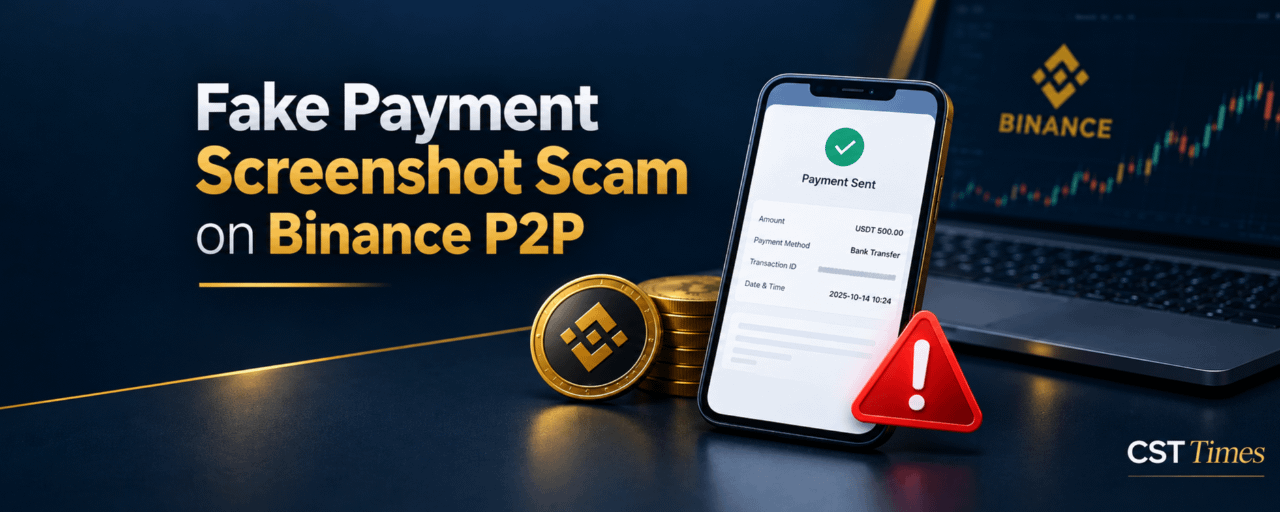
Article
The Binance P2P Payment Looks Real. So Why Is Your Money Missing?A convincing screenshot can fool your eyes. Your bank account tells a different story.
Imagine that you are selling USDT through Binance P2P. A buyer places an order, marks it as paid, and sends you a screenshot showing a successful transaction.
The amount looks correct. The receipt looks genuine. The buyer starts asking you to release the crypto quickly.
But there is one problem: the money has not arrived in your account.
This is the basic idea behind a fake payment screenshot scam.
How Does the Scam Work?
A fraudulent buyer may share an edited receipt or a fake payment notification to make the seller believe a transfer has been completed. The buyer may then use urgency and pressure to persuade the seller to release the crypto before checking the actual payment.
Once the seller releases the USDT, recovering the assets may be difficult.
The most important thing to understand is that a screenshot is only an image. It does not confirm that money has reached your account.
Five Rules for Safer Binance P2P Trading
1. Verify the payment yourself.
Open your own bank or payment app instead of relying on an image sent by the buyer.
2. Confirm the full amount.
A pending transfer, partial payment, or payment that does not appear in your account should not be treated as a completed payment.
3. Check the sender's name.
Compare the name shown in your payment account with the buyer's verified details. Be cautious about third-party payments.
4. Never let urgency control your decision.
Messages such as “Release now,” “The bank is processing it,” or “Trust me” are not proof that a payment has arrived.
5. Use the platform's dispute process.
If the money is missing, do not release the crypto. Keep the order details and chat evidence, then use Binance's in-app appeal process.
A Simple Habit That Can Make a Difference
In my six years of using Binance as a spot trader, checking counterparties and verifying transactions have been important habits. Before trading with a P2P buyer, I look at their completed trades, trading history, and requirements.
These checks are useful, but even an experienced or highly rated trader should not be trusted blindly. Every payment needs to be verified independently.
The safest approach is straightforward: check the actual funds, confirm the amount and sender, and only then consider releasing your crypto.
Final Takeaway
You do not need advanced technical knowledge to recognize the basic warning sign. If someone wants you to release crypto before the payment is confirmed, stop and verify.
A screenshot may look convincing, but your own account is the place to confirm whether the money has arrived.
Read the complete guide on CST Times:
This article is for educational purposes only. Always review the platform's current rules and payment requirements before completing a P2P transaction.
#binancep2p #Binancesecurity #BinanceSafety
The Binance P2P Payment Looks Real. So Why Is Your Money Missing?
A convincing screenshot can fool your eyes. Your bank account tells a different story.
Imagine that you are selling USDT through Binance P2P. A buyer places an order, marks it as paid, and sends you a screenshot showing a successful transaction.
The amount looks correct. The receipt looks genuine. The buyer starts asking you to release the crypto quickly.
But there is one problem: the money has not arrived in your account.
This is the basic idea behind a fake payment screenshot scam.
How Does the Scam Work?
A fraudulent buyer may share an edited receipt or a fake payment notification to make the seller believe a transfer has been completed. The buyer may then use urgency and pressure to persuade the seller to release the crypto before checking the actual payment.
Once the seller releases the USDT, recovering the assets may be difficult.
The most important thing to understand is that a screenshot is only an image. It does not confirm that money has reached your account.
Five Rules for Safer Binance P2P Trading
1. Verify the payment yourself.
Open your own bank or payment app instead of relying on an image sent by the buyer.
2. Confirm the full amount.
A pending transfer, partial payment, or payment that does not appear in your account should not be treated as a completed payment.
3. Check the sender's name.
Compare the name shown in your payment account with the buyer's verified details. Be cautious about third-party payments.
4. Never let urgency control your decision.
Messages such as “Release now,” “The bank is processing it,” or “Trust me” are not proof that a payment has arrived.
5. Use the platform's dispute process.
If the money is missing, do not release the crypto. Keep the order details and chat evidence, then use Binance's in-app appeal process.
A Simple Habit That Can Make a Difference
In my six years of using Binance as a spot trader, checking counterparties and verifying transactions have been important habits. Before trading with a P2P buyer, I look at their completed trades, trading history, and requirements.
These checks are useful, but even an experienced or highly rated trader should not be trusted blindly. Every payment needs to be verified independently.
The safest approach is straightforward: check the actual funds, confirm the amount and sender, and only then consider releasing your crypto.
Final Takeaway
You do not need advanced technical knowledge to recognize the basic warning sign. If someone wants you to release crypto before the payment is confirmed, stop and verify.
A screenshot may look convincing, but your own account is the place to confirm whether the money has arrived.
Read the complete guide on CST Times:
This article is for educational purposes only. Always review the platform's current rules and payment requirements before completing a P2P transaction.
#binancep2p #Binancesecurity #BinanceSafety
Imagine that you are selling USDT through Binance P2P. A buyer places an order, marks it as paid, and sends you a screenshot showing a successful transaction.
The amount looks correct. The receipt looks genuine. The buyer starts asking you to release the crypto quickly.
But there is one problem: the money has not arrived in your account.
This is the basic idea behind a fake payment screenshot scam.
How Does the Scam Work?
A fraudulent buyer may share an edited receipt or a fake payment notification to make the seller believe a transfer has been completed. The buyer may then use urgency and pressure to persuade the seller to release the crypto before checking the actual payment.
Once the seller releases the USDT, recovering the assets may be difficult.
The most important thing to understand is that a screenshot is only an image. It does not confirm that money has reached your account.
Five Rules for Safer Binance P2P Trading
1. Verify the payment yourself.
Open your own bank or payment app instead of relying on an image sent by the buyer.
2. Confirm the full amount.
A pending transfer, partial payment, or payment that does not appear in your account should not be treated as a completed payment.
3. Check the sender's name.
Compare the name shown in your payment account with the buyer's verified details. Be cautious about third-party payments.
4. Never let urgency control your decision.
Messages such as “Release now,” “The bank is processing it,” or “Trust me” are not proof that a payment has arrived.
5. Use the platform's dispute process.
If the money is missing, do not release the crypto. Keep the order details and chat evidence, then use Binance's in-app appeal process.
A Simple Habit That Can Make a Difference
In my six years of using Binance as a spot trader, checking counterparties and verifying transactions have been important habits. Before trading with a P2P buyer, I look at their completed trades, trading history, and requirements.
These checks are useful, but even an experienced or highly rated trader should not be trusted blindly. Every payment needs to be verified independently.
The safest approach is straightforward: check the actual funds, confirm the amount and sender, and only then consider releasing your crypto.
Final Takeaway
You do not need advanced technical knowledge to recognize the basic warning sign. If someone wants you to release crypto before the payment is confirmed, stop and verify.
A screenshot may look convincing, but your own account is the place to confirm whether the money has arrived.
Read the complete guide on CST Times:
This article is for educational purposes only. Always review the platform's current rules and payment requirements before completing a P2P transaction.
#binancep2p #Binancesecurity #BinanceSafety
181

·
--
What if Binance gets hacked Where does your money go
Many fear this Binance already has answer SAFU Fund
SAFU means Secure Asset Fund for Users
Binance keeps 1 Billion plus locked separately to cover users if anything goes wrong Since 2018
So your funds have backup protection That is why Binance is number one
Did you know about SAFU before
#BinanceSAFU #CryptoSafety #Binancesecurity #SAFU
What if Binance gets hacked Where does your money go
Many fear this Binance already has answer SAFU Fund
SAFU means Secure Asset Fund for Users
Binance keeps 1 Billion plus locked separately to cover users if anything goes wrong Since 2018
So your funds have backup protection That is why Binance is number one
Did you know about SAFU before
#BinanceSAFU #CryptoSafety #Binancesecurity #SAFU
Many fear this Binance already has answer SAFU Fund
SAFU means Secure Asset Fund for Users
Binance keeps 1 Billion plus locked separately to cover users if anything goes wrong Since 2018
So your funds have backup protection That is why Binance is number one
Did you know about SAFU before
#BinanceSAFU #CryptoSafety #Binancesecurity #SAFU
58
·
--
Binance Easypaisa JazzCash Gambling payments block kyun kar rahe hain
Afwah hai Easypaisa JazzCash band ho rahe hain
Haqeeqat FIA ne 119 Billion ke gambling network par crackdown kiya
Same rule Binance par bhi hai
Kya hua
1 Binance ne gambling betting se linked P2P merchants block kiye
2 JazzCash ne 100 plus aggregator accounts band kiye
3 46 plus fake apps B9 S9 U7777 banned
Aapka normal use SAFE hai
Binance Spot trading P2P bills sab chal raha hai
Sirf illegal gambling wale raste band hue hain
Tip Kabhi bhi unknown game link par apne Binance ya wallet se payment mat karen
#BinanceP2P #CryptoSafety #Binancesecurity #safu
Binance Easypaisa JazzCash Gambling payments block kyun kar rahe hain
Afwah hai Easypaisa JazzCash band ho rahe hain
Haqeeqat FIA ne 119 Billion ke gambling network par crackdown kiya
Same rule Binance par bhi hai
Kya hua
1 Binance ne gambling betting se linked P2P merchants block kiye
2 JazzCash ne 100 plus aggregator accounts band kiye
3 46 plus fake apps B9 S9 U7777 banned
Aapka normal use SAFE hai
Binance Spot trading P2P bills sab chal raha hai
Sirf illegal gambling wale raste band hue hain
Tip Kabhi bhi unknown game link par apne Binance ya wallet se payment mat karen
#BinanceP2P #CryptoSafety #Binancesecurity #safu
Afwah hai Easypaisa JazzCash band ho rahe hain
Haqeeqat FIA ne 119 Billion ke gambling network par crackdown kiya
Same rule Binance par bhi hai
Kya hua
1 Binance ne gambling betting se linked P2P merchants block kiye
2 JazzCash ne 100 plus aggregator accounts band kiye
3 46 plus fake apps B9 S9 U7777 banned
Aapka normal use SAFE hai
Binance Spot trading P2P bills sab chal raha hai
Sirf illegal gambling wale raste band hue hain
Tip Kabhi bhi unknown game link par apne Binance ya wallet se payment mat karen
#BinanceP2P #CryptoSafety #Binancesecurity #safu
1
47

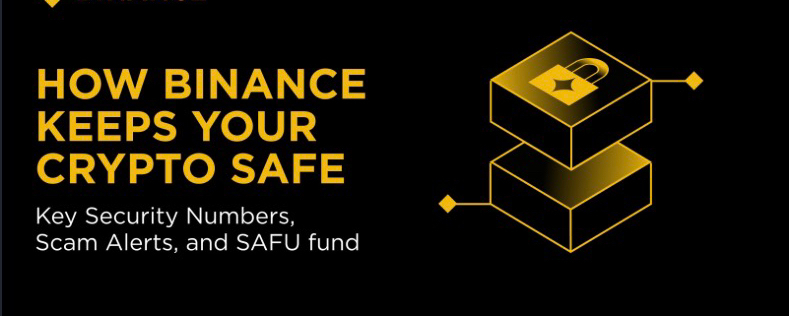
Article
🔐 Crypto ຂອງເຮົາປອດໄພຊໍ່າໃດ? Binance ກຳລັງໃຊ້ຫຍັງເພື່ອປົກປ້ອງ User?ຫຼາຍຄົນອາດຄິດວ່າ “ຖ້າ Account ຖືກ Hack = Crypto ຫາຍແນ່ນອນ” ❌
ແຕ່ຄວາມຈິງຄື Binance ມີລະບົບ Security ຫຼາຍຊັ້ນ ເພື່ອຊ່ວຍກວດຈັບ ແລະ ຢຸດການສໍ້ໂກງກ່ອນທີ່ຄວາມເສຍຫາຍຈະເກີດຂຶ້ນ.
📊 ຕົວເລກທີ່ນ່າສົນໃຈ
💰 $4.6B+ ຂອງຄວາມເສຍຫາຍທີ່ອາດເກີດຂຶ້ນ ຖືກປ້ອງກັນໄດ້ໃນ H1 2026
👥 8M+ Users ໄດ້ຮັບການປົກປ້ອງ
🚫 42,000+ ທີ່ຢູ່ອັນຕະລາຍ ຖືກ Blacklist
⚠️ 14,000+ Risk Warnings/ມື້ ຖືກສົ່ງໃຫ້ User
🤖 100+ AI Models ຊ່ວຍກວດຈັບ Risk ແລະ Scam
🛡️ SAFU Fund ~ $1 Billion ເປັນອີກຊັ້ນຂອງ Safety Net ສຳລັບກໍລະນີສຸດວິໄສ
🚨 ແຕ່ມີສິ່ງໜຶ່ງທີ່ User ຕ້ອງຮູ້!
Security ບໍ່ແມ່ນໜ້າທີ່ຂອງ Binance ຝ່າຍດຽວ.
ຖ້າ Email, Password, 2FA ຫຼື Device ຂອງເຮົາຖືກຄວບຄຸມ ຄວາມສ່ຽງກໍເພີ່ມຂຶ້ນ.
❌ ຢ່າກົດ Link ແປກໆ
❌ ຢ່າບອກ OTP / Password / 2FA
❌ ຢ່າໂອນ Crypto ໃຫ້ຄົນທີ່ອ້າງວ່າ “Binance Support”
❌ ຢ່າເຊື່ອຄົນທີ່ບອກໃຫ້ໂອນ Crypto ໄປ “Safe Wallet”
✅ ເປີດ Anti-Phishing Code
✅ ໃຊ້ 2FA
✅ ກວດ URL ກ່ອນ Login
✅ ກວດ Withdrawal Address ທຸກຄັ້ງ
💡 ຈື່ໄວ້ວ່າ:
SAFU ແມ່ນ Safety Net ສຸດທ້າຍ — ບໍ່ແມ່ນໃບຮັບປະກັນວ່າທຸກກໍລະນີຈະໄດ້ຮັບຄືນ.
👉 ຄວາມປອດໄພຂອງ Crypto ເລີ່ມຈາກ Binance + User ເຮັດວຽກຮ່ວມກັນ.
ອ່ານບົດຄວາມເພີ່ມເຕີມ 👇🏻
[How Binance Keeps Your Crypto Safe: Key Security Numbers, Scam Alerts, and the SAFU Fund](https://app.binance.com/uni-qr/cart/374774217464553?r=i12d0sv5&l=en&uco=ie9v60vzo0r0vfzgigs35q&uc=app_square_share_link&us=telegram)
ທ່ານເຄີຍເຈີ Phishing / Scam / Fake Binance Support ຫຼືບໍ່? 👇
ມາແບ່ງປັນປະສົບການໄວ້ໃນ Comment ເພື່ອເຕືອນ Community ນຳກັນ.
#BinanceSecurity #SAFU #CryptoSecurity #BinanceAcademy #BinanceAngel
🔐 Crypto ຂອງເຮົາປອດໄພຊໍ່າໃດ? Binance ກຳລັງໃຊ້ຫຍັງເພື່ອປົກປ້ອງ User?
ຫຼາຍຄົນອາດຄິດວ່າ “ຖ້າ Account ຖືກ Hack = Crypto ຫາຍແນ່ນອນ” ❌
ແຕ່ຄວາມຈິງຄື Binance ມີລະບົບ Security ຫຼາຍຊັ້ນ ເພື່ອຊ່ວຍກວດຈັບ ແລະ ຢຸດການສໍ້ໂກງກ່ອນທີ່ຄວາມເສຍຫາຍຈະເກີດຂຶ້ນ.
📊 ຕົວເລກທີ່ນ່າສົນໃຈ
💰 $4.6B+ ຂອງຄວາມເສຍຫາຍທີ່ອາດເກີດຂຶ້ນ ຖືກປ້ອງກັນໄດ້ໃນ H1 2026
👥 8M+ Users ໄດ້ຮັບການປົກປ້ອງ
🚫 42,000+ ທີ່ຢູ່ອັນຕະລາຍ ຖືກ Blacklist
⚠️ 14,000+ Risk Warnings/ມື້ ຖືກສົ່ງໃຫ້ User
🤖 100+ AI Models ຊ່ວຍກວດຈັບ Risk ແລະ Scam
🛡️ SAFU Fund ~ $1 Billion ເປັນອີກຊັ້ນຂອງ Safety Net ສຳລັບກໍລະນີສຸດວິໄສ
🚨 ແຕ່ມີສິ່ງໜຶ່ງທີ່ User ຕ້ອງຮູ້!
Security ບໍ່ແມ່ນໜ້າທີ່ຂອງ Binance ຝ່າຍດຽວ.
ຖ້າ Email, Password, 2FA ຫຼື Device ຂອງເຮົາຖືກຄວບຄຸມ ຄວາມສ່ຽງກໍເພີ່ມຂຶ້ນ.
❌ ຢ່າກົດ Link ແປກໆ
❌ ຢ່າບອກ OTP / Password / 2FA
❌ ຢ່າໂອນ Crypto ໃຫ້ຄົນທີ່ອ້າງວ່າ “Binance Support”
❌ ຢ່າເຊື່ອຄົນທີ່ບອກໃຫ້ໂອນ Crypto ໄປ “Safe Wallet”
✅ ເປີດ Anti-Phishing Code
✅ ໃຊ້ 2FA
✅ ກວດ URL ກ່ອນ Login
✅ ກວດ Withdrawal Address ທຸກຄັ້ງ
💡 ຈື່ໄວ້ວ່າ:
SAFU ແມ່ນ Safety Net ສຸດທ້າຍ — ບໍ່ແມ່ນໃບຮັບປະກັນວ່າທຸກກໍລະນີຈະໄດ້ຮັບຄືນ.
👉 ຄວາມປອດໄພຂອງ Crypto ເລີ່ມຈາກ Binance + User ເຮັດວຽກຮ່ວມກັນ.
ອ່ານບົດຄວາມເພີ່ມເຕີມ 👇🏻
How Binance Keeps Your Crypto Safe: Key Security Numbers, Scam Alerts, and the SAFU Fund
ທ່ານເຄີຍເຈີ Phishing / Scam / Fake Binance Support ຫຼືບໍ່? 👇
ມາແບ່ງປັນປະສົບການໄວ້ໃນ Comment ເພື່ອເຕືອນ Community ນຳກັນ.
#BinanceSecurity #SAFU #CryptoSecurity #BinanceAcademy #BinanceAngel
ແຕ່ຄວາມຈິງຄື Binance ມີລະບົບ Security ຫຼາຍຊັ້ນ ເພື່ອຊ່ວຍກວດຈັບ ແລະ ຢຸດການສໍ້ໂກງກ່ອນທີ່ຄວາມເສຍຫາຍຈະເກີດຂຶ້ນ.
📊 ຕົວເລກທີ່ນ່າສົນໃຈ
💰 $4.6B+ ຂອງຄວາມເສຍຫາຍທີ່ອາດເກີດຂຶ້ນ ຖືກປ້ອງກັນໄດ້ໃນ H1 2026
👥 8M+ Users ໄດ້ຮັບການປົກປ້ອງ
🚫 42,000+ ທີ່ຢູ່ອັນຕະລາຍ ຖືກ Blacklist
⚠️ 14,000+ Risk Warnings/ມື້ ຖືກສົ່ງໃຫ້ User
🤖 100+ AI Models ຊ່ວຍກວດຈັບ Risk ແລະ Scam
🛡️ SAFU Fund ~ $1 Billion ເປັນອີກຊັ້ນຂອງ Safety Net ສຳລັບກໍລະນີສຸດວິໄສ
🚨 ແຕ່ມີສິ່ງໜຶ່ງທີ່ User ຕ້ອງຮູ້!
Security ບໍ່ແມ່ນໜ້າທີ່ຂອງ Binance ຝ່າຍດຽວ.
ຖ້າ Email, Password, 2FA ຫຼື Device ຂອງເຮົາຖືກຄວບຄຸມ ຄວາມສ່ຽງກໍເພີ່ມຂຶ້ນ.
❌ ຢ່າກົດ Link ແປກໆ
❌ ຢ່າບອກ OTP / Password / 2FA
❌ ຢ່າໂອນ Crypto ໃຫ້ຄົນທີ່ອ້າງວ່າ “Binance Support”
❌ ຢ່າເຊື່ອຄົນທີ່ບອກໃຫ້ໂອນ Crypto ໄປ “Safe Wallet”
✅ ເປີດ Anti-Phishing Code
✅ ໃຊ້ 2FA
✅ ກວດ URL ກ່ອນ Login
✅ ກວດ Withdrawal Address ທຸກຄັ້ງ
💡 ຈື່ໄວ້ວ່າ:
SAFU ແມ່ນ Safety Net ສຸດທ້າຍ — ບໍ່ແມ່ນໃບຮັບປະກັນວ່າທຸກກໍລະນີຈະໄດ້ຮັບຄືນ.
👉 ຄວາມປອດໄພຂອງ Crypto ເລີ່ມຈາກ Binance + User ເຮັດວຽກຮ່ວມກັນ.
ອ່ານບົດຄວາມເພີ່ມເຕີມ 👇🏻
How Binance Keeps Your Crypto Safe: Key Security Numbers, Scam Alerts, and the SAFU Fund
ທ່ານເຄີຍເຈີ Phishing / Scam / Fake Binance Support ຫຼືບໍ່? 👇
ມາແບ່ງປັນປະສົບການໄວ້ໃນ Comment ເພື່ອເຕືອນ Community ນຳກັນ.
#BinanceSecurity #SAFU #CryptoSecurity #BinanceAcademy #BinanceAngel
155

*Title: Proactive Security Wins: Why PROTECT is Always Better Than RECOVER*
Everyone celebrates SECURITY after they get hacked. Smart users celebrate it before.
This week's WOTD theme is *"Proactive Security Wins"* and it hit home. In crypto, we always talk about profits, but 90% of losses aren't from bad trades — they're from bad security habits.
*3 Rules I now live by on Binance:*
*1. PREVENT > DEFENSE*
Don't wait for an ALERT. Use PASSKEY + AUTH + PIN. Turn on Anti-Phishing code. Whitelist your withdrawal addresses. It takes 2 minutes.
*2. VERIFY Everything*
That DM from "Binance Support"? FAKE. That link that looks like http://binance.com? Check it. Always VERIFY inside the official app. SAFETY starts with one click.
*3. FREEZE & AUDIT*
If something feels off, FREEZE your withdrawals immediately. Then AUDIT your API keys, devices, and active sessions. TRUST your gut, not the stranger promising 2x returns.
I used *PROTECT* for my WOTD today and it’s literally the strategy.
Remember: Your PASSWORD is not your security. Your habits are.
Stay SAFE, stay SECURE, stay PROACTIVE.
#WOTD #ProactiveSecurityWins #Binancesecurity ity #SAFU #CryptoSafety
*Title: Proactive Security Wins: Why PROTECT is Always Better Than RECOVER*
Everyone celebrates SECURITY after they get hacked. Smart users celebrate it before.
This week's WOTD theme is *"Proactive Security Wins"* and it hit home. In crypto, we always talk about profits, but 90% of losses aren't from bad trades — they're from bad security habits.
*3 Rules I now live by on Binance:*
*1. PREVENT > DEFENSE*
Don't wait for an ALERT. Use PASSKEY + AUTH + PIN. Turn on Anti-Phishing code. Whitelist your withdrawal addresses. It takes 2 minutes.
*2. VERIFY Everything*
That DM from "Binance Support"? FAKE. That link that looks like http://binance.com? Check it. Always VERIFY inside the official app. SAFETY starts with one click.
*3. FREEZE & AUDIT*
If something feels off, FREEZE your withdrawals immediately. Then AUDIT your API keys, devices, and active sessions. TRUST your gut, not the stranger promising 2x returns.
I used *PROTECT* for my WOTD today and it’s literally the strategy.
Remember: Your PASSWORD is not your security. Your habits are.
Stay SAFE, stay SECURE, stay PROACTIVE.
#WOTD #ProactiveSecurityWins #Binancesecurity ity #SAFU #CryptoSafety
Everyone celebrates SECURITY after they get hacked. Smart users celebrate it before.
This week's WOTD theme is *"Proactive Security Wins"* and it hit home. In crypto, we always talk about profits, but 90% of losses aren't from bad trades — they're from bad security habits.
*3 Rules I now live by on Binance:*
*1. PREVENT > DEFENSE*
Don't wait for an ALERT. Use PASSKEY + AUTH + PIN. Turn on Anti-Phishing code. Whitelist your withdrawal addresses. It takes 2 minutes.
*2. VERIFY Everything*
That DM from "Binance Support"? FAKE. That link that looks like http://binance.com? Check it. Always VERIFY inside the official app. SAFETY starts with one click.
*3. FREEZE & AUDIT*
If something feels off, FREEZE your withdrawals immediately. Then AUDIT your API keys, devices, and active sessions. TRUST your gut, not the stranger promising 2x returns.
I used *PROTECT* for my WOTD today and it’s literally the strategy.
Remember: Your PASSWORD is not your security. Your habits are.
Stay SAFE, stay SECURE, stay PROACTIVE.
#WOTD #ProactiveSecurityWins #Binancesecurity ity #SAFU #CryptoSafety
101

·
--
Haussier
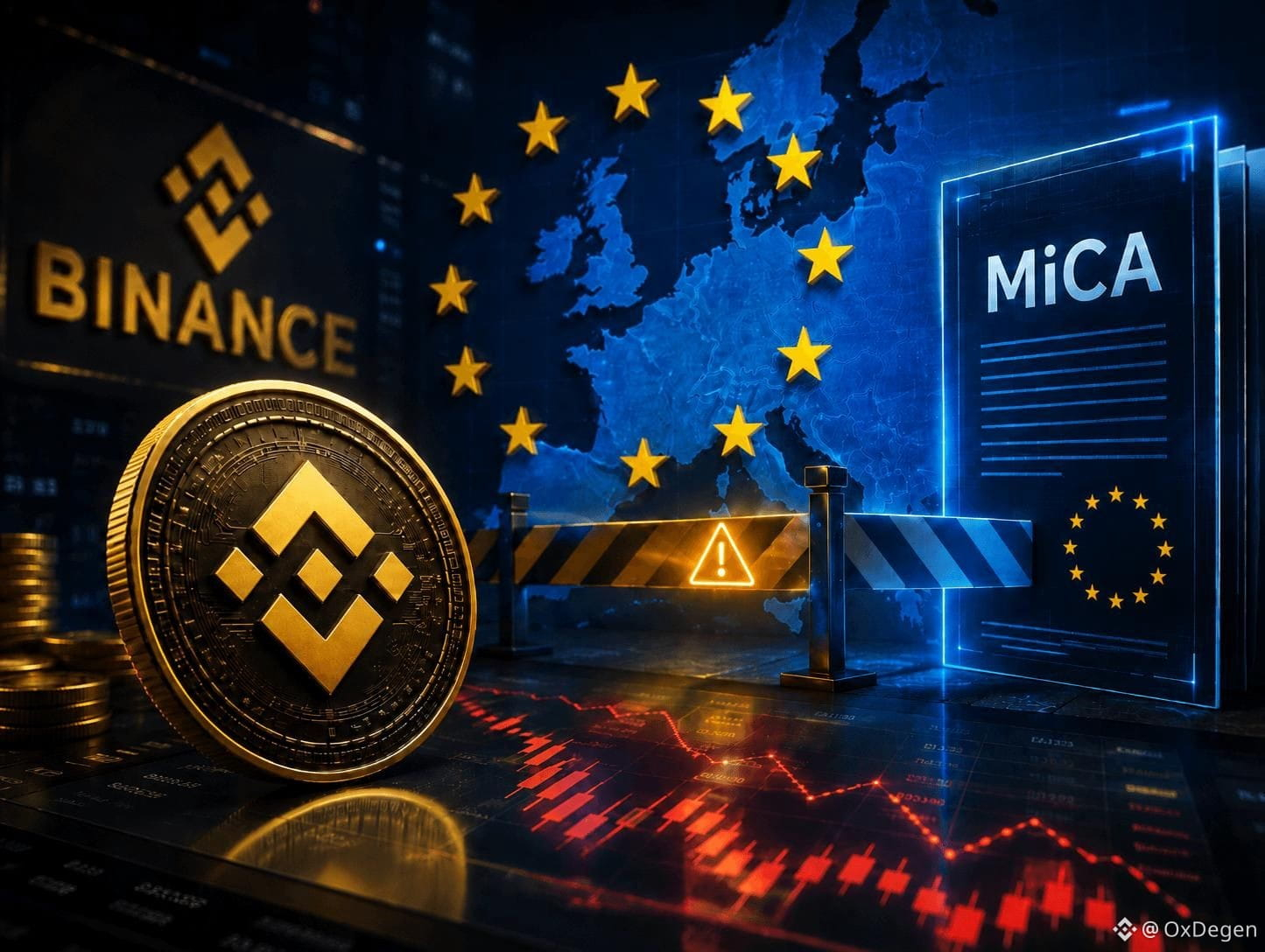
Reuters报道,欧盟监管部门正在关注Binance在欧盟市场继续提供服务的问题,争议点集中在”reverse solicitation(反向招揽)”这一法律路径是否被过度使用。Binance则表示其运营符合要求,并继续推进欧盟授权。
两个观点:
一边:监管越严格,长期越有利于合规化。
另一边:规则越严,大交易所的海外服务空间就越小。
观察点:重点不是$BNB 某一个价格,而是后续是否出现新的服务限制、罚款或牌照进展。
方向:事件驱动,继续等监管后续,不提前下结论。
{future}(BTCUSDT)
{future}(ETHUSDT)
{future}(BNBUSDT)
#Binance #Binancesecurity #何一
Reuters报道,欧盟监管部门正在关注Binance在欧盟市场继续提供服务的问题,争议点集中在”reverse solicitation(反向招揽)”这一法律路径是否被过度使用。Binance则表示其运营符合要求,并继续推进欧盟授权。
两个观点:
一边:监管越严格,长期越有利于合规化。
另一边:规则越严,大交易所的海外服务空间就越小。
观察点:重点不是$BNB 某一个价格,而是后续是否出现新的服务限制、罚款或牌照进展。
方向:事件驱动,继续等监管后续,不提前下结论。
#Binance #Binancesecurity #何一
两个观点:
一边:监管越严格,长期越有利于合规化。
另一边:规则越严,大交易所的海外服务空间就越小。
观察点:重点不是$BNB 某一个价格,而是后续是否出现新的服务限制、罚款或牌照进展。
方向:事件驱动,继续等监管后续,不提前下结论。
#Binance #Binancesecurity #何一
602

·
--
Article
How to Check If Your Data Was Leaked — and What to Do NextIn today’s digital world, Data Breaches can happen to anyone. Personal information such as email addresses, passwords, phone numbers, and account details may be exposed without your knowledge and could be used for phishing, scams, or unauthorized access.
Taking a few simple security steps can help reduce risks and better protect your accounts and digital assets.
🔍 How to Check If Your Data Was Leaked
✅ Check whether your email has appeared in known data breaches.
✅ Review your account activity for unfamiliar logins or suspicious changes.
✅ Monitor your financial and crypto transactions regularly.
🛡️ What to Do If Your Data Was Leaked
🔑 Change your passwords
Use strong, unique passwords and avoid reusing the same password across multiple accounts.
🔐 Enable 2FA and Passkeys
Adding an extra layer of security helps protect your accounts even if your password is compromised.
🚨 Stay alert against phishing
Scammers may use leaked information to create convincing fake messages. Never share your Password, OTP, or Seed Phrase.
🔒 Binance Security Tips
For Binance users, remember to:
✅ Enable Anti-Phishing Code
✅ Enable 2FA / Passkey
✅ Check Security Activity regularly
✅ Remove unknown devices from your account
Data security starts with small actions. Take a few minutes today to review your security settings and protect your digital assets. 🔐
#Binance #BinanceSecurity #CryptoSecurity #DataBreach #Web3Security
How to Check If Your Data Was Leaked — and What to Do Next
In today’s digital world, Data Breaches can happen to anyone. Personal information such as email addresses, passwords, phone numbers, and account details may be exposed without your knowledge and could be used for phishing, scams, or unauthorized access.
Taking a few simple security steps can help reduce risks and better protect your accounts and digital assets.
🔍 How to Check If Your Data Was Leaked
✅ Check whether your email has appeared in known data breaches.
✅ Review your account activity for unfamiliar logins or suspicious changes.
✅ Monitor your financial and crypto transactions regularly.
🛡️ What to Do If Your Data Was Leaked
🔑 Change your passwords
Use strong, unique passwords and avoid reusing the same password across multiple accounts.
🔐 Enable 2FA and Passkeys
Adding an extra layer of security helps protect your accounts even if your password is compromised.
🚨 Stay alert against phishing
Scammers may use leaked information to create convincing fake messages. Never share your Password, OTP, or Seed Phrase.
🔒 Binance Security Tips
For Binance users, remember to:
✅ Enable Anti-Phishing Code
✅ Enable 2FA / Passkey
✅ Check Security Activity regularly
✅ Remove unknown devices from your account
Data security starts with small actions. Take a few minutes today to review your security settings and protect your digital assets. 🔐
#Binance #BinanceSecurity #CryptoSecurity #DataBreach #Web3Security
Taking a few simple security steps can help reduce risks and better protect your accounts and digital assets.
🔍 How to Check If Your Data Was Leaked
✅ Check whether your email has appeared in known data breaches.
✅ Review your account activity for unfamiliar logins or suspicious changes.
✅ Monitor your financial and crypto transactions regularly.
🛡️ What to Do If Your Data Was Leaked
🔑 Change your passwords
Use strong, unique passwords and avoid reusing the same password across multiple accounts.
🔐 Enable 2FA and Passkeys
Adding an extra layer of security helps protect your accounts even if your password is compromised.
🚨 Stay alert against phishing
Scammers may use leaked information to create convincing fake messages. Never share your Password, OTP, or Seed Phrase.
🔒 Binance Security Tips
For Binance users, remember to:
✅ Enable Anti-Phishing Code
✅ Enable 2FA / Passkey
✅ Check Security Activity regularly
✅ Remove unknown devices from your account
Data security starts with small actions. Take a few minutes today to review your security settings and protect your digital assets. 🔐
#Binance #BinanceSecurity #CryptoSecurity #DataBreach #Web3Security
95
·
--
Article
How to Check If Your Data Was Leaked — and What to Do Nextໃນໂລກດິຈິຕອນທຸກມື້ນີ້ ການຮົ່ວໄຫຼຂອງຂໍ້ມູນ (Data Breaches) ສາມາດເກີດຂຶ້ນກັບທຸກຄົນໄດ້. ຂໍ້ມູນສ່ວນຕົວເຊັ່ນ ອີເມວ, ລະຫັດຜ່ານ, ເບີໂທລະສັບ ແລະ ລາຍລະອຽດບັນຊີ ອາດຖືກເປີດເຜີຍໂດຍທີ່ທ່ານບໍ່ຮູ້ຕົວ ແລະ ອາດຖືກນຳໄປໃຊ້ໃນການຫຼອກລວງ (Phishing), ການສໍ້ໂກງ ຫຼື ການເຂົ້າເຖິງບັນຊີໂດຍບໍ່ໄດ້ຮັບອະນຸຍາດ.
ການເຮັດຕາມຂັ້ນຕອນຄວາມປອດໄພງ່າຍໆ ສາມາດຊ່ວຍຫຼຸດຄວາມສ່ຽງ ແລະ ຊ່ວຍປົກປ້ອງບັນຊີ ແລະ ຊັບສິນດິຈິຕອນຂອງທ່ານໄດ້ດີຂຶ້ນ. 🔐
🔍 ວິທີກວດສອບວ່າຂໍ້ມູນຂອງທ່ານຖືກຮົ່ວໄຫຼຫຼືບໍ່
✅ ກວດສອບວ່າອີເມວຂອງທ່ານເຄີຍປາກົດຢູ່ໃນຖານຂໍ້ມູນການຮົ່ວໄຫຼທີ່ຮູ້ຈັກຫຼືບໍ່
✅ ກວດສອບກິດຈະກຳໃນບັນຊີ ເຊັ່ນ ການເຂົ້າລະບົບທີ່ບໍ່ຄຸ້ນເຄີຍ ຫຼື ການປ່ຽນແປງທີ່ຜິດປົກກະຕິ
✅ ຕິດຕາມການເຄື່ອນໄຫວທາງການເງິນ ແລະ ທຸລະກຳ Crypto ຂອງທ່ານເປັນປະຈຳ
🛡️ ຄວນເຮັດຫຍັງຫາກຂໍ້ມູນຂອງທ່ານຖືກຮົ່ວໄຫຼ
🔑 ປ່ຽນລະຫັດຜ່ານ
ໃຊ້ລະຫັດຜ່ານທີ່ແຂງແຮງ ແລະ ແຕກຕ່າງກັນສຳລັບແຕ່ລະບັນຊີ ຫຼີກລ້ຽງການໃຊ້ລະຫັດຜ່ານຊ້ຳກັນຫຼາຍບັນຊີ.
🔐 ເປີດໃຊ້ 2FA ແລະ Passkeys
ການເພີ່ມຊັ້ນຄວາມປອດໄພອີກຂັ້ນ ຊ່ວຍປົກປ້ອງບັນຊີຂອງທ່ານ ເຖິງແມ່ນລະຫັດຜ່ານຈະຖືກເປີດເຜີຍ.
🚨 ລະວັງການຫຼອກລວງ (Phishing)
ມິດສະຫາຍອາດນຳຂໍ້ມູນທີ່ຮົ່ວໄຫຼໄປສ້າງຂໍ້ຄວາມປອມທີ່ເບິ່ງໜ້າເຊື່ອຖື. ຢ່າແບ່ງປັນ Password, OTP ຫຼື Seed Phrase ຂອງທ່ານເດັດຂາດ.
🔒 ຄຳແນະນຳດ້ານຄວາມປອດໄພສຳລັບ Binance
ສຳລັບຜູ້ໃຊ້ Binance ຄວນ:
✅ ເປີດໃຊ້ Anti-Phishing Code
✅ ເປີດໃຊ້ 2FA / Passkey
✅ ກວດສອບ Security Activity ເປັນປະຈຳ
✅ ລຶບອຸປະກອນທີ່ບໍ່ຮູ້ຈັກອອກຈາກບັນຊີของທ່ານ
ຄວາມປອດໄພຂອງຂໍ້ມູນເລີ່ມຕົ້ນຈາກຂັ້ນຕອນງ່າຍໆ. ໃຊ້ເວລາພຽງບໍ່ກີ່ນາທີໃນມື້ນີ້ ເພື່ອກວດສອບການຕັ້ງຄ່າຄວາມປອດໄພ ແລະ ປົກປ້ອງຊັບສິນດິຈິຕອນຂອງທ່ານ. 🔐
#BinanceLaos #CryptoLaos #BinanceSecurity #Web3Laos #laos
How to Check If Your Data Was Leaked — and What to Do Next
ໃນໂລກດິຈິຕອນທຸກມື້ນີ້ ການຮົ່ວໄຫຼຂອງຂໍ້ມູນ (Data Breaches) ສາມາດເກີດຂຶ້ນກັບທຸກຄົນໄດ້. ຂໍ້ມູນສ່ວນຕົວເຊັ່ນ ອີເມວ, ລະຫັດຜ່ານ, ເບີໂທລະສັບ ແລະ ລາຍລະອຽດບັນຊີ ອາດຖືກເປີດເຜີຍໂດຍທີ່ທ່ານບໍ່ຮູ້ຕົວ ແລະ ອາດຖືກນຳໄປໃຊ້ໃນການຫຼອກລວງ (Phishing), ການສໍ້ໂກງ ຫຼື ການເຂົ້າເຖິງບັນຊີໂດຍບໍ່ໄດ້ຮັບອະນຸຍາດ.
ການເຮັດຕາມຂັ້ນຕອນຄວາມປອດໄພງ່າຍໆ ສາມາດຊ່ວຍຫຼຸດຄວາມສ່ຽງ ແລະ ຊ່ວຍປົກປ້ອງບັນຊີ ແລະ ຊັບສິນດິຈິຕອນຂອງທ່ານໄດ້ດີຂຶ້ນ. 🔐
🔍 ວິທີກວດສອບວ່າຂໍ້ມູນຂອງທ່ານຖືກຮົ່ວໄຫຼຫຼືບໍ່
✅ ກວດສອບວ່າອີເມວຂອງທ່ານເຄີຍປາກົດຢູ່ໃນຖານຂໍ້ມູນການຮົ່ວໄຫຼທີ່ຮູ້ຈັກຫຼືບໍ່
✅ ກວດສອບກິດຈະກຳໃນບັນຊີ ເຊັ່ນ ການເຂົ້າລະບົບທີ່ບໍ່ຄຸ້ນເຄີຍ ຫຼື ການປ່ຽນແປງທີ່ຜິດປົກກະຕິ
✅ ຕິດຕາມການເຄື່ອນໄຫວທາງການເງິນ ແລະ ທຸລະກຳ Crypto ຂອງທ່ານເປັນປະຈຳ
🛡️ ຄວນເຮັດຫຍັງຫາກຂໍ້ມູນຂອງທ່ານຖືກຮົ່ວໄຫຼ
🔑 ປ່ຽນລະຫັດຜ່ານ
ໃຊ້ລະຫັດຜ່ານທີ່ແຂງແຮງ ແລະ ແຕກຕ່າງກັນສຳລັບແຕ່ລະບັນຊີ ຫຼີກລ້ຽງການໃຊ້ລະຫັດຜ່ານຊ້ຳກັນຫຼາຍບັນຊີ.
🔐 ເປີດໃຊ້ 2FA ແລະ Passkeys
ການເພີ່ມຊັ້ນຄວາມປອດໄພອີກຂັ້ນ ຊ່ວຍປົກປ້ອງບັນຊີຂອງທ່ານ ເຖິງແມ່ນລະຫັດຜ່ານຈະຖືກເປີດເຜີຍ.
🚨 ລະວັງການຫຼອກລວງ (Phishing)
ມິດສະຫາຍອາດນຳຂໍ້ມູນທີ່ຮົ່ວໄຫຼໄປສ້າງຂໍ້ຄວາມປອມທີ່ເບິ່ງໜ້າເຊື່ອຖື. ຢ່າແບ່ງປັນ Password, OTP ຫຼື Seed Phrase ຂອງທ່ານເດັດຂາດ.
🔒 ຄຳແນະນຳດ້ານຄວາມປອດໄພສຳລັບ Binance
ສຳລັບຜູ້ໃຊ້ Binance ຄວນ:
✅ ເປີດໃຊ້ Anti-Phishing Code
✅ ເປີດໃຊ້ 2FA / Passkey
✅ ກວດສອບ Security Activity ເປັນປະຈຳ
✅ ລຶບອຸປະກອນທີ່ບໍ່ຮູ້ຈັກອອກຈາກບັນຊີของທ່ານ
ຄວາມປອດໄພຂອງຂໍ້ມູນເລີ່ມຕົ້ນຈາກຂັ້ນຕອນງ່າຍໆ. ໃຊ້ເວລາພຽງບໍ່ກີ່ນາທີໃນມື້ນີ້ ເພື່ອກວດສອບການຕັ້ງຄ່າຄວາມປອດໄພ ແລະ ປົກປ້ອງຊັບສິນດິຈິຕອນຂອງທ່ານ. 🔐
#BinanceLaos #CryptoLaos #BinanceSecurity #Web3Laos #laos
ການເຮັດຕາມຂັ້ນຕອນຄວາມປອດໄພງ່າຍໆ ສາມາດຊ່ວຍຫຼຸດຄວາມສ່ຽງ ແລະ ຊ່ວຍປົກປ້ອງບັນຊີ ແລະ ຊັບສິນດິຈິຕອນຂອງທ່ານໄດ້ດີຂຶ້ນ. 🔐
🔍 ວິທີກວດສອບວ່າຂໍ້ມູນຂອງທ່ານຖືກຮົ່ວໄຫຼຫຼືບໍ່
✅ ກວດສອບວ່າອີເມວຂອງທ່ານເຄີຍປາກົດຢູ່ໃນຖານຂໍ້ມູນການຮົ່ວໄຫຼທີ່ຮູ້ຈັກຫຼືບໍ່
✅ ກວດສອບກິດຈະກຳໃນບັນຊີ ເຊັ່ນ ການເຂົ້າລະບົບທີ່ບໍ່ຄຸ້ນເຄີຍ ຫຼື ການປ່ຽນແປງທີ່ຜິດປົກກະຕິ
✅ ຕິດຕາມການເຄື່ອນໄຫວທາງການເງິນ ແລະ ທຸລະກຳ Crypto ຂອງທ່ານເປັນປະຈຳ
🛡️ ຄວນເຮັດຫຍັງຫາກຂໍ້ມູນຂອງທ່ານຖືກຮົ່ວໄຫຼ
🔑 ປ່ຽນລະຫັດຜ່ານ
ໃຊ້ລະຫັດຜ່ານທີ່ແຂງແຮງ ແລະ ແຕກຕ່າງກັນສຳລັບແຕ່ລະບັນຊີ ຫຼີກລ້ຽງການໃຊ້ລະຫັດຜ່ານຊ້ຳກັນຫຼາຍບັນຊີ.
🔐 ເປີດໃຊ້ 2FA ແລະ Passkeys
ການເພີ່ມຊັ້ນຄວາມປອດໄພອີກຂັ້ນ ຊ່ວຍປົກປ້ອງບັນຊີຂອງທ່ານ ເຖິງແມ່ນລະຫັດຜ່ານຈະຖືກເປີດເຜີຍ.
🚨 ລະວັງການຫຼອກລວງ (Phishing)
ມິດສະຫາຍອາດນຳຂໍ້ມູນທີ່ຮົ່ວໄຫຼໄປສ້າງຂໍ້ຄວາມປອມທີ່ເບິ່ງໜ້າເຊື່ອຖື. ຢ່າແບ່ງປັນ Password, OTP ຫຼື Seed Phrase ຂອງທ່ານເດັດຂາດ.
🔒 ຄຳແນະນຳດ້ານຄວາມປອດໄພສຳລັບ Binance
ສຳລັບຜູ້ໃຊ້ Binance ຄວນ:
✅ ເປີດໃຊ້ Anti-Phishing Code
✅ ເປີດໃຊ້ 2FA / Passkey
✅ ກວດສອບ Security Activity ເປັນປະຈຳ
✅ ລຶບອຸປະກອນທີ່ບໍ່ຮູ້ຈັກອອກຈາກບັນຊີของທ່ານ
ຄວາມປອດໄພຂອງຂໍ້ມູນເລີ່ມຕົ້ນຈາກຂັ້ນຕອນງ່າຍໆ. ໃຊ້ເວລາພຽງບໍ່ກີ່ນາທີໃນມື້ນີ້ ເພື່ອກວດສອບການຕັ້ງຄ່າຄວາມປອດໄພ ແລະ ປົກປ້ອງຊັບສິນດິຈິຕອນຂອງທ່ານ. 🔐
#BinanceLaos #CryptoLaos #BinanceSecurity #Web3Laos #laos
126

·
--
Binance's Secret War Against Phishing Threats Revealed: What This Means for Security-Conscious Traders
Did you know that Binance is testing its staff with regular fake phishing attacks - and some of its employees are failing? According to recent reports, the exchange is not only identifying vulnerabilities but also aggressively addressing them, potentially dismissing repeat offenders in the process.
THE SIGNAL: Binance's phishing drills are occurring monthly, showcasing the exchange's proactive approach to combat growing social engineering threats. #BinanceSecurity #PhishingDrills #CryptoCompliance
THE INTERPRETATION: This heightened focus on internal security reflects Binance's broader commitment to safeguarding user assets and fostering trust within the crypto ecosystem. Such efforts can reassure users, potentially drawing more capital into the market and increasing demand for Binance's native cryptocurrencies.
THE WATCH LIST: Track the upcoming phishing drill schedules announced by Binance, as they may signal increased emphasis on security and potentially drive adoption. Keep an eye on any changes to their security posture and user protection measures, such as enhanced two-factor authentication #BinanceSecurityUpdates
Can Binance's unwavering commitment to security continue to set the bar for the rest of the industry?
Binance's Secret War Against Phishing Threats Revealed: What This Means for Security-Conscious Traders
Did you know that Binance is testing its staff with regular fake phishing attacks - and some of its employees are failing? According to recent reports, the exchange is not only identifying vulnerabilities but also aggressively addressing them, potentially dismissing repeat offenders in the process.
THE SIGNAL: Binance's phishing drills are occurring monthly, showcasing the exchange's proactive approach to combat growing social engineering threats. #BinanceSecurity #PhishingDrills #CryptoCompliance
THE INTERPRETATION: This heightened focus on internal security reflects Binance's broader commitment to safeguarding user assets and fostering trust within the crypto ecosystem. Such efforts can reassure users, potentially drawing more capital into the market and increasing demand for Binance's native cryptocurrencies.
THE WATCH LIST: Track the upcoming phishing drill schedules announced by Binance, as they may signal increased emphasis on security and potentially drive adoption. Keep an eye on any changes to their security posture and user protection measures, such as enhanced two-factor authentication #BinanceSecurityUpdates
Can Binance's unwavering commitment to security continue to set the bar for the rest of the industry?
Did you know that Binance is testing its staff with regular fake phishing attacks - and some of its employees are failing? According to recent reports, the exchange is not only identifying vulnerabilities but also aggressively addressing them, potentially dismissing repeat offenders in the process.
THE SIGNAL: Binance's phishing drills are occurring monthly, showcasing the exchange's proactive approach to combat growing social engineering threats. #BinanceSecurity #PhishingDrills #CryptoCompliance
THE INTERPRETATION: This heightened focus on internal security reflects Binance's broader commitment to safeguarding user assets and fostering trust within the crypto ecosystem. Such efforts can reassure users, potentially drawing more capital into the market and increasing demand for Binance's native cryptocurrencies.
THE WATCH LIST: Track the upcoming phishing drill schedules announced by Binance, as they may signal increased emphasis on security and potentially drive adoption. Keep an eye on any changes to their security posture and user protection measures, such as enhanced two-factor authentication #BinanceSecurityUpdates
Can Binance's unwavering commitment to security continue to set the bar for the rest of the industry?
41
·
--
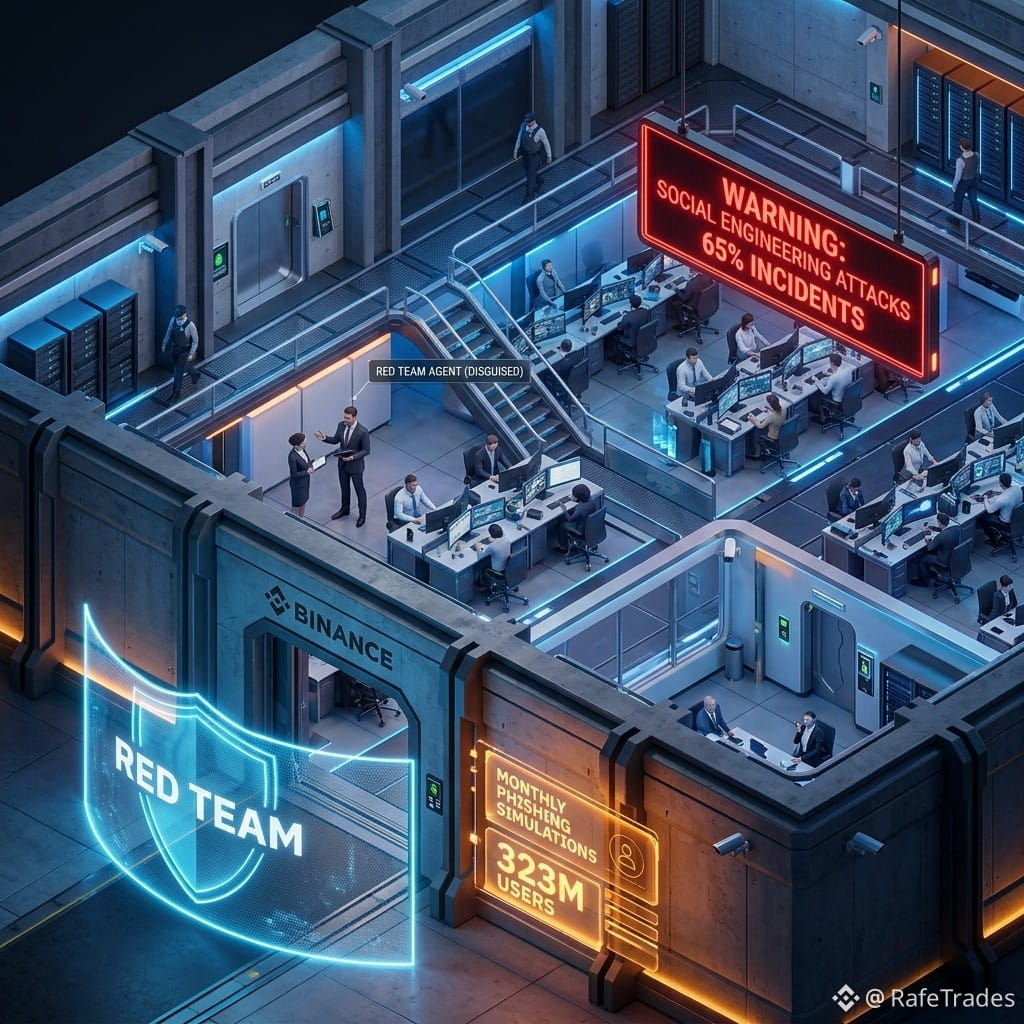
Binance runs monthly "red team" phishing simulations against its own staff, with repeated failures risking termination. This is the gold standard of operational security: internal ethical hackers test employees via fake job offers, conference invites, and partnership lures—the same social engineering tactics that caused 65% of 2025 crypto incidents.
The CSO Jimmy Su notes security hygiene has "improved significantly" after 3-4 years of continuous testing. This matters because exchanges are the primary custodians of retail and institutional capital. The $137.7B in assets and 323M users demand this level of vigilance. Social engineering attacks (like the $285M Drift Protocol hack) are the industry's weakest link—and Binance's approach is a template for the sector. The CLARITY/GENIUS regulatory frameworks will likely demand similar standards for licensed entities.
#RafeTrades #Binancesecurity
"CLICK HERE👇👇👇 TO TRACK THE LIVE CHART & TRADE"
$BNB
{spot}(BNBUSDT)
Binance runs monthly "red team" phishing simulations against its own staff, with repeated failures risking termination. This is the gold standard of operational security: internal ethical hackers test employees via fake job offers, conference invites, and partnership lures—the same social engineering tactics that caused 65% of 2025 crypto incidents.
The CSO Jimmy Su notes security hygiene has "improved significantly" after 3-4 years of continuous testing. This matters because exchanges are the primary custodians of retail and institutional capital. The $137.7B in assets and 323M users demand this level of vigilance. Social engineering attacks (like the $285M Drift Protocol hack) are the industry's weakest link—and Binance's approach is a template for the sector. The CLARITY/GENIUS regulatory frameworks will likely demand similar standards for licensed entities.
#RafeTrades #Binancesecurity
"CLICK HERE👇👇👇 TO TRACK THE LIVE CHART & TRADE"
$BNB
The CSO Jimmy Su notes security hygiene has "improved significantly" after 3-4 years of continuous testing. This matters because exchanges are the primary custodians of retail and institutional capital. The $137.7B in assets and 323M users demand this level of vigilance. Social engineering attacks (like the $285M Drift Protocol hack) are the industry's weakest link—and Binance's approach is a template for the sector. The CLARITY/GENIUS regulatory frameworks will likely demand similar standards for licensed entities.
#RafeTrades #Binancesecurity
"CLICK HERE👇👇👇 TO TRACK THE LIVE CHART & TRADE"
$BNB
38


🚨 Fake Support, Real Scam: 3 Red Flags to Watch For
When technical attacks fail, scammers target the human layer by pretending to be helpful, high-pressure support agents. They create panic, push urgency, and try to trick users into handing over access or funds.
⚠️ Remember: Binance staff will never message you first on Telegram to ask for funds, passwords, codes, or account credentials.
3 red flags to watch for:
🔴 Urgency: “Your account will be permanently banned in 1 hour!”
🔴 Upfront fees: asking for “gas fees” or a “temporary security deposit” to unlock your balance
🔴 Screen-sharing requests: telling you to install apps so they can “help” view your account
If someone pressures you to act fast, pay first, or share your screen, pause and verify before taking any action.
#Binancesecurity
🚨 Fake Support, Real Scam: 3 Red Flags to Watch For
When technical attacks fail, scammers target the human layer by pretending to be helpful, high-pressure support agents. They create panic, push urgency, and try to trick users into handing over access or funds.
⚠️ Remember: Binance staff will never message you first on Telegram to ask for funds, passwords, codes, or account credentials.
3 red flags to watch for:
🔴 Urgency: “Your account will be permanently banned in 1 hour!”
🔴 Upfront fees: asking for “gas fees” or a “temporary security deposit” to unlock your balance
🔴 Screen-sharing requests: telling you to install apps so they can “help” view your account
If someone pressures you to act fast, pay first, or share your screen, pause and verify before taking any action.
#Binancesecurity
When technical attacks fail, scammers target the human layer by pretending to be helpful, high-pressure support agents. They create panic, push urgency, and try to trick users into handing over access or funds.
⚠️ Remember: Binance staff will never message you first on Telegram to ask for funds, passwords, codes, or account credentials.
3 red flags to watch for:
🔴 Urgency: “Your account will be permanently banned in 1 hour!”
🔴 Upfront fees: asking for “gas fees” or a “temporary security deposit” to unlock your balance
🔴 Screen-sharing requests: telling you to install apps so they can “help” view your account
If someone pressures you to act fast, pay first, or share your screen, pause and verify before taking any action.
#Binancesecurity
4
312

🔒🛡️ MANTENTE A SALVO: 5 pasos obligatorios para blindar tu cuenta de Binance hoy mismo
En el ecosistema cripto, la seguridad es tu mejor estrategia de inversión. Las contraseñas seguras, la autenticación de dos factores y un poco de precaución son fundamentales para proteger tu patrimonio de las tácticas modernas de fraude. Aplica estas 5 configuraciones esenciales en tu perfil: 📊🚨
* 1. Activa Passkeys: Olvídate de las contraseñas tradicionales expuestas a filtraciones. Usa el reconocimiento biométrico (Face ID o Touch ID) de tu dispositivo para un inicio de sesión seguro, encriptado y protegido contra phishing.
* 2. Adiós a los SMS, Hola al Authenticator: Los SMS son vulnerables a clonaciones de tarjeta SIM (Sim-Swapping). Migra de inmediato tu 2FA al Binance Authenticator o Microsoft Authenticator para generar códigos localmente en tu hardware. 💸❌
* 3. Lista Blanca de Retiros: Configura esta opción para autorizar retiros únicamente hacia tus direcciones previamente aprobadas. Si alguien vulnera tu cuenta, no podrá transferir fondos a billeteras externas.
* 4. Código Anti-Phishing: Crea una frase clave personalizada en tus ajustes. Si un correo de "Binance" no la incluye en la esquina superior, es una suplantación de identidad fraudulenta. 🔒
* 5. Gestión de Dispositivos: Revisa y elimina de forma periódica las sesiones abiertas en dispositivos antiguos o computadoras que ya no utilices, manteniendo el control total de tus accesos.
⚠️ Alerta Extra de OpSec: Si transfieres capital hacia tu Web3 Wallet para diversificar tus fondos, revisa siempre las direcciones carácter por carácter de forma manual para anular por completo los ataques de envenenamiento de billeteras (Address Poisoning). No operes con prisa.
¿Ya tienes configuradas estas 5 defensas en tu cuenta o te falta activar alguna? ¡Los leo abajo! 👇
#Binancesecurity #StaySafe #CryptoSafety #AntiFraud
🔒🛡️ MANTENTE A SALVO: 5 pasos obligatorios para blindar tu cuenta de Binance hoy mismo
En el ecosistema cripto, la seguridad es tu mejor estrategia de inversión. Las contraseñas seguras, la autenticación de dos factores y un poco de precaución son fundamentales para proteger tu patrimonio de las tácticas modernas de fraude. Aplica estas 5 configuraciones esenciales en tu perfil: 📊🚨
* 1. Activa Passkeys: Olvídate de las contraseñas tradicionales expuestas a filtraciones. Usa el reconocimiento biométrico (Face ID o Touch ID) de tu dispositivo para un inicio de sesión seguro, encriptado y protegido contra phishing.
* 2. Adiós a los SMS, Hola al Authenticator: Los SMS son vulnerables a clonaciones de tarjeta SIM (Sim-Swapping). Migra de inmediato tu 2FA al Binance Authenticator o Microsoft Authenticator para generar códigos localmente en tu hardware. 💸❌
* 3. Lista Blanca de Retiros: Configura esta opción para autorizar retiros únicamente hacia tus direcciones previamente aprobadas. Si alguien vulnera tu cuenta, no podrá transferir fondos a billeteras externas.
* 4. Código Anti-Phishing: Crea una frase clave personalizada en tus ajustes. Si un correo de "Binance" no la incluye en la esquina superior, es una suplantación de identidad fraudulenta. 🔒
* 5. Gestión de Dispositivos: Revisa y elimina de forma periódica las sesiones abiertas en dispositivos antiguos o computadoras que ya no utilices, manteniendo el control total de tus accesos.
⚠️ Alerta Extra de OpSec: Si transfieres capital hacia tu Web3 Wallet para diversificar tus fondos, revisa siempre las direcciones carácter por carácter de forma manual para anular por completo los ataques de envenenamiento de billeteras (Address Poisoning). No operes con prisa.
¿Ya tienes configuradas estas 5 defensas en tu cuenta o te falta activar alguna? ¡Los leo abajo! 👇
#Binancesecurity #StaySafe #CryptoSafety #AntiFraud
En el ecosistema cripto, la seguridad es tu mejor estrategia de inversión. Las contraseñas seguras, la autenticación de dos factores y un poco de precaución son fundamentales para proteger tu patrimonio de las tácticas modernas de fraude. Aplica estas 5 configuraciones esenciales en tu perfil: 📊🚨
* 1. Activa Passkeys: Olvídate de las contraseñas tradicionales expuestas a filtraciones. Usa el reconocimiento biométrico (Face ID o Touch ID) de tu dispositivo para un inicio de sesión seguro, encriptado y protegido contra phishing.
* 2. Adiós a los SMS, Hola al Authenticator: Los SMS son vulnerables a clonaciones de tarjeta SIM (Sim-Swapping). Migra de inmediato tu 2FA al Binance Authenticator o Microsoft Authenticator para generar códigos localmente en tu hardware. 💸❌
* 3. Lista Blanca de Retiros: Configura esta opción para autorizar retiros únicamente hacia tus direcciones previamente aprobadas. Si alguien vulnera tu cuenta, no podrá transferir fondos a billeteras externas.
* 4. Código Anti-Phishing: Crea una frase clave personalizada en tus ajustes. Si un correo de "Binance" no la incluye en la esquina superior, es una suplantación de identidad fraudulenta. 🔒
* 5. Gestión de Dispositivos: Revisa y elimina de forma periódica las sesiones abiertas en dispositivos antiguos o computadoras que ya no utilices, manteniendo el control total de tus accesos.
⚠️ Alerta Extra de OpSec: Si transfieres capital hacia tu Web3 Wallet para diversificar tus fondos, revisa siempre las direcciones carácter por carácter de forma manual para anular por completo los ataques de envenenamiento de billeteras (Address Poisoning). No operes con prisa.
¿Ya tienes configuradas estas 5 defensas en tu cuenta o te falta activar alguna? ¡Los leo abajo! 👇
#Binancesecurity #StaySafe #CryptoSafety #AntiFraud
3
246
·
--
Article
The Quiet Differentiator: How Binance Security Works Behind the ScenesExplore how Binance security works behind the scenes through proactive threat detection, asset recovery, financial crime prevention, and new protections for emerging technologies.
In crypto, security often gets the most attention when something goes wrong—a hack, stolen assets, or an attack on a platform. But effective security is often the work users never see.
For Binance, the goal is not only to respond to incidents. It is to detect, prevent, and stop threats before they can impact users.
Binance Security Goes Beyond Account Protection
Crypto exchange security is no longer limited to passwords, 2FA, or account takeover protection.
Throughout 2026, Binance has continued strengthening its security infrastructure across multiple areas, including asset recovery, transaction monitoring, threat detection, and emerging technologies.
One notable example is the recovery of approximately $145.9 million in assets through the Ledger Zero-Dollar Vulnerability Program.
Binance has also worked to disrupt money-laundering activity linked to the DPRK, showing how blockchain monitoring and transaction analysis can play an important role in combating financial crime.
These efforts demonstrate that modern exchange security operates at both the user level and ecosystem level.
From Reactive to Proactive Security
Another important part of Binance’s approach is proactive security.
Instead of waiting for an attack to happen, security teams aim to identify suspicious activity early and intervene before significant damage occurs.
This includes efforts to prevent governance-related attacks and detect unusual transaction patterns before they develop into larger security incidents.
The idea is simple: the best security incident may be the one users never experience.
Preparing for AI and New Crypto Risks
As AI becomes increasingly connected with crypto, new security risks are also emerging.
Binance has been developing Security Guardrails for AI Agent Wallets, designed to establish protections around automated wallet activity.
As AI agents become capable of performing actions such as sending, swapping, or managing assets, security systems will need to protect users from malicious instructions, manipulation, and other new attack vectors.
This represents a more forward-looking approach to crypto security—preparing not only for today's threats, but also for risks that may emerge in the future.
Making Security the Baseline
Binance’s security approach can be summarized across four areas:
Protect users and assets from existing threats.
Detect suspicious behavior before it causes damage.
Respond and Recover when incidents occur.
Prepare for emerging technologies and new attack vectors.
Much of this work happens quietly in the background.
That is why security can become a quiet differentiator between crypto exchanges.
In the long term, security should not be measured only by what an exchange claims. It should also be reflected in how effectively the platform detects threats, prevents attacks, protects assets, and prepares for future risks.
The goal is not to make noise about security. It is to make security the baseline.
#BinanceSecurity #CryptoSecurity #AISecurity #RiskManagement #BinanceSquare
{spot}(BTCUSDT)
{spot}(BNBUSDT)
The Quiet Differentiator: How Binance Security Works Behind the Scenes
Explore how Binance security works behind the scenes through proactive threat detection, asset recovery, financial crime prevention, and new protections for emerging technologies.
In crypto, security often gets the most attention when something goes wrong—a hack, stolen assets, or an attack on a platform. But effective security is often the work users never see.
For Binance, the goal is not only to respond to incidents. It is to detect, prevent, and stop threats before they can impact users.
Binance Security Goes Beyond Account Protection
Crypto exchange security is no longer limited to passwords, 2FA, or account takeover protection.
Throughout 2026, Binance has continued strengthening its security infrastructure across multiple areas, including asset recovery, transaction monitoring, threat detection, and emerging technologies.
One notable example is the recovery of approximately $145.9 million in assets through the Ledger Zero-Dollar Vulnerability Program.
Binance has also worked to disrupt money-laundering activity linked to the DPRK, showing how blockchain monitoring and transaction analysis can play an important role in combating financial crime.
These efforts demonstrate that modern exchange security operates at both the user level and ecosystem level.
From Reactive to Proactive Security
Another important part of Binance’s approach is proactive security.
Instead of waiting for an attack to happen, security teams aim to identify suspicious activity early and intervene before significant damage occurs.
This includes efforts to prevent governance-related attacks and detect unusual transaction patterns before they develop into larger security incidents.
The idea is simple: the best security incident may be the one users never experience.
Preparing for AI and New Crypto Risks
As AI becomes increasingly connected with crypto, new security risks are also emerging.
Binance has been developing Security Guardrails for AI Agent Wallets, designed to establish protections around automated wallet activity.
As AI agents become capable of performing actions such as sending, swapping, or managing assets, security systems will need to protect users from malicious instructions, manipulation, and other new attack vectors.
This represents a more forward-looking approach to crypto security—preparing not only for today's threats, but also for risks that may emerge in the future.
Making Security the Baseline
Binance’s security approach can be summarized across four areas:
Protect users and assets from existing threats.
Detect suspicious behavior before it causes damage.
Respond and Recover when incidents occur.
Prepare for emerging technologies and new attack vectors.
Much of this work happens quietly in the background.
That is why security can become a quiet differentiator between crypto exchanges.
In the long term, security should not be measured only by what an exchange claims. It should also be reflected in how effectively the platform detects threats, prevents attacks, protects assets, and prepares for future risks.
The goal is not to make noise about security. It is to make security the baseline.
#BinanceSecurity #CryptoSecurity #AISecurity #RiskManagement #BinanceSquare
In crypto, security often gets the most attention when something goes wrong—a hack, stolen assets, or an attack on a platform. But effective security is often the work users never see.
For Binance, the goal is not only to respond to incidents. It is to detect, prevent, and stop threats before they can impact users.
Binance Security Goes Beyond Account Protection
Crypto exchange security is no longer limited to passwords, 2FA, or account takeover protection.
Throughout 2026, Binance has continued strengthening its security infrastructure across multiple areas, including asset recovery, transaction monitoring, threat detection, and emerging technologies.
One notable example is the recovery of approximately $145.9 million in assets through the Ledger Zero-Dollar Vulnerability Program.
Binance has also worked to disrupt money-laundering activity linked to the DPRK, showing how blockchain monitoring and transaction analysis can play an important role in combating financial crime.
These efforts demonstrate that modern exchange security operates at both the user level and ecosystem level.
From Reactive to Proactive Security
Another important part of Binance’s approach is proactive security.
Instead of waiting for an attack to happen, security teams aim to identify suspicious activity early and intervene before significant damage occurs.
This includes efforts to prevent governance-related attacks and detect unusual transaction patterns before they develop into larger security incidents.
The idea is simple: the best security incident may be the one users never experience.
Preparing for AI and New Crypto Risks
As AI becomes increasingly connected with crypto, new security risks are also emerging.
Binance has been developing Security Guardrails for AI Agent Wallets, designed to establish protections around automated wallet activity.
As AI agents become capable of performing actions such as sending, swapping, or managing assets, security systems will need to protect users from malicious instructions, manipulation, and other new attack vectors.
This represents a more forward-looking approach to crypto security—preparing not only for today's threats, but also for risks that may emerge in the future.
Making Security the Baseline
Binance’s security approach can be summarized across four areas:
Protect users and assets from existing threats.
Detect suspicious behavior before it causes damage.
Respond and Recover when incidents occur.
Prepare for emerging technologies and new attack vectors.
Much of this work happens quietly in the background.
That is why security can become a quiet differentiator between crypto exchanges.
In the long term, security should not be measured only by what an exchange claims. It should also be reflected in how effectively the platform detects threats, prevents attacks, protects assets, and prepares for future risks.
The goal is not to make noise about security. It is to make security the baseline.
#BinanceSecurity #CryptoSecurity #AISecurity #RiskManagement #BinanceSquare
90

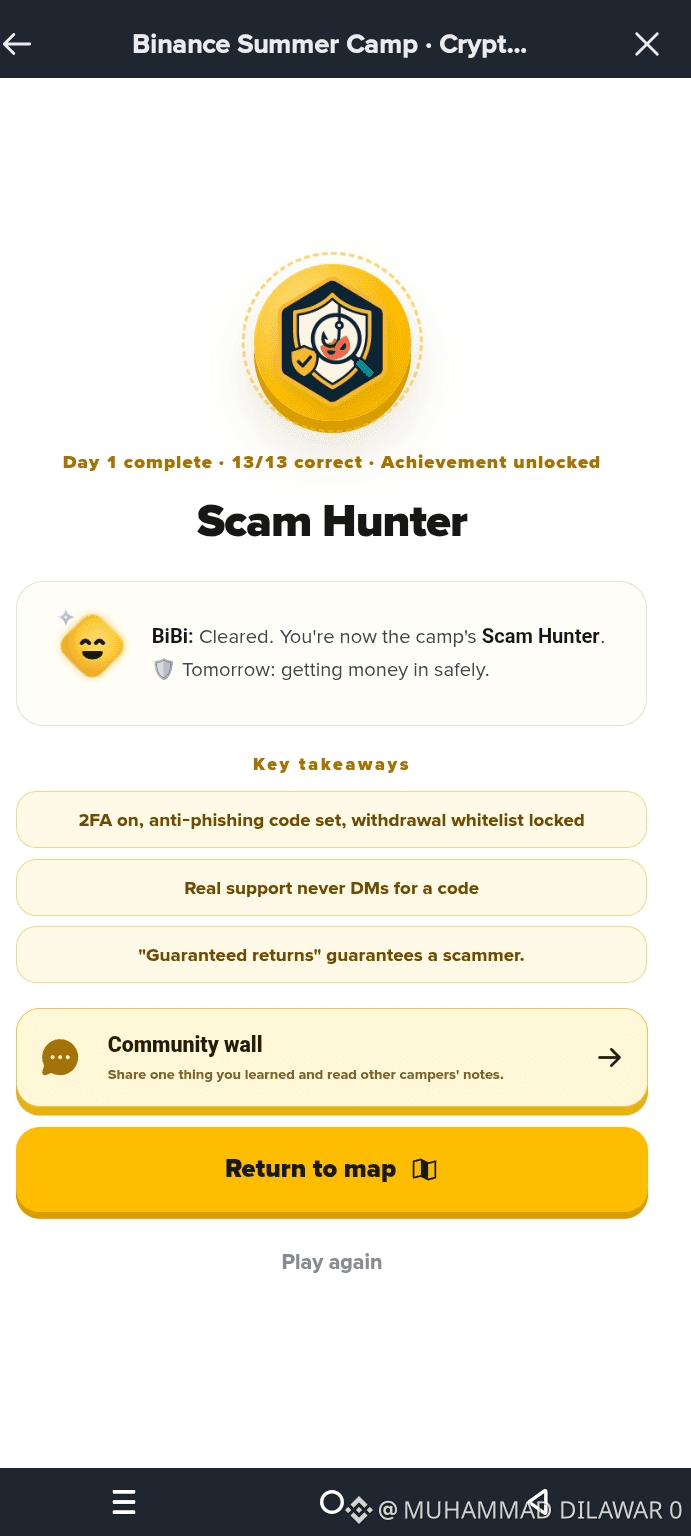
Excited to join the #BinanceSummerCamp ⛺️
Successfully completed Day 1: Scam Hunter module! 🛡️ Crypto security is super important, and today’s lesson was a great refresher on protecting our accounts
#BinanceSummerCamp #Binance #Binancesecurity #ScamHunter
Excited to join the #BinanceSummerCamp ⛺️
Successfully completed Day 1: Scam Hunter module! 🛡️ Crypto security is super important, and today’s lesson was a great refresher on protecting our accounts
#BinanceSummerCamp #Binance #Binancesecurity #ScamHunter
Successfully completed Day 1: Scam Hunter module! 🛡️ Crypto security is super important, and today’s lesson was a great refresher on protecting our accounts
#BinanceSummerCamp #Binance #Binancesecurity #ScamHunter
95
Article
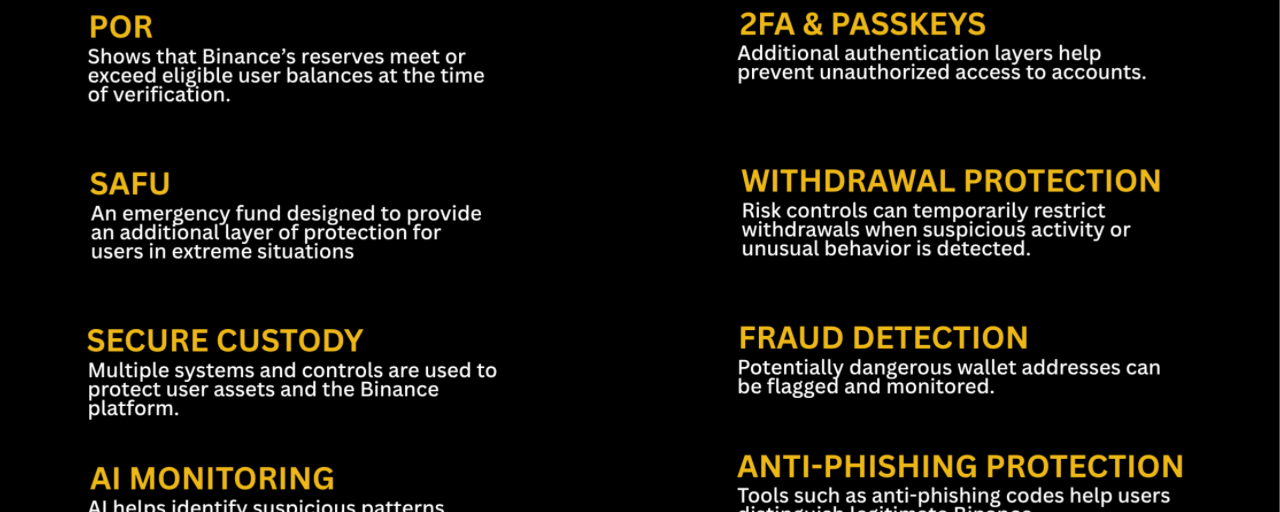
How Does Binance Protect User Funds in MENA in 2026?Binance protects user funds in MENA in 2026 through multiple layers of security, including Proof of Reserves, the Secure Asset Fund for Users (SAFU), secure custody systems, AI-powered risk monitoring and account-level protection tools. But when we talk about “security” in crypto, I think it is important to understand that there is no single button that makes funds safe. Security is a system made of multiple layers, and each layer is designed to address a different type of risk.
For a user in the MENA region, that distinction matters. Whether you are holding your first 50$ of Bitcoin, actively trading, or keeping a larger portfolio on an exchange, protecting your assets involves both the infrastructure of the platform and the security decisions you make yourself. Binance's approach combines platform-level controls, transparency mechanisms, emergency reserves, automated monitoring and tools that users can activate directly on their accounts.
How Does Binance Protect User Funds?
The first layer is risk control. [Binance](https://www.binance.com/en-in) monitors activity across its platform to identify patterns that could indicate scams, account takeovers or other suspicious behavior. This can include unusual login activity, suspicious transactions, abnormal withdrawal behavior and other signals that may require additional verification or intervention.
The important part is that these systems are designed to act before a potential loss becomes irreversible. Crypto withdrawals are particularly sensitive because once assets leave an exchange and are transferred on-chain, recovering them can be significantly more difficult. Binance therefore uses controls such as suspicious-address monitoring, withdrawal restrictions in certain risk scenarios, user questionnaires and other interventions designed to slow down potentially fraudulent transactions.
There is also a human element behind the technology. Automated systems can identify patterns at enormous scale, but higher-risk cases can be escalated for human review. Binance has reported that its risk operations use AI across more than 80% of anti-fraud and anti-scam decision-making workflows, illustrating how machine-based detection and human judgment increasingly work together.
For MENA users, another important consideration is that Binance operates through different regulated entities and services depending on the jurisdiction. Availability, products and regulatory protections can therefore differ between countries. Users should always check the Binance services and legal terms applicable to their specific country rather than assuming that every Binance feature is available under identical conditions throughout the region.
What Is Proof of Reserves and Why Does It Matter?
Proof of Reserves, commonly called PoR, answers one of the most basic questions a centralized crypto platform should be able to address: does the platform actually hold the assets corresponding to its users' balances?
Think about it this way. If 100 people each deposit 1 BTC, the platform should be able to demonstrate that it holds at least the corresponding amount of BTC in its reserves. Proof of Reserves provides a cryptographic and auditable framework for demonstrating that relationship rather than asking users to simply trust a statement.
Binance's PoR process uses cryptographic structures such as Merkle trees. Without getting unnecessarily technical, a Merkle tree allows large amounts of user balance information to be combined into a cryptographic structure that users can verify without exposing everyone else's private financial information. Independent verification can then be used to compare user liabilities with the assets held in relevant on-chain wallets. Binance has also adopted zero-knowledge proof technology to improve privacy during this verification process.
This is particularly important because transparency and security are not the same thing. Proof of Reserves provides evidence about asset backing, but it is not a guarantee that an exchange can never experience a security incident or that every aspect of its financial position is risk-free. PoR is also a point-in-time snapshot and does not, by itself, establish all off-chain liabilities.
That is why I see Proof of Reserves as one layer of confidence, not the entire security system. Binance users can independently check their inclusion in the PoR process through the official Proof of Reserves system.
What Is Binance's SAFU and How Does It Protect Users?
Now imagine that despite all the preventive security measures, an extreme platform-level incident happens. This is where another layer comes into the picture: SAFU, the Secure Asset Fund for Users.
Binance established SAFU in 2018 as an emergency reserve designed to provide an additional layer of protection for users in extreme situations. Unlike Proof of Reserves, which focuses on demonstrating asset backing, SAFU is designed as a contingency mechanism that may be used to help protect affected users if a qualifying security incident results in losses.
As of 2026, Binance's published information describes SAFU as a reserve of approximately 1 billion US$, held in Bitcoin, with custody and management arrangements that include regulated infrastructure in the Abu Dhabi Global Market.
The distinction is worth remembering: PoR is about transparency; SAFU is about an emergency reserve; risk controls are about prevention. They solve different problems.
And SAFU should not be interpreted as unlimited insurance or a guarantee that every possible loss will automatically be reimbursed. It is an additional protection mechanism within Binance's broader security framework.
How Does Binance Secure User Assets and Its Platform?
Security doesn't stop at the blockchain addresses holding assets. A major threat in crypto is the attacker who doesn't break the exchange itself but instead gets access to your account.
That is why Binance provides multiple account-level protections. Two-factor authentication adds another verification layer beyond the password, while passkeys and authenticator-based methods can reduce reliance on SMS-based authentication. Binance also supports withdrawal-address whitelisting, which allows users to restrict withdrawals to approved addresses. A new address can be subject to a security waiting period, giving the account owner an opportunity to detect an unauthorized change before funds can be transferred.
There are also anti-phishing codes and account alerts. An anti-phishing code is particularly simple but useful: after you set your unique code, you can use it to distinguish legitimate Binance communications from messages attempting to impersonate Binance. If someone sends you a message claiming to be from Binance but cannot provide the expected verification signal, that should immediately raise suspicion.
API users have another security consideration. API keys can provide third-party applications with access to parts of an account, so restricting permissions and using IP whitelisting can reduce the damage if an API credential is exposed. Binance's security guidance specifically recommends limiting API permissions and using IP restrictions where appropriate.
This is where I always come back to one simple point: the strongest security system in the world cannot compensate for a user voluntarily handing their password, authentication code or private key to a scammer. Platform security and personal security have to work together.
How Does Binance Use AI to Detect Fraud and Suspicious Activity?
Crypto scams are becoming more sophisticated, and AI is now being used on both sides of the fight. Attackers can use artificial intelligence to create convincing impersonations, deepfakes, synthetic identities and highly personalized scams. That means security systems also need to become more adaptive.
Binance has significantly expanded its use of AI in compliance and risk operations. According to Binance's 2026 reporting, the company operates more than 24 AI initiatives and 100 AI models, with AI supporting more than 80% of anti-fraud and anti-scam decision-making workflows and assisting around 45% of human review processes.
The goal isn't simply to replace humans with algorithms. AI can process enormous amounts of information, identify relationships between seemingly unrelated activities, prioritize suspicious cases and help route higher-risk situations to human specialists. That allows human investigators to concentrate on cases where judgment and context are particularly important.
AI is also used in identity security. Binance reports that approximately 80% of attacks it encounters involve KYC-related fraud, which is why systems such as Face Attack Detection and Liveness Detection are continually updated to address increasingly sophisticated attempts to manipulate identity verification.
The bigger picture is that crypto security is becoming an adaptive process. A security rule created yesterday may not be enough against a scam created tomorrow. AI allows risk systems to analyze new patterns at scale while human teams provide oversight and decision-making.
What Security Tools Can Binance Users Activate?
There is a lot users can do themselves, and these tools should not be treated as optional extras.
Start with 2FA or a passkey and use a strong, unique password. Then activate your anti-phishing code so you have an additional way to verify Binance communications. Enable relevant account notifications so you know when important activity occurs.
If you frequently withdraw crypto, consider withdrawal address whitelisting. It creates an additional barrier against unauthorized transfers because funds cannot simply be sent to an unapproved address.
If you use APIs, review your permissions carefully. Don't give an application withdrawal access if it doesn't need withdrawal access, and consider IP whitelisting for additional protection.
And perhaps the most underrated security tool is education. Learn how phishing works, understand how fake support accounts operate, verify suspicious messages and never assume that someone contacting you privately is a Binance employee simply because they know information about your account. Binance Verify can also be used to check whether certain Binance contact details are officially associated with Binance.
In other words, security isn't just something Binance does for you. It is something Binance and the user have to do together.
Is Binance Safe and Trustworthy in MENA?
There is no responsible way to describe any crypto platform as completely risk-free. Cryptocurrency itself carries market, technology, counterparty and operational risks, and regulatory frameworks differ across MENA countries.
What can be evaluated is the security framework. Binance combines Proof of Reserves, SAFU, risk monitoring, account protections, custody controls, AI-supported fraud detection, compliance operations and user security tools. Its regional presence also includes regulated entities in specific MENA jurisdictions. For example, Binance's Bahrain entity is licensed by the Central Bank of Bahrain, while Binance FZE is licensed by Dubai's VARA for specified virtual-asset activities.
That does not mean a user should blindly trust any platform, including Binance. Quite the opposite. I think the healthier approach is to understand why the platform uses each security layer, what that layer can protect you from, and what it cannot.
If you are keeping funds on an exchange, don't just ask, “Is it safe?” Ask better questions: Are user assets transparently accounted for? What happens in an extreme incident? What account protections can I activate? How are suspicious transactions detected? What regulatory framework applies to my country? And what am I personally doing to protect my account?
Those are much better questions to ask before trusting any platform with your money.
Binance User Fund Protection in MENA: A Summary
Binance protects user funds in MENA through a layered security and risk-management framework that includes Proof of Reserves, SAFU, secure custody and platform infrastructure, AI-supported fraud and compliance systems, transaction monitoring, identity verification, and user-controlled account protections such as 2FA, passkeys, anti-phishing codes, withdrawal-address whitelisting and security alerts. Proof of Reserves provides transparency into the relationship between user balances and reserves, while SAFU provides an additional emergency reserve for qualifying extreme incidents. The exact services, regulatory protections and availability can vary by MENA country, so users should check the Binance entity and terms applicable to their jurisdiction.
Binance Security in Lebanon
For users in Lebanon, the same core security principles apply: protecting your crypto starts with both the platform’s infrastructure and your own account habits. Binance uses multiple layers of protection, including Proof of Reserves, risk monitoring, account security controls, and tools designed to detect suspicious activity. For Lebanese users in particular, where crypto users may rely on different local and international payment methods, it is important to remember that how you access and move your funds matters just as much as where you hold them. Before making a deposit, withdrawal, or peer-to-peer transaction, always verify the payment details and the recipient, and be especially cautious of anyone claiming to represent Binance.
Security also becomes particularly important when using Binance P2P. P2P transactions involve interactions with other users, so users should keep communication and transactions within Binance’s designated process, carefully check payment information, and never release crypto simply because someone sends a screenshot or claims that a payment has been completed. If something feels unusual, stop the transaction and contact Binance Support rather than trying to resolve it privately.
Ultimately, being a Binance user in Lebanon does not eliminate the normal risks associated with crypto. Platform-level protections can help detect suspicious behavior, prevent certain unauthorized withdrawals, and respond to scams, but they cannot replace good personal security practices. Enabling strong two-factor authentication or a passkey, activating anti-phishing protections, reviewing account alerts, and carefully verifying every transaction remain some of the simplest and most effective steps a Lebanese user can take to protect their funds.
FAQ
Does Binance hold user assets 1:1? Binance's Proof of Reserves system is designed to demonstrate that the assets held in its reserves meet or exceed the corresponding user liabilities for the assets covered by the PoR report. Users can independently verify their inclusion in the PoR process. However, Proof of Reserves is a point-in-time verification and does not by itself establish every aspect of an exchange's financial position or off-chain liabilities.
What is SAFU? SAFU, or the Secure Asset Fund for Users, is an emergency reserve established by Binance in 2018 to provide an additional layer of protection for users in extreme security incidents. As of 2026, Binance describes the fund as approximately 1 billion US$ in Bitcoin.
Can Binance prevent every crypto scam? No platform can guarantee that every scam will be prevented. Binance uses risk monitoring, automated detection, AI-supported systems, suspicious-address controls, user warnings and human investigations to identify and disrupt suspicious activity, but users also play a critical role in protecting their accounts.
What is the most important thing I can do to protect my Binance account? Start with the basics: use a unique strong password, enable 2FA or a passkey, activate an anti-phishing code, review security alerts, and consider withdrawal-address whitelisting. Never share your password, authentication codes or private keys with anyone. Binance's own security guidance recommends combining these controls rather than relying on a single protection.
Does Binance's security framework apply identically across MENA? Not necessarily. Binance operates through different entities and regulatory frameworks in different jurisdictions, and product availability, legal terms and protections can vary by country. MENA users should always verify the Binance entity and services applicable to their own jurisdiction before using a particular product.
My biggest takeaway? Security in crypto should never be reduced to one word like “SAFU” or one feature like Proof of Reserves. It is a chain of protection: transparency to verify reserves, technology to detect threats, controls to stop suspicious activity, emergency mechanisms for extreme situations, and responsible behavior from the user. The stronger each link becomes, the stronger the overall security picture becomes.
#Binancesecurity #ProofOfReserves #safu #CryptoSecurity #binancemena
How Does Binance Protect User Funds in MENA in 2026?
Binance protects user funds in MENA in 2026 through multiple layers of security, including Proof of Reserves, the Secure Asset Fund for Users (SAFU), secure custody systems, AI-powered risk monitoring and account-level protection tools. But when we talk about “security” in crypto, I think it is important to understand that there is no single button that makes funds safe. Security is a system made of multiple layers, and each layer is designed to address a different type of risk.
For a user in the MENA region, that distinction matters. Whether you are holding your first 50$ of Bitcoin, actively trading, or keeping a larger portfolio on an exchange, protecting your assets involves both the infrastructure of the platform and the security decisions you make yourself. Binance's approach combines platform-level controls, transparency mechanisms, emergency reserves, automated monitoring and tools that users can activate directly on their accounts.
How Does Binance Protect User Funds?
The first layer is risk control. Binance monitors activity across its platform to identify patterns that could indicate scams, account takeovers or other suspicious behavior. This can include unusual login activity, suspicious transactions, abnormal withdrawal behavior and other signals that may require additional verification or intervention.
The important part is that these systems are designed to act before a potential loss becomes irreversible. Crypto withdrawals are particularly sensitive because once assets leave an exchange and are transferred on-chain, recovering them can be significantly more difficult. Binance therefore uses controls such as suspicious-address monitoring, withdrawal restrictions in certain risk scenarios, user questionnaires and other interventions designed to slow down potentially fraudulent transactions.
There is also a human element behind the technology. Automated systems can identify patterns at enormous scale, but higher-risk cases can be escalated for human review. Binance has reported that its risk operations use AI across more than 80% of anti-fraud and anti-scam decision-making workflows, illustrating how machine-based detection and human judgment increasingly work together.
For MENA users, another important consideration is that Binance operates through different regulated entities and services depending on the jurisdiction. Availability, products and regulatory protections can therefore differ between countries. Users should always check the Binance services and legal terms applicable to their specific country rather than assuming that every Binance feature is available under identical conditions throughout the region.
What Is Proof of Reserves and Why Does It Matter?
Proof of Reserves, commonly called PoR, answers one of the most basic questions a centralized crypto platform should be able to address: does the platform actually hold the assets corresponding to its users' balances?
Think about it this way. If 100 people each deposit 1 BTC, the platform should be able to demonstrate that it holds at least the corresponding amount of BTC in its reserves. Proof of Reserves provides a cryptographic and auditable framework for demonstrating that relationship rather than asking users to simply trust a statement.
Binance's PoR process uses cryptographic structures such as Merkle trees. Without getting unnecessarily technical, a Merkle tree allows large amounts of user balance information to be combined into a cryptographic structure that users can verify without exposing everyone else's private financial information. Independent verification can then be used to compare user liabilities with the assets held in relevant on-chain wallets. Binance has also adopted zero-knowledge proof technology to improve privacy during this verification process.
This is particularly important because transparency and security are not the same thing. Proof of Reserves provides evidence about asset backing, but it is not a guarantee that an exchange can never experience a security incident or that every aspect of its financial position is risk-free. PoR is also a point-in-time snapshot and does not, by itself, establish all off-chain liabilities.
That is why I see Proof of Reserves as one layer of confidence, not the entire security system. Binance users can independently check their inclusion in the PoR process through the official Proof of Reserves system.
What Is Binance's SAFU and How Does It Protect Users?
Now imagine that despite all the preventive security measures, an extreme platform-level incident happens. This is where another layer comes into the picture: SAFU, the Secure Asset Fund for Users.
Binance established SAFU in 2018 as an emergency reserve designed to provide an additional layer of protection for users in extreme situations. Unlike Proof of Reserves, which focuses on demonstrating asset backing, SAFU is designed as a contingency mechanism that may be used to help protect affected users if a qualifying security incident results in losses.
As of 2026, Binance's published information describes SAFU as a reserve of approximately 1 billion US$, held in Bitcoin, with custody and management arrangements that include regulated infrastructure in the Abu Dhabi Global Market.
The distinction is worth remembering: PoR is about transparency; SAFU is about an emergency reserve; risk controls are about prevention. They solve different problems.
And SAFU should not be interpreted as unlimited insurance or a guarantee that every possible loss will automatically be reimbursed. It is an additional protection mechanism within Binance's broader security framework.
How Does Binance Secure User Assets and Its Platform?
Security doesn't stop at the blockchain addresses holding assets. A major threat in crypto is the attacker who doesn't break the exchange itself but instead gets access to your account.
That is why Binance provides multiple account-level protections. Two-factor authentication adds another verification layer beyond the password, while passkeys and authenticator-based methods can reduce reliance on SMS-based authentication. Binance also supports withdrawal-address whitelisting, which allows users to restrict withdrawals to approved addresses. A new address can be subject to a security waiting period, giving the account owner an opportunity to detect an unauthorized change before funds can be transferred.
There are also anti-phishing codes and account alerts. An anti-phishing code is particularly simple but useful: after you set your unique code, you can use it to distinguish legitimate Binance communications from messages attempting to impersonate Binance. If someone sends you a message claiming to be from Binance but cannot provide the expected verification signal, that should immediately raise suspicion.
API users have another security consideration. API keys can provide third-party applications with access to parts of an account, so restricting permissions and using IP whitelisting can reduce the damage if an API credential is exposed. Binance's security guidance specifically recommends limiting API permissions and using IP restrictions where appropriate.
This is where I always come back to one simple point: the strongest security system in the world cannot compensate for a user voluntarily handing their password, authentication code or private key to a scammer. Platform security and personal security have to work together.
How Does Binance Use AI to Detect Fraud and Suspicious Activity?
Crypto scams are becoming more sophisticated, and AI is now being used on both sides of the fight. Attackers can use artificial intelligence to create convincing impersonations, deepfakes, synthetic identities and highly personalized scams. That means security systems also need to become more adaptive.
Binance has significantly expanded its use of AI in compliance and risk operations. According to Binance's 2026 reporting, the company operates more than 24 AI initiatives and 100 AI models, with AI supporting more than 80% of anti-fraud and anti-scam decision-making workflows and assisting around 45% of human review processes.
The goal isn't simply to replace humans with algorithms. AI can process enormous amounts of information, identify relationships between seemingly unrelated activities, prioritize suspicious cases and help route higher-risk situations to human specialists. That allows human investigators to concentrate on cases where judgment and context are particularly important.
AI is also used in identity security. Binance reports that approximately 80% of attacks it encounters involve KYC-related fraud, which is why systems such as Face Attack Detection and Liveness Detection are continually updated to address increasingly sophisticated attempts to manipulate identity verification.
The bigger picture is that crypto security is becoming an adaptive process. A security rule created yesterday may not be enough against a scam created tomorrow. AI allows risk systems to analyze new patterns at scale while human teams provide oversight and decision-making.
What Security Tools Can Binance Users Activate?
There is a lot users can do themselves, and these tools should not be treated as optional extras.
Start with 2FA or a passkey and use a strong, unique password. Then activate your anti-phishing code so you have an additional way to verify Binance communications. Enable relevant account notifications so you know when important activity occurs.
If you frequently withdraw crypto, consider withdrawal address whitelisting. It creates an additional barrier against unauthorized transfers because funds cannot simply be sent to an unapproved address.
If you use APIs, review your permissions carefully. Don't give an application withdrawal access if it doesn't need withdrawal access, and consider IP whitelisting for additional protection.
And perhaps the most underrated security tool is education. Learn how phishing works, understand how fake support accounts operate, verify suspicious messages and never assume that someone contacting you privately is a Binance employee simply because they know information about your account. Binance Verify can also be used to check whether certain Binance contact details are officially associated with Binance.
In other words, security isn't just something Binance does for you. It is something Binance and the user have to do together.
Is Binance Safe and Trustworthy in MENA?
There is no responsible way to describe any crypto platform as completely risk-free. Cryptocurrency itself carries market, technology, counterparty and operational risks, and regulatory frameworks differ across MENA countries.
What can be evaluated is the security framework. Binance combines Proof of Reserves, SAFU, risk monitoring, account protections, custody controls, AI-supported fraud detection, compliance operations and user security tools. Its regional presence also includes regulated entities in specific MENA jurisdictions. For example, Binance's Bahrain entity is licensed by the Central Bank of Bahrain, while Binance FZE is licensed by Dubai's VARA for specified virtual-asset activities.
That does not mean a user should blindly trust any platform, including Binance. Quite the opposite. I think the healthier approach is to understand why the platform uses each security layer, what that layer can protect you from, and what it cannot.
If you are keeping funds on an exchange, don't just ask, “Is it safe?” Ask better questions: Are user assets transparently accounted for? What happens in an extreme incident? What account protections can I activate? How are suspicious transactions detected? What regulatory framework applies to my country? And what am I personally doing to protect my account?
Those are much better questions to ask before trusting any platform with your money.
Binance User Fund Protection in MENA: A Summary
Binance protects user funds in MENA through a layered security and risk-management framework that includes Proof of Reserves, SAFU, secure custody and platform infrastructure, AI-supported fraud and compliance systems, transaction monitoring, identity verification, and user-controlled account protections such as 2FA, passkeys, anti-phishing codes, withdrawal-address whitelisting and security alerts. Proof of Reserves provides transparency into the relationship between user balances and reserves, while SAFU provides an additional emergency reserve for qualifying extreme incidents. The exact services, regulatory protections and availability can vary by MENA country, so users should check the Binance entity and terms applicable to their jurisdiction.
Binance Security in Lebanon
For users in Lebanon, the same core security principles apply: protecting your crypto starts with both the platform’s infrastructure and your own account habits. Binance uses multiple layers of protection, including Proof of Reserves, risk monitoring, account security controls, and tools designed to detect suspicious activity. For Lebanese users in particular, where crypto users may rely on different local and international payment methods, it is important to remember that how you access and move your funds matters just as much as where you hold them. Before making a deposit, withdrawal, or peer-to-peer transaction, always verify the payment details and the recipient, and be especially cautious of anyone claiming to represent Binance.
Security also becomes particularly important when using Binance P2P. P2P transactions involve interactions with other users, so users should keep communication and transactions within Binance’s designated process, carefully check payment information, and never release crypto simply because someone sends a screenshot or claims that a payment has been completed. If something feels unusual, stop the transaction and contact Binance Support rather than trying to resolve it privately.
Ultimately, being a Binance user in Lebanon does not eliminate the normal risks associated with crypto. Platform-level protections can help detect suspicious behavior, prevent certain unauthorized withdrawals, and respond to scams, but they cannot replace good personal security practices. Enabling strong two-factor authentication or a passkey, activating anti-phishing protections, reviewing account alerts, and carefully verifying every transaction remain some of the simplest and most effective steps a Lebanese user can take to protect their funds.
FAQ
Does Binance hold user assets 1:1? Binance's Proof of Reserves system is designed to demonstrate that the assets held in its reserves meet or exceed the corresponding user liabilities for the assets covered by the PoR report. Users can independently verify their inclusion in the PoR process. However, Proof of Reserves is a point-in-time verification and does not by itself establish every aspect of an exchange's financial position or off-chain liabilities.
What is SAFU? SAFU, or the Secure Asset Fund for Users, is an emergency reserve established by Binance in 2018 to provide an additional layer of protection for users in extreme security incidents. As of 2026, Binance describes the fund as approximately 1 billion US$ in Bitcoin.
Can Binance prevent every crypto scam? No platform can guarantee that every scam will be prevented. Binance uses risk monitoring, automated detection, AI-supported systems, suspicious-address controls, user warnings and human investigations to identify and disrupt suspicious activity, but users also play a critical role in protecting their accounts.
What is the most important thing I can do to protect my Binance account? Start with the basics: use a unique strong password, enable 2FA or a passkey, activate an anti-phishing code, review security alerts, and consider withdrawal-address whitelisting. Never share your password, authentication codes or private keys with anyone. Binance's own security guidance recommends combining these controls rather than relying on a single protection.
Does Binance's security framework apply identically across MENA? Not necessarily. Binance operates through different entities and regulatory frameworks in different jurisdictions, and product availability, legal terms and protections can vary by country. MENA users should always verify the Binance entity and services applicable to their own jurisdiction before using a particular product.
My biggest takeaway? Security in crypto should never be reduced to one word like “SAFU” or one feature like Proof of Reserves. It is a chain of protection: transparency to verify reserves, technology to detect threats, controls to stop suspicious activity, emergency mechanisms for extreme situations, and responsible behavior from the user. The stronger each link becomes, the stronger the overall security picture becomes.
#Binancesecurity #ProofOfReserves #safu #CryptoSecurity #binancemena
For a user in the MENA region, that distinction matters. Whether you are holding your first 50$ of Bitcoin, actively trading, or keeping a larger portfolio on an exchange, protecting your assets involves both the infrastructure of the platform and the security decisions you make yourself. Binance's approach combines platform-level controls, transparency mechanisms, emergency reserves, automated monitoring and tools that users can activate directly on their accounts.
How Does Binance Protect User Funds?
The first layer is risk control. Binance monitors activity across its platform to identify patterns that could indicate scams, account takeovers or other suspicious behavior. This can include unusual login activity, suspicious transactions, abnormal withdrawal behavior and other signals that may require additional verification or intervention.
The important part is that these systems are designed to act before a potential loss becomes irreversible. Crypto withdrawals are particularly sensitive because once assets leave an exchange and are transferred on-chain, recovering them can be significantly more difficult. Binance therefore uses controls such as suspicious-address monitoring, withdrawal restrictions in certain risk scenarios, user questionnaires and other interventions designed to slow down potentially fraudulent transactions.
There is also a human element behind the technology. Automated systems can identify patterns at enormous scale, but higher-risk cases can be escalated for human review. Binance has reported that its risk operations use AI across more than 80% of anti-fraud and anti-scam decision-making workflows, illustrating how machine-based detection and human judgment increasingly work together.
For MENA users, another important consideration is that Binance operates through different regulated entities and services depending on the jurisdiction. Availability, products and regulatory protections can therefore differ between countries. Users should always check the Binance services and legal terms applicable to their specific country rather than assuming that every Binance feature is available under identical conditions throughout the region.
What Is Proof of Reserves and Why Does It Matter?
Proof of Reserves, commonly called PoR, answers one of the most basic questions a centralized crypto platform should be able to address: does the platform actually hold the assets corresponding to its users' balances?
Think about it this way. If 100 people each deposit 1 BTC, the platform should be able to demonstrate that it holds at least the corresponding amount of BTC in its reserves. Proof of Reserves provides a cryptographic and auditable framework for demonstrating that relationship rather than asking users to simply trust a statement.
Binance's PoR process uses cryptographic structures such as Merkle trees. Without getting unnecessarily technical, a Merkle tree allows large amounts of user balance information to be combined into a cryptographic structure that users can verify without exposing everyone else's private financial information. Independent verification can then be used to compare user liabilities with the assets held in relevant on-chain wallets. Binance has also adopted zero-knowledge proof technology to improve privacy during this verification process.
This is particularly important because transparency and security are not the same thing. Proof of Reserves provides evidence about asset backing, but it is not a guarantee that an exchange can never experience a security incident or that every aspect of its financial position is risk-free. PoR is also a point-in-time snapshot and does not, by itself, establish all off-chain liabilities.
That is why I see Proof of Reserves as one layer of confidence, not the entire security system. Binance users can independently check their inclusion in the PoR process through the official Proof of Reserves system.
What Is Binance's SAFU and How Does It Protect Users?
Now imagine that despite all the preventive security measures, an extreme platform-level incident happens. This is where another layer comes into the picture: SAFU, the Secure Asset Fund for Users.
Binance established SAFU in 2018 as an emergency reserve designed to provide an additional layer of protection for users in extreme situations. Unlike Proof of Reserves, which focuses on demonstrating asset backing, SAFU is designed as a contingency mechanism that may be used to help protect affected users if a qualifying security incident results in losses.
As of 2026, Binance's published information describes SAFU as a reserve of approximately 1 billion US$, held in Bitcoin, with custody and management arrangements that include regulated infrastructure in the Abu Dhabi Global Market.
The distinction is worth remembering: PoR is about transparency; SAFU is about an emergency reserve; risk controls are about prevention. They solve different problems.
And SAFU should not be interpreted as unlimited insurance or a guarantee that every possible loss will automatically be reimbursed. It is an additional protection mechanism within Binance's broader security framework.
How Does Binance Secure User Assets and Its Platform?
Security doesn't stop at the blockchain addresses holding assets. A major threat in crypto is the attacker who doesn't break the exchange itself but instead gets access to your account.
That is why Binance provides multiple account-level protections. Two-factor authentication adds another verification layer beyond the password, while passkeys and authenticator-based methods can reduce reliance on SMS-based authentication. Binance also supports withdrawal-address whitelisting, which allows users to restrict withdrawals to approved addresses. A new address can be subject to a security waiting period, giving the account owner an opportunity to detect an unauthorized change before funds can be transferred.
There are also anti-phishing codes and account alerts. An anti-phishing code is particularly simple but useful: after you set your unique code, you can use it to distinguish legitimate Binance communications from messages attempting to impersonate Binance. If someone sends you a message claiming to be from Binance but cannot provide the expected verification signal, that should immediately raise suspicion.
API users have another security consideration. API keys can provide third-party applications with access to parts of an account, so restricting permissions and using IP whitelisting can reduce the damage if an API credential is exposed. Binance's security guidance specifically recommends limiting API permissions and using IP restrictions where appropriate.
This is where I always come back to one simple point: the strongest security system in the world cannot compensate for a user voluntarily handing their password, authentication code or private key to a scammer. Platform security and personal security have to work together.
How Does Binance Use AI to Detect Fraud and Suspicious Activity?
Crypto scams are becoming more sophisticated, and AI is now being used on both sides of the fight. Attackers can use artificial intelligence to create convincing impersonations, deepfakes, synthetic identities and highly personalized scams. That means security systems also need to become more adaptive.
Binance has significantly expanded its use of AI in compliance and risk operations. According to Binance's 2026 reporting, the company operates more than 24 AI initiatives and 100 AI models, with AI supporting more than 80% of anti-fraud and anti-scam decision-making workflows and assisting around 45% of human review processes.
The goal isn't simply to replace humans with algorithms. AI can process enormous amounts of information, identify relationships between seemingly unrelated activities, prioritize suspicious cases and help route higher-risk situations to human specialists. That allows human investigators to concentrate on cases where judgment and context are particularly important.
AI is also used in identity security. Binance reports that approximately 80% of attacks it encounters involve KYC-related fraud, which is why systems such as Face Attack Detection and Liveness Detection are continually updated to address increasingly sophisticated attempts to manipulate identity verification.
The bigger picture is that crypto security is becoming an adaptive process. A security rule created yesterday may not be enough against a scam created tomorrow. AI allows risk systems to analyze new patterns at scale while human teams provide oversight and decision-making.
What Security Tools Can Binance Users Activate?
There is a lot users can do themselves, and these tools should not be treated as optional extras.
Start with 2FA or a passkey and use a strong, unique password. Then activate your anti-phishing code so you have an additional way to verify Binance communications. Enable relevant account notifications so you know when important activity occurs.
If you frequently withdraw crypto, consider withdrawal address whitelisting. It creates an additional barrier against unauthorized transfers because funds cannot simply be sent to an unapproved address.
If you use APIs, review your permissions carefully. Don't give an application withdrawal access if it doesn't need withdrawal access, and consider IP whitelisting for additional protection.
And perhaps the most underrated security tool is education. Learn how phishing works, understand how fake support accounts operate, verify suspicious messages and never assume that someone contacting you privately is a Binance employee simply because they know information about your account. Binance Verify can also be used to check whether certain Binance contact details are officially associated with Binance.
In other words, security isn't just something Binance does for you. It is something Binance and the user have to do together.
Is Binance Safe and Trustworthy in MENA?
There is no responsible way to describe any crypto platform as completely risk-free. Cryptocurrency itself carries market, technology, counterparty and operational risks, and regulatory frameworks differ across MENA countries.
What can be evaluated is the security framework. Binance combines Proof of Reserves, SAFU, risk monitoring, account protections, custody controls, AI-supported fraud detection, compliance operations and user security tools. Its regional presence also includes regulated entities in specific MENA jurisdictions. For example, Binance's Bahrain entity is licensed by the Central Bank of Bahrain, while Binance FZE is licensed by Dubai's VARA for specified virtual-asset activities.
That does not mean a user should blindly trust any platform, including Binance. Quite the opposite. I think the healthier approach is to understand why the platform uses each security layer, what that layer can protect you from, and what it cannot.
If you are keeping funds on an exchange, don't just ask, “Is it safe?” Ask better questions: Are user assets transparently accounted for? What happens in an extreme incident? What account protections can I activate? How are suspicious transactions detected? What regulatory framework applies to my country? And what am I personally doing to protect my account?
Those are much better questions to ask before trusting any platform with your money.
Binance User Fund Protection in MENA: A Summary
Binance protects user funds in MENA through a layered security and risk-management framework that includes Proof of Reserves, SAFU, secure custody and platform infrastructure, AI-supported fraud and compliance systems, transaction monitoring, identity verification, and user-controlled account protections such as 2FA, passkeys, anti-phishing codes, withdrawal-address whitelisting and security alerts. Proof of Reserves provides transparency into the relationship between user balances and reserves, while SAFU provides an additional emergency reserve for qualifying extreme incidents. The exact services, regulatory protections and availability can vary by MENA country, so users should check the Binance entity and terms applicable to their jurisdiction.
Binance Security in Lebanon
For users in Lebanon, the same core security principles apply: protecting your crypto starts with both the platform’s infrastructure and your own account habits. Binance uses multiple layers of protection, including Proof of Reserves, risk monitoring, account security controls, and tools designed to detect suspicious activity. For Lebanese users in particular, where crypto users may rely on different local and international payment methods, it is important to remember that how you access and move your funds matters just as much as where you hold them. Before making a deposit, withdrawal, or peer-to-peer transaction, always verify the payment details and the recipient, and be especially cautious of anyone claiming to represent Binance.
Security also becomes particularly important when using Binance P2P. P2P transactions involve interactions with other users, so users should keep communication and transactions within Binance’s designated process, carefully check payment information, and never release crypto simply because someone sends a screenshot or claims that a payment has been completed. If something feels unusual, stop the transaction and contact Binance Support rather than trying to resolve it privately.
Ultimately, being a Binance user in Lebanon does not eliminate the normal risks associated with crypto. Platform-level protections can help detect suspicious behavior, prevent certain unauthorized withdrawals, and respond to scams, but they cannot replace good personal security practices. Enabling strong two-factor authentication or a passkey, activating anti-phishing protections, reviewing account alerts, and carefully verifying every transaction remain some of the simplest and most effective steps a Lebanese user can take to protect their funds.
FAQ
Does Binance hold user assets 1:1? Binance's Proof of Reserves system is designed to demonstrate that the assets held in its reserves meet or exceed the corresponding user liabilities for the assets covered by the PoR report. Users can independently verify their inclusion in the PoR process. However, Proof of Reserves is a point-in-time verification and does not by itself establish every aspect of an exchange's financial position or off-chain liabilities.
What is SAFU? SAFU, or the Secure Asset Fund for Users, is an emergency reserve established by Binance in 2018 to provide an additional layer of protection for users in extreme security incidents. As of 2026, Binance describes the fund as approximately 1 billion US$ in Bitcoin.
Can Binance prevent every crypto scam? No platform can guarantee that every scam will be prevented. Binance uses risk monitoring, automated detection, AI-supported systems, suspicious-address controls, user warnings and human investigations to identify and disrupt suspicious activity, but users also play a critical role in protecting their accounts.
What is the most important thing I can do to protect my Binance account? Start with the basics: use a unique strong password, enable 2FA or a passkey, activate an anti-phishing code, review security alerts, and consider withdrawal-address whitelisting. Never share your password, authentication codes or private keys with anyone. Binance's own security guidance recommends combining these controls rather than relying on a single protection.
Does Binance's security framework apply identically across MENA? Not necessarily. Binance operates through different entities and regulatory frameworks in different jurisdictions, and product availability, legal terms and protections can vary by country. MENA users should always verify the Binance entity and services applicable to their own jurisdiction before using a particular product.
My biggest takeaway? Security in crypto should never be reduced to one word like “SAFU” or one feature like Proof of Reserves. It is a chain of protection: transparency to verify reserves, technology to detect threats, controls to stop suspicious activity, emergency mechanisms for extreme situations, and responsible behavior from the user. The stronger each link becomes, the stronger the overall security picture becomes.
#Binancesecurity #ProofOfReserves #safu #CryptoSecurity #binancemena
3
583

🚨 Stay Alert: Protect Your Crypto from Scams! 🛡️
As crypto adoption grows, scammers are constantly refining their tactics to steal your hard-earned funds 💸. Staying informed is your best line of defense! Here are key security practices every trader must follow:$SAGA
Fake Support & Impersonators ⚠️: Official Binance staff will never message you first on Telegram, WhatsApp, or social media asking for passwords, seed phrases, or private keys 🔑. Always double-check official links via Binance Verify.$VTHO
Phishing Links 🌐: Always check domain URLs before logging in or linking your wallet. Fraudulent sites clone real interfaces to steal your credentials 🎣.$ZEC
"Guaranteed Return" Promises 🚫: If an investment group or platform promises fixed daily profits or zero-risk high yields, it is almost certainly a scam ❌.
Guard Your 2FA 🔒: Never share 2FA codes, SMS OTPs, or passwords with anyone under any circumstances!
Stay vigilant, double-check every step, and protect your assets! 💪✨
#scamriskwarning #ScamAwareness #Binancesecurity
🚨 Stay Alert: Protect Your Crypto from Scams! 🛡️
As crypto adoption grows, scammers are constantly refining their tactics to steal your hard-earned funds 💸. Staying informed is your best line of defense! Here are key security practices every trader must follow:$SAGA
Fake Support & Impersonators ⚠️: Official Binance staff will never message you first on Telegram, WhatsApp, or social media asking for passwords, seed phrases, or private keys 🔑. Always double-check official links via Binance Verify.$VTHO
Phishing Links 🌐: Always check domain URLs before logging in or linking your wallet. Fraudulent sites clone real interfaces to steal your credentials 🎣.$ZEC
"Guaranteed Return" Promises 🚫: If an investment group or platform promises fixed daily profits or zero-risk high yields, it is almost certainly a scam ❌.
Guard Your 2FA 🔒: Never share 2FA codes, SMS OTPs, or passwords with anyone under any circumstances!
Stay vigilant, double-check every step, and protect your assets! 💪✨
#scamriskwarning #ScamAwareness #Binancesecurity
As crypto adoption grows, scammers are constantly refining their tactics to steal your hard-earned funds 💸. Staying informed is your best line of defense! Here are key security practices every trader must follow:$SAGA
Fake Support & Impersonators ⚠️: Official Binance staff will never message you first on Telegram, WhatsApp, or social media asking for passwords, seed phrases, or private keys 🔑. Always double-check official links via Binance Verify.$VTHO
Phishing Links 🌐: Always check domain URLs before logging in or linking your wallet. Fraudulent sites clone real interfaces to steal your credentials 🎣.$ZEC
"Guaranteed Return" Promises 🚫: If an investment group or platform promises fixed daily profits or zero-risk high yields, it is almost certainly a scam ❌.
Guard Your 2FA 🔒: Never share 2FA codes, SMS OTPs, or passwords with anyone under any circumstances!
Stay vigilant, double-check every step, and protect your assets! 💪✨
#scamriskwarning #ScamAwareness #Binancesecurity
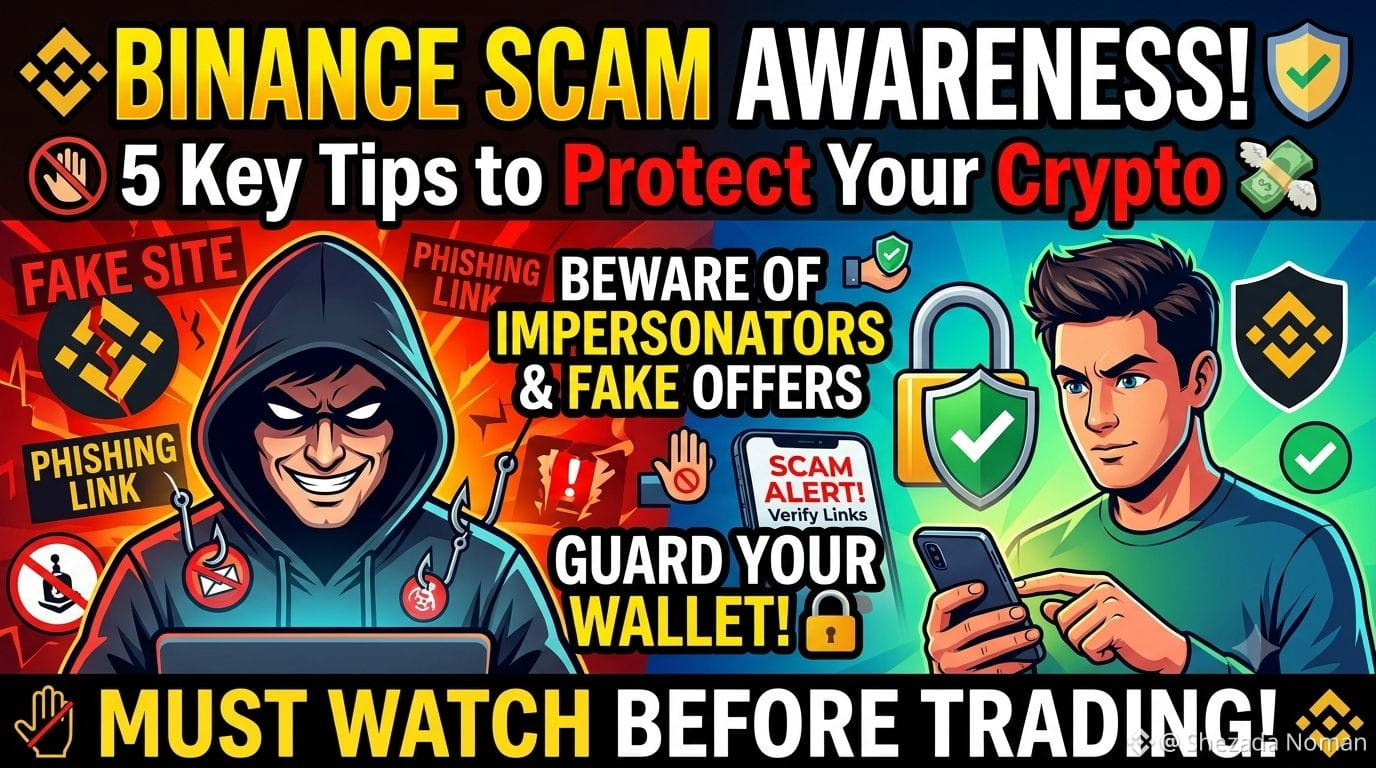
248
Article
Telegram Security | A “Verified-Looking” Profile Can Still Be FakeThink about this scenario:
You ask a question in a public crypto Telegram group. Within seconds, you receive a direct message from someone who appears to be “Binance Support.” The account has an official-looking Binance logo, a professional title, and even a “verified” badge in the profile picture.
📧The message claims your account is facing a temporary restriction and urges you to act quickly.
Everything looks legitimate. But the moment you follow the instructions, your wallet is drained.☠️
This is not a platform breach or a wallet exploit. It is a form of social engineering based on visual spoofing, an increasingly common scam tactic targeting crypto users.
🔍 The “Bio Trap”
On Telegram, scammers often rely on a simple fact: display names and profile bios are not verified identities. Anyone can write:
• “Official Binance Support”
• “Binance Security Team”
They can also add verification emojis, copied logos, and corporate branding to appear authentic.
However, display names, bios, and profile pictures can all be manipulated. ⚠️Users should carefully inspect the actual @username, which is a more reliable identifier.
🧬 The “Blnance” Trick
Sophisticated impersonation groups often use lookalike usernames designed to fool users at a glance.
Examples:
• Real: BINANCE 👉(Capital "I")
• Fake: BlNANCE 👉(Lowercase "L")
This technique is known as a homograph attack, a visual deception method that exploits similar-looking characters to mimic legitimate identities.
⚠️ Important Reminder
Binance staff will never contact users first on Telegram to:
• Request funds
• Ask for passwords or 2FA codes
• Instruct users to transfer assets for “verification”
Any unsolicited request involving urgency, account restrictions, or asset transfers should be treated with extreme caution.
🔐 Final Thoughts
Attackers no longer just hack systems — they impersonate trusted identities convincingly enough to make users lower their guard. Take a moment to verify the username, question the urgency, and confirm through official channels. A few extra seconds of caution can prevent irreversible loss.
Follow us, stay alert, stay SAFU.
#Binancesecurity #Telegram
Telegram Security | A “Verified-Looking” Profile Can Still Be Fake
Think about this scenario:
You ask a question in a public crypto Telegram group. Within seconds, you receive a direct message from someone who appears to be “Binance Support.” The account has an official-looking Binance logo, a professional title, and even a “verified” badge in the profile picture.
📧The message claims your account is facing a temporary restriction and urges you to act quickly.
Everything looks legitimate. But the moment you follow the instructions, your wallet is drained.☠️
This is not a platform breach or a wallet exploit. It is a form of social engineering based on visual spoofing, an increasingly common scam tactic targeting crypto users.
🔍 The “Bio Trap”
On Telegram, scammers often rely on a simple fact: display names and profile bios are not verified identities. Anyone can write:
• “Official Binance Support”
• “Binance Security Team”
They can also add verification emojis, copied logos, and corporate branding to appear authentic.
However, display names, bios, and profile pictures can all be manipulated. ⚠️Users should carefully inspect the actual @username, which is a more reliable identifier.
🧬 The “Blnance” Trick
Sophisticated impersonation groups often use lookalike usernames designed to fool users at a glance.
Examples:
• Real: BINANCE 👉(Capital "I")
• Fake: BlNANCE 👉(Lowercase "L")
This technique is known as a homograph attack, a visual deception method that exploits similar-looking characters to mimic legitimate identities.
⚠️ Important Reminder
Binance staff will never contact users first on Telegram to:
• Request funds
• Ask for passwords or 2FA codes
• Instruct users to transfer assets for “verification”
Any unsolicited request involving urgency, account restrictions, or asset transfers should be treated with extreme caution.
🔐 Final Thoughts
Attackers no longer just hack systems — they impersonate trusted identities convincingly enough to make users lower their guard. Take a moment to verify the username, question the urgency, and confirm through official channels. A few extra seconds of caution can prevent irreversible loss.
Follow us, stay alert, stay SAFU.
#Binancesecurity #Telegram
You ask a question in a public crypto Telegram group. Within seconds, you receive a direct message from someone who appears to be “Binance Support.” The account has an official-looking Binance logo, a professional title, and even a “verified” badge in the profile picture.
📧The message claims your account is facing a temporary restriction and urges you to act quickly.
Everything looks legitimate. But the moment you follow the instructions, your wallet is drained.☠️
This is not a platform breach or a wallet exploit. It is a form of social engineering based on visual spoofing, an increasingly common scam tactic targeting crypto users.
🔍 The “Bio Trap”
On Telegram, scammers often rely on a simple fact: display names and profile bios are not verified identities. Anyone can write:
• “Official Binance Support”
• “Binance Security Team”
They can also add verification emojis, copied logos, and corporate branding to appear authentic.
However, display names, bios, and profile pictures can all be manipulated. ⚠️Users should carefully inspect the actual @username, which is a more reliable identifier.
🧬 The “Blnance” Trick
Sophisticated impersonation groups often use lookalike usernames designed to fool users at a glance.
Examples:
• Real: BINANCE 👉(Capital "I")
• Fake: BlNANCE 👉(Lowercase "L")
This technique is known as a homograph attack, a visual deception method that exploits similar-looking characters to mimic legitimate identities.
⚠️ Important Reminder
Binance staff will never contact users first on Telegram to:
• Request funds
• Ask for passwords or 2FA codes
• Instruct users to transfer assets for “verification”
Any unsolicited request involving urgency, account restrictions, or asset transfers should be treated with extreme caution.
🔐 Final Thoughts
Attackers no longer just hack systems — they impersonate trusted identities convincingly enough to make users lower their guard. Take a moment to verify the username, question the urgency, and confirm through official channels. A few extra seconds of caution can prevent irreversible loss.
Follow us, stay alert, stay SAFU.
#Binancesecurity #Telegram
3
415
·
--
A staggering 95% of industry breaches are caused by social engineering, and Binance is taking drastic measures to stay ahead of hackers.
In a move that showcases its commitment to security, Binance 'red teams' its own employees every month, simulating real-world attacks to test their defenses. This rigorous testing procedure helps Binance identify vulnerabilities, strengthen its security posture, and keep hackers at bay.
As smart money takes notice of this proactive approach, expect increased adoption of Binance's security features and services. In the next 7-10 days, watch for a potential 20%+ move in BNB, as traders pile in on this secure haven. #SecuringTheFuture #BinanceSecurity #BNBOnTheRise
A staggering 95% of industry breaches are caused by social engineering, and Binance is taking drastic measures to stay ahead of hackers.
In a move that showcases its commitment to security, Binance 'red teams' its own employees every month, simulating real-world attacks to test their defenses. This rigorous testing procedure helps Binance identify vulnerabilities, strengthen its security posture, and keep hackers at bay.
As smart money takes notice of this proactive approach, expect increased adoption of Binance's security features and services. In the next 7-10 days, watch for a potential 20%+ move in BNB, as traders pile in on this secure haven. #SecuringTheFuture #BinanceSecurity #BNBOnTheRise
In a move that showcases its commitment to security, Binance 'red teams' its own employees every month, simulating real-world attacks to test their defenses. This rigorous testing procedure helps Binance identify vulnerabilities, strengthen its security posture, and keep hackers at bay.
As smart money takes notice of this proactive approach, expect increased adoption of Binance's security features and services. In the next 7-10 days, watch for a potential 20%+ move in BNB, as traders pile in on this secure haven. #SecuringTheFuture #BinanceSecurity #BNBOnTheRise
33

Article
¿Cómo protege Binance los fondos de los usuarios en México en 2026?Binance protege los fondos mediante cuatro capas: el fondo de emergencia SAFU, la Prueba de Reservas verificable, herramientas de seguridad que puedes activar desde tu cuenta y sistemas automáticos de detección de fraude.
Esta guía explica cómo usarlas: qué respalda el SAFU hoy, cómo comprobar tu propio saldo, y cómo configurar en cinco minutos las protecciones que dependen de ti.
Porque la parte más efectiva de este sistema no la opera Binance. La activas tú.
Resumen rápido
¿Poco tiempo? Esto es lo esencial:
El SAFU está hoy completamente en bitcoin - unos 15.000 BTC, cerca de mil millones de dólares. Muchas guías todavía dicen que está en USDC. Ya no.Puedes verificar tú mismo que tu saldo está respaldado: Cuenta → Verificación.Protección de los retiros bloquea todos los retiros on-chain de 1 a 7 días. Aunque alguien tenga tu contraseña y tu 2FA, no puede sacar tus criptos.En P2P, la cripto queda retenida en escrow hasta que el vendedor confirma el pago. Si el nombre del pago no coincide, es una violación de las reglas.Tus pesos y tus criptos están en sistemas distintos - el tramo en MXN pasa por [Medá](https://www.binance.com/en/support/faq/detail/588ca3bd6b214a17bf1070a8189fb809); las protecciones de este artículo cubren tus criptomonedas.Cinco de las ocho capas de protección las activas tú, no Binance.
Si solo haces una cosa hoy: entra a Cuenta → Seguridad y revisa el panel Control de seguridad. Lo que esté en gris está pendiente.
Guarda este artículo para leerlo con calma - la sección de configuración paso a paso te va a servir cuando tengas la app abierta.
¿Cómo entran y salen los pesos?
Antes de hablar de las protecciones globales, conviene entender algo específico de México.
Cuando depositas o retiras pesos mexicanos en Binance, esa operación pasa por Medá, una entidad mexicana del grupo Binance que opera con un equipo independiente y se dedica exclusivamente a mover pesos vía SPEI. Se anunció en septiembre de 2025 con una inversión planeada de más de mil millones de pesos a cuatro años.
El punto que casi nadie explica: tus pesos y tus criptomonedas viven en sistemas distintos.
El tramo en pesos - depósitos y retiros en MXN - pasa por Medá.El tramo en cripto - lo que tienes en BTC, ETH, USDT o cualquier otro activo — está en la custodia global de Binance, respaldado por la Prueba de Reservas y el fondo SAFU.
Son dos cosas separadas. Entenderlo importa porque las protecciones que verás en el resto de este artículo - SAFU, Prueba de Reservas, Retirar protección - aplican a tus criptomonedas, no a tu saldo en pesos.
Si es tu primera vez usando pesos en Binance, necesitas abrir una cuenta Medá. El registro se hace desde la propia app cuando intentas tu primer depósito en MXN: tienes que introducir número de teléfono y correo, revisar tus datos personales, subir una identificación oficial por ambos lados y completar la verificación facial.
¿Qué respalda hoy el fondo SAFU?
Bitcoin. Completamente.
El SAFU, [creado en julio de 2018](https://www.binance.com/es/academy/glossary/secure-asset-fund-for-users), mantiene activos por aproximadamente 1.000 millones de dólares en su totalidad en bitcoin. La conversión se completó a principios de 2026, antes del calendario previsto. Medios como CoinDesk reportaron la cifra exacta en 15.000 BTC al cerrarse la operación.
Tres características que vale la pena conocer:
Se mantiene separado de las cuentas operativas de la empresa. No se usa para gastos del negocio.Compromiso de reposición: si el valor de las tenencias en bitcoin cae por debajo de los 800 millones de dólares aproximadamente, Binance repone el fondo.Es verificable en cadena. La cartera es pública: 1BAuq7Vho2CEkVkUxbfU26LhwQjbCmWQkD - pégala en cualquier explorador de blockchain y verás el saldo en tiempo real.
Desde la creación del fondo, Binance no ha reportado ningún hackeo mayor de fondos de usuarios desde 2019.
El SAFU responde a incidentes de seguridad a nivel de plataforma. No cubre pérdidas por movimientos del mercado ni accesos realizados con tus propias credenciales - y esa segunda categoría es la más común en la práctica. Por eso las siguientes secciones importan más.
¿Cómo compruebo que mi saldo está respaldado?
Entra a binance.com/es-MX/proof-of-reserves. Ahí verás, para cada auditoría, la proporción de respaldo de los principales activos.
En la auditoría del 1 de agosto de 2026 (BTC Block Height 962079), las proporciones eran todas por encima del 100%: eso es el "1:1 más reservas adicionales". La página también permite descargar todas las direcciones y consultar el hash raíz de Merkle de cada auditoría.
Verifica tu propio saldo
Lo anterior es el panorama general. También puedes comprobar que tu cuenta específica fue incluida en el cálculo:
Inicia sesión en el sitio web de BinanceVe a Cuenta → VerificaciónSelecciona la auditoría que quieres revisar
Verás tu ID del registro, el Código de la cuenta, el Hash de Merkle, la Hoja de Merkle y la lista de activos admitidos en esa verificación. Esos datos te permiten comprobar de forma independiente que tu balance fue incluido en el informe de pasivos.
Importante: estos campos son privados y contienen información de tu cuenta. No los compartas ni los publiques en capturas de pantalla.
El sistema usa árboles de Merkle validados con pruebas zk-SNARK, lo que permite confirmar que tu saldo está incluido en el cálculo total sin exponer los balances de otros usuarios. Binance declara además no tener deudas en su estructura de capital.
Es una instantánea en una fecha determinada, no un monitoreo continuo. Es recomendable revisarla de forma periódica.
¿Cómo bloqueo los retiros de mi cuenta?
Esta es la herramienta menos conocida de Binance y la más contundente: Protección de los retiros.
Al activarla, todos los retiros on-chain de tu cuenta quedan bloqueados automáticamente durante el periodo que elijas. No hay excepción. Aunque alguien tenga tu contraseña y tu 2FA, no puede retirar tus criptomonedas.
Cómo activarla
En el sitio web: Cuenta → Seguridad → Seguridad avanzada → Protección de los retiros.
En la app: Centro de cuenta → toca tu perfil → Información de la cuenta → Seguridad → Protección de los retiros.
Usuarios de iOS: requiere iOS 16 o superior y la app en versión 3.14.0 o superior.
[Cómo configurarla](https://www.binance.com/en/support/faq/detail/95d6de0bc082498c9196e08846c522a4)
Periodo de bloqueo: elige entre 1 y 7 días. Si no lo personalizas, el valor por defecto es de 2 días.
Desbloqueo anticipado: aquí está el detalle que casi nadie explica. Esta opción viene desactivada por defecto. Si la dejas así, el bloqueo no se puede levantar antes de tiempo -ni por un atacante, ni por ti.
Si decides permitir el desbloqueo anticipado, el sistema exige dos métodos de verificación obligatorios: llave de seguridad y aplicación autenticadora. Correo y teléfono son opcionales.
Recomendación práctica: si guardas fondos que no estás operando de forma activa, actívalos y deja el desbloqueo anticipado apagado. Es la configuración más segura disponible en la plataforma.
La función bloquea retiros on-chain. Está diseñada para tus criptomonedas.
Las otras herramientas que debes activar hoy
Código anti-phishing
Un código único que tú defines y que Binance incluye en todos sus correos legítimos y en algunos SMS. La regla es simple: si un mensaje dice ser de Binance pero no incluye tu código, no es de Binance.
Formato: entre 6 y 8 caracteres, con al menos tres de estos tipos: mayúsculas, minúsculas, dígitos y guiones bajos. En los SMS aparece al final, con el formato Anti-Phishing: XXXX.
No lo compartas con nadie y actualízalo de vez en cuando.
Binance explica [cómo identificar SMS y llamadas falsas](https://www.binance.com/en/support/faq/detail/a4b0f3a4ecb541ad9f3aa38f1c25cbef) en su centro de soporte.
Una regla que vale la pena memorizar: todos los asuntos relacionados con tu cuenta se gestionan exclusivamente a través de la app o el sitio web de Binance. Si recibes un mensaje que dice ser de Binance y te pide que llames a un número, y no está confirmado dentro de la app, es una estafa.
Si recibes un SMS sospechoso:
Revisa tu registro de seguridad en Cuenta → Seguridad → Dispositivos y actividadesUsa Binance Verify para comprobar si la fuente es oficialSube el SMS al chatbot de soporte para una verificación automática
Y algo que tranquiliza: recibir un SMS o una llamada falsa no significa que tu cuenta haya sido comprometida.
Lista blanca de retiros
Restringe los retiros únicamente a direcciones que aprobaste antes. Aunque alguien entre a tu cuenta, no puede enviar fondos a una dirección nueva.
Ruta: Ajustes → Retiro → Lista blanca de retiros → Habilitar. Las direcciones se administran en Gestión de Direcciones.
Justo debajo verás la opción Retiro en un solo paso, que permite retirar cantidades pequeñas a direcciones de la lista blanca sin verificación 2FA. Es comodidad a cambio de seguridad: si tu prioridad es proteger fondos, déjala desactivada.
2FA y llaves de acceso
En la sección de 2FA encontrarás las Llaves de acceso (autenticación biométrica), que protegen tu cuenta con verificación en tu dispositivo o con una llave física tipo YubiKey, y la Aplicación del autenticador.
Si usas 2FA tradicional, prefiere la app autenticadora o una llave física sobre el SMS: los códigos por mensaje de texto pueden interceptarse mediante ataques de intercambio de SIM.
En Seguridad avanzada también está la Estrategia de verificación 2FA, que permite personalizar qué métodos se exigen en cada tipo de verificación.
Contacto de emergencia
Una función que casi nadie configura: permite agregar contactos de emergencia para cuando tu cuenta quede inactiva. Está en Cuenta → Seguridad → Seguridad avanzada → Contacto de emergencia.
Orden sugerido: Código anti-phishing → 2FA con app o llave → Lista blanca → Retirar protección.
¿Cómo funciona la protección en operaciones P2P?
En México el P2P es una de las vías más usadas para depositar y retirar en pesos, así que merece atención propia.
Aquí conviene tener presente un principio general: a diferencia de una cuenta bancaria, por lo general no hay forma de recuperar criptomonedas perdidas o robadas. Por eso las protecciones del P2P actúan antes de que los fondos se muevan, no después.
Cuando operas en el mercado P2P, Binance retiene la criptomoneda en depósito de garantía (escrow) desde que se abre la orden. El vendedor no recibe sus criptos hasta que confirma que recibió el pago. Si el pago no llega, los fondos no se liberan.
Dos reglas de la plataforma que conviene conocer
Estas son reglas de la política de transacciones de Binance P2P.
El nombre del pago debe coincidir. Si el nombre de la cuenta bancaria desde la que se envió el dinero no coincide con el nombre registrado en Binance P2P, el comprador incumplió con las reglas de la plataforma. En ese caso no se debe liberar la criptomoneda: el vendedor debe reembolsar el dinero a la cuenta de origen y la orden se cancela.
Desconfía si te proponen salir de la plataforma. Si tu contraparte insiste en continuar la operación por fuera de Binance P2P o en otra plataforma, eso constituye una violación de la política de transacciones y es motivo suficiente para abrir una apelación.
¿Cómo funciona una apelación?
Si algo sale mal, este es el proceso:
Primero, el chat. En la mayoría de los casos es más rápido llegar a un acuerdo directamente con la contraparte que pasar por una apelación.Si no hay acuerdo, pulsa el botón de ayuda y abre una apelación.Indica el motivo y adjunta evidencia. Por ejemplo: comprobante de pago, o prueba de que el pago no se realizó.La contraparte tiene 10 minutos para retomar el chat y llegar a un acuerdo. Si lo logran, puedes cancelar la apelación.Si no hay acuerdo, el caso pasa a soporte y un agente contacta a ambas partes por correo.
Mientras la orden está en apelación, la criptomoneda permanece bloqueada hasta que el caso se resuelva. El tiempo de respuesta de atención al cliente es de 24 a 48 horas.
Dos detalles prácticos: si cancelas una apelación por error, debes esperar 5 minutos para abrir otra. Y al adjuntar pruebas, no uses capturas de la conversación como comprobante de pago - adjunta el comprobante real. [Guía completa de apelaciones en P2P](https://www.binance.com/en/blog/p2p/8223609861057677091)
Reglas prácticas para operar tranquilo
Paga únicamente desde una cuenta bancaria a tu propio nombreNo liberes nunca los fondos antes de confirmar que el dinero está reflejado en tu cuenta, no solo "en camino"Desconfía de comprobantes enviados por imagen - verifica directamente en tu bancoMantén toda la comunicación dentro del chat de la plataforma: así el agente de soporte puede seguir la conversación si hay una apelaciónSi la orden aún no tiene pago confirmado y la contraparte no responde, puedes usar Cancelar orden en los detalles de la operación. Si ya se hizo el pago o ya se liberó la cripto, corresponde apelarSi no estás seguro, apela antes de liberar. Después de liberar, la operación es definitiva
¿Qué hace Binance contra las estafas?
Las cifras dan una idea de la escala:
En el primer trimestre de 2026, los sistemas de Binance frustraron 22,9 millones de intentos de estafa y phishing, protegiendo aproximadamente 1,980 millones de dólares en fondos de usuarios.Desde principios de 2025 hasta el primer trimestre de 2026, la plataforma previno más de 10,530 millones de dólares en pérdidas potenciales, protegiendo a más de 5.4 millones de usuarios.En 2024 esa cifra fue de 4,200 millones de dólares. El crecimiento refleja el aumento de estafas potenciadas con IA, deepfakes y phishing.
Detrás de esto hay más de 100 modelos de IA integrados en 24 o más iniciativas de seguridad, que monitorean transacciones, comportamiento de usuario y señales externas en tiempo real. Cuando el sistema detecta una anomalía, un revisor humano puede intervenir.
Qué hace el sistema cuando detecta algo:
Envía notificaciones de advertencia antes de que completes una transacción sospechosaPresenta formularios de evaluación de riesgo si detecta señales de vulnerabilidadPuede pausar retiros hasta por 24 horas mientras investigaBloquea transferencias a direcciones incluidas en su base de datos de direcciones maliciosas, construida junto con empresas de seguridad Web3
Los equipos legales y de cumplimiento de Binance han procesado más de 71,000 solicitudes de autoridades y han contribuido a cientos de arrestos.
Qué cubre cada capa
Las cuatro capas marcadas en amarillo son las que tú activas: Protección de los retiros, el código anti-phishing, la lista blanca de retiros y el contacto de emergencia. Las demás operan solas.
Dicho de otro modo: cinco de las ocho capas dependen de una configuración que haces tú, no de Binance.
Checklist de seguridad
Empieza por aquí: entra a Cuenta → Seguridad. Arriba verás un panel llamado Control de seguridad con cuatro indicadores. Los que aparecen en verde ya están activos; los grises están pendientes.
Es la forma más rápida de saber dónde estás parado. Luego revisa el resto:
1. Código anti-phishing configurado - 6 a 8 caracteres, tres tipos distintos
2. 2FA con app autenticadora o llave de acceso, no SMS
3. Lista blanca de retiros habilitada
4. Protección de los retiros activada
5. Contacto de emergencia agregado
6. Tu saldo verificado en Prueba de Reservas
7. Dispositivos y actividades revisados - cierra los que no reconozcas
8. En P2P: nunca liberar sin confirmar el depósito en tu banco
Si tienes los ocho, estás mejor protegido que la gran mayoría de los usuarios.
En resumen
La protección de fondos en Binance funciona en capas, y no todas hacen lo mismo. El SAFU y la Prueba de Reservas responden por la solidez de la plataforma: el fondo de emergencia está hoy completamente en bitcoin y las reservas se pueden verificar públicamente, con proporciones por encima del 100%.
Pero las capas que más protegen a un usuario en el día a día son las que se activan desde la propia cuenta. Protección de los retiros, el código anti-phishing, la lista blanca y el contacto de emergencia toman unos minutos en configurarse y cubren precisamente el escenario más frecuente: alguien que consigue tus credenciales.
Y si operas en P2P, la regla es simple: el escrow te protege mientras no liberes. Verifica el depósito en tu banco, no en el comprobante.
Preguntas frecuentes
¿Cuánto tiempo puedo mantener bloqueados mis retiros? Entre 1 y 7 días por periodo. Si no eliges duración, el sistema aplica 2 días por defecto. Al terminar el periodo puedes volver a activarla.
Si activo Protección de los retiros, ¿puedo cancelarla si cambio de opinión? Solo si activaste la opción de desbloqueo anticipado al configurarla. Viene desactivada de forma predeterminada y con esa configuración el bloqueo se mantiene hasta que termine el periodo. Si la activas, necesitarás una llave de seguridad y una aplicación autenticadora para levantarlo.
En P2P, la otra persona me presiona para liberar los fondos. ¿Qué hago? No liberes. Verifica el depósito directamente en tu banco, no en el comprobante que te enviaron. La prisa es la herramienta principal de este tipo de fraude y, una vez liberados los fondos, la operación no se revierte. Si hay duda, abre una apelación: mientras está abierta, la criptomoneda permanece bloqueada. Y si la contraparte insiste en salirse del chat de la plataforma, eso por sí solo ya es motivo de apelación.
¿Qué pasa si Binance pausa mi retiro sin que yo lo pida? Los sistemas de la plataforma pueden pausar un retiro hasta por 24 horas cuando detectan señales de riesgo, o bloquear una transferencia dirigida a una dirección marcada como maliciosa. Es una medida preventiva: da tiempo a verificar la operación antes de que los fondos salgan a la blockchain, donde ya no se pueden recuperar.
¿Te quedó alguna duda sobre alguna de estas configuraciones? Déjala en los comentarios para resolverla en el próximo post.
Y si conoces a alguien que opera en P2P sin haber activado nada de esto, compártele el artículo.
Las cifras corresponden a los reportes públicos más recientes disponibles al momento de la publicación. Verifica siempre los datos actualizados en las páginas oficiales de Binance.
#Binancesecurity #P2P #mexico #SeguridadCripto
¿Cómo protege Binance los fondos de los usuarios en México en 2026?
Binance protege los fondos mediante cuatro capas: el fondo de emergencia SAFU, la Prueba de Reservas verificable, herramientas de seguridad que puedes activar desde tu cuenta y sistemas automáticos de detección de fraude.
Esta guía explica cómo usarlas: qué respalda el SAFU hoy, cómo comprobar tu propio saldo, y cómo configurar en cinco minutos las protecciones que dependen de ti.
Porque la parte más efectiva de este sistema no la opera Binance. La activas tú.
Resumen rápido
¿Poco tiempo? Esto es lo esencial:
El SAFU está hoy completamente en bitcoin - unos 15.000 BTC, cerca de mil millones de dólares. Muchas guías todavía dicen que está en USDC. Ya no.Puedes verificar tú mismo que tu saldo está respaldado: Cuenta → Verificación.Protección de los retiros bloquea todos los retiros on-chain de 1 a 7 días. Aunque alguien tenga tu contraseña y tu 2FA, no puede sacar tus criptos.En P2P, la cripto queda retenida en escrow hasta que el vendedor confirma el pago. Si el nombre del pago no coincide, es una violación de las reglas.Tus pesos y tus criptos están en sistemas distintos - el tramo en MXN pasa por Medá; las protecciones de este artículo cubren tus criptomonedas.Cinco de las ocho capas de protección las activas tú, no Binance.
Si solo haces una cosa hoy: entra a Cuenta → Seguridad y revisa el panel Control de seguridad. Lo que esté en gris está pendiente.
Guarda este artículo para leerlo con calma - la sección de configuración paso a paso te va a servir cuando tengas la app abierta.
¿Cómo entran y salen los pesos?
Antes de hablar de las protecciones globales, conviene entender algo específico de México.
Cuando depositas o retiras pesos mexicanos en Binance, esa operación pasa por Medá, una entidad mexicana del grupo Binance que opera con un equipo independiente y se dedica exclusivamente a mover pesos vía SPEI. Se anunció en septiembre de 2025 con una inversión planeada de más de mil millones de pesos a cuatro años.
El punto que casi nadie explica: tus pesos y tus criptomonedas viven en sistemas distintos.
El tramo en pesos - depósitos y retiros en MXN - pasa por Medá.El tramo en cripto - lo que tienes en BTC, ETH, USDT o cualquier otro activo — está en la custodia global de Binance, respaldado por la Prueba de Reservas y el fondo SAFU.
Son dos cosas separadas. Entenderlo importa porque las protecciones que verás en el resto de este artículo - SAFU, Prueba de Reservas, Retirar protección - aplican a tus criptomonedas, no a tu saldo en pesos.
Si es tu primera vez usando pesos en Binance, necesitas abrir una cuenta Medá. El registro se hace desde la propia app cuando intentas tu primer depósito en MXN: tienes que introducir número de teléfono y correo, revisar tus datos personales, subir una identificación oficial por ambos lados y completar la verificación facial.
¿Qué respalda hoy el fondo SAFU?
Bitcoin. Completamente.
El SAFU, creado en julio de 2018, mantiene activos por aproximadamente 1.000 millones de dólares en su totalidad en bitcoin. La conversión se completó a principios de 2026, antes del calendario previsto. Medios como CoinDesk reportaron la cifra exacta en 15.000 BTC al cerrarse la operación.
Tres características que vale la pena conocer:
Se mantiene separado de las cuentas operativas de la empresa. No se usa para gastos del negocio.Compromiso de reposición: si el valor de las tenencias en bitcoin cae por debajo de los 800 millones de dólares aproximadamente, Binance repone el fondo.Es verificable en cadena. La cartera es pública: 1BAuq7Vho2CEkVkUxbfU26LhwQjbCmWQkD - pégala en cualquier explorador de blockchain y verás el saldo en tiempo real.
Desde la creación del fondo, Binance no ha reportado ningún hackeo mayor de fondos de usuarios desde 2019.
El SAFU responde a incidentes de seguridad a nivel de plataforma. No cubre pérdidas por movimientos del mercado ni accesos realizados con tus propias credenciales - y esa segunda categoría es la más común en la práctica. Por eso las siguientes secciones importan más.
¿Cómo compruebo que mi saldo está respaldado?
Entra a binance.com/es-MX/proof-of-reserves. Ahí verás, para cada auditoría, la proporción de respaldo de los principales activos.
En la auditoría del 1 de agosto de 2026 (BTC Block Height 962079), las proporciones eran todas por encima del 100%: eso es el "1:1 más reservas adicionales". La página también permite descargar todas las direcciones y consultar el hash raíz de Merkle de cada auditoría.
Verifica tu propio saldo
Lo anterior es el panorama general. También puedes comprobar que tu cuenta específica fue incluida en el cálculo:
Inicia sesión en el sitio web de BinanceVe a Cuenta → VerificaciónSelecciona la auditoría que quieres revisar
Verás tu ID del registro, el Código de la cuenta, el Hash de Merkle, la Hoja de Merkle y la lista de activos admitidos en esa verificación. Esos datos te permiten comprobar de forma independiente que tu balance fue incluido en el informe de pasivos.
Importante: estos campos son privados y contienen información de tu cuenta. No los compartas ni los publiques en capturas de pantalla.
El sistema usa árboles de Merkle validados con pruebas zk-SNARK, lo que permite confirmar que tu saldo está incluido en el cálculo total sin exponer los balances de otros usuarios. Binance declara además no tener deudas en su estructura de capital.
Es una instantánea en una fecha determinada, no un monitoreo continuo. Es recomendable revisarla de forma periódica.
¿Cómo bloqueo los retiros de mi cuenta?
Esta es la herramienta menos conocida de Binance y la más contundente: Protección de los retiros.
Al activarla, todos los retiros on-chain de tu cuenta quedan bloqueados automáticamente durante el periodo que elijas. No hay excepción. Aunque alguien tenga tu contraseña y tu 2FA, no puede retirar tus criptomonedas.
Cómo activarla
En el sitio web: Cuenta → Seguridad → Seguridad avanzada → Protección de los retiros.
En la app: Centro de cuenta → toca tu perfil → Información de la cuenta → Seguridad → Protección de los retiros.
Usuarios de iOS: requiere iOS 16 o superior y la app en versión 3.14.0 o superior.
Cómo configurarla
Periodo de bloqueo: elige entre 1 y 7 días. Si no lo personalizas, el valor por defecto es de 2 días.
Desbloqueo anticipado: aquí está el detalle que casi nadie explica. Esta opción viene desactivada por defecto. Si la dejas así, el bloqueo no se puede levantar antes de tiempo -ni por un atacante, ni por ti.
Si decides permitir el desbloqueo anticipado, el sistema exige dos métodos de verificación obligatorios: llave de seguridad y aplicación autenticadora. Correo y teléfono son opcionales.
Recomendación práctica: si guardas fondos que no estás operando de forma activa, actívalos y deja el desbloqueo anticipado apagado. Es la configuración más segura disponible en la plataforma.
La función bloquea retiros on-chain. Está diseñada para tus criptomonedas.
Las otras herramientas que debes activar hoy
Código anti-phishing
Un código único que tú defines y que Binance incluye en todos sus correos legítimos y en algunos SMS. La regla es simple: si un mensaje dice ser de Binance pero no incluye tu código, no es de Binance.
Formato: entre 6 y 8 caracteres, con al menos tres de estos tipos: mayúsculas, minúsculas, dígitos y guiones bajos. En los SMS aparece al final, con el formato Anti-Phishing: XXXX.
No lo compartas con nadie y actualízalo de vez en cuando.
Binance explica cómo identificar SMS y llamadas falsas en su centro de soporte.
Una regla que vale la pena memorizar: todos los asuntos relacionados con tu cuenta se gestionan exclusivamente a través de la app o el sitio web de Binance. Si recibes un mensaje que dice ser de Binance y te pide que llames a un número, y no está confirmado dentro de la app, es una estafa.
Si recibes un SMS sospechoso:
Revisa tu registro de seguridad en Cuenta → Seguridad → Dispositivos y actividadesUsa Binance Verify para comprobar si la fuente es oficialSube el SMS al chatbot de soporte para una verificación automática
Y algo que tranquiliza: recibir un SMS o una llamada falsa no significa que tu cuenta haya sido comprometida.
Lista blanca de retiros
Restringe los retiros únicamente a direcciones que aprobaste antes. Aunque alguien entre a tu cuenta, no puede enviar fondos a una dirección nueva.
Ruta: Ajustes → Retiro → Lista blanca de retiros → Habilitar. Las direcciones se administran en Gestión de Direcciones.
Justo debajo verás la opción Retiro en un solo paso, que permite retirar cantidades pequeñas a direcciones de la lista blanca sin verificación 2FA. Es comodidad a cambio de seguridad: si tu prioridad es proteger fondos, déjala desactivada.
2FA y llaves de acceso
En la sección de 2FA encontrarás las Llaves de acceso (autenticación biométrica), que protegen tu cuenta con verificación en tu dispositivo o con una llave física tipo YubiKey, y la Aplicación del autenticador.
Si usas 2FA tradicional, prefiere la app autenticadora o una llave física sobre el SMS: los códigos por mensaje de texto pueden interceptarse mediante ataques de intercambio de SIM.
En Seguridad avanzada también está la Estrategia de verificación 2FA, que permite personalizar qué métodos se exigen en cada tipo de verificación.
Contacto de emergencia
Una función que casi nadie configura: permite agregar contactos de emergencia para cuando tu cuenta quede inactiva. Está en Cuenta → Seguridad → Seguridad avanzada → Contacto de emergencia.
Orden sugerido: Código anti-phishing → 2FA con app o llave → Lista blanca → Retirar protección.
¿Cómo funciona la protección en operaciones P2P?
En México el P2P es una de las vías más usadas para depositar y retirar en pesos, así que merece atención propia.
Aquí conviene tener presente un principio general: a diferencia de una cuenta bancaria, por lo general no hay forma de recuperar criptomonedas perdidas o robadas. Por eso las protecciones del P2P actúan antes de que los fondos se muevan, no después.
Cuando operas en el mercado P2P, Binance retiene la criptomoneda en depósito de garantía (escrow) desde que se abre la orden. El vendedor no recibe sus criptos hasta que confirma que recibió el pago. Si el pago no llega, los fondos no se liberan.
Dos reglas de la plataforma que conviene conocer
Estas son reglas de la política de transacciones de Binance P2P.
El nombre del pago debe coincidir. Si el nombre de la cuenta bancaria desde la que se envió el dinero no coincide con el nombre registrado en Binance P2P, el comprador incumplió con las reglas de la plataforma. En ese caso no se debe liberar la criptomoneda: el vendedor debe reembolsar el dinero a la cuenta de origen y la orden se cancela.
Desconfía si te proponen salir de la plataforma. Si tu contraparte insiste en continuar la operación por fuera de Binance P2P o en otra plataforma, eso constituye una violación de la política de transacciones y es motivo suficiente para abrir una apelación.
¿Cómo funciona una apelación?
Si algo sale mal, este es el proceso:
Primero, el chat. En la mayoría de los casos es más rápido llegar a un acuerdo directamente con la contraparte que pasar por una apelación.Si no hay acuerdo, pulsa el botón de ayuda y abre una apelación.Indica el motivo y adjunta evidencia. Por ejemplo: comprobante de pago, o prueba de que el pago no se realizó.La contraparte tiene 10 minutos para retomar el chat y llegar a un acuerdo. Si lo logran, puedes cancelar la apelación.Si no hay acuerdo, el caso pasa a soporte y un agente contacta a ambas partes por correo.
Mientras la orden está en apelación, la criptomoneda permanece bloqueada hasta que el caso se resuelva. El tiempo de respuesta de atención al cliente es de 24 a 48 horas.
Dos detalles prácticos: si cancelas una apelación por error, debes esperar 5 minutos para abrir otra. Y al adjuntar pruebas, no uses capturas de la conversación como comprobante de pago - adjunta el comprobante real. Guía completa de apelaciones en P2P
Reglas prácticas para operar tranquilo
Paga únicamente desde una cuenta bancaria a tu propio nombreNo liberes nunca los fondos antes de confirmar que el dinero está reflejado en tu cuenta, no solo "en camino"Desconfía de comprobantes enviados por imagen - verifica directamente en tu bancoMantén toda la comunicación dentro del chat de la plataforma: así el agente de soporte puede seguir la conversación si hay una apelaciónSi la orden aún no tiene pago confirmado y la contraparte no responde, puedes usar Cancelar orden en los detalles de la operación. Si ya se hizo el pago o ya se liberó la cripto, corresponde apelarSi no estás seguro, apela antes de liberar. Después de liberar, la operación es definitiva
¿Qué hace Binance contra las estafas?
Las cifras dan una idea de la escala:
En el primer trimestre de 2026, los sistemas de Binance frustraron 22,9 millones de intentos de estafa y phishing, protegiendo aproximadamente 1,980 millones de dólares en fondos de usuarios.Desde principios de 2025 hasta el primer trimestre de 2026, la plataforma previno más de 10,530 millones de dólares en pérdidas potenciales, protegiendo a más de 5.4 millones de usuarios.En 2024 esa cifra fue de 4,200 millones de dólares. El crecimiento refleja el aumento de estafas potenciadas con IA, deepfakes y phishing.
Detrás de esto hay más de 100 modelos de IA integrados en 24 o más iniciativas de seguridad, que monitorean transacciones, comportamiento de usuario y señales externas en tiempo real. Cuando el sistema detecta una anomalía, un revisor humano puede intervenir.
Qué hace el sistema cuando detecta algo:
Envía notificaciones de advertencia antes de que completes una transacción sospechosaPresenta formularios de evaluación de riesgo si detecta señales de vulnerabilidadPuede pausar retiros hasta por 24 horas mientras investigaBloquea transferencias a direcciones incluidas en su base de datos de direcciones maliciosas, construida junto con empresas de seguridad Web3
Los equipos legales y de cumplimiento de Binance han procesado más de 71,000 solicitudes de autoridades y han contribuido a cientos de arrestos.
Qué cubre cada capa
Las cuatro capas marcadas en amarillo son las que tú activas: Protección de los retiros, el código anti-phishing, la lista blanca de retiros y el contacto de emergencia. Las demás operan solas.
Dicho de otro modo: cinco de las ocho capas dependen de una configuración que haces tú, no de Binance.
Checklist de seguridad
Empieza por aquí: entra a Cuenta → Seguridad. Arriba verás un panel llamado Control de seguridad con cuatro indicadores. Los que aparecen en verde ya están activos; los grises están pendientes.
Es la forma más rápida de saber dónde estás parado. Luego revisa el resto:
1. Código anti-phishing configurado - 6 a 8 caracteres, tres tipos distintos
2. 2FA con app autenticadora o llave de acceso, no SMS
3. Lista blanca de retiros habilitada
4. Protección de los retiros activada
5. Contacto de emergencia agregado
6. Tu saldo verificado en Prueba de Reservas
7. Dispositivos y actividades revisados - cierra los que no reconozcas
8. En P2P: nunca liberar sin confirmar el depósito en tu banco
Si tienes los ocho, estás mejor protegido que la gran mayoría de los usuarios.
En resumen
La protección de fondos en Binance funciona en capas, y no todas hacen lo mismo. El SAFU y la Prueba de Reservas responden por la solidez de la plataforma: el fondo de emergencia está hoy completamente en bitcoin y las reservas se pueden verificar públicamente, con proporciones por encima del 100%.
Pero las capas que más protegen a un usuario en el día a día son las que se activan desde la propia cuenta. Protección de los retiros, el código anti-phishing, la lista blanca y el contacto de emergencia toman unos minutos en configurarse y cubren precisamente el escenario más frecuente: alguien que consigue tus credenciales.
Y si operas en P2P, la regla es simple: el escrow te protege mientras no liberes. Verifica el depósito en tu banco, no en el comprobante.
Preguntas frecuentes
¿Cuánto tiempo puedo mantener bloqueados mis retiros? Entre 1 y 7 días por periodo. Si no eliges duración, el sistema aplica 2 días por defecto. Al terminar el periodo puedes volver a activarla.
Si activo Protección de los retiros, ¿puedo cancelarla si cambio de opinión? Solo si activaste la opción de desbloqueo anticipado al configurarla. Viene desactivada de forma predeterminada y con esa configuración el bloqueo se mantiene hasta que termine el periodo. Si la activas, necesitarás una llave de seguridad y una aplicación autenticadora para levantarlo.
En P2P, la otra persona me presiona para liberar los fondos. ¿Qué hago? No liberes. Verifica el depósito directamente en tu banco, no en el comprobante que te enviaron. La prisa es la herramienta principal de este tipo de fraude y, una vez liberados los fondos, la operación no se revierte. Si hay duda, abre una apelación: mientras está abierta, la criptomoneda permanece bloqueada. Y si la contraparte insiste en salirse del chat de la plataforma, eso por sí solo ya es motivo de apelación.
¿Qué pasa si Binance pausa mi retiro sin que yo lo pida? Los sistemas de la plataforma pueden pausar un retiro hasta por 24 horas cuando detectan señales de riesgo, o bloquear una transferencia dirigida a una dirección marcada como maliciosa. Es una medida preventiva: da tiempo a verificar la operación antes de que los fondos salgan a la blockchain, donde ya no se pueden recuperar.
¿Te quedó alguna duda sobre alguna de estas configuraciones? Déjala en los comentarios para resolverla en el próximo post.
Y si conoces a alguien que opera en P2P sin haber activado nada de esto, compártele el artículo.
Las cifras corresponden a los reportes públicos más recientes disponibles al momento de la publicación. Verifica siempre los datos actualizados en las páginas oficiales de Binance.
#Binancesecurity #P2P #mexico #SeguridadCripto
Esta guía explica cómo usarlas: qué respalda el SAFU hoy, cómo comprobar tu propio saldo, y cómo configurar en cinco minutos las protecciones que dependen de ti.
Porque la parte más efectiva de este sistema no la opera Binance. La activas tú.
Resumen rápido
¿Poco tiempo? Esto es lo esencial:
El SAFU está hoy completamente en bitcoin - unos 15.000 BTC, cerca de mil millones de dólares. Muchas guías todavía dicen que está en USDC. Ya no.Puedes verificar tú mismo que tu saldo está respaldado: Cuenta → Verificación.Protección de los retiros bloquea todos los retiros on-chain de 1 a 7 días. Aunque alguien tenga tu contraseña y tu 2FA, no puede sacar tus criptos.En P2P, la cripto queda retenida en escrow hasta que el vendedor confirma el pago. Si el nombre del pago no coincide, es una violación de las reglas.Tus pesos y tus criptos están en sistemas distintos - el tramo en MXN pasa por Medá; las protecciones de este artículo cubren tus criptomonedas.Cinco de las ocho capas de protección las activas tú, no Binance.
Si solo haces una cosa hoy: entra a Cuenta → Seguridad y revisa el panel Control de seguridad. Lo que esté en gris está pendiente.
Guarda este artículo para leerlo con calma - la sección de configuración paso a paso te va a servir cuando tengas la app abierta.
¿Cómo entran y salen los pesos?
Antes de hablar de las protecciones globales, conviene entender algo específico de México.
Cuando depositas o retiras pesos mexicanos en Binance, esa operación pasa por Medá, una entidad mexicana del grupo Binance que opera con un equipo independiente y se dedica exclusivamente a mover pesos vía SPEI. Se anunció en septiembre de 2025 con una inversión planeada de más de mil millones de pesos a cuatro años.
El punto que casi nadie explica: tus pesos y tus criptomonedas viven en sistemas distintos.
El tramo en pesos - depósitos y retiros en MXN - pasa por Medá.El tramo en cripto - lo que tienes en BTC, ETH, USDT o cualquier otro activo — está en la custodia global de Binance, respaldado por la Prueba de Reservas y el fondo SAFU.
Son dos cosas separadas. Entenderlo importa porque las protecciones que verás en el resto de este artículo - SAFU, Prueba de Reservas, Retirar protección - aplican a tus criptomonedas, no a tu saldo en pesos.
Si es tu primera vez usando pesos en Binance, necesitas abrir una cuenta Medá. El registro se hace desde la propia app cuando intentas tu primer depósito en MXN: tienes que introducir número de teléfono y correo, revisar tus datos personales, subir una identificación oficial por ambos lados y completar la verificación facial.
¿Qué respalda hoy el fondo SAFU?
Bitcoin. Completamente.
El SAFU, creado en julio de 2018, mantiene activos por aproximadamente 1.000 millones de dólares en su totalidad en bitcoin. La conversión se completó a principios de 2026, antes del calendario previsto. Medios como CoinDesk reportaron la cifra exacta en 15.000 BTC al cerrarse la operación.
Tres características que vale la pena conocer:
Se mantiene separado de las cuentas operativas de la empresa. No se usa para gastos del negocio.Compromiso de reposición: si el valor de las tenencias en bitcoin cae por debajo de los 800 millones de dólares aproximadamente, Binance repone el fondo.Es verificable en cadena. La cartera es pública: 1BAuq7Vho2CEkVkUxbfU26LhwQjbCmWQkD - pégala en cualquier explorador de blockchain y verás el saldo en tiempo real.
Desde la creación del fondo, Binance no ha reportado ningún hackeo mayor de fondos de usuarios desde 2019.
El SAFU responde a incidentes de seguridad a nivel de plataforma. No cubre pérdidas por movimientos del mercado ni accesos realizados con tus propias credenciales - y esa segunda categoría es la más común en la práctica. Por eso las siguientes secciones importan más.
¿Cómo compruebo que mi saldo está respaldado?
Entra a binance.com/es-MX/proof-of-reserves. Ahí verás, para cada auditoría, la proporción de respaldo de los principales activos.
En la auditoría del 1 de agosto de 2026 (BTC Block Height 962079), las proporciones eran todas por encima del 100%: eso es el "1:1 más reservas adicionales". La página también permite descargar todas las direcciones y consultar el hash raíz de Merkle de cada auditoría.
Verifica tu propio saldo
Lo anterior es el panorama general. También puedes comprobar que tu cuenta específica fue incluida en el cálculo:
Inicia sesión en el sitio web de BinanceVe a Cuenta → VerificaciónSelecciona la auditoría que quieres revisar
Verás tu ID del registro, el Código de la cuenta, el Hash de Merkle, la Hoja de Merkle y la lista de activos admitidos en esa verificación. Esos datos te permiten comprobar de forma independiente que tu balance fue incluido en el informe de pasivos.
Importante: estos campos son privados y contienen información de tu cuenta. No los compartas ni los publiques en capturas de pantalla.
El sistema usa árboles de Merkle validados con pruebas zk-SNARK, lo que permite confirmar que tu saldo está incluido en el cálculo total sin exponer los balances de otros usuarios. Binance declara además no tener deudas en su estructura de capital.
Es una instantánea en una fecha determinada, no un monitoreo continuo. Es recomendable revisarla de forma periódica.
¿Cómo bloqueo los retiros de mi cuenta?
Esta es la herramienta menos conocida de Binance y la más contundente: Protección de los retiros.
Al activarla, todos los retiros on-chain de tu cuenta quedan bloqueados automáticamente durante el periodo que elijas. No hay excepción. Aunque alguien tenga tu contraseña y tu 2FA, no puede retirar tus criptomonedas.
Cómo activarla
En el sitio web: Cuenta → Seguridad → Seguridad avanzada → Protección de los retiros.
En la app: Centro de cuenta → toca tu perfil → Información de la cuenta → Seguridad → Protección de los retiros.
Usuarios de iOS: requiere iOS 16 o superior y la app en versión 3.14.0 o superior.
Cómo configurarla
Periodo de bloqueo: elige entre 1 y 7 días. Si no lo personalizas, el valor por defecto es de 2 días.
Desbloqueo anticipado: aquí está el detalle que casi nadie explica. Esta opción viene desactivada por defecto. Si la dejas así, el bloqueo no se puede levantar antes de tiempo -ni por un atacante, ni por ti.
Si decides permitir el desbloqueo anticipado, el sistema exige dos métodos de verificación obligatorios: llave de seguridad y aplicación autenticadora. Correo y teléfono son opcionales.
Recomendación práctica: si guardas fondos que no estás operando de forma activa, actívalos y deja el desbloqueo anticipado apagado. Es la configuración más segura disponible en la plataforma.
La función bloquea retiros on-chain. Está diseñada para tus criptomonedas.
Las otras herramientas que debes activar hoy
Código anti-phishing
Un código único que tú defines y que Binance incluye en todos sus correos legítimos y en algunos SMS. La regla es simple: si un mensaje dice ser de Binance pero no incluye tu código, no es de Binance.
Formato: entre 6 y 8 caracteres, con al menos tres de estos tipos: mayúsculas, minúsculas, dígitos y guiones bajos. En los SMS aparece al final, con el formato Anti-Phishing: XXXX.
No lo compartas con nadie y actualízalo de vez en cuando.
Binance explica cómo identificar SMS y llamadas falsas en su centro de soporte.
Una regla que vale la pena memorizar: todos los asuntos relacionados con tu cuenta se gestionan exclusivamente a través de la app o el sitio web de Binance. Si recibes un mensaje que dice ser de Binance y te pide que llames a un número, y no está confirmado dentro de la app, es una estafa.
Si recibes un SMS sospechoso:
Revisa tu registro de seguridad en Cuenta → Seguridad → Dispositivos y actividadesUsa Binance Verify para comprobar si la fuente es oficialSube el SMS al chatbot de soporte para una verificación automática
Y algo que tranquiliza: recibir un SMS o una llamada falsa no significa que tu cuenta haya sido comprometida.
Lista blanca de retiros
Restringe los retiros únicamente a direcciones que aprobaste antes. Aunque alguien entre a tu cuenta, no puede enviar fondos a una dirección nueva.
Ruta: Ajustes → Retiro → Lista blanca de retiros → Habilitar. Las direcciones se administran en Gestión de Direcciones.
Justo debajo verás la opción Retiro en un solo paso, que permite retirar cantidades pequeñas a direcciones de la lista blanca sin verificación 2FA. Es comodidad a cambio de seguridad: si tu prioridad es proteger fondos, déjala desactivada.
2FA y llaves de acceso
En la sección de 2FA encontrarás las Llaves de acceso (autenticación biométrica), que protegen tu cuenta con verificación en tu dispositivo o con una llave física tipo YubiKey, y la Aplicación del autenticador.
Si usas 2FA tradicional, prefiere la app autenticadora o una llave física sobre el SMS: los códigos por mensaje de texto pueden interceptarse mediante ataques de intercambio de SIM.
En Seguridad avanzada también está la Estrategia de verificación 2FA, que permite personalizar qué métodos se exigen en cada tipo de verificación.
Contacto de emergencia
Una función que casi nadie configura: permite agregar contactos de emergencia para cuando tu cuenta quede inactiva. Está en Cuenta → Seguridad → Seguridad avanzada → Contacto de emergencia.
Orden sugerido: Código anti-phishing → 2FA con app o llave → Lista blanca → Retirar protección.
¿Cómo funciona la protección en operaciones P2P?
En México el P2P es una de las vías más usadas para depositar y retirar en pesos, así que merece atención propia.
Aquí conviene tener presente un principio general: a diferencia de una cuenta bancaria, por lo general no hay forma de recuperar criptomonedas perdidas o robadas. Por eso las protecciones del P2P actúan antes de que los fondos se muevan, no después.
Cuando operas en el mercado P2P, Binance retiene la criptomoneda en depósito de garantía (escrow) desde que se abre la orden. El vendedor no recibe sus criptos hasta que confirma que recibió el pago. Si el pago no llega, los fondos no se liberan.
Dos reglas de la plataforma que conviene conocer
Estas son reglas de la política de transacciones de Binance P2P.
El nombre del pago debe coincidir. Si el nombre de la cuenta bancaria desde la que se envió el dinero no coincide con el nombre registrado en Binance P2P, el comprador incumplió con las reglas de la plataforma. En ese caso no se debe liberar la criptomoneda: el vendedor debe reembolsar el dinero a la cuenta de origen y la orden se cancela.
Desconfía si te proponen salir de la plataforma. Si tu contraparte insiste en continuar la operación por fuera de Binance P2P o en otra plataforma, eso constituye una violación de la política de transacciones y es motivo suficiente para abrir una apelación.
¿Cómo funciona una apelación?
Si algo sale mal, este es el proceso:
Primero, el chat. En la mayoría de los casos es más rápido llegar a un acuerdo directamente con la contraparte que pasar por una apelación.Si no hay acuerdo, pulsa el botón de ayuda y abre una apelación.Indica el motivo y adjunta evidencia. Por ejemplo: comprobante de pago, o prueba de que el pago no se realizó.La contraparte tiene 10 minutos para retomar el chat y llegar a un acuerdo. Si lo logran, puedes cancelar la apelación.Si no hay acuerdo, el caso pasa a soporte y un agente contacta a ambas partes por correo.
Mientras la orden está en apelación, la criptomoneda permanece bloqueada hasta que el caso se resuelva. El tiempo de respuesta de atención al cliente es de 24 a 48 horas.
Dos detalles prácticos: si cancelas una apelación por error, debes esperar 5 minutos para abrir otra. Y al adjuntar pruebas, no uses capturas de la conversación como comprobante de pago - adjunta el comprobante real. Guía completa de apelaciones en P2P
Reglas prácticas para operar tranquilo
Paga únicamente desde una cuenta bancaria a tu propio nombreNo liberes nunca los fondos antes de confirmar que el dinero está reflejado en tu cuenta, no solo "en camino"Desconfía de comprobantes enviados por imagen - verifica directamente en tu bancoMantén toda la comunicación dentro del chat de la plataforma: así el agente de soporte puede seguir la conversación si hay una apelaciónSi la orden aún no tiene pago confirmado y la contraparte no responde, puedes usar Cancelar orden en los detalles de la operación. Si ya se hizo el pago o ya se liberó la cripto, corresponde apelarSi no estás seguro, apela antes de liberar. Después de liberar, la operación es definitiva
¿Qué hace Binance contra las estafas?
Las cifras dan una idea de la escala:
En el primer trimestre de 2026, los sistemas de Binance frustraron 22,9 millones de intentos de estafa y phishing, protegiendo aproximadamente 1,980 millones de dólares en fondos de usuarios.Desde principios de 2025 hasta el primer trimestre de 2026, la plataforma previno más de 10,530 millones de dólares en pérdidas potenciales, protegiendo a más de 5.4 millones de usuarios.En 2024 esa cifra fue de 4,200 millones de dólares. El crecimiento refleja el aumento de estafas potenciadas con IA, deepfakes y phishing.
Detrás de esto hay más de 100 modelos de IA integrados en 24 o más iniciativas de seguridad, que monitorean transacciones, comportamiento de usuario y señales externas en tiempo real. Cuando el sistema detecta una anomalía, un revisor humano puede intervenir.
Qué hace el sistema cuando detecta algo:
Envía notificaciones de advertencia antes de que completes una transacción sospechosaPresenta formularios de evaluación de riesgo si detecta señales de vulnerabilidadPuede pausar retiros hasta por 24 horas mientras investigaBloquea transferencias a direcciones incluidas en su base de datos de direcciones maliciosas, construida junto con empresas de seguridad Web3
Los equipos legales y de cumplimiento de Binance han procesado más de 71,000 solicitudes de autoridades y han contribuido a cientos de arrestos.
Qué cubre cada capa
Las cuatro capas marcadas en amarillo son las que tú activas: Protección de los retiros, el código anti-phishing, la lista blanca de retiros y el contacto de emergencia. Las demás operan solas.
Dicho de otro modo: cinco de las ocho capas dependen de una configuración que haces tú, no de Binance.
Checklist de seguridad
Empieza por aquí: entra a Cuenta → Seguridad. Arriba verás un panel llamado Control de seguridad con cuatro indicadores. Los que aparecen en verde ya están activos; los grises están pendientes.
Es la forma más rápida de saber dónde estás parado. Luego revisa el resto:
1. Código anti-phishing configurado - 6 a 8 caracteres, tres tipos distintos
2. 2FA con app autenticadora o llave de acceso, no SMS
3. Lista blanca de retiros habilitada
4. Protección de los retiros activada
5. Contacto de emergencia agregado
6. Tu saldo verificado en Prueba de Reservas
7. Dispositivos y actividades revisados - cierra los que no reconozcas
8. En P2P: nunca liberar sin confirmar el depósito en tu banco
Si tienes los ocho, estás mejor protegido que la gran mayoría de los usuarios.
En resumen
La protección de fondos en Binance funciona en capas, y no todas hacen lo mismo. El SAFU y la Prueba de Reservas responden por la solidez de la plataforma: el fondo de emergencia está hoy completamente en bitcoin y las reservas se pueden verificar públicamente, con proporciones por encima del 100%.
Pero las capas que más protegen a un usuario en el día a día son las que se activan desde la propia cuenta. Protección de los retiros, el código anti-phishing, la lista blanca y el contacto de emergencia toman unos minutos en configurarse y cubren precisamente el escenario más frecuente: alguien que consigue tus credenciales.
Y si operas en P2P, la regla es simple: el escrow te protege mientras no liberes. Verifica el depósito en tu banco, no en el comprobante.
Preguntas frecuentes
¿Cuánto tiempo puedo mantener bloqueados mis retiros? Entre 1 y 7 días por periodo. Si no eliges duración, el sistema aplica 2 días por defecto. Al terminar el periodo puedes volver a activarla.
Si activo Protección de los retiros, ¿puedo cancelarla si cambio de opinión? Solo si activaste la opción de desbloqueo anticipado al configurarla. Viene desactivada de forma predeterminada y con esa configuración el bloqueo se mantiene hasta que termine el periodo. Si la activas, necesitarás una llave de seguridad y una aplicación autenticadora para levantarlo.
En P2P, la otra persona me presiona para liberar los fondos. ¿Qué hago? No liberes. Verifica el depósito directamente en tu banco, no en el comprobante que te enviaron. La prisa es la herramienta principal de este tipo de fraude y, una vez liberados los fondos, la operación no se revierte. Si hay duda, abre una apelación: mientras está abierta, la criptomoneda permanece bloqueada. Y si la contraparte insiste en salirse del chat de la plataforma, eso por sí solo ya es motivo de apelación.
¿Qué pasa si Binance pausa mi retiro sin que yo lo pida? Los sistemas de la plataforma pueden pausar un retiro hasta por 24 horas cuando detectan señales de riesgo, o bloquear una transferencia dirigida a una dirección marcada como maliciosa. Es una medida preventiva: da tiempo a verificar la operación antes de que los fondos salgan a la blockchain, donde ya no se pueden recuperar.
¿Te quedó alguna duda sobre alguna de estas configuraciones? Déjala en los comentarios para resolverla en el próximo post.
Y si conoces a alguien que opera en P2P sin haber activado nada de esto, compártele el artículo.
Las cifras corresponden a los reportes públicos más recientes disponibles al momento de la publicación. Verifica siempre los datos actualizados en las páginas oficiales de Binance.
#Binancesecurity #P2P #mexico #SeguridadCripto
2
176
Connectez-vous pour découvrir plus de contenu
Rejoignez la communauté mondiale des adeptes de cryptomonnaies sur Binance Square
⚡️ Suviez les dernières informations importantes sur les cryptomonnaies.
💬 Jugé digne de confiance par la plus grande plateforme d’échange de cryptomonnaies au monde.
👍 Découvrez les connaissances que partagent les créateurs vérifiés.
Adresse e-mail/Nº de téléphone
Sujets d’actualité
1
#BinancePick
3.2M vues
157,638 mentions
2
#EarningsSeason
5.4M vues
26,264 mentions
3
#BitmineAdds10452ETH
0 vues
4 mentions
4
#SouthKoreaConsidersEducationTaxOnCryptoExchanges
131 vues
22 mentions
5
#OCCUrgesCommunityBanksToEnterStablecoinPayments
56 vues
13 mentions
6
#RippleWinsFullApprovalAsNationalTrustBank
62 vues
15 mentions
7
#AkashSelectsSolanaAsMigrationTarget
0 vues
0 mentions
8
#OndoToOpenSubscriptionsForOpenAIPreIPOTokenizedNotes
5 vues
3 mentions
9
#AnthropicTTMRevenueGrewAbout1200%
42,780 vues
506 mentions
10
#AnthropicS1ExpectedToday
35,025 vues
396 mentions