

write2earn!
470.4M vues
247,880 mentions
Populaire
Récents

Michale Rembert f1i6:
وانا اريد التعلم

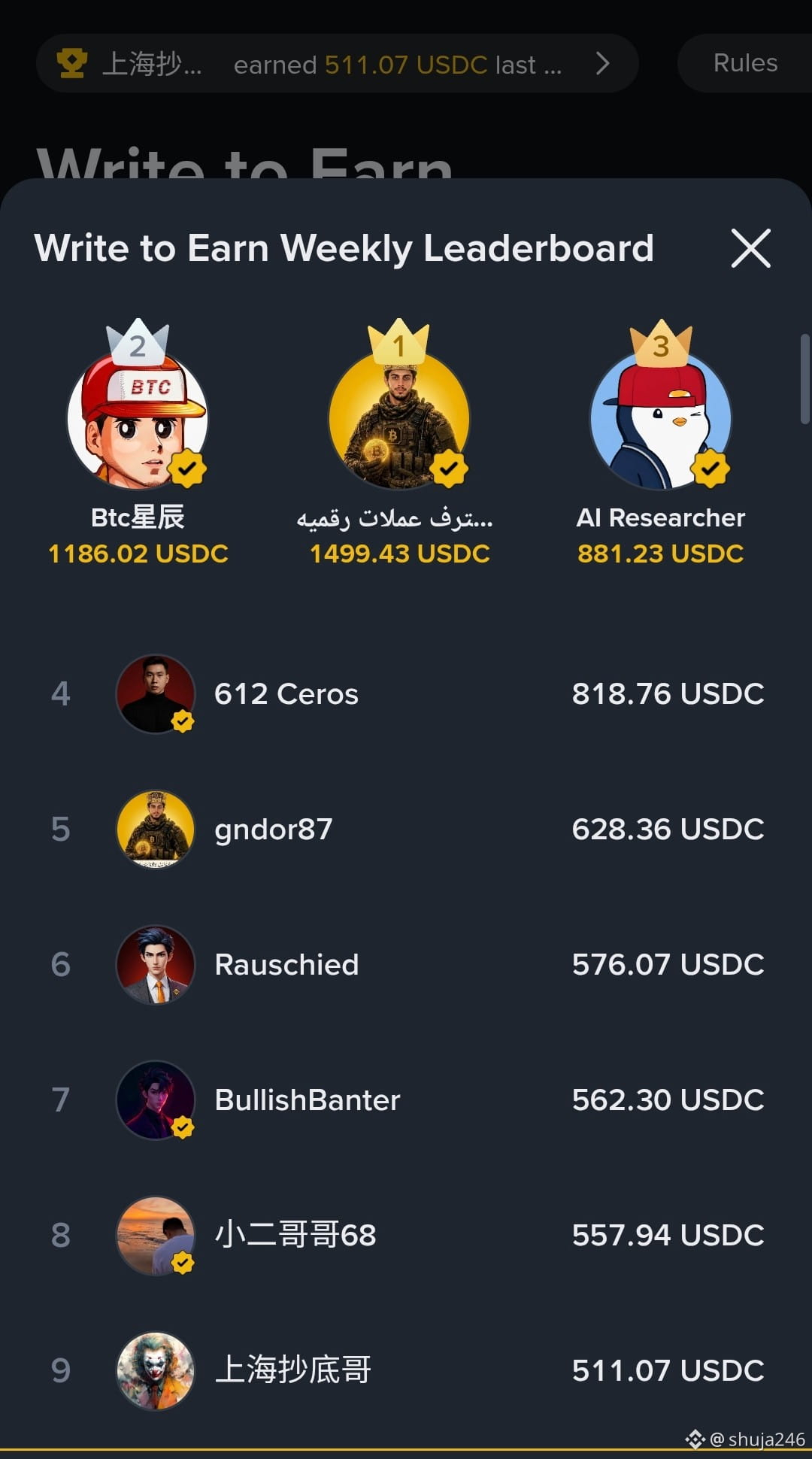
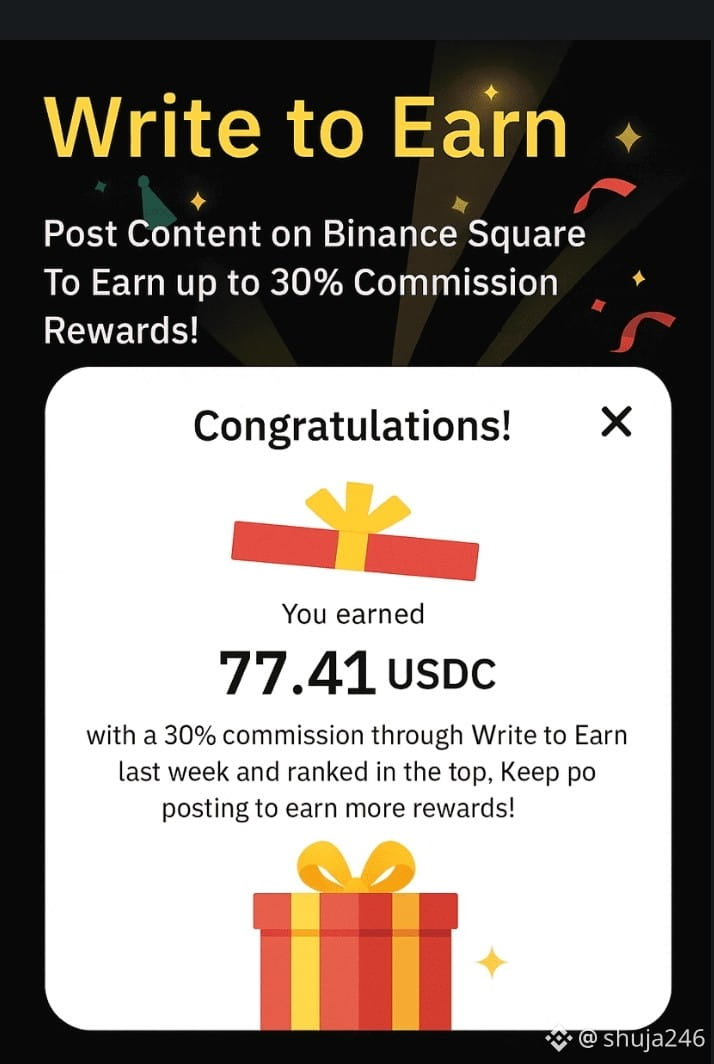

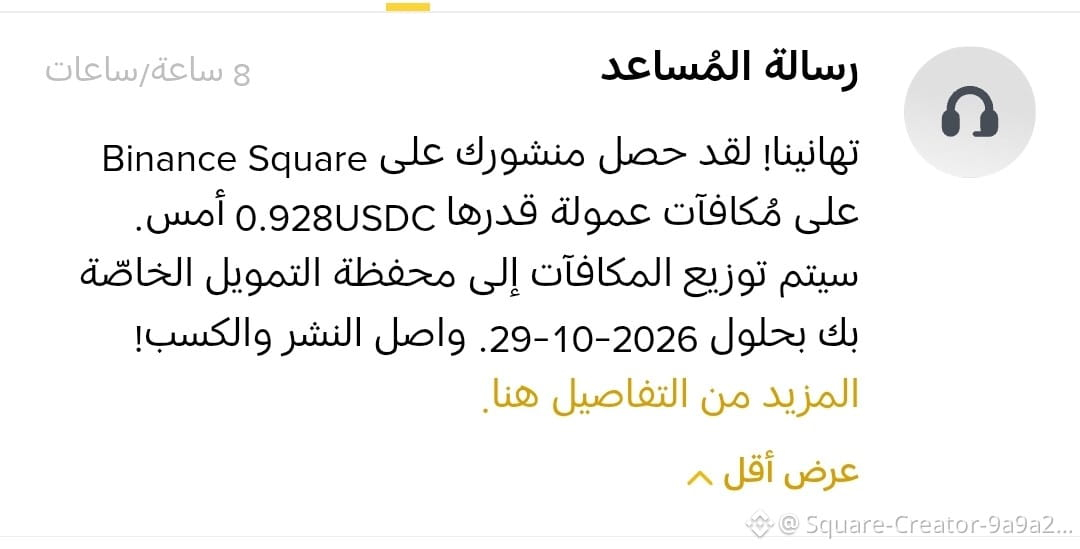













Trading sur 30 j de 12.7K USDT en $SOL


Binance Square Official
·
--
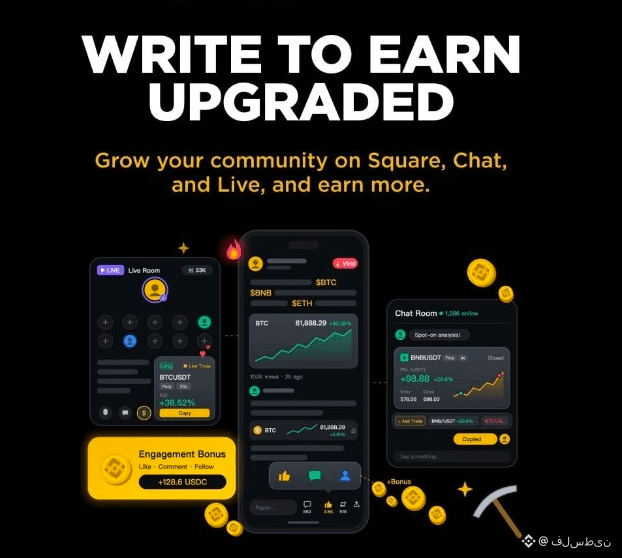
Binance Square Write to Earn Upgrade: What does this mean to you?
After the Oct 19 upgrade, Write to Earn earnings are no longer just about readers' trading commissions (see what this update is about here). Consistently producing quality content, building a genuine community, and driving genuine engagement can also earn rewards.
Here's how earnings work after the upgrade, and how we suggest you take part.
New Reward Structure:
Total Rewards = (Text Trading Commission + Engagement Bonus) + (Live Stream Basic Commission + Live Stream Bonus Commission) + Chat Basic Commission
Basic Commission: Every eligible creator receives a one-time 20% commission per trade.Engagement Bonus: Eligible text-based content can earn an Engagement Bonus from a weekly reward pool. Your share is determined in Binance’s sole discretion by the quality and volume of engagement your content generates, including comments, likes, and follows. Different types of engagement carry different weight, and engagement from more active users contributes more. The bonus is designed to reward content that drives genuine discussion and is calculated and settled weekly.Bonus Commission (live streams only): The top 100 creators by the end of each week, ranked by basic commission, can receive a bonus commission as per the table below. The bonus commission is calculated and settled weekly.
Tip 1: Don’t just post content, run your community
Each format earns differently now, and running them together helps you earn more fully across the program.
How each format earns:
Text content (short posts, long articles, videos) earns trading commissions and the Engagement Bonus. It's the only format eligible for the Engagement Bonus, and it works well as your main day-to-day format.Live streams are ranked separately. The top 100 creators each week by basic commission get an extra bonus commission, with higher rates for higher rankings. If you can, go live regularly.Chats earn the basic commission and are good for keeping your core readers around and your community active day to day.
Make text your main format, with live streams and chats alongside it. Use our official widgets to share trades across all three channels.
Examples:
Creator A posts text content, hosts live streams, and runs chats, while engaging with followers and replying to comments. If their weekly live stream Basic Commission ranks in the Top 1–30, their earnings by format would be as follows:
Creator A earns Basic Commission and Bonus Commission when users click their content and trade, plus an Engagement Bonus from people who engage with the content without trading through it.
Creator B only posts text on Binance Square and never engages with comments or followers. They can only earn the 20% Basic Commission when users click their content and trade.
Tip 2: Posting in high volume or farming engagement won't earn you anything
One important change: simply posting a lot, or farming engagement, no longer earns rewards. Our system measures whether your content sparks real, high-quality discussion, not how many interactions it racks up. What matters is standout content and the genuine community you build around it.
When readers comment, like, or follow after reading, your content will get more exposure and also a share of the weekly engagement reward pool. You don't need to steer anyone toward trading. Focus on the content itself.
Things that help:
End with an open question and invite readers to share their view in the comments.Say what you actually think instead of just relaying information.Share real trade records and reviews. They lead to better discussion.Reply to comments and keep the interaction natural and consistent.Post on a steady schedule. It builds reader habits and keeps followers around.Keep a steady posting cadence, which helps build reader habit and follower stickiness.
Please note: the Engagement Bonus counts genuine engagement only. Coordinated activity such as mutual likes and follows, and engagement produced through alt accounts, scripts, or similar means, will not be counted and may result in disqualification. Please refer to the Terms for more details.
Tip 3: Check your earnings by channel and learn what your followers want
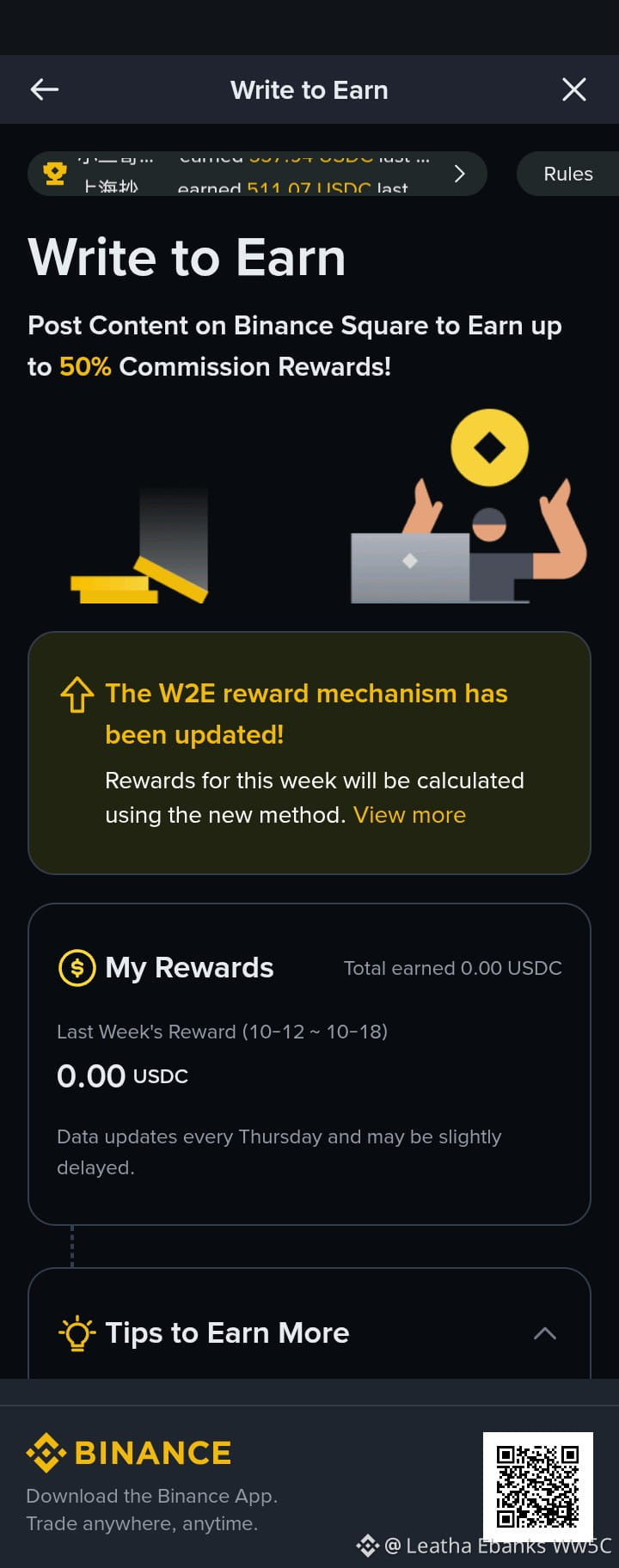
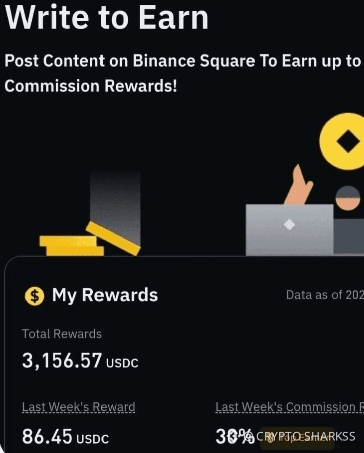
The top of the page shows your rewards for the week, trading commissions plus the Engagement Bonus combined. You can view the two separately, along with earnings and performance for each channel: text, live streams, and chats. Use it to see which content and which channel your followers respond to, then adjust.
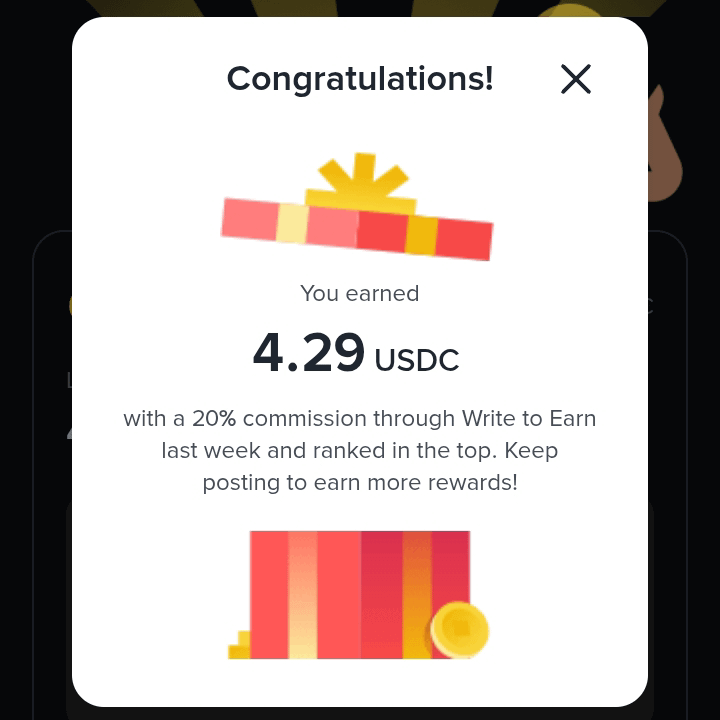
You'll also find last week's settlement data and your USDC distribution history on the Write to Earn page.
Please refer to the full program rules and terms here.
Here's how earnings work after the upgrade, and how we suggest you take part.
New Reward Structure:
Total Rewards = (Text Trading Commission + Engagement Bonus) + (Live Stream Basic Commission + Live Stream Bonus Commission) + Chat Basic Commission
Basic Commission: Every eligible creator receives a one-time 20% commission per trade.Engagement Bonus: Eligible text-based content can earn an Engagement Bonus from a weekly reward pool. Your share is determined in Binance’s sole discretion by the quality and volume of engagement your content generates, including comments, likes, and follows. Different types of engagement carry different weight, and engagement from more active users contributes more. The bonus is designed to reward content that drives genuine discussion and is calculated and settled weekly.Bonus Commission (live streams only): The top 100 creators by the end of each week, ranked by basic commission, can receive a bonus commission as per the table below. The bonus commission is calculated and settled weekly.
Tip 1: Don’t just post content, run your community
Each format earns differently now, and running them together helps you earn more fully across the program.
How each format earns:
Text content (short posts, long articles, videos) earns trading commissions and the Engagement Bonus. It's the only format eligible for the Engagement Bonus, and it works well as your main day-to-day format.Live streams are ranked separately. The top 100 creators each week by basic commission get an extra bonus commission, with higher rates for higher rankings. If you can, go live regularly.Chats earn the basic commission and are good for keeping your core readers around and your community active day to day.
Make text your main format, with live streams and chats alongside it. Use our official widgets to share trades across all three channels.
Examples:
Creator A posts text content, hosts live streams, and runs chats, while engaging with followers and replying to comments. If their weekly live stream Basic Commission ranks in the Top 1–30, their earnings by format would be as follows:
Creator A earns Basic Commission and Bonus Commission when users click their content and trade, plus an Engagement Bonus from people who engage with the content without trading through it.
Creator B only posts text on Binance Square and never engages with comments or followers. They can only earn the 20% Basic Commission when users click their content and trade.
Tip 2: Posting in high volume or farming engagement won't earn you anything
One important change: simply posting a lot, or farming engagement, no longer earns rewards. Our system measures whether your content sparks real, high-quality discussion, not how many interactions it racks up. What matters is standout content and the genuine community you build around it.
When readers comment, like, or follow after reading, your content will get more exposure and also a share of the weekly engagement reward pool. You don't need to steer anyone toward trading. Focus on the content itself.
Things that help:
End with an open question and invite readers to share their view in the comments.Say what you actually think instead of just relaying information.Share real trade records and reviews. They lead to better discussion.Reply to comments and keep the interaction natural and consistent.Post on a steady schedule. It builds reader habits and keeps followers around.Keep a steady posting cadence, which helps build reader habit and follower stickiness.
Please note: the Engagement Bonus counts genuine engagement only. Coordinated activity such as mutual likes and follows, and engagement produced through alt accounts, scripts, or similar means, will not be counted and may result in disqualification. Please refer to the Terms for more details.
Tip 3: Check your earnings by channel and learn what your followers want
The top of the page shows your rewards for the week, trading commissions plus the Engagement Bonus combined. You can view the two separately, along with earnings and performance for each channel: text, live streams, and chats. Use it to see which content and which channel your followers respond to, then adjust.
You'll also find last week's settlement data and your USDC distribution history on the Write to Earn page.
Please refer to the full program rules and terms here.

Si
0%
No
0%
Todavía no lo pruebo
100%
1 Votes • Vote fermé

lotisaaaaa:
Hello



Connectez-vous pour découvrir plus de contenu