
#stablecointokenizationfunding
stablecointokenizationfunding
168,920 vues
1,425 mentions
Populaire
Récents

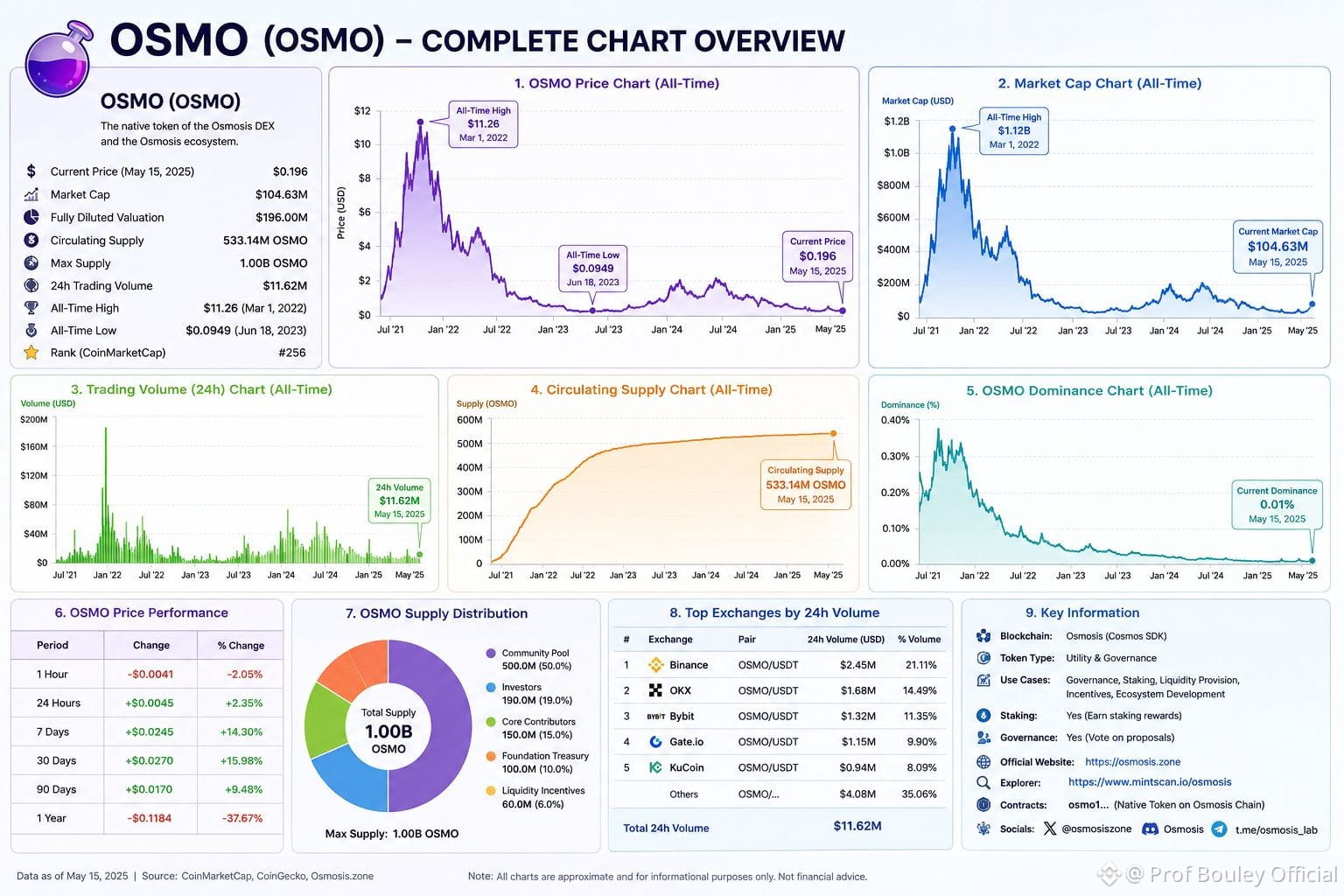
🔥 $OSMO # Vient d'exploser… Mais est-ce que le rallye est durable ? 👀
OSMO attire une attention massive après une forte montée des prix et une augmentation du volume de trading.
📊 Que se passe-t-il ? • Les acheteurs entrent agressivement
• L'activité des baleines augmente 🐋
• L'engouement pour l'écosystème Cosmos revient
📈 Tendance : L'élan à court terme semble haussier tandis que $OSMO se négocie près d'une zone de rupture importante.
📌 Niveaux clés : 🔹 Résistance : 0,09 $ – 0,10 $
🔹 Support : 0,06 $ – 0,05 $
⚠️ Risque : Après un mouvement aussi brusque, la volatilité peut devenir dangereuse.
Un rejet près de la résistance pourrait déclencher des prises de bénéfices rapides.
💡 Pourquoi les traders surveillent OSMO : • Écosystème DeFi solide
• Activité croissante dans Cosmos
• Augmentation soudaine du volume de marché
#BinanceOnline #USPPISurge #StablecoinTokenizationFunding #BitcoinRatioAbove200DMA
#BitcoinBelow79K
{spot}(OSMOUSDT)
🔥 $OSMO # Vient d'exploser… Mais est-ce que le rallye est durable ? 👀
OSMO attire une attention massive après une forte montée des prix et une augmentation du volume de trading.
📊 Que se passe-t-il ? • Les acheteurs entrent agressivement
• L'activité des baleines augmente 🐋
• L'engouement pour l'écosystème Cosmos revient
📈 Tendance : L'élan à court terme semble haussier tandis que $OSMO se négocie près d'une zone de rupture importante.
📌 Niveaux clés : 🔹 Résistance : 0,09 $ – 0,10 $
🔹 Support : 0,06 $ – 0,05 $
⚠️ Risque : Après un mouvement aussi brusque, la volatilité peut devenir dangereuse.
Un rejet près de la résistance pourrait déclencher des prises de bénéfices rapides.
💡 Pourquoi les traders surveillent OSMO : • Écosystème DeFi solide
• Activité croissante dans Cosmos
• Augmentation soudaine du volume de marché
#BinanceOnline #USPPISurge #StablecoinTokenizationFunding #BitcoinRatioAbove200DMA
#BitcoinBelow79K
OSMO attire une attention massive après une forte montée des prix et une augmentation du volume de trading.
📊 Que se passe-t-il ? • Les acheteurs entrent agressivement
• L'activité des baleines augmente 🐋
• L'engouement pour l'écosystème Cosmos revient
📈 Tendance : L'élan à court terme semble haussier tandis que $OSMO se négocie près d'une zone de rupture importante.
📌 Niveaux clés : 🔹 Résistance : 0,09 $ – 0,10 $
🔹 Support : 0,06 $ – 0,05 $
⚠️ Risque : Après un mouvement aussi brusque, la volatilité peut devenir dangereuse.
Un rejet près de la résistance pourrait déclencher des prises de bénéfices rapides.
💡 Pourquoi les traders surveillent OSMO : • Écosystème DeFi solide
• Activité croissante dans Cosmos
• Augmentation soudaine du volume de marché
#BinanceOnline #USPPISurge #StablecoinTokenizationFunding #BitcoinRatioAbove200DMA
#BitcoinBelow79K
3
188

·
--
Haussier
$W reprend la structure à court terme après des balayages de liquidation agressifs. Le prix a touché une zone de demande clé et les acheteurs entrent avec un élan qui se construit près du support local.
🟢 Long $W
Entrée : $0.01440 – $0.01470
Stop Loss : $0.01395
TP1 : $0.01520
TP2 : $0.01585
TP3 : $0.01670
Les récentes liquidations longues ont éliminé les mains faibles et ont dégagé de la liquidité à la baisse, créant de l'espace pour un potentiel mouvement de retournement. Le prix se stabilise au-dessus de la zone de demande tandis que la volatilité se comprime dans une fourchette étroite. Si l'élan continue de se construire au-dessus du support intraday, une continuation du breakout vers des niveaux de liquidité plus élevés devient probable. Surveillez la confirmation de volume croissant lors de la prochaine poussée.
Trade $W ici 👇
{future}(WUSDT)
#BitcoinRatioAbove200DMA #USPPISurge #BinanceOnline #MetaplanetQ1Revenue251 #StablecoinTokenizationFunding
$W reprend la structure à court terme après des balayages de liquidation agressifs. Le prix a touché une zone de demande clé et les acheteurs entrent avec un élan qui se construit près du support local.
🟢 Long $W
Entrée : $0.01440 – $0.01470
Stop Loss : $0.01395
TP1 : $0.01520
TP2 : $0.01585
TP3 : $0.01670
Les récentes liquidations longues ont éliminé les mains faibles et ont dégagé de la liquidité à la baisse, créant de l'espace pour un potentiel mouvement de retournement. Le prix se stabilise au-dessus de la zone de demande tandis que la volatilité se comprime dans une fourchette étroite. Si l'élan continue de se construire au-dessus du support intraday, une continuation du breakout vers des niveaux de liquidité plus élevés devient probable. Surveillez la confirmation de volume croissant lors de la prochaine poussée.
Trade $W ici 👇
#BitcoinRatioAbove200DMA #USPPISurge #BinanceOnline #MetaplanetQ1Revenue251 #StablecoinTokenizationFunding
🟢 Long $W
Entrée : $0.01440 – $0.01470
Stop Loss : $0.01395
TP1 : $0.01520
TP2 : $0.01585
TP3 : $0.01670
Les récentes liquidations longues ont éliminé les mains faibles et ont dégagé de la liquidité à la baisse, créant de l'espace pour un potentiel mouvement de retournement. Le prix se stabilise au-dessus de la zone de demande tandis que la volatilité se comprime dans une fourchette étroite. Si l'élan continue de se construire au-dessus du support intraday, une continuation du breakout vers des niveaux de liquidité plus élevés devient probable. Surveillez la confirmation de volume croissant lors de la prochaine poussée.
Trade $W ici 👇
#BitcoinRatioAbove200DMA #USPPISurge #BinanceOnline #MetaplanetQ1Revenue251 #StablecoinTokenizationFunding
1
502

·
--
Baissier
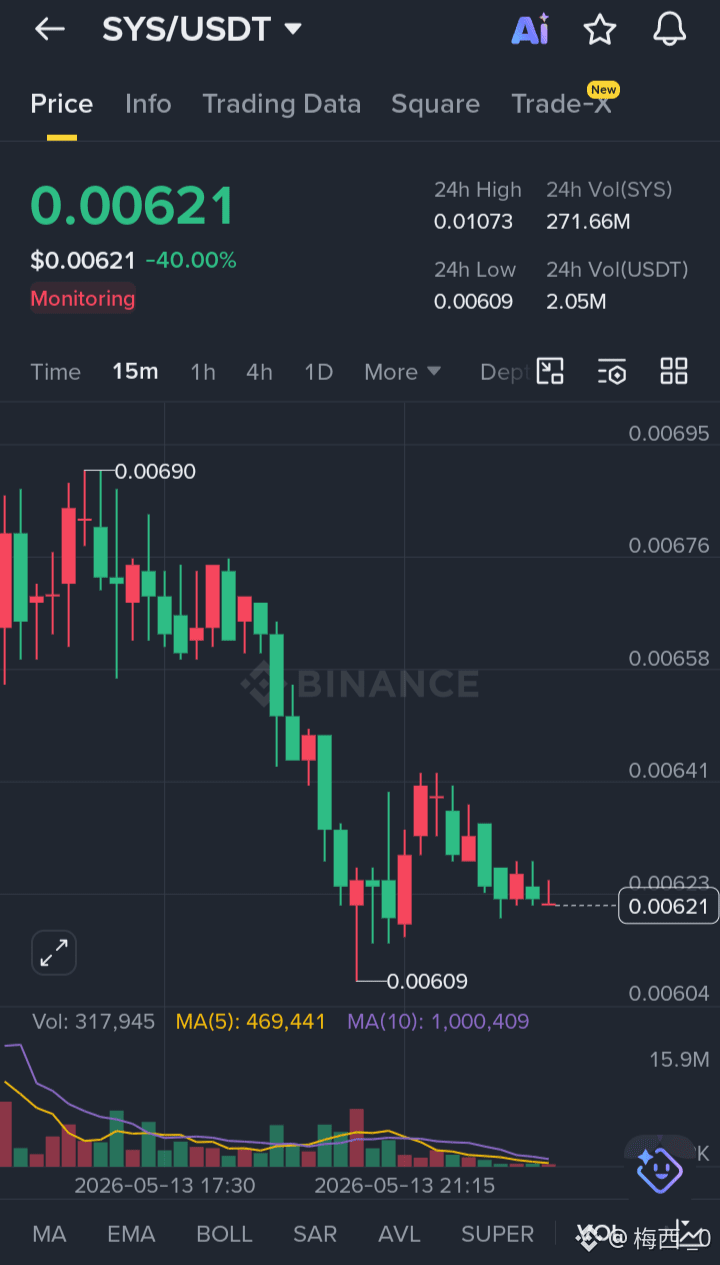
$SYS /USDT subit une forte pression de vente après une chute nette de 40%. Le prix se négocie actuellement autour de $0.00621 tandis que les ours continuent de contrôler la structure à court terme sur le graphique des 15 minutes. Fort
#ClarityActDraft #SchwabOpensCryptoAccounts #StablecoinTokenizationFunding #StablecoinTokenizationFunding #BitcoinBelow79K
{future}(SYSUSDT)
$SYS /USDT subit une forte pression de vente après une chute nette de 40%. Le prix se négocie actuellement autour de $0.00621 tandis que les ours continuent de contrôler la structure à court terme sur le graphique des 15 minutes. Fort
#ClarityActDraft #SchwabOpensCryptoAccounts #StablecoinTokenizationFunding #StablecoinTokenizationFunding #BitcoinBelow79K
#ClarityActDraft #SchwabOpensCryptoAccounts #StablecoinTokenizationFunding #StablecoinTokenizationFunding #BitcoinBelow79K
188

·
--
$KITE sur le radar…
Le récit IA + Web3 continue de prendre de l'ampleur.
Si le volume commence à affluer, $KITE pourrait connaître un mouvement rapide 👀🚀
Les pièces AI à faible capitalisation ont tendance à exploser lorsque l'engouement revient sur le marché.
{spot}(KITEUSDT)
#BinanceOnline #BinanceOnline2026Live #StablecoinTokenizationFunding #MetaplanetQ1Revenue251 #SchwabOpensCryptoAccounts
$KITE sur le radar…
Le récit IA + Web3 continue de prendre de l'ampleur.
Si le volume commence à affluer, $KITE pourrait connaître un mouvement rapide 👀🚀
Les pièces AI à faible capitalisation ont tendance à exploser lorsque l'engouement revient sur le marché.
#BinanceOnline #BinanceOnline2026Live #StablecoinTokenizationFunding #MetaplanetQ1Revenue251 #SchwabOpensCryptoAccounts
Le récit IA + Web3 continue de prendre de l'ampleur.
Si le volume commence à affluer, $KITE pourrait connaître un mouvement rapide 👀🚀
Les pièces AI à faible capitalisation ont tendance à exploser lorsque l'engouement revient sur le marché.
#BinanceOnline #BinanceOnline2026Live #StablecoinTokenizationFunding #MetaplanetQ1Revenue251 #SchwabOpensCryptoAccounts

68

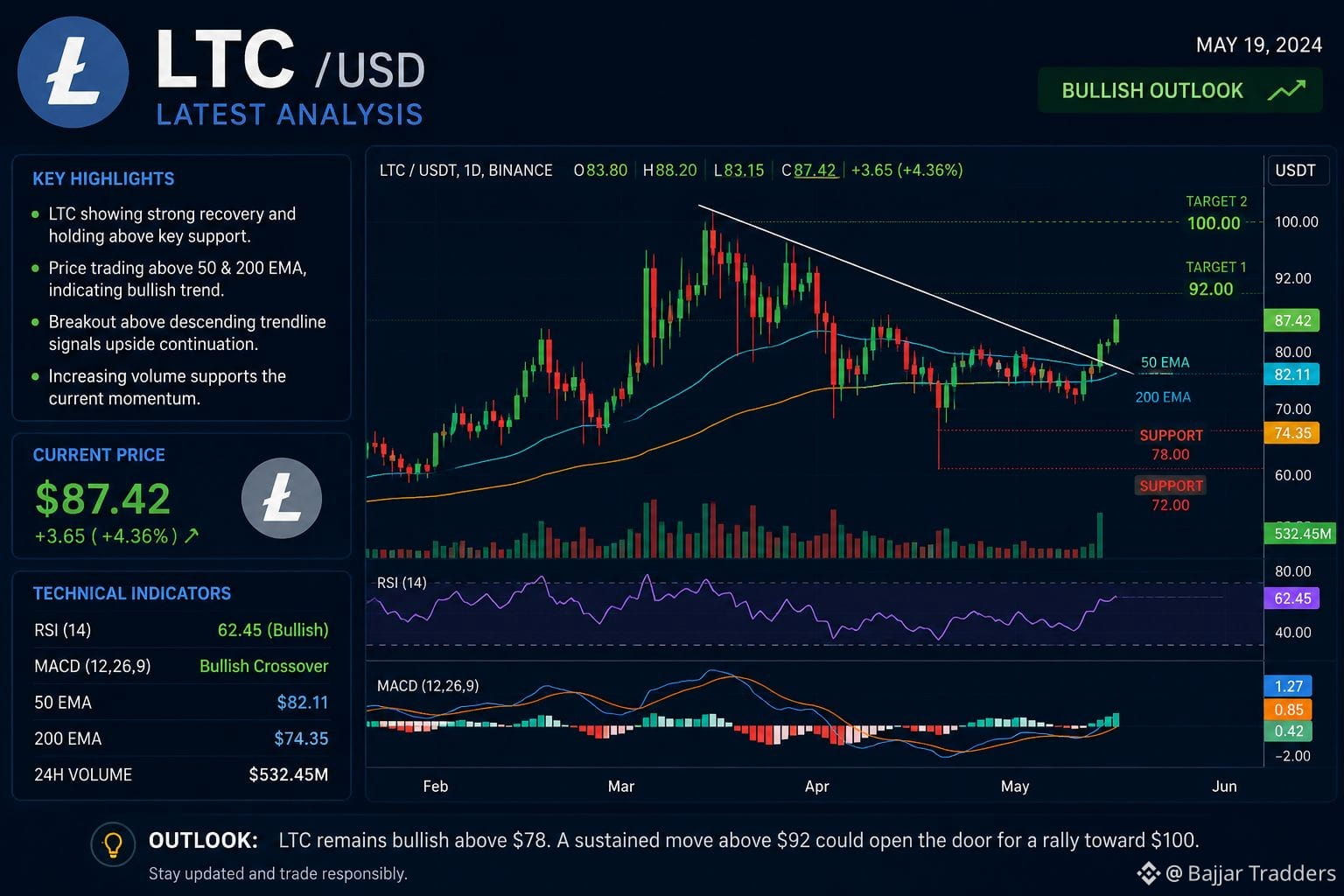
🚀 $LTC montre un élan stable alors que le sentiment du marché crypto s'améliore. Les traders surveillent de près les niveaux de résistance clés, tandis que Litecoin continue de profiter de transactions rapides et d'une forte activité sur le réseau. 👀⚡ #BinanceOnline TokenizedTreasuryTVL15,35M$#StablecoinTokenizationFunding #MetaplanetQ1Revenue251 #SchwabOpensCryptoAccounts
{spot}(LTCUSDT)
🚀 $LTC montre un élan stable alors que le sentiment du marché crypto s'améliore. Les traders surveillent de près les niveaux de résistance clés, tandis que Litecoin continue de profiter de transactions rapides et d'une forte activité sur le réseau. 👀⚡ #BinanceOnline TokenizedTreasuryTVL15,35M$#StablecoinTokenizationFunding #MetaplanetQ1Revenue251 #SchwabOpensCryptoAccounts
1
34

·
--
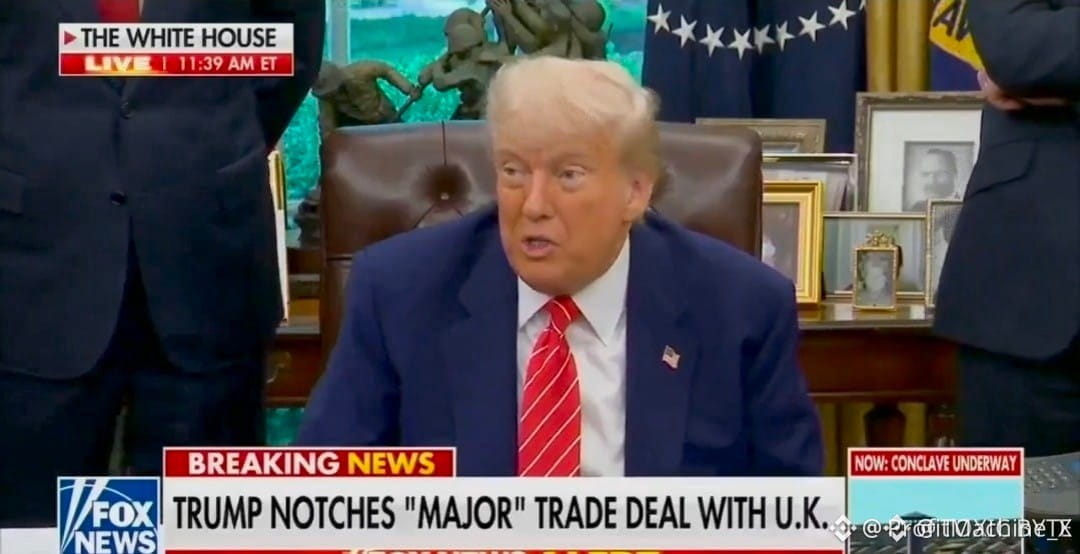
🚨 TRUMP MET EN FEU LE MARCHÉ ENCORE 👀📈🇺🇸
💬 "Vous feriez mieux d'aller acheter des actions maintenant."
💬 "L'Amérique sera comme une fusée." 🚀
💡 Les marchés réagissent vite : 📈 Les actions s'échauffent
🚀 momentum fort
⚡ Les actifs à risque attirent à nouveau l'attention
📊 Les traders observent : 🏦 spéculation sur une baisse de la Fed
🌍 Optimisme autour des accords commerciaux
📅 Événements macroéconomiques clés autour du 14 mai
💥 Dans les cercles crypto :
ils sont maintenant surveillés pour des pics de volatilité 👀📉📈
🧠 Réalité : De grandes déclarations politiques peuvent faire bouger le sentiment TRÈS VITE… mais les marchés décident toujours de la direction en fonction de la liquidité + confirmation ⚠️
#RichardTengCryptoFor1.4BUnbanked TokenizedTreasuryTVL$15.35B#StablecoinTokenizationFunding #MetaplanetQ1Revenue251
🚨 TRUMP MET EN FEU LE MARCHÉ ENCORE 👀📈🇺🇸
💬 "Vous feriez mieux d'aller acheter des actions maintenant."
💬 "L'Amérique sera comme une fusée." 🚀
💡 Les marchés réagissent vite : 📈 Les actions s'échauffent
🚀 momentum fort
⚡ Les actifs à risque attirent à nouveau l'attention
📊 Les traders observent : 🏦 spéculation sur une baisse de la Fed
🌍 Optimisme autour des accords commerciaux
📅 Événements macroéconomiques clés autour du 14 mai
💥 Dans les cercles crypto :
ils sont maintenant surveillés pour des pics de volatilité 👀📉📈
🧠 Réalité : De grandes déclarations politiques peuvent faire bouger le sentiment TRÈS VITE… mais les marchés décident toujours de la direction en fonction de la liquidité + confirmation ⚠️
#RichardTengCryptoFor1.4BUnbanked TokenizedTreasuryTVL$15.35B#StablecoinTokenizationFunding #MetaplanetQ1Revenue251
💬 "Vous feriez mieux d'aller acheter des actions maintenant."
💬 "L'Amérique sera comme une fusée." 🚀
💡 Les marchés réagissent vite : 📈 Les actions s'échauffent
🚀 momentum fort
⚡ Les actifs à risque attirent à nouveau l'attention
📊 Les traders observent : 🏦 spéculation sur une baisse de la Fed
🌍 Optimisme autour des accords commerciaux
📅 Événements macroéconomiques clés autour du 14 mai
💥 Dans les cercles crypto :
ils sont maintenant surveillés pour des pics de volatilité 👀📉📈
🧠 Réalité : De grandes déclarations politiques peuvent faire bouger le sentiment TRÈS VITE… mais les marchés décident toujours de la direction en fonction de la liquidité + confirmation ⚠️
#RichardTengCryptoFor1.4BUnbanked TokenizedTreasuryTVL$15.35B#StablecoinTokenizationFunding #MetaplanetQ1Revenue251
852

Serum (SRM) – Le projet DeFi haute vitesse sur Solanaétait autrefois considéré comme l'un des projets de finance décentralisée (DeFi) les plus avancés construits sur la blockchain. Conçu pour fournir des vitesses de trading ultra-rapides et des frais de transaction bas, Serum visait à combiner l'efficacité des échanges centralisés avec la transparence et la sécurité de la finance décentralisée.
Qu'est-ce que Serum (SRM) ?
Serum est un écosystème d'échange décentralisé (DEX) alimenté par la blockchain haute performance de Solana. Contrairement à de nombreuses plateformes DeFi traditionnelles, Serum a introduit un carnet d'ordres central limités entièrement on-chain, permettant aux traders de passer des ordres d'achat et de vente avancés directement sur la blockchain.
Serum (SRM) – Le projet DeFi haute vitesse sur Solana
était autrefois considéré comme l'un des projets de finance décentralisée (DeFi) les plus avancés construits sur la blockchain. Conçu pour fournir des vitesses de trading ultra-rapides et des frais de transaction bas, Serum visait à combiner l'efficacité des échanges centralisés avec la transparence et la sécurité de la finance décentralisée.
Qu'est-ce que Serum (SRM) ?
Serum est un écosystème d'échange décentralisé (DEX) alimenté par la blockchain haute performance de Solana. Contrairement à de nombreuses plateformes DeFi traditionnelles, Serum a introduit un carnet d'ordres central limités entièrement on-chain, permettant aux traders de passer des ordres d'achat et de vente avancés directement sur la blockchain.
Qu'est-ce que Serum (SRM) ?
Serum est un écosystème d'échange décentralisé (DEX) alimenté par la blockchain haute performance de Solana. Contrairement à de nombreuses plateformes DeFi traditionnelles, Serum a introduit un carnet d'ordres central limités entièrement on-chain, permettant aux traders de passer des ordres d'achat et de vente avancés directement sur la blockchain.
100

·
--
Haussier
🔥 $Q USDT
Consolidation latérale. Prochain breakout imminent lors d'un changement de momentum.#StablecoinTokenizationFunding #CZBinanceAITradingBots
{future}(QUSDT)
🔥 $Q USDT
Consolidation latérale. Prochain breakout imminent lors d'un changement de momentum.#StablecoinTokenizationFunding #CZBinanceAITradingBots
Consolidation latérale. Prochain breakout imminent lors d'un changement de momentum.#StablecoinTokenizationFunding #CZBinanceAITradingBots

56

·
--
Baissier
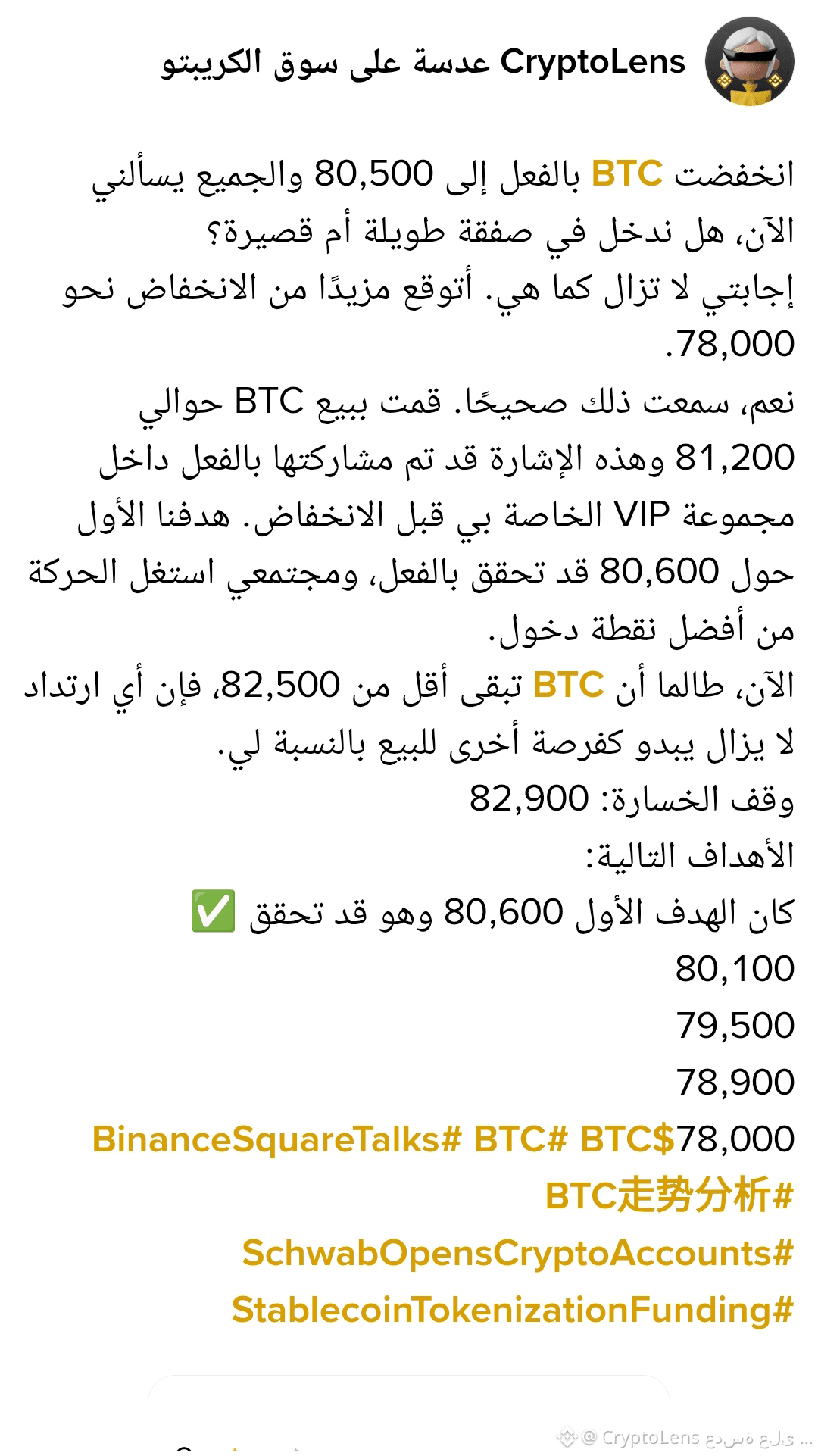
BTC est toujours en train de frapper le troisième objectif à 79 500$ exactement… Comme on l'avait prévu 🔥😱😱💸💸💸💸💸💸💵💵💵🔥🔥🔥🔥💥💯💯💯💯💯😴😴😴😴😴😴🤗🤗🤗🤗Voici l'objectif crypto 💪💪💪🤝🤝🤝🤝🫡🫡🫡🫡🫡
Plus de 800 millions de dollars ont été liquidés sur le marché, et il y a encore des gens qui demandent :
"Pourquoi BTC est en baisse ?" 😅
Les gars, je le dis depuis ce matin :
Baisse… Baisse… Baisse 📉
Alors que tout le monde cherchait des opportunités d'achat et des rebonds fictifs, je clarifiais encore et encore que le marché semble baissier et qu'il n'y a pas de véritable force après les données du PPI.$BTC #JPMorganEthereumTokenizedFund #ClarityActDraft #SchwabOpensCryptoAccounts #MetaplanetQ1Revenue251 #StablecoinTokenizationFunding
BTC est toujours en train de frapper le troisième objectif à 79 500$ exactement… Comme on l'avait prévu 🔥😱😱💸💸💸💸💸💸💵💵💵🔥🔥🔥🔥💥💯💯💯💯💯😴😴😴😴😴😴🤗🤗🤗🤗Voici l'objectif crypto 💪💪💪🤝🤝🤝🤝🫡🫡🫡🫡🫡
Plus de 800 millions de dollars ont été liquidés sur le marché, et il y a encore des gens qui demandent :
"Pourquoi BTC est en baisse ?" 😅
Les gars, je le dis depuis ce matin :
Baisse… Baisse… Baisse 📉
Alors que tout le monde cherchait des opportunités d'achat et des rebonds fictifs, je clarifiais encore et encore que le marché semble baissier et qu'il n'y a pas de véritable force après les données du PPI.$BTC #JPMorganEthereumTokenizedFund #ClarityActDraft #SchwabOpensCryptoAccounts #MetaplanetQ1Revenue251 #StablecoinTokenizationFunding
Plus de 800 millions de dollars ont été liquidés sur le marché, et il y a encore des gens qui demandent :
"Pourquoi BTC est en baisse ?" 😅
Les gars, je le dis depuis ce matin :
Baisse… Baisse… Baisse 📉
Alors que tout le monde cherchait des opportunités d'achat et des rebonds fictifs, je clarifiais encore et encore que le marché semble baissier et qu'il n'y a pas de véritable force après les données du PPI.$BTC #JPMorganEthereumTokenizedFund #ClarityActDraft #SchwabOpensCryptoAccounts #MetaplanetQ1Revenue251 #StablecoinTokenizationFunding
1
108
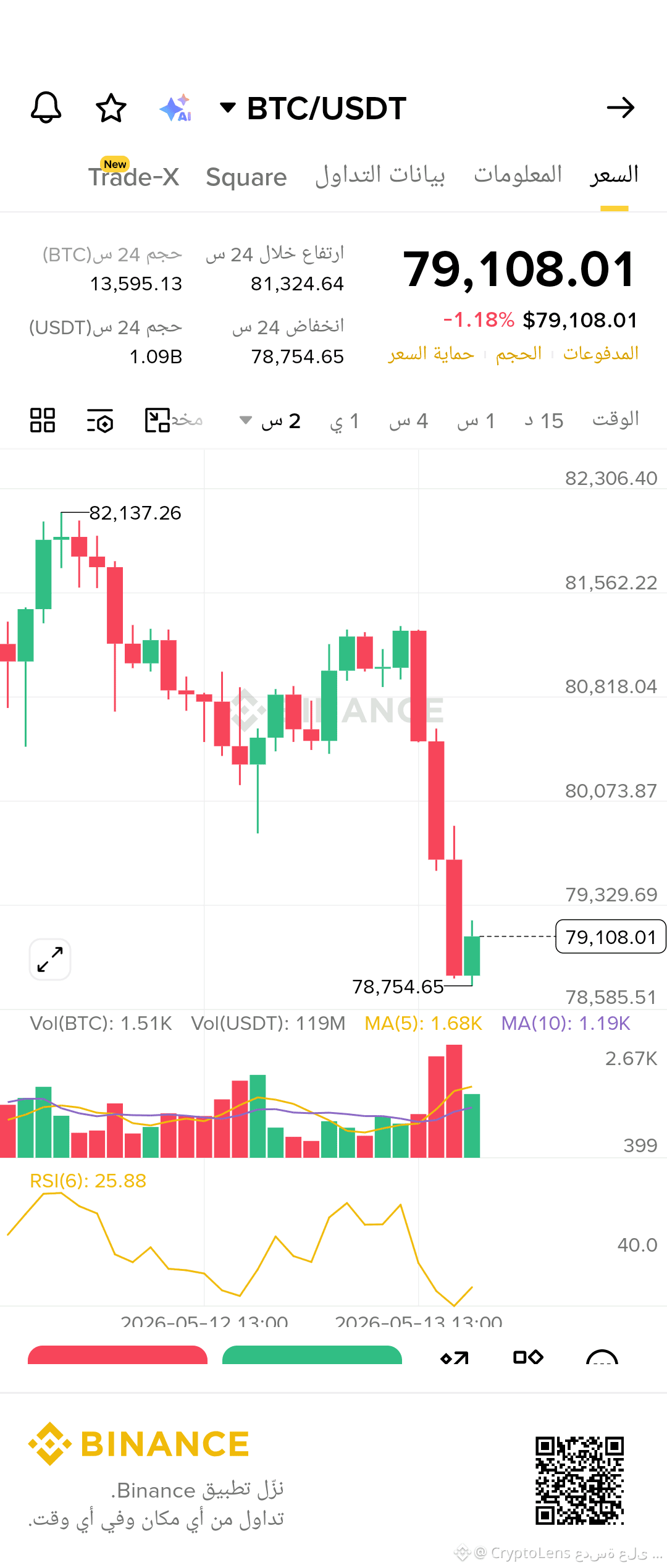
Le marché ne s'attendait pas à une chute aussi brutale à $BTC ...
Tout semblait calme…
Jusqu'à ce que la politique refasse surface.
Maintenant, on dirait que rien qu'évoquer Trump peut changer l'humeur de tout le marché crypto en quelques heures 🔥
C'est pourquoi de tels mouvements sont toujours les plus risqués — ils frappent non seulement le prix, mais aussi la psychologie des traders.
Même hier, tout le monde était sûr que la tendance haussière allait se poursuivre.
Aujourd'hui, le marché semble déjà avoir peur 📉
La crypto nous rappelle encore une fois à quelle vitesse la force peut se transformer en panique.
BTCUSDT
Démarrer#SchwabOpensCryptoAccounts #MetaplanetQ1Revenue251 #StablecoinTokenizationFunding TokenizedTreasuryTVL$15.35B#TrumpVisitsChina
Le marché ne s'attendait pas à une chute aussi brutale à $BTC ...
Tout semblait calme…
Jusqu'à ce que la politique refasse surface.
Maintenant, on dirait que rien qu'évoquer Trump peut changer l'humeur de tout le marché crypto en quelques heures 🔥
C'est pourquoi de tels mouvements sont toujours les plus risqués — ils frappent non seulement le prix, mais aussi la psychologie des traders.
Même hier, tout le monde était sûr que la tendance haussière allait se poursuivre.
Aujourd'hui, le marché semble déjà avoir peur 📉
La crypto nous rappelle encore une fois à quelle vitesse la force peut se transformer en panique.
BTCUSDT
Démarrer#SchwabOpensCryptoAccounts #MetaplanetQ1Revenue251 #StablecoinTokenizationFunding TokenizedTreasuryTVL$15.35B#TrumpVisitsChina
Tout semblait calme…
Jusqu'à ce que la politique refasse surface.
Maintenant, on dirait que rien qu'évoquer Trump peut changer l'humeur de tout le marché crypto en quelques heures 🔥
C'est pourquoi de tels mouvements sont toujours les plus risqués — ils frappent non seulement le prix, mais aussi la psychologie des traders.
Même hier, tout le monde était sûr que la tendance haussière allait se poursuivre.
Aujourd'hui, le marché semble déjà avoir peur 📉
La crypto nous rappelle encore une fois à quelle vitesse la force peut se transformer en panique.
BTCUSDT
Démarrer#SchwabOpensCryptoAccounts #MetaplanetQ1Revenue251 #StablecoinTokenizationFunding TokenizedTreasuryTVL$15.35B#TrumpVisitsChina
1
59

·
--
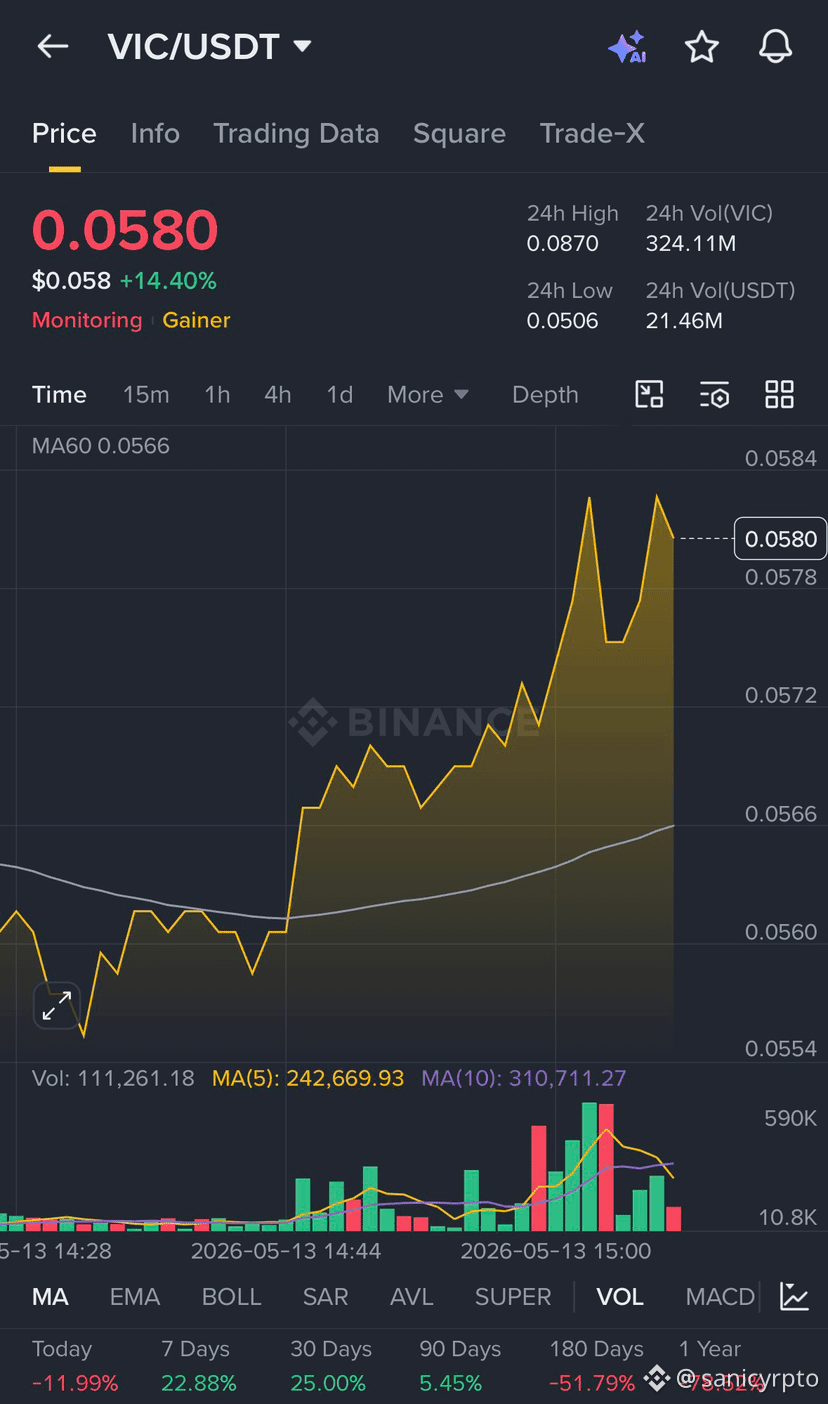
$VIC /USDT semble légèrement haussier 📈 s'il maintient les zones de support clés, avec une dynamique favorisant un potentiel à court terme.
Surveillez le volume de rupture 🚀 — un mouvement fort au-dessus de la résistance pourrait déclencher des opportunités de scalping rapides, tandis qu'un volume faible pourrait mener à une consolidation ⚠️
{future}(VICUSDT)
#BinanceOnline #BinanceOnline2026Live #TokenizedTreasuryTVL$15.35B #StablecoinTokenizationFunding #MetaplanetQ1Revenue251
$VIC /USDT semble légèrement haussier 📈 s'il maintient les zones de support clés, avec une dynamique favorisant un potentiel à court terme.
Surveillez le volume de rupture 🚀 — un mouvement fort au-dessus de la résistance pourrait déclencher des opportunités de scalping rapides, tandis qu'un volume faible pourrait mener à une consolidation ⚠️
#BinanceOnline #BinanceOnline2026Live #TokenizedTreasuryTVL$15.35B #StablecoinTokenizationFunding #MetaplanetQ1Revenue251
Surveillez le volume de rupture 🚀 — un mouvement fort au-dessus de la résistance pourrait déclencher des opportunités de scalping rapides, tandis qu'un volume faible pourrait mener à une consolidation ⚠️
#BinanceOnline #BinanceOnline2026Live #TokenizedTreasuryTVL$15.35B #StablecoinTokenizationFunding #MetaplanetQ1Revenue251
71
·
--
Baissier
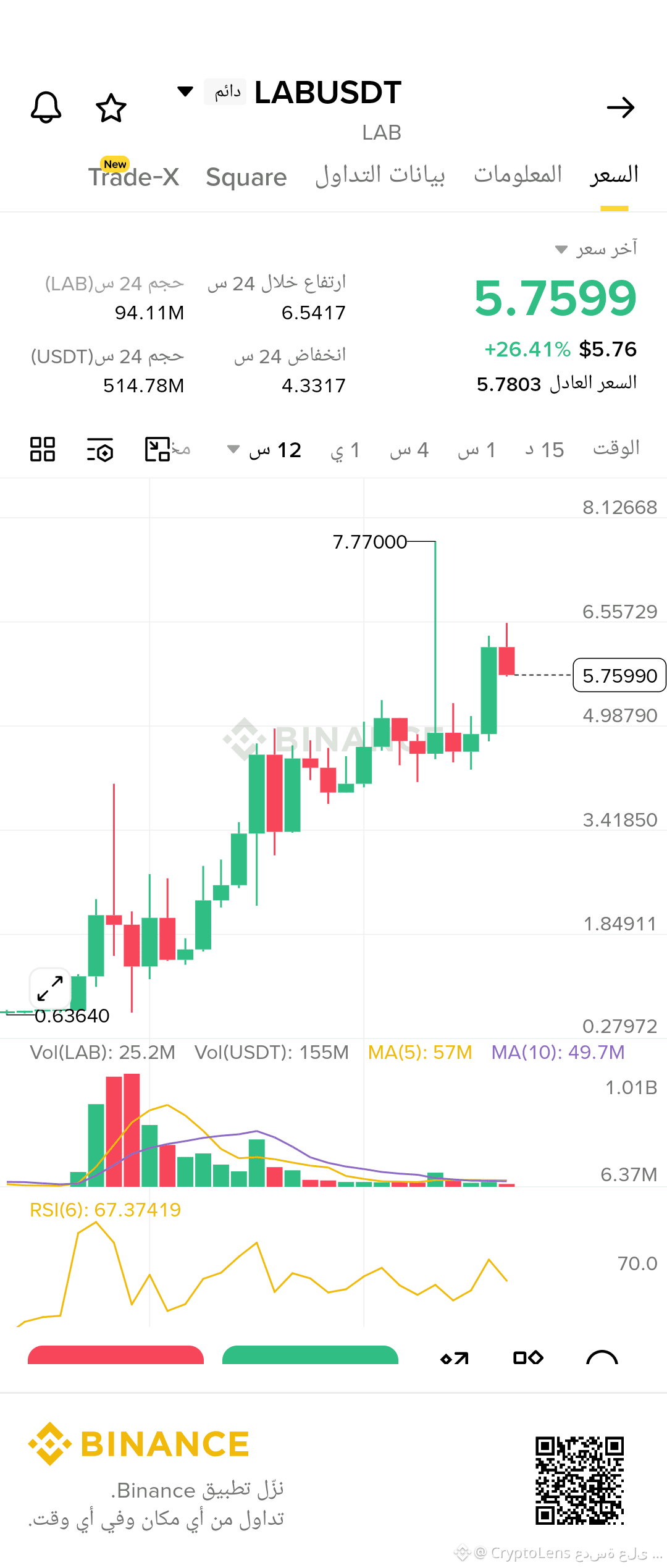
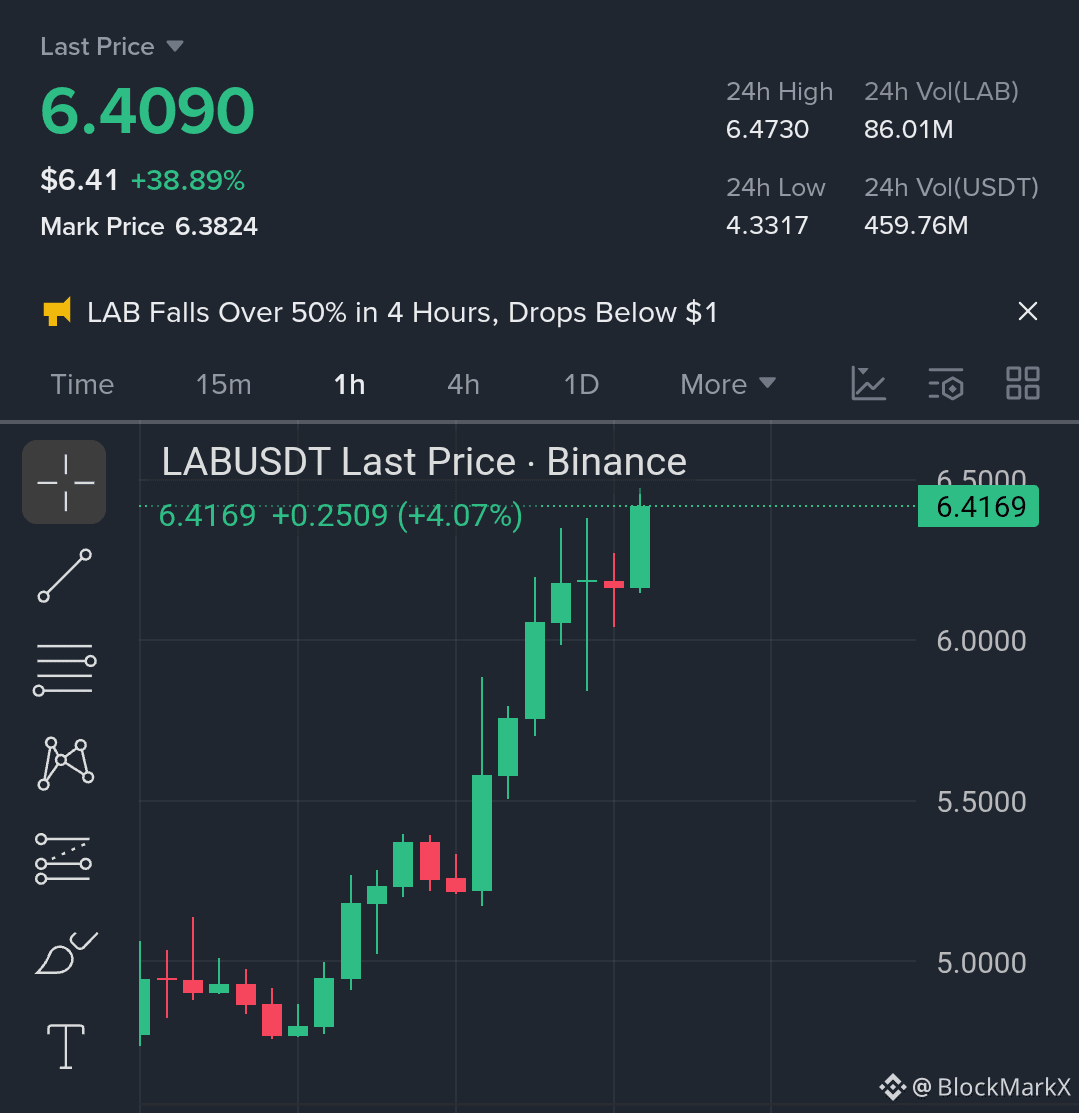
$LAB a commencé à descendre, fais attention aux positions de vente,
shorte rapidement
#ClarityActDraft #SchwabOpensCryptoAccounts #StablecoinTokenizationFunding #BitcoinRatioAbove200DMA
$LAB a commencé à descendre, fais attention aux positions de vente,
shorte rapidement
#ClarityActDraft #SchwabOpensCryptoAccounts #StablecoinTokenizationFunding #BitcoinRatioAbove200DMA
shorte rapidement
#ClarityActDraft #SchwabOpensCryptoAccounts #StablecoinTokenizationFunding #BitcoinRatioAbove200DMA
84

·
--
Haussier
$LAB se prépare pour un énorme mouvement à la hausse vers les chiffres doubles 🚀
Prêt pour un autre rallye massif...???
La dynamique actuelle reste extrêmement forte alors que les acheteurs continuent de pousser le prix vers le haut avec une solide structure haussière. Tenir dans la force pourrait entraîner un mouvement très puissant dans la phase à venir.
Accumulatez prudemment, restez patient, et tenez fermement tant que la dynamique reste en faveur des haussiers. Les grandes opportunités surviennent souvent lorsque le marché s'y attend le moins.
N'ignorez pas une configuration avec autant de force et de potentiel d'expansion.
Faisons des profits solides ensemble 🔥
Achetez ici 👇🏻
{future}(LABUSDT)
{future}(TRUTHUSDT)
{future}(BILLUSDT)
#YiHeBinanceInternalTransformation #StablecoinTokenizationFunding #ClarityActDraft #JPMorganEthereumTokenizedFund
$LAB se prépare pour un énorme mouvement à la hausse vers les chiffres doubles 🚀
Prêt pour un autre rallye massif...???
La dynamique actuelle reste extrêmement forte alors que les acheteurs continuent de pousser le prix vers le haut avec une solide structure haussière. Tenir dans la force pourrait entraîner un mouvement très puissant dans la phase à venir.
Accumulatez prudemment, restez patient, et tenez fermement tant que la dynamique reste en faveur des haussiers. Les grandes opportunités surviennent souvent lorsque le marché s'y attend le moins.
N'ignorez pas une configuration avec autant de force et de potentiel d'expansion.
Faisons des profits solides ensemble 🔥
Achetez ici 👇🏻
#YiHeBinanceInternalTransformation #StablecoinTokenizationFunding #ClarityActDraft #JPMorganEthereumTokenizedFund
Prêt pour un autre rallye massif...???
La dynamique actuelle reste extrêmement forte alors que les acheteurs continuent de pousser le prix vers le haut avec une solide structure haussière. Tenir dans la force pourrait entraîner un mouvement très puissant dans la phase à venir.
Accumulatez prudemment, restez patient, et tenez fermement tant que la dynamique reste en faveur des haussiers. Les grandes opportunités surviennent souvent lorsque le marché s'y attend le moins.
N'ignorez pas une configuration avec autant de force et de potentiel d'expansion.
Faisons des profits solides ensemble 🔥
Achetez ici 👇🏻
#YiHeBinanceInternalTransformation #StablecoinTokenizationFunding #ClarityActDraft #JPMorganEthereumTokenizedFund
573

·
--
Haussier
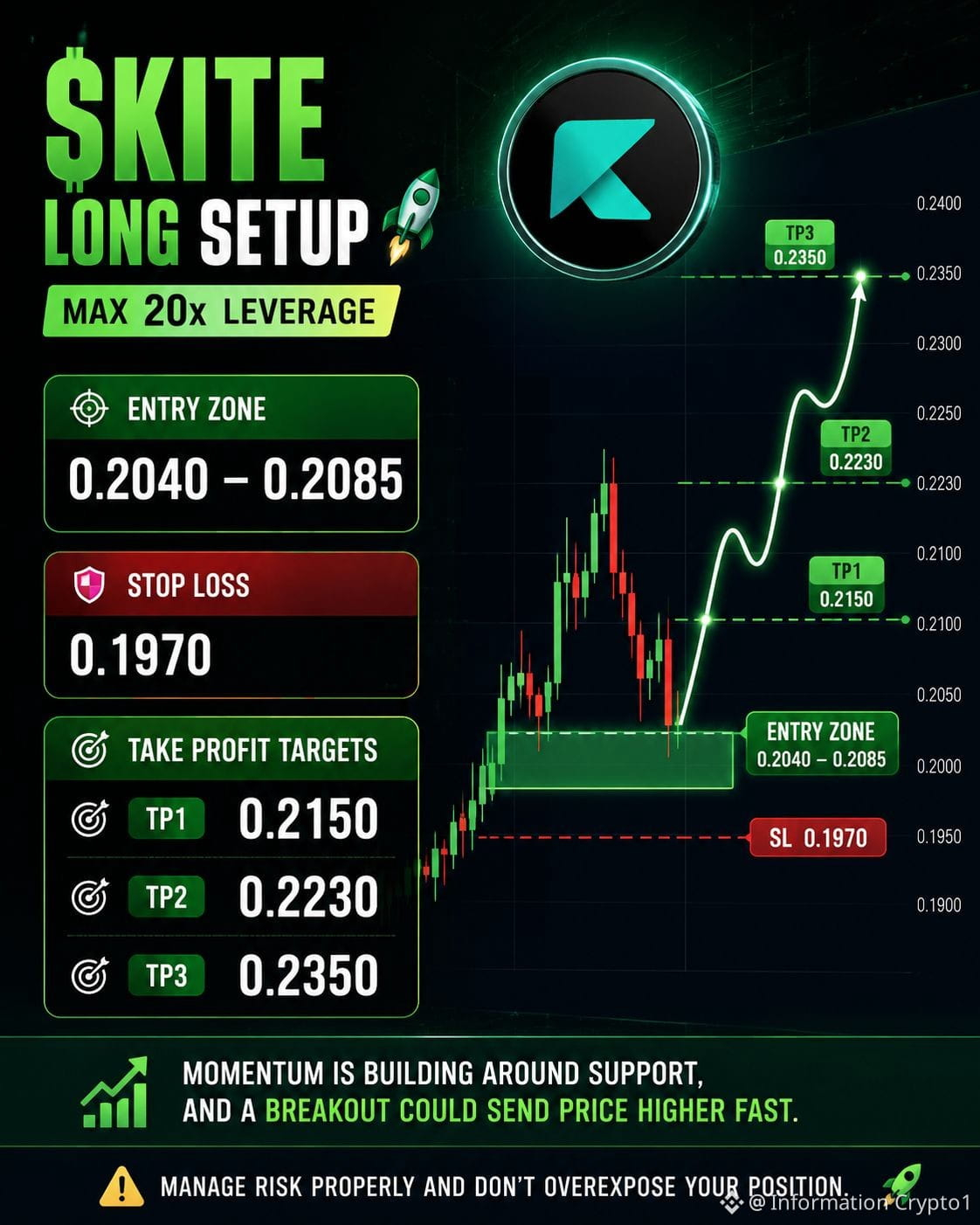
$KITE setup semble solide 📈🔥
🟢 LONG $KITE — Leverage max 20x
Zone d'entrée : 0.2040 – 0.2085
Stop Loss : 0.1970
🎯 Objectifs :
TP1 : 0.2150
TP2 : 0.2230
TP3 : 0.2350
{future}(KITEUSDT)
Le momentum s'accumule autour du support, et une cassure pourrait faire grimper le prix rapidement. Gérez le risque correctement et ne surexposez pas votre position. 🚀
#BinanceOnline #TrumpVisitsChina #MetaplanetQ1Revenue251 #informationcrypto1 #StablecoinTokenizationFunding
$KITE setup semble solide 📈🔥
🟢 LONG $KITE — Leverage max 20x
Zone d'entrée : 0.2040 – 0.2085
Stop Loss : 0.1970
🎯 Objectifs :
TP1 : 0.2150
TP2 : 0.2230
TP3 : 0.2350
Le momentum s'accumule autour du support, et une cassure pourrait faire grimper le prix rapidement. Gérez le risque correctement et ne surexposez pas votre position. 🚀
#BinanceOnline #TrumpVisitsChina #MetaplanetQ1Revenue251 #informationcrypto1 #StablecoinTokenizationFunding
🟢 LONG $KITE — Leverage max 20x
Zone d'entrée : 0.2040 – 0.2085
Stop Loss : 0.1970
🎯 Objectifs :
TP1 : 0.2150
TP2 : 0.2230
TP3 : 0.2350
Le momentum s'accumule autour du support, et une cassure pourrait faire grimper le prix rapidement. Gérez le risque correctement et ne surexposez pas votre position. 🚀
#BinanceOnline #TrumpVisitsChina #MetaplanetQ1Revenue251 #informationcrypto1 #StablecoinTokenizationFunding
47

·
--
Article
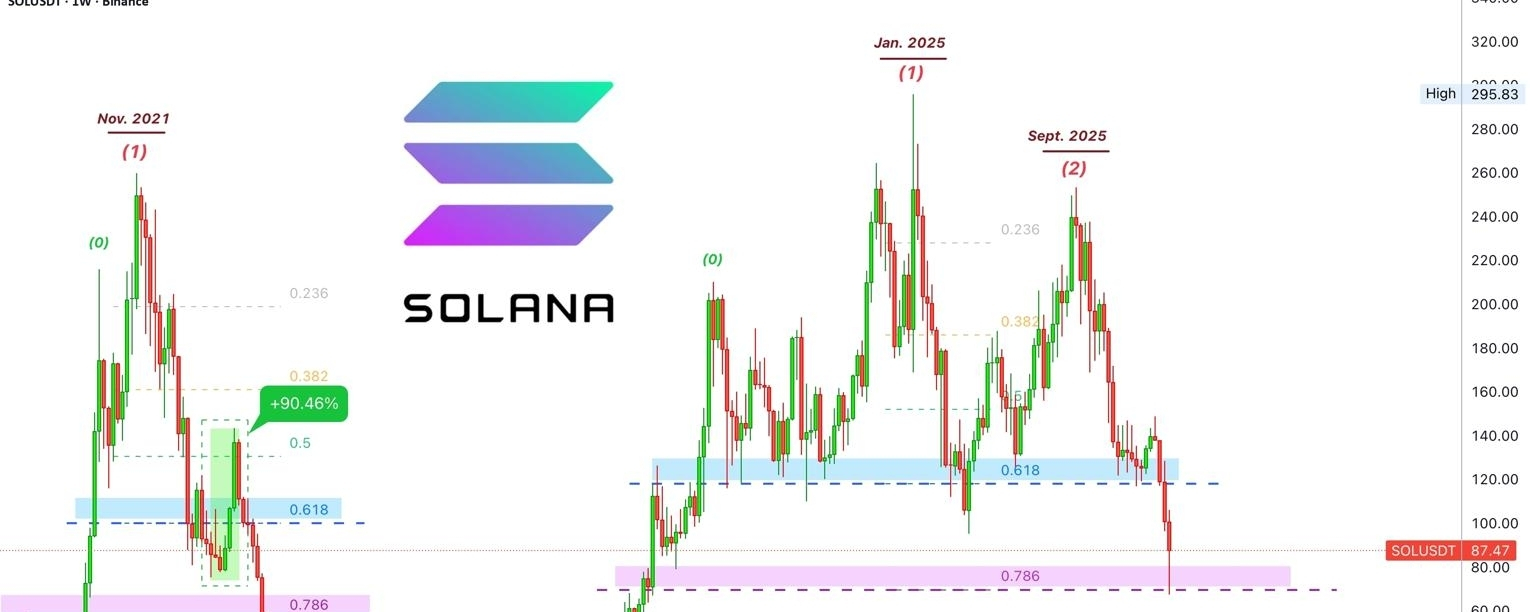
SOL$SOL Solana (SOL) continue d'être l'un des actifs blockchain les plus échangés et en plus forte croissance sur Binance, propulsé par une forte expansion de l'écosystème, des performances réseau à grande vitesse et une adoption croissante dans les applications DeFi, NFTs et Web3.
En 2026, l'activité de trading sur Binance autour de SOL reste extrêmement forte tant sur les marchés au comptant que sur les marchés à terme. La liquidité en hausse et l'augmentation de l'intérêt ouvert montrent que les traders participent activement aux mouvements de prix de Solana, surtout pendant les périodes de forte volatilité du marché. SOL continue d'attirer l'attention en tant que l'une des blockchains de couche 1 les plus performantes, en concurrence avec Ethereum en termes de scalabilité et d'efficacité des transactions.
SOL
$SOL Solana (SOL) continue d'être l'un des actifs blockchain les plus échangés et en plus forte croissance sur Binance, propulsé par une forte expansion de l'écosystème, des performances réseau à grande vitesse et une adoption croissante dans les applications DeFi, NFTs et Web3.
En 2026, l'activité de trading sur Binance autour de SOL reste extrêmement forte tant sur les marchés au comptant que sur les marchés à terme. La liquidité en hausse et l'augmentation de l'intérêt ouvert montrent que les traders participent activement aux mouvements de prix de Solana, surtout pendant les périodes de forte volatilité du marché. SOL continue d'attirer l'attention en tant que l'une des blockchains de couche 1 les plus performantes, en concurrence avec Ethereum en termes de scalabilité et d'efficacité des transactions.
En 2026, l'activité de trading sur Binance autour de SOL reste extrêmement forte tant sur les marchés au comptant que sur les marchés à terme. La liquidité en hausse et l'augmentation de l'intérêt ouvert montrent que les traders participent activement aux mouvements de prix de Solana, surtout pendant les périodes de forte volatilité du marché. SOL continue d'attirer l'attention en tant que l'une des blockchains de couche 1 les plus performantes, en concurrence avec Ethereum en termes de scalabilité et d'efficacité des transactions.
39
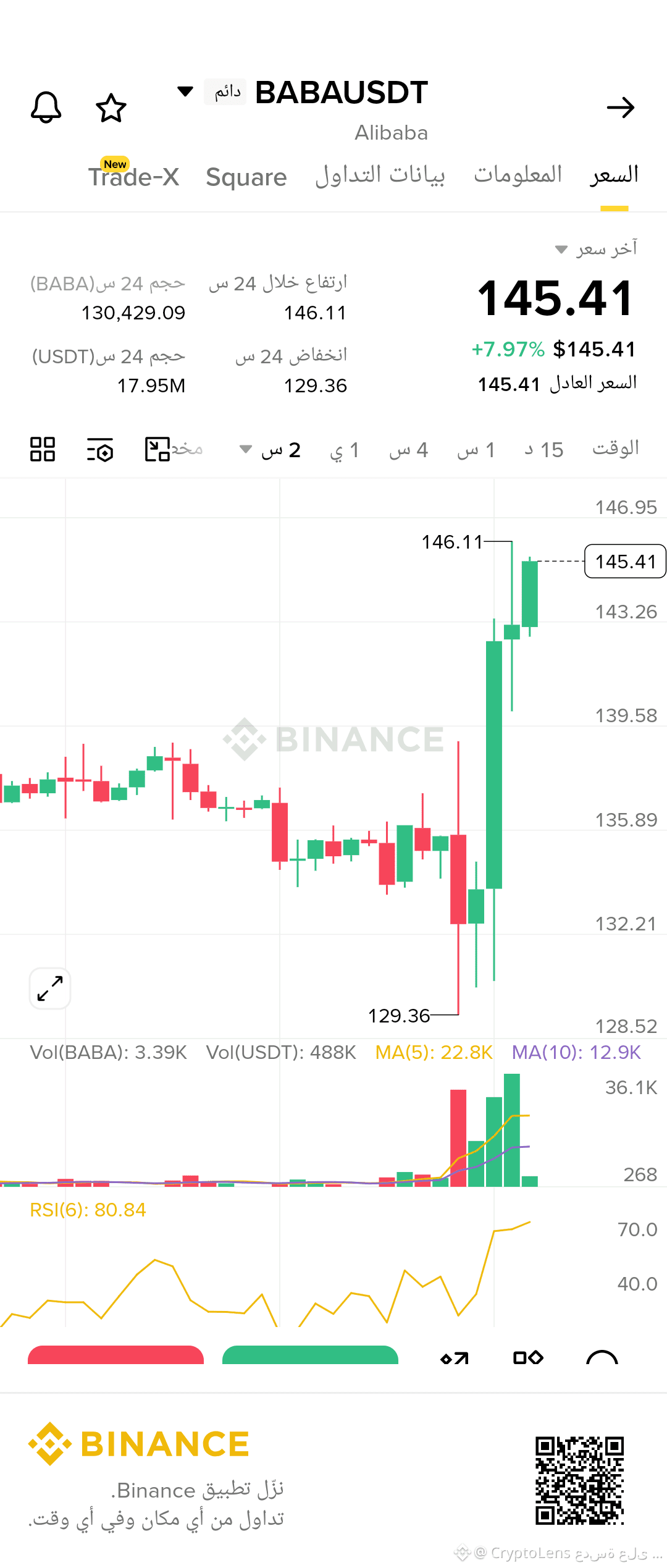
Encore une fois $BABA le support fort tient bon... les vendeurs ont échoué à faire baisser le prix et le momentum haussier est revenu avec force.
#Alibaba a réussi à défendre la zone de support clé près des derniers creux à 128.61, et en conséquence, le prix monte. La rupture vers un nouveau ATH à 146.11 confirme que les taureaux ont le contrôle total du marché.
Cependant, la énorme bougie verte et l'interaction près du niveau 145.03 indiquent que les acheteurs poussent fort pour en obtenir davantage. C'est le mouvement que nous attendions, le marché sort d'une phase de consolidation et entre dans un nouveau rallye haussier.
Pour l'instant :
Tendance : fort haussier
Structure : support qui tient et rupture d'ATH
Focus : maintenir des objectifs plus élevés et gérer les risques pendant la montée
Le marché explose ... restez alerte pour le prochain signal de continuation alors que nous nous dirigeons vers des territoires inexplorés.
$BABA #SchwabOpensCryptoAccounts #StablecoinTokenizationFunding TokenizedTreasuryTVL$15.35B#BitcoinRatioAbove200DMA #BinanceOnline
Encore une fois $BABA le support fort tient bon... les vendeurs ont échoué à faire baisser le prix et le momentum haussier est revenu avec force.
#Alibaba a réussi à défendre la zone de support clé près des derniers creux à 128.61, et en conséquence, le prix monte. La rupture vers un nouveau ATH à 146.11 confirme que les taureaux ont le contrôle total du marché.
Cependant, la énorme bougie verte et l'interaction près du niveau 145.03 indiquent que les acheteurs poussent fort pour en obtenir davantage. C'est le mouvement que nous attendions, le marché sort d'une phase de consolidation et entre dans un nouveau rallye haussier.
Pour l'instant :
Tendance : fort haussier
Structure : support qui tient et rupture d'ATH
Focus : maintenir des objectifs plus élevés et gérer les risques pendant la montée
Le marché explose ... restez alerte pour le prochain signal de continuation alors que nous nous dirigeons vers des territoires inexplorés.
$BABA #SchwabOpensCryptoAccounts #StablecoinTokenizationFunding TokenizedTreasuryTVL$15.35B#BitcoinRatioAbove200DMA #BinanceOnline
#Alibaba a réussi à défendre la zone de support clé près des derniers creux à 128.61, et en conséquence, le prix monte. La rupture vers un nouveau ATH à 146.11 confirme que les taureaux ont le contrôle total du marché.
Cependant, la énorme bougie verte et l'interaction près du niveau 145.03 indiquent que les acheteurs poussent fort pour en obtenir davantage. C'est le mouvement que nous attendions, le marché sort d'une phase de consolidation et entre dans un nouveau rallye haussier.
Pour l'instant :
Tendance : fort haussier
Structure : support qui tient et rupture d'ATH
Focus : maintenir des objectifs plus élevés et gérer les risques pendant la montée
Le marché explose ... restez alerte pour le prochain signal de continuation alors que nous nous dirigeons vers des territoires inexplorés.
$BABA #SchwabOpensCryptoAccounts #StablecoinTokenizationFunding TokenizedTreasuryTVL$15.35B#BitcoinRatioAbove200DMA #BinanceOnline
12

·
--
Haussier
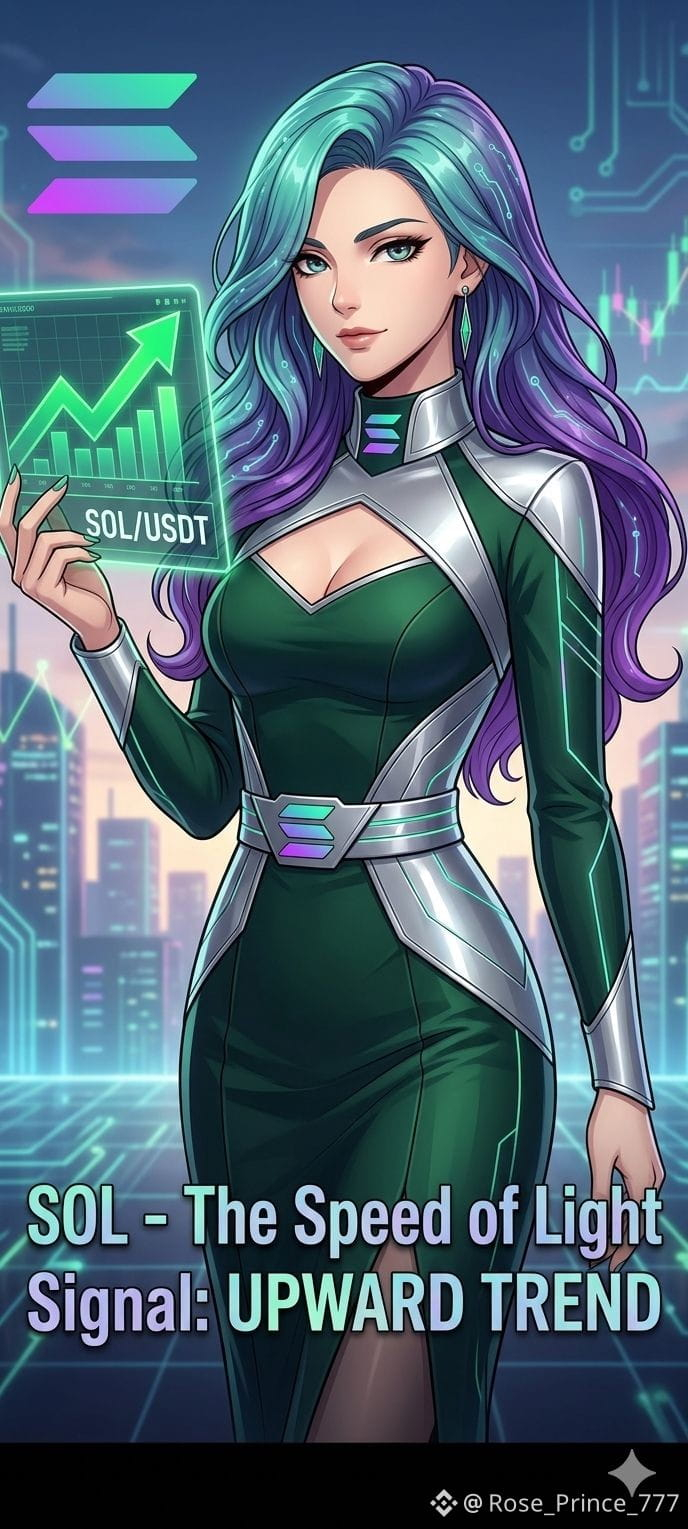
## 🚀 **$SOL
{spot}(SOLUSDT)
Signal de Trading /USDT** 🚀
**Action du Marché :** Acheter / Long 📈
**Couple :** SOL/USDT 🪙
### 📊 **Détails de la Configuration de Trade**
* **Prix d'Achat :** 90.81 💰
* **Prendre Profit :** 91.37 🎯
* **Stop Loss :** 90.12 🛡️
### ⏰ **Fenêtre d'Exécution (UTC)**
* **Heure de Début :** 13 Mai 2026, 19:50 🕒
* **Valide Jusqu'à :** 13 Mai 2026, 23:50 ⏳
### 📝 **Instructions**
* Placez votre ordre en attente dès que le signal arrive. ⚡
* Utilisez un stop suiveur pour maximiser vos gains potentiels. 📈
* Notez que le temps "Jusqu'à" est destiné à une sortie forcée ; assurez-vous que toutes les positions ouvertes sont gérées ou fermées à l'approche de ce moment. 🛑
⚠️ **Note Importante :** Tous les signaux de trading fournis par ce compte sont basés uniquement sur une analyse personnelle. Le trading comporte des risques significatifs, et toute perte encourue est le choix et la responsabilité personnelle du trader. Faites toujours vos propres recherches (DYOR) avant d'entrer dans un trade. 🙏💸
#Solana #CryptoSignals #Binance #Trading #SOL #Blockchain 🚀🔥💎#USPPISurge #TrumpVisitsChina #BitcoinRatioAbove200DMA TokenizedTreasuryTVL$15.35B#StablecoinTokenizationFunding #MetaplanetQ1Revenue251
## 🚀 **$SOL
Signal de Trading /USDT** 🚀
**Action du Marché :** Acheter / Long 📈
**Couple :** SOL/USDT 🪙
### 📊 **Détails de la Configuration de Trade**
* **Prix d'Achat :** 90.81 💰
* **Prendre Profit :** 91.37 🎯
* **Stop Loss :** 90.12 🛡️
### ⏰ **Fenêtre d'Exécution (UTC)**
* **Heure de Début :** 13 Mai 2026, 19:50 🕒
* **Valide Jusqu'à :** 13 Mai 2026, 23:50 ⏳
### 📝 **Instructions**
* Placez votre ordre en attente dès que le signal arrive. ⚡
* Utilisez un stop suiveur pour maximiser vos gains potentiels. 📈
* Notez que le temps "Jusqu'à" est destiné à une sortie forcée ; assurez-vous que toutes les positions ouvertes sont gérées ou fermées à l'approche de ce moment. 🛑
⚠️ **Note Importante :** Tous les signaux de trading fournis par ce compte sont basés uniquement sur une analyse personnelle. Le trading comporte des risques significatifs, et toute perte encourue est le choix et la responsabilité personnelle du trader. Faites toujours vos propres recherches (DYOR) avant d'entrer dans un trade. 🙏💸
#Solana #CryptoSignals #Binance #Trading #SOL #Blockchain 🚀🔥💎#USPPISurge #TrumpVisitsChina #BitcoinRatioAbove200DMA TokenizedTreasuryTVL$15.35B#StablecoinTokenizationFunding #MetaplanetQ1Revenue251
Signal de Trading /USDT** 🚀
**Action du Marché :** Acheter / Long 📈
**Couple :** SOL/USDT 🪙
### 📊 **Détails de la Configuration de Trade**
* **Prix d'Achat :** 90.81 💰
* **Prendre Profit :** 91.37 🎯
* **Stop Loss :** 90.12 🛡️
### ⏰ **Fenêtre d'Exécution (UTC)**
* **Heure de Début :** 13 Mai 2026, 19:50 🕒
* **Valide Jusqu'à :** 13 Mai 2026, 23:50 ⏳
### 📝 **Instructions**
* Placez votre ordre en attente dès que le signal arrive. ⚡
* Utilisez un stop suiveur pour maximiser vos gains potentiels. 📈
* Notez que le temps "Jusqu'à" est destiné à une sortie forcée ; assurez-vous que toutes les positions ouvertes sont gérées ou fermées à l'approche de ce moment. 🛑
⚠️ **Note Importante :** Tous les signaux de trading fournis par ce compte sont basés uniquement sur une analyse personnelle. Le trading comporte des risques significatifs, et toute perte encourue est le choix et la responsabilité personnelle du trader. Faites toujours vos propres recherches (DYOR) avant d'entrer dans un trade. 🙏💸
#Solana #CryptoSignals #Binance #Trading #SOL #Blockchain 🚀🔥💎#USPPISurge #TrumpVisitsChina #BitcoinRatioAbove200DMA TokenizedTreasuryTVL$15.35B#StablecoinTokenizationFunding #MetaplanetQ1Revenue251
14

·
--
Pour regarder cette vidéo et obtenir une récompense $BTC #TrumpVisitsChina #StablecoinTokenizationFunding $ETH
{spot}(ETHUSDT)
Pour regarder cette vidéo et obtenir une récompense $BTC #TrumpVisitsChina #StablecoinTokenizationFunding $ETH


Binance Square Official
·
--
[Revoir] Binance en ligne | CZ, Adam Back, Pompliano, Leadership de Binance & Plus
04 h 43 min 49 sec · 714.8k vues
37

$ETH 🚀 Ethereum reste le roi des réseaux blockchain de contrats intelligents.
💰 Le staking d'ETH continue de verrouiller une énorme offre sur le marché ouvert.
📈 Les développeurs préfèrent toujours Ethereum pour les projets majeurs de DeFi et NFT.
⚡ Les solutions de scalabilité de couche 2 aident à améliorer l'efficacité des transactions d'Ethereum.
🌍 L'intérêt institutionnel pour l'ETH ne cesse d'augmenter à travers le monde.
🔥 Les mises à jour d'Ethereum pourraient améliorer la vitesse du réseau et réduire les frais de gas.
🏦 De nombreux investisseurs voient l'ETH comme un investissement technologique à long terme.
💎 Les tendances d'intégration de l'IA et de la blockchain pourraient bénéficier à la croissance de l'écosystème Ethereum.
📊 Les signaux d'accumulation des baleines continuent d'attirer l'attention des traders en ligne.
🚀 Les ETFs Ethereum boostent également la confiance du marché pour les détenteurs d'ETH.
⚡ Une forte activité des développeurs maintient Ethereum en tête de nombreux concurrents.
🔥 Les perspectives futures de l'ETH semblent haussières si l'adoption des cryptos continue de s'étendre à l'échelle mondiale.
#TrumpVisitsChina
#StablecoinTokenizationFunding
{spot}(ETHUSDT)
$ETH 🚀 Ethereum reste le roi des réseaux blockchain de contrats intelligents.
💰 Le staking d'ETH continue de verrouiller une énorme offre sur le marché ouvert.
📈 Les développeurs préfèrent toujours Ethereum pour les projets majeurs de DeFi et NFT.
⚡ Les solutions de scalabilité de couche 2 aident à améliorer l'efficacité des transactions d'Ethereum.
🌍 L'intérêt institutionnel pour l'ETH ne cesse d'augmenter à travers le monde.
🔥 Les mises à jour d'Ethereum pourraient améliorer la vitesse du réseau et réduire les frais de gas.
🏦 De nombreux investisseurs voient l'ETH comme un investissement technologique à long terme.
💎 Les tendances d'intégration de l'IA et de la blockchain pourraient bénéficier à la croissance de l'écosystème Ethereum.
📊 Les signaux d'accumulation des baleines continuent d'attirer l'attention des traders en ligne.
🚀 Les ETFs Ethereum boostent également la confiance du marché pour les détenteurs d'ETH.
⚡ Une forte activité des développeurs maintient Ethereum en tête de nombreux concurrents.
🔥 Les perspectives futures de l'ETH semblent haussières si l'adoption des cryptos continue de s'étendre à l'échelle mondiale.
#TrumpVisitsChina
#StablecoinTokenizationFunding
💰 Le staking d'ETH continue de verrouiller une énorme offre sur le marché ouvert.
📈 Les développeurs préfèrent toujours Ethereum pour les projets majeurs de DeFi et NFT.
⚡ Les solutions de scalabilité de couche 2 aident à améliorer l'efficacité des transactions d'Ethereum.
🌍 L'intérêt institutionnel pour l'ETH ne cesse d'augmenter à travers le monde.
🔥 Les mises à jour d'Ethereum pourraient améliorer la vitesse du réseau et réduire les frais de gas.
🏦 De nombreux investisseurs voient l'ETH comme un investissement technologique à long terme.
💎 Les tendances d'intégration de l'IA et de la blockchain pourraient bénéficier à la croissance de l'écosystème Ethereum.
📊 Les signaux d'accumulation des baleines continuent d'attirer l'attention des traders en ligne.
🚀 Les ETFs Ethereum boostent également la confiance du marché pour les détenteurs d'ETH.
⚡ Une forte activité des développeurs maintient Ethereum en tête de nombreux concurrents.
🔥 Les perspectives futures de l'ETH semblent haussières si l'adoption des cryptos continue de s'étendre à l'échelle mondiale.
#TrumpVisitsChina
#StablecoinTokenizationFunding
51

·
--
Haussier
🚀 UNE AUTRE VICTOIRE MONSTRE — $BILL LIVRE EN GRAND 🚀
Analyse audacieuse. Exécution parfaite. Résultats massifs. 🔥
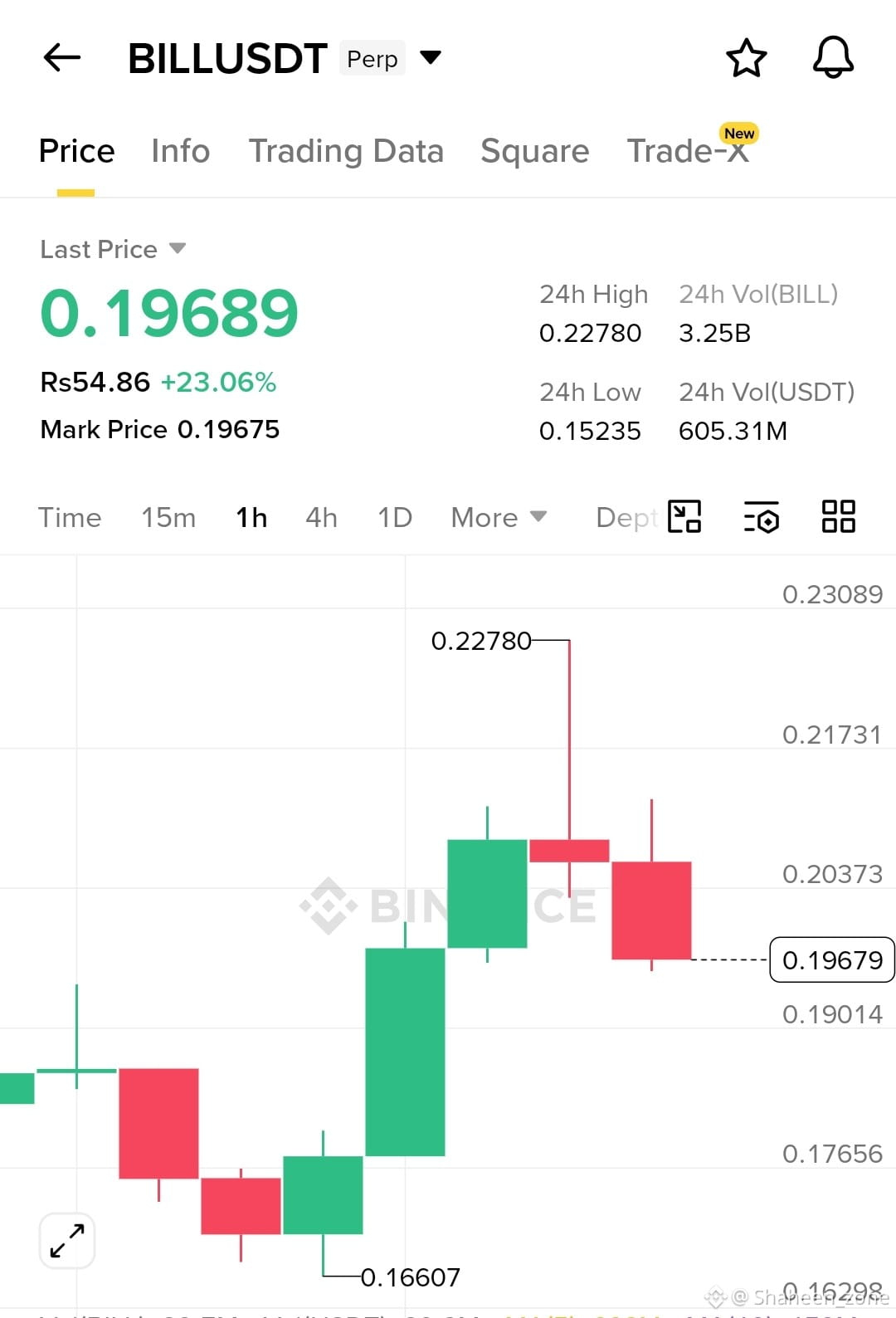
$BILL a officiellement EXPLOSÉ à un nouveau ATH à 0,21876 $, complétant le scénario de breakout haussier exact que nous avions prédit après la phase de retest et de correction 📈⚡
💰 Les traders qui ont fait confiance à l'installation et ouvert des positions LONG sont maintenant assis sur d'énormes profits.
Pendant que la foule paniquait durant la chute… nous étions en train d'accumuler pour le breakout.
📊 +41,85% au cours des dernières 24H
🎯 ATH pulvérisé
🐂 Momentum totalement libéré
C'est pourquoi la patience, la stratégie et la confiance comptent.
Une autre victoire nette pour la famille — et le marché continue de nous prouver juste 💥
$BILL est actuellement l'un des graphiques les plus chauds dans la crypto en ce moment 🔥🚀
👇 Cliquez ci-dessous pour prendre la trade et surfer sur le momentum avant que la prochaine montée ne commence ⚡
#ClarityActDraft #JPMorganEthereumTokenizedFund #SchwabOpensCryptoAccounts #MetaplanetQ1Revenue251 #StablecoinTokenizationFunding
🚀 UNE AUTRE VICTOIRE MONSTRE — $BILL LIVRE EN GRAND 🚀
Analyse audacieuse. Exécution parfaite. Résultats massifs. 🔥
$BILL a officiellement EXPLOSÉ à un nouveau ATH à 0,21876 $, complétant le scénario de breakout haussier exact que nous avions prédit après la phase de retest et de correction 📈⚡
💰 Les traders qui ont fait confiance à l'installation et ouvert des positions LONG sont maintenant assis sur d'énormes profits.
Pendant que la foule paniquait durant la chute… nous étions en train d'accumuler pour le breakout.
📊 +41,85% au cours des dernières 24H
🎯 ATH pulvérisé
🐂 Momentum totalement libéré
C'est pourquoi la patience, la stratégie et la confiance comptent.
Une autre victoire nette pour la famille — et le marché continue de nous prouver juste 💥
$BILL est actuellement l'un des graphiques les plus chauds dans la crypto en ce moment 🔥🚀
👇 Cliquez ci-dessous pour prendre la trade et surfer sur le momentum avant que la prochaine montée ne commence ⚡
#ClarityActDraft #JPMorganEthereumTokenizedFund #SchwabOpensCryptoAccounts #MetaplanetQ1Revenue251 #StablecoinTokenizationFunding
Analyse audacieuse. Exécution parfaite. Résultats massifs. 🔥
$BILL a officiellement EXPLOSÉ à un nouveau ATH à 0,21876 $, complétant le scénario de breakout haussier exact que nous avions prédit après la phase de retest et de correction 📈⚡
💰 Les traders qui ont fait confiance à l'installation et ouvert des positions LONG sont maintenant assis sur d'énormes profits.
Pendant que la foule paniquait durant la chute… nous étions en train d'accumuler pour le breakout.
📊 +41,85% au cours des dernières 24H
🎯 ATH pulvérisé
🐂 Momentum totalement libéré
C'est pourquoi la patience, la stratégie et la confiance comptent.
Une autre victoire nette pour la famille — et le marché continue de nous prouver juste 💥
$BILL est actuellement l'un des graphiques les plus chauds dans la crypto en ce moment 🔥🚀
👇 Cliquez ci-dessous pour prendre la trade et surfer sur le momentum avant que la prochaine montée ne commence ⚡
#ClarityActDraft #JPMorganEthereumTokenizedFund #SchwabOpensCryptoAccounts #MetaplanetQ1Revenue251 #StablecoinTokenizationFunding
227
Connectez-vous pour découvrir plus de contenu
Rejoignez la communauté mondiale des adeptes de cryptomonnaies sur Binance Square
⚡️ Suviez les dernières informations importantes sur les cryptomonnaies.
💬 Jugé digne de confiance par la plus grande plateforme d’échange de cryptomonnaies au monde.
👍 Découvrez les connaissances que partagent les créateurs vérifiés.
Adresse e-mail/Nº de téléphone
Sujets d’actualité
1
#FedRateWatch
278,585 vues
1,749 mentions
2
#BitcoinSlidesTo$76000
4,200 vues
60 mentions
3
#BitcoinReboundsTo$79K
50,818 vues
362 mentions
4
#StrategyMarketCapPassesFord
10,731 vues
342 mentions
5
#ClarityActOddsHalveOnPolymarket
7,898 vues
270 mentions
6
#US30YTreasuryYieldTops5.40%
10,576 vues
224 mentions
7
#BessentEndorsesFinalClarityActDraft
28,761 vues
540 mentions
8
#ZamaOpens16ConfidentialMorphoVaults
10,670 vues
258 mentions
9
#USDCOnChainVolumeTops$100Trillion
1,576 vues
38 mentions
10
#BitcoinSpotETFsNetInflow$160M
2,458 vues
92 mentions