

#learningtogether
learningtogether
241,118 vues
348 mentions
Populaire
Récents
·
--
Exploring the Future of Crypto: Insights & Market Updates
Body:
"Hello, Binance Square community! 🚀
I am excited to start my journey here as a content creator. My goal is to provide you with consistent, authentic, and clear updates on market trends and blockchain developments.
In a rapidly changing digital landscape, staying informed with accurate data is key. I am committed to sharing well-researched insights to help our community navigate the world of crypto with a better understanding.
I value transparency and learning. I’ll be focusing on:
✅ Market Trends & Daily Updates
✅ Blockchain Education
✅ Staying ahead of industry news
Let’s grow and learn together! I would love to hear what topics you are most interested in. Feel free to drop a comment below. 👇
#BinanceSquare #CryptoNews #blockchaineconomy #MarketInsights #LearningTogether
Exploring the Future of Crypto: Insights & Market Updates
Body:
"Hello, Binance Square community! 🚀
I am excited to start my journey here as a content creator. My goal is to provide you with consistent, authentic, and clear updates on market trends and blockchain developments.
In a rapidly changing digital landscape, staying informed with accurate data is key. I am committed to sharing well-researched insights to help our community navigate the world of crypto with a better understanding.
I value transparency and learning. I’ll be focusing on:
✅ Market Trends & Daily Updates
✅ Blockchain Education
✅ Staying ahead of industry news
Let’s grow and learn together! I would love to hear what topics you are most interested in. Feel free to drop a comment below. 👇
#BinanceSquare #CryptoNews #blockchaineconomy #MarketInsights #LearningTogether
Body:
"Hello, Binance Square community! 🚀
I am excited to start my journey here as a content creator. My goal is to provide you with consistent, authentic, and clear updates on market trends and blockchain developments.
In a rapidly changing digital landscape, staying informed with accurate data is key. I am committed to sharing well-researched insights to help our community navigate the world of crypto with a better understanding.
I value transparency and learning. I’ll be focusing on:
✅ Market Trends & Daily Updates
✅ Blockchain Education
✅ Staying ahead of industry news
Let’s grow and learn together! I would love to hear what topics you are most interested in. Feel free to drop a comment below. 👇
#BinanceSquare #CryptoNews #blockchaineconomy #MarketInsights #LearningTogether
116

·
--
💡 Knowledge Is Your Best InvestmentIn crypto, prices change every day, but knowledge stays with you.
The more you learn, the more confident your decisions become.
Don't rush to catch every trend.
Build your knowledge first, stay patient, and let experience guide your journey.
Small lessons today can lead to smarter decisions tomorrow.
#LearningTogether
$BTC
💡 Knowledge Is Your Best Investment
In crypto, prices change every day, but knowledge stays with you.
The more you learn, the more confident your decisions become.
Don't rush to catch every trend.
Build your knowledge first, stay patient, and let experience guide your journey.
Small lessons today can lead to smarter decisions tomorrow.
#LearningTogether
$BTC
The more you learn, the more confident your decisions become.
Don't rush to catch every trend.
Build your knowledge first, stay patient, and let experience guide your journey.
Small lessons today can lead to smarter decisions tomorrow.
#LearningTogether
$BTC
79

·
--
Guys who are learning phase and new to crypto contact me i am building a community for learning crypto. #newcrypto #LearningTogether #learning #LearningFromMistakes
Guys who are learning phase and new to crypto contact me i am building a community for learning crypto. #newcrypto #LearningTogether #learning #LearningFromMistakes
32


Article
Who Controls a Blockchain?If there is no bank, no company, and no government running Bitcoin, then who is in charge?
The answer is : No single person or organization controls it.
Instead, thousands of computers around the world work together to maintain the blockchain. These computers follow the same rules and constantly verify new transactions. Before a transaction is added, the network must agree that it is valid. This process is called consensus.
Think of it like a group project in school.
If only one student keeps the final report, they could change it whenever they want. But if every student has the same copy and everyone must agree before making changes, no one can secretly alter the report.
This is called decentralization.
Instead of relying on one central authority, responsibility is shared across the network. That makes blockchain more transparent, more resilient, and much harder to manipulate.
However, decentralization doesn't mean there are no rules. Every participant follows the same protocol, and anyone who breaks those rules is rejected by the network.
Ur takeaway #LearningTogether :
Centralized system: One organization controls the records.
Decentralized system: Thousands of participants work together to maintain the records.
We will answer another common question:
"How does a crypto transaction travel from one person to another in just a few minutes?" #DigitalMahanadi $BTC
#CryptoLessons pic credit: beloved#BinanceSquareFamily ☀️$BNB
Who Controls a Blockchain?
If there is no bank, no company, and no government running Bitcoin, then who is in charge?
The answer is : No single person or organization controls it.
Instead, thousands of computers around the world work together to maintain the blockchain. These computers follow the same rules and constantly verify new transactions. Before a transaction is added, the network must agree that it is valid. This process is called consensus.
Think of it like a group project in school.
If only one student keeps the final report, they could change it whenever they want. But if every student has the same copy and everyone must agree before making changes, no one can secretly alter the report.
This is called decentralization.
Instead of relying on one central authority, responsibility is shared across the network. That makes blockchain more transparent, more resilient, and much harder to manipulate.
However, decentralization doesn't mean there are no rules. Every participant follows the same protocol, and anyone who breaks those rules is rejected by the network.
Ur takeaway #LearningTogether :
Centralized system: One organization controls the records.
Decentralized system: Thousands of participants work together to maintain the records.
We will answer another common question:
"How does a crypto transaction travel from one person to another in just a few minutes?" #DigitalMahanadi $BTC
#CryptoLessons pic credit: beloved#BinanceSquareFamily ☀️$BNB
The answer is : No single person or organization controls it.
Instead, thousands of computers around the world work together to maintain the blockchain. These computers follow the same rules and constantly verify new transactions. Before a transaction is added, the network must agree that it is valid. This process is called consensus.
Think of it like a group project in school.
If only one student keeps the final report, they could change it whenever they want. But if every student has the same copy and everyone must agree before making changes, no one can secretly alter the report.
This is called decentralization.
Instead of relying on one central authority, responsibility is shared across the network. That makes blockchain more transparent, more resilient, and much harder to manipulate.
However, decentralization doesn't mean there are no rules. Every participant follows the same protocol, and anyone who breaks those rules is rejected by the network.
Ur takeaway #LearningTogether :
Centralized system: One organization controls the records.
Decentralized system: Thousands of participants work together to maintain the records.
We will answer another common question:
"How does a crypto transaction travel from one person to another in just a few minutes?" #DigitalMahanadi $BTC
#CryptoLessons pic credit: beloved#BinanceSquareFamily ☀️$BNB

Crypto Lesson 4🧠
De Digital Mahanadi
139
·
--
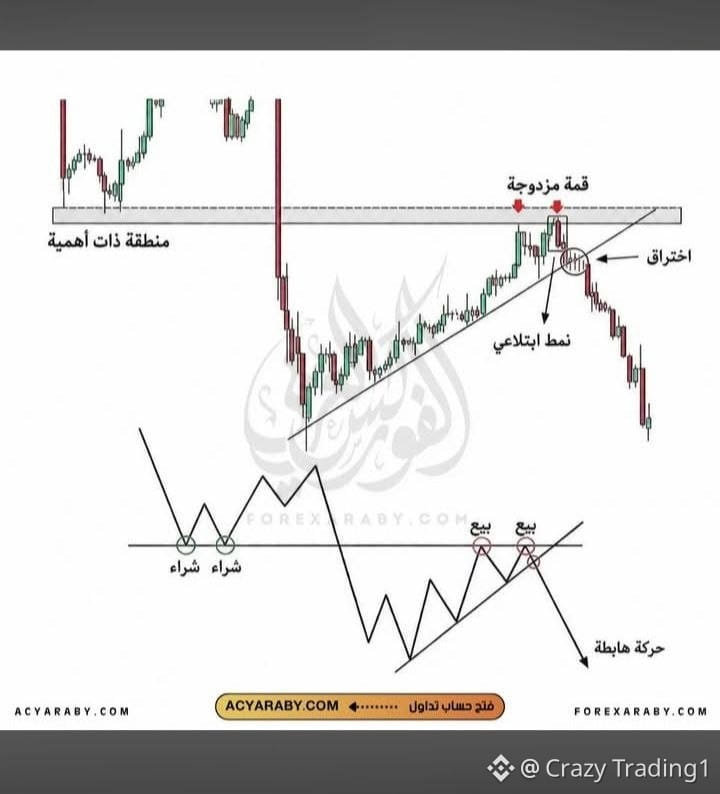
📊 استراتيجية اختيار مناطق الانعكاس وتأكيد الدخول
ليس كل دعم أو مقاومة يصلح للتداول، وليس كل كسر يعني أن الاتجاه قد تغير. السر الحقيقي هو دمج أكثر من إشارة فنية في نفس المنطقة للحصول على صفقة ذات احتمالية نجاح أعلى.
في المثال الموجود بالصورة، تم دمج 3 أدوات قوية لتأكيد الانعكاس:
✅ 1- نموذج القمة المزدوجة (Double Top)
ظهر عند منطقة مقاومة قوية، وهو أول إشارة على ضعف المشترين واحتمال انتهاء الاتجاه الصاعد.
✅ 2- كسر خط الاتجاه الصاعد (Trendline Break)
بعد ظهور القمة المزدوجة، كسر السعر خط الاتجاه، ليؤكد أن الزخم الصاعد بدأ يفقد قوته.
✅ 3- تبادل الأدوار (Role Reversal)
لم يتم الدخول مباشرة بعد الكسر، بل انتظرنا إعادة اختبار خط الاتجاه المكسور، والذي تحول من دعم إلى مقاومة. وبعد فشل السعر في اختراقه، أصبحت إشارة البيع أكثر قوة.
📌 لماذا تعتبر هذه الصفقة قوية؟
لأنها لم تعتمد على إشارة واحدة، بل على توافق عدة عوامل فنية في نفس المنطقة:
✔️ مقاومة قوية.
✔️ نموذج انعكاسي.
✔️ كسر ترند.
✔️ إعادة اختبار.
✔️ رفض سعري يؤكد سيطرة البائعين.
💯✅️
#تعليم_تداول #LearningTogether
📊 استراتيجية اختيار مناطق الانعكاس وتأكيد الدخول
ليس كل دعم أو مقاومة يصلح للتداول، وليس كل كسر يعني أن الاتجاه قد تغير. السر الحقيقي هو دمج أكثر من إشارة فنية في نفس المنطقة للحصول على صفقة ذات احتمالية نجاح أعلى.
في المثال الموجود بالصورة، تم دمج 3 أدوات قوية لتأكيد الانعكاس:
✅ 1- نموذج القمة المزدوجة (Double Top)
ظهر عند منطقة مقاومة قوية، وهو أول إشارة على ضعف المشترين واحتمال انتهاء الاتجاه الصاعد.
✅ 2- كسر خط الاتجاه الصاعد (Trendline Break)
بعد ظهور القمة المزدوجة، كسر السعر خط الاتجاه، ليؤكد أن الزخم الصاعد بدأ يفقد قوته.
✅ 3- تبادل الأدوار (Role Reversal)
لم يتم الدخول مباشرة بعد الكسر، بل انتظرنا إعادة اختبار خط الاتجاه المكسور، والذي تحول من دعم إلى مقاومة. وبعد فشل السعر في اختراقه، أصبحت إشارة البيع أكثر قوة.
📌 لماذا تعتبر هذه الصفقة قوية؟
لأنها لم تعتمد على إشارة واحدة، بل على توافق عدة عوامل فنية في نفس المنطقة:
✔️ مقاومة قوية.
✔️ نموذج انعكاسي.
✔️ كسر ترند.
✔️ إعادة اختبار.
✔️ رفض سعري يؤكد سيطرة البائعين.
💯✅️
#تعليم_تداول #LearningTogether
ليس كل دعم أو مقاومة يصلح للتداول، وليس كل كسر يعني أن الاتجاه قد تغير. السر الحقيقي هو دمج أكثر من إشارة فنية في نفس المنطقة للحصول على صفقة ذات احتمالية نجاح أعلى.
في المثال الموجود بالصورة، تم دمج 3 أدوات قوية لتأكيد الانعكاس:
✅ 1- نموذج القمة المزدوجة (Double Top)
ظهر عند منطقة مقاومة قوية، وهو أول إشارة على ضعف المشترين واحتمال انتهاء الاتجاه الصاعد.
✅ 2- كسر خط الاتجاه الصاعد (Trendline Break)
بعد ظهور القمة المزدوجة، كسر السعر خط الاتجاه، ليؤكد أن الزخم الصاعد بدأ يفقد قوته.
✅ 3- تبادل الأدوار (Role Reversal)
لم يتم الدخول مباشرة بعد الكسر، بل انتظرنا إعادة اختبار خط الاتجاه المكسور، والذي تحول من دعم إلى مقاومة. وبعد فشل السعر في اختراقه، أصبحت إشارة البيع أكثر قوة.
📌 لماذا تعتبر هذه الصفقة قوية؟
لأنها لم تعتمد على إشارة واحدة، بل على توافق عدة عوامل فنية في نفس المنطقة:
✔️ مقاومة قوية.
✔️ نموذج انعكاسي.
✔️ كسر ترند.
✔️ إعادة اختبار.
✔️ رفض سعري يؤكد سيطرة البائعين.
💯✅️
#تعليم_تداول #LearningTogether
73

·
--
New to crypto? Start simple.
Before chasing 100x gems, learn the basics on Binance:
• Spot trading
• Risk management
• Market trends
• Support & resistance
• Position sizing
Most beginners lose money because they trade with emotions instead of a strategy.
A few rules that help:
• Never invest money you can’t afford to lose
• Don’t FOMO into green candles
• Take profits gradually
• Use stop losses
• Focus on learning before earning
In crypto, surviving the market is more important than getting rich fast.
Consistency beats hype every time.
#BINANCENEWUSER #LearningTogether #HowToTradeCrypto #BTCETFDemandDropsRiskIndexHigh
$BTC $ETH $SOL
{future}(BTCUSDT)
{future}(ETHUSDT)
{future}(SOLUSDT)
New to crypto? Start simple.
Before chasing 100x gems, learn the basics on Binance:
• Spot trading
• Risk management
• Market trends
• Support & resistance
• Position sizing
Most beginners lose money because they trade with emotions instead of a strategy.
A few rules that help:
• Never invest money you can’t afford to lose
• Don’t FOMO into green candles
• Take profits gradually
• Use stop losses
• Focus on learning before earning
In crypto, surviving the market is more important than getting rich fast.
Consistency beats hype every time.
#BINANCENEWUSER #LearningTogether #HowToTradeCrypto #BTCETFDemandDropsRiskIndexHigh
$BTC $ETH $SOL
Before chasing 100x gems, learn the basics on Binance:
• Spot trading
• Risk management
• Market trends
• Support & resistance
• Position sizing
Most beginners lose money because they trade with emotions instead of a strategy.
A few rules that help:
• Never invest money you can’t afford to lose
• Don’t FOMO into green candles
• Take profits gradually
• Use stop losses
• Focus on learning before earning
In crypto, surviving the market is more important than getting rich fast.
Consistency beats hype every time.
#BINANCENEWUSER #LearningTogether #HowToTradeCrypto #BTCETFDemandDropsRiskIndexHigh
$BTC $ETH $SOL
1
185

تجربتي التعليمية الأولى مع العملات الرقمية: اشتريت كمية صغيرة من
$BTC بهدف فهم طريقة التحويل ومتابعة تغيّر السعر. تعلّمت أن قيمة البيتكوين تتغير باستمرار وأن البدء بمبلغ صغير يساعد على فهم المخاطر. هذا المنشور للتعلم وليس نصيحة استثمارية.
#bitcoin
#LearningTogether
$USDC
تجربتي التعليمية الأولى مع العملات الرقمية: اشتريت كمية صغيرة من
$BTC بهدف فهم طريقة التحويل ومتابعة تغيّر السعر. تعلّمت أن قيمة البيتكوين تتغير باستمرار وأن البدء بمبلغ صغير يساعد على فهم المخاطر. هذا المنشور للتعلم وليس نصيحة استثمارية.
#bitcoin
#LearningTogether
$USDC
$BTC بهدف فهم طريقة التحويل ومتابعة تغيّر السعر. تعلّمت أن قيمة البيتكوين تتغير باستمرار وأن البدء بمبلغ صغير يساعد على فهم المخاطر. هذا المنشور للتعلم وليس نصيحة استثمارية.
#bitcoin
#LearningTogether
$USDC
157

·
--
Every expert was once a beginner.
#Today I start my crypto journey on Binance, armed with learning and patience. I’ll be sharing my steps, mistakes, and wins. Your support and advice mean the world to me! 🚀🌱
#NewTrader #LearningTogether #متابعه_وإعجاب #WhatNextForUSIranConflict $#ARKInvestReducedPositionsinCircleandBullish
Every expert was once a beginner.
#Today I start my crypto journey on Binance, armed with learning and patience. I’ll be sharing my steps, mistakes, and wins. Your support and advice mean the world to me! 🚀🌱
#NewTrader #LearningTogether #متابعه_وإعجاب #WhatNextForUSIranConflict $#ARKInvestReducedPositionsinCircleandBullish
#Today I start my crypto journey on Binance, armed with learning and patience. I’ll be sharing my steps, mistakes, and wins. Your support and advice mean the world to me! 🚀🌱
#NewTrader #LearningTogether #متابعه_وإعجاب #WhatNextForUSIranConflict $#ARKInvestReducedPositionsinCircleandBullish
1
135

·
--
Haussier
1
12

·
--
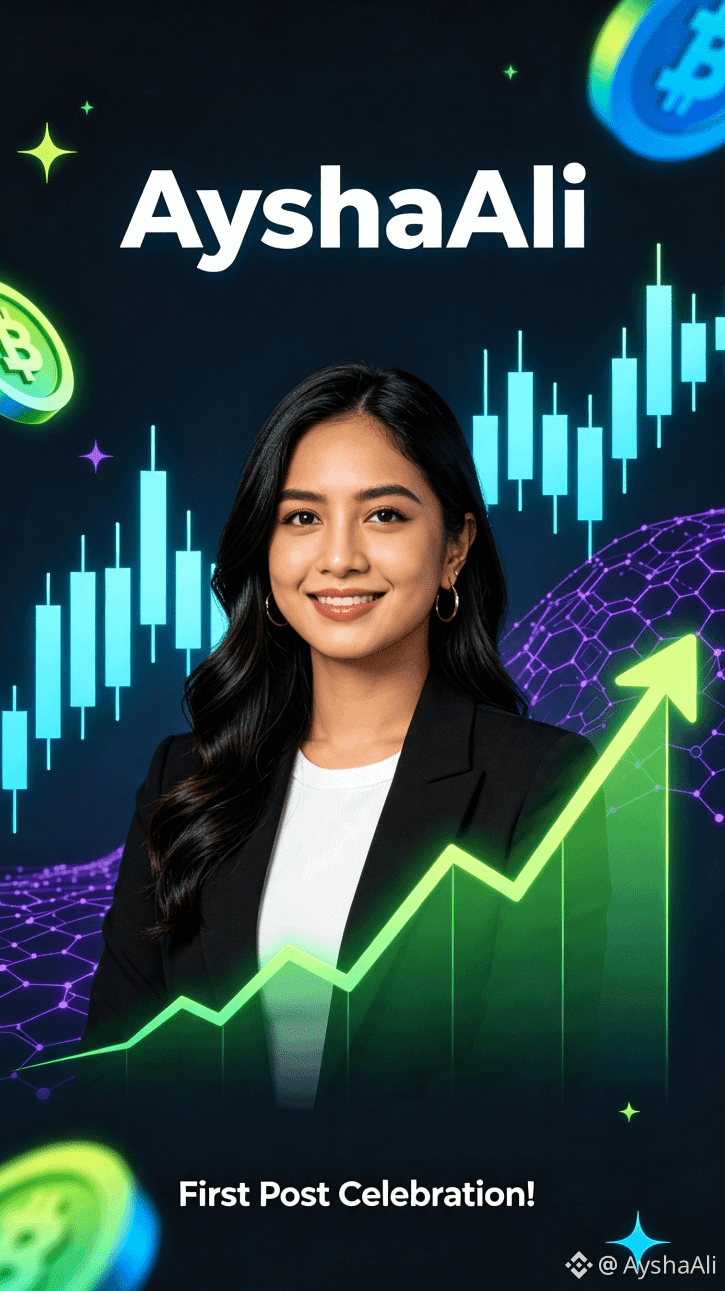
🚀 FIRST EVER POST — My Binance Square Journey Begins!
Hi everyone! 👋
I’m super excited to share this is my very first post on Binance Square — ever! 🎉
I’ve been diving deep into the world of crypto, blockchain, and market trends, and finally decided to step out and share what I’m learning, exploring, and discovering along the way.
What you can expect here:
Simple crypto insights & easy-to-understand updates
Market analysis & honest observations (no hype! 🤝)
Project spotlights & useful tips for everyone
Learning together — growing together!
Whether you’re new like me or a seasoned pro, let’s build a great space here. Ask questions, drop your thoughts, let’s chat! 💬
Drop a “👋” in comments & say hi!
Let’s grow together on this journey! 🚀
#CryptoPatience #FirstPost #blockchains #CryptoCommunityLove #LearningTogether
$BTC $BNB @Square-Creator-f788806e0372
🚀 FIRST EVER POST — My Binance Square Journey Begins!
Hi everyone! 👋
I’m super excited to share this is my very first post on Binance Square — ever! 🎉
I’ve been diving deep into the world of crypto, blockchain, and market trends, and finally decided to step out and share what I’m learning, exploring, and discovering along the way.
What you can expect here:
Simple crypto insights & easy-to-understand updates
Market analysis & honest observations (no hype! 🤝)
Project spotlights & useful tips for everyone
Learning together — growing together!
Whether you’re new like me or a seasoned pro, let’s build a great space here. Ask questions, drop your thoughts, let’s chat! 💬
Drop a “👋” in comments & say hi!
Let’s grow together on this journey! 🚀
#CryptoPatience #FirstPost #blockchains #CryptoCommunityLove #LearningTogether
$BTC $BNB @Zakria_Ahmad-f7888
Hi everyone! 👋
I’m super excited to share this is my very first post on Binance Square — ever! 🎉
I’ve been diving deep into the world of crypto, blockchain, and market trends, and finally decided to step out and share what I’m learning, exploring, and discovering along the way.
What you can expect here:
Simple crypto insights & easy-to-understand updates
Market analysis & honest observations (no hype! 🤝)
Project spotlights & useful tips for everyone
Learning together — growing together!
Whether you’re new like me or a seasoned pro, let’s build a great space here. Ask questions, drop your thoughts, let’s chat! 💬
Drop a “👋” in comments & say hi!
Let’s grow together on this journey! 🚀
#CryptoPatience #FirstPost #blockchains #CryptoCommunityLove #LearningTogether
$BTC $BNB @Zakria_Ahmad-f7888
6
4
468

Article
الدكاء الإصطناعي و البلوكشينالذكاء الاصطناعي والبلوكشين: هل نحن أمام "الاندماج الكبير"؟ 🔗🤖
في عالم الكريبتو، من يسبق بالمعلومة هو من يحصد الأرباح. اليوم، تعمقتُ في مشروع Chainbase من خلال برنامج "تعلم واكسب" على منصة باينانس، وخرجت بنتيجة واحدة: البيانات هي النفط الجديد للذكاء الاصطناعي.
💡 لماذا يجب أن نهتم بـ Chainbase؟
المشكلة الأكبر التي تواجه المطورين هي "تجزئة البيانات" عبر سلاسل البلوكشين المختلفة. مشروع Chainbase لا يبني مجرد شبكة بيانات، بل يبني "شبكة بيانات فائقة للذكاء الاصطناعي" تجمع بين قوة Cosmos وأمان EigenLayer.
🛠️ دروس للمستثمر الذكي:
التعلم المستمر: لا تكتفِ بالتداول، بل تعلم التكنولوجيا خلف المشاريع. باينانس تمنحك المال مقابل العلم، استغل ذلك!الذكاء الاصطناعي هو القائد: المشاريع التي تربط بين الـ AI والبيانات المنظمة عبر السلاسل (Cross-chain) هي التي ستقود الموجة القادمة.الأمان أولاً: استخدام طبقة أمان مثل EigenLayer يعطي موثوقية عالية للمشاريع الجديدة.
نصيحة أخيرة: السوق يتغير بسرعة، والفرق بين الرابح والخاسر هو "المعلومة المنظمة". لا تضيعوا فرصة اختبار Chainbase لتتعلموا وتربحوا عملات مجانية في نفس الوقت!
💬 سؤال للمبدعين: هل تعتقدون أن العملات المرتبطة بالذكاء الاصطناعي (AI Coins) ستتفوق على عملات الميم في الدورة القادمة؟ شاركونا آراءكم! 👇
#BinanceSquareFamily #ChinaCrypto #cryptouniverseofficial #blockchaineconomy #LearningTogether
الدكاء الإصطناعي و البلوكشين
الذكاء الاصطناعي والبلوكشين: هل نحن أمام "الاندماج الكبير"؟ 🔗🤖
في عالم الكريبتو، من يسبق بالمعلومة هو من يحصد الأرباح. اليوم، تعمقتُ في مشروع Chainbase من خلال برنامج "تعلم واكسب" على منصة باينانس، وخرجت بنتيجة واحدة: البيانات هي النفط الجديد للذكاء الاصطناعي.
💡 لماذا يجب أن نهتم بـ Chainbase؟
المشكلة الأكبر التي تواجه المطورين هي "تجزئة البيانات" عبر سلاسل البلوكشين المختلفة. مشروع Chainbase لا يبني مجرد شبكة بيانات، بل يبني "شبكة بيانات فائقة للذكاء الاصطناعي" تجمع بين قوة Cosmos وأمان EigenLayer.
🛠️ دروس للمستثمر الذكي:
التعلم المستمر: لا تكتفِ بالتداول، بل تعلم التكنولوجيا خلف المشاريع. باينانس تمنحك المال مقابل العلم، استغل ذلك!الذكاء الاصطناعي هو القائد: المشاريع التي تربط بين الـ AI والبيانات المنظمة عبر السلاسل (Cross-chain) هي التي ستقود الموجة القادمة.الأمان أولاً: استخدام طبقة أمان مثل EigenLayer يعطي موثوقية عالية للمشاريع الجديدة.
نصيحة أخيرة: السوق يتغير بسرعة، والفرق بين الرابح والخاسر هو "المعلومة المنظمة". لا تضيعوا فرصة اختبار Chainbase لتتعلموا وتربحوا عملات مجانية في نفس الوقت!
💬 سؤال للمبدعين: هل تعتقدون أن العملات المرتبطة بالذكاء الاصطناعي (AI Coins) ستتفوق على عملات الميم في الدورة القادمة؟ شاركونا آراءكم! 👇
#BinanceSquareFamily #ChinaCrypto #cryptouniverseofficial #blockchaineconomy #LearningTogether
في عالم الكريبتو، من يسبق بالمعلومة هو من يحصد الأرباح. اليوم، تعمقتُ في مشروع Chainbase من خلال برنامج "تعلم واكسب" على منصة باينانس، وخرجت بنتيجة واحدة: البيانات هي النفط الجديد للذكاء الاصطناعي.
💡 لماذا يجب أن نهتم بـ Chainbase؟
المشكلة الأكبر التي تواجه المطورين هي "تجزئة البيانات" عبر سلاسل البلوكشين المختلفة. مشروع Chainbase لا يبني مجرد شبكة بيانات، بل يبني "شبكة بيانات فائقة للذكاء الاصطناعي" تجمع بين قوة Cosmos وأمان EigenLayer.
🛠️ دروس للمستثمر الذكي:
التعلم المستمر: لا تكتفِ بالتداول، بل تعلم التكنولوجيا خلف المشاريع. باينانس تمنحك المال مقابل العلم، استغل ذلك!الذكاء الاصطناعي هو القائد: المشاريع التي تربط بين الـ AI والبيانات المنظمة عبر السلاسل (Cross-chain) هي التي ستقود الموجة القادمة.الأمان أولاً: استخدام طبقة أمان مثل EigenLayer يعطي موثوقية عالية للمشاريع الجديدة.
نصيحة أخيرة: السوق يتغير بسرعة، والفرق بين الرابح والخاسر هو "المعلومة المنظمة". لا تضيعوا فرصة اختبار Chainbase لتتعلموا وتربحوا عملات مجانية في نفس الوقت!
💬 سؤال للمبدعين: هل تعتقدون أن العملات المرتبطة بالذكاء الاصطناعي (AI Coins) ستتفوق على عملات الميم في الدورة القادمة؟ شاركونا آراءكم! 👇
#BinanceSquareFamily #ChinaCrypto #cryptouniverseofficial #blockchaineconomy #LearningTogether
2
97

·
--
Baissier
$BULLA $CHIP $SKR
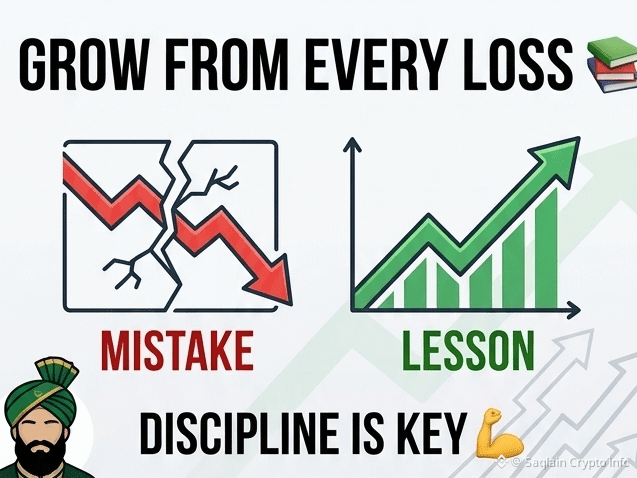
Headline👇: Trading is 10% Strategy and 90% Discipline 📉📈
"We all make mistakes, but the real failure is not learning from them. I’ve had my share of close calls where I almost lost it all, but those moments taught me more than any winning trade ever could.
Currently focusing on:
1️⃣ Staying calm during market volatility.
2️⃣ Never 'Revenge Trade' after a loss.
3️⃣ Sticking to my plan, no matter what the FOMO says.
If you are struggling today, remember: Recovery is always possible if you stay disciplined. Keep grinding! 🚀"
{future}(SKRUSDT)
{spot}(CHIPUSDT)
{future}(BULLAUSDT)
#mindset #CanTheDeFiIndustryRecoverQuicklyFromAaveExploit? #CHIPPricePump #LearningTogether
$BULLA $CHIP $SKR
Headline👇: Trading is 10% Strategy and 90% Discipline 📉📈
"We all make mistakes, but the real failure is not learning from them. I’ve had my share of close calls where I almost lost it all, but those moments taught me more than any winning trade ever could.
Currently focusing on:
1️⃣ Staying calm during market volatility.
2️⃣ Never 'Revenge Trade' after a loss.
3️⃣ Sticking to my plan, no matter what the FOMO says.
If you are struggling today, remember: Recovery is always possible if you stay disciplined. Keep grinding! 🚀"
#mindset #CanTheDeFiIndustryRecoverQuicklyFromAaveExploit? #CHIPPricePump #LearningTogether
Headline👇: Trading is 10% Strategy and 90% Discipline 📉📈
"We all make mistakes, but the real failure is not learning from them. I’ve had my share of close calls where I almost lost it all, but those moments taught me more than any winning trade ever could.
Currently focusing on:
1️⃣ Staying calm during market volatility.
2️⃣ Never 'Revenge Trade' after a loss.
3️⃣ Sticking to my plan, no matter what the FOMO says.
If you are struggling today, remember: Recovery is always possible if you stay disciplined. Keep grinding! 🚀"
#mindset #CanTheDeFiIndustryRecoverQuicklyFromAaveExploit? #CHIPPricePump #LearningTogether
1
687
·
--

Article
Belajar dari market, belajar dari hidup (Catatan ulang tahun binance)Happy birthday, Binance! 🎂
Nggak kerasa udah sekian lama nemenin perjalanan gue, kalau diingat-ingat, perjalanan gue di sini bukan cuma soal chart atau profit, jujur gue masih agak sering ngerasain MC, sakit ? banget. Tapi dari situ gue belajar kalau trading itu 80% psikologi dan kedisiplinan.
Di momen ultah Binance kali ini, gue lagi refleksi diri, ternyata trading ngajarin gue banyak hal tentang hidup :
Pentingnya Risk Management : Sama kayak hidup, jangan taruh semua harapan di satu titik, harus ada back-up plan.
Kapan Harus Cut Loss : Kadang kita harus berani lepasin apa yang bikin beban, entah itu posisi trading atau beban masa lalu, demi bisa re-entry di posisi yang lebih bagus.
Mulai Lagi Itu Gak Telat : Mulai belajar skill baru (Bahasa Inggris khusunya sih) buat masa depan yang lebih tenang.
Buat temen-temen yang lagi di fase "berjuang" atau mungkin baru aja kena bad trade, tenang sama gue juga. Start over itu bukan berarti kalah, itu artinya kita punya kesempatan buat bikin strategi yang lebih baik.
Fokus gue ke depan bukan lagi soal biar cepat kaya, tapi gimana bisa hidup tenang aja, cuan konsisten, dan masa depan aman.
Keep grinding, stay humble, and keep learning. Semoga portofolio kita makin sehat dan mental kita makin baja. 🚀📈
#BinanceTurns9 #BinanceSquareTG #BinanceBirthday #LearningTogether
Belajar dari market, belajar dari hidup (Catatan ulang tahun binance)
Happy birthday, Binance! 🎂
Nggak kerasa udah sekian lama nemenin perjalanan gue, kalau diingat-ingat, perjalanan gue di sini bukan cuma soal chart atau profit, jujur gue masih agak sering ngerasain MC, sakit ? banget. Tapi dari situ gue belajar kalau trading itu 80% psikologi dan kedisiplinan.
Di momen ultah Binance kali ini, gue lagi refleksi diri, ternyata trading ngajarin gue banyak hal tentang hidup :
Pentingnya Risk Management : Sama kayak hidup, jangan taruh semua harapan di satu titik, harus ada back-up plan.
Kapan Harus Cut Loss : Kadang kita harus berani lepasin apa yang bikin beban, entah itu posisi trading atau beban masa lalu, demi bisa re-entry di posisi yang lebih bagus.
Mulai Lagi Itu Gak Telat : Mulai belajar skill baru (Bahasa Inggris khusunya sih) buat masa depan yang lebih tenang.
Buat temen-temen yang lagi di fase "berjuang" atau mungkin baru aja kena bad trade, tenang sama gue juga. Start over itu bukan berarti kalah, itu artinya kita punya kesempatan buat bikin strategi yang lebih baik.
Fokus gue ke depan bukan lagi soal biar cepat kaya, tapi gimana bisa hidup tenang aja, cuan konsisten, dan masa depan aman.
Keep grinding, stay humble, and keep learning. Semoga portofolio kita makin sehat dan mental kita makin baja. 🚀📈
#BinanceTurns9 #BinanceSquareTG #BinanceBirthday #LearningTogether
Nggak kerasa udah sekian lama nemenin perjalanan gue, kalau diingat-ingat, perjalanan gue di sini bukan cuma soal chart atau profit, jujur gue masih agak sering ngerasain MC, sakit ? banget. Tapi dari situ gue belajar kalau trading itu 80% psikologi dan kedisiplinan.
Di momen ultah Binance kali ini, gue lagi refleksi diri, ternyata trading ngajarin gue banyak hal tentang hidup :
Pentingnya Risk Management : Sama kayak hidup, jangan taruh semua harapan di satu titik, harus ada back-up plan.
Kapan Harus Cut Loss : Kadang kita harus berani lepasin apa yang bikin beban, entah itu posisi trading atau beban masa lalu, demi bisa re-entry di posisi yang lebih bagus.
Mulai Lagi Itu Gak Telat : Mulai belajar skill baru (Bahasa Inggris khusunya sih) buat masa depan yang lebih tenang.
Buat temen-temen yang lagi di fase "berjuang" atau mungkin baru aja kena bad trade, tenang sama gue juga. Start over itu bukan berarti kalah, itu artinya kita punya kesempatan buat bikin strategi yang lebih baik.
Fokus gue ke depan bukan lagi soal biar cepat kaya, tapi gimana bisa hidup tenang aja, cuan konsisten, dan masa depan aman.
Keep grinding, stay humble, and keep learning. Semoga portofolio kita makin sehat dan mental kita makin baja. 🚀📈
#BinanceTurns9 #BinanceSquareTG #BinanceBirthday #LearningTogether
42

·
--
#LearningTogether $NVDAB aprendiendo ya luego mejorando y ganando como es la vida
#LearningTogether $NVDAB aprendiendo ya luego mejorando y ganando como es la vida
90

·
--
Haussier
Learning and growing together! 📈
I have always believed that financial freedom isn't just for the experts—it starts with a simple, disciplined plan. I’m launching "Finance Square Talk" to document my journey as I learn about money, savings, and the world of investing.
To be honest, I am just starting out and my experience is quite limited. My own financial portfolio is very small—currently, my only asset is a small amount of the $TRUMP official coin. I’m not here as an expert; I’m here as a student of finance, and I want to learn alongside all of you.
Whether you’re a seasoned investor or just starting like me, I’d love to hear your insights and advice. Let’s learn together and take those first steps toward building a better future!
#FinanceSquareTalk #FinancialJourney #InvestingBeginner #LearningTogether #CryptoBeginners2026 $
Learning and growing together! 📈
I have always believed that financial freedom isn't just for the experts—it starts with a simple, disciplined plan. I’m launching "Finance Square Talk" to document my journey as I learn about money, savings, and the world of investing.
To be honest, I am just starting out and my experience is quite limited. My own financial portfolio is very small—currently, my only asset is a small amount of the $TRUMP official coin. I’m not here as an expert; I’m here as a student of finance, and I want to learn alongside all of you.
Whether you’re a seasoned investor or just starting like me, I’d love to hear your insights and advice. Let’s learn together and take those first steps toward building a better future!
#FinanceSquareTalk #FinancialJourney #InvestingBeginner #LearningTogether #CryptoBeginners2026 $
I have always believed that financial freedom isn't just for the experts—it starts with a simple, disciplined plan. I’m launching "Finance Square Talk" to document my journey as I learn about money, savings, and the world of investing.
To be honest, I am just starting out and my experience is quite limited. My own financial portfolio is very small—currently, my only asset is a small amount of the $TRUMP official coin. I’m not here as an expert; I’m here as a student of finance, and I want to learn alongside all of you.
Whether you’re a seasoned investor or just starting like me, I’d love to hear your insights and advice. Let’s learn together and take those first steps toward building a better future!
#FinanceSquareTalk #FinancialJourney #InvestingBeginner #LearningTogether #CryptoBeginners2026 $
1
208


·
--
Article
Como comprar USDT directamente desde BOFAHey novatos!!! 🖖👋😉
#LearningTogether $BNB $XRP
{future}(XRPUSDT)
Aprende a transformar tus dólares de Bank of America en USDT de forma segura y sencilla. Esta guía te mostrará el paso a paso para usar Zelle y el mercado P2P de Binance, conectando tu cuenta de BofA directamente con el mundo de las criptomonedas.
1- Luego de abrir tu pagina de Binance, haz click en la pestaña de Trading
2- Luego seleccionaremos comercio P2P
3- Nos aparecerán una lista de todos los comerciantes que en ese momento venden, debemos organizar esto para el tipo de compra que queremos
4- Organizamos nuestro tipo de compra
5- Colocamos el monto y la moneda que deseamos adquirir
6- Revisamos que todo este bien
7- Se desplegara un menú de ofertas para ese momento
8- Se decide por un vendedor y hacemos click en comprar USDT
9- Se leen los requisitos y condiciones para la transferencia
10- Si cumples los requisitos y estas de acuerdo con el vendedor le das click a comprar USDT
11- Se te otorga un tiempo estimado para la negociación
12- A través de la ventana de chat se abre una negociación con el vendedor y se intercambian requisitos y recibos
13- Envías el recibo de la transferencia y le notificas al vendedor
14- Solo queda que el vendedor confirme tu pago y libere los USDT
15- Listo!...El dinero se ha liberado y puedes ver tu saldo
¡Felicitaciones, lo lograste! Ahora que tus USDT están seguros en Binance, el universo de las criptomonedas se abre ante ti. ¡Te deseamos mucho éxito en tus próximas transacciones y que cada movimiento te acerque más a tus metas financieras!
Dale like al post y sígueme para mas tutoriales, hasta la próxima!!! 👍😉
Como comprar USDT directamente desde BOFA
Hey novatos!!! 🖖👋😉
#LearningTogether $BNB $XRP
Aprende a transformar tus dólares de Bank of America en USDT de forma segura y sencilla. Esta guía te mostrará el paso a paso para usar Zelle y el mercado P2P de Binance, conectando tu cuenta de BofA directamente con el mundo de las criptomonedas.
1- Luego de abrir tu pagina de Binance, haz click en la pestaña de Trading
2- Luego seleccionaremos comercio P2P
3- Nos aparecerán una lista de todos los comerciantes que en ese momento venden, debemos organizar esto para el tipo de compra que queremos
4- Organizamos nuestro tipo de compra
5- Colocamos el monto y la moneda que deseamos adquirir
6- Revisamos que todo este bien
7- Se desplegara un menú de ofertas para ese momento
8- Se decide por un vendedor y hacemos click en comprar USDT
9- Se leen los requisitos y condiciones para la transferencia
10- Si cumples los requisitos y estas de acuerdo con el vendedor le das click a comprar USDT
11- Se te otorga un tiempo estimado para la negociación
12- A través de la ventana de chat se abre una negociación con el vendedor y se intercambian requisitos y recibos
13- Envías el recibo de la transferencia y le notificas al vendedor
14- Solo queda que el vendedor confirme tu pago y libere los USDT
15- Listo!...El dinero se ha liberado y puedes ver tu saldo
¡Felicitaciones, lo lograste! Ahora que tus USDT están seguros en Binance, el universo de las criptomonedas se abre ante ti. ¡Te deseamos mucho éxito en tus próximas transacciones y que cada movimiento te acerque más a tus metas financieras!
Dale like al post y sígueme para mas tutoriales, hasta la próxima!!! 👍😉
#LearningTogether $BNB $XRP
Aprende a transformar tus dólares de Bank of America en USDT de forma segura y sencilla. Esta guía te mostrará el paso a paso para usar Zelle y el mercado P2P de Binance, conectando tu cuenta de BofA directamente con el mundo de las criptomonedas.
1- Luego de abrir tu pagina de Binance, haz click en la pestaña de Trading
2- Luego seleccionaremos comercio P2P
3- Nos aparecerán una lista de todos los comerciantes que en ese momento venden, debemos organizar esto para el tipo de compra que queremos
4- Organizamos nuestro tipo de compra
5- Colocamos el monto y la moneda que deseamos adquirir
6- Revisamos que todo este bien
7- Se desplegara un menú de ofertas para ese momento
8- Se decide por un vendedor y hacemos click en comprar USDT
9- Se leen los requisitos y condiciones para la transferencia
10- Si cumples los requisitos y estas de acuerdo con el vendedor le das click a comprar USDT
11- Se te otorga un tiempo estimado para la negociación
12- A través de la ventana de chat se abre una negociación con el vendedor y se intercambian requisitos y recibos
13- Envías el recibo de la transferencia y le notificas al vendedor
14- Solo queda que el vendedor confirme tu pago y libere los USDT
15- Listo!...El dinero se ha liberado y puedes ver tu saldo
¡Felicitaciones, lo lograste! Ahora que tus USDT están seguros en Binance, el universo de las criptomonedas se abre ante ti. ¡Te deseamos mucho éxito en tus próximas transacciones y que cada movimiento te acerque más a tus metas financieras!
Dale like al post y sígueme para mas tutoriales, hasta la próxima!!! 👍😉
4
1k

·
--

Article
The era of the "trading bot" is officially dying, and we are entering the era of Agentic AI.If you look at the infrastructure being built right now, the focus has shifted entirely away from simple "If X happens, do Y" automation. We are now seeing the deployment of autonomous software agents that can monitor environments, weigh competing signals in real-time, execute an action, and learn from the result.
What is fascinating is how this exact same architectural shift is happening simultaneously in both high-frequency trading and health data science.
The Parallel Tracks of Agentic AI
1. In the Markets (The Execution Layer)
A standard trading bot requires you to manually set the parameters and boundaries. If the order book shifts drastically, the bot breaks. An AI agent, however, is designed to act like a real desk operator. It monitors liquidity sweeps, tracks institutional wallet inflows, and adjusts its own execution strategy dynamically. It doesn't just read the data; it acts as an autonomous participant, paying for API access and managing positions 24/7 without human intervention.
2. In Healthcare (The Predictive Layer)
We are seeing the exact same framework revolutionizing medical AI. Historically, healthcare algorithms just flagged anomalies on a static chart. Now, continuous learning health systems are actively monitoring patient vital signs and electronic health records in real-time. Instead of a doctor reacting to a crisis, the agentic system predicts a severe event—like sepsis or a cardiac anomaly—hours before it happens and automatically triggers clinical protocols.
Why This Matters for Your System
Whether you are trying to predict a sudden market liquidation cascade or map the trajectory of a disease, the underlying architecture is the same: processing massive amounts of chaotic, real-time data to predict and preempt human behavior.
#AgenticAI #wallet🔥 #ai #tradingbot #LearningTogether
$BTC
The era of the "trading bot" is officially dying, and we are entering the era of Agentic AI.
If you look at the infrastructure being built right now, the focus has shifted entirely away from simple "If X happens, do Y" automation. We are now seeing the deployment of autonomous software agents that can monitor environments, weigh competing signals in real-time, execute an action, and learn from the result.
What is fascinating is how this exact same architectural shift is happening simultaneously in both high-frequency trading and health data science.
The Parallel Tracks of Agentic AI
1. In the Markets (The Execution Layer)
A standard trading bot requires you to manually set the parameters and boundaries. If the order book shifts drastically, the bot breaks. An AI agent, however, is designed to act like a real desk operator. It monitors liquidity sweeps, tracks institutional wallet inflows, and adjusts its own execution strategy dynamically. It doesn't just read the data; it acts as an autonomous participant, paying for API access and managing positions 24/7 without human intervention.
2. In Healthcare (The Predictive Layer)
We are seeing the exact same framework revolutionizing medical AI. Historically, healthcare algorithms just flagged anomalies on a static chart. Now, continuous learning health systems are actively monitoring patient vital signs and electronic health records in real-time. Instead of a doctor reacting to a crisis, the agentic system predicts a severe event—like sepsis or a cardiac anomaly—hours before it happens and automatically triggers clinical protocols.
Why This Matters for Your System
Whether you are trying to predict a sudden market liquidation cascade or map the trajectory of a disease, the underlying architecture is the same: processing massive amounts of chaotic, real-time data to predict and preempt human behavior.
#AgenticAI #wallet🔥 #ai #tradingbot #LearningTogether
$BTC
What is fascinating is how this exact same architectural shift is happening simultaneously in both high-frequency trading and health data science.
The Parallel Tracks of Agentic AI
1. In the Markets (The Execution Layer)
A standard trading bot requires you to manually set the parameters and boundaries. If the order book shifts drastically, the bot breaks. An AI agent, however, is designed to act like a real desk operator. It monitors liquidity sweeps, tracks institutional wallet inflows, and adjusts its own execution strategy dynamically. It doesn't just read the data; it acts as an autonomous participant, paying for API access and managing positions 24/7 without human intervention.
2. In Healthcare (The Predictive Layer)
We are seeing the exact same framework revolutionizing medical AI. Historically, healthcare algorithms just flagged anomalies on a static chart. Now, continuous learning health systems are actively monitoring patient vital signs and electronic health records in real-time. Instead of a doctor reacting to a crisis, the agentic system predicts a severe event—like sepsis or a cardiac anomaly—hours before it happens and automatically triggers clinical protocols.
Why This Matters for Your System
Whether you are trying to predict a sudden market liquidation cascade or map the trajectory of a disease, the underlying architecture is the same: processing massive amounts of chaotic, real-time data to predict and preempt human behavior.
#AgenticAI #wallet🔥 #ai #tradingbot #LearningTogether
$BTC
3
2
124
🚨 MOST PEOPLE DON’T LOSE MONEY IN ONE DAY
It happens slowly…
First…
You stop following your plan.
Then…
You start checking prices every few minutes.
After that…
You begin trusting emotions more than logic.
And without realizing it…
Your confidence disappears.
Your patience disappears.
And slowly…
Your capital disappears too.
That’s the dangerous part of crypto.
👉 Big losses usually don’t start in the wallet…
They start in the mind.
The market changes after that.
Stay calm.
Protect your mindset first.
#crypto #mindset #LearningTogether
🚨 MOST PEOPLE DON’T LOSE MONEY IN ONE DAY
It happens slowly…
First…
You stop following your plan.
Then…
You start checking prices every few minutes.
After that…
You begin trusting emotions more than logic.
And without realizing it…
Your confidence disappears.
Your patience disappears.
And slowly…
Your capital disappears too.
That’s the dangerous part of crypto.
👉 Big losses usually don’t start in the wallet…
They start in the mind.
The market changes after that.
Stay calm.
Protect your mindset first.
#crypto #mindset #LearningTogether
It happens slowly…
First…
You stop following your plan.
Then…
You start checking prices every few minutes.
After that…
You begin trusting emotions more than logic.
And without realizing it…
Your confidence disappears.
Your patience disappears.
And slowly…
Your capital disappears too.
That’s the dangerous part of crypto.
👉 Big losses usually don’t start in the wallet…
They start in the mind.
The market changes after that.
Stay calm.
Protect your mindset first.
#crypto #mindset #LearningTogether
2
141

·
--
🚀 Binance اور Crypto کی دنیا میں قدم رکھیں! 🚀
کیا آپ بھی جاننا چاہتے ہیں کہ لوگ کرپٹو میں دلچسپی کیوں لے رہے ہیں؟ 🌐🔥
میں آپ کے ساتھ شیئر کروں گا آسان اور مفید معلومات: 💡 Binance کیسے استعمال کریں
📊 Crypto کو سمجھنے کے طریقے
🚀 نئے لوگوں کے لیے بنیادی گائیڈ
📈 مارکیٹ کی اہم باتیں
یہ سفر اکیلے نہیں، مل کر سیکھیں گے۔ 🤝
آج سیکھیں، کل بہتر فیصلے کریں! 💎
Follow کریں اور Crypto کی دنیا سے جڑ جائیں 🔥
#Binance #Crypto #Blockchain #LearningTogether $BTC $MUB $SPCXB
🚀 Binance اور Crypto کی دنیا میں قدم رکھیں! 🚀
کیا آپ بھی جاننا چاہتے ہیں کہ لوگ کرپٹو میں دلچسپی کیوں لے رہے ہیں؟ 🌐🔥
میں آپ کے ساتھ شیئر کروں گا آسان اور مفید معلومات: 💡 Binance کیسے استعمال کریں
📊 Crypto کو سمجھنے کے طریقے
🚀 نئے لوگوں کے لیے بنیادی گائیڈ
📈 مارکیٹ کی اہم باتیں
یہ سفر اکیلے نہیں، مل کر سیکھیں گے۔ 🤝
آج سیکھیں، کل بہتر فیصلے کریں! 💎
Follow کریں اور Crypto کی دنیا سے جڑ جائیں 🔥
#Binance #Crypto #Blockchain #LearningTogether $BTC $MUB $SPCXB
کیا آپ بھی جاننا چاہتے ہیں کہ لوگ کرپٹو میں دلچسپی کیوں لے رہے ہیں؟ 🌐🔥
میں آپ کے ساتھ شیئر کروں گا آسان اور مفید معلومات: 💡 Binance کیسے استعمال کریں
📊 Crypto کو سمجھنے کے طریقے
🚀 نئے لوگوں کے لیے بنیادی گائیڈ
📈 مارکیٹ کی اہم باتیں
یہ سفر اکیلے نہیں، مل کر سیکھیں گے۔ 🤝
آج سیکھیں، کل بہتر فیصلے کریں! 💎
Follow کریں اور Crypto کی دنیا سے جڑ جائیں 🔥
#Binance #Crypto #Blockchain #LearningTogether $BTC $MUB $SPCXB
22
Connectez-vous pour découvrir plus de contenu
Rejoignez la communauté mondiale des adeptes de cryptomonnaies sur Binance Square
⚡️ Suviez les dernières informations importantes sur les cryptomonnaies.
💬 Jugé digne de confiance par la plus grande plateforme d’échange de cryptomonnaies au monde.
👍 Découvrez les connaissances que partagent les créateurs vérifiés.
Adresse e-mail/Nº de téléphone
Sujets d’actualité
1
#NFPWatch
10.5M vues
17,481 mentions
2
#BitcoinSurpasses$86KUp2.99%
69 vues
7 mentions
3
#ZcashFalls21%FromSeptemberPeak
3,675 vues
89 mentions
4
#XRPPostsFirstThreeGreenMonthsInQ3
7,568 vues
186 mentions
5
#BitcoinRisesToward$85K
44,294 vues
102 mentions
6
#AmazonPlansToSell$8BNvidiaChips
5,341 vues
74 mentions
7
#NEARFallsToAround$4.70Down14%
37,823 vues
95 mentions
8
#EthereumFoundationLaunchesZkAPIOnMainnet
57,134 vues
830 mentions
9
#EvernorthPlansNasdaqListingOct8
82,460 vues
709 mentions
10
#SECProposesCryptoCustodyFramework
70,017 vues
630 mentions