

#hack
hack
1.1M vues
982 mentions
Populaire
Récents

Bitget CEO Gracy Chen is “not very optimistic” about recovering the stolen funds. 📢
The exchange confirmed its $464 MILLION protection fund covers every user.
Trading and deposits never stopped.
Withdrawals resumed today.
#Bitget #BitgetExchange #Hack #FUND
Bitget CEO Gracy Chen is “not very optimistic” about recovering the stolen funds. 📢
The exchange confirmed its $464 MILLION protection fund covers every user.
Trading and deposits never stopped.
Withdrawals resumed today.
#Bitget #BitgetExchange #Hack #FUND
The exchange confirmed its $464 MILLION protection fund covers every user.
Trading and deposits never stopped.
Withdrawals resumed today.
#Bitget #BitgetExchange #Hack #FUND

291

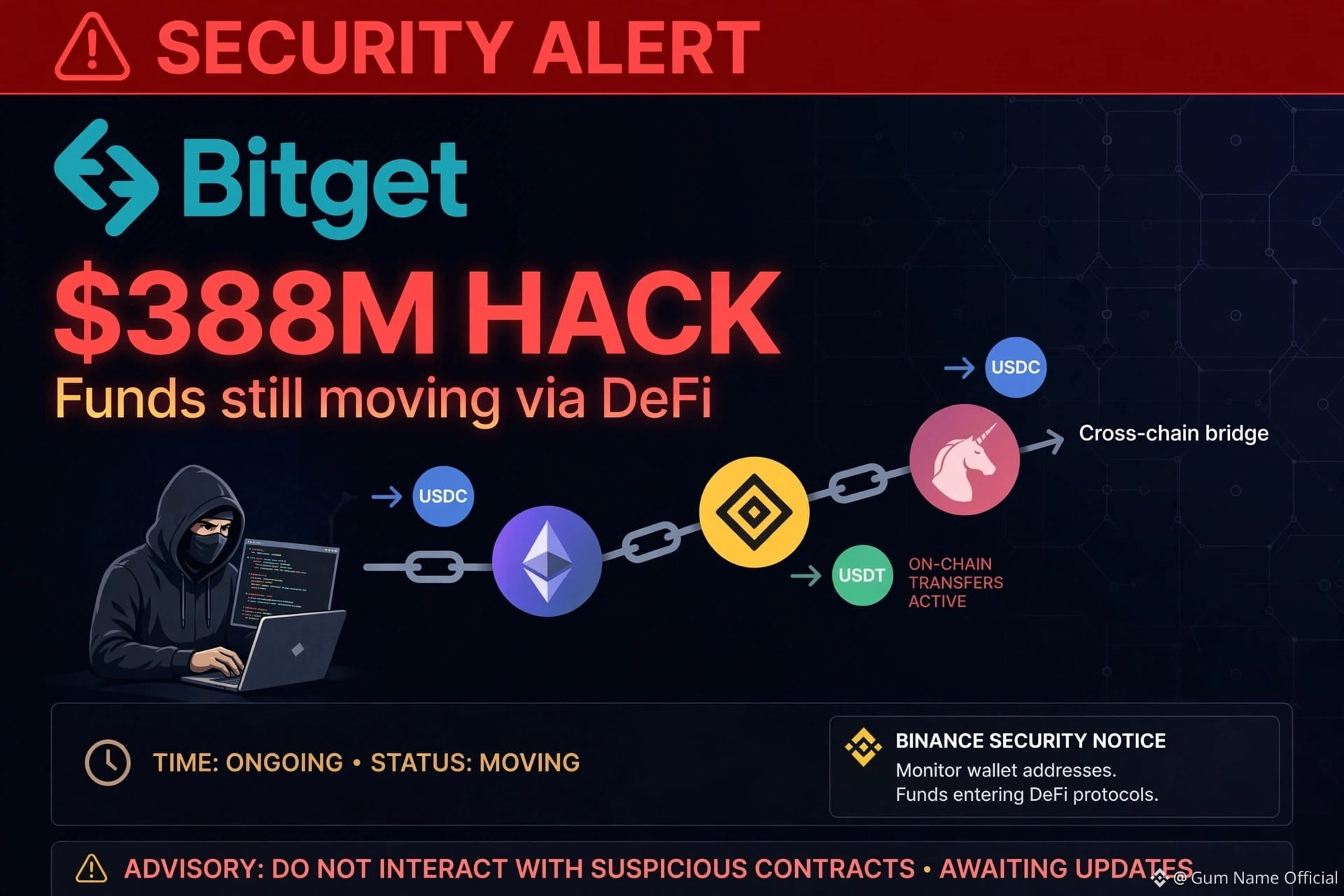
🚨 $388M BITGET HACK - FUNDS STILL MOVING! 🚨
Hackers are laundering via DeFi!
> THORChain: Refusing to block ❌
> NEAR Intents: Blocked $50M+ ✅ Froze $503K
> Wasabi Mixer: $343M still dormant in 13 wallets
$157M in $XRP | $85M in $ETH | $34M $USDT already on the move 👀
North Korea link confirmed! This is the biggest hack of 2026 so far!
Stay safe out there! #Bitget #Hack #CryptoNews
🚨 $388M BITGET HACK - FUNDS STILL MOVING! 🚨
Hackers are laundering via DeFi!
> THORChain: Refusing to block ❌
> NEAR Intents: Blocked $50M+ ✅ Froze $503K
> Wasabi Mixer: $343M still dormant in 13 wallets
$157M in $XRP | $85M in $ETH | $34M $USDT already on the move 👀
North Korea link confirmed! This is the biggest hack of 2026 so far!
Stay safe out there! #Bitget #Hack #CryptoNews
Hackers are laundering via DeFi!
> THORChain: Refusing to block ❌
> NEAR Intents: Blocked $50M+ ✅ Froze $503K
> Wasabi Mixer: $343M still dormant in 13 wallets
$157M in $XRP | $85M in $ETH | $34M $USDT already on the move 👀
North Korea link confirmed! This is the biggest hack of 2026 so far!
Stay safe out there! #Bitget #Hack #CryptoNews
2
103

·
--
🚨 12.4M+ $XRP STOLEN FROM D’CENT WALLETS
Hackers have drained 12.4M+ XRP from 7,000+ D’CENT wallets in one of the biggest XRP thefts of 2026. 😳
💰 12.4M+ XRP stolen
👛 7,000+ wallets affected
⚡ 6.3M XRP reportedly swapped into ETH through THORChain
🌐 $BTC , $ETH , $TRX and $XLM were also reportedly affected
D’CENT has urged affected users to move their assets to a new wallet with a new recovery phrase. 🚨
XRP holders, check your wallets NOW.
#xrp #Ripple #crypto #Hack
🚨 12.4M+ $XRP STOLEN FROM D’CENT WALLETS
Hackers have drained 12.4M+ XRP from 7,000+ D’CENT wallets in one of the biggest XRP thefts of 2026. 😳
💰 12.4M+ XRP stolen
👛 7,000+ wallets affected
⚡ 6.3M XRP reportedly swapped into ETH through THORChain
🌐 $BTC , $ETH , $TRX and $XLM were also reportedly affected
D’CENT has urged affected users to move their assets to a new wallet with a new recovery phrase. 🚨
XRP holders, check your wallets NOW.
#xrp #Ripple #crypto #Hack
Hackers have drained 12.4M+ XRP from 7,000+ D’CENT wallets in one of the biggest XRP thefts of 2026. 😳
💰 12.4M+ XRP stolen
👛 7,000+ wallets affected
⚡ 6.3M XRP reportedly swapped into ETH through THORChain
🌐 $BTC , $ETH , $TRX and $XLM were also reportedly affected
D’CENT has urged affected users to move their assets to a new wallet with a new recovery phrase. 🚨
XRP holders, check your wallets NOW.
#xrp #Ripple #crypto #Hack
4

Por qué la IA se transformó en arma preferida de los hackers contra $BTC ..
La inteligencia artificial (IA) se convirtió en una herramienta de doble filo para Bitcoin (BTC) y todo el ecosistema cripto debido a diversas amenazas que plantea el uso de esta tecnología.
Mientras desarrolladores y empresas de seguridad la utilizan para detectar vulnerabilidades y reforzar sistemas, los ciberdelincuentes también recurren a modelos de IA para acelerar sus ataques
Maximiliano Carjuzaa, cofundador de Money On Chain, sostuvo recientemente que cerca del 100% de los ataques observados durante los últimos meses incorporaron IA en alguna etapa del proceso.
#Binance #Portal #Hack
Por qué la IA se transformó en arma preferida de los hackers contra $BTC ..
La inteligencia artificial (IA) se convirtió en una herramienta de doble filo para Bitcoin (BTC) y todo el ecosistema cripto debido a diversas amenazas que plantea el uso de esta tecnología.
Mientras desarrolladores y empresas de seguridad la utilizan para detectar vulnerabilidades y reforzar sistemas, los ciberdelincuentes también recurren a modelos de IA para acelerar sus ataques
Maximiliano Carjuzaa, cofundador de Money On Chain, sostuvo recientemente que cerca del 100% de los ataques observados durante los últimos meses incorporaron IA en alguna etapa del proceso.
#Binance #Portal #Hack
La inteligencia artificial (IA) se convirtió en una herramienta de doble filo para Bitcoin (BTC) y todo el ecosistema cripto debido a diversas amenazas que plantea el uso de esta tecnología.
Mientras desarrolladores y empresas de seguridad la utilizan para detectar vulnerabilidades y reforzar sistemas, los ciberdelincuentes también recurren a modelos de IA para acelerar sus ataques
Maximiliano Carjuzaa, cofundador de Money On Chain, sostuvo recientemente que cerca del 100% de los ataques observados durante los últimos meses incorporaron IA en alguna etapa del proceso.
#Binance #Portal #Hack

81

·
--
Bitget刚被黑走3.88亿,用户反应真快!提款恢复才1小时,4000+个比特币就被提光了。这波操作,看得出来用户心里已经慌了,赶紧把币转走安心。交易所安全,真的太重要了!
Bitget just got hacked for $388M and users reacted fast! Within 1 hour of withdrawals resuming, over 4000 BTC were withdrawn. This shows how quickly trust can disappear when security fails. exchanges really need to step up their security game!
#crypto #exchange #security #hack $BTC
Bitget刚被黑走3.88亿,用户反应真快!提款恢复才1小时,4000+个比特币就被提光了。这波操作,看得出来用户心里已经慌了,赶紧把币转走安心。交易所安全,真的太重要了!
Bitget just got hacked for $388M and users reacted fast! Within 1 hour of withdrawals resuming, over 4000 BTC were withdrawn. This shows how quickly trust can disappear when security fails. exchanges really need to step up their security game!
#crypto #exchange #security #hack $BTC
Bitget just got hacked for $388M and users reacted fast! Within 1 hour of withdrawals resuming, over 4000 BTC were withdrawn. This shows how quickly trust can disappear when security fails. exchanges really need to step up their security game!
#crypto #exchange #security #hack $BTC
99

Bitget relata que o roubo de US$388 milhões foi causado por vulnerabilidade de segurança de terceiros. Embora parte dos ativos tenha sido congelada, a plataforma ainda não revelou quanto foi recuperado, enquanto investigações buscam possível ligação com a Coreia do Norte.
#Bitget #Hack #CryptoSecurity
Leia mais: https://cointelegraph.com/news/bitget-388m-hack-third-party-security-vulnerability?utm_source=rss_feed&utm_medium=rss&utm_campaign=rss_partner_inbound
Bitget relata que o roubo de US$388 milhões foi causado por vulnerabilidade de segurança de terceiros. Embora parte dos ativos tenha sido congelada, a plataforma ainda não revelou quanto foi recuperado, enquanto investigações buscam possível ligação com a Coreia do Norte.
#Bitget #Hack #CryptoSecurity
Leia mais: https://cointelegraph.com/news/bitget-388m-hack-third-party-security-vulnerability?utm_source=rss_feed&utm_medium=rss&utm_campaign=rss_partner_inbound
#Bitget #Hack #CryptoSecurity
Leia mais: https://cointelegraph.com/news/bitget-388m-hack-third-party-security-vulnerability?utm_source=rss_feed&utm_medium=rss&utm_campaign=rss_partner_inbound
59
·
--
Article
📽️🍿 And the Media Circus 🎪 around the Bitget hack continues !What happened & timeline of events
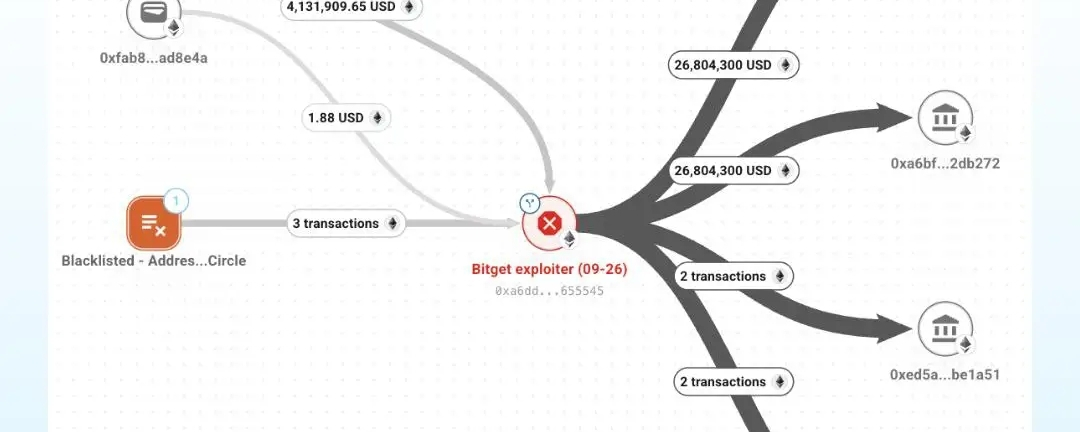
🦹The Hacker has entered Bitget exchange draining it for $385M 💰 in various crypto currencies.
⏳The first "suspicious" transfer was noticed 3 HOURS BEFORE Bitget actualy reacted
They have been alerted more times during this 3 hours ,one time by Bubblemaps who saw huge amounts being drained to a new wallet and split into more places right after - which is well known tackics hackers use.
🤯 There was NO 🙂↔️ private keys exploit, the whole heist happened because Bitget's system itself ALLOWED it to happened.
👉 3hours later.... They finally reacted and stoped the withdrawals.
🔶Big exchanges reacted to the news and offered help, among them was our very own @CZ showing it's full support and offering help to Bitget in this troubled times . Other exchanges offered help also, showing sympathy and crypto communities standing together in the face of unfortunate events 🌪️
💱 Tether and Circle have jumped in to help, promising they I'll freeze the hackers known address stablecoins . Now this guest as noble as it looks opened a whole avalanche of questions
👉 It Tether and Circle can Freeze someone's address, what's stoping them from freezing our assets if some bank or organisation SKS them ? The very nature of crypto is being put under a big question ❓ Decentralisation or Not quite ?
This spiced up even more when Bitget's CEO Gracy Chan reached out to Thor Chain - the chain that stands by decentralisation stronger than many others Also, one of the most attacked and blamed for "not helping " in many cases like this one Thor Chain makes their point - we are truly decentralised, we can't just pause all withdrawals for all users cause it's convenient Also have you asked Bitcoin, Etherium , BNB CHAIN to stop their withdrawals too - cause most of the money is going through those chains?
Making a hard point on decentralisation and the nature of crypto , Thor Chain ⛓️ Takes their stand here. Users are devided - half say great for Thor, decentralisation should always be respected , that's why it exists , while the other half say
Thor Chain uses double standards - when they were hacked they did stoped withdrawals for 13h so it is possible.
Thor Chain ⛓️ sais - ask $BTC , $ETH and other chains to stop withdrawals, why are we always attacked ?
What is your take ?
Decentralisation on demand or always ?
#Hack
#CircleTetherFreezeBitgetHackerWallet
📽️🍿 And the Media Circus 🎪 around the Bitget hack continues !
What happened & timeline of events
🦹The Hacker has entered Bitget exchange draining it for $385M 💰 in various crypto currencies.
⏳The first "suspicious" transfer was noticed 3 HOURS BEFORE Bitget actualy reacted
They have been alerted more times during this 3 hours ,one time by Bubblemaps who saw huge amounts being drained to a new wallet and split into more places right after - which is well known tackics hackers use.
🤯 There was NO 🙂↔️ private keys exploit, the whole heist happened because Bitget's system itself ALLOWED it to happened.
👉 3hours later.... They finally reacted and stoped the withdrawals.
🔶Big exchanges reacted to the news and offered help, among them was our very own @CZ showing it's full support and offering help to Bitget in this troubled times . Other exchanges offered help also, showing sympathy and crypto communities standing together in the face of unfortunate events 🌪️
💱 Tether and Circle have jumped in to help, promising they I'll freeze the hackers known address stablecoins . Now this guest as noble as it looks opened a whole avalanche of questions
👉 It Tether and Circle can Freeze someone's address, what's stoping them from freezing our assets if some bank or organisation SKS them ? The very nature of crypto is being put under a big question ❓ Decentralisation or Not quite ?
This spiced up even more when Bitget's CEO Gracy Chan reached out to Thor Chain - the chain that stands by decentralisation stronger than many others Also, one of the most attacked and blamed for "not helping " in many cases like this one Thor Chain makes their point - we are truly decentralised, we can't just pause all withdrawals for all users cause it's convenient Also have you asked Bitcoin, Etherium , BNB CHAIN to stop their withdrawals too - cause most of the money is going through those chains?
Making a hard point on decentralisation and the nature of crypto , Thor Chain ⛓️ Takes their stand here. Users are devided - half say great for Thor, decentralisation should always be respected , that's why it exists , while the other half say
Thor Chain uses double standards - when they were hacked they did stoped withdrawals for 13h so it is possible.
Thor Chain ⛓️ sais - ask $BTC , $ETH and other chains to stop withdrawals, why are we always attacked ?
What is your take ?
Decentralisation on demand or always ?
#Hack
#CircleTetherFreezeBitgetHackerWallet
🦹The Hacker has entered Bitget exchange draining it for $385M 💰 in various crypto currencies.
⏳The first "suspicious" transfer was noticed 3 HOURS BEFORE Bitget actualy reacted
They have been alerted more times during this 3 hours ,one time by Bubblemaps who saw huge amounts being drained to a new wallet and split into more places right after - which is well known tackics hackers use.
🤯 There was NO 🙂↔️ private keys exploit, the whole heist happened because Bitget's system itself ALLOWED it to happened.
👉 3hours later.... They finally reacted and stoped the withdrawals.
🔶Big exchanges reacted to the news and offered help, among them was our very own @CZ showing it's full support and offering help to Bitget in this troubled times . Other exchanges offered help also, showing sympathy and crypto communities standing together in the face of unfortunate events 🌪️
💱 Tether and Circle have jumped in to help, promising they I'll freeze the hackers known address stablecoins . Now this guest as noble as it looks opened a whole avalanche of questions
👉 It Tether and Circle can Freeze someone's address, what's stoping them from freezing our assets if some bank or organisation SKS them ? The very nature of crypto is being put under a big question ❓ Decentralisation or Not quite ?
This spiced up even more when Bitget's CEO Gracy Chan reached out to Thor Chain - the chain that stands by decentralisation stronger than many others Also, one of the most attacked and blamed for "not helping " in many cases like this one Thor Chain makes their point - we are truly decentralised, we can't just pause all withdrawals for all users cause it's convenient Also have you asked Bitcoin, Etherium , BNB CHAIN to stop their withdrawals too - cause most of the money is going through those chains?
Making a hard point on decentralisation and the nature of crypto , Thor Chain ⛓️ Takes their stand here. Users are devided - half say great for Thor, decentralisation should always be respected , that's why it exists , while the other half say
Thor Chain uses double standards - when they were hacked they did stoped withdrawals for 13h so it is possible.
Thor Chain ⛓️ sais - ask $BTC , $ETH and other chains to stop withdrawals, why are we always attacked ?
What is your take ?
Decentralisation on demand or always ?
#Hack
#CircleTetherFreezeBitgetHackerWallet
3
2.4k


·
--
Baissier
🚨📢 عاجل: Bitget تستأنف عمليات السحب! 💰🔓
بدأت منصة Bitget للعملات الرقمية في استئناف عمليات السحب تدريجيًا بعد الاختراق الذي أدى إلى سرقة أصول تُقدّر بنحو 388 مليون دولار 💻💰
🔐 المنصة تعمل على استعادة الخدمات بشكل تدريجي، مع استئناف عمليات سحب الأصول المختلفة في مراحل متتابعة.
$BTC
{future}(BTCUSDT)
$ETH
{future}(ETHUSDT)
$USDT 🚀📈
#Bitget #Crypto_Jobs🎯 #Hack #BitcoinDunyamiz
🚨📢 عاجل: Bitget تستأنف عمليات السحب! 💰🔓
بدأت منصة Bitget للعملات الرقمية في استئناف عمليات السحب تدريجيًا بعد الاختراق الذي أدى إلى سرقة أصول تُقدّر بنحو 388 مليون دولار 💻💰
🔐 المنصة تعمل على استعادة الخدمات بشكل تدريجي، مع استئناف عمليات سحب الأصول المختلفة في مراحل متتابعة.
$BTC
$ETH
$USDT 🚀📈
#Bitget #Crypto_Jobs🎯 #Hack #BitcoinDunyamiz
بدأت منصة Bitget للعملات الرقمية في استئناف عمليات السحب تدريجيًا بعد الاختراق الذي أدى إلى سرقة أصول تُقدّر بنحو 388 مليون دولار 💻💰
🔐 المنصة تعمل على استعادة الخدمات بشكل تدريجي، مع استئناف عمليات سحب الأصول المختلفة في مراحل متتابعة.
$BTC
$ETH
$USDT 🚀📈
#Bitget #Crypto_Jobs🎯 #Hack #BitcoinDunyamiz
51

·
--
Haussier
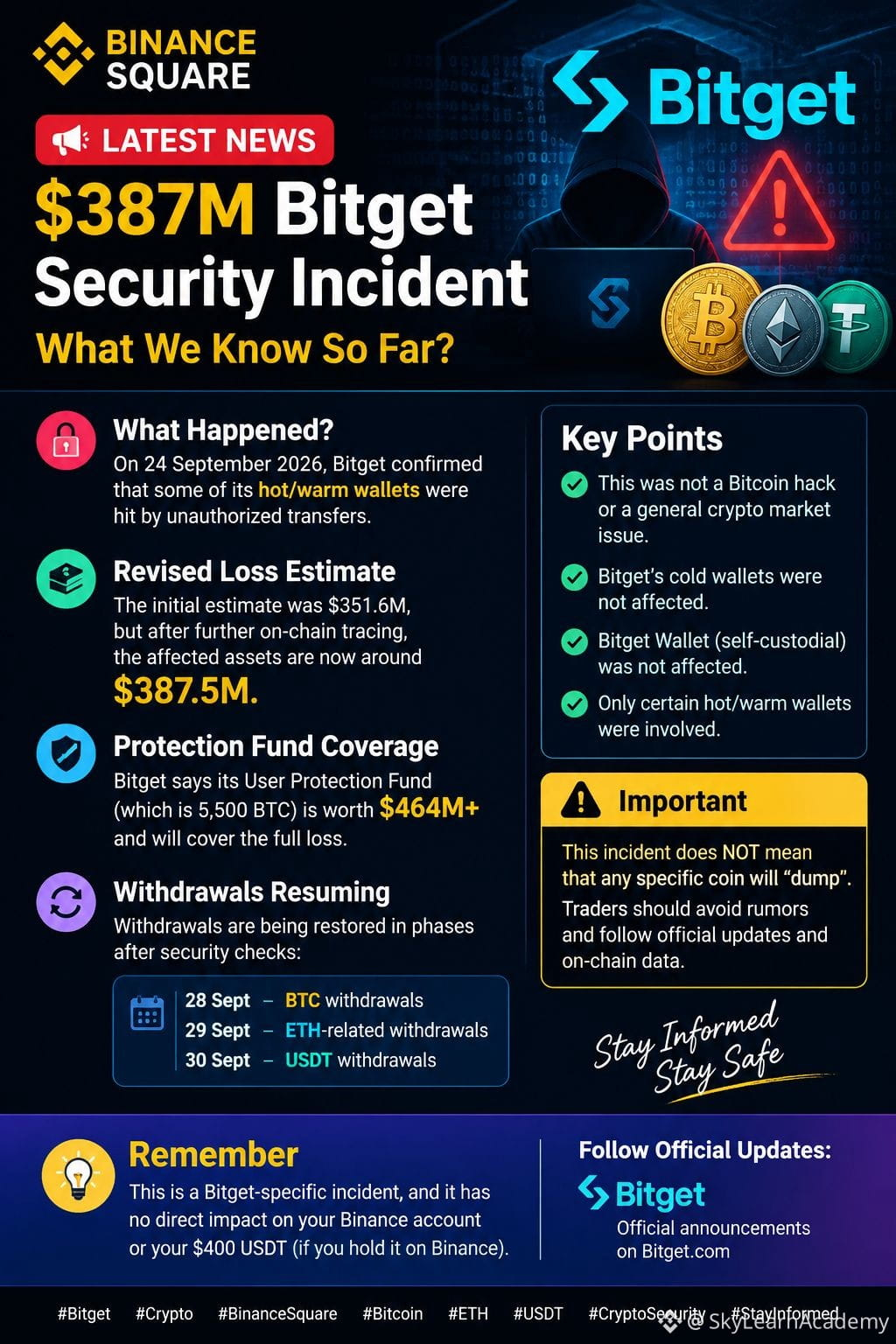
🚨 $387M Bitget Security Incident — Crypto Market Alert
Bitget ne confirm kiya hai ke 24 September ko uske kuch hot/warm wallets se unauthorized transfers hue.
Initial estimate $351.6M tha, lekin further on-chain tracing ke baad affected assets ka estimate ~$387.5M ho gaya. Bitget ka kehna hai ke uska $464M+ User Protection Fund is loss ko cover karta hai. �
Bitget +1
Withdrawals ko security checks ke baad phased manner mein restore kiya ja raha hai. BTC withdrawals 28 Sept, ETH-related withdrawals 29 Sept aur USDT withdrawals 30 Sept se scheduled hain. �
Bitget
⚠️ Important: Is incident ko kisi specific coin ke “dump hone ki guarantee” na samjhein. Traders ko rumors ke bajaye verified on-chain data aur official exchange updates follow karne chahiye.
#Bitget #Crypto #BinanceSquare #Bitcoin #ETH #USDT #CryptoSecurity #Hack $BTC $BNB $QNT
🚨 $387M Bitget Security Incident — Crypto Market Alert
Bitget ne confirm kiya hai ke 24 September ko uske kuch hot/warm wallets se unauthorized transfers hue.
Initial estimate $351.6M tha, lekin further on-chain tracing ke baad affected assets ka estimate ~$387.5M ho gaya. Bitget ka kehna hai ke uska $464M+ User Protection Fund is loss ko cover karta hai. �
Bitget +1
Withdrawals ko security checks ke baad phased manner mein restore kiya ja raha hai. BTC withdrawals 28 Sept, ETH-related withdrawals 29 Sept aur USDT withdrawals 30 Sept se scheduled hain. �
Bitget
⚠️ Important: Is incident ko kisi specific coin ke “dump hone ki guarantee” na samjhein. Traders ko rumors ke bajaye verified on-chain data aur official exchange updates follow karne chahiye.
#Bitget #Crypto #BinanceSquare #Bitcoin #ETH #USDT #CryptoSecurity #Hack $BTC $BNB $QNT
Bitget ne confirm kiya hai ke 24 September ko uske kuch hot/warm wallets se unauthorized transfers hue.
Initial estimate $351.6M tha, lekin further on-chain tracing ke baad affected assets ka estimate ~$387.5M ho gaya. Bitget ka kehna hai ke uska $464M+ User Protection Fund is loss ko cover karta hai. �
Bitget +1
Withdrawals ko security checks ke baad phased manner mein restore kiya ja raha hai. BTC withdrawals 28 Sept, ETH-related withdrawals 29 Sept aur USDT withdrawals 30 Sept se scheduled hain. �
Bitget
⚠️ Important: Is incident ko kisi specific coin ke “dump hone ki guarantee” na samjhein. Traders ko rumors ke bajaye verified on-chain data aur official exchange updates follow karne chahiye.
#Bitget #Crypto #BinanceSquare #Bitcoin #ETH #USDT #CryptoSecurity #Hack $BTC $BNB $QNT
308

·
--
If you're still parking large sums on centralized exchanges, stop now.
Losing $350 million overnight is every trader's nightmare, and this Bitget incident proves how fast it can happen. People chase pumps but forget that one hack can wipe out years of gains.
Bitget CEO Gracy Chen reported that preliminary checks show IP and VPN traces similar to past North Korean operations. Some in the community say we should wait for the full investigation before pointing fingers at Lazarus. I see the pattern matching previous heists and believe it's them again.
These groups have stolen billions over the years by hitting exchanges where $BTC $ETH and $USDT pile up. Centralized platforms will always be targets no matter the security spend.
Do you think this changes how we view CEX safety, or is it just another isolated event?
#Crypto #Hack #NorthKorea
If you're still parking large sums on centralized exchanges, stop now.
Losing $350 million overnight is every trader's nightmare, and this Bitget incident proves how fast it can happen. People chase pumps but forget that one hack can wipe out years of gains.
Bitget CEO Gracy Chen reported that preliminary checks show IP and VPN traces similar to past North Korean operations. Some in the community say we should wait for the full investigation before pointing fingers at Lazarus. I see the pattern matching previous heists and believe it's them again.
These groups have stolen billions over the years by hitting exchanges where $BTC $ETH and $USDT pile up. Centralized platforms will always be targets no matter the security spend.
Do you think this changes how we view CEX safety, or is it just another isolated event?
#Crypto #Hack #NorthKorea
Losing $350 million overnight is every trader's nightmare, and this Bitget incident proves how fast it can happen. People chase pumps but forget that one hack can wipe out years of gains.
Bitget CEO Gracy Chen reported that preliminary checks show IP and VPN traces similar to past North Korean operations. Some in the community say we should wait for the full investigation before pointing fingers at Lazarus. I see the pattern matching previous heists and believe it's them again.
These groups have stolen billions over the years by hitting exchanges where $BTC $ETH and $USDT pile up. Centralized platforms will always be targets no matter the security spend.
Do you think this changes how we view CEX safety, or is it just another isolated event?
#Crypto #Hack #NorthKorea

38
·
--
紧急!Bitget已冻结XRP提现,2700万枚XRP被盗!被盗代币正在转移中但尚未流入市场。XRP用户请注意资金安全!平台正在紧急处理中。$XRP #交易所安全 #黑客攻击
Breaking! Bitget freezes XRP withdrawals after 27M tokens stolen! The stolen tokens are on the move but haven't hit spot markets yet. XRP holders, be cautious! Platform working to resolve the issue. $XRP #ExchangeSecurity #Hack
紧急!Bitget已冻结XRP提现,2700万枚XRP被盗!被盗代币正在转移中但尚未流入市场。XRP用户请注意资金安全!平台正在紧急处理中。$XRP #交易所安全 #黑客攻击
Breaking! Bitget freezes XRP withdrawals after 27M tokens stolen! The stolen tokens are on the move but haven't hit spot markets yet. XRP holders, be cautious! Platform working to resolve the issue. $XRP #ExchangeSecurity #Hack
Breaking! Bitget freezes XRP withdrawals after 27M tokens stolen! The stolen tokens are on the move but haven't hit spot markets yet. XRP holders, be cautious! Platform working to resolve the issue. $XRP #ExchangeSecurity #Hack
Carolyn Wedding jaP4:
吓死,还好我资金全在币安,而且现在根本不自己瞎操作了。全权交给这个全自动策略跑,严格止损绝不扛单,遇到这种突发暴跌也能保住本金,想安稳睡觉的强烈建议研究下 他的说明帖
1
188

·
--
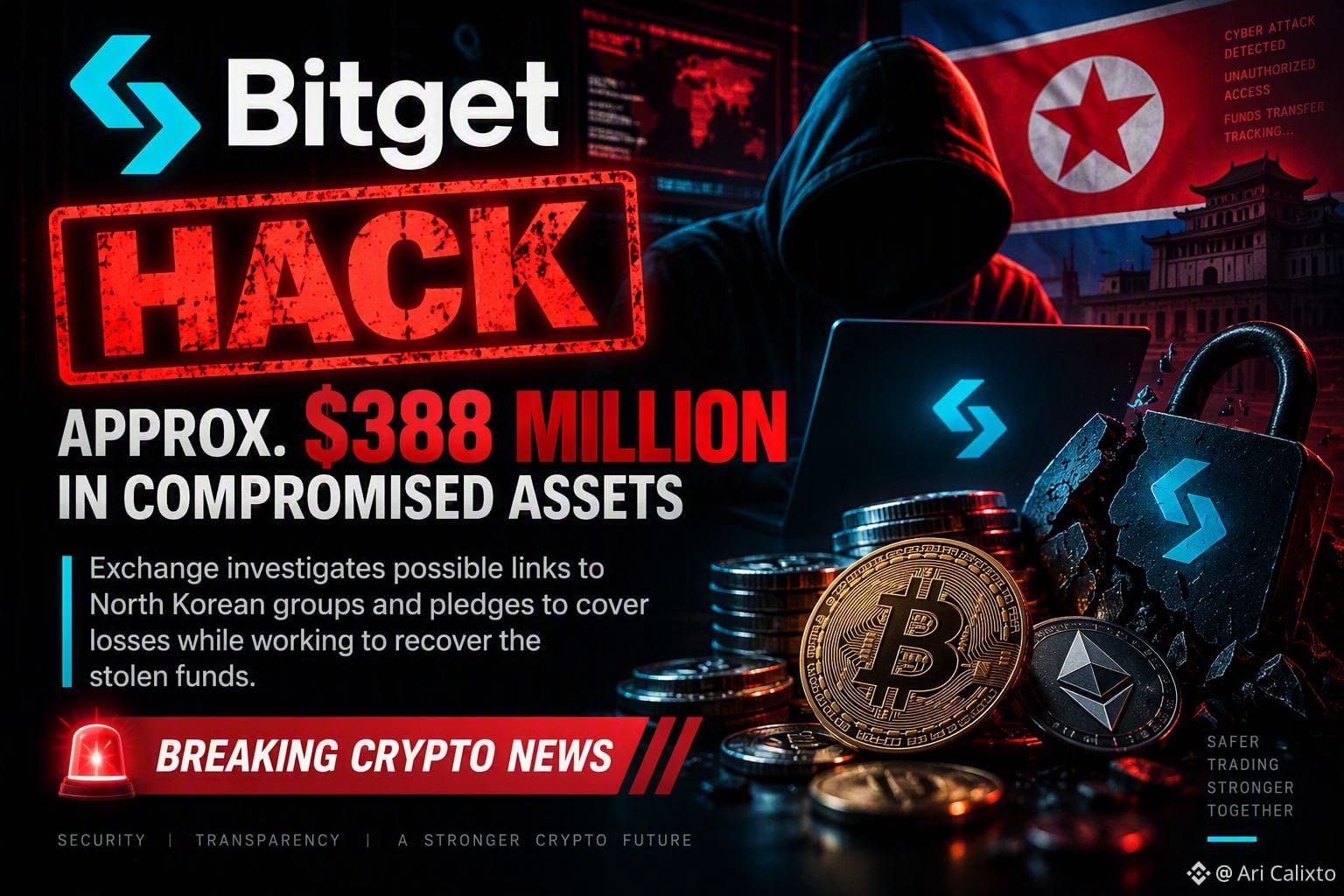
🚨 The hack on Bitget now totals approximately $388 million in compromised assets. The exchange is investigating a possible link to North Korean groups and promises to cover losses while seeking to recover the funds. 🚨
#bitget #hack #TradingCommunity
🚨 The hack on Bitget now totals approximately $388 million in compromised assets. The exchange is investigating a possible link to North Korean groups and promises to cover losses while seeking to recover the funds. 🚨
#bitget #hack #TradingCommunity
#bitget #hack #TradingCommunity
1
299

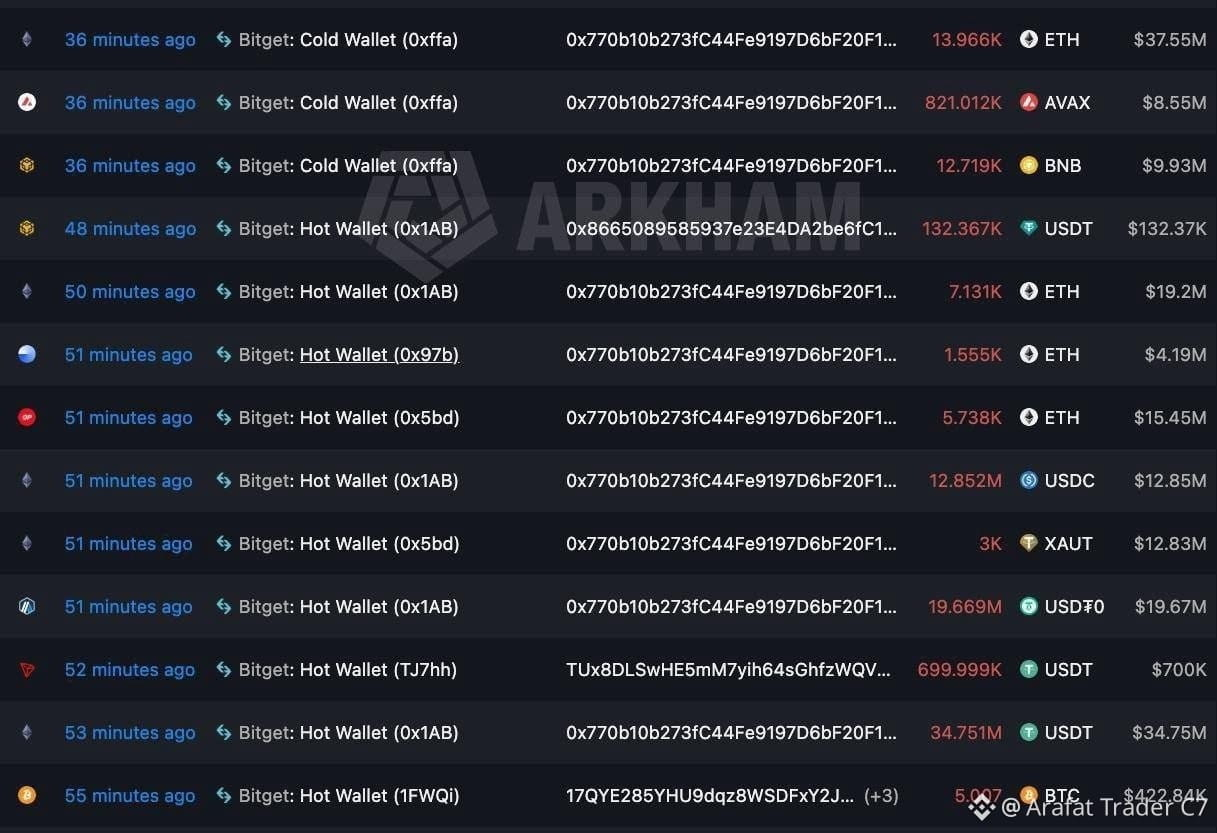
The Hacker Team Was Transfer Almost 350M$Their team consists of 90 people, and they have been waiting four years to execute this project; people from Bitget are also involved. Follow me for more information, and all transaction details are provided below.
#BitgetWallet #hack #bitgethack
The Hacker Team Was Transfer Almost 350M$Their team consists of 90 people, and they have been waiting four years to execute this project; people from Bitget are also involved. Follow me for more information, and all transaction details are provided below.
#BitgetWallet #hack #bitgethack
#BitgetWallet #hack #bitgethack
1
313

·
--
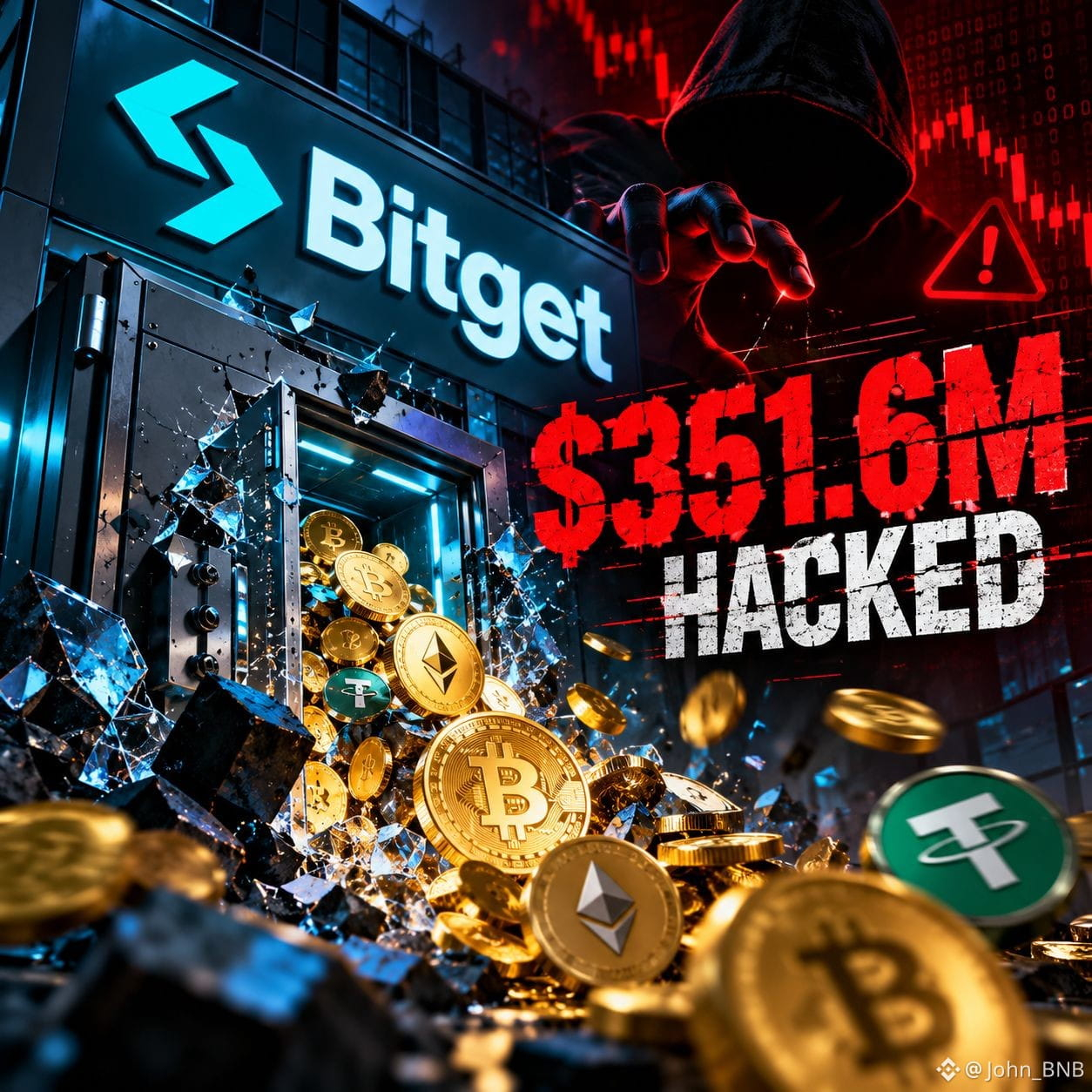
According to Bitget's own security notice published September 24, 2026:
1. ~$351.6M affected Unauthorized transfers came from portions of its hot and warm wallet infrastructure
2. Cold wallets were not affected, according to Bitget
3. Bitget says user account balances remain accurate Withdrawals were temporarily suspended
4. Trading and deposits reportedly remained operational
5. Bitget says its User Protection Fund exceeds $464M, which it says is sufficient to cover the affected amount
6. The actual attack vector/root cause has not yet been disclosed; Bitget says it is investigating.
#Bitgetgothacked #Hack
According to Bitget's own security notice published September 24, 2026:
1. ~$351.6M affected Unauthorized transfers came from portions of its hot and warm wallet infrastructure
2. Cold wallets were not affected, according to Bitget
3. Bitget says user account balances remain accurate Withdrawals were temporarily suspended
4. Trading and deposits reportedly remained operational
5. Bitget says its User Protection Fund exceeds $464M, which it says is sufficient to cover the affected amount
6. The actual attack vector/root cause has not yet been disclosed; Bitget says it is investigating.
#Bitgetgothacked #Hack
1. ~$351.6M affected Unauthorized transfers came from portions of its hot and warm wallet infrastructure
2. Cold wallets were not affected, according to Bitget
3. Bitget says user account balances remain accurate Withdrawals were temporarily suspended
4. Trading and deposits reportedly remained operational
5. Bitget says its User Protection Fund exceeds $464M, which it says is sufficient to cover the affected amount
6. The actual attack vector/root cause has not yet been disclosed; Bitget says it is investigating.
#Bitgetgothacked #Hack
2
241

Article
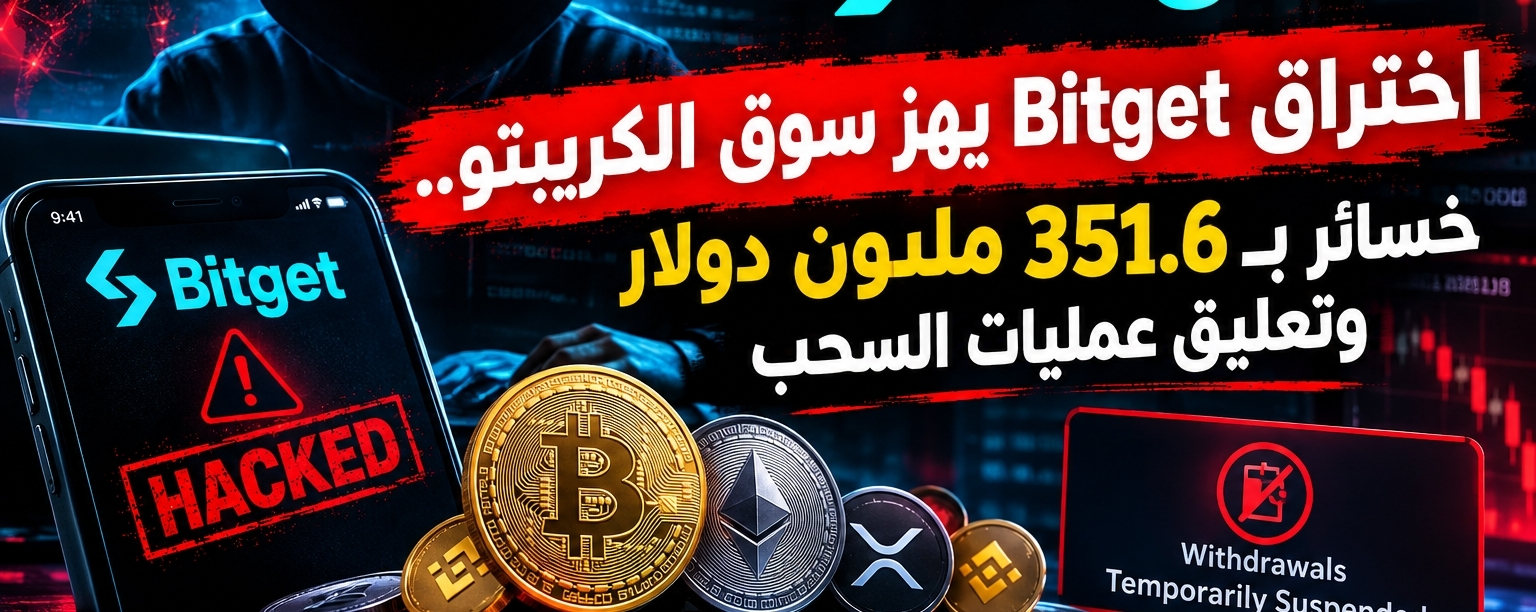
🚨 اختراق Bitget يهز سوق الكريبتو.. خسائر بـ351.6 مليون دولار وتعليق عمليات السحب🚨 عاجل | Bitget توقف السحوبات بعد اختراق بـ351.6 مليون دولار
تعرضت منصة العملات الرقمية Bitget لحادث أمني كبير أدى إلى تحويلات غير مصرح بها تُقدّر حاليًا بنحو 351.6 مليون دولار من جزء من محافظها الساخنة والدافئة.
🔴 ماذا حدث؟
• تم اكتشاف التحويلات غير المصرح بها يوم 24 سبتمبر 2026 عند 18:31 UTC.
• الهجوم استهدف جزءًا من البنية التحتية للمحافظ الساخنة والدافئة.
• المحافظ الباردة بقيت آمنة، وفق Bitget.
• المنصة قالت إن أرصدة المستخدمين ما زالت صحيحة ومحميّة.
• تم تعليق عمليات السحب مؤقتًا كإجراء أمني.
• الإيداع والتداول ما زالا متاحين بشكل طبيعي.
🧩 كيف تم الاختراق؟
بحسب التحديثات الأولية، المهاجم استغل نظامًا خلفيًا مهمًا مرتبطًا بالبنية التحتية للمحافظ، وتمكن من تزوير بيانات معاملات ثم تشغيل عملية التفويض الخاصة بالمنصة لتحويل الأموال.
Bitget قالت إن المفاتيح الخاصة لم يتم اختراقها، وأن التحقيق في طريقة الدخول إلى النظام الخلفي ما زال مستمرًا.
💰 ما حجم الأموال المتأثرة؟
التقدير الحالي: 351.6 مليون دولار.
ومن أبرز الأصول التي تأثرت:
🔹 XRP
🔹 ETH
🔹 BNB
🔹 AVAX
🔹 USDT
🔹 USDC
إضافة إلى أصول أخرى وعلى عدة شبكات.
🛡️ ماذا عن أموال المستخدمين؟
Bitget تؤكد أن أموال المستخدمين محمية، وأن User Protection Fund يحتوي على أكثر من 464 مليون دولار، بما في ذلك 5,500 BTC، وقالت إن الخسائر الحالية تقع ضمن تغطية الصندوق.
⚠️ هل السحب متوقف؟
نعم، السحوبات معلّقة مؤقتًا إلى حين اكتمال المراجعة الأمنية والتأكد من إمكانية استئنافها بأمان. Bitget قالت إن الإيداع والتداول مستمران.
🌐 هل الهجوم مرتبط بكوريا الشمالية؟
هناك مؤشرات وتحليلات تربط أسلوب الهجوم بجهات مرتبطة بكوريا الشمالية، لكن لا ينبغي اعتبار ذلك إثباتًا نهائيًا لهوية المهاجم في الوقت الحالي، والتحقيق ما زال مستمرًا.
📌 الخلاصة:
Bitget تعرضت لاختراق أمني بقيمة تقديرية 351.6M$، السحوبات متوقفة مؤقتًا، بينما تقول المنصة إن أرصدة المستخدمين آمنة وإن صندوق الحماية يغطي المبلغ المتأثر.
🔔 ننتظر التقرير الكامل من Bitget لمعرفة السبب الجذري للهجوم وكيف سيتم استرجاع الأموال ومنع تكرار الحادث.
#Web3 #Hack #Bitget #Binance #CryptoSecurity $BTC
{future}(BTCUSDT)
$BNB
{future}(BNBUSDT)
$XRP
{future}(XRPUSDT)
🚨 اختراق Bitget يهز سوق الكريبتو.. خسائر بـ351.6 مليون دولار وتعليق عمليات السحب
🚨 عاجل | Bitget توقف السحوبات بعد اختراق بـ351.6 مليون دولار
تعرضت منصة العملات الرقمية Bitget لحادث أمني كبير أدى إلى تحويلات غير مصرح بها تُقدّر حاليًا بنحو 351.6 مليون دولار من جزء من محافظها الساخنة والدافئة.
🔴 ماذا حدث؟
• تم اكتشاف التحويلات غير المصرح بها يوم 24 سبتمبر 2026 عند 18:31 UTC.
• الهجوم استهدف جزءًا من البنية التحتية للمحافظ الساخنة والدافئة.
• المحافظ الباردة بقيت آمنة، وفق Bitget.
• المنصة قالت إن أرصدة المستخدمين ما زالت صحيحة ومحميّة.
• تم تعليق عمليات السحب مؤقتًا كإجراء أمني.
• الإيداع والتداول ما زالا متاحين بشكل طبيعي.
🧩 كيف تم الاختراق؟
بحسب التحديثات الأولية، المهاجم استغل نظامًا خلفيًا مهمًا مرتبطًا بالبنية التحتية للمحافظ، وتمكن من تزوير بيانات معاملات ثم تشغيل عملية التفويض الخاصة بالمنصة لتحويل الأموال.
Bitget قالت إن المفاتيح الخاصة لم يتم اختراقها، وأن التحقيق في طريقة الدخول إلى النظام الخلفي ما زال مستمرًا.
💰 ما حجم الأموال المتأثرة؟
التقدير الحالي: 351.6 مليون دولار.
ومن أبرز الأصول التي تأثرت:
🔹 XRP
🔹 ETH
🔹 BNB
🔹 AVAX
🔹 USDT
🔹 USDC
إضافة إلى أصول أخرى وعلى عدة شبكات.
🛡️ ماذا عن أموال المستخدمين؟
Bitget تؤكد أن أموال المستخدمين محمية، وأن User Protection Fund يحتوي على أكثر من 464 مليون دولار، بما في ذلك 5,500 BTC، وقالت إن الخسائر الحالية تقع ضمن تغطية الصندوق.
⚠️ هل السحب متوقف؟
نعم، السحوبات معلّقة مؤقتًا إلى حين اكتمال المراجعة الأمنية والتأكد من إمكانية استئنافها بأمان. Bitget قالت إن الإيداع والتداول مستمران.
🌐 هل الهجوم مرتبط بكوريا الشمالية؟
هناك مؤشرات وتحليلات تربط أسلوب الهجوم بجهات مرتبطة بكوريا الشمالية، لكن لا ينبغي اعتبار ذلك إثباتًا نهائيًا لهوية المهاجم في الوقت الحالي، والتحقيق ما زال مستمرًا.
📌 الخلاصة:
Bitget تعرضت لاختراق أمني بقيمة تقديرية 351.6M$، السحوبات متوقفة مؤقتًا، بينما تقول المنصة إن أرصدة المستخدمين آمنة وإن صندوق الحماية يغطي المبلغ المتأثر.
🔔 ننتظر التقرير الكامل من Bitget لمعرفة السبب الجذري للهجوم وكيف سيتم استرجاع الأموال ومنع تكرار الحادث.
#Web3 #Hack #Bitget #Binance #CryptoSecurity $BTC
$BNB
$XRP
تعرضت منصة العملات الرقمية Bitget لحادث أمني كبير أدى إلى تحويلات غير مصرح بها تُقدّر حاليًا بنحو 351.6 مليون دولار من جزء من محافظها الساخنة والدافئة.
🔴 ماذا حدث؟
• تم اكتشاف التحويلات غير المصرح بها يوم 24 سبتمبر 2026 عند 18:31 UTC.
• الهجوم استهدف جزءًا من البنية التحتية للمحافظ الساخنة والدافئة.
• المحافظ الباردة بقيت آمنة، وفق Bitget.
• المنصة قالت إن أرصدة المستخدمين ما زالت صحيحة ومحميّة.
• تم تعليق عمليات السحب مؤقتًا كإجراء أمني.
• الإيداع والتداول ما زالا متاحين بشكل طبيعي.
🧩 كيف تم الاختراق؟
بحسب التحديثات الأولية، المهاجم استغل نظامًا خلفيًا مهمًا مرتبطًا بالبنية التحتية للمحافظ، وتمكن من تزوير بيانات معاملات ثم تشغيل عملية التفويض الخاصة بالمنصة لتحويل الأموال.
Bitget قالت إن المفاتيح الخاصة لم يتم اختراقها، وأن التحقيق في طريقة الدخول إلى النظام الخلفي ما زال مستمرًا.
💰 ما حجم الأموال المتأثرة؟
التقدير الحالي: 351.6 مليون دولار.
ومن أبرز الأصول التي تأثرت:
🔹 XRP
🔹 ETH
🔹 BNB
🔹 AVAX
🔹 USDT
🔹 USDC
إضافة إلى أصول أخرى وعلى عدة شبكات.
🛡️ ماذا عن أموال المستخدمين؟
Bitget تؤكد أن أموال المستخدمين محمية، وأن User Protection Fund يحتوي على أكثر من 464 مليون دولار، بما في ذلك 5,500 BTC، وقالت إن الخسائر الحالية تقع ضمن تغطية الصندوق.
⚠️ هل السحب متوقف؟
نعم، السحوبات معلّقة مؤقتًا إلى حين اكتمال المراجعة الأمنية والتأكد من إمكانية استئنافها بأمان. Bitget قالت إن الإيداع والتداول مستمران.
🌐 هل الهجوم مرتبط بكوريا الشمالية؟
هناك مؤشرات وتحليلات تربط أسلوب الهجوم بجهات مرتبطة بكوريا الشمالية، لكن لا ينبغي اعتبار ذلك إثباتًا نهائيًا لهوية المهاجم في الوقت الحالي، والتحقيق ما زال مستمرًا.
📌 الخلاصة:
Bitget تعرضت لاختراق أمني بقيمة تقديرية 351.6M$، السحوبات متوقفة مؤقتًا، بينما تقول المنصة إن أرصدة المستخدمين آمنة وإن صندوق الحماية يغطي المبلغ المتأثر.
🔔 ننتظر التقرير الكامل من Bitget لمعرفة السبب الجذري للهجوم وكيف سيتم استرجاع الأموال ومنع تكرار الحادث.
#Web3 #Hack #Bitget #Binance #CryptoSecurity $BTC
$BNB
$XRP
235

·
--
🚨 اختراق
تعرضت محافظ تابعة لمنصة Bitget لاختراق أمني في 24 سبتمبر، مع تحويل أصول رقمية تُقدّر بنحو 351.6 مليون دولار.
🔐 Bitget أكدت أن المحافظ الباردة لم تتأثر، وأن أموال المستخدمين مشمولة بصندوق حماية يتجاوز 464 مليون دولار.
التحقيقات مستمرة لكشف الطريقة الدقيقة التي استُخدمت في الاختراق. ⚠️
#Hack #blockchain #bitcoin
🚨 اختراق
تعرضت محافظ تابعة لمنصة Bitget لاختراق أمني في 24 سبتمبر، مع تحويل أصول رقمية تُقدّر بنحو 351.6 مليون دولار.
🔐 Bitget أكدت أن المحافظ الباردة لم تتأثر، وأن أموال المستخدمين مشمولة بصندوق حماية يتجاوز 464 مليون دولار.
التحقيقات مستمرة لكشف الطريقة الدقيقة التي استُخدمت في الاختراق. ⚠️
#Hack #blockchain #bitcoin
تعرضت محافظ تابعة لمنصة Bitget لاختراق أمني في 24 سبتمبر، مع تحويل أصول رقمية تُقدّر بنحو 351.6 مليون دولار.
🔐 Bitget أكدت أن المحافظ الباردة لم تتأثر، وأن أموال المستخدمين مشمولة بصندوق حماية يتجاوز 464 مليون دولار.
التحقيقات مستمرة لكشف الطريقة الدقيقة التي استُخدمت في الاختراق. ⚠️
#Hack #blockchain #bitcoin
163

·
--
Vào lúc 1h31 (giờ VN) sàn Bitget bị tấn công. Ví nóng thiệt hại $351.6M, Ví lạnh không bị ảnh hưởng gì.
- Chưa được công bố nguyên nhân.
- Khoản tiền này nằm trong quỹ dự phòng
- Nạp tiền và giao dịch vẫn bình thường
- Rút tiền đang bị tạm khoá.
- Tài khoản người dùng vẫn ghi nhận số tiền đang có.
#Bitget #hack
Vào lúc 1h31 (giờ VN) sàn Bitget bị tấn công. Ví nóng thiệt hại $351.6M, Ví lạnh không bị ảnh hưởng gì.
- Chưa được công bố nguyên nhân.
- Khoản tiền này nằm trong quỹ dự phòng
- Nạp tiền và giao dịch vẫn bình thường
- Rút tiền đang bị tạm khoá.
- Tài khoản người dùng vẫn ghi nhận số tiền đang có.
#Bitget #hack
- Chưa được công bố nguyên nhân.
- Khoản tiền này nằm trong quỹ dự phòng
- Nạp tiền và giao dịch vẫn bình thường
- Rút tiền đang bị tạm khoá.
- Tài khoản người dùng vẫn ghi nhận số tiền đang có.
#Bitget #hack
70
Connectez-vous pour découvrir plus de contenu
Rejoignez la communauté mondiale des adeptes de cryptomonnaies sur Binance Square
⚡️ Suviez les dernières informations importantes sur les cryptomonnaies.
💬 Jugé digne de confiance par la plus grande plateforme d’échange de cryptomonnaies au monde.
👍 Découvrez les connaissances que partagent les créateurs vérifiés.
Adresse e-mail/Nº de téléphone
Sujets d’actualité
1
#US10YearYieldNears5.3%
6,840 vues
185 mentions
2
#USWeeklyJoblessClaimsFallTo197000
12 vues
19 mentions
3
#BitcoinETFsTake$6.34BillionInQ3
354 vues
25 mentions
4
#KoreaProposesTokenizingStocksAndBonds
25,982 vues
397 mentions
5
#MetaMaskExitsLidoValidatorsAfterSecurityIncident
96,703 vues
1,119 mentions
6
#MicronBeatsEarningsLiftsGuidance
55,643 vues
864 mentions
7
#CFTCSubmitsTwoEventContractRulesToWhiteHouse
38,798 vues
688 mentions
8
#BitcoinClears$85200
41,799 vues
371 mentions
9
#AltcoinSeasonIndexHoldsAbove60For5Days
196,019 vues
2,317 mentions
10
#USADPAdds90000JobsInSeptember
93,298 vues
1,310 mentions