Binance Square

fed

16.4M vues
19,584 mentions
NightHawkTrader
·
--
BLACKROCK DUMPS $250M! FED LOOMS! $BTC $ETH Massive liquidation just hit. BlackRock unloaded over $250 million in crypto assets. This happened in under 5 minutes. The Federal Reserve announcement is imminent. This is a huge move right before a major economic event. The market is reacting. Stay sharp. Disclaimer: This is not financial advice. #Crypto #BlackRock #FED #MarketCrash 💥 {future}(ETHUSDT)
BLACKROCK DUMPS $250M! FED LOOMS!

$BTC $ETH

Massive liquidation just hit. BlackRock unloaded over $250 million in crypto assets. This happened in under 5 minutes. The Federal Reserve announcement is imminent. This is a huge move right before a major economic event. The market is reacting. Stay sharp.

Disclaimer: This is not financial advice.

#Crypto #BlackRock #FED #MarketCrash 💥
Gianmarco 888:
guardiamo la realta' negli occhi 👀... GAME OVER.
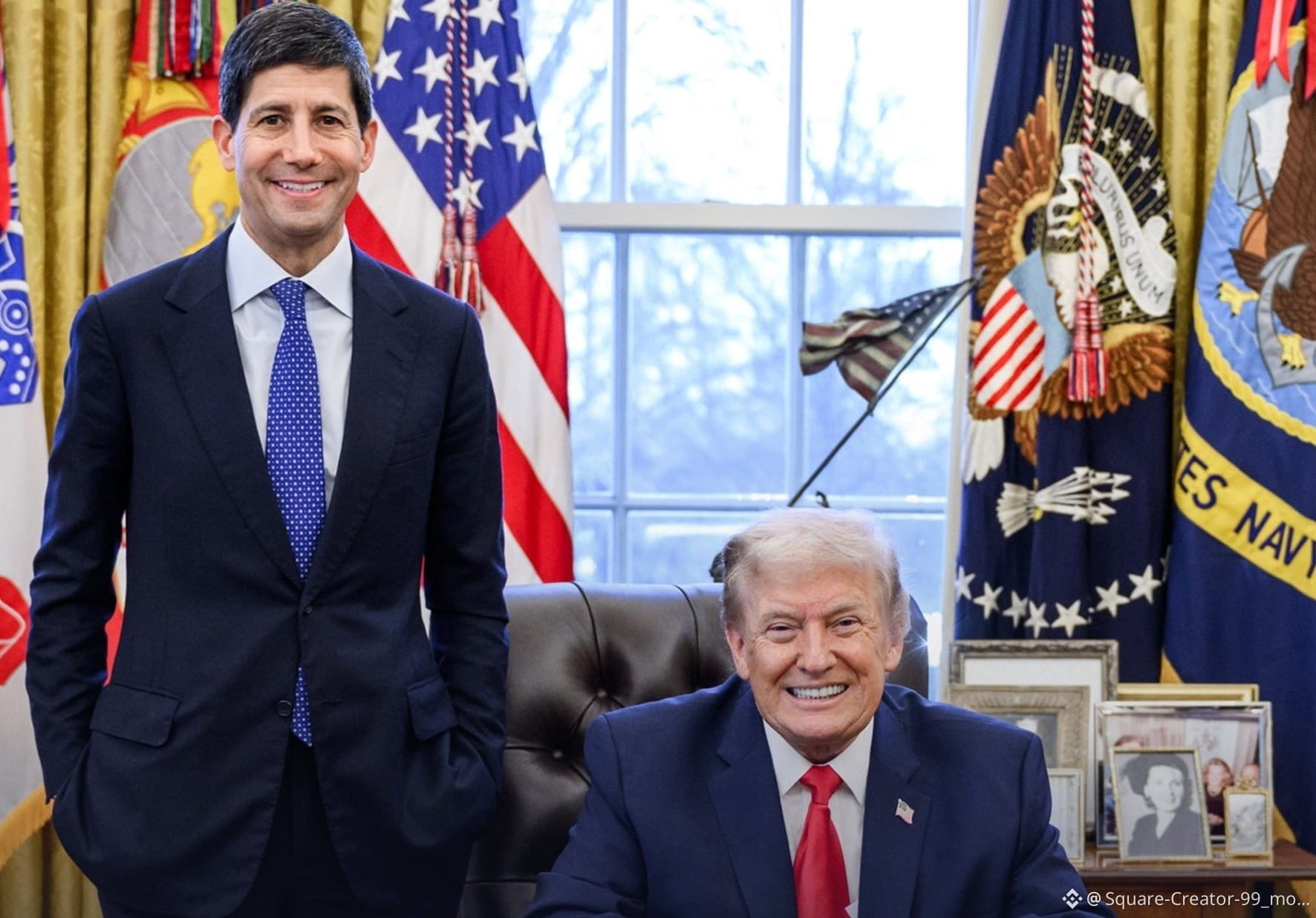
TRUMP SHAKES UP FED! New Chair Incoming! $BTC This is MASSIVE. Global markets will react. Crypto is NOT immune. Expect volatility. A new Fed direction is coming. This changes EVERYTHING. Get ready for the ripple effect. Your portfolio depends on this. Don't get left behind. Disclaimer: Trading involves risk. #FED #CryptoNews #MarketShock #FOMO 🚀
TRUMP SHAKES UP FED! New Chair Incoming! $BTC

This is MASSIVE. Global markets will react. Crypto is NOT immune. Expect volatility. A new Fed direction is coming. This changes EVERYTHING. Get ready for the ripple effect. Your portfolio depends on this. Don't get left behind.

Disclaimer: Trading involves risk.

#FED #CryptoNews #MarketShock #FOMO 🚀
🚨 BREAKING: FED SET TO INJECT $8.3 BILLION INTO MARKETS TOMORROW (9:00 AM ET) 💰⚡ The Federal Reserve has announced a massive liquidity operation scheduled for tomorrow morning at 9:00 AM ET — injecting $8.3 billion into financial markets. This move is the largest single operation within the Fed’s broader $53.5 billion liquidity plan aimed at stabilizing credit markets and supporting economic activity. This has powerful implications for risk assets — including crypto — as funds flow into broader markets. ⸻ 🧠 What This Means 💸 1) Big Liquidity = Risk Asset Support When the Fed injects liquidity, financial markets — stocks, bonds, and risk assets like crypto — often receive upward support because more capital increases buying power. 📉 2) Stabilization Effort This isn’t a typical repo operation — it’s larger and signals stress/illiquidity challenges in credit markets. By adding capital, the Fed is trying to keep markets functioning smoothly. 📊 3) Crypto Reaction While this is a macro policy move and not a direct crypto policy, liquidity injections often: ✔ Lower real yields → traders seek yield in risk assets ✔ Boost confidence in markets ✔ Reduce fear of systemic freezes So Bitcoin, Ethereum, and altcoins often gain in correlation with massive liquidity moves. ⸻ 🧩 Why Traders Should Care 📈 Short-term volatility — Liquidity injections often coincide with sharp market swings as traders position ahead of effects. 📊 Correlation trades — Crypto can react alongside equities and credit markets. 💡 Risk appetite reset — More liquidity → risk assets become more attractive. This event sets the stage for structural support, not just price noise. ⸻ 📣 FED to inject $8.3B into markets tomorrow at 9:00AM ET 💣 Largest move in its $53.5B plan — liquidity flood incoming. 💧 Risk assets lean in. BTC & ETH will watch flows. 😤 #Fed #LiquidityInjection #Markets #Bitcoin #CryptoMacro $BTC {future}(BTCUSDT) $BNB {future}(BNBUSDT)
🚨 BREAKING: FED SET TO INJECT $8.3 BILLION INTO MARKETS TOMORROW (9:00 AM ET) 💰⚡

The Federal Reserve has announced a massive liquidity operation scheduled for tomorrow morning at 9:00 AM ET — injecting $8.3 billion into financial markets. This move is the largest single operation within the Fed’s broader $53.5 billion liquidity plan aimed at stabilizing credit markets and supporting economic activity.

This has powerful implications for risk assets — including crypto — as funds flow into broader markets.


🧠 What This Means

💸 1) Big Liquidity = Risk Asset Support

When the Fed injects liquidity, financial markets — stocks, bonds, and risk assets like crypto — often receive upward support because more capital increases buying power.

📉 2) Stabilization Effort

This isn’t a typical repo operation — it’s larger and signals stress/illiquidity challenges in credit markets. By adding capital, the Fed is trying to keep markets functioning smoothly.

📊 3) Crypto Reaction

While this is a macro policy move and not a direct crypto policy, liquidity injections often:
✔ Lower real yields → traders seek yield in risk assets
✔ Boost confidence in markets
✔ Reduce fear of systemic freezes

So Bitcoin, Ethereum, and altcoins often gain in correlation with massive liquidity moves.


🧩 Why Traders Should Care

📈 Short-term volatility — Liquidity injections often coincide with sharp market swings as traders position ahead of effects.
📊 Correlation trades — Crypto can react alongside equities and credit markets.
💡 Risk appetite reset — More liquidity → risk assets become more attractive.

This event sets the stage for structural support, not just price noise.


📣 FED to inject $8.3B into markets tomorrow at 9:00AM ET 💣

Largest move in its $53.5B plan — liquidity flood incoming. 💧

Risk assets lean in. BTC & ETH will watch flows. 😤

#Fed #LiquidityInjection #Markets #Bitcoin #CryptoMacro

$BTC

$BNB
💥🚨 BREAKING: MARKETS ON EDGE 🚨💥 $DUSK {spot}(DUSKUSDT) 🇺🇸 Bessent on Powell: “No clear crime committed” — but incompetence may be the real risk. That single line is far more dangerous than an accusation. ⚠️ Why this matters for traders: • Confidence in Fed leadership is cracking • Policy uncertainty = volatility fuel • Markets don’t wait for proof — they move on doubt 📉 When competence is questioned, risk pricing changes fast. 📈 Liquidity narratives shift. 🧠 Smart money positions before the headlines turn official. This isn’t political noise — it’s a macro trigger. 💥 Expect sharp reactions, fake moves, and fast rotations across risk assets. Stay alert. Stay nimble. This is how big moves start. #DUSK #breakingnews #MacroRisk #Fed #cryptotrading
💥🚨 BREAKING: MARKETS ON EDGE 🚨💥
$DUSK

🇺🇸 Bessent on Powell:
“No clear crime committed” — but incompetence may be the real risk.
That single line is far more dangerous than an accusation.
⚠️ Why this matters for traders:
• Confidence in Fed leadership is cracking
• Policy uncertainty = volatility fuel
• Markets don’t wait for proof — they move on doubt
📉 When competence is questioned, risk pricing changes fast.
📈 Liquidity narratives shift.
🧠 Smart money positions before the headlines turn official.
This isn’t political noise — it’s a macro trigger.
💥 Expect sharp reactions, fake moves, and fast rotations across risk assets.
Stay alert. Stay nimble.
This is how big moves start.
#DUSK #breakingnews #MacroRisk #Fed #cryptotrading
·
--
Haussier
🔥 BREAKING: BIG MONEY MOVE INCOMING 🔥 💥 $8.3 BILLION Liquidity Injection — TOMORROW 9:00 AM ET The Federal Reserve is about to unleash its largest single liquidity operation under the $53.5B plan 👀💰 📈 What does this mean? When liquidity enters the system, risk assets wake up. Volatility spikes. Momentum builds. Smart money positions early. 🚀 Altcoins on watch: $GPS 👀 $ZIL ⚡ $AXS 🎯 History shows one thing clearly: 💧 Liquidity = Opportunity Are you positioned before the move… or reacting after the pump? ⏳ ⚠️ Stay sharp. Stay ready. The market doesn’t wait. #BreakingNews #Fed #LiquidityInjection #CryptoMarket #SmartMoney #GPS #ZIL #AXS 🚀 {spot}(GPSUSDT) {spot}(ZILUSDT) {spot}(AXSUSDT)
🔥 BREAKING: BIG MONEY MOVE INCOMING 🔥

💥 $8.3 BILLION Liquidity Injection — TOMORROW 9:00 AM ET
The Federal Reserve is about to unleash its largest single liquidity operation under the $53.5B plan 👀💰

📈 What does this mean?
When liquidity enters the system, risk assets wake up.
Volatility spikes. Momentum builds. Smart money positions early.

🚀 Altcoins on watch:
$GPS 👀
$ZIL
$AXS 🎯

History shows one thing clearly:
💧 Liquidity = Opportunity

Are you positioned before the move…
or reacting after the pump? ⏳

⚠️ Stay sharp. Stay ready.
The market doesn’t wait.

#BreakingNews #Fed #LiquidityInjection #CryptoMarket #SmartMoney #GPS #ZIL #AXS 🚀
BREAKING headlines about the Fed “injecting $8.3B” are being misread. These are likely routine repo liquidity operations — short-term loans, not money printing and not a new QE program. Similar or larger injections have happened before. Helpful for stability, but not automatically a mega bullish signal for stocks or crypto. #Fed #liquidity #Markets #Macro #crypto $DUSK $PYR $BTC
BREAKING headlines about the Fed “injecting $8.3B” are being misread. These are likely routine repo liquidity operations — short-term loans, not money printing and not a new QE program. Similar or larger injections have happened before. Helpful for stability, but not automatically a mega bullish signal for stocks or crypto. #Fed #liquidity #Markets #Macro #crypto
$DUSK $PYR $BTC
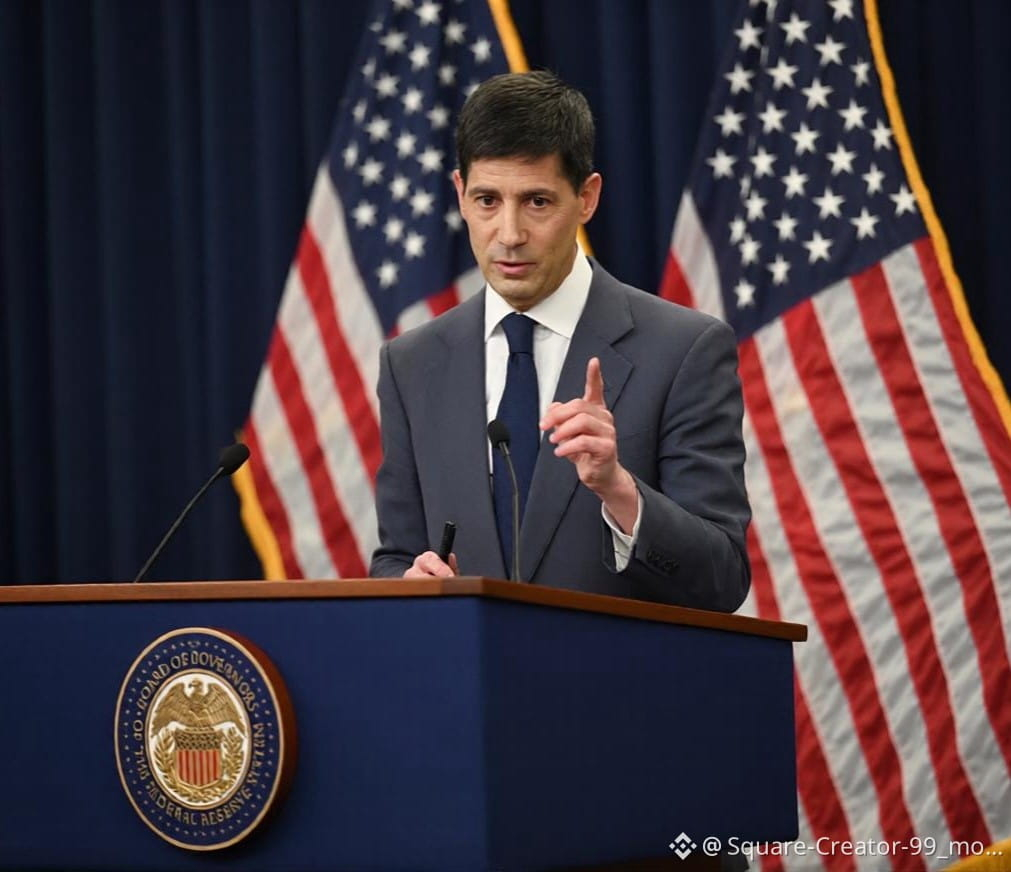
IS KEVIN WARSH ABOUT TO FLOOD MARKETS WITH LIQUIDITY OR TRIGGER A BOND MARKET RISK?Recently, the upcoming Fed Chair Kevin Warsh has called for a new FED TREASURY ACCORD, basically a framework that would decide how the Fed and the U.S Treasury work together on debt, money printing, and interest rates. This is not only about rate cuts. Yes, markets expect Warsh to support rate cuts over time, possibly bringing rates down toward the 2.75%–3.0% range. But the bigger story is what happens behind the scenes. Warsh has long argued that the Fed’s massive balance sheet, built through years of bond buying pulls the central bank too deep into government financing. So his plan could involve: - The Fed holding more short term Treasury bills instead of long term bonds. - A smaller overall balance sheet. - Limits on when large bond buying programs can happen. - Closer coordination with the Treasury on debt issuance. And this is where history matters. Because the U.S. has already done something very similar before. During World War II, government debt exploded from about $48 billion to over $260 billion in just six years. To manage borrowing costs, the Fed stepped in and controlled interest rates directly. Short-term yields were fixed near 0.375% and Long-term yields were capped near 2.5%. If yields tried to rise, the Fed printed money and bought bonds to push them back down. This policy is known as Yield Curve Control. It helped the government borrow cheaply during the war. But it came with consequences. Once wartime controls ended, inflation surged sharply. Real interest rates turned negative. And the Fed lost independence over monetary policy. By 1951, the system broke down and the famous Treasury Fed Accord ended yield caps. Now fast forward to today. U.S. debt levels are again near World War II levels relative to the economy. Interest payments alone are approaching $1 trillion per year. Even a small drop in long term yields would save the government tens of billions in financing costs. That fiscal pressure is why Warsh’s proposal is getting so much attention. Other countries also tried something similar. - Japan ran yield curve control from 2016 to 2024. Its central bank ended up owning more than 50% of government bonds. Yields stayed low, but the yen weakened and bond market liquidity suffered. - Australia tried a smaller version in 2020–2021. When inflation surged, they were forced into a messy exit that hurt central bank credibility. Across all these cases, the pattern was similar: Borrowing costs stayed low. Liquidity stayed high. Currencies weakened. Exits were difficult. If Warsh’s framework leads to lower real yields, rate cuts, and easier liquidity conditions, that usually supports risk assets like equities, gold, and crypto. Because when bond returns fall, capital looks for higher-return alternatives. But bonds themselves could face volatility. Less Fed support for long term yields combined with heavy Treasury issuance could steepen the yield curve and push term premiums higher and that's why this could become the most important structural shift in U.S. monetary policy since the 1940s yield curve control era. #KevinWarsh #bullishleo #Fed

IS KEVIN WARSH ABOUT TO FLOOD MARKETS WITH LIQUIDITY OR TRIGGER A BOND MARKET RISK?

Recently, the upcoming Fed Chair Kevin Warsh has called for a new FED TREASURY ACCORD, basically a framework that would decide how the Fed and the U.S Treasury work together on debt, money printing, and interest rates.

This is not only about rate cuts.

Yes, markets expect Warsh to support rate cuts over time, possibly bringing rates down toward the 2.75%–3.0% range.

But the bigger story is what happens behind the scenes.

Warsh has long argued that the Fed’s massive balance sheet, built through years of bond buying pulls the central bank too deep into government financing.

So his plan could involve:

- The Fed holding more short term Treasury bills instead of long term bonds.

- A smaller overall balance sheet.

- Limits on when large bond buying programs can happen.

- Closer coordination with the Treasury on debt issuance.

And this is where history matters. Because the U.S. has already done something very similar before. During World War II, government debt exploded from about $48 billion to over $260 billion in just six years. To manage borrowing costs, the Fed stepped in and controlled interest rates directly.

Short-term yields were fixed near 0.375% and Long-term yields were capped near 2.5%.

If yields tried to rise, the Fed printed money and bought bonds to push them back down. This policy is known as Yield Curve Control. It helped the government borrow cheaply during the war.

But it came with consequences.

Once wartime controls ended, inflation surged sharply. Real interest rates turned negative. And the Fed lost independence over monetary policy. By 1951, the system broke down and the famous Treasury Fed Accord ended yield caps.

Now fast forward to today.

U.S. debt levels are again near World War II levels relative to the economy. Interest payments alone are approaching $1 trillion per year. Even a small drop in long term yields would save the government tens of billions in financing costs. That fiscal pressure is why Warsh’s proposal is getting so much attention.

Other countries also tried something similar.

- Japan ran yield curve control from 2016 to 2024.

Its central bank ended up owning more than 50% of government bonds. Yields stayed low, but the yen weakened and bond market liquidity suffered.

- Australia tried a smaller version in 2020–2021.

When inflation surged, they were forced into a messy exit that hurt central bank credibility.

Across all these cases, the pattern was similar:

Borrowing costs stayed low. Liquidity stayed high. Currencies weakened. Exits were difficult.

If Warsh’s framework leads to lower real yields, rate cuts, and easier liquidity conditions, that usually supports risk assets like equities, gold, and crypto.

Because when bond returns fall, capital looks for higher-return alternatives. But bonds themselves could face volatility.

Less Fed support for long term yields combined with heavy Treasury issuance could steepen the yield curve and push term premiums higher and that's why this could become the most important structural shift in U.S. monetary policy since the 1940s yield curve control era.
#KevinWarsh #bullishleo #Fed
💥🚨 MARKETS ON EDGE! 🇺🇸 Bessent on Powell: “No clear crime, but incompetence may be the real risk.” ⚡ Traders, watch closely: confidence in Fed leadership is cracking — volatility & sharp moves are coming. Risk assets could rotate fast, liquidity narratives shift, and big swings start before headlines hit. $DUSK 0.1066 🔥 +8.99% #DUSK #MacroRisk #Fed #CryptoTrading
💥🚨 MARKETS ON EDGE! 🇺🇸 Bessent on Powell: “No clear crime, but incompetence may be the real risk.” ⚡

Traders, watch closely: confidence in Fed leadership is cracking — volatility & sharp moves are coming. Risk assets could rotate fast, liquidity narratives shift, and big swings start before headlines hit.

$DUSK 0.1066 🔥 +8.99%
#DUSK #MacroRisk #Fed #CryptoTrading
BREAKING: At 9:00 AM ET today, the Federal Reserve will roll out an $8.3 billion liquidity injection into the markets. This move stands as the biggest deployment within its $53.5 billion support program, highlighting the Fed’s intent to maintain stability, improve cash flow, and calm financial markets during uncertain conditions.$BTC {future}(BTCUSDT) #Fed $ETH {spot}(ETHUSDT) #CryptoNewss
BREAKING: At 9:00 AM ET today, the Federal Reserve will roll out an $8.3 billion liquidity injection into the markets. This move stands as the biggest deployment within its $53.5 billion support program, highlighting the Fed’s intent to maintain stability, improve cash flow, and calm financial markets during uncertain conditions.$BTC
#Fed $ETH
#CryptoNewss
Faheem18592:
Right
🇺🇸 POSITIVE INFLATION SIGNAL FROM NEW YORK FED Americans are showing less concern about inflation in January, as the Federal Reserve Bank of New York's latest Survey of Consumer Expectations reveals that one-year inflation expectations dropped to 3.1% from 3.4% in December. Meanwhile, three-year and five-year inflation expectations remained steady at 3%, suggesting consumers maintain confidence in long-term price stability. The survey also showed encouraging signs in the labor market, with respondents reporting a lower perceived chance of losing their jobs and better prospects for finding new employment if needed. This decline in near-term inflation expectations provides reassurance to Federal Reserve policymakers as they manage ongoing price pressures. Fed officials anticipate inflation will decrease throughout the year, partly due to expected reductions in tariff pressures. This marks a positive shift after December saw inflation expectations rise, offering hope that the U.S. economy continues moving toward the Fed's 2% inflation target. $BTC $XAU $ARB #Inflation #FederalReserve #USEconomy #Fed #EconomicData
🇺🇸 POSITIVE INFLATION SIGNAL FROM NEW YORK FED
Americans are showing less concern about inflation in January, as the Federal Reserve Bank of New York's latest Survey of Consumer Expectations reveals that one-year inflation expectations dropped to 3.1% from 3.4% in December.
Meanwhile, three-year and five-year inflation expectations remained steady at 3%, suggesting consumers maintain confidence in long-term price stability.
The survey also showed encouraging signs in the labor market, with respondents reporting a lower perceived chance of losing their jobs and better prospects for finding new employment if needed.
This decline in near-term inflation expectations provides reassurance to Federal Reserve policymakers as they manage ongoing price pressures. Fed officials anticipate inflation will decrease throughout the year, partly due to expected reductions in tariff pressures.
This marks a positive shift after December saw inflation expectations rise, offering hope that the U.S. economy continues moving toward the Fed's 2% inflation target.
$BTC $XAU $ARB #Inflation #FederalReserve #USEconomy #Fed #EconomicData
🚨 Is Kevin Warsh about to flood markets—or shake the bond world? 🇺🇸💣 Kevin Warsh is floating a new Fed–Treasury Accord that goes way beyond rate cuts. Think tighter coordination on debt issuance, a smaller Fed balance sheet, more T-bills, fewer long bonds, and a totally different playbook for liquidity. 📉📊 History says this kind of setup can cap yields—but it also risks higher inflation, weaker dollars, and chaotic exits. If real yields fall and liquidity loosens, risk assets fly: stocks 📈, gold 🥇, and crypto 🚀. But with less Fed backstopping and massive issuance, bond volatility could spike hard. This could be the biggest U.S. monetary regime shift since the 1940s. ⚠️ 🪙 $BTC {spot}(BTCUSDT) $BNB {spot}(BNBUSDT) $XRP {spot}(XRPUSDT) #Macro #Fed #Bonds #Crypto #Markets
🚨 Is Kevin Warsh about to flood markets—or shake the bond world? 🇺🇸💣
Kevin Warsh is floating a new Fed–Treasury Accord that goes way beyond rate cuts. Think tighter coordination on debt issuance, a smaller Fed balance sheet, more T-bills, fewer long bonds, and a totally different playbook for liquidity. 📉📊
History says this kind of setup can cap yields—but it also risks higher inflation, weaker dollars, and chaotic exits. If real yields fall and liquidity loosens, risk assets fly: stocks 📈, gold 🥇, and crypto 🚀. But with less Fed backstopping and massive issuance, bond volatility could spike hard.
This could be the biggest U.S. monetary regime shift since the 1940s. ⚠️
🪙 $BTC
$BNB
$XRP

#Macro #Fed #Bonds #Crypto #Markets
MARKETS ABOUT TO EXPLODE $BTC FRIDAY CPI WILL DECIDE EVERYTHING This week is a minefield of economic shocks. Consumer spending data drops Monday. The Jobs Report Wednesday is critical for Fed rates. Thursday gives us real-time labor and housing numbers. BUT FRIDAY IS THE SHOWSTOPPER. January CPI inflation lands. This is the number the Fed watches. A hot print crushes crypto. A cool print unleashes a rocket. Fed speakers and shutdown drama add constant noise. Reduce your leverage NOW. Wait for the confirmed reaction. Do not trade the guess. Disclaimer: Trading involves risk. #CPI #Fed #Crypto #MarketCrash #FOMO 🚀 {future}(BTCUSDT)
MARKETS ABOUT TO EXPLODE $BTC

FRIDAY CPI WILL DECIDE EVERYTHING

This week is a minefield of economic shocks. Consumer spending data drops Monday. The Jobs Report Wednesday is critical for Fed rates. Thursday gives us real-time labor and housing numbers.

BUT FRIDAY IS THE SHOWSTOPPER. January CPI inflation lands. This is the number the Fed watches. A hot print crushes crypto. A cool print unleashes a rocket. Fed speakers and shutdown drama add constant noise.

Reduce your leverage NOW. Wait for the confirmed reaction. Do not trade the guess.

Disclaimer: Trading involves risk.

#CPI #Fed #Crypto #MarketCrash #FOMO 🚀
🚨 BIG WEEK AHEAD FOR CRYPTO HOLDERS! Here’s what to watch closely 👇 📌 Feb 10 – White House meeting on the Crypto Market Structure (Clarity Act) 📌 Feb 11 – US Unemployment Rate release 📌 Feb 12 – Initial Jobless Claims data 📌 Feb 13 – US CPI & Core CPI inflation numbers 📊 This week is loaded with regulatory updates, labor market data, and inflation metrics — all of which can heavily influence crypto markets and the Fed’s next move.$BTC $ETH Volatility is on the menu. Stay alert. 👀🔥 #CryptoNews #Altcoins #CPI #Fed #MarketUpdate
🚨 BIG WEEK AHEAD FOR CRYPTO HOLDERS!

Here’s what to watch closely 👇

📌 Feb 10 – White House meeting on the Crypto Market Structure (Clarity Act)
📌 Feb 11 – US Unemployment Rate release
📌 Feb 12 – Initial Jobless Claims data
📌 Feb 13 – US CPI & Core CPI inflation numbers

📊 This week is loaded with regulatory updates, labor market data, and inflation metrics — all of which can heavily influence crypto markets and the Fed’s next move.$BTC $ETH

Volatility is on the menu. Stay alert. 👀🔥

#CryptoNews #Altcoins #CPI #Fed #MarketUpdate
BLACKROCK DUMPS $250M! FED LOOMS! $BTC $ETH Massive liquidation just hit. BlackRock unloaded over $250 million in crypto assets. This happened in under 5 minutes. The Federal Reserve announcement is imminent. This is a Huge move right before a major Economic Event. The market is Reacting. Stay sharp. Disclaimer: This is not Financial advice. #Crypto #BlackRock #FED #MarketCrash 💥
BLACKROCK DUMPS $250M! FED LOOMS!
$BTC $ETH
Massive liquidation just hit. BlackRock unloaded over $250 million in crypto assets. This happened in under 5 minutes. The Federal Reserve announcement is imminent. This is a Huge move right before a major Economic Event. The market is Reacting. Stay sharp.
Disclaimer: This is not Financial advice.
#Crypto #BlackRock #FED #MarketCrash 💥
·
--
Haussier
Binance BiBi:
Hey there! I get why you'd want to check on that. My search suggests the core information in the post is largely accurate. There appears to be a U.S. Fed operation scheduled for tomorrow, Feb 10, for about $8.3 billion. While it's officially for reserve management, many traders view it as a bullish liquidity event. I'd still recommend verifying details on official Fed websites yourself
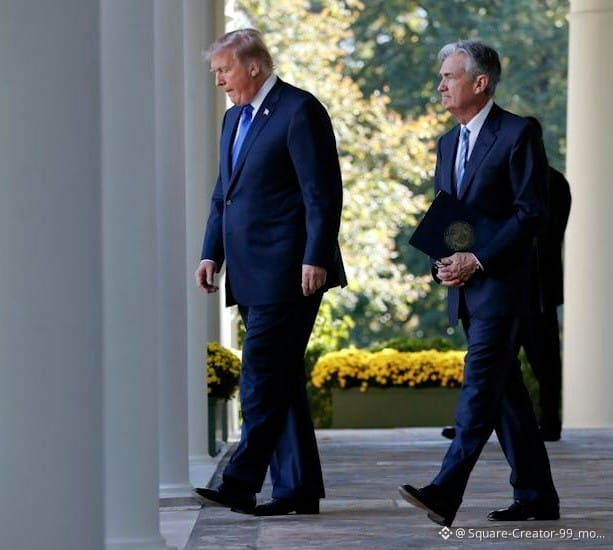
TRUMP SHAKES UP THE FED! $BTC VOLATILITY IMMINENT. THIS IS NOT A DRILL. A seismic political shift is underway. President Trump's Fed Chair nomination signals a major policy pivot. The crypto market is about to feel the tremor. Expect unprecedented moves. Traditional finance will react, but crypto is positioned for extreme impact. A new era for monetary policy is here. Get ready. Disclaimer: Trading involves risk. #Crypto #Fed #Market #FOMO 💥 {future}(BTCUSDT)
TRUMP SHAKES UP THE FED! $BTC VOLATILITY IMMINENT.

THIS IS NOT A DRILL. A seismic political shift is underway. President Trump's Fed Chair nomination signals a major policy pivot. The crypto market is about to feel the tremor. Expect unprecedented moves. Traditional finance will react, but crypto is positioned for extreme impact. A new era for monetary policy is here. Get ready.

Disclaimer: Trading involves risk.
#Crypto #Fed #Market #FOMO 💥
🚨 BREAKING NEWS Follow for crypto and macro insights 🔔💥 The U.S. Federal Reserve is injecting $8.3 billion into markets today at 9:00 AM ET the largest single operation in its $53.5 billion liquidity plan This massive liquidity boost aims to ease funding pressures and could have a big impact on stocks and crypto as fresh cash enters the system #BreakingNews #Fed #LiquidityInjection #Markets
🚨 BREAKING NEWS Follow for crypto and macro insights 🔔💥

The U.S. Federal Reserve is injecting $8.3 billion into markets today at 9:00 AM ET the largest single operation in its $53.5 billion liquidity plan This massive liquidity boost aims to ease funding pressures and could have a big impact on stocks and crypto as fresh cash enters the system

#BreakingNews #Fed #LiquidityInjection #Markets
🟡 Warsh’s Fed–Treasury Accord Call Sparks Debate in $30T Bond Market Kevin Warsh — President Trump’s nominee to lead the Federal Reserve — has ignited discussion on Wall Street with a proposal to redefine the relationship between the Federal Reserve and the U.S. Treasury. 🔑 Key Facts Warsh has floated the idea of a new Fed–Treasury accord, modeled on the 1951 agreement that once clarified roles between the central bank and the government. The proposal could formalize balance sheet size and coordination with U.S. government debt issuance plans. Markets are debating the implications: a minor bureaucratic tweak might have little short-term effect, but a deeper reform could raise bond market volatility and stir concerns about central bank independence. A more structured accord might look like yield-curve control or closer monetary–fiscal coordination, something many analysts view cautiously. 🧠 Expert Insight Investors are watching closely because any shift in how the Fed and Treasury coordinate — especially around the Fed’s huge $6T+ balance sheet — could change U.S. Treasury market dynamics, yield expectations, and risk pricing. #Fed #TreasuryAccord #bondmarket #Treasuries #MonetaryPolicy $USDC $ETH $BTC {future}(BTCUSDT) {future}(ETHUSDT) {future}(USDCUSDT)
🟡 Warsh’s Fed–Treasury Accord Call Sparks Debate in $30T Bond Market

Kevin Warsh — President Trump’s nominee to lead the Federal Reserve — has ignited discussion on Wall Street with a proposal to redefine the relationship between the Federal Reserve and the U.S. Treasury.

🔑 Key Facts

Warsh has floated the idea of a new Fed–Treasury accord, modeled on the 1951 agreement that once clarified roles between the central bank and the government.

The proposal could formalize balance sheet size and coordination with U.S. government debt issuance plans.

Markets are debating the implications: a minor bureaucratic tweak might have little short-term effect, but a deeper reform could raise bond market volatility and stir concerns about central bank independence.

A more structured accord might look like yield-curve control or closer monetary–fiscal coordination, something many analysts view cautiously.

🧠 Expert Insight
Investors are watching closely because any shift in how the Fed and Treasury coordinate — especially around the Fed’s huge $6T+ balance sheet — could change U.S. Treasury market dynamics, yield expectations, and risk pricing.

#Fed #TreasuryAccord #bondmarket #Treasuries #MonetaryPolicy $USDC $ETH $BTC
#Fed 23% “See” a Cut at Next FOMC: Why the Market is Starting to Bet on a Rate Cut in March A shift that is not going unnoticed has been recorded in the interest rate markets in the last few hours. Traders are now pricing in a probability of about 23% for a rate cut at the next Federal Reserve meeting, on March 18, according to data from the Fed Funds market. Until recently, this scenario was moving lower, near 18%, which indicates that something is changing behind the scenes. The picture remains clear regarding the base case: the majority of the market, about 77%, still “sees” interest rates remaining in the current range of 3.50%–3.75%. However, the reemergence of a substantial percentage in favor of a 25 basis point cut is news in itself. This is not a massive bet, but a shift that reveals growing uncertainty. What exactly is the market pricing in? The crucial point is that the market is not pricing in deep easing. The only alternative scenario that is being captured is a mild 25 bps cut, which would bring the target range to 3.25%–3.50%. There is no substantial expectation of a larger move, which shows that traders are not discounting an economic shock, but a precautionary or symbolic step by the Fed. Simply put, the market’s message is twofold: on the one hand, “we are in no hurry to talk about a cycle of cuts”, on the other, “we do not want to ignore the possibility that the Fed’s stance changes sooner than we expect”.
#Fed 23% “See” a Cut at Next FOMC: Why the Market is Starting to Bet on a Rate Cut in March

A shift that is not going unnoticed has been recorded in the interest rate markets in the last few hours. Traders are now pricing in a probability of about 23% for a rate cut at the next Federal Reserve meeting, on March 18, according to data from the Fed Funds market. Until recently, this scenario was moving lower, near 18%, which indicates that something is changing behind the scenes.

The picture remains clear regarding the base case: the majority of the market, about 77%, still “sees” interest rates remaining in the current range of 3.50%–3.75%. However, the reemergence of a substantial percentage in favor of a 25 basis point cut is news in itself. This is not a massive bet, but a shift that reveals growing uncertainty.

What exactly is the market pricing in?

The crucial point is that the market is not pricing in deep easing. The only alternative scenario that is being captured is a mild 25 bps cut, which would bring the target range to 3.25%–3.50%. There is no substantial expectation of a larger move, which shows that traders are not discounting an economic shock, but a precautionary or symbolic step by the Fed.

Simply put, the market’s message is twofold: on the one hand, “we are in no hurry to talk about a cycle of cuts”, on the other, “we do not want to ignore the possibility that the Fed’s stance changes sooner than we expect”.
Connectez-vous pour découvrir d’autres contenus
Découvrez les dernières actus sur les cryptos
⚡️ Prenez part aux dernières discussions sur les cryptos
💬 Interagissez avec vos créateurs préféré(e)s
👍 Profitez du contenu qui vous intéresse
Adresse e-mail/Nº de téléphone