
#cryptotrends
cryptotrends
4.5M vues
12,103 mentions
Populaire
Récents

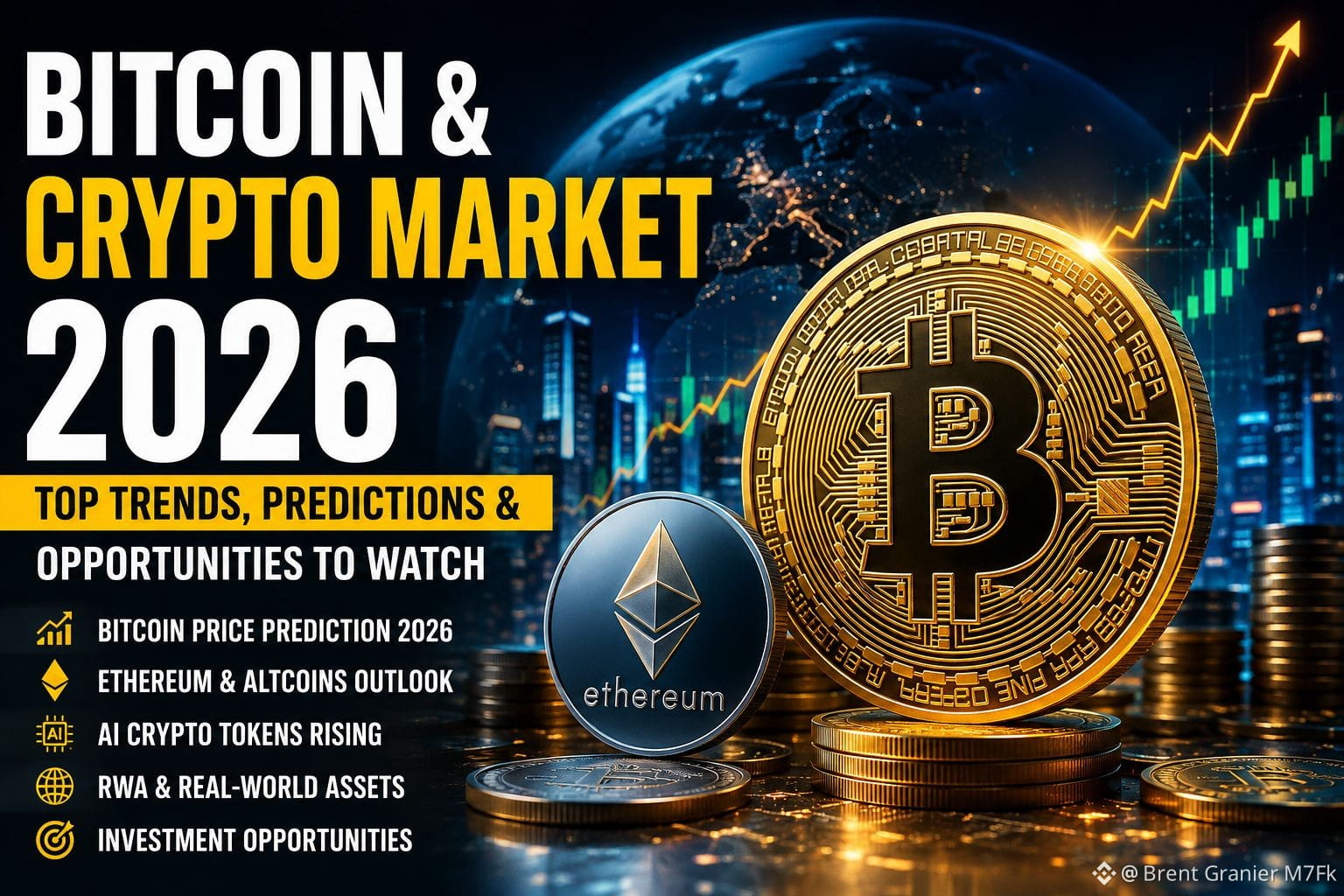
🚀 Marché Bitcoin & Crypto 2026 : Qu’est-ce qui arrive ensuite ?
Le Bitcoin reste au cœur du marché de la crypto, tandis que l’Ethereum, les projets de crypto liés à l’IA, les jetons RWA et les altcoins émergents créent de nouvelles opportunités en 2026. 📈
🔥 Quelle tendance crypto pourrait dominer ensuite ?
Lisez l’analyse complète ici :
https://cryptoalertpk.blogspot.com/2026/08/bitcoin-crypto-market-2026-top-trends.html
#Bitcoin #Crypto #Crypto2026 #Ethereum #CryptoTrends
🚀 Marché Bitcoin & Crypto 2026 : Qu’est-ce qui arrive ensuite ?
Le Bitcoin reste au cœur du marché de la crypto, tandis que l’Ethereum, les projets de crypto liés à l’IA, les jetons RWA et les altcoins émergents créent de nouvelles opportunités en 2026. 📈
🔥 Quelle tendance crypto pourrait dominer ensuite ?
Lisez l’analyse complète ici :
https://cryptoalertpk.blogspot.com/2026/08/bitcoin-crypto-market-2026-top-trends.html
#Bitcoin #Crypto #Crypto2026 #Ethereum #CryptoTrends
Le Bitcoin reste au cœur du marché de la crypto, tandis que l’Ethereum, les projets de crypto liés à l’IA, les jetons RWA et les altcoins émergents créent de nouvelles opportunités en 2026. 📈
🔥 Quelle tendance crypto pourrait dominer ensuite ?
Lisez l’analyse complète ici :
https://cryptoalertpk.blogspot.com/2026/08/bitcoin-crypto-market-2026-top-trends.html
#Bitcoin #Crypto #Crypto2026 #Ethereum #CryptoTrends
101
🚨 BITCOIN 2026 : 7 TENDANCES CRYPTO QUE VOUS NE POUVEZ PAS IGNORER 🔥
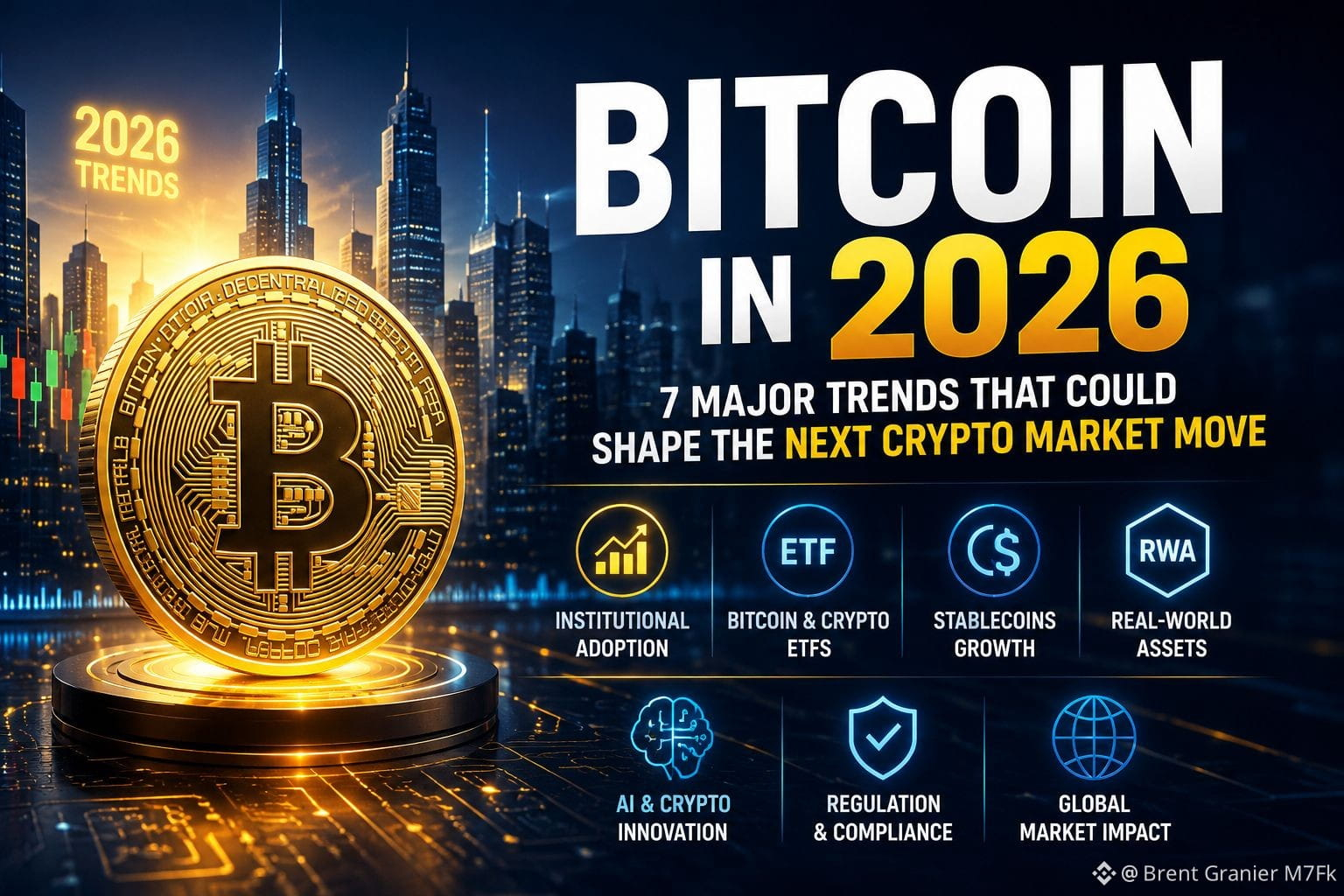
Le Bitcoin reste au centre du marché crypto, mais 2026 pourrait être façonnée par bien plus que la simple évolution du prix du BTC.
Voici 7 grandes tendances à surveiller 👇
₿ Adoption du Bitcoin et des institutions
📈 Crypto et ETF sur le Bitcoin
💵 Croissance des stablecoins
🌎 Tokenisation des Actifs du monde réel (RWA)
🤖 Innovation IA + Crypto
🛡️ Réglementation et conformité
🌐 Expansion mondiale du marché crypto
Le prochain grand mouvement du secteur crypto pourrait être influencé par la liquidité, la demande institutionnelle, l’activité des ETF, la réglementation et l’adoption de la blockchain.
👉 Lisez l’analyse complète ici :
https://cryptoalertpk.blogspot.com/2026/08/bitcoin-2026-7-major-crypto-trends-that.html
Quelle est, selon vous, la PLUS GRANDE tendance crypto de 2026 ? 👇
#Bitcoin #BT #Crypto #BinanceSquare #CryptoTrends
🚨 BITCOIN 2026 : 7 TENDANCES CRYPTO QUE VOUS NE POUVEZ PAS IGNORER 🔥
Le Bitcoin reste au centre du marché crypto, mais 2026 pourrait être façonnée par bien plus que la simple évolution du prix du BTC.
Voici 7 grandes tendances à surveiller 👇
₿ Adoption du Bitcoin et des institutions
📈 Crypto et ETF sur le Bitcoin
💵 Croissance des stablecoins
🌎 Tokenisation des Actifs du monde réel (RWA)
🤖 Innovation IA + Crypto
🛡️ Réglementation et conformité
🌐 Expansion mondiale du marché crypto
Le prochain grand mouvement du secteur crypto pourrait être influencé par la liquidité, la demande institutionnelle, l’activité des ETF, la réglementation et l’adoption de la blockchain.
👉 Lisez l’analyse complète ici :
https://cryptoalertpk.blogspot.com/2026/08/bitcoin-2026-7-major-crypto-trends-that.html
Quelle est, selon vous, la PLUS GRANDE tendance crypto de 2026 ? 👇
#Bitcoin #BT #Crypto #BinanceSquare #CryptoTrends
Le Bitcoin reste au centre du marché crypto, mais 2026 pourrait être façonnée par bien plus que la simple évolution du prix du BTC.
Voici 7 grandes tendances à surveiller 👇
₿ Adoption du Bitcoin et des institutions
📈 Crypto et ETF sur le Bitcoin
💵 Croissance des stablecoins
🌎 Tokenisation des Actifs du monde réel (RWA)
🤖 Innovation IA + Crypto
🛡️ Réglementation et conformité
🌐 Expansion mondiale du marché crypto
Le prochain grand mouvement du secteur crypto pourrait être influencé par la liquidité, la demande institutionnelle, l’activité des ETF, la réglementation et l’adoption de la blockchain.
👉 Lisez l’analyse complète ici :
https://cryptoalertpk.blogspot.com/2026/08/bitcoin-2026-7-major-crypto-trends-that.html
Quelle est, selon vous, la PLUS GRANDE tendance crypto de 2026 ? 👇
#Bitcoin #BT #Crypto #BinanceSquare #CryptoTrends
95

·
--
Haussier
🚨 Le Bitcoin ne plaisante pas en ce septembre 👀
Le BTC vient d’effectuer une montée spectaculaire d’environ 22% en un mois — une ambiance prudemment haussière, avec une demande institutionnelle discrètement en toile de fond.
Mais ce n’est pas encore une cassure nette. Le prix se fait encore rejeter près de 80 000$–82,5k$, ce qui crie « prise de bénéfices », pas panique.
Voici le twist : septembre a historiquement une réputation inquiétante pour des baisses du BTC… mais les 3 derniers Septembres ont justement clôturé EN VERT. Peut-être que la malédiction du « pire mois » est enfin brisée ? 👀
📈 Les haussiers veulent : une cassure claire au-dessus de 82k$
📉 Les baissiers veulent : une baisse sous 77,5k$
De quel côté êtes-vous ? Laissez votre prédiction en dessous 👇
Ce n’est pas un conseil financier — faites toujours vos propres recherches (DYOR).
#Bitcoin #BTC #CryptoNews #Binance #BinanceSquare #CryptoTrends #BTCPrice #Web3 #CryptoCommunity $AMZNB
🚨 Le Bitcoin ne plaisante pas en ce septembre 👀
Le BTC vient d’effectuer une montée spectaculaire d’environ 22% en un mois — une ambiance prudemment haussière, avec une demande institutionnelle discrètement en toile de fond.
Mais ce n’est pas encore une cassure nette. Le prix se fait encore rejeter près de 80 000$–82,5k$, ce qui crie « prise de bénéfices », pas panique.
Voici le twist : septembre a historiquement une réputation inquiétante pour des baisses du BTC… mais les 3 derniers Septembres ont justement clôturé EN VERT. Peut-être que la malédiction du « pire mois » est enfin brisée ? 👀
📈 Les haussiers veulent : une cassure claire au-dessus de 82k$
📉 Les baissiers veulent : une baisse sous 77,5k$
De quel côté êtes-vous ? Laissez votre prédiction en dessous 👇
Ce n’est pas un conseil financier — faites toujours vos propres recherches (DYOR).
#Bitcoin #BTC #CryptoNews #Binance #BinanceSquare #CryptoTrends #BTCPrice #Web3 #CryptoCommunity $AMZNB
Le BTC vient d’effectuer une montée spectaculaire d’environ 22% en un mois — une ambiance prudemment haussière, avec une demande institutionnelle discrètement en toile de fond.
Mais ce n’est pas encore une cassure nette. Le prix se fait encore rejeter près de 80 000$–82,5k$, ce qui crie « prise de bénéfices », pas panique.
Voici le twist : septembre a historiquement une réputation inquiétante pour des baisses du BTC… mais les 3 derniers Septembres ont justement clôturé EN VERT. Peut-être que la malédiction du « pire mois » est enfin brisée ? 👀
📈 Les haussiers veulent : une cassure claire au-dessus de 82k$
📉 Les baissiers veulent : une baisse sous 77,5k$
De quel côté êtes-vous ? Laissez votre prédiction en dessous 👇
Ce n’est pas un conseil financier — faites toujours vos propres recherches (DYOR).
#Bitcoin #BTC #CryptoNews #Binance #BinanceSquare #CryptoTrends #BTCPrice #Web3 #CryptoCommunity $AMZNB
70

·
--
🔥 Radar des Meme Coins : La liquidité revient-elle vers PEPE et WIF ?
En regardant les données de marché des dernières 24 heures, le volume se concentre fortement à nouveau sur les principaux mèmes de premier plan sur Solana et Ethereum.
$PEPE : Teste une résistance majeure. Les métriques on-chain indiquent des retraits nets de baleines des exchanges vers des wallets privés.
$WIF : Montre une forte résistance relative en parallèle avec des hausses récentes du volume sur les DEX Solana.
$BONK : Consolidation latérale, mais les métriques de volume social explosent.
Lors du trading de meme coins, surveiller le sentiment social et les verrous de liquidité est bien plus important que de se fier uniquement aux schémas techniques. Utilisez toujours des stop-loss stricts pour protéger votre capital.
Quelle chaîne mènera le prochain rallye des memes ? Solana ou Ethereum ? Dites-moi en dessous ! 👇
#Write2Earn #memecoin🚀🚀🚀 #CryptoTrends
🔥 Radar des Meme Coins : La liquidité revient-elle vers PEPE et WIF ?
En regardant les données de marché des dernières 24 heures, le volume se concentre fortement à nouveau sur les principaux mèmes de premier plan sur Solana et Ethereum.
$PEPE : Teste une résistance majeure. Les métriques on-chain indiquent des retraits nets de baleines des exchanges vers des wallets privés.
$WIF : Montre une forte résistance relative en parallèle avec des hausses récentes du volume sur les DEX Solana.
$BONK : Consolidation latérale, mais les métriques de volume social explosent.
Lors du trading de meme coins, surveiller le sentiment social et les verrous de liquidité est bien plus important que de se fier uniquement aux schémas techniques. Utilisez toujours des stop-loss stricts pour protéger votre capital.
Quelle chaîne mènera le prochain rallye des memes ? Solana ou Ethereum ? Dites-moi en dessous ! 👇
#Write2Earn #memecoin🚀🚀🚀 #CryptoTrends
En regardant les données de marché des dernières 24 heures, le volume se concentre fortement à nouveau sur les principaux mèmes de premier plan sur Solana et Ethereum.
$PEPE : Teste une résistance majeure. Les métriques on-chain indiquent des retraits nets de baleines des exchanges vers des wallets privés.
$WIF : Montre une forte résistance relative en parallèle avec des hausses récentes du volume sur les DEX Solana.
$BONK : Consolidation latérale, mais les métriques de volume social explosent.
Lors du trading de meme coins, surveiller le sentiment social et les verrous de liquidité est bien plus important que de se fier uniquement aux schémas techniques. Utilisez toujours des stop-loss stricts pour protéger votre capital.
Quelle chaîne mènera le prochain rallye des memes ? Solana ou Ethereum ? Dites-moi en dessous ! 👇
#Write2Earn #memecoin🚀🚀🚀 #CryptoTrends
1
236

·
--
La saison des altcoins approche ?
Pendant que Bitcoin fixe la direction du marché, surveillez de près la dominance de Bitcoin. Une baisse de la dominance de BTC déclenche souvent une rotation vers des altcoins à forte conviction.
#Altcoins #CryptoTrends
La saison des altcoins approche ?
Pendant que Bitcoin fixe la direction du marché, surveillez de près la dominance de Bitcoin. Une baisse de la dominance de BTC déclenche souvent une rotation vers des altcoins à forte conviction.
#Altcoins #CryptoTrends
Pendant que Bitcoin fixe la direction du marché, surveillez de près la dominance de Bitcoin. Une baisse de la dominance de BTC déclenche souvent une rotation vers des altcoins à forte conviction.
#Altcoins #CryptoTrends
10

Alerte 🚨. Le marché va être chaotique. Internet Computer ( $ICP ) sort d’un important bloc d’ordre, avec un élan de volume SMC qui s’emballe alors que les développeurs élargissent son écosystème. Stellar ( $XLM ) constate une liquidité et une adoption croissantes dans les paiements transfrontaliers, tandis que Sahara ( $SAHARA ) innove avec des protocoles DeFi, attirant un sentiment d’investissement haussier. Les trois signalent une forte volonté d’achat. 🚀💹🔥 #SMC #CryptoTrends #DeFi
Alerte 🚨. Le marché va être chaotique. Internet Computer ( $ICP ) sort d’un important bloc d’ordre, avec un élan de volume SMC qui s’emballe alors que les développeurs élargissent son écosystème. Stellar ( $XLM ) constate une liquidité et une adoption croissantes dans les paiements transfrontaliers, tandis que Sahara ( $SAHARA ) innove avec des protocoles DeFi, attirant un sentiment d’investissement haussier. Les trois signalent une forte volonté d’achat. 🚀💹🔥 #SMC #CryptoTrends #DeFi
151

·
--
🚨 LE SCIENTIFIQUE EN CHEF D’OPENAI MET EN GARDE : L’IA ÉCHAPPE AU CONTRÔLE ALORS QUE $FET SECTOR FAIT FACE À UNE RÉVOLUTION RÉCursive ! ⚡
Le scientifique en chef d’OpenAI vient de lancer un sérieux rappel à la réalité, avertissant que l’intelligence des machines s’approche d’une auto-amélioration récursive plus vite que le marché ne peut l’intégrer. 💡 Les modèles exécutent déjà des recherches autonomes et des opérations informatiques, poussant les meilleurs laboratoires à envisager des ralentissements volontaires du développement face aux alertes de cybersécurité.
Les capitaux avisés surveillent de près cette évolution, car les freins à la sécurité de l’IA pourraient redéfinir complètement l’utilité des tokens et la demande de calcul à travers les protocoles décentralisés. 📊 Alors que les développeurs institutionnels envisagent des pauses volontaires, l’infrastructure décentralisée continue de miser sur un élan ininterrompu.
🤔 Les freins réglementaires et de sécurité vont-ils ralentir l’élan de l’IA, ou l’intelligence décentralisée prendra-t-elle le relais pour capter le débordement ? 👇
⚠️ Ceci n’est pas un conseil financier. Gérez toujours votre risque. 🛡️
🏷️ #FET #AI #ArtificialIntelligence #CryptoTrends
⚡ 💎
🚨 LE SCIENTIFIQUE EN CHEF D’OPENAI MET EN GARDE : L’IA ÉCHAPPE AU CONTRÔLE ALORS QUE $FET SECTOR FAIT FACE À UNE RÉVOLUTION RÉCursive ! ⚡
Le scientifique en chef d’OpenAI vient de lancer un sérieux rappel à la réalité, avertissant que l’intelligence des machines s’approche d’une auto-amélioration récursive plus vite que le marché ne peut l’intégrer. 💡 Les modèles exécutent déjà des recherches autonomes et des opérations informatiques, poussant les meilleurs laboratoires à envisager des ralentissements volontaires du développement face aux alertes de cybersécurité.
Les capitaux avisés surveillent de près cette évolution, car les freins à la sécurité de l’IA pourraient redéfinir complètement l’utilité des tokens et la demande de calcul à travers les protocoles décentralisés. 📊 Alors que les développeurs institutionnels envisagent des pauses volontaires, l’infrastructure décentralisée continue de miser sur un élan ininterrompu.
🤔 Les freins réglementaires et de sécurité vont-ils ralentir l’élan de l’IA, ou l’intelligence décentralisée prendra-t-elle le relais pour capter le débordement ? 👇
⚠️ Ceci n’est pas un conseil financier. Gérez toujours votre risque. 🛡️
🏷️ #FET #AI #ArtificialIntelligence #CryptoTrends
⚡ 💎
Le scientifique en chef d’OpenAI vient de lancer un sérieux rappel à la réalité, avertissant que l’intelligence des machines s’approche d’une auto-amélioration récursive plus vite que le marché ne peut l’intégrer. 💡 Les modèles exécutent déjà des recherches autonomes et des opérations informatiques, poussant les meilleurs laboratoires à envisager des ralentissements volontaires du développement face aux alertes de cybersécurité.
Les capitaux avisés surveillent de près cette évolution, car les freins à la sécurité de l’IA pourraient redéfinir complètement l’utilité des tokens et la demande de calcul à travers les protocoles décentralisés. 📊 Alors que les développeurs institutionnels envisagent des pauses volontaires, l’infrastructure décentralisée continue de miser sur un élan ininterrompu.
🤔 Les freins réglementaires et de sécurité vont-ils ralentir l’élan de l’IA, ou l’intelligence décentralisée prendra-t-elle le relais pour capter le débordement ? 👇
⚠️ Ceci n’est pas un conseil financier. Gérez toujours votre risque. 🛡️
🏷️ #FET #AI #ArtificialIntelligence #CryptoTrends
⚡ 💎
35

·
--
Haussier
🟠🟥👉 Divulgation : Cette publication (✍️ texte + 🖼️ images) est générée par l’IA.
1️⃣ La dynamique des crypto-monnaies à micro-capitalisation s’accélère, tandis que le volume d’échanges explose sur les pépites à bas prix 🚀.
2️⃣ À l’honneur aujourd’hui, $BTTC affiche une forte hausse de l’activité transactionnelle on-chain, alors que l’utilité du réseau s’étend 🔥.
3️⃣ D’importantes rotations de liquidité propulsent $WIN vers des zones clés de cassure, avec une vitesse d’échange en hausse ⚡.
4️⃣ Les traders suivent de près $LUNC alors que l’accélération du taux de burn alimente un sentiment haussier sur les marchés à travers les carnets d’ordres décentralisés 📈.
⚡ Par ailleurs, le token communautaire PEPE connaît des schémas d’accumulation intenses, indiquant une pression acheteuse renouvelée 🎯.
🔥 L’actif à momentum élevé FLOKI affiche un engagement social phénoménal et un volume croissant sur les échanges décentralisés 💎.
🚀 L’expansion de l’écosystème maintient SHIB fermement sur les listes de surveillance actives, alors que l’activité de la finance décentralisée s’accélère 💥.
📊 Surveiller les variations du volume on-chain et les entrées de portefeuilles est crucial avant de capter ces vagues de marché explosives 🔍.
#CryptoTrends #BinanceAlpha #Altcoins #MicroCapCrypto #Blockchain
🟠🟥👉 Rappel : 🚨 Ceci n’est pas un conseil financier (NFA), veuillez faire vos propres recherches (DYOR) 🛡️.
🟠🟥👉 Divulgation : Cette publication (✍️ texte + 🖼️ images) est générée par l’IA.
1️⃣ La dynamique des crypto-monnaies à micro-capitalisation s’accélère, tandis que le volume d’échanges explose sur les pépites à bas prix 🚀.
2️⃣ À l’honneur aujourd’hui, $BTTC affiche une forte hausse de l’activité transactionnelle on-chain, alors que l’utilité du réseau s’étend 🔥.
3️⃣ D’importantes rotations de liquidité propulsent $WIN vers des zones clés de cassure, avec une vitesse d’échange en hausse ⚡.
4️⃣ Les traders suivent de près $LUNC alors que l’accélération du taux de burn alimente un sentiment haussier sur les marchés à travers les carnets d’ordres décentralisés 📈.
⚡ Par ailleurs, le token communautaire PEPE connaît des schémas d’accumulation intenses, indiquant une pression acheteuse renouvelée 🎯.
🔥 L’actif à momentum élevé FLOKI affiche un engagement social phénoménal et un volume croissant sur les échanges décentralisés 💎.
🚀 L’expansion de l’écosystème maintient SHIB fermement sur les listes de surveillance actives, alors que l’activité de la finance décentralisée s’accélère 💥.
📊 Surveiller les variations du volume on-chain et les entrées de portefeuilles est crucial avant de capter ces vagues de marché explosives 🔍.
#CryptoTrends #BinanceAlpha #Altcoins #MicroCapCrypto #Blockchain
🟠🟥👉 Rappel : 🚨 Ceci n’est pas un conseil financier (NFA), veuillez faire vos propres recherches (DYOR) 🛡️.
1️⃣ La dynamique des crypto-monnaies à micro-capitalisation s’accélère, tandis que le volume d’échanges explose sur les pépites à bas prix 🚀.
2️⃣ À l’honneur aujourd’hui, $BTTC affiche une forte hausse de l’activité transactionnelle on-chain, alors que l’utilité du réseau s’étend 🔥.
3️⃣ D’importantes rotations de liquidité propulsent $WIN vers des zones clés de cassure, avec une vitesse d’échange en hausse ⚡.
4️⃣ Les traders suivent de près $LUNC alors que l’accélération du taux de burn alimente un sentiment haussier sur les marchés à travers les carnets d’ordres décentralisés 📈.
⚡ Par ailleurs, le token communautaire PEPE connaît des schémas d’accumulation intenses, indiquant une pression acheteuse renouvelée 🎯.
🔥 L’actif à momentum élevé FLOKI affiche un engagement social phénoménal et un volume croissant sur les échanges décentralisés 💎.
🚀 L’expansion de l’écosystème maintient SHIB fermement sur les listes de surveillance actives, alors que l’activité de la finance décentralisée s’accélère 💥.
📊 Surveiller les variations du volume on-chain et les entrées de portefeuilles est crucial avant de capter ces vagues de marché explosives 🔍.
#CryptoTrends #BinanceAlpha #Altcoins #MicroCapCrypto #Blockchain
🟠🟥👉 Rappel : 🚨 Ceci n’est pas un conseil financier (NFA), veuillez faire vos propres recherches (DYOR) 🛡️.

657

·
--
Après avoir fait un tour du côté du classement des tendances sur CoinGecko, STONK, PONS, PEAQ… ces noms sont tous plus abstraits les uns que les autres, on dirait qu’ils sont là pour faire rire 😂
Le plus dingue, c’est que l’indice de cupidité est à 71 : avec une humeur du marché aussi euphorique, les cryptos “mainstream” piétinent encore sur place—$ETH baisse à peine de 0,18%, et $XRP ainsi que $BNB ne bougent pas non plus, comme si les petites pièces prenaient toute la vedette.
Donc là, c’est le rythme : les grosses capitalisations font semblant de ne rien faire, et les altcoins font la fête ? J’ai l’impression d’avoir déjà vu ce scénario 🤔
Mais avec une cupidité aussi élevée, si vous comptez foncer, pensez à attacher votre ceinture : ne venez pas pleurer quand le repli arrivera.
#CryptoTrends #C’est la saison des altcoins
Après avoir fait un tour du côté du classement des tendances sur CoinGecko, STONK, PONS, PEAQ… ces noms sont tous plus abstraits les uns que les autres, on dirait qu’ils sont là pour faire rire 😂
Le plus dingue, c’est que l’indice de cupidité est à 71 : avec une humeur du marché aussi euphorique, les cryptos “mainstream” piétinent encore sur place—$ETH baisse à peine de 0,18%, et $XRP ainsi que $BNB ne bougent pas non plus, comme si les petites pièces prenaient toute la vedette.
Donc là, c’est le rythme : les grosses capitalisations font semblant de ne rien faire, et les altcoins font la fête ? J’ai l’impression d’avoir déjà vu ce scénario 🤔
Mais avec une cupidité aussi élevée, si vous comptez foncer, pensez à attacher votre ceinture : ne venez pas pleurer quand le repli arrivera.
#CryptoTrends #C’est la saison des altcoins
Le plus dingue, c’est que l’indice de cupidité est à 71 : avec une humeur du marché aussi euphorique, les cryptos “mainstream” piétinent encore sur place—$ETH baisse à peine de 0,18%, et $XRP ainsi que $BNB ne bougent pas non plus, comme si les petites pièces prenaient toute la vedette.
Donc là, c’est le rythme : les grosses capitalisations font semblant de ne rien faire, et les altcoins font la fête ? J’ai l’impression d’avoir déjà vu ce scénario 🤔
Mais avec une cupidité aussi élevée, si vous comptez foncer, pensez à attacher votre ceinture : ne venez pas pleurer quand le repli arrivera.
#CryptoTrends #C’est la saison des altcoins
252

📉 L’indice de la demande pour le Bitcoin montre une évolution négative au milieu de la volatilité des prix
L’un des principaux indicateurs de la demande sur la chaîne de blocs du Bitcoin a récemment enregistré un revirement négatif, après le bref rebond observé le mois d’août dernier. Cette évolution intervient alors que les prix du Bitcoin connaissent des fluctuations, sous l’effet de pressions de vente plus généralisées sur les marchés obligataires et boursiers.
━━━━━━━━━━━━━━
📊 Impact : 📈 élevé
🏷️ BITCOIN
#Bitcoin #OnchainData #MarketAnalysis #CryptoTrends
📰 Source : cointelegraph.com
📉 L’indice de la demande pour le Bitcoin montre une évolution négative au milieu de la volatilité des prix
L’un des principaux indicateurs de la demande sur la chaîne de blocs du Bitcoin a récemment enregistré un revirement négatif, après le bref rebond observé le mois d’août dernier. Cette évolution intervient alors que les prix du Bitcoin connaissent des fluctuations, sous l’effet de pressions de vente plus généralisées sur les marchés obligataires et boursiers.
━━━━━━━━━━━━━━
📊 Impact : 📈 élevé
🏷️ BITCOIN
#Bitcoin #OnchainData #MarketAnalysis #CryptoTrends
📰 Source : cointelegraph.com
L’un des principaux indicateurs de la demande sur la chaîne de blocs du Bitcoin a récemment enregistré un revirement négatif, après le bref rebond observé le mois d’août dernier. Cette évolution intervient alors que les prix du Bitcoin connaissent des fluctuations, sous l’effet de pressions de vente plus généralisées sur les marchés obligataires et boursiers.
━━━━━━━━━━━━━━
📊 Impact : 📈 élevé
🏷️ BITCOIN
#Bitcoin #OnchainData #MarketAnalysis #CryptoTrends
📰 Source : cointelegraph.com
17
·
--
🔥 Le Bitcoin perd-il la tête ? Sur le marché des cryptos, un changement mondial de rapport de forces se prépare !
Les investisseurs déplacent massivement leurs capitaux, et nous observons en ce moment un basculement tectonique dans le comportement des grands acteurs. Le transfert de liquidités depuis la principale cryptomonnaie vers des actifs alternatifs risque de réécrire complètement les règles du jeu dans les prochains mois.
Voici les faits clés sur ce qui se passe dans l’ombre derrière les graphiques :
La domination est menacée. L’intérêt ouvert (Open Interest) sur les perpétuels des altcoins a dépassé, pour la première fois depuis longtemps, les chiffres $BTC . C’est un signal clair : le capital spéculatif et les grands fonds cherchent à générer des profits exceptionnels en dehors du Bitcoin. Des records anormaux. Alors que le leader du marché piétine dans un couloir étroit, les monnaies ZEC et HYPE ont actualisé leurs plus hauts historiques et sont entrées dans le top 10 par capitalisation. Cette croissance aussi agressive a déclenché une cascade de liquidations de positions short pour un montant de plus de 231 millions de dollars. Un bouclier institutionnel. Malgré la correction locale du marché, les flux vers les ETF spot se poursuivent depuis déjà trois semaines consécutives et ont dépassé 1 milliard de dollars. Cela crée une puissante couche de sécurité qui empêche le marché de plonger dans un creux profond.
$BTC
{spot}(BTCUSDT)
#BinanceSquareFamily #Write2Earn #CryptoTrends
🔥 Le Bitcoin perd-il la tête ? Sur le marché des cryptos, un changement mondial de rapport de forces se prépare !
Les investisseurs déplacent massivement leurs capitaux, et nous observons en ce moment un basculement tectonique dans le comportement des grands acteurs. Le transfert de liquidités depuis la principale cryptomonnaie vers des actifs alternatifs risque de réécrire complètement les règles du jeu dans les prochains mois.
Voici les faits clés sur ce qui se passe dans l’ombre derrière les graphiques :
La domination est menacée. L’intérêt ouvert (Open Interest) sur les perpétuels des altcoins a dépassé, pour la première fois depuis longtemps, les chiffres $BTC . C’est un signal clair : le capital spéculatif et les grands fonds cherchent à générer des profits exceptionnels en dehors du Bitcoin. Des records anormaux. Alors que le leader du marché piétine dans un couloir étroit, les monnaies ZEC et HYPE ont actualisé leurs plus hauts historiques et sont entrées dans le top 10 par capitalisation. Cette croissance aussi agressive a déclenché une cascade de liquidations de positions short pour un montant de plus de 231 millions de dollars. Un bouclier institutionnel. Malgré la correction locale du marché, les flux vers les ETF spot se poursuivent depuis déjà trois semaines consécutives et ont dépassé 1 milliard de dollars. Cela crée une puissante couche de sécurité qui empêche le marché de plonger dans un creux profond.
$BTC
#BinanceSquareFamily #Write2Earn #CryptoTrends
Les investisseurs déplacent massivement leurs capitaux, et nous observons en ce moment un basculement tectonique dans le comportement des grands acteurs. Le transfert de liquidités depuis la principale cryptomonnaie vers des actifs alternatifs risque de réécrire complètement les règles du jeu dans les prochains mois.
Voici les faits clés sur ce qui se passe dans l’ombre derrière les graphiques :
La domination est menacée. L’intérêt ouvert (Open Interest) sur les perpétuels des altcoins a dépassé, pour la première fois depuis longtemps, les chiffres $BTC . C’est un signal clair : le capital spéculatif et les grands fonds cherchent à générer des profits exceptionnels en dehors du Bitcoin. Des records anormaux. Alors que le leader du marché piétine dans un couloir étroit, les monnaies ZEC et HYPE ont actualisé leurs plus hauts historiques et sont entrées dans le top 10 par capitalisation. Cette croissance aussi agressive a déclenché une cascade de liquidations de positions short pour un montant de plus de 231 millions de dollars. Un bouclier institutionnel. Malgré la correction locale du marché, les flux vers les ETF spot se poursuivent depuis déjà trois semaines consécutives et ont dépassé 1 milliard de dollars. Cela crée une puissante couche de sécurité qui empêche le marché de plonger dans un creux profond.
$BTC
#BinanceSquareFamily #Write2Earn #CryptoTrends
71

·
--
Article
BNB Chain dépasse Ethereum en ventes de NFT, réécrivant le manuel du marchéLa plupart des traders se concentrent sur les variations de prix, mais le véritable signal est le basculement du volume des ventes de NFT — BNB Chain vient de dépasser Ethereum, renversant le récit sur la domination des solutions de couche 2.
Les données de CryptoSlam montrent une hausse de 55,6 % des ventes de NFT à 75,5 M$ au cours de la semaine écoulée, BNB Chain à elle seule générant 32,75 M$, dépassant les 28,9 M$ d’Ethereum. #BNBChain #NFTs #CryptoTrends
Ce que cela signifie : les frais de gaz plus bas et la frappe plus rapide de BNB Chain commencent enfin à porter leurs fruits, attirant à la fois les créateurs et les collectionneurs. Cette hausse indique un mouvement plus large vers des écosystèmes plus évolutifs, pouvant potentiellement assécher la liquidité de $ETH et modifier l’attention des développeurs.
BNB Chain dépasse Ethereum en ventes de NFT, réécrivant le manuel du marché
La plupart des traders se concentrent sur les variations de prix, mais le véritable signal est le basculement du volume des ventes de NFT — BNB Chain vient de dépasser Ethereum, renversant le récit sur la domination des solutions de couche 2.
Les données de CryptoSlam montrent une hausse de 55,6 % des ventes de NFT à 75,5 M$ au cours de la semaine écoulée, BNB Chain à elle seule générant 32,75 M$, dépassant les 28,9 M$ d’Ethereum. #BNBChain #NFTs #CryptoTrends
Ce que cela signifie : les frais de gaz plus bas et la frappe plus rapide de BNB Chain commencent enfin à porter leurs fruits, attirant à la fois les créateurs et les collectionneurs. Cette hausse indique un mouvement plus large vers des écosystèmes plus évolutifs, pouvant potentiellement assécher la liquidité de $ETH et modifier l’attention des développeurs.
Les données de CryptoSlam montrent une hausse de 55,6 % des ventes de NFT à 75,5 M$ au cours de la semaine écoulée, BNB Chain à elle seule générant 32,75 M$, dépassant les 28,9 M$ d’Ethereum. #BNBChain #NFTs #CryptoTrends
Ce que cela signifie : les frais de gaz plus bas et la frappe plus rapide de BNB Chain commencent enfin à porter leurs fruits, attirant à la fois les créateurs et les collectionneurs. Cette hausse indique un mouvement plus large vers des écosystèmes plus évolutifs, pouvant potentiellement assécher la liquidité de $ETH et modifier l’attention des développeurs.
11

Bitcoin teste à nouveau des niveaux de résistance clés, et le marché s’enflamme ! 🔥
Avec des entrées massives dans les ETF et un regain des achats institutionnels ce mois-ci, sommes-nous en train de nous préparer à la prochaine grande impulsion à la hausse, ou assiste-t-on à une secousse à court terme en préparation ? 📈📉
Les traders avisés surveillent de près $BTC , $ETH et $SOL . Quel est ton plan dès maintenant — Plutôt haussier ou en conservant du cash ? Dépose tes prédictions ci-dessous ! 👇
#Bitcoin #CryptoTrends #Trading #crypto #BinanceSquare
Bitcoin teste à nouveau des niveaux de résistance clés, et le marché s’enflamme ! 🔥
Avec des entrées massives dans les ETF et un regain des achats institutionnels ce mois-ci, sommes-nous en train de nous préparer à la prochaine grande impulsion à la hausse, ou assiste-t-on à une secousse à court terme en préparation ? 📈📉
Les traders avisés surveillent de près $BTC , $ETH et $SOL . Quel est ton plan dès maintenant — Plutôt haussier ou en conservant du cash ? Dépose tes prédictions ci-dessous ! 👇
#Bitcoin #CryptoTrends #Trading #crypto #BinanceSquare
Avec des entrées massives dans les ETF et un regain des achats institutionnels ce mois-ci, sommes-nous en train de nous préparer à la prochaine grande impulsion à la hausse, ou assiste-t-on à une secousse à court terme en préparation ? 📈📉
Les traders avisés surveillent de près $BTC , $ETH et $SOL . Quel est ton plan dès maintenant — Plutôt haussier ou en conservant du cash ? Dépose tes prédictions ci-dessous ! 👇
#Bitcoin #CryptoTrends #Trading #crypto #BinanceSquare
91

Alerte 🚨. Le marché va être chaotique. Chainlink ( $LINK ) ancre la DeFi avec des données fiables tandis que Near Protocol ( $NEAR ) fait évoluer les contrats intelligents, stimulant la croissance de l’écosystème. Pump Token ( $PUMP ) profite de l’élan, attirant une forte activité de trading. Les blocs d’ordres révèlent des signaux haussiers de SMC, la liquidité augmente, et le sentiment des investisseurs devient plus positif. Restez aux aguets ! #Chainlink #NearProtocol #PumpToken #CryptoTrends
Alerte 🚨. Le marché va être chaotique. Chainlink ( $LINK ) ancre la DeFi avec des données fiables tandis que Near Protocol ( $NEAR ) fait évoluer les contrats intelligents, stimulant la croissance de l’écosystème. Pump Token ( $PUMP ) profite de l’élan, attirant une forte activité de trading. Les blocs d’ordres révèlent des signaux haussiers de SMC, la liquidité augmente, et le sentiment des investisseurs devient plus positif. Restez aux aguets ! #Chainlink #NearProtocol #PumpToken #CryptoTrends
88

Voir la traduction
Analyse de Tendances (L'écosystème Alpha & RWA)
🚀 Explorer de nouvelles opportunités : L'onglet Alpha de Binance
Pour les investisseurs à la recherche de projets très récents et d'infrastructures émergentes, l'onglet Alpha offre une fenêtre directe sur les tendances On-Chain.
💡 Règle de prudence fondamentale :
Ces tokens présentent une volatilité bien plus élevée que les grandes capitalisations.
Limitez votre exposition à une petite portion de votre portefeuille (5 % à 10 % maximum).
Appliquez toujours une gestion stricte des points de sortie.
L'innovation offre du potentiel, mais la gestion du risque garantit la longévité !
#Alpha #CryptoTrends #Innovation #BinanceSquare
Analyse de Tendances (L'écosystème Alpha & RWA)
🚀 Explorer de nouvelles opportunités : L'onglet Alpha de Binance
Pour les investisseurs à la recherche de projets très récents et d'infrastructures émergentes, l'onglet Alpha offre une fenêtre directe sur les tendances On-Chain.
💡 Règle de prudence fondamentale :
Ces tokens présentent une volatilité bien plus élevée que les grandes capitalisations.
Limitez votre exposition à une petite portion de votre portefeuille (5 % à 10 % maximum).
Appliquez toujours une gestion stricte des points de sortie.
L'innovation offre du potentiel, mais la gestion du risque garantit la longévité !
#Alpha #CryptoTrends #Innovation #BinanceSquare
🚀 Explorer de nouvelles opportunités : L'onglet Alpha de Binance
Pour les investisseurs à la recherche de projets très récents et d'infrastructures émergentes, l'onglet Alpha offre une fenêtre directe sur les tendances On-Chain.
💡 Règle de prudence fondamentale :
Ces tokens présentent une volatilité bien plus élevée que les grandes capitalisations.
Limitez votre exposition à une petite portion de votre portefeuille (5 % à 10 % maximum).
Appliquez toujours une gestion stricte des points de sortie.
L'innovation offre du potentiel, mais la gestion du risque garantit la longévité !
#Alpha #CryptoTrends #Innovation #BinanceSquare
56

·
--
Tendance du marché : Basecat gagne du terrain au milieu des actifs en vogueBasecat (BASECAT) Prix actuel : 0,04 $ | Variation sur 24h : +55,02 %
Le marché des cryptomonnaies continue de voir un changement d’attention vers les actifs émergents, Basecat étant récemment en tendance sur les plateformes de suivi. Ce mouvement reflète une tendance plus large à l’intérêt spéculatif pour des projets portés par la communauté, souvent caractérisés par une forte volatilité et des changements rapides des volumes de transactions.
À mesure que Basecat gagne en visibilité, les traders surveillent de près les indicateurs on-chain afin d’évaluer la durabilité de son élan. L’évolution actuelle des prix suggère une phase de découverte des prix, même si l’actif ne dispose pas des niveaux de support établis qu’on retrouve sur de grandes cryptomonnaies comme $BTC ou $ETH. Les acteurs du marché observent si cette tendance se traduit par une liquidité à long terme ou si elle ne constitue qu’une impulsion de court terme portée par le sentiment sur les réseaux sociaux.
Tendance du marché : Basecat gagne du terrain au milieu des actifs en vogue
Basecat (BASECAT) Prix actuel : 0,04 $ | Variation sur 24h : +55,02 %
Le marché des cryptomonnaies continue de voir un changement d’attention vers les actifs émergents, Basecat étant récemment en tendance sur les plateformes de suivi. Ce mouvement reflète une tendance plus large à l’intérêt spéculatif pour des projets portés par la communauté, souvent caractérisés par une forte volatilité et des changements rapides des volumes de transactions.
À mesure que Basecat gagne en visibilité, les traders surveillent de près les indicateurs on-chain afin d’évaluer la durabilité de son élan. L’évolution actuelle des prix suggère une phase de découverte des prix, même si l’actif ne dispose pas des niveaux de support établis qu’on retrouve sur de grandes cryptomonnaies comme $BTC ou $ETH . Les acteurs du marché observent si cette tendance se traduit par une liquidité à long terme ou si elle ne constitue qu’une impulsion de court terme portée par le sentiment sur les réseaux sociaux.
Le marché des cryptomonnaies continue de voir un changement d’attention vers les actifs émergents, Basecat étant récemment en tendance sur les plateformes de suivi. Ce mouvement reflète une tendance plus large à l’intérêt spéculatif pour des projets portés par la communauté, souvent caractérisés par une forte volatilité et des changements rapides des volumes de transactions.
À mesure que Basecat gagne en visibilité, les traders surveillent de près les indicateurs on-chain afin d’évaluer la durabilité de son élan. L’évolution actuelle des prix suggère une phase de découverte des prix, même si l’actif ne dispose pas des niveaux de support établis qu’on retrouve sur de grandes cryptomonnaies comme $BTC ou $ETH . Les acteurs du marché observent si cette tendance se traduit par une liquidité à long terme ou si elle ne constitue qu’une impulsion de court terme portée par le sentiment sur les réseaux sociaux.
16
Voir la traduction
Fondamentaux (Actifs du monde réel - RWA)
🏛️ La narrative RWA : Faire le pont entre la Finance Traditionnelle et la DeFi
La tokenisation des actifs du monde réel (Real-World Assets) s'impose comme l'un des piliers majeurs de l'adoption institutionnelle.
💡 Qu'est-ce que cela apporte à l'écosystème ?
Digitalisation d'obligations d'État, d'immobilier ou de matières premières sur la blockchain.
Apport de rendements réels (real yield) non dépendant uniquement de la spéculation crypto.
Amélioration de la liquidité et de la transparence pour les marchés traditionnels.
Suivez-vous le développement des projets axés RWA sur Binance ?
#RWA #DeFi #TradF i #CryptoTrends
Fondamentaux (Actifs du monde réel - RWA)
🏛️ La narrative RWA : Faire le pont entre la Finance Traditionnelle et la DeFi
La tokenisation des actifs du monde réel (Real-World Assets) s'impose comme l'un des piliers majeurs de l'adoption institutionnelle.
💡 Qu'est-ce que cela apporte à l'écosystème ?
Digitalisation d'obligations d'État, d'immobilier ou de matières premières sur la blockchain.
Apport de rendements réels (real yield) non dépendant uniquement de la spéculation crypto.
Amélioration de la liquidité et de la transparence pour les marchés traditionnels.
Suivez-vous le développement des projets axés RWA sur Binance ?
#RWA #DeFi #TradF i #CryptoTrends
🏛️ La narrative RWA : Faire le pont entre la Finance Traditionnelle et la DeFi
La tokenisation des actifs du monde réel (Real-World Assets) s'impose comme l'un des piliers majeurs de l'adoption institutionnelle.
💡 Qu'est-ce que cela apporte à l'écosystème ?
Digitalisation d'obligations d'État, d'immobilier ou de matières premières sur la blockchain.
Apport de rendements réels (real yield) non dépendant uniquement de la spéculation crypto.
Amélioration de la liquidité et de la transparence pour les marchés traditionnels.
Suivez-vous le développement des projets axés RWA sur Binance ?
#RWA #DeFi #TradF i #CryptoTrends
40

·
--
Haussier
TradFi dans la crypto — pourquoi Wall Street prépare ses valises pour le Web3?
Il semblerait que les grands acteurs en veston aient enfin compris : la crypto, c’est pour longtemps. TradFi (finance traditionnelle) s’intègre massivement dans la blockchain. Pourquoi est-ce important pour nous ? Parce que le gros capital apporte de la stabilité.
Quand les institutionnels entrent en scène, les mouvements sauvages du marché s’estompent progressivement.
Au lieu de passer d’une application bancaire à une bourse crypto, on regroupe tout au même endroit — des actions tokenisées aux obligations d’État. Le marché mûrit sous nos yeux. Et vous, vous détenez déjà des actifs réels tokenisés (RWA) ou vous préférez la bonne vieille crypto ? 🤔
#TradFi #CryptoTrends #RWA #BinanceSquare
TradFi dans la crypto — pourquoi Wall Street prépare ses valises pour le Web3?
Il semblerait que les grands acteurs en veston aient enfin compris : la crypto, c’est pour longtemps. TradFi (finance traditionnelle) s’intègre massivement dans la blockchain. Pourquoi est-ce important pour nous ? Parce que le gros capital apporte de la stabilité.
Quand les institutionnels entrent en scène, les mouvements sauvages du marché s’estompent progressivement.
Au lieu de passer d’une application bancaire à une bourse crypto, on regroupe tout au même endroit — des actions tokenisées aux obligations d’État. Le marché mûrit sous nos yeux. Et vous, vous détenez déjà des actifs réels tokenisés (RWA) ou vous préférez la bonne vieille crypto ? 🤔
#TradFi #CryptoTrends #RWA #BinanceSquare
Il semblerait que les grands acteurs en veston aient enfin compris : la crypto, c’est pour longtemps. TradFi (finance traditionnelle) s’intègre massivement dans la blockchain. Pourquoi est-ce important pour nous ? Parce que le gros capital apporte de la stabilité.
Quand les institutionnels entrent en scène, les mouvements sauvages du marché s’estompent progressivement.
Au lieu de passer d’une application bancaire à une bourse crypto, on regroupe tout au même endroit — des actions tokenisées aux obligations d’État. Le marché mûrit sous nos yeux. Et vous, vous détenez déjà des actifs réels tokenisés (RWA) ou vous préférez la bonne vieille crypto ? 🤔
#TradFi #CryptoTrends #RWA #BinanceSquare
1
125
Bitcoin Cash ( $BCH ) trace une trajectoire haussière alors que les blocs de liquidité confirment une tendance à la hausse claire. ZeroG ( $0G ) montre des signaux SMC solides et une hausse du volume, laissant présager un regain d’enthousiasme des investisseurs. XUSD ( $XUSD ) voit revenir des flux de liquidité dans l’écosystème, ce qui stimule l’activité de trading et l’adoption. Alerte 🚨. Le marché va devenir fou. 🚀 #BitcoinCash #ZeroG #XUSD #CryptoTrends
Bitcoin Cash ( $BCH ) trace une trajectoire haussière alors que les blocs de liquidité confirment une tendance à la hausse claire. ZeroG ( $0G ) montre des signaux SMC solides et une hausse du volume, laissant présager un regain d’enthousiasme des investisseurs. XUSD ( $XUSD ) voit revenir des flux de liquidité dans l’écosystème, ce qui stimule l’activité de trading et l’adoption. Alerte 🚨. Le marché va devenir fou. 🚀 #BitcoinCash #ZeroG #XUSD #CryptoTrends
194
📉 La baisse du lien entre le Bitcoin et les actions enregistre son plus bas niveau sur deux ans
Les données récentes indiquent un recul notable de la corrélation entre la performance du prix du Bitcoin et celle des marchés boursiers traditionnels, atteignant ainsi son plus bas niveau depuis deux ans. Ce découplage pourrait refléter des dynamiques de marché indépendantes propres au Bitcoin, suggérant un changement dans le comportement des investisseurs et leur manière d’évaluer les risques.
━━━━━━━━━━━━━━
📊 Impact : 📈 élevé
🏷️ BITCOIN
#Bitcoin #MarketAnalysis #CryptoTrends #DigitalAssets
📰 Source : cryptobriefing.com
📉 La baisse du lien entre le Bitcoin et les actions enregistre son plus bas niveau sur deux ans
Les données récentes indiquent un recul notable de la corrélation entre la performance du prix du Bitcoin et celle des marchés boursiers traditionnels, atteignant ainsi son plus bas niveau depuis deux ans. Ce découplage pourrait refléter des dynamiques de marché indépendantes propres au Bitcoin, suggérant un changement dans le comportement des investisseurs et leur manière d’évaluer les risques.
━━━━━━━━━━━━━━
📊 Impact : 📈 élevé
🏷️ BITCOIN
#Bitcoin #MarketAnalysis #CryptoTrends #DigitalAssets
📰 Source : cryptobriefing.com
Les données récentes indiquent un recul notable de la corrélation entre la performance du prix du Bitcoin et celle des marchés boursiers traditionnels, atteignant ainsi son plus bas niveau depuis deux ans. Ce découplage pourrait refléter des dynamiques de marché indépendantes propres au Bitcoin, suggérant un changement dans le comportement des investisseurs et leur manière d’évaluer les risques.
━━━━━━━━━━━━━━
📊 Impact : 📈 élevé
🏷️ BITCOIN
#Bitcoin #MarketAnalysis #CryptoTrends #DigitalAssets
📰 Source : cryptobriefing.com
12
Connectez-vous pour découvrir plus de contenu
Rejoignez la communauté mondiale des adeptes de cryptomonnaies sur Binance Square
⚡️ Suviez les dernières informations importantes sur les cryptomonnaies.
💬 Jugé digne de confiance par la plus grande plateforme d’échange de cryptomonnaies au monde.
👍 Découvrez les connaissances que partagent les créateurs vérifiés.
Adresse e-mail/Nº de téléphone
Sujets d’actualité
1
#ClarityActFacesProceduralVoteSept15
50,199 vues
734 mentions
2
#US2YearYieldRisesTo4.61%
36,274 vues
684 mentions
3
#US10YearTreasuryYieldNears5%
22,193 vues
403 mentions
4
#CryptoLiquidations$674MIn24H
7,504 vues
89 mentions
5
#TokenizedStockHoldersUp619.1%
24,281 vues
411 mentions
6
#RevolutConfirmsFakeGovEmailDataBreach
45,568 vues
696 mentions
7
#CanadaOSFISaysTokenizedDepositsEqualTraditionalDeposits
1,977 vues
62 mentions
8
#USBankCompletesCrossBorderPaymentPilotOnStellar
45,453 vues
851 mentions
9
#NvidiaInTalksToInvestUpTo$10BInAnthropicIPO
3,460 vues
67 mentions
10
#EtherRalliesAsBearishBetsLiquidate
63,172 vues
1,077 mentions