
#coinbase
coinbase
2.5M vues
7,536 mentions
Populaire
Récents

·
--
$COINB (Coinbase Tokenized bStocks) se situe actuellement autour de 171,91 $, en baisse d’environ 1,82 % sur 24 heures. Son récent plus haut historique a été de 195,39 $ le 3 septembre 2026, donc le token est encore d’environ 12 % en dessous de ce sommet.
🔹 Tendance à court terme : neutre à légèrement baissière
🔹 Fourchette sur 24h : ~170,13–176,07
🔹 Support clé : ~170
🔹 Résistance : ~176, puis ~195
🔹 Capitalisation boursière : ~15,85 M$
🔹 Volume sur 24h : ~2,54 M$
Perspectives : tant que le cours reste au-dessus de 170 $, COINB pourrait tenter un redressement vers 176, puis éventuellement revenir vers le plus haut à 195 $. Une cassure décisive sous 170 $ affaiblirait la configuration à court terme. ⚠️ La volatilité et la liquidité doivent être surveillées de près.
#coinbase #coinb #coin #coinanalysis #CPIWatch
{spot}(COINBUSDT)
$COINB (Coinbase Tokenized bStocks) se situe actuellement autour de 171,91 $, en baisse d’environ 1,82 % sur 24 heures. Son récent plus haut historique a été de 195,39 $ le 3 septembre 2026, donc le token est encore d’environ 12 % en dessous de ce sommet.
🔹 Tendance à court terme : neutre à légèrement baissière
🔹 Fourchette sur 24h : ~170,13–176,07
🔹 Support clé : ~170
🔹 Résistance : ~176, puis ~195
🔹 Capitalisation boursière : ~15,85 M$
🔹 Volume sur 24h : ~2,54 M$
Perspectives : tant que le cours reste au-dessus de 170 $, COINB pourrait tenter un redressement vers 176, puis éventuellement revenir vers le plus haut à 195 $. Une cassure décisive sous 170 $ affaiblirait la configuration à court terme. ⚠️ La volatilité et la liquidité doivent être surveillées de près.
#coinbase #coinb #coin #coinanalysis #CPIWatch
🔹 Tendance à court terme : neutre à légèrement baissière
🔹 Fourchette sur 24h : ~170,13–176,07
🔹 Support clé : ~170
🔹 Résistance : ~176, puis ~195
🔹 Capitalisation boursière : ~15,85 M$
🔹 Volume sur 24h : ~2,54 M$
Perspectives : tant que le cours reste au-dessus de 170 $, COINB pourrait tenter un redressement vers 176, puis éventuellement revenir vers le plus haut à 195 $. Une cassure décisive sous 170 $ affaiblirait la configuration à court terme. ⚠️ La volatilité et la liquidité doivent être surveillées de près.
#coinbase #coinb #coin #coinanalysis #CPIWatch
4

·
--
Démantèlement de l’expérience sociale, le nom du portefeuille Coinbase revient encore
Le 10 septembre, Coinbase a reconverti l’application Base en Coinbase Wallet. En juillet 2025, elle avait transformé le portefeuille autohébergé en « application universelle », y intégrant les réseaux sociaux, les mini-apps, les messages et les paiements. Armstrong avait auparavant admis que l’expérience sociale avait plutôt peu fonctionné, et le produit s’est orienté vers le trading.
La nouvelle version met l’accent sur le trading multi-chaînes : Base, Solana, $BNB Chain, Robinhood Chain, Monad, etc., plus d’une dizaine de chaînes, en plus des contrats perpétuels, des marchés prédictifs et des actions tokenisées. La chaîne s’appelle toujours Base, et l’app redevient un portefeuille. Le solde n’est pas affecté par le changement de nom.
La conclusion est assez terre-à-terre : les utilisateurs viennent dans un portefeuille pour passer des ordres, pas pour en ouvrir un autre sur un fil social. Celui qui fait de l’interface une bourse la garde ; celui qui la fait en mode social devra, au bout d’un an, démonter sa devanture.
#Coinbase #base链 #钱包
Ne constitue pas un conseil en investissement
Démantèlement de l’expérience sociale, le nom du portefeuille Coinbase revient encore
Le 10 septembre, Coinbase a reconverti l’application Base en Coinbase Wallet. En juillet 2025, elle avait transformé le portefeuille autohébergé en « application universelle », y intégrant les réseaux sociaux, les mini-apps, les messages et les paiements. Armstrong avait auparavant admis que l’expérience sociale avait plutôt peu fonctionné, et le produit s’est orienté vers le trading.
La nouvelle version met l’accent sur le trading multi-chaînes : Base, Solana, $BNB Chain, Robinhood Chain, Monad, etc., plus d’une dizaine de chaînes, en plus des contrats perpétuels, des marchés prédictifs et des actions tokenisées. La chaîne s’appelle toujours Base, et l’app redevient un portefeuille. Le solde n’est pas affecté par le changement de nom.
La conclusion est assez terre-à-terre : les utilisateurs viennent dans un portefeuille pour passer des ordres, pas pour en ouvrir un autre sur un fil social. Celui qui fait de l’interface une bourse la garde ; celui qui la fait en mode social devra, au bout d’un an, démonter sa devanture.
#Coinbase #base链 #钱包
Ne constitue pas un conseil en investissement
Le 10 septembre, Coinbase a reconverti l’application Base en Coinbase Wallet. En juillet 2025, elle avait transformé le portefeuille autohébergé en « application universelle », y intégrant les réseaux sociaux, les mini-apps, les messages et les paiements. Armstrong avait auparavant admis que l’expérience sociale avait plutôt peu fonctionné, et le produit s’est orienté vers le trading.
La nouvelle version met l’accent sur le trading multi-chaînes : Base, Solana, $BNB Chain, Robinhood Chain, Monad, etc., plus d’une dizaine de chaînes, en plus des contrats perpétuels, des marchés prédictifs et des actions tokenisées. La chaîne s’appelle toujours Base, et l’app redevient un portefeuille. Le solde n’est pas affecté par le changement de nom.
La conclusion est assez terre-à-terre : les utilisateurs viennent dans un portefeuille pour passer des ordres, pas pour en ouvrir un autre sur un fil social. Celui qui fait de l’interface une bourse la garde ; celui qui la fait en mode social devra, au bout d’un an, démonter sa devanture.
#Coinbase #base链 #钱包
Ne constitue pas un conseil en investissement

47

·
--
Vérifié
Un ancien portefeuille change discrètement de nom pour te faire acheter tout sur la blockchain
Coinbase Wallet annonce un rebranding ; le slogan devient « n’importe quel actif, n’importe où », avec des transactions partout
Selon le communiqué officiel, ce changement reflète une ambition commerciale plus vaste
Ce portefeuille non custodial sert de terrain d’essai pour de nouveaux actifs
Le portefeuille n’est plus seulement un endroit où stocker des coins : il veut devenir un courtier en ligne sur la blockchain directement dans ton téléphone
Actions, tokens et nouveaux actifs : tout est regroupé dans une seule application
L’ancien concurrent y est déjà très populaire, il n’allait évidemment pas rester les bras croisés
Le chemin est clair : celui qui transforme le portefeuille en point d’entrée en premier, bloque la prochaine vague de trafic
Mais pour les utilisateurs de portefeuilles auto-hébergés, cette stratégie est-elle vraiment pratique… ou une forme de réintégration sous contrôle ? Difficile à trancher
Une fois l’accès contrôlé, tout ce que tu achètes ou vends pourrait devoir d’abord passer par ses sélections
Tu serais prêt à confier le stockage de tes coins et le trading à une seule application ? 🧐
Clique sur l’avatar pour voir le live
Chaque jour, je t’emmène suivre les tendances des portefeuilles : pas seulement regarder l’actualité, mais comprendre la logique et les opportunités qui se cachent derrière 👉🦖
#钱包 #Coinbase
Un ancien portefeuille change discrètement de nom pour te faire acheter tout sur la blockchain
Coinbase Wallet annonce un rebranding ; le slogan devient « n’importe quel actif, n’importe où », avec des transactions partout
Selon le communiqué officiel, ce changement reflète une ambition commerciale plus vaste
Ce portefeuille non custodial sert de terrain d’essai pour de nouveaux actifs
Le portefeuille n’est plus seulement un endroit où stocker des coins : il veut devenir un courtier en ligne sur la blockchain directement dans ton téléphone
Actions, tokens et nouveaux actifs : tout est regroupé dans une seule application
L’ancien concurrent y est déjà très populaire, il n’allait évidemment pas rester les bras croisés
Le chemin est clair : celui qui transforme le portefeuille en point d’entrée en premier, bloque la prochaine vague de trafic
Mais pour les utilisateurs de portefeuilles auto-hébergés, cette stratégie est-elle vraiment pratique… ou une forme de réintégration sous contrôle ? Difficile à trancher
Une fois l’accès contrôlé, tout ce que tu achètes ou vends pourrait devoir d’abord passer par ses sélections
Tu serais prêt à confier le stockage de tes coins et le trading à une seule application ? 🧐
Clique sur l’avatar pour voir le live
Chaque jour, je t’emmène suivre les tendances des portefeuilles : pas seulement regarder l’actualité, mais comprendre la logique et les opportunités qui se cachent derrière 👉🦖
#钱包 #Coinbase
Coinbase Wallet annonce un rebranding ; le slogan devient « n’importe quel actif, n’importe où », avec des transactions partout
Selon le communiqué officiel, ce changement reflète une ambition commerciale plus vaste
Ce portefeuille non custodial sert de terrain d’essai pour de nouveaux actifs
Le portefeuille n’est plus seulement un endroit où stocker des coins : il veut devenir un courtier en ligne sur la blockchain directement dans ton téléphone
Actions, tokens et nouveaux actifs : tout est regroupé dans une seule application
L’ancien concurrent y est déjà très populaire, il n’allait évidemment pas rester les bras croisés
Le chemin est clair : celui qui transforme le portefeuille en point d’entrée en premier, bloque la prochaine vague de trafic
Mais pour les utilisateurs de portefeuilles auto-hébergés, cette stratégie est-elle vraiment pratique… ou une forme de réintégration sous contrôle ? Difficile à trancher
Une fois l’accès contrôlé, tout ce que tu achètes ou vends pourrait devoir d’abord passer par ses sélections
Tu serais prêt à confier le stockage de tes coins et le trading à une seule application ? 🧐
Clique sur l’avatar pour voir le live
Chaque jour, je t’emmène suivre les tendances des portefeuilles : pas seulement regarder l’actualité, mais comprendre la logique et les opportunités qui se cachent derrière 👉🦖
#钱包 #Coinbase
12

·
--
📰 Le PDG de Coinbase, Brian Armstrong, a donné un avis sans détour dans une interview accordée à CNBC : le bitcoin a déjà touché le fond, et atteindre 400 000 dollars d’ici 2030 est un « objectif raisonnable ».
🔥 Le chiffre de 400 000 dollars est en effet très accrocheur, mais soyons honnêtes : l’élément le plus important, c’est « 2030 ». Ce n’est pas une prévision à court terme, mais un raisonnement étalé sur plusieurs années. Entre-temps, comment le marché va évoluer et combien de fois il subira des replis, les extraits de l’interview ne le précisent pas.
💡 « Objectif raisonnable » ne veut pas non plus dire « forcément réalisé ». Armstrong avance à la fois que « le marché a déjà touché le fond » et que « 400 000 dollars en 2030 » ; il est donc facile de ne retenir que le chiffre suivant, tout en oubliant qu’il reste encore un très long chemin entre les deux.
👀 En réalité, ce type de jugement peut servir de repère pour une vision de long terme, mais on ne peut pas le transformer directement en signal d’achat ou de vente. Même si l’objectif est annoncé avec clarté, il ne remplacera jamais la gestion des positions ni la gestion de la volatilité de quelqu’un. De toute façon, prendre une prédiction pour une promesse, c’est souvent ce qui rend le plus anxieux.
🤔 Vous verrez 400 000 dollars en 2030 comme une simple référence de long terme, ou bien vous trouvez cet objectif trop ambitieux ?
#BTC #比特币 #Coinbase #加密市场
📰 Le PDG de Coinbase, Brian Armstrong, a donné un avis sans détour dans une interview accordée à CNBC : le bitcoin a déjà touché le fond, et atteindre 400 000 dollars d’ici 2030 est un « objectif raisonnable ».
🔥 Le chiffre de 400 000 dollars est en effet très accrocheur, mais soyons honnêtes : l’élément le plus important, c’est « 2030 ». Ce n’est pas une prévision à court terme, mais un raisonnement étalé sur plusieurs années. Entre-temps, comment le marché va évoluer et combien de fois il subira des replis, les extraits de l’interview ne le précisent pas.
💡 « Objectif raisonnable » ne veut pas non plus dire « forcément réalisé ». Armstrong avance à la fois que « le marché a déjà touché le fond » et que « 400 000 dollars en 2030 » ; il est donc facile de ne retenir que le chiffre suivant, tout en oubliant qu’il reste encore un très long chemin entre les deux.
👀 En réalité, ce type de jugement peut servir de repère pour une vision de long terme, mais on ne peut pas le transformer directement en signal d’achat ou de vente. Même si l’objectif est annoncé avec clarté, il ne remplacera jamais la gestion des positions ni la gestion de la volatilité de quelqu’un. De toute façon, prendre une prédiction pour une promesse, c’est souvent ce qui rend le plus anxieux.
🤔 Vous verrez 400 000 dollars en 2030 comme une simple référence de long terme, ou bien vous trouvez cet objectif trop ambitieux ?
#BTC #比特币 #Coinbase #加密市场
🔥 Le chiffre de 400 000 dollars est en effet très accrocheur, mais soyons honnêtes : l’élément le plus important, c’est « 2030 ». Ce n’est pas une prévision à court terme, mais un raisonnement étalé sur plusieurs années. Entre-temps, comment le marché va évoluer et combien de fois il subira des replis, les extraits de l’interview ne le précisent pas.
💡 « Objectif raisonnable » ne veut pas non plus dire « forcément réalisé ». Armstrong avance à la fois que « le marché a déjà touché le fond » et que « 400 000 dollars en 2030 » ; il est donc facile de ne retenir que le chiffre suivant, tout en oubliant qu’il reste encore un très long chemin entre les deux.
👀 En réalité, ce type de jugement peut servir de repère pour une vision de long terme, mais on ne peut pas le transformer directement en signal d’achat ou de vente. Même si l’objectif est annoncé avec clarté, il ne remplacera jamais la gestion des positions ni la gestion de la volatilité de quelqu’un. De toute façon, prendre une prédiction pour une promesse, c’est souvent ce qui rend le plus anxieux.
🤔 Vous verrez 400 000 dollars en 2030 comme une simple référence de long terme, ou bien vous trouvez cet objectif trop ambitieux ?
#BTC #比特币 #Coinbase #加密市场

101
·
--
📰 Le PDG de Coinbase tranche directement : selon lui, le cycle de prix du Bitcoin est déjà au fond. Les propos sont très clairs, mais dans les éléments fournis, on ne donne actuellement ni le moment précis, ni le niveau de prix, ni les fondements de ce jugement. Cela ressemble donc davantage à une conclusion personnelle qu’à un fait déjà confirmé par le marché.
🔥 Franchement, quand un responsable de plateforme d’échange évoque publiquement un « cycle au plus bas », cela peut facilement être interprété comme un signal plutôt optimiste. Pourtant, « penser qu’il est au fond » et « confirmer qu’il est au fond » ne sont pas la même chose. La suite du marché ne peut évidemment pas être déterminée uniquement à partir de cette phrase.
💡 Il mentionne aussi qu’il est très favorable aux paiements en stablecoins. En mettant ces deux phrases ensemble, il ne s’exprime pas seulement de manière optimiste sur le cycle du BTC : il parie clairement sur le développement des stablecoins dans les scénarios de paiement.
👀 Pour l’instant, les informations dont on peut être sûr se limitent à ceci : d’un côté, son évaluation du point bas du cycle du Bitcoin ; de l’autre, son optimisme concernant les paiements via stablecoins. Quant aux preuves, ou à savoir s’il y aura des actions concrètes liées à l’activité, cette fois-ci aucune divulgation n’a été faite. Ne complétez pas l’histoire vous-même, ne vous précipitez pas.
🤔 Si vous ne deviez choisir qu’une seule option, vous êtes plutôt d’accord que le Bitcoin est déjà au fond, ou vous préférez parier que les paiements par stablecoins vont d’abord sortir une application concrète ?
#BTC #比特币 #稳定币 #Coinbase
📰 Le PDG de Coinbase tranche directement : selon lui, le cycle de prix du Bitcoin est déjà au fond. Les propos sont très clairs, mais dans les éléments fournis, on ne donne actuellement ni le moment précis, ni le niveau de prix, ni les fondements de ce jugement. Cela ressemble donc davantage à une conclusion personnelle qu’à un fait déjà confirmé par le marché.
🔥 Franchement, quand un responsable de plateforme d’échange évoque publiquement un « cycle au plus bas », cela peut facilement être interprété comme un signal plutôt optimiste. Pourtant, « penser qu’il est au fond » et « confirmer qu’il est au fond » ne sont pas la même chose. La suite du marché ne peut évidemment pas être déterminée uniquement à partir de cette phrase.
💡 Il mentionne aussi qu’il est très favorable aux paiements en stablecoins. En mettant ces deux phrases ensemble, il ne s’exprime pas seulement de manière optimiste sur le cycle du BTC : il parie clairement sur le développement des stablecoins dans les scénarios de paiement.
👀 Pour l’instant, les informations dont on peut être sûr se limitent à ceci : d’un côté, son évaluation du point bas du cycle du Bitcoin ; de l’autre, son optimisme concernant les paiements via stablecoins. Quant aux preuves, ou à savoir s’il y aura des actions concrètes liées à l’activité, cette fois-ci aucune divulgation n’a été faite. Ne complétez pas l’histoire vous-même, ne vous précipitez pas.
🤔 Si vous ne deviez choisir qu’une seule option, vous êtes plutôt d’accord que le Bitcoin est déjà au fond, ou vous préférez parier que les paiements par stablecoins vont d’abord sortir une application concrète ?
#BTC #比特币 #稳定币 #Coinbase
🔥 Franchement, quand un responsable de plateforme d’échange évoque publiquement un « cycle au plus bas », cela peut facilement être interprété comme un signal plutôt optimiste. Pourtant, « penser qu’il est au fond » et « confirmer qu’il est au fond » ne sont pas la même chose. La suite du marché ne peut évidemment pas être déterminée uniquement à partir de cette phrase.
💡 Il mentionne aussi qu’il est très favorable aux paiements en stablecoins. En mettant ces deux phrases ensemble, il ne s’exprime pas seulement de manière optimiste sur le cycle du BTC : il parie clairement sur le développement des stablecoins dans les scénarios de paiement.
👀 Pour l’instant, les informations dont on peut être sûr se limitent à ceci : d’un côté, son évaluation du point bas du cycle du Bitcoin ; de l’autre, son optimisme concernant les paiements via stablecoins. Quant aux preuves, ou à savoir s’il y aura des actions concrètes liées à l’activité, cette fois-ci aucune divulgation n’a été faite. Ne complétez pas l’histoire vous-même, ne vous précipitez pas.
🤔 Si vous ne deviez choisir qu’une seule option, vous êtes plutôt d’accord que le Bitcoin est déjà au fond, ou vous préférez parier que les paiements par stablecoins vont d’abord sortir une application concrète ?
#BTC #比特币 #稳定币 #Coinbase

43

·
--
Haussier
Trading sur 30 j de 50 USDT en $ETH
🇺🇸 De la parole au vote
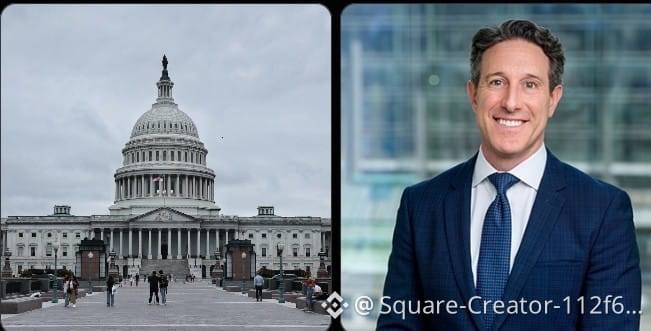
Le vice-président de Coinbase, Ryan VanGrack, adresse un message clair concernant la loi CLARITY :
« Il est temps d’arrêter de parler et de commencer à voter. »
La prochaine étape sera la plus importante ; le marché n’a pas besoin de plus de promesses, mais de règles claires et d’un vote effectif.
Si la loi est adoptée, elle pourrait constituer une étape importante vers un encadrement plus clair du marché des actifs numériques aux États-Unis.
$COIN $BTC $ETH
#CLARITYAct #Crypto #coinbase #Regulation
🇺🇸 De la parole au vote
Le vice-président de Coinbase, Ryan VanGrack, adresse un message clair concernant la loi CLARITY :
« Il est temps d’arrêter de parler et de commencer à voter. »
La prochaine étape sera la plus importante ; le marché n’a pas besoin de plus de promesses, mais de règles claires et d’un vote effectif.
Si la loi est adoptée, elle pourrait constituer une étape importante vers un encadrement plus clair du marché des actifs numériques aux États-Unis.
$COIN $BTC $ETH
#CLARITYAct #Crypto #coinbase #Regulation
Le vice-président de Coinbase, Ryan VanGrack, adresse un message clair concernant la loi CLARITY :
« Il est temps d’arrêter de parler et de commencer à voter. »
La prochaine étape sera la plus importante ; le marché n’a pas besoin de plus de promesses, mais de règles claires et d’un vote effectif.
Si la loi est adoptée, elle pourrait constituer une étape importante vers un encadrement plus clair du marché des actifs numériques aux États-Unis.
$COIN $BTC $ETH
#CLARITYAct #Crypto #coinbase #Regulation
1
5
3.2k

·
--
Coinbase a chuté d’environ 4,2 % ce matin et se situe autour de 184 $. C’était le premier signe rouge sur lequel je me suis vraiment arrêté ; je ne regardais même pas encore la crypto.
Ensuite, $UNI faisait la même glissade. Il est à 7,04 $, en baisse d’environ 3,2 % aujourd’hui. J’ai dû regarder deux fois, car 3,2 % sur Uniswap m’a semblé beaucoup par rapport à un marché qui n’est que d’environ 2,7 % plus petit. Le Nasdaq est à peine rouge. Je continue de regarder davantage Coinbase que le prix d’Uniswap. Quand cette action baisse de plus de 4 % le même jour que $UNI est rouge autour de 7 $, je pense qu’il y a la même ambiance. Les actions américaines sont un peu rouges, donc tout le monde joue la sécurité.
#UNI #Uniswap #Coinbase
Coinbase a chuté d’environ 4,2 % ce matin et se situe autour de 184 $. C’était le premier signe rouge sur lequel je me suis vraiment arrêté ; je ne regardais même pas encore la crypto.
Ensuite, $UNI faisait la même glissade. Il est à 7,04 $, en baisse d’environ 3,2 % aujourd’hui. J’ai dû regarder deux fois, car 3,2 % sur Uniswap m’a semblé beaucoup par rapport à un marché qui n’est que d’environ 2,7 % plus petit. Le Nasdaq est à peine rouge. Je continue de regarder davantage Coinbase que le prix d’Uniswap. Quand cette action baisse de plus de 4 % le même jour que $UNI est rouge autour de 7 $, je pense qu’il y a la même ambiance. Les actions américaines sont un peu rouges, donc tout le monde joue la sécurité.
#UNI #Uniswap #Coinbase
Ensuite, $UNI faisait la même glissade. Il est à 7,04 $, en baisse d’environ 3,2 % aujourd’hui. J’ai dû regarder deux fois, car 3,2 % sur Uniswap m’a semblé beaucoup par rapport à un marché qui n’est que d’environ 2,7 % plus petit. Le Nasdaq est à peine rouge. Je continue de regarder davantage Coinbase que le prix d’Uniswap. Quand cette action baisse de plus de 4 % le même jour que $UNI est rouge autour de 7 $, je pense qu’il y a la même ambiance. Les actions américaines sont un peu rouges, donc tout le monde joue la sécurité.
#UNI #Uniswap #Coinbase
122

💰 Les dépôts de Coinbase Lend dépassent les 500 millions de dollars sur le réseau Base
Le total des dépôts dans le service « Coinbase Lend » sur le réseau de couche 2 Base a dépassé 500 millions de dollars américains. Ce chiffre reflète l’intérêt croissant pour les solutions de prêt décentralisé soutenues par des plateformes centralisées, mettant en évidence l’augmentation de l’interaction entre la finance traditionnelle et la finance décentralisée.
━━━━━━━━━━━━━━
📊 Impact : 📈 Élevé
🏷️ DEFI
#Coinbase #Base #DeFi #Lending #Blockchain
📰 Source : cryptobriefing.com
💰 Les dépôts de Coinbase Lend dépassent les 500 millions de dollars sur le réseau Base
Le total des dépôts dans le service « Coinbase Lend » sur le réseau de couche 2 Base a dépassé 500 millions de dollars américains. Ce chiffre reflète l’intérêt croissant pour les solutions de prêt décentralisé soutenues par des plateformes centralisées, mettant en évidence l’augmentation de l’interaction entre la finance traditionnelle et la finance décentralisée.
━━━━━━━━━━━━━━
📊 Impact : 📈 Élevé
🏷️ DEFI
#Coinbase #Base #DeFi #Lending #Blockchain
📰 Source : cryptobriefing.com
Le total des dépôts dans le service « Coinbase Lend » sur le réseau de couche 2 Base a dépassé 500 millions de dollars américains. Ce chiffre reflète l’intérêt croissant pour les solutions de prêt décentralisé soutenues par des plateformes centralisées, mettant en évidence l’augmentation de l’interaction entre la finance traditionnelle et la finance décentralisée.
━━━━━━━━━━━━━━
📊 Impact : 📈 Élevé
🏷️ DEFI
#Coinbase #Base #DeFi #Lending #Blockchain
📰 Source : cryptobriefing.com
3
·
--
Ne confondez pas le « prêt hypothécaire sur Bitcoin » avec un simple signal « tout bon » : Better × Coinbase est désormais accessible au public, mais les conditions comportent des points durs.
Selon CoinDesk, Grafa et d’autres sources, le service de prêts hypothécaires Better, en partenariat avec Coinbase, a ouvert à l’échelle le dépôt de demandes pour son prêt immobilier adossé à des garanties en Bitcoin. Depuis l’ouverture au public, la demande de prêts en pré-demande s’élèverait à environ 360 millions de dollars, soit nettement plus que l’estimation d’environ 260 millions de dollars au stade de la liste d’attente. La structure est globalement la suivante : le prêt principal reste un prêt hypothécaire classique, et le capital destiné à l’apport est levé en utilisant le Bitcoin comme garantie — avec un ratio de nantissement d’environ 250 % (pour emprunter 1 dollar, il faut nantir l’équivalent d’environ 2,5 dollars en $BTC). La conservation (custodie) est assurée du côté de Coinbase Prime et, pour l’instant, n’accepte que le Bitcoin en garantie.
Les garde-fous sont d’abord resserrés : Better révèle qu’il est possible de ré-nantir (rehypothecation) le Bitcoin mis en garantie, à condition de pouvoir restituer une quantité équivalente de BTC à l’échéance. Les actifs mis en garantie doivent généralement être récupérés uniquement lorsque le prêt principal est remboursé ou lors d’une nouvelle opération de refinancement, avec une durée maximale pouvant atteindre 15 à 30 ans ; en cas de baisse du prix du Bitcoin, il n’y a pas d’ajustement automatique de marge ni de liquidation forcée. En revanche, après environ 60 jours d’impayés, la garantie peut être réalisée. Ce n’est pas « acheter un bien avec des cryptos pour gagner à coup sûr », mais plutôt un transfert du risque — celui lié à la contrepartie de la conservation et au verrouillage à long terme — vers le bilan.
Repères de marché (CoinGecko) : $BTC ~ 79 400 $ ; $BNB ~ 744 $. Lisez d’abord les divulgations et votre capacité de levier, puis seulement la narration.
$BTC $BNB
#比特币 #Coinbase #marché_des_crypto
Ne constitue pas un conseil en investissement
Ne confondez pas le « prêt hypothécaire sur Bitcoin » avec un simple signal « tout bon » : Better × Coinbase est désormais accessible au public, mais les conditions comportent des points durs.
Selon CoinDesk, Grafa et d’autres sources, le service de prêts hypothécaires Better, en partenariat avec Coinbase, a ouvert à l’échelle le dépôt de demandes pour son prêt immobilier adossé à des garanties en Bitcoin. Depuis l’ouverture au public, la demande de prêts en pré-demande s’élèverait à environ 360 millions de dollars, soit nettement plus que l’estimation d’environ 260 millions de dollars au stade de la liste d’attente. La structure est globalement la suivante : le prêt principal reste un prêt hypothécaire classique, et le capital destiné à l’apport est levé en utilisant le Bitcoin comme garantie — avec un ratio de nantissement d’environ 250 % (pour emprunter 1 dollar, il faut nantir l’équivalent d’environ 2,5 dollars en $BTC ). La conservation (custodie) est assurée du côté de Coinbase Prime et, pour l’instant, n’accepte que le Bitcoin en garantie.
Les garde-fous sont d’abord resserrés : Better révèle qu’il est possible de ré-nantir (rehypothecation) le Bitcoin mis en garantie, à condition de pouvoir restituer une quantité équivalente de BTC à l’échéance. Les actifs mis en garantie doivent généralement être récupérés uniquement lorsque le prêt principal est remboursé ou lors d’une nouvelle opération de refinancement, avec une durée maximale pouvant atteindre 15 à 30 ans ; en cas de baisse du prix du Bitcoin, il n’y a pas d’ajustement automatique de marge ni de liquidation forcée. En revanche, après environ 60 jours d’impayés, la garantie peut être réalisée. Ce n’est pas « acheter un bien avec des cryptos pour gagner à coup sûr », mais plutôt un transfert du risque — celui lié à la contrepartie de la conservation et au verrouillage à long terme — vers le bilan.
Repères de marché (CoinGecko) : $BTC ~ 79 400 $ ; $BNB ~ 744 $. Lisez d’abord les divulgations et votre capacité de levier, puis seulement la narration.
$BTC $BNB
#比特币 #Coinbase #marché_des_crypto
Ne constitue pas un conseil en investissement
Selon CoinDesk, Grafa et d’autres sources, le service de prêts hypothécaires Better, en partenariat avec Coinbase, a ouvert à l’échelle le dépôt de demandes pour son prêt immobilier adossé à des garanties en Bitcoin. Depuis l’ouverture au public, la demande de prêts en pré-demande s’élèverait à environ 360 millions de dollars, soit nettement plus que l’estimation d’environ 260 millions de dollars au stade de la liste d’attente. La structure est globalement la suivante : le prêt principal reste un prêt hypothécaire classique, et le capital destiné à l’apport est levé en utilisant le Bitcoin comme garantie — avec un ratio de nantissement d’environ 250 % (pour emprunter 1 dollar, il faut nantir l’équivalent d’environ 2,5 dollars en $BTC ). La conservation (custodie) est assurée du côté de Coinbase Prime et, pour l’instant, n’accepte que le Bitcoin en garantie.
Les garde-fous sont d’abord resserrés : Better révèle qu’il est possible de ré-nantir (rehypothecation) le Bitcoin mis en garantie, à condition de pouvoir restituer une quantité équivalente de BTC à l’échéance. Les actifs mis en garantie doivent généralement être récupérés uniquement lorsque le prêt principal est remboursé ou lors d’une nouvelle opération de refinancement, avec une durée maximale pouvant atteindre 15 à 30 ans ; en cas de baisse du prix du Bitcoin, il n’y a pas d’ajustement automatique de marge ni de liquidation forcée. En revanche, après environ 60 jours d’impayés, la garantie peut être réalisée. Ce n’est pas « acheter un bien avec des cryptos pour gagner à coup sûr », mais plutôt un transfert du risque — celui lié à la contrepartie de la conservation et au verrouillage à long terme — vers le bilan.
Repères de marché (CoinGecko) : $BTC ~ 79 400 $ ; $BNB ~ 744 $. Lisez d’abord les divulgations et votre capacité de levier, puis seulement la narration.
$BTC $BNB
#比特币 #Coinbase #marché_des_crypto
Ne constitue pas un conseil en investissement

1
59

·
--
$COIN aujourd’hui à 187,01, +0,64 %, avec une amplitude de fluctuation très resserrée. Le volume d’échanges n’est que de 11,7 M, ce qui ne correspond pas aux attentes d’un récit haussier pour 2025. Je vois beaucoup de gens vanter le dividende réglementaire de Coinbase et le nouveau créneau du staking, mais le cours en a déjà largement intégré une grande partie.
Niveau clé à surveiller : 184 est le premier support, et s’il cède, on regardera 178. Au-dessus, 189-190 constitue une zone de blocage dense ; sans volume, ça ne peut pas être franchi.
Sur le plan macro, les rendements des obligations du Trésor américain restent élevés, et la pression sur les actifs risqués est structurelle. $COIN , en tant que proxy boursier du BTC, évolue même plus mollement que le BTC lui-même. Cette phase du marché crypto est passée d’un moteur narratif ETF à un simple affrontement de flux, et sa durabilité est douteuse. Je ne touche pas à ma position, mais je maintiens l’exposition sous 30 %, en attendant que les indicateurs de volume donnent une direction claire.
#Coinbase
$COIN aujourd’hui à 187,01, +0,64 %, avec une amplitude de fluctuation très resserrée. Le volume d’échanges n’est que de 11,7 M, ce qui ne correspond pas aux attentes d’un récit haussier pour 2025. Je vois beaucoup de gens vanter le dividende réglementaire de Coinbase et le nouveau créneau du staking, mais le cours en a déjà largement intégré une grande partie.
Niveau clé à surveiller : 184 est le premier support, et s’il cède, on regardera 178. Au-dessus, 189-190 constitue une zone de blocage dense ; sans volume, ça ne peut pas être franchi.
Sur le plan macro, les rendements des obligations du Trésor américain restent élevés, et la pression sur les actifs risqués est structurelle. $COIN , en tant que proxy boursier du BTC, évolue même plus mollement que le BTC lui-même. Cette phase du marché crypto est passée d’un moteur narratif ETF à un simple affrontement de flux, et sa durabilité est douteuse. Je ne touche pas à ma position, mais je maintiens l’exposition sous 30 %, en attendant que les indicateurs de volume donnent une direction claire.
#Coinbase
Niveau clé à surveiller : 184 est le premier support, et s’il cède, on regardera 178. Au-dessus, 189-190 constitue une zone de blocage dense ; sans volume, ça ne peut pas être franchi.
Sur le plan macro, les rendements des obligations du Trésor américain restent élevés, et la pression sur les actifs risqués est structurelle. $COIN , en tant que proxy boursier du BTC, évolue même plus mollement que le BTC lui-même. Cette phase du marché crypto est passée d’un moteur narratif ETF à un simple affrontement de flux, et sa durabilité est douteuse. Je ne touche pas à ma position, mais je maintiens l’exposition sous 30 %, en attendant que les indicateurs de volume donnent une direction claire.
#Coinbase
13

·
--
Coinbase vient peut-être de rapprocher les États-Unis d’un modèle unique de futures perpétuels sur actions, mais le lancement n’est toujours pas garanti 👀
La société a déposé les formulaires Form 1-N et Form BD-N auprès de la SEC le 1er septembre, en mettant en place un cadre de futures sur titres qui fait entrer en jeu une surveillance conjointe de la SEC et de la CFTC. C’est une voie différente de celle, réservée à la CFTC, que CME Group conteste désormais devant les tribunaux.
Pourquoi les traders devraient s’en soucier : si cette structure tient, elle pourrait ouvrir la porte aux perps d’actions domestiques sur le marché américain. C’est une grande affaire pour tous ceux qui observent l’évolution des dérivés réglementés ici. Mais l’article est clair sur ce que nous ne savons pas encore : aucune date de lancement, aucune limite de levier, et aucun détail concernant la compensation n’a été annoncé.
Donc, il s’agit d’une avancée, pas d’un produit final. Et avec le procès de la CME toujours en suspens, le contexte juridique peut compter autant que le dépôt lui-même ⚖️
Selon vous, Coinbase lance-t-elle ce marché en ligne bientôt, ou le bras de fer devant le tribunal va-t-il tout ralentir ? 👀
#Coinbase #CryptoNews #CME #SEC #CFTC
Coinbase vient peut-être de rapprocher les États-Unis d’un modèle unique de futures perpétuels sur actions, mais le lancement n’est toujours pas garanti 👀
La société a déposé les formulaires Form 1-N et Form BD-N auprès de la SEC le 1er septembre, en mettant en place un cadre de futures sur titres qui fait entrer en jeu une surveillance conjointe de la SEC et de la CFTC. C’est une voie différente de celle, réservée à la CFTC, que CME Group conteste désormais devant les tribunaux.
Pourquoi les traders devraient s’en soucier : si cette structure tient, elle pourrait ouvrir la porte aux perps d’actions domestiques sur le marché américain. C’est une grande affaire pour tous ceux qui observent l’évolution des dérivés réglementés ici. Mais l’article est clair sur ce que nous ne savons pas encore : aucune date de lancement, aucune limite de levier, et aucun détail concernant la compensation n’a été annoncé.
Donc, il s’agit d’une avancée, pas d’un produit final. Et avec le procès de la CME toujours en suspens, le contexte juridique peut compter autant que le dépôt lui-même ⚖️
Selon vous, Coinbase lance-t-elle ce marché en ligne bientôt, ou le bras de fer devant le tribunal va-t-il tout ralentir ? 👀
#Coinbase #CryptoNews #CME #SEC #CFTC
La société a déposé les formulaires Form 1-N et Form BD-N auprès de la SEC le 1er septembre, en mettant en place un cadre de futures sur titres qui fait entrer en jeu une surveillance conjointe de la SEC et de la CFTC. C’est une voie différente de celle, réservée à la CFTC, que CME Group conteste désormais devant les tribunaux.
Pourquoi les traders devraient s’en soucier : si cette structure tient, elle pourrait ouvrir la porte aux perps d’actions domestiques sur le marché américain. C’est une grande affaire pour tous ceux qui observent l’évolution des dérivés réglementés ici. Mais l’article est clair sur ce que nous ne savons pas encore : aucune date de lancement, aucune limite de levier, et aucun détail concernant la compensation n’a été annoncé.
Donc, il s’agit d’une avancée, pas d’un produit final. Et avec le procès de la CME toujours en suspens, le contexte juridique peut compter autant que le dépôt lui-même ⚖️
Selon vous, Coinbase lance-t-elle ce marché en ligne bientôt, ou le bras de fer devant le tribunal va-t-il tout ralentir ? 👀
#Coinbase #CryptoNews #CME #SEC #CFTC
30
·
--
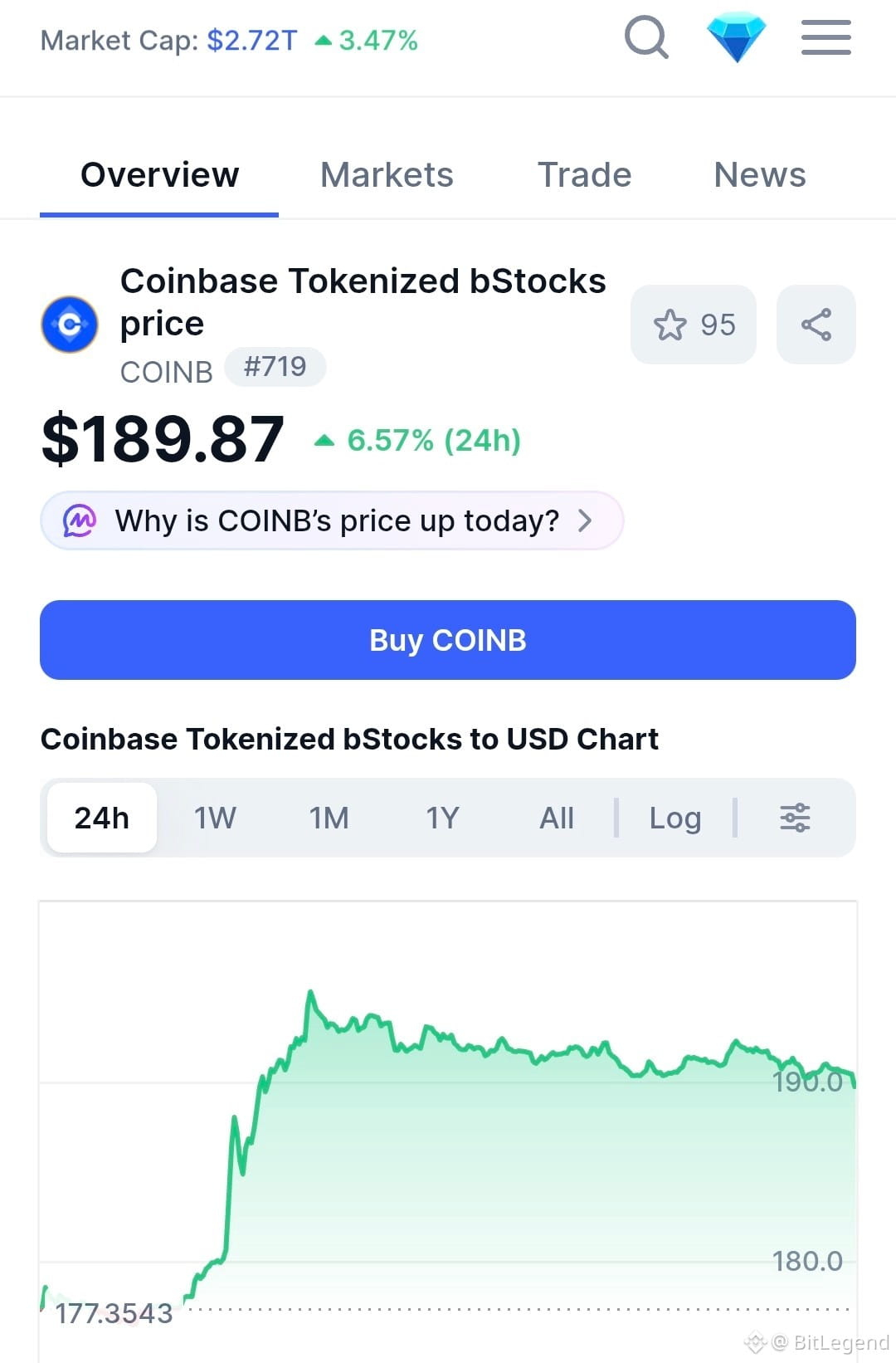
$COINB Le marché crypto dans son ensemble affiche actuellement une dynamique positive, la capitalisation boursière mondiale des cryptomonnaies s’élevant récemment à environ 2,72 T$.
🔎 Perspectives COINB :
Tendance : Hautement spéculative / dépendante des données
Résistance : Surveiller le plus récent plus haut local
Support : Surveiller le récent plus bas de swing
Momentum : Une cassure soutenue par les volumes serait plus haussière ; les hausses à faible volume comportent un risque de retournement plus élevé.
Risque : Élevé — vérifiez l’adresse exacte du contrat avant de trader.
#coinbase #CoinbaseExchange. #CoinbaseEffect #CoinbasePrime #USWeeklyInitialJoblessClaimsRiseTo206000
{spot}(COINBUSDT)
$COINB Le marché crypto dans son ensemble affiche actuellement une dynamique positive, la capitalisation boursière mondiale des cryptomonnaies s’élevant récemment à environ 2,72 T$.
🔎 Perspectives COINB :
Tendance : Hautement spéculative / dépendante des données
Résistance : Surveiller le plus récent plus haut local
Support : Surveiller le récent plus bas de swing
Momentum : Une cassure soutenue par les volumes serait plus haussière ; les hausses à faible volume comportent un risque de retournement plus élevé.
Risque : Élevé — vérifiez l’adresse exacte du contrat avant de trader.
#coinbase #CoinbaseExchange. #CoinbaseEffect #CoinbasePrime #USWeeklyInitialJoblessClaimsRiseTo206000
🔎 Perspectives COINB :
Tendance : Hautement spéculative / dépendante des données
Résistance : Surveiller le plus récent plus haut local
Support : Surveiller le récent plus bas de swing
Momentum : Une cassure soutenue par les volumes serait plus haussière ; les hausses à faible volume comportent un risque de retournement plus élevé.
Risque : Élevé — vérifiez l’adresse exacte du contrat avant de trader.
#coinbase #CoinbaseExchange. #CoinbaseEffect #CoinbasePrime #USWeeklyInitialJoblessClaimsRiseTo206000
51

·
--
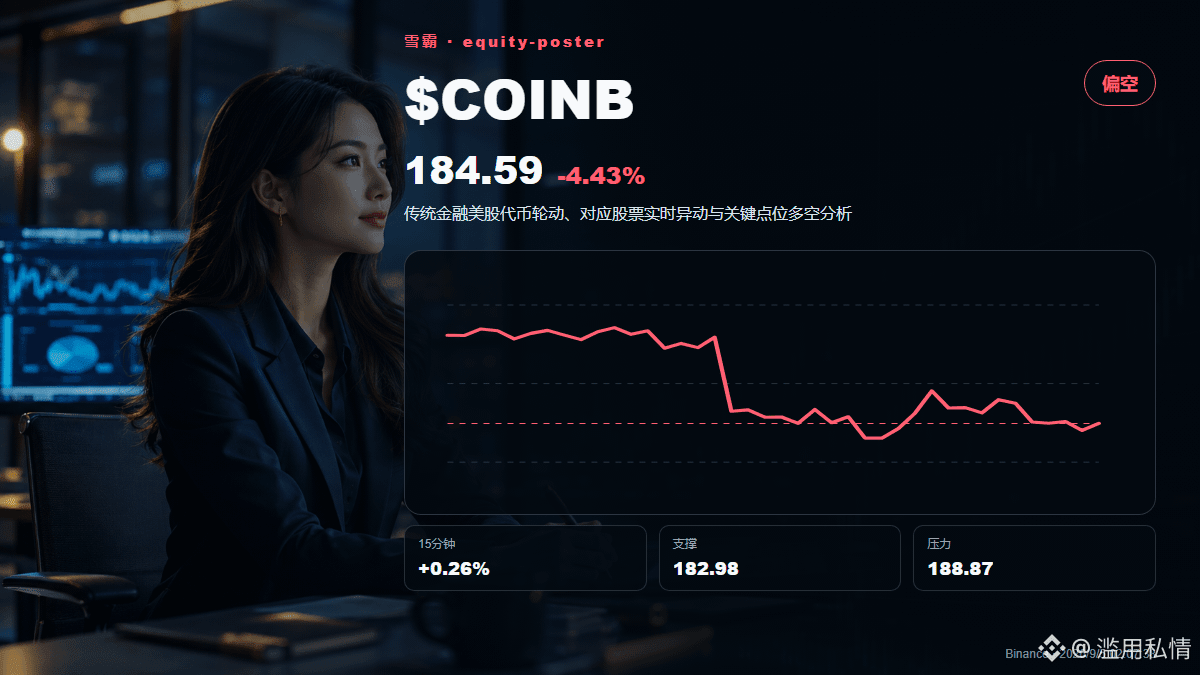
02:07|Le token boursier COINB de Coinbase est actuellement à 184,59, +0,26 % sur 15 minutes ; tendance plutôt baissière pour le moment. Le rebond vers 188,87 semble subir une pression ; surveillez les positions vendeuses, d’abord regardez 1… $COINB #Coinbase
02:07|Le token boursier COINB de Coinbase est actuellement à 184,59, +0,26 % sur 15 minutes ; tendance plutôt baissière pour le moment. Le rebond vers 188,87 semble subir une pression ; surveillez les positions vendeuses, d’abord regardez 1… $COINB #Coinbase
1

·
--
🚨 AUJOURD’HUI :
Coinbase a ajouté Anthony Armstrong à son conseil d’administration.
Armstrong, connu pour ses fonctions précédentes de directeur financier (CFO) de xAI et de X, ainsi que pour son expérience chez Morgan Stanley, apporte une solide expertise à la croisée de la finance traditionnelle et d’un secteur technologique en rapide évolution. 👀
Ce mouvement pourrait indiquer que Coinbase continue de renforcer sa position à l’intersection de la crypto, de la technologie et de la finance mondiale. 📈🔥
C’est clairement une évolution intéressante à suivre pour l’industrie crypto. 🚀
#Coinbase #Crypto #Bitcoin #Blockchain #markets
🚨 AUJOURD’HUI :
Coinbase a ajouté Anthony Armstrong à son conseil d’administration.
Armstrong, connu pour ses fonctions précédentes de directeur financier (CFO) de xAI et de X, ainsi que pour son expérience chez Morgan Stanley, apporte une solide expertise à la croisée de la finance traditionnelle et d’un secteur technologique en rapide évolution. 👀
Ce mouvement pourrait indiquer que Coinbase continue de renforcer sa position à l’intersection de la crypto, de la technologie et de la finance mondiale. 📈🔥
C’est clairement une évolution intéressante à suivre pour l’industrie crypto. 🚀
#Coinbase #Crypto #Bitcoin #Blockchain #markets
Coinbase a ajouté Anthony Armstrong à son conseil d’administration.
Armstrong, connu pour ses fonctions précédentes de directeur financier (CFO) de xAI et de X, ainsi que pour son expérience chez Morgan Stanley, apporte une solide expertise à la croisée de la finance traditionnelle et d’un secteur technologique en rapide évolution. 👀
Ce mouvement pourrait indiquer que Coinbase continue de renforcer sa position à l’intersection de la crypto, de la technologie et de la finance mondiale. 📈🔥
C’est clairement une évolution intéressante à suivre pour l’industrie crypto. 🚀
#Coinbase #Crypto #Bitcoin #Blockchain #markets


141
·
--
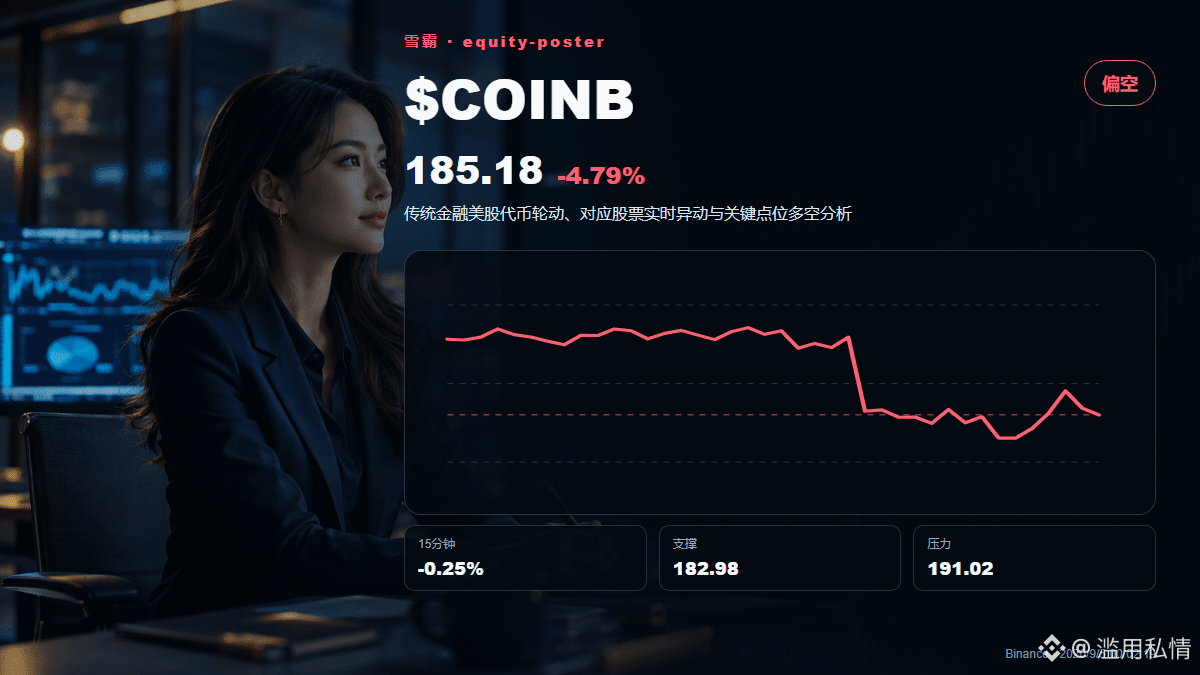
00:02|Le jeton boursier Coinbase COINB s’affiche à 185,18, -0,25% sur 15 minutes, actuellement plutôt baissier. Le rebond à 191,02 semble sous pression ; à surveiller côté ventes. Regarder d’abord 1… $COINB #Coinbase
00:02|Le jeton boursier Coinbase COINB s’affiche à 185,18, -0,25% sur 15 minutes, actuellement plutôt baissier. Le rebond à 191,02 semble sous pression ; à surveiller côté ventes. Regarder d’abord 1… $COINB #Coinbase
27
🇨🇦 Coinbase étend les services de trading de dérivés crypto aux investisseurs canadiens
La plateforme Coinbase a annoncé la disponibilité du trading de dérivés de cryptomonnaies pour les investisseurs qualifiés au Canada. Cette initiative s’inscrit dans la stratégie de la plateforme visant à élargir son offre à l’échelle mondiale, tout en proposant des options réglementées aux acteurs du marché canadien.
━━━━━━━━━━━━━━
📊 Impact : 📈 Élevé
🏷️ EXCHANGE
#Coinbase #Canada #Derivatives #CryptoNews #Exchange
📰 Source : cryptobriefing.com
🇨🇦 Coinbase étend les services de trading de dérivés crypto aux investisseurs canadiens
La plateforme Coinbase a annoncé la disponibilité du trading de dérivés de cryptomonnaies pour les investisseurs qualifiés au Canada. Cette initiative s’inscrit dans la stratégie de la plateforme visant à élargir son offre à l’échelle mondiale, tout en proposant des options réglementées aux acteurs du marché canadien.
━━━━━━━━━━━━━━
📊 Impact : 📈 Élevé
🏷️ EXCHANGE
#Coinbase #Canada #Derivatives #CryptoNews #Exchange
📰 Source : cryptobriefing.com
La plateforme Coinbase a annoncé la disponibilité du trading de dérivés de cryptomonnaies pour les investisseurs qualifiés au Canada. Cette initiative s’inscrit dans la stratégie de la plateforme visant à élargir son offre à l’échelle mondiale, tout en proposant des options réglementées aux acteurs du marché canadien.
━━━━━━━━━━━━━━
📊 Impact : 📈 Élevé
🏷️ EXCHANGE
#Coinbase #Canada #Derivatives #CryptoNews #Exchange
📰 Source : cryptobriefing.com
1

·
--
Coinbase (COIN) : indicateurs clés à l’origine du scénario haussier
• Hypothèques adossées à des jetons désormais disponibles via Better
• Jusqu’à 10 000 $ de remise sur les frais de clôture pour les membres Coinbase One éligibles
• Expansion dans les dérivés cryptos réglementés au Canada
• Projection de revenus 2028 : 8,5 Md$
• Projection de bénéfices 2028 : 2,1 Md$
• Prévision de croissance des revenus : 8,3 % par an
• Estimation de la juste valeur communiquée : 383,46 $, impliquant un potentiel de hausse de 119 %
• Risque clé : volumes de trading plus faibles et pression sur les bénéfices
La grande question : Coinbase peut-il transformer l’infrastructure crypto en revenus financiers diversifiés et récurrents ?
#coinbase #coin #crypto #Web3 #CryptoNews
Coinbase (COIN) : indicateurs clés à l’origine du scénario haussier
• Hypothèques adossées à des jetons désormais disponibles via Better
• Jusqu’à 10 000 $ de remise sur les frais de clôture pour les membres Coinbase One éligibles
• Expansion dans les dérivés cryptos réglementés au Canada
• Projection de revenus 2028 : 8,5 Md$
• Projection de bénéfices 2028 : 2,1 Md$
• Prévision de croissance des revenus : 8,3 % par an
• Estimation de la juste valeur communiquée : 383,46 $, impliquant un potentiel de hausse de 119 %
• Risque clé : volumes de trading plus faibles et pression sur les bénéfices
La grande question : Coinbase peut-il transformer l’infrastructure crypto en revenus financiers diversifiés et récurrents ?
#coinbase #coin #crypto #Web3 #CryptoNews
• Hypothèques adossées à des jetons désormais disponibles via Better
• Jusqu’à 10 000 $ de remise sur les frais de clôture pour les membres Coinbase One éligibles
• Expansion dans les dérivés cryptos réglementés au Canada
• Projection de revenus 2028 : 8,5 Md$
• Projection de bénéfices 2028 : 2,1 Md$
• Prévision de croissance des revenus : 8,3 % par an
• Estimation de la juste valeur communiquée : 383,46 $, impliquant un potentiel de hausse de 119 %
• Risque clé : volumes de trading plus faibles et pression sur les bénéfices
La grande question : Coinbase peut-il transformer l’infrastructure crypto en revenus financiers diversifiés et récurrents ?
#coinbase #coin #crypto #Web3 #CryptoNews
88
·
--
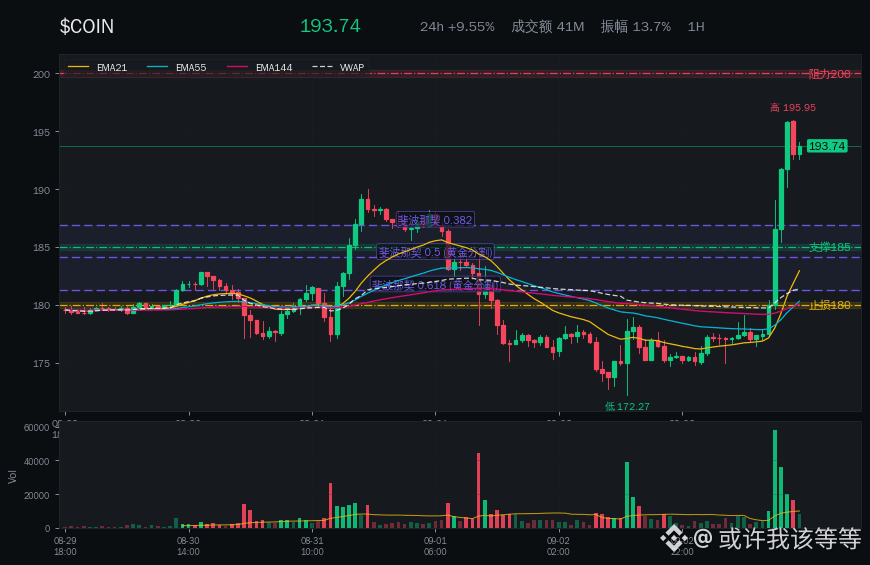
$COIN Ce soir, on l’a directement propulsé : +9,55% jusqu’à 193,78, avec un pic qui a frôlé 195,95. Les gars, cette hausse n’est vraiment pas “du hasard” — le BTC dépasse les 80 000 $, et les propos de Waller (la Fed) laissent clairement entendre qu’ils penchent pour un maintien des taux. Quand les inquiétudes sur la liquidité se relâchent, les actifs à haute bêta, qui sont fortement corrélés aux cryptos, décollent aussitôt. Même l’IPO de l’adversaire de Circle, ce stablecoin, n’a pas réussi à faire bouger Coinbase de +14 % ? Non, au contraire : c’est précisément ce sentiment d’entraînement qui a aussi fait exploser $COIN.
Je regarde maintenant l’écran des ordres : le marché long/short se focalise sur deux niveaux clés. La résistance autour de 200, le palier psychologique entier, est un repère majeur à court terme — s’il le franchit, on vise 210. Le support se situe à 185 : c’est la zone de démarrage de la hausse du jour. Si le pullback ne casse pas 185, c’est un simple “washout”/une consolidation.
En termes d’opérations, je ne poursuis pas à la hausse : j’attends un repli dans la zone 185-188, puis j’entre par paliers. Le stop se place sous 180. Le ratio risque/rendement peut aller au-dessus de 1:2. Au passage, $COIN trace même plus “fort” que le BTC lui-même : le volume de transactions à 41M montre que l’argent est vraiment entré, pas juste une fausse hausse guidée par l’émotion.
#Coinbase
$COIN Ce soir, on l’a directement propulsé : +9,55% jusqu’à 193,78, avec un pic qui a frôlé 195,95. Les gars, cette hausse n’est vraiment pas “du hasard” — le BTC dépasse les 80 000 $, et les propos de Waller (la Fed) laissent clairement entendre qu’ils penchent pour un maintien des taux. Quand les inquiétudes sur la liquidité se relâchent, les actifs à haute bêta, qui sont fortement corrélés aux cryptos, décollent aussitôt. Même l’IPO de l’adversaire de Circle, ce stablecoin, n’a pas réussi à faire bouger Coinbase de +14 % ? Non, au contraire : c’est précisément ce sentiment d’entraînement qui a aussi fait exploser $COIN .
Je regarde maintenant l’écran des ordres : le marché long/short se focalise sur deux niveaux clés. La résistance autour de 200, le palier psychologique entier, est un repère majeur à court terme — s’il le franchit, on vise 210. Le support se situe à 185 : c’est la zone de démarrage de la hausse du jour. Si le pullback ne casse pas 185, c’est un simple “washout”/une consolidation.
En termes d’opérations, je ne poursuis pas à la hausse : j’attends un repli dans la zone 185-188, puis j’entre par paliers. Le stop se place sous 180. Le ratio risque/rendement peut aller au-dessus de 1:2. Au passage, $COIN trace même plus “fort” que le BTC lui-même : le volume de transactions à 41M montre que l’argent est vraiment entré, pas juste une fausse hausse guidée par l’émotion.
#Coinbase
Je regarde maintenant l’écran des ordres : le marché long/short se focalise sur deux niveaux clés. La résistance autour de 200, le palier psychologique entier, est un repère majeur à court terme — s’il le franchit, on vise 210. Le support se situe à 185 : c’est la zone de démarrage de la hausse du jour. Si le pullback ne casse pas 185, c’est un simple “washout”/une consolidation.
En termes d’opérations, je ne poursuis pas à la hausse : j’attends un repli dans la zone 185-188, puis j’entre par paliers. Le stop se place sous 180. Le ratio risque/rendement peut aller au-dessus de 1:2. Au passage, $COIN trace même plus “fort” que le BTC lui-même : le volume de transactions à 41M montre que l’argent est vraiment entré, pas juste une fausse hausse guidée par l’émotion.
#Coinbase
144

·
--
Le gestionnaire financier historique de Musk a pris place au conseil d’administration de Coinbase.
Anthony Armstrong — ancien directeur financier (CFO) de xAI et de X, l’un des plus importants opérateurs financiers au cœur de l’empire de Musk — a annoncé rejoindre le conseil d’administration de Coinbase.
Vous voyez ce duo ? D’un côté, la bourse de Musk, le fou de l’IA ; de l’autre, la plus grande plateforme d’échanges crypto des États-Unis. Les milieux de l’IA et de la cryptographie, en train de réaliser, grâce aux nominations, une fusion rare.
Question : si des cadres de la sphère Musk entrent chez Coinbase, est-ce uniquement une forme de valorisation du parcours personnel, ou bien un signal que les deux univers commencent à se transmettre mutuellement des ressources ? Et le jour où xAI devra émettre des tokens, ou quand Coinbase aura besoin de puissance de calcul IA, ce dernier CFO sera-t-il tout simplement le pont déjà prêt ?
Dans les commentaires, devinez : qui sera le prochain, venant du milieu de l’IA à la Silicon Valley, à passer dans le monde crypto ? #Coinbase #AI #cryptomonnaies
Le gestionnaire financier historique de Musk a pris place au conseil d’administration de Coinbase.
Anthony Armstrong — ancien directeur financier (CFO) de xAI et de X, l’un des plus importants opérateurs financiers au cœur de l’empire de Musk — a annoncé rejoindre le conseil d’administration de Coinbase.
Vous voyez ce duo ? D’un côté, la bourse de Musk, le fou de l’IA ; de l’autre, la plus grande plateforme d’échanges crypto des États-Unis. Les milieux de l’IA et de la cryptographie, en train de réaliser, grâce aux nominations, une fusion rare.
Question : si des cadres de la sphère Musk entrent chez Coinbase, est-ce uniquement une forme de valorisation du parcours personnel, ou bien un signal que les deux univers commencent à se transmettre mutuellement des ressources ? Et le jour où xAI devra émettre des tokens, ou quand Coinbase aura besoin de puissance de calcul IA, ce dernier CFO sera-t-il tout simplement le pont déjà prêt ?
Dans les commentaires, devinez : qui sera le prochain, venant du milieu de l’IA à la Silicon Valley, à passer dans le monde crypto ? #Coinbase #AI #cryptomonnaies
Anthony Armstrong — ancien directeur financier (CFO) de xAI et de X, l’un des plus importants opérateurs financiers au cœur de l’empire de Musk — a annoncé rejoindre le conseil d’administration de Coinbase.
Vous voyez ce duo ? D’un côté, la bourse de Musk, le fou de l’IA ; de l’autre, la plus grande plateforme d’échanges crypto des États-Unis. Les milieux de l’IA et de la cryptographie, en train de réaliser, grâce aux nominations, une fusion rare.
Question : si des cadres de la sphère Musk entrent chez Coinbase, est-ce uniquement une forme de valorisation du parcours personnel, ou bien un signal que les deux univers commencent à se transmettre mutuellement des ressources ? Et le jour où xAI devra émettre des tokens, ou quand Coinbase aura besoin de puissance de calcul IA, ce dernier CFO sera-t-il tout simplement le pont déjà prêt ?
Dans les commentaires, devinez : qui sera le prochain, venant du milieu de l’IA à la Silicon Valley, à passer dans le monde crypto ? #Coinbase #AI #cryptomonnaies
8

·
--
Qu’est-ce que tu en penses ?? $COINB
🇺🇸NOUVEAU : Le cofondateur de Coinbase, Fred Ehrsam, veut le contrôle de TROIS champs pétroliers vénézuéliens.
Le milliardaire vise les blocs Boca, Guico et Guara dans la Ceinture de l’Orénoque du Venezuela, riche en pétrole.
Son opérateur actuel, Alvorada, a dépensé environ 30 MILLIONS de dollars pour remettre des puits inactifs en production.
Désormais, des responsables américains envisagent de révoquer ces contrats.
Le secrétaire à l’Énergie, Chris Wright, se rend à Caracas, où l’on s’attend à la présentation jusqu’à 17 accords pétroliers et gaziers.
Ehrsam a déjà effectué plusieurs voyages à Caracas et s’est entretenu avec de hauts responsables américains et vénézuéliens pendant qu’il explore le pétrole, le gaz, la fintech et les paiements numériques
{spot}(COINBUSDT)
#coinbase #CLUSTD
Qu’est-ce que tu en penses ?? $COINB
🇺🇸NOUVEAU : Le cofondateur de Coinbase, Fred Ehrsam, veut le contrôle de TROIS champs pétroliers vénézuéliens.
Le milliardaire vise les blocs Boca, Guico et Guara dans la Ceinture de l’Orénoque du Venezuela, riche en pétrole.
Son opérateur actuel, Alvorada, a dépensé environ 30 MILLIONS de dollars pour remettre des puits inactifs en production.
Désormais, des responsables américains envisagent de révoquer ces contrats.
Le secrétaire à l’Énergie, Chris Wright, se rend à Caracas, où l’on s’attend à la présentation jusqu’à 17 accords pétroliers et gaziers.
Ehrsam a déjà effectué plusieurs voyages à Caracas et s’est entretenu avec de hauts responsables américains et vénézuéliens pendant qu’il explore le pétrole, le gaz, la fintech et les paiements numériques
#coinbase #CLUSTD
🇺🇸NOUVEAU : Le cofondateur de Coinbase, Fred Ehrsam, veut le contrôle de TROIS champs pétroliers vénézuéliens.
Le milliardaire vise les blocs Boca, Guico et Guara dans la Ceinture de l’Orénoque du Venezuela, riche en pétrole.
Son opérateur actuel, Alvorada, a dépensé environ 30 MILLIONS de dollars pour remettre des puits inactifs en production.
Désormais, des responsables américains envisagent de révoquer ces contrats.
Le secrétaire à l’Énergie, Chris Wright, se rend à Caracas, où l’on s’attend à la présentation jusqu’à 17 accords pétroliers et gaziers.
Ehrsam a déjà effectué plusieurs voyages à Caracas et s’est entretenu avec de hauts responsables américains et vénézuéliens pendant qu’il explore le pétrole, le gaz, la fintech et les paiements numériques
#coinbase #CLUSTD
50
Connectez-vous pour découvrir plus de contenu
Rejoignez la communauté mondiale des adeptes de cryptomonnaies sur Binance Square
⚡️ Suviez les dernières informations importantes sur les cryptomonnaies.
💬 Jugé digne de confiance par la plus grande plateforme d’échange de cryptomonnaies au monde.
👍 Découvrez les connaissances que partagent les créateurs vérifiés.
Adresse e-mail/Nº de téléphone
Sujets d’actualité
1
#CPIWatch
87M vues
502,976 mentions
2
#BitcoinReboundsAbove$79KAfterCPI
4,017 vues
136 mentions
3
#BNBTops730USDT
30,494 vues
747 mentions
4
#BitcoinOpenInterestShareRisesTo42.1%
16,789 vues
412 mentions
5
#OpenAILaunchesAgentsAPIPublicBeta
13,699 vues
250 mentions
6
#SpotGoldRises0.87%SilverGains1.13%
12,710 vues
221 mentions
7
#USCoreCPIRises0.3%InAugustBeatingForecasts
28,357 vues
329 mentions
8
#BitcoinFallsTo$77KAfterGoldenCross
3,805 vues
69 mentions
9
#OracleJumpsOver6%OnEarningsBeat
34,430 vues
444 mentions
10
#CLARITYActRevisionToRuleNonDeFiControllers
43,987 vues
563 mentions