
#chess
chess
1.1M vues
3,211 mentions
Populaire
Récents
·
--
$CHESS vient de se faire atomiser et personne n’en parle pour la partie qui m’intéresse 👀
Le graphique sur 4h est en train de brûler -55,8% et le RSI est à 22. Ça, ce n’est pas “faible”, c’est rincé. Le volume n’est que de 167K dollars aussi : en gros, du silence radio pour un mouvement aussi moche.
On est à 91% du plus haut sur 30 jours, le prix est sous les MM 20j et 50j, et le financement est encore à 0,000%... donc personne n’est encore en train de se ruer sur le long. Ça ressemble à de la panique, mais aussi à ce type de setup de squeeze que les gens ignorent jusqu’à ce que ça bouge déjà. ⚡
Trop tôt pour dire qu’on a un point bas ?
Qu’est-ce que je rate sur CHESS ?
#CHESS
#Binance
$CHESS vient de se faire atomiser et personne n’en parle pour la partie qui m’intéresse 👀
Le graphique sur 4h est en train de brûler -55,8% et le RSI est à 22. Ça, ce n’est pas “faible”, c’est rincé. Le volume n’est que de 167K dollars aussi : en gros, du silence radio pour un mouvement aussi moche.
On est à 91% du plus haut sur 30 jours, le prix est sous les MM 20j et 50j, et le financement est encore à 0,000%... donc personne n’est encore en train de se ruer sur le long. Ça ressemble à de la panique, mais aussi à ce type de setup de squeeze que les gens ignorent jusqu’à ce que ça bouge déjà. ⚡
Trop tôt pour dire qu’on a un point bas ?
Qu’est-ce que je rate sur CHESS ?
#CHESS
#Binance
Le graphique sur 4h est en train de brûler -55,8% et le RSI est à 22. Ça, ce n’est pas “faible”, c’est rincé. Le volume n’est que de 167K dollars aussi : en gros, du silence radio pour un mouvement aussi moche.
On est à 91% du plus haut sur 30 jours, le prix est sous les MM 20j et 50j, et le financement est encore à 0,000%... donc personne n’est encore en train de se ruer sur le long. Ça ressemble à de la panique, mais aussi à ce type de setup de squeeze que les gens ignorent jusqu’à ce que ça bouge déjà. ⚡
Trop tôt pour dire qu’on a un point bas ?
Qu’est-ce que je rate sur CHESS ?
#CHESS
#Binance
41

·
--
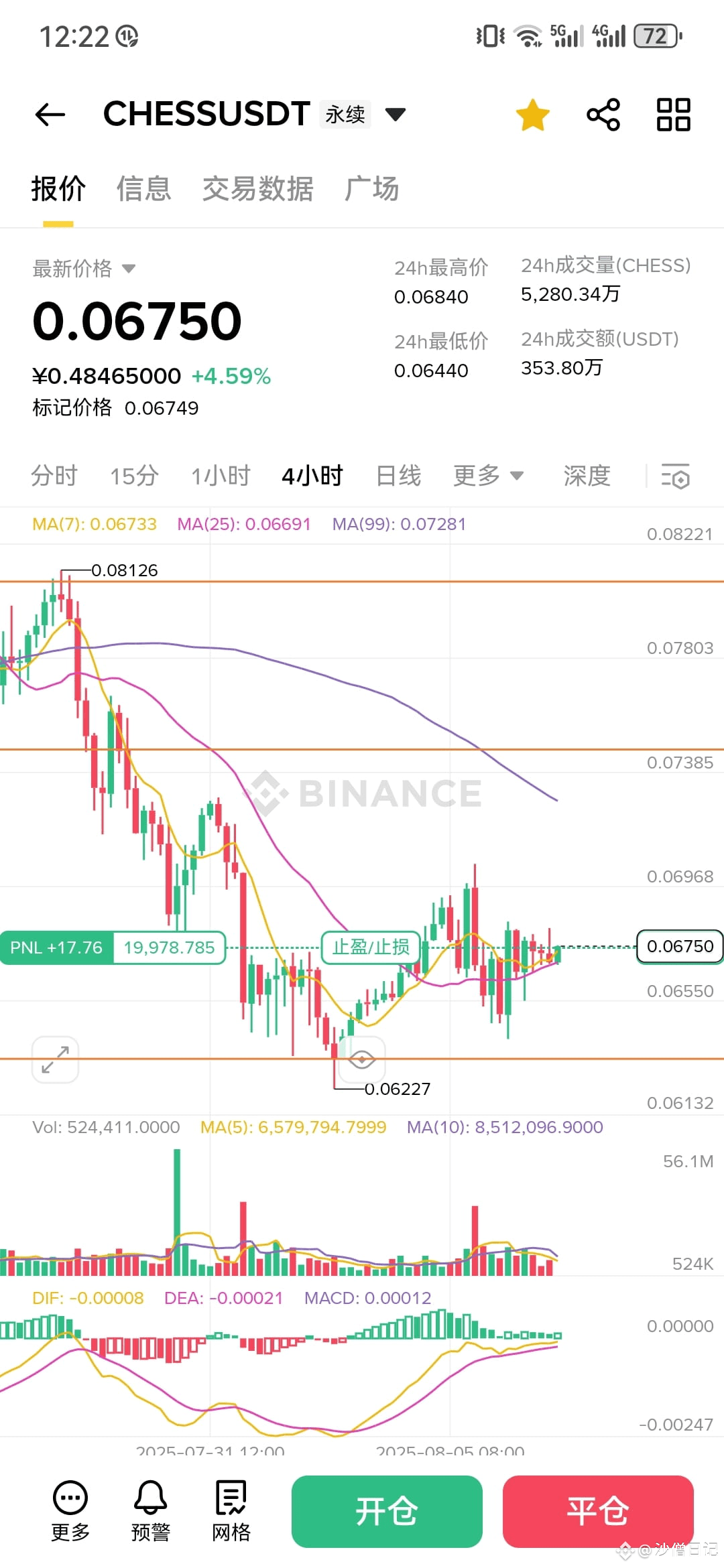
#CHESS continue à avoir confiance dans le marché à venir, cette position de deux gâteaux doit rester stable, ce contrat doit être rentable
#CHESS continue à avoir confiance dans le marché à venir, cette position de deux gâteaux doit rester stable, ce contrat doit être rentable
3
2
1.5k

·
--
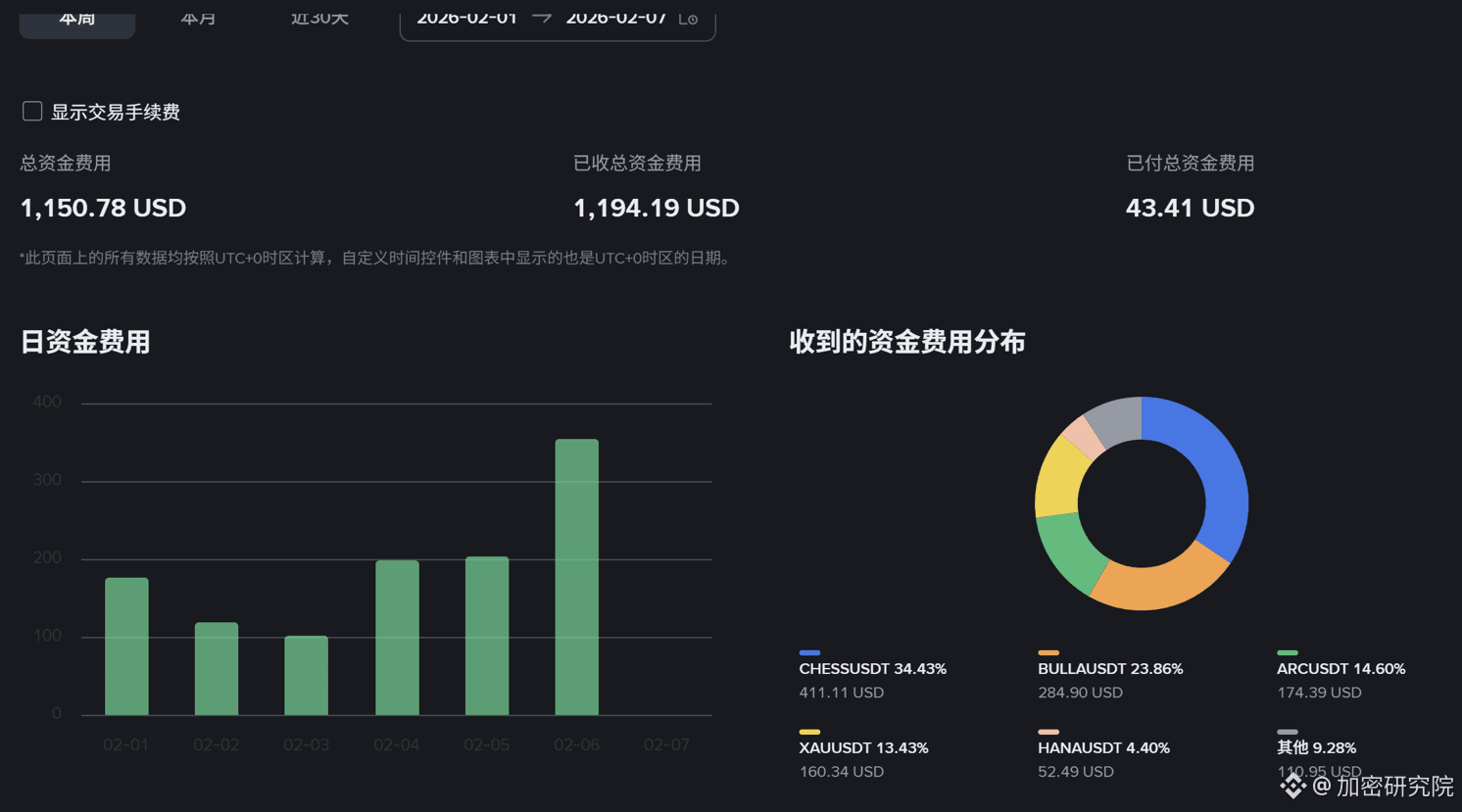
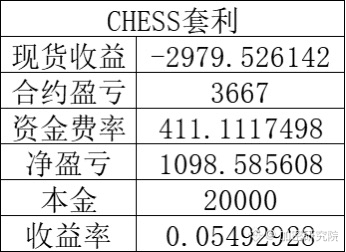
Hier, l'arbitrage des taux a directement profité de 350U, la dernière danse avant le retrait de #CHESS , le taux a grimpé à 1,6 %, l'écart entre le prix à terme et le prix au comptant est proche de 10 %, dès que le taux de 4 points a disparu, la position a été liquidée, complètement mangé par le maïs, ces deux prochains jours, je vais principalement compter sur $ARC .
Hier, l'arbitrage des taux a directement profité de 350U, la dernière danse avant le retrait de #CHESS , le taux a grimpé à 1,6 %, l'écart entre le prix à terme et le prix au comptant est proche de 10 %, dès que le taux de 4 points a disparu, la position a été liquidée, complètement mangé par le maïs, ces deux prochains jours, je vais principalement compter sur $ARC .
19
7
1
2.3k


·
--
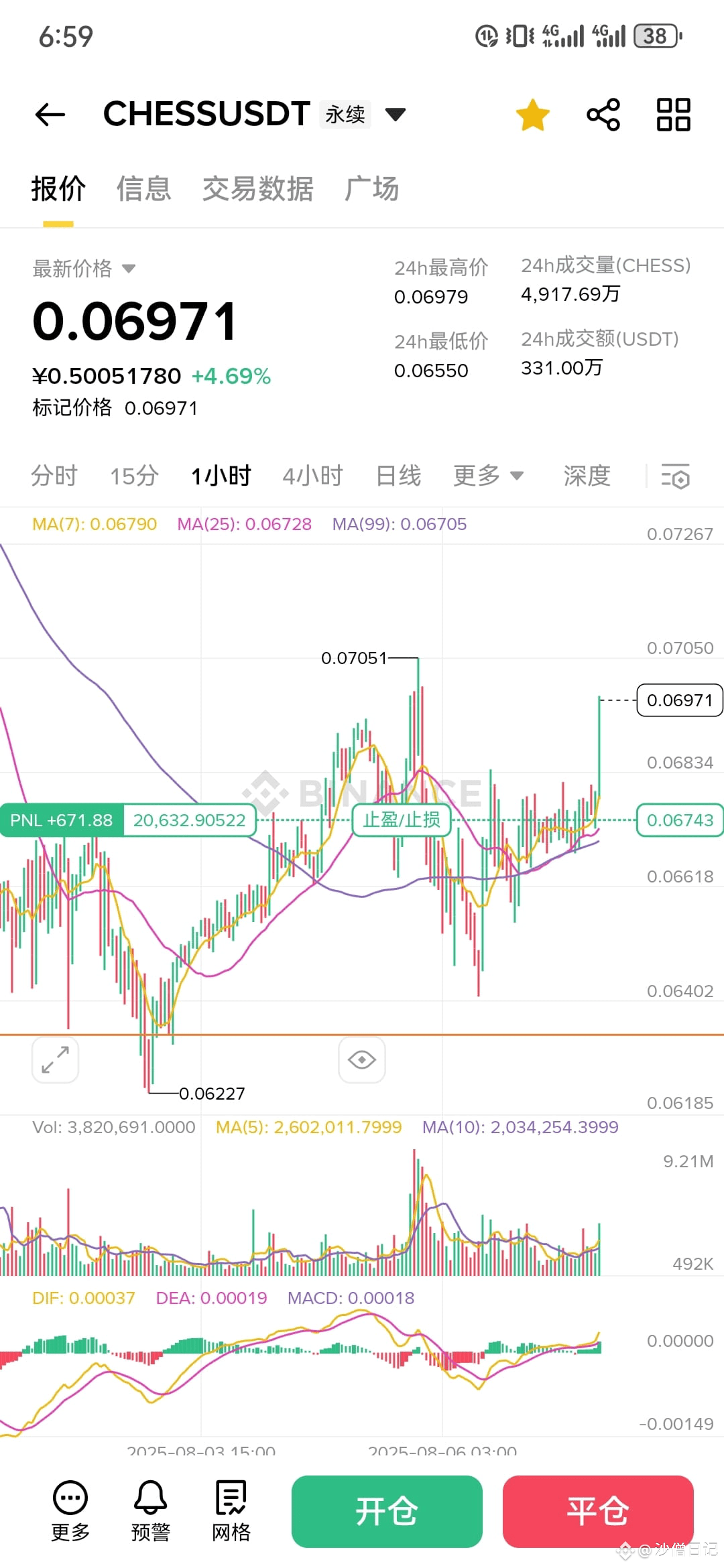
#CHESS Il sera en retard mais ne manquera pas, attaque
#CHESS Il sera en retard mais ne manquera pas, attaque
2
1
2.9k
·
--
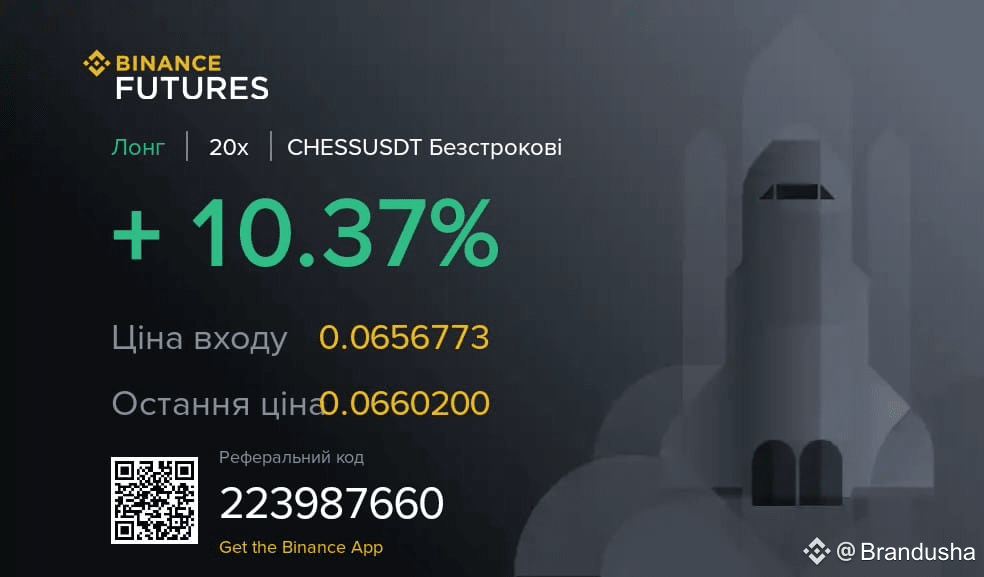
#chess qui est-ce qui est avec moi ? partagez vos idées 🤑
#chess qui est-ce qui est avec moi ? partagez vos idées 🤑
2
1.1k
·
--
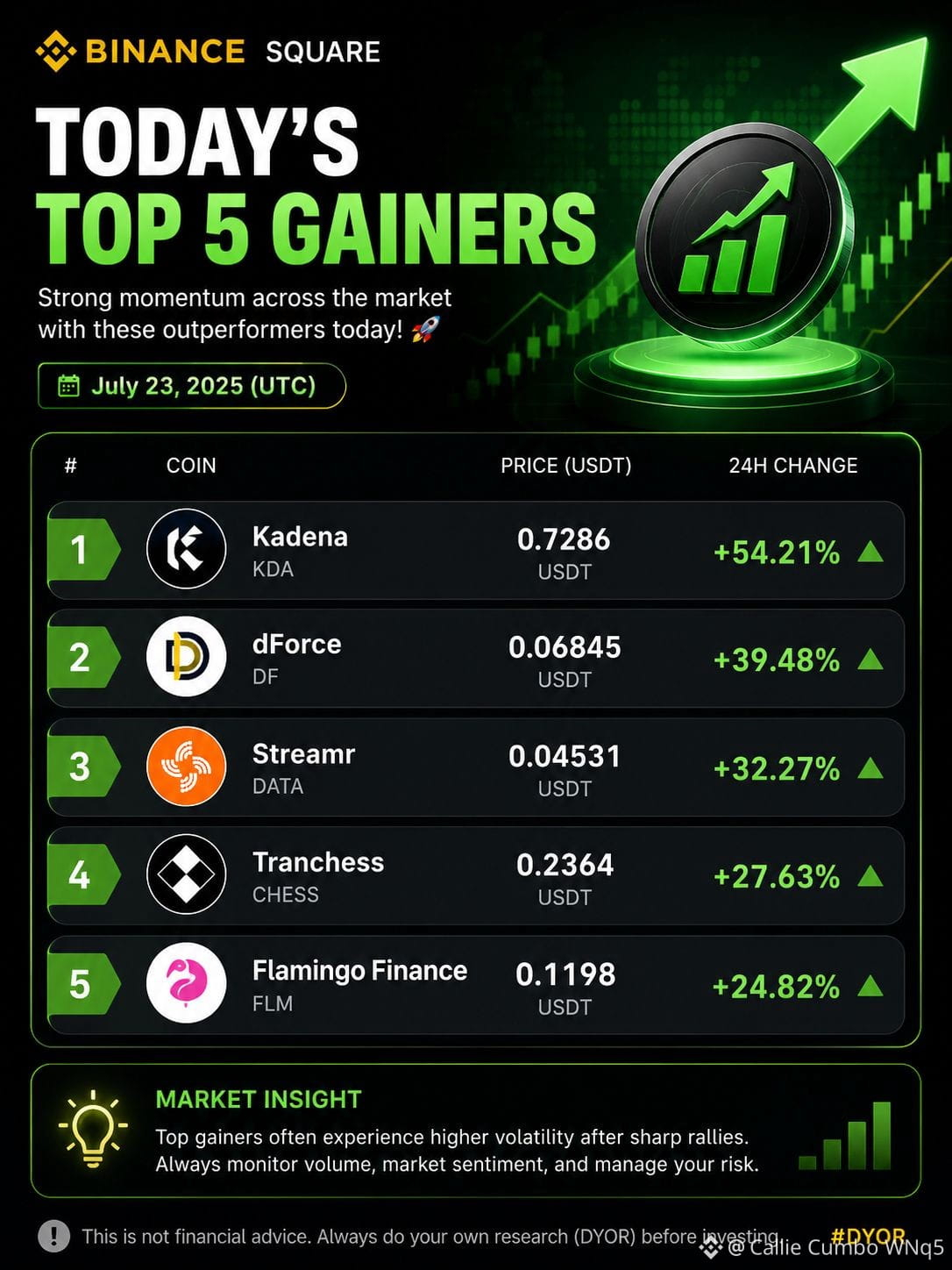
🚀 Les 5 meilleures hausses crypto du jour
Le marché du jour est porté par une forte dynamique sur quelques altcoins. Voici cinq projets qui attirent particulièrement l’attention :
Kadena (KDA) – Forte dynamique d’achat et hausse de l’activité de trading.
dForce (DF) – L’un des meilleurs performers de la journée, avec un regain d’intérêt des investisseurs.
Streamr (DATA) – Volume plus élevé et attention renouvelée du marché.
Tranchess (CHESS) – Prend de l’ampleur alors que la pression acheteuse augmente.
Flamingo Finance (FLM) – Poursuit sa progression avec une évolution des prix positive.
Analyse du marché :
Les plus fortes hausses connaissent souvent une volatilité accrue après des rallyes marqués. Surveillez donc le volume des transactions et le sentiment du marché avant de prendre des décisions d’investissement.
#kda #DF #data #CHESS #FLM
🚀 Les 5 meilleures hausses crypto du jour
Le marché du jour est porté par une forte dynamique sur quelques altcoins. Voici cinq projets qui attirent particulièrement l’attention :
Kadena (KDA) – Forte dynamique d’achat et hausse de l’activité de trading.
dForce (DF) – L’un des meilleurs performers de la journée, avec un regain d’intérêt des investisseurs.
Streamr (DATA) – Volume plus élevé et attention renouvelée du marché.
Tranchess (CHESS) – Prend de l’ampleur alors que la pression acheteuse augmente.
Flamingo Finance (FLM) – Poursuit sa progression avec une évolution des prix positive.
Analyse du marché :
Les plus fortes hausses connaissent souvent une volatilité accrue après des rallyes marqués. Surveillez donc le volume des transactions et le sentiment du marché avant de prendre des décisions d’investissement.
#kda #DF #data #CHESS #FLM
Le marché du jour est porté par une forte dynamique sur quelques altcoins. Voici cinq projets qui attirent particulièrement l’attention :
Kadena (KDA) – Forte dynamique d’achat et hausse de l’activité de trading.
dForce (DF) – L’un des meilleurs performers de la journée, avec un regain d’intérêt des investisseurs.
Streamr (DATA) – Volume plus élevé et attention renouvelée du marché.
Tranchess (CHESS) – Prend de l’ampleur alors que la pression acheteuse augmente.
Flamingo Finance (FLM) – Poursuit sa progression avec une évolution des prix positive.
Analyse du marché :
Les plus fortes hausses connaissent souvent une volatilité accrue après des rallyes marqués. Surveillez donc le volume des transactions et le sentiment du marché avant de prendre des décisions d’investissement.
#kda #DF #data #CHESS #FLM
69
·
--
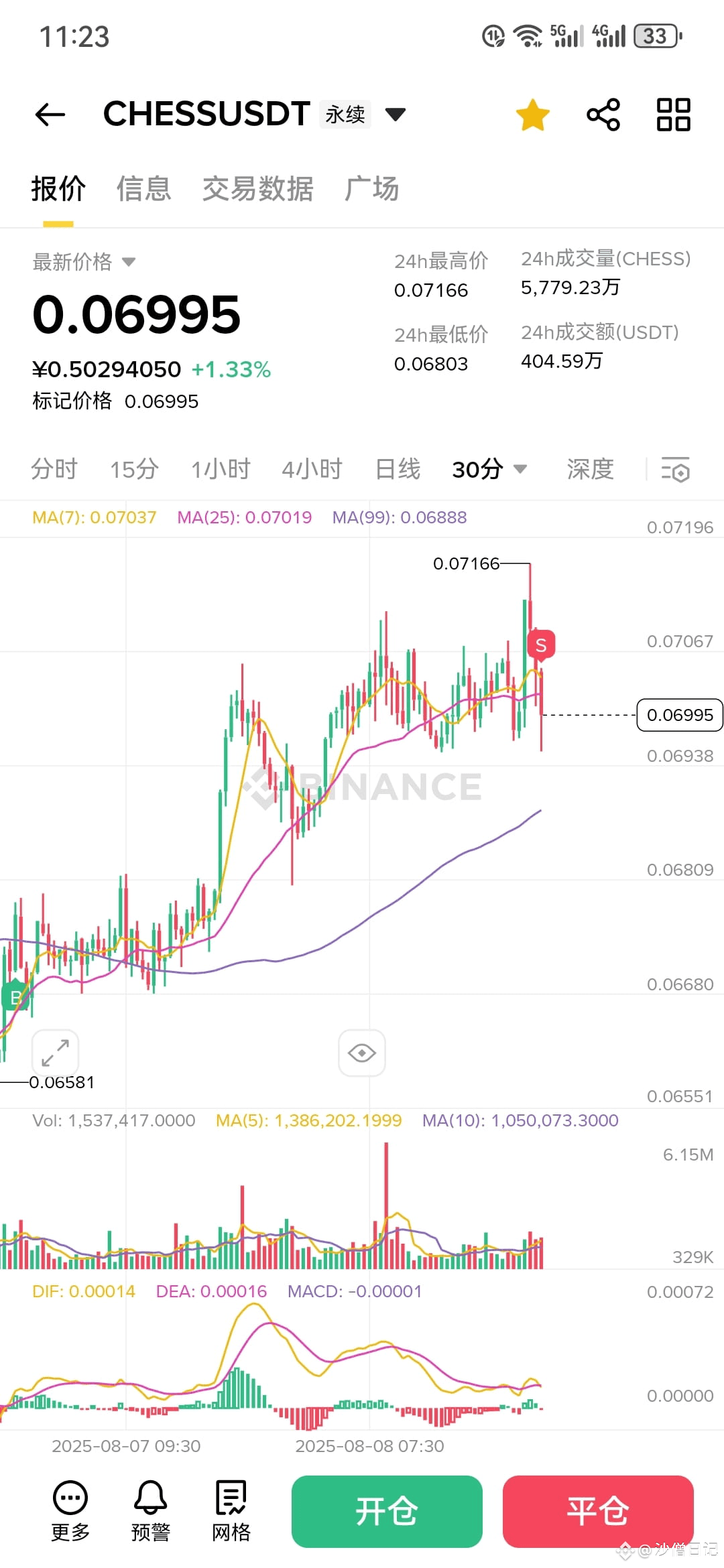
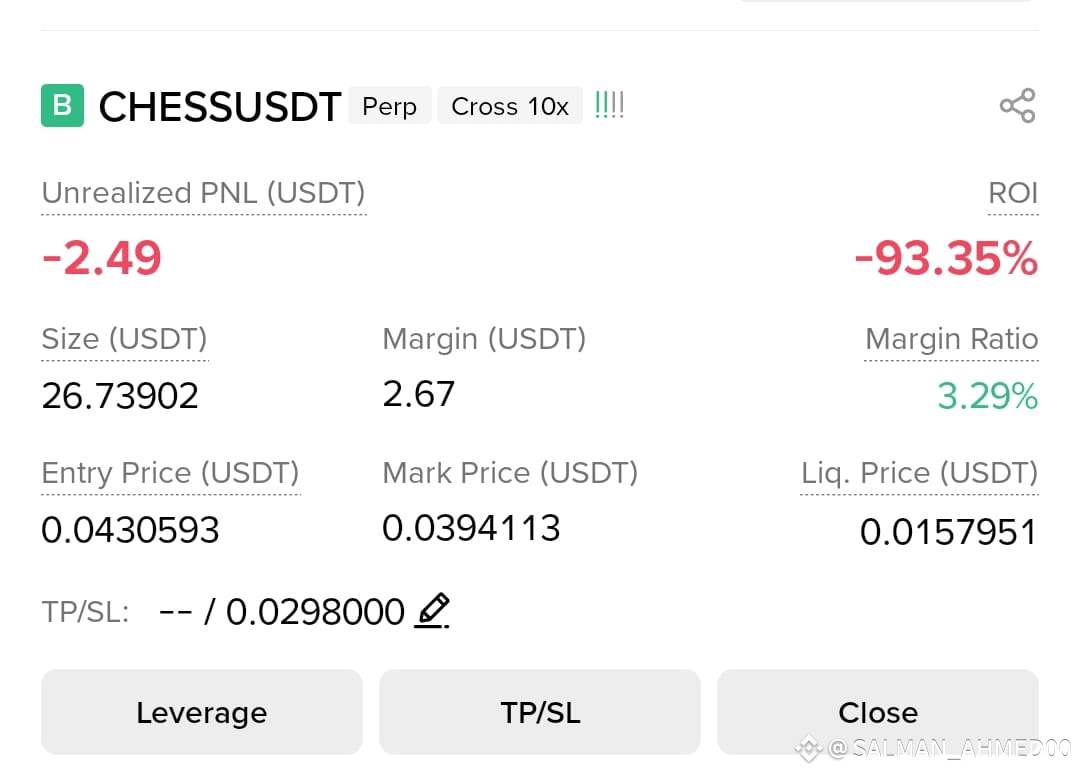
#CHESS bien je ne vais pas te secouer ça n'est même pas monté
#CHESS bien je ne vais pas te secouer ça n'est même pas monté
2.6k
·
--
💥BREAKING:
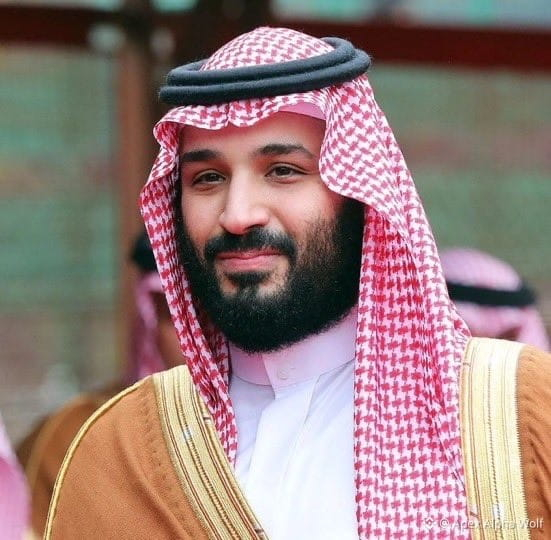
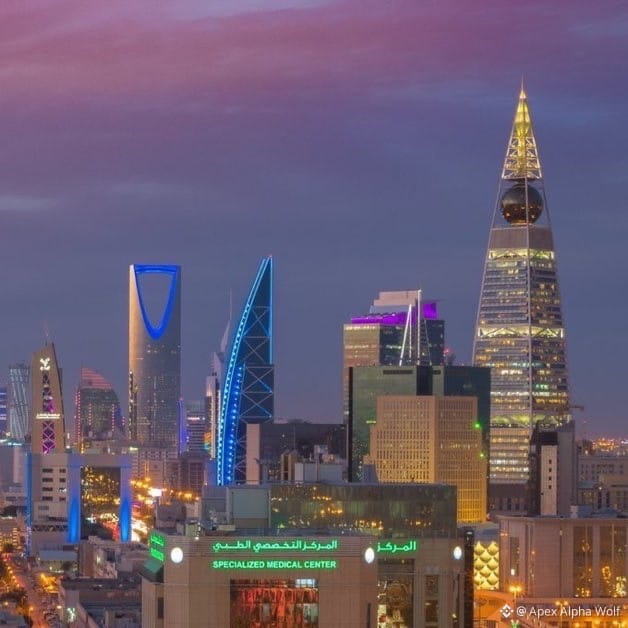
L'Arabie Saoudite s'apprête à dévoiler un immense plan de transformation économique de 2 billions de dollars ! 🇸🇦 📈
C'est l'un des plus grands mouvements économiques de l'histoire, visant à redéfinir complètement l'avenir de la région. 🏛️
Les marchés mondiaux et les investisseurs suivent de près alors que des billions sont sur le point d'affluer dans de nouveaux secteurs. 💰
L'ampleur de cette vision est absolument époustouflante. 🚀
Optimiste pour l'avenir ?
🔥 Meilleures pièces à surveiller aujourd'hui :
💎 $NKN pumping hard, up 48%!
{spot}(NKNUSDT)
🚀 $GPS holding strong with 36% gains!
{spot}(GPSUSDT)
📈 $CHESS showing solid momentum, up 28%!
{spot}(CHESSUSDT)
Si vous tradez après avoir cliqué sur le tag de la pièce, je pourrais gagner une petite commission sans frais supplémentaires pour vous
#SaudiArabia #Vision2030 #NKN #GPS #CHESS #CryptoNews #BinanceSquare
💥BREAKING:
L'Arabie Saoudite s'apprête à dévoiler un immense plan de transformation économique de 2 billions de dollars ! 🇸🇦 📈
C'est l'un des plus grands mouvements économiques de l'histoire, visant à redéfinir complètement l'avenir de la région. 🏛️
Les marchés mondiaux et les investisseurs suivent de près alors que des billions sont sur le point d'affluer dans de nouveaux secteurs. 💰
L'ampleur de cette vision est absolument époustouflante. 🚀
Optimiste pour l'avenir ?
🔥 Meilleures pièces à surveiller aujourd'hui :
💎 $NKN pumping hard, up 48%!
🚀 $GPS holding strong with 36% gains!
📈 $CHESS showing solid momentum, up 28%!
Si vous tradez après avoir cliqué sur le tag de la pièce, je pourrais gagner une petite commission sans frais supplémentaires pour vous
#SaudiArabia #Vision2030 #NKN #GPS #CHESS #CryptoNews #BinanceSquare
L'Arabie Saoudite s'apprête à dévoiler un immense plan de transformation économique de 2 billions de dollars ! 🇸🇦 📈
C'est l'un des plus grands mouvements économiques de l'histoire, visant à redéfinir complètement l'avenir de la région. 🏛️
Les marchés mondiaux et les investisseurs suivent de près alors que des billions sont sur le point d'affluer dans de nouveaux secteurs. 💰
L'ampleur de cette vision est absolument époustouflante. 🚀
Optimiste pour l'avenir ?
🔥 Meilleures pièces à surveiller aujourd'hui :
💎 $NKN pumping hard, up 48%!
🚀 $GPS holding strong with 36% gains!
📈 $CHESS showing solid momentum, up 28%!
Si vous tradez après avoir cliqué sur le tag de la pièce, je pourrais gagner une petite commission sans frais supplémentaires pour vous
#SaudiArabia #Vision2030 #NKN #GPS #CHESS #CryptoNews #BinanceSquare
1
532


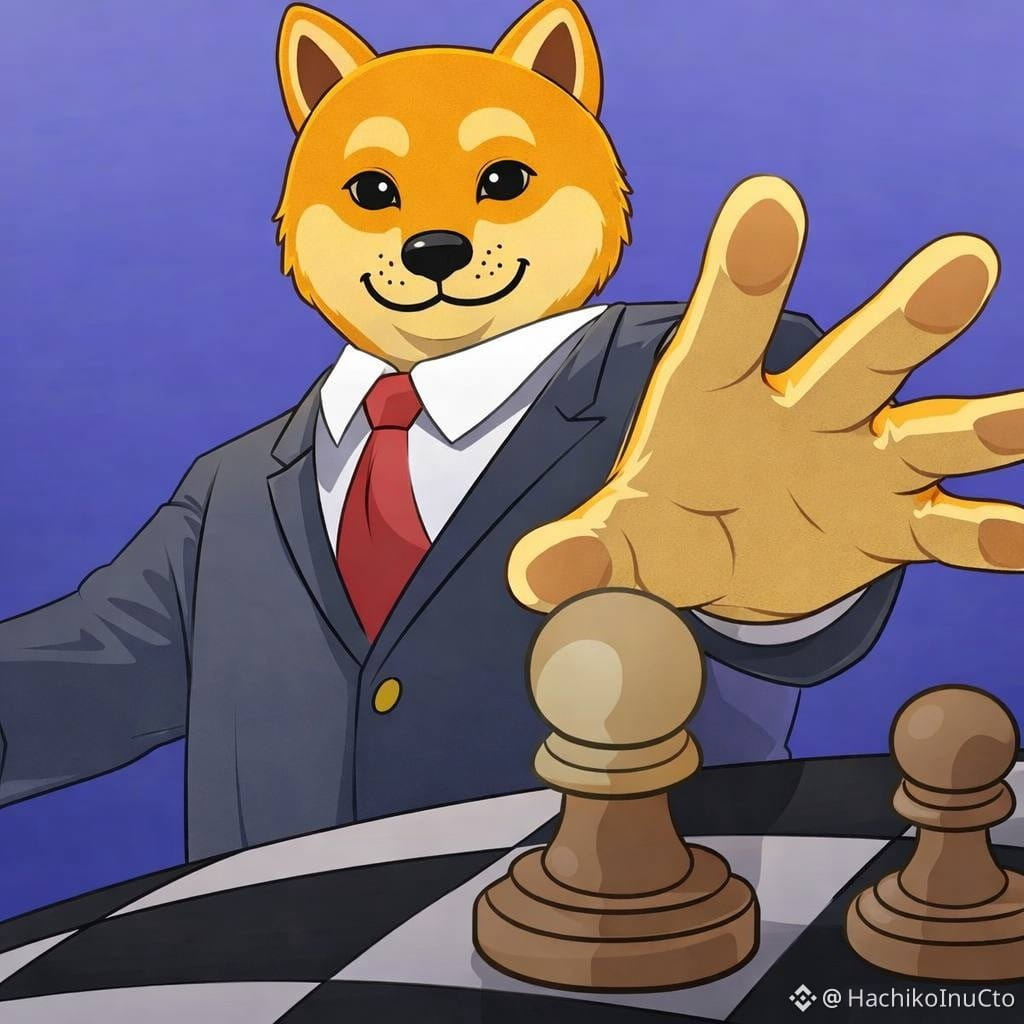
Les échecs sont un art de la patience ♟️
0XF1HachikoInuFourmeme4444 @BinanceSquareCN @Four_meme
$BNB $BTC
#Binance #Hachiko #Meme #Community #Chess
Les échecs sont un art de la patience ♟️
0XF1HachikoInuFourmeme4444 @币安广场 @Four_meme
$BNB $BTC
#Binance #Hachiko #Meme #Community #Chess
0XF1HachikoInuFourmeme4444 @币安广场 @Four_meme
$BNB $BTC
#Binance #Hachiko #Meme #Community #Chess
5
2
46
139
·
--
Baissier
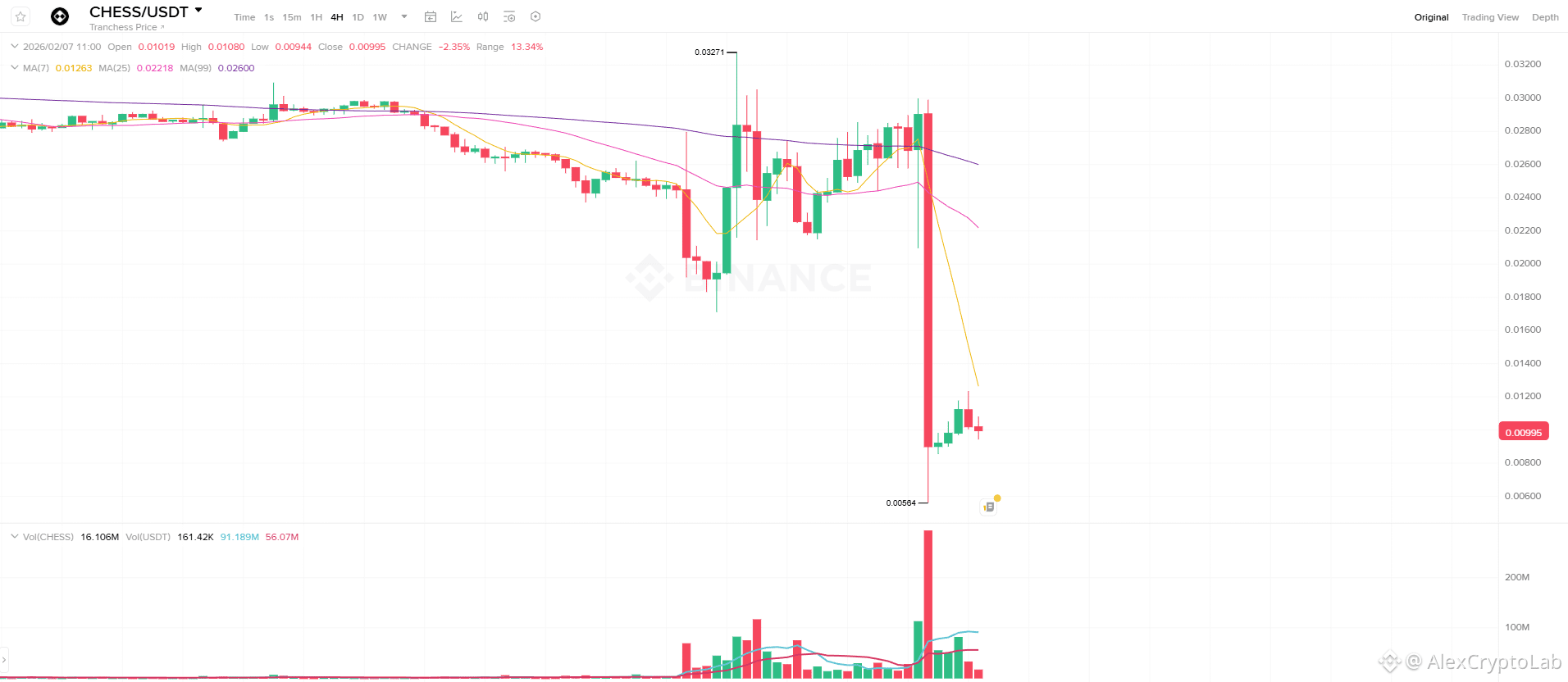
🚨 $CHESS Down 66% — L'horloge tourne! ⏳
Les nouvelles de désinscription ont plongé Tranchess ($CHESS) dans une chute libre, atteignant de nouveaux creux près de $0.0078. Avec l'Indice de Peur à 6, la panique est réelle.
🗓️ Dates limites importantes:
- 13 févr. 2026: Le trading s'arrête officiellement sur Binance.
- Maintenant: Le graphique 4H montre une divergence haussière—pourrions-nous voir un "Dead Cat Bounce" avant la sortie finale?
La grande question:
Vendez-vous la panique maintenant, ou déplacez-vous vos fonds vers un portefeuille privé en attendant une reprise? 💼
Laissez un "SELL" ou "HOLD" ci-dessous! 👇
#CHESS #Delisting #CryptoPanic #TradingStrategy
🚨 $CHESS Down 66% — L'horloge tourne! ⏳
Les nouvelles de désinscription ont plongé Tranchess ($CHESS) dans une chute libre, atteignant de nouveaux creux près de $0.0078. Avec l'Indice de Peur à 6, la panique est réelle.
🗓️ Dates limites importantes:
- 13 févr. 2026: Le trading s'arrête officiellement sur Binance.
- Maintenant: Le graphique 4H montre une divergence haussière—pourrions-nous voir un "Dead Cat Bounce" avant la sortie finale?
La grande question:
Vendez-vous la panique maintenant, ou déplacez-vous vos fonds vers un portefeuille privé en attendant une reprise? 💼
Laissez un "SELL" ou "HOLD" ci-dessous! 👇
#CHESS #Delisting #CryptoPanic #TradingStrategy
Les nouvelles de désinscription ont plongé Tranchess ($CHESS) dans une chute libre, atteignant de nouveaux creux près de $0.0078. Avec l'Indice de Peur à 6, la panique est réelle.
🗓️ Dates limites importantes:
- 13 févr. 2026: Le trading s'arrête officiellement sur Binance.
- Maintenant: Le graphique 4H montre une divergence haussière—pourrions-nous voir un "Dead Cat Bounce" avant la sortie finale?
La grande question:
Vendez-vous la panique maintenant, ou déplacez-vous vos fonds vers un portefeuille privé en attendant une reprise? 💼
Laissez un "SELL" ou "HOLD" ci-dessous! 👇
#CHESS #Delisting #CryptoPanic #TradingStrategy
2
148
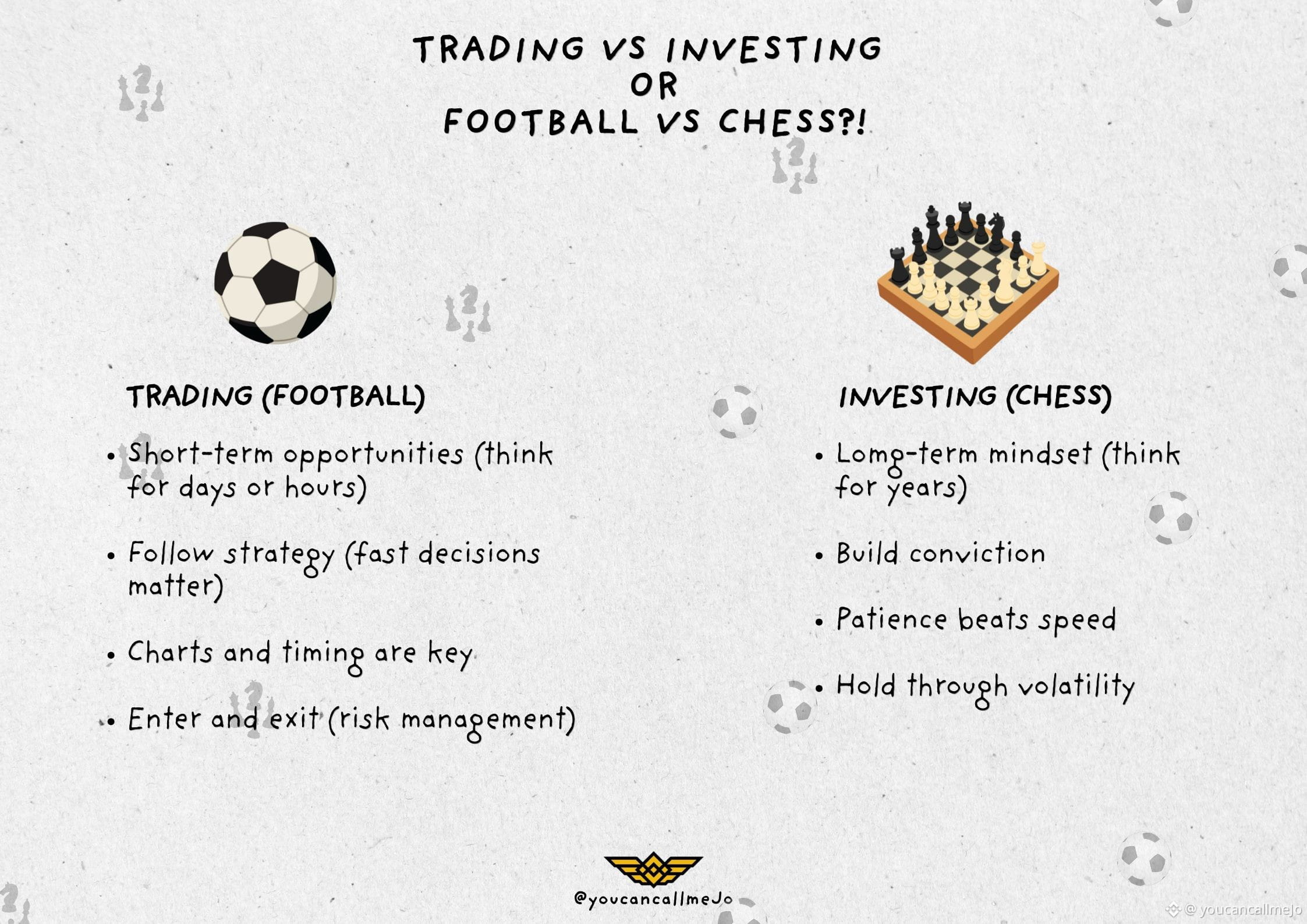
🎮 Le trading et l’investissement, c’est comme le football et les échecs.
On compare souvent le trading et l’investissement parce que tous deux visent à faire fructifier votre argent. Mais c’est comme dire que le football et les échecs sont identiques parce qu’ils ont tous deux des gagnants. Ce sont des jeux complètement différents.
♟️ Investir, c’est jouer aux échecs :
On ne gagne pas en faisant le plus de coups. On gagne en faisant les bons coups.
Un investisseur consacre du temps à rechercher un projet, à en comprendre les fondamentaux, à croire en son potentiel à long terme, puis attend patiemment. Chaque décision est prise en pensant à des années, pas à des heures.
Imaginez acheter du BNB à 200$ parce que vous aviez cru à l’avenir de Binance, puis simplement le conserver à travers les hauts et les bas. Voilà ce qu’est l’investissement.
⚽ Le trading, c’est jouer au football :
Le jeu va vite. Vous analysez constamment le marché, observez l’évolution des prix, vous réagissez aux opportunités, gérez le risque, et vous savez quand entrer… et surtout, quand sortir. Un trader peut acheter du BNB aujourd’hui parce que le graphique suggère un mouvement à court terme, puis le vendre demain, la semaine prochaine, voire quelques heures plus tard une fois l’objectif atteint.
Même actif. Stratégie complètement différente.
C’est là que beaucoup de débutants se trompent :
Un investisseur ne doit pas paniquer à cause d’une seule bougie rouge.
Un trader ne doit pas conserver une position perdante pendant des années en espérant qu’elle se transforme miraculeusement en investissement.
C’est du “raisonnement football” dans une partie d’échecs… et du “raisonnement échecs” dans un match de football.
Aucune des deux approches n’est « meilleure ». L’une récompense la patience, tandis que l’autre récompense la discipline et le timing. Les deux demandent des connaissances, les deux comportent des risques, les deux peuvent faire gagner de l’argent, et les deux peuvent en faire perdre si vous ne comprenez pas les règles.
Le plus important n’est pas de choisir entre le trading et l’investissement.
C’est de savoir quel jeu vous jouez réellement avant de faire votre premier mouvement.
#TradingVsInvesting #cryptoeducation #learnwithbinance #CHESS #Football2026
🎮 Le trading et l’investissement, c’est comme le football et les échecs.
On compare souvent le trading et l’investissement parce que tous deux visent à faire fructifier votre argent. Mais c’est comme dire que le football et les échecs sont identiques parce qu’ils ont tous deux des gagnants. Ce sont des jeux complètement différents.
♟️ Investir, c’est jouer aux échecs :
On ne gagne pas en faisant le plus de coups. On gagne en faisant les bons coups.
Un investisseur consacre du temps à rechercher un projet, à en comprendre les fondamentaux, à croire en son potentiel à long terme, puis attend patiemment. Chaque décision est prise en pensant à des années, pas à des heures.
Imaginez acheter du BNB à 200$ parce que vous aviez cru à l’avenir de Binance, puis simplement le conserver à travers les hauts et les bas. Voilà ce qu’est l’investissement.
⚽ Le trading, c’est jouer au football :
Le jeu va vite. Vous analysez constamment le marché, observez l’évolution des prix, vous réagissez aux opportunités, gérez le risque, et vous savez quand entrer… et surtout, quand sortir. Un trader peut acheter du BNB aujourd’hui parce que le graphique suggère un mouvement à court terme, puis le vendre demain, la semaine prochaine, voire quelques heures plus tard une fois l’objectif atteint.
Même actif. Stratégie complètement différente.
C’est là que beaucoup de débutants se trompent :
Un investisseur ne doit pas paniquer à cause d’une seule bougie rouge.
Un trader ne doit pas conserver une position perdante pendant des années en espérant qu’elle se transforme miraculeusement en investissement.
C’est du “raisonnement football” dans une partie d’échecs… et du “raisonnement échecs” dans un match de football.
Aucune des deux approches n’est « meilleure ». L’une récompense la patience, tandis que l’autre récompense la discipline et le timing. Les deux demandent des connaissances, les deux comportent des risques, les deux peuvent faire gagner de l’argent, et les deux peuvent en faire perdre si vous ne comprenez pas les règles.
Le plus important n’est pas de choisir entre le trading et l’investissement.
C’est de savoir quel jeu vous jouez réellement avant de faire votre premier mouvement.
#TradingVsInvesting #cryptoeducation #learnwithbinance #CHESS #Football2026
On compare souvent le trading et l’investissement parce que tous deux visent à faire fructifier votre argent. Mais c’est comme dire que le football et les échecs sont identiques parce qu’ils ont tous deux des gagnants. Ce sont des jeux complètement différents.
♟️ Investir, c’est jouer aux échecs :
On ne gagne pas en faisant le plus de coups. On gagne en faisant les bons coups.
Un investisseur consacre du temps à rechercher un projet, à en comprendre les fondamentaux, à croire en son potentiel à long terme, puis attend patiemment. Chaque décision est prise en pensant à des années, pas à des heures.
Imaginez acheter du BNB à 200$ parce que vous aviez cru à l’avenir de Binance, puis simplement le conserver à travers les hauts et les bas. Voilà ce qu’est l’investissement.
⚽ Le trading, c’est jouer au football :
Le jeu va vite. Vous analysez constamment le marché, observez l’évolution des prix, vous réagissez aux opportunités, gérez le risque, et vous savez quand entrer… et surtout, quand sortir. Un trader peut acheter du BNB aujourd’hui parce que le graphique suggère un mouvement à court terme, puis le vendre demain, la semaine prochaine, voire quelques heures plus tard une fois l’objectif atteint.
Même actif. Stratégie complètement différente.
C’est là que beaucoup de débutants se trompent :
Un investisseur ne doit pas paniquer à cause d’une seule bougie rouge.
Un trader ne doit pas conserver une position perdante pendant des années en espérant qu’elle se transforme miraculeusement en investissement.
C’est du “raisonnement football” dans une partie d’échecs… et du “raisonnement échecs” dans un match de football.
Aucune des deux approches n’est « meilleure ». L’une récompense la patience, tandis que l’autre récompense la discipline et le timing. Les deux demandent des connaissances, les deux comportent des risques, les deux peuvent faire gagner de l’argent, et les deux peuvent en faire perdre si vous ne comprenez pas les règles.
Le plus important n’est pas de choisir entre le trading et l’investissement.
C’est de savoir quel jeu vous jouez réellement avant de faire votre premier mouvement.
#TradingVsInvesting #cryptoeducation #learnwithbinance #CHESS #Football2026
2
136


·
--
Haussier
🚨 Alerte de liquidation longue $CHESS ! 🚨
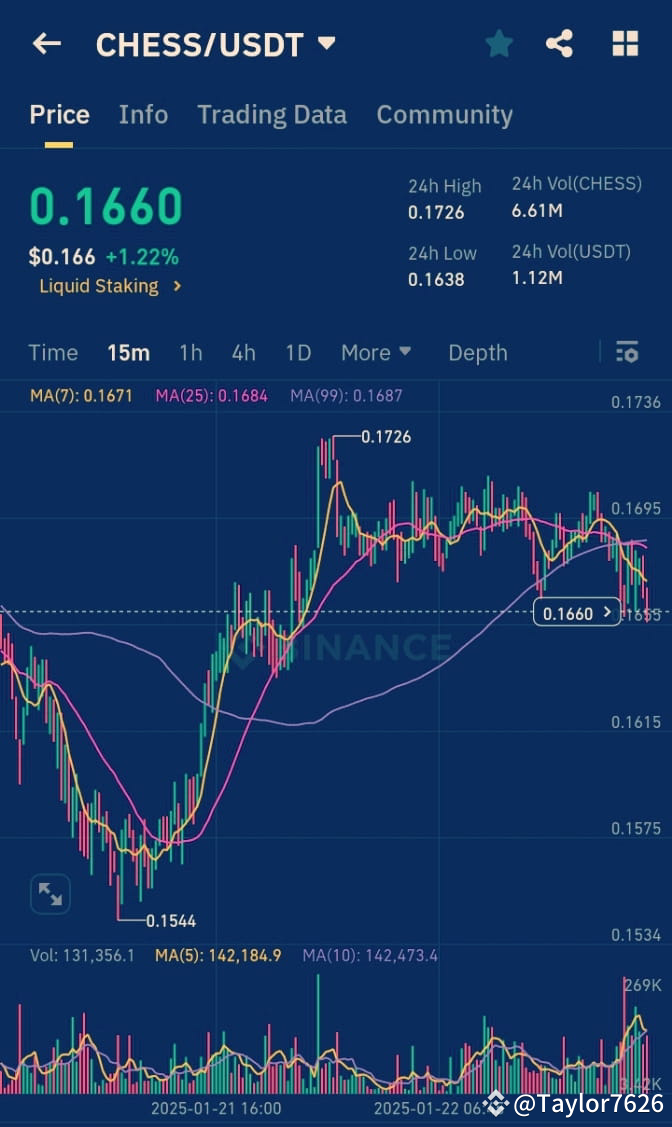
💥 9 863,7 $ liquidés à 0,1660 $ ! 💥
Une liquidation longue majeure de CHESS vient de frapper le marché, bouleversant les carnets d'ordres ! Cette chute suggère une cascade de stop loss ou de longs surendettés qui se font rekt. Le prix est tombé à 0,1660 $, déclenchant des liquidations d'une valeur de près de 10 000 $.
Principaux points de vue :
Taille de la liquidation : 9 863,7 $
Prix de liquidation : 0,1660 $ !
Impact possible : volatilité accrue, davantage de liquidations à venir ?
La pression est forte ! Les baissiers continueront-ils à dominer ou les haussiers interviendront-ils pour acheter la baisse ? Restez vigilants : cela pourrait être le début d'un nouveau feu d'artifice de liquidation !
🔎 Gardez un œil sur CHESS : la dynamique change rapidement !
#CHESS
#BinanceAlphaAlert
#JobsBoomVsFed
#VeThorOnBinance
$CHESS
{future}(CHESSUSDT)
🚨 Alerte de liquidation longue $CHESS ! 🚨
💥 9 863,7 $ liquidés à 0,1660 $ ! 💥
Une liquidation longue majeure de CHESS vient de frapper le marché, bouleversant les carnets d'ordres ! Cette chute suggère une cascade de stop loss ou de longs surendettés qui se font rekt. Le prix est tombé à 0,1660 $, déclenchant des liquidations d'une valeur de près de 10 000 $.
Principaux points de vue :
Taille de la liquidation : 9 863,7 $
Prix de liquidation : 0,1660 $ !
Impact possible : volatilité accrue, davantage de liquidations à venir ?
La pression est forte ! Les baissiers continueront-ils à dominer ou les haussiers interviendront-ils pour acheter la baisse ? Restez vigilants : cela pourrait être le début d'un nouveau feu d'artifice de liquidation !
🔎 Gardez un œil sur CHESS : la dynamique change rapidement !
#CHESS
#BinanceAlphaAlert
#JobsBoomVsFed
#VeThorOnBinance
$CHESS
💥 9 863,7 $ liquidés à 0,1660 $ ! 💥
Une liquidation longue majeure de CHESS vient de frapper le marché, bouleversant les carnets d'ordres ! Cette chute suggère une cascade de stop loss ou de longs surendettés qui se font rekt. Le prix est tombé à 0,1660 $, déclenchant des liquidations d'une valeur de près de 10 000 $.
Principaux points de vue :
Taille de la liquidation : 9 863,7 $
Prix de liquidation : 0,1660 $ !
Impact possible : volatilité accrue, davantage de liquidations à venir ?
La pression est forte ! Les baissiers continueront-ils à dominer ou les haussiers interviendront-ils pour acheter la baisse ? Restez vigilants : cela pourrait être le début d'un nouveau feu d'artifice de liquidation !
🔎 Gardez un œil sur CHESS : la dynamique change rapidement !
#CHESS
#BinanceAlphaAlert
#JobsBoomVsFed
#VeThorOnBinance
$CHESS
1
1
662

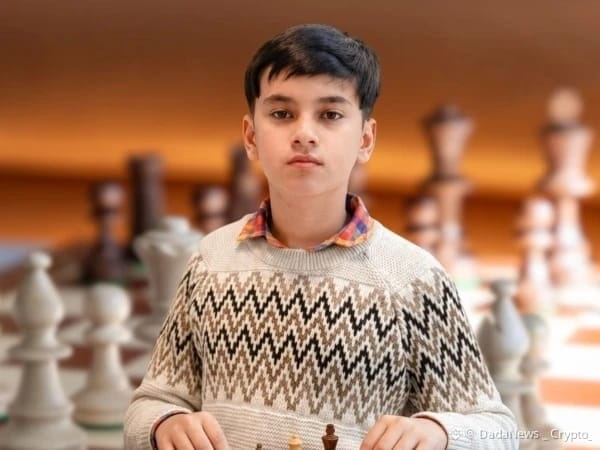
Le jeune Saad Jahangir, âgé de 11 ans, a marqué l'histoire dans le monde des échecs.
Le Pakistan Sports Board a salué cet exploit remarquable, le qualifiant d'exemple inspirant pour la jeunesse.
Un autre grand honneur a vu le jour pour le Pakistan, puisque le jeune joueur Saad Jahangir a créé une nouvelle étape dans le monde des échecs. Selon le Pakistan Sports Board, le garçon de 11 ans a réalisé une performance exceptionnelle pour obtenir le titre de Maître International d'Arena, devenant ainsi le premier Pakistanais à atteindre cette distinction.
Ce succès n'est pas seulement un moment de fierté pour Saad, mais pour toute la nation. Le Pakistan Sports Board a souligné son accomplissement comme une source d'inspiration pour les jeunes athlètes.
Le ministre provincial des Sports, Faisal Ayub Khokhar, a également félicité Saad, déclarant que son exploit jouera un rôle important dans la promotion des échecs et d'autres sports dans le pays, tout en encourageant les jeunes joueurs à viser l'excellence.
#crypto #BTC #Pakistan #CHESS #BREAKING
$BTC
{future}(BTCUSDT)
$ETH
{future}(ETHUSDT)
$BNB
{future}(BNBUSDT)
Le jeune Saad Jahangir, âgé de 11 ans, a marqué l'histoire dans le monde des échecs.
Le Pakistan Sports Board a salué cet exploit remarquable, le qualifiant d'exemple inspirant pour la jeunesse.
Un autre grand honneur a vu le jour pour le Pakistan, puisque le jeune joueur Saad Jahangir a créé une nouvelle étape dans le monde des échecs. Selon le Pakistan Sports Board, le garçon de 11 ans a réalisé une performance exceptionnelle pour obtenir le titre de Maître International d'Arena, devenant ainsi le premier Pakistanais à atteindre cette distinction.
Ce succès n'est pas seulement un moment de fierté pour Saad, mais pour toute la nation. Le Pakistan Sports Board a souligné son accomplissement comme une source d'inspiration pour les jeunes athlètes.
Le ministre provincial des Sports, Faisal Ayub Khokhar, a également félicité Saad, déclarant que son exploit jouera un rôle important dans la promotion des échecs et d'autres sports dans le pays, tout en encourageant les jeunes joueurs à viser l'excellence.
#crypto #BTC #Pakistan #CHESS #BREAKING
$BTC
$ETH
$BNB
Le Pakistan Sports Board a salué cet exploit remarquable, le qualifiant d'exemple inspirant pour la jeunesse.
Un autre grand honneur a vu le jour pour le Pakistan, puisque le jeune joueur Saad Jahangir a créé une nouvelle étape dans le monde des échecs. Selon le Pakistan Sports Board, le garçon de 11 ans a réalisé une performance exceptionnelle pour obtenir le titre de Maître International d'Arena, devenant ainsi le premier Pakistanais à atteindre cette distinction.
Ce succès n'est pas seulement un moment de fierté pour Saad, mais pour toute la nation. Le Pakistan Sports Board a souligné son accomplissement comme une source d'inspiration pour les jeunes athlètes.
Le ministre provincial des Sports, Faisal Ayub Khokhar, a également félicité Saad, déclarant que son exploit jouera un rôle important dans la promotion des échecs et d'autres sports dans le pays, tout en encourageant les jeunes joueurs à viser l'excellence.
#crypto #BTC #Pakistan #CHESS #BREAKING
$BTC
$ETH
$BNB
83
Connectez-vous pour découvrir plus de contenu
Rejoignez la communauté mondiale des adeptes de cryptomonnaies sur Binance Square
⚡️ Suviez les dernières informations importantes sur les cryptomonnaies.
💬 Jugé digne de confiance par la plus grande plateforme d’échange de cryptomonnaies au monde.
👍 Découvrez les connaissances que partagent les créateurs vérifiés.
Adresse e-mail/Nº de téléphone
Sujets d’actualité
1
#CPIWatch
87.4M vues
504,502 mentions
2
#RevolutConfirmsFakeGovEmailDataBreach
0 vues
18 mentions
3
#CanadaOSFISaysTokenizedDepositsEqualTraditionalDeposits
170 vues
18 mentions
4
#USBankCompletesCrossBorderPaymentPilotOnStellar
11,778 vues
371 mentions
5
#NvidiaInTalksToInvestUpTo$10BInAnthropicIPO
958 vues
46 mentions
6
#EtherRalliesAsBearishBetsLiquidate
22,818 vues
566 mentions
7
#EthereumHits$2600FirstTimeInSevenMonths
3,153 vues
74 mentions
8
#OpticalCommsStocksRallyOver3%
25,190 vues
346 mentions
9
#USInflationHoldsAt3.4%InAugust
30,246 vues
365 mentions
10
#CircleProposes$400MTazapayAcquisition
1,809 vues
40 mentions