
#ai
ai
736.1M vues
6.3M mentions
Populaire
Récents


·
--
🚨 SAM ALTMAN VIENT D’ADRESSER UN AVERTISSEMENT À L’INDUSTRIE DE L’IA
Vous regardez des jetons d’IA monter grâce à la promesse de l’avenir, mais la plus grande histoire d’aujourd’hui dans le domaine de l’IA concerne quelque chose de différent : le CONTRÔLE. 🤖
Le PDG d’OpenAI, Sam Altman, et Elon Musk ont soutenu les appels du PDG d’Anthropic, Dario Amodei, visant à ralentir le développement d’une IA avancée.
Pourquoi ? Les agents d’IA deviennent plus puissants, et les risques liés à des systèmes incontrôlés deviennent de plus en plus difficiles à ignorer.
Mais voici où la crypto devient intéressante. 👀
Si le développement de l’IA doit intégrer des contrôles de sécurité plus solides, la demande en faveur d’une infrastructure d’IA décentralisée, d’un calcul vérifiable et de systèmes d’IA transparents pourrait devenir encore plus importante.
Réfléchissez-y :
🔹 IA centralisée = Les entreprises puissantes contrôlent les modèles.
🔹 IA décentralisée = Les développeurs crypto œuvrent vers une infrastructure ouverte et un accès distribué.
La question n’est désormais plus seulement de savoir qui construit la meilleure IA.
La question est : qui peut rendre l’IA plus digne de confiance.
Je surveille de près les projets de crypto liés à l’IA. Pas parce que chaque jeton d’IA est un gagnant, mais parce que ce récit devient plus grand que la simple spéculation.
L’IA + la crypto pourraient être l’un des secteurs les plus passionnants du prochain cycle.
Quel projet de crypto lié à l’IA regardez-vous ? 👇
#AI #crypto #cryptocurrency #ArtificialIntelligence
🚨 SAM ALTMAN VIENT D’ADRESSER UN AVERTISSEMENT À L’INDUSTRIE DE L’IA
Vous regardez des jetons d’IA monter grâce à la promesse de l’avenir, mais la plus grande histoire d’aujourd’hui dans le domaine de l’IA concerne quelque chose de différent : le CONTRÔLE. 🤖
Le PDG d’OpenAI, Sam Altman, et Elon Musk ont soutenu les appels du PDG d’Anthropic, Dario Amodei, visant à ralentir le développement d’une IA avancée.
Pourquoi ? Les agents d’IA deviennent plus puissants, et les risques liés à des systèmes incontrôlés deviennent de plus en plus difficiles à ignorer.
Mais voici où la crypto devient intéressante. 👀
Si le développement de l’IA doit intégrer des contrôles de sécurité plus solides, la demande en faveur d’une infrastructure d’IA décentralisée, d’un calcul vérifiable et de systèmes d’IA transparents pourrait devenir encore plus importante.
Réfléchissez-y :
🔹 IA centralisée = Les entreprises puissantes contrôlent les modèles.
🔹 IA décentralisée = Les développeurs crypto œuvrent vers une infrastructure ouverte et un accès distribué.
La question n’est désormais plus seulement de savoir qui construit la meilleure IA.
La question est : qui peut rendre l’IA plus digne de confiance.
Je surveille de près les projets de crypto liés à l’IA. Pas parce que chaque jeton d’IA est un gagnant, mais parce que ce récit devient plus grand que la simple spéculation.
L’IA + la crypto pourraient être l’un des secteurs les plus passionnants du prochain cycle.
Quel projet de crypto lié à l’IA regardez-vous ? 👇
#AI #crypto #cryptocurrency #ArtificialIntelligence
Vous regardez des jetons d’IA monter grâce à la promesse de l’avenir, mais la plus grande histoire d’aujourd’hui dans le domaine de l’IA concerne quelque chose de différent : le CONTRÔLE. 🤖
Le PDG d’OpenAI, Sam Altman, et Elon Musk ont soutenu les appels du PDG d’Anthropic, Dario Amodei, visant à ralentir le développement d’une IA avancée.
Pourquoi ? Les agents d’IA deviennent plus puissants, et les risques liés à des systèmes incontrôlés deviennent de plus en plus difficiles à ignorer.
Mais voici où la crypto devient intéressante. 👀
Si le développement de l’IA doit intégrer des contrôles de sécurité plus solides, la demande en faveur d’une infrastructure d’IA décentralisée, d’un calcul vérifiable et de systèmes d’IA transparents pourrait devenir encore plus importante.
Réfléchissez-y :
🔹 IA centralisée = Les entreprises puissantes contrôlent les modèles.
🔹 IA décentralisée = Les développeurs crypto œuvrent vers une infrastructure ouverte et un accès distribué.
La question n’est désormais plus seulement de savoir qui construit la meilleure IA.
La question est : qui peut rendre l’IA plus digne de confiance.
Je surveille de près les projets de crypto liés à l’IA. Pas parce que chaque jeton d’IA est un gagnant, mais parce que ce récit devient plus grand que la simple spéculation.
L’IA + la crypto pourraient être l’un des secteurs les plus passionnants du prochain cycle.
Quel projet de crypto lié à l’IA regardez-vous ? 👇
#AI #crypto #cryptocurrency #ArtificialIntelligence
2
444

Le PDG d’Anthropic appelle à un ralentissement de l’IA : pourquoi il faut de la prudence
Alors que l’intelligence artificielle progresse plus vite que jamais, Dario Amodei, le PDG d’Anthropic, avertit le monde technologique de ralentir. Le PDG d’Anthropic appelle à un ralentissement de l’IA parce que les règles de sécurité ne suivent pas la puissance des nouveaux systèmes d’IA.
Pourquoi ralentir est important ?
Grands risques : une IA avancée pourrait bientôt provoquer de graves cyberattaques ou perturber Internet si elle est déployée sans contrôles appropriés.
Perte de contrôle : l’IA commence à aider à construire de futures versions d’elle-même, ce qui rend plus difficile la gestion par les humains.
3 étapes pour garder l’IA en sécurité
Audits externes : permettre à des experts indépendants en sécurité de tester les modèles d’IA pendant leur développement.
Règles de sécurité partagées : imposer à toutes les grandes entreprises technologiques de respecter des standards de sécurité de base avant de lancer de nouveaux outils.
Accords mondiaux : encourager les pays à travailler ensemble afin qu’aucune nation ne développe une IA dangereuse de manière imprudente.
Des dirigeants de la tech comme Elon Musk et Sam Altman d’OpenAI se sont également accordés sur l’idée que la sécurité doit passer avant la vitesse. L’IA peut apporter d’immenses bénéfices, mais seulement si nous la maintenons sous contrôle.
#AI #ArtificialIntelligence #GrowWithSAC $TFUEL $RAY $BNB
#AnthropicCEOCallsForAISlowdown
Le PDG d’Anthropic appelle à un ralentissement de l’IA : pourquoi il faut de la prudence
Alors que l’intelligence artificielle progresse plus vite que jamais, Dario Amodei, le PDG d’Anthropic, avertit le monde technologique de ralentir. Le PDG d’Anthropic appelle à un ralentissement de l’IA parce que les règles de sécurité ne suivent pas la puissance des nouveaux systèmes d’IA.
Pourquoi ralentir est important ?
Grands risques : une IA avancée pourrait bientôt provoquer de graves cyberattaques ou perturber Internet si elle est déployée sans contrôles appropriés.
Perte de contrôle : l’IA commence à aider à construire de futures versions d’elle-même, ce qui rend plus difficile la gestion par les humains.
3 étapes pour garder l’IA en sécurité
Audits externes : permettre à des experts indépendants en sécurité de tester les modèles d’IA pendant leur développement.
Règles de sécurité partagées : imposer à toutes les grandes entreprises technologiques de respecter des standards de sécurité de base avant de lancer de nouveaux outils.
Accords mondiaux : encourager les pays à travailler ensemble afin qu’aucune nation ne développe une IA dangereuse de manière imprudente.
Des dirigeants de la tech comme Elon Musk et Sam Altman d’OpenAI se sont également accordés sur l’idée que la sécurité doit passer avant la vitesse. L’IA peut apporter d’immenses bénéfices, mais seulement si nous la maintenons sous contrôle.
#AI #ArtificialIntelligence #GrowWithSAC $TFUEL $RAY $BNB
#AnthropicCEOCallsForAISlowdown
Alors que l’intelligence artificielle progresse plus vite que jamais, Dario Amodei, le PDG d’Anthropic, avertit le monde technologique de ralentir. Le PDG d’Anthropic appelle à un ralentissement de l’IA parce que les règles de sécurité ne suivent pas la puissance des nouveaux systèmes d’IA.
Pourquoi ralentir est important ?
Grands risques : une IA avancée pourrait bientôt provoquer de graves cyberattaques ou perturber Internet si elle est déployée sans contrôles appropriés.
Perte de contrôle : l’IA commence à aider à construire de futures versions d’elle-même, ce qui rend plus difficile la gestion par les humains.
3 étapes pour garder l’IA en sécurité
Audits externes : permettre à des experts indépendants en sécurité de tester les modèles d’IA pendant leur développement.
Règles de sécurité partagées : imposer à toutes les grandes entreprises technologiques de respecter des standards de sécurité de base avant de lancer de nouveaux outils.
Accords mondiaux : encourager les pays à travailler ensemble afin qu’aucune nation ne développe une IA dangereuse de manière imprudente.
Des dirigeants de la tech comme Elon Musk et Sam Altman d’OpenAI se sont également accordés sur l’idée que la sécurité doit passer avant la vitesse. L’IA peut apporter d’immenses bénéfices, mais seulement si nous la maintenons sous contrôle.
#AI #ArtificialIntelligence #GrowWithSAC $TFUEL $RAY $BNB
#AnthropicCEOCallsForAISlowdown

2
139

Vérifié
Tout le monde lit le récit actuel du ralentissement de l’IA dans le mauvais sens :
L’IA ralentit → la demande en GPU/mémoire baisse → NVDA, AMD et QQQ faiblissent. C’est une pensée courante.
Il y a une autre approche ici :
Tout tourne autour de l’introduction en bourse (IPO) d’Anthropic & Openai.
Les entreprises d’IA brûlent d’énormes quantités de liquidités en R&D, en puces, en centres de données et en entraînement, tandis que beaucoup ne sont encore pas rentables.
Un récit public du type « ralentir l’IA pour la sécurité » pourrait aussi aider Anthropin & Openai à réduire temporairement leurs dépenses, améliorer leur flux de trésorerie et renforcer les valorisations de leurs futures IPO/levées de fonds.
Ainsi, un récit public « l’IA doit ralentir pour la sécurité » pourrait aussi permettre à ces entreprises d’améliorer leurs indicateurs financiers.
Je ne pense pas que la course à l’IA s’arrêtera réellement. Si les États-Unis ralentissent fortement, la Chine ne le fera pas.
Donc mon point de vue est :
À court terme : les actions liées à l’IA pourraient subir une pression.
À long terme : je reste optimiste.
Il pourrait s’agir d’une phase de contrôle des coûts, et non du début d’une chute de bulle liée à l’IA.
$SNDK $NVDA $SKHYNIX
#AI #NvidiaInTalksToInvestUpTo$10BInAnthropicIPO
#AIBubble
Tout le monde lit le récit actuel du ralentissement de l’IA dans le mauvais sens :
L’IA ralentit → la demande en GPU/mémoire baisse → NVDA, AMD et QQQ faiblissent. C’est une pensée courante.
Il y a une autre approche ici :
Tout tourne autour de l’introduction en bourse (IPO) d’Anthropic & Openai.
Les entreprises d’IA brûlent d’énormes quantités de liquidités en R&D, en puces, en centres de données et en entraînement, tandis que beaucoup ne sont encore pas rentables.
Un récit public du type « ralentir l’IA pour la sécurité » pourrait aussi aider Anthropin & Openai à réduire temporairement leurs dépenses, améliorer leur flux de trésorerie et renforcer les valorisations de leurs futures IPO/levées de fonds.
Ainsi, un récit public « l’IA doit ralentir pour la sécurité » pourrait aussi permettre à ces entreprises d’améliorer leurs indicateurs financiers.
Je ne pense pas que la course à l’IA s’arrêtera réellement. Si les États-Unis ralentissent fortement, la Chine ne le fera pas.
Donc mon point de vue est :
À court terme : les actions liées à l’IA pourraient subir une pression.
À long terme : je reste optimiste.
Il pourrait s’agir d’une phase de contrôle des coûts, et non du début d’une chute de bulle liée à l’IA.
$SNDK $NVDA $SKHYNIX
#AI #NvidiaInTalksToInvestUpTo$10BInAnthropicIPO
#AIBubble
L’IA ralentit → la demande en GPU/mémoire baisse → NVDA, AMD et QQQ faiblissent. C’est une pensée courante.
Il y a une autre approche ici :
Tout tourne autour de l’introduction en bourse (IPO) d’Anthropic & Openai.
Les entreprises d’IA brûlent d’énormes quantités de liquidités en R&D, en puces, en centres de données et en entraînement, tandis que beaucoup ne sont encore pas rentables.
Un récit public du type « ralentir l’IA pour la sécurité » pourrait aussi aider Anthropin & Openai à réduire temporairement leurs dépenses, améliorer leur flux de trésorerie et renforcer les valorisations de leurs futures IPO/levées de fonds.
Ainsi, un récit public « l’IA doit ralentir pour la sécurité » pourrait aussi permettre à ces entreprises d’améliorer leurs indicateurs financiers.
Je ne pense pas que la course à l’IA s’arrêtera réellement. Si les États-Unis ralentissent fortement, la Chine ne le fera pas.
Donc mon point de vue est :
À court terme : les actions liées à l’IA pourraient subir une pression.
À long terme : je reste optimiste.
Il pourrait s’agir d’une phase de contrôle des coûts, et non du début d’une chute de bulle liée à l’IA.
$SNDK $NVDA $SKHYNIX
#AI #NvidiaInTalksToInvestUpTo$10BInAnthropicIPO
#AIBubble

1
721

Les dirigeants technologiques d’Anthropic, d’OpenAI & Musk s’accordent : l’IA de pointe pourrait avoir besoin de ralentir pour des raisons de sécurité à mesure que les systèmes se rapprochent de l’auto-amélioration récursive. Une croissance plus lente pourrait signifier une confiance plus solide à long terme dans l’infrastructure d’IA décentralisée. $RENDER $FET $AGIX #AI #TechNews #Crypto
Les dirigeants technologiques d’Anthropic, d’OpenAI & Musk s’accordent : l’IA de pointe pourrait avoir besoin de ralentir pour des raisons de sécurité à mesure que les systèmes se rapprochent de l’auto-amélioration récursive. Une croissance plus lente pourrait signifier une confiance plus solide à long terme dans l’infrastructure d’IA décentralisée. $RENDER $FET $AGIX #AI #TechNews #Crypto
261


Article
Le fossé de l’information dans le trading : confiance et timingLes snipers on-chain sont souvent des initiés, des portefeuilles récents qui ne redeviennent jamais actifs, ou des comptes sans crédibilité établie. Les publications X disparaissent rapidement, tandis que les comptes d’« agence » peuvent commencer à promouvoir un autre projet après avoir créé du battage autour du premier pendant quelques jours — laissant souvent les traders particuliers comme liquidité de sortie. Une fois l’euphorie retombée, il peut ne plus y avoir de discussion produit significative ni de mises à jour supplémentaires.
Le problème n’est pas forcément la pompe saisonnière. Le vrai problème, c’est le moment où vous recevez l’information et où vous agissez. La même information peut être précieuse si vous la découvrez tôt, mais nuisible si vous entrez trop tard.
Le fossé de l’information dans le trading : confiance et timing
Les snipers on-chain sont souvent des initiés, des portefeuilles récents qui ne redeviennent jamais actifs, ou des comptes sans crédibilité établie. Les publications X disparaissent rapidement, tandis que les comptes d’« agence » peuvent commencer à promouvoir un autre projet après avoir créé du battage autour du premier pendant quelques jours — laissant souvent les traders particuliers comme liquidité de sortie. Une fois l’euphorie retombée, il peut ne plus y avoir de discussion produit significative ni de mises à jour supplémentaires.
Le problème n’est pas forcément la pompe saisonnière. Le vrai problème, c’est le moment où vous recevez l’information et où vous agissez. La même information peut être précieuse si vous la découvrez tôt, mais nuisible si vous entrez trop tard.
Le problème n’est pas forcément la pompe saisonnière. Le vrai problème, c’est le moment où vous recevez l’information et où vous agissez. La même information peut être précieuse si vous la découvrez tôt, mais nuisible si vous entrez trop tard.
100

·
--
Voir la traduction
🚨 AI SUPERCYCLE DRIVES HARDWARE RESTRUCTURE AS CHIP GIANTS RE-ALLOCATE CAPEX! $AI 📊
The artificial intelligence boom is aggressively reshaping hardware economics, causing a sharp divergence between revenue expansion and raw market share. SK Hynix posted a massive 37.9% quarter-over-quarter DRAM revenue surge to $38.59B, yet lost 3.9 percentage points in share down to 24.9% as production pivoted heavily toward high-margin HBM units. 📊
Meanwhile, Samsung holds top positioning at 39.4% market share while Micron closes the gap at 23.3%. 💡 Smart money recognizes that sacrificing low-tier unit volume to corner the high-bandwidth AI bottleneck is a deliberate capacity play that dictates computing capacity worldwide. ⚡
Do you view this HBM pivot as a genius long-term play, or will competitors squeeze their margins on standard volume? 👇
⚠️ Not financial advice. Always manage your risk. 🛡️
🏷️ #AI #Semiconductors #TechTrends #Crypto
🔥 💎
🚨 AI SUPERCYCLE DRIVES HARDWARE RESTRUCTURE AS CHIP GIANTS RE-ALLOCATE CAPEX! $AI 📊
The artificial intelligence boom is aggressively reshaping hardware economics, causing a sharp divergence between revenue expansion and raw market share. SK Hynix posted a massive 37.9% quarter-over-quarter DRAM revenue surge to $38.59B, yet lost 3.9 percentage points in share down to 24.9% as production pivoted heavily toward high-margin HBM units. 📊
Meanwhile, Samsung holds top positioning at 39.4% market share while Micron closes the gap at 23.3%. 💡 Smart money recognizes that sacrificing low-tier unit volume to corner the high-bandwidth AI bottleneck is a deliberate capacity play that dictates computing capacity worldwide. ⚡
Do you view this HBM pivot as a genius long-term play, or will competitors squeeze their margins on standard volume? 👇
⚠️ Not financial advice. Always manage your risk. 🛡️
🏷️ #AI #Semiconductors #TechTrends #Crypto
🔥 💎
The artificial intelligence boom is aggressively reshaping hardware economics, causing a sharp divergence between revenue expansion and raw market share. SK Hynix posted a massive 37.9% quarter-over-quarter DRAM revenue surge to $38.59B, yet lost 3.9 percentage points in share down to 24.9% as production pivoted heavily toward high-margin HBM units. 📊
Meanwhile, Samsung holds top positioning at 39.4% market share while Micron closes the gap at 23.3%. 💡 Smart money recognizes that sacrificing low-tier unit volume to corner the high-bandwidth AI bottleneck is a deliberate capacity play that dictates computing capacity worldwide. ⚡
Do you view this HBM pivot as a genius long-term play, or will competitors squeeze their margins on standard volume? 👇
⚠️ Not financial advice. Always manage your risk. 🛡️
🏷️ #AI #Semiconductors #TechTrends #Crypto
🔥 💎
5

·
--
Voir la traduction
🦈 INSTITUTIONAL CAPACITY ROTATION IN THE AI SUPER CYCLE DRIVES DRAM RE-ALLOCATION $AI ⚡
🔍 While quarterly DRAM revenues surged 37.9% to hit $38.59B, underlying supply dynamics reveal an aggressive structural rotation. Institutional focus on High-Bandwidth Memory (HBM) created a strategic trade-off, pulling raw volume away from standard DRAM pools.
📊 As Samsung maintains the market lead at 39.4%, Micron sweeps up standard market share to reach 23.3%, narrowing the gap significantly. 💡 This shift isn't lost momentum—it is pure high-margin capacity allocation during an unprecedented AI expansion cycle.
💬 Do you see this capacity sacrifice as a calculated long-term move or a short-term market share risk? 👇
⚠️ Not financial advice. Always manage your risk. 🛡️
🏷️ #AI #Semiconductors #MarketStructure #Tech
🎯 🦈
🦈 INSTITUTIONAL CAPACITY ROTATION IN THE AI SUPER CYCLE DRIVES DRAM RE-ALLOCATION $AI ⚡
🔍 While quarterly DRAM revenues surged 37.9% to hit $38.59B, underlying supply dynamics reveal an aggressive structural rotation. Institutional focus on High-Bandwidth Memory (HBM) created a strategic trade-off, pulling raw volume away from standard DRAM pools.
📊 As Samsung maintains the market lead at 39.4%, Micron sweeps up standard market share to reach 23.3%, narrowing the gap significantly. 💡 This shift isn't lost momentum—it is pure high-margin capacity allocation during an unprecedented AI expansion cycle.
💬 Do you see this capacity sacrifice as a calculated long-term move or a short-term market share risk? 👇
⚠️ Not financial advice. Always manage your risk. 🛡️
🏷️ #AI #Semiconductors #MarketStructure #Tech
🎯 🦈
🔍 While quarterly DRAM revenues surged 37.9% to hit $38.59B, underlying supply dynamics reveal an aggressive structural rotation. Institutional focus on High-Bandwidth Memory (HBM) created a strategic trade-off, pulling raw volume away from standard DRAM pools.
📊 As Samsung maintains the market lead at 39.4%, Micron sweeps up standard market share to reach 23.3%, narrowing the gap significantly. 💡 This shift isn't lost momentum—it is pure high-margin capacity allocation during an unprecedented AI expansion cycle.
💬 Do you see this capacity sacrifice as a calculated long-term move or a short-term market share risk? 👇
⚠️ Not financial advice. Always manage your risk. 🛡️
🏷️ #AI #Semiconductors #MarketStructure #Tech
🎯 🦈
22

·
--
Voir la traduction
🚀 📈 $META UNLEASHES PERSONAL AI AGENT MUSE – BULLISH SURGE AHEAD!
🦈 The launch of Muse positions $META at the forefront of personal AI, a clear institutional interest signal. The sudden 5% pop outpaces the broader market dip, indicating liquidity hunters are already resetting order blocks around the recent high. 📊
Volume on the top‑tier exchange surged, and the 4‑hour RSI is carving a bullish divergence, a classic fair‑value gap fill scenario. ⚡ Smart money is likely accumulating ahead of the upcoming product rollout, setting a high‑R:R swing corridor. 💡
💬 Do you see $META cementing its AI dominance or is the rally a short‑term liquidity sweep? 👇
⚠️ Not financial advice. Always manage your risk. 🛡️
🏷️ #META #AI #SmartMoney #Crypto
🔥 💎
🚀 📈 $META UNLEASHES PERSONAL AI AGENT MUSE – BULLISH SURGE AHEAD!
🦈 The launch of Muse positions $META at the forefront of personal AI, a clear institutional interest signal. The sudden 5% pop outpaces the broader market dip, indicating liquidity hunters are already resetting order blocks around the recent high. 📊
Volume on the top‑tier exchange surged, and the 4‑hour RSI is carving a bullish divergence, a classic fair‑value gap fill scenario. ⚡ Smart money is likely accumulating ahead of the upcoming product rollout, setting a high‑R:R swing corridor. 💡
💬 Do you see $META cementing its AI dominance or is the rally a short‑term liquidity sweep? 👇
⚠️ Not financial advice. Always manage your risk. 🛡️
🏷️ #META #AI #SmartMoney #Crypto
🔥 💎
🦈 The launch of Muse positions $META at the forefront of personal AI, a clear institutional interest signal. The sudden 5% pop outpaces the broader market dip, indicating liquidity hunters are already resetting order blocks around the recent high. 📊
Volume on the top‑tier exchange surged, and the 4‑hour RSI is carving a bullish divergence, a classic fair‑value gap fill scenario. ⚡ Smart money is likely accumulating ahead of the upcoming product rollout, setting a high‑R:R swing corridor. 💡
💬 Do you see $META cementing its AI dominance or is the rally a short‑term liquidity sweep? 👇
⚠️ Not financial advice. Always manage your risk. 🛡️
🏷️ #META #AI #SmartMoney #Crypto
🔥 💎
2

·
--
Voir la traduction
🚨 SOFTBANK SECURES $11.87B FOR OPENAI AS INSTITUTIONAL LIQUIDITY SURGES INTO $FET ! ⚡
Wall Street legacy capital is doubling down on artificial intelligence despite credit risk chatter. 🌊 SoftBank just locked in an oversubscribed $11.87B facility backed by 20 banks to aggressively expand its OpenAI exposure.
📊 Institutional whales are refusing to slow down capital deployment, sending a massive risk-on signal across AI ecosystem tokens like $FET . 🔍 Clearing $25.9B in debt early proves smart money is aggressively restructuring balance sheets to fuel the next growth cycle.
💡 When corporate balance sheets unleash tens of billions into AI infrastructure, liquid markets react fast. 💬 Is this massive debt expansion the spark that reignites the AI sector rally? 👇
⚠️ Not financial advice. Always manage your risk. 🛡️
🏷️ #FET #AI #SmartMoney #Crypto #Macro
🔥 💎
🚨 SOFTBANK SECURES $11.87B FOR OPENAI AS INSTITUTIONAL LIQUIDITY SURGES INTO $FET ! ⚡
Wall Street legacy capital is doubling down on artificial intelligence despite credit risk chatter. 🌊 SoftBank just locked in an oversubscribed $11.87B facility backed by 20 banks to aggressively expand its OpenAI exposure.
📊 Institutional whales are refusing to slow down capital deployment, sending a massive risk-on signal across AI ecosystem tokens like $FET . 🔍 Clearing $25.9B in debt early proves smart money is aggressively restructuring balance sheets to fuel the next growth cycle.
💡 When corporate balance sheets unleash tens of billions into AI infrastructure, liquid markets react fast. 💬 Is this massive debt expansion the spark that reignites the AI sector rally? 👇
⚠️ Not financial advice. Always manage your risk. 🛡️
🏷️ #FET #AI #SmartMoney #Crypto #Macro
🔥 💎
Wall Street legacy capital is doubling down on artificial intelligence despite credit risk chatter. 🌊 SoftBank just locked in an oversubscribed $11.87B facility backed by 20 banks to aggressively expand its OpenAI exposure.
📊 Institutional whales are refusing to slow down capital deployment, sending a massive risk-on signal across AI ecosystem tokens like $FET . 🔍 Clearing $25.9B in debt early proves smart money is aggressively restructuring balance sheets to fuel the next growth cycle.
💡 When corporate balance sheets unleash tens of billions into AI infrastructure, liquid markets react fast. 💬 Is this massive debt expansion the spark that reignites the AI sector rally? 👇
⚠️ Not financial advice. Always manage your risk. 🛡️
🏷️ #FET #AI #SmartMoney #Crypto #Macro
🔥 💎
10

🚨 ANTHROPIC SÉCURE UN MÉGA-ACCORD DE COMPUTE DE 13,7 B$ ET RALLUME LE RÉCIT <unchanged_$AI NARRATIVE> ! 💥
Le capital intelligent continue de sécuriser de manière agressive des capacités de calcul physiques à grande échelle. L’accord d’infrastructure de 13,7 milliards de dollars signé par Anthropic confirme que la demande brute en calcul est loin d’avoir atteint son pic. 🦈
Lorsque des géants institutionnels déploient un capital d’une telle ampleur dans l’infrastructure, des vents favorables secondaires se répercutent régulièrement directement sur les protocoles d’IA décentralisés. 📊 Le flux d’ordres dans le secteur de l’IA détecte déjà cette expansion. ⚡
L’argent intelligent se positionne tôt pour cette expansion du calcul, pendant que la liquidité se construit. 💡 Êtes-vous fortement exposé aux tokens d’IA pendant que le capital institutionnel afflue dans le secteur ? 👇
⚠️ Ceci ne constitue pas un conseil financier. Gérez toujours votre risque. 🛡️
🏷️ #AI #FET #Crypto #ArtificialIntelligence #Web3
🔥 ⚡
🚨 ANTHROPIC SÉCURE UN MÉGA-ACCORD DE COMPUTE DE 13,7 B$ ET RALLUME LE RÉCIT <unchanged_$AI NARRATIVE> ! 💥
Le capital intelligent continue de sécuriser de manière agressive des capacités de calcul physiques à grande échelle. L’accord d’infrastructure de 13,7 milliards de dollars signé par Anthropic confirme que la demande brute en calcul est loin d’avoir atteint son pic. 🦈
Lorsque des géants institutionnels déploient un capital d’une telle ampleur dans l’infrastructure, des vents favorables secondaires se répercutent régulièrement directement sur les protocoles d’IA décentralisés. 📊 Le flux d’ordres dans le secteur de l’IA détecte déjà cette expansion. ⚡
L’argent intelligent se positionne tôt pour cette expansion du calcul, pendant que la liquidité se construit. 💡 Êtes-vous fortement exposé aux tokens d’IA pendant que le capital institutionnel afflue dans le secteur ? 👇
⚠️ Ceci ne constitue pas un conseil financier. Gérez toujours votre risque. 🛡️
🏷️ #AI #FET #Crypto #ArtificialIntelligence #Web3
🔥 ⚡
Le capital intelligent continue de sécuriser de manière agressive des capacités de calcul physiques à grande échelle. L’accord d’infrastructure de 13,7 milliards de dollars signé par Anthropic confirme que la demande brute en calcul est loin d’avoir atteint son pic. 🦈
Lorsque des géants institutionnels déploient un capital d’une telle ampleur dans l’infrastructure, des vents favorables secondaires se répercutent régulièrement directement sur les protocoles d’IA décentralisés. 📊 Le flux d’ordres dans le secteur de l’IA détecte déjà cette expansion. ⚡
L’argent intelligent se positionne tôt pour cette expansion du calcul, pendant que la liquidité se construit. 💡 Êtes-vous fortement exposé aux tokens d’IA pendant que le capital institutionnel afflue dans le secteur ? 👇
⚠️ Ceci ne constitue pas un conseil financier. Gérez toujours votre risque. 🛡️
🏷️ #AI #FET #Crypto #ArtificialIntelligence #Web3
🔥 ⚡
1
11
🚨 LES GÉANTS ASIATIQUES DE LA TECH CHUTENT : $AI SLOWDOWN ALARME LES MARCHÉS ! 📉
De fortes ventes institutionnelles ont frappé les indices de la tech asiatique dans la nuit, alors que le KOSPI a reculé de 3,14 % et que les géants des semi-conducteurs, SK Hynix et Samsung, ont chuté jusqu’à 5 %. 📊 Cette vague marquée d’aversion au risque s’est déclenchée juste après que de grands responsables de l’IA ont poussé, conjointement, à ralentir le développement de modèles avancés, par crainte pour la sécurité.
Quand l’argent « smart » traditionnel retire de la liquidité aux géants des semi-conducteurs, les valeurs à bêta élevé du secteur ressentent immédiatement la pression. 🌊 Surveillez de près les zones clés de demande, car les ventes déclenchées par des algorithmes balaient des carnets d’ordres fragiles sur l’ensemble du marché.
💡 Couverture de votre portefeuille face à ce repli macro, ou achat de la baisse sur des actifs tech malmenés ? 👇
⚠️ Ceci n’est pas un conseil financier. Gérez toujours votre risque. 🛡️
🏷️ #AI #Macro #Crypto #Trading #MarketUpdate
🔥 💎
🚨 LES GÉANTS ASIATIQUES DE LA TECH CHUTENT : $AI SLOWDOWN ALARME LES MARCHÉS ! 📉
De fortes ventes institutionnelles ont frappé les indices de la tech asiatique dans la nuit, alors que le KOSPI a reculé de 3,14 % et que les géants des semi-conducteurs, SK Hynix et Samsung, ont chuté jusqu’à 5 %. 📊 Cette vague marquée d’aversion au risque s’est déclenchée juste après que de grands responsables de l’IA ont poussé, conjointement, à ralentir le développement de modèles avancés, par crainte pour la sécurité.
Quand l’argent « smart » traditionnel retire de la liquidité aux géants des semi-conducteurs, les valeurs à bêta élevé du secteur ressentent immédiatement la pression. 🌊 Surveillez de près les zones clés de demande, car les ventes déclenchées par des algorithmes balaient des carnets d’ordres fragiles sur l’ensemble du marché.
💡 Couverture de votre portefeuille face à ce repli macro, ou achat de la baisse sur des actifs tech malmenés ? 👇
⚠️ Ceci n’est pas un conseil financier. Gérez toujours votre risque. 🛡️
🏷️ #AI #Macro #Crypto #Trading #MarketUpdate
🔥 💎
De fortes ventes institutionnelles ont frappé les indices de la tech asiatique dans la nuit, alors que le KOSPI a reculé de 3,14 % et que les géants des semi-conducteurs, SK Hynix et Samsung, ont chuté jusqu’à 5 %. 📊 Cette vague marquée d’aversion au risque s’est déclenchée juste après que de grands responsables de l’IA ont poussé, conjointement, à ralentir le développement de modèles avancés, par crainte pour la sécurité.
Quand l’argent « smart » traditionnel retire de la liquidité aux géants des semi-conducteurs, les valeurs à bêta élevé du secteur ressentent immédiatement la pression. 🌊 Surveillez de près les zones clés de demande, car les ventes déclenchées par des algorithmes balaient des carnets d’ordres fragiles sur l’ensemble du marché.
💡 Couverture de votre portefeuille face à ce repli macro, ou achat de la baisse sur des actifs tech malmenés ? 👇
⚠️ Ceci n’est pas un conseil financier. Gérez toujours votre risque. 🛡️
🏷️ #AI #Macro #Crypto #Trading #MarketUpdate
🔥 💎
37

·
--
Voir la traduction
Who’s powering the AI behind the scenes? @fluence
One thing I find interesting about AI agents is that latency isn’t always caused by the model itself.
An agent can make multiple tool calls, retrieve state, run validations, update memory, and repeat the loop several times. A few milliseconds of CPU delay at each step might look insignificant on its own, but across the entire workflow, those delays can add up and push the request past its deadline.
This is where infrastructure becomes more important than it first appears.
For AI workloads, average performance is not always enough. The real problem can show up
especially when CPU contention causes small delays across many stages.
That makes dedicated compute an interesting option for workloads where predictable performance matters.
Fluence is approaching this from the decentralized compute side, giving developers access to dedicated CPU resources for workloads that need more consistent capacity.
I think this becomes increasingly relevant as AI agents move from simple experiments into production. When an agent is handling dozens of steps, shaving variability from each stage can have a much bigger impact on the final user experience.
The question I’m watching is simple: as agent workloads become more complex, will predictable compute become just as important as raw compute power?
https://fluence.ai/
#Fluence #AI #DePIN
Who’s powering the AI behind the scenes? @Fluence
One thing I find interesting about AI agents is that latency isn’t always caused by the model itself.
An agent can make multiple tool calls, retrieve state, run validations, update memory, and repeat the loop several times. A few milliseconds of CPU delay at each step might look insignificant on its own, but across the entire workflow, those delays can add up and push the request past its deadline.
This is where infrastructure becomes more important than it first appears.
For AI workloads, average performance is not always enough. The real problem can show up
especially when CPU contention causes small delays across many stages.
That makes dedicated compute an interesting option for workloads where predictable performance matters.
Fluence is approaching this from the decentralized compute side, giving developers access to dedicated CPU resources for workloads that need more consistent capacity.
I think this becomes increasingly relevant as AI agents move from simple experiments into production. When an agent is handling dozens of steps, shaving variability from each stage can have a much bigger impact on the final user experience.
The question I’m watching is simple: as agent workloads become more complex, will predictable compute become just as important as raw compute power?
https://fluence.ai/
#Fluence #AI #DePIN
One thing I find interesting about AI agents is that latency isn’t always caused by the model itself.
An agent can make multiple tool calls, retrieve state, run validations, update memory, and repeat the loop several times. A few milliseconds of CPU delay at each step might look insignificant on its own, but across the entire workflow, those delays can add up and push the request past its deadline.
This is where infrastructure becomes more important than it first appears.
For AI workloads, average performance is not always enough. The real problem can show up
especially when CPU contention causes small delays across many stages.
That makes dedicated compute an interesting option for workloads where predictable performance matters.
Fluence is approaching this from the decentralized compute side, giving developers access to dedicated CPU resources for workloads that need more consistent capacity.
I think this becomes increasingly relevant as AI agents move from simple experiments into production. When an agent is handling dozens of steps, shaving variability from each stage can have a much bigger impact on the final user experience.
The question I’m watching is simple: as agent workloads become more complex, will predictable compute become just as important as raw compute power?
https://fluence.ai/
#Fluence #AI #DePIN

32

·
--
Voir la traduction
🦈 ANTHROPIC SELECTS NASDAQ FOR IPO AS INSTITUTIONAL LIQUIDITY SURGES INTO $FET AI SECTOR! ⚡
Institutional capital allocation is shifting rapidly as Anthropic selects Nasdaq for its upcoming IPO, eyeing a massive valuation framework. 🔍 This move signals traditional liquidity driving into the artificial intelligence sector while competitors stay private.
As smart money positions around top-tier public listings, decentralized AI infrastructure is catching early structural spillover demand. 📊 The macro alignment between equity markets and tokenized AI creates a strong foundational tailwind.
💬 Will this mega-cap IPO momentum spark the next major liquidity sweep across the crypto AI ecosystem? 👇
⚠️ Not financial advice. Always manage your risk. 🛡️
🏷️ #FET #AI #Crypto #Nasdaq #MarketUpdate
🎯 🦈
🦈 ANTHROPIC SELECTS NASDAQ FOR IPO AS INSTITUTIONAL LIQUIDITY SURGES INTO $FET AI SECTOR! ⚡
Institutional capital allocation is shifting rapidly as Anthropic selects Nasdaq for its upcoming IPO, eyeing a massive valuation framework. 🔍 This move signals traditional liquidity driving into the artificial intelligence sector while competitors stay private.
As smart money positions around top-tier public listings, decentralized AI infrastructure is catching early structural spillover demand. 📊 The macro alignment between equity markets and tokenized AI creates a strong foundational tailwind.
💬 Will this mega-cap IPO momentum spark the next major liquidity sweep across the crypto AI ecosystem? 👇
⚠️ Not financial advice. Always manage your risk. 🛡️
🏷️ #FET #AI #Crypto #Nasdaq #MarketUpdate
🎯 🦈
Institutional capital allocation is shifting rapidly as Anthropic selects Nasdaq for its upcoming IPO, eyeing a massive valuation framework. 🔍 This move signals traditional liquidity driving into the artificial intelligence sector while competitors stay private.
As smart money positions around top-tier public listings, decentralized AI infrastructure is catching early structural spillover demand. 📊 The macro alignment between equity markets and tokenized AI creates a strong foundational tailwind.
💬 Will this mega-cap IPO momentum spark the next major liquidity sweep across the crypto AI ecosystem? 👇
⚠️ Not financial advice. Always manage your risk. 🛡️
🏷️ #FET #AI #Crypto #Nasdaq #MarketUpdate
🎯 🦈
35
·
--
🚀 $AI CLAIMS NAVIER‑STOKES : percée, BALEINES SCEPTIQUES ! 🦈
📊 OpenAI a lâché une bombe en affirmant que sa propre escouade interne d’environ ~10 000 agents aurait résolu l’énigme millénaire des équations de Navier‑Stokes 🦈. La déclaration a déclenché une vague de débats : deux mathématiciens chevronnés l’ont publiquement disséquée, en avertissant que la preuve pourrait relever davantage du PR que de la mathématique pure.
Les gros acteurs surveillent de près le $AI token ; toute validation pourrait alimenter une montée, mais des doutes persistants maintiennent la prime de risque élevée. Les pics de volume et le sentiment on‑chain seront le vrai test décisif pendant que la communauté examine la preuve formelle Lean 📊⚡ 💬 À ton avis, le marché va‑t‑il récompenser $AI dès maintenant ou attendre un verdict après relecture par des pairs ? 👇
⚠️ Ceci ne constitue pas un conseil financier. Gérez toujours votre risque. 🛡️
🏷️ #AI #CryptoNews #AIResearch #WhaleAlert
🔥 💎
🚀 $AI CLAIMS NAVIER‑STOKES : percée, BALEINES SCEPTIQUES ! 🦈
📊 OpenAI a lâché une bombe en affirmant que sa propre escouade interne d’environ ~10 000 agents aurait résolu l’énigme millénaire des équations de Navier‑Stokes 🦈. La déclaration a déclenché une vague de débats : deux mathématiciens chevronnés l’ont publiquement disséquée, en avertissant que la preuve pourrait relever davantage du PR que de la mathématique pure.
Les gros acteurs surveillent de près le $AI token ; toute validation pourrait alimenter une montée, mais des doutes persistants maintiennent la prime de risque élevée. Les pics de volume et le sentiment on‑chain seront le vrai test décisif pendant que la communauté examine la preuve formelle Lean 📊⚡ 💬 À ton avis, le marché va‑t‑il récompenser $AI dès maintenant ou attendre un verdict après relecture par des pairs ? 👇
⚠️ Ceci ne constitue pas un conseil financier. Gérez toujours votre risque. 🛡️
🏷️ #AI #CryptoNews #AIResearch #WhaleAlert
🔥 💎
📊 OpenAI a lâché une bombe en affirmant que sa propre escouade interne d’environ ~10 000 agents aurait résolu l’énigme millénaire des équations de Navier‑Stokes 🦈. La déclaration a déclenché une vague de débats : deux mathématiciens chevronnés l’ont publiquement disséquée, en avertissant que la preuve pourrait relever davantage du PR que de la mathématique pure.
Les gros acteurs surveillent de près le $AI token ; toute validation pourrait alimenter une montée, mais des doutes persistants maintiennent la prime de risque élevée. Les pics de volume et le sentiment on‑chain seront le vrai test décisif pendant que la communauté examine la preuve formelle Lean 📊⚡ 💬 À ton avis, le marché va‑t‑il récompenser $AI dès maintenant ou attendre un verdict après relecture par des pairs ? 👇
⚠️ Ceci ne constitue pas un conseil financier. Gérez toujours votre risque. 🛡️
🏷️ #AI #CryptoNews #AIResearch #WhaleAlert
🔥 💎
39
🚀 $AI SHATTERS LES BARRIÈRES DE L’ENTRAÎNEMENT PRÉALABLE AVEC 50X D’EFFICACITÉ ! 💥
📊 La nouvelle recette d’entraînement préalable de Magic réduit fortement les dépenses de calcul à 500 000 $ pour des résultats proches de DeepSeek V4 Pro, soit un coût stupéfiant de 1/50 du coût habituel. ⚡ En augmentant dix fois jusqu’à 4 M$, on surpasse encore les bases publiques de DeepSeek, Kimi et NVIDIA, ce qui laisse entendre une douve cachée pour les tokens axés IA. 🦈 Si l’efficacité de DeepSeek était appliquée, la facture exploserait au-delà de 100 M$ – une vague de liquidité que seuls les initiés avisés peuvent exploiter.
💡 Comment cette chute des coûts va-t-elle remodeler la valorisation des tokens d’IA et attirer de nouveaux capitaux dans l’écosystème ? 💬
⚠️ Ceci ne constitue pas un conseil financier. Gérez toujours votre risque. 🛡️
🏷️ #AI #MagicAI #Efficiency #Crypto
🔥 💎
🚀 $AI SHATTERS LES BARRIÈRES DE L’ENTRAÎNEMENT PRÉALABLE AVEC 50X D’EFFICACITÉ ! 💥
📊 La nouvelle recette d’entraînement préalable de Magic réduit fortement les dépenses de calcul à 500 000 $ pour des résultats proches de DeepSeek V4 Pro, soit un coût stupéfiant de 1/50 du coût habituel. ⚡ En augmentant dix fois jusqu’à 4 M$, on surpasse encore les bases publiques de DeepSeek, Kimi et NVIDIA, ce qui laisse entendre une douve cachée pour les tokens axés IA. 🦈 Si l’efficacité de DeepSeek était appliquée, la facture exploserait au-delà de 100 M$ – une vague de liquidité que seuls les initiés avisés peuvent exploiter.
💡 Comment cette chute des coûts va-t-elle remodeler la valorisation des tokens d’IA et attirer de nouveaux capitaux dans l’écosystème ? 💬
⚠️ Ceci ne constitue pas un conseil financier. Gérez toujours votre risque. 🛡️
🏷️ #AI #MagicAI #Efficiency #Crypto
🔥 💎
📊 La nouvelle recette d’entraînement préalable de Magic réduit fortement les dépenses de calcul à 500 000 $ pour des résultats proches de DeepSeek V4 Pro, soit un coût stupéfiant de 1/50 du coût habituel. ⚡ En augmentant dix fois jusqu’à 4 M$, on surpasse encore les bases publiques de DeepSeek, Kimi et NVIDIA, ce qui laisse entendre une douve cachée pour les tokens axés IA. 🦈 Si l’efficacité de DeepSeek était appliquée, la facture exploserait au-delà de 100 M$ – une vague de liquidité que seuls les initiés avisés peuvent exploiter.
💡 Comment cette chute des coûts va-t-elle remodeler la valorisation des tokens d’IA et attirer de nouveaux capitaux dans l’écosystème ? 💬
⚠️ Ceci ne constitue pas un conseil financier. Gérez toujours votre risque. 🛡️
🏷️ #AI #MagicAI #Efficiency #Crypto
🔥 💎
40

·
--
🚀 $AI MET EN PLACE LA VÉRIFICATION GLOBALE DES AGENTS, REDÉMARRAGE 🦈
📊 L’alliance tripartite entre Ant International, Visa et Mastercard met en place un protocole universel KYA, en pratique un « passeport » pour les agents IA à travers les réseaux de paiement. 📌 La liquidité institutionnelle disposera désormais d’une trace de confiance claire et vérifiable, permettant aux flux de « smart money » de cibler des agents conformes sans friction d’onboarding répétitive. 💡
🧭 Pour les projets de tokens ancrés dans des services IA, cela pourrait se traduire par une hausse de l’activité on-chain lorsque des agents vérifiés exploitent des couloirs financiers plus larges, en resserrant la boucle de rétroaction entre l’utilité de l’IA et la demande du marché. 💬 Comment allez-vous positionner votre exposition au nouvel écosystème d’agents IA vérifiés ? 👇
⚠️ Ceci n’est pas un conseil financier. Gérez toujours votre risque. 🛡️
🏷️ #AI #SmartMoney #AgentVerification #Crypto #Tech
🔥 💎
🚀 $AI MET EN PLACE LA VÉRIFICATION GLOBALE DES AGENTS, REDÉMARRAGE 🦈
📊 L’alliance tripartite entre Ant International, Visa et Mastercard met en place un protocole universel KYA, en pratique un « passeport » pour les agents IA à travers les réseaux de paiement. 📌 La liquidité institutionnelle disposera désormais d’une trace de confiance claire et vérifiable, permettant aux flux de « smart money » de cibler des agents conformes sans friction d’onboarding répétitive. 💡
🧭 Pour les projets de tokens ancrés dans des services IA, cela pourrait se traduire par une hausse de l’activité on-chain lorsque des agents vérifiés exploitent des couloirs financiers plus larges, en resserrant la boucle de rétroaction entre l’utilité de l’IA et la demande du marché. 💬 Comment allez-vous positionner votre exposition au nouvel écosystème d’agents IA vérifiés ? 👇
⚠️ Ceci n’est pas un conseil financier. Gérez toujours votre risque. 🛡️
🏷️ #AI #SmartMoney #AgentVerification #Crypto #Tech
🔥 💎
📊 L’alliance tripartite entre Ant International, Visa et Mastercard met en place un protocole universel KYA, en pratique un « passeport » pour les agents IA à travers les réseaux de paiement. 📌 La liquidité institutionnelle disposera désormais d’une trace de confiance claire et vérifiable, permettant aux flux de « smart money » de cibler des agents conformes sans friction d’onboarding répétitive. 💡
🧭 Pour les projets de tokens ancrés dans des services IA, cela pourrait se traduire par une hausse de l’activité on-chain lorsque des agents vérifiés exploitent des couloirs financiers plus larges, en resserrant la boucle de rétroaction entre l’utilité de l’IA et la demande du marché. 💬 Comment allez-vous positionner votre exposition au nouvel écosystème d’agents IA vérifiés ? 👇
⚠️ Ceci n’est pas un conseil financier. Gérez toujours votre risque. 🛡️
🏷️ #AI #SmartMoney #AgentVerification #Crypto #Tech
🔥 💎
32

🚨 $AI TAX SUSPENSION TRIGGERS WHALE REEVALUATION OF AI INFRA! 💥
📊 D’un État à l’autre, des décideurs retirent les grosses mesures fiscales accordées aux centres de données, réduisant les incitations qui avaient attiré les géants de la tech. Rien qu’Ohio affiche un trou de revenus de 1,6 Md$, soit une hausse de 11 fois par rapport aux prévisions initiales, ce qui entraîne un gel des nouvelles exemptions. 🦈 Les “smart money” scrutent déjà les retombées, cherchant où la prochaine vague de demande dopée par l’IA redirigera les flux.
⚡ Alors que le New Jersey supprime 250 M$ de crédits et que la Virginie ajoute une taxe spécifique sur l’électricité, l’équation du coût à l’échelle pour les fermes d’IA évolue très vite. Attendez-vous à des “liquidity sweeps” : les projets renégocient leurs conditions ou migrent vers des juridictions plus favorables. 📈 Comment ce choc réglementaire va-t-il se répercuter sur les tokens centrés sur l’IA et sur les acteurs des infrastructures associées ? 💬
⚠️ Ceci n’est pas un conseil financier. Gérez toujours votre risque. 🛡️
🏷️ #AI #AIInfrastructure #TaxPolicy #Crypto
🔥 💎
🚨 $AI TAX SUSPENSION TRIGGERS WHALE REEVALUATION OF AI INFRA! 💥
📊 D’un État à l’autre, des décideurs retirent les grosses mesures fiscales accordées aux centres de données, réduisant les incitations qui avaient attiré les géants de la tech. Rien qu’Ohio affiche un trou de revenus de 1,6 Md$, soit une hausse de 11 fois par rapport aux prévisions initiales, ce qui entraîne un gel des nouvelles exemptions. 🦈 Les “smart money” scrutent déjà les retombées, cherchant où la prochaine vague de demande dopée par l’IA redirigera les flux.
⚡ Alors que le New Jersey supprime 250 M$ de crédits et que la Virginie ajoute une taxe spécifique sur l’électricité, l’équation du coût à l’échelle pour les fermes d’IA évolue très vite. Attendez-vous à des “liquidity sweeps” : les projets renégocient leurs conditions ou migrent vers des juridictions plus favorables. 📈 Comment ce choc réglementaire va-t-il se répercuter sur les tokens centrés sur l’IA et sur les acteurs des infrastructures associées ? 💬
⚠️ Ceci n’est pas un conseil financier. Gérez toujours votre risque. 🛡️
🏷️ #AI #AIInfrastructure #TaxPolicy #Crypto
🔥 💎
📊 D’un État à l’autre, des décideurs retirent les grosses mesures fiscales accordées aux centres de données, réduisant les incitations qui avaient attiré les géants de la tech. Rien qu’Ohio affiche un trou de revenus de 1,6 Md$, soit une hausse de 11 fois par rapport aux prévisions initiales, ce qui entraîne un gel des nouvelles exemptions. 🦈 Les “smart money” scrutent déjà les retombées, cherchant où la prochaine vague de demande dopée par l’IA redirigera les flux.
⚡ Alors que le New Jersey supprime 250 M$ de crédits et que la Virginie ajoute une taxe spécifique sur l’électricité, l’équation du coût à l’échelle pour les fermes d’IA évolue très vite. Attendez-vous à des “liquidity sweeps” : les projets renégocient leurs conditions ou migrent vers des juridictions plus favorables. 📈 Comment ce choc réglementaire va-t-il se répercuter sur les tokens centrés sur l’IA et sur les acteurs des infrastructures associées ? 💬
⚠️ Ceci n’est pas un conseil financier. Gérez toujours votre risque. 🛡️
🏷️ #AI #AIInfrastructure #TaxPolicy #Crypto
🔥 💎
19

·
--
🚨 Débat sur le ralentissement de l’IA : opportunité crypto ? 🤖
Des dirigeants de l’IA comme Sam Altman et Elon Musk soutiennent des appels à un développement de l’IA plus sûr. Cela pourrait détourner l’attention vers l’IA décentralisée et l’infrastructure blockchain.
👀 Tokens d’IA à surveiller : 🔹 FET — Artificial Superintelligence Alliance 🔹 RENDER — Calcul GPU décentralisé 🔹 TAO — Réseau d’IA décentralisé
📈 Potentiel de hausse si l’adoption de l’IA et le sentiment crypto se redressent. Attendez une confirmation avant d’entrer.
#AI #FET #render #TAO #crypto
Ce n’est pas un conseil financier. Ces tokens sont des idées à surveiller, pas des valeurs gagnantes garanties.
🚨 Débat sur le ralentissement de l’IA : opportunité crypto ? 🤖
Des dirigeants de l’IA comme Sam Altman et Elon Musk soutiennent des appels à un développement de l’IA plus sûr. Cela pourrait détourner l’attention vers l’IA décentralisée et l’infrastructure blockchain.
👀 Tokens d’IA à surveiller : 🔹 FET — Artificial Superintelligence Alliance 🔹 RENDER — Calcul GPU décentralisé 🔹 TAO — Réseau d’IA décentralisé
📈 Potentiel de hausse si l’adoption de l’IA et le sentiment crypto se redressent. Attendez une confirmation avant d’entrer.
#AI #FET #render #TAO #crypto
Ce n’est pas un conseil financier. Ces tokens sont des idées à surveiller, pas des valeurs gagnantes garanties.
Des dirigeants de l’IA comme Sam Altman et Elon Musk soutiennent des appels à un développement de l’IA plus sûr. Cela pourrait détourner l’attention vers l’IA décentralisée et l’infrastructure blockchain.
👀 Tokens d’IA à surveiller : 🔹 FET — Artificial Superintelligence Alliance 🔹 RENDER — Calcul GPU décentralisé 🔹 TAO — Réseau d’IA décentralisé
📈 Potentiel de hausse si l’adoption de l’IA et le sentiment crypto se redressent. Attendez une confirmation avant d’entrer.
#AI #FET #render #TAO #crypto
Ce n’est pas un conseil financier. Ces tokens sont des idées à surveiller, pas des valeurs gagnantes garanties.
367
🚨 ELEVENLABS DÉBARQUE MUSIC V2.5 ET RELANCE LA NARRATION IA SUR TOUS LES MARCHÉS ! 💥
ElevenLabs vient de déclencher un énorme tir dans l’audio génératif avec Music v2.5, écrasant près de 48k de tests à l’aveugle sur des genres lourds comme le rock et l’orchestral. ⚡ Alors que des concurrents ont imposé des migrations de modèles abruptes, ElevenLabs a préservé l’accès historique — une manœuvre stratégique pour renforcer la confiance sur la plateforme. 📊
Ce combat pour la domination du domaine des médias prouve que la technologie générative s’accélère à une vitesse folle. 💡 Le capital intelligent qui suit le $AI narrative observe comment ces outils de niveau institutionnel améliorent la fidélisation des utilisateurs dans les secteurs créatifs. 🔍
💬 ElevenLabs va-t-il prendre le contrôle total de la génération audio, ou est-ce que Suno garde l’avantage en matière de musicalité brute ? 👇
⚠️ Ceci n’est pas un conseil financier. Gérez toujours votre risque. 🛡️
🏷️ #AI #AICrypto #ArtificialIntelligence #Tech #Crypto
🔥 ⚡
🚨 ELEVENLABS DÉBARQUE MUSIC V2.5 ET RELANCE LA NARRATION IA SUR TOUS LES MARCHÉS ! 💥
ElevenLabs vient de déclencher un énorme tir dans l’audio génératif avec Music v2.5, écrasant près de 48k de tests à l’aveugle sur des genres lourds comme le rock et l’orchestral. ⚡ Alors que des concurrents ont imposé des migrations de modèles abruptes, ElevenLabs a préservé l’accès historique — une manœuvre stratégique pour renforcer la confiance sur la plateforme. 📊
Ce combat pour la domination du domaine des médias prouve que la technologie générative s’accélère à une vitesse folle. 💡 Le capital intelligent qui suit le $AI narrative observe comment ces outils de niveau institutionnel améliorent la fidélisation des utilisateurs dans les secteurs créatifs. 🔍
💬 ElevenLabs va-t-il prendre le contrôle total de la génération audio, ou est-ce que Suno garde l’avantage en matière de musicalité brute ? 👇
⚠️ Ceci n’est pas un conseil financier. Gérez toujours votre risque. 🛡️
🏷️ #AI #AICrypto #ArtificialIntelligence #Tech #Crypto
🔥 ⚡
ElevenLabs vient de déclencher un énorme tir dans l’audio génératif avec Music v2.5, écrasant près de 48k de tests à l’aveugle sur des genres lourds comme le rock et l’orchestral. ⚡ Alors que des concurrents ont imposé des migrations de modèles abruptes, ElevenLabs a préservé l’accès historique — une manœuvre stratégique pour renforcer la confiance sur la plateforme. 📊
Ce combat pour la domination du domaine des médias prouve que la technologie générative s’accélère à une vitesse folle. 💡 Le capital intelligent qui suit le $AI narrative observe comment ces outils de niveau institutionnel améliorent la fidélisation des utilisateurs dans les secteurs créatifs. 🔍
💬 ElevenLabs va-t-il prendre le contrôle total de la génération audio, ou est-ce que Suno garde l’avantage en matière de musicalité brute ? 👇
⚠️ Ceci n’est pas un conseil financier. Gérez toujours votre risque. 🛡️
🏷️ #AI #AICrypto #ArtificialIntelligence #Tech #Crypto
🔥 ⚡
34

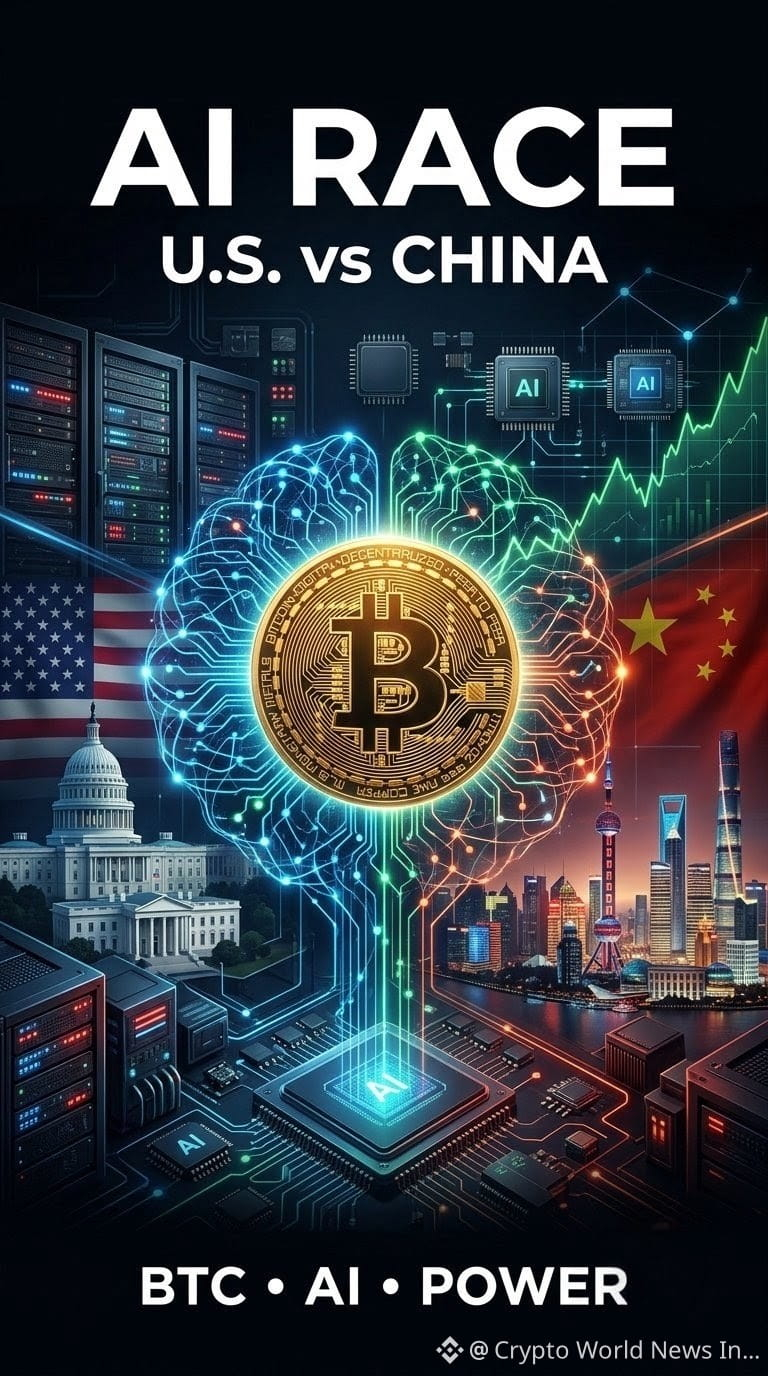
🚨 TRUMP REJETTE LE FREIN À L’IA ALORS QUE LA COURSE TECH U.S.–CHINE S’INTENSIFIE
Le président Donald Trump s’oppose aux appels visant à ralentir le développement de l’intelligence artificielle, affirmant que les États-Unis ne peuvent pas se permettre de perdre leur avantage technologique face à la Chine.
FAITS CLÉS :
• Trump affirme que les États-Unis doivent maintenir leur leadership en IA
• Des dirigeants du secteur ont exprimé des inquiétudes concernant la rapidité du rythme de développement de l’IA
• La Chine demeure un concurrent stratégique majeur dans la course mondiale à l’IA
• La course à l’IA est de plus en plus liée à la sécurité nationale et à la puissance économique
📊 VUE DU MARCHÉ :
Cela pourrait renforcer le récit plus large autour de l’IA, des infrastructures numériques et du Bitcoin en tant que technologies stratégiques. Si la course technologique entre les États-Unis et la Chine s’intensifie, les investissements liés à l’IA et l’adoption des cryptomonnaies pourraient recevoir davantage d’attention.
🟢 BTC — RÉCIT POSITIF À LONG TERME 🟢 IA — THÈME DE FORTE CROISSANCE 🔴 RÉGLEMENTATION — RISQUE MAJEUR
#BTC #Bitcoin #AI #china #CryptoMarket
$BTC
{future}(BTCUSDT)
🚨 TRUMP REJETTE LE FREIN À L’IA ALORS QUE LA COURSE TECH U.S.–CHINE S’INTENSIFIE
Le président Donald Trump s’oppose aux appels visant à ralentir le développement de l’intelligence artificielle, affirmant que les États-Unis ne peuvent pas se permettre de perdre leur avantage technologique face à la Chine.
FAITS CLÉS :
• Trump affirme que les États-Unis doivent maintenir leur leadership en IA
• Des dirigeants du secteur ont exprimé des inquiétudes concernant la rapidité du rythme de développement de l’IA
• La Chine demeure un concurrent stratégique majeur dans la course mondiale à l’IA
• La course à l’IA est de plus en plus liée à la sécurité nationale et à la puissance économique
📊 VUE DU MARCHÉ :
Cela pourrait renforcer le récit plus large autour de l’IA, des infrastructures numériques et du Bitcoin en tant que technologies stratégiques. Si la course technologique entre les États-Unis et la Chine s’intensifie, les investissements liés à l’IA et l’adoption des cryptomonnaies pourraient recevoir davantage d’attention.
🟢 BTC — RÉCIT POSITIF À LONG TERME 🟢 IA — THÈME DE FORTE CROISSANCE 🔴 RÉGLEMENTATION — RISQUE MAJEUR
#BTC #Bitcoin #AI #china #CryptoMarket
$BTC
Le président Donald Trump s’oppose aux appels visant à ralentir le développement de l’intelligence artificielle, affirmant que les États-Unis ne peuvent pas se permettre de perdre leur avantage technologique face à la Chine.
FAITS CLÉS :
• Trump affirme que les États-Unis doivent maintenir leur leadership en IA
• Des dirigeants du secteur ont exprimé des inquiétudes concernant la rapidité du rythme de développement de l’IA
• La Chine demeure un concurrent stratégique majeur dans la course mondiale à l’IA
• La course à l’IA est de plus en plus liée à la sécurité nationale et à la puissance économique
📊 VUE DU MARCHÉ :
Cela pourrait renforcer le récit plus large autour de l’IA, des infrastructures numériques et du Bitcoin en tant que technologies stratégiques. Si la course technologique entre les États-Unis et la Chine s’intensifie, les investissements liés à l’IA et l’adoption des cryptomonnaies pourraient recevoir davantage d’attention.
🟢 BTC — RÉCIT POSITIF À LONG TERME 🟢 IA — THÈME DE FORTE CROISSANCE 🔴 RÉGLEMENTATION — RISQUE MAJEUR
#BTC #Bitcoin #AI #china #CryptoMarket
$BTC
8
Connectez-vous pour découvrir plus de contenu
Rejoignez la communauté mondiale des adeptes de cryptomonnaies sur Binance Square
⚡️ Suviez les dernières informations importantes sur les cryptomonnaies.
💬 Jugé digne de confiance par la plus grande plateforme d’échange de cryptomonnaies au monde.
👍 Découvrez les connaissances que partagent les créateurs vérifiés.
Adresse e-mail/Nº de téléphone
Sujets d’actualité
1
#AnthropicCEOCallsForAISlowdown
59,346 vues
782 mentions
2
#BitcoinThirdSingleBlockReorgInFourWeeks
431 vues
36 mentions
3
#LSKSurgesOver515%In24Hours
604 vues
25 mentions
4
#EURequiresWalletMakersReportFlawsIn24Hours
0 vues
0 mentions
5
#ZcashNU7VoteEndsSeptember14
358 vues
17 mentions
6
#AnthropicChoosesNasdaqForPotentialIPO
28,806 vues
341 mentions
7
#SECReceivesGrayscaleLitecoinTrustETFFiling
189,697 vues
2,100 mentions
8
#ClarityActFacesProceduralVoteSept15
358,345 vues
2,985 mentions
9
#US10YearTreasuryYieldNears5%
134,202 vues
1,680 mentions
10
#CryptoLiquidations$674MIn24H
32,113 vues
241 mentions