
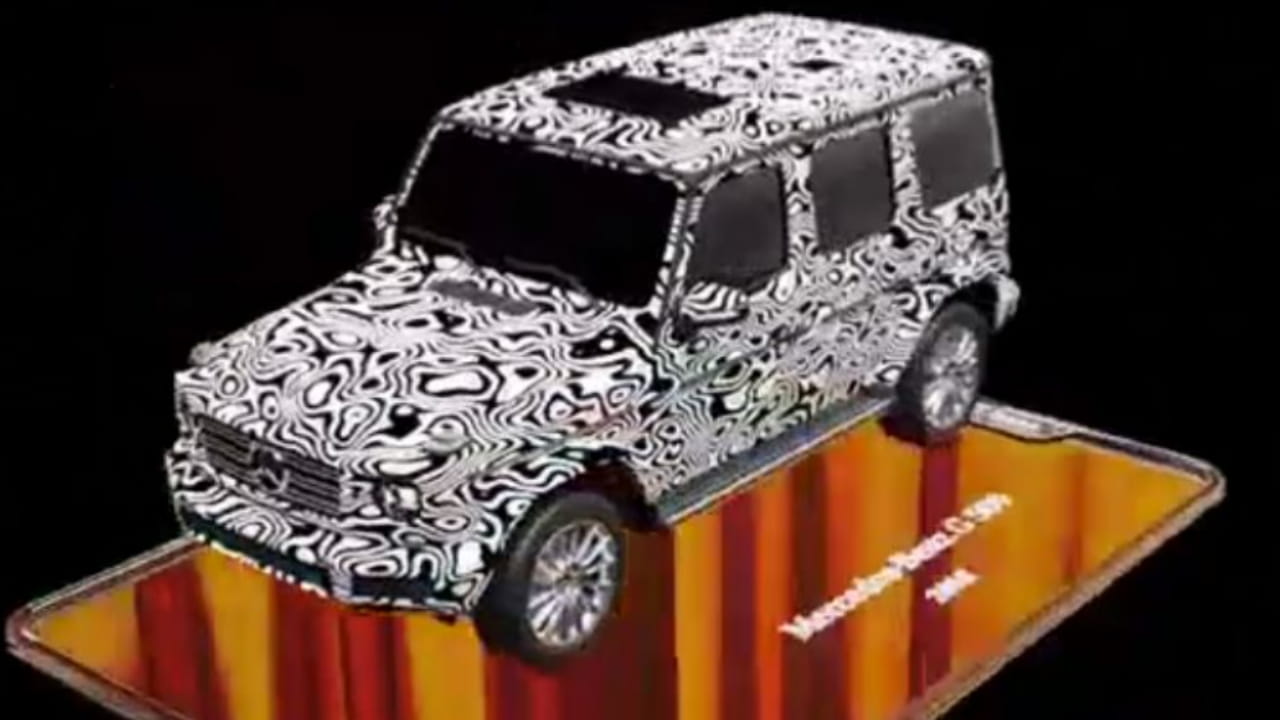
The Mercedes-Benz NFT release encountered significant issues, and here's why it turned out to be problematic.
Mercedes-Benz had prior successful NFT launches, with one occurring in June '23 and another recently at a private event during the Singapore F1 race. 🏁 However, their most recent NFT drop, which took place last week, faced substantial challenges. Let's delve into the details.
In the physical world, Mercedes-Benz boasts a thriving collectibles market. They aimed to replicate this success in the digital realm through blockchain technology, targeting the Web3 audience. Importantly, Mercedes emphasized that their NFTs were strictly collectibles with no accompanying benefits, and they expressed a long-term commitment to this endeavor. 📆
The outcome? A mere 7% of the total 2,649 NFTs were minted. 📉
Mercedes-Benz initiated a Dutch auction with a price range starting at 1 ETH and bottoming out at 0.1 ETH. 💸
The NFT collection was substantial, consisting of 2,694 NFTs.
There was a lack of a compelling value proposition to justify the relatively higher price. ❓
While technical issues did occur during the minting process, they likely did not play a significant role.
The primary issues were as follows:
Limited Brand Loyalty: Most NFT buyers are focused on short-term gains, regardless of the brand's size or reputation. 😐
Lack of Speculative Incentive: Speculators seek reasons to anticipate future price increases and assess entry and exit points.
Market Realities: The current NFT market has a limited number of active wallets (around 10,000), making it unrealistic to aim for 27% of the NFT buyer market share. 📱
Neglecting Community Feedback: Those who supported Mercedes' previous NFT collections felt unheard and overlooked. The community had expressed concerns about pricing and supply, which were not heeded. 👥
Here are some lessons for brands:
Define Clear Goals: Clearly state your objectives, whether they are revenue, community building, or other business goals. Realize that achieving all simultaneously might not be feasible. 🎯
Web2 to Web3 Transition: Success in Web2.0 does not guarantee the same in Web3. Brands like Mercedes and Porsche have faced challenges in this transition. Don't overestimate your impact. 🔍
Building Web3 Superfans Takes Time: Building a loyal Web3 following takes time. In the early stages, you'll likely encounter price-sensitive individuals with little loyalty. ⏳
Consider a Web2.5 Approach: Depending on your goals, consider bridging the gap between Web2.0 and Web3 to engage both audiences.
Embrace Web3 Culture: Recognize and involve your community in decision-making. 🤝
An alternative perspective is that if the goal was to identify and onboard loyal users from Web3, Mercedes may have already succeeded, even if it means only a few hundred users. This approach could yield results in the long term. 😇