
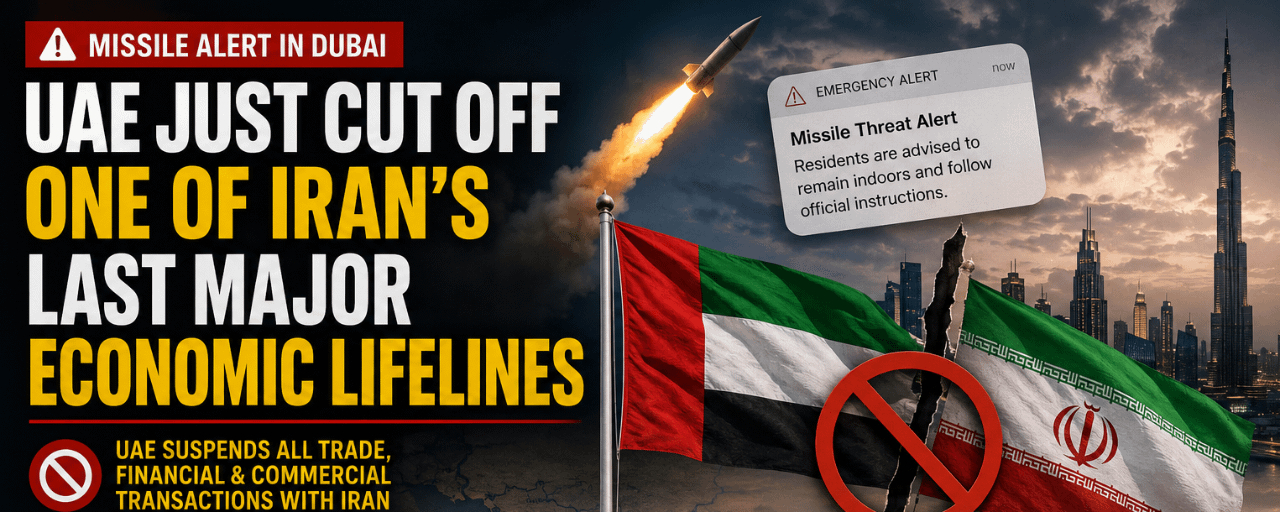
The United States has taken a major step against one of Iran’s remaining economic lifelines, increasing pressure on Tehran as tensions in the region continue to rise.
The move targets a key source of revenue that has helped Iran maintain access to international trade and generate much-needed foreign currency. By restricting this channel, Washington is attempting to make it more difficult for Iran to finance its economy and support activities that the U.S. considers destabilizing.
The latest action comes as the Trump administration continues its maximum-pressure approach toward Iran. Officials have repeatedly emphasized that Tehran must face significant economic consequences unless it changes its policies.
For Iran, the impact could extend beyond government finances. Reduced access to foreign currency and international markets can put additional pressure on the rial, increase the cost of imports, and further strain an economy already dealing with inflation and sanctions.
The development also carries wider geopolitical implications. Iran remains a major player in the Middle East, and additional economic pressure could influence its relationships with neighboring countries, energy markets, and global powers.
Markets will be watching closely for Tehran’s response. Any escalation could create renewed volatility across oil, shipping, currencies, and risk assets—including cryptocurrency markets.
Bottom line: Washington is tightening the economic pressure on Iran, and the consequences could reach far byond Tehran’s balance sheet.
$TUT
$ACE
$PORTAL
#TRUMP #MiddleEast #Geopolitics #crypto #bitcoin