
YASH DHALIWAL 31_加密 143
1.8k Publicaciones

YASH DHALIWAL 31_加密 143
X ID_@Yashvee92148291

Holder de ETH
Traders de alta frecuencia
1.1 año(s)
536 Siguiendo
10.4K+ Seguidores
6.0K+ Me gusta
Publicaciones
Todo
Citas
Videos
Live
PINNED
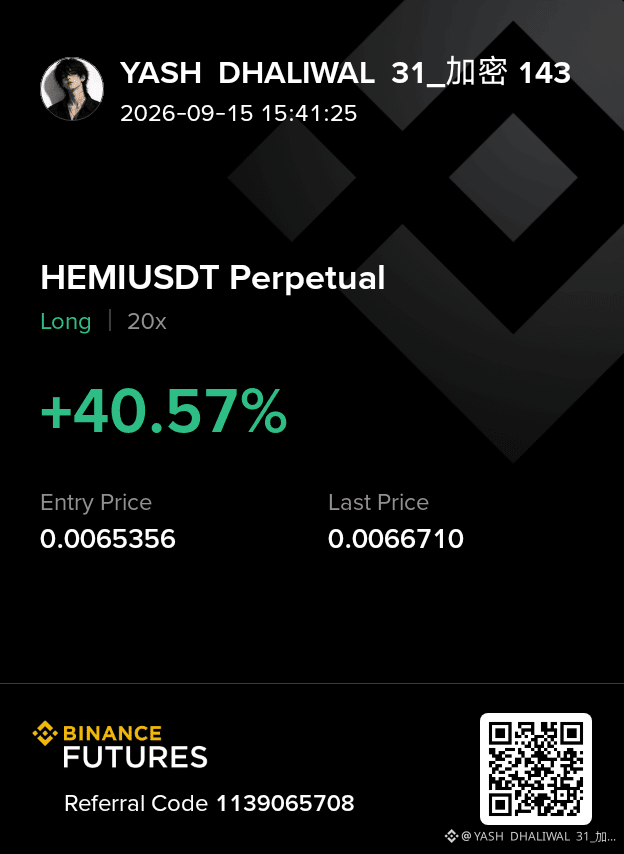
Cryptology_7
·
--
💖 EL CRIPTO MÁS FUERTE, LA MENTE💫
DI "CALMA" CUANDO TODO LO DEMÁS ENCIENDA EL PÁNICO.
LA INFORMACIÓN DESCIFRADA DE HOY PUEDE CONSTRUIR MASA MENTAL SOBRE EL TIEMPO.
$SAGA
$ETH
#BinanceSquareFamily #PatiencePaysOff #Cryptology_7
DI "CALMA" CUANDO TODO LO DEMÁS ENCIENDA EL PÁNICO.
LA INFORMACIÓN DESCIFRADA DE HOY PUEDE CONSTRUIR MASA MENTAL SOBRE EL TIEMPO.
$SAGA
$ETH
#BinanceSquareFamily #PatiencePaysOff #Cryptology_7


IFFU T_加密 143
·
--
🎁✨ Paquete Rojo + Vibes de Cripto 🚀
Un pequeño Paquete Rojo 🎁 puede traer mucha emoción a la comunidad cripto. 💎🔥
Mantente activo, explora nuevas oportunidades y sigue aprendiendo cada día. 📈🧠
❤️ ¡Buena suerte a todos!
Opera con inteligencia, mantente a salvo y haz tu propia investigación (DYOR) 🚀
#Binance #RedPacket #Crypto #BTC #Web3
Un pequeño Paquete Rojo 🎁 puede traer mucha emoción a la comunidad cripto. 💎🔥
Mantente activo, explora nuevas oportunidades y sigue aprendiendo cada día. 📈🧠
❤️ ¡Buena suerte a todos!
Opera con inteligencia, mantente a salvo y haz tu propia investigación (DYOR) 🚀
#Binance #RedPacket #Crypto #BTC #Web3


SANA p2b
·
--
Alcista🎁 ¡RETIRO DE SOBRES! 🔥
¡Jaldi claim karo 🚀
💰 Recompensas limitadas disponibles!
👇 Reclama con el código/enlace
¡Primero llega, primero se sirve! 🔥
¡Jaldi claim karo 🚀
💰 Recompensas limitadas disponibles!
👇 Reclama con el código/enlace
¡Primero llega, primero se sirve! 🔥



MAYA_
·
--
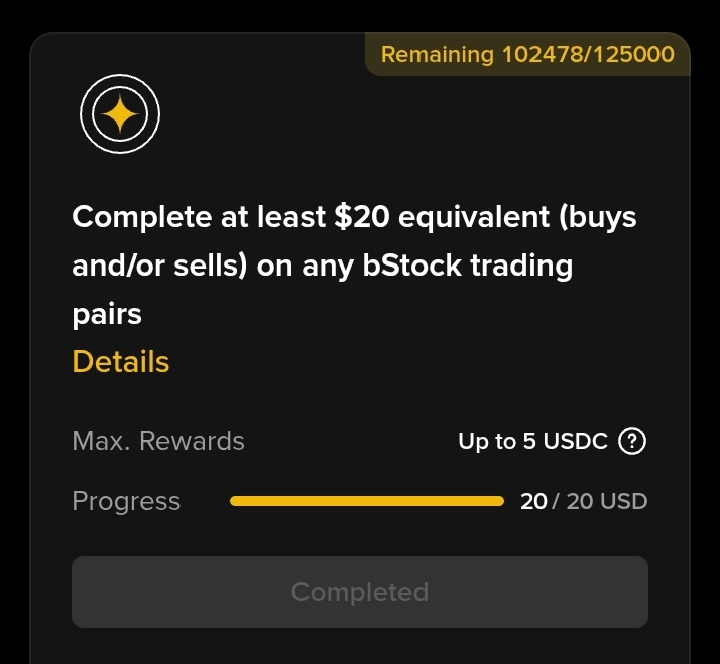
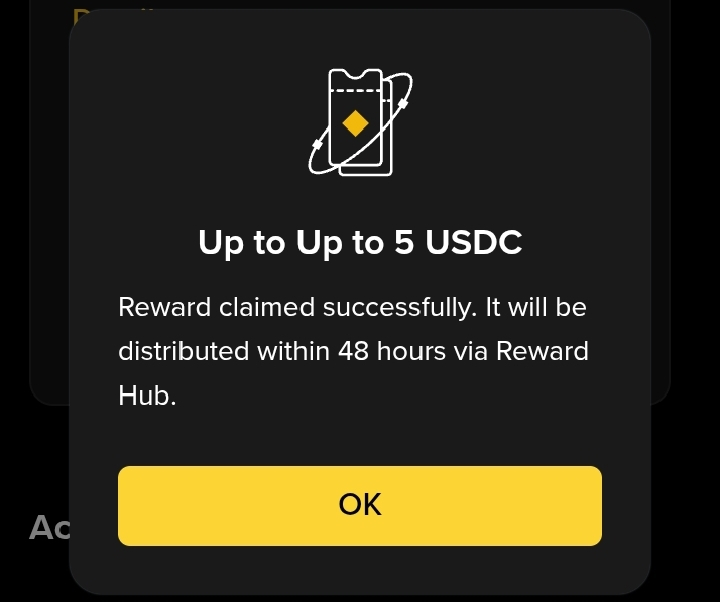
5 USDC REWARD 🎁🎁🎁🎁
👆👆👆👆👆👆
Recompensa de 5 USDC 🎁🎁🎁
Completa Tusk y gana una recompensa de 5 USDC 🎁🎁🎁
Binance Traders League Temporada 4 Opera cripto, bStock y futuros para compartir $4M en recompensas
👆👆👆👆👆👆
Recompensa de 5 USDC 🎁🎁🎁
Completa Tusk y gana una recompensa de 5 USDC 🎁🎁🎁
Binance Traders League Temporada 4 Opera cripto, bStock y futuros para compartir $4M en recompensas

KIM_加密 143
·
--
AlcistaSi te estás preguntando si el BTC podría caer en la zona de $50K–$60K, eso sería un escenario bajista posible, pero requeriría una corrección mucho más profunda desde la zona actual alrededor de $77K–$78K. Un análisis reciente ha identificado aproximadamente $70K y luego $62K–$65K como zonas clave de soporte a la baja; por lo tanto, un movimiento hacia $50K–$60K probablemente requeriría que esos soportes fallen.
Aquí tienes una publicación de regalo al estilo Binance Square, natural:
---
🎁 PRÓXIMO MOVIMIENTO DEL BTC — ¿$50K A $60K?
Quiero saber qué PIENSAS TÚ. 👀
Bitcoin está actualmente alrededor de la zona de $77K–$78K, pero la gran pregunta es: ¿Qué viene después?
Mi opinión personal es que si el BTC pierde las zonas de soporte importantes, podríamos ver una corrección mucho más profunda. Primero estoy vigilando $60K y, en un escenario bajista más extremo, $50K–$55K podría convertirse en un objetivo posible.
Pero aquí está la otra cara…
Si el BTC mantiene los soportes principales y vuelve a romper por encima de la zona de resistencia $80K–$82K, el escenario bajista podría cambiar por completo. Algunos análisis del mercado ven actualmente $81.7K como un nivel importante para confirmar un impulso alcista más fuerte.
Así que quiero escuchar a la comunidad:
👇 ¿Cuál es tu predicción de BTC?
🔴 $50K–$60K — Corrección profunda
🟡 $60K–$70K — Retroceso saludable
🟢 $80K–$90K+ — Ruptura alcista 🚀
🎁 SORTEO
Deja tu objetivo de BTC + el motivo en los comentarios.
❤️ Like
💬 Comenta tu predicción
🔁 Comparte/Repost
👥 Síguenos para más discusiones sobre el mercado de BTC
Voy a elegir algunas predicciones interesantes para un premio cripto sorpresa 🎁
Nadie sabe la próxima vela. Veamos quién lo acierta. 👀🔥
HACER TU PROPIA INVESTIGACIÓN (DYOR). No es asesoramiento financiero.
#BTC #Bitcoin #Crypto143family #BitcoinPrediction #kim_crypto143 $BTC
$ETH
$BNB
Freedom of financial self-defense
Aquí tienes una publicación de regalo al estilo Binance Square, natural:
---
🎁 PRÓXIMO MOVIMIENTO DEL BTC — ¿$50K A $60K?
Quiero saber qué PIENSAS TÚ. 👀
Bitcoin está actualmente alrededor de la zona de $77K–$78K, pero la gran pregunta es: ¿Qué viene después?
Mi opinión personal es que si el BTC pierde las zonas de soporte importantes, podríamos ver una corrección mucho más profunda. Primero estoy vigilando $60K y, en un escenario bajista más extremo, $50K–$55K podría convertirse en un objetivo posible.
Pero aquí está la otra cara…
Si el BTC mantiene los soportes principales y vuelve a romper por encima de la zona de resistencia $80K–$82K, el escenario bajista podría cambiar por completo. Algunos análisis del mercado ven actualmente $81.7K como un nivel importante para confirmar un impulso alcista más fuerte.
Así que quiero escuchar a la comunidad:
👇 ¿Cuál es tu predicción de BTC?
🔴 $50K–$60K — Corrección profunda
🟡 $60K–$70K — Retroceso saludable
🟢 $80K–$90K+ — Ruptura alcista 🚀
🎁 SORTEO
Deja tu objetivo de BTC + el motivo en los comentarios.
❤️ Like
💬 Comenta tu predicción
🔁 Comparte/Repost
👥 Síguenos para más discusiones sobre el mercado de BTC
Voy a elegir algunas predicciones interesantes para un premio cripto sorpresa 🎁
Nadie sabe la próxima vela. Veamos quién lo acierta. 👀🔥
HACER TU PROPIA INVESTIGACIÓN (DYOR). No es asesoramiento financiero.
#BTC #Bitcoin #Crypto143family #BitcoinPrediction #kim_crypto143 $BTC
$ETH
$BNB
Freedom of financial self-defense


Ahli Hidaya
·
--
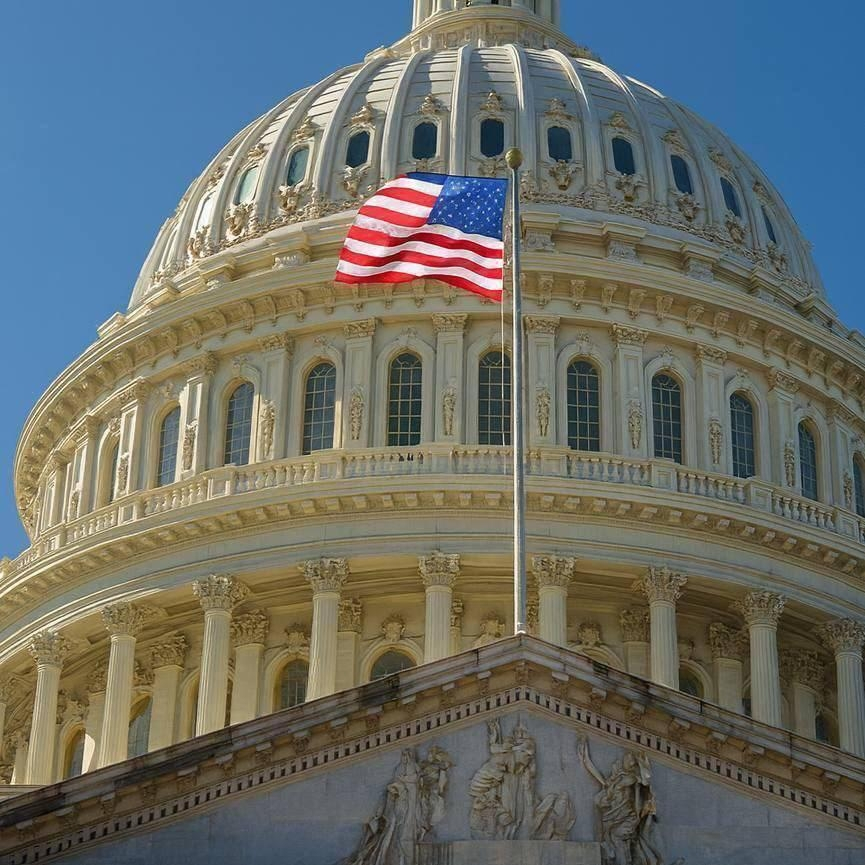
Alcista🚨 ÚLTIMA HORA: Senadores Republicanos Retiran la Oferta Final sobre la Ley de Claridad.
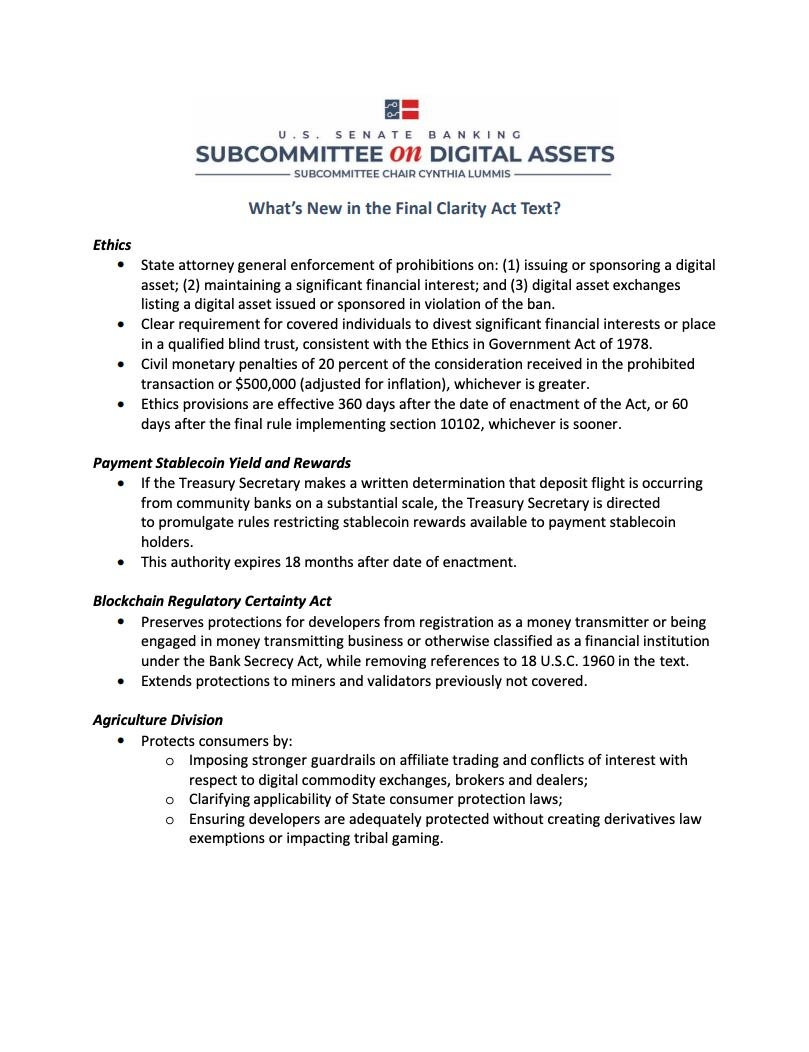
Los senadores republicanos han publicado oficialmente el nuevo texto de la Ley de Claridad, con una propuesta de ética revisada firmada por Trump. Se está calificando como su oferta final a los demócratas de cara a la crucial votación de cloture del martes.
Aquí tienes un desglose de lo que incluye el texto final:
Ética y Cumplimiento: Aplicación por parte de los fiscales generales estatales contra la emisión ilegal de activos digitales o la inclusión de listados de bolsas prohibidas. Requisitos estrictos de desinversión para las personas cubiertas o la colocación en un fideicomiso ciego calificado bajo la Ley de Ética en el Gobierno de 1978. Las sanciones civiles alcanzan el 20% de la contraprestación de la transacción o 500.000 dólares (ajustado por inflación), lo que sea mayor. Las disposiciones entran en vigor 360 días después de la promulgación o 60 días después de la implementación de la regla final, lo que ocurra antes.
Rendimiento de Stablecoin y Recompensas: Si el Secretario del Tesoro determina que la fuga de depósitos bancarios comunitarios está ocurriendo a una escala sustancial, se le instruye promulgar normas para restringir las recompensas de stablecoin (la autoridad expira 18 meses después de la promulgación).
Ley de Certidumbre Regulatoria Blockchain: Preserva las protecciones para desarrolladores para que no sean clasificados como transmisores de dinero/instituciones financieras bajo la Ley de Secreto Bancario, al tiempo que elimina referencias al 18 U.S.C. 1960. Extiende las protecciones a mineros y validadores previamente no cubiertos.
División de Agricultura: Límites más estrictos para el trading de afiliados y los conflictos de interés para bolsas/corredores/dealers de commodities digitales, aclara las leyes estatales de protección al consumidor y protege a los desarrolladores sin afectar el juego tribal.
Con la votación de cloture del martes cada vez más cerca, la presión ahora recae en los demócratas. ¿Esta oferta final logrará impulsar la Ley de Claridad hasta el final?
¿Qué opinas de estos nuevos términos? ¡Hablemos en los comentarios abajo! 👇
#ClarityAct #CryptoRegulation #USCrypto #Senate #CryptoNews #BinanceSquare$BTC $BNB $USDC #dyor
Los senadores republicanos han publicado oficialmente el nuevo texto de la Ley de Claridad, con una propuesta de ética revisada firmada por Trump. Se está calificando como su oferta final a los demócratas de cara a la crucial votación de cloture del martes.
Aquí tienes un desglose de lo que incluye el texto final:
Ética y Cumplimiento: Aplicación por parte de los fiscales generales estatales contra la emisión ilegal de activos digitales o la inclusión de listados de bolsas prohibidas. Requisitos estrictos de desinversión para las personas cubiertas o la colocación en un fideicomiso ciego calificado bajo la Ley de Ética en el Gobierno de 1978. Las sanciones civiles alcanzan el 20% de la contraprestación de la transacción o 500.000 dólares (ajustado por inflación), lo que sea mayor. Las disposiciones entran en vigor 360 días después de la promulgación o 60 días después de la implementación de la regla final, lo que ocurra antes.
Rendimiento de Stablecoin y Recompensas: Si el Secretario del Tesoro determina que la fuga de depósitos bancarios comunitarios está ocurriendo a una escala sustancial, se le instruye promulgar normas para restringir las recompensas de stablecoin (la autoridad expira 18 meses después de la promulgación).
Ley de Certidumbre Regulatoria Blockchain: Preserva las protecciones para desarrolladores para que no sean clasificados como transmisores de dinero/instituciones financieras bajo la Ley de Secreto Bancario, al tiempo que elimina referencias al 18 U.S.C. 1960. Extiende las protecciones a mineros y validadores previamente no cubiertos.
División de Agricultura: Límites más estrictos para el trading de afiliados y los conflictos de interés para bolsas/corredores/dealers de commodities digitales, aclara las leyes estatales de protección al consumidor y protege a los desarrolladores sin afectar el juego tribal.
Con la votación de cloture del martes cada vez más cerca, la presión ahora recae en los demócratas. ¿Esta oferta final logrará impulsar la Ley de Claridad hasta el final?
¿Qué opinas de estos nuevos términos? ¡Hablemos en los comentarios abajo! 👇
#ClarityAct #CryptoRegulation #USCrypto #Senate #CryptoNews #BinanceSquare$BTC $BNB $USDC #dyor

Inicia sesión para explorar más contenidos