

#finance
finance
3.7M vistas
11,256 están debatiendo
Hot
Lo último


·
--
📊 DATOS:
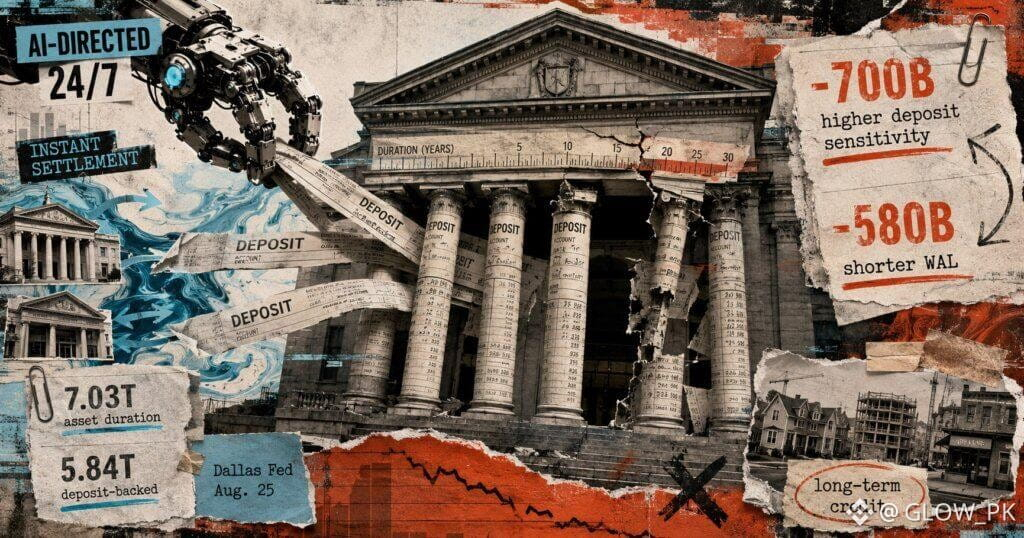
Un modelo de la Reserva Federal de Dallas sugiere que un aumento del 10% en la sensibilidad a la tasa de depósitos podría reducir el apetito de los bancos por el riesgo de duración en alrededor de $700B.
El problema más grande es lo que ocurre cuando la IA empieza a mover dinero instantáneamente hacia los mejores rendimientos disponibles.
Los bancos podrían tener que competir con más fuerza por los depósitos, lo que empujaría sus costos de financiación al alza. Y cuando los bancos paguen más por la financiación, esos costos podrían eventualmente llegar a prestatarios cotidianos a través de tasas de préstamo más altas.
La IA no solo está cambiando el trading y la inversión: podría reconfigurar en silencio la forma en que todo el sistema bancario fija el precio del dinero.
#AI #Banking #Finance #Crypto #economy
📊 DATOS:
Un modelo de la Reserva Federal de Dallas sugiere que un aumento del 10% en la sensibilidad a la tasa de depósitos podría reducir el apetito de los bancos por el riesgo de duración en alrededor de $700B.
El problema más grande es lo que ocurre cuando la IA empieza a mover dinero instantáneamente hacia los mejores rendimientos disponibles.
Los bancos podrían tener que competir con más fuerza por los depósitos, lo que empujaría sus costos de financiación al alza. Y cuando los bancos paguen más por la financiación, esos costos podrían eventualmente llegar a prestatarios cotidianos a través de tasas de préstamo más altas.
La IA no solo está cambiando el trading y la inversión: podría reconfigurar en silencio la forma en que todo el sistema bancario fija el precio del dinero.
#AI #Banking #Finance #Crypto #economy
Un modelo de la Reserva Federal de Dallas sugiere que un aumento del 10% en la sensibilidad a la tasa de depósitos podría reducir el apetito de los bancos por el riesgo de duración en alrededor de $700B.
El problema más grande es lo que ocurre cuando la IA empieza a mover dinero instantáneamente hacia los mejores rendimientos disponibles.
Los bancos podrían tener que competir con más fuerza por los depósitos, lo que empujaría sus costos de financiación al alza. Y cuando los bancos paguen más por la financiación, esos costos podrían eventualmente llegar a prestatarios cotidianos a través de tasas de préstamo más altas.
La IA no solo está cambiando el trading y la inversión: podría reconfigurar en silencio la forma en que todo el sistema bancario fija el precio del dinero.
#AI #Banking #Finance #Crypto #economy
4
154

Artículo
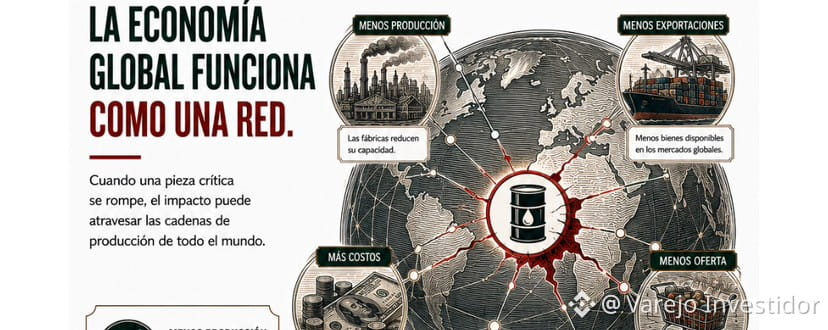
EL SHOCK ENERGÉTICO PUEDE CONVERTIRSE EN UN SHOCK ECONÓMICOUna interrupción en el suministro de energía no afecta únicamente al mercado petrolero. Puede transmitirse por toda la cadena económica a través de transporte, producción, comercio, precios y consumo.
La experiencia de 2026 muestra la velocidad de esa transmisión. La IEA registró una fuerte caída de la oferta mundial de petróleo durante las disrupciones en Medio Oriente, junto con restricciones en las refinerías y una reducción de la disponibilidad de productos derivados.
El mecanismo funciona en cadena. Menos energía disponible puede elevar los costos de combustible. El transporte se encarece, las industrias enfrentan mayores costos operativos y algunas empresas pueden reducir producción. Con menor oferta de determinados bienes, la presión puede llegar a los precios finales.
La transmisión tampoco se limita al petróleo. La IEA, el FMI y el Banco Mundial señalaron que las disrupciones energéticas de 2026 también afectaron mercados de gas, fertilizantes y otras materias primas, además de generar presiones sobre inflación y crecimiento.
La relación entre energía e inflación está documentada históricamente. Un estudio del Banco Mundial estima que los shocks del precio del petróleo explicaron más del 38% de la variación de la inflación mundial durante las últimas cinco décadas analizadas.
Por eso, estudiar energía exige mirar más allá del barril. La verdadera cuestión es entender cómo un cambio en un punto de la red puede transmitirse hacia muchos otros sectores.
Explora los activos relacionados con petróleo, gas, refinación, transporte y energía para seguir las principales conexiones de esta cadena económica.
#oil #IranIsraelConflict #economy #finance
$USOY.ETF
{etf_us}(USOY.ETF)
$XOP.ETF
{etf_us}(XOP.ETF)
$CVX.US
{stock_us}(CVX.US)
EL SHOCK ENERGÉTICO PUEDE CONVERTIRSE EN UN SHOCK ECONÓMICO
Una interrupción en el suministro de energía no afecta únicamente al mercado petrolero. Puede transmitirse por toda la cadena económica a través de transporte, producción, comercio, precios y consumo.
La experiencia de 2026 muestra la velocidad de esa transmisión. La IEA registró una fuerte caída de la oferta mundial de petróleo durante las disrupciones en Medio Oriente, junto con restricciones en las refinerías y una reducción de la disponibilidad de productos derivados.
El mecanismo funciona en cadena. Menos energía disponible puede elevar los costos de combustible. El transporte se encarece, las industrias enfrentan mayores costos operativos y algunas empresas pueden reducir producción. Con menor oferta de determinados bienes, la presión puede llegar a los precios finales.
La transmisión tampoco se limita al petróleo. La IEA, el FMI y el Banco Mundial señalaron que las disrupciones energéticas de 2026 también afectaron mercados de gas, fertilizantes y otras materias primas, además de generar presiones sobre inflación y crecimiento.
La relación entre energía e inflación está documentada históricamente. Un estudio del Banco Mundial estima que los shocks del precio del petróleo explicaron más del 38% de la variación de la inflación mundial durante las últimas cinco décadas analizadas.
Por eso, estudiar energía exige mirar más allá del barril. La verdadera cuestión es entender cómo un cambio en un punto de la red puede transmitirse hacia muchos otros sectores.
Explora los activos relacionados con petróleo, gas, refinación, transporte y energía para seguir las principales conexiones de esta cadena económica.
#oil #IranIsraelConflict #economy #finance
$USOY.ETF
$XOP.ETF
$CVX.US
La experiencia de 2026 muestra la velocidad de esa transmisión. La IEA registró una fuerte caída de la oferta mundial de petróleo durante las disrupciones en Medio Oriente, junto con restricciones en las refinerías y una reducción de la disponibilidad de productos derivados.
El mecanismo funciona en cadena. Menos energía disponible puede elevar los costos de combustible. El transporte se encarece, las industrias enfrentan mayores costos operativos y algunas empresas pueden reducir producción. Con menor oferta de determinados bienes, la presión puede llegar a los precios finales.
La transmisión tampoco se limita al petróleo. La IEA, el FMI y el Banco Mundial señalaron que las disrupciones energéticas de 2026 también afectaron mercados de gas, fertilizantes y otras materias primas, además de generar presiones sobre inflación y crecimiento.
La relación entre energía e inflación está documentada históricamente. Un estudio del Banco Mundial estima que los shocks del precio del petróleo explicaron más del 38% de la variación de la inflación mundial durante las últimas cinco décadas analizadas.
Por eso, estudiar energía exige mirar más allá del barril. La verdadera cuestión es entender cómo un cambio en un punto de la red puede transmitirse hacia muchos otros sectores.
Explora los activos relacionados con petróleo, gas, refinación, transporte y energía para seguir las principales conexiones de esta cadena económica.
#oil #IranIsraelConflict #economy #finance
$USOY.ETF
$XOP.ETF
$CVX.US
USOYETF-2,42%
CVXUS-0,55%
XOPETF-1,41%
1
57
Artículo
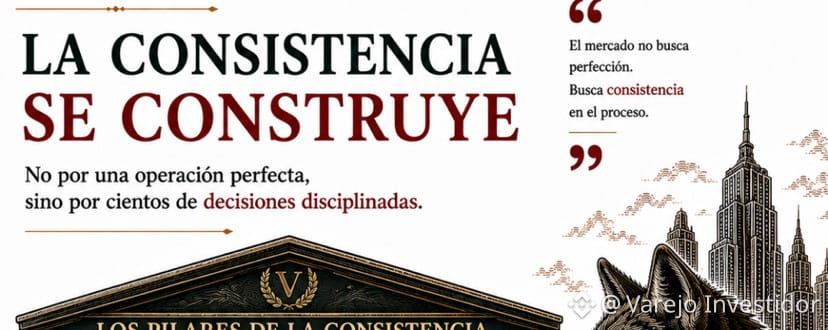
LA CONSISTENCIA SE CONSTRUYELa consistencia en el trading no nace de una operación perfecta. Se construye a través de cientos de decisiones ejecutadas con disciplina y bajo un proceso definido.
La imagen presenta cuatro pilares fundamentales: método, disciplina, gestión de riesgo y repetición.
El método establece una dirección. Sin un plan claro, las decisiones pueden convertirse en respuestas improvisadas al movimiento del mercado.
La disciplina permite ejecutar ese plan incluso cuando los resultados inmediatos no son favorables. Tener una estrategia y abandonarla después de una pérdida son dos cosas completamente diferentes.
La gestión de riesgo protege el capital y permite permanecer en el mercado durante las distintas fases de una estrategia. Sin capital disponible, las oportunidades futuras dejan de ser relevantes.
Finalmente está la repetición. Una metodología necesita suficientes operaciones para que sus resultados puedan ser evaluados de forma estadística. Una sola operación puede ser aleatoria; una serie amplia permite analizar métricas como expectativa, drawdown, tasa de acierto y relación entre ganancias y pérdidas.
La consistencia tampoco significa ganar en cada operación. Significa repetir un proceso con reglas claras y riesgo controlado.
El objetivo es permanecer en el mercado el tiempo suficiente para evaluar si existe una ventaja estadística real.
La consistencia se construye decisión tras decisión.
##trading #economy #Finance #GOLD
$NDAQ.US
{stock_us}(NDAQ.US)
$IBKR.US
{stock_us}(IBKR.US)
$CME.US
{future}(XAUUSDT)
LA CONSISTENCIA SE CONSTRUYE
La consistencia en el trading no nace de una operación perfecta. Se construye a través de cientos de decisiones ejecutadas con disciplina y bajo un proceso definido.
La imagen presenta cuatro pilares fundamentales: método, disciplina, gestión de riesgo y repetición.
El método establece una dirección. Sin un plan claro, las decisiones pueden convertirse en respuestas improvisadas al movimiento del mercado.
La disciplina permite ejecutar ese plan incluso cuando los resultados inmediatos no son favorables. Tener una estrategia y abandonarla después de una pérdida son dos cosas completamente diferentes.
La gestión de riesgo protege el capital y permite permanecer en el mercado durante las distintas fases de una estrategia. Sin capital disponible, las oportunidades futuras dejan de ser relevantes.
Finalmente está la repetición. Una metodología necesita suficientes operaciones para que sus resultados puedan ser evaluados de forma estadística. Una sola operación puede ser aleatoria; una serie amplia permite analizar métricas como expectativa, drawdown, tasa de acierto y relación entre ganancias y pérdidas.
La consistencia tampoco significa ganar en cada operación. Significa repetir un proceso con reglas claras y riesgo controlado.
El objetivo es permanecer en el mercado el tiempo suficiente para evaluar si existe una ventaja estadística real.
La consistencia se construye decisión tras decisión.
##trading #economy #Finance #GOLD
$NDAQ.US
$IBKR.US
$CME.US
La imagen presenta cuatro pilares fundamentales: método, disciplina, gestión de riesgo y repetición.
El método establece una dirección. Sin un plan claro, las decisiones pueden convertirse en respuestas improvisadas al movimiento del mercado.
La disciplina permite ejecutar ese plan incluso cuando los resultados inmediatos no son favorables. Tener una estrategia y abandonarla después de una pérdida son dos cosas completamente diferentes.
La gestión de riesgo protege el capital y permite permanecer en el mercado durante las distintas fases de una estrategia. Sin capital disponible, las oportunidades futuras dejan de ser relevantes.
Finalmente está la repetición. Una metodología necesita suficientes operaciones para que sus resultados puedan ser evaluados de forma estadística. Una sola operación puede ser aleatoria; una serie amplia permite analizar métricas como expectativa, drawdown, tasa de acierto y relación entre ganancias y pérdidas.
La consistencia tampoco significa ganar en cada operación. Significa repetir un proceso con reglas claras y riesgo controlado.
El objetivo es permanecer en el mercado el tiempo suficiente para evaluar si existe una ventaja estadística real.
La consistencia se construye decisión tras decisión.
##trading #economy #Finance #GOLD
$NDAQ.US
$IBKR.US
$CME.US
NDAQUS-1,05%
IBKRUS-0,64%
1
29

Artículo
CUANDO LA EMOCIÓN DISTORSIONA EL MOMENTO DE SALIRUno de los desafíos del inversor es evaluar cada activo por lo que representa hoy, y no solo por lo que pasó en el pasado.
Un activo que ha caído puede seguir presentando fundamentos débiles. Esperar solo porque existe el deseo de recuperar el dinero puede mantener el capital atrapado en una posición que ya no tiene sentido.
Lo contrario también ocurre. Un activo que ha subido puede seguir mostrando crecimiento y fundamentos sólidos, pero el miedo a devolver parte de la ganancia puede llevar a una salida anticipada.
CUANDO LA EMOCIÓN DISTORSIONA EL MOMENTO DE SALIR
Uno de los desafíos del inversor es evaluar cada activo por lo que representa hoy, y no solo por lo que pasó en el pasado.
Un activo que ha caído puede seguir presentando fundamentos débiles. Esperar solo porque existe el deseo de recuperar el dinero puede mantener el capital atrapado en una posición que ya no tiene sentido.
Lo contrario también ocurre. Un activo que ha subido puede seguir mostrando crecimiento y fundamentos sólidos, pero el miedo a devolver parte de la ganancia puede llevar a una salida anticipada.
Un activo que ha caído puede seguir presentando fundamentos débiles. Esperar solo porque existe el deseo de recuperar el dinero puede mantener el capital atrapado en una posición que ya no tiene sentido.
Lo contrario también ocurre. Un activo que ha subido puede seguir mostrando crecimiento y fundamentos sólidos, pero el miedo a devolver parte de la ganancia puede llevar a una salida anticipada.
1
45
Artículo
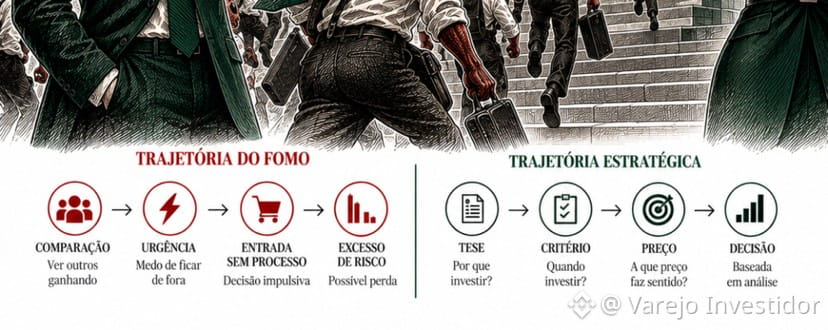
CUANDO LA PRISA PARA ENTRAR AUMENTA EL RIESGOVer a otras personas ganando dinero puede crear una sensación poderosa: la de que quedarse fuera es peor que entrar.
Este comportamiento se conoce como FOMO, cuando el miedo a perder una oportunidad influye en la decisión.
El problema aparece cuando la urgencia reemplaza el proceso. El inversor puede entrar en un activo sin definir antes por qué está invirtiendo, qué precio considera adecuado o qué riesgo está dispuesto a asumir.
El movimiento del mercado puede continuar, pero también puede cambiar. Por eso, una decisión basada solo en lo que otras personas están haciendo puede aumentar la exposición al riesgo.
CUANDO LA PRISA PARA ENTRAR AUMENTA EL RIESGO
Ver a otras personas ganando dinero puede crear una sensación poderosa: la de que quedarse fuera es peor que entrar.
Este comportamiento se conoce como FOMO, cuando el miedo a perder una oportunidad influye en la decisión.
El problema aparece cuando la urgencia reemplaza el proceso. El inversor puede entrar en un activo sin definir antes por qué está invirtiendo, qué precio considera adecuado o qué riesgo está dispuesto a asumir.
El movimiento del mercado puede continuar, pero también puede cambiar. Por eso, una decisión basada solo en lo que otras personas están haciendo puede aumentar la exposición al riesgo.
Este comportamiento se conoce como FOMO, cuando el miedo a perder una oportunidad influye en la decisión.
El problema aparece cuando la urgencia reemplaza el proceso. El inversor puede entrar en un activo sin definir antes por qué está invirtiendo, qué precio considera adecuado o qué riesgo está dispuesto a asumir.
El movimiento del mercado puede continuar, pero también puede cambiar. Por eso, una decisión basada solo en lo que otras personas están haciendo puede aumentar la exposición al riesgo.
1
70

Artículo
LA EMOCIÓN FORMA PARTE DE LA DECISIÓN. EL PROCESO DEFINE LO QUE VIENE DESPUÉSEl miedo, la ansiedad, la codicia y la euforia forman parte de la experiencia de quien invierte. Sentir estas emociones no significa necesariamente que exista un problema.
El desafío está en lo que ocurre después.
Una reacción emocional puede llevar a decisiones rápidas, cambios de estrategia o aumento del riesgo. Un proceso bien definido crea un intervalo entre el sentimiento y la acción.
Reglas claras, límites de riesgo, horizonte a largo plazo, diversificación y criterios objetivos pueden ayudar al inversor a tomar decisiones con menos dependencia del estado emocional del momento.
LA EMOCIÓN FORMA PARTE DE LA DECISIÓN. EL PROCESO DEFINE LO QUE VIENE DESPUÉS
El miedo, la ansiedad, la codicia y la euforia forman parte de la experiencia de quien invierte. Sentir estas emociones no significa necesariamente que exista un problema.
El desafío está en lo que ocurre después.
Una reacción emocional puede llevar a decisiones rápidas, cambios de estrategia o aumento del riesgo. Un proceso bien definido crea un intervalo entre el sentimiento y la acción.
Reglas claras, límites de riesgo, horizonte a largo plazo, diversificación y criterios objetivos pueden ayudar al inversor a tomar decisiones con menos dependencia del estado emocional del momento.
El desafío está en lo que ocurre después.
Una reacción emocional puede llevar a decisiones rápidas, cambios de estrategia o aumento del riesgo. Un proceso bien definido crea un intervalo entre el sentimiento y la acción.
Reglas claras, límites de riesgo, horizonte a largo plazo, diversificación y criterios objetivos pueden ayudar al inversor a tomar decisiones con menos dependencia del estado emocional del momento.
1
11
Artículo
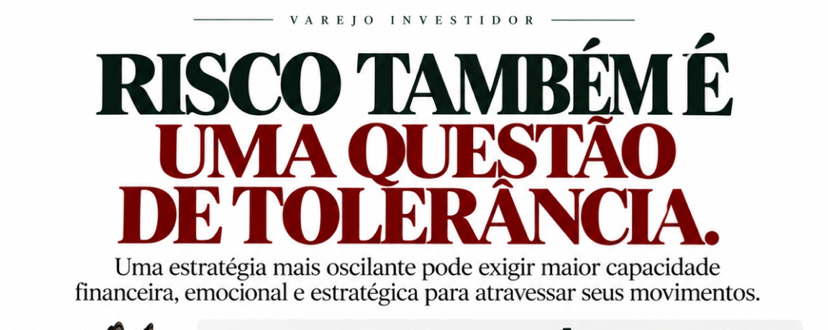
EL RETORNO NECESITA CABER EN TU CAMINOEl riesgo no es solo una cuestión de números. También implica la capacidad de atravesar las oscilaciones de una inversión sin abandonar su estrategia en el camino.
Una estrategia con mayor volatilidad puede presentar movimientos de alza y baja más intensos. Esto puede requerir más disciplina, liquidez disponible y la capacidad de soportar períodos difíciles.
Una trayectoria con menor oscilación tiende a presentar movimientos más concentrados, aunque esto no signifique ausencia de riesgo.
EL RETORNO NECESITA CABER EN TU CAMINO
El riesgo no es solo una cuestión de números. También implica la capacidad de atravesar las oscilaciones de una inversión sin abandonar su estrategia en el camino.
Una estrategia con mayor volatilidad puede presentar movimientos de alza y baja más intensos. Esto puede requerir más disciplina, liquidez disponible y la capacidad de soportar períodos difíciles.
Una trayectoria con menor oscilación tiende a presentar movimientos más concentrados, aunque esto no signifique ausencia de riesgo.
Una estrategia con mayor volatilidad puede presentar movimientos de alza y baja más intensos. Esto puede requerir más disciplina, liquidez disponible y la capacidad de soportar períodos difíciles.
Una trayectoria con menor oscilación tiende a presentar movimientos más concentrados, aunque esto no signifique ausencia de riesgo.
1
123

Artículo
PROTEGER TU DINERO TE MANTIENE EN JUEGOEn el mercado, perder una operación forma parte. El problema empieza cuando una única decisión pone en riesgo una parte demasiado grande de tu dinero.
Preservar el capital significa algo simple: evitar que un error pequeño se convierta en un problema enorme.
Imagina que tienes R$ 10 mil y pierdes 50%. Te quedan R$ 5 mil. Para volver a R$ 10 mil, ahora necesitas ganar 100%. Cuanto mayor sea la caída, más difícil se vuelve la recuperación.
Por eso, la gestión del riesgo no sirve solo para disminuir pérdidas. Te ayuda a seguir en el mercado y a tener dinero disponible cuando surjan nuevas oportunidades.
PROTEGER TU DINERO TE MANTIENE EN JUEGO
En el mercado, perder una operación forma parte. El problema empieza cuando una única decisión pone en riesgo una parte demasiado grande de tu dinero.
Preservar el capital significa algo simple: evitar que un error pequeño se convierta en un problema enorme.
Imagina que tienes R$ 10 mil y pierdes 50%. Te quedan R$ 5 mil. Para volver a R$ 10 mil, ahora necesitas ganar 100%. Cuanto mayor sea la caída, más difícil se vuelve la recuperación.
Por eso, la gestión del riesgo no sirve solo para disminuir pérdidas. Te ayuda a seguir en el mercado y a tener dinero disponible cuando surjan nuevas oportunidades.
Preservar el capital significa algo simple: evitar que un error pequeño se convierta en un problema enorme.
Imagina que tienes R$ 10 mil y pierdes 50%. Te quedan R$ 5 mil. Para volver a R$ 10 mil, ahora necesitas ganar 100%. Cuanto mayor sea la caída, más difícil se vuelve la recuperación.
Por eso, la gestión del riesgo no sirve solo para disminuir pérdidas. Te ayuda a seguir en el mercado y a tener dinero disponible cuando surjan nuevas oportunidades.
1
25
Artículo
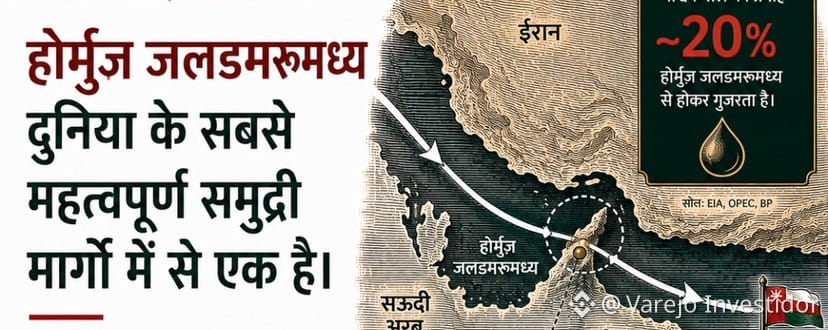
La importancia de Ormuz no se limita solo a las cifras del petróleoPara comprender el mercado global de energía, no basta con mirar solo de dónde se extrae el petróleo. También es necesario ver por qué rutas llega a los consumidores de todo el mundo.
Por esta razón, el Estrecho de Ormuz es importante. Es una ruta marítima clave para las cargas energéticas que salen del Golfo Pérsico, y los países que lo rodean desempeñan un papel fundamental en el suministro mundial de petróleo.
La importancia de Ormuz no se limita solo a las cifras del petróleo
Para comprender el mercado global de energía, no basta con mirar solo de dónde se extrae el petróleo. También es necesario ver por qué rutas llega a los consumidores de todo el mundo.
Por esta razón, el Estrecho de Ormuz es importante. Es una ruta marítima clave para las cargas energéticas que salen del Golfo Pérsico, y los países que lo rodean desempeñan un papel fundamental en el suministro mundial de petróleo.
Por esta razón, el Estrecho de Ormuz es importante. Es una ruta marítima clave para las cargas energéticas que salen del Golfo Pérsico, y los países que lo rodean desempeñan un papel fundamental en el suministro mundial de petróleo.
Felipe-Brayner:
Mexe com toda economia 😅😂😂.
1
2
85

Artículo
EL PUNTO DE SALIDA TAMBIÉN FORMA PARTE DE LA TESISToda posición comienza con una hipótesis sobre el futuro. Esta hipótesis puede involucrar precio, fundamentos, escenario macroeconómico o el comportamiento de un mercado determinado. Pero una estrategia completa también debe definir qué evidencias harían que esa hipótesis deje de ser válida.
El límite de salida funciona como una frontera entre la tesis original y una nueva realidad. No tiene que representar solo una pérdida financiera. Puede estar relacionado con un cambio fundamental, el deterioro de los datos, la alteración del escenario o la ruptura de una premisa importante.
EL PUNTO DE SALIDA TAMBIÉN FORMA PARTE DE LA TESIS
Toda posición comienza con una hipótesis sobre el futuro. Esta hipótesis puede involucrar precio, fundamentos, escenario macroeconómico o el comportamiento de un mercado determinado. Pero una estrategia completa también debe definir qué evidencias harían que esa hipótesis deje de ser válida.
El límite de salida funciona como una frontera entre la tesis original y una nueva realidad. No tiene que representar solo una pérdida financiera. Puede estar relacionado con un cambio fundamental, el deterioro de los datos, la alteración del escenario o la ruptura de una premisa importante.
El límite de salida funciona como una frontera entre la tesis original y una nueva realidad. No tiene que representar solo una pérdida financiera. Puede estar relacionado con un cambio fundamental, el deterioro de los datos, la alteración del escenario o la ruptura de una premisa importante.
2
189
Artículo
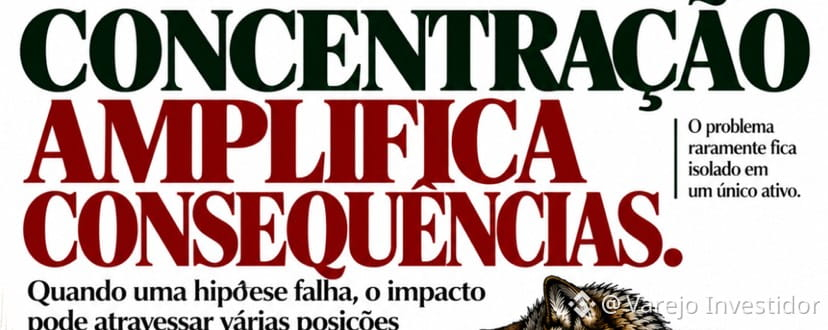
LA CONCENTRACIÓN AMPLIFICA LAS CONSECUENCIASEl riesgo rara vez permanece aislado en un único activo.
Una cartera puede contener acciones, inmuebles, empresas, moneda extranjera y renta fija y aun así estar fuertemente expuesta al mismo factor económico. La imagen destaca este mecanismo mediante una variable central: las tasas de interés.
Cuando una hipótesis importante falla o cambia de dirección, el impacto puede atravesar varias posiciones simultáneamente. Las tasas de interés influyen en el costo de capital de las empresas, en las condiciones de crédito, en la valoración de los activos, en el mercado inmobiliario y en el atractivo relativo de diferentes inversiones.
LA CONCENTRACIÓN AMPLIFICA LAS CONSECUENCIAS
El riesgo rara vez permanece aislado en un único activo.
Una cartera puede contener acciones, inmuebles, empresas, moneda extranjera y renta fija y aun así estar fuertemente expuesta al mismo factor económico. La imagen destaca este mecanismo mediante una variable central: las tasas de interés.
Cuando una hipótesis importante falla o cambia de dirección, el impacto puede atravesar varias posiciones simultáneamente. Las tasas de interés influyen en el costo de capital de las empresas, en las condiciones de crédito, en la valoración de los activos, en el mercado inmobiliario y en el atractivo relativo de diferentes inversiones.
Una cartera puede contener acciones, inmuebles, empresas, moneda extranjera y renta fija y aun así estar fuertemente expuesta al mismo factor económico. La imagen destaca este mecanismo mediante una variable central: las tasas de interés.
Cuando una hipótesis importante falla o cambia de dirección, el impacto puede atravesar varias posiciones simultáneamente. Las tasas de interés influyen en el costo de capital de las empresas, en las condiciones de crédito, en la valoración de los activos, en el mercado inmobiliario y en el atractivo relativo de diferentes inversiones.
1
67
Artículo
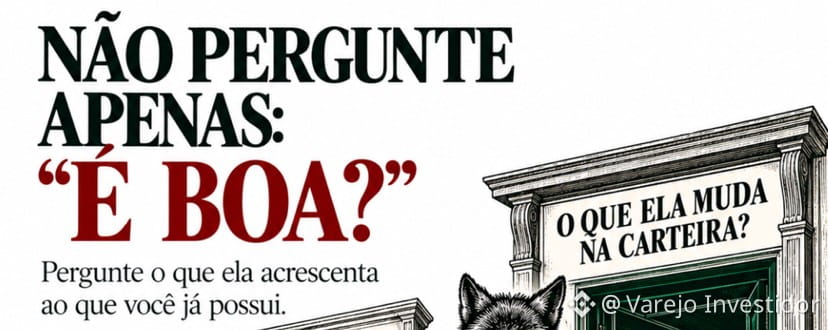
LA PREGUNTA QUE CAMBIA LA FORMA DE CONSTRUIR UNA CARTERAUna nueva operación puede parecer interesante cuando se analiza de forma aislada. Pero la decisión adquiere otra dimensión cuando se coloca al lado de todo lo que ya existe en la cartera.
El primer análisis debe considerar el mérito, el potencial y el riesgo de la posición. Después, es necesario entender su función: ¿agrega una nueva fuente de retorno o solo aumenta una exposición que ya estaba presente?
Esta diferencia es fundamental. Dos posiciones pueden pertenecer a empresas distintas y, aun así, responder a los mismos factores económicos. Del mismo modo, activos de clases diferentes pueden presentar una correlación relevante en determinados periodos.
LA PREGUNTA QUE CAMBIA LA FORMA DE CONSTRUIR UNA CARTERA
Una nueva operación puede parecer interesante cuando se analiza de forma aislada. Pero la decisión adquiere otra dimensión cuando se coloca al lado de todo lo que ya existe en la cartera.
El primer análisis debe considerar el mérito, el potencial y el riesgo de la posición. Después, es necesario entender su función: ¿agrega una nueva fuente de retorno o solo aumenta una exposición que ya estaba presente?
Esta diferencia es fundamental. Dos posiciones pueden pertenecer a empresas distintas y, aun así, responder a los mismos factores económicos. Del mismo modo, activos de clases diferentes pueden presentar una correlación relevante en determinados periodos.
El primer análisis debe considerar el mérito, el potencial y el riesgo de la posición. Después, es necesario entender su función: ¿agrega una nueva fuente de retorno o solo aumenta una exposición que ya estaba presente?
Esta diferencia es fundamental. Dos posiciones pueden pertenecer a empresas distintas y, aun así, responder a los mismos factores económicos. Del mismo modo, activos de clases diferentes pueden presentar una correlación relevante en determinados periodos.
1
125

Artículo
LOS INTERESES TAMBIÉN COMPITEN CON EL OROEl oro no solo compite por espacio con otros metales. También compite por la atención del inversor con activos que ofrecen rentabilidad.
Cuando suben las tasas de interés, los bonos y otros instrumentos de renta fija pueden volverse relativamente más atractivos, aumentando el costo de oportunidad de mantener oro, que no genera intereses por sí mismo. Este movimiento puede reducir la demanda relativa del metal en ciertos escenarios.
Cuando las tasas de interés caen, esta relación puede cambiar. La disminución del rendimiento disponible en activos de interés puede reducir el costo de oportunidad de mantener oro y aumentar su atractivo relativo para algunos inversores.
LOS INTERESES TAMBIÉN COMPITEN CON EL ORO
El oro no solo compite por espacio con otros metales. También compite por la atención del inversor con activos que ofrecen rentabilidad.
Cuando suben las tasas de interés, los bonos y otros instrumentos de renta fija pueden volverse relativamente más atractivos, aumentando el costo de oportunidad de mantener oro, que no genera intereses por sí mismo. Este movimiento puede reducir la demanda relativa del metal en ciertos escenarios.
Cuando las tasas de interés caen, esta relación puede cambiar. La disminución del rendimiento disponible en activos de interés puede reducir el costo de oportunidad de mantener oro y aumentar su atractivo relativo para algunos inversores.
Cuando suben las tasas de interés, los bonos y otros instrumentos de renta fija pueden volverse relativamente más atractivos, aumentando el costo de oportunidad de mantener oro, que no genera intereses por sí mismo. Este movimiento puede reducir la demanda relativa del metal en ciertos escenarios.
Cuando las tasas de interés caen, esta relación puede cambiar. La disminución del rendimiento disponible en activos de interés puede reducir el costo de oportunidad de mantener oro y aumentar su atractivo relativo para algunos inversores.
2
72

Artículo
¿Se mantendrá el orden económico actual?El mundo está en un punto en el que su estructura económica puede estar cambiando. La imagen enfrenta dos caminos entre sí: el orden actual y la posible formación de un nuevo orden.
En el orden actual, el sistema financiero basado en el dólar, las rutas comerciales existentes, las instituciones financieras internacionales y las cadenas de suministro centralizadas desempeñan un papel importante. Esta estructura se ha ido formando a lo largo de décadas y ha conectado entre sí gran parte del comercio y los flujos de capital mundiales.
¿Se mantendrá el orden económico actual?
El mundo está en un punto en el que su estructura económica puede estar cambiando. La imagen enfrenta dos caminos entre sí: el orden actual y la posible formación de un nuevo orden.
En el orden actual, el sistema financiero basado en el dólar, las rutas comerciales existentes, las instituciones financieras internacionales y las cadenas de suministro centralizadas desempeñan un papel importante. Esta estructura se ha ido formando a lo largo de décadas y ha conectado entre sí gran parte del comercio y los flujos de capital mundiales.
En el orden actual, el sistema financiero basado en el dólar, las rutas comerciales existentes, las instituciones financieras internacionales y las cadenas de suministro centralizadas desempeñan un papel importante. Esta estructura se ha ido formando a lo largo de décadas y ha conectado entre sí gran parte del comercio y los flujos de capital mundiales.
1
4
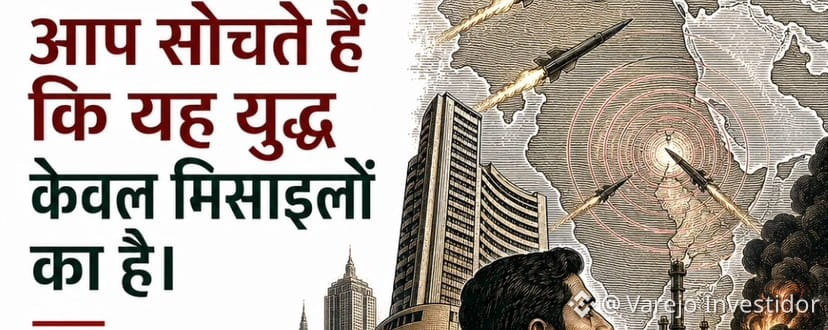
Artículo
El impacto de la guerra va mucho más allá de los misilesPara comprender cualquier conflicto regional importante, no basta con mirar únicamente las actividades militares. El impacto de la guerra puede extenderse hasta la energía, el comercio, la inflación, la moneda y los mercados financieros.
Para un gran país importador como India, los cambios en los precios de la energía tienen una importancia especial. Si el petróleo se encarece, pueden aumentar los costos de transporte y de producción. Eso puede afectar los márgenes de las empresas, los precios al consumidor y el ritmo del crecimiento económico.
El impacto de la guerra va mucho más allá de los misiles
Para comprender cualquier conflicto regional importante, no basta con mirar únicamente las actividades militares. El impacto de la guerra puede extenderse hasta la energía, el comercio, la inflación, la moneda y los mercados financieros.
Para un gran país importador como India, los cambios en los precios de la energía tienen una importancia especial. Si el petróleo se encarece, pueden aumentar los costos de transporte y de producción. Eso puede afectar los márgenes de las empresas, los precios al consumidor y el ritmo del crecimiento económico.
Para un gran país importador como India, los cambios en los precios de la energía tienen una importancia especial. Si el petróleo se encarece, pueden aumentar los costos de transporte y de producción. Eso puede afectar los márgenes de las empresas, los precios al consumidor y el ritmo del crecimiento económico.
EEMETF+1,14%
INDAETF+0,64%
USOYETF-2,42%
1
29

Artículo
La verdadera pregunta no es la guerra, sino la estabilidad del sistemaLos mercados globales no reaccionan únicamente a las noticias de guerra. También observan cuánto podría afectar una confrontación a la estabilidad de todo el sistema económico.
Cuando aumenta la tensión geopolítica, primero crece la incertidumbre. Luego, los inversores intentan entender qué efectos potenciales podría tener en el comercio, la energía, las cadenas de suministro, las divisas, las tasas de interés y los flujos de capital.
La verdadera pregunta no es la guerra, sino la estabilidad del sistema
Los mercados globales no reaccionan únicamente a las noticias de guerra. También observan cuánto podría afectar una confrontación a la estabilidad de todo el sistema económico.
Cuando aumenta la tensión geopolítica, primero crece la incertidumbre. Luego, los inversores intentan entender qué efectos potenciales podría tener en el comercio, la energía, las cadenas de suministro, las divisas, las tasas de interés y los flujos de capital.
Cuando aumenta la tensión geopolítica, primero crece la incertidumbre. Luego, los inversores intentan entender qué efectos potenciales podría tener en el comercio, la energía, las cadenas de suministro, las divisas, las tasas de interés y los flujos de capital.
GLDETF+0,33%
SPYDETF+0,27%
EEMETF+1,14%
2
6
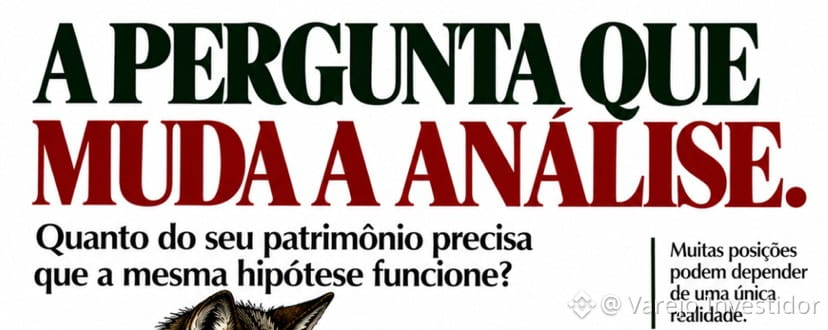
Artículo
LA PREGUNTA QUE CAMBIA EL ANÁLISISCuántos activos hay en tu cartera es solo una parte de la historia. La pregunta más importante es: ¿cuánto de tu patrimonio depende de la misma hipótesis económica?
Una cartera puede contener acciones, bonos, inmuebles, monedas y otros activos y, aun así, presentar una concentración relevante de riesgo.
Esto sucede cuando diferentes posiciones tienen exposiciones similares. Las empresas del mismo sector pueden depender de la misma demanda. Los activos de distintas clases pueden reaccionar a los mismos tipos de interés. Las inversiones en monedas diferentes pueden verse afectadas por el mismo flujo global de capital.
LA PREGUNTA QUE CAMBIA EL ANÁLISIS
Cuántos activos hay en tu cartera es solo una parte de la historia. La pregunta más importante es: ¿cuánto de tu patrimonio depende de la misma hipótesis económica?
Una cartera puede contener acciones, bonos, inmuebles, monedas y otros activos y, aun así, presentar una concentración relevante de riesgo.
Esto sucede cuando diferentes posiciones tienen exposiciones similares. Las empresas del mismo sector pueden depender de la misma demanda. Los activos de distintas clases pueden reaccionar a los mismos tipos de interés. Las inversiones en monedas diferentes pueden verse afectadas por el mismo flujo global de capital.
Una cartera puede contener acciones, bonos, inmuebles, monedas y otros activos y, aun así, presentar una concentración relevante de riesgo.
Esto sucede cuando diferentes posiciones tienen exposiciones similares. Las empresas del mismo sector pueden depender de la misma demanda. Los activos de distintas clases pueden reaccionar a los mismos tipos de interés. Las inversiones en monedas diferentes pueden verse afectadas por el mismo flujo global de capital.
1
118
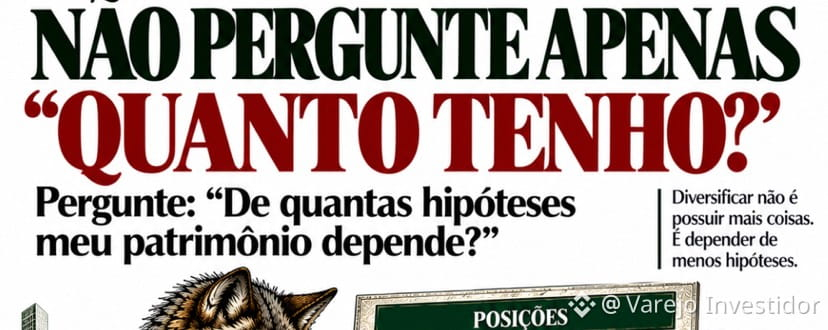
Artículo
NO PREGUNTES SOLO “¿CUÁNTO TENGO?”Una cartera puede tener muchos activos y aun así depender de pocas hipótesis económicas.
La pregunta más profunda es: ¿de cuántas hipótesis depende mi patrimonio?
La imagen muestra una secuencia importante para este análisis: posiciones → exposiciones directas e indirectas → factores comunes → dependencia del patrimonio.
Las acciones, los inmuebles, la renta fija, las monedas y las materias primas pueden parecer clases diferentes. Sin embargo, varias de esas posiciones pueden responder a los mismos factores, como los tipos de interés, el crecimiento económico, el crédito, el tipo de cambio y los precios de las materias primas.
NO PREGUNTES SOLO “¿CUÁNTO TENGO?”
Una cartera puede tener muchos activos y aun así depender de pocas hipótesis económicas.
La pregunta más profunda es: ¿de cuántas hipótesis depende mi patrimonio?
La imagen muestra una secuencia importante para este análisis: posiciones → exposiciones directas e indirectas → factores comunes → dependencia del patrimonio.
Las acciones, los inmuebles, la renta fija, las monedas y las materias primas pueden parecer clases diferentes. Sin embargo, varias de esas posiciones pueden responder a los mismos factores, como los tipos de interés, el crecimiento económico, el crédito, el tipo de cambio y los precios de las materias primas.
La pregunta más profunda es: ¿de cuántas hipótesis depende mi patrimonio?
La imagen muestra una secuencia importante para este análisis: posiciones → exposiciones directas e indirectas → factores comunes → dependencia del patrimonio.
Las acciones, los inmuebles, la renta fija, las monedas y las materias primas pueden parecer clases diferentes. Sin embargo, varias de esas posiciones pueden responder a los mismos factores, como los tipos de interés, el crecimiento económico, el crédito, el tipo de cambio y los precios de las materias primas.
1
148
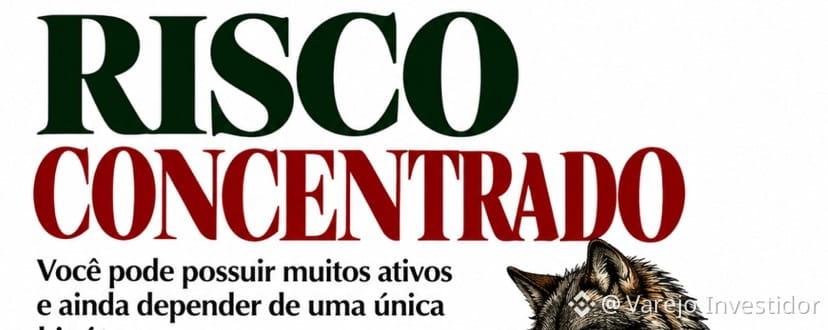
Artículo
Ver traducción
RISCO CONCENTRADO: MUITOS ATIVOS, UMA ÚNICA HIPÓTESETer muitos ativos na carteira não significa necessariamente estar diversificado.
O ponto central da imagem é simples: uma carteira pode reunir ações, imóveis, renda fixa, empresas e moedas e, ainda assim, depender de uma única hipótese econômica.
Imagine, por exemplo, uma carteira exposta a diferentes ativos, mas que depende simultaneamente de juros baixos, crédito abundante e valorização dos mercados. Embora existam vários investimentos, todos podem reagir de maneira semelhante quando o cenário muda.
Esse é o risco de concentração por fator.
A diversificação mais profunda não analisa apenas quantos ativos existem, mas também quais riscos estão por trás deles. Dois investimentos diferentes podem compartilhar exposição ao mesmo fator econômico, como juros, inflação, crescimento, crédito, câmbio, commodities ou liquidez.
O problema fica mais evidente em períodos de estresse. Quando um fator dominante muda, correlações entre ativos podem aumentar e aquilo que parecia uma carteira diversificada pode apresentar perdas simultâneas.
Por isso, analisar apenas a quantidade de posições pode criar uma falsa sensação de segurança.
Uma análise mais completa pergunta:
De onde vem o retorno de cada ativo? Qual fator pode prejudicar vários investimentos ao mesmo tempo? Existe dependência excessiva de uma única hipótese?
Diversificação não significa simplesmente possuir muitos ativos. Significa compreender diferentes fontes de risco e retorno.
Para o investidor, essa distinção é fundamental. Uma carteira pode ser grande em quantidade de posições e pequena em quantidade de hipóteses independentes.
#market #Finance #economy #money
$QQH.ETF
{etf_us}(QQH.ETF)
$AGG.ETF
{etf_us}(AGG.ETF)
$IYR.ETF
{etf_us}(IYR.ETF)
RISCO CONCENTRADO: MUITOS ATIVOS, UMA ÚNICA HIPÓTESE
Ter muitos ativos na carteira não significa necessariamente estar diversificado.
O ponto central da imagem é simples: uma carteira pode reunir ações, imóveis, renda fixa, empresas e moedas e, ainda assim, depender de uma única hipótese econômica.
Imagine, por exemplo, uma carteira exposta a diferentes ativos, mas que depende simultaneamente de juros baixos, crédito abundante e valorização dos mercados. Embora existam vários investimentos, todos podem reagir de maneira semelhante quando o cenário muda.
Esse é o risco de concentração por fator.
A diversificação mais profunda não analisa apenas quantos ativos existem, mas também quais riscos estão por trás deles. Dois investimentos diferentes podem compartilhar exposição ao mesmo fator econômico, como juros, inflação, crescimento, crédito, câmbio, commodities ou liquidez.
O problema fica mais evidente em períodos de estresse. Quando um fator dominante muda, correlações entre ativos podem aumentar e aquilo que parecia uma carteira diversificada pode apresentar perdas simultâneas.
Por isso, analisar apenas a quantidade de posições pode criar uma falsa sensação de segurança.
Uma análise mais completa pergunta:
De onde vem o retorno de cada ativo? Qual fator pode prejudicar vários investimentos ao mesmo tempo? Existe dependência excessiva de uma única hipótese?
Diversificação não significa simplesmente possuir muitos ativos. Significa compreender diferentes fontes de risco e retorno.
Para o investidor, essa distinção é fundamental. Uma carteira pode ser grande em quantidade de posições e pequena em quantidade de hipóteses independentes.
#market #Finance #economy #money
$QQH.ETF
$AGG.ETF
$IYR.ETF
O ponto central da imagem é simples: uma carteira pode reunir ações, imóveis, renda fixa, empresas e moedas e, ainda assim, depender de uma única hipótese econômica.
Imagine, por exemplo, uma carteira exposta a diferentes ativos, mas que depende simultaneamente de juros baixos, crédito abundante e valorização dos mercados. Embora existam vários investimentos, todos podem reagir de maneira semelhante quando o cenário muda.
Esse é o risco de concentração por fator.
A diversificação mais profunda não analisa apenas quantos ativos existem, mas também quais riscos estão por trás deles. Dois investimentos diferentes podem compartilhar exposição ao mesmo fator econômico, como juros, inflação, crescimento, crédito, câmbio, commodities ou liquidez.
O problema fica mais evidente em períodos de estresse. Quando um fator dominante muda, correlações entre ativos podem aumentar e aquilo que parecia uma carteira diversificada pode apresentar perdas simultâneas.
Por isso, analisar apenas a quantidade de posições pode criar uma falsa sensação de segurança.
Uma análise mais completa pergunta:
De onde vem o retorno de cada ativo? Qual fator pode prejudicar vários investimentos ao mesmo tempo? Existe dependência excessiva de uma única hipótese?
Diversificação não significa simplesmente possuir muitos ativos. Significa compreender diferentes fontes de risco e retorno.
Para o investidor, essa distinção é fundamental. Uma carteira pode ser grande em quantidade de posições e pequena em quantidade de hipóteses independentes.
#market #Finance #economy #money
$QQH.ETF
$AGG.ETF
$IYR.ETF
IYRETF-0,09%
QQHETF+0,59%
AGGETF+0,20%
1
47

Inicia sesión para explorar más contenidos
Únete a usuarios globales de criptomonedas en Binance Square
⚡️ Obtén información útil y actualizada sobre criptos.
💬 Avalado por el mayor exchange de criptomonedas en el mundo.
👍 Descubre perspectivas reales de creadores verificados.
Email/número de teléfono
Temas populares
1
#BitgetHackerMoves$83MStolenXRP
5,751 vistas
62 están debatiendo
2
#SOLSpotETFWeeklyInflow$188M
2,631 vistas
55 están debatiendo
3
#DogecoinETFsPostBiggestWeekSinceLaunch
1,543 vistas
109 están debatiendo
4
#StrategyStriveAdd2305BitcoinThisWeek
48,739 vistas
1,165 están debatiendo
5
#TrumpRejectsIranHormuzReopening
48,547 vistas
930 están debatiendo
6
#CircleTetherFreezeBitgetHackerWallet
60,388 vistas
936 están debatiendo
7
#SECSaysTokenBuybacksNotAutoSecurities
31,789 vistas
554 están debatiendo
8
#ChinaUSAgreeOn$30BTariffCut
2,476 vistas
34 están debatiendo
9
#CoinMarketCapCompletesCoinglassAcquisition
46,757 vistas
678 están debatiendo
10
#CircleMints500MUSDCOnSolana
238,946 vistas
3,302 están debatiendo