

TopCryptoNews
10.1k Publicaciones

TopCryptoNews
 Verificado Plus de Binance Square
Denunciar
Bloquear usuario
Lastest News | Technical Analysis | Signals | Web3 | Advertise | Top News on Crypto World | Projects | Business Offer

Creator Awards 2024

#BinanceTurns7

Excellence Award (Top Voice)
35 Siguiendo
295.7K+ Seguidores
339.7K+ Me gusta
7 Insignias
Publicaciones
Todo
Citas
Videos
Live
PINNED
🔴 El FSB colocó a Pavel Durov bajo una orden internacional de arresto
El fundador de Telegram, Pavel Durov, ha sido puesto bajo una orden internacional de arresto por ayudar al terrorismo, según medios que citan al FSB ruso.
Según el FSB, los servicios especiales ucranianos supuestamente usaron bots de chat de Telegram para reclutar ciudadanos rusos. La agencia afirma que la administración de Telegram no eliminó el servicio después de que se añadiera al registro de recursos prohibidos, lo que se convirtió en la base de los cargos.
Al momento de la publicación, no se habían recibido comentarios oficiales de Pavel Durov.
#PavelDurov | #TON | $TON
🔴 El FSB colocó a Pavel Durov bajo una orden internacional de arresto
El fundador de Telegram, Pavel Durov, ha sido puesto bajo una orden internacional de arresto por ayudar al terrorismo, según medios que citan al FSB ruso.
Según el FSB, los servicios especiales ucranianos supuestamente usaron bots de chat de Telegram para reclutar ciudadanos rusos. La agencia afirma que la administración de Telegram no eliminó el servicio después de que se añadiera al registro de recursos prohibidos, lo que se convirtió en la base de los cargos.
Al momento de la publicación, no se habían recibido comentarios oficiales de Pavel Durov.
#PavelDurov | #TON | $TON
El fundador de Telegram, Pavel Durov, ha sido puesto bajo una orden internacional de arresto por ayudar al terrorismo, según medios que citan al FSB ruso.
Según el FSB, los servicios especiales ucranianos supuestamente usaron bots de chat de Telegram para reclutar ciudadanos rusos. La agencia afirma que la administración de Telegram no eliminó el servicio después de que se añadiera al registro de recursos prohibidos, lo que se convirtió en la base de los cargos.
Al momento de la publicación, no se habían recibido comentarios oficiales de Pavel Durov.
#PavelDurov | #TON | $TON

32
8
210
434.7k
PINNED
Verificado
🌕 La billetera Trust Wallet de CZ lanza agentes de IA que pueden ejecutar operaciones de criptomonedas
La billetera digital propiedad del fundador de Binance, Changpeng Zhao, que tiene más de 220 millones de clientes, dijo el jueves que los usuarios ahora pueden emplear agentes impulsados por inteligencia artificial para realizar una variedad de transacciones de criptomonedas.
"Hoy, Trust Wallet lanza el Trust Wallet Agent Kit (TWAK) — infraestructura que permite a los agentes de IA ejecutar transacciones reales de criptomonedas, a través de más de 25 blockchains, dentro de las reglas que los usuarios definen y controlan," dijo la empresa en una publicación de blog. Los agentes pueden manejar intercambios entre cadenas en varias redes, incluyendo Solana y Bitcoin, además de gestionar compras recurrentes.
Las empresas de criptomonedas están experimentando cada vez más con automatización impulsada por IA, con el objetivo de permitir a los usuarios enlistar agentes que pueden gestionar activamente carteras y ejecutar operaciones.
El nuevo kit de herramientas ofrece dos formas de operar, una donde el agente de IA tiene su propia billetera y puede ejecutar operaciones automáticamente basadas en reglas establecidas, y la otra donde sugiere transacciones que los usuarios luego deben aprobar.
"Trust Wallet siempre se ha construido sobre un principio único: tus claves, tu cripto. TWAK extiende ese principio a la era de los agentes de IA," también según la publicación del blog. "Con el modo WalletConnect, una IA puede ayudarte a actuar sobre tu cartera — investigar, proponer, ejecutar — sin nunca retener tus claves. Tú mantienes el control."
Mientras que el intercambio de criptomonedas compró inicialmente Trust Wallet en 2018, ahora opera como una empresa independiente.
#CZ | #AI
🌕 La billetera Trust Wallet de CZ lanza agentes de IA que pueden ejecutar operaciones de criptomonedas
La billetera digital propiedad del fundador de Binance, Changpeng Zhao, que tiene más de 220 millones de clientes, dijo el jueves que los usuarios ahora pueden emplear agentes impulsados por inteligencia artificial para realizar una variedad de transacciones de criptomonedas.
"Hoy, Trust Wallet lanza el Trust Wallet Agent Kit (TWAK) — infraestructura que permite a los agentes de IA ejecutar transacciones reales de criptomonedas, a través de más de 25 blockchains, dentro de las reglas que los usuarios definen y controlan," dijo la empresa en una publicación de blog. Los agentes pueden manejar intercambios entre cadenas en varias redes, incluyendo Solana y Bitcoin, además de gestionar compras recurrentes.
Las empresas de criptomonedas están experimentando cada vez más con automatización impulsada por IA, con el objetivo de permitir a los usuarios enlistar agentes que pueden gestionar activamente carteras y ejecutar operaciones.
El nuevo kit de herramientas ofrece dos formas de operar, una donde el agente de IA tiene su propia billetera y puede ejecutar operaciones automáticamente basadas en reglas establecidas, y la otra donde sugiere transacciones que los usuarios luego deben aprobar.
"Trust Wallet siempre se ha construido sobre un principio único: tus claves, tu cripto. TWAK extiende ese principio a la era de los agentes de IA," también según la publicación del blog. "Con el modo WalletConnect, una IA puede ayudarte a actuar sobre tu cartera — investigar, proponer, ejecutar — sin nunca retener tus claves. Tú mantienes el control."
Mientras que el intercambio de criptomonedas compró inicialmente Trust Wallet en 2018, ahora opera como una empresa independiente.
#CZ | #AI
La billetera digital propiedad del fundador de Binance, Changpeng Zhao, que tiene más de 220 millones de clientes, dijo el jueves que los usuarios ahora pueden emplear agentes impulsados por inteligencia artificial para realizar una variedad de transacciones de criptomonedas.
"Hoy, Trust Wallet lanza el Trust Wallet Agent Kit (TWAK) — infraestructura que permite a los agentes de IA ejecutar transacciones reales de criptomonedas, a través de más de 25 blockchains, dentro de las reglas que los usuarios definen y controlan," dijo la empresa en una publicación de blog. Los agentes pueden manejar intercambios entre cadenas en varias redes, incluyendo Solana y Bitcoin, además de gestionar compras recurrentes.
Las empresas de criptomonedas están experimentando cada vez más con automatización impulsada por IA, con el objetivo de permitir a los usuarios enlistar agentes que pueden gestionar activamente carteras y ejecutar operaciones.
El nuevo kit de herramientas ofrece dos formas de operar, una donde el agente de IA tiene su propia billetera y puede ejecutar operaciones automáticamente basadas en reglas establecidas, y la otra donde sugiere transacciones que los usuarios luego deben aprobar.
"Trust Wallet siempre se ha construido sobre un principio único: tus claves, tu cripto. TWAK extiende ese principio a la era de los agentes de IA," también según la publicación del blog. "Con el modo WalletConnect, una IA puede ayudarte a actuar sobre tu cartera — investigar, proponer, ejecutar — sin nunca retener tus claves. Tú mantienes el control."
Mientras que el intercambio de criptomonedas compró inicialmente Trust Wallet en 2018, ahora opera como una empresa independiente.
#CZ | #AI

113
48
454
100.4k
·
--
Alcista
🚀 Día 7 | ¡Participa en Mega Drop! 🎁 Haz clic en Votar y llévate tu GRAN premio en $.
¿CÓMO? Haz clic en [VOTE HERE](https://www.binance.com/en/square/blockchain-100-2026?username=776) y luego en Votar. Después de votar, ve a los comentarios, escribe "YES" y reclama tu premio.
¡Muchísimas gracias por todos sus votos!
#Binance #BinanceSquareCreatorAward #Blockchain100 $BNB
{spot}(BNBUSDT)
🚀 Día 7 | ¡Participa en Mega Drop! 🎁 Haz clic en Votar y llévate tu GRAN premio en $.
¿CÓMO? Haz clic en VOTE HERE y luego en Votar. Después de votar, ve a los comentarios, escribe "YES" y reclama tu premio.
¡Muchísimas gracias por todos sus votos!
#Binance #BinanceSquareCreatorAward #Blockchain100 $BNB
¿CÓMO? Haz clic en VOTE HERE y luego en Votar. Después de votar, ve a los comentarios, escribe "YES" y reclama tu premio.
¡Muchísimas gracias por todos sus votos!
#Binance #BinanceSquareCreatorAward #Blockchain100 $BNB
66
14
534
·
--
Alcista
🚀 Día 6 | ¡Participa en el Mega Drop 🎁! Haz clic en Votar y llévate tu GRAN premio en $
¿CÓMO? Haz clic en [VOTE HERE](https://www.binance.com/en/square/blockchain-100-2026?username=776) después de hacer clic en Votar. Después de votar, ve a los comentarios, escribe "YES" y reclama tu premio.
¡Muchísimas gracias por todos sus votos!
#Binance #BinanceSquareCreatorAward #Blockchain100 $BNB
{spot}(BNBUSDT)
🚀 Día 6 | ¡Participa en el Mega Drop 🎁! Haz clic en Votar y llévate tu GRAN premio en $
¿CÓMO? Haz clic en VOTE HERE después de hacer clic en Votar. Después de votar, ve a los comentarios, escribe "YES" y reclama tu premio.
¡Muchísimas gracias por todos sus votos!
#Binance #BinanceSquareCreatorAward #Blockchain100 $BNB
¿CÓMO? Haz clic en VOTE HERE después de hacer clic en Votar. Después de votar, ve a los comentarios, escribe "YES" y reclama tu premio.
¡Muchísimas gracias por todos sus votos!
#Binance #BinanceSquareCreatorAward #Blockchain100 $BNB
109
1
11
791
¿Cuánto tardará Bitcoin en volver a los $126k? 🤔️️️️️️
Ha pasado casi un año desde el máximo histórico (ATH). Actualmente, el precio está un 34% por debajo del máximo, pero ya está un 43% por encima del mínimo de julio, de $58k. Si analizamos la infografía de arriba, que muestra la relación entre la profundidad de la caída y la duración de la recuperación, podemos observar lo siguiente:
🔘 Históricamente, tras una caída del 50-55%, han transcurrido entre 60 y 230 días desde el mínimo para volver al ATH anterior.
🔘 Han pasado aproximadamente 114 días desde el mínimo de julio.
🔘 Si los $58k fueron efectivamente el mínimo, el plazo histórico de recuperación se sitúa entre diciembre de 2026 y febrero de 2027.
¿Cuáles son los posibles escenarios?
🟢 Optimista: Una ruptura por encima de los $95-$100k en noviembre aceleraría la recuperación, y BTC podría alcanzar un nuevo ATH antes de que termine el año.
🟠 Moderado: Consolidación en el rango de $85-$90k, con un regreso a los $126k a principios de 2027.
💭 Por ahora, Bitcoin está cerca de la línea mediana del modelo histórico de recuperación. Los próximos meses mostrarán si el mercado puede mantener este ritmo.
#BTC | #Bitcoin | $BTC
{spot}(BTCUSDT)
¿Cuánto tardará Bitcoin en volver a los $126k? 🤔️️️️️️
Ha pasado casi un año desde el máximo histórico (ATH). Actualmente, el precio está un 34% por debajo del máximo, pero ya está un 43% por encima del mínimo de julio, de $58k. Si analizamos la infografía de arriba, que muestra la relación entre la profundidad de la caída y la duración de la recuperación, podemos observar lo siguiente:
🔘 Históricamente, tras una caída del 50-55%, han transcurrido entre 60 y 230 días desde el mínimo para volver al ATH anterior.
🔘 Han pasado aproximadamente 114 días desde el mínimo de julio.
🔘 Si los $58k fueron efectivamente el mínimo, el plazo histórico de recuperación se sitúa entre diciembre de 2026 y febrero de 2027.
¿Cuáles son los posibles escenarios?
🟢 Optimista: Una ruptura por encima de los $95-$100k en noviembre aceleraría la recuperación, y BTC podría alcanzar un nuevo ATH antes de que termine el año.
🟠 Moderado: Consolidación en el rango de $85-$90k, con un regreso a los $126k a principios de 2027.
💭 Por ahora, Bitcoin está cerca de la línea mediana del modelo histórico de recuperación. Los próximos meses mostrarán si el mercado puede mantener este ritmo.
#BTC | #Bitcoin | $BTC
Ha pasado casi un año desde el máximo histórico (ATH). Actualmente, el precio está un 34% por debajo del máximo, pero ya está un 43% por encima del mínimo de julio, de $58k. Si analizamos la infografía de arriba, que muestra la relación entre la profundidad de la caída y la duración de la recuperación, podemos observar lo siguiente:
🔘 Históricamente, tras una caída del 50-55%, han transcurrido entre 60 y 230 días desde el mínimo para volver al ATH anterior.
🔘 Han pasado aproximadamente 114 días desde el mínimo de julio.
🔘 Si los $58k fueron efectivamente el mínimo, el plazo histórico de recuperación se sitúa entre diciembre de 2026 y febrero de 2027.
¿Cuáles son los posibles escenarios?
🟢 Optimista: Una ruptura por encima de los $95-$100k en noviembre aceleraría la recuperación, y BTC podría alcanzar un nuevo ATH antes de que termine el año.
🟠 Moderado: Consolidación en el rango de $85-$90k, con un regreso a los $126k a principios de 2027.
💭 Por ahora, Bitcoin está cerca de la línea mediana del modelo histórico de recuperación. Los próximos meses mostrarán si el mercado puede mantener este ritmo.
#BTC | #Bitcoin | $BTC
5
2k
·
--
Alcista
🚀 Día 5 | ¡Participa en Mega Drop! 🎁 Haz clic en Votar y llévate tu GRAN premio en $
¿CÓMO? Haz clic en [VOTE HERE](https://www.binance.com/en/square/blockchain-100-2026?username=776) después de hacer clic en Votar. Después de votar, ve a los comentarios, escribe "YES" y reclama tu premio.
¡Muchísimas gracias por todos sus votos!
#Binance #BinanceSquareCreatorAward #Blockchain100 $BNB
{spot}(BNBUSDT)
🚀 Día 5 | ¡Participa en Mega Drop! 🎁 Haz clic en Votar y llévate tu GRAN premio en $
¿CÓMO? Haz clic en VOTE HERE después de hacer clic en Votar. Después de votar, ve a los comentarios, escribe "YES" y reclama tu premio.
¡Muchísimas gracias por todos sus votos!
#Binance #BinanceSquareCreatorAward #Blockchain100 $BNB
¿CÓMO? Haz clic en VOTE HERE después de hacer clic en Votar. Después de votar, ve a los comentarios, escribe "YES" y reclama tu premio.
¡Muchísimas gracias por todos sus votos!
#Binance #BinanceSquareCreatorAward #Blockchain100 $BNB
93
17
921
13 de enero: un buen momento para comprar según el patrón de las elecciones de EE. UU. 🇺🇸
Después de las elecciones de mitad de mandato en EE. UU., Bitcoin alcanzó su mínimo en los siguientes plazos:
🔘 2014: 71 días después de las elecciones
🔘 2018: 39 días
🔘 2022: 13 días
¿Y qué pasó después? Durante los 12 meses siguientes, BTC subió:
📈 2014: +25%
📈 2018: +45%
📈 2022: +92%
Las próximas elecciones de mitad de mandato en EE. UU. tendrán lugar el 3 de noviembre de 2026. Si tomamos como referencia el intervalo de 71 días, la fecha potencial sería el 13 de enero de 2027.
🤔️️️️️️ Guarda esto y veamos si el escenario se repite esta vez.
#BTC | #Bitcoin | $BTC
13 de enero: un buen momento para comprar según el patrón de las elecciones de EE. UU. 🇺🇸
Después de las elecciones de mitad de mandato en EE. UU., Bitcoin alcanzó su mínimo en los siguientes plazos:
🔘 2014: 71 días después de las elecciones
🔘 2018: 39 días
🔘 2022: 13 días
¿Y qué pasó después? Durante los 12 meses siguientes, BTC subió:
📈 2014: +25%
📈 2018: +45%
📈 2022: +92%
Las próximas elecciones de mitad de mandato en EE. UU. tendrán lugar el 3 de noviembre de 2026. Si tomamos como referencia el intervalo de 71 días, la fecha potencial sería el 13 de enero de 2027.
🤔️️️️️️ Guarda esto y veamos si el escenario se repite esta vez.
#BTC | #Bitcoin | $BTC
Después de las elecciones de mitad de mandato en EE. UU., Bitcoin alcanzó su mínimo en los siguientes plazos:
🔘 2014: 71 días después de las elecciones
🔘 2018: 39 días
🔘 2022: 13 días
¿Y qué pasó después? Durante los 12 meses siguientes, BTC subió:
📈 2014: +25%
📈 2018: +45%
📈 2022: +92%
Las próximas elecciones de mitad de mandato en EE. UU. tendrán lugar el 3 de noviembre de 2026. Si tomamos como referencia el intervalo de 71 días, la fecha potencial sería el 13 de enero de 2027.
🤔️️️️️️ Guarda esto y veamos si el escenario se repite esta vez.
#BTC | #Bitcoin | $BTC
9
3k
🟢 ¿Puede recuperarse Near Protocol (NEAR)? El principal nivel de resistencia ya está claro
NEAR Protocol cotiza alrededor de los 4,97 $ tras una fuerte corrección desde su máximo más reciente. El token subió de aproximadamente 1,60 $ en agosto a casi 6,00 $ a mediados de octubre, una de las subidas más potentes entre las altcoins de gran capitalización este año. Desde entonces, el precio se ha movido lateralmente, y ahora los inversores se preguntan si NEAR puede recuperarse y seguir subiendo.
🔸 Se establece la próxima barrera importante
La principal resistencia se sitúa ahora entre 5,40 $ y 5,60 $. NEAR no ha logrado cerrar por encima de esta zona en varias ocasiones durante las últimas semanas. Cada intento terminó con una larga mecha superior en la vela diaria, lo que indica que los vendedores intervienen rápidamente cuando el precio se acerca. Por encima de esa zona, el máximo de 6,00 $ es la siguiente barrera importante.
El soporte es más fácil de identificar. La media móvil de corto plazo, cerca de los 4,83 $, ha sostenido el precio en las últimas sesiones, y los compradores siguen defendiendo el nivel de 4,80 $. Si este falla, la siguiente zona a vigilar está alrededor de los 4,30 $, donde el precio rebotó a principios de octubre. Ese nivel también coincide con la media móvil de 50 días, situada aproximadamente en 4,27 $, lo que lo convierte en un sólido suelo.
🔸 La tendencia sigue siendo saludable
La tendencia general todavía parece saludable. Todas las principales medias móviles apuntan al alza, y el precio se mantiene muy por encima de cada una de ellas. La media de 200 días, cerca de los 2,80 $, está muy por debajo del precio actual, lo que muestra cuánto ha subido NEAR en poco tiempo. Una caída hacia las medias intermedias sería una pausa normal y no perjudicaría la tendencia alcista general.
El impulso se ha moderado. El RSI cayó desde niveles de sobrecompra extremos, por encima de 85 a finales de septiembre, hasta aproximadamente 50 hoy. Esto es un reinicio, no una señal de alerta. Significa que el mercado ha tenido tiempo para descansar y que hay margen para un nuevo impulso si regresan los compradores. El volumen de negociación ha disminuido durante la consolidación. Un volumen menor dentro de un rango estrecho suele preceder a un movimiento mayor, pero también indica que los inversores aún no están del todo convencidos.
#NEAR | $NEAR
{spot}(NEARUSDT)
🟢 ¿Puede recuperarse Near Protocol (NEAR)? El principal nivel de resistencia ya está claro
NEAR Protocol cotiza alrededor de los 4,97 $ tras una fuerte corrección desde su máximo más reciente. El token subió de aproximadamente 1,60 $ en agosto a casi 6,00 $ a mediados de octubre, una de las subidas más potentes entre las altcoins de gran capitalización este año. Desde entonces, el precio se ha movido lateralmente, y ahora los inversores se preguntan si NEAR puede recuperarse y seguir subiendo.
🔸 Se establece la próxima barrera importante
La principal resistencia se sitúa ahora entre 5,40 $ y 5,60 $. NEAR no ha logrado cerrar por encima de esta zona en varias ocasiones durante las últimas semanas. Cada intento terminó con una larga mecha superior en la vela diaria, lo que indica que los vendedores intervienen rápidamente cuando el precio se acerca. Por encima de esa zona, el máximo de 6,00 $ es la siguiente barrera importante.
El soporte es más fácil de identificar. La media móvil de corto plazo, cerca de los 4,83 $, ha sostenido el precio en las últimas sesiones, y los compradores siguen defendiendo el nivel de 4,80 $. Si este falla, la siguiente zona a vigilar está alrededor de los 4,30 $, donde el precio rebotó a principios de octubre. Ese nivel también coincide con la media móvil de 50 días, situada aproximadamente en 4,27 $, lo que lo convierte en un sólido suelo.
🔸 La tendencia sigue siendo saludable
La tendencia general todavía parece saludable. Todas las principales medias móviles apuntan al alza, y el precio se mantiene muy por encima de cada una de ellas. La media de 200 días, cerca de los 2,80 $, está muy por debajo del precio actual, lo que muestra cuánto ha subido NEAR en poco tiempo. Una caída hacia las medias intermedias sería una pausa normal y no perjudicaría la tendencia alcista general.
El impulso se ha moderado. El RSI cayó desde niveles de sobrecompra extremos, por encima de 85 a finales de septiembre, hasta aproximadamente 50 hoy. Esto es un reinicio, no una señal de alerta. Significa que el mercado ha tenido tiempo para descansar y que hay margen para un nuevo impulso si regresan los compradores. El volumen de negociación ha disminuido durante la consolidación. Un volumen menor dentro de un rango estrecho suele preceder a un movimiento mayor, pero también indica que los inversores aún no están del todo convencidos.
#NEAR | $NEAR
NEAR Protocol cotiza alrededor de los 4,97 $ tras una fuerte corrección desde su máximo más reciente. El token subió de aproximadamente 1,60 $ en agosto a casi 6,00 $ a mediados de octubre, una de las subidas más potentes entre las altcoins de gran capitalización este año. Desde entonces, el precio se ha movido lateralmente, y ahora los inversores se preguntan si NEAR puede recuperarse y seguir subiendo.
🔸 Se establece la próxima barrera importante
La principal resistencia se sitúa ahora entre 5,40 $ y 5,60 $. NEAR no ha logrado cerrar por encima de esta zona en varias ocasiones durante las últimas semanas. Cada intento terminó con una larga mecha superior en la vela diaria, lo que indica que los vendedores intervienen rápidamente cuando el precio se acerca. Por encima de esa zona, el máximo de 6,00 $ es la siguiente barrera importante.
El soporte es más fácil de identificar. La media móvil de corto plazo, cerca de los 4,83 $, ha sostenido el precio en las últimas sesiones, y los compradores siguen defendiendo el nivel de 4,80 $. Si este falla, la siguiente zona a vigilar está alrededor de los 4,30 $, donde el precio rebotó a principios de octubre. Ese nivel también coincide con la media móvil de 50 días, situada aproximadamente en 4,27 $, lo que lo convierte en un sólido suelo.
🔸 La tendencia sigue siendo saludable
La tendencia general todavía parece saludable. Todas las principales medias móviles apuntan al alza, y el precio se mantiene muy por encima de cada una de ellas. La media de 200 días, cerca de los 2,80 $, está muy por debajo del precio actual, lo que muestra cuánto ha subido NEAR en poco tiempo. Una caída hacia las medias intermedias sería una pausa normal y no perjudicaría la tendencia alcista general.
El impulso se ha moderado. El RSI cayó desde niveles de sobrecompra extremos, por encima de 85 a finales de septiembre, hasta aproximadamente 50 hoy. Esto es un reinicio, no una señal de alerta. Significa que el mercado ha tenido tiempo para descansar y que hay margen para un nuevo impulso si regresan los compradores. El volumen de negociación ha disminuido durante la consolidación. Un volumen menor dentro de un rango estrecho suele preceder a un movimiento mayor, pero también indica que los inversores aún no están del todo convencidos.
#NEAR | $NEAR
3
1.1k
·
--
Alcista
🚀 Día 4 | ¡Gran sorteo! 🎁 Haz clic en Votar y llévate tu GRAN premio en $
¿CÓMO? Haz clic en [VOTE HERE](https://www.binance.com/en/square/blockchain-100-2026?username=776) y luego en Votar. Después de votar, ve a los comentarios, escribe "SÍ" y reclama tu premio.
¡Muchas gracias a todos por votar!
#Binance #BinanceSquareCreatorAward #Blockchain100 $BNB
{spot}(BNBUSDT)
🚀 Día 4 | ¡Gran sorteo! 🎁 Haz clic en Votar y llévate tu GRAN premio en $
¿CÓMO? Haz clic en VOTE HERE y luego en Votar. Después de votar, ve a los comentarios, escribe "SÍ" y reclama tu premio.
¡Muchas gracias a todos por votar!
#Binance #BinanceSquareCreatorAward #Blockchain100 $BNB
¿CÓMO? Haz clic en VOTE HERE y luego en Votar. Después de votar, ve a los comentarios, escribe "SÍ" y reclama tu premio.
¡Muchas gracias a todos por votar!
#Binance #BinanceSquareCreatorAward #Blockchain100 $BNB

116
2
23
1.1k
Verificado
🔘 Las direcciones activas de Arbitrum alcanzan un máximo de 30 días y luego retroceden
Arbitrum One registró 571,767 direcciones activas diarias el 21 de octubre, su cifra más alta en 30 días y casi cinco veces la mediana de la semana anterior, según la serie diaria de growthepie. El repunte se había desvanecido a la mañana siguiente.
El recuento de direcciones de la Layer 2 de Ethereum aumentó desde 201,145 el 20 de octubre, mientras que las transacciones crecieron mucho menos: de 1,505,085 a 1,660,573, según la serie de transacciones de growthepie. Esta divergencia es importante para quienes siguen la adopción de la red: el aumento de direcciones activas no se tradujo en una expansión comparable de las transacciones.
Los datos por hora muestran que el repunte duró poco. Arbitrum superó las 104,000 direcciones activas en cada una de las tres horas que comenzaron a las 14:00 UTC del 21 de octubre. En las primeras nueve observaciones horarias del 22 de octubre, las cifras volvieron a situarse por debajo de 10,000. Se trata de direcciones, no de un recuento de personas, y los datos no permiten establecer si el aumento se debió a bots o a una campaña de incentivos.
🔸 El repunte de direcciones de Arbitrum se desvanece
The Defiant calculó que el recuento diario estuvo aproximadamente un 393% por encima de la mediana de 116,048 del período del 14 al 20 de octubre, a partir de las siete observaciones diarias de growthepie. También superó el máximo anterior dentro del período de 30 días: 353,177 el 6 de octubre. Todas las comparaciones diarias se basan en días UTC completos.
El salto no se limitó a Arbitrum. Base pasó de 344,705 direcciones activas el 20 de octubre a 629,142 el 21 de octubre, y se mantuvo por encima de Arbitrum. OP Mainnet aumentó de 12,740 a 15,844 en las mismas fechas. Estas comparaciones entre redes de un mismo proveedor confirman aumentos simultáneos, pero no una causa común.
La documentación de métricas de growthepie describe las direcciones activas como un indicador indirecto de la actividad a nivel de dirección, no como un recuento exacto de usuarios únicos. Los totales diarios por sí solos no permiten distinguir entre una participación amplia y una actividad distribuida en varias billeteras.
#ARB | #Arbitrum | $ARB
{spot}(ARBUSDT)
🔘 Las direcciones activas de Arbitrum alcanzan un máximo de 30 días y luego retroceden
Arbitrum One registró 571,767 direcciones activas diarias el 21 de octubre, su cifra más alta en 30 días y casi cinco veces la mediana de la semana anterior, según la serie diaria de growthepie. El repunte se había desvanecido a la mañana siguiente.
El recuento de direcciones de la Layer 2 de Ethereum aumentó desde 201,145 el 20 de octubre, mientras que las transacciones crecieron mucho menos: de 1,505,085 a 1,660,573, según la serie de transacciones de growthepie. Esta divergencia es importante para quienes siguen la adopción de la red: el aumento de direcciones activas no se tradujo en una expansión comparable de las transacciones.
Los datos por hora muestran que el repunte duró poco. Arbitrum superó las 104,000 direcciones activas en cada una de las tres horas que comenzaron a las 14:00 UTC del 21 de octubre. En las primeras nueve observaciones horarias del 22 de octubre, las cifras volvieron a situarse por debajo de 10,000. Se trata de direcciones, no de un recuento de personas, y los datos no permiten establecer si el aumento se debió a bots o a una campaña de incentivos.
🔸 El repunte de direcciones de Arbitrum se desvanece
The Defiant calculó que el recuento diario estuvo aproximadamente un 393% por encima de la mediana de 116,048 del período del 14 al 20 de octubre, a partir de las siete observaciones diarias de growthepie. También superó el máximo anterior dentro del período de 30 días: 353,177 el 6 de octubre. Todas las comparaciones diarias se basan en días UTC completos.
El salto no se limitó a Arbitrum. Base pasó de 344,705 direcciones activas el 20 de octubre a 629,142 el 21 de octubre, y se mantuvo por encima de Arbitrum. OP Mainnet aumentó de 12,740 a 15,844 en las mismas fechas. Estas comparaciones entre redes de un mismo proveedor confirman aumentos simultáneos, pero no una causa común.
La documentación de métricas de growthepie describe las direcciones activas como un indicador indirecto de la actividad a nivel de dirección, no como un recuento exacto de usuarios únicos. Los totales diarios por sí solos no permiten distinguir entre una participación amplia y una actividad distribuida en varias billeteras.
#ARB | #Arbitrum | $ARB
Arbitrum One registró 571,767 direcciones activas diarias el 21 de octubre, su cifra más alta en 30 días y casi cinco veces la mediana de la semana anterior, según la serie diaria de growthepie. El repunte se había desvanecido a la mañana siguiente.
El recuento de direcciones de la Layer 2 de Ethereum aumentó desde 201,145 el 20 de octubre, mientras que las transacciones crecieron mucho menos: de 1,505,085 a 1,660,573, según la serie de transacciones de growthepie. Esta divergencia es importante para quienes siguen la adopción de la red: el aumento de direcciones activas no se tradujo en una expansión comparable de las transacciones.
Los datos por hora muestran que el repunte duró poco. Arbitrum superó las 104,000 direcciones activas en cada una de las tres horas que comenzaron a las 14:00 UTC del 21 de octubre. En las primeras nueve observaciones horarias del 22 de octubre, las cifras volvieron a situarse por debajo de 10,000. Se trata de direcciones, no de un recuento de personas, y los datos no permiten establecer si el aumento se debió a bots o a una campaña de incentivos.
🔸 El repunte de direcciones de Arbitrum se desvanece
The Defiant calculó que el recuento diario estuvo aproximadamente un 393% por encima de la mediana de 116,048 del período del 14 al 20 de octubre, a partir de las siete observaciones diarias de growthepie. También superó el máximo anterior dentro del período de 30 días: 353,177 el 6 de octubre. Todas las comparaciones diarias se basan en días UTC completos.
El salto no se limitó a Arbitrum. Base pasó de 344,705 direcciones activas el 20 de octubre a 629,142 el 21 de octubre, y se mantuvo por encima de Arbitrum. OP Mainnet aumentó de 12,740 a 15,844 en las mismas fechas. Estas comparaciones entre redes de un mismo proveedor confirman aumentos simultáneos, pero no una causa común.
La documentación de métricas de growthepie describe las direcciones activas como un indicador indirecto de la actividad a nivel de dirección, no como un recuento exacto de usuarios únicos. Los totales diarios por sí solos no permiten distinguir entre una participación amplia y una actividad distribuida en varias billeteras.
#ARB | #Arbitrum | $ARB
4
2k
·
--
Alcista
🚀 Día 3 | Buenas noches, amigos. ¡Haz clic en Votar y llévate tu GRAN premio $ !
¿CÓMO? Haz clic en [VOTE HERE](https://www.binance.com/en/square/blockchain-100-2026?username=776) después de votar. Luego, ve a los comentarios, escribe «SÍ» y reclama tu premio.
¡Muchísimas gracias por todos sus votos!
#Binance #BinanceSquareCreatorAward #BNB #Blockchain100
🚀 Día 3 | Buenas noches, amigos. ¡Haz clic en Votar y llévate tu GRAN premio $ !
¿CÓMO? Haz clic en VOTE HERE después de votar. Luego, ve a los comentarios, escribe «SÍ» y reclama tu premio.
¡Muchísimas gracias por todos sus votos!
#Binance #BinanceSquareCreatorAward #BNB #Blockchain100
¿CÓMO? Haz clic en VOTE HERE después de votar. Luego, ve a los comentarios, escribe «SÍ» y reclama tu premio.
¡Muchísimas gracias por todos sus votos!
#Binance #BinanceSquareCreatorAward #BNB #Blockchain100

52
1
12
835
🚀 Día 2 | Buenos días, amigos. ¡Haz clic en Votar y llévate tu GRAN premio $ !
¿CÓMO? Ve a mi perfil @TopCryptoNews y luego haz clic en Votar. Después de votar, ve a los comentarios, escribe «SÍ» y reclama tu premio.
¡Muchísimas gracias por todos sus votos!
#Binance #BinanceSquareCreatorAward #BNB
🚀 Día 2 | Buenos días, amigos. ¡Haz clic en Votar y llévate tu GRAN premio $ !
¿CÓMO? Ve a mi perfil @TopCryptoNews y luego haz clic en Votar. Después de votar, ve a los comentarios, escribe «SÍ» y reclama tu premio.
¡Muchísimas gracias por todos sus votos!
#Binance #BinanceSquareCreatorAward #BNB
¿CÓMO? Ve a mi perfil @TopCryptoNews y luego haz clic en Votar. Después de votar, ve a los comentarios, escribe «SÍ» y reclama tu premio.
¡Muchísimas gracias por todos sus votos!
#Binance #BinanceSquareCreatorAward #BNB
12
1
6
647
·
--
Alcista
🔵 Predicción del precio de Cardano: ADA corre el riesgo de caer a $0.19 tras ser rechazado en una resistencia
El ampliamente seguido analista de criptomonedas Tony ha pronosticado que Cardano podría caer hacia los $0.19 tras no conseguir superar un nivel de resistencia clave.
En su última actualización, Tony advirtió que Cardano podría estar preparándose para moverse hacia los $0.19 después de que $ADA fuera rechazado por encima de la zona de resistencia de $0.23. Su gráfico sugiere que el token ha tenido dificultades para mantener su recuperación, lo que aumenta la posibilidad de otra caída.
En el momento de la proyección, ADA había caído por debajo de $0.22, mientras el mercado general de criptomonedas afrontaba una nueva presión vendedora.
🔸 El gráfico de ADA destaca un posible nuevo test del soporte de $0.19
El gráfico diario de ADA/USDT adjunto, de Bybit, muestra que Cardano repuntó desde alrededor de $0.14 a finales de junio hasta $0.28 a principios de octubre. Sin embargo, la recuperación perdió impulso después de que ADA encontrara resistencia cerca de la zona de $0.28.
Posteriormente, el token revirtió su rumbo a la baja, cayó por debajo de $0.23 y prolongó su descenso hasta $0.2174 en las horas previas a la publicación. En consecuencia, la zona de $0.23 se ha convertido en un nivel de resistencia clave que ADA debe recuperar para mejorar sus perspectivas de recuperación.
En este contexto, la proyección de Tony apunta a una posible caída hacia el soporte horizontal en torno a los $0.19 antes de otro intento de recuperación. Las flechas blancas de su gráfico ilustran un posible movimiento por debajo de esta zona de soporte, seguido de un rebote hacia los $0.22.
No obstante, el gráfico plantea un posible escenario, no un movimiento de precios confirmado. Si la presión vendedora empuja a ADA decisivamente por debajo de $0.19, el token podría sufrir nuevas caídas. Por el contrario, un rebote dependería de una renovada presión compradora y de la capacidad del mercado para mantener la recuperación.
#ADA | #Cardano | $ADA
{spot}(ADAUSDT)
🔵 Predicción del precio de Cardano: ADA corre el riesgo de caer a $0.19 tras ser rechazado en una resistencia
El ampliamente seguido analista de criptomonedas Tony ha pronosticado que Cardano podría caer hacia los $0.19 tras no conseguir superar un nivel de resistencia clave.
En su última actualización, Tony advirtió que Cardano podría estar preparándose para moverse hacia los $0.19 después de que $ADA fuera rechazado por encima de la zona de resistencia de $0.23. Su gráfico sugiere que el token ha tenido dificultades para mantener su recuperación, lo que aumenta la posibilidad de otra caída.
En el momento de la proyección, ADA había caído por debajo de $0.22, mientras el mercado general de criptomonedas afrontaba una nueva presión vendedora.
🔸 El gráfico de ADA destaca un posible nuevo test del soporte de $0.19
El gráfico diario de ADA/USDT adjunto, de Bybit, muestra que Cardano repuntó desde alrededor de $0.14 a finales de junio hasta $0.28 a principios de octubre. Sin embargo, la recuperación perdió impulso después de que ADA encontrara resistencia cerca de la zona de $0.28.
Posteriormente, el token revirtió su rumbo a la baja, cayó por debajo de $0.23 y prolongó su descenso hasta $0.2174 en las horas previas a la publicación. En consecuencia, la zona de $0.23 se ha convertido en un nivel de resistencia clave que ADA debe recuperar para mejorar sus perspectivas de recuperación.
En este contexto, la proyección de Tony apunta a una posible caída hacia el soporte horizontal en torno a los $0.19 antes de otro intento de recuperación. Las flechas blancas de su gráfico ilustran un posible movimiento por debajo de esta zona de soporte, seguido de un rebote hacia los $0.22.
No obstante, el gráfico plantea un posible escenario, no un movimiento de precios confirmado. Si la presión vendedora empuja a ADA decisivamente por debajo de $0.19, el token podría sufrir nuevas caídas. Por el contrario, un rebote dependería de una renovada presión compradora y de la capacidad del mercado para mantener la recuperación.
#ADA | #Cardano | $ADA
El ampliamente seguido analista de criptomonedas Tony ha pronosticado que Cardano podría caer hacia los $0.19 tras no conseguir superar un nivel de resistencia clave.
En su última actualización, Tony advirtió que Cardano podría estar preparándose para moverse hacia los $0.19 después de que $ADA fuera rechazado por encima de la zona de resistencia de $0.23. Su gráfico sugiere que el token ha tenido dificultades para mantener su recuperación, lo que aumenta la posibilidad de otra caída.
En el momento de la proyección, ADA había caído por debajo de $0.22, mientras el mercado general de criptomonedas afrontaba una nueva presión vendedora.
🔸 El gráfico de ADA destaca un posible nuevo test del soporte de $0.19
El gráfico diario de ADA/USDT adjunto, de Bybit, muestra que Cardano repuntó desde alrededor de $0.14 a finales de junio hasta $0.28 a principios de octubre. Sin embargo, la recuperación perdió impulso después de que ADA encontrara resistencia cerca de la zona de $0.28.
Posteriormente, el token revirtió su rumbo a la baja, cayó por debajo de $0.23 y prolongó su descenso hasta $0.2174 en las horas previas a la publicación. En consecuencia, la zona de $0.23 se ha convertido en un nivel de resistencia clave que ADA debe recuperar para mejorar sus perspectivas de recuperación.
En este contexto, la proyección de Tony apunta a una posible caída hacia el soporte horizontal en torno a los $0.19 antes de otro intento de recuperación. Las flechas blancas de su gráfico ilustran un posible movimiento por debajo de esta zona de soporte, seguido de un rebote hacia los $0.22.
No obstante, el gráfico plantea un posible escenario, no un movimiento de precios confirmado. Si la presión vendedora empuja a ADA decisivamente por debajo de $0.19, el token podría sufrir nuevas caídas. Por el contrario, un rebote dependería de una renovada presión compradora y de la capacidad del mercado para mantener la recuperación.
#ADA | #Cardano | $ADA
3
1.1k
·
--
Alcista
🚀 Buenos días, amigos. ¡Haz clic en Votar y llévate tu GRAN premio $ !
¿CÓMO? Ve a mi perfil @TopCryptoNews y haz clic en Votar. Después de votar, ve a los comentarios, escribe «SÍ» y reclama tu premio.
¡Muchas gracias por todos los votos!
#Binance #BinanceSquareCreatorAward #BNB
🚀 Buenos días, amigos. ¡Haz clic en Votar y llévate tu GRAN premio $ !
¿CÓMO? Ve a mi perfil @TopCryptoNews y haz clic en Votar. Después de votar, ve a los comentarios, escribe «SÍ» y reclama tu premio.
¡Muchas gracias por todos los votos!
#Binance #BinanceSquareCreatorAward #BNB
¿CÓMO? Ve a mi perfil @TopCryptoNews y haz clic en Votar. Después de votar, ve a los comentarios, escribe «SÍ» y reclama tu premio.
¡Muchas gracias por todos los votos!
#Binance #BinanceSquareCreatorAward #BNB

57
10
610
·
--
Alcista
Verificado
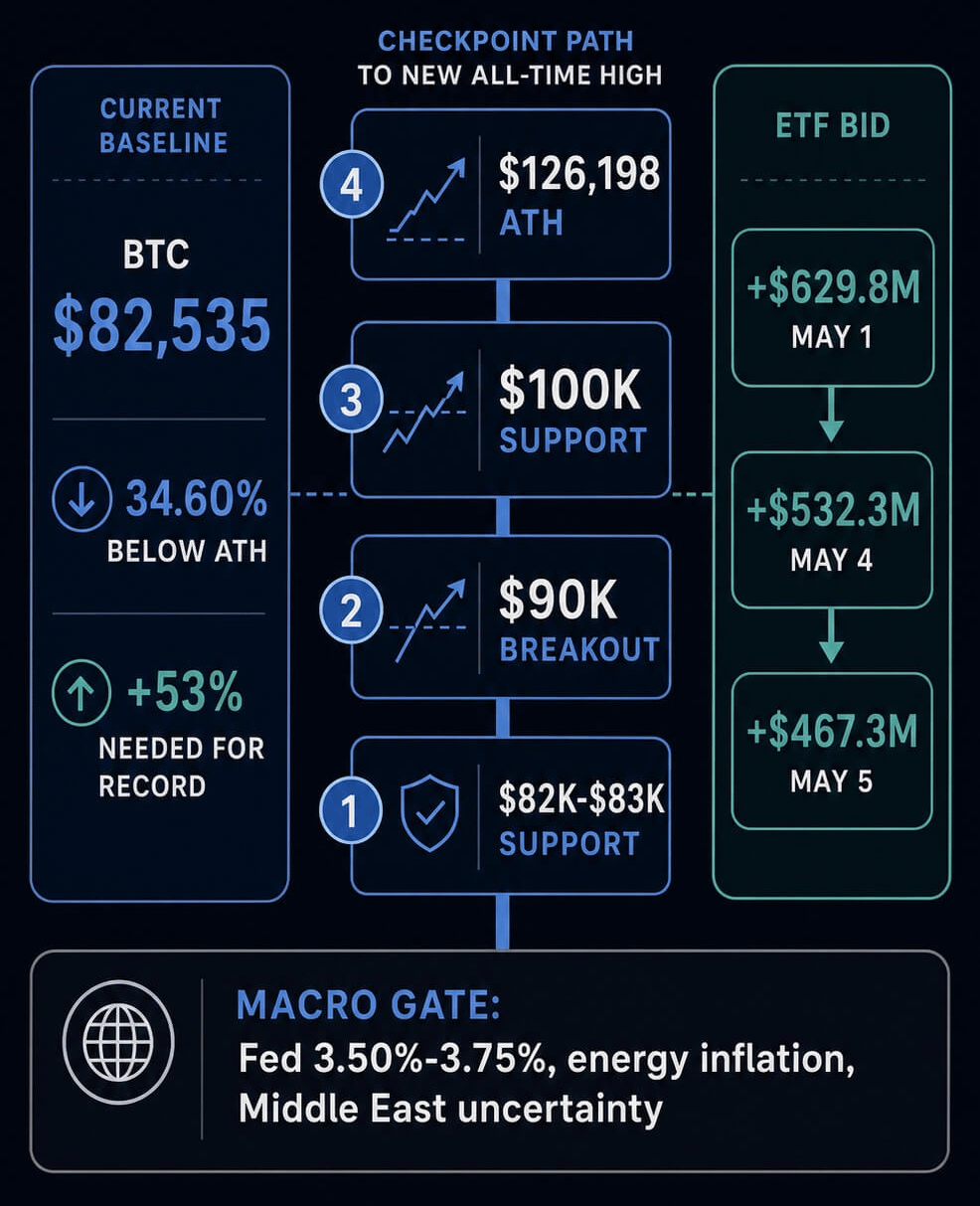
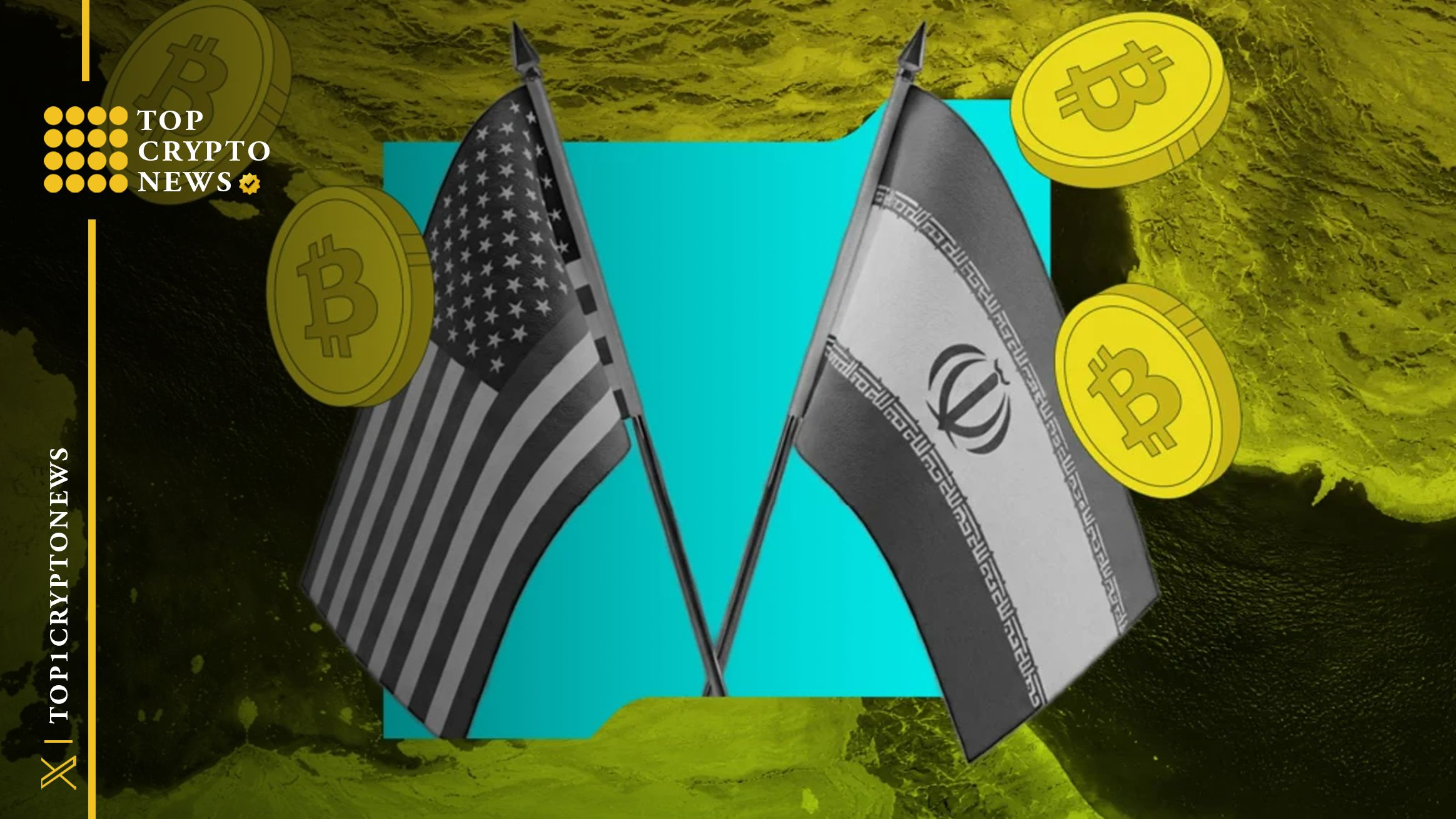
🔥 Se espera un acuerdo de paz entre EE. UU. e Irán esta semana. ¿Podrá Bitcoin recuperar los 90.000 dólares?
Según Al-Araby Al-Jadeed, esta semana podría anunciarse un acuerdo de paz entre EE. UU. e Irán, mientras los mediadores buscan un entendimiento entre Washington y Teherán. Este avance se produce mientras Bitcoin cotiza cerca de los 82.500 dólares y los inversores observan si la distensión podría impulsar una recuperación hasta los 90.000 dólares.
#BTC | #Bitcoin | $BTC
{spot}(BTCUSDT)
🔥 Se espera un acuerdo de paz entre EE. UU. e Irán esta semana. ¿Podrá Bitcoin recuperar los 90.000 dólares?
Según Al-Araby Al-Jadeed, esta semana podría anunciarse un acuerdo de paz entre EE. UU. e Irán, mientras los mediadores buscan un entendimiento entre Washington y Teherán. Este avance se produce mientras Bitcoin cotiza cerca de los 82.500 dólares y los inversores observan si la distensión podría impulsar una recuperación hasta los 90.000 dólares.
#BTC | #Bitcoin | $BTC
Según Al-Araby Al-Jadeed, esta semana podría anunciarse un acuerdo de paz entre EE. UU. e Irán, mientras los mediadores buscan un entendimiento entre Washington y Teherán. Este avance se produce mientras Bitcoin cotiza cerca de los 82.500 dólares y los inversores observan si la distensión podría impulsar una recuperación hasta los 90.000 dólares.
#BTC | #Bitcoin | $BTC
3
1.7k
Parcialmente cierto
🔘 ¿Superará el precio de APT los $0.87 tras el lanzamiento de la actualización Block-STM v2 de Aptos?
Aptos [APT] repuntó más de un 13% en 24 horas, mientras el mercado en general se recuperaba. Las altcoins lideraron esta recuperación, ya que la capitalización total del mercado de las criptomonedas superó los 2,77 billones de dólares, con un alza de más del 2,21%.
Al momento de redactar este artículo, el volumen diario de negociación de APT era de 100 millones de dólares, impulsado principalmente por el entusiasmo en torno a la actualización del ecosistema. Pero ¿cuáles son los detalles finales de la actualización?
🔸 Aptos Labs anuncia la actualización mientras la red reacciona
Aptos Labs anunció la actualización de Block-STM, que ha estado funcionando en paralelo en Aptos desde el lanzamiento de la red principal. La actualización se completó el 15 de octubre y se denominó Block-STM v2; otras cadenas también están desarrollando sus proyectos sobre esta tecnología.
Desde entonces, esta actualización ha aumentado el rendimiento de las transacciones y la escalabilidad. De hecho, este proceso fue explicado por el jefe de investigación de Aptos Labs, Alexander Spiegelman, y el cofundador de Near Protocol [NEAR], Illia Polosukhin.
Como resultado, el rendimiento y la actividad de la red reaccionaron de inmediato. Por ejemplo, las TPS de la cadena alcanzaron un máximo de 1.308, mientras que el rendimiento en tiempo real fue de 174. Esto reveló una diferencia entre los valores teóricos y los reales.
Además, las cuentas activas diarias aumentaron de 46.670 a 49.385, un alza del 5,82%.
🔸 ¿Por qué los alcistas tienen dificultades para superar el nivel de resistencia?
Sin embargo, en el gráfico de 4 horas, el precio de APT subía, pero se enfrentaba a un gran obstáculo en $0.8777. Cada vez que el precio alcanzaba este nivel, era rechazado e incluso protagonizó una falsa ruptura hace cinco días.
Al momento de redactar este artículo, APT cotizaba por encima de $0.8777, lo que hizo que el indicador SuperTrend cambiara ligeramente a alcista. Aun así, no estaba confirmado que los alcistas de la altcoin pudieran mantener el precio fuera de esta consolidación.
Esta podría ser la razón por la que la divergencia del RSI ha sido bajista. Sin embargo, el indicador superó el nivel neutral, con una lectura de 62,41.
#APT | #Aptos | $APT
{spot}(APTUSDT)
🔘 ¿Superará el precio de APT los $0.87 tras el lanzamiento de la actualización Block-STM v2 de Aptos?
Aptos [APT] repuntó más de un 13% en 24 horas, mientras el mercado en general se recuperaba. Las altcoins lideraron esta recuperación, ya que la capitalización total del mercado de las criptomonedas superó los 2,77 billones de dólares, con un alza de más del 2,21%.
Al momento de redactar este artículo, el volumen diario de negociación de APT era de 100 millones de dólares, impulsado principalmente por el entusiasmo en torno a la actualización del ecosistema. Pero ¿cuáles son los detalles finales de la actualización?
🔸 Aptos Labs anuncia la actualización mientras la red reacciona
Aptos Labs anunció la actualización de Block-STM, que ha estado funcionando en paralelo en Aptos desde el lanzamiento de la red principal. La actualización se completó el 15 de octubre y se denominó Block-STM v2; otras cadenas también están desarrollando sus proyectos sobre esta tecnología.
Desde entonces, esta actualización ha aumentado el rendimiento de las transacciones y la escalabilidad. De hecho, este proceso fue explicado por el jefe de investigación de Aptos Labs, Alexander Spiegelman, y el cofundador de Near Protocol [NEAR], Illia Polosukhin.
Como resultado, el rendimiento y la actividad de la red reaccionaron de inmediato. Por ejemplo, las TPS de la cadena alcanzaron un máximo de 1.308, mientras que el rendimiento en tiempo real fue de 174. Esto reveló una diferencia entre los valores teóricos y los reales.
Además, las cuentas activas diarias aumentaron de 46.670 a 49.385, un alza del 5,82%.
🔸 ¿Por qué los alcistas tienen dificultades para superar el nivel de resistencia?
Sin embargo, en el gráfico de 4 horas, el precio de APT subía, pero se enfrentaba a un gran obstáculo en $0.8777. Cada vez que el precio alcanzaba este nivel, era rechazado e incluso protagonizó una falsa ruptura hace cinco días.
Al momento de redactar este artículo, APT cotizaba por encima de $0.8777, lo que hizo que el indicador SuperTrend cambiara ligeramente a alcista. Aun así, no estaba confirmado que los alcistas de la altcoin pudieran mantener el precio fuera de esta consolidación.
Esta podría ser la razón por la que la divergencia del RSI ha sido bajista. Sin embargo, el indicador superó el nivel neutral, con una lectura de 62,41.
#APT | #Aptos | $APT
Aptos [APT] repuntó más de un 13% en 24 horas, mientras el mercado en general se recuperaba. Las altcoins lideraron esta recuperación, ya que la capitalización total del mercado de las criptomonedas superó los 2,77 billones de dólares, con un alza de más del 2,21%.
Al momento de redactar este artículo, el volumen diario de negociación de APT era de 100 millones de dólares, impulsado principalmente por el entusiasmo en torno a la actualización del ecosistema. Pero ¿cuáles son los detalles finales de la actualización?
🔸 Aptos Labs anuncia la actualización mientras la red reacciona
Aptos Labs anunció la actualización de Block-STM, que ha estado funcionando en paralelo en Aptos desde el lanzamiento de la red principal. La actualización se completó el 15 de octubre y se denominó Block-STM v2; otras cadenas también están desarrollando sus proyectos sobre esta tecnología.
Desde entonces, esta actualización ha aumentado el rendimiento de las transacciones y la escalabilidad. De hecho, este proceso fue explicado por el jefe de investigación de Aptos Labs, Alexander Spiegelman, y el cofundador de Near Protocol [NEAR], Illia Polosukhin.
Como resultado, el rendimiento y la actividad de la red reaccionaron de inmediato. Por ejemplo, las TPS de la cadena alcanzaron un máximo de 1.308, mientras que el rendimiento en tiempo real fue de 174. Esto reveló una diferencia entre los valores teóricos y los reales.
Además, las cuentas activas diarias aumentaron de 46.670 a 49.385, un alza del 5,82%.
🔸 ¿Por qué los alcistas tienen dificultades para superar el nivel de resistencia?
Sin embargo, en el gráfico de 4 horas, el precio de APT subía, pero se enfrentaba a un gran obstáculo en $0.8777. Cada vez que el precio alcanzaba este nivel, era rechazado e incluso protagonizó una falsa ruptura hace cinco días.
Al momento de redactar este artículo, APT cotizaba por encima de $0.8777, lo que hizo que el indicador SuperTrend cambiara ligeramente a alcista. Aun así, no estaba confirmado que los alcistas de la altcoin pudieran mantener el precio fuera de esta consolidación.
Esta podría ser la razón por la que la divergencia del RSI ha sido bajista. Sin embargo, el indicador superó el nivel neutral, con una lectura de 62,41.
#APT | #Aptos | $APT
6
1.3k
💥 La Tesla tokenizada se dispara mientras Elon Musk presenta un prototipo volador del Roadster impulsado por SpaceX
Los operadores se volcaron durante la noche a los mercados de criptomonedas vinculados a Tesla después de que Elon Musk presentara una versión voladora del Roadster. La actividad en Hyperliquid se disparó mientras los mercados bursátiles estadounidenses estaban cerrados.
El repunte muestra cómo los exchanges de criptomonedas, que nunca cierran, se están convirtiendo en el primer lugar al que acuden los inversores para reaccionar a las noticias sobre empresas tradicionales.
Musk presentó el prototipo, que utiliza tecnología de propulsores de SpaceX, el 15 de octubre, después de que las acciones de Tesla (TSLA) cerraran a 362,44 dólares. El contrato perpetuo TSLA de Hyperliquid subió alrededor de un 4,9%, hasta aproximadamente 378 dólares, y el volumen horario de operaciones se disparó cerca de un 1.580%, de 2,8 millones a 47 millones de dólares.
Ya es la segunda jornada con más actividad del contrato desde su cotización hace un año, y la vela diaria apenas llevaba nueve horas. Binance seguía siendo la plataforma más grande, con un volumen de 279 millones de dólares en 24 horas, frente a los 159 millones de Hyperliquid, según RootData; sin embargo, Hyperliquid registraba el mayor interés abierto, con 99 millones de dólares. Las acciones de Tesla subían alrededor de un 4,5% en las operaciones previas a la apertura del mercado.
El contrato de Hyperliquid, cotizado a través de Trade.xyz, es un futuro perpetuo que sigue el precio de las acciones de Tesla, no una acción tokenizada. Se liquida en USDC, permite un apalancamiento de hasta 20x y no requiere una cuenta de corretaje. El contrato se negocia las 24 horas, por lo que era una de las pocas formas de apostar por el precio de Tesla mientras el Nasdaq estaba cerrado. Está previsto que Tesla presente sus resultados del tercer trimestre el 21 de octubre.
#Tesla | #TSLA | #ElonMusk | $TSLA
{future}(TSLAUSDT)
💥 La Tesla tokenizada se dispara mientras Elon Musk presenta un prototipo volador del Roadster impulsado por SpaceX
Los operadores se volcaron durante la noche a los mercados de criptomonedas vinculados a Tesla después de que Elon Musk presentara una versión voladora del Roadster. La actividad en Hyperliquid se disparó mientras los mercados bursátiles estadounidenses estaban cerrados.
El repunte muestra cómo los exchanges de criptomonedas, que nunca cierran, se están convirtiendo en el primer lugar al que acuden los inversores para reaccionar a las noticias sobre empresas tradicionales.
Musk presentó el prototipo, que utiliza tecnología de propulsores de SpaceX, el 15 de octubre, después de que las acciones de Tesla (TSLA) cerraran a 362,44 dólares. El contrato perpetuo TSLA de Hyperliquid subió alrededor de un 4,9%, hasta aproximadamente 378 dólares, y el volumen horario de operaciones se disparó cerca de un 1.580%, de 2,8 millones a 47 millones de dólares.
Ya es la segunda jornada con más actividad del contrato desde su cotización hace un año, y la vela diaria apenas llevaba nueve horas. Binance seguía siendo la plataforma más grande, con un volumen de 279 millones de dólares en 24 horas, frente a los 159 millones de Hyperliquid, según RootData; sin embargo, Hyperliquid registraba el mayor interés abierto, con 99 millones de dólares. Las acciones de Tesla subían alrededor de un 4,5% en las operaciones previas a la apertura del mercado.
El contrato de Hyperliquid, cotizado a través de Trade.xyz, es un futuro perpetuo que sigue el precio de las acciones de Tesla, no una acción tokenizada. Se liquida en USDC, permite un apalancamiento de hasta 20x y no requiere una cuenta de corretaje. El contrato se negocia las 24 horas, por lo que era una de las pocas formas de apostar por el precio de Tesla mientras el Nasdaq estaba cerrado. Está previsto que Tesla presente sus resultados del tercer trimestre el 21 de octubre.
#Tesla | #TSLA | #ElonMusk | $TSLA
Los operadores se volcaron durante la noche a los mercados de criptomonedas vinculados a Tesla después de que Elon Musk presentara una versión voladora del Roadster. La actividad en Hyperliquid se disparó mientras los mercados bursátiles estadounidenses estaban cerrados.
El repunte muestra cómo los exchanges de criptomonedas, que nunca cierran, se están convirtiendo en el primer lugar al que acuden los inversores para reaccionar a las noticias sobre empresas tradicionales.
Musk presentó el prototipo, que utiliza tecnología de propulsores de SpaceX, el 15 de octubre, después de que las acciones de Tesla (TSLA) cerraran a 362,44 dólares. El contrato perpetuo TSLA de Hyperliquid subió alrededor de un 4,9%, hasta aproximadamente 378 dólares, y el volumen horario de operaciones se disparó cerca de un 1.580%, de 2,8 millones a 47 millones de dólares.
Ya es la segunda jornada con más actividad del contrato desde su cotización hace un año, y la vela diaria apenas llevaba nueve horas. Binance seguía siendo la plataforma más grande, con un volumen de 279 millones de dólares en 24 horas, frente a los 159 millones de Hyperliquid, según RootData; sin embargo, Hyperliquid registraba el mayor interés abierto, con 99 millones de dólares. Las acciones de Tesla subían alrededor de un 4,5% en las operaciones previas a la apertura del mercado.
El contrato de Hyperliquid, cotizado a través de Trade.xyz, es un futuro perpetuo que sigue el precio de las acciones de Tesla, no una acción tokenizada. Se liquida en USDC, permite un apalancamiento de hasta 20x y no requiere una cuenta de corretaje. El contrato se negocia las 24 horas, por lo que era una de las pocas formas de apostar por el precio de Tesla mientras el Nasdaq estaba cerrado. Está previsto que Tesla presente sus resultados del tercer trimestre el 21 de octubre.
#Tesla | #TSLA | #ElonMusk | $TSLA

1
8
3k
Inicia sesión para explorar más contenidos
Únete a usuarios globales de criptomonedas en Binance Square
⚡️ Obtén información útil y actualizada sobre criptos.
💬 Avalado por el mayor exchange de criptomonedas en el mundo.
👍 Descubre perspectivas reales de creadores verificados.
Email/número de teléfono
Temas populares
BinancePick
3M vistas
152,171 están debatiendo
¡Únete a #TemporadaDeResultados: predice resultados en Binance Pick y comparte tu opinión en Binance Square!
Binance Square Official
·409 me gusta
·342.7k vistas
EarningsSeason
5.3M vistas
25,859 están debatiendo
AnthropicTTMRevenueGrewAbout1200%
23,672 vistas
358 están debatiendo