
Mario Salamanca
1.6k Publicaciones
Mario Salamanca
 Verificado de Binance Square
Passionate about the crypto world | Exploring trends, analysis, and opportunities | Sharing insights on Bitcoin, altcoins, and more |
币安天使 | 加密货币创作者
Abrir trade
Trader frecuente
9 año(s)
168 Siguiendo
30.2K+ Seguidores
55.7K+ Me gusta
Publicaciones
Cartera
Todo
Citas
Videos
Live
Parcialmente cierto
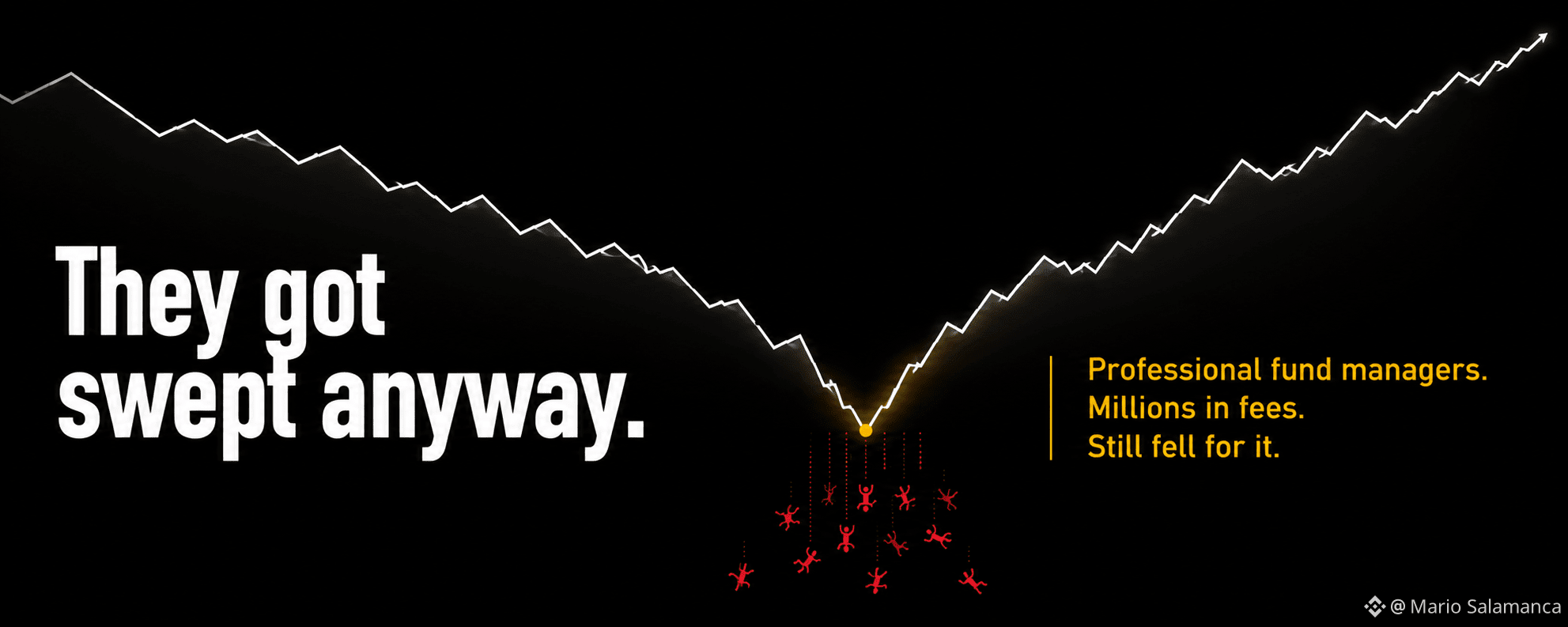
Los gestores de fondos vendieron acciones tecnológicas durante 8 días consecutivos hasta el 29 de junio. El mayor volumen de ventas en una década.
Luego el algoritmo revirtió todo en 24 horas.
El ETF de semiconductores marcó un mínimo el 16 de junio alrededor de 590, otro mínimo el 24 de junio alrededor de 586. El 29 de junio se rompió por debajo de ambos y cayó hasta 571. Justo cuando todos habían capitulado finalmente y habían vendido, el precio se invirtió y avanzó directo de regreso a 599.
La gente pagó millones de dólares para gestionar ese fondo. Y aun así fueron arrastrados por una falsa ruptura.
Aquí está la lección que vale la pena extraer. Una falsa ruptura por debajo de una zona importante de soporte seguida de una reversión brusca es una de las señales más limpias en trading. Significa que los vendedores están agotados. Una vez que las últimas manos débiles capitulan, ya no queda nadie para empujar el precio más abajo, y el siguiente movimiento tiende a ser brusco en la dirección contraria.
El objetivo probable ahora se sitúa en la zona 640-660, con 700 como objetivo más ambicioso. Los gestores de fondos que recién fueron detenidos por el stop están desmoralizados y es improbable que vuelvan a vender pronto.
Mientras tanto, el sentimiento minorista se encuentra cerca del miedo extremo según el índice CNN Fear and Greed. Al mismo tiempo que el Nasdaq Composite está marcando nuevos máximos históricos, el Dow tocó un máximo la semana pasada, y el 65% de las acciones del S&P 500 cotizan por encima de su promedio de 200 días.
El miedo y los máximos récord no coexisten por accidente. Uno de ellos está equivocado, y casi nunca es la acción del precio.
Que los gestores profesionales queden atrapados por este patrón es casi divertido. Que los inversores minoristas caigan repetidamente en la misma trampa tampoco es una coincidencia. Sucede porque las decisiones se toman con emoción en lugar de con un marco de riesgo/recompensa definido.
Si los profesionales, que manejan millones en comisiones, aun así son arrastrados, ¿qué te hace pensar que tu intuición es más fiable que la de ellos? #币安
Luego el algoritmo revirtió todo en 24 horas.
El ETF de semiconductores marcó un mínimo el 16 de junio alrededor de 590, otro mínimo el 24 de junio alrededor de 586. El 29 de junio se rompió por debajo de ambos y cayó hasta 571. Justo cuando todos habían capitulado finalmente y habían vendido, el precio se invirtió y avanzó directo de regreso a 599.
La gente pagó millones de dólares para gestionar ese fondo. Y aun así fueron arrastrados por una falsa ruptura.
Aquí está la lección que vale la pena extraer. Una falsa ruptura por debajo de una zona importante de soporte seguida de una reversión brusca es una de las señales más limpias en trading. Significa que los vendedores están agotados. Una vez que las últimas manos débiles capitulan, ya no queda nadie para empujar el precio más abajo, y el siguiente movimiento tiende a ser brusco en la dirección contraria.
El objetivo probable ahora se sitúa en la zona 640-660, con 700 como objetivo más ambicioso. Los gestores de fondos que recién fueron detenidos por el stop están desmoralizados y es improbable que vuelvan a vender pronto.
Mientras tanto, el sentimiento minorista se encuentra cerca del miedo extremo según el índice CNN Fear and Greed. Al mismo tiempo que el Nasdaq Composite está marcando nuevos máximos históricos, el Dow tocó un máximo la semana pasada, y el 65% de las acciones del S&P 500 cotizan por encima de su promedio de 200 días.
El miedo y los máximos récord no coexisten por accidente. Uno de ellos está equivocado, y casi nunca es la acción del precio.
Que los gestores profesionales queden atrapados por este patrón es casi divertido. Que los inversores minoristas caigan repetidamente en la misma trampa tampoco es una coincidencia. Sucede porque las decisiones se toman con emoción en lugar de con un marco de riesgo/recompensa definido.
Si los profesionales, que manejan millones en comisiones, aun así son arrastrados, ¿qué te hace pensar que tu intuición es más fiable que la de ellos? #币安
Día 2 subiendo fotos aleatorias

Verificado
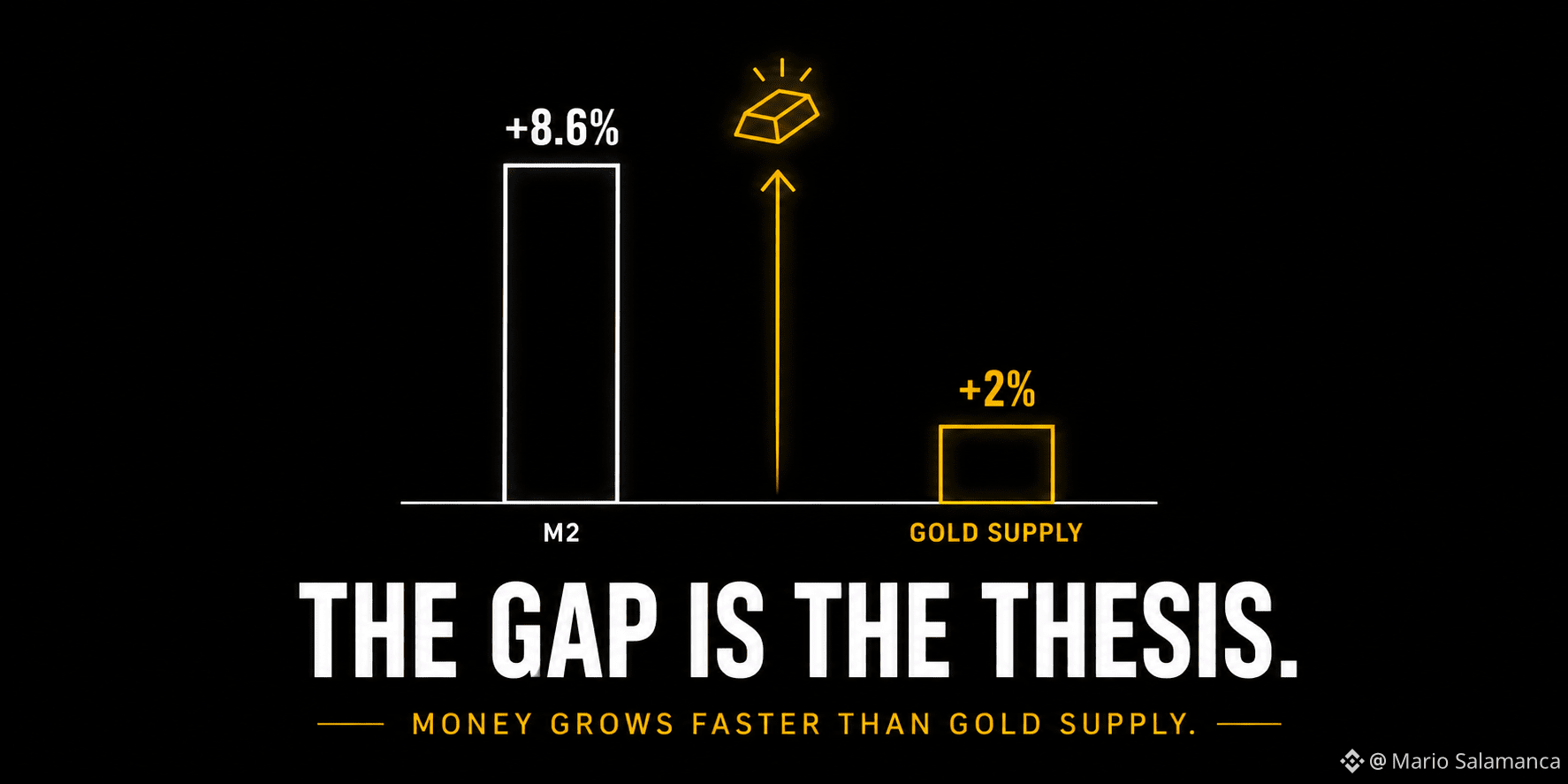
El M2 de China crece al 8,6% anual. El M2 de EE. UU. al 5%. La oferta de oro crece al 2% y se está desacelerando.
Ese cálculo solo tiene una conclusión.
Cuando la cantidad de dinero en el sistema crece al 8,6% y la oferta del activo con el que intentas protegerte crece al 2%, la brecha entre esos dos números no es casualidad. Es el caso estructural de la capitalización del valor del oro con el paso del tiempo.
Añade a EE. UU., Europa, Japón y el Reino Unido expandiendo su oferta monetaria simultáneamente, y la producción de oro físicamente no puede seguir el ritmo del dinero que se está creando.
La apreciación anual mínima que necesita el oro para mantener la paridad del poder adquisitivo no es un objetivo de precio. Es una cuestión de aritmética simple: el crecimiento de la oferta monetaria menos el crecimiento de la oferta de oro equivale al suelo para el requisito de la apreciación real del oro.
La mayoría de la gente mantiene efectivo y piensa que es conservadora. Cada año su poder adquisitivo se erosiona exactamente a la tasa a la que su gobierno imprime dinero.
El oro no paga un rendimiento. No lo necesita. Su trabajo es mantenerse escaso mientras todo lo demás se infla.
¿Estás sosteniendo algo que no puede imprimirse?
$XAU #加密货币
Ese cálculo solo tiene una conclusión.
Cuando la cantidad de dinero en el sistema crece al 8,6% y la oferta del activo con el que intentas protegerte crece al 2%, la brecha entre esos dos números no es casualidad. Es el caso estructural de la capitalización del valor del oro con el paso del tiempo.
Añade a EE. UU., Europa, Japón y el Reino Unido expandiendo su oferta monetaria simultáneamente, y la producción de oro físicamente no puede seguir el ritmo del dinero que se está creando.
La apreciación anual mínima que necesita el oro para mantener la paridad del poder adquisitivo no es un objetivo de precio. Es una cuestión de aritmética simple: el crecimiento de la oferta monetaria menos el crecimiento de la oferta de oro equivale al suelo para el requisito de la apreciación real del oro.
La mayoría de la gente mantiene efectivo y piensa que es conservadora. Cada año su poder adquisitivo se erosiona exactamente a la tasa a la que su gobierno imprime dinero.
El oro no paga un rendimiento. No lo necesita. Su trabajo es mantenerse escaso mientras todo lo demás se infla.
¿Estás sosteniendo algo que no puede imprimirse?
$XAU #加密货币
Día 1 subiendo fotos aleatorias

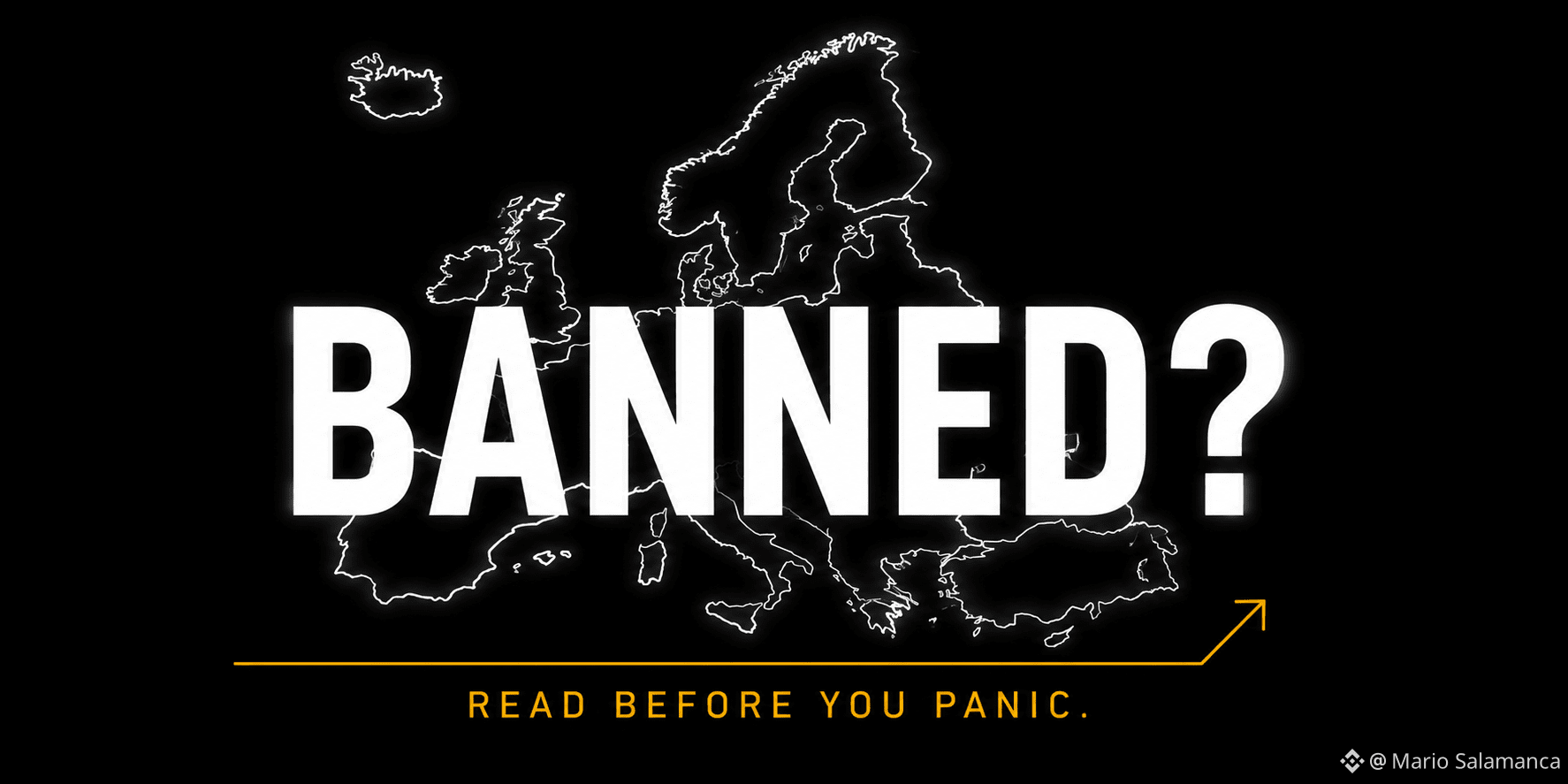
¿BINANCE ESTÁ PROHIBIDO EN EUROPA?
Déjame contarte lo que realmente está pasando.
Uber fue prohibido en varios países. Airbnb se enfrentó a prohibiciones en las principales ciudades. Ambos regresaron más fuertes porque el valor subyacente que ofrecían era innegable.
Binance retiró su solicitud MiCA en Grecia. Eso no es una retirada. Es un giro hacia una posición más sólida.
Se toman Europa en serio. Es una parte pequeña de nuestro negocio en términos de ingresos, pero importante en principio. Generar confianza con los reguladores no ocurre mediante titulares. Ocurre a través de una participación constante, una mejor comunicación y la presencia sostenida a lo largo del tiempo.
Esto es lo que realmente creo: Binance y otros proveedores de cripto se convertirán en los guardianes más fuertes del sistema financiero. Más fuertes que la TradFi. No porque lo digamos nosotros, sino porque la tecnología subyacente y las fuerzas del mercado lo vuelven inevitable.
Han logrado avances reales en los últimos años. No están disminuyendo el ritmo.
Están trabajando de la mano con los reguladores de la UE y nacionales para hacerlo bien. Ese trabajo continúa independientemente de qué Estado miembro tramite nuestra autorización MiCA.
Y si quieres verificar por tu cuenta que tus fondos están seguros ahora mismo:
defillama.com/cexs
LOS FONDOS SON SAFU.
$BTC $BNB #币安 #加密货币 @Binance Square Official
Déjame contarte lo que realmente está pasando.
Uber fue prohibido en varios países. Airbnb se enfrentó a prohibiciones en las principales ciudades. Ambos regresaron más fuertes porque el valor subyacente que ofrecían era innegable.
Binance retiró su solicitud MiCA en Grecia. Eso no es una retirada. Es un giro hacia una posición más sólida.
Se toman Europa en serio. Es una parte pequeña de nuestro negocio en términos de ingresos, pero importante en principio. Generar confianza con los reguladores no ocurre mediante titulares. Ocurre a través de una participación constante, una mejor comunicación y la presencia sostenida a lo largo del tiempo.
Esto es lo que realmente creo: Binance y otros proveedores de cripto se convertirán en los guardianes más fuertes del sistema financiero. Más fuertes que la TradFi. No porque lo digamos nosotros, sino porque la tecnología subyacente y las fuerzas del mercado lo vuelven inevitable.
Han logrado avances reales en los últimos años. No están disminuyendo el ritmo.
Están trabajando de la mano con los reguladores de la UE y nacionales para hacerlo bien. Ese trabajo continúa independientemente de qué Estado miembro tramite nuestra autorización MiCA.
Y si quieres verificar por tu cuenta que tus fondos están seguros ahora mismo:
defillama.com/cexs
LOS FONDOS SON SAFU.
$BTC $BNB #币安 #加密货币 @Binance Square Official
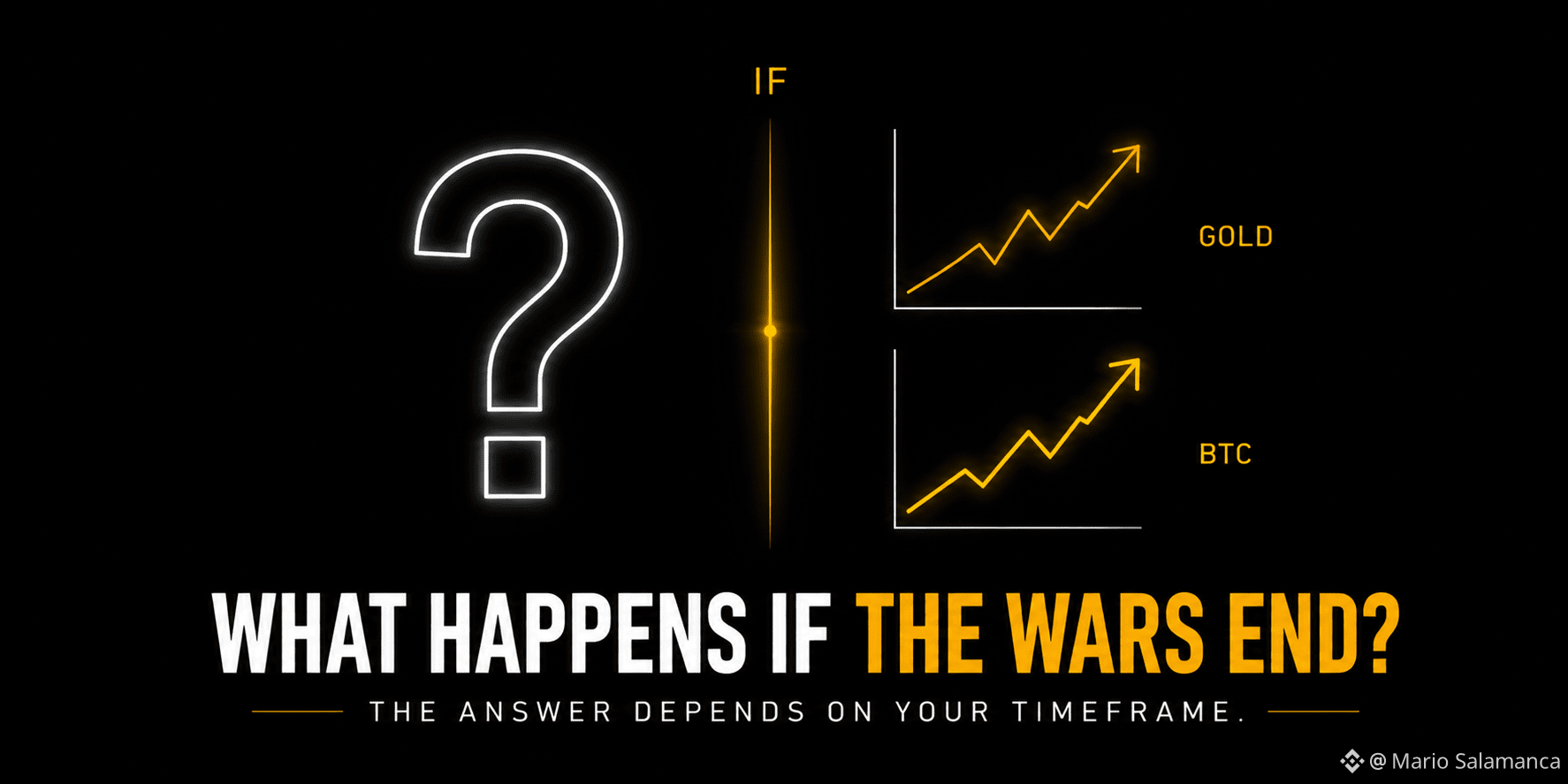
La pregunta que nadie está haciendo sobre BTC y el oro
¿Qué pasaría con Bitcoin y el oro el día en que se resuelva simultáneamente tanto el conflicto en Ucrania como la situación en el Estrecho de Ormuz?
Piénsalo en serio.
Ambos activos se han visto frenados en parte por una prima de guerra, una incertidumbre geopolítica elevada, el miedo a una interrupción del suministro de energía y la desconfianza en la estabilidad del sistema fiduciario. Esos factores no desaparecen de la noche a la mañana, pero se comprimen significativamente cuando los grandes conflictos se desescalan.
A corto plazo, la respuesta podría parecer negativa. Las primas de riesgo caen, la demanda de refugio pierde fuerza, el oro se vende y el BTC también se vende junto con él, a medida que la liquidez vuelve a los activos de riesgo.
Pero mira un paso más allá. Una resolución en Ucrania significa que comienza la reconstrucción europea. Infraestructura, energía, manufactura: todo ello necesita capital. Ese capital proviene de algún lugar y acelera la actividad económica que requiere canales financieros.
Una resolución en el Estrecho significa que el petróleo se normaliza, la presión inflacionaria se alivia, los bancos centrales tienen margen para recortar tasas y el ciclo de liquidez se pone en marcha.
Tasas más bajas, más liquidez, aceleración de la actividad económica. Históricamente, ese es el mejor entorno posible para ambos activos.
La respuesta a corto plazo y la respuesta a mediano plazo a esa pregunta apuntan en direcciones opuestas.
¿Qué horizonte temporal estás pensando? $BTC $BNB #比特币 #加密货币 #币安广场
¿Qué pasaría con Bitcoin y el oro el día en que se resuelva simultáneamente tanto el conflicto en Ucrania como la situación en el Estrecho de Ormuz?
Piénsalo en serio.
Ambos activos se han visto frenados en parte por una prima de guerra, una incertidumbre geopolítica elevada, el miedo a una interrupción del suministro de energía y la desconfianza en la estabilidad del sistema fiduciario. Esos factores no desaparecen de la noche a la mañana, pero se comprimen significativamente cuando los grandes conflictos se desescalan.
A corto plazo, la respuesta podría parecer negativa. Las primas de riesgo caen, la demanda de refugio pierde fuerza, el oro se vende y el BTC también se vende junto con él, a medida que la liquidez vuelve a los activos de riesgo.
Pero mira un paso más allá. Una resolución en Ucrania significa que comienza la reconstrucción europea. Infraestructura, energía, manufactura: todo ello necesita capital. Ese capital proviene de algún lugar y acelera la actividad económica que requiere canales financieros.
Una resolución en el Estrecho significa que el petróleo se normaliza, la presión inflacionaria se alivia, los bancos centrales tienen margen para recortar tasas y el ciclo de liquidez se pone en marcha.
Tasas más bajas, más liquidez, aceleración de la actividad económica. Históricamente, ese es el mejor entorno posible para ambos activos.
La respuesta a corto plazo y la respuesta a mediano plazo a esa pregunta apuntan en direcciones opuestas.
¿Qué horizonte temporal estás pensando? $BTC $BNB #比特币 #加密货币 #币安广场
Parcialmente cierto
Rusia está financieramente acorralada
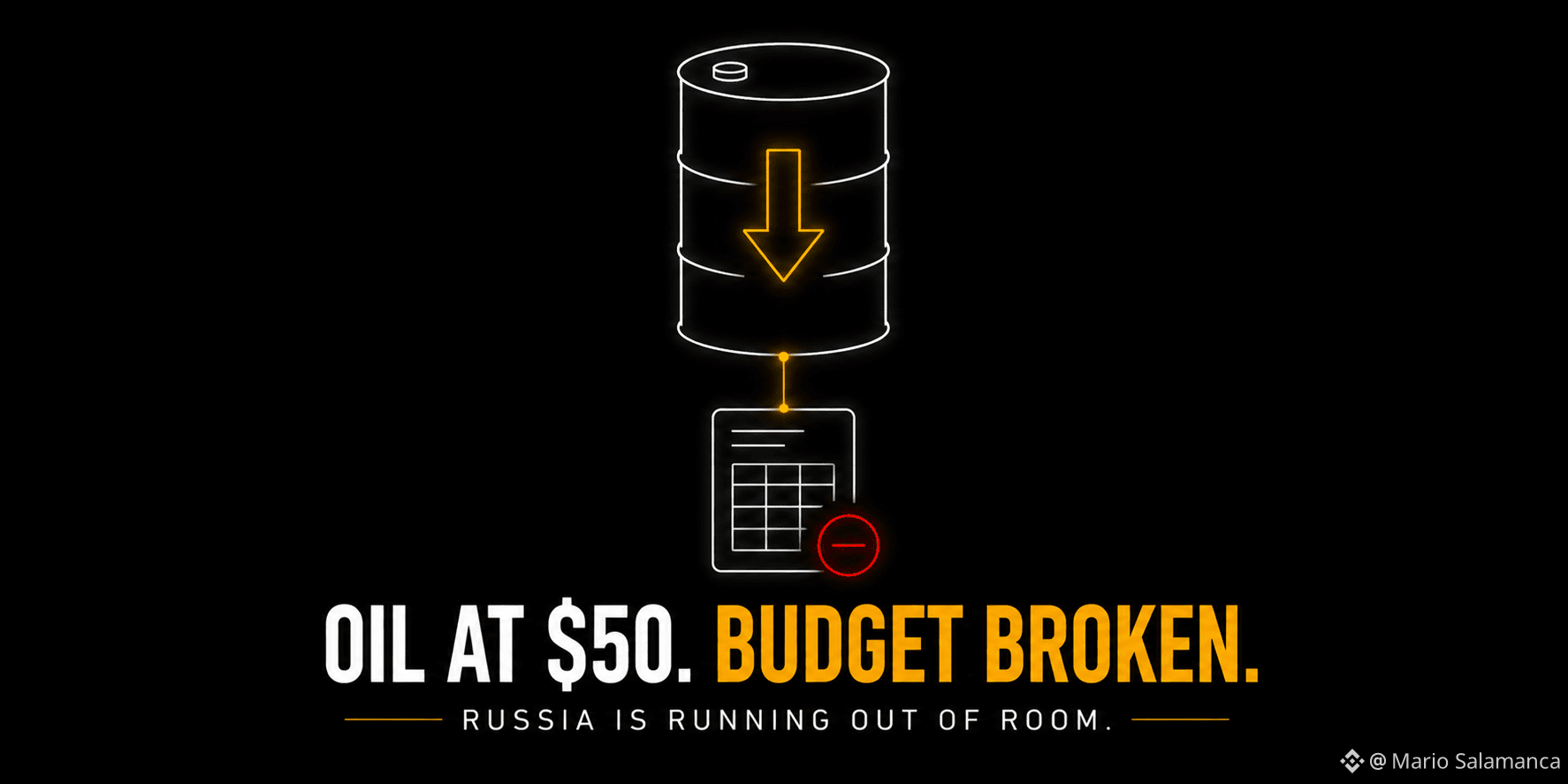
Los ingresos petroleros de Rusia cayeron un 30% interanual en la primera mitad de 2026.
El crudo ural se negocia cerca de los 50 dólares por barril. El presupuesto de Rusia se rompe por debajo de 60. El déficit ahora es de 70 mil millones de dólares y debe financiarse de alguna manera.
La razón de la caída del precio: Ucrania destruyó la infraestructura de refinería de Rusia. Rusia se queda con crudo que no puede procesar. No puede producir diésel, combustible para aviones ni aceite de calefacción a partir de él. La única opción es vender crudo en bruto con un enorme descuento a quien quiera comprarlo.
El resultado es un país con enormes reservas petroleras que no puede pagar sus cuentas.
Este es el contexto fiscal detrás de los informes sobre que funcionarios del Partido Comunista Ruso están planteando la idea de confiscar los depósitos bancarios privados. Probablemente no ocurra. Pero el hecho de que se esté discutiendo abiertamente por personas internas del régimen te dice todo sobre la presión que se siente dentro del sistema.
China es el principal socio económico que le queda a Rusia. Y el interés de China no está en la supervivencia de Rusia. Está en extraer la máxima ventaja de un contraparte desesperado.
¿Qué pasa con los activos de riesgo cuando el partido que ha mantenido alta la incertidumbre global empieza a quedarse sin espacio? $BTC $BNB #比特币 #加密货币
Los ingresos petroleros de Rusia cayeron un 30% interanual en la primera mitad de 2026.
El crudo ural se negocia cerca de los 50 dólares por barril. El presupuesto de Rusia se rompe por debajo de 60. El déficit ahora es de 70 mil millones de dólares y debe financiarse de alguna manera.
La razón de la caída del precio: Ucrania destruyó la infraestructura de refinería de Rusia. Rusia se queda con crudo que no puede procesar. No puede producir diésel, combustible para aviones ni aceite de calefacción a partir de él. La única opción es vender crudo en bruto con un enorme descuento a quien quiera comprarlo.
El resultado es un país con enormes reservas petroleras que no puede pagar sus cuentas.
Este es el contexto fiscal detrás de los informes sobre que funcionarios del Partido Comunista Ruso están planteando la idea de confiscar los depósitos bancarios privados. Probablemente no ocurra. Pero el hecho de que se esté discutiendo abiertamente por personas internas del régimen te dice todo sobre la presión que se siente dentro del sistema.
China es el principal socio económico que le queda a Rusia. Y el interés de China no está en la supervivencia de Rusia. Está en extraer la máxima ventaja de un contraparte desesperado.
¿Qué pasa con los activos de riesgo cuando el partido que ha mantenido alta la incertidumbre global empieza a quedarse sin espacio? $BTC $BNB #比特币 #加密货币
El algoritmo siempre juega con tus stops
El KOSPI acaba de dar una masterclass sobre cómo funciona el algoritmo.
2 de junio: el índice marca un máximo local. Todo el mundo coloca los stops justo por debajo de ese nivel.
18 y 19 de junio: el precio rompe por encima de los máximos del 2 de junio. Se activa la codicia. El minorista abre largos apalancados en la ruptura, convencido de que la tendencia se reanuda.
23 de junio: caída del 10%. La negociación se detuvo dos veces en 24 horas.
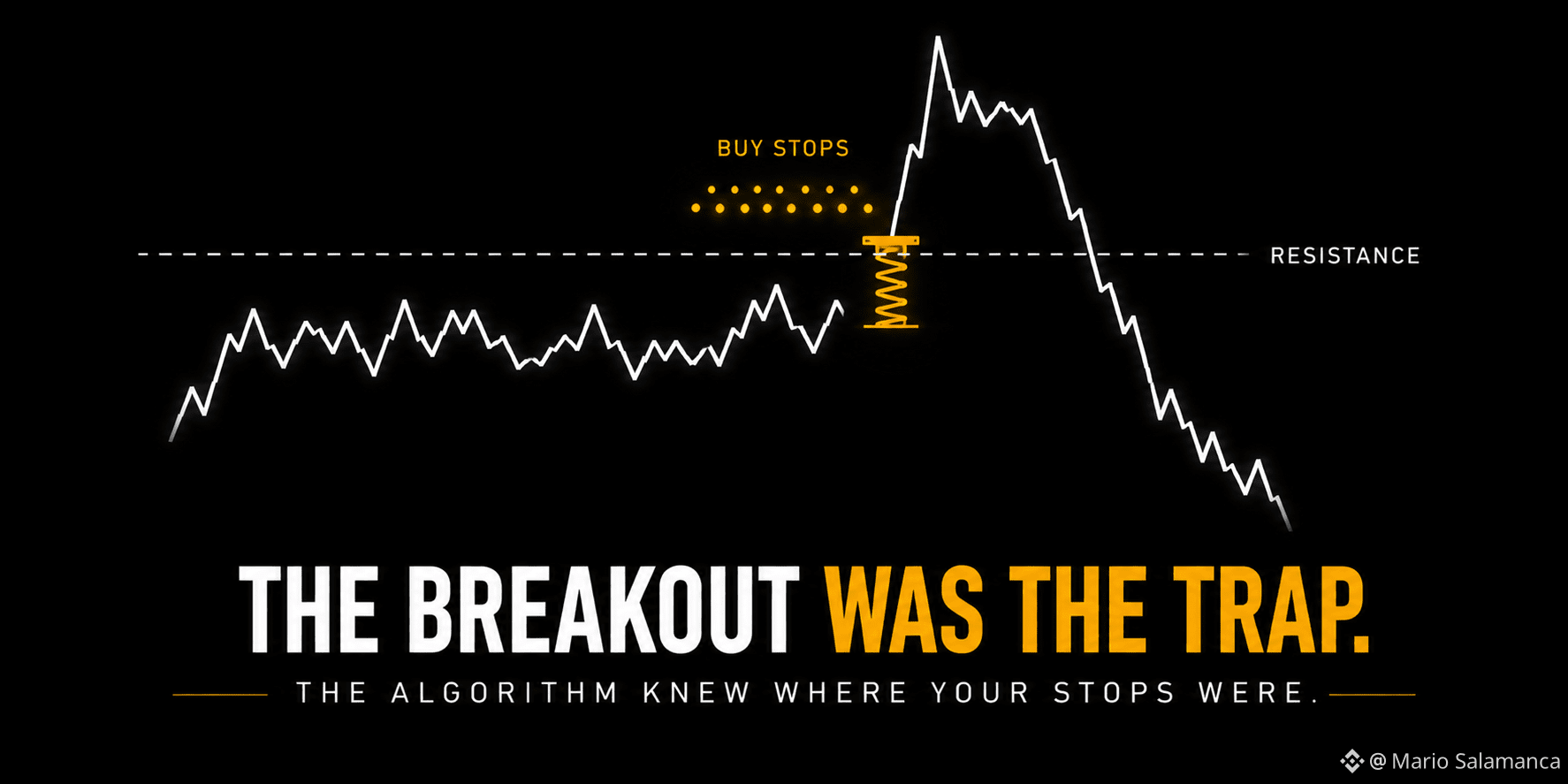
El algoritmo no rompió por encima de los máximos porque la tendencia fuera fuerte. Rompió por encima de los máximos porque sabía exactamente dónde estaban colocados los stops de compra. Necesitaba esa liquidez para poder moverse en la dirección contraria.
Este patrón no solo ocurre en acciones coreanas. Ocurre en cripto, en materias primas, en todos los mercados líquidos donde suficientes participantes agrupan sus stops en el mismo nivel.
La ruptura que todos ven a menudo no es el comienzo de una tendencia. Es la trampa antes de la reversión.
¿Cómo distingues una ruptura real de una barrida de stops? $BTC $BNB #比特币 #加密货币 #币安
El KOSPI acaba de dar una masterclass sobre cómo funciona el algoritmo.
2 de junio: el índice marca un máximo local. Todo el mundo coloca los stops justo por debajo de ese nivel.
18 y 19 de junio: el precio rompe por encima de los máximos del 2 de junio. Se activa la codicia. El minorista abre largos apalancados en la ruptura, convencido de que la tendencia se reanuda.
23 de junio: caída del 10%. La negociación se detuvo dos veces en 24 horas.
El algoritmo no rompió por encima de los máximos porque la tendencia fuera fuerte. Rompió por encima de los máximos porque sabía exactamente dónde estaban colocados los stops de compra. Necesitaba esa liquidez para poder moverse en la dirección contraria.
Este patrón no solo ocurre en acciones coreanas. Ocurre en cripto, en materias primas, en todos los mercados líquidos donde suficientes participantes agrupan sus stops en el mismo nivel.
La ruptura que todos ven a menudo no es el comienzo de una tendencia. Es la trampa antes de la reversión.
¿Cómo distingues una ruptura real de una barrida de stops? $BTC $BNB #比特币 #加密货币 #币安
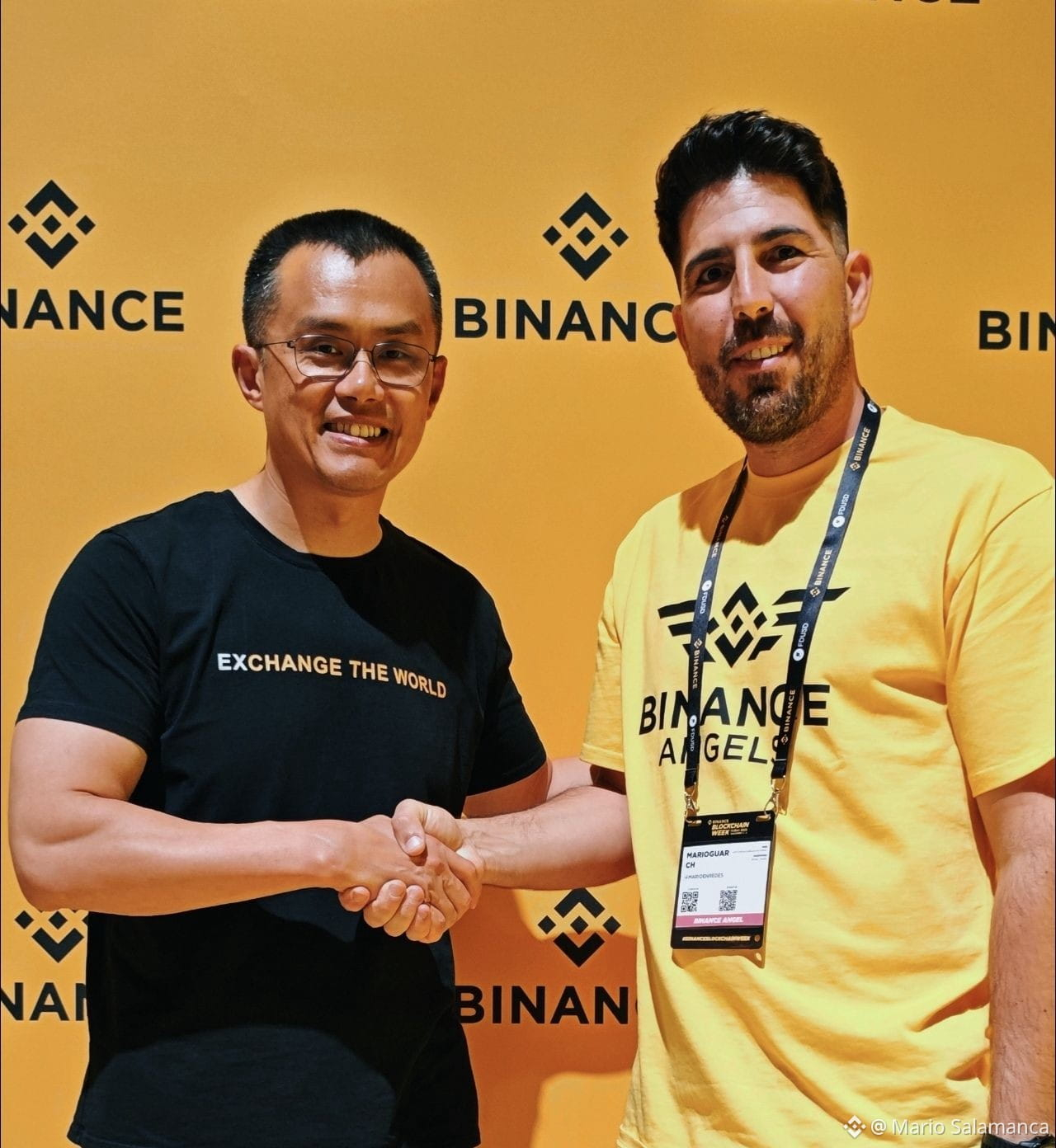
Al mirar hacia atrás esta foto con CZ de Binance Blockchain Week en Dubái, no podía imaginar a dónde llevaría el viaje.
Hoy, al recibir la insignia Verificada en Binance Square, se siente como otro hito significativo.
Nos vemos en Binance Square. 💛
@CZ @Binance Square Official
Hoy, al recibir la insignia Verificada en Binance Square, se siente como otro hito significativo.
Nos vemos en Binance Square. 💛
@CZ @Binance Square Official
💛 Verificado oficialmente en Binance Square. ✅
Miles de publicaciones, incontables horas de investigación y una increíble comunidad después... por fin está aquí.
Este distintivo no es la línea de llegada: es una motivación extra para seguir construyendo, aprendiendo y compartiendo contenido cripto valioso todos y cada uno de los días.
Gracias a todos los que han sido parte del camino. Sigamos creciendo juntos. 🚀
#BinanceSquare #BinanceAngels @Binance Square Official
Miles de publicaciones, incontables horas de investigación y una increíble comunidad después... por fin está aquí.
Este distintivo no es la línea de llegada: es una motivación extra para seguir construyendo, aprendiendo y compartiendo contenido cripto valioso todos y cada uno de los días.
Gracias a todos los que han sido parte del camino. Sigamos creciendo juntos. 🚀
#BinanceSquare #BinanceAngels @Binance Square Official

Gran actualización para los creadores de Binance Square 🟡
El sistema de verificación ha cambiado.
Ahora, si alcanzas 30K seguidores en Binance Square o X, podrías calificar para el estado verificado.
Y si tu contenido llega a 300K vistas en Square, o 1M vistas a través de Write to Earn, podrías calificar para Verified+.
Para muchos creadores, esto es más que una insignia.
Es reconocimiento.
Reconocimiento por presentarte, escribir, compartir, enseñar, aprender y construir una voz dentro de la comunidad de Binance.
Cada publicación importa.
Cada artículo importa.
Cada lector importa.
A veces el crecimiento se siente lento, pero actualizaciones como esta nos recuerdan que la constancia puede abrir puertas.
Sigue creando.
Sigue mejorando.
Sigue construyendo tu lugar en Square.
El camino ahora es más claro.
Gracias, Binance Square. 🟡
El sistema de verificación ha cambiado.
Ahora, si alcanzas 30K seguidores en Binance Square o X, podrías calificar para el estado verificado.
Y si tu contenido llega a 300K vistas en Square, o 1M vistas a través de Write to Earn, podrías calificar para Verified+.
Para muchos creadores, esto es más que una insignia.
Es reconocimiento.
Reconocimiento por presentarte, escribir, compartir, enseñar, aprender y construir una voz dentro de la comunidad de Binance.
Cada publicación importa.
Cada artículo importa.
Cada lector importa.
A veces el crecimiento se siente lento, pero actualizaciones como esta nos recuerdan que la constancia puede abrir puertas.
Sigue creando.
Sigue mejorando.
Sigue construyendo tu lugar en Square.
El camino ahora es más claro.
Gracias, Binance Square. 🟡
Parcialmente cierto
El ETF bancario de Estados Unidos superó un nivel de resistencia importante. Casi un 25% desde el 19 de mayo. Sobrecomprado en todos los marcos temporales a corto plazo.
Esto no es una entrada. Esto es una espera.
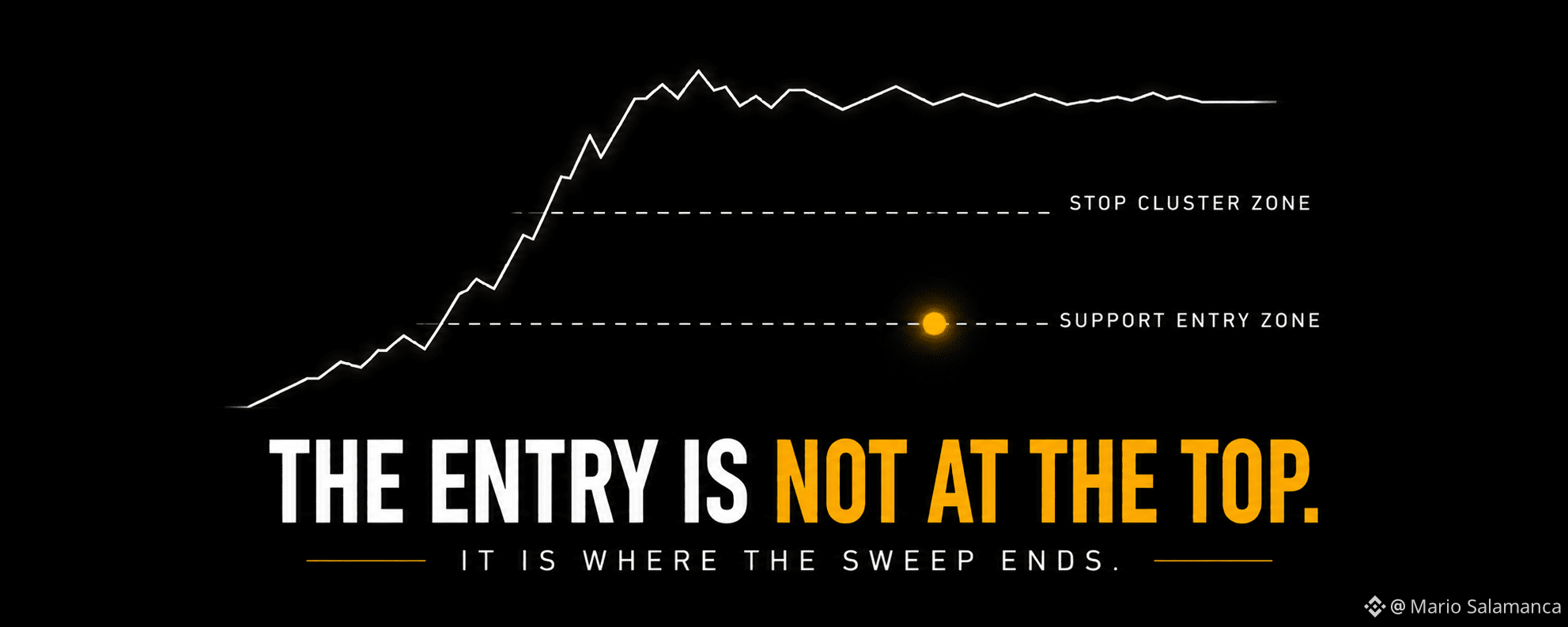
El grupo de stops situado en la zona de 91.91 es donde la mayoría de los largos ha colocado su protección después del reciente movimiento. Si el precio cae por debajo de ese nivel, todos los que compraron durante el impulso empiezan a vender simultáneamente, y como están con ganancias del 25%, venderán con convicción. Esa aceleración crea el barrido.
Debajo de esa zona de barrido, el siguiente soporte está alrededor de 89.30. Esa es la zona objetivo para una posible entrada.
La estrategia es vigilar la extenuación entre 88 y 89.30, buscar el barrido de los alcistas que entraron durante la tendencia alcista, y entrar solo cuando la relación riesgo-recompensa lo justifique con un stop definido por debajo del soporte.
No entrar porque un sector se ve bien. No entrar porque el gráfico está en una tendencia alcista. Entrar porque la zona de precio específica ofrece un riesgo aceptable en relación con la recompensa potencial.
Esa diferencia es la totalidad entre especulación y juego.
¿Definís tu zona de entrada antes o después de empezar a vigilar el gráfico? $BTC $BNB #比特币 #币安 #加密货币
Esto no es una entrada. Esto es una espera.
El grupo de stops situado en la zona de 91.91 es donde la mayoría de los largos ha colocado su protección después del reciente movimiento. Si el precio cae por debajo de ese nivel, todos los que compraron durante el impulso empiezan a vender simultáneamente, y como están con ganancias del 25%, venderán con convicción. Esa aceleración crea el barrido.
Debajo de esa zona de barrido, el siguiente soporte está alrededor de 89.30. Esa es la zona objetivo para una posible entrada.
La estrategia es vigilar la extenuación entre 88 y 89.30, buscar el barrido de los alcistas que entraron durante la tendencia alcista, y entrar solo cuando la relación riesgo-recompensa lo justifique con un stop definido por debajo del soporte.
No entrar porque un sector se ve bien. No entrar porque el gráfico está en una tendencia alcista. Entrar porque la zona de precio específica ofrece un riesgo aceptable en relación con la recompensa potencial.
Esa diferencia es la totalidad entre especulación y juego.
¿Definís tu zona de entrada antes o después de empezar a vigilar el gráfico? $BTC $BNB #比特币 #币安 #加密货币
La mayoría de los traders escogen primero las acciones y luego el sector.
Eso está al revés.
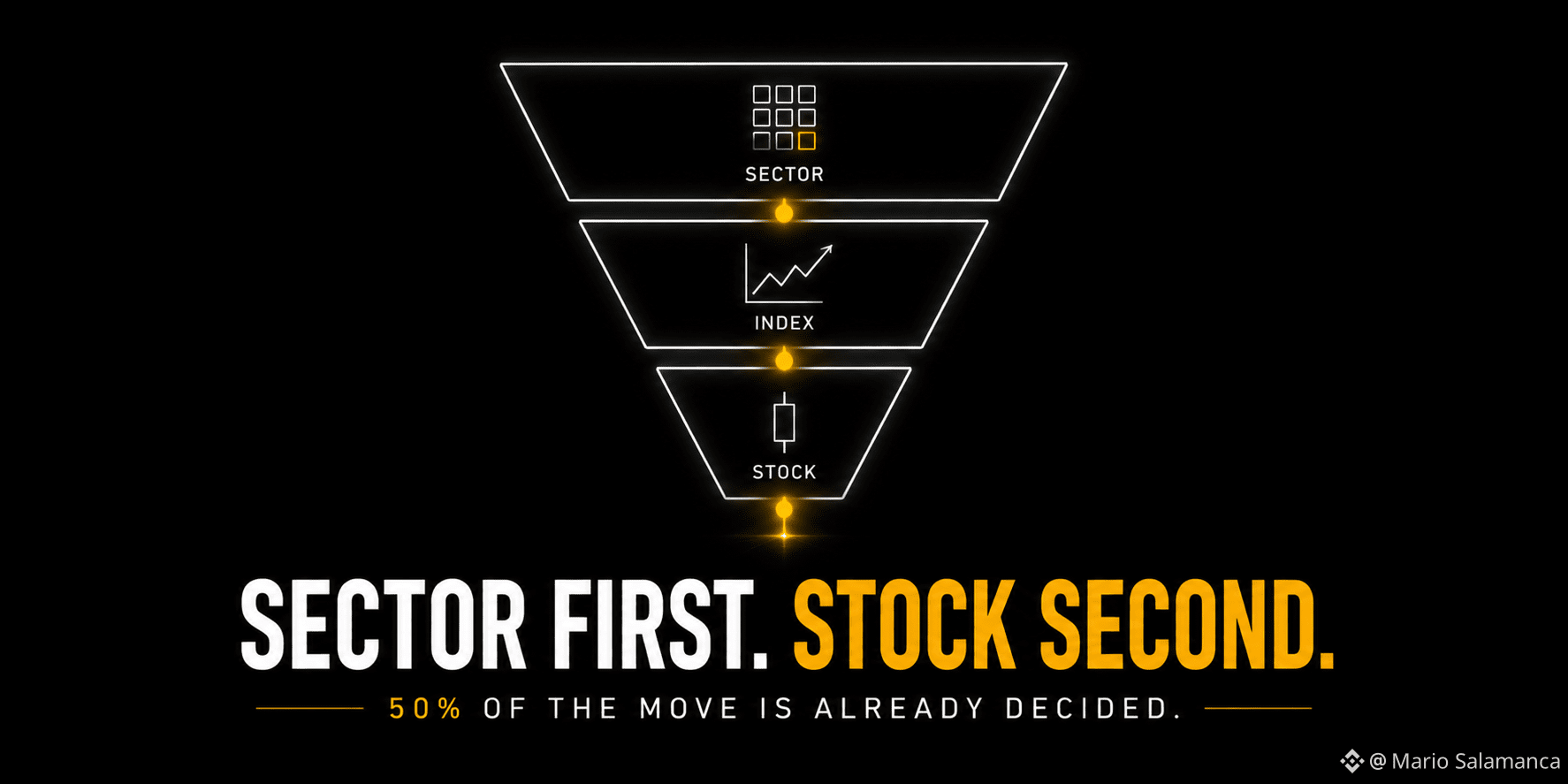
La tendencia del sector explica aproximadamente el 50% del movimiento de precio de una acción individual. La misma señal de compra aplicada a una acción en un sector en fuerte tendencia alcista genera significativamente más retorno con mejores probabilidades que la misma señal aplicada a una acción en un sector débil o lateral.
El marco es simple, pero rara vez se sigue:
Primero verifica la tendencia del sector y de la industria. Luego verifica la dirección del S&P 500 y Nasdaq. Después, revisa las condiciones macroeconómicas específicas de ese sector. Solo entonces mira las acciones individuales.
En este momento, el ETF bancario de EE. UU. acaba de romper por encima de un nivel clave de resistencia que tenía una gran pared de venta de opciones de compra en contra. El mercado rompió esa pared. Eso es una señal de fortaleza estructural, no solo de impulso.
El ETF del sector bancario está sobrecomprado en el gráfico diario después de un movimiento del 25% desde el 19 de mayo. La entrada en este momento no ofrece una relación riesgo-recompensa aceptable. El movimiento correcto es esperar la corrección, identificar la zona de barrido y entrar con un stop definido.
La paciencia no es perderse la operación. La paciencia es esperar a que la operación venga a ti con la configuración correcta.
¿Cuál es tu proceso de selección de sector antes de mirar nombres individuales? $BTC $BNB #比特币 # #币安
Eso está al revés.
La tendencia del sector explica aproximadamente el 50% del movimiento de precio de una acción individual. La misma señal de compra aplicada a una acción en un sector en fuerte tendencia alcista genera significativamente más retorno con mejores probabilidades que la misma señal aplicada a una acción en un sector débil o lateral.
El marco es simple, pero rara vez se sigue:
Primero verifica la tendencia del sector y de la industria. Luego verifica la dirección del S&P 500 y Nasdaq. Después, revisa las condiciones macroeconómicas específicas de ese sector. Solo entonces mira las acciones individuales.
En este momento, el ETF bancario de EE. UU. acaba de romper por encima de un nivel clave de resistencia que tenía una gran pared de venta de opciones de compra en contra. El mercado rompió esa pared. Eso es una señal de fortaleza estructural, no solo de impulso.
El ETF del sector bancario está sobrecomprado en el gráfico diario después de un movimiento del 25% desde el 19 de mayo. La entrada en este momento no ofrece una relación riesgo-recompensa aceptable. El movimiento correcto es esperar la corrección, identificar la zona de barrido y entrar con un stop definido.
La paciencia no es perderse la operación. La paciencia es esperar a que la operación venga a ti con la configuración correcta.
¿Cuál es tu proceso de selección de sector antes de mirar nombres individuales? $BTC $BNB #比特币 # #币安
Inicia sesión para explorar más contenidos