Binance Square

Crypto PM

image
Creador verificado
Empowering Crypto Community Since 2014 | X.com/cryptopm_
Trader frecuente
8.4 año(s)
47 Siguiendo
301.4K+ Seguidores
357.2K+ Me gusta
46.1K+ compartieron
Publicaciones
·
--
Alcista
🚀 $TRIA TGE IS LIVE {alpha}(560xb0b92de23baa85fb06208277e925ced53edab482) This isn’t a token launch backed by slides. It’s backed by live infrastructure, revenue, and users. What Tria already has at TGE: • $20M processed in 90 days • $1.12M volume in a single day • $1.9M+ revenue in 3 months • 50K users + 5,500 affiliates • Visa-powered cards in 150+ countries • 130M+ merchants, 1,000+ tokens spend-ready This is pre-listing execution. Where $TRIA Sits in the Market • $XLM / $XRP → remittances & settlement • $SOL / $MATIC → fast execution • $CELO → emerging market payments • $INJ / $NEAR → UX & flow optimization Tria unifies all of it into one self-custodial loop: Spend → Trade → Earn, globally, with AI-driven routing. Why This Matters Now The markets Tria targets are massive and broken: • $5.3T global payments • $1T remittances • $140B lost yearly to fees Tria fixes this with: • BestPath AI execution • Stablecoin payments • Cross-chain abstraction • One global money UX TGE takeaway: $TRIA launches with what most tokens chase for years , usage, revenue, and real-world rails. This isn’t a bet on “what if.” It’s exposure to what’s already working. #Tria
🚀 $TRIA TGE IS LIVE


This isn’t a token launch backed by slides.

It’s backed by live infrastructure, revenue, and users.

What Tria already has at TGE:

• $20M processed in 90 days

• $1.12M volume in a single day

• $1.9M+ revenue in 3 months

• 50K users + 5,500 affiliates

• Visa-powered cards in 150+ countries

• 130M+ merchants, 1,000+ tokens spend-ready

This is pre-listing execution.

Where $TRIA Sits in the Market

• $XLM / $XRP → remittances & settlement

• $SOL / $MATIC → fast execution

• $CELO → emerging market payments

• $INJ / $NEAR → UX & flow optimization

Tria unifies all of it into one self-custodial loop:

Spend → Trade → Earn, globally, with AI-driven routing.

Why This Matters Now

The markets Tria targets are massive and broken:

• $5.3T global payments

• $1T remittances

• $140B lost yearly to fees

Tria fixes this with:

• BestPath AI execution

• Stablecoin payments

• Cross-chain abstraction

• One global money UX

TGE takeaway:

$TRIA launches with what most tokens chase for years , usage, revenue, and real-world rails.

This isn’t a bet on “what if.”

It’s exposure to what’s already working.

#Tria
·
--
Bajista
$DF {future}(DFUSDT) I’ve been watching the DF token today, and it is an absolute bloodbath. It crashed over 34% to a new all-time low because of the worst possible news: Binance is delisting it on February 13th. Here is what I’m seeing: 🔴 The Reality (It looks bad) To me, this is "game over" for the token on this exchange. When the biggest exchange kicks a coin out, the liquidity disappears. The charts are broken, the price is below every support level I can see, and the money flow shows everyone is rushing for the exit at the same time. ⚠️ The Gamble Some people might try to buy this for a "dead cat bounce" (a quick jump in price before it falls again) because it is so cheap right now. But that is incredibly risky. The trading stops in 10 days, and holding it after that could leave you stuck. My Plan: I’m staying far away from this one. I don't catch falling knives, especially when the exchange is closing the doors. If I held any, I’d be looking to get out, not buy more. #DF
$DF

I’ve been watching the DF token today, and it is an absolute bloodbath. It crashed over 34% to a new all-time low because of the worst possible news: Binance is delisting it on February 13th.

Here is what I’m seeing:

🔴 The Reality (It looks bad)

To me, this is "game over" for the token on this exchange. When the biggest exchange kicks a coin out, the liquidity disappears.

The charts are broken, the price is below every support level I can see, and the money flow shows everyone is rushing for the exit at the same time.

⚠️ The Gamble

Some people might try to buy this for a "dead cat bounce" (a quick jump in price before it falls again) because it is so cheap right now. But that is incredibly risky. The trading stops in 10 days, and holding it after that could leave you stuck.

My Plan:

I’m staying far away from this one. I don't catch falling knives, especially when the exchange is closing the doors. If I held any, I’d be looking to get out, not buy more.

#DF
·
--
Alcista
$IOTA 𝗣𝗼𝘄𝗲𝗿𝗶𝗻𝗴 𝗢𝗻𝗲 𝗼𝗳 𝘁𝗵𝗲 𝗟𝗮𝗿𝗴𝗲𝘀𝘁 𝗧𝗿𝗮𝗱𝗲 𝗨𝗽𝗴𝗿𝗮𝗱𝗲𝘀 𝗶𝗻 𝘁𝗵𝗲 𝗪𝗼𝗿𝗹𝗱. {spot}(IOTAUSDT) Africa is unlocking $70B+ in new annual trade value and IOTA sits at the trust layer behind it. $IOTA is a founding partner in ADAPT, a continent-scale digital trade system backed by AfCFTA, WEF, and the Tony Blair Institute, designed to connect all 55 African nations with trusted identity, data, and payments. 𝗧𝗵𝗲 𝗶𝗺𝗽𝗮𝗰𝘁 𝗶𝘀 𝗿𝗲𝗮𝗹: • $70B+ new trade value annually • $23.6B in yearly economic gains • Border clearance cut from 14 days → <3 days • Cross-border fees drop from 6–9% → <3% • 60% paperwork reduction • 240+ trade documents fully digitized • Exporters save ~$400/month • 100K+ daily IOTA ledger entries projected in Kenya by 2026 𝗪𝗵𝗮𝘁 #IOTA 𝗔𝗰𝘁𝘂𝗮𝗹𝗹𝘆 𝗗𝗼𝗲𝘀 𝗛𝗲𝗿𝗲 IOTA isn’t a payments gimmick , it’s the trust infrastructure: • Verifies trade documents • Anchors digital identity • Powers stablecoin settlement • Removes fraud and duplication • Creates a single source of truth for governments and companies This is real RWA, real trade finance, real GovTech adoption. 𝗪𝗵𝘆 𝗧𝗵𝗶𝘀 𝗠𝗮𝘁𝘁𝗲𝗿𝘀: Most crypto projects chase users. $IOTA is embedded into public infrastructure, modernizing global trade where inefficiency actually costs billions. 𝗧𝗵𝗶𝘀 𝗶𝘀 𝗵𝗼𝘄 𝗯𝗹𝗼𝗰𝗸𝗰𝗵𝗮𝗶𝗻𝘀 𝘀𝗰𝗮𝗹𝗲: Quietly. Structurally. At the nation-state level.
$IOTA 𝗣𝗼𝘄𝗲𝗿𝗶𝗻𝗴 𝗢𝗻𝗲 𝗼𝗳 𝘁𝗵𝗲 𝗟𝗮𝗿𝗴𝗲𝘀𝘁 𝗧𝗿𝗮𝗱𝗲 𝗨𝗽𝗴𝗿𝗮𝗱𝗲𝘀 𝗶𝗻 𝘁𝗵𝗲 𝗪𝗼𝗿𝗹𝗱.


Africa is unlocking $70B+ in new annual trade value and IOTA sits at the trust layer behind it.

$IOTA is a founding partner in ADAPT, a continent-scale digital trade system backed by AfCFTA, WEF, and the Tony Blair Institute, designed to connect all 55 African nations with trusted identity, data, and payments.

𝗧𝗵𝗲 𝗶𝗺𝗽𝗮𝗰𝘁 𝗶𝘀 𝗿𝗲𝗮𝗹:

• $70B+ new trade value annually

• $23.6B in yearly economic gains

• Border clearance cut from 14 days → <3 days

• Cross-border fees drop from 6–9% → <3%

• 60% paperwork reduction

• 240+ trade documents fully digitized

• Exporters save ~$400/month

• 100K+ daily IOTA ledger entries projected in Kenya by 2026

𝗪𝗵𝗮𝘁 #IOTA 𝗔𝗰𝘁𝘂𝗮𝗹𝗹𝘆 𝗗𝗼𝗲𝘀 𝗛𝗲𝗿𝗲

IOTA isn’t a payments gimmick , it’s the trust infrastructure:

• Verifies trade documents

• Anchors digital identity

• Powers stablecoin settlement

• Removes fraud and duplication

• Creates a single source of truth for governments and companies

This is real RWA, real trade finance, real GovTech adoption.

𝗪𝗵𝘆 𝗧𝗵𝗶𝘀 𝗠𝗮𝘁𝘁𝗲𝗿𝘀:

Most crypto projects chase users.

$IOTA is embedded into public infrastructure, modernizing global trade where inefficiency actually costs billions.

𝗧𝗵𝗶𝘀 𝗶𝘀 𝗵𝗼𝘄 𝗯𝗹𝗼𝗰𝗸𝗰𝗵𝗮𝗶𝗻𝘀 𝘀𝗰𝗮𝗹𝗲:

Quietly.

Structurally.

At the nation-state level.
·
--
Bajista
Every $BTC cycle resets 75–85% from the same trendline So far, the decline remains relatively insignificant We are going lower.
Every $BTC cycle resets 75–85% from the same trendline

So far, the decline remains relatively insignificant

We are going lower.
·
--
Alcista
Retrofit AI chains struggle with latency, trust gaps & off-chain dependencies, @Vanar was built AI-native from genesis. Live proof: myNeutron persists semantic memory on-chain (compressed, verifiable context), Kayon runs explainable reasoning natively, Flows enables safe agent automation. Cross-chain on Base unlocks Ethereum-scale reach → more devs, users, tx volume. PayFi rails let agents settle globally without wallet friction, real economic activity. $VANRY powers it all: gas, staking, AI subscriptions, fees from actual usage. Readiness > narratives. Who's bullish on native AI infra this cycle? #vanar
Retrofit AI chains struggle with latency, trust gaps & off-chain dependencies, @Vanarchain was built AI-native from genesis.

Live proof: myNeutron persists semantic memory on-chain (compressed, verifiable context), Kayon runs explainable reasoning natively, Flows enables safe agent automation.

Cross-chain on Base unlocks Ethereum-scale reach → more devs, users, tx volume.

PayFi rails let agents settle globally without wallet friction, real economic activity.

$VANRY powers it all: gas, staking, AI subscriptions, fees from actual usage. Readiness > narratives.

Who's bullish on native AI infra this cycle?

#vanar
·
--
Alcista
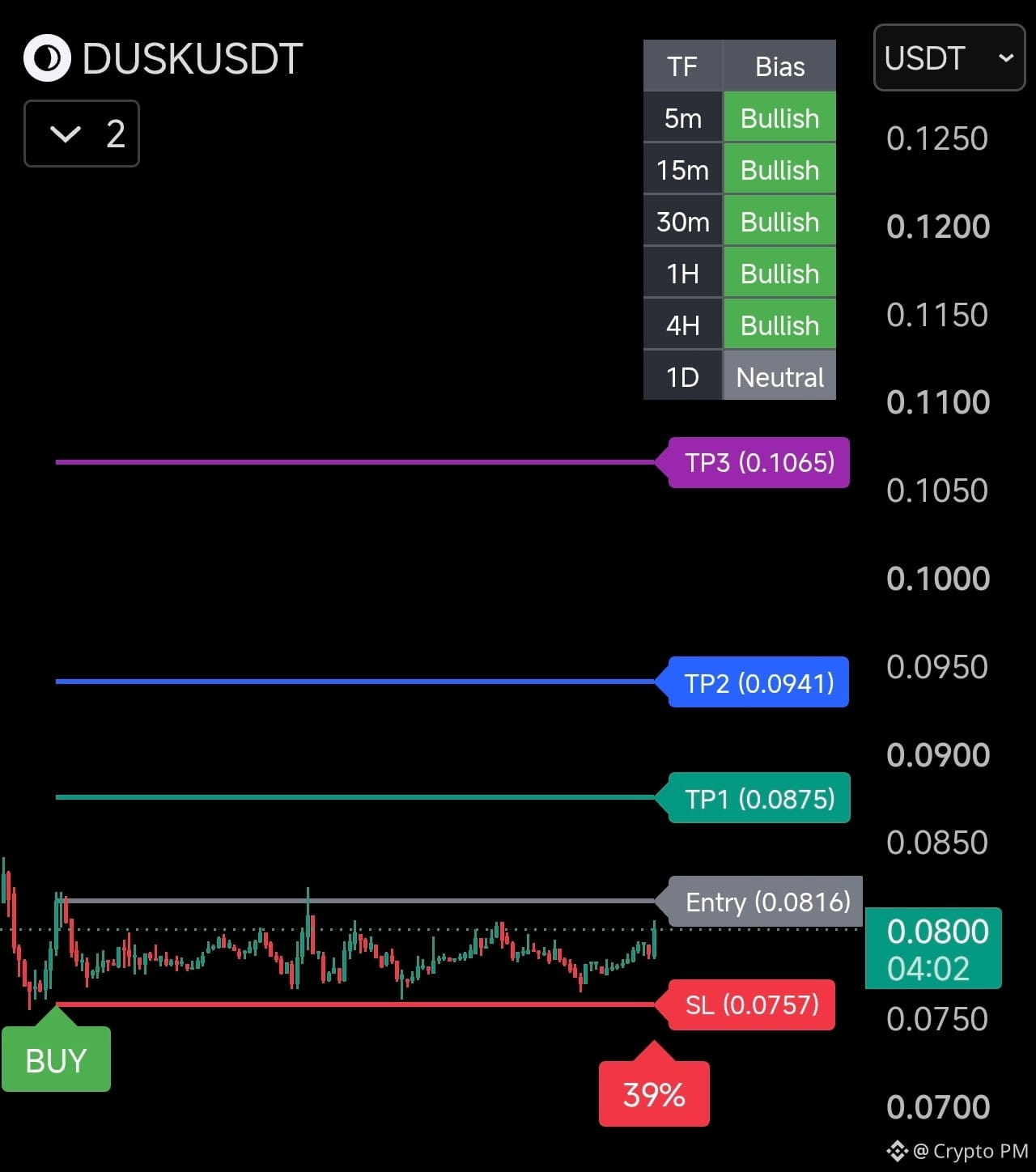
With mainnet live since January 2026, Dusk's grants program continues to fund builders creating compliant DeFi tools, privacy-enhanced DEXs, and RWA issuance platforms. Combined with full SDK access for DuskEVM (Solidity/JS) and DuskVM (Rust/WASM), plus the DIPs process for protocol upgrades, it empowers developers to innovate within regulated finance frameworks. @Dusk_Foundation $DUSK {future}(DUSKUSDT) #dusk
With mainnet live since January 2026, Dusk's grants program continues to fund builders creating compliant DeFi tools, privacy-enhanced DEXs, and RWA issuance platforms.

Combined with full SDK access for DuskEVM (Solidity/JS) and DuskVM (Rust/WASM), plus the DIPs process for protocol upgrades, it empowers developers to innovate within regulated finance frameworks.

@Dusk $DUSK
#dusk
·
--
Alcista
@Plasma in early February 2026 quietly demonstrates one of the hardest things in crypto: sustained execution without constant pivots or rebrands. The chain has stuck to its narrow mandate, being the most efficient Layer 1 specifically for stablecoin movement, while methodically improving one area at a time: consensus reliability under variable load, gas model refinements for edge cases, validator set decentralization roadmap, and user onboarding abstractions. This focused consistency builds trust slowly but durably. In a sector where projects frequently chase the next hype cycle, #Plasma 's refusal to dilute its thesis stands out. $XPL continues to align incentives around long-term network health rather than short-term speculation.
@Plasma in early February 2026 quietly demonstrates one of the hardest things in crypto:

sustained execution without constant pivots or rebrands. The chain has stuck to its narrow mandate, being the most efficient Layer 1 specifically for stablecoin movement,

while methodically improving one area at a time: consensus reliability under variable load, gas model refinements for edge cases, validator set decentralization roadmap, and user onboarding abstractions.

This focused consistency builds trust slowly but durably.

In a sector where projects frequently chase the next hype cycle, #Plasma 's refusal to dilute its thesis stands out.

$XPL continues to align incentives around long-term network health rather than short-term speculation.
Dusk And The Missing Ingredient Of Fair MarketsMost people hear privacy chain and instantly think secret tunnels shadow money disappearing trails. That is not what real markets look like. In real markets trades are private until they settle. Positions are not broadcast. Order sizes are not leaked. Identities are protected. That is how fairness is preserved. Dusk Network is built around this exact idea. Not privacy as secrecy but privacy as market hygiene. The goal is not to hide forever. The goal is to stop information from being weaponized before settlement. ALSO READ: [Dusk And What Real Tokenization Actually Looks Like](https://www.binance.com/en/square/post/35864230152073) Information Leakage Turns Markets Into Games On most public blockchains everything is visible. Trades sit in open mempools. Anyone can watch them copy them jump in front of them or push price around. Even if you are not doing anything wrong your strategy leaks. This is why serious trading avoids open chains. Institutions go back to private systems because transparency before settlement destroys fairness. Dusk tries to fix this at the base layer. The bet is simple. If you want regulated assets stablecoin reserves and large trades on chain then intentions cannot be public by default. Two Transaction Modes One Network Dusk supports both transparent and shielded transactions on the same chain. Open when it helps. Private when it must be. Shielded transactions use zero knowledge proofs. The network can verify funds are valid not double spent and compliant without knowing sender receiver or amount. Later proofs can be revealed selectively to regulators auditors or counterparties. This is the core idea. Evidence where it counts without turning the chain into a surveillance machine. Fairness Is Also About Validators Market manipulation does not stop at traders. Validators matter too. In most proof of stake systems validators are public. That makes them targets. They can be bribed pressured censored or monitored. Dusk uses a blind bid leader selection. Validators bid privately. Identities and bids are hidden during selection. This reduces targeting and manipulation. Predictability creates attack surfaces. Dusk tries to remove predictability where it hurts. Private transactions plus less targetable validators equals markets with less pressure and less bullying. That matters in regulated finance. Developers Do Not Need To Migrate Their Brains Privacy chains often fail because developers do not move. Dusk reduces this friction with Solidity compatibility through Lightspeed and DuskEVM. Developers can build Ethereum style apps while settlement happens on Dusk. Sensitive logic balances and flows can use privacy features where needed without rewriting everything. This matters because fairness only works if builders actually build. Markets Need Official Data Not Crowd Guesses Private execution still needs reliable data. Settlement margin reporting compliance all depend on trustworthy feeds. Dusk adopting Chainlink standards is not cosmetic. CCIP DataLink and Data Streams allow regulated exchange data on chain. This is a big deal. It says Dusk is not trusting random oracles and vibes. It wants official grade data pipes. High integrity markets need high integrity inputs. Interoperability Is About Where Liquidity Lives Liquidity does not sit on one chain. Dusk sees itself as settlement layer not isolated island. Through CCIP style interoperability Dusk can settle privately while other chains provide liquidity and apps. Dusk becomes safe obedient settlement node connected to where capital already is. This is how institutional systems are built. Not by pulling liquidity away but by meeting it. Hyperstaking Makes Infrastructure Programmable Another quiet shift is hyperstaking. Smart contracts can stake unstake route rewards automatically. This enables automated pools liquid staking yield systems that behave like real financial infrastructure not click and hope tools. Institutions need predictable automation not manual workflows. Why This Matters Now Dusk believes public chains fail markets not because they are open but because they are too transparent too early. When strategies leak markets become extraction machines. Dusk keeps confidentiality where required and proofs where law demands. The 2025 mainnet laid foundation. EVM compatibility official data rails and interoperability push Dusk closer to real finance platform. This Is Not A Privacy Coin Story Dusk should not be viewed as privacy coin with extra features. It is an attempt to recreate market structure on chain. Hide what should not be disclosed. Prove what must be proven. Avoid weak bridges. Avoid information warfare. If Dusk succeed it will not just offer private transfers. It will offer markets that behave like real markets. my take I think Dusk is tackling one of the most uncomfortable truths in crypto. Transparency before settlement breaks markets. People do not want to admit it because openness sounds moral. But fairness needs discretion. Execution risk is huge. Adoption is slow. Builders must actually use it. But the logic is sound. If on chain finance is to grow up it must stop leaking alpha for free. Dusk is betting that privacy plus proof is not a compromise but a requirement. That is a serious bet and one worth watching quietly. @Dusk_Foundation #dusk $DUSK {future}(DUSKUSDT)

Dusk And The Missing Ingredient Of Fair Markets

Most people hear privacy chain and instantly think secret tunnels shadow money disappearing trails. That is not what real markets look like. In real markets trades are private until they settle. Positions are not broadcast. Order sizes are not leaked. Identities are protected. That is how fairness is preserved.

Dusk Network is built around this exact idea. Not privacy as secrecy but privacy as market hygiene. The goal is not to hide forever. The goal is to stop information from being weaponized before settlement.

ALSO READ: Dusk And What Real Tokenization Actually Looks Like
Information Leakage Turns Markets Into Games

On most public blockchains everything is visible. Trades sit in open mempools. Anyone can watch them copy them jump in front of them or push price around. Even if you are not doing anything wrong your strategy leaks.

This is why serious trading avoids open chains. Institutions go back to private systems because transparency before settlement destroys fairness. Dusk tries to fix this at the base layer.

The bet is simple. If you want regulated assets stablecoin reserves and large trades on chain then intentions cannot be public by default.

Two Transaction Modes One Network

Dusk supports both transparent and shielded transactions on the same chain. Open when it helps. Private when it must be.

Shielded transactions use zero knowledge proofs. The network can verify funds are valid not double spent and compliant without knowing sender receiver or amount. Later proofs can be revealed selectively to regulators auditors or counterparties.

This is the core idea. Evidence where it counts without turning the chain into a surveillance machine.

Fairness Is Also About Validators

Market manipulation does not stop at traders. Validators matter too. In most proof of stake systems validators are public. That makes them targets. They can be bribed pressured censored or monitored.

Dusk uses a blind bid leader selection. Validators bid privately. Identities and bids are hidden during selection. This reduces targeting and manipulation.

Predictability creates attack surfaces. Dusk tries to remove predictability where it hurts.

Private transactions plus less targetable validators equals markets with less pressure and less bullying. That matters in regulated finance.

Developers Do Not Need To Migrate Their Brains

Privacy chains often fail because developers do not move. Dusk reduces this friction with Solidity compatibility through Lightspeed and DuskEVM.

Developers can build Ethereum style apps while settlement happens on Dusk. Sensitive logic balances and flows can use privacy features where needed without rewriting everything.

This matters because fairness only works if builders actually build.

Markets Need Official Data Not Crowd Guesses

Private execution still needs reliable data. Settlement margin reporting compliance all depend on trustworthy feeds.

Dusk adopting Chainlink standards is not cosmetic. CCIP DataLink and Data Streams allow regulated exchange data on chain.

This is a big deal. It says Dusk is not trusting random oracles and vibes. It wants official grade data pipes.

High integrity markets need high integrity inputs.

Interoperability Is About Where Liquidity Lives

Liquidity does not sit on one chain. Dusk sees itself as settlement layer not isolated island.

Through CCIP style interoperability Dusk can settle privately while other chains provide liquidity and apps. Dusk becomes safe obedient settlement node connected to where capital already is.

This is how institutional systems are built. Not by pulling liquidity away but by meeting it.

Hyperstaking Makes Infrastructure Programmable

Another quiet shift is hyperstaking. Smart contracts can stake unstake route rewards automatically.

This enables automated pools liquid staking yield systems that behave like real financial infrastructure not click and hope tools.

Institutions need predictable automation not manual workflows.

Why This Matters Now

Dusk believes public chains fail markets not because they are open but because they are too transparent too early. When strategies leak markets become extraction machines.

Dusk keeps confidentiality where required and proofs where law demands. The 2025 mainnet laid foundation. EVM compatibility official data rails and interoperability push Dusk closer to real finance platform.

This Is Not A Privacy Coin Story

Dusk should not be viewed as privacy coin with extra features. It is an attempt to recreate market structure on chain.

Hide what should not be disclosed. Prove what must be proven. Avoid weak bridges. Avoid information warfare.

If Dusk succeed it will not just offer private transfers. It will offer markets that behave like real markets.

my take

I think Dusk is tackling one of the most uncomfortable truths in crypto. Transparency before settlement breaks markets. People do not want to admit it because openness sounds moral. But fairness needs discretion. Execution risk is huge. Adoption is slow. Builders must actually use it. But the logic is sound. If on chain finance is to grow up it must stop leaking alpha for free. Dusk is betting that privacy plus proof is not a compromise but a requirement. That is a serious bet and one worth watching quietly.

@Dusk #dusk $DUSK
Vanar And The Boring Fix That Crypto Never Wanted To AdmitMost crypto debates are loud and repetitive. Decentralization purity TPS wars fancy features roadmap hype. But none of these usually kill adoption. What actually kills usage is cost uncertainty. Anyone who has ever built an app on a chain with variable fees know this pain. One day it cost almost nothing next day users scream why this action cost 18 dollars. They do not blame the chain. They blame your app. Support tickets explode. Finance team cannot budget. Automated jobs bots AI agents simply stop working because random fees break logic. That is where Vanar start from not ideology but frustration. The Core Idea Is Almost Too Simple Vanar thesis is almost boring. Stabilize transaction cost. Make it predictable. Something a builder can put in a spreadsheet and trust. Not hope. Not guess. Gas markets are often defended as free markets. Highest bidder win. Like airline tickets during holidays. That is fine for humans making occasional choices. It is terrible for applications that plan ahead. Micropayments streaming payments games social actions machine to machine automation all require many small transactions. They cannot participate in bidding wars. Uncertainty destroy meaning. A five cent action that become two dollars kill engagement immediately. Vanar tries to reverse this by fixing fees to fiat value. Fixed Fees Pegged To Reality Not Token Hype Vanar introduce a fixed fee model pegged to USD value. According to documentation they aim around 0.0005 dollars per transaction. That number is not fixed in VANRY. It is fixed in dollars. This mean when token price move protocol adjust. Vanar uses USD VANRY price mechanism validated by multiple sources including exchanges and data providers. No single oracle decides everything. This design make fee feel like posted price not weather report. A toll road not an auction. It does not suddenly charge 50x because traffic increased. For builders this is huge. Cost can be explained predicted and trusted. FIFO Ordering Removes Games Fees are not only about pricing. Ordering matters. Vanar uses first in first out transaction ordering. No paying to cut line. No priority games. No bidding wars. This makes transaction inclusion a service not casino. It simplify audits explanations and reasoning. If your app is payment infrastructure this matter a lot. FIFO feel boring but boring is good for systems that handle money. Cheap Does Not Mean Weak Against Spam Common objection is obvious. If fees are cheap spam is cheap. Vanar answer this with tiering. Normal transactions remain cheap abusive behavior become expensive. Think of city traffic. Walking is easy driving one car is fine trying to push hundred trucks through narrow street cost you a lot. Plasma style logic but applied here. Spam protection and pricing are linked not separate. Vanar subsidize normal life not attacks. Machines Care More Than Humans Humans can pause think decide. Machines cannot. If Vanar is right about future of autonomous agents paying updating verifying automatically then predictable fees are mandatory. Agents cannot budget irrational costs. USD pegged fees are not nice feature they are prerequisite for agent economy. This is why Vanar feel more fintech than crypto. Fintech survive because they quote costs predict costs explain costs. Vanar try inject this normality on chain. Who Pays For Security Then If users pay tiny fees who protect chain. Vanar address this with long term emission plan. Validator rewards block rewards inflation schedule spread over time. Documentation emphasize validators and development rewards. Team allocation stated as none. The goal is continuity not hype. You may disagree with tokenomics taste but philosophy is clear. Infrastructure must be paid even if users do not notice it. Predictability Is The Real Feature Vanar fees may not be lowest ever but they are predictable. That is main feature. Builders can promise experience. Finance teams can budget. Non crypto partners can understand pricing. Docs emphasize cost forecasting peak season predictability. Next adoption wave will not be crypto natives. It will be people who hate complexity and demand stability. The Real Risk Is Execution Fixed fee models live or die by implementation. Price updates must be robust tiering must be fair spam resistance must hold under load. Vanar claims multi source price validation which is good sign. But trust is built in production not docs. If Vanar succeed it give builders luxury rarely seen in crypto. Building without fear of base layer surprise. Why Vanar Is Worth Watching Many chains want to be future. Vanar want to be usable. Predictable charges reasonable ordering expensive attacks turn experiments into systems. This is not narrative it is engineering discipline. When market stop cheering and start demanding reliability discipline is what survive. my take I think Vanar is attacking one of least sexy but most painful problems in crypto. Fee uncertainty destroy real apps quietly. Execution will decide everything. Fixed fees sound easy and break easily. But if Vanar manage consistency and strength together it unlock something rare. Builders stop worrying about base layer and start building products. That alone make it worth watching even if it never trend on twitter. @Vanar #vanar $VANRY {future}(VANRYUSDT)

Vanar And The Boring Fix That Crypto Never Wanted To Admit

Most crypto debates are loud and repetitive. Decentralization purity TPS wars fancy features roadmap hype. But none of these usually kill adoption. What actually kills usage is cost uncertainty. Anyone who has ever built an app on a chain with variable fees know this pain. One day it cost almost nothing next day users scream why this action cost 18 dollars.

They do not blame the chain. They blame your app. Support tickets explode. Finance team cannot budget. Automated jobs bots AI agents simply stop working because random fees break logic. That is where Vanar start from not ideology but frustration.

The Core Idea Is Almost Too Simple

Vanar thesis is almost boring. Stabilize transaction cost. Make it predictable. Something a builder can put in a spreadsheet and trust. Not hope. Not guess.

Gas markets are often defended as free markets. Highest bidder win. Like airline tickets during holidays. That is fine for humans making occasional choices. It is terrible for applications that plan ahead.

Micropayments streaming payments games social actions machine to machine automation all require many small transactions. They cannot participate in bidding wars. Uncertainty destroy meaning. A five cent action that become two dollars kill engagement immediately.

Vanar tries to reverse this by fixing fees to fiat value.

Fixed Fees Pegged To Reality Not Token Hype

Vanar introduce a fixed fee model pegged to USD value. According to documentation they aim around 0.0005 dollars per transaction. That number is not fixed in VANRY. It is fixed in dollars.

This mean when token price move protocol adjust. Vanar uses USD VANRY price mechanism validated by multiple sources including exchanges and data providers. No single oracle decides everything.

This design make fee feel like posted price not weather report. A toll road not an auction. It does not suddenly charge 50x because traffic increased.

For builders this is huge. Cost can be explained predicted and trusted.

FIFO Ordering Removes Games

Fees are not only about pricing. Ordering matters. Vanar uses first in first out transaction ordering. No paying to cut line. No priority games. No bidding wars.

This makes transaction inclusion a service not casino. It simplify audits explanations and reasoning. If your app is payment infrastructure this matter a lot.

FIFO feel boring but boring is good for systems that handle money.

Cheap Does Not Mean Weak Against Spam

Common objection is obvious. If fees are cheap spam is cheap. Vanar answer this with tiering. Normal transactions remain cheap abusive behavior become expensive.

Think of city traffic. Walking is easy driving one car is fine trying to push hundred trucks through narrow street cost you a lot. Plasma style logic but applied here.

Spam protection and pricing are linked not separate. Vanar subsidize normal life not attacks.

Machines Care More Than Humans

Humans can pause think decide. Machines cannot. If Vanar is right about future of autonomous agents paying updating verifying automatically then predictable fees are mandatory.

Agents cannot budget irrational costs. USD pegged fees are not nice feature they are prerequisite for agent economy.

This is why Vanar feel more fintech than crypto. Fintech survive because they quote costs predict costs explain costs. Vanar try inject this normality on chain.

Who Pays For Security Then

If users pay tiny fees who protect chain. Vanar address this with long term emission plan. Validator rewards block rewards inflation schedule spread over time.

Documentation emphasize validators and development rewards. Team allocation stated as none. The goal is continuity not hype.

You may disagree with tokenomics taste but philosophy is clear. Infrastructure must be paid even if users do not notice it.

Predictability Is The Real Feature

Vanar fees may not be lowest ever but they are predictable. That is main feature.

Builders can promise experience. Finance teams can budget. Non crypto partners can understand pricing. Docs emphasize cost forecasting peak season predictability.

Next adoption wave will not be crypto natives. It will be people who hate complexity and demand stability.

The Real Risk Is Execution

Fixed fee models live or die by implementation. Price updates must be robust tiering must be fair spam resistance must hold under load.

Vanar claims multi source price validation which is good sign. But trust is built in production not docs.

If Vanar succeed it give builders luxury rarely seen in crypto. Building without fear of base layer surprise.

Why Vanar Is Worth Watching

Many chains want to be future. Vanar want to be usable.

Predictable charges reasonable ordering expensive attacks turn experiments into systems. This is not narrative it is engineering discipline.

When market stop cheering and start demanding reliability discipline is what survive.

my take

I think Vanar is attacking one of least sexy but most painful problems in crypto. Fee uncertainty destroy real apps quietly. Execution will decide everything. Fixed fees sound easy and break easily. But if Vanar manage consistency and strength together it unlock something rare. Builders stop worrying about base layer and start building products. That alone make it worth watching even if it never trend on twitter.

@Vanarchain #vanar $VANRY
Plasma And The Moment Crypto Finally Learned AccountingPlasma feels like a signal that crypto is growing up, not louder but quieter. Most chains are built for traders. Buttons flashing charts moving fast numbers jumping. Plasma does not care about that crowd. It feels built for accountants operations teams compliance desks and people who hate surprises. That is why Plasma no longer looks like another Layer 1 to me. It looks like a payment system that happens to run on blockchain. And that distinction matter more than people realize. ALSO READ: [Plasma XPL And The Quiet War On How Money Actually Moves](https://www.binance.com/en/square/post/35862468066018) Fees Were Never The Real Problem A lot of chains brag about low fees. Plasma does not obsess over that. It goes after something deeper, operational friction. Stablecoins already work. People send USDT every day across borders. But the experience is painful. You need gas tokens. You worry about congestion. Support teams explain why someone cannot send ten dollars because they lack 0.23 gas. Plasma treats this as product failure not user error. That mindset alone put it ahead of many chains. Gasless USDT Is Managed Not Magical Plasma offer gasless USDT transfers but not in fairy tale way. It use a protocol managed relayer and paymaster. The relayer only sponsors direct stablecoin transfers. Scope is limited on purpose. This matter because zero fee only works when abuse is controlled. Plasma does not pretend free gas is harmless. It enforces identity aware rules sponsorship limits and strict guidelines. Free transfers become sustainable because they are designed not wished. Simplicity Is The Feature Not The Bug Plasma is not built for crypto natives who enjoy complexity. It is built for payment flows where sender should not even know which chain they are using. That simplicity is not weakness. It is requirement. In payments complexity kills adoption. Plasma embraces that truth fully. Privacy That Ships Instead Of Debates Crypto privacy usually swing between extremes. Everything public or everything hidden. Plasma sits in middle. Confidential where needed auditable where required. The confidential payments feature is opt in lightweight and does not require new wallets or exotic tokens. It keeps EVM intact. That framing is realistic. Institutions do not want ideology they want product. Privacy here is not theater. It is something you can deploy. Compliance Is Built In Not Bolted On One of the clearest signals of Plasma seriousness is its integration with Elliptic. AML KYC KYT real time monitoring across network. This tell you who Plasma is building for. Payment firms fintechs custodians. These players care about audits not vibes. Compliance is treated as first class requirement. Not afterthought. Liquidity Before Launch Not After Most chains launch then beg for liquidity. Plasma flipped that order. At mainnet beta launch September 25 2025 Plasma announced two billion dollars of stablecoins active day one with over hundred partners. That number is not marketing fluff. Payment rails need liquidity to function. Thin liquidity cause slippage bad UX broken trust. Plasma avoided that early vulnerability. Plasma One Is About Distribution Not Ideology Even perfect rails fail without users. Plasma One is their answer. A stablecoin native fintech product. Save spend transfer earn. Plasma One Card works on Visa acceptance licensed through Signify. Real world spending. No crypto education required. What stood out to me is security model. No seed phrases. Hardware based keys instant freezing real time alerts while keeping self custody. This solve one of biggest crypto UX problems. Seed phrases scare normal people. Payments Stack Matters More Than L1 Narrative When you zoom out Plasma looks less like chain and more like full payments stack. Gasless USDT compliance layer optional confidentiality and consumer surface that turn stablecoins into spendable money. Stablecoins are the product. Everything else support that. Plasma is disciplined. Gasless applies to specific transfers. Privacy is opt in. Compliance is embedded. Scope is controlled. That discipline is rare in crypto and usually signal seriousness. Stablecoins Will Win By Becoming Boring The big bet Plasma is making is that stablecoins succeed by becoming uninteresting. Internet won because routers became invisible. Plasma aim same. Transfer digital dollars without thinking. Institutions get controls. Users spend money with card. If Plasma succeed there will be no meme cycle. There will be silence. Stablecoins just work. And that might be the biggest win crypto can achieve. my take I think Plasma is doing something very few projects dare to do. It is optimizing for boring reliability not hype. Execution risk is still real. Compliance heavy systems move slow. Competition is brutal. But the philosophy is solid. Money systems should disappear into background. If Plasma manage that people will not talk about Plasma. They will just use stablecoins without stress. And honestly that is probably the highest compliment any payment infrastructure can get. @Plasma #Plasma $XPL {spot}(XPLUSDT)

Plasma And The Moment Crypto Finally Learned Accounting

Plasma feels like a signal that crypto is growing up, not louder but quieter. Most chains are built for traders. Buttons flashing charts moving fast numbers jumping. Plasma does not care about that crowd. It feels built for accountants operations teams compliance desks and people who hate surprises.

That is why Plasma no longer looks like another Layer 1 to me. It looks like a payment system that happens to run on blockchain. And that distinction matter more than people realize.

ALSO READ: Plasma XPL And The Quiet War On How Money Actually Moves

Fees Were Never The Real Problem

A lot of chains brag about low fees. Plasma does not obsess over that. It goes after something deeper, operational friction. Stablecoins already work. People send USDT every day across borders. But the experience is painful. You need gas tokens. You worry about congestion. Support teams explain why someone cannot send ten dollars because they lack 0.23 gas.

Plasma treats this as product failure not user error. That mindset alone put it ahead of many chains.

Gasless USDT Is Managed Not Magical

Plasma offer gasless USDT transfers but not in fairy tale way. It use a protocol managed relayer and paymaster. The relayer only sponsors direct stablecoin transfers. Scope is limited on purpose.

This matter because zero fee only works when abuse is controlled. Plasma does not pretend free gas is harmless. It enforces identity aware rules sponsorship limits and strict guidelines. Free transfers become sustainable because they are designed not wished.

Simplicity Is The Feature Not The Bug

Plasma is not built for crypto natives who enjoy complexity. It is built for payment flows where sender should not even know which chain they are using. That simplicity is not weakness. It is requirement.

In payments complexity kills adoption. Plasma embraces that truth fully.

Privacy That Ships Instead Of Debates

Crypto privacy usually swing between extremes. Everything public or everything hidden. Plasma sits in middle. Confidential where needed auditable where required.

The confidential payments feature is opt in lightweight and does not require new wallets or exotic tokens. It keeps EVM intact. That framing is realistic. Institutions do not want ideology they want product.

Privacy here is not theater. It is something you can deploy.

Compliance Is Built In Not Bolted On

One of the clearest signals of Plasma seriousness is its integration with Elliptic. AML KYC KYT real time monitoring across network.

This tell you who Plasma is building for. Payment firms fintechs custodians. These players care about audits not vibes.

Compliance is treated as first class requirement. Not afterthought.

Liquidity Before Launch Not After

Most chains launch then beg for liquidity. Plasma flipped that order. At mainnet beta launch September 25 2025 Plasma announced two billion dollars of stablecoins active day one with over hundred partners.

That number is not marketing fluff. Payment rails need liquidity to function. Thin liquidity cause slippage bad UX broken trust. Plasma avoided that early vulnerability.

Plasma One Is About Distribution Not Ideology

Even perfect rails fail without users. Plasma One is their answer. A stablecoin native fintech product. Save spend transfer earn.

Plasma One Card works on Visa acceptance licensed through Signify. Real world spending. No crypto education required.

What stood out to me is security model. No seed phrases. Hardware based keys instant freezing real time alerts while keeping self custody. This solve one of biggest crypto UX problems. Seed phrases scare normal people.

Payments Stack Matters More Than L1 Narrative

When you zoom out Plasma looks less like chain and more like full payments stack. Gasless USDT compliance layer optional confidentiality and consumer surface that turn stablecoins into spendable money.

Stablecoins are the product. Everything else support that.

Plasma is disciplined. Gasless applies to specific transfers. Privacy is opt in. Compliance is embedded. Scope is controlled.

That discipline is rare in crypto and usually signal seriousness.

Stablecoins Will Win By Becoming Boring

The big bet Plasma is making is that stablecoins succeed by becoming uninteresting. Internet won because routers became invisible. Plasma aim same. Transfer digital dollars without thinking. Institutions get controls. Users spend money with card.

If Plasma succeed there will be no meme cycle. There will be silence. Stablecoins just work.

And that might be the biggest win crypto can achieve.

my take

I think Plasma is doing something very few projects dare to do. It is optimizing for boring reliability not hype. Execution risk is still real. Compliance heavy systems move slow. Competition is brutal. But the philosophy is solid. Money systems should disappear into background. If Plasma manage that people will not talk about Plasma. They will just use stablecoins without stress. And honestly that is probably the highest compliment any payment infrastructure can get.

@Plasma #Plasma $XPL
·
--
Bajista
$ZIL {future}(ZILUSDT) I’ve been watching Zilliqa (ZIL) today, and things are getting interesting. The price is starting to move, and there is a lot going on behind the scenes. Here is what I’m seeing: 🟢 Why I Like It To me, the charts look ready to go. The moving averages just crossed up, which is usually a strong buy signal for me. I also checked the order books and saw massive "buy walls" at the support levels. It looks like big players ("smart money") are quietly loading up while the price is low. They also just launched a new academy to help people build on their chain, which is good for the long term. 🔴 What Worries Me But there is some bad news. I saw a report that the supply of tokens just increased by 443 Million. That is a lot of new coins that could be sold. Also, big exchanges like Upbit and Bithumb are pausing deposits and withdrawals soon for a network upgrade (hard fork). That usually messes with liquidity and can make the price jumpy. My Plan: I like that big players are buying, but the extra supply scares me a little. I’m going to wait until the network upgrade is finished before I make a move, just to be safe. #zil
$ZIL

I’ve been watching Zilliqa (ZIL) today, and things are getting interesting. The price is starting to move, and there is a lot going on behind the scenes.

Here is what I’m seeing:

🟢 Why I Like It

To me, the charts look ready to go. The moving averages just crossed up, which is usually a strong buy signal for me. I also checked the order books and saw massive "buy walls" at the support levels.

It looks like big players ("smart money") are quietly loading up while the price is low. They also just launched a new academy to help people build on their chain, which is good for the long term.

🔴 What Worries Me

But there is some bad news. I saw a report that the supply of tokens just increased by 443 Million. That is a lot of new coins that could be sold.

Also, big exchanges like Upbit and Bithumb are pausing deposits and withdrawals soon for a network upgrade (hard fork). That usually messes with liquidity and can make the price jumpy.

My Plan:

I like that big players are buying, but the extra supply scares me a little. I’m going to wait until the network upgrade is finished before I make a move, just to be safe.

#zil
·
--
Bajista
$BTC Liquidation Heatmap(1 year) A heavy long liquidation cluster sits in the 66K–73K zone. Let’s hope we don’t sweep that zone. #WhenWillBTCRebound
$BTC Liquidation Heatmap(1 year)

A heavy long liquidation cluster sits in the 66K–73K zone.

Let’s hope we don’t sweep that zone.

#WhenWillBTCRebound
·
--
Bajista
Guys Bitcoin and $ETH Landed On Moon 😂
B
ETHUSDC
Cerrada
PnL
-20.599,95USDT
·
--
Bajista
$QKC {spot}(QKCUSDT) I’ve been watching QKC today because it finally did something huge. It jumped from $0.0035 to $0.0053 really fast, and the volume was crazy. Here is what I’m seeing: 🟢 Why I Like It To me, this looks like a classic breakout. The coin has been "sleeping" for a long time, and suddenly buyers stepped in aggressively. The momentum indicators I use (like MACD) flipped positive, which usually means the trend has actually changed from down to up. 🔴 What Worries Me But I have to be honest, the chart looks dangerous right now. My RSI indicator hit 96, which is insanely high. I almost never buy when it is that "overbought." I also noticed that as soon as the price spiked, a lot of money started leaving the coin (outflows). That tells me the big players used this pump to sell and take their money out. My Plan: I missed the initial jump, and there is no way I’m buying when the RSI is near 100. I’m going to wait for a big pullback to see if it finds support before I even think about touching it. #qkc
$QKC

I’ve been watching QKC today because it finally did something huge. It jumped from $0.0035 to $0.0053 really fast, and the volume was crazy.

Here is what I’m seeing:

🟢 Why I Like It

To me, this looks like a classic breakout. The coin has been "sleeping" for a long time, and suddenly buyers stepped in aggressively. The momentum indicators I use (like MACD) flipped positive, which usually means the trend has actually changed from down to up.

🔴 What Worries Me

But I have to be honest, the chart looks dangerous right now. My RSI indicator hit 96, which is insanely high. I almost never buy when it is that "overbought."

I also noticed that as soon as the price spiked, a lot of money started leaving the coin (outflows). That tells me the big players used this pump to sell and take their money out.

My Plan:

I missed the initial jump, and there is no way I’m buying when the RSI is near 100. I’m going to wait for a big pullback to see if it finds support before I even think about touching it.

#qkc
·
--
Alcista
𝗣𝗼𝗹𝘆𝗺𝗮𝗿𝗸𝗲𝘁 ($𝗣𝗢𝗟𝗬) - 𝗖𝗿𝘆𝗽𝘁𝗼’𝘀 “𝗥𝗲𝗮𝗹-𝗪𝗼𝗿𝗹𝗱 𝗣𝗿𝗼𝗯𝗮𝗯𝗶𝗹𝗶𝘁𝘆 𝗘𝗻𝗴𝗶𝗻𝗲” 𝗪𝗶𝘁𝗵 𝗠𝗮𝗰𝗿𝗼 + 𝗦𝗽𝗼𝗿𝘁𝘀 𝗖𝗼𝘃𝗲𝗿𝗮𝗴𝗲. Before price moves, probability moves. That’s why Polymarket has become the default signal layer for crypto, politics, macro, and sports. • 250k–500k monthly active traders • 17M+ monthly visits • $18B projected volume in 2025 This is real usage, not a testnet experiment. How It Stacks Up • Augur (REP) → early idea, no mainstream traction • Gnosis (GNO) → infra-heavy, user-light • Zeitgeist (ZTG) → niche ecosystem • Kleros (PNK) → dispute layer, not a trading hub Polymarket won by doing the obvious things right: no KYC, MetaMask/Phantom login, deep liquidity on events that actually matter. Why $POLY Matters Polymarket already prices global narratives before they trend on X. The upcoming $POLY token gives the market something to price on-chain. • Products that hope for adoption and • Products that show real usage and strategic valuation. Polymarket’s data-driven model sits at the intersection of speculation, market sentiment, and real-world forecast pricing and that’s exactly where token markets start to disconnect from price and rerate toward value. #Polymarket #poly
𝗣𝗼𝗹𝘆𝗺𝗮𝗿𝗸𝗲𝘁 ($𝗣𝗢𝗟𝗬) - 𝗖𝗿𝘆𝗽𝘁𝗼’𝘀 “𝗥𝗲𝗮𝗹-𝗪𝗼𝗿𝗹𝗱 𝗣𝗿𝗼𝗯𝗮𝗯𝗶𝗹𝗶𝘁𝘆 𝗘𝗻𝗴𝗶𝗻𝗲” 𝗪𝗶𝘁𝗵 𝗠𝗮𝗰𝗿𝗼 + 𝗦𝗽𝗼𝗿𝘁𝘀 𝗖𝗼𝘃𝗲𝗿𝗮𝗴𝗲.

Before price moves, probability moves.

That’s why Polymarket has become the default signal layer for crypto, politics, macro, and sports.

• 250k–500k monthly active traders

• 17M+ monthly visits

• $18B projected volume in 2025

This is real usage, not a testnet experiment.

How It Stacks Up

• Augur (REP) → early idea, no mainstream traction

• Gnosis (GNO) → infra-heavy, user-light

• Zeitgeist (ZTG) → niche ecosystem

• Kleros (PNK) → dispute layer, not a trading hub

Polymarket won by doing the obvious things right:

no KYC, MetaMask/Phantom login, deep liquidity on events that actually matter.

Why $POLY Matters

Polymarket already prices global narratives before they trend on X.

The upcoming $POLY token gives the market something to price on-chain.

• Products that hope for adoption

and

• Products that show real usage and strategic valuation.

Polymarket’s data-driven model sits at the intersection of speculation, market sentiment, and real-world forecast pricing and that’s exactly where token markets start to disconnect from price and rerate toward value.

#Polymarket #poly
·
--
Alcista
@Plasma represents a deliberate counterpoint in the 2026 Layer 1 landscape: instead of competing on TPS races or general-purpose breadth, it doubles down on being the most boringly reliable stablecoin settlement layer possible. That reliability comes from intentional choices: Consensus tuned for predictable sub-second behavior even when usage spikes unpredictably. Gas model that never surprises end-users with unexpected costs on basic transfers Architecture that keeps edge cases rare and clearly documented In a space full of flashy experiments, this “boring is beautiful” philosophy appeals to builders and users who want infrastructure they can actually depend on for years, not months. $XPL quietly supports that stability through staking incentives and upcoming validator decentralization steps. @Plasma #Plasma $XPL {future}(XPLUSDT)
@Plasma represents a deliberate counterpoint in the 2026 Layer 1 landscape: instead of competing on TPS races or general-purpose breadth, it doubles down on being the most boringly reliable stablecoin settlement layer possible.

That reliability comes from intentional choices:

Consensus tuned for predictable sub-second behavior even when usage spikes unpredictably.

Gas model that never surprises end-users with unexpected costs on basic transfers

Architecture that keeps edge cases rare and clearly documented

In a space full of flashy experiments, this “boring is beautiful” philosophy appeals to builders and users who want infrastructure they can actually depend on for years, not months.

$XPL quietly supports that stability through staking incentives and upcoming validator decentralization steps.

@Plasma #Plasma $XPL
·
--
Alcista
In the mainnet era, Dusk's Moonlight transaction model enables transparent, auditable transfers with embedded protocol-level compliance (licensing, selective disclosure). Combined with Phoenix for fully shielded privacy, it offers flexible transaction types for regulated tokenized securities and institutional use cases , all on the same Layer 1. @Dusk_Foundation $DUSK {future}(DUSKUSDT) #dusk
In the mainnet era, Dusk's Moonlight transaction model enables transparent, auditable transfers with embedded protocol-level compliance (licensing, selective disclosure).

Combined with Phoenix for fully shielded privacy, it offers flexible transaction types for regulated tokenized securities and institutional use cases , all on the same Layer 1.

@Dusk $DUSK
#dusk
·
--
Alcista
AI agents need more than smarts, they need compliant global settlement rails that move value instantly without wallet UX. @Vanar completes the loop with native PayFi: programmable, borderless transfers turning autonomous intelligence into real economic activity (RWAs, enterprise payouts, micropayments). This isn't demo hype, it's live infrastructure where $VANRY powers every gas fee, staking reward, AI-subscription access & settlement. Positioned for usage, not narratives. Big room for growth as agents go mainstream. Who's already seeing $VANRY as the settlement backbone for the agents era? @Vanar #vanar $VANRY {future}(VANRYUSDT)
AI agents need more than smarts, they need compliant global settlement rails that move value instantly without wallet UX.

@Vanarchain completes the loop with native PayFi: programmable, borderless transfers turning autonomous intelligence into real economic activity (RWAs, enterprise payouts, micropayments).

This isn't demo hype, it's live infrastructure where $VANRY powers every gas fee, staking reward, AI-subscription access & settlement.

Positioned for usage, not narratives. Big room for growth as agents go mainstream.

Who's already seeing $VANRY as the settlement backbone for the agents era?

@Vanarchain #vanar $VANRY
·
--
Bajista
Same same but different 😂 don't even try to compare $ETH
Same same but different 😂

don't even try to compare $ETH
B
ETHUSDC
Cerrada
PnL
-20.599,95USDT
Dusk And What Real Tokenization Actually Looks LikeMany crypto projects love to say real world assets are coming on chain. It sound powerful and future heavy. But most people never ask what that really mean in practice. Real markets are not only about buying and selling. They are about documents rules investors limits reporting audits liability and boring processes nobody tweet about. If any of those parts are missing then the asset is not truly tokenized. It is just a token wearing a security costume. Dusk understand this difference and that already separate it from most DeFi style RWA narratives. ALSO READ: [Dusk And Why Privacy Alone Was Never Enough](https://www.binance.com/en/square/post/35819604325257) Privacy Is Not The Headline But The Tool People think Dusk main value is privacy. That is only half true. Privacy is not the destination it is the requirement. The real contribution is that regulations live inside the asset itself and sensitive data is not exposed by default. Dusk feels closer to market infrastructure than DeFi playground. It is a blockchain for regulated finance where institutional workflows can move on chain without breaking compliance or performance expectations. XSC Is The Quiet Centerpiece The most overlooked part of Dusk is the asset standard. XSC the Confidential Security Contract. This is not marketing fluff. It is template for issuing regulated securities with privacy and rules baked in. Securities are not simple tokens. They have ownership rules transfer limits voting logic dividend conditions redemption terms. XSC allow issuers to encode these rules directly into contract logic. This is important because compliance should not live off chain as manual enforcement. When rules live inside the asset you reduce human error and off chain friction. XSC is like ERC20 but designed for real securities not memes. Regulated Markets Run On Privacy Not Publicity Equity markets do not show everyone balances and wallet addresses. Full transparency would destroy fairness. It would enable surveillance and manipulation. Dusk recognize that asset level confidentiality is required not just transfer privacy. Issuers investors regulators all need different visibility. Dusk aim to provide privacy by default and proof when required. This is not secrecy as rebellion. It is privacy as normal finance behavior. Modular Infrastructure Built For Institutions Another subtle but big shift is Dusk modular architecture. Instead of one monolithic chain they define DuskDS as settlement consensus and data availability layer. On top sit DuskVM and DuskEVM. Institutions do not want to bet everything on one virtual machine forever. They want stable settlement layer and flexible execution environments. DuskDS provide that. With components like Rusk Kadcast staking and transfer contracts the stack feel more like financial platform than experimental chain. Security Is Treated As Obligation Not Option In DeFi culture bugs are tolerated until disaster. Institutions cannot afford that. A failed validator or broken deployment is legal and operational nightmare. Dusk operator docs make slashing real. Validators that go offline or submit bad blocks lose stake. Soft and hard slashing exist. This push validators toward professional behavior not hobby farming. This is not friendly staking. This is responsibility staking. Long Term Security Not Short Hype Dusk supply plan reflect long thinking. Initial supply 500M DUSK with another 500M issued over 36 years through staking. Max supply 1 billion. This is not pump tokenomics. This is security funding across decades. Stock exchanges settlement systems think in decades not quarters. Dusk align with that mindset. Adoption Through Controlled Markets Not Chaos The real adoption signal is not retail hype. It is controlled partnerships. Dusk partnerships with regulated exchanges like NPEX and later 21X with DLT TSS license show real world messiness. Licenses compliance negotiations slow rollout none of that is sexy. But that is how regulated adoption happen. These partnerships mean Dusk is walking orthodox path not shortcut. What This Enables In Practice Imagine small company issuing bond on chain. Investor list private coupon payments automated transfers limited to qualified buyers regulators get reports accountants audit flows. Dusk want entire workflow native on chain. Asset with embedded compliance rules settlement layer built for reliability execution environments tailored per use case. This is the real story. Not hiding everything. Not exposing everything. But controlled visibility. The Question That Matters Now Infrastructure alone is not enough. Will ecosystem build products. Will issuers issue. Will trading happen. Will settlement work under stress. Dusk now enter performance phase. Theory done execution remain. If Dusk succeed it stop being privacy project. It become financial infrastructure. my take I think Dusk is building something most crypto people underestimate because it is slow procedural and boring. But finance is boring. The risk is huge adoption risk tooling friction regulatory drag. But the direction make sense. Tokenization without compliance is cosplay. Dusk at least acknowledge reality. If they can get real issuance real trading real settlement then it become rare thing in crypto. Not exciting. But real. @Dusk_Foundation #dusk $DUSK {future}(DUSKUSDT)

Dusk And What Real Tokenization Actually Looks Like

Many crypto projects love to say real world assets are coming on chain. It sound powerful and future heavy. But most people never ask what that really mean in practice. Real markets are not only about buying and selling. They are about documents rules investors limits reporting audits liability and boring processes nobody tweet about.

If any of those parts are missing then the asset is not truly tokenized. It is just a token wearing a security costume. Dusk understand this difference and that already separate it from most DeFi style RWA narratives.

ALSO READ: Dusk And Why Privacy Alone Was Never Enough
Privacy Is Not The Headline But The Tool

People think Dusk main value is privacy. That is only half true. Privacy is not the destination it is the requirement. The real contribution is that regulations live inside the asset itself and sensitive data is not exposed by default.

Dusk feels closer to market infrastructure than DeFi playground. It is a blockchain for regulated finance where institutional workflows can move on chain without breaking compliance or performance expectations.

XSC Is The Quiet Centerpiece

The most overlooked part of Dusk is the asset standard. XSC the Confidential Security Contract. This is not marketing fluff. It is template for issuing regulated securities with privacy and rules baked in.

Securities are not simple tokens. They have ownership rules transfer limits voting logic dividend conditions redemption terms. XSC allow issuers to encode these rules directly into contract logic.

This is important because compliance should not live off chain as manual enforcement. When rules live inside the asset you reduce human error and off chain friction. XSC is like ERC20 but designed for real securities not memes.

Regulated Markets Run On Privacy Not Publicity

Equity markets do not show everyone balances and wallet addresses. Full transparency would destroy fairness. It would enable surveillance and manipulation.

Dusk recognize that asset level confidentiality is required not just transfer privacy. Issuers investors regulators all need different visibility. Dusk aim to provide privacy by default and proof when required.

This is not secrecy as rebellion. It is privacy as normal finance behavior.

Modular Infrastructure Built For Institutions

Another subtle but big shift is Dusk modular architecture. Instead of one monolithic chain they define DuskDS as settlement consensus and data availability layer. On top sit DuskVM and DuskEVM.

Institutions do not want to bet everything on one virtual machine forever. They want stable settlement layer and flexible execution environments. DuskDS provide that.

With components like Rusk Kadcast staking and transfer contracts the stack feel more like financial platform than experimental chain.

Security Is Treated As Obligation Not Option

In DeFi culture bugs are tolerated until disaster. Institutions cannot afford that. A failed validator or broken deployment is legal and operational nightmare.

Dusk operator docs make slashing real. Validators that go offline or submit bad blocks lose stake. Soft and hard slashing exist. This push validators toward professional behavior not hobby farming.

This is not friendly staking. This is responsibility staking.

Long Term Security Not Short Hype

Dusk supply plan reflect long thinking. Initial supply 500M DUSK with another 500M issued over 36 years through staking. Max supply 1 billion.

This is not pump tokenomics. This is security funding across decades. Stock exchanges settlement systems think in decades not quarters. Dusk align with that mindset.

Adoption Through Controlled Markets Not Chaos

The real adoption signal is not retail hype. It is controlled partnerships. Dusk partnerships with regulated exchanges like NPEX and later 21X with DLT TSS license show real world messiness.

Licenses compliance negotiations slow rollout none of that is sexy. But that is how regulated adoption happen.

These partnerships mean Dusk is walking orthodox path not shortcut.

What This Enables In Practice

Imagine small company issuing bond on chain. Investor list private coupon payments automated transfers limited to qualified buyers regulators get reports accountants audit flows.

Dusk want entire workflow native on chain. Asset with embedded compliance rules settlement layer built for reliability execution environments tailored per use case.

This is the real story. Not hiding everything. Not exposing everything. But controlled visibility.

The Question That Matters Now

Infrastructure alone is not enough. Will ecosystem build products. Will issuers issue. Will trading happen. Will settlement work under stress.

Dusk now enter performance phase. Theory done execution remain.

If Dusk succeed it stop being privacy project. It become financial infrastructure.

my take

I think Dusk is building something most crypto people underestimate because it is slow procedural and boring. But finance is boring. The risk is huge adoption risk tooling friction regulatory drag. But the direction make sense. Tokenization without compliance is cosplay. Dusk at least acknowledge reality. If they can get real issuance real trading real settlement then it become rare thing in crypto. Not exciting. But real.

@Dusk #dusk $DUSK
Inicia sesión para explorar más contenidos
Conoce las noticias más recientes del sector
⚡️ Participa en los últimos debates del mundo cripto
💬 Interactúa con tus creadores favoritos
👍 Disfruta contenido de tu interés
Email/número de teléfono
Mapa del sitio
Preferencias de cookies
Términos y condiciones de la plataforma