

Dogecoin (DOGE): What is DOGE, its history and uses.
Winner of our latest poll in which you choose the next protagonist of this article trend, now is the turn of DOGE for History of Coins Vol. 5 !

What Is Dogecoin (DOGE)?
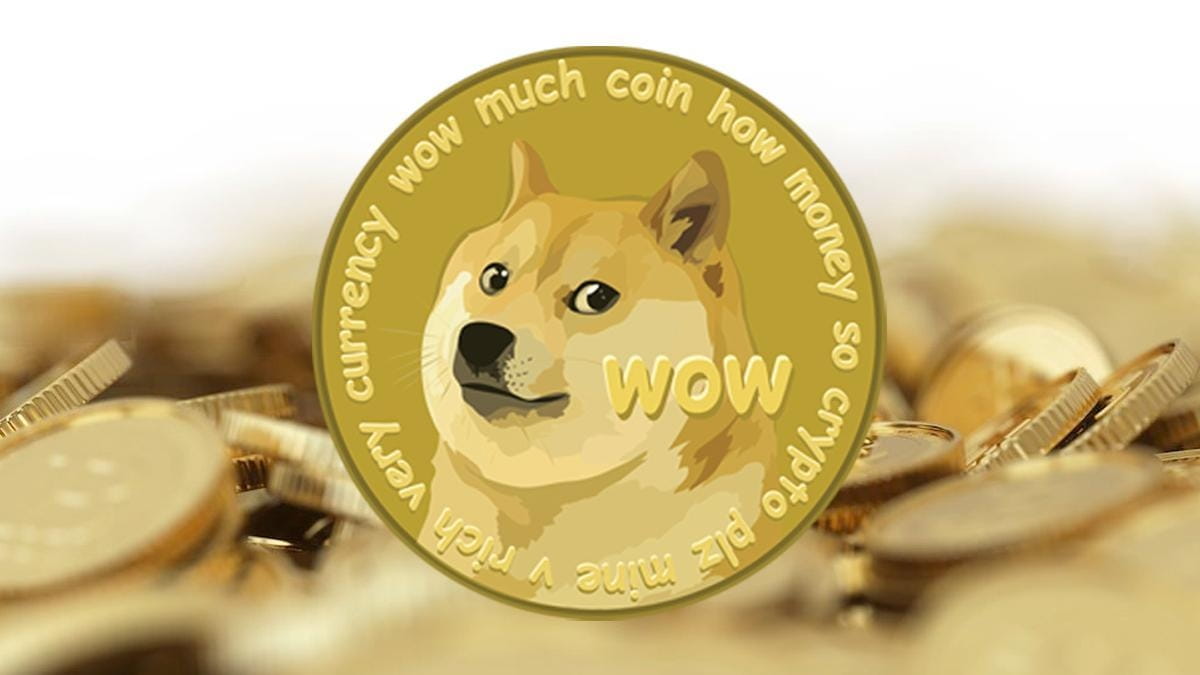
#Dogecoin (DOGE) is a peer-to-peer, open-source cryptocurrency. It is considered an altcoin and was launched in December 2013 with the image of a Shiba Inu dog as its logo. Dogecoin's blockchain has merit with its underlying technology derived from Litecoin. Notable features of Dogecoin, which uses a scrypt algorithm, are its low price and unlimited supply.
History of Dogecoin
Dogecoin began as a whim in 2013 but quickly gained a following base of fans. By late 2017, it was participating in the cryptocurrency bubble that increased the digital coin value significantly.
Dogecoin continues to have a core of supporters who trade it and use it to tip for content on Twitter and Reddit.
Jackson Palmer, a product manager at the Sydney, Australia, office of Adobe Inc., created Dogecoin in 2013 as a way to satirize the hype surrounding cryptocurrencies. After receiving positive feedback and interest on social media, he bought the domain dogecoin.com. Billy Markus, a software developer at IBM, desired to create a digital currency but had trouble promoting his efforts. Markus teamed with Palmer to build the software behind an actual Dogecoin.
Markus based Dogecoin's code on Luckycoin, derived from Litecoin, and initially used a randomized reward for block mining, although that was changed to a static reward in March 2014. Dogecoin uses Litecoin's scrypt technology and is a Proof-of-Work (PoW) coin.
Palmer and Markus launched the coin on Dec. 6, 2013. Two weeks later on Dec. 19, the value of Dogecoin jumped 300%, bolstered by China's policy to forbid its banks from investing in cryptocurrency.
Dogecoin vs. Bitcoin
Dogecoin marketed itself as a "fun" version of #bitcoin with a Shibu Inu dog as its logo. Dogecoin's casual presentation suited the mood of the burgeoning crypto community. Its scrypt technology and unlimited supply were an argument for a faster, more adaptable, and more consumer-friendly version of Bitcoin.
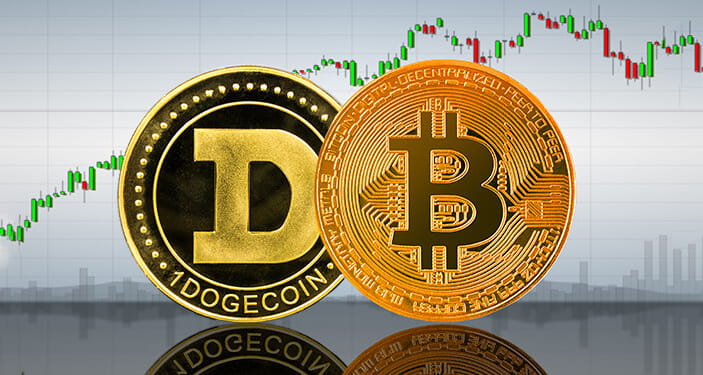
Dogecoin is considered an "inflationary coin," while cryptocurrencies like Bitcoin are deflationary because there's a ceiling on the number of coins that will be created. Every four years, the amount of Bitcoin released into circulation via mining rewards is halved, and its inflation rate is halved along with it until all coins are released.
In 2014, the Dogecoin community donated 27 million Dogecoins worth approximately $30,000 to fund the Jamaican bobsled team's trip to the Sochi Winter Olympic games, $11,000 worth of Dogecoin to build a well in Kenya, and $55,000 of Dogecoin to sponsor NASCAR driver Josh Wise.
Concerns About Dogecoin
In 2015 the crypto community was established, but Jackson Palmer departed Dogecoin, citing a "toxic community" that had grown up around the coin and the money it was producing.
Alex Green, also known as Ryan Kennedy, is a British citizen who created a Dogecoin exchange called Moolah. Alex Green was known in the community as a lavish tipper who reportedly mistakenly gave $15,000 instead of $1,500 to a NASCAR fundraiser.

Green's exchange convinced members of the community to donate large sums to help fund the creation of his exchange, but it later surfaced that he had used the donations to buy more than $1.5 million of Bitcoin that in turn bought him a lavish lifestyle. Kennedy was convicted in 2016 of multiple counts of rape and sentenced to 11 years in prison.
How Has Dogecoin Gone Mainstream?
Dogecoin's value skyrocketed during the bubble that peaked at the end of 2017, and it fell with the rest of the cryptoverse during 2018.
In the summer of 2019, Dogecoin enthusiasts celebrated when the crypto exchange #Binance listed the coin, and many thought Tesla, Inc. (TSLA) CEO Elon Musk had endorsed the coin in a cryptic tweet.
Dogecoin's infrastructure has not been a central focus for volunteer coin developers. Dogecoin continues to operate and trade due to its active community of miners.
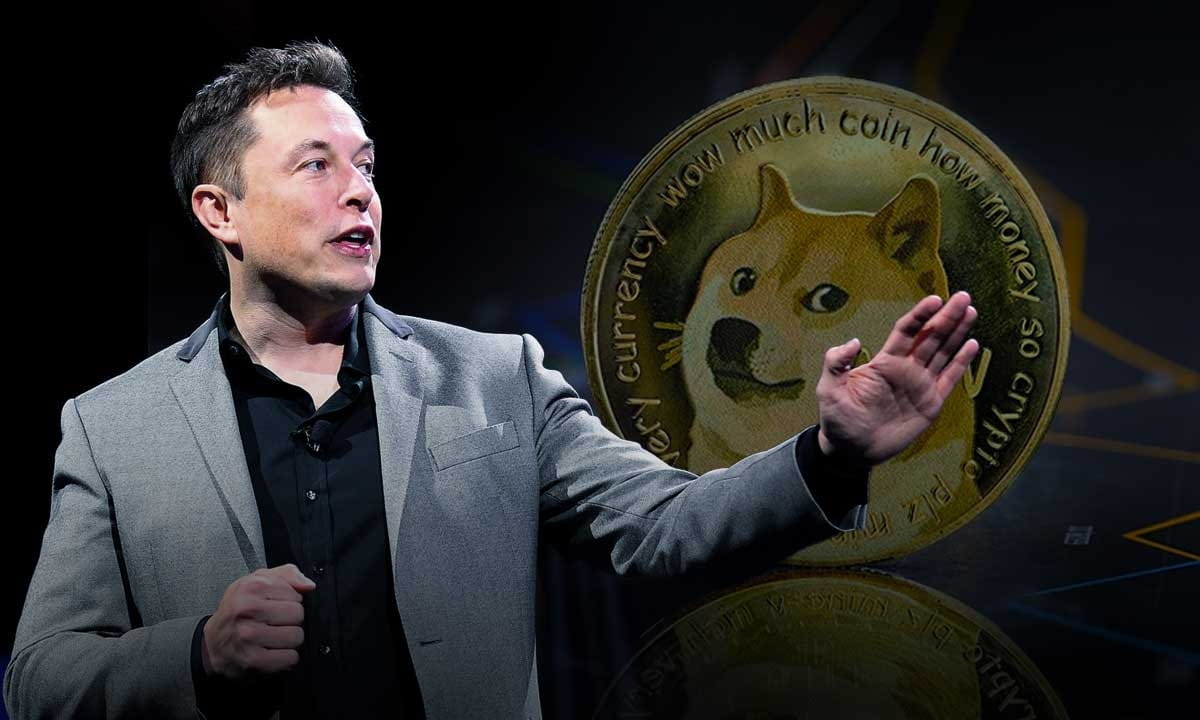
Elon Musk openly supported Dogecoin in 2021, tweeting that he was working with the coin's developers to improve transaction efficiency. The SpaceX founder ran a poll on social media asking if Tesla should accept Dogecoin as a form of payment.
In October 2021, cinema chain AMC Entertainment Holdings, Inc. (AMC) announced that it would accept Dogecoin for digital gift card purchases, further adding utility to the meme-based cryptocurrency.
As of June 20th, 2023, Dogecoin's market capitalization is $1,115,479,697,921.