
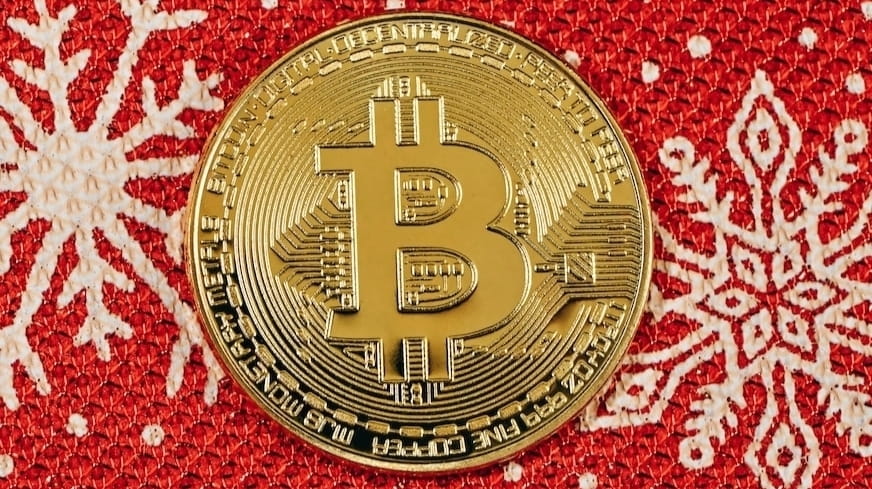
In the last one decade, it has been a talk of the town that will bitcoin replace the current financial system or will the current banking system will fail the BTC . In my opinion, depending on the nature of need, both will run in a parrallal way.
Bitcoin and traditional banking are two very different systems for managing money, and understanding their differences is important for anyone interested in finance or investing. Here are the top 10 major differences between Bitcoin and traditional banking:
Decentralized vs centralized: Bitcoin is a decentralized system, which means it is not controlled by any central authority or government. Traditional banking, on the other hand, is a centralized system, with banks serving as the gatekeepers of money.
Digital vs physical: Bitcoin is a digital currency, which means it exists only in electronic form. Traditional banking deals primarily with physical cash and paper-based transactions.
Anonymous vs identified: Bitcoin transactions are anonymous, with users identified only by their unique wallet addresses. Traditional banking requires identification of the account holder through a variety of personal and financial information.
Global vs national: Bitcoin is a global currency, accessible to anyone with an internet connection. Traditional banking is often limited to the country or region where the bank is based.
Irreversible vs reversible: Bitcoin transactions are irreversible, which means they cannot be cancelled or reversed once they are made. Traditional banking transactions can be cancelled or reversed if there is a mistake or fraudulent activity.
No intermediaries vs intermediaries: Bitcoin transactions occur directly between users, with no need for intermediaries such as banks or payment processors. Traditional banking relies on intermediaries to facilitate transactions and provide additional services.
Limited supply vs unlimited supply: Bitcoin has a limited supply, with only 21 million bitcoins in existence. Traditional banking can create new money through lending and other activities, leading to an unlimited supply of money.
Volatile vs stable: Bitcoin is known for its volatility, with prices fluctuating wildly based on market demand. Traditional banking is more stable, with government regulations and other factors helping to maintain stable prices.
Secure vs vulnerable: Bitcoin is secured through complex cryptographic algorithms and decentralized networks, making it difficult to hack or counterfeit. Traditional banking is vulnerable to fraud and cyber attacks, and requires significant resources to maintain security.
Innovative vs established: Bitcoin is a relatively new technology, still in the early stages of development and adoption. Traditional banking is an established system that has been in place for centuries, with well-established rules and regulations.
In conclusion, Bitcoin and traditional banking are two very different systems for managing money. While Bitcoin offers many advantages such as decentralization, anonymity, and security, it also comes with significant risks such as volatility and lack of regulation. Traditional banking, on the other hand, offers stability and regulation, but also relies on intermediaries and can be vulnerable to fraud and cyber attacks. Ultimately, the choice between Bitcoin and traditional banking will depend on your personal preferences and financial goals.