
大仁Jaron
162 Publicaciones
大仁Jaron
Wb3项目投研|AI研究员|推特X: @Jaron2277
Trader frecuente
3.6 año(s)
526 Siguiendo
28.6K+ Seguidores
27.1K+ Me gusta
Publicaciones
Todo
Citas
Live
PINNED
欢迎欢迎


Anna-汤圆
·
--
[Repetición] 🎙️ 今天准备开单dusk,做多还是做空?
02 h 46 m 53 s · 12.2k escuchan

阿尔法灰
·
--
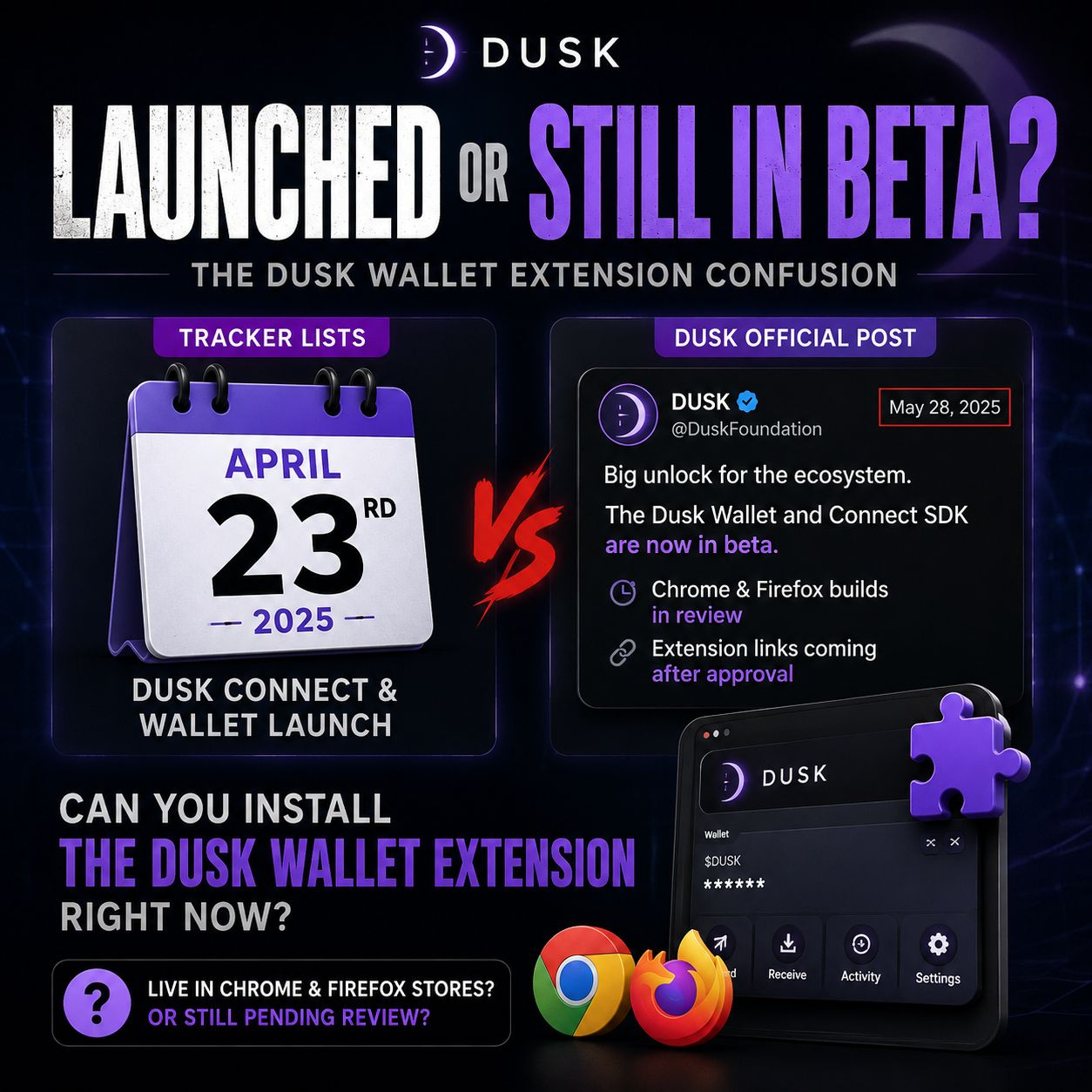
Alcistaa tracker lists "dusk connect & wallet launch" as an april 23rd event. dusk's own account tells a different story in a post dated over a month later — may 28th, calling the wallet and connect sdk "now in beta," chrome and firefox builds still "in review," extension links promised "after approval" — and i actually had to reread that x post twice because i assumed "big unlock for the ecosystem" meant it was already usable, it's explicitly not yet.
those two things can't both be describing a finished launch. either april 23rd was something smaller that got labeled "launch" prematurely by a tracker, or dusk quietly walked something back to beta status for store review after it went out. i can't tell which from what's public.
it's a small gap in the scheme of things, wallet infra shipping in stages isn't unusual for any project. but for something this basic — can i actually install the extension right now or not — a five-week difference between "launched" and "still pending approval" shouldn't be this unclear.
is the dusk wallet extension actually live in the chrome and firefox stores at this point, or still sitting in review since that may post? 🧐
#dusk $DUSK @Dusk
those two things can't both be describing a finished launch. either april 23rd was something smaller that got labeled "launch" prematurely by a tracker, or dusk quietly walked something back to beta status for store review after it went out. i can't tell which from what's public.
it's a small gap in the scheme of things, wallet infra shipping in stages isn't unusual for any project. but for something this basic — can i actually install the extension right now or not — a five-week difference between "launched" and "still pending approval" shouldn't be this unclear.
is the dusk wallet extension actually live in the chrome and firefox stores at this point, or still sitting in review since that may post? 🧐
#dusk $DUSK @Dusk

叮噹-Doraemon
·
--
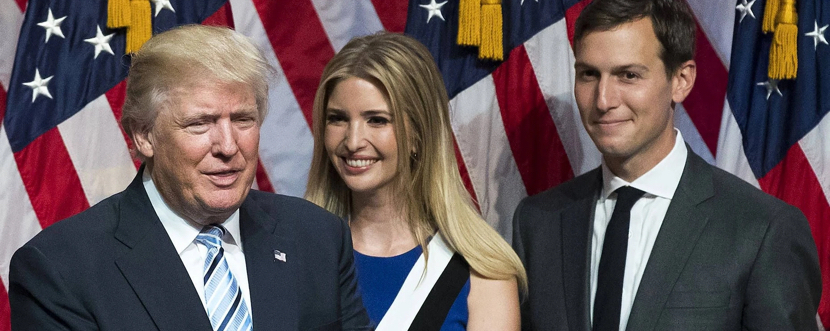
树大好乘凉 特朗普女婿贾里德·库什纳的弟弟身家一年暴增两倍多,达167亿美元
8 月 23 日,41 岁的 Josh Kushner(特朗普女婿贾里德·库什纳的弟弟)最新身家估计达 167 亿美元,较一年前的 52 亿美元暴增两倍多,主要受益于其风投公司 Thrive Capital 的资产规模从 2024 年底的 230 亿美元飙升至 650 亿美元。Thrive Capital 历史上参与了 Instagram、Spotify、OpenAI、SpaceX、Databricks 和 Anduril 等明星公司。SpaceX 上市后 Thrive 的持股据报价值 100 亿美元,还持有以 126 亿美元估值被英伟达收购的 AI 编程公司 Cursor 7% 的股份,价值 42 亿美元。公司最新旗舰基金 Thrive X 于 3 月完成募集,规模超 100 亿美元。Kushner 在致投资者信中透露,Thrive 基金平均年回报率为 33%,同期标普 500 年化约 14%、纳斯达克约 17%,过去 12 个月已产生超 10 亿美元流动性,并预计未来几个季度可能有数十亿美元额外流动性,其中相当部分将来自 OpenAI 明年价值可能超 1 万亿美元的 IPO。
在商业动作之外,Kushner 与迪士尼前 CEO Bob Iger 联手以 125 亿美元收购 NBA 洛杉矶湖人队,创下体育球队出售纪录,但交易因 Jeanie Buss 与兄弟姐妹关于 17.8% 股份出售的分歧存在不确定性。Kushner 还持有迈阿密热火队约 8000 万美元股份,需在湖人交易完成前处置。福布斯估计他的财富已是其兄 Jared 的约 17 倍、特朗普总统的约 3 倍。收购湖人还可能带来显著的税务优势,通过将交易价格中最高 90% 部分(包括媒体权、球员合同和收购溢价)按无形资产摊销 15 年,每年可节省约 7.5 亿美元税单。
Thrive Capital 已披露持有 2.15 亿美元亚马逊股份和 1.3 亿美元 Shopify 股份,其最老牌投资医保创业公司 Oscar Health 的股份价值已达 2 亿美元。Kushner 在创立 Thrive 前曾在高盛私募股权部门工作一年,2010 年以 25 岁的年纪用 500 万美元种子基金起步。
在商业动作之外,Kushner 与迪士尼前 CEO Bob Iger 联手以 125 亿美元收购 NBA 洛杉矶湖人队,创下体育球队出售纪录,但交易因 Jeanie Buss 与兄弟姐妹关于 17.8% 股份出售的分歧存在不确定性。Kushner 还持有迈阿密热火队约 8000 万美元股份,需在湖人交易完成前处置。福布斯估计他的财富已是其兄 Jared 的约 17 倍、特朗普总统的约 3 倍。收购湖人还可能带来显著的税务优势,通过将交易价格中最高 90% 部分(包括媒体权、球员合同和收购溢价)按无形资产摊销 15 年,每年可节省约 7.5 亿美元税单。
Thrive Capital 已披露持有 2.15 亿美元亚马逊股份和 1.3 亿美元 Shopify 股份,其最老牌投资医保创业公司 Oscar Health 的股份价值已达 2 亿美元。Kushner 在创立 Thrive 前曾在高盛私募股权部门工作一年,2010 年以 25 岁的年纪用 500 万美元种子基金起步。

八方来财势不可挡
·
--
$TUT 这是奔着0.1去的!下一个潜力黑马Predict币安预测市场!冲冲冲红包庆祝庆祝红包$100🧧🧧🧧🧧🧧🧧🧧🧧🧧🧧🧧🧧🧧🧧🧧🧧🧧🧧🧧🧧🧧🧧🧧🧧🧧🧧🧧🧧🧧🧧🧧🧧🧧🧧🧧🧧🧧🧧🧧🧧🧧🧧🧧🧧🧧🧧🧧🧧🧧🧧🧧



欢迎欢迎
超人不会飞2020
·
--
[Repetición] 🎙️ 超人100U定投BTC的第10天,DUSK多还是空
03 h 22 m 38 s · 12.1k escuchan


Mahi_BNB
·
--
AlcistaEthereum (ETH) 🚀🔥
Building, evolving & moving forward. ⚡
Keep learning, keep watching the market, and stay ready for the next move! 📈💎
ETH holders — stay strong! 💪💙
1️⃣ **Follow MAHI BNB** ✅
2️⃣ **Like & Comment “ETH ”** ✅
3️⃣ **Repost This Post** 🔄✅
4️⃣ **Stay Tuned for the Next Gift 🎁🧧** ✅
$ETH $SOL $BTC
#Ethereum #ETH #Crypto #CryptoCommunity #Altcoins #cryptotrading #Binance #Web3 #blockchain #CryptoNews
Building, evolving & moving forward. ⚡
Keep learning, keep watching the market, and stay ready for the next move! 📈💎
ETH holders — stay strong! 💪💙
1️⃣ **Follow MAHI BNB** ✅
2️⃣ **Like & Comment “ETH ”** ✅
3️⃣ **Repost This Post** 🔄✅
4️⃣ **Stay Tuned for the Next Gift 🎁🧧** ✅
$ETH $SOL $BTC
#Ethereum #ETH #Crypto #CryptoCommunity #Altcoins #cryptotrading #Binance #Web3 #blockchain #CryptoNews

Jaxson Bull
·
--
Alcista₿🎉 BTC SURPRISE GIVEAWAY BY JAXSON BULL! 🧧✨
Ready to get involved? 👀🎁
Don’t miss your chance to join the exclusive BTC community drop hosted by Jaxson Bull!
✅ Follow Jaxson Bull
❤️ Like this post
🔁 Share / Repost
💬 Comment “BTC” below 👇
🔥 Bring your crypto friends!
🧧 Stay active because more BTC surprises are coming from Jaxson Bull!
#JaxsonBull #BTC #RedPacket #Giveaway #CryptoCommunity
Ready to get involved? 👀🎁
Don’t miss your chance to join the exclusive BTC community drop hosted by Jaxson Bull!
✅ Follow Jaxson Bull
❤️ Like this post
🔁 Share / Repost
💬 Comment “BTC” below 👇
🔥 Bring your crypto friends!
🧧 Stay active because more BTC surprises are coming from Jaxson Bull!
#JaxsonBull #BTC #RedPacket #Giveaway #CryptoCommunity
生蚝哥Oyster
·
--
Alcista炸锅!BTC重回200日均线!渣打:10万目标已经保守,年底剑指126000美元
8月24日,加密市场上周迎来一轮强势反弹。比特币单周涨幅达23.5%,最高冲高至79000美元附近,当前报价约77600美元,自2025年11月之后,首次重新站上200日均线。以太坊同期大涨31.1%,现价2456美元;XRP涨幅更是达到53.3%,报1.52美元。整个加密市场总市值攀升至2.63万亿美元。比特币、以太坊现货ETF在上一周合计净流入资金超26.1亿美元。
宏观层面,美国国债总规模突破40万亿美元。美国财政部计划将长期债券回购额度至少扩大一倍,提升至40亿美元,该举措被视作近期黄金、加密资产同步走强的一大推手。桥水基金创始人达利欧发出警示,如果美国债务现状得不到扭转,未来三年有爆发债务危机的风险,建议资产配置中配置约15%黄金,再少量布局比特币。
监管战线同样消息密集。特朗普再度敦促国会通过《CLARITY法案》,推出兼顾平衡的版本,确保美国在加密赛道保持领先优势;法案将于9月15日进行参议院程序性投票,过关需要集齐60票。另一边,SEC放出新规方案,设立安全港机制,在限定条件下允许项目发行代币,有望为本土加密项目融资打开通路。
CFTC主席表态,倘若《CLARITY法案》在参议院受阻,委员会将自行落地监管细则,开放杠杆交易业务,同时研究对开发者的合规保护方案。
对于本轮上涨,Nansen等机构分析,空头回补是短期拉升力量之一。渣打银行数字资产主管Geoff Kendrick再度更新观点,原先比特币年底10万美元的目标或许偏保守,如果行情延续修复态势,年内有机会冲击126000美元的历史高位。
⚠️内容仅为市场资讯分享,不构成投资建议
8月24日,加密市场上周迎来一轮强势反弹。比特币单周涨幅达23.5%,最高冲高至79000美元附近,当前报价约77600美元,自2025年11月之后,首次重新站上200日均线。以太坊同期大涨31.1%,现价2456美元;XRP涨幅更是达到53.3%,报1.52美元。整个加密市场总市值攀升至2.63万亿美元。比特币、以太坊现货ETF在上一周合计净流入资金超26.1亿美元。
宏观层面,美国国债总规模突破40万亿美元。美国财政部计划将长期债券回购额度至少扩大一倍,提升至40亿美元,该举措被视作近期黄金、加密资产同步走强的一大推手。桥水基金创始人达利欧发出警示,如果美国债务现状得不到扭转,未来三年有爆发债务危机的风险,建议资产配置中配置约15%黄金,再少量布局比特币。
监管战线同样消息密集。特朗普再度敦促国会通过《CLARITY法案》,推出兼顾平衡的版本,确保美国在加密赛道保持领先优势;法案将于9月15日进行参议院程序性投票,过关需要集齐60票。另一边,SEC放出新规方案,设立安全港机制,在限定条件下允许项目发行代币,有望为本土加密项目融资打开通路。
CFTC主席表态,倘若《CLARITY法案》在参议院受阻,委员会将自行落地监管细则,开放杠杆交易业务,同时研究对开发者的合规保护方案。
对于本轮上涨,Nansen等机构分析,空头回补是短期拉升力量之一。渣打银行数字资产主管Geoff Kendrick再度更新观点,原先比特币年底10万美元的目标或许偏保守,如果行情延续修复态势,年内有机会冲击126000美元的历史高位。
⚠️内容仅为市场资讯分享,不构成投资建议

叮噹-Doraemon
·
--
牛真的启动了吗? TRUMP 24小时涨超22.4%,MELANIA 24小时涨超10.53%
8 月 23 日,据 HTX 行情数据,美国总统概念币持续走高
其中:TRUMP 24 小时涨超 22.4%,突破 2.9 美元;MELANIA 24 小时涨超 10.53%,市值突破 1.17 亿美元。
TRUMP 连续三日录得两位数涨幅,8月22日涨超35%,8月23日继续涨超22%,突破2.9美元,
MELANIA 跟涨超10%,市值重回1.17亿美元。
连续拉升叠加WLFI的同步上涨,已不是单纯的meme情绪轮动,而是围绕特朗普政治周期(大选临近)叙事的集体定价。
值得注意的细节在流动性结构:2025年3月时MELANIA交易量仅为TRUMP的1.4%,两大资产流动性早已不在一个量级。
但在本轮上涨中MELANIA依然保持了TRUMP约半数的涨幅,说明资金并非分流,而是同一批资金在总统概念板块内做复制性配置——这更像一种“政治姿态交易”,并非对该meme基本面的认可。
此前在TRUMP上亏损1568万美元的巨鲸,已在3.17美元价位重新建仓,现浮盈272万美元。
同一批老钱正借政治周期回补筹码,这轮行情的主导权仍在少数地址手中。
随著政冶姿态交易的步伐,有点期待9月中的加密法案推进了,如果真的能顺利通过的话,大牛市就真的启动了
其中:TRUMP 24 小时涨超 22.4%,突破 2.9 美元;MELANIA 24 小时涨超 10.53%,市值突破 1.17 亿美元。
TRUMP 连续三日录得两位数涨幅,8月22日涨超35%,8月23日继续涨超22%,突破2.9美元,
MELANIA 跟涨超10%,市值重回1.17亿美元。
连续拉升叠加WLFI的同步上涨,已不是单纯的meme情绪轮动,而是围绕特朗普政治周期(大选临近)叙事的集体定价。
值得注意的细节在流动性结构:2025年3月时MELANIA交易量仅为TRUMP的1.4%,两大资产流动性早已不在一个量级。
但在本轮上涨中MELANIA依然保持了TRUMP约半数的涨幅,说明资金并非分流,而是同一批资金在总统概念板块内做复制性配置——这更像一种“政治姿态交易”,并非对该meme基本面的认可。
此前在TRUMP上亏损1568万美元的巨鲸,已在3.17美元价位重新建仓,现浮盈272万美元。
同一批老钱正借政治周期回补筹码,这轮行情的主导权仍在少数地址手中。
随著政冶姿态交易的步伐,有点期待9月中的加密法案推进了,如果真的能顺利通过的话,大牛市就真的启动了

花涧空
·
--
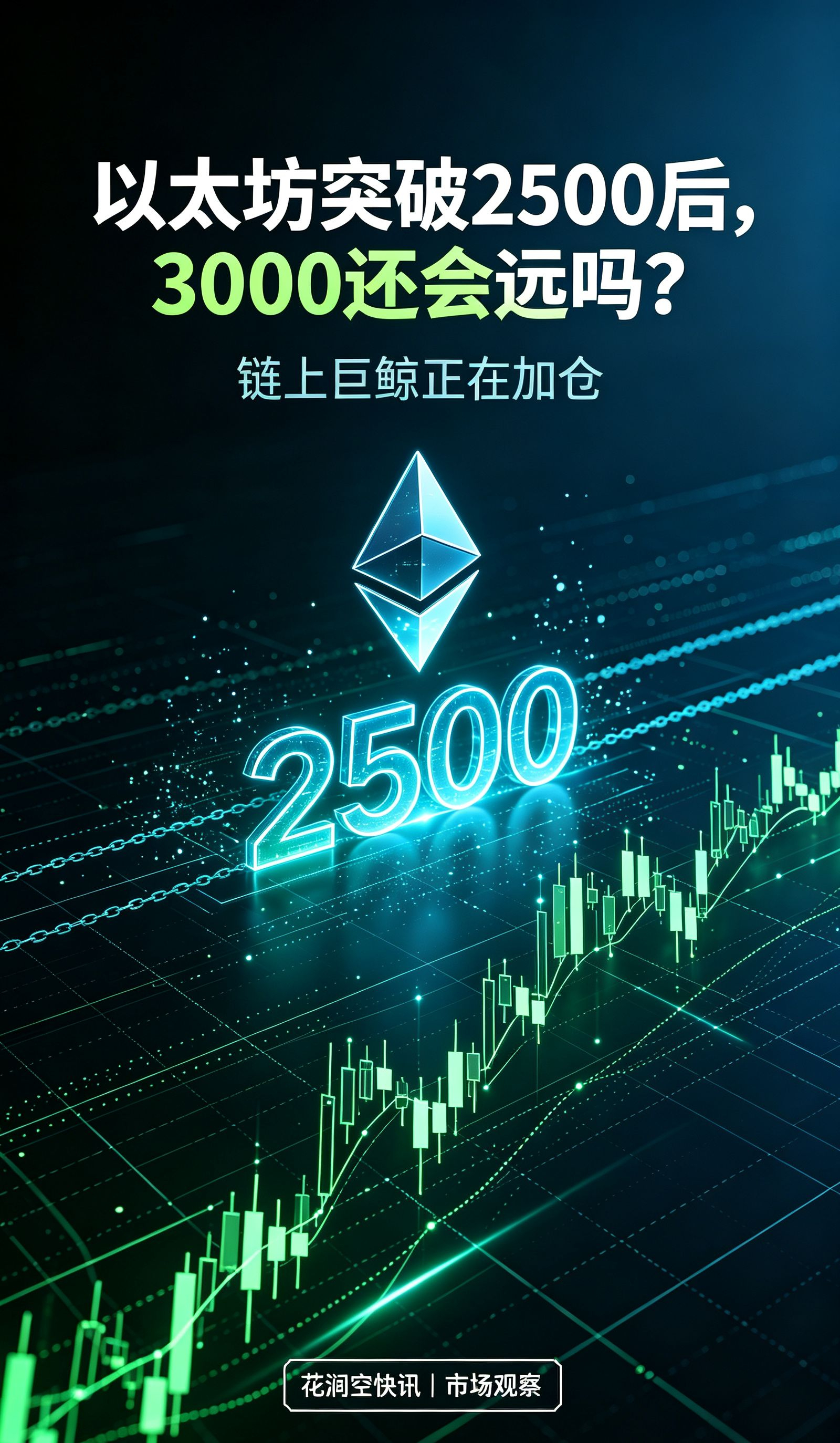
Alcista📢 以太坊突破2500后3000还会远吗?链上巨鲸如何看后市走向
花涧空快讯:以太坊成功站稳2400美元并突破2500美元关口。链上数据显示,前十大合约持仓巨鲸正在大额加仓,表明核心大户看涨情绪浓厚,资金正加速回流生态核心。市场多头力量占据主导,短期上涨趋势得到支撑。(😏小利好)
影响分析:大户增持→市场流通量减少→形成上涨合力→提振信心。
可能的投资机会:关注主流资产回踩2450美元附近的做多机会。$ETH
#ETH走势分析
⚠️仅为市场信息分享,不构成投资建议,加密货币波动风险极高。
花涧空快讯:以太坊成功站稳2400美元并突破2500美元关口。链上数据显示,前十大合约持仓巨鲸正在大额加仓,表明核心大户看涨情绪浓厚,资金正加速回流生态核心。市场多头力量占据主导,短期上涨趋势得到支撑。(😏小利好)
影响分析:大户增持→市场流通量减少→形成上涨合力→提振信心。
可能的投资机会:关注主流资产回踩2450美元附近的做多机会。$ETH
#ETH走势分析
⚠️仅为市场信息分享,不构成投资建议,加密货币波动风险极高。



橙子Joyce
·
--
SK海力士公佈最新HBM進展,稱競爭焦點從內存性能轉向封裝技術
①SK海力士高管最新表示,人工智能半導體時代中,除HBM本身性能外,封裝技術的影響越來越大;②人工智能半導體制作中,因爲存儲器其先於其他器件組裝到中介層,所以其可靠性要求更高;③SK海力士正研發下一代封裝技術以及區域冷卻技術以應對HBM的發展需求。
人工智能數據中心使用的高帶寬內存(HBM)技術正在出現重大轉向。 $SK海力士 (SKHY.US)$ 美國公司副總裁Lee Jae-sik最新表示,未來行業不僅需要關注HBM本身,還需要關注封裝技術如何影響HBM。
Lee在當地時間23日出席了美國斯坦福大學舉行的半導體會議Hot Chips 2026,並發表了題爲「HBM的高科技封裝」演講。他表示,在人工智能半導體時代,爲了確保競爭力,不僅HBM本身的性能需要優化,GPU、封裝和代工工藝也必須進行優化。
目前,SK海力士的HBM採用三維堆疊式設計,通過硅通孔將多個核心芯片連接到一個基底芯片上。HBM目前最高可達16層堆疊。封裝技術則採用了MR+MUF(回流焊+注塑底部填充)。
相比於TC+NCF(熱壓+非導電薄膜),MR+MUF生產效率更高,熱阻更低,但更容易發生芯片翹曲,並且存在間隙填充方面的不足。但SK海力士結合了翹曲控制和精細間距集成及窄間隙填充新技術,成功提高了現有HBM的性能。
SK海力士還在開發混合鍵合封裝技術,以實現超越16層堆疊的20層或更多層的目標。該技術可在相同高度下將核心芯片厚度增加高達24%,並通過消除現有微凸點並直接連接芯片,將凸點間距縮小至18微米以下。此外,該技術有望通過更高效的散熱來減少發熱問題。
攜手優化的時代
與現有存儲器不同,HBM在人工智能半導體中首先被組裝到中介層上。Lee指出,過去存儲器是在系統組裝的最後階段安裝的,但在人工智能時代截然不同,這要求HBM的可靠性更加重要。
他補充稱,HBM必須承受後續工藝中產生的熱量和機械應力,因此與客戶進行聯合開發至關重要。這也意味着,內存廠商、GPU設計商、代工廠和封裝廠商必須從一開始就進行協同設計。
SK海力士還在會上發佈了一項用於冷卻HBM內部特定區域「熱點」的技術。Lee表示,HBM的輸入/輸出速度越快,熱量就越集中在某些區域。正在開發的iHBM技術通過添加耐高溫導熱材料,只對熱量集中的區域進行集中冷卻,而非對整個HBM進行冷卻。
他還指出,HBM的帶寬和容量未來將繼續增長,但發熱、功耗和封裝將成爲更大的挑戰,這要求客戶、代工廠和封裝公司必須攜手優化。
人工智能數據中心使用的高帶寬內存(HBM)技術正在出現重大轉向。 $SK海力士 (SKHY.US)$ 美國公司副總裁Lee Jae-sik最新表示,未來行業不僅需要關注HBM本身,還需要關注封裝技術如何影響HBM。
Lee在當地時間23日出席了美國斯坦福大學舉行的半導體會議Hot Chips 2026,並發表了題爲「HBM的高科技封裝」演講。他表示,在人工智能半導體時代,爲了確保競爭力,不僅HBM本身的性能需要優化,GPU、封裝和代工工藝也必須進行優化。
目前,SK海力士的HBM採用三維堆疊式設計,通過硅通孔將多個核心芯片連接到一個基底芯片上。HBM目前最高可達16層堆疊。封裝技術則採用了MR+MUF(回流焊+注塑底部填充)。
相比於TC+NCF(熱壓+非導電薄膜),MR+MUF生產效率更高,熱阻更低,但更容易發生芯片翹曲,並且存在間隙填充方面的不足。但SK海力士結合了翹曲控制和精細間距集成及窄間隙填充新技術,成功提高了現有HBM的性能。
SK海力士還在開發混合鍵合封裝技術,以實現超越16層堆疊的20層或更多層的目標。該技術可在相同高度下將核心芯片厚度增加高達24%,並通過消除現有微凸點並直接連接芯片,將凸點間距縮小至18微米以下。此外,該技術有望通過更高效的散熱來減少發熱問題。
攜手優化的時代
與現有存儲器不同,HBM在人工智能半導體中首先被組裝到中介層上。Lee指出,過去存儲器是在系統組裝的最後階段安裝的,但在人工智能時代截然不同,這要求HBM的可靠性更加重要。
他補充稱,HBM必須承受後續工藝中產生的熱量和機械應力,因此與客戶進行聯合開發至關重要。這也意味着,內存廠商、GPU設計商、代工廠和封裝廠商必須從一開始就進行協同設計。
SK海力士還在會上發佈了一項用於冷卻HBM內部特定區域「熱點」的技術。Lee表示,HBM的輸入/輸出速度越快,熱量就越集中在某些區域。正在開發的iHBM技術通過添加耐高溫導熱材料,只對熱量集中的區域進行集中冷卻,而非對整個HBM進行冷卻。
他還指出,HBM的帶寬和容量未來將繼續增長,但發熱、功耗和封裝將成爲更大的挑戰,這要求客戶、代工廠和封裝公司必須攜手優化。

Dream Spicer 梦想家
·
--
I’ve been looking at the NPEX × Dusk partnership less from the tokenized securities angle and more from a workflow perspective.
That changes the picture.
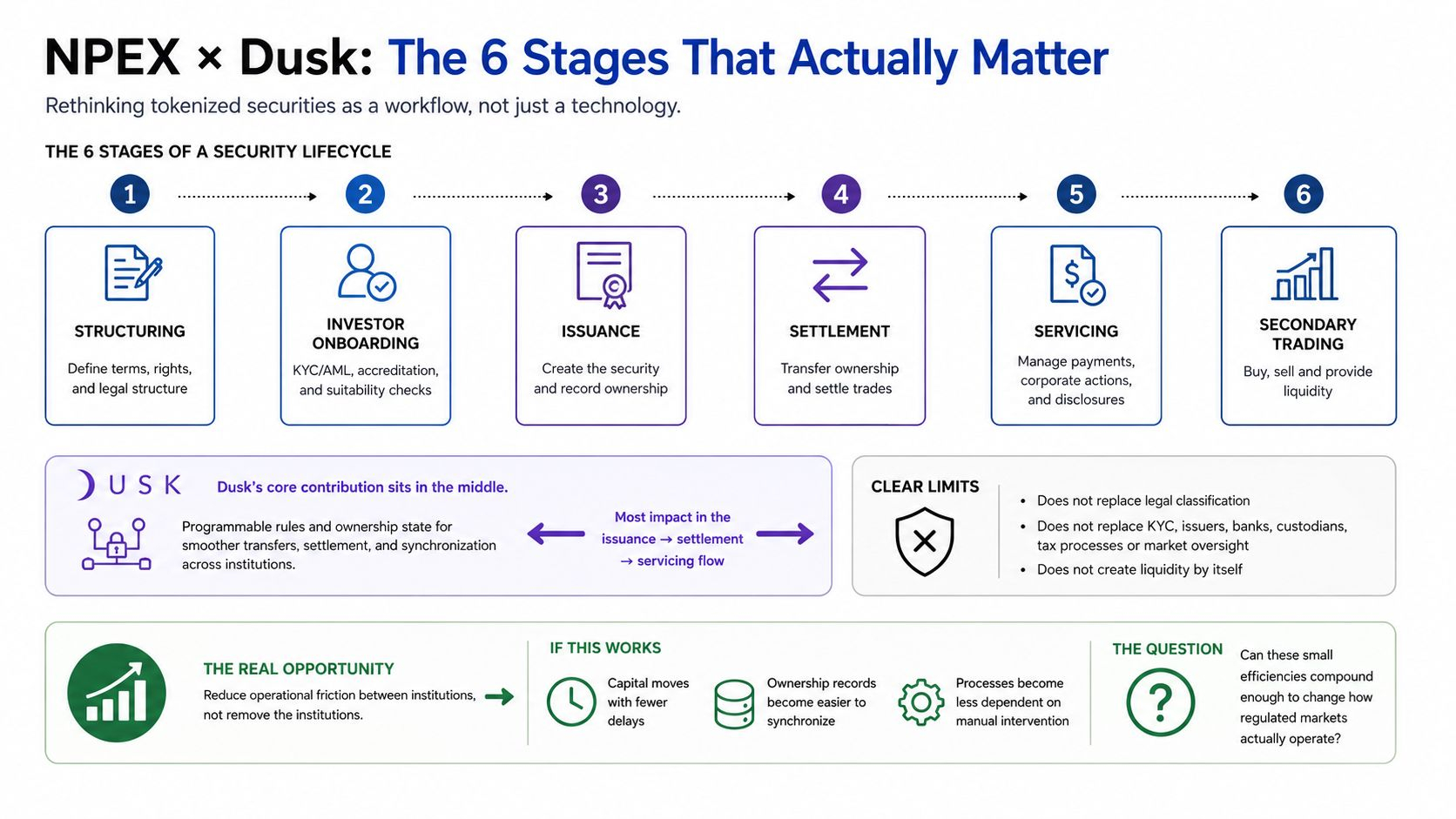
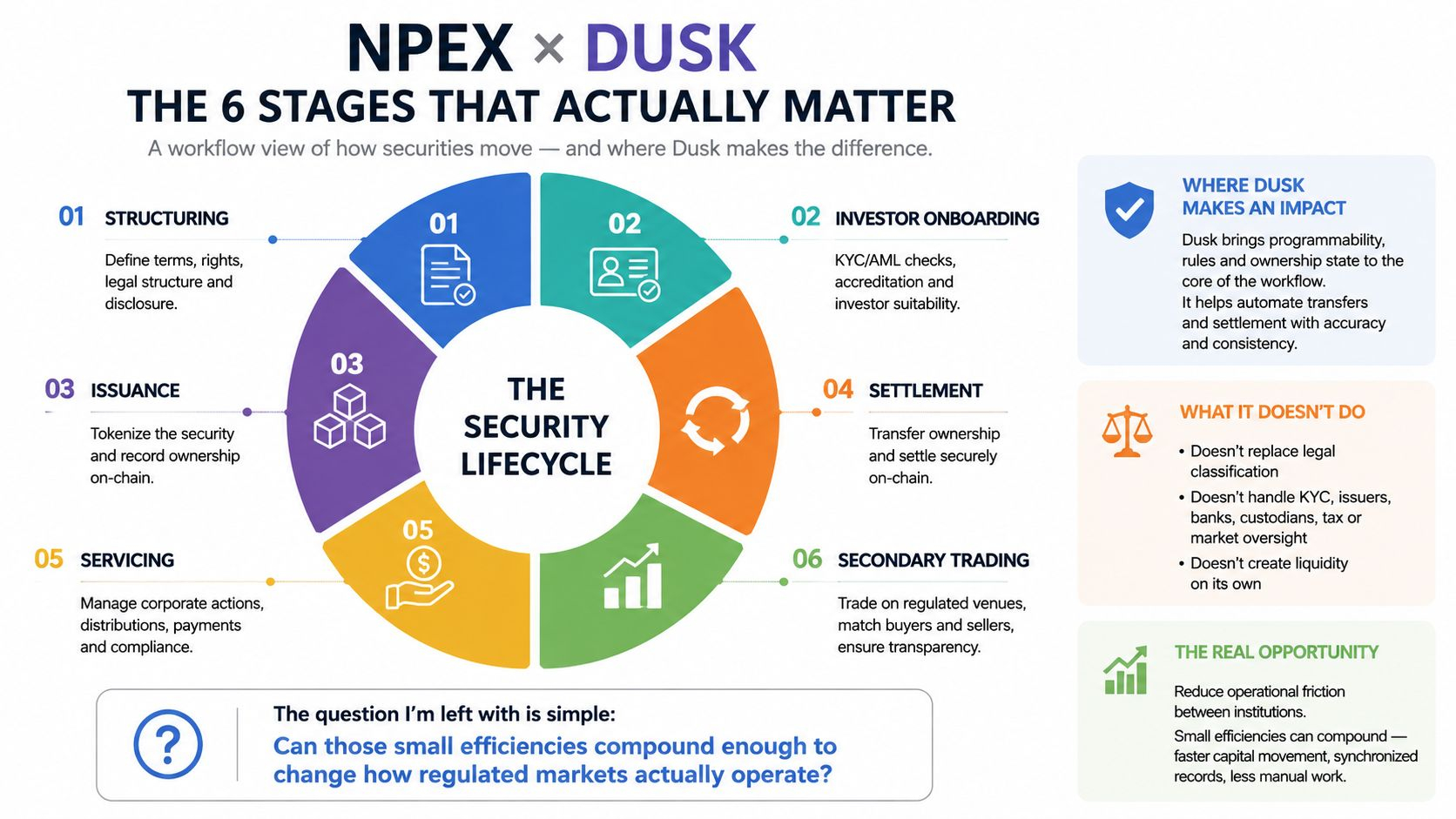
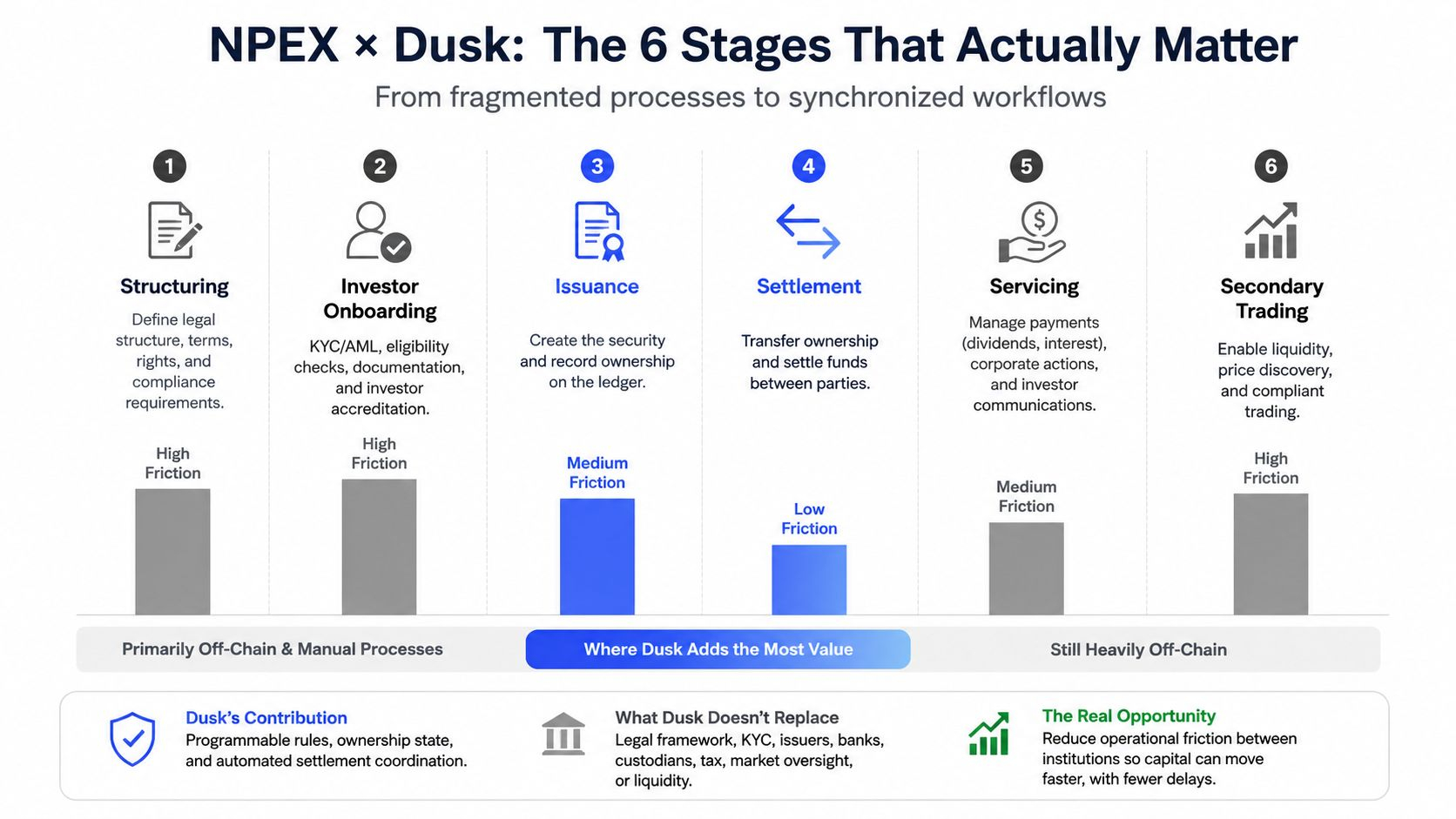
Before $DUSK , a security can move through six separate stages. Structuring, investor onboarding, issuance, settlement, servicing and secondary trading. Each can involve different systems, records and manual reconciliation.
@Dusk ’s contribution is mainly in the middle of that mess. Some rules and ownership state can become programmable, making transfers and settlement easier to coordinate.
But there’s a clear limit.
Dusk doesn’t replace legal classification, KYC, issuers, banks, custodians, tax processes or market oversight. It also can’t create liquidity simply because an asset becomes tokenized.
That distinction is important.
The real opportunity, in my view, is reducing the operational friction between institutions rather than trying to remove the institutions themselves.
If that works, capital could move with fewer delays. Ownership records become easier to synchronize, and certain processes become less dependent on manual intervention.
The question I’m left with is simple.
Can those small efficiencies compound enough to change how regulated markets actually operate?
#dusk #DUSK #Dusk
That changes the picture.
Before $DUSK , a security can move through six separate stages. Structuring, investor onboarding, issuance, settlement, servicing and secondary trading. Each can involve different systems, records and manual reconciliation.
@Dusk ’s contribution is mainly in the middle of that mess. Some rules and ownership state can become programmable, making transfers and settlement easier to coordinate.
But there’s a clear limit.
Dusk doesn’t replace legal classification, KYC, issuers, banks, custodians, tax processes or market oversight. It also can’t create liquidity simply because an asset becomes tokenized.
That distinction is important.
The real opportunity, in my view, is reducing the operational friction between institutions rather than trying to remove the institutions themselves.
If that works, capital could move with fewer delays. Ownership records become easier to synchronize, and certain processes become less dependent on manual intervention.
The question I’m left with is simple.
Can those small efficiencies compound enough to change how regulated markets actually operate?
#dusk #DUSK #Dusk


路人1688-luren
·
--
花开花落,春去秋来,人生亦是如此轮回。所以希望各位在有限的生命里,尽情的去嚯嚯,做喜欢的事,爱最爱的人,不要内耗,好好爱自己,你在世界就在,你不在一切归零,从头来过如同花开花落,春去秋来……#1688家族family



Inicia sesión para explorar más contenidos