
MR-HUZZI
4.8k Publicaciones

MR-HUZZI
 Verificado Plus de Binance Square
ALHAMDULILLAH
Traders de alta frecuencia
2 año(s)
50 Siguiendo
34.3K+ Seguidores
14.3K+ Me gusta
Publicaciones
Todo
Citas
Videos
Live
PINNED
hello everyone
claim box
thanks
claim box
thanks

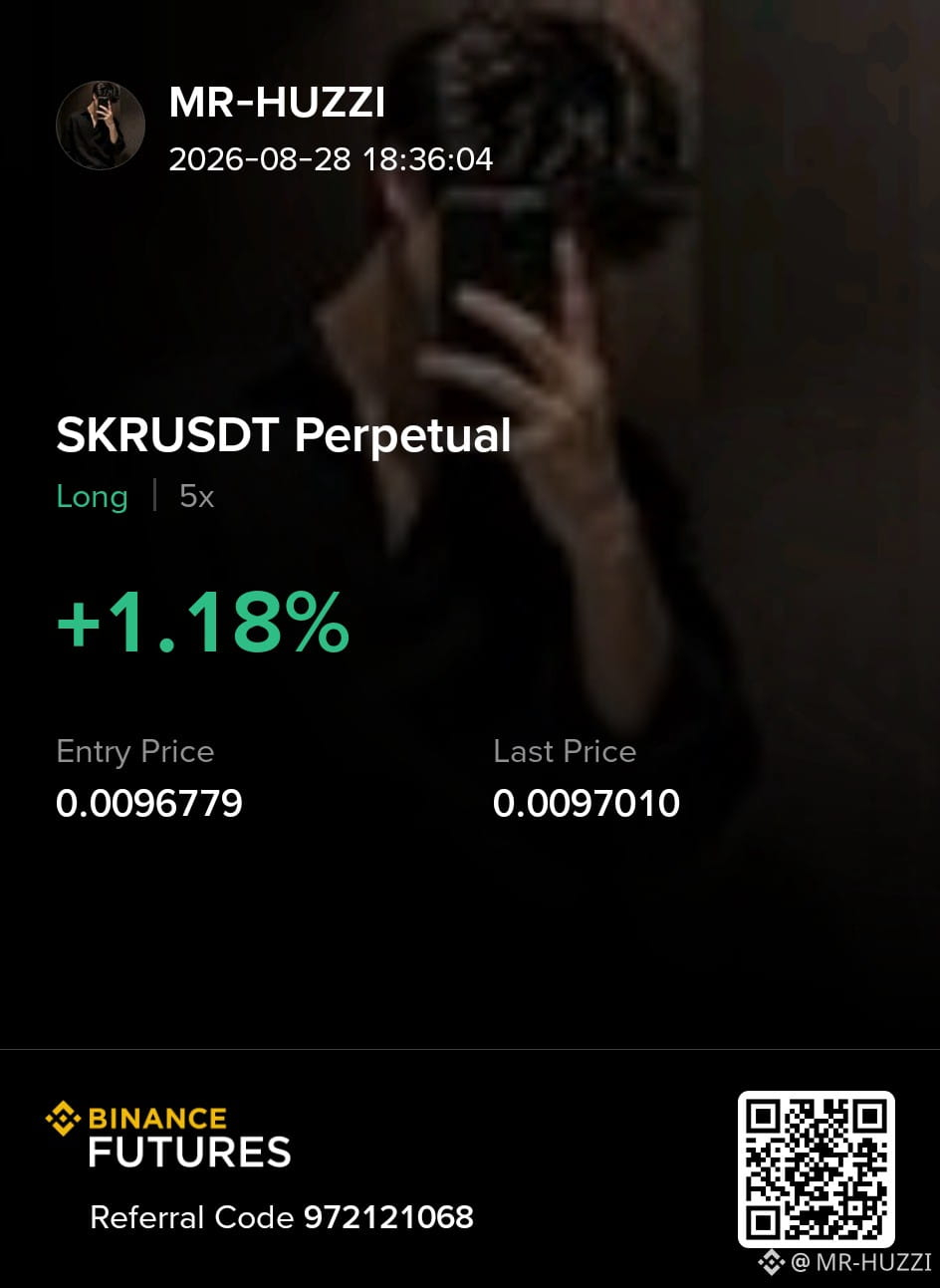
$SKR open long position (leverage 5x)
Entry Zone : 0.009672 - 0.009715
SL : 0.009580
Tp : 0.009775 - 0.009835 -0.009900
Entry Zone : 0.009672 - 0.009715
SL : 0.009580
Tp : 0.009775 - 0.009835 -0.009900
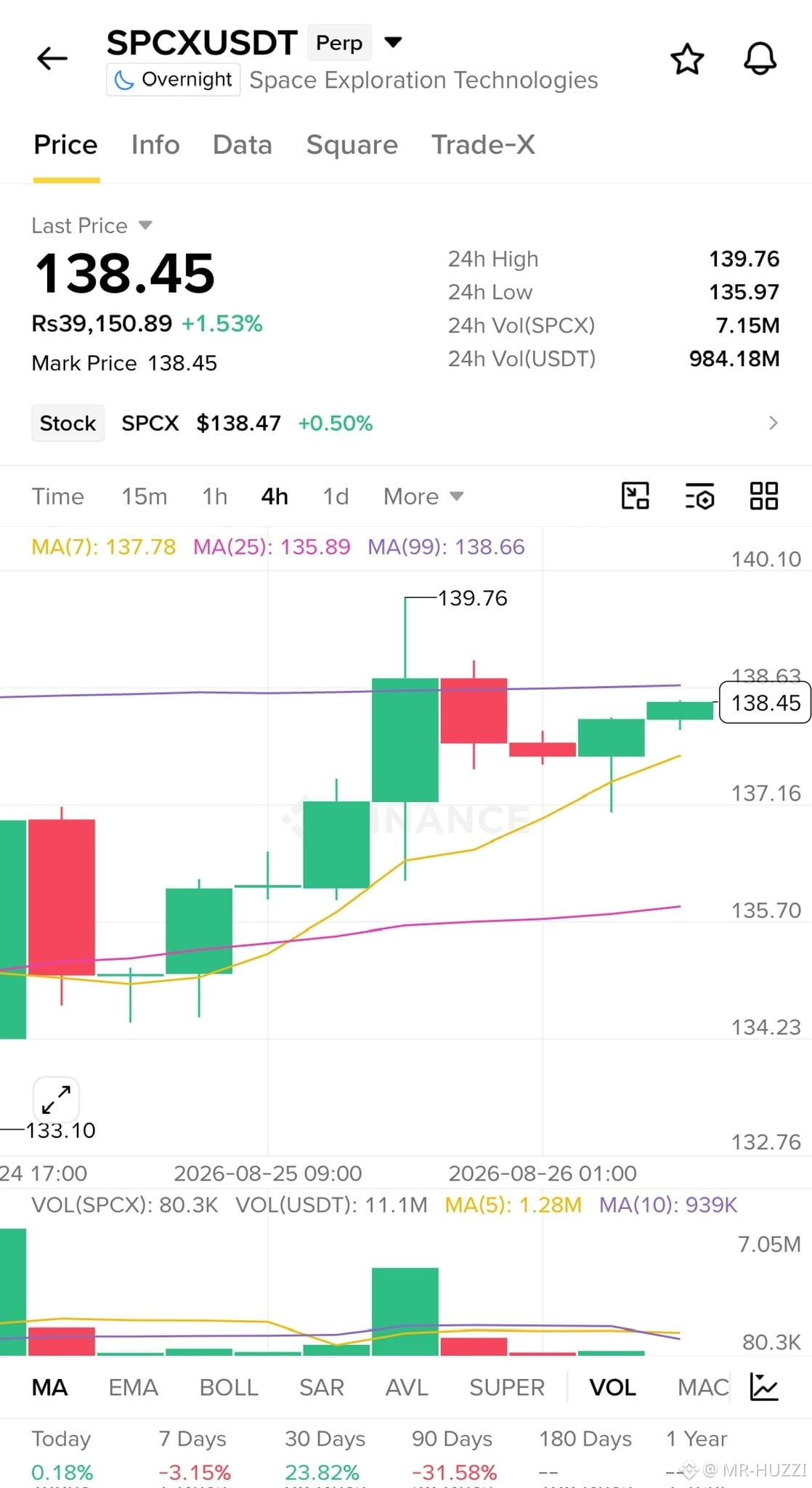
$SPCX LONG
SPCX is showing a bullish setup, with multiple upside targets if the entry zone holds.
Entry: 138.25 – 139.96
SL: 136.44
TP: 140.92 - 141.68 - 142.13
Wait for confirmation around the entry zone before entering. Manage position size carefully, control risk, and avoid chasing the move.
Click to trade👇👇👇
SPCX is showing a bullish setup, with multiple upside targets if the entry zone holds.
Entry: 138.25 – 139.96
SL: 136.44
TP: 140.92 - 141.68 - 142.13
Wait for confirmation around the entry zone before entering. Manage position size carefully, control risk, and avoid chasing the move.
Click to trade👇👇👇
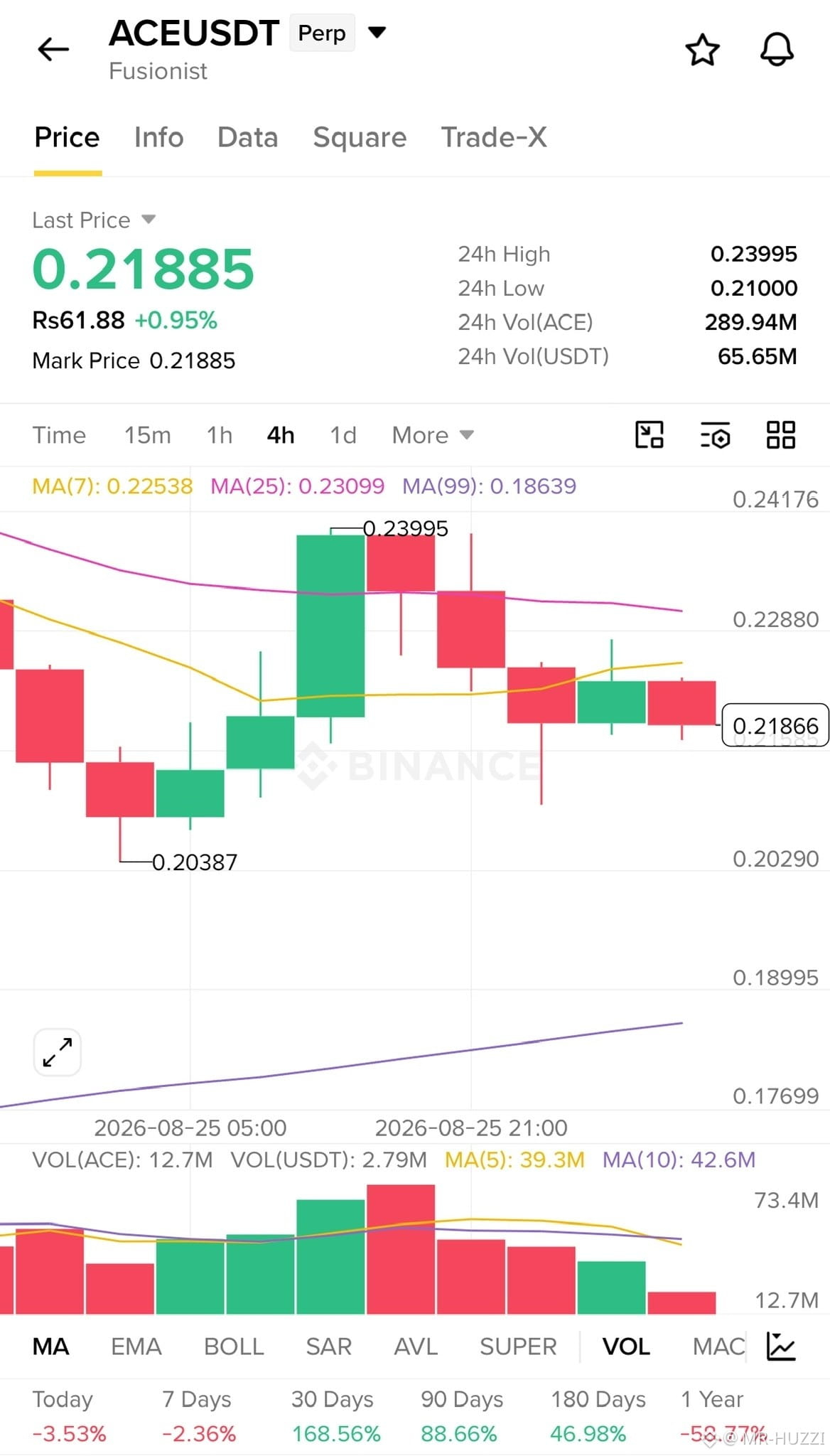
$ACE LONG
ACE is showing a bullish setup, with multiple upside targets if the entry zone holds.
Entry: 0.21847 – 0.21950
SL: 0.20965
TP: 0.22618 - 0.23175 - 0.25512
Wait for confirmation around the entry zone before entering. Manage position size carefully, control risk, and avoid chasing the move.
Click to trade 👇👇👇
ACE is showing a bullish setup, with multiple upside targets if the entry zone holds.
Entry: 0.21847 – 0.21950
SL: 0.20965
TP: 0.22618 - 0.23175 - 0.25512
Wait for confirmation around the entry zone before entering. Manage position size carefully, control risk, and avoid chasing the move.
Click to trade 👇👇👇
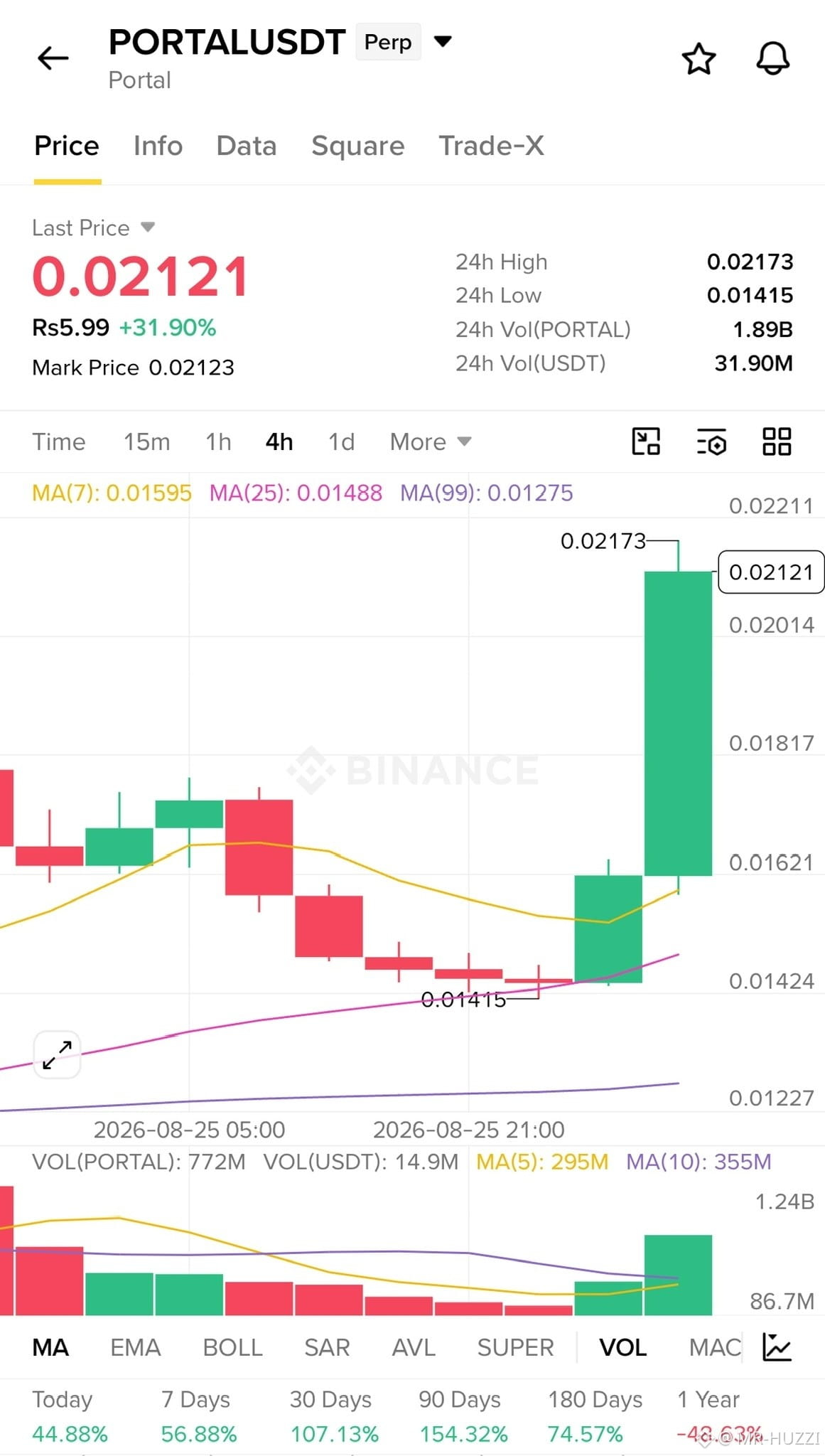
$PORTAL LONG
PORTAL is showing a bullish setup, with multiple upside targets if the entry zone holds.
Entry: 0.02137 – 0.02263
SL: 0.02105
TP: 0.02319 - 0.02431 - 0.02500
Wait for confirmation around the entry zone before entering. Manage position size carefully, control risk, and avoid chasing the move.
Cick to trade👇👇👇
PORTAL is showing a bullish setup, with multiple upside targets if the entry zone holds.
Entry: 0.02137 – 0.02263
SL: 0.02105
TP: 0.02319 - 0.02431 - 0.02500
Wait for confirmation around the entry zone before entering. Manage position size carefully, control risk, and avoid chasing the move.
Cick to trade👇👇👇
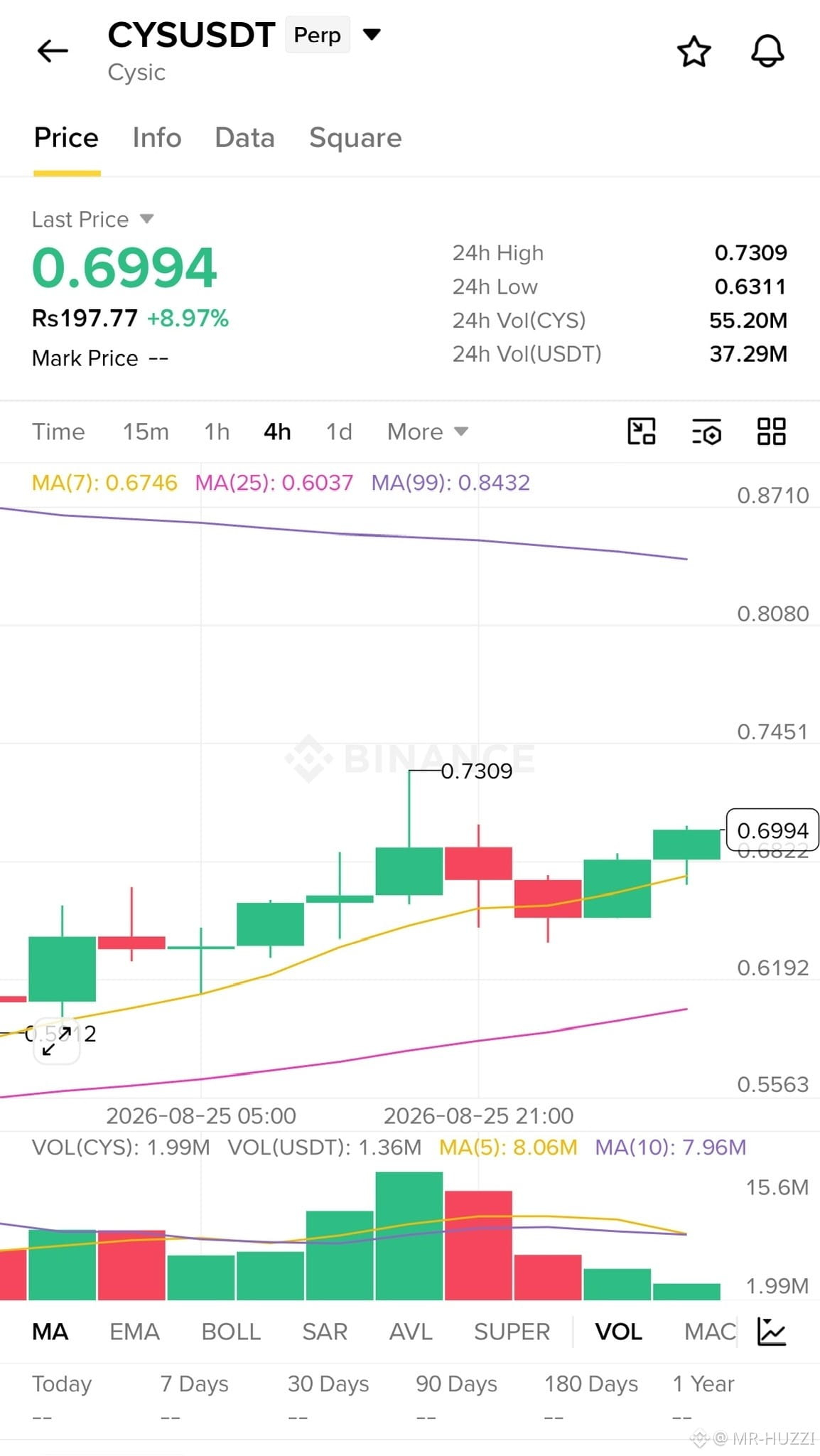
$CYS LONG
CYS is showing a bullish setup, with multiple upside targets if the entry zone holds.
Entry: 0.6949 – 0.7100
SL: 0.6796
TP: 0.7228 - 0.7580 - 0.7708
Wait for confirmation around the entry zone before entering. Manage position size carefully, control risk, and avoid chasing the move.
Click to trade 👇👇👇
CYS is showing a bullish setup, with multiple upside targets if the entry zone holds.
Entry: 0.6949 – 0.7100
SL: 0.6796
TP: 0.7228 - 0.7580 - 0.7708
Wait for confirmation around the entry zone before entering. Manage position size carefully, control risk, and avoid chasing the move.
Click to trade 👇👇👇
Most of the time, when I see blockchain privacy being discussed, the conversation quickly becomes about what other people cannot see. But when I studied Dusk's Phoenix model more closely, I found the verification side much more interesting.
Phoenix doesn't treat a private transaction like a normal transparent account transfer. Instead, it uses notes to represent value, with those notes organized through a Merkle tree.
When a note is spent, a nullifier is created. The important part is what the nullifier allows the network to establish. It can identify that a particular note has already been spent without publicly revealing the exact note behind the transaction.
That creates an interesting separation: The network can verify that something has been spent, without exposing everything about what was spent.
Then zero knowledge proofs add another layer by allowing the transaction to demonstrate that it satisfies the required rules without revealing the underlying private information.
That changed how I think about Phoenix.
It isn't simply taking a normal transaction and hiding its details. The transaction structure itself is designed around private verification.
And I think that's the more interesting part of Dusk's privacy architecture.
Privacy isn't only about what the blockchain keeps hidden. It's also about what the blockchain can still prove without revealing it.
@Dusk $DUSK #dusk
╭───────────────╮
🔐 What matters most?
╰───────────────╯
👇 Your choice?
Phoenix doesn't treat a private transaction like a normal transparent account transfer. Instead, it uses notes to represent value, with those notes organized through a Merkle tree.
When a note is spent, a nullifier is created. The important part is what the nullifier allows the network to establish. It can identify that a particular note has already been spent without publicly revealing the exact note behind the transaction.
That creates an interesting separation: The network can verify that something has been spent, without exposing everything about what was spent.
Then zero knowledge proofs add another layer by allowing the transaction to demonstrate that it satisfies the required rules without revealing the underlying private information.
That changed how I think about Phoenix.
It isn't simply taking a normal transaction and hiding its details. The transaction structure itself is designed around private verification.
And I think that's the more interesting part of Dusk's privacy architecture.
Privacy isn't only about what the blockchain keeps hidden. It's also about what the blockchain can still prove without revealing it.
@Dusk $DUSK #dusk
╭───────────────╮
🔐 What matters most?
╰───────────────╯
👇 Your choice?
🕶️ Hide transaction data
0%
🧠 Verify without revealing
100%
🛡️ Prevent double spending
0%
🚀 All of these
0%
1 Voto(s) • Votación cerrada
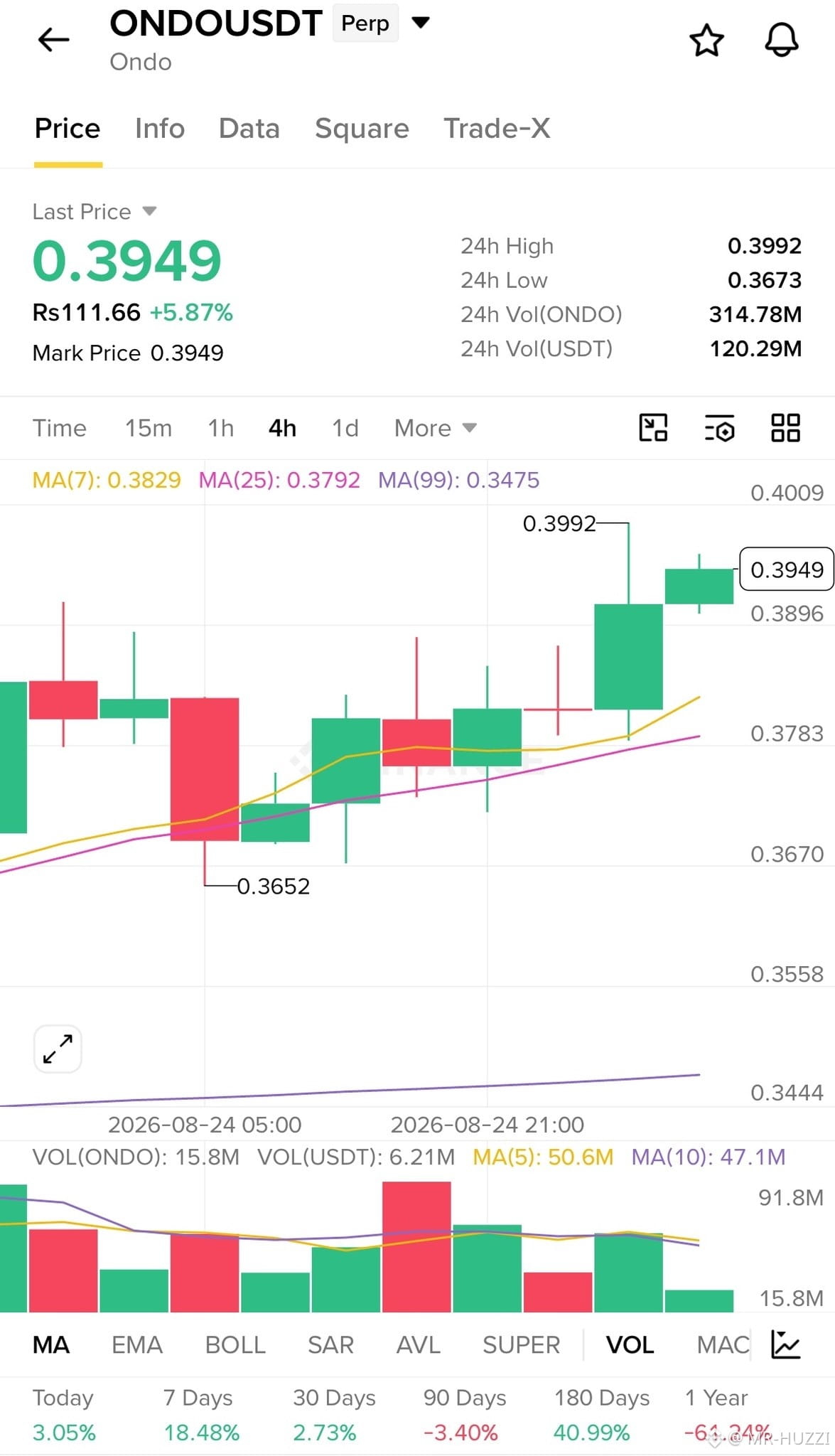
$ONDO LONG
ONDO is showing a bullish setup, with multiple upside targets if the entry zone holds.
Entry: 0.3918 – 0.3953
SL: 0.3748
TP: 0.4068 - 0.4100 - 0.4208
Wait for confirmation around the entry zone before entering. Manage position size carefully, control risk, and avoid chasing the move.
Click to trade👇👇👇
ONDO is showing a bullish setup, with multiple upside targets if the entry zone holds.
Entry: 0.3918 – 0.3953
SL: 0.3748
TP: 0.4068 - 0.4100 - 0.4208
Wait for confirmation around the entry zone before entering. Manage position size carefully, control risk, and avoid chasing the move.
Click to trade👇👇👇
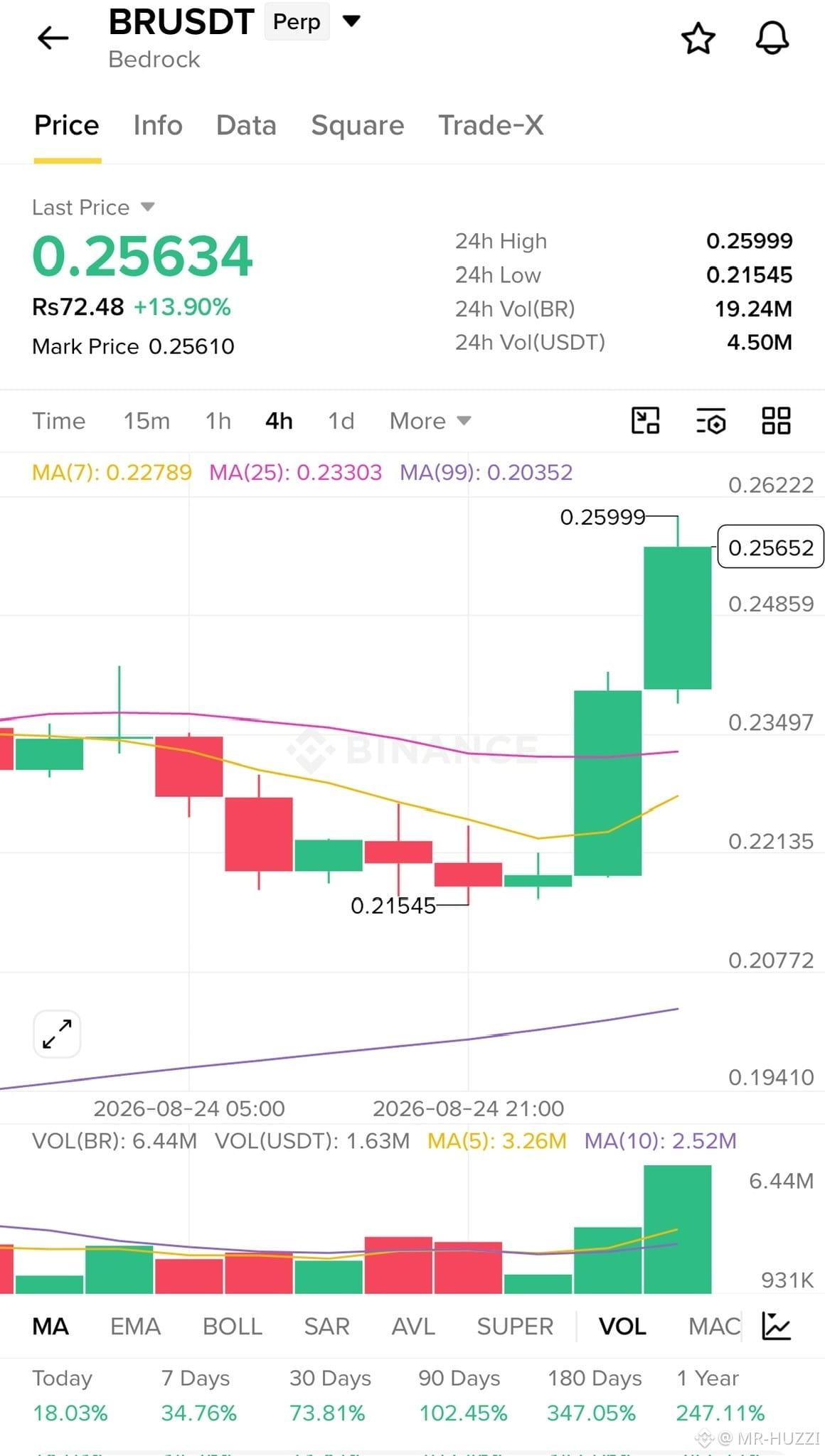
$BR LONG
BR is showing a bullish setup, with multiple upside targets if the entry zone holds.
Entry: 0.25649 – 0.25925
SL: 0.23848
TP: 0.27641 - 0.28344 - 0.30316
Wait for confirmation around the entry zone before entering. Manage position size carefully, control risk, and avoid chasing the move.
Click to trade 👇👇👇
BR is showing a bullish setup, with multiple upside targets if the entry zone holds.
Entry: 0.25649 – 0.25925
SL: 0.23848
TP: 0.27641 - 0.28344 - 0.30316
Wait for confirmation around the entry zone before entering. Manage position size carefully, control risk, and avoid chasing the move.
Click to trade 👇👇👇
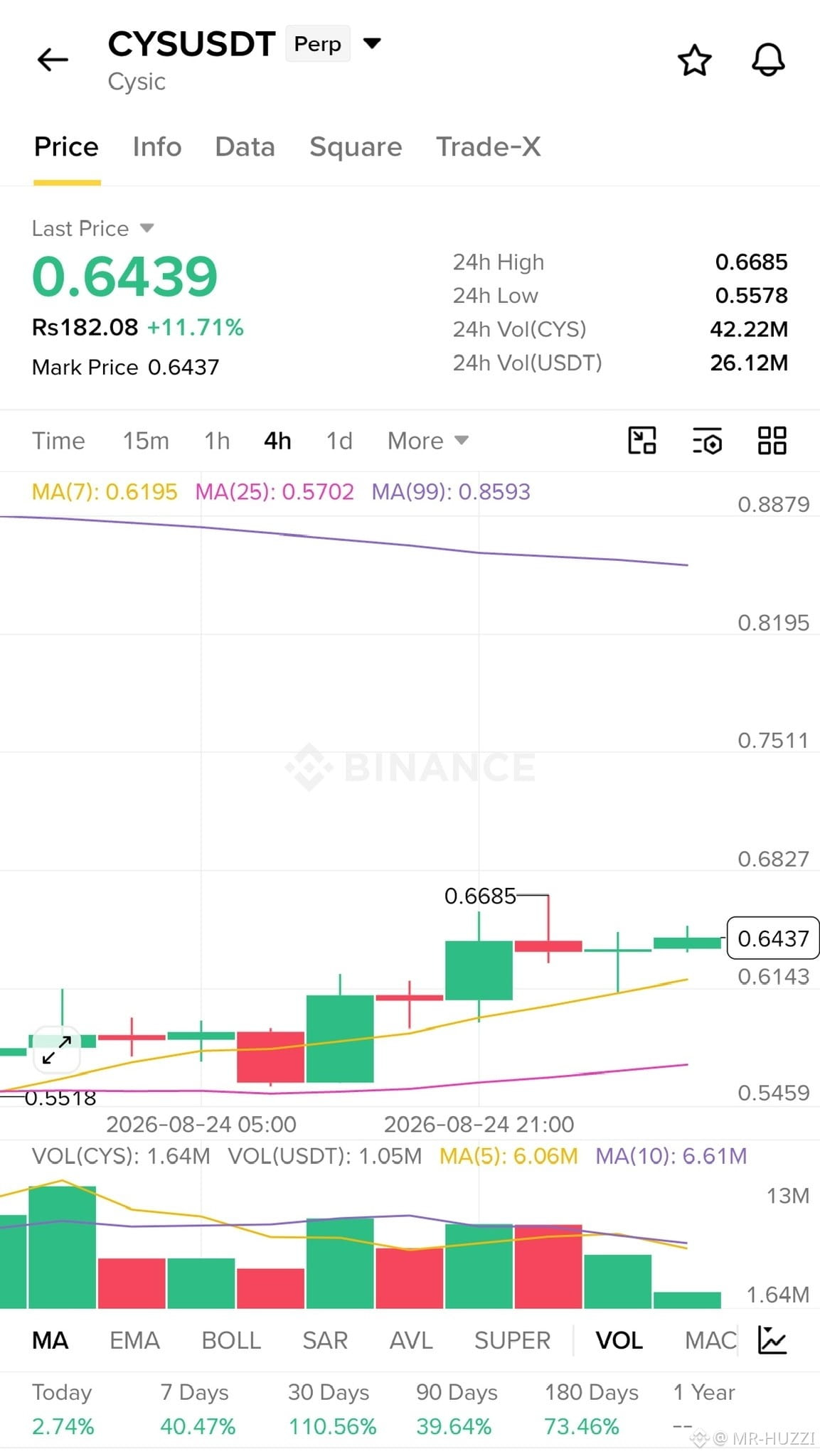
$CYS LONG
CYS is showing a bullish setup, with multiple upside targets if the entry zone holds.
Entry: 0.6427 – 0.6488
SL: 0.6177
TP: 0.6795 - 0.7032 - 0.7387
Wait for confirmation around the entry zone before entering. Manage position size carefully, control risk, and avoid chasing the move.
Click to trade👇👇👇
CYS is showing a bullish setup, with multiple upside targets if the entry zone holds.
Entry: 0.6427 – 0.6488
SL: 0.6177
TP: 0.6795 - 0.7032 - 0.7387
Wait for confirmation around the entry zone before entering. Manage position size carefully, control risk, and avoid chasing the move.
Click to trade👇👇👇
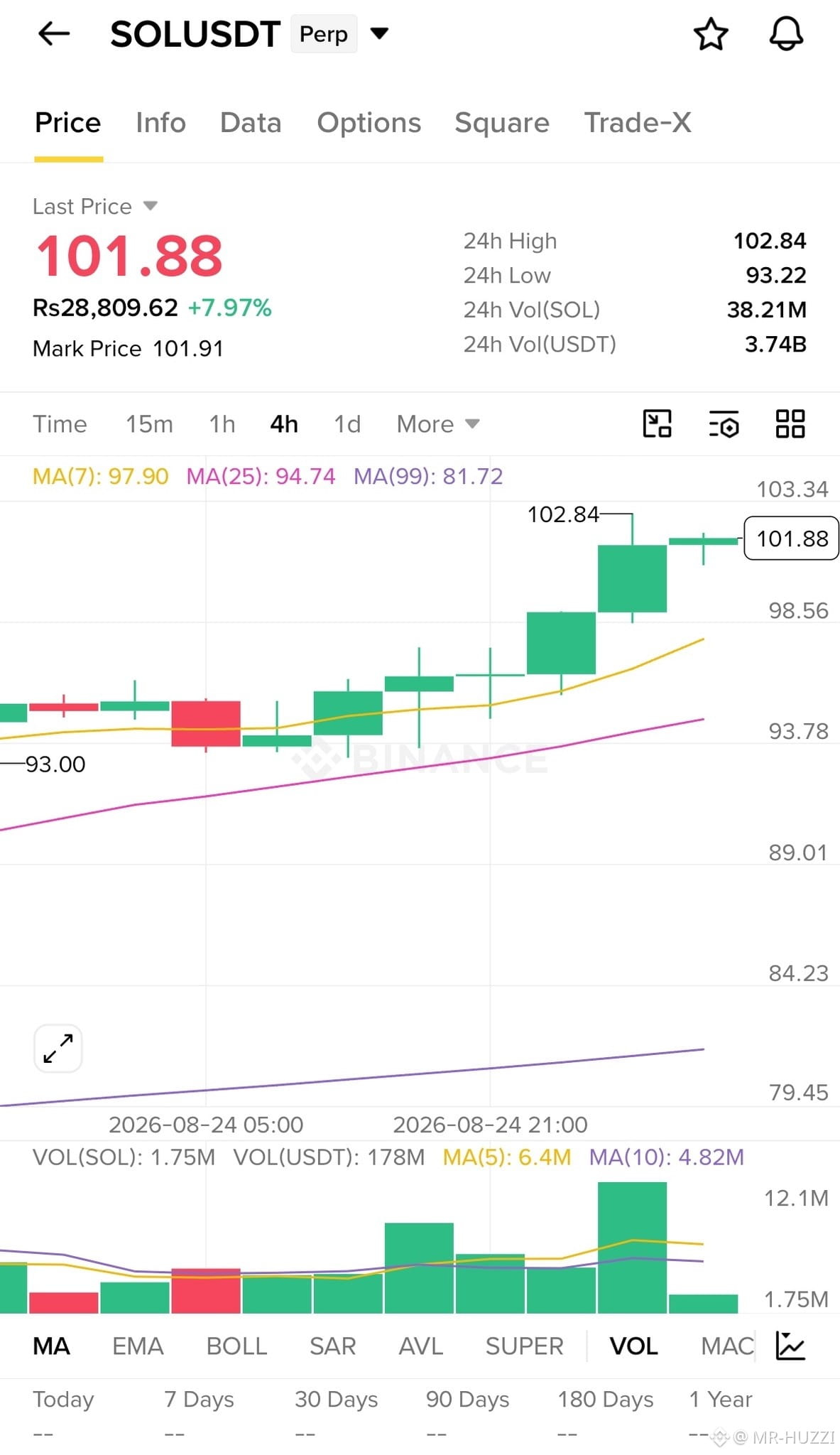
$SOL LONG
SOL is showing a bullish setup, with multiple upside targets if the entry zone holds.
Entry: 98 – 105
SL: 91
TP: 109 - 115 - 119
Wait for confirmation around the entry zone before entering. Manage position size carefully, control risk, and avoid chasing the move.
Click to trade👇👇👇
SOL is showing a bullish setup, with multiple upside targets if the entry zone holds.
Entry: 98 – 105
SL: 91
TP: 109 - 115 - 119
Wait for confirmation around the entry zone before entering. Manage position size carefully, control risk, and avoid chasing the move.
Click to trade👇👇👇
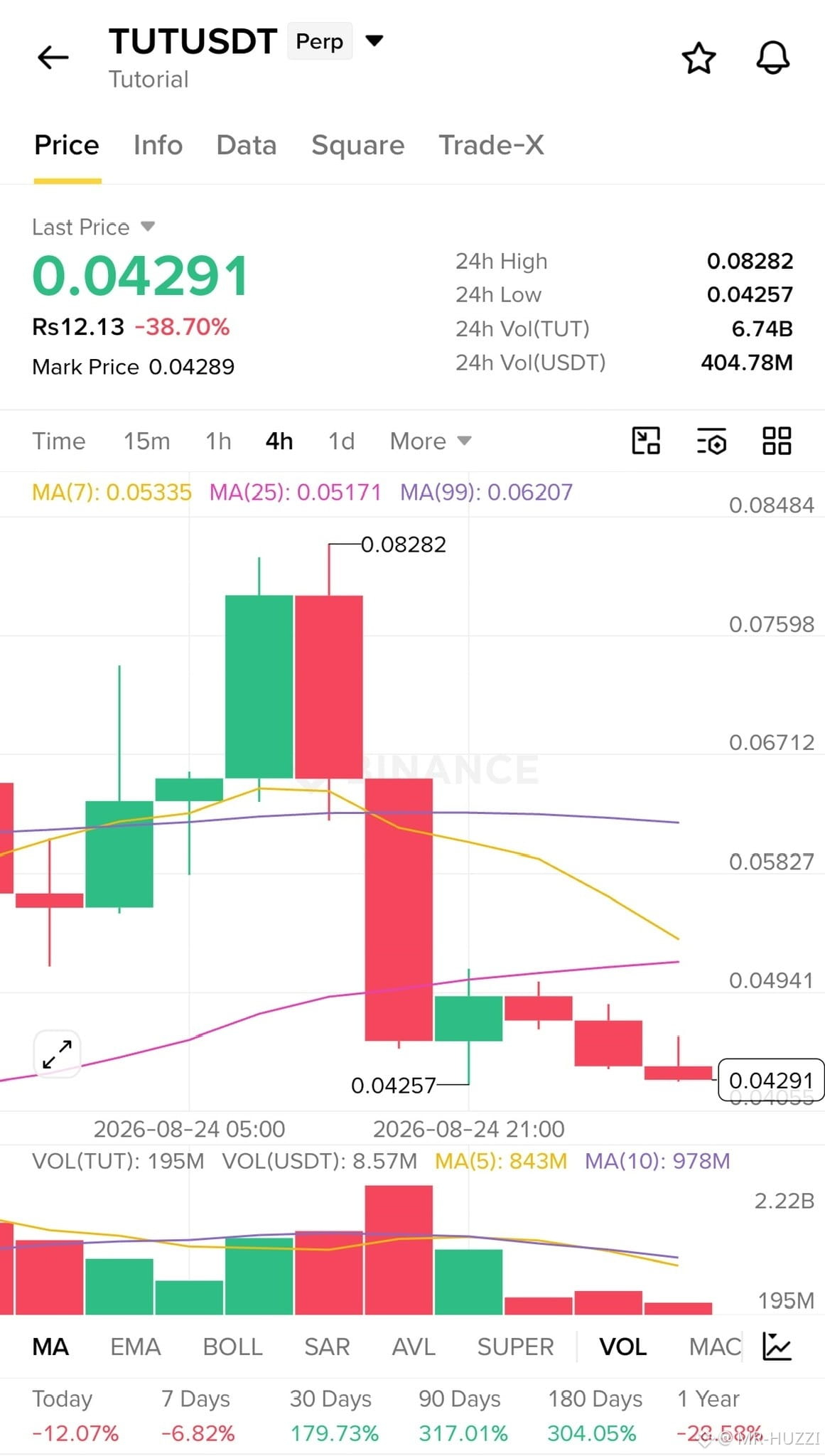
$TUT SHORT
TUT is approaching a potential rejection zone, with downside targets in focus if bearish momentum confirms.
Entry: 0.04277– 0.04355
SL: 0.05184
TP: 0.03761 - 0.03351- 0.02976
Wide setup with significant downside targets. Wait for confirmation before entering, manage position size carefully, and avoid chasing the move.
Click to trade👇👇👇
TUT is approaching a potential rejection zone, with downside targets in focus if bearish momentum confirms.
Entry: 0.04277– 0.04355
SL: 0.05184
TP: 0.03761 - 0.03351- 0.02976
Wide setup with significant downside targets. Wait for confirmation before entering, manage position size carefully, and avoid chasing the move.
Click to trade👇👇👇
When I first learned about Dusk transaction models I asked a question: If privacy matters so much to Dusk, why not make every transaction private?
As I studied the design closely I realized that not all financial systems need to be completely open.
Some transactions work better with transparency. Some hold details that should not be visible to everyone.
That is where Moonlight and Phoenix come into play.
Moonlight uses an account based system. The network can check the senders balance confirm the signature and verify that the transaction number is correct by looking at the open transaction data.
Phoenix takes an approach. It hides the transaction details and uses zero knowledge proofs so the network can verify the transaction is valid without seeing the parts.
That difference struck me.
The real question is not: "Should a blockchain be public or private?"
It is: "What information truly needs to be visible for this transaction?"
For systems that choice can be very important.
A clear payment may need checks. A private financial transaction may need protection.
Trying to force both into one model would mean losing something.
What I admire about Dusk is that its design does not treat transparency and privacy as choices that the network must make.
It offers transaction models based on what's required.
For financial systems this feels very similar, to how real financial systems operate.
@Dusk #dusk $DUSK
What matters more for blockchain transactions?
As I studied the design closely I realized that not all financial systems need to be completely open.
Some transactions work better with transparency. Some hold details that should not be visible to everyone.
That is where Moonlight and Phoenix come into play.
Moonlight uses an account based system. The network can check the senders balance confirm the signature and verify that the transaction number is correct by looking at the open transaction data.
Phoenix takes an approach. It hides the transaction details and uses zero knowledge proofs so the network can verify the transaction is valid without seeing the parts.
That difference struck me.
The real question is not: "Should a blockchain be public or private?"
It is: "What information truly needs to be visible for this transaction?"
For systems that choice can be very important.
A clear payment may need checks. A private financial transaction may need protection.
Trying to force both into one model would mean losing something.
What I admire about Dusk is that its design does not treat transparency and privacy as choices that the network must make.
It offers transaction models based on what's required.
For financial systems this feels very similar, to how real financial systems operate.
@Dusk #dusk $DUSK
What matters more for blockchain transactions?
🔒 Privacy first
0%
👀 Transparency first
0%
⚖️ Both equally
0%
🤔 Depends on the use case
100%
1 Voto(s) • Votación cerrada
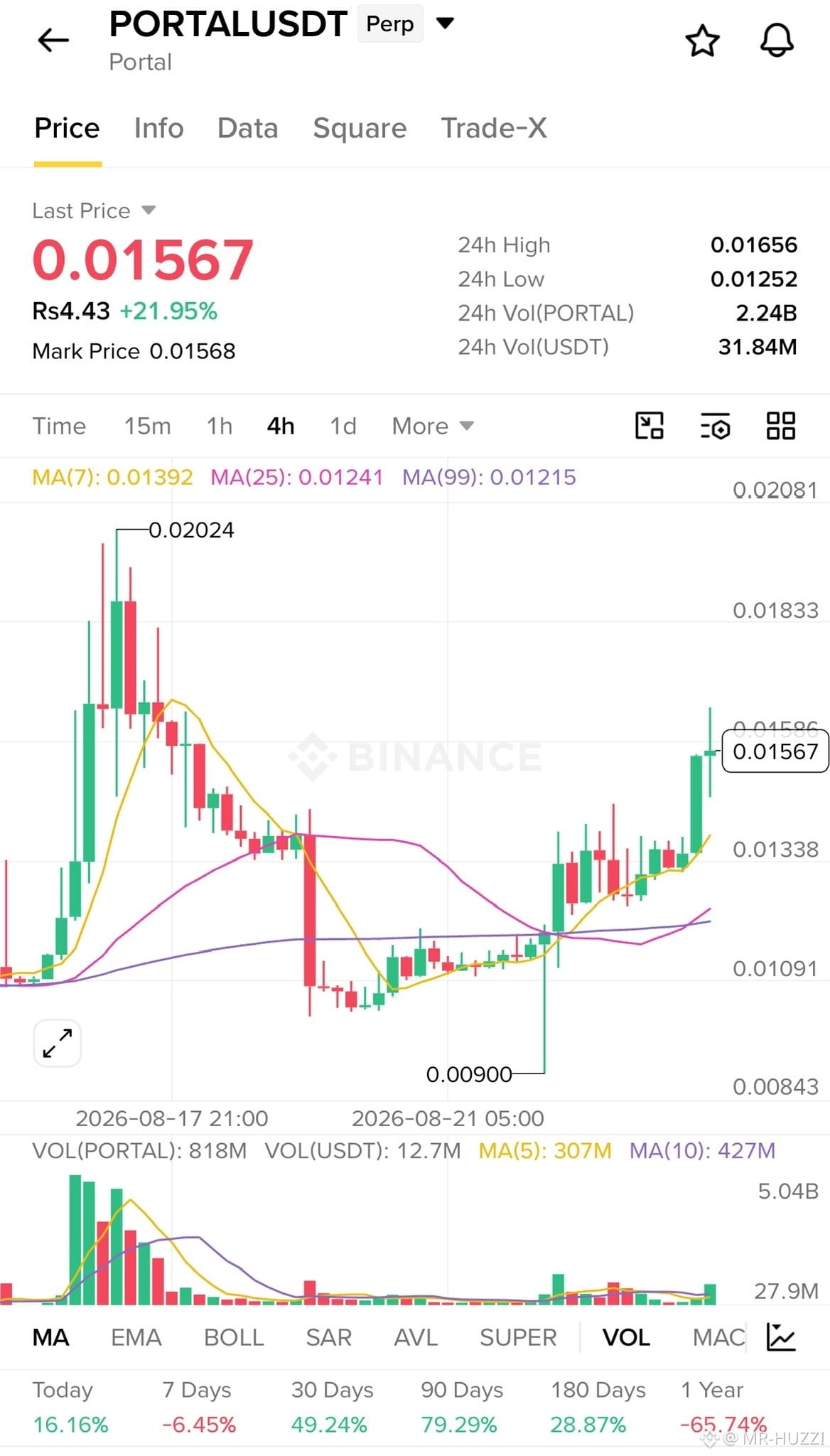
$PORTAL LONG
PORTAL is showing a bullish setup, with multiple upside targets if the entry zone holds.
Entry: 0.01559 – 0.01587
SL: 0.01488
TP: 0.01675 - 0.01778 - 0.01882
Wait for confirmation around the entry zone before entering. Manage position size carefully, control risk, and avoid chasing the move.
Click to trade👇👇👇
PORTAL is showing a bullish setup, with multiple upside targets if the entry zone holds.
Entry: 0.01559 – 0.01587
SL: 0.01488
TP: 0.01675 - 0.01778 - 0.01882
Wait for confirmation around the entry zone before entering. Manage position size carefully, control risk, and avoid chasing the move.
Click to trade👇👇👇
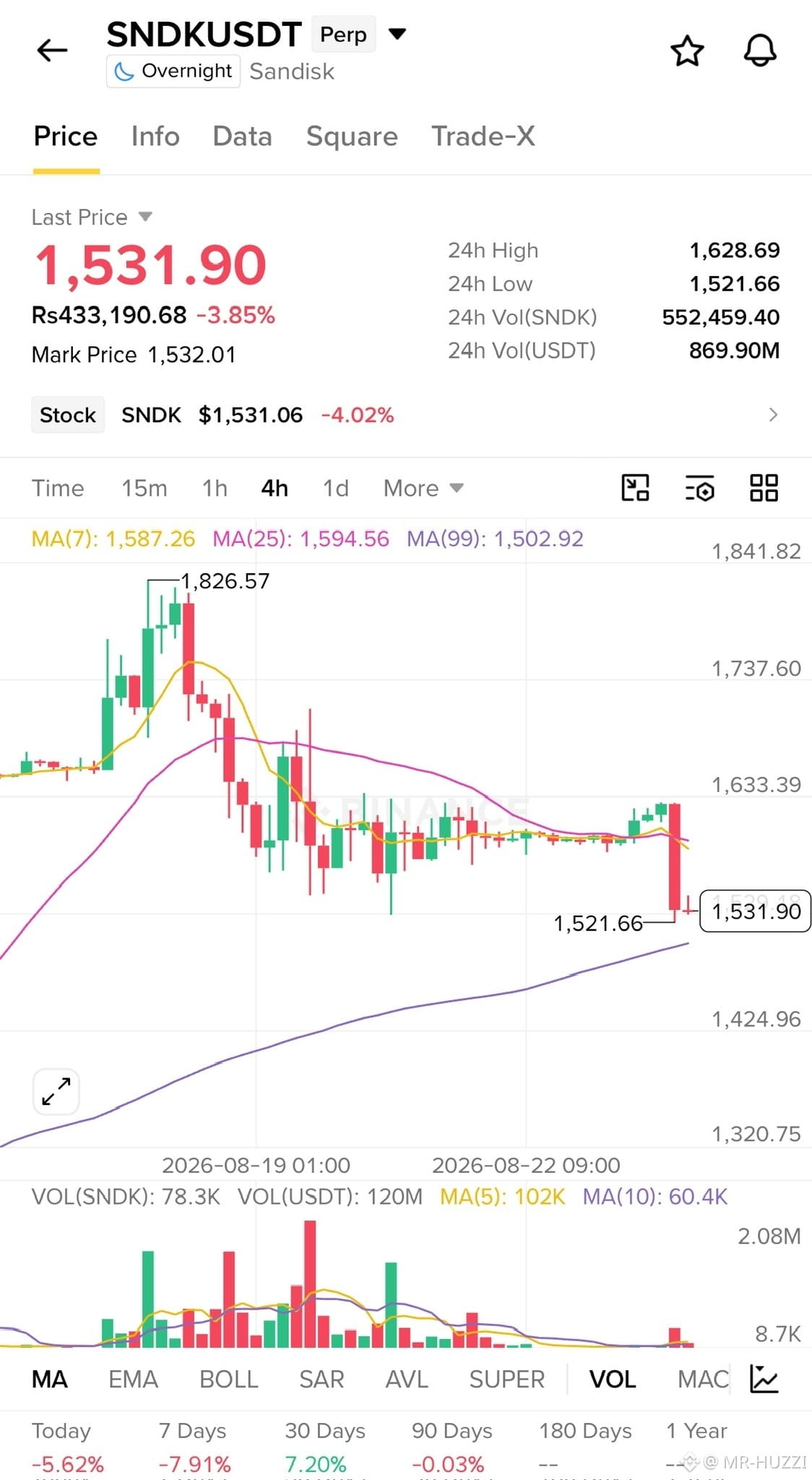
$SNDK SHORT
SNDK is approaching a potential rejection zone, with downside targets in focus if bearish momentum confirms.
Entry: 1532.59 – 1552.55
SL: 1585.69
TP: 1507.78 - 1476.32 - 1442.12
Clear invalidation with defined downside targets. Wait for confirmation before entering, manage risk carefully, and avoid chasing the move.
Click to trade👇👇👇
SNDK is approaching a potential rejection zone, with downside targets in focus if bearish momentum confirms.
Entry: 1532.59 – 1552.55
SL: 1585.69
TP: 1507.78 - 1476.32 - 1442.12
Clear invalidation with defined downside targets. Wait for confirmation before entering, manage risk carefully, and avoid chasing the move.
Click to trade👇👇👇
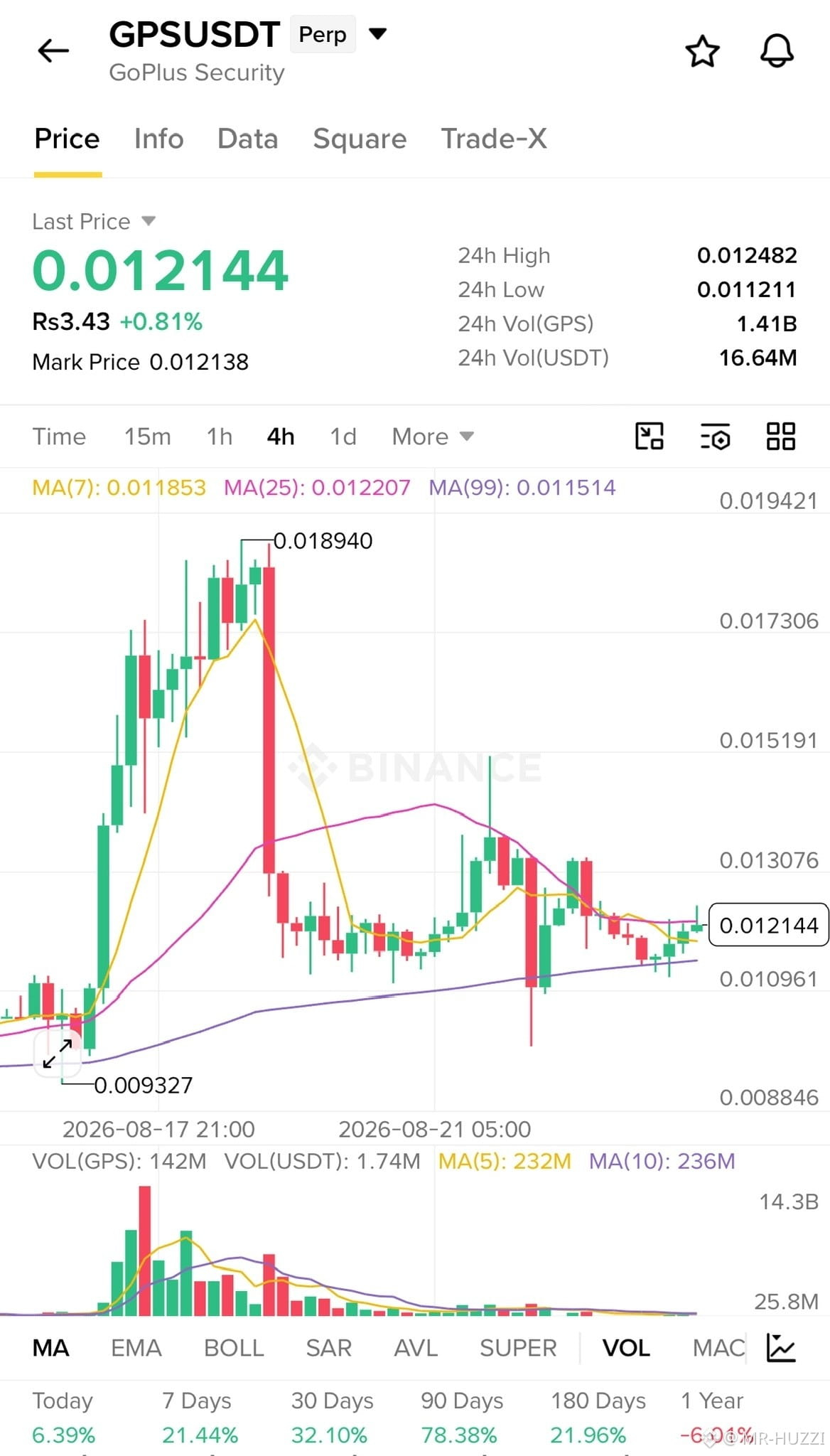
$GPS LONG
GPS is showing a bullish setup, with multiple upside targets if the entry zone holds.
Entry: 0.012105– 0.012378
SL: 0.011749
TP: 0.012758 - 0.013265 - 0.013564
Wait for confirmation around the entry zone before entering. Manage position size carefully, control risk, and avoid chasing the move.
Click to trade👇👇👇
GPS is showing a bullish setup, with multiple upside targets if the entry zone holds.
Entry: 0.012105– 0.012378
SL: 0.011749
TP: 0.012758 - 0.013265 - 0.013564
Wait for confirmation around the entry zone before entering. Manage position size carefully, control risk, and avoid chasing the move.
Click to trade👇👇👇
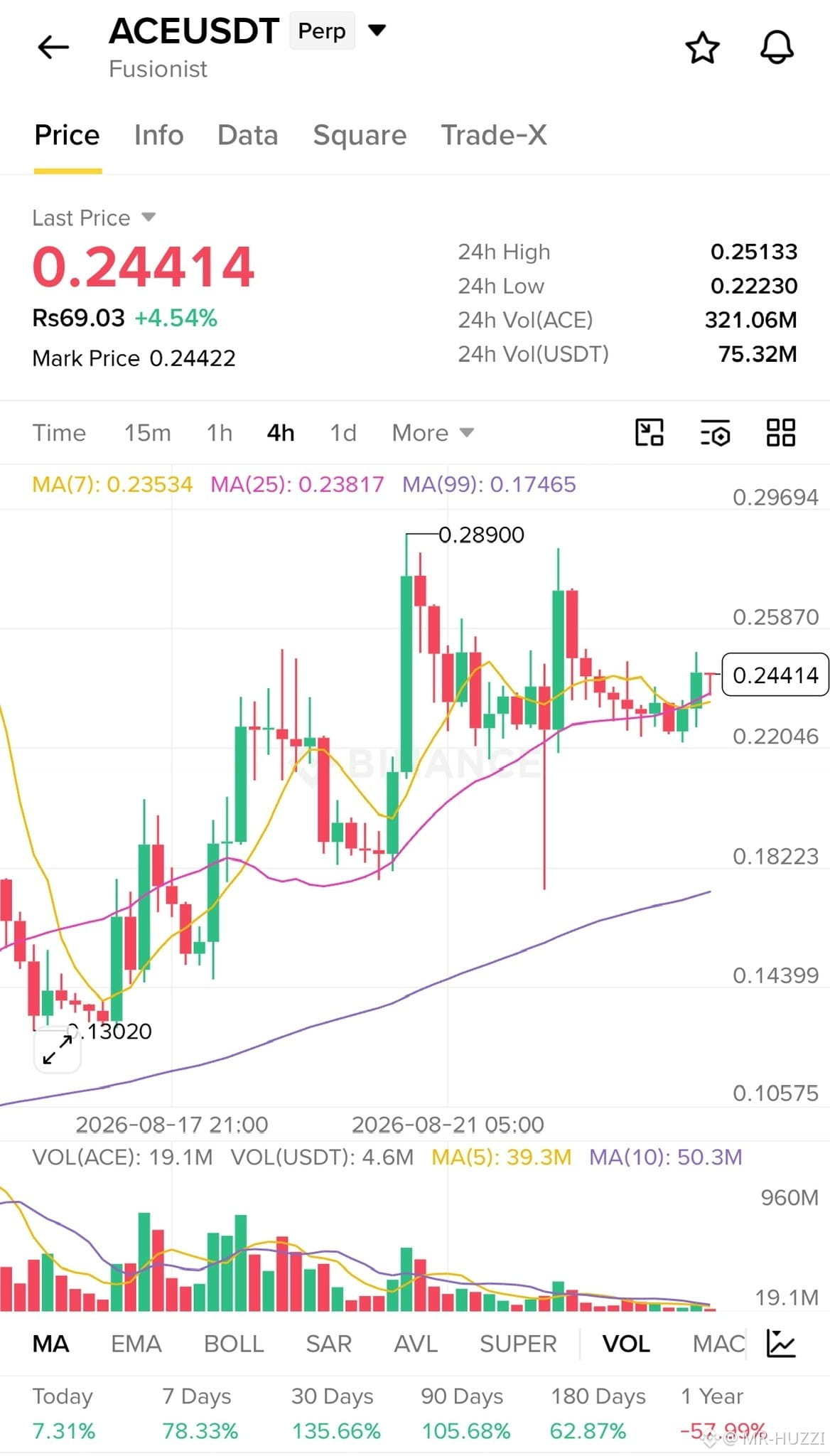
$ACE LONG
ACE is showing a bullish setup, with multiple upside targets if the entry zone holds.
Entry: 0.24081 – 0.24355
SL: 0.23609
TP: 0.25853 - 0.26751 - 0.27274
Wait for confirmation around the entry zone before entering. Manage position size carefully, control risk, and avoid chasing the move.
Click to trade 👇👇👇
ACE is showing a bullish setup, with multiple upside targets if the entry zone holds.
Entry: 0.24081 – 0.24355
SL: 0.23609
TP: 0.25853 - 0.26751 - 0.27274
Wait for confirmation around the entry zone before entering. Manage position size carefully, control risk, and avoid chasing the move.
Click to trade 👇👇👇
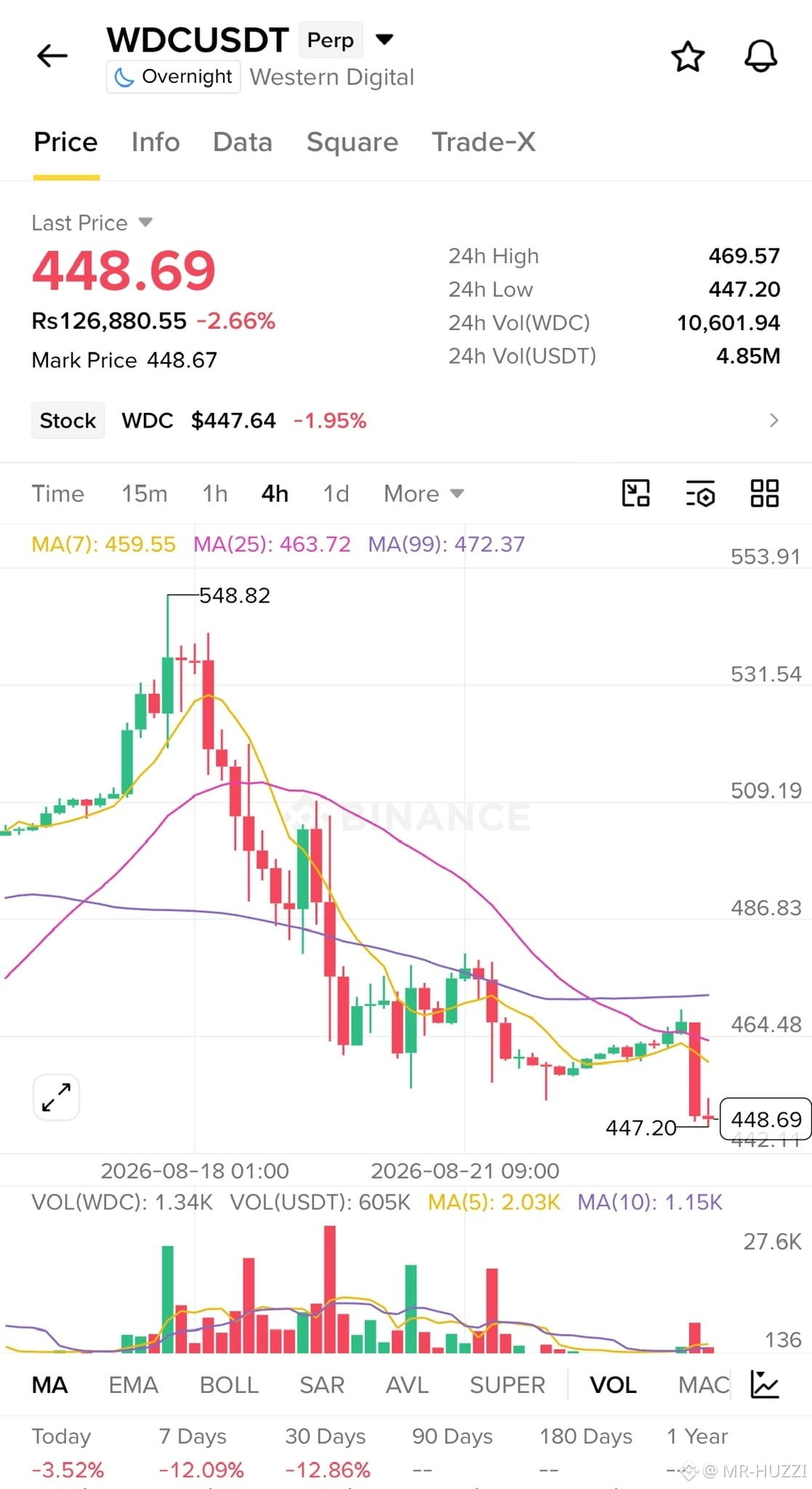
$WDC SHORT
WDC is approaching a potential rejection zone, with downside targets in focus if bearish momentum confirms.
Entry: 447.08 – 452.20
SL: 458.87
TP: 442.17 - 433.21 - 426.19
Clear invalidation with defined downside targets. Wait for confirmation before entering, manage risk carefully, and avoid chasing the move.
Click to trade👇👇👇
WDC is approaching a potential rejection zone, with downside targets in focus if bearish momentum confirms.
Entry: 447.08 – 452.20
SL: 458.87
TP: 442.17 - 433.21 - 426.19
Clear invalidation with defined downside targets. Wait for confirmation before entering, manage risk carefully, and avoid chasing the move.
Click to trade👇👇👇
The first thing that changed my view of Dusk was realizing that the interesting part isn't just the technology.
It is the problem the technology is being built around.
When I think about regulated financial markets, putting an asset on a blockchain is clearly not enough.
Privacy still matters.
Compliance still matters.
Settlement still has to work.
Assets can have eligibility and transfer rules.
And someone still needs a reliable way to verify what happened.
Once I looked at Dusk through that lens, the architecture started to feel much less like a collection of separate technologies.
Phoenix addresses private transactions.
Zedger is focused on securities and real world assets.
Succinct Attestation contributes to consensus and finality.
Kadcast handles network communication.
Piecrust provides the smart contract execution environment.
What I find interesting is that each piece connects back to the same broader problem.
Financial markets cannot simply choose between “everything public” and “everything private.”
They need infrastructure that can support privacy while still allowing rules, verification, and settlement to work.
That is why I don't think the strongest way to describe Dusk is simply as another blockchain with privacy features.
The more useful question is:
Can financial markets actually move on-chain without losing the controls and protections they depend on?
That is the problem Dusk is trying to solve.
And once I looked at the architecture from that perspective, the individual components started making a lot more sense.
@Dusk #dusk $DUSK
It is the problem the technology is being built around.
When I think about regulated financial markets, putting an asset on a blockchain is clearly not enough.
Privacy still matters.
Compliance still matters.
Settlement still has to work.
Assets can have eligibility and transfer rules.
And someone still needs a reliable way to verify what happened.
Once I looked at Dusk through that lens, the architecture started to feel much less like a collection of separate technologies.
Phoenix addresses private transactions.
Zedger is focused on securities and real world assets.
Succinct Attestation contributes to consensus and finality.
Kadcast handles network communication.
Piecrust provides the smart contract execution environment.
What I find interesting is that each piece connects back to the same broader problem.
Financial markets cannot simply choose between “everything public” and “everything private.”
They need infrastructure that can support privacy while still allowing rules, verification, and settlement to work.
That is why I don't think the strongest way to describe Dusk is simply as another blockchain with privacy features.
The more useful question is:
Can financial markets actually move on-chain without losing the controls and protections they depend on?
That is the problem Dusk is trying to solve.
And once I looked at the architecture from that perspective, the individual components started making a lot more sense.
@Dusk #dusk $DUSK
Bullish
100%
Bearish
0%
3 Voto(s) • Votación cerrada
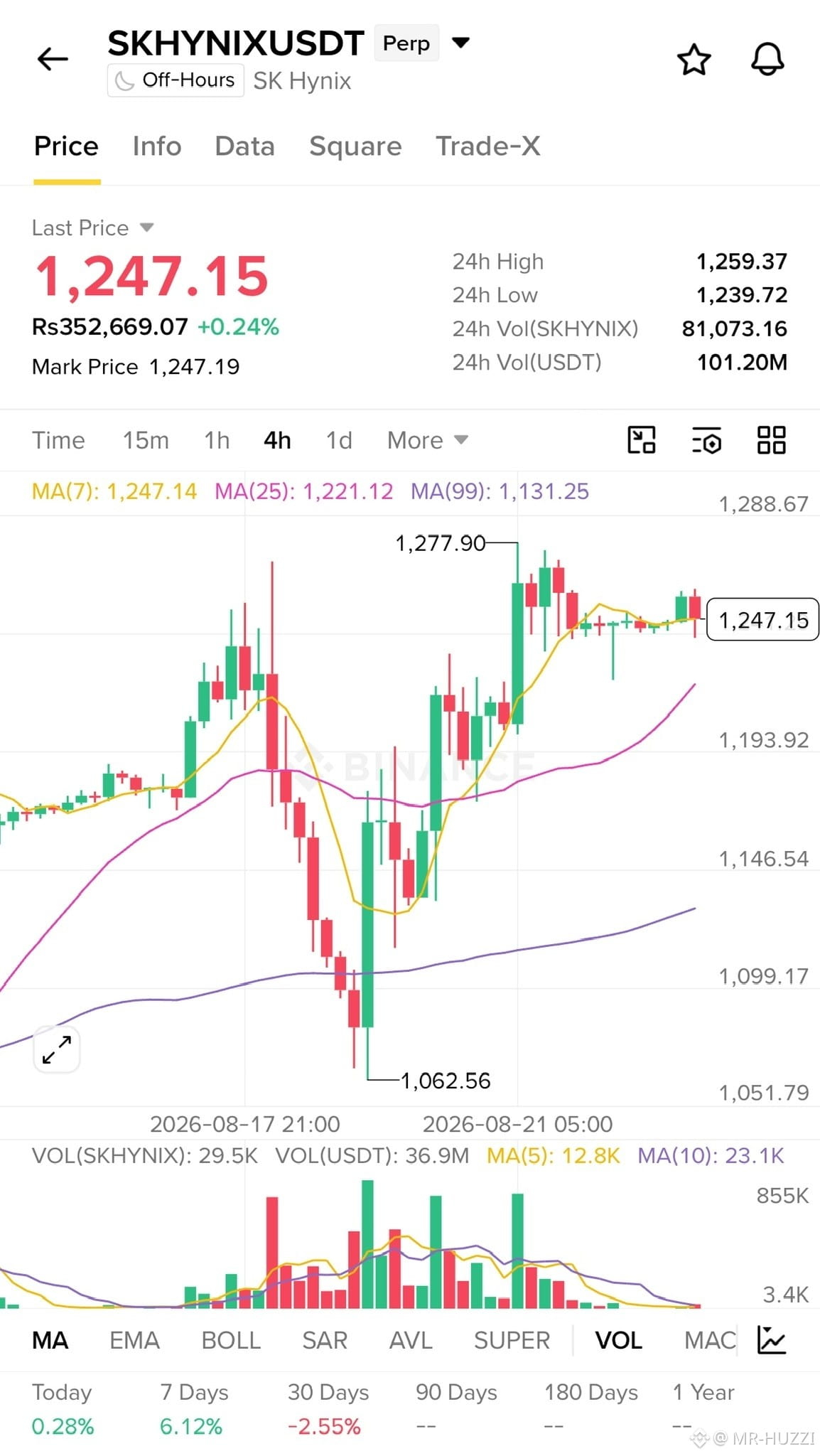
$SKHYNIX LONG
SKHYNIX is showing a bullish setup, with multiple upside targets if the entry zone holds.
Entry: 1241.13 – 1258.25
SL: 1239.94
TP: 1262.84 - 1279.01 - 1286.57
Wait for confirmation around the entry zone before entering. Manage position size carefully, control risk, and avoid chasing the move.
Click to trade👇👇👇
SKHYNIX is showing a bullish setup, with multiple upside targets if the entry zone holds.
Entry: 1241.13 – 1258.25
SL: 1239.94
TP: 1262.84 - 1279.01 - 1286.57
Wait for confirmation around the entry zone before entering. Manage position size carefully, control risk, and avoid chasing the move.
Click to trade👇👇👇
Inicia sesión para explorar más contenidos