
Arthur Mint
3.6k Publicaciones

Arthur Mint
 Verificado Plus de Binance Square
Arthur is here. Crypto Expert. Web3 Builder. Verified KOL on Binance Square. Let's keep growing together: X - @ArthurMint99
71 Siguiendo
39.5K+ Seguidores
12.7K+ Me gusta
Publicaciones
PINNED
🎁🎁 I'm very happy today and sending you big gift. Hurry up claim it and repost.

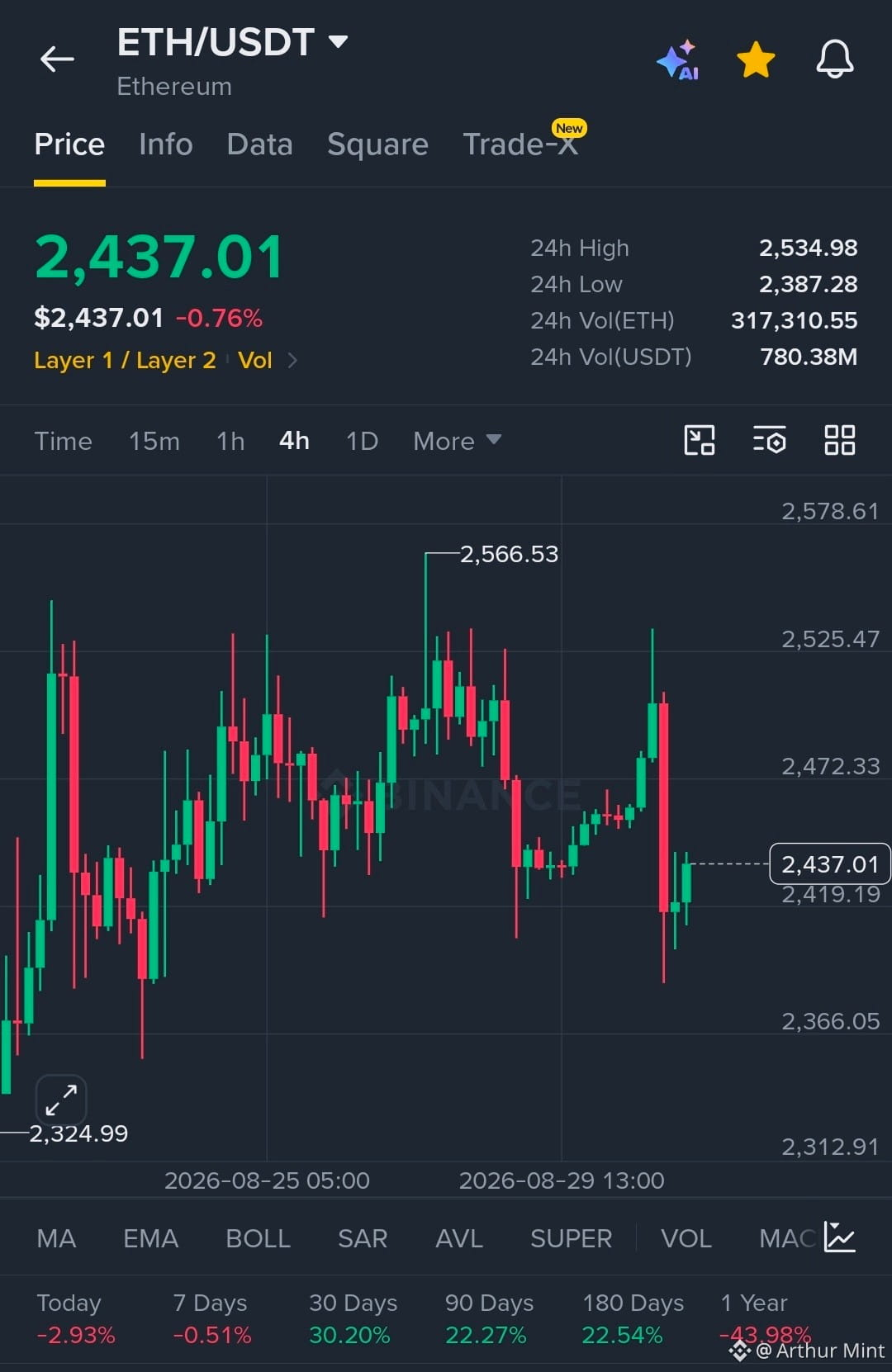
$ETH is holding strong after the sharp liquidity reaction.
Structure confirms buyers are defending control above key support.
EP
2,425 - 2,440
TP
TP1 2,472
TP2 2,525
TP3 2,565
SL
2,385
Liquidity was swept below the local range before a quick reaction back above support. Holding this zone keeps the structure intact and opens room for expansion toward the upper liquidity levels.
Let’s go $ETH
Structure confirms buyers are defending control above key support.
EP
2,425 - 2,440
TP
TP1 2,472
TP2 2,525
TP3 2,565
SL
2,385
Liquidity was swept below the local range before a quick reaction back above support. Holding this zone keeps the structure intact and opens room for expansion toward the upper liquidity levels.
Let’s go $ETH
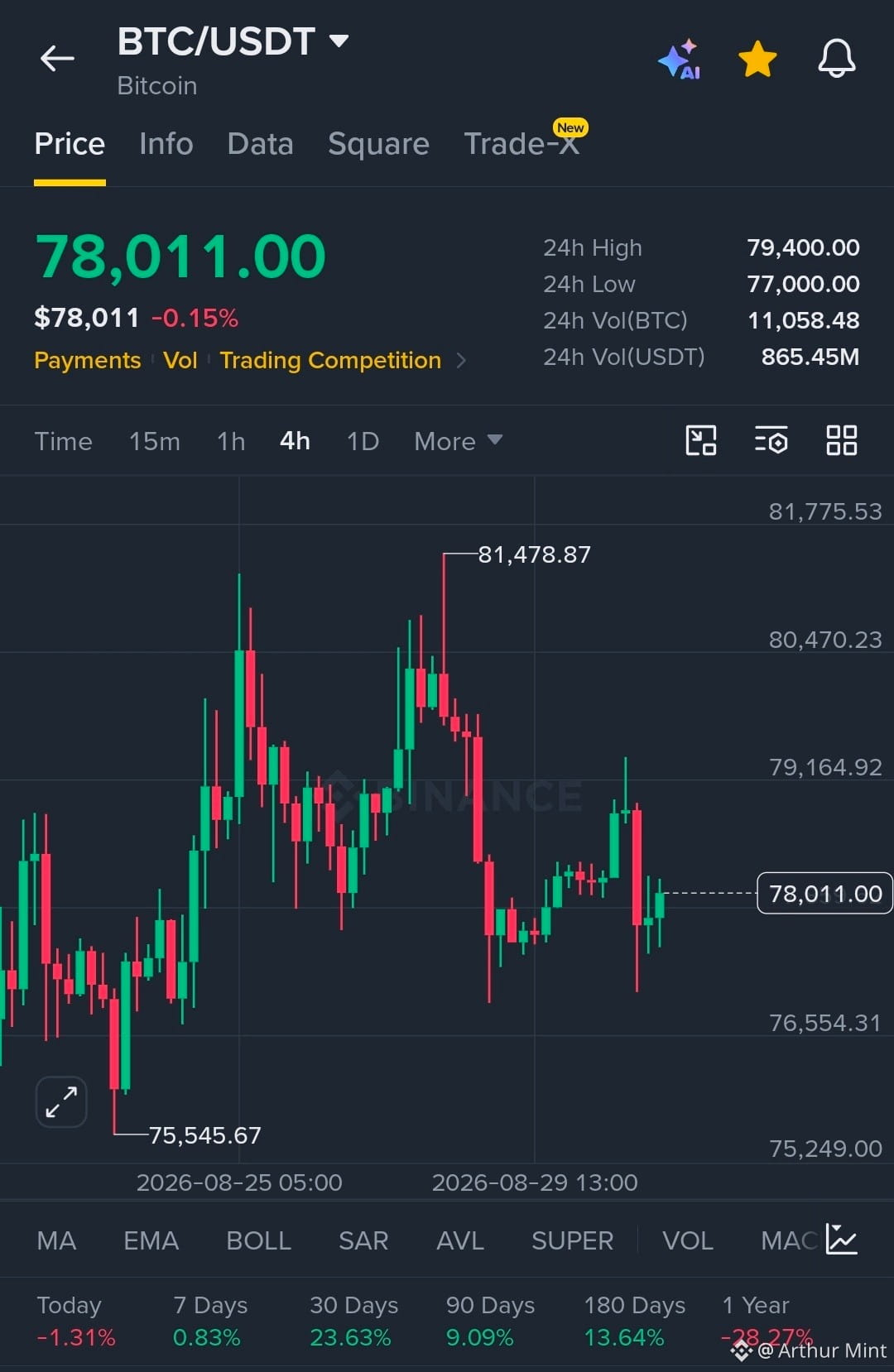
$BTC is holding strong after the sharp liquidity reaction.
Structure confirms buyers are defending control above key support.
EP
77,800 - 78,100
TP
TP1 79,165
TP2 80,470
TP3 81,475
SL
76,500
Liquidity was swept below the local range before a quick reaction back above support. Holding this zone keeps the structure intact and opens room for expansion toward the upper liquidity levels.
Let’s go $BTC
Structure confirms buyers are defending control above key support.
EP
77,800 - 78,100
TP
TP1 79,165
TP2 80,470
TP3 81,475
SL
76,500
Liquidity was swept below the local range before a quick reaction back above support. Holding this zone keeps the structure intact and opens room for expansion toward the upper liquidity levels.
Let’s go $BTC
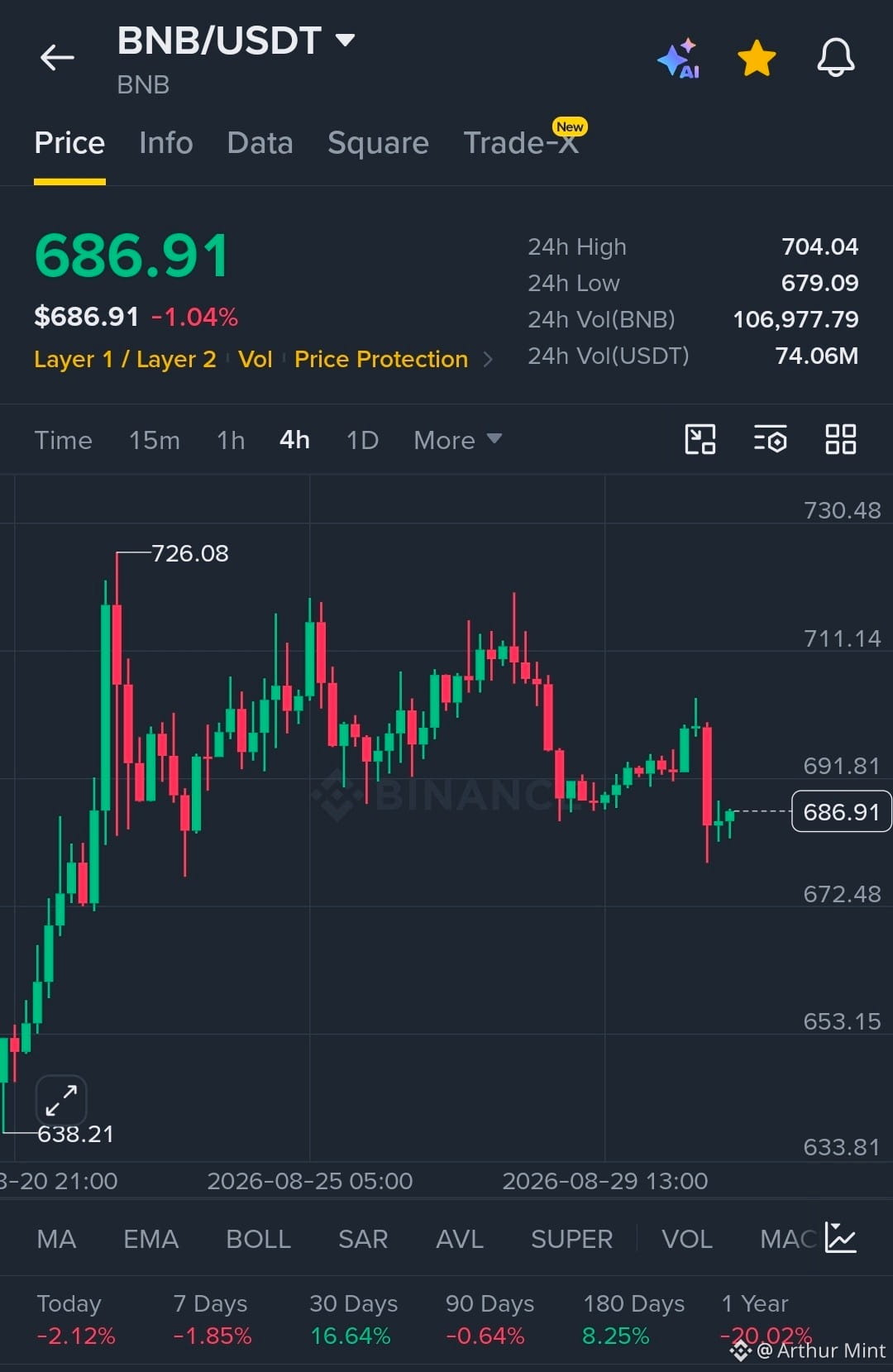
$BNB is holding strong after the sharp liquidity reaction.
Structure confirms buyers are defending control above key support.
EP
684 - 688
TP
TP1 695
TP2 704
TP3 711
SL
676
Liquidity was swept below the local range before a quick reaction back above support. Holding this zone keeps the structure intact and opens room for expansion toward the upper liquidity levels.
Let’s go $BNB
Structure confirms buyers are defending control above key support.
EP
684 - 688
TP
TP1 695
TP2 704
TP3 711
SL
676
Liquidity was swept below the local range before a quick reaction back above support. Holding this zone keeps the structure intact and opens room for expansion toward the upper liquidity levels.
Let’s go $BNB
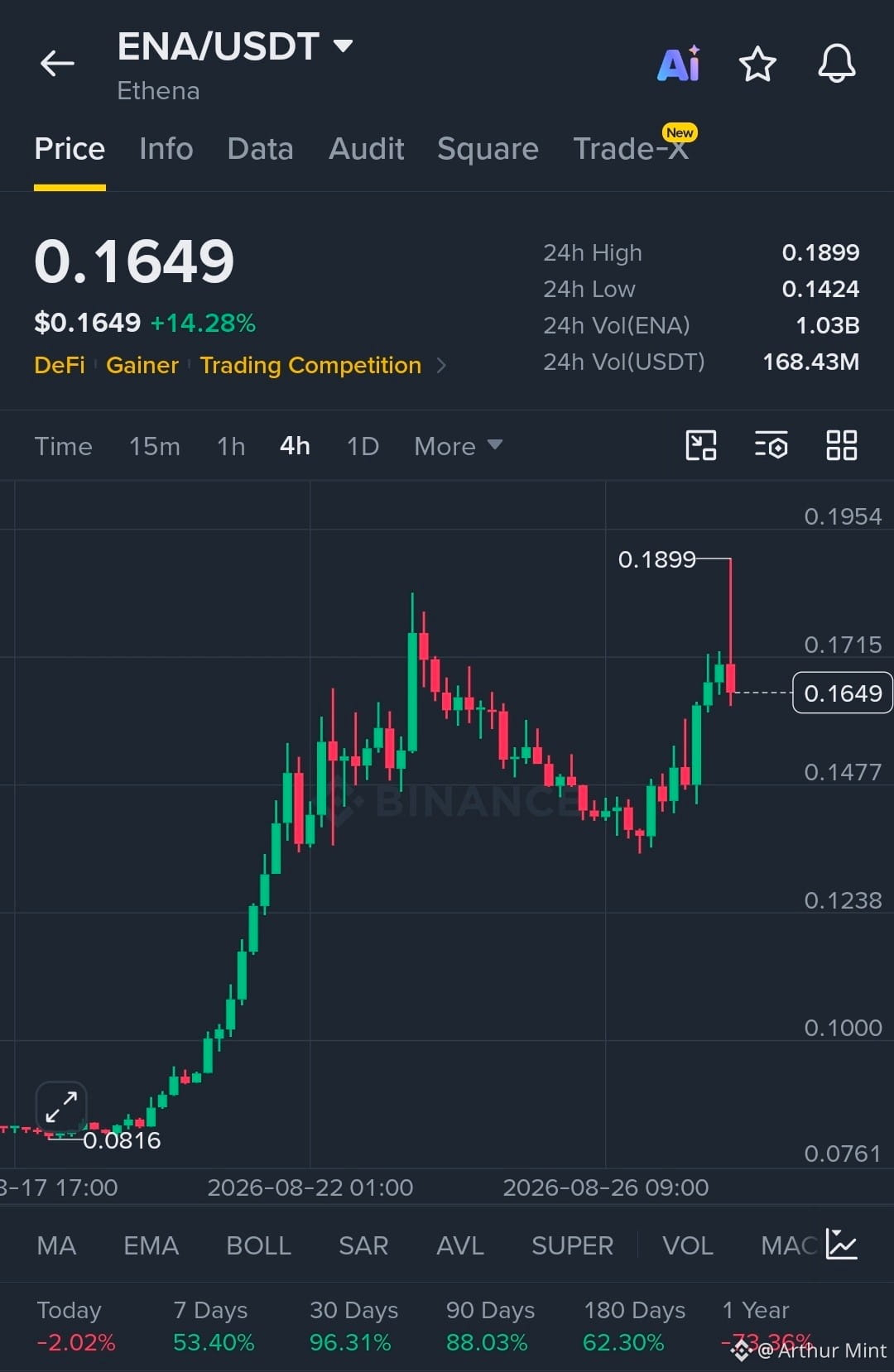
$ENA is showing strong momentum after a sharp upside recovery.
Bullish structure remains in control above the key support zone.
EP
0.1600 - 0.1650
TP
TP1 0.1780
TP2 0.1850
TP3 0.1899
SL
0.1470
Liquidity is building above the recent highs, while buyers continue reacting from the lower structure. Holding the current support keeps momentum intact for another push into the upper liquidity zone.
Let’s go $ENA
Bullish structure remains in control above the key support zone.
EP
0.1600 - 0.1650
TP
TP1 0.1780
TP2 0.1850
TP3 0.1899
SL
0.1470
Liquidity is building above the recent highs, while buyers continue reacting from the lower structure. Holding the current support keeps momentum intact for another push into the upper liquidity zone.
Let’s go $ENA
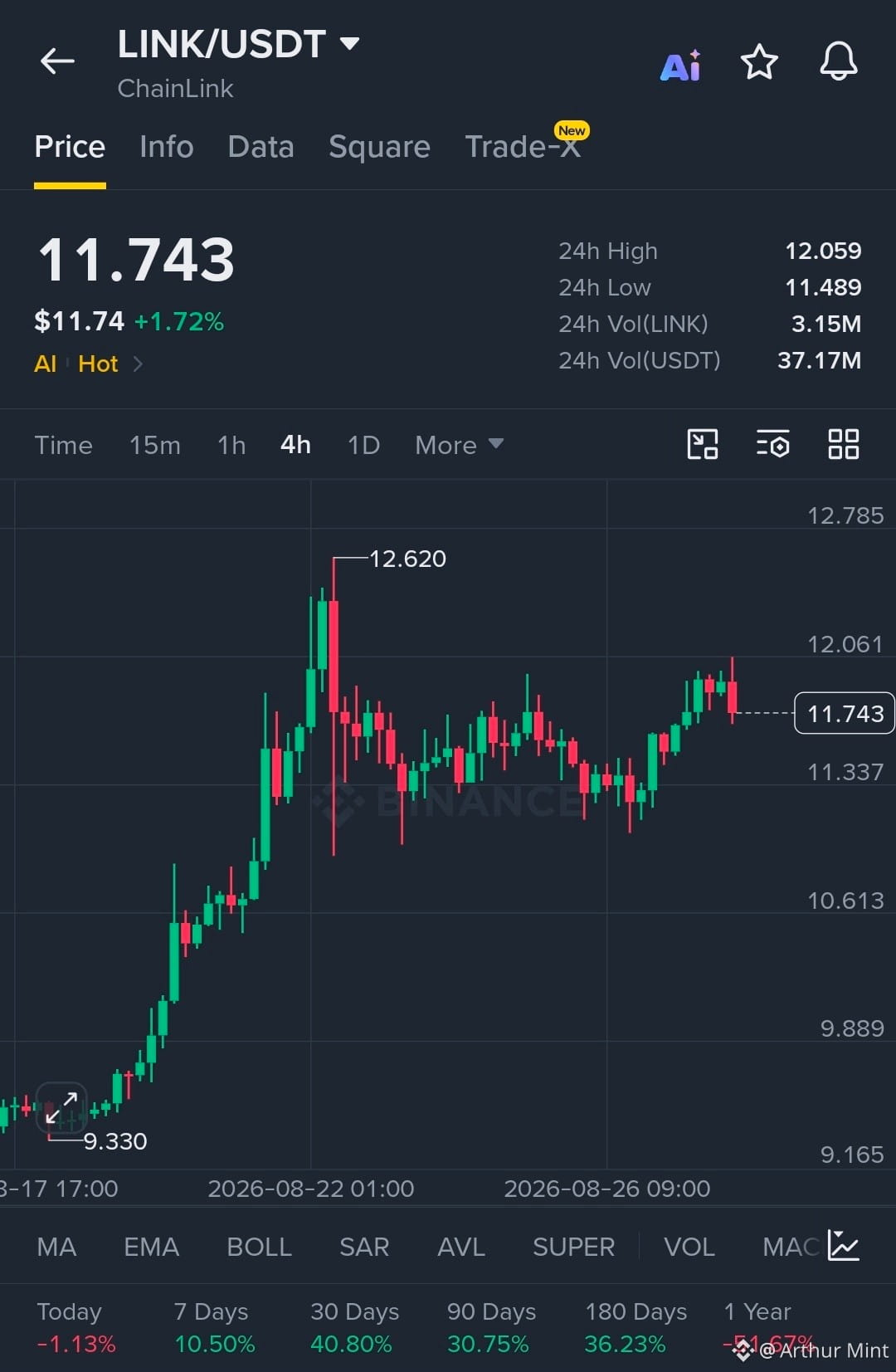
$LINK is holding strong after a powerful upside expansion.
Bullish structure remains in control above the key support zone.
EP
11.70 - 11.80
TP
TP1 12.20
TP2 12.40
TP3 12.60
SL
11.30
Liquidity is building above the recent highs, while buyers continue reacting from the lower structure. Holding the current support keeps momentum intact for another push into the upper liquidity zone.
Let’s go $LINK
Bullish structure remains in control above the key support zone.
EP
11.70 - 11.80
TP
TP1 12.20
TP2 12.40
TP3 12.60
SL
11.30
Liquidity is building above the recent highs, while buyers continue reacting from the lower structure. Holding the current support keeps momentum intact for another push into the upper liquidity zone.
Let’s go $LINK
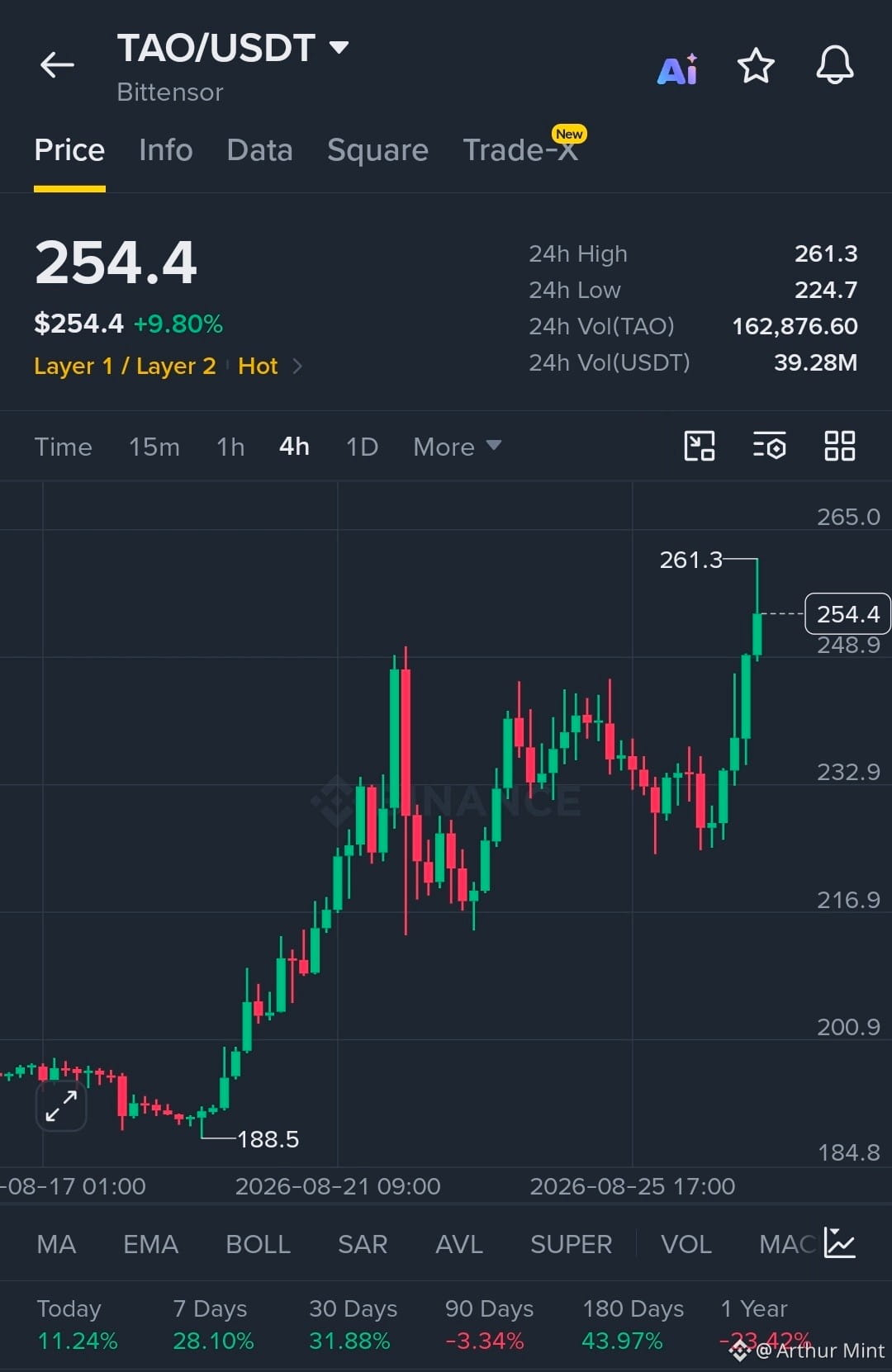
$TAO is showing strong bullish momentum.
Buyers remain in control as the structure continues to expand higher.
EP
250 - 254
TP
TP1 261
TP2 268
TP3 276
SL
243
Liquidity above 261.3 remains the immediate target, while the reaction from the breakout zone confirms sustained demand. Holding the current structure keeps continuation toward higher liquidity levels in play.
Let’s go $TAO
Buyers remain in control as the structure continues to expand higher.
EP
250 - 254
TP
TP1 261
TP2 268
TP3 276
SL
243
Liquidity above 261.3 remains the immediate target, while the reaction from the breakout zone confirms sustained demand. Holding the current structure keeps continuation toward higher liquidity levels in play.
Let’s go $TAO
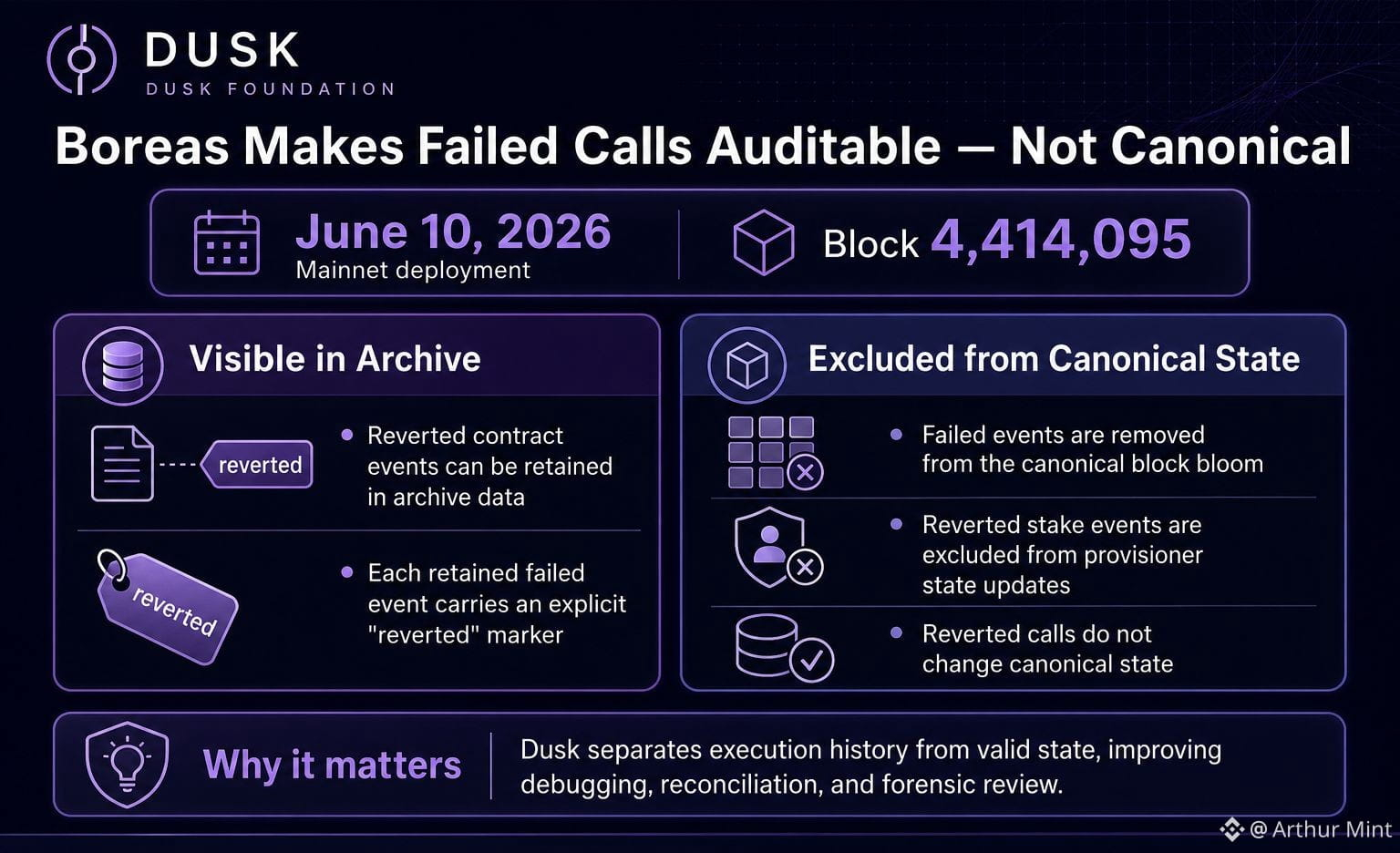
What caught my attention is that Dusk’s Boreas upgrade made failed contract execution more visible, not less.
Since the June 10, 2026 mainnet Boreas deployment at block 4,414,095, reverted contract events can still be retained in archive data with an explicit “reverted” marker. At the same time, those failed events are removed from the canonical block bloom, and reverted stake events are excluded from provisioner state updates.
That distinction matters more than it first appears.
A reverted call should not change canonical state. But for financial applications, completely erasing the event trail can make debugging, reconciliation, and forensic review harder. Dusk is separating “this event happened during execution” from “this event became part of valid state.”
I expected a privacy-focused chain to minimize retained execution detail. Instead, DuskFoundation is preserving a clearer audit trail for failed contract activity while keeping canonical indexing clean.
My interpretation: this is a small protocol detail with unusually strong relevance to regulated onchain finance. Auditability is not only about seeing successful transfers; it is also about proving what failed and ensuring it never contaminated state.
The question I’m watching: will explorers and institutional tooling surface this reverted-event metadata clearly enough for users to benefit from it?
@Dusk $DUSK #dusk
Since the June 10, 2026 mainnet Boreas deployment at block 4,414,095, reverted contract events can still be retained in archive data with an explicit “reverted” marker. At the same time, those failed events are removed from the canonical block bloom, and reverted stake events are excluded from provisioner state updates.
That distinction matters more than it first appears.
A reverted call should not change canonical state. But for financial applications, completely erasing the event trail can make debugging, reconciliation, and forensic review harder. Dusk is separating “this event happened during execution” from “this event became part of valid state.”
I expected a privacy-focused chain to minimize retained execution detail. Instead, DuskFoundation is preserving a clearer audit trail for failed contract activity while keeping canonical indexing clean.
My interpretation: this is a small protocol detail with unusually strong relevance to regulated onchain finance. Auditability is not only about seeing successful transfers; it is also about proving what failed and ensuring it never contaminated state.
The question I’m watching: will explorers and institutional tooling surface this reverted-event metadata clearly enough for users to benefit from it?
@Dusk $DUSK #dusk
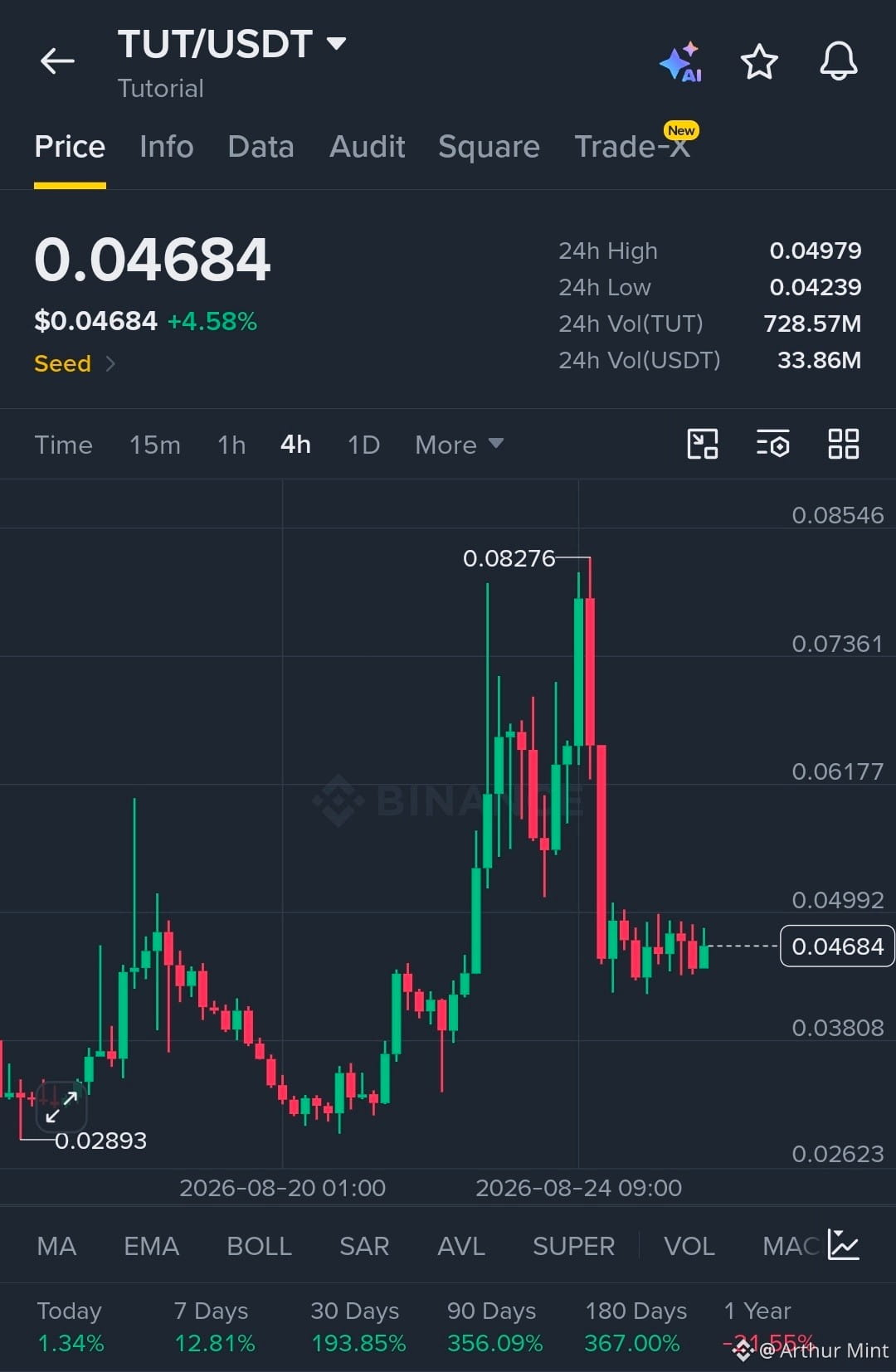
$TUT is showing strong momentum after holding its recovery zone.
Bulls remain in control as the structure holds above key support.
EP
0.04550 - 0.04680
TP
TP1 0.04979
TP2 0.05500
TP3 0.06177
SL
0.04230
Liquidity is building around the current range, while the reaction above 0.04239 confirms buyers are defending the structure. Holding this zone keeps continuation toward higher liquidity levels in play.
Let’s go $TUT
Bulls remain in control as the structure holds above key support.
EP
0.04550 - 0.04680
TP
TP1 0.04979
TP2 0.05500
TP3 0.06177
SL
0.04230
Liquidity is building around the current range, while the reaction above 0.04239 confirms buyers are defending the structure. Holding this zone keeps continuation toward higher liquidity levels in play.
Let’s go $TUT
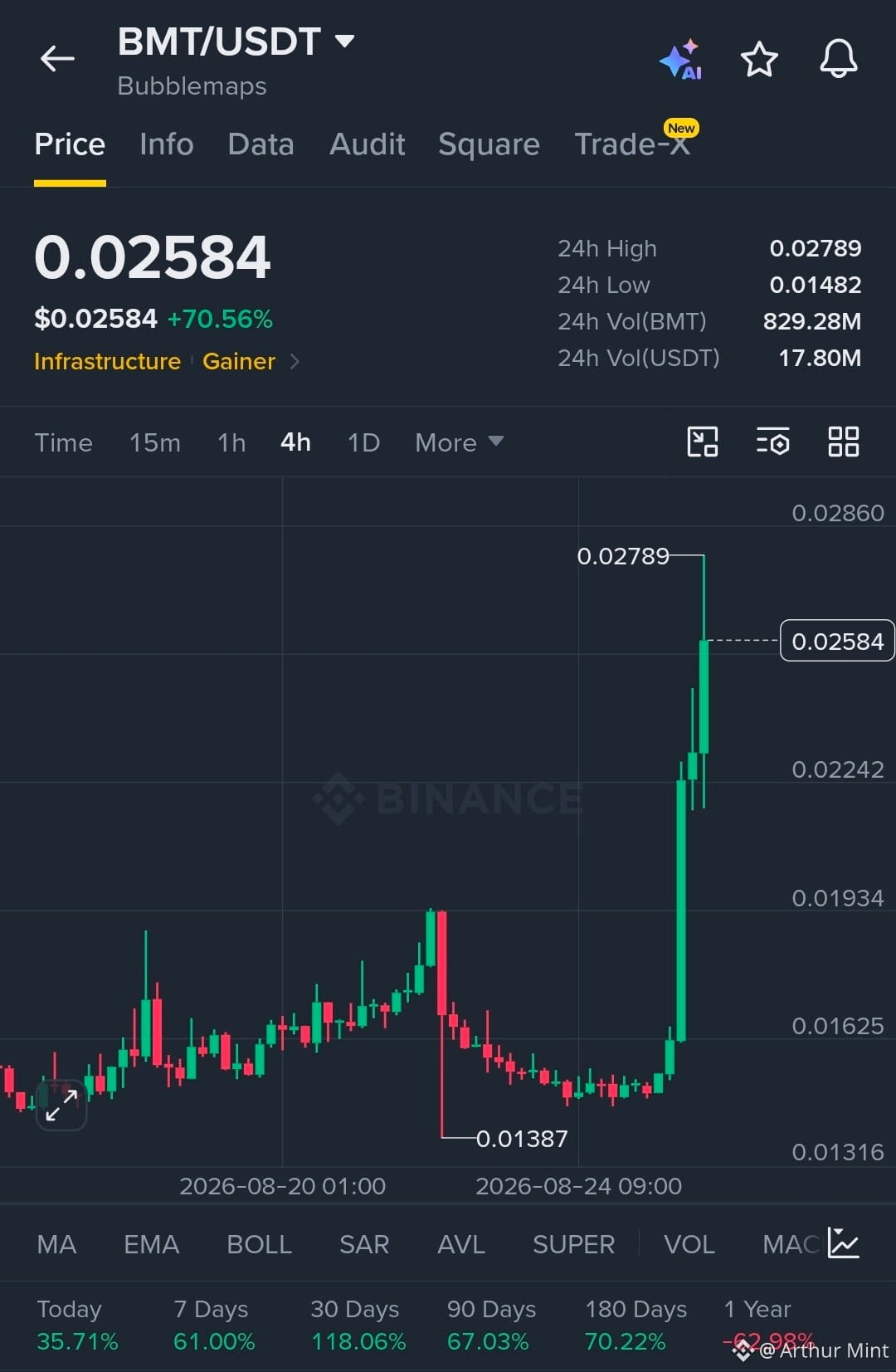
$BMT is showing strong momentum after an explosive breakout.
Bulls remain firmly in control as the structure holds above key support.
EP
0.02520 - 0.02580
TP
TP1 0.02789
TP2 0.03050
TP3 0.03380
SL
0.02230
Liquidity has expanded sharply after the breakout, while the reaction above 0.02242 confirms buyers are defending the new structure. Holding this zone keeps continuation toward higher liquidity levels in play.
Let’s go $BMT
Bulls remain firmly in control as the structure holds above key support.
EP
0.02520 - 0.02580
TP
TP1 0.02789
TP2 0.03050
TP3 0.03380
SL
0.02230
Liquidity has expanded sharply after the breakout, while the reaction above 0.02242 confirms buyers are defending the new structure. Holding this zone keeps continuation toward higher liquidity levels in play.
Let’s go $BMT
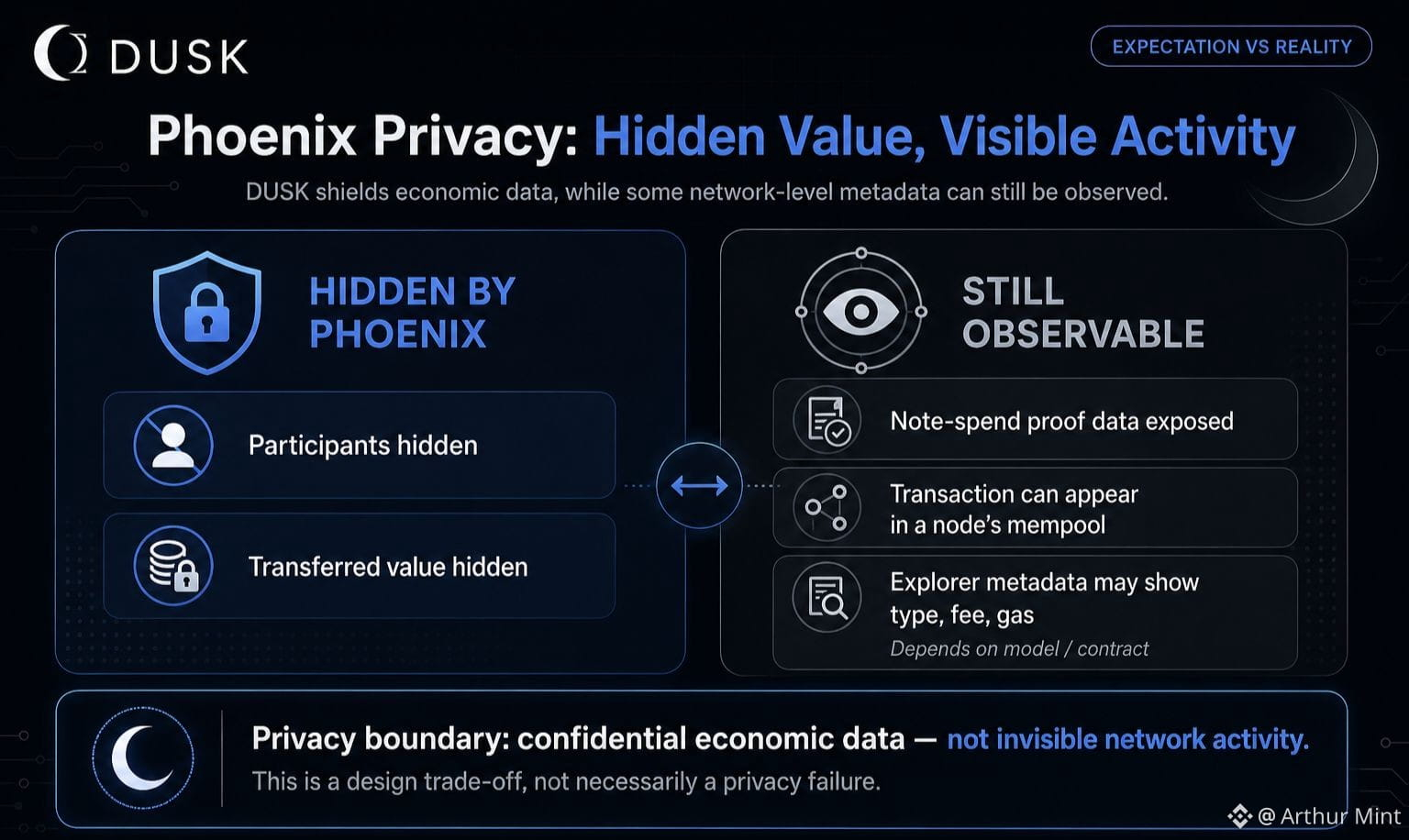
The privacy detail I didn’t expect: a Phoenix transfer can hide the participants and transferred value, while the transaction itself can still be visible to a node’s mempool.
Dusk’s own docs draw that boundary clearly. Phoenix shields values and participants, but exposes the cryptographic data needed to prove note spends.
Separately, anyone with GraphQL access to a node can query that node’s real mempool, and explorer metadata may include transaction type, fee, and gas usage depending on the model and contract.
Factually, that is not a privacy failure. It is a different privacy promise: confidential economic data, not invisible network activity.
What caught my attention is the design trade-off. For financial applications, public verifiability can coexist with hidden counterparties and amounts, while timing and fee-related metadata still remain part of the observable surface.
That makes DUSK privacy more precise than the usual “everything is hidden” shorthand. I’m still watching whether application design explicitly treats metadata exposure as part of its privacy model.
@Dusk $DUSK #dusk
Dusk’s own docs draw that boundary clearly. Phoenix shields values and participants, but exposes the cryptographic data needed to prove note spends.
Separately, anyone with GraphQL access to a node can query that node’s real mempool, and explorer metadata may include transaction type, fee, and gas usage depending on the model and contract.
Factually, that is not a privacy failure. It is a different privacy promise: confidential economic data, not invisible network activity.
What caught my attention is the design trade-off. For financial applications, public verifiability can coexist with hidden counterparties and amounts, while timing and fee-related metadata still remain part of the observable surface.
That makes DUSK privacy more precise than the usual “everything is hidden” shorthand. I’m still watching whether application design explicitly treats metadata exposure as part of its privacy model.
@Dusk $DUSK #dusk
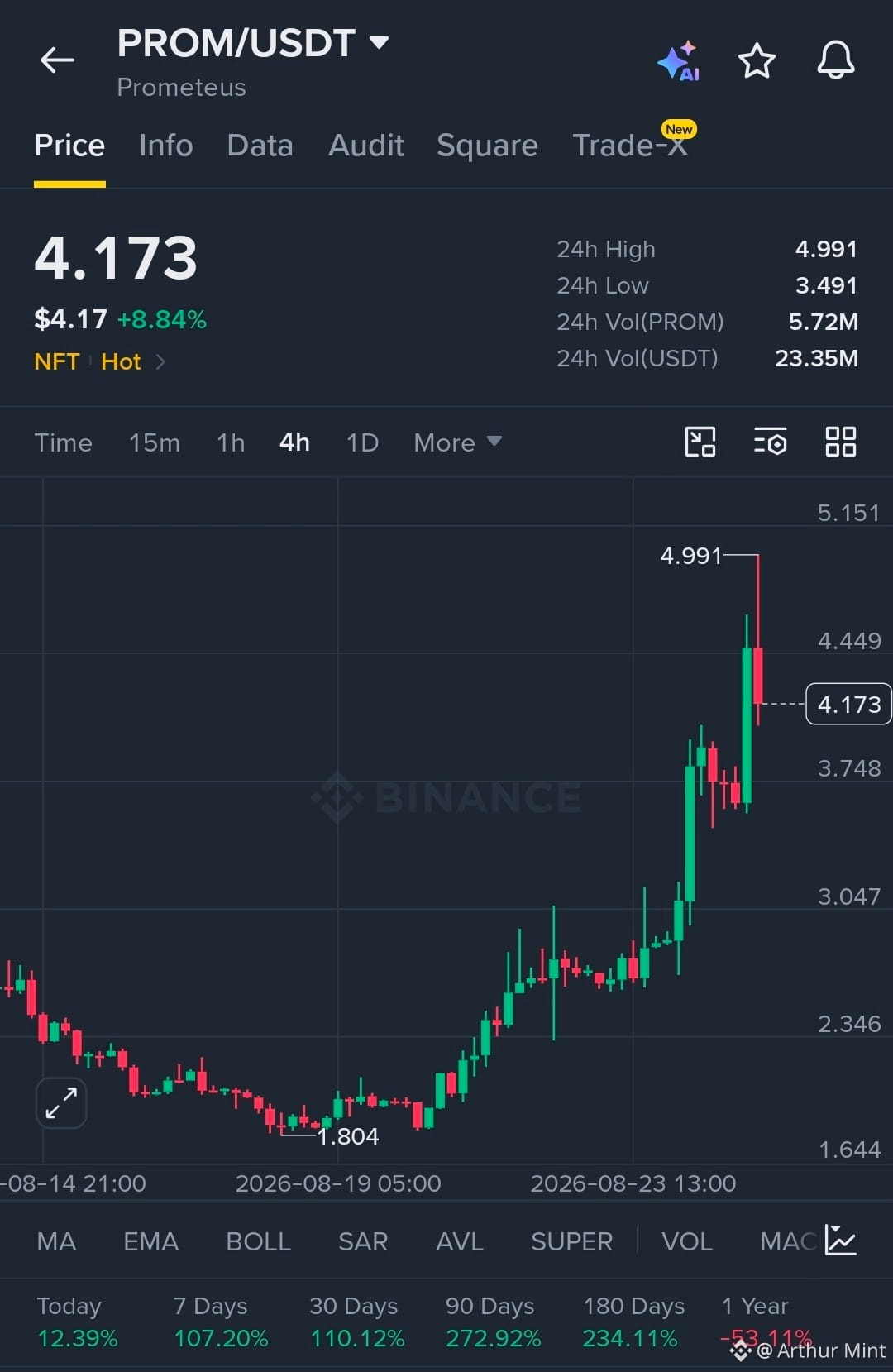
$PROM is showing strong momentum after an aggressive expansion.
Bullish structure remains in control above the breakout zone.
EP
4.05 - 4.18
TP
TP1 4.45
TP2 4.70
TP3 4.99
SL
3.72
Liquidity above has already triggered a sharp reaction, while buyers continue defending the breakout structure. Holding this zone keeps continuation pressure intact toward the previous liquidity high.
Let’s go $PROM
Bullish structure remains in control above the breakout zone.
EP
4.05 - 4.18
TP
TP1 4.45
TP2 4.70
TP3 4.99
SL
3.72
Liquidity above has already triggered a sharp reaction, while buyers continue defending the breakout structure. Holding this zone keeps continuation pressure intact toward the previous liquidity high.
Let’s go $PROM
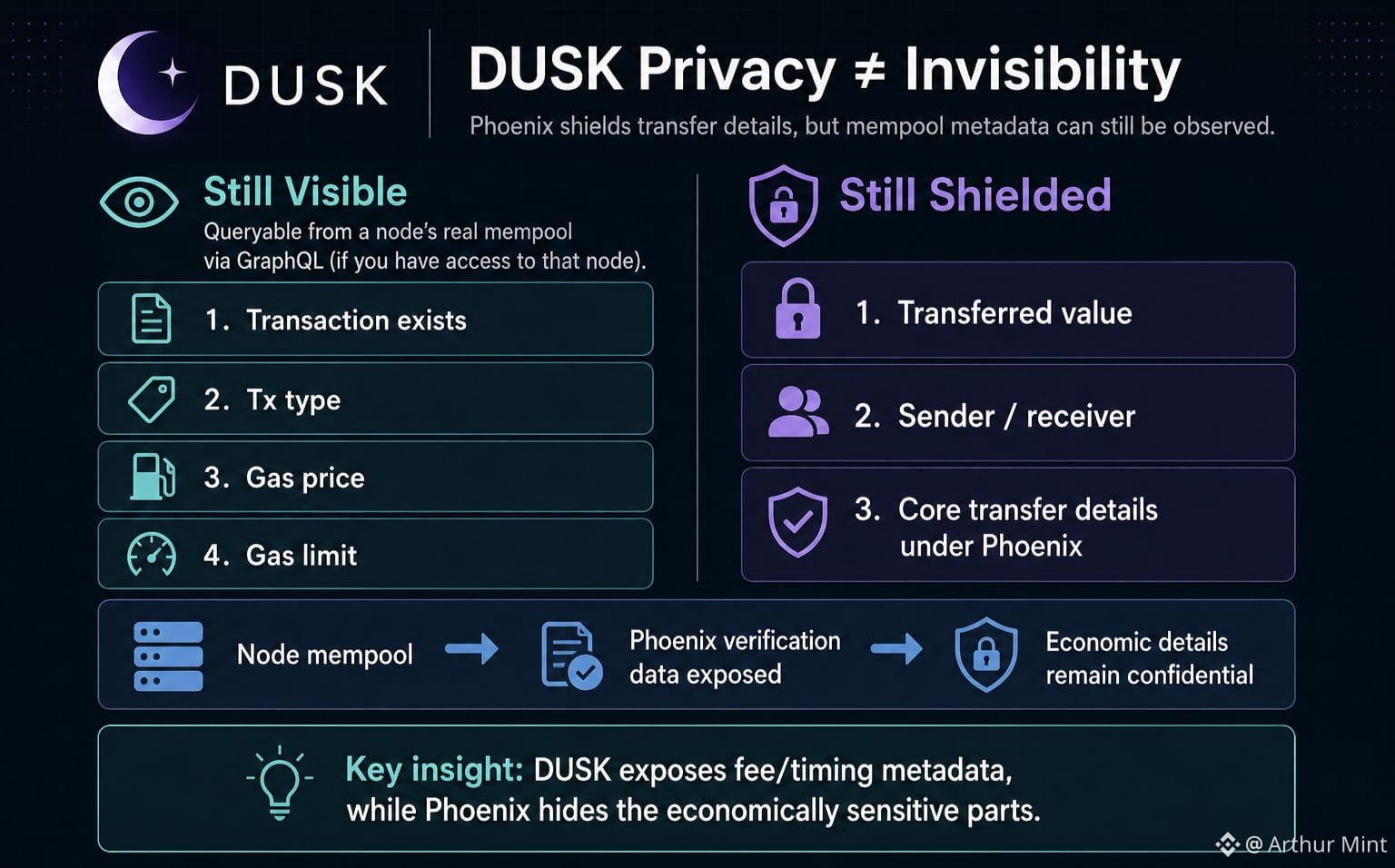
I expected Dusk's privacy story to begin after a transaction lands on-chain. The docs suggest something subtler: a Dusk node’s real mempool is queryable through GraphQL by anyone with access to that node, and transactions are ordered by gas price.
Yet Phoenix transactions hide the transferred value and participants even while exposing the cryptographic data needed for verification.
That made me look twice. Privacy here is not the same as invisibility.
A watcher can still learn that a transaction exists and see mempool fields such as tx type, gas price and gas limit, but the core transfer details remain shielded under Phoenix.
For financial applications, that boundary matters. Confidentiality that survives the pre-confirmation stage can reduce information leakage before settlement, while public fee/timing metadata still leaves a surface for analysis.
So DUSK’s privacy design looks less like “hide everything” and more like “hide the economically sensitive pieces.” The question I’m watching: how much metadata can sophisticated observers still correlate around confidential activity as usage grows?
@Dusk $DUSK #dusk
Yet Phoenix transactions hide the transferred value and participants even while exposing the cryptographic data needed for verification.
That made me look twice. Privacy here is not the same as invisibility.
A watcher can still learn that a transaction exists and see mempool fields such as tx type, gas price and gas limit, but the core transfer details remain shielded under Phoenix.
For financial applications, that boundary matters. Confidentiality that survives the pre-confirmation stage can reduce information leakage before settlement, while public fee/timing metadata still leaves a surface for analysis.
So DUSK’s privacy design looks less like “hide everything” and more like “hide the economically sensitive pieces.” The question I’m watching: how much metadata can sophisticated observers still correlate around confidential activity as usage grows?
@Dusk $DUSK #dusk
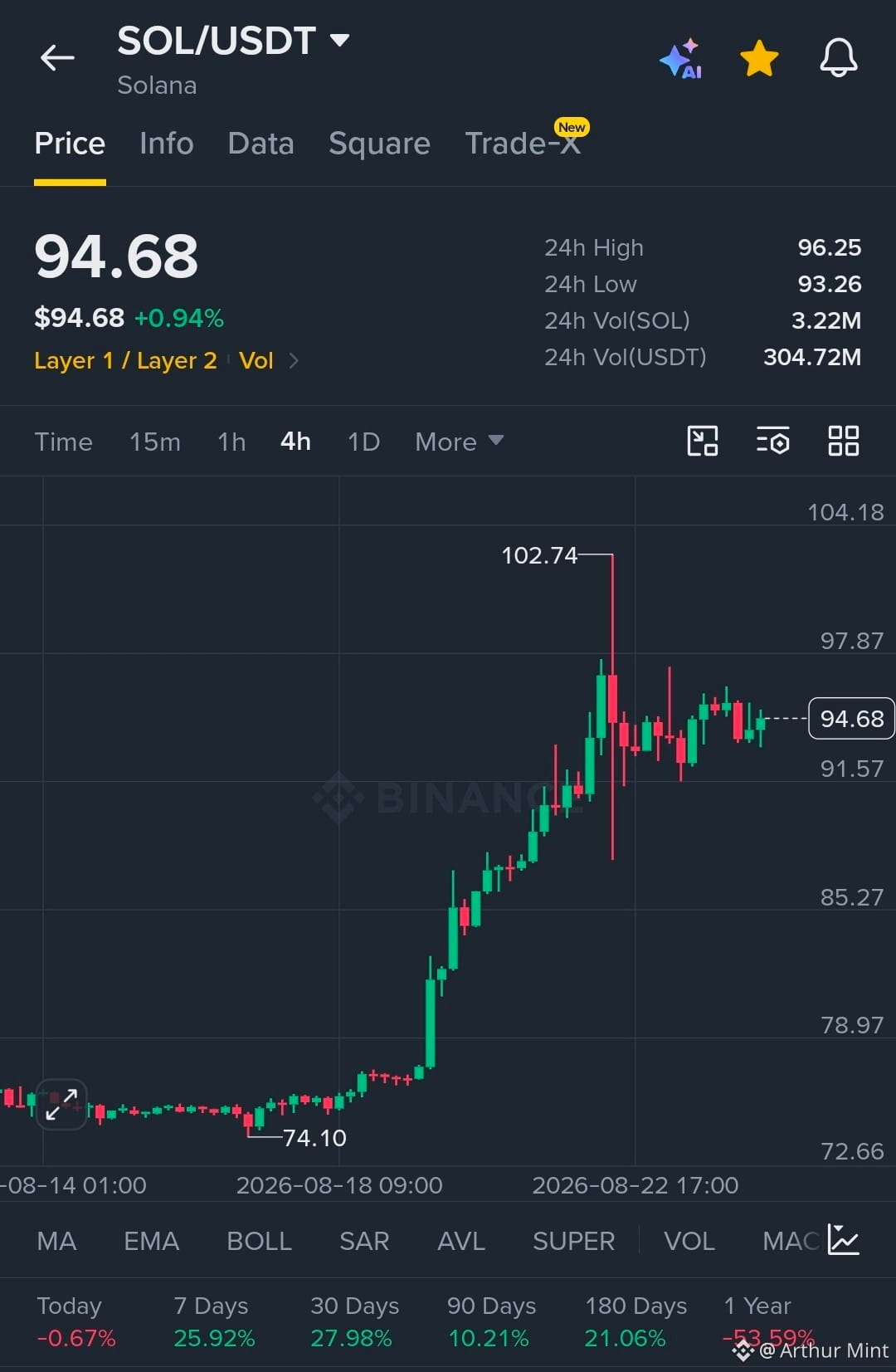
$SOL is holding strong after an explosive breakout.
Bullish structure remains intact with buyers defending control.
EP
93 - 95
TP
TP1 97.87
TP2 100
TP3 102.74
SL
91.50
Liquidity is building above the recent range, while reactions around 93 continue to confirm demand. Holding this structure keeps the upside expansion toward the previous liquidity high in play.
Let’s go $SOL
Bullish structure remains intact with buyers defending control.
EP
93 - 95
TP
TP1 97.87
TP2 100
TP3 102.74
SL
91.50
Liquidity is building above the recent range, while reactions around 93 continue to confirm demand. Holding this structure keeps the upside expansion toward the previous liquidity high in play.
Let’s go $SOL
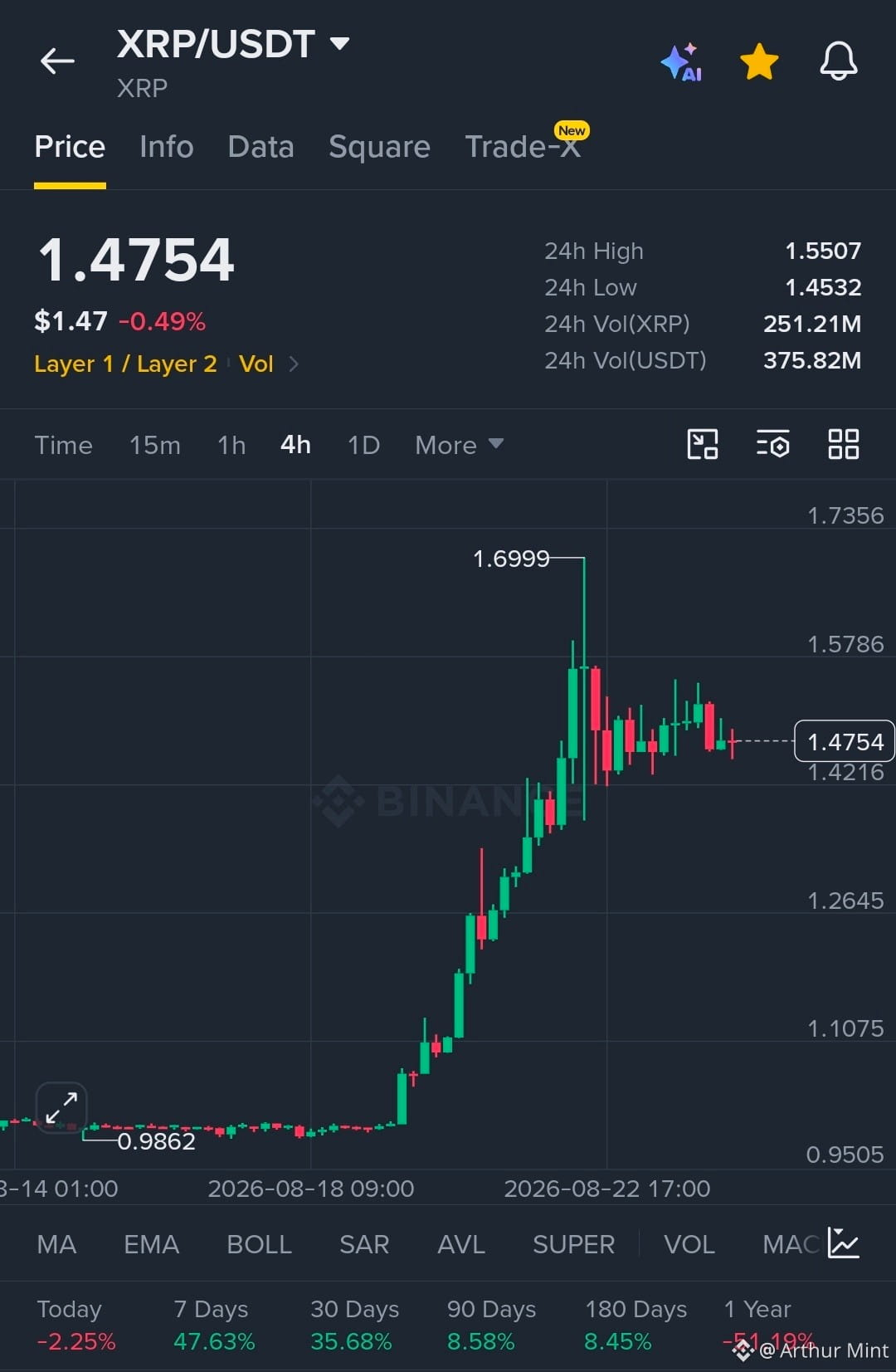
$XRP is holding strong after an explosive breakout.
Bullish structure remains intact with buyers defending control.
EP
1.45 - 1.48
TP
TP1 1.55
TP2 1.60
TP3 1.69
SL
1.41
Liquidity is building above the recent range, while reactions around 1.45 continue to confirm demand. Holding this structure keeps the upside expansion toward the previous liquidity high in play.
Let’s go $XRP
Bullish structure remains intact with buyers defending control.
EP
1.45 - 1.48
TP
TP1 1.55
TP2 1.60
TP3 1.69
SL
1.41
Liquidity is building above the recent range, while reactions around 1.45 continue to confirm demand. Holding this structure keeps the upside expansion toward the previous liquidity high in play.
Let’s go $XRP
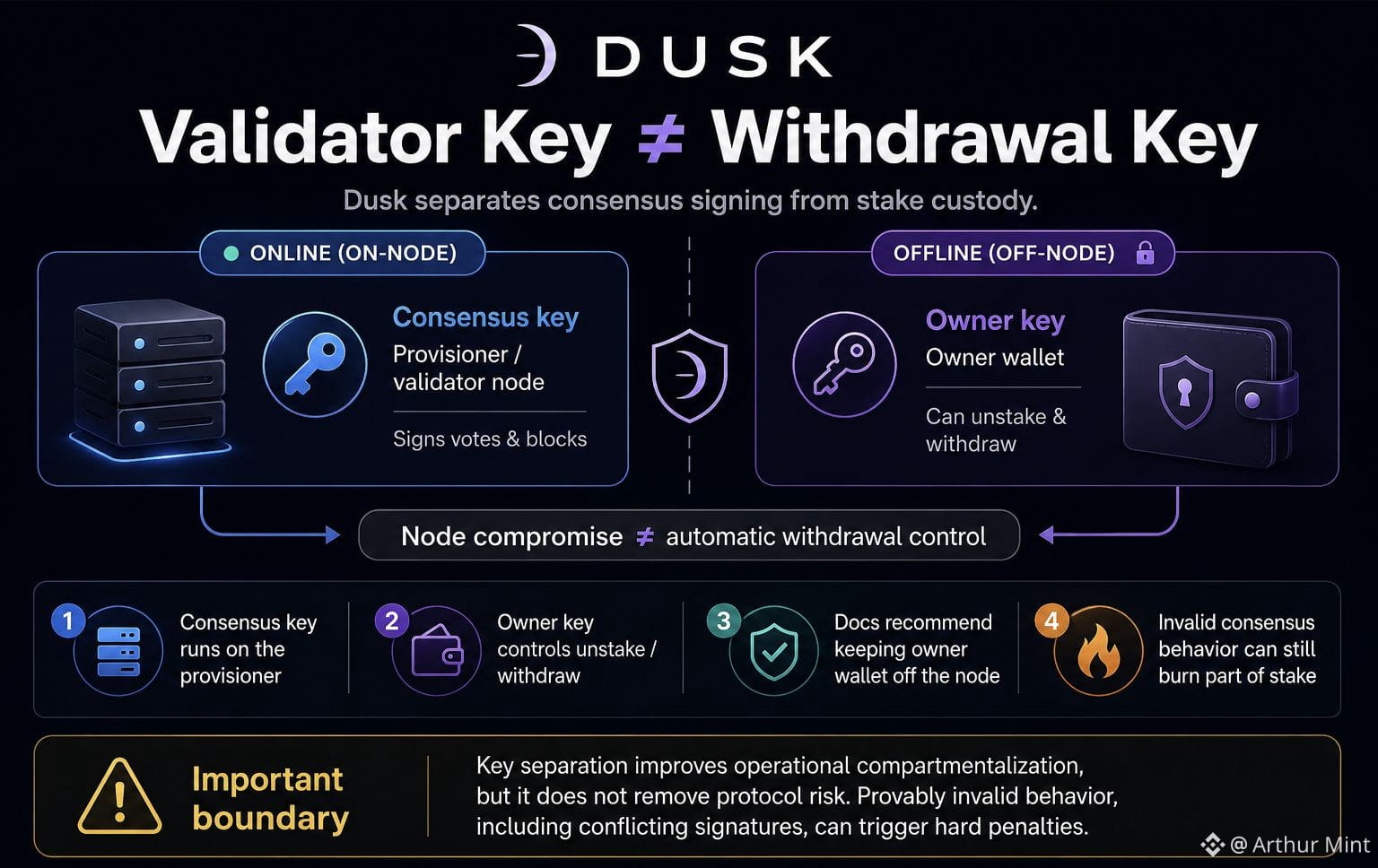
The part I didn’t expect in Dusk_Foundation’s staking design: the key signing consensus messages does not have to control the staked funds.
Dusk separates two roles. The consensus key runs on the provisioner and signs votes/blocks. A separate owner key can hold the authority to unstake and withdraw. The operator docs even recommend keeping the owner wallet and recovery material off the node.
That matters because a validator server is an online attack surface. If the keys are separated correctly, compromising the consensus environment does not automatically give an attacker withdrawal control.
But the boundary is just as important as the protection: key separation does not erase protocol risk. Dusk documents hard penalties for provably invalid consensus behavior, including conflicting signatures, which can burn part of the stake.
So I read this less as “extra staking convenience” and more as operational compartmentalization—custody can be isolated while validator behavior still carries economic consequences.
For a chain targeting financial infrastructure, that distinction matters. The question is how consistently operators will implement it in practice.
@Dusk $DUSK #dusk
Dusk separates two roles. The consensus key runs on the provisioner and signs votes/blocks. A separate owner key can hold the authority to unstake and withdraw. The operator docs even recommend keeping the owner wallet and recovery material off the node.
That matters because a validator server is an online attack surface. If the keys are separated correctly, compromising the consensus environment does not automatically give an attacker withdrawal control.
But the boundary is just as important as the protection: key separation does not erase protocol risk. Dusk documents hard penalties for provably invalid consensus behavior, including conflicting signatures, which can burn part of the stake.
So I read this less as “extra staking convenience” and more as operational compartmentalization—custody can be isolated while validator behavior still carries economic consequences.
For a chain targeting financial infrastructure, that distinction matters. The question is how consistently operators will implement it in practice.
@Dusk $DUSK #dusk
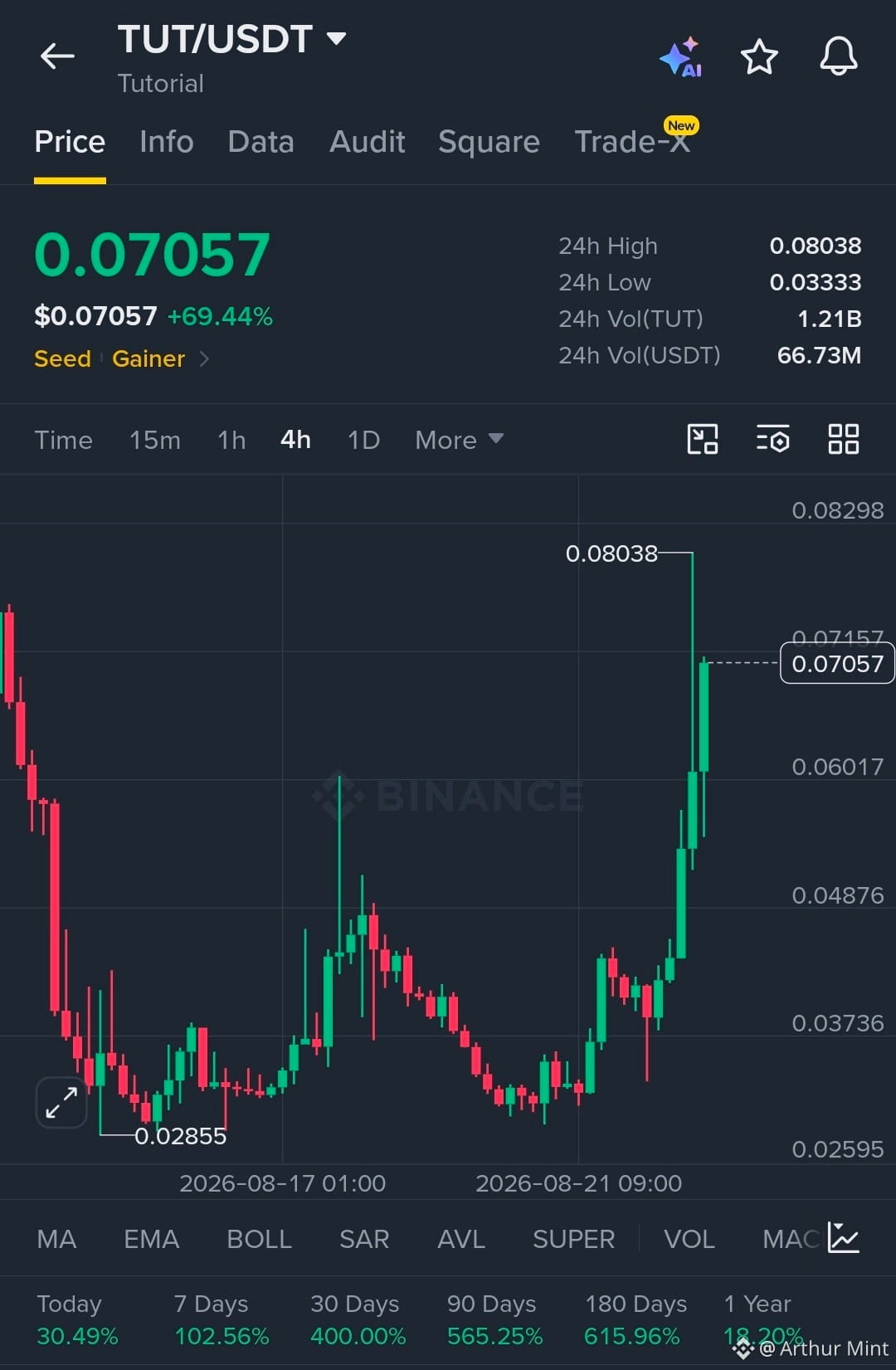
$TUT is showing explosive strength after a powerful breakout.
Buyers remain firmly in control as the structure holds bullish.
EP
0.06800 - 0.07100
TP
TP1 0.07500
TP2 0.08038
TP3 0.08500
SL
0.06400
Liquidity is building above the current range, while strong reaction from lower levels confirms demand. Holding the breakout structure keeps continuation firmly in play.
Let’s go $TUT
Buyers remain firmly in control as the structure holds bullish.
EP
0.06800 - 0.07100
TP
TP1 0.07500
TP2 0.08038
TP3 0.08500
SL
0.06400
Liquidity is building above the current range, while strong reaction from lower levels confirms demand. Holding the breakout structure keeps continuation firmly in play.
Let’s go $TUT
Verificado
The Dusk detail that made me look twice isn’t the ZK stack — it’s what the wallet does when it doesn’t know whether a shielded transaction succeeded.
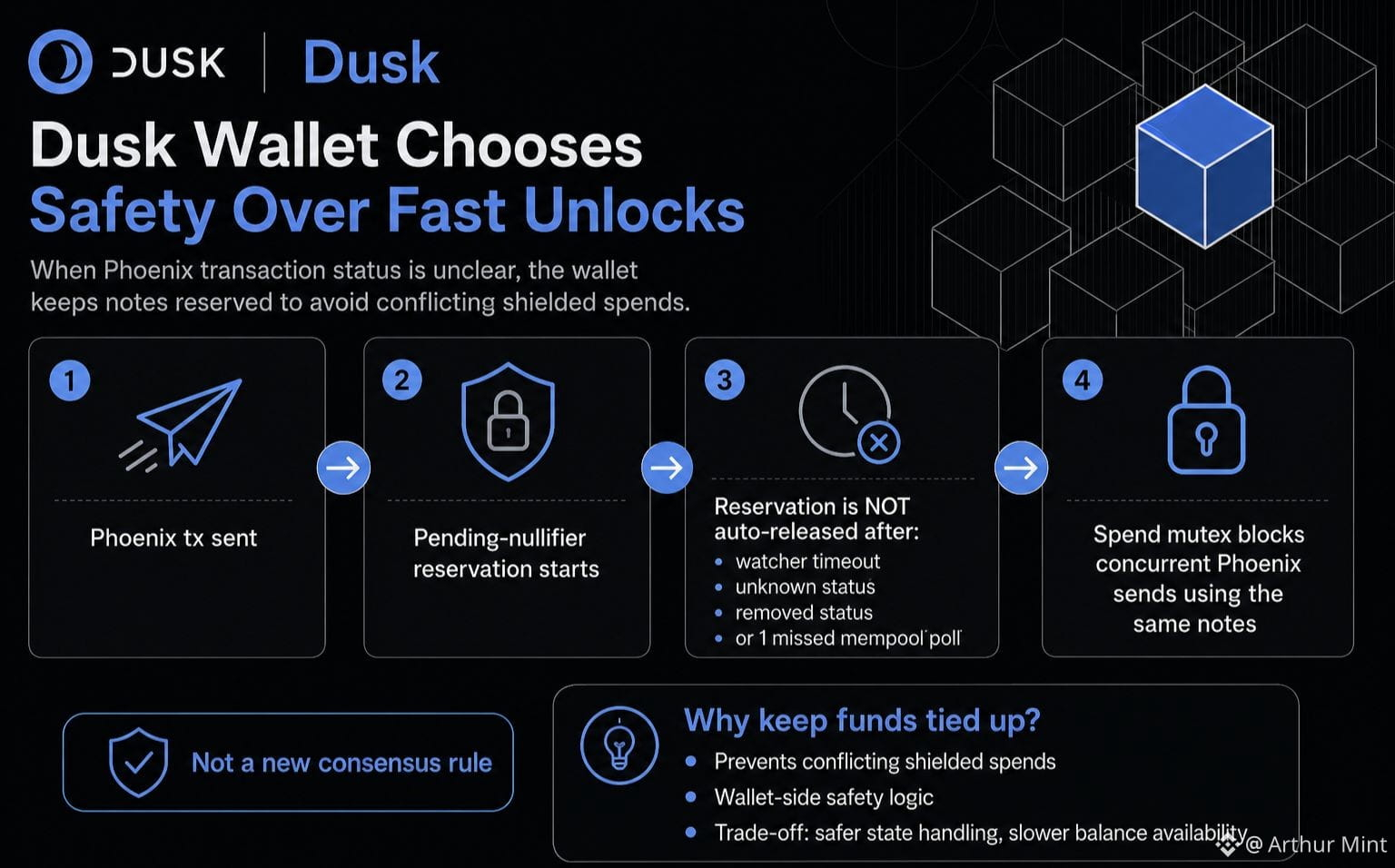
In Dusk Wallet v0.1.0, Phoenix transactions gained “pending-nullifier reservation” tracking. Its changelog says those reservations are not automatically released after a watcher timeout, an unknown status, a removed status, or a single missing mempool poll.
Why deliberately keep funds tied up after uncertainty?
Because Phoenix spends notes. If the wallet immediately reused the same spendable note set while the first transaction might still land, it could build conflicting shielded spends. Dusk also added a spend mutex to stop concurrent Phoenix sends from being constructed against the same notes.
Fact: this is wallet-side safety logic, not a new consensus rule. My interpretation: Dusk is choosing conservative UX over optimistic balance availability when transaction state is ambiguous.
That trade-off matters. Privacy systems need more than strong cryptography; wallet state handling must stay safe when network visibility is incomplete.
For DUSK, I’m watching whether future wallet releases can shorten that “uncertain” period without weakening protection. How aggressively should a privacy wallet unlock funds when chain state is unclear?
@Dusk $DUSK #dusk
In Dusk Wallet v0.1.0, Phoenix transactions gained “pending-nullifier reservation” tracking. Its changelog says those reservations are not automatically released after a watcher timeout, an unknown status, a removed status, or a single missing mempool poll.
Why deliberately keep funds tied up after uncertainty?
Because Phoenix spends notes. If the wallet immediately reused the same spendable note set while the first transaction might still land, it could build conflicting shielded spends. Dusk also added a spend mutex to stop concurrent Phoenix sends from being constructed against the same notes.
Fact: this is wallet-side safety logic, not a new consensus rule. My interpretation: Dusk is choosing conservative UX over optimistic balance availability when transaction state is ambiguous.
That trade-off matters. Privacy systems need more than strong cryptography; wallet state handling must stay safe when network visibility is incomplete.
For DUSK, I’m watching whether future wallet releases can shorten that “uncertain” period without weakening protection. How aggressively should a privacy wallet unlock funds when chain state is unclear?
@Dusk $DUSK #dusk
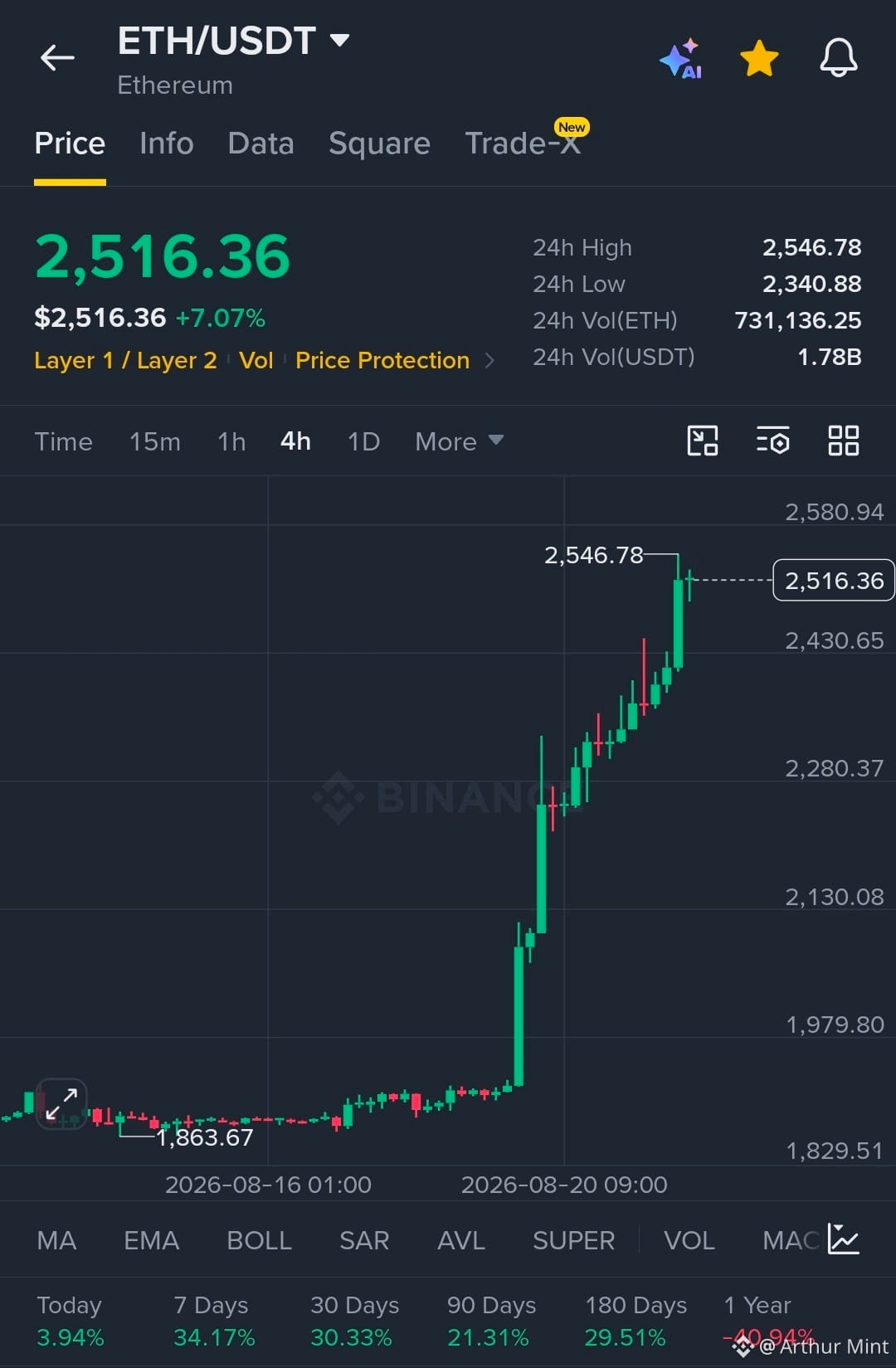
$ETH is showing serious strength after a powerful breakout.
Bulls remain in control as the 4H structure continues to expand higher.
EP
2,480 - 2,520
TP
TP1 2,547
TP2 2,580
TP3 2,650
SL
2,430
Liquidity above 2,546.78 is being tested after an aggressive reaction from the 1,863 base. Holding the breakout structure keeps upside continuation in play.
Let’s go $ETH
Bulls remain in control as the 4H structure continues to expand higher.
EP
2,480 - 2,520
TP
TP1 2,547
TP2 2,580
TP3 2,650
SL
2,430
Liquidity above 2,546.78 is being tested after an aggressive reaction from the 1,863 base. Holding the breakout structure keeps upside continuation in play.
Let’s go $ETH
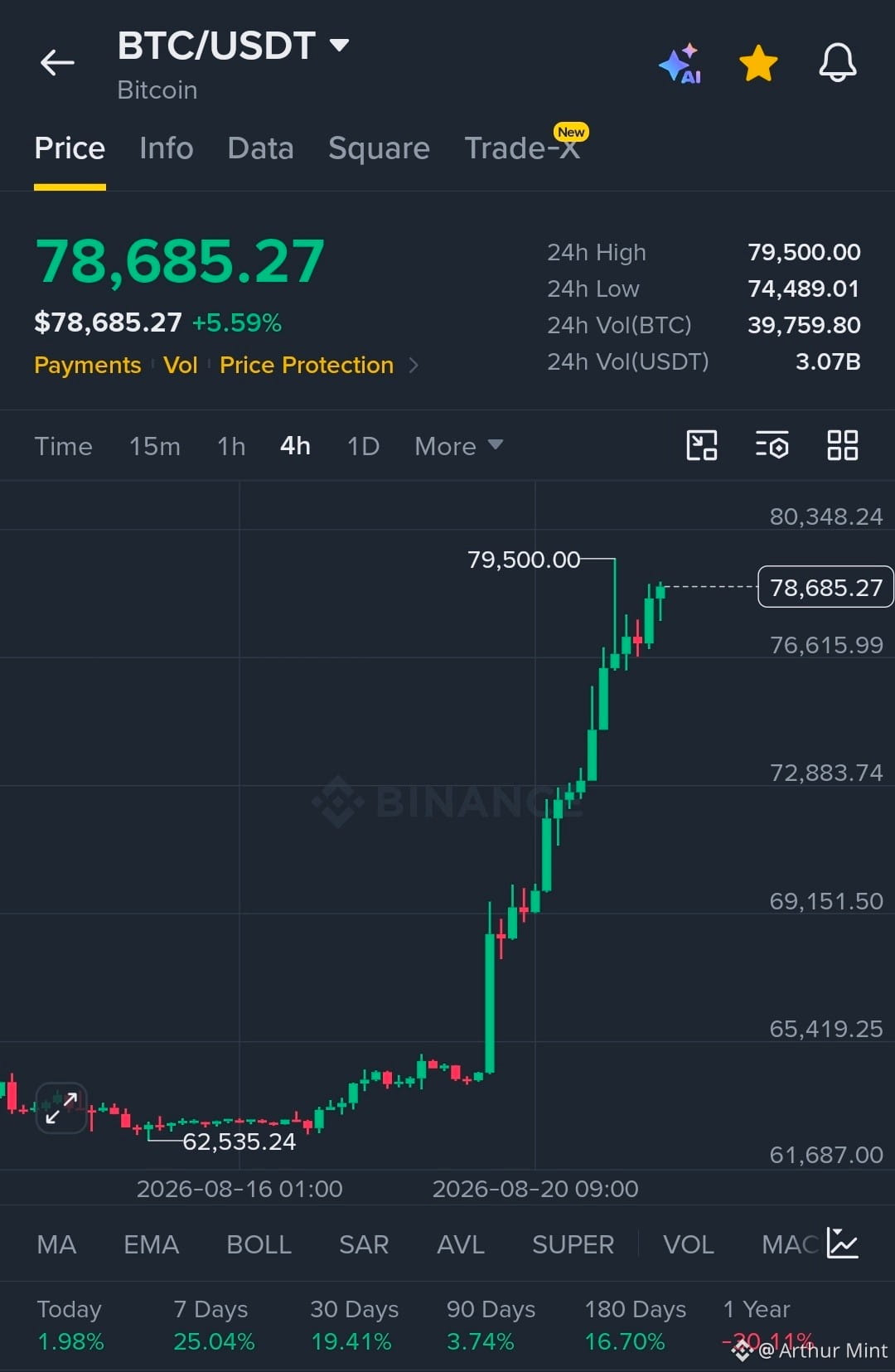
$BTC is showing serious strength after a powerful breakout.
Bulls remain in control as the 4H structure continues to expand higher.
EP
77,800 - 78,700
TP
TP1 79,500
TP2 80,350
TP3 82,000
SL
76,600
Liquidity above 79,500 is being tested after an aggressive reaction from the 62,535 base. Holding the breakout structure keeps upside continuation in play.
Let’s go $BTC
Bulls remain in control as the 4H structure continues to expand higher.
EP
77,800 - 78,700
TP
TP1 79,500
TP2 80,350
TP3 82,000
SL
76,600
Liquidity above 79,500 is being tested after an aggressive reaction from the 62,535 base. Holding the breakout structure keeps upside continuation in play.
Let’s go $BTC
Inicia sesión para explorar más contenidos